


Fight the Resistance!: Score
By Tanner Otto
Grade: 1.5
Item: 00-PR-0006842
$9.00
Pickup currently not available
Description
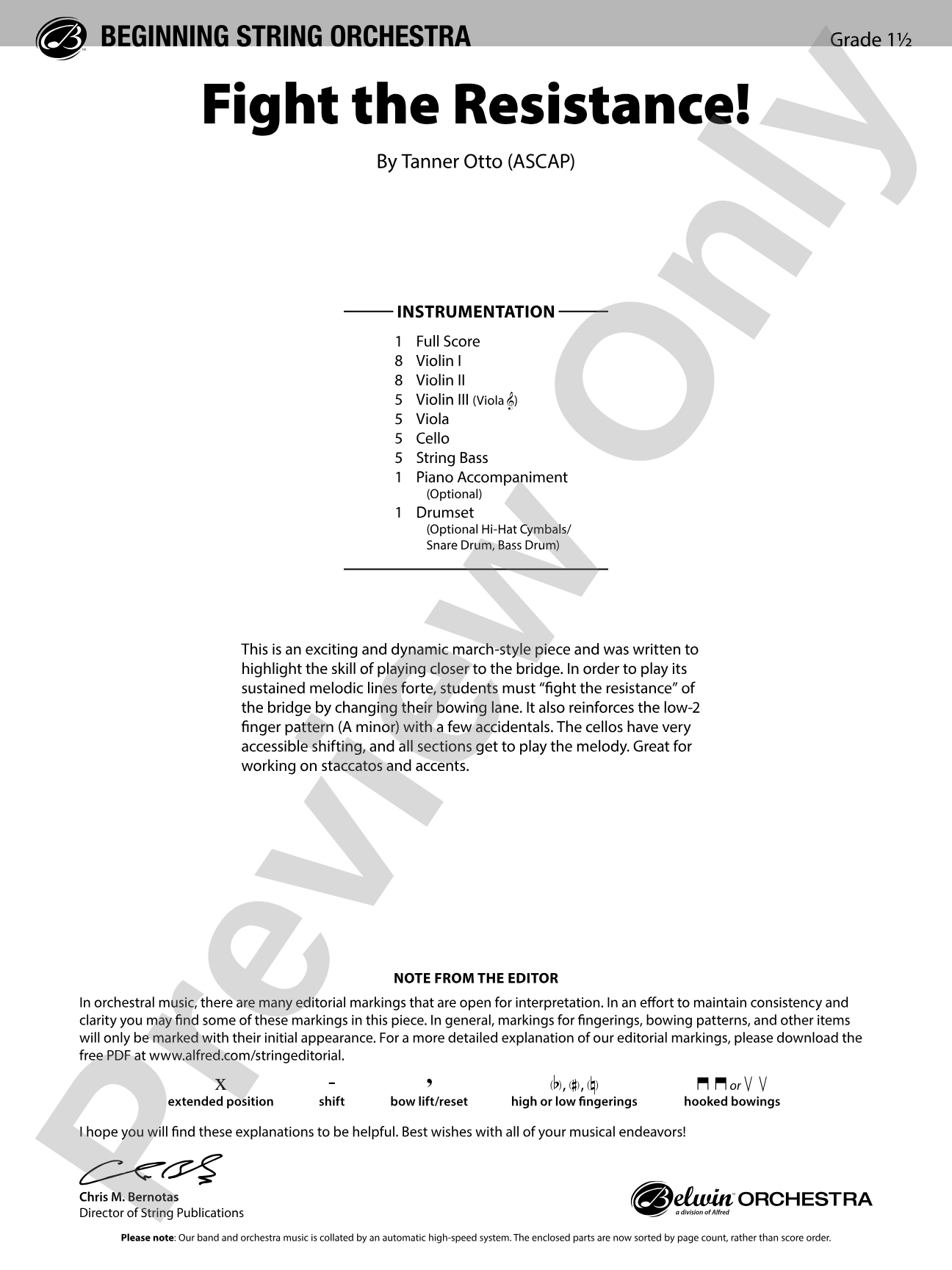
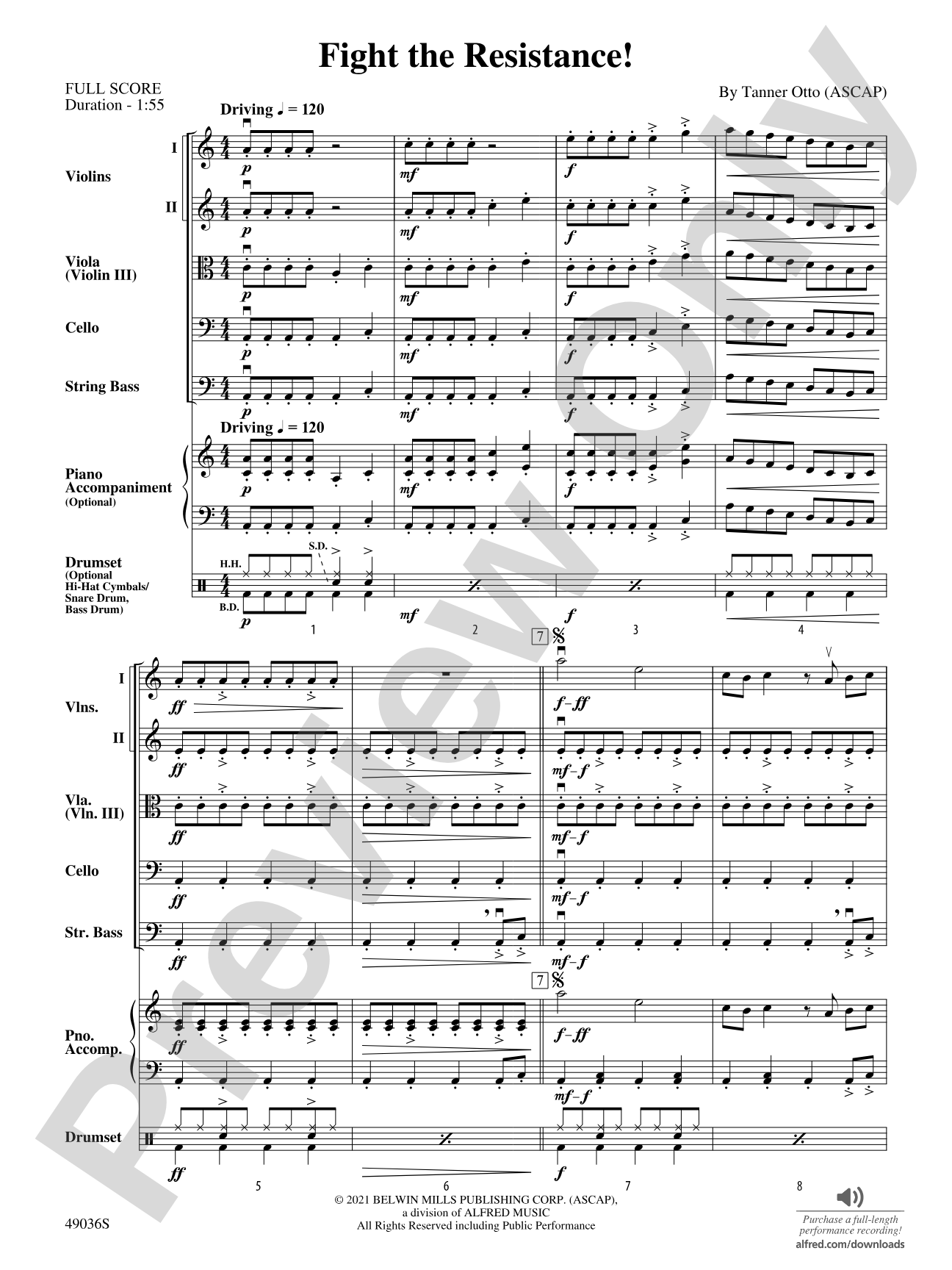
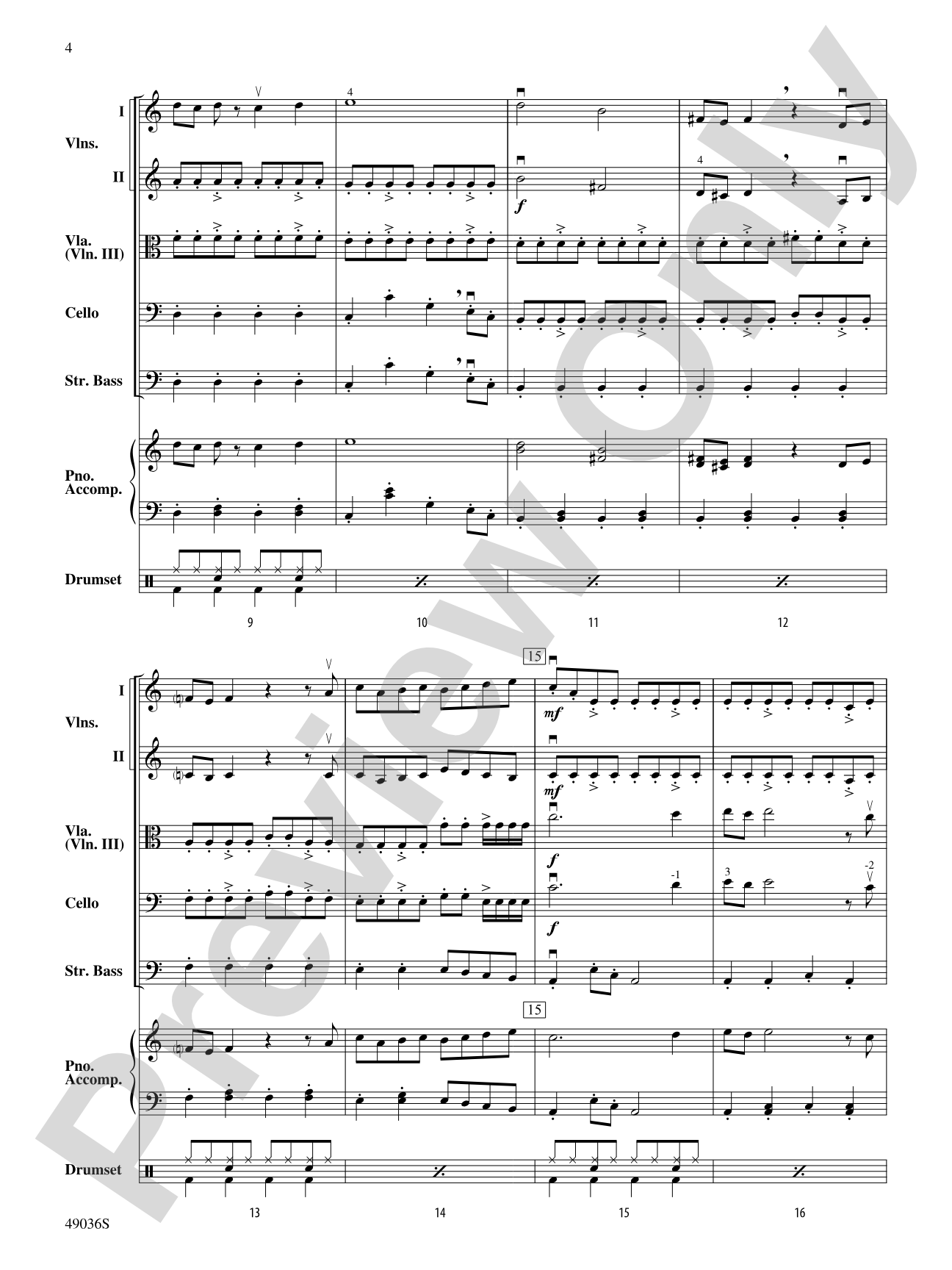
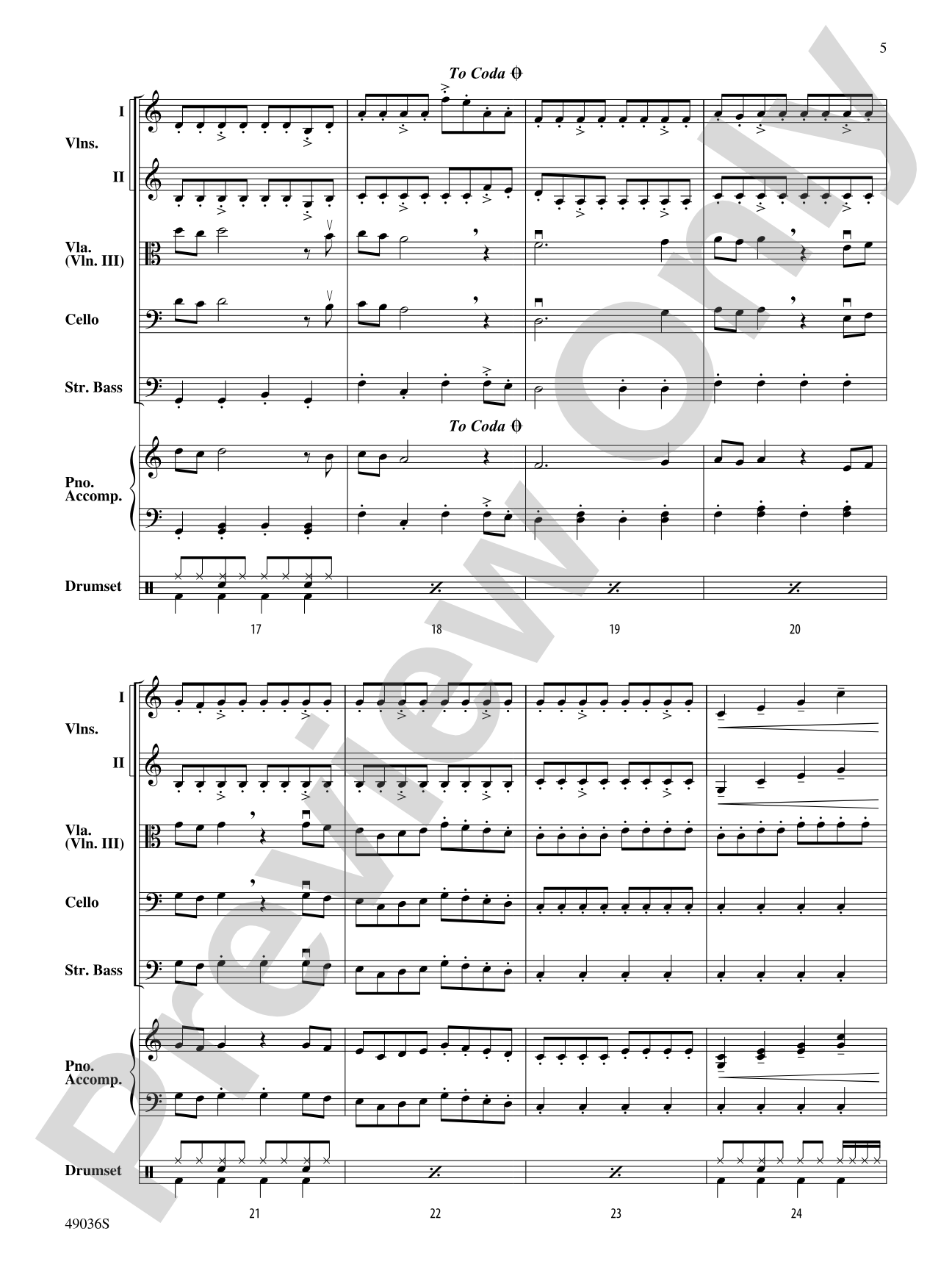
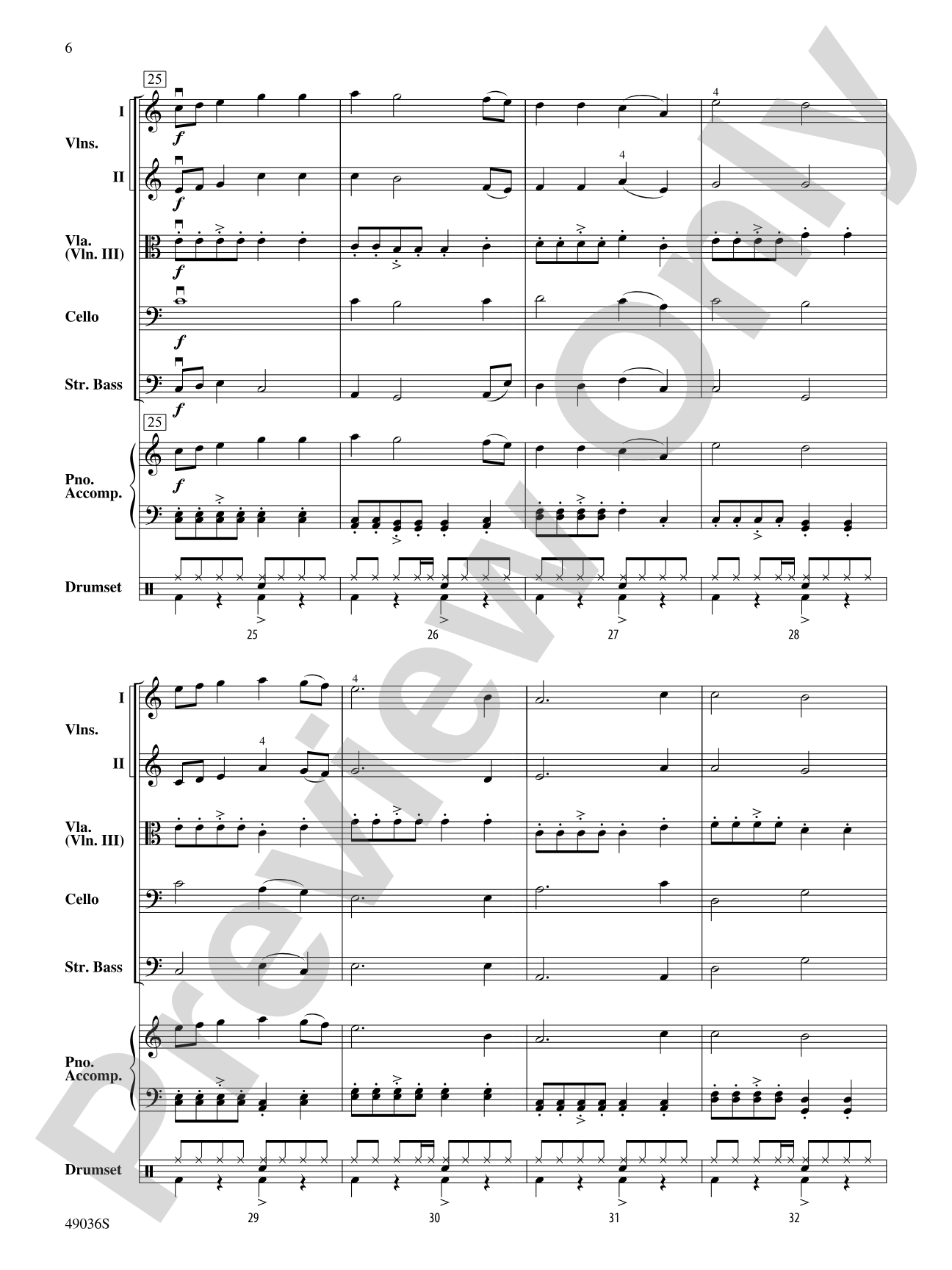
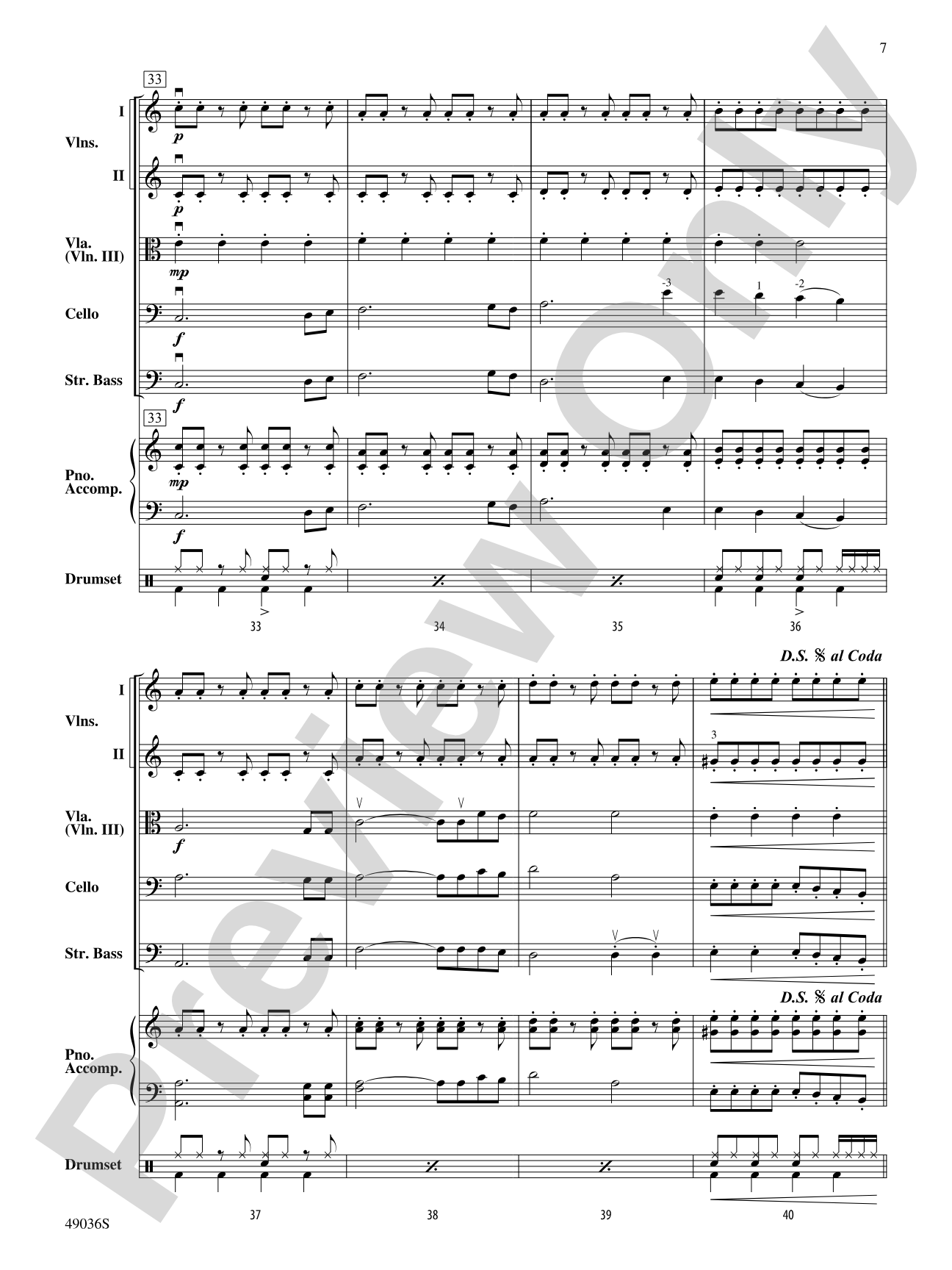
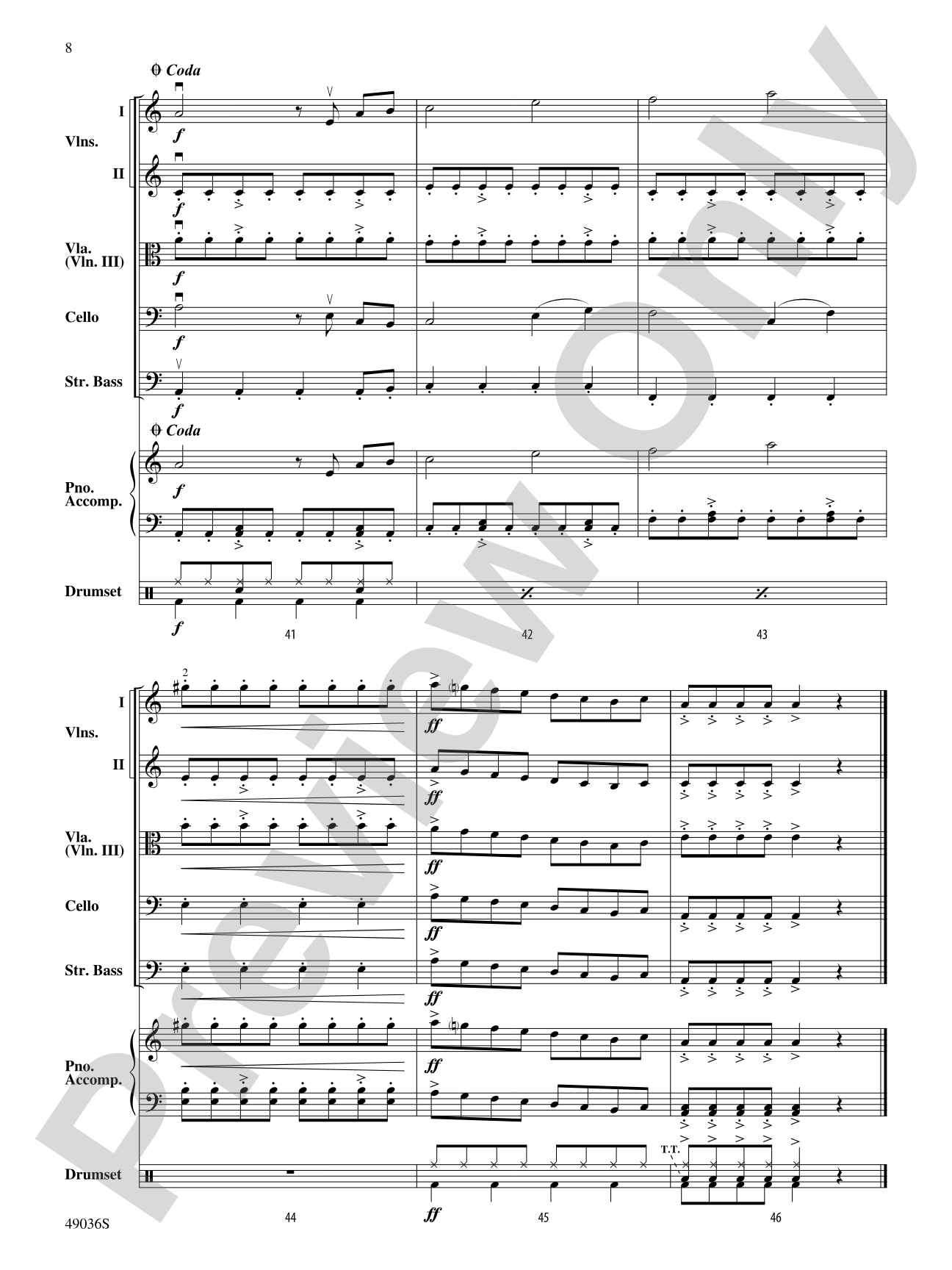
Fight the Resistance! by Tanner Otto is an exciting and dynamic march-style piece and was written to highlight the skill of playing closer to the bridge. In order to play the sustained melodic lines forte, students must "fight the resistance" of the bridge by changing their bowing lane. It also reinforces the low-2 finger pattern (A minor) with a few accidentals. The cellos have very accessible shifting, and all sections get to play the melody. Great for working on staccato and accents.


Don't just read it, hear it, play along with it, and watch your students grow with it. In MakeMusic Cloud, Fight the Resistance!: Score comes alive with professional accompaniment, adjustable tempo, and built-in practice tools that turn solo practice into real progress.
Open in the Player
Jump straight in and assign it today.
Start Your Free Trial
Open this title and explore the full library in minutes.
Sample Audio
1
Audio File
--:--
0:00
0:00
Sample Video
Additional Details
Series:
Belwin Beginning String Orchestra
Publisher:
Alfred Music
Page Count:
47
SKU:
00-PR-0006842
More about this title
About the Composer: Tanner Otto

Tanner Otto holds a bachelor's degree in Music Education from The Ohio State University and teaches orchestra at Sycamore Community Schools in Cincinnati. A violist and violinist, he has built a career around modern string writing and the practical challenges string teachers face. His work blends classical training with contemporary influences, drawing from his early experience improvising and exploring eclectic styles across multiple genres.
Otto champions technology and student creativity in the ensemble classroom, developing lesson plans that use GarageBand to deepen students' compositional and improvisational thinking. He has presented this work at conferences throughout Ohio and served as Assistant Director of the nation's largest summer string camp in Moorhead, Minnesota, where he shared his expertise on building and developing string programs. His compositions and arrangements, which began with pop music transcriptions seven years ago, reflect the diverse musical world his students inhabit.
Why we love this
Otto solves a genuine technical challenge that most string directors encounter: students naturally avoid the resistance of the bridge when playing forte, which limits their tonal power and dynamic range. By building an entire piece around this very concept, he makes the struggle itself the point, giving students immediate musical payoff for engaging with an uncomfortable technique. The march style keeps energy high while all sections share melodic responsibility, so no one sits passively watching others play the tune.
What to expect
Brisk and propulsive, with the character of a march that doesn't sit back. The melody bounces between sections with crisp articulation and accents that feel almost playful, despite the serious technical work happening beneath the surface. There's an infectious energy that comes from everyone getting a turn with the tune.
Who it's for
This piece is designed for mid-level beginning orchestras (Grade 1.5) working on fundamental bowing technique, especially directors who want students to build confidence playing closer to the bridge. The accessible shifting for cellos and clear low-2 finger patterns (A minor tonality) keep technical demands manageable while the compositional structure demands focus and precision.
How to get the most out of it
- Isolate the bridge-crossing passages in sectional rehearsals before putting them together; have students experiment with different bow angles and lane widths to discover where they feel the most resistance.
- Shape the accents and staccato markings with clear articulation in the bow, not just a rhythmic punch; this clarity helps students hear when they're successfully maintaining tone quality through the bridge zone.
- Balance the melody between first and second violins, violas, and cellos so the audience hears the tune pass around the ensemble rather than cluster in one section.
- Allow tempo to breathe slightly at marked articulation peaks; a confident lift in the march character gives students room to settle into their bridge technique without rushing.
How to use it
This works well as a warm-up or opener for a concert where you want to showcase ensemble energy and technical growth, especially if other pieces in the program explore softer or slower textures. It's equally at home in a festival setting, where judges appreciate concise, focused writing that demonstrates clear pedagogical intent.
Skills your students will build
- Playing near the bridge while maintaining tone quality at forte dynamics
- Reading and executing accents and staccato articulation with consistent bow control
- Low-2 finger pattern in A minor with occasional accidentals
- Accessible shifting in cello parts
- Melodic responsibility across all string sections (violin I, violin II, viola, cello)