

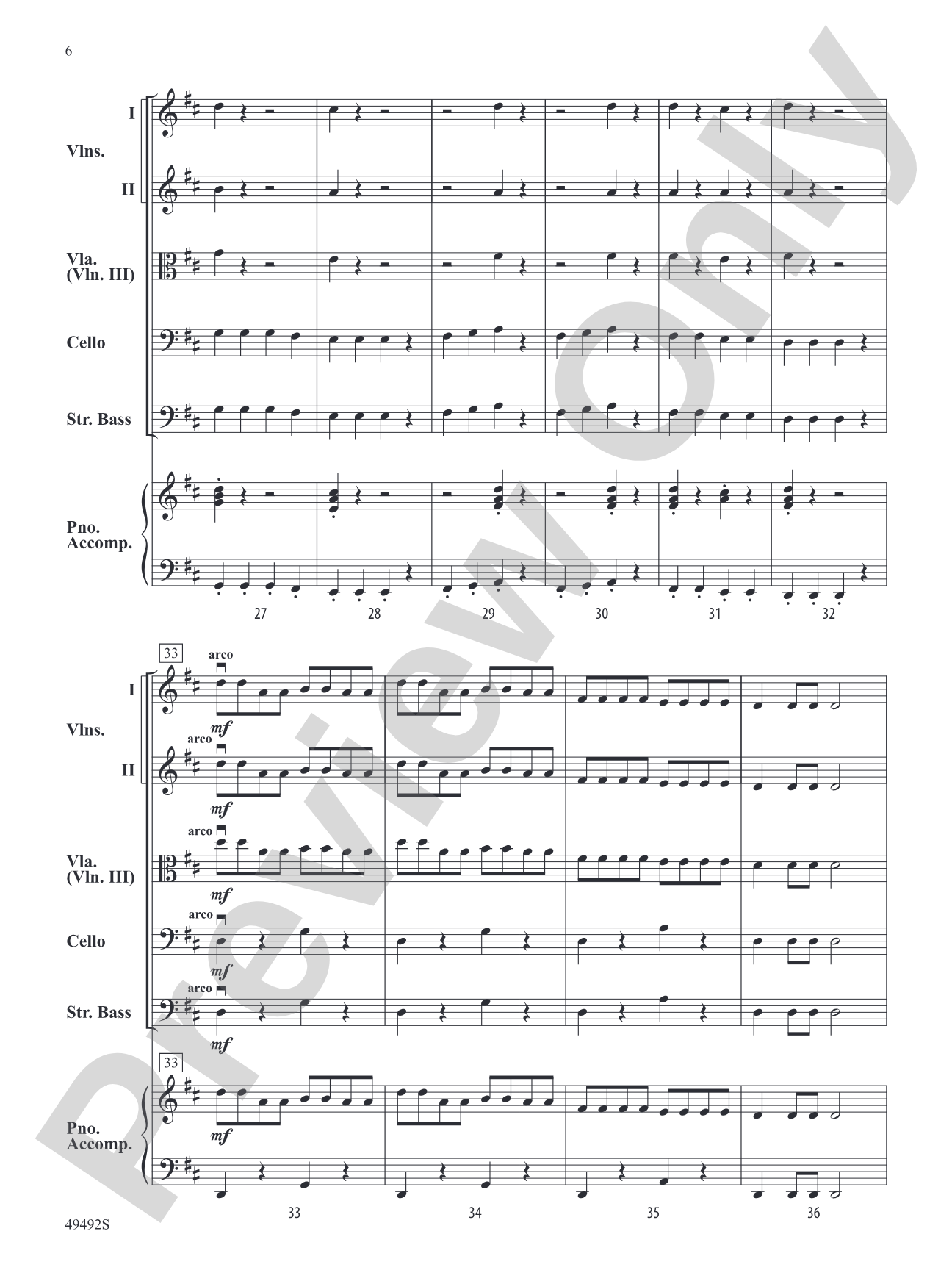
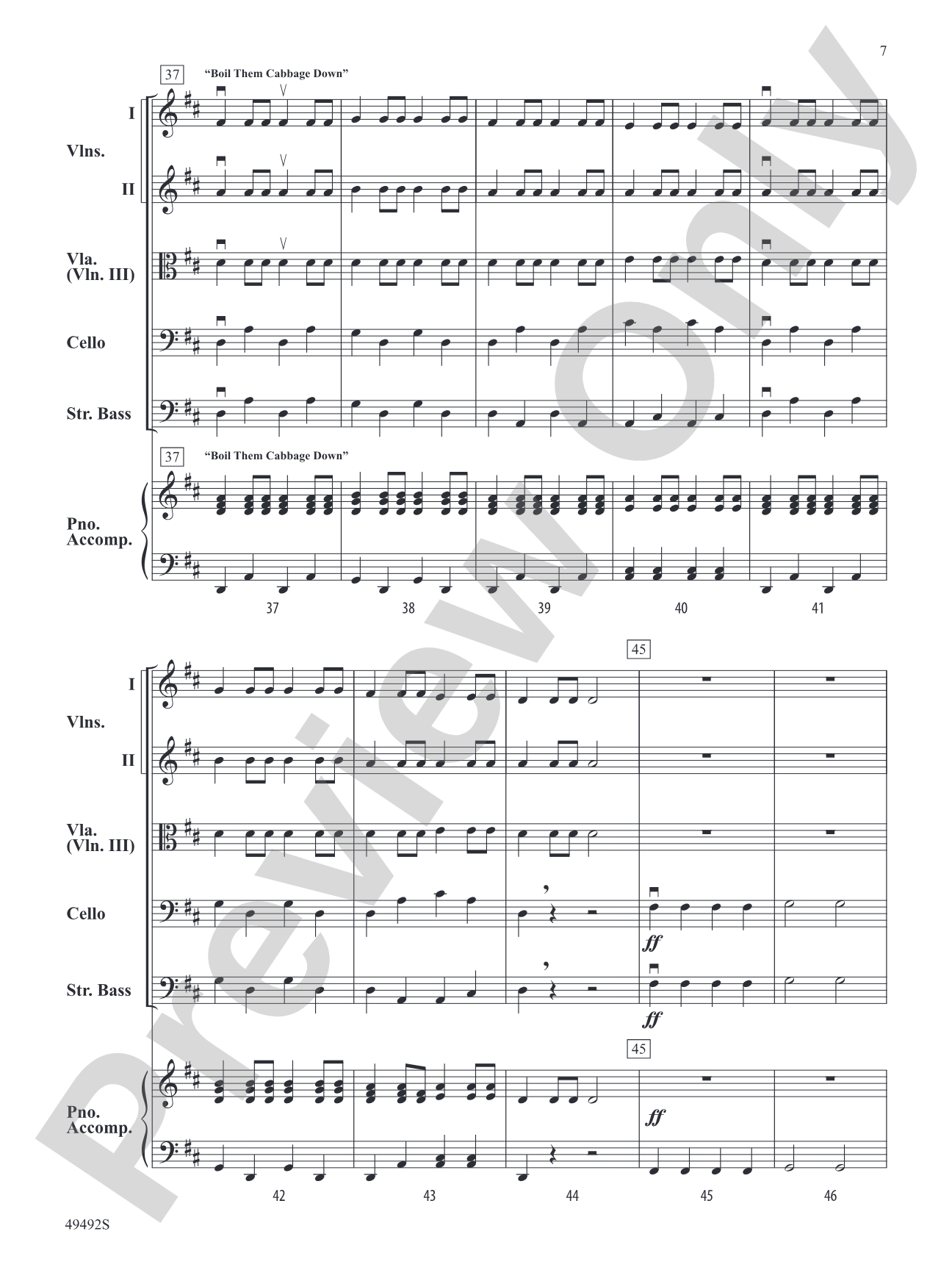
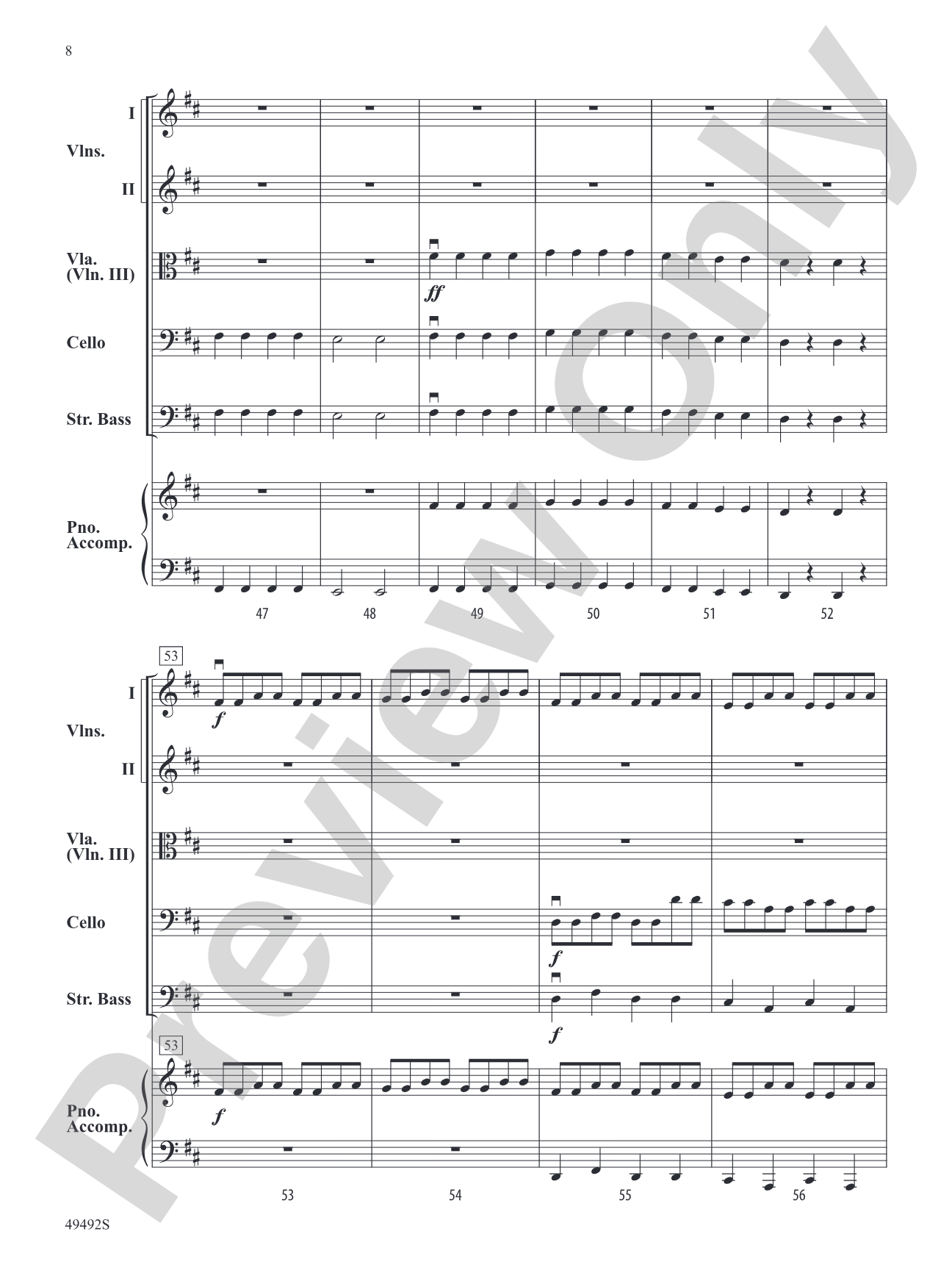
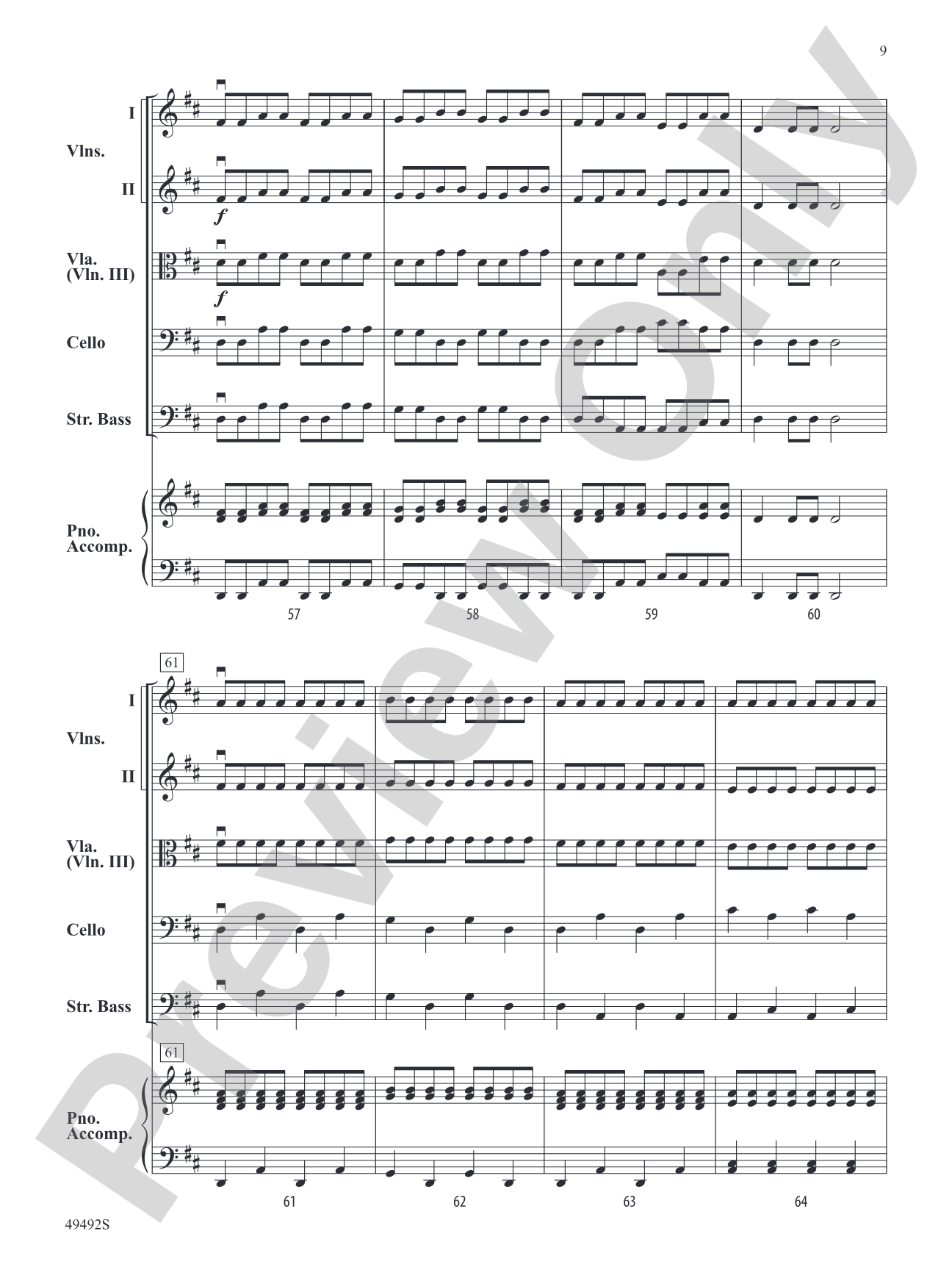
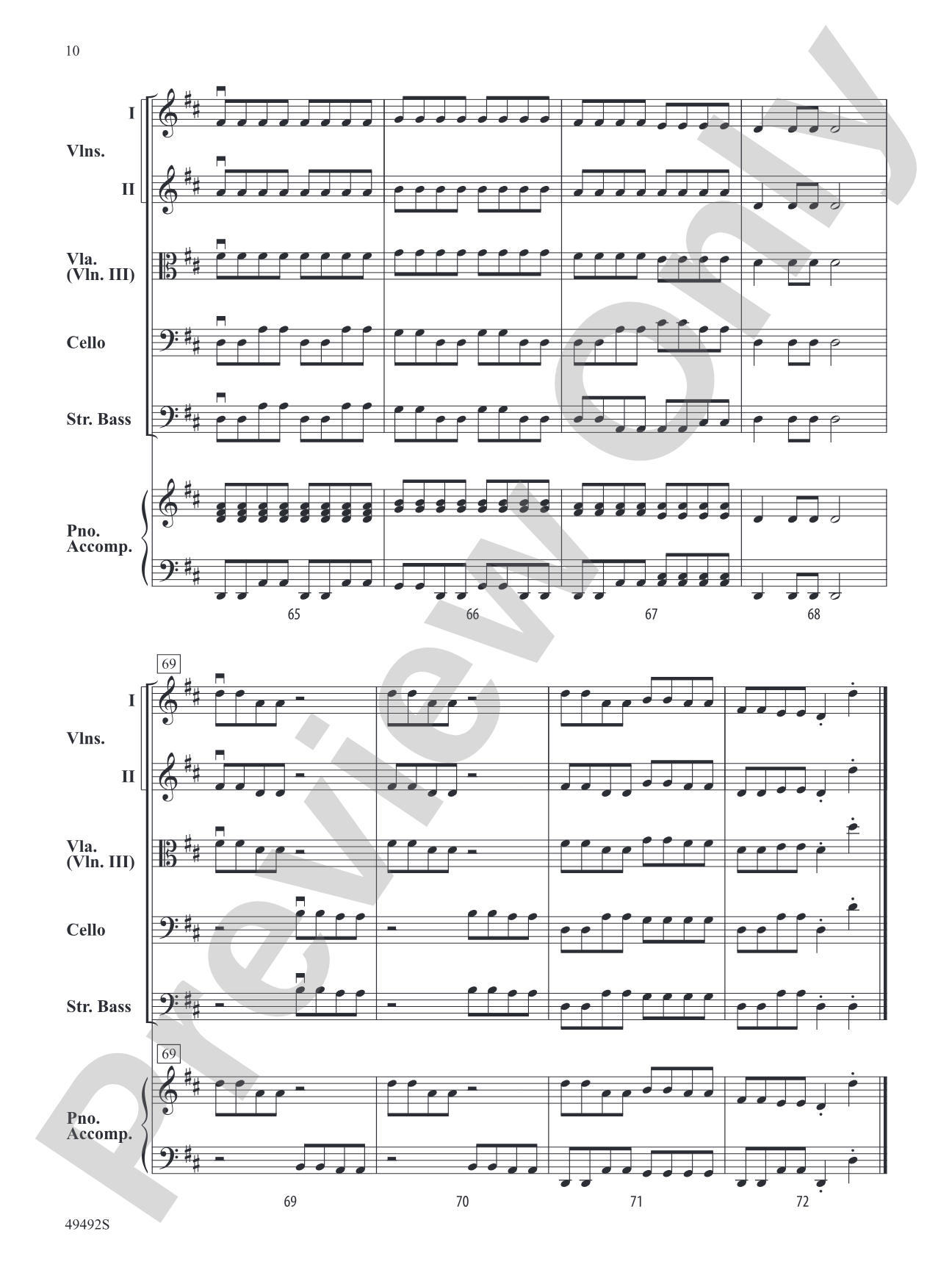

Fiddling for the First Time: Score
Featuring Oats, Peas, and Beans and Boil Them Cabbage Down
Traditional / arr. Bob Phillips
Grade: 1
Item: 00-PR-0007122
$9.00
Pickup currently not available
Description
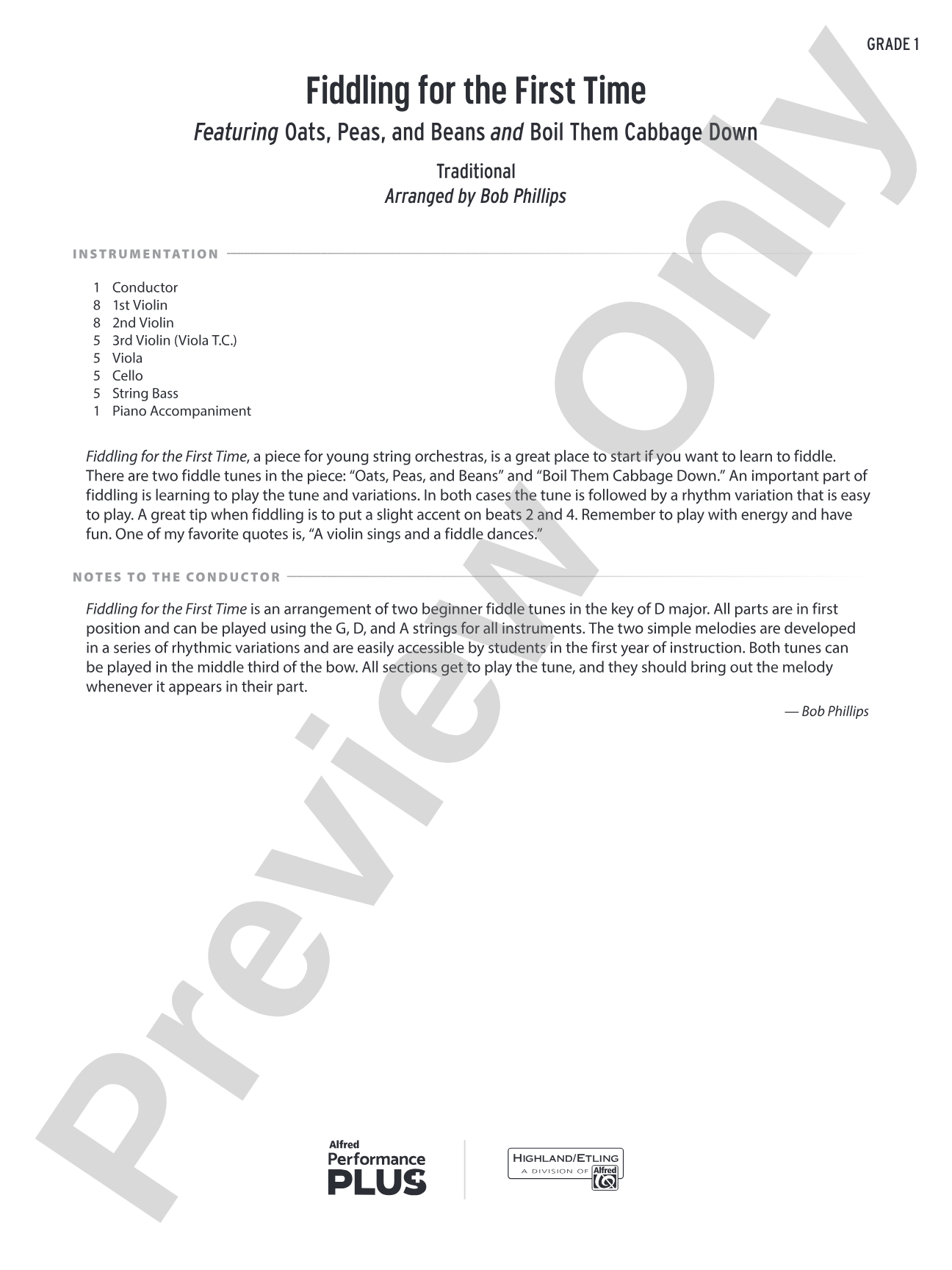
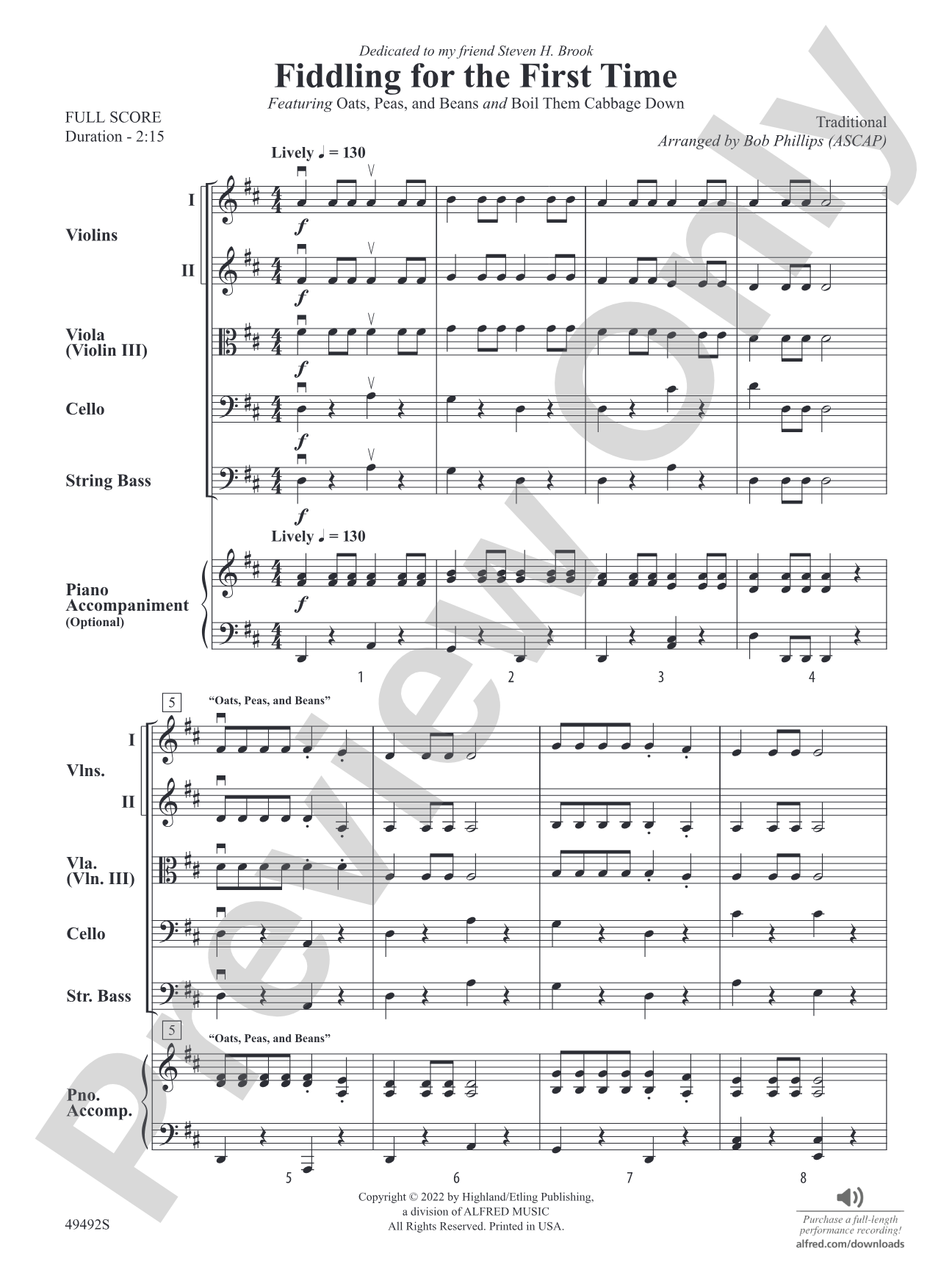
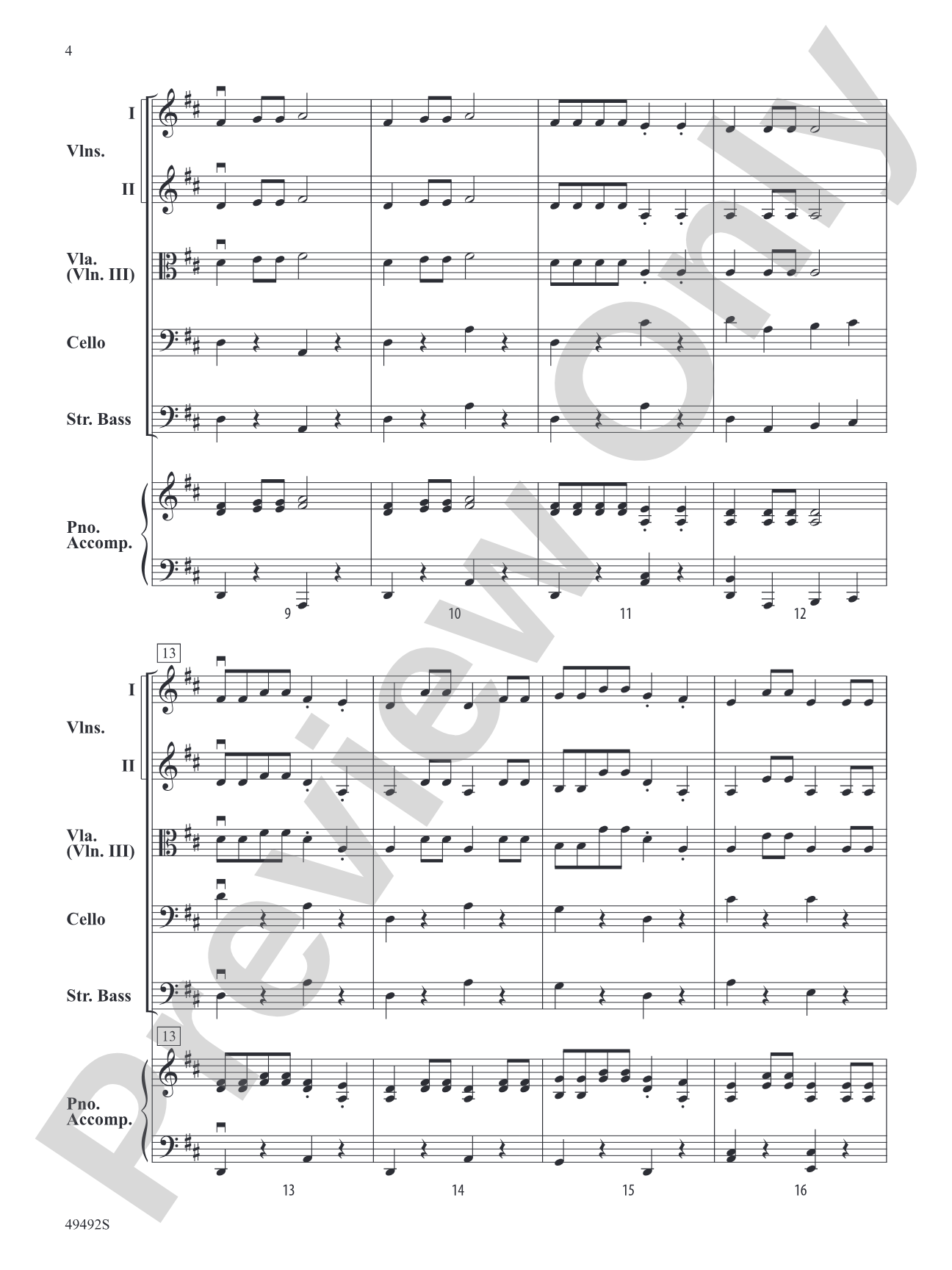
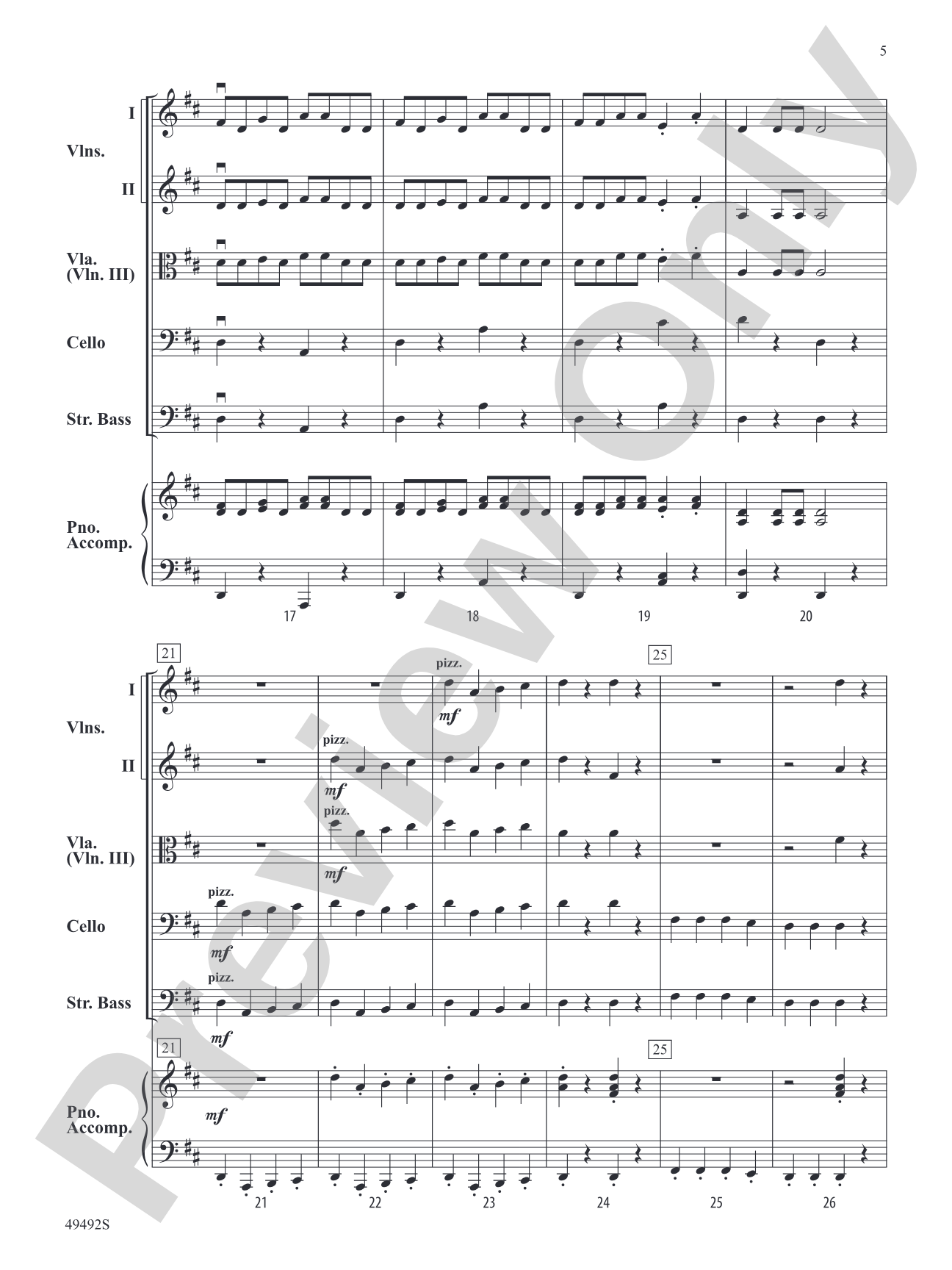
In the key of D major, all parts are in first position and can be played using the G, D, and A strings for all instruments. The two simple melodies are developed in a series of rhythmic variations and all sections get to play the melody. Check out Fiddling for the First Time arranged by Bob Phillips! (2:15)
The PerformancePlus+ series is an innovative addition to the ever-expanding MakeMusic Cloud interactive library. These engaging selections are presented with educational resources designed to enrich the rehearsal process and create outstanding performances. Including:


The PerformancePlus+ series is an innovative addition to the ever-expanding MakeMusic Cloud interactive library. These engaging selections are presented with educational resources designed to enrich the rehearsal process and create outstanding performances. Including:
- Assignment, recording, and assessment tools within MakeMusic Cloud
- Piece-specific exercises focused on skills and techniques
- Educational tips and suggestions to support learning
Available in print and digital formats.
Don't just read it, hear it, play along with it, and watch your students grow with it. In MakeMusic Cloud, Fiddling for the First Time: Score comes alive with professional accompaniment, adjustable tempo, and built-in practice tools that turn solo practice into real progress.
Open in the Player
Jump straight in and assign it today.
Start Your Free Trial
Open this title and explore the full library in minutes.
Sample Audio
1
Audio File
--:--
0:00
0:00
Sample Video
Additional Details
Series:
Highland/Etling String Orchestra - PerformancePlus+
Publisher:
Alfred Music
SKU:
00-PR-0007122
More about this title
Why we love this
Bob Phillips has crafted an arrangement that respects the pedagogical reality of Grade 1 orchestras: he keeps all players in first position and limits string crossings, yet refuses to sacrifice musical interest. The rhythmic variations on two simple melodies give every section a moment with the tune, building confidence and ensemble awareness. This is the kind of smart writing that makes early orchestral rehearsals feel like real musicmaking, not technical drills.
What to expect
Energetic and accessible, with the warmth of traditional fiddle music adapted for young strings. The rhythmic variations keep the energy moving while the D major key and open string opportunities create a bright, confident sound that feels natural under the hands.
Who it's for
Beginning string orchestras preparing for festivals or concerts. This arrangement serves orchestras still building left-hand security and ensemble listening skills, offering meaningful material that doesn't demand high position work or complex rhythms. It works equally well for directors seeking a piece that teaches part independence and section rotation.
How to get the most out of it
- Keep the opening statements of the melody clean and singing; in first position, focus on steady bow contact and consistent tone rather than adding vibrato.
- Pay attention to which section holds the melody during each variation. Use subtle dynamic changes and ensemble balance to highlight the featured line while keeping accompaniment parts supportive.
- The D major tonality on open strings rewards careful intonation work in rehearsal; have players listen to the D string as a reference pitch before each section begins.
- At 2 minutes 15 seconds, the piece moves quickly through its variations. Block out tempo consistency in early rehearsals so players stay anchored together.
How to use it
Program this early in a festival lineup or as part of a concert focused on folk-inspired or traditional repertoire. It pairs naturally with other accessible Grade 1 string pieces and can serve as a confidence builder before tackling more technically demanding selections. The clear structure and manageable length also make it ideal for a late-season showcase concert.
Skills your students will build
- Playing in first position across all four strings (G, D, A) with consistency
- Reading rhythmic variation while maintaining a stable melody outline
- Listening for melodic entrances across different sections and responding with accurate ensemble balance
- Sustaining tone quality in D major using primarily open strings
- Maintaining tempo stability through rhythmic variation and sectional exchanges