

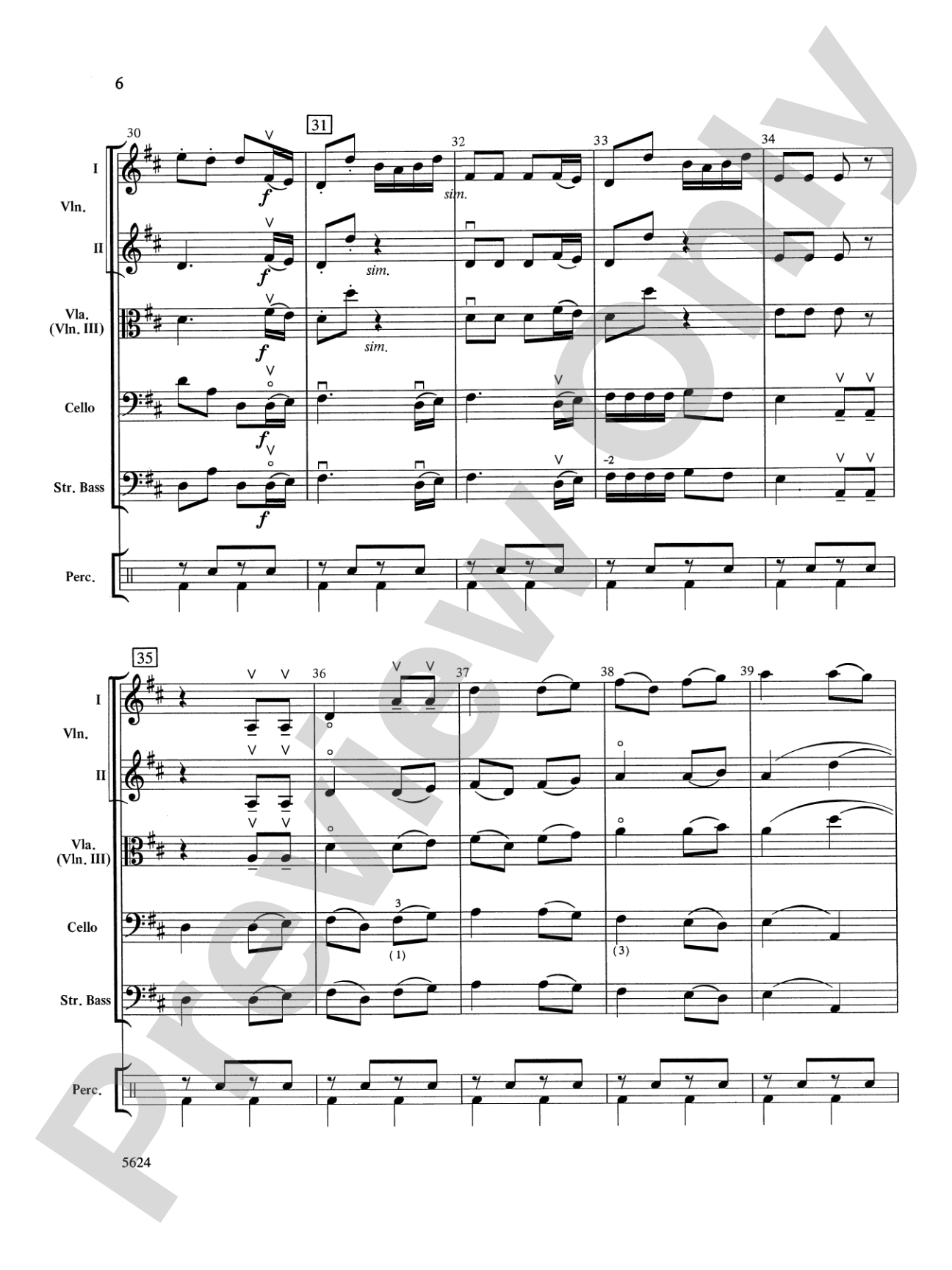
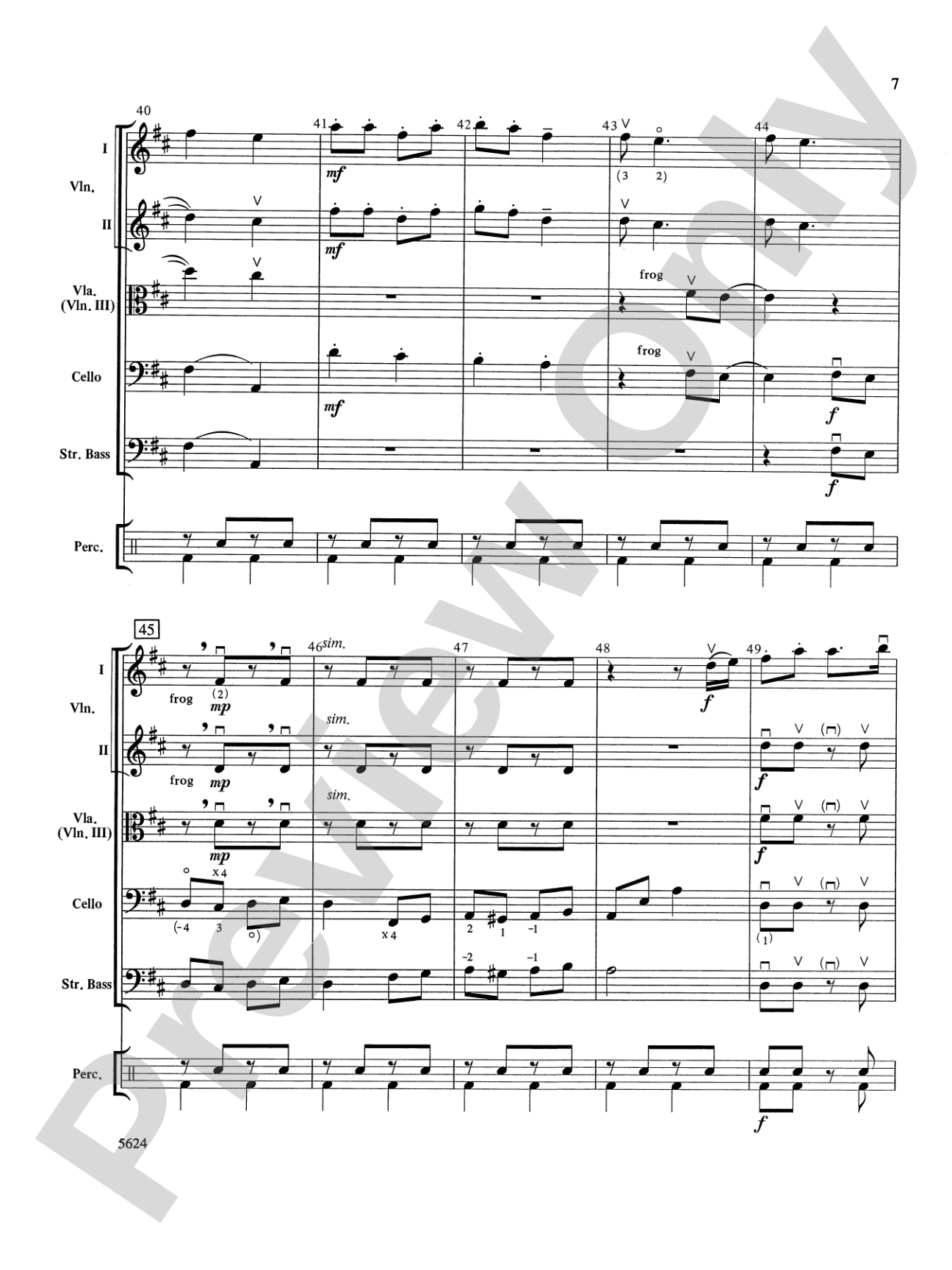
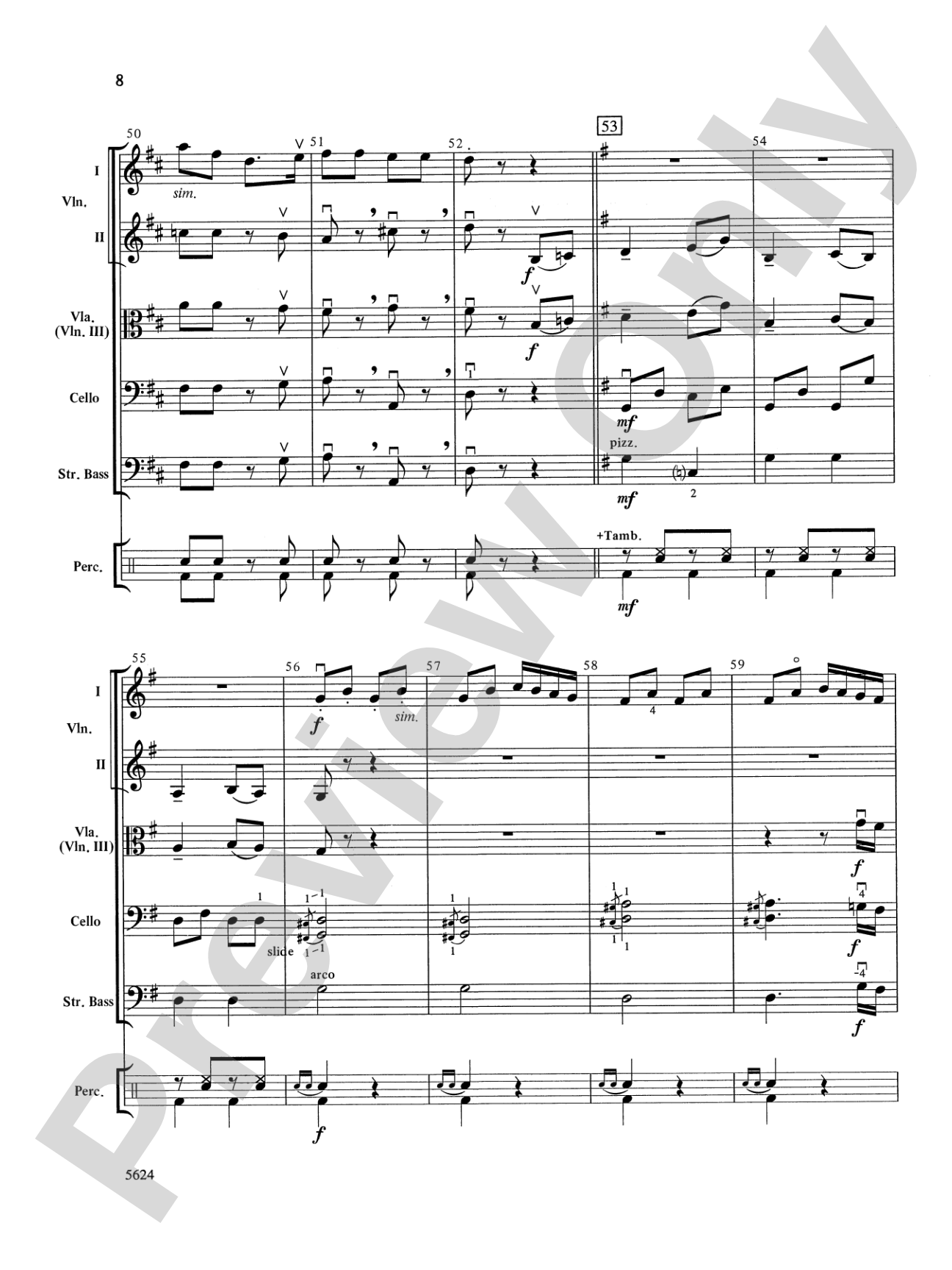
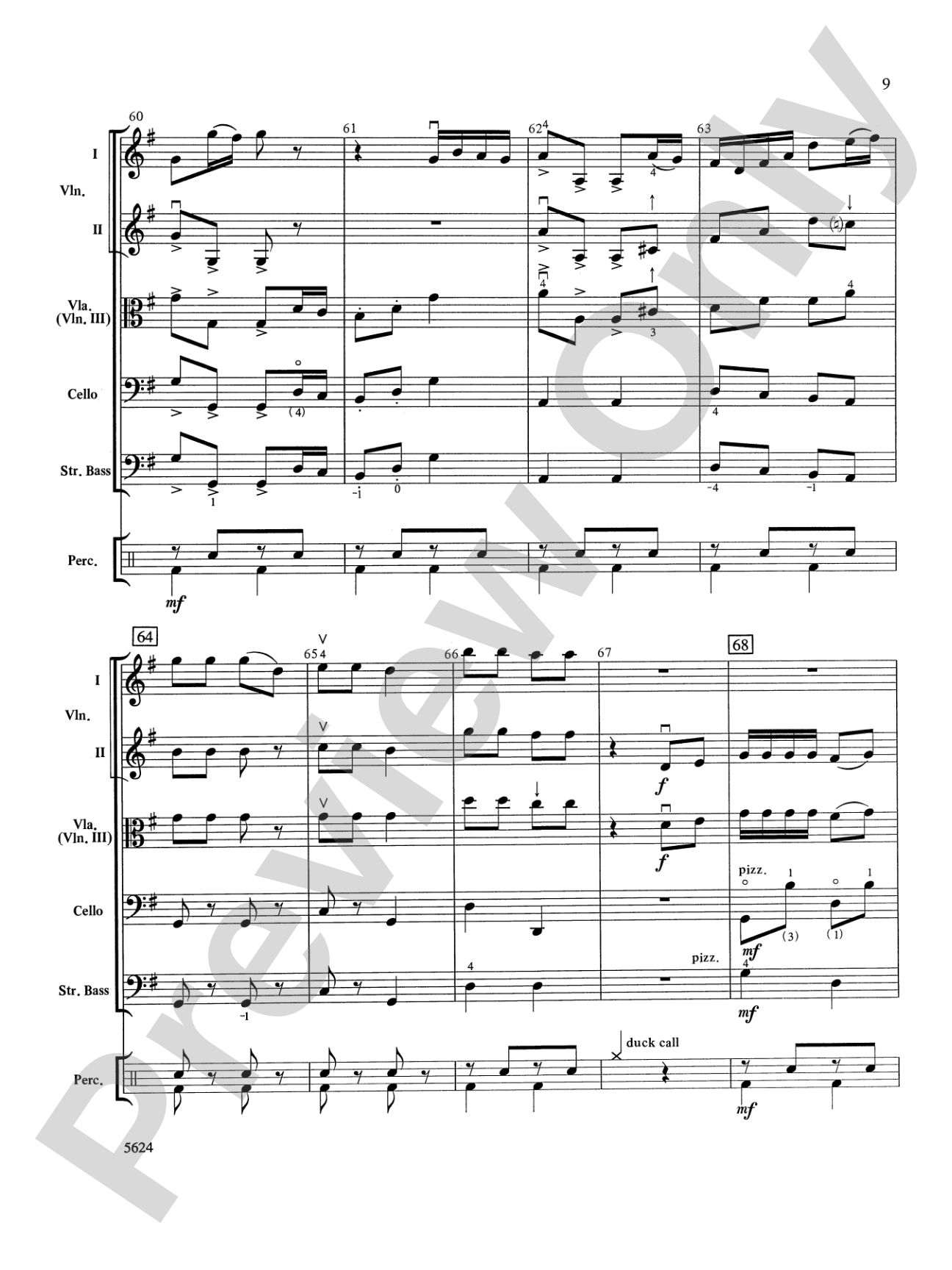
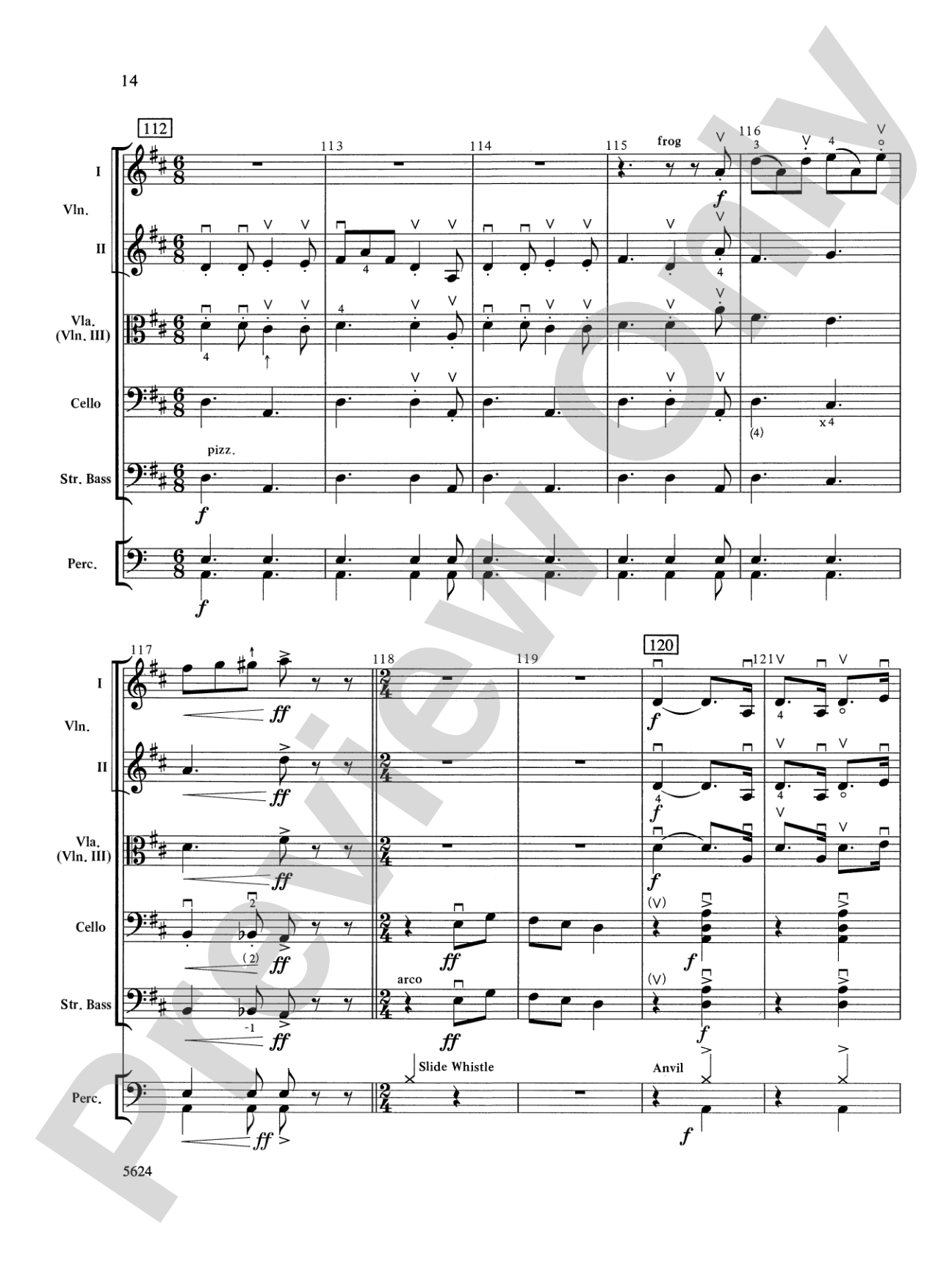
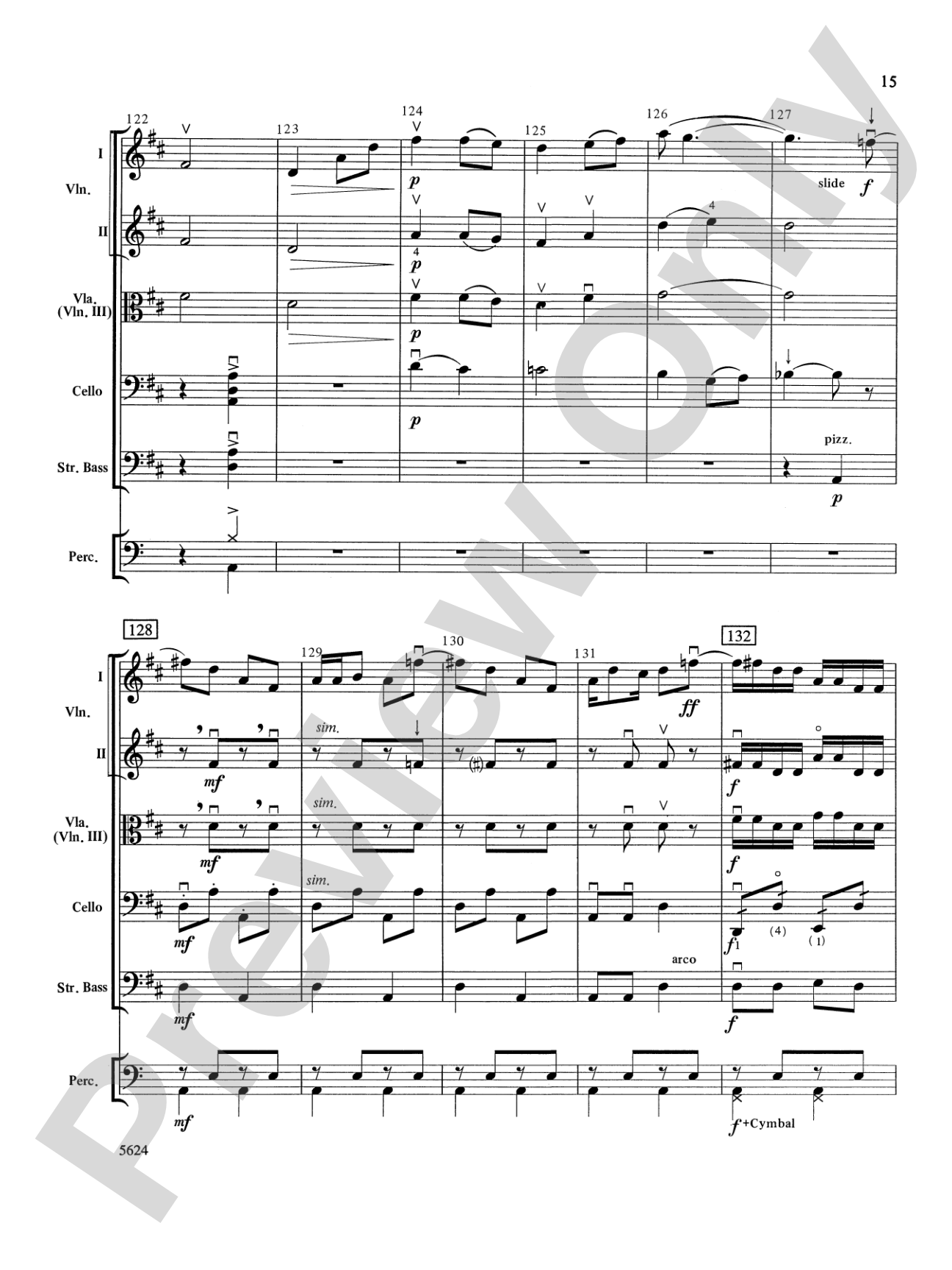
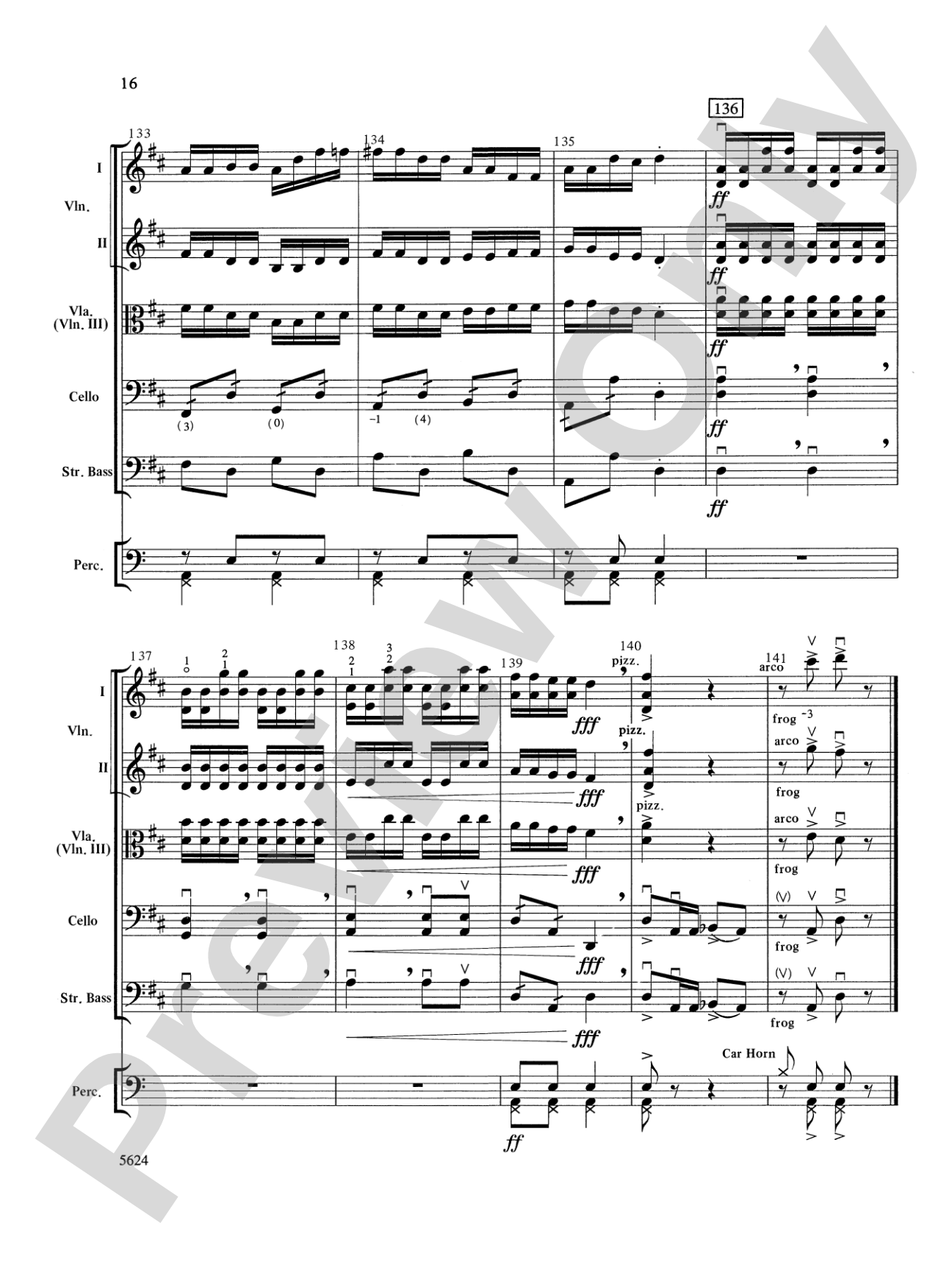

Fiddler's Stew: Score
By Richard Meyer
Grade: 3
Item: 00-PR-0001876
$9.00
Pickup currently not available
Description
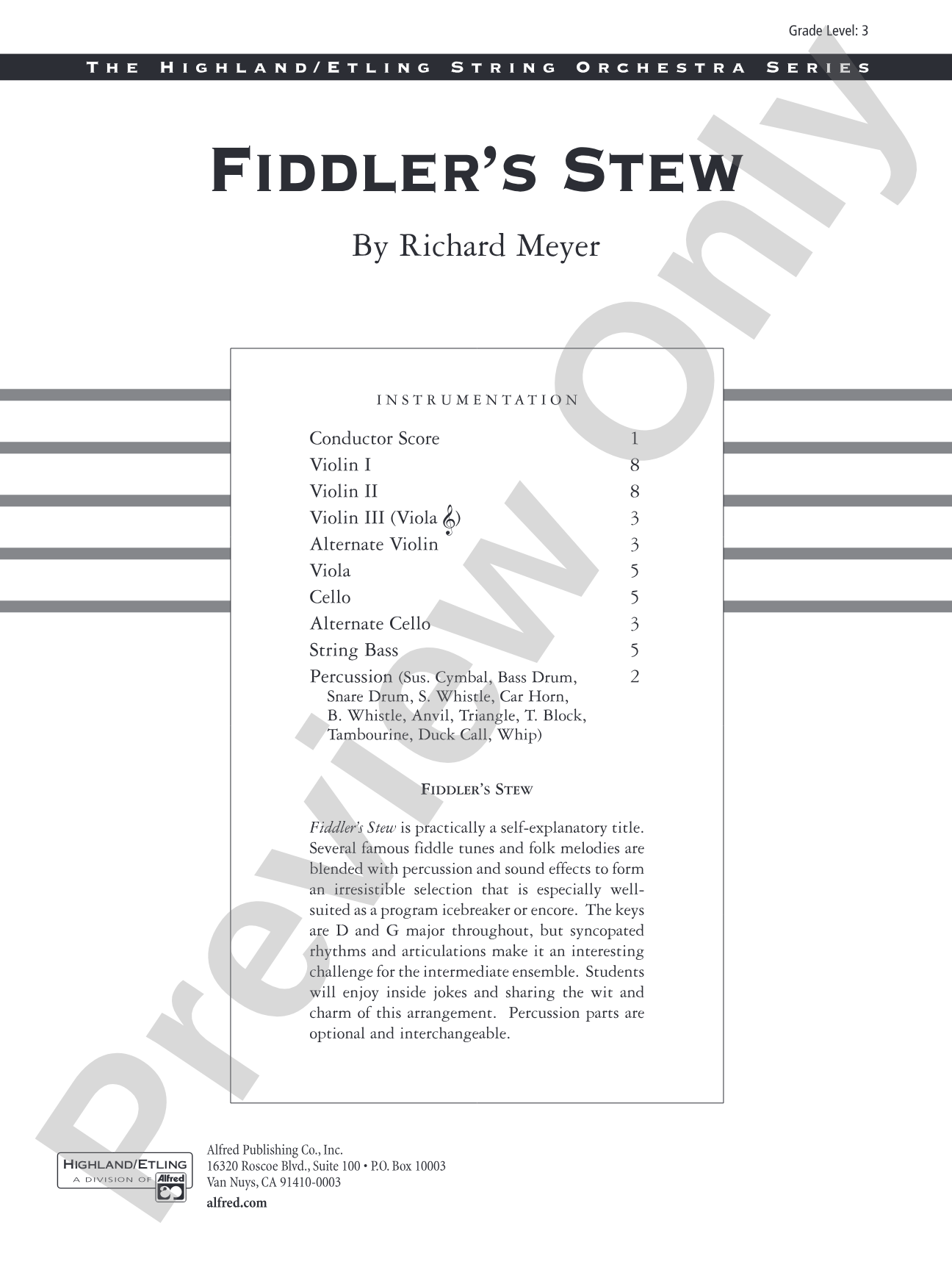
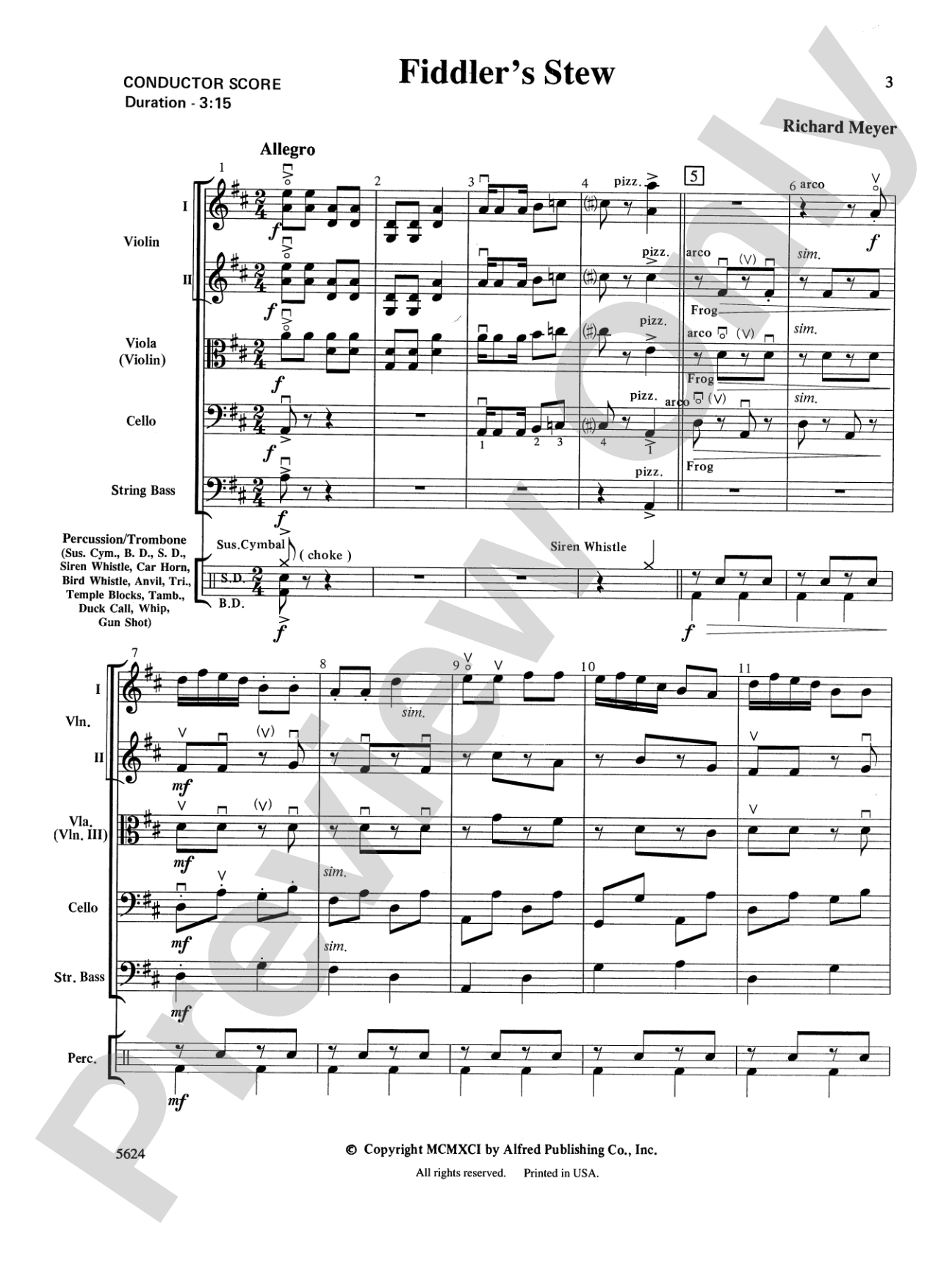
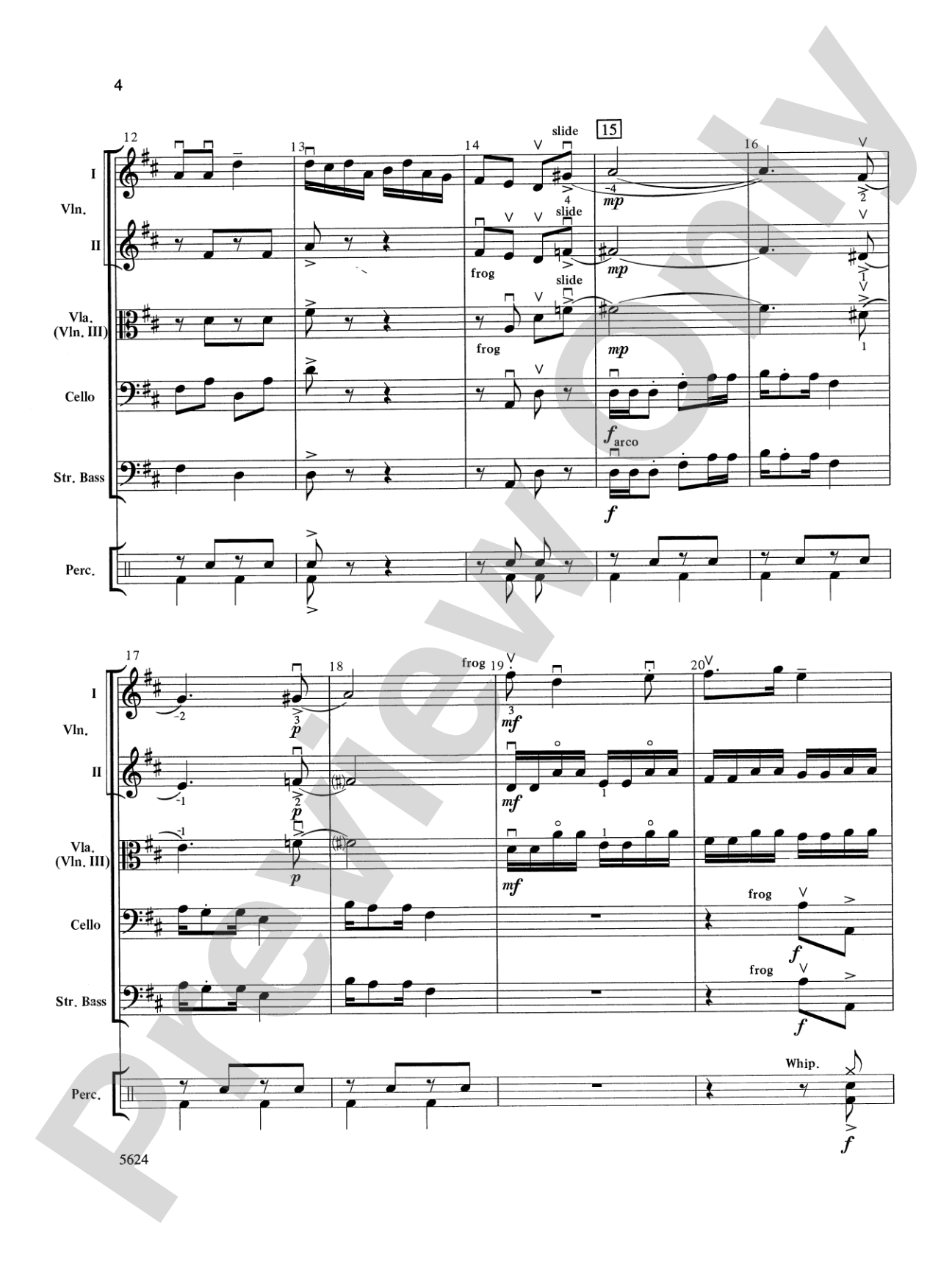
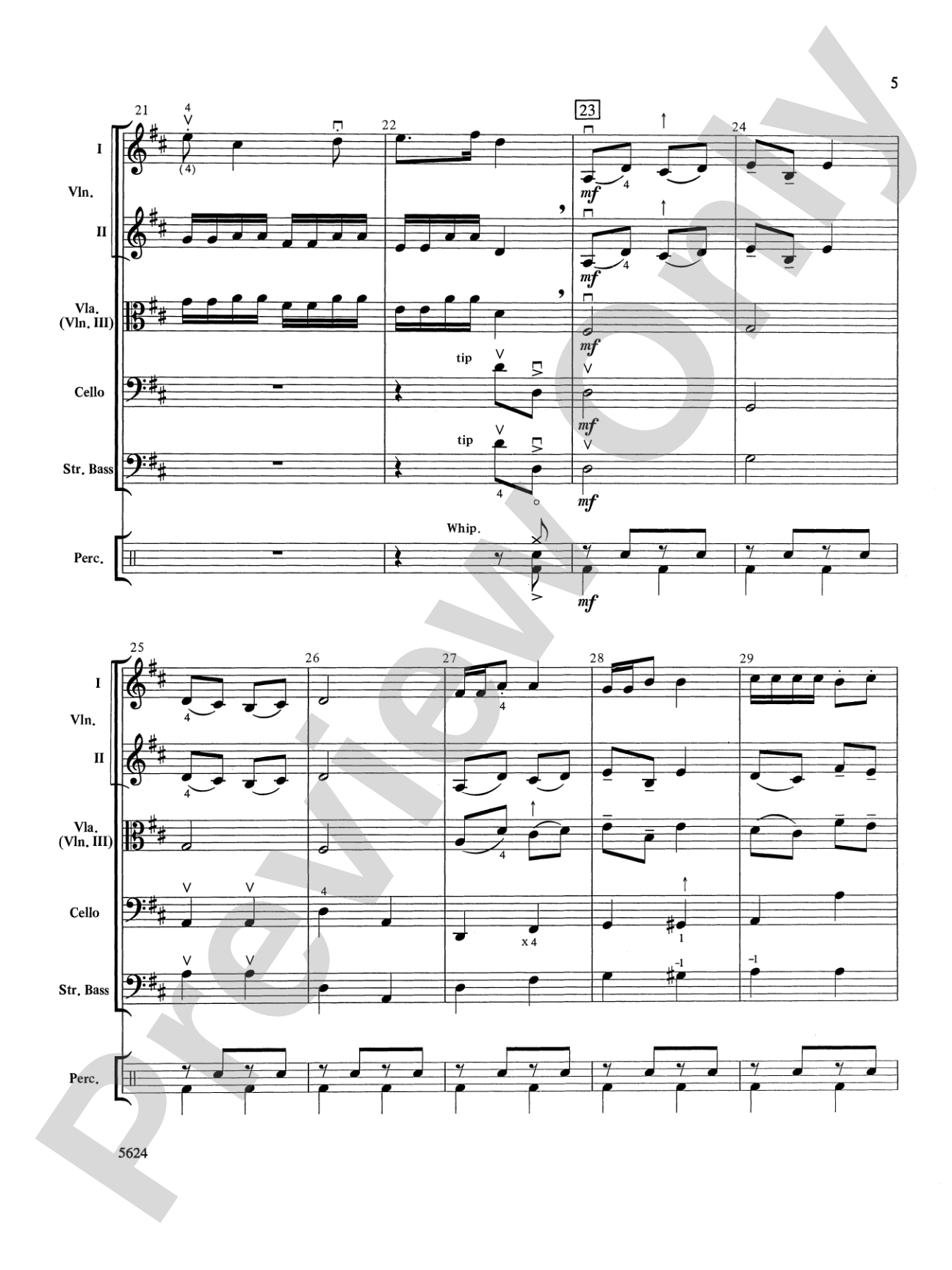
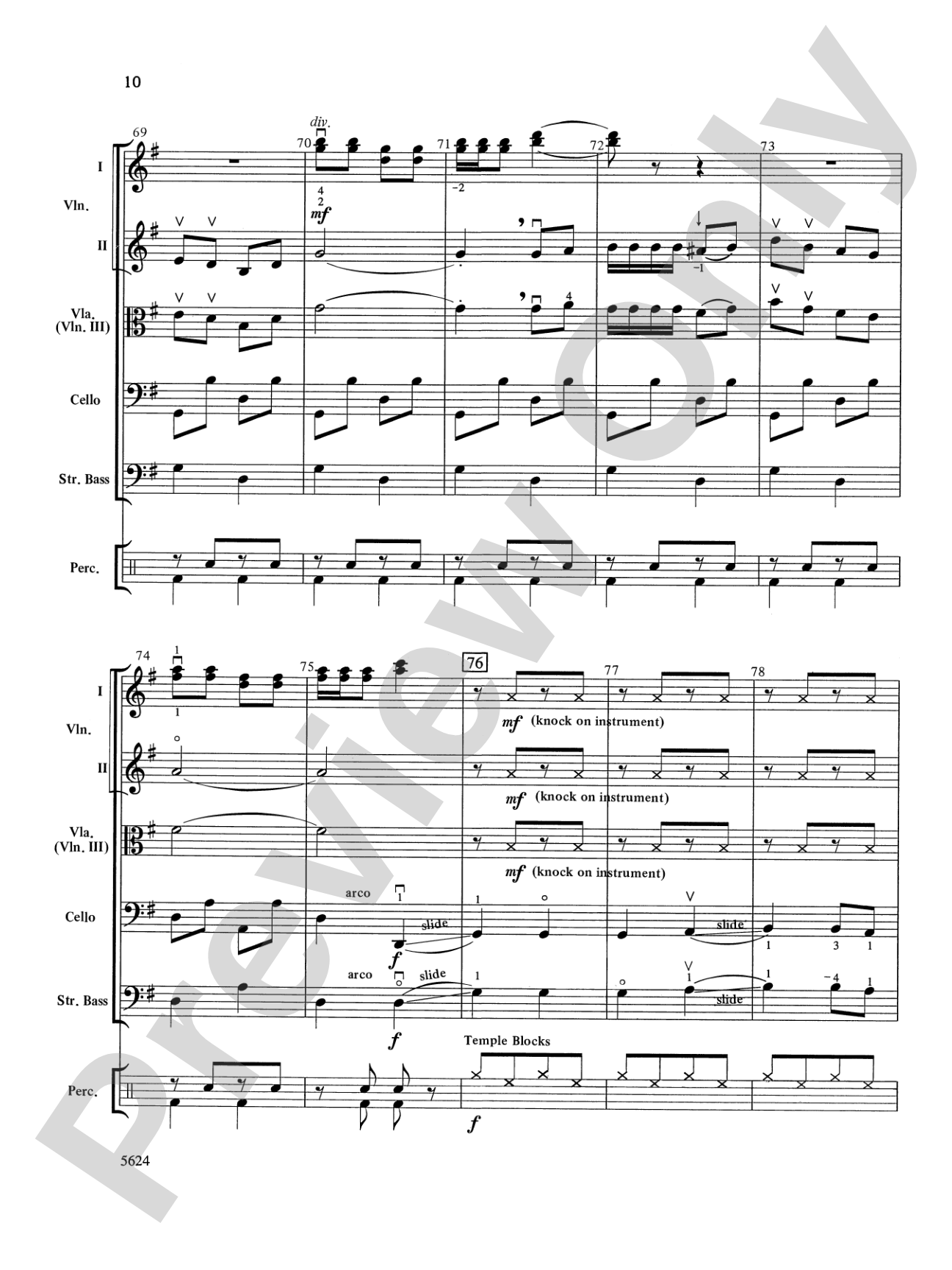
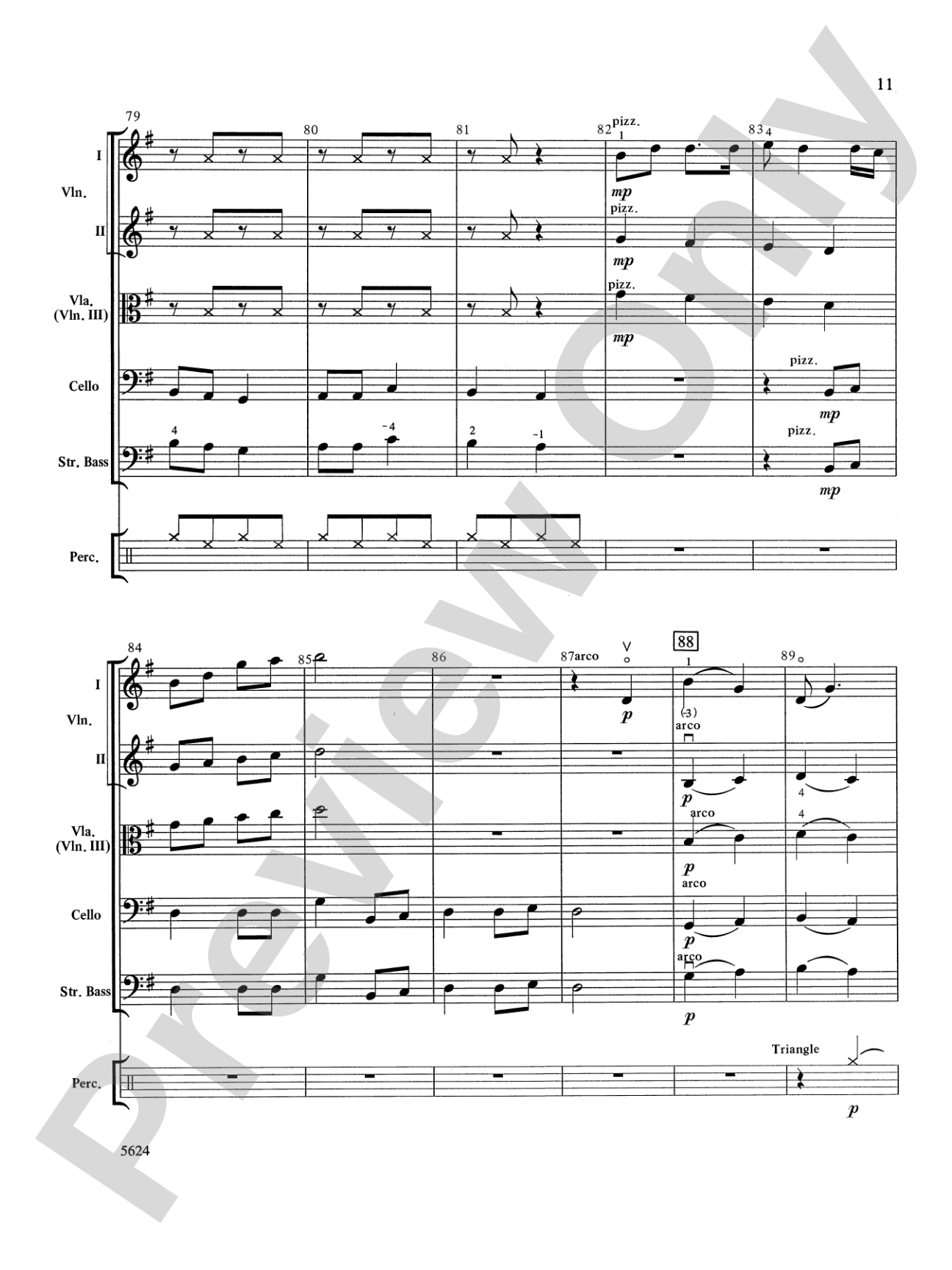
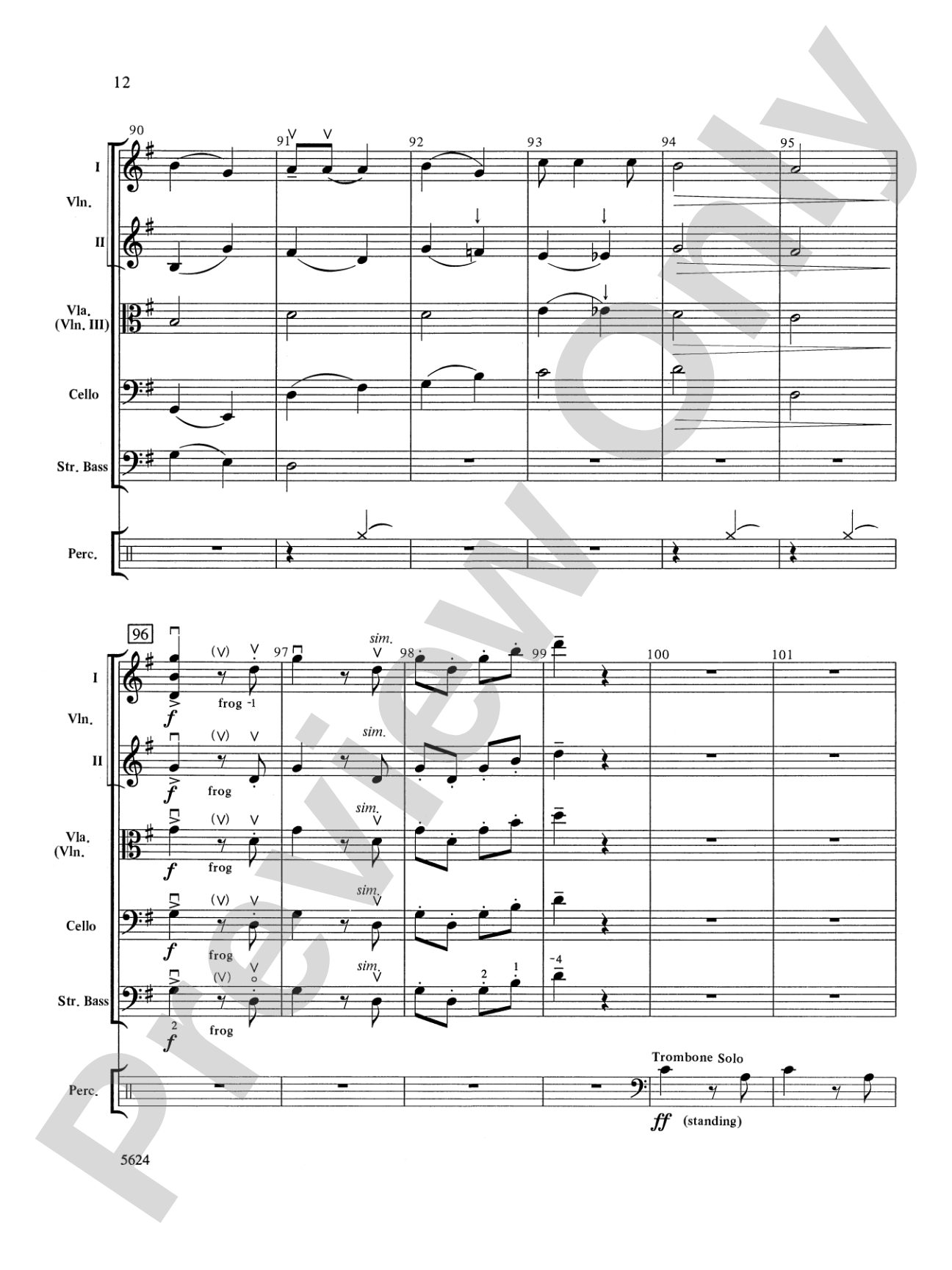
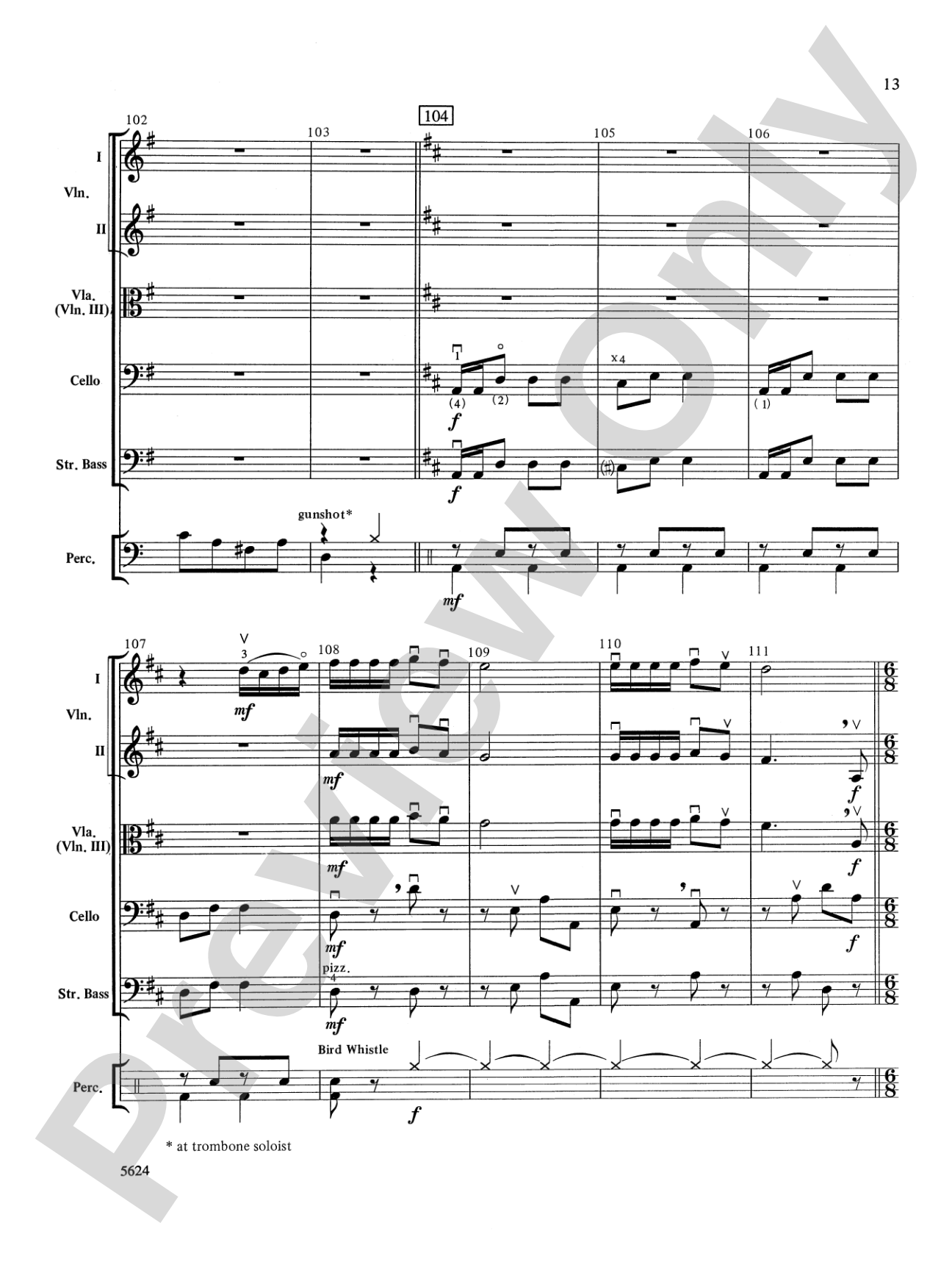
This irresistible selection of famous fiddle tunes and folk melodies blended with percussion and sound effects is a perfect program ice-breaker or encore. 'Kid-tested' with his own groups by award-winning composer Richard Meyer (NSOA Composition Contest),this piece is a favorite with students who respond to the chance for each instrument to play a melody. The keys are D and G major throughout but syncopated rhythms and articulations also make it an interesting challenge for the intermediate ensemble.


Don't just read it, hear it, play along with it, and watch your students grow with it. In MakeMusic Cloud, Fiddler's Stew: Score comes alive with professional accompaniment, adjustable tempo, and built-in practice tools that turn solo practice into real progress.
Open in the Player
Jump straight in and assign it today.
Start Your Free Trial
Open this title and explore the full library in minutes.
Sample Audio
1
Audio File
--:--
0:00
0:00
Sample Video
No sample videos found.
Additional Details
Series:
Highland/Etling String Orchestra
Publisher:
Alfred Music
Page Count:
168
SKU:
00-PR-0001876
More about this title
About the Composer: Richard Meyer

Richard Meyer spent 35 years in the public school classroom, building one of Southern California's most robust string programs at Oak Avenue Intermediate School in Temple City, where he grew the orchestra from 29 students to 200. His work extends far beyond the rehearsal room; as music director of the Pasadena Youth Symphony Orchestra for 16 years, he conducted ensembles across four continents, and through his "Giving Bach" initiative, he pioneered interactive concerts that bring live music to underserved and special needs populations throughout the region.
Meyer's compositional output spans nearly 200 published works and arrangements, and his influence on string pedagogy runs deep through his role as string editor at Alfred Publishing and his co-authorship of widely-used materials including the String Explorer Series and Sight-Read It for Strings. His clinician credentials include presentations at the A.S.T.A. National Conference, the Texas Orchestra Directors' Association Conference, and regional workshops at Ohio State University and Birch Bay. He and his wife, Rose, reside in Sierra Madre, California, and have three daughters and two grandsons.
Why we love this
Meyer wrote this piece with real intermediate orchestras in mind, and it shows. The syncopated rhythms and articulation patterns keep players engaged and focused while the straightforward key centers (D and G major) never feel limiting. The structure gives every section a moment at the melody line, which transforms a collection of folk tunes into an experience where each student feels like a soloist.
What to expect
A barn dance that has wandered into the concert hall without losing a shred of its spirit. Fiddle tunes snap with rhythmic vitality and warmth, punctuated by percussion hits and playful articulations that feel more like conversation than formal orchestration. The whole thing hums with the kind of joy that makes audiences smile and students remember why they wanted to play in the first place.
Who it's for
Intermediate string orchestras (Grade 3) looking for a program piece that energizes audiences and players alike. Directors want repertoire that builds technique while staying musically satisfying; this delivers both. The fiddle-tune genre speaks to students who respond to folk melody and character-driven arrangement.
How to get the most out of it
- Articulation shapes the personality of each tune. Spend rehearsal time isolating the fiddle-style bowings and tonguing patterns; they are what distinguish this from a generic medley.
- Balance the percussion and sound effects purposefully. These are collaborative voices in the arrangement, not background color, so ensure they sit in the texture rather than dominating it.
- Let the D and G major tonalities anchor your intonation work. The predictable harmonic landscape allows you to focus rehearsal energy on rhythmic precision and expressive articulation instead of pitch centers.
How to use it
Program this as a second-half opener or encore to break energy and build rapport with the audience. It pairs well alongside more substantial repertoire in the same concert, offering relief and personality without requiring the dramatic intensity of a full feature piece. The length and accessibility also make it ideal for spring concerts, pops programs, or young audience presentations where engagement matters as much as sophistication.
Skills your students will build
- Syncopated rhythms and articulation techniques characteristic of fiddle style
- Reading in D major and G major across all string parts
- Melodic independence within an ensemble texture, with each section carrying primary material at different moments
- Rhythmic precision and coordinate bow control for folk-inspired phrasing