

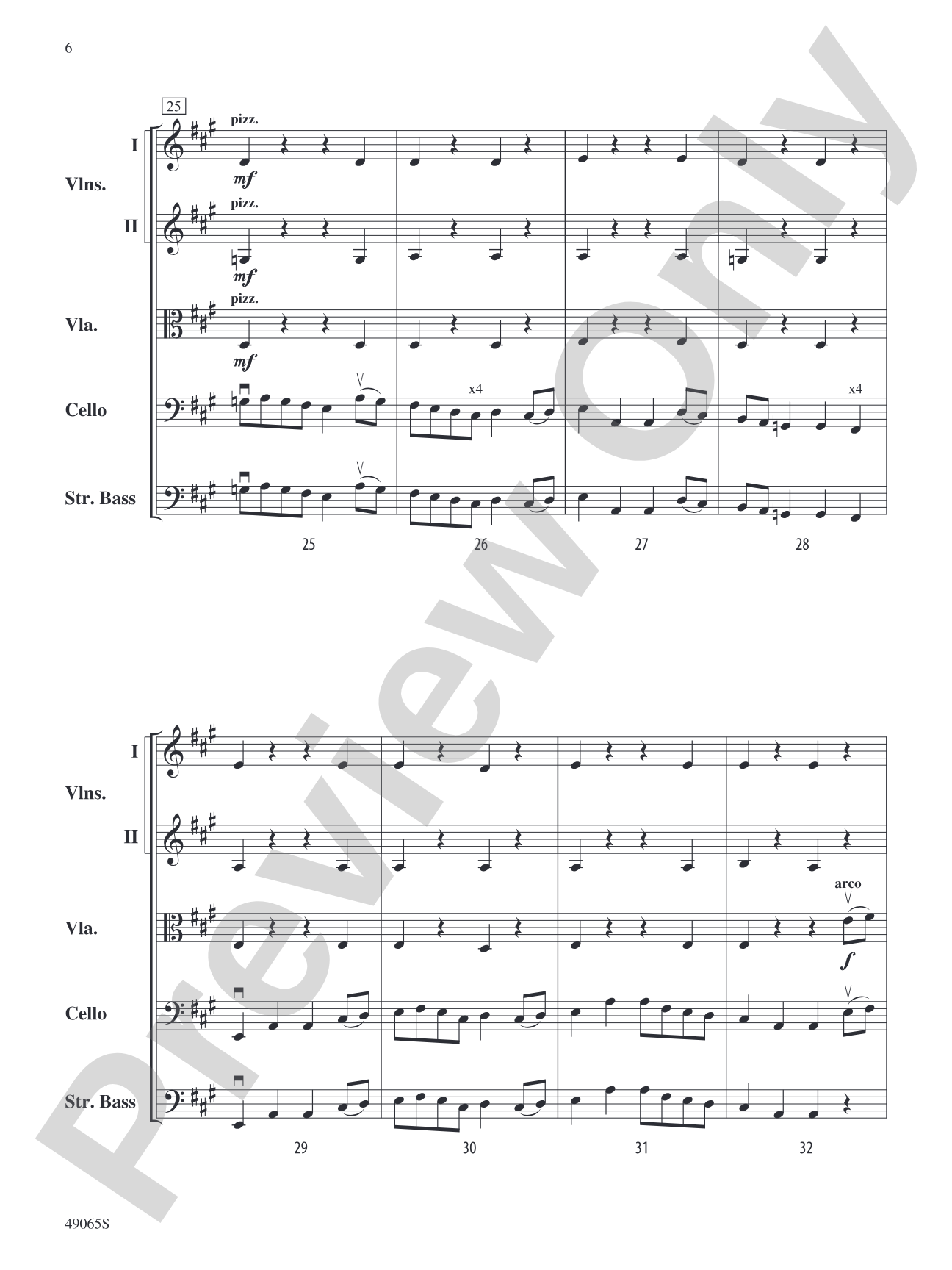
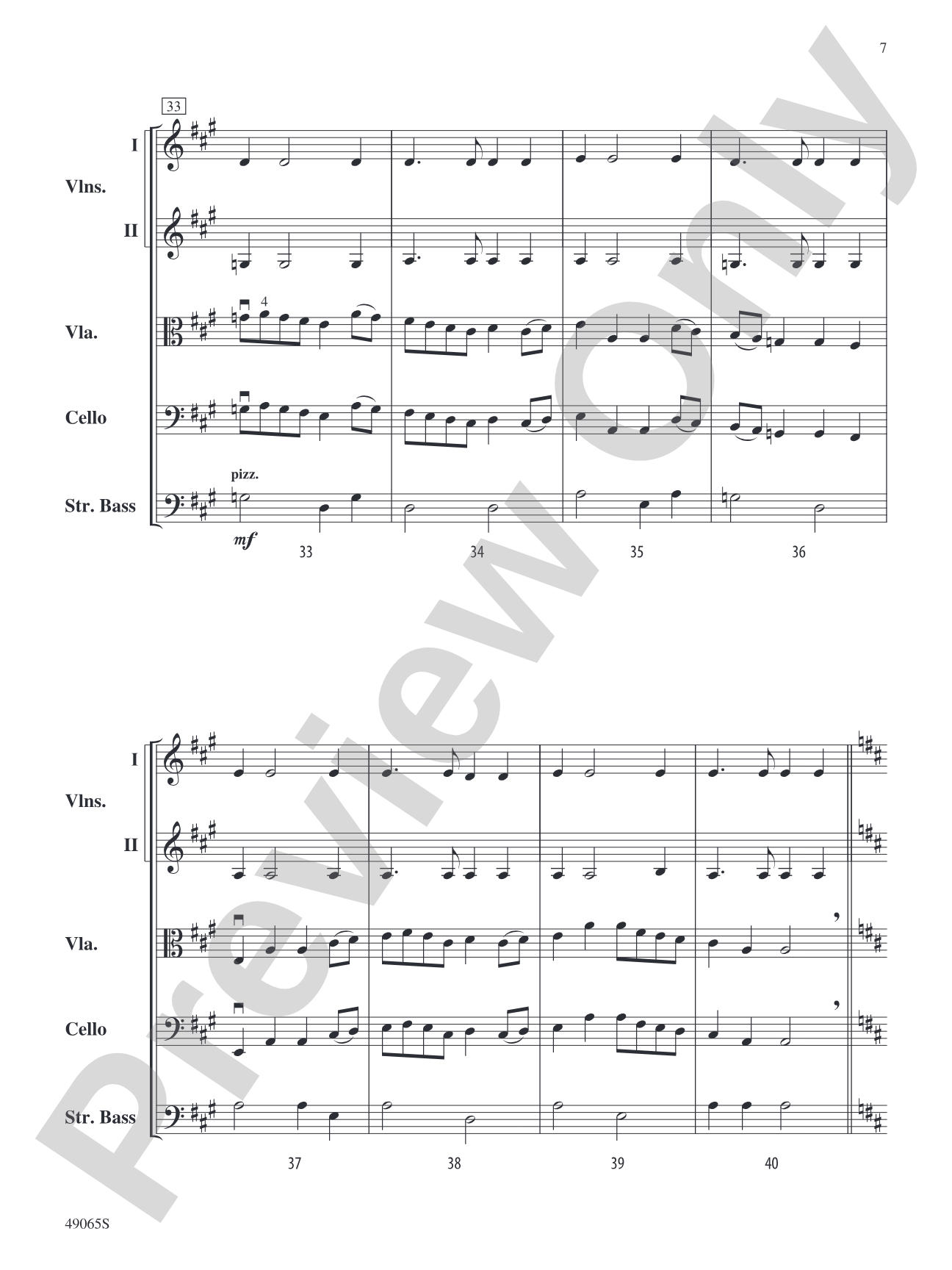
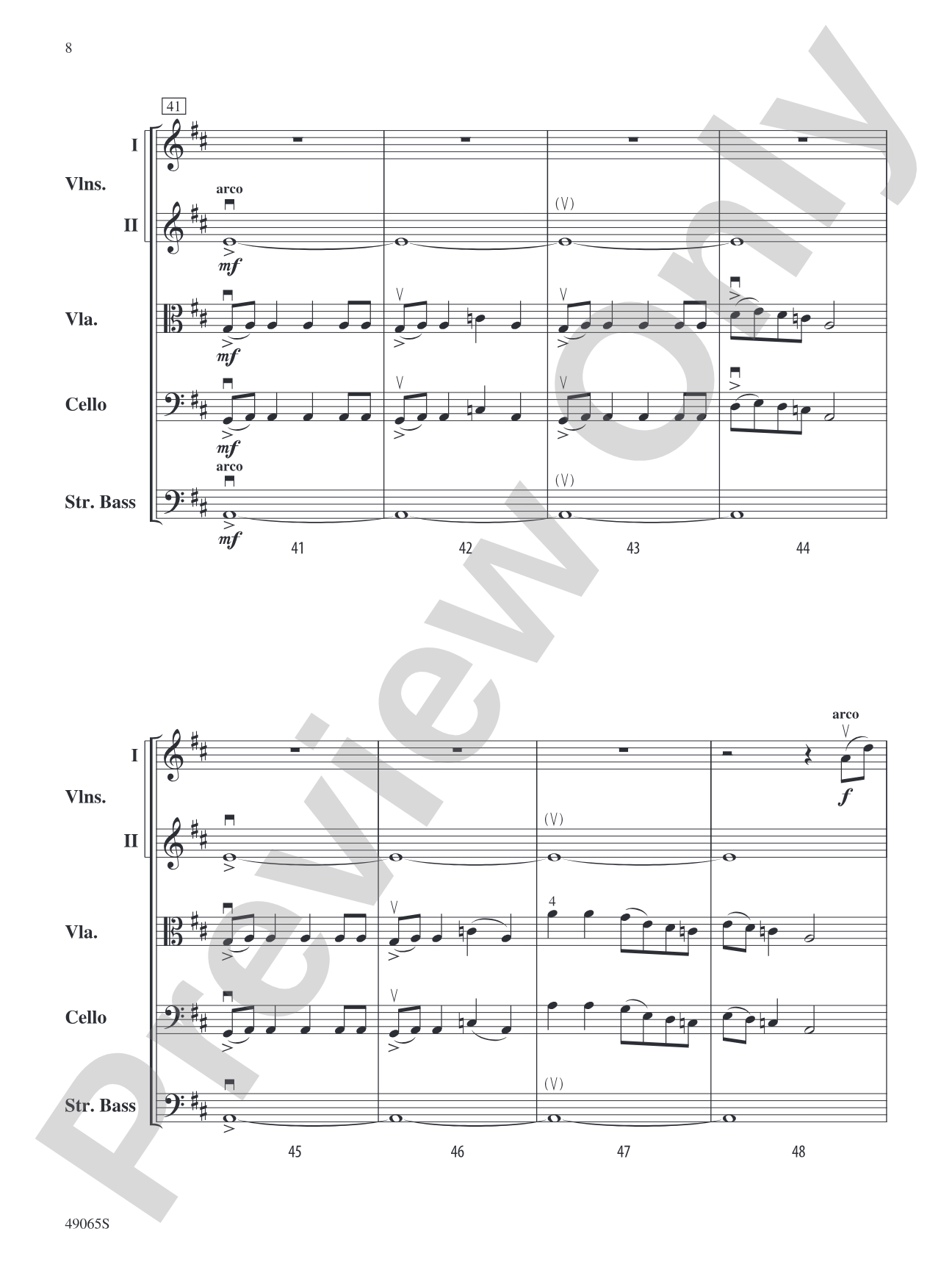
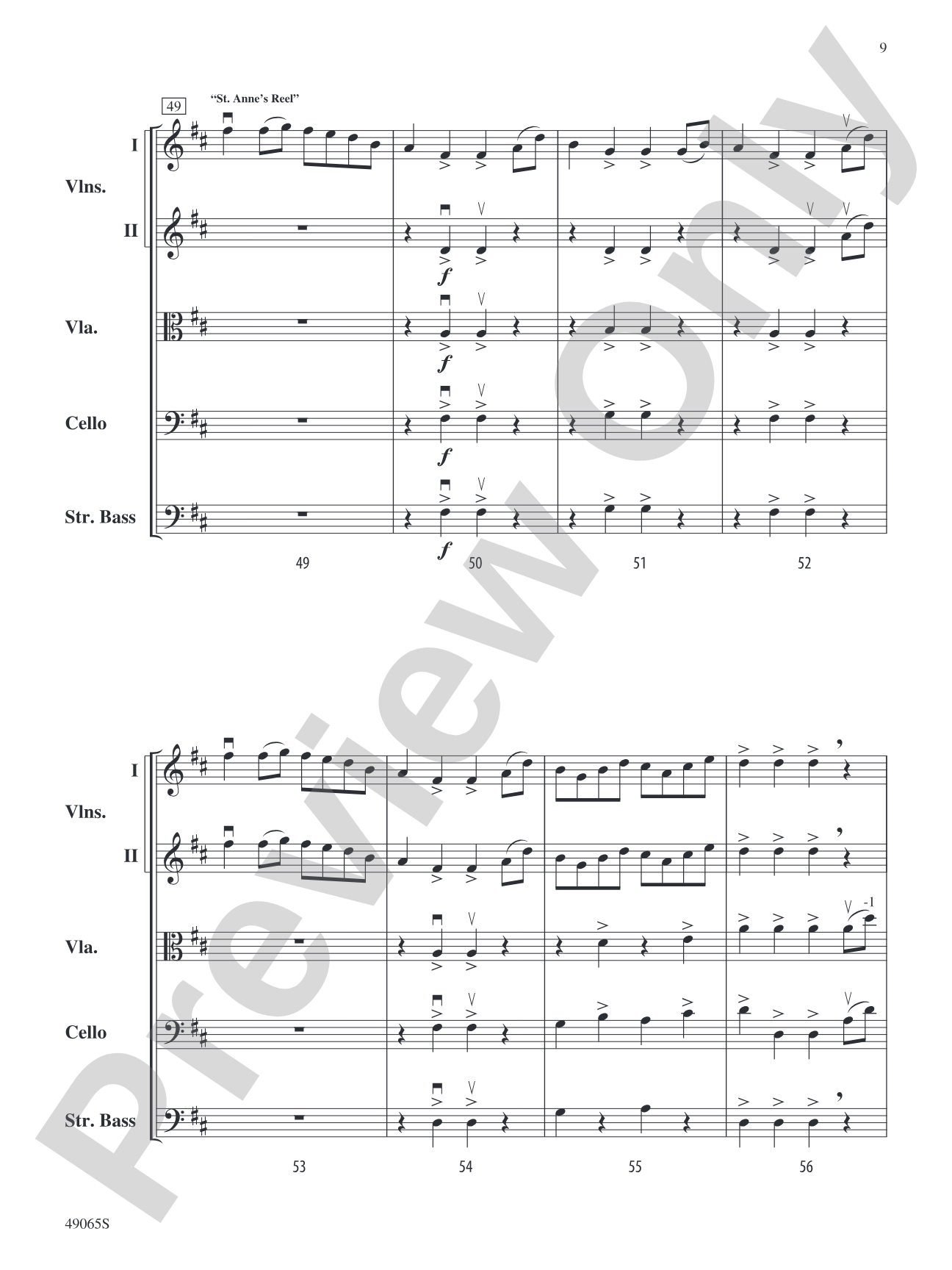

Fiddler's Fortune: String Orchestra Conductor Score & Parts
Featuring: The Red-Haired Boy / St. Anne's Reel / Blackberry Blossom
Various / arr. Bob Phillips and Renata Bratt
Grade: 3
Item: 00-PK-0008369

$60.00
Pickup currently not available
Buy Extra Parts (Digital PDF Download)
| Product | Price | Quantity |
|---|---|---|
| Fiddler's Fortune: Score | $9.00 | |
| Fiddler's Fortune: 1st Violin | $3.00 | |
| Fiddler's Fortune: 2nd Violin | $3.00 | |
| Fiddler's Fortune: Viola | $3.00 | |
| Fiddler's Fortune: Cello | $3.00 | |
| Fiddler's Fortune: String Bass | $3.00 |
Parts Added to Cart!
Description
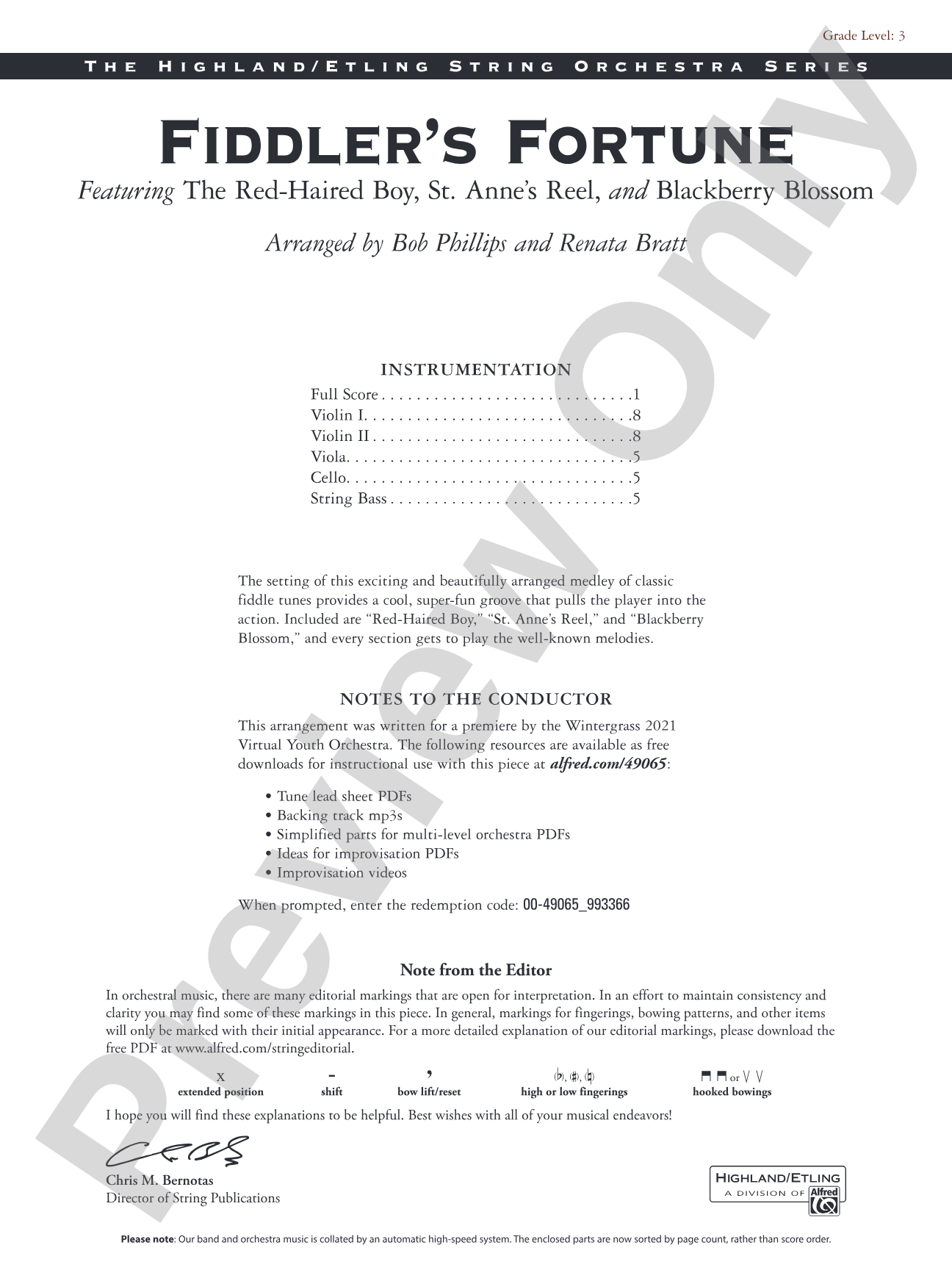
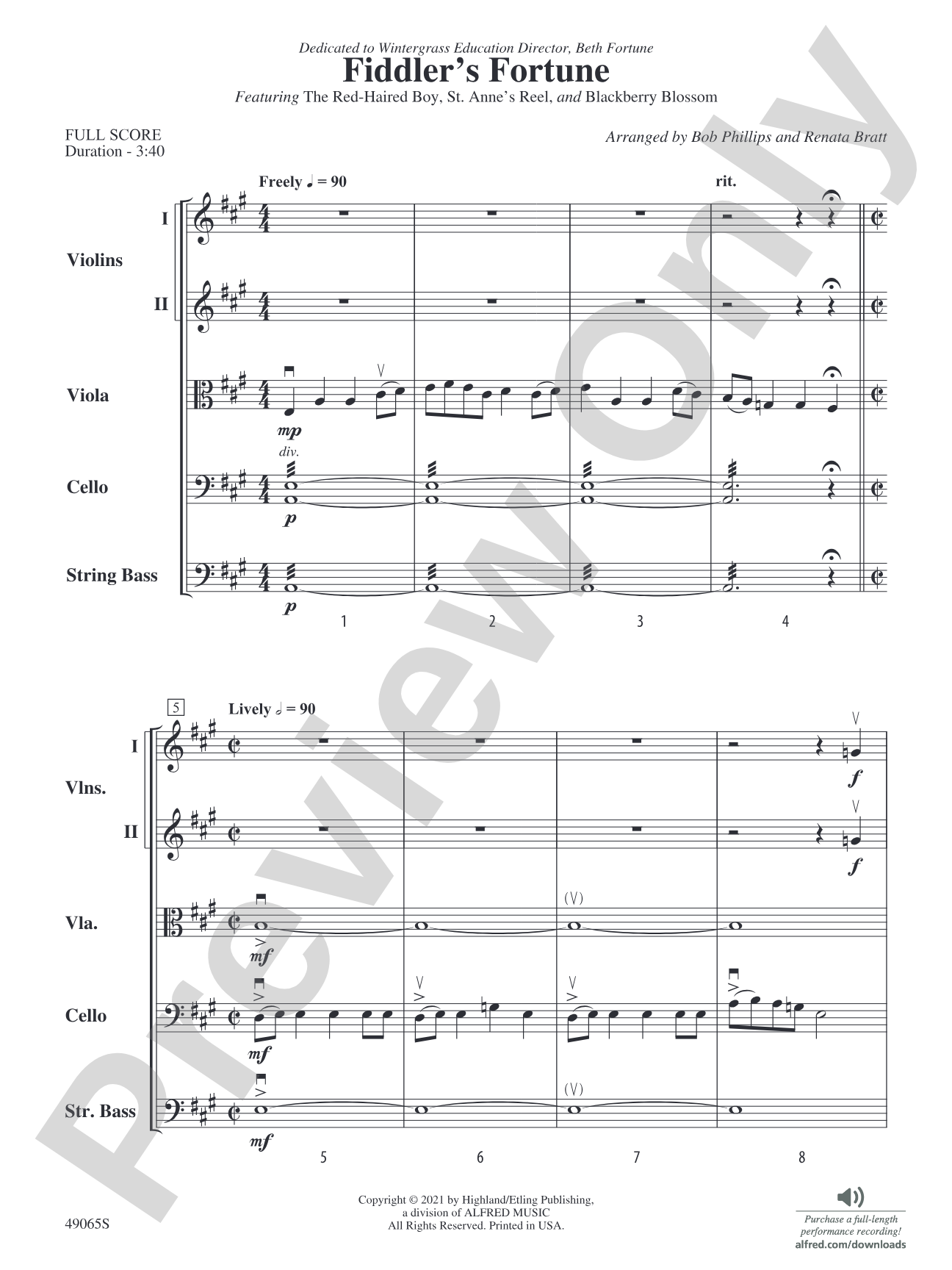
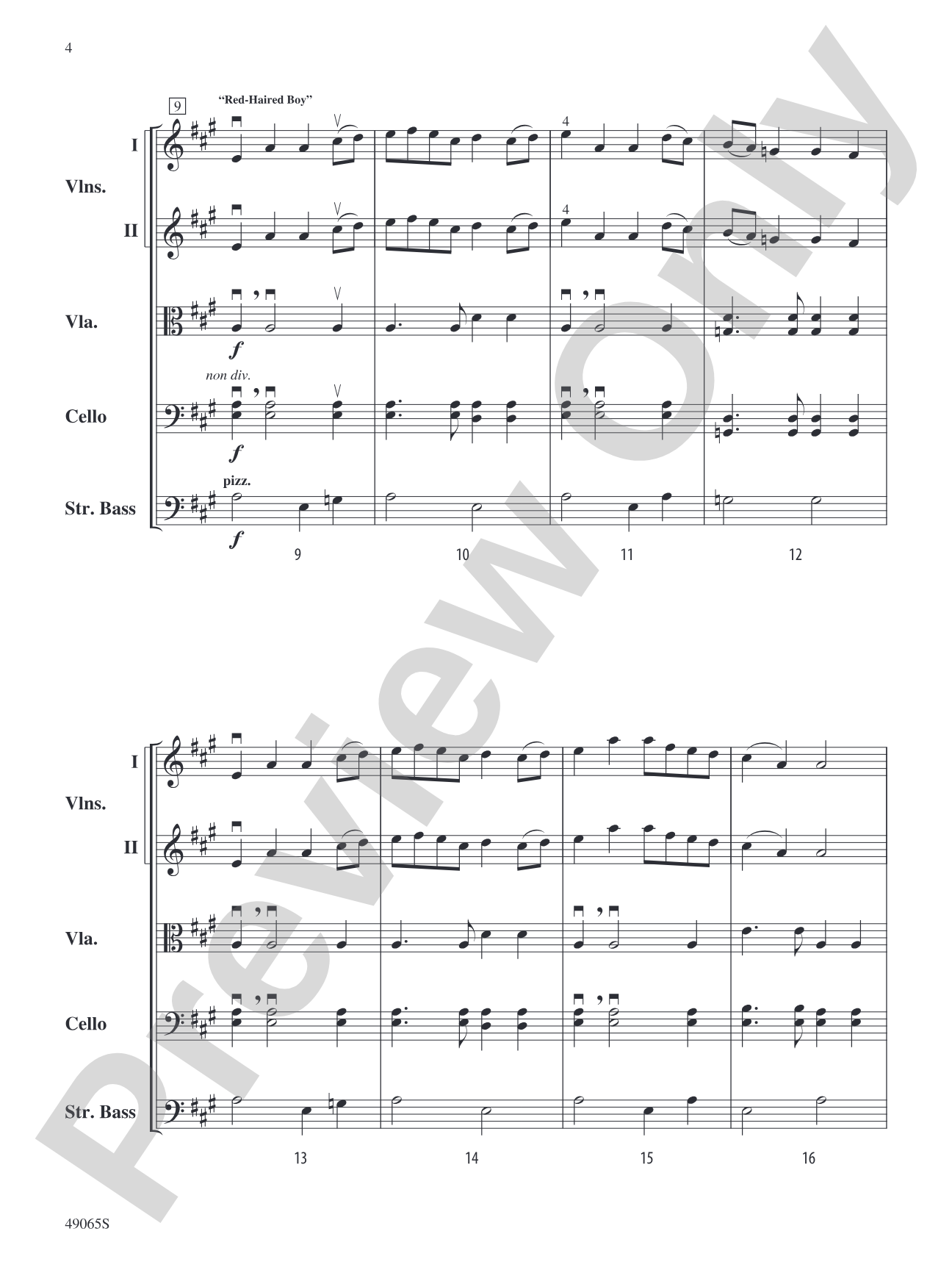
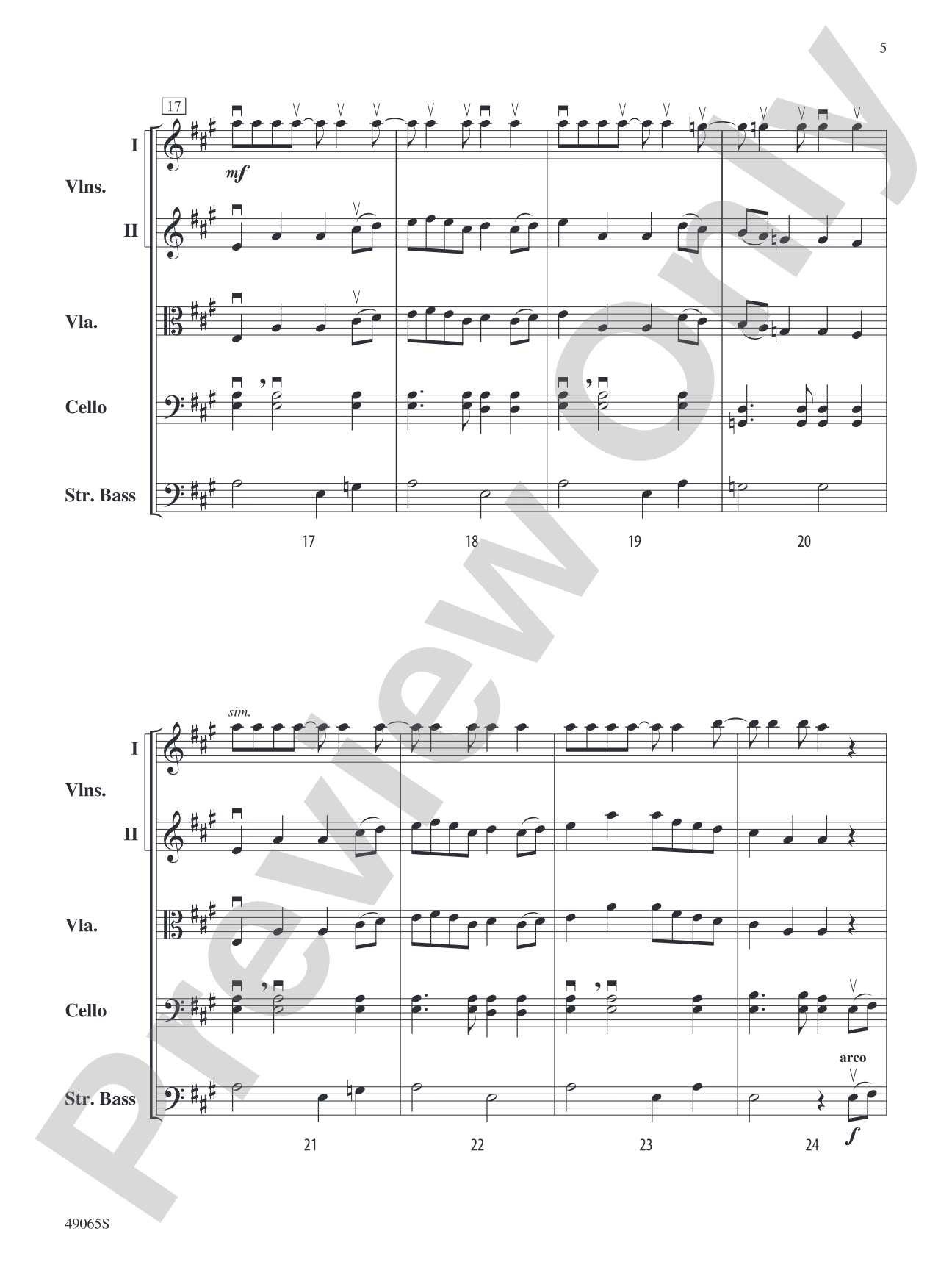
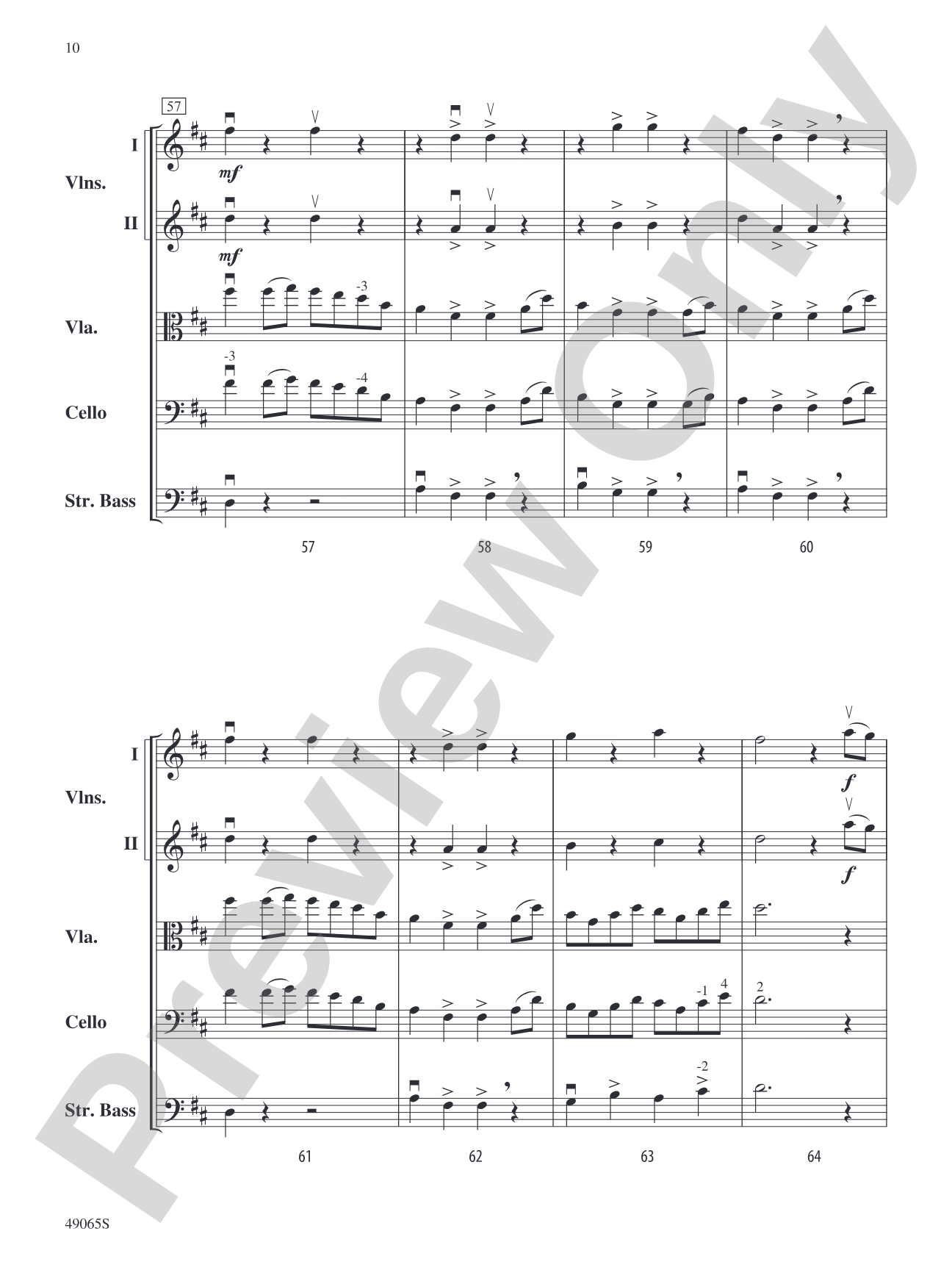
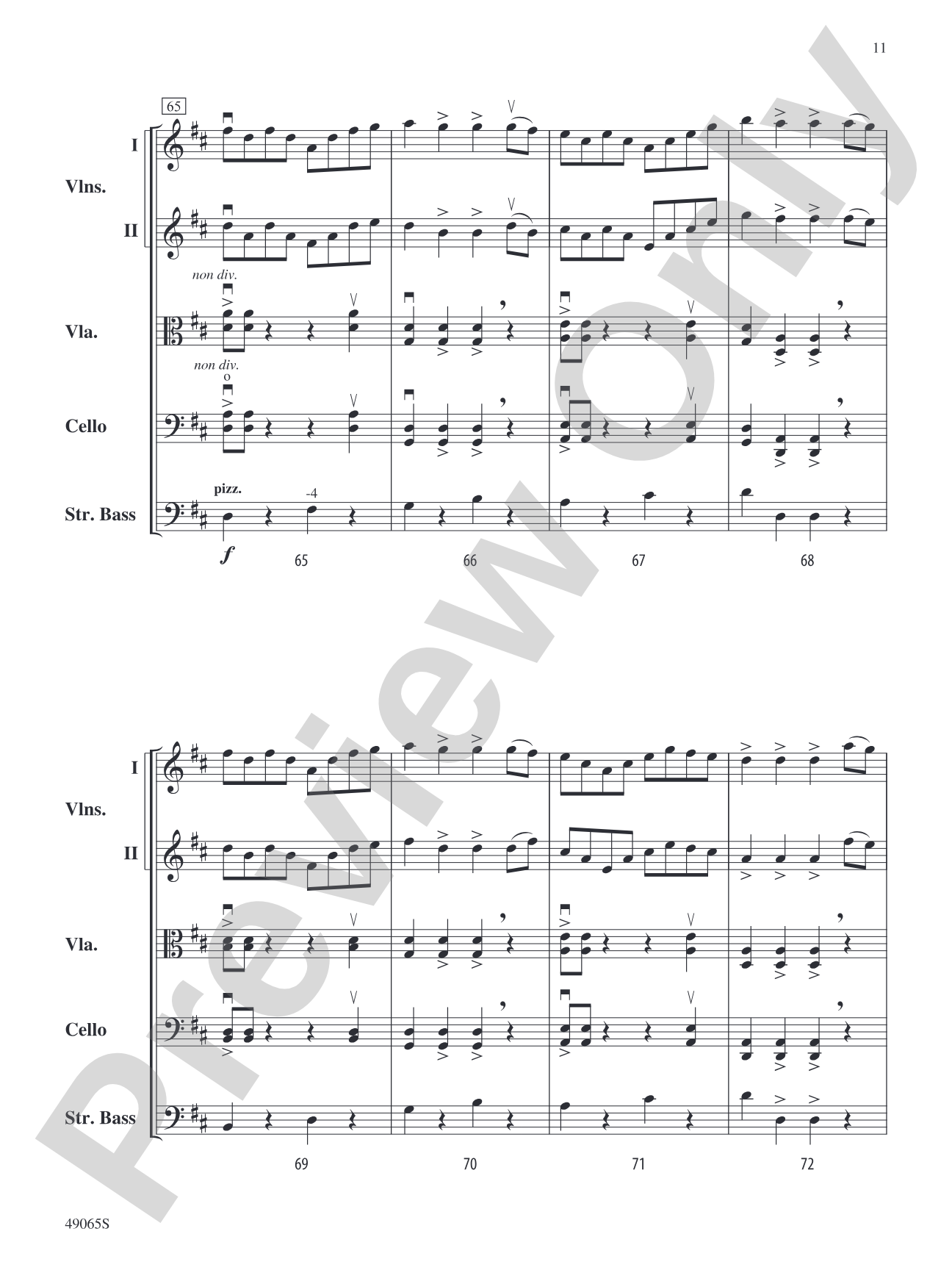
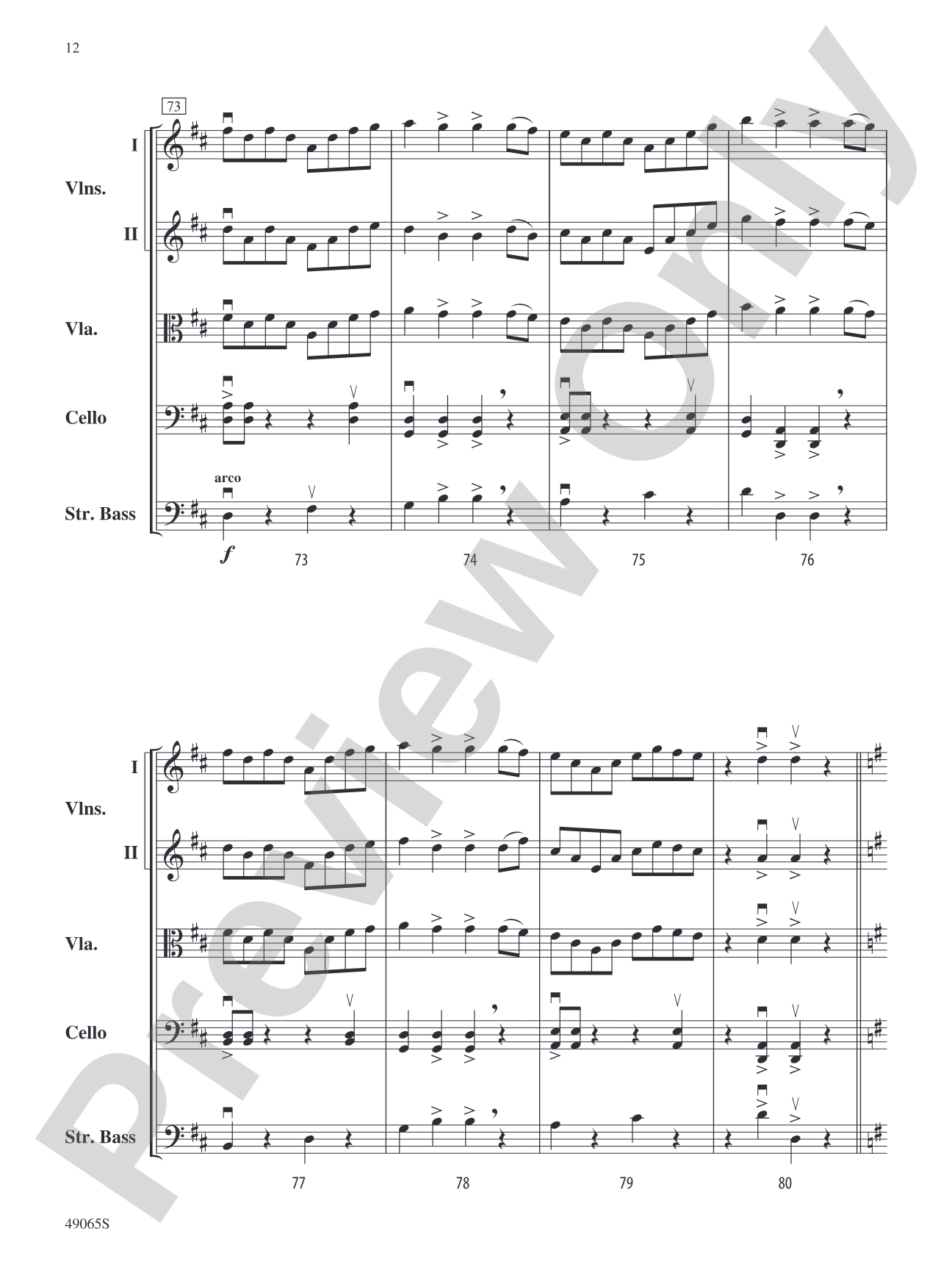
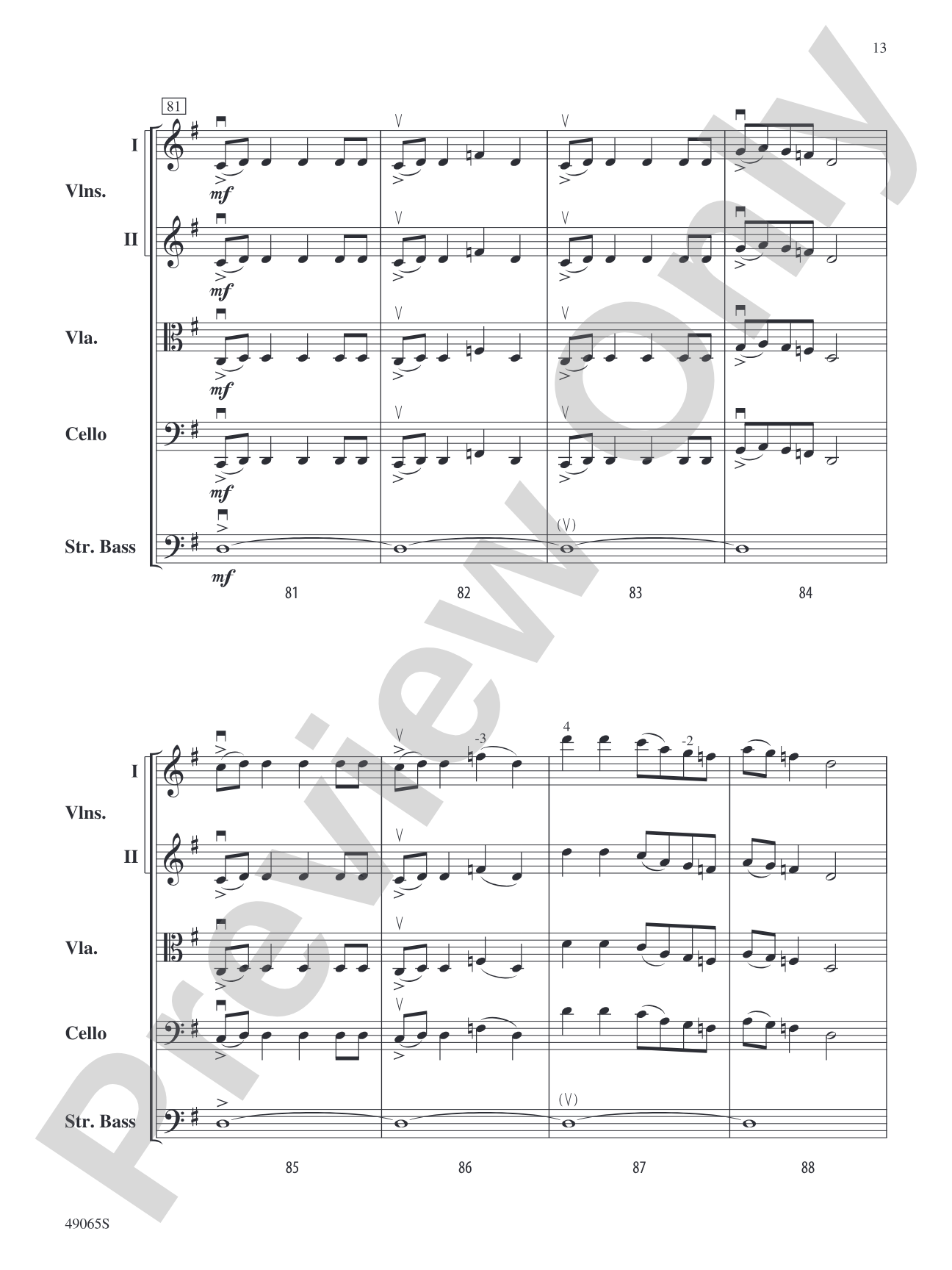
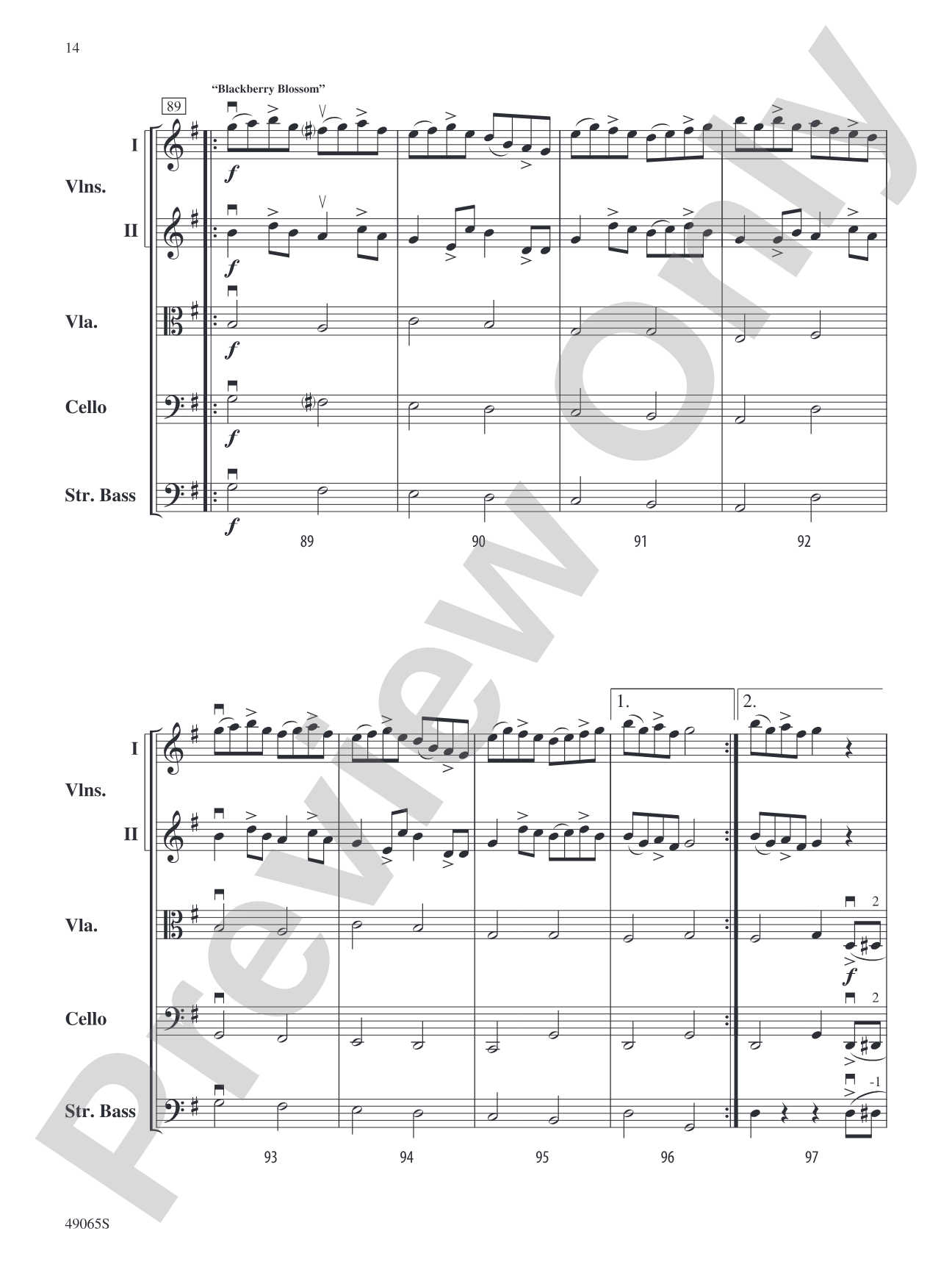
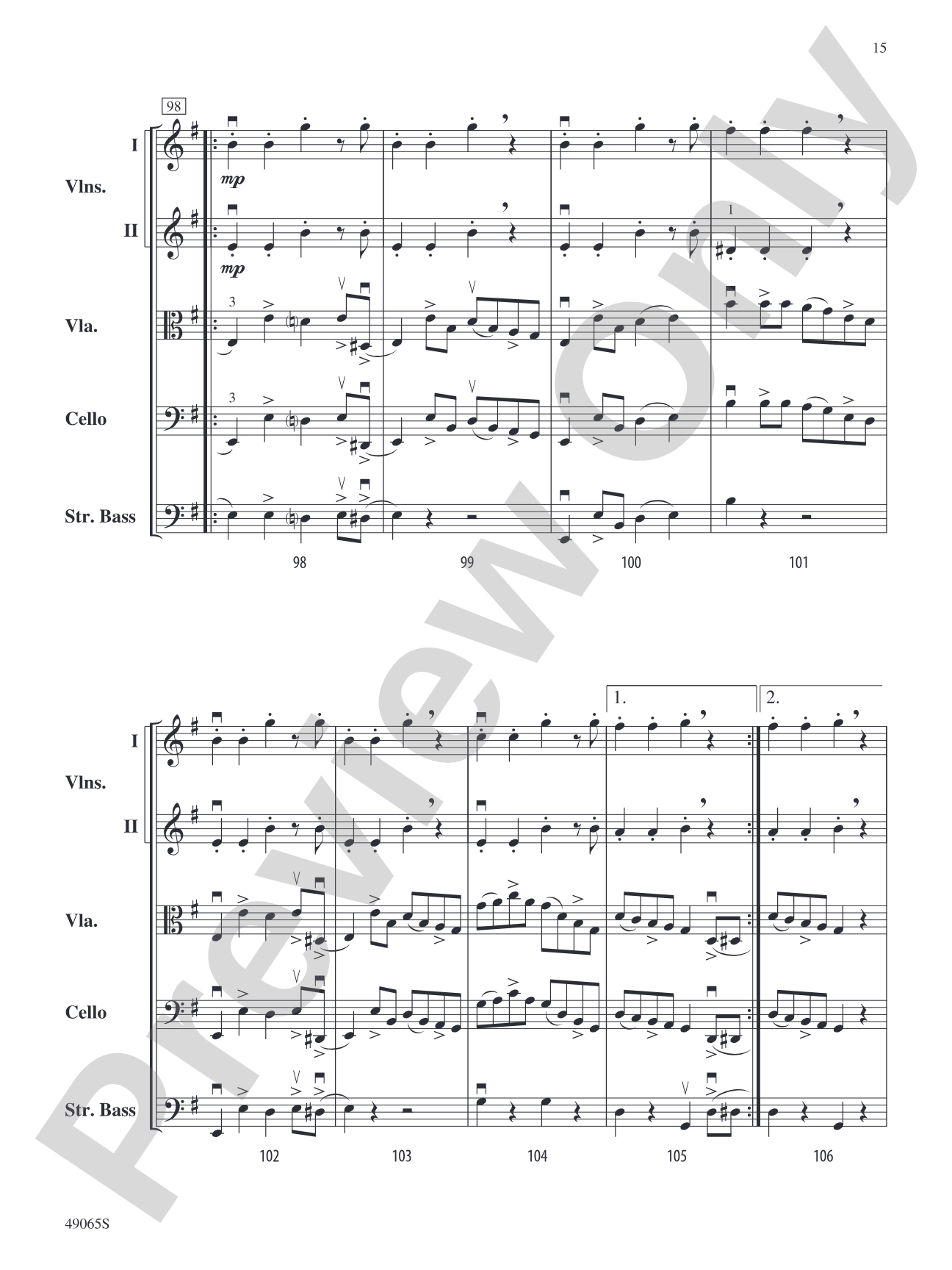
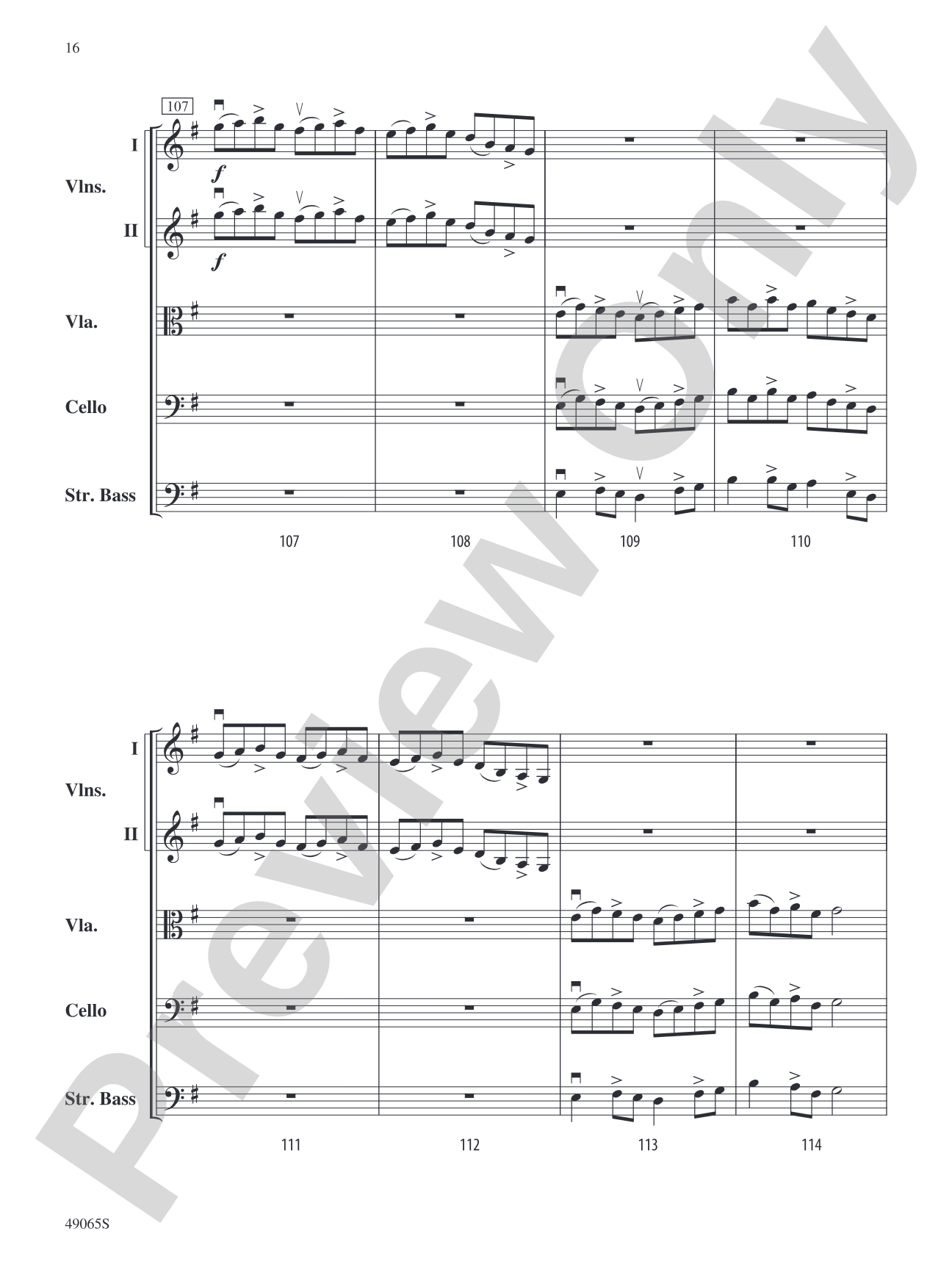
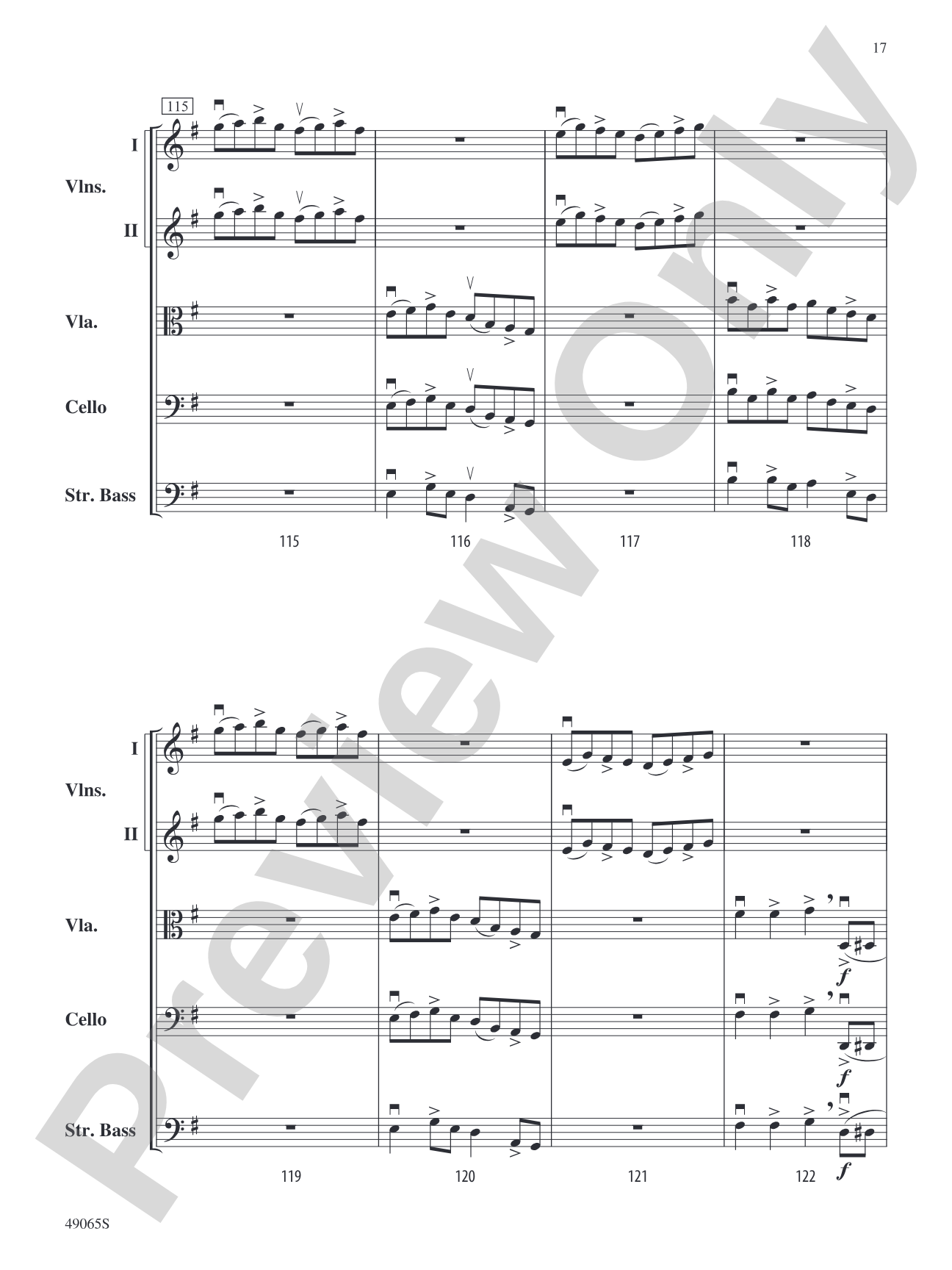
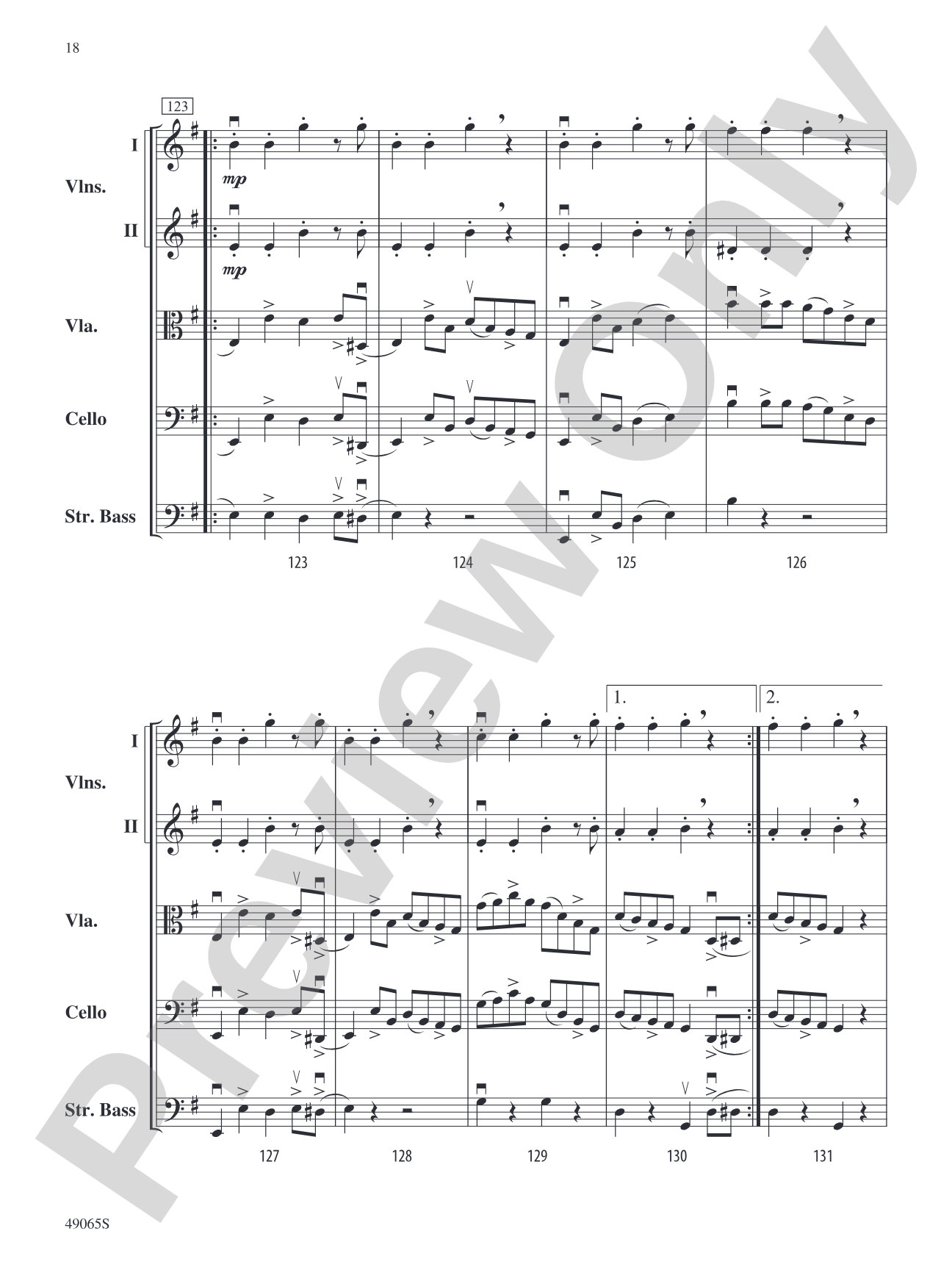
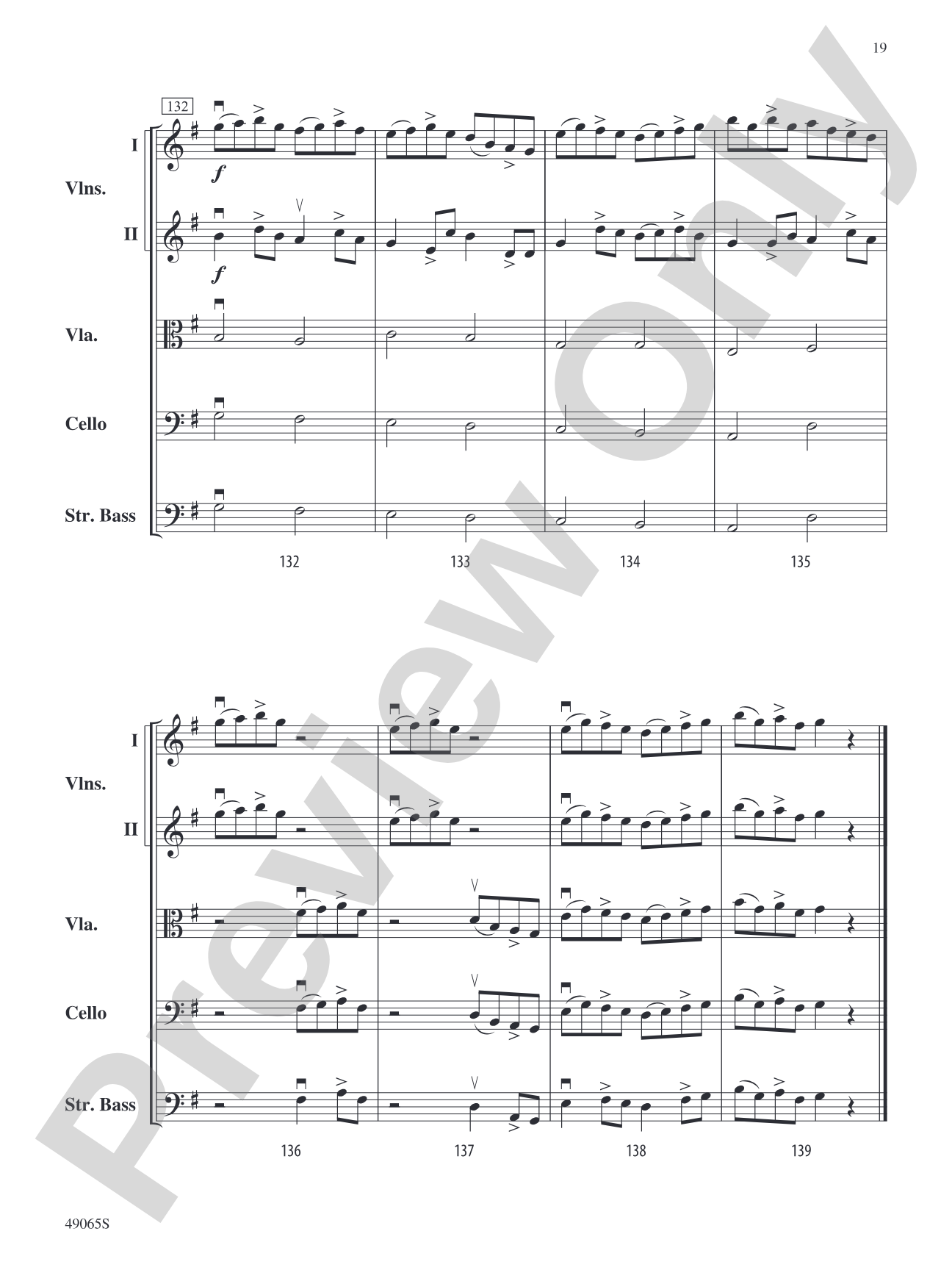
The setting of this exciting and beautifully arranged medley of classic fiddle tunes, Fiddler's Fortune arranged by Bob Phillips and Renata Bratt, provides a cool, super-fun groove that pulls the player into the action. Included are "Red-Haired Boy," "St. Anne's Reel," and "Blackberry Blossom," and every section gets to play the well-known melodies. Lead sheets of each tune and for each instrument will be available as free downloads so the melodies can be played in unison for another class activity. This arrangement is scheduled to be premiered by the Wintergrass 2021 Virtual Youth Orchestra.
To access the video, audio, and PDF resources click here.. (3:45) This title is available in MakeMusic Cloud.


To access the video, audio, and PDF resources click here.. (3:45) This title is available in MakeMusic Cloud.
Don't just read it, hear it, play along with it, and watch your students grow with it. In MakeMusic Cloud, Fiddler's Fortune: String Orchestra Conductor Score & Parts comes alive with professional accompaniment, adjustable tempo, and built-in practice tools that turn solo practice into real progress.
Open in the Player
Jump straight in and assign it today.
Start Your Free Trial
Open this title and explore the full library in minutes.
Sample Audio
1
Audio File
--:--
0:00
0:00
Sample Video
Additional Details
Series:
Highland/Etling String Orchestra
Publisher:
Alfred Music
Page Count:
113
SKU:
00-PK-0008369
More about this title
About the Arranger: Bob Phillips

Bob Phillips (b. 1953) has spent decades shaping string education through innovative pedagogy and prolific composition. A conductor and teacher trainer, he built the Saline, Michigan string program into a nationally recognized model with over 700 students, founded the internationally touring Saline Fiddlers Philharmonic, and served as resident conductor and arranger for Seattle's Wintergrass Festival for 12 years. His work spans classical and eclectic styles, from the Sound Innovations series to groundbreaking publications like Fiddlers Philharmonic and Jazz Philharmonic.
Phillips has authored more than 25 book series and published over 200 works for orchestras and bands, earning recognition as an ASCAP award-winning composer whose pieces are performed by thousands of students annually. His instructional DVDs and guest conducting appearances at all-state orchestras, youth symphonies, and prestigious camps like Interlochen and Blue Lake Fine Arts Camp have influenced music teachers and students across the country.
Why we love this
Phillips and Bratt have crafted an arrangement that honors the fiddle tradition while giving every section of your orchestra a chance to carry melody. The groove pulses with genuine fun rather than forced energy, making this equally rewarding for students learning to embrace folk idioms and for audiences who instantly recognize these tunes. The included lead sheets unlock a secondary learning activity where students can explore unison playing across instruments, deepening their understanding of how melodies work across the ensemble.
What to expect
Fiddler's Fortune radiates the warmth and rhythmic vitality of traditional fiddle tunes without feeling nostalgic or quaint. The orchestration brings these melodies to life with modern energy while respecting the character that has made "Red-Haired Boy," "St. Anne's Reel," and "Blackberry Blossom" endure across generations. Playing through it feels less like a museum visit and more like joining a living tradition.
Who it's for
String orchestras at the Grade 3 level seeking repertoire that balances musicianship with genuine enjoyment. This works for programs wanting to expand beyond standard classical literature and introduce students to folk traditions with contemporary arranging sensibility.
How to get the most out of it
- Establish a steady, relaxed pulse in rehearsal before adding the arrangementamental details. These tunes thrive on rhythmic confidence rather than technical precision.
- Use the provided lead sheets to have each section practice their melodic passages in unison during sectionals, building comfort with the folk idiom before full orchestra rehearsal.
- Encourage string sections to listen across parts during transitions between tunes. The arrangement moves through familiar melodies, and clear communication between sections prevents rhythmic drift.
- Shape the dynamics around the narrative of each tune rather than imposing uniform changes. Folk music often breathes naturally between phrases, so honor that phrasing tradition.
How to use it
Program this as a spring concert feature that showcases your orchestra's range beyond symphonic repertoire and invites community audiences who may not typically attend classical concerts. Its 3:45 duration makes it an ideal centerpiece for a folk-themed concert alongside related chamber or solo work, or place it mid-program to reset audience energy between heavier pieces.
Skills your students will build
- Reading and executing folk idioms and swing/shuffle rhythms in orchestral context
- Maintaining ensemble cohesion across multiple thematic sections and tune transitions
- Balancing individual voice within unison and homophonic textures
- Responding to phrasing that follows folk tradition rather than classical symmetry
- Connecting instrumental technique to cultural music practice