

Fiddle Like the Dickens!: String Orchestra Conductor Score & Parts
Christmas Carols and Fiddle Tunes from Scrooge's Time
Arr. Tim McCarrick
Grade: 3
Item: 00-PK-0001730

$56.00
Pickup currently not available
Buy Extra Parts (Digital PDF Download)
| Product | Price | Quantity |
|---|---|---|
| Fiddle Like the Dickens!: Score | $10.00 | |
| Fiddle Like the Dickens!: 1st Violin | $7.99 | |
| Fiddle Like the Dickens!: 2nd Violin | $7.99 | |
| Fiddle Like the Dickens!: 3rd Violin (Viola [TC]) | $7.99 | |
| Fiddle Like the Dickens!: Viola | $7.99 | |
| Fiddle Like the Dickens!: Cello | $7.99 | |
| Fiddle Like the Dickens!: String Bass | $7.99 |
Parts Added to Cart!
Description
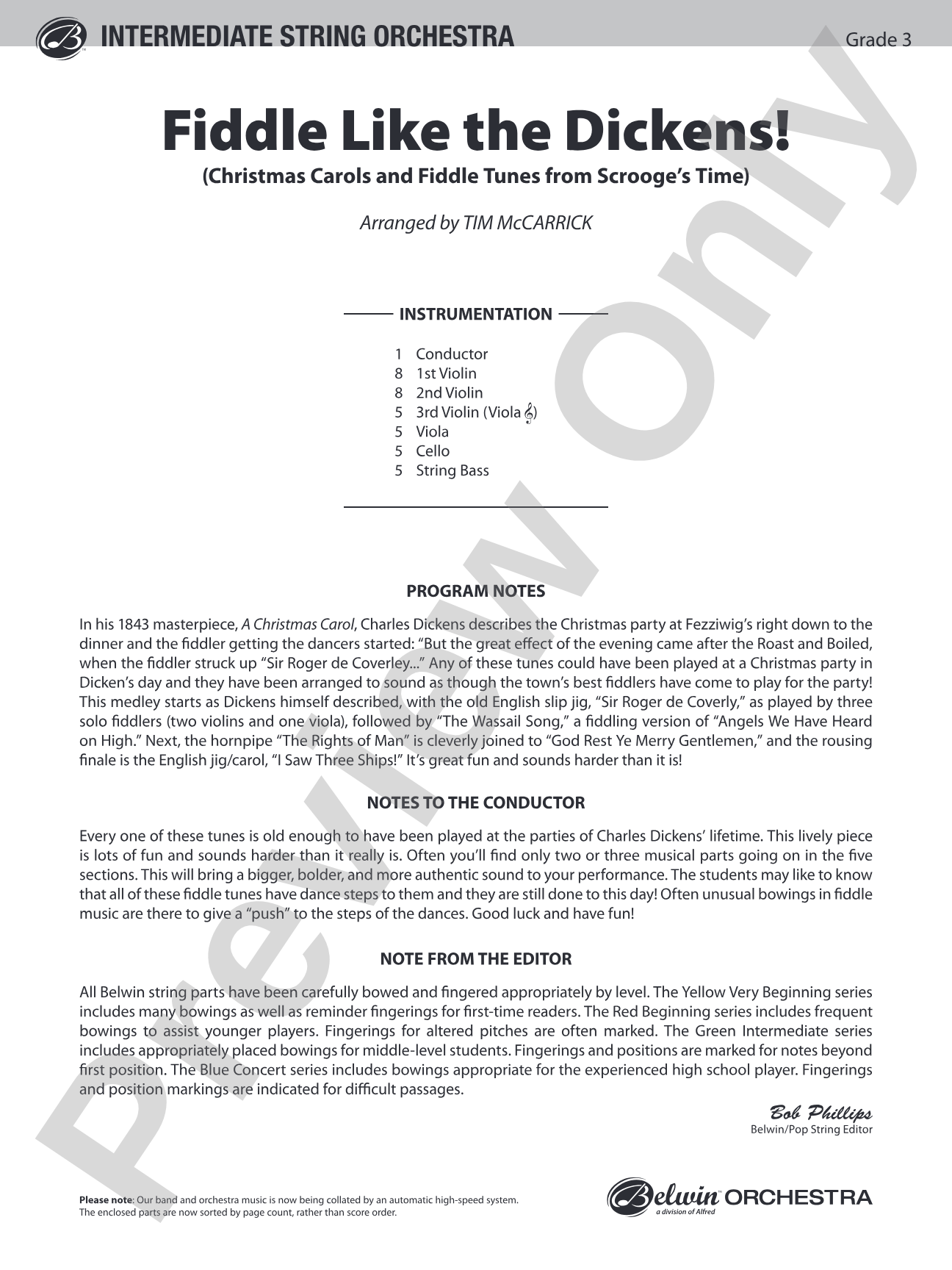
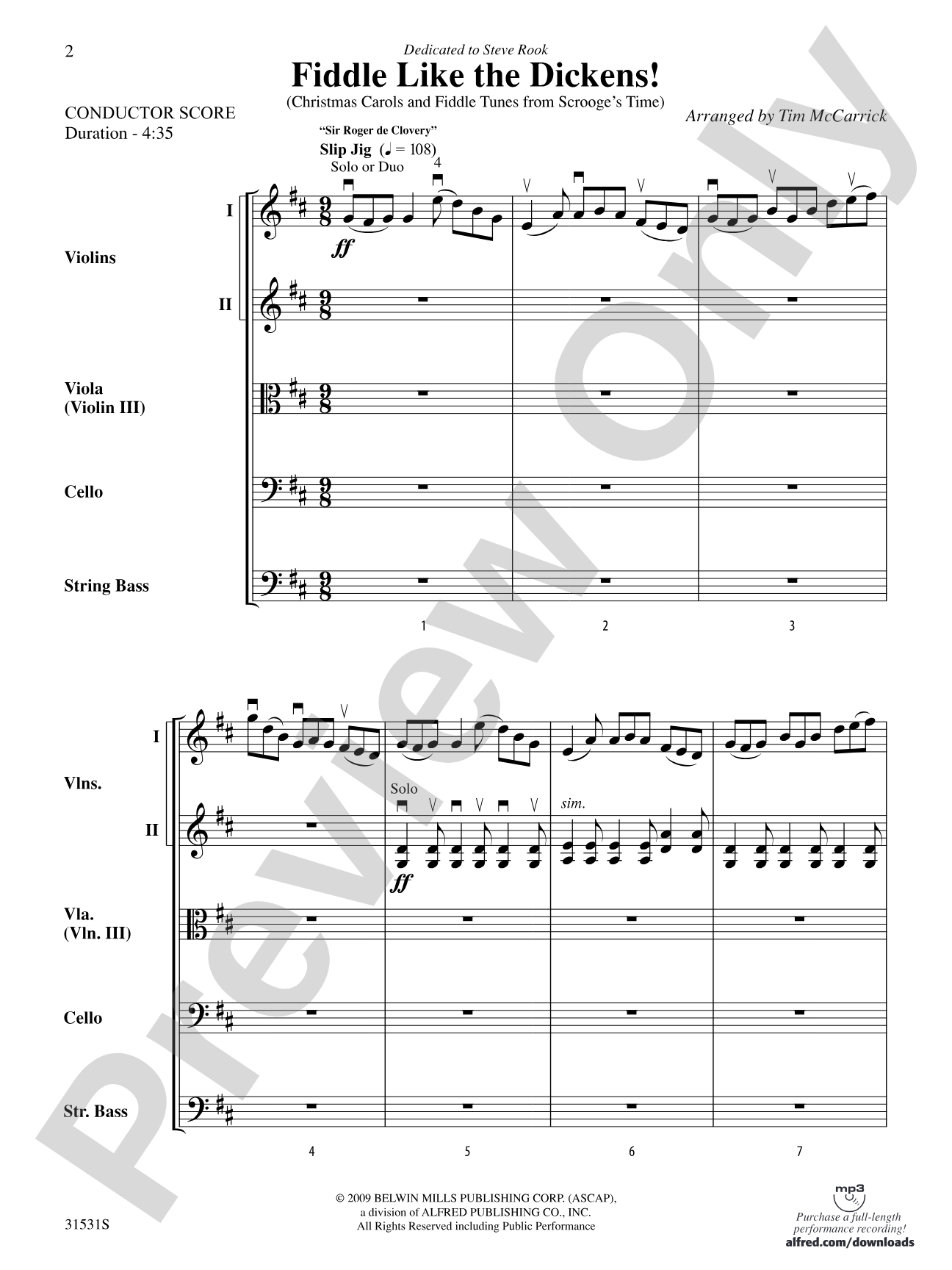
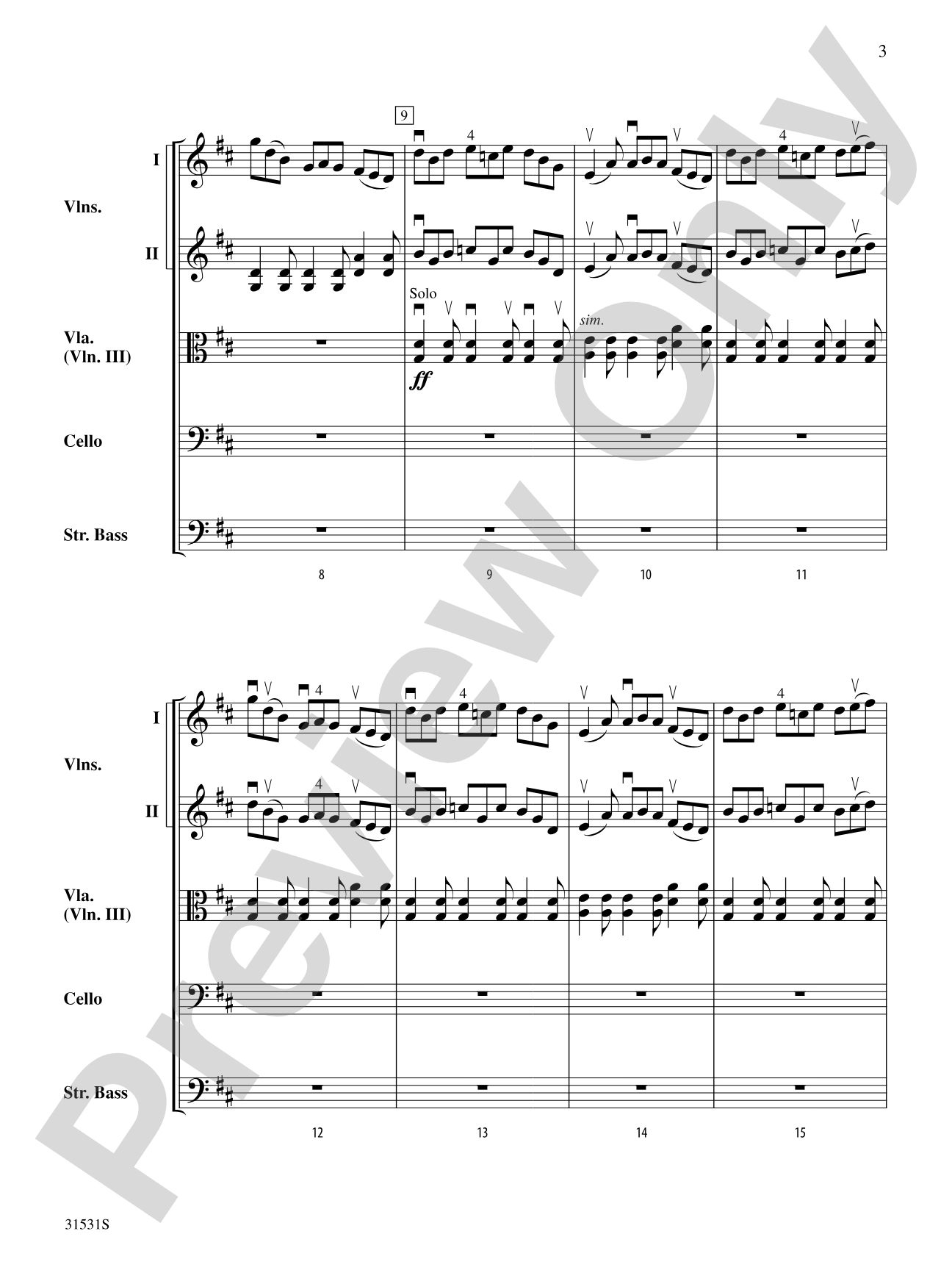
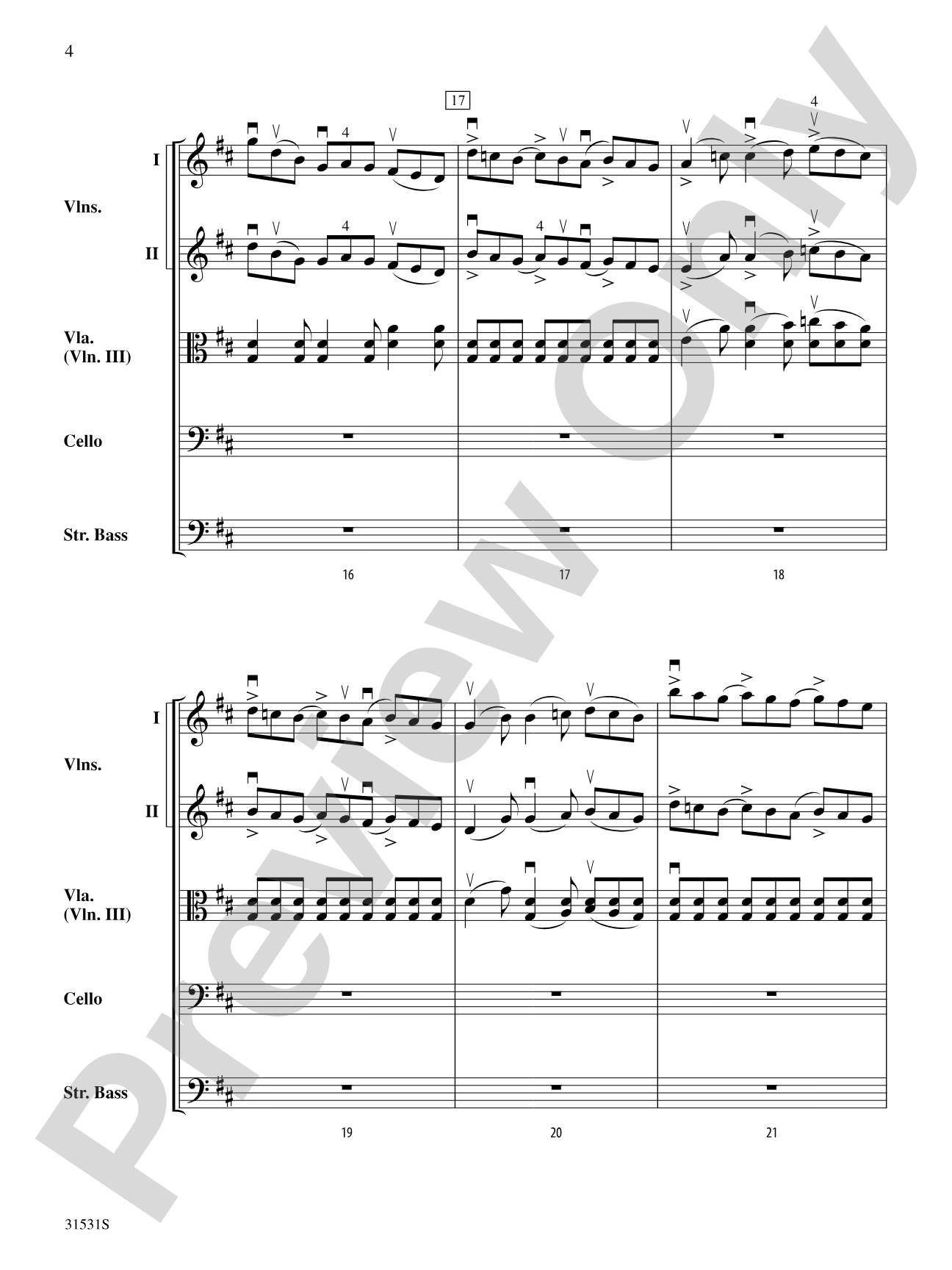
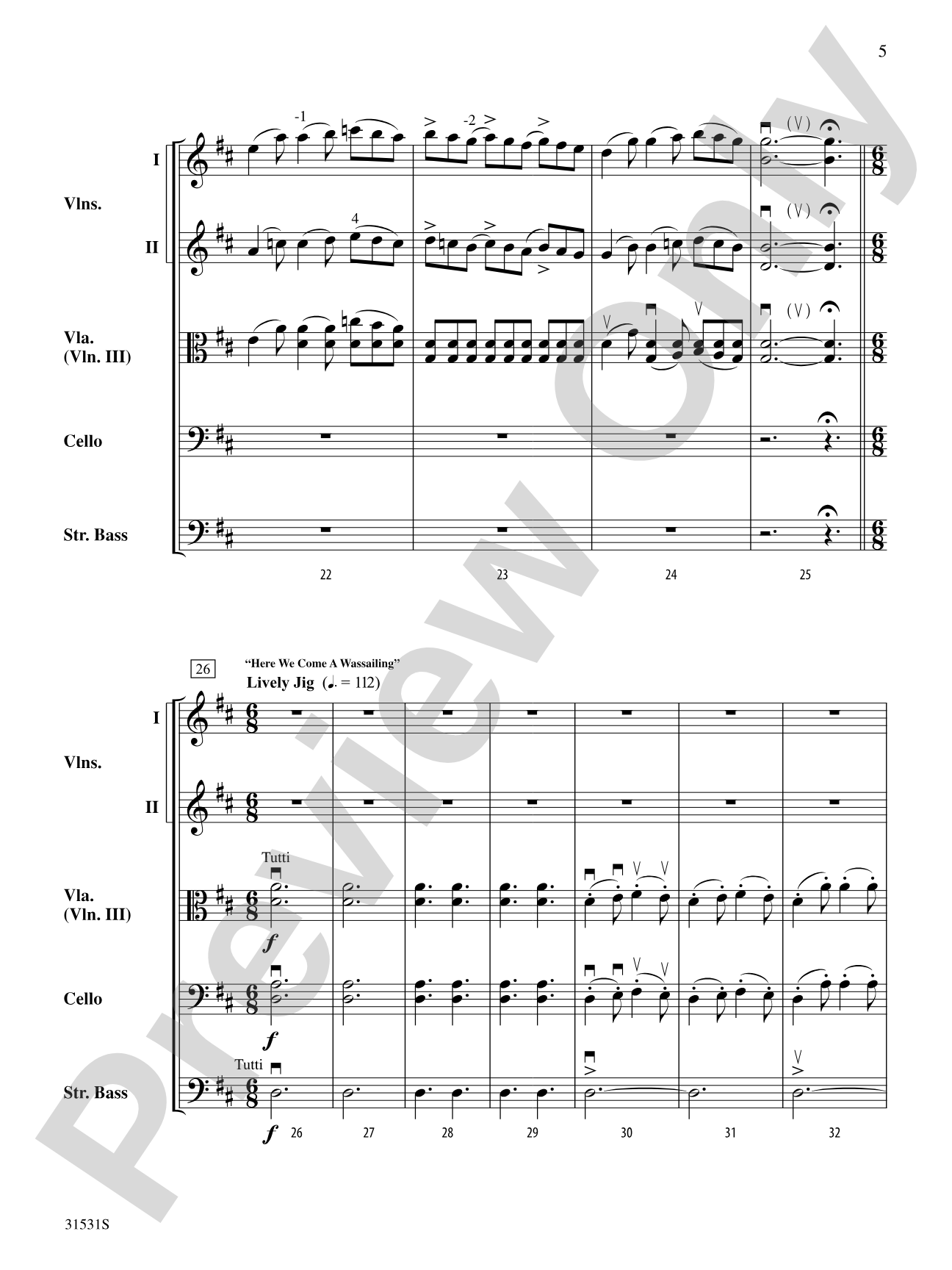
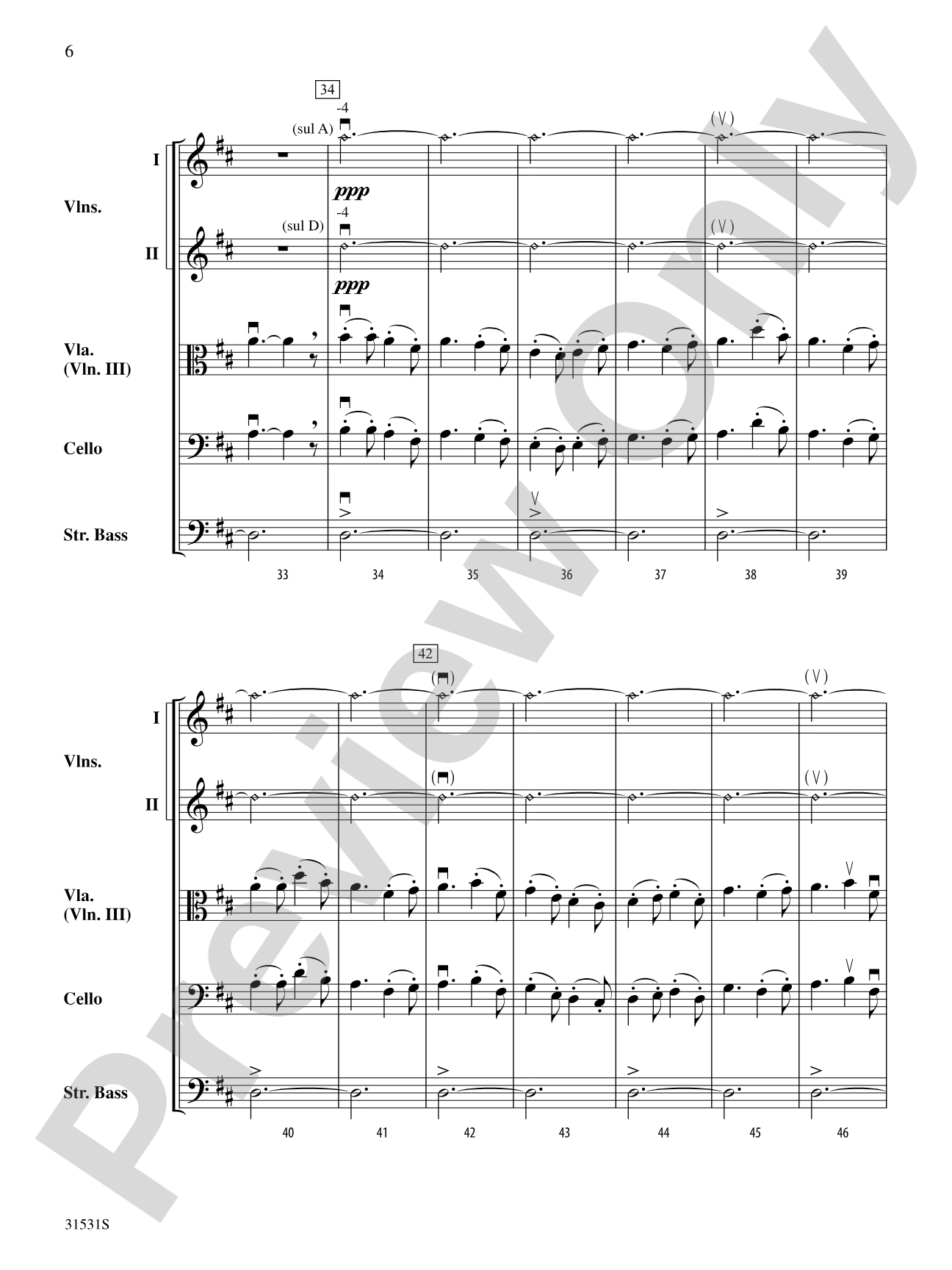
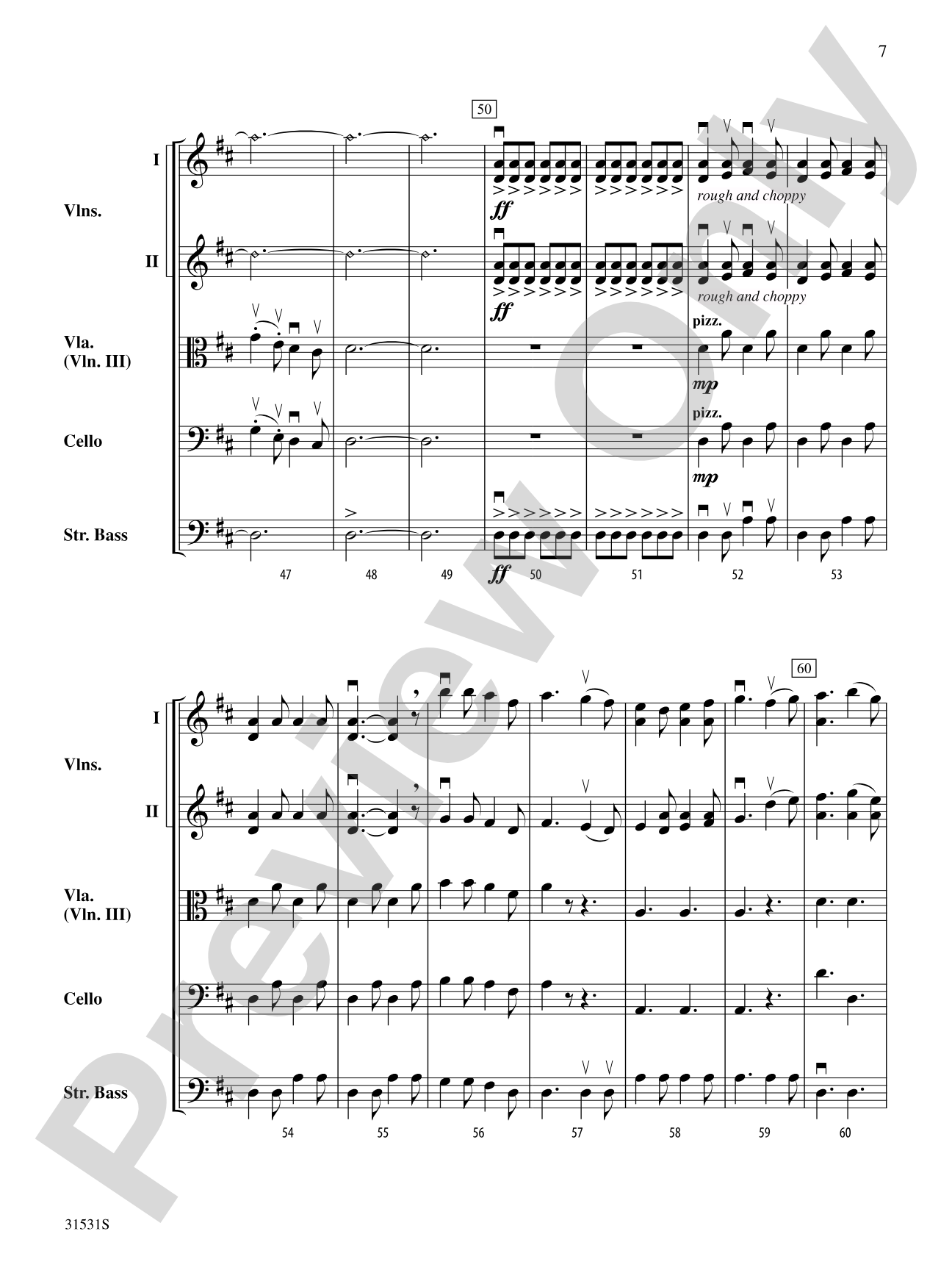
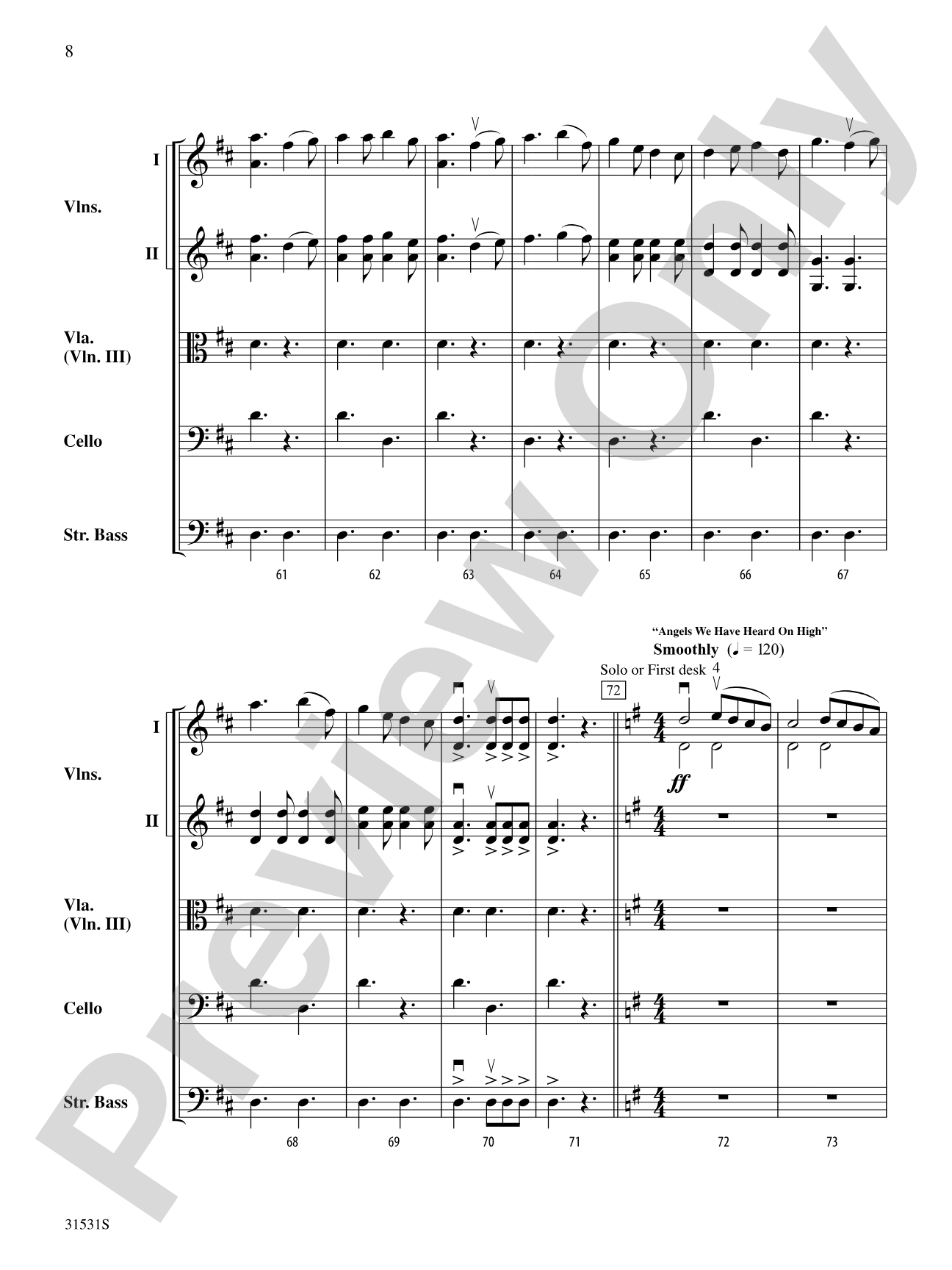
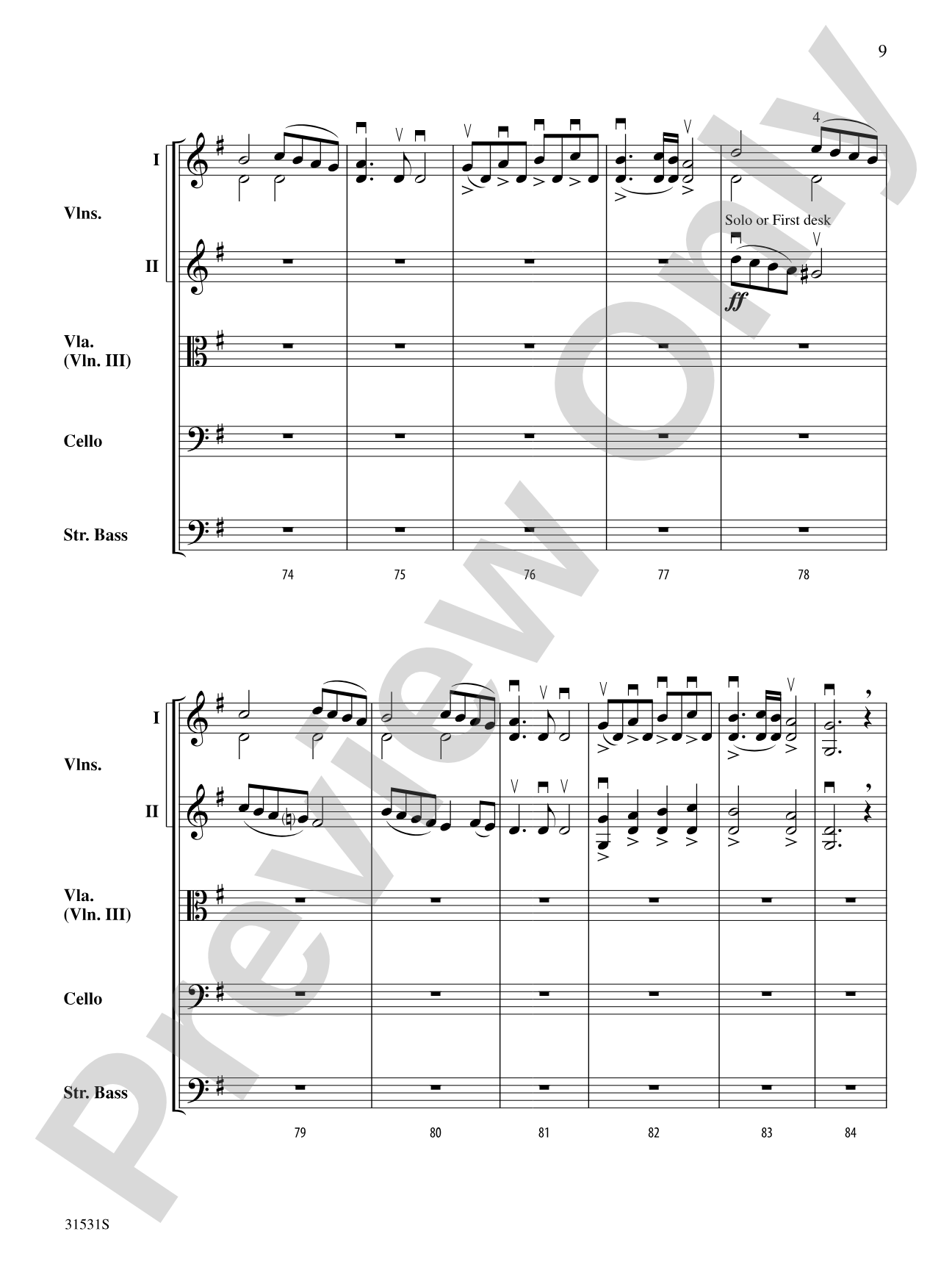
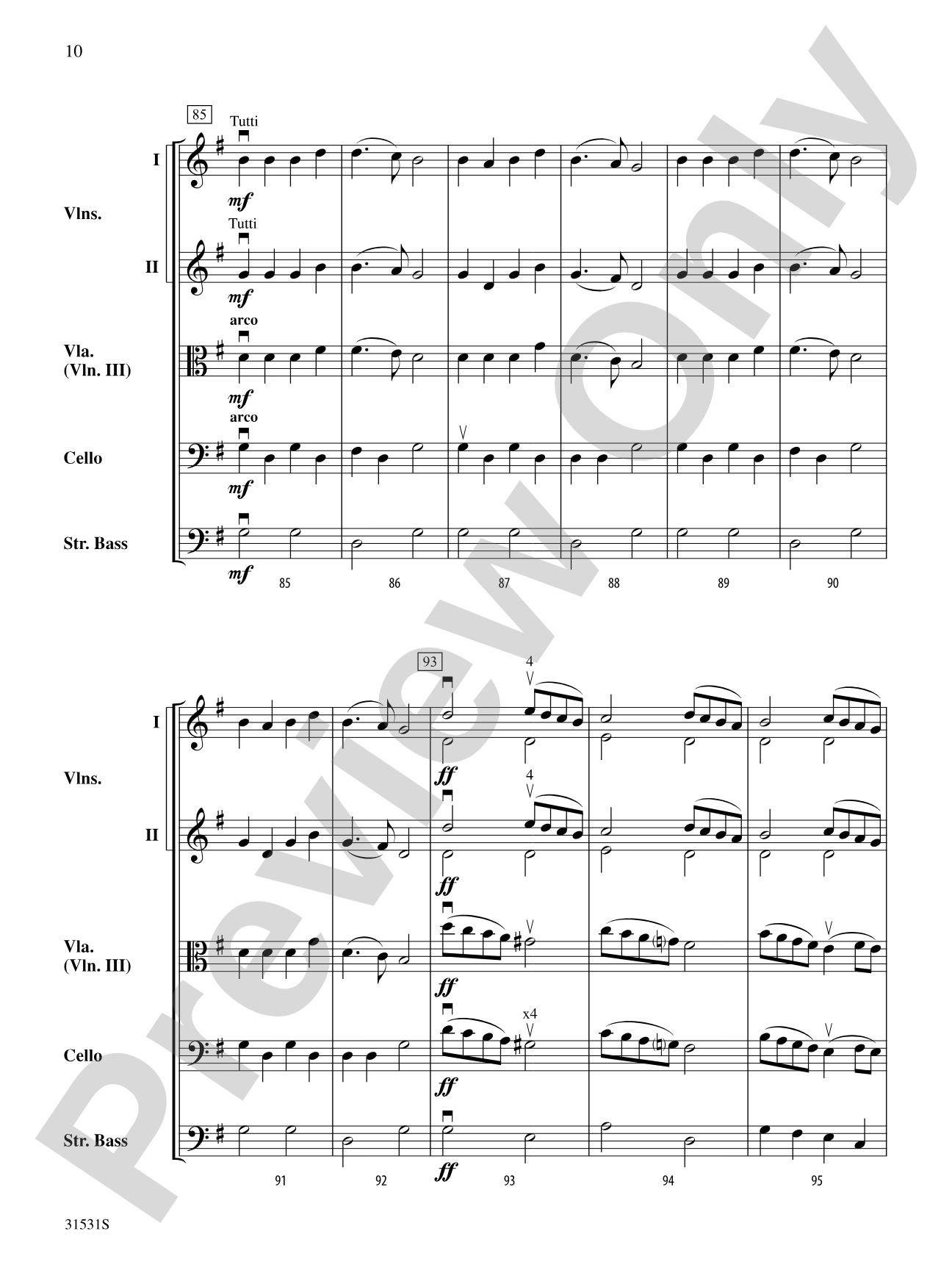
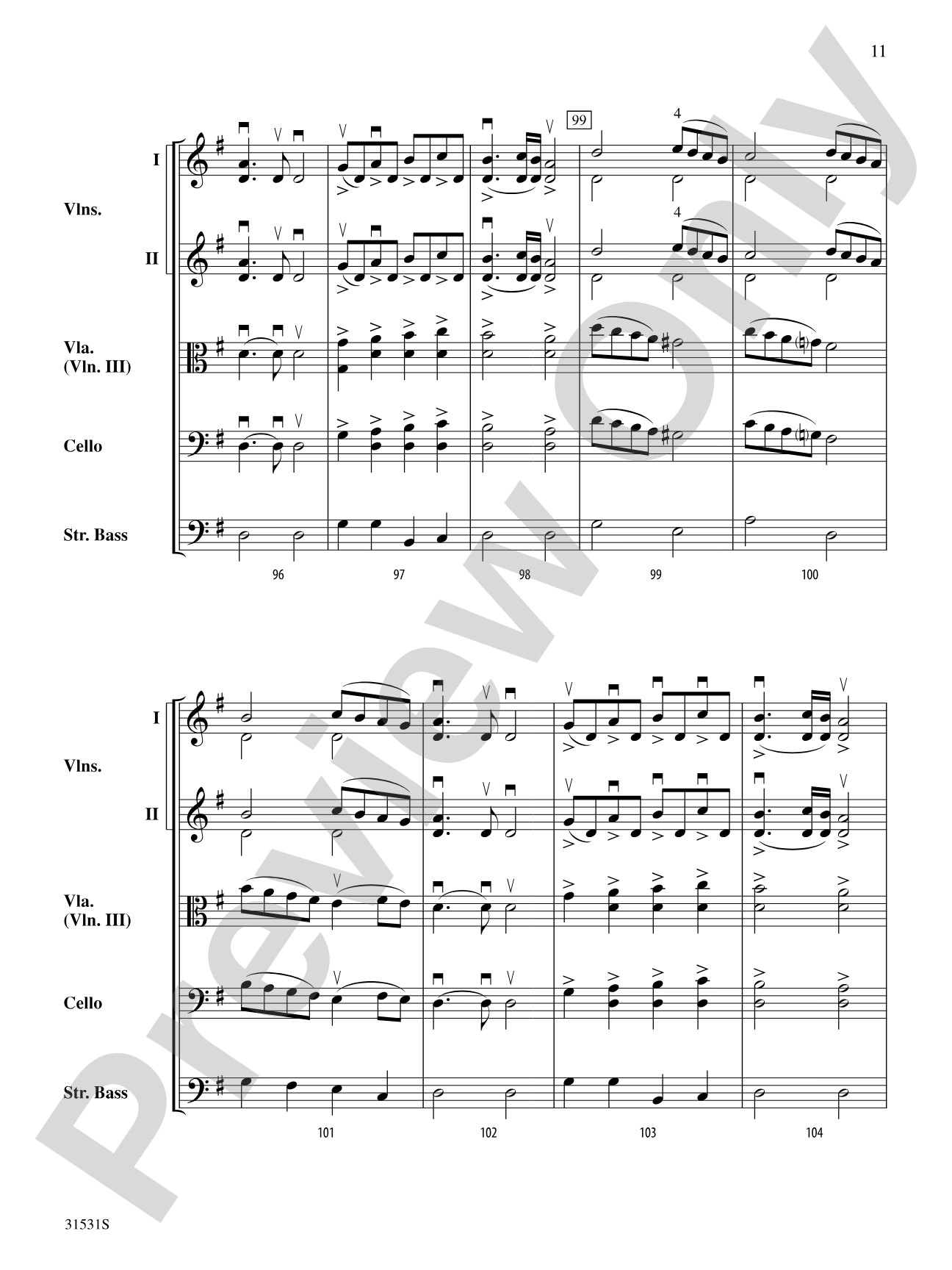
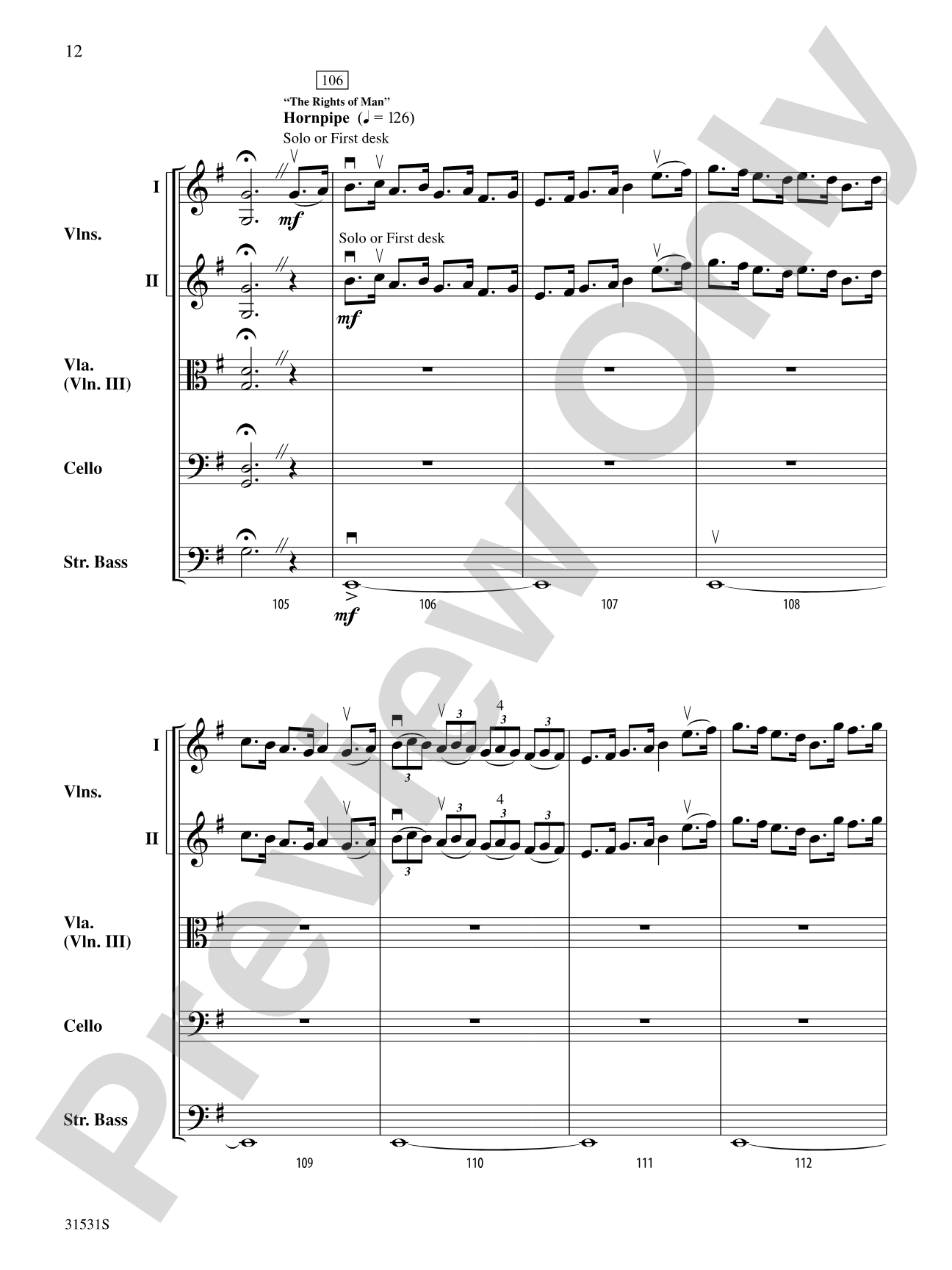
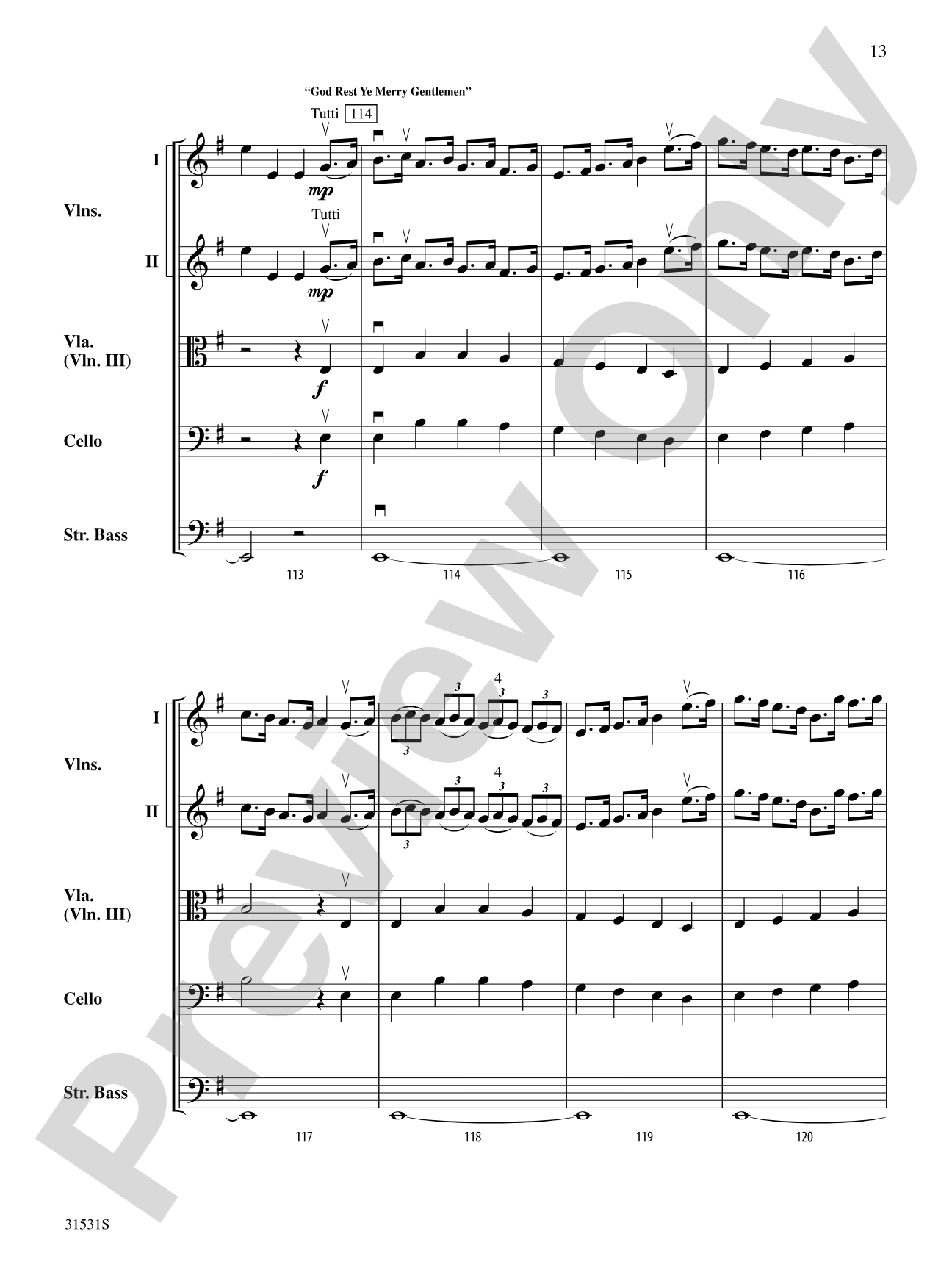
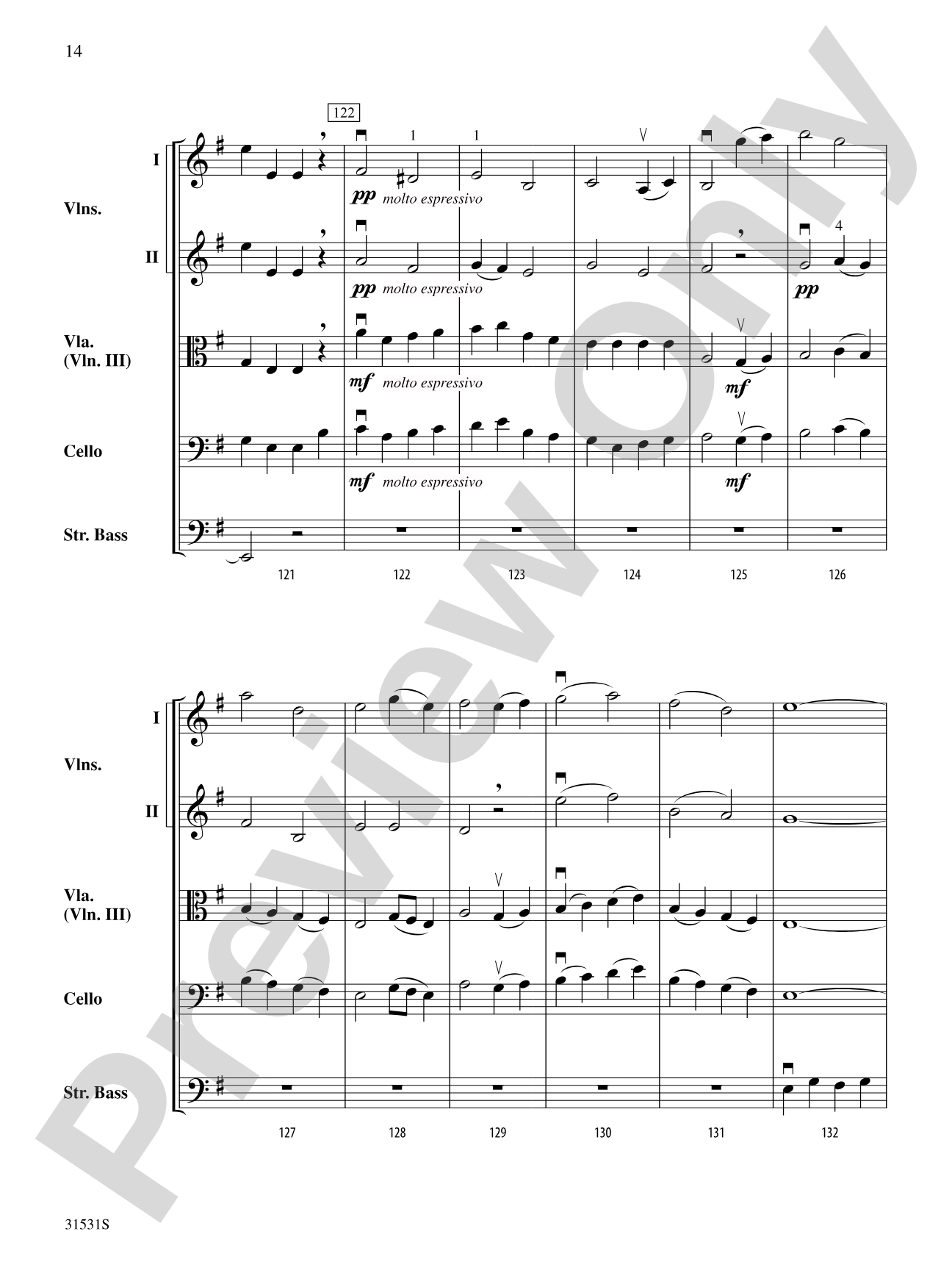
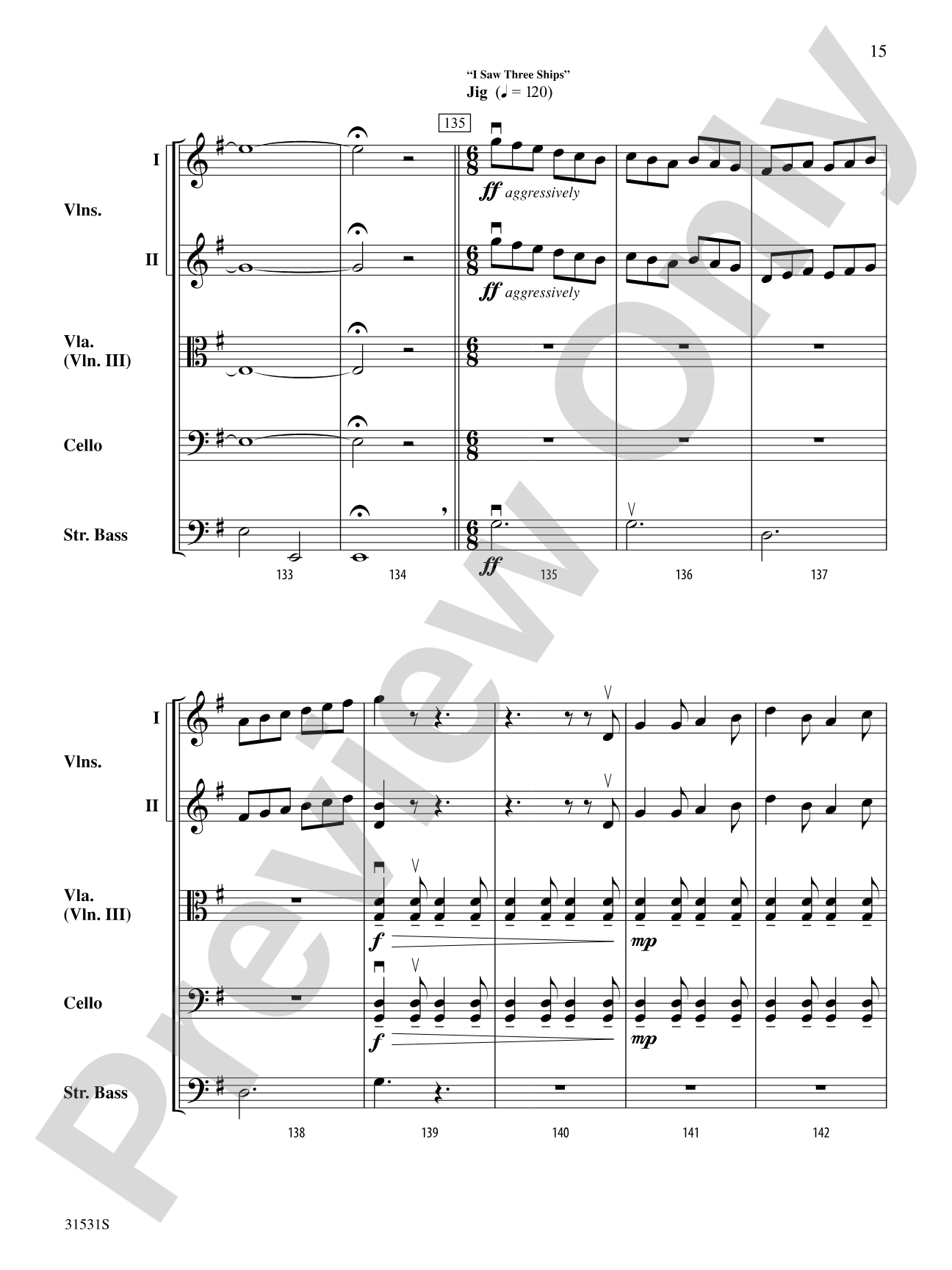
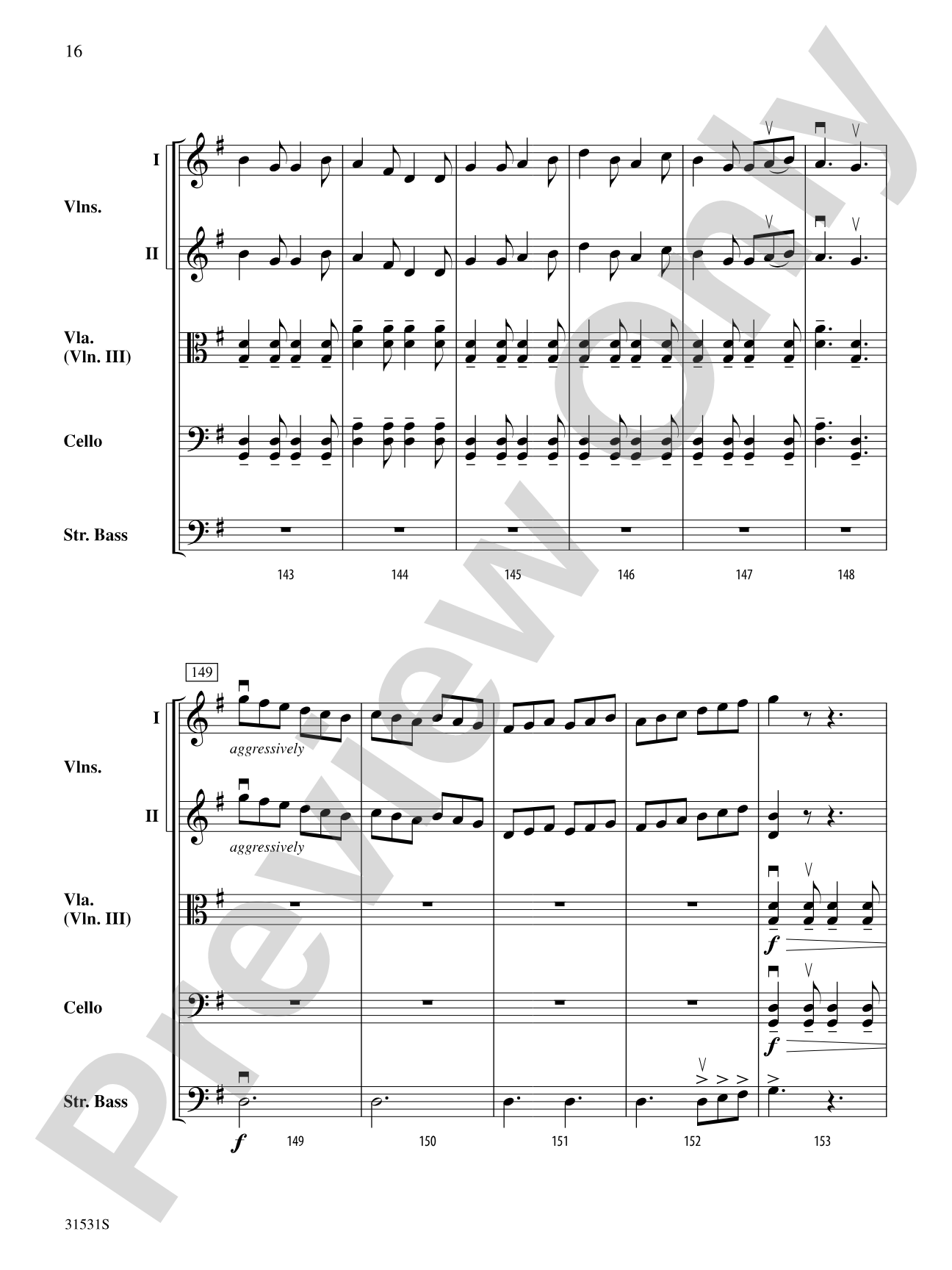
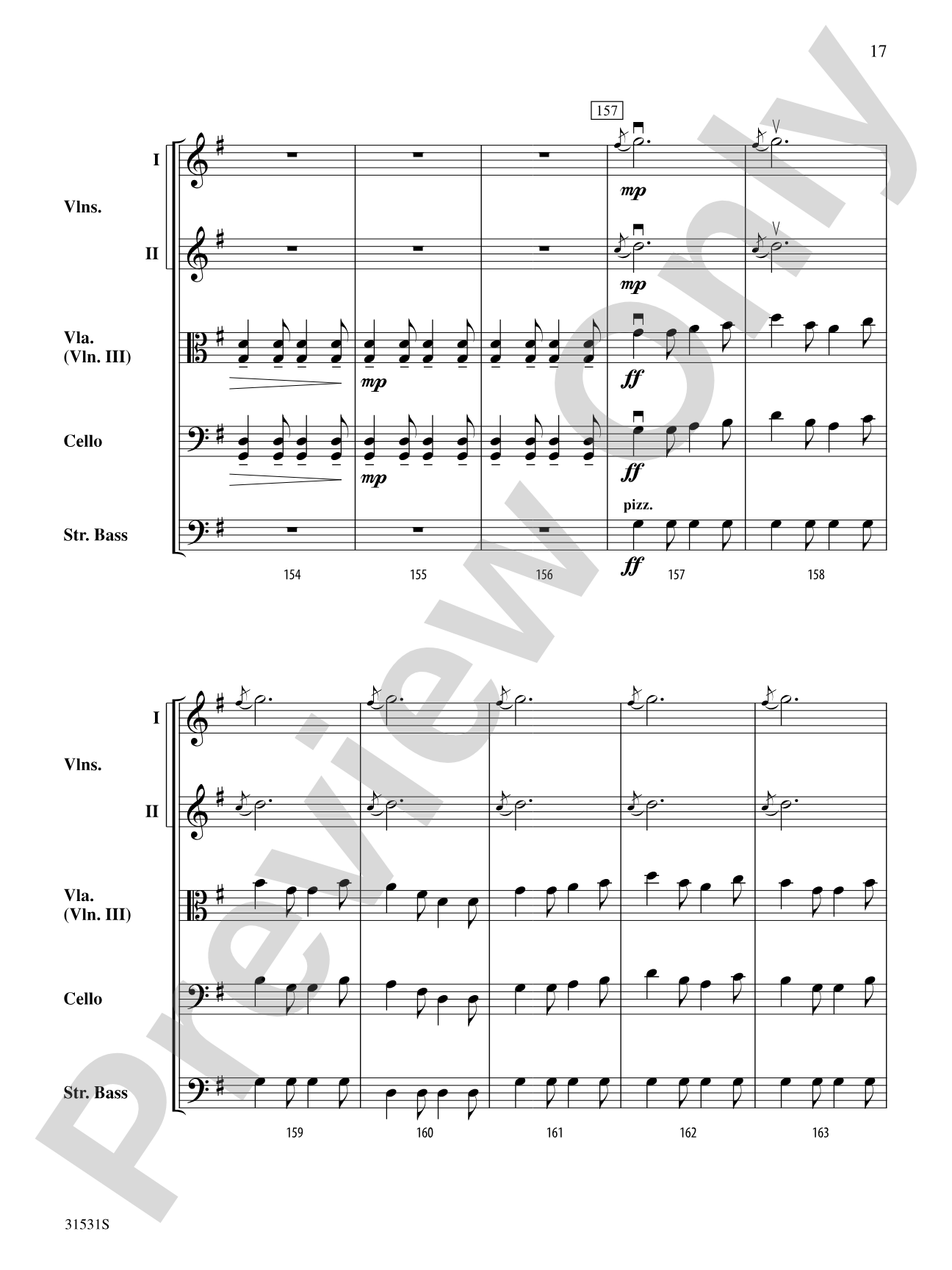
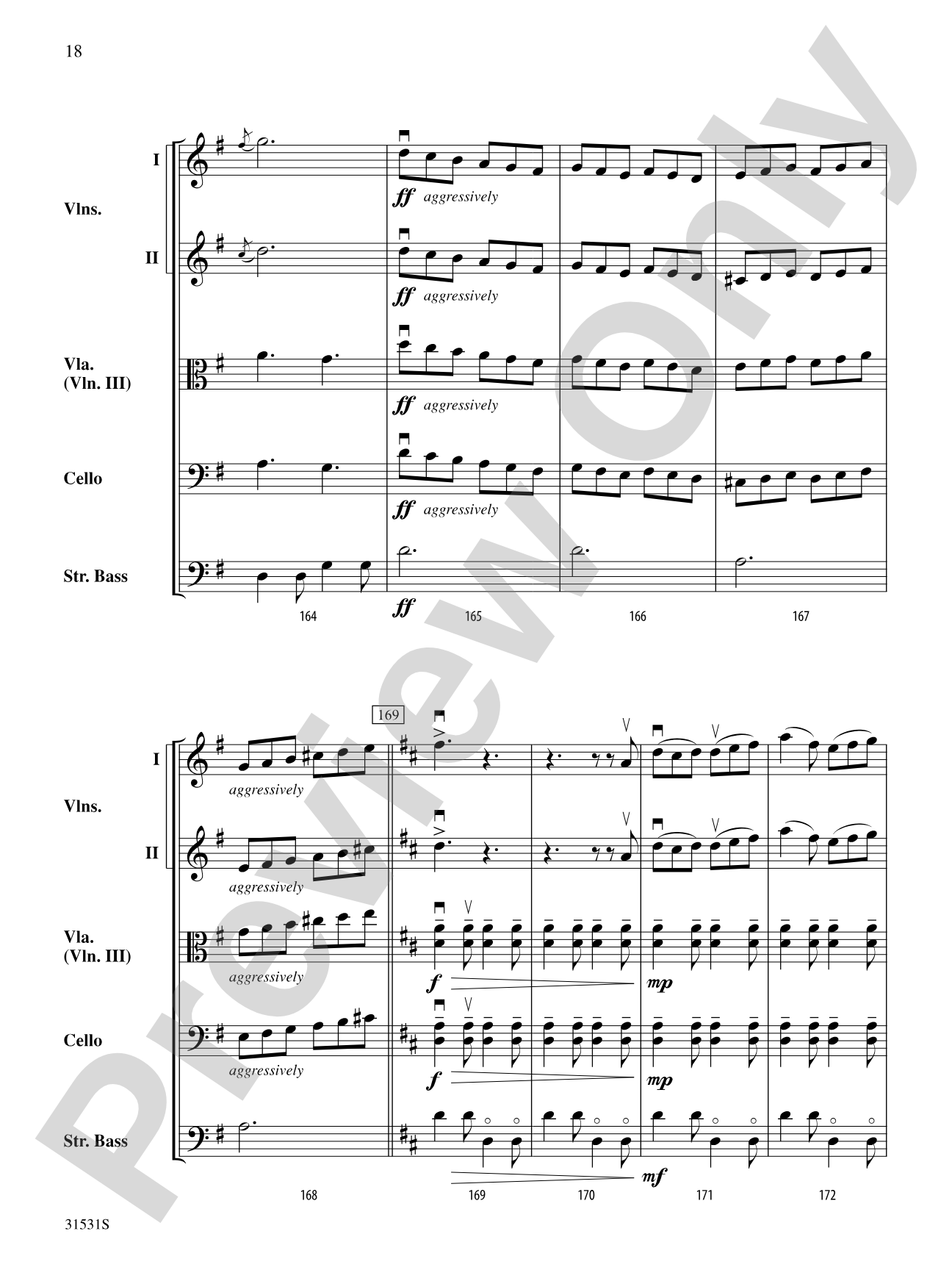
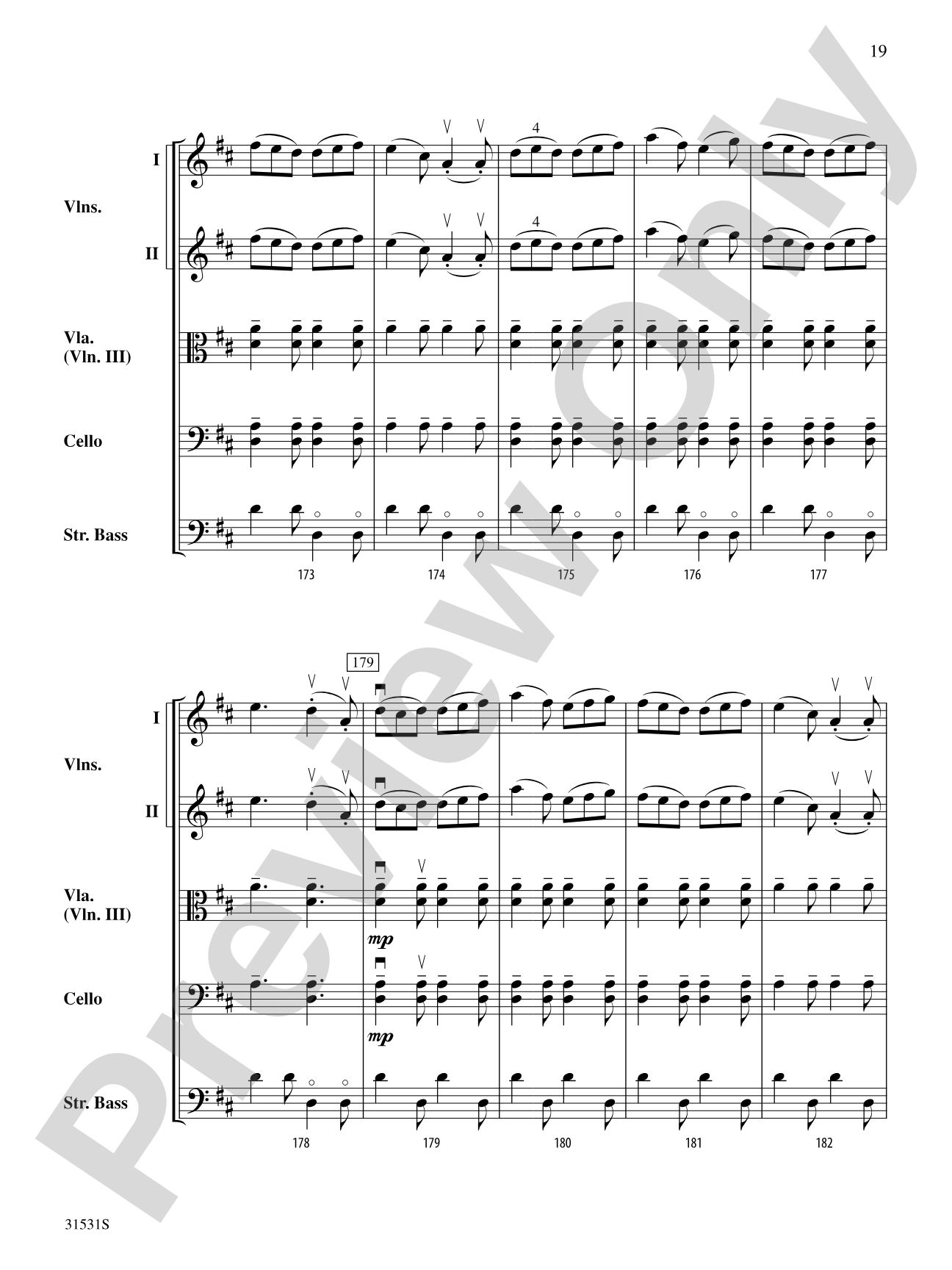
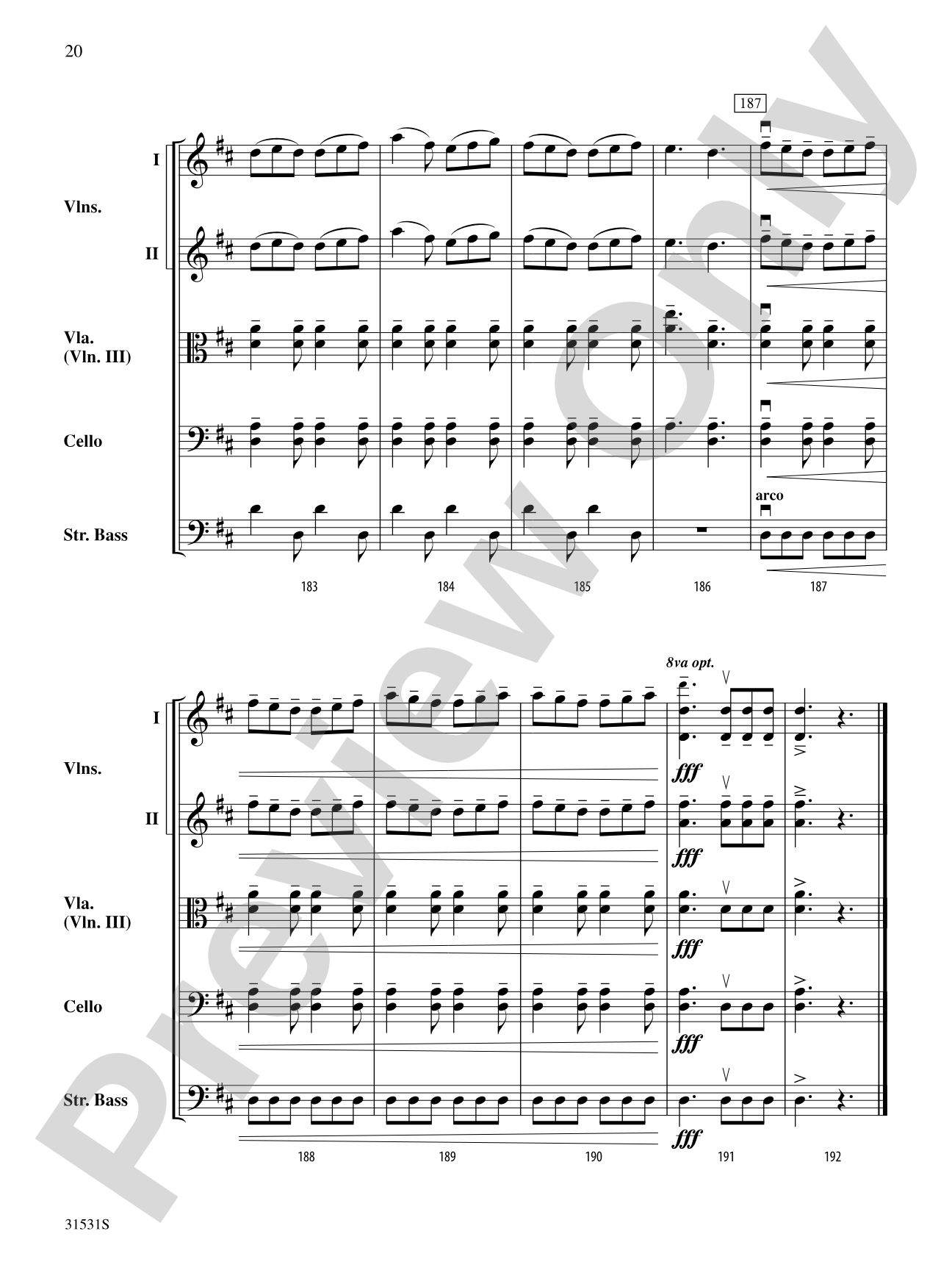
Fiddle tunes and carols played in fiddle style! In his 1843 masterpiece, A Christmas Carol, Charles Dickens describes the Christmas party and the first song the fiddler played after dinner. This medley starts the same way, with the old English slip jig, "Sir Roger De Coverly," as played by three solo fiddlers (2 violins and one viola), followed by "The Wassail Song," a fiddling version of "Angels We Have Heard on High." Next, the hornpipe "The Rights of Man" is cleverly joined to "God Rest Ye Merry Gentlemen," and the rousing finale is the English jig/carol, "I Saw Three Ships!" It's great fun!


Don't just read it, hear it, play along with it, and watch your students grow with it. In MakeMusic Cloud, Fiddle Like the Dickens!: String Orchestra Conductor Score & Parts comes alive with professional accompaniment, adjustable tempo, and built-in practice tools that turn solo practice into real progress.
Open in the Player
Jump straight in and assign it today.
Start Your Free Trial
Open this title and explore the full library in minutes.
Sample Audio
1
Audio File
--:--
0:00
0:00
Sample Video
No sample videos found.
Additional Details
Series:
Belwin Intermediate String Orchestra
Publisher:
Alfred Music
Page Count:
144
SKU:
00-PK-0001730
More about this title
About the Arranger: Tim McCarrick
Tim McCarrick is an arranger and composer with a gift for bringing folk traditions into the string orchestra classroom. His work consistently honors the idioms of source material while making them accessible and genuinely fun for student musicians.
Why we love this
McCarrick captures the spirit of Dickens' festive scene by anchoring the medley in historically grounded fiddle tunes, then weaves in beloved carols with genuine arranging craft rather than simple transcription. The solo fiddle writing invites your strongest players to shine while keeping the ensemble fully engaged, and the progression from intimate to rousing gives conductors natural dramatic arc to shape.
What to expect
You are in a Victorian drawing room where the fiddler has just begun to play after Christmas dinner. The first tune is intimate and graceful, then gradually the room fills with more voices and energy; by the finale, everyone is invited into the spirited dance. The arrangement honors folk tradition while sounding polished enough for a concert stage.
Who it's for
String orchestras at the grade 3 level will find this accessible yet substantially rewarding. Conductors seeking winter repertoire that builds ensemble cohesion while celebrating a literary tradition will appreciate how the arrangement respects both the source material and student capabilities.
How to get the most out of it
- Balance the three solo fiddlers (two violins, one viola) with clarity; they should project as soloists even with full ensemble support, which means the underlying parts need disciplined restraint in the opening "Sir Roger De Coverly."
- Work the rhythmic independence between the slip jig and hornpipe sections separately before combining them. The shift from "Sir Roger De Coverly" to "The Wassail Song" asks for a subtle character change that students hear better in isolation.
- Lean into the folk idiom; these are fiddle tunes, not concert hall pieces. Encourage slightly less vibrato on sustained notes, cleaner articulations on running passages, and a dance-like lilt in the rhythmic pulse rather than metronomic steadiness.
- The final jig needs momentum and rhythmic cohesion across all parts. Run the ensemble rhythm section (violas and cellos) as a unit to lock the groove before adding the violins' elaborate lines.
How to use it
Program this as the centerpiece of a winter concert that plays with literary or historical themes, or use it as a bridge between a classical first half and lighter fare. It also serves well as a standalone holiday offering for communities that value string music and festive programming without requiring full theatrical staging.
Skills your students will build
- Balancing solo voices with ensemble accompaniment
- Stylistic awareness of folk idioms and dance rhythms
- Switching between contrasting time signatures and tempos within a single work
- Intonation in sustained chords that support soloists
- Rhythmic precision in compound meters (slip jig and hornpipe)
- Collaborative listening across all four string parts