
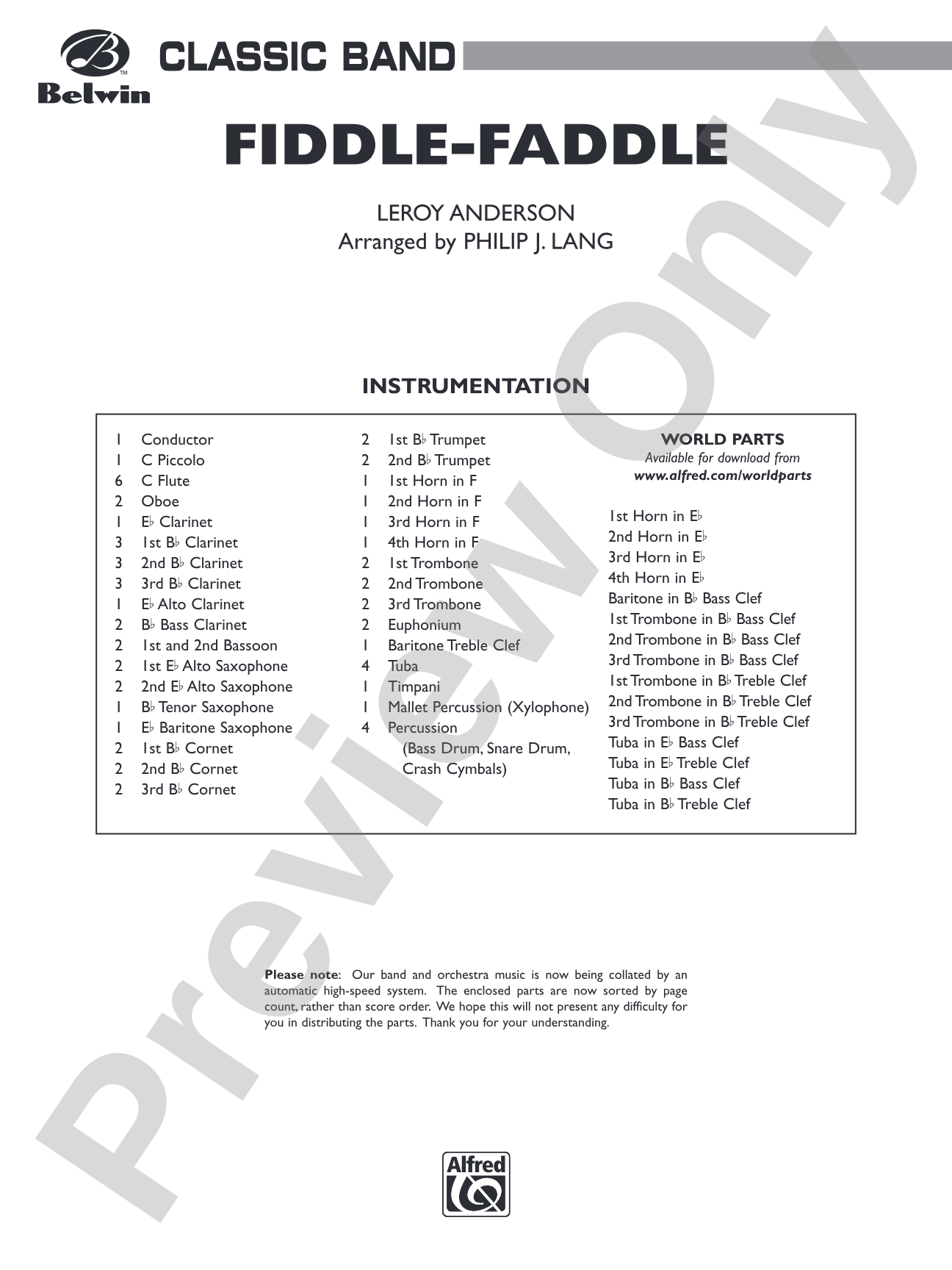
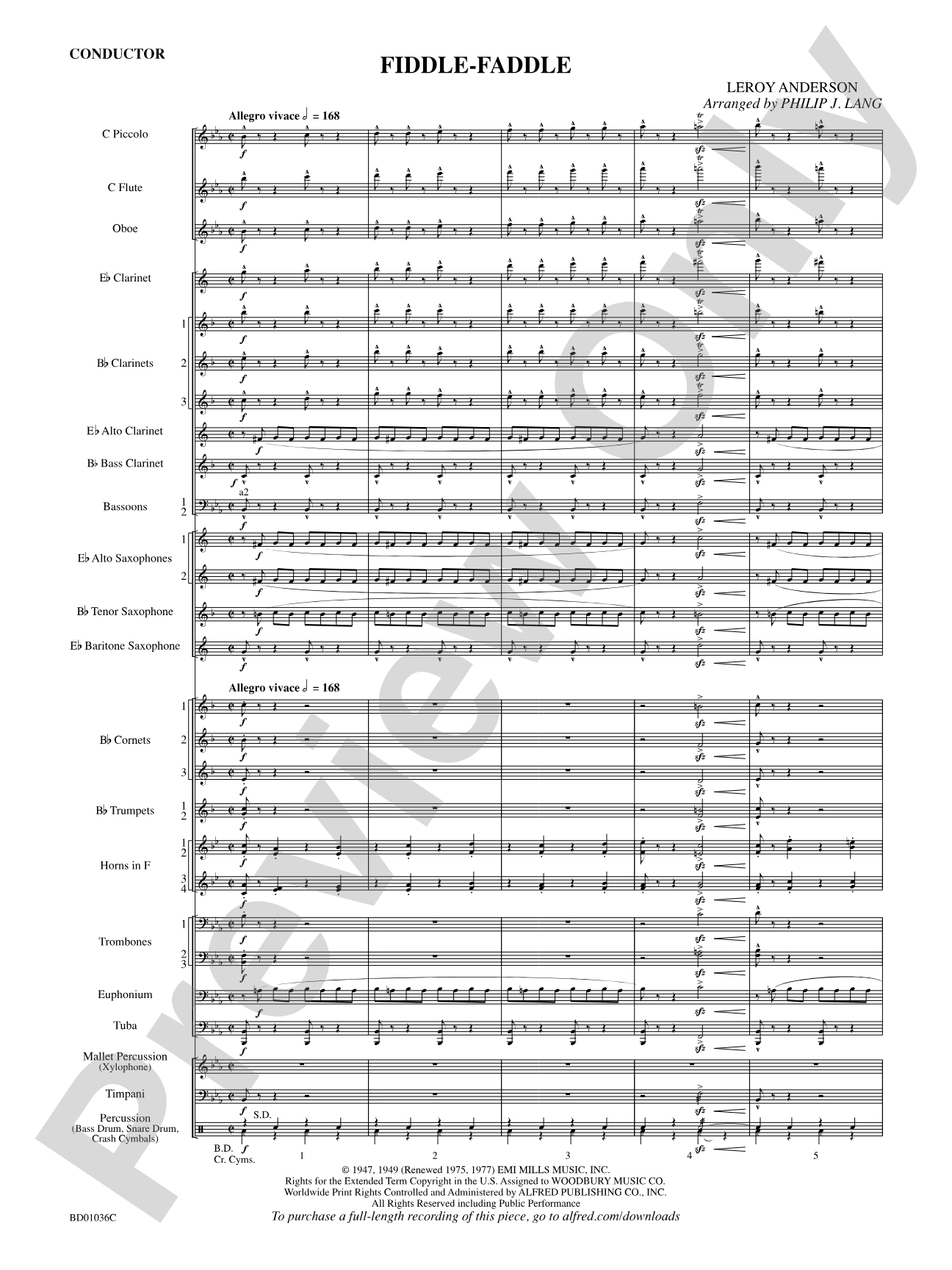
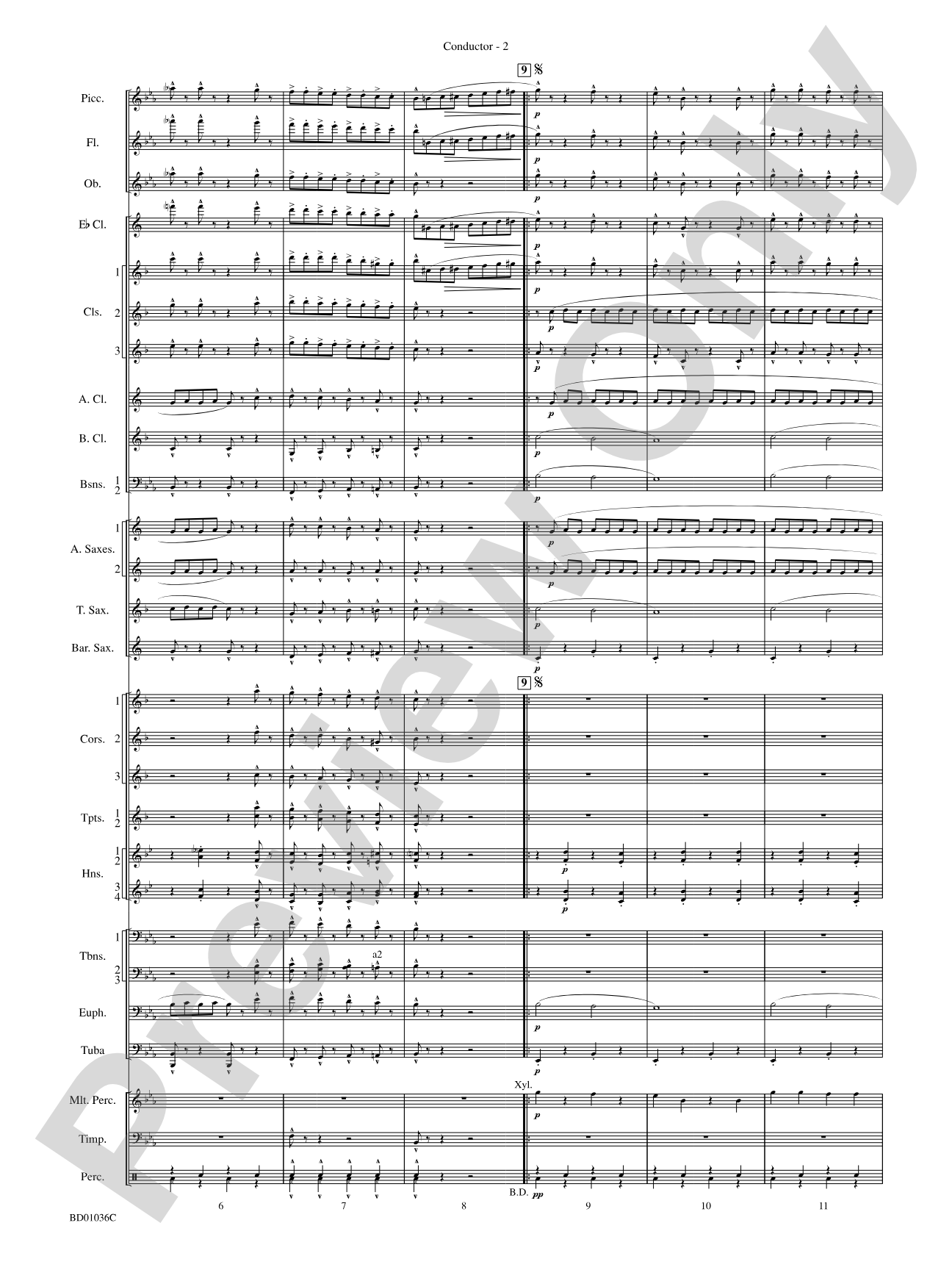
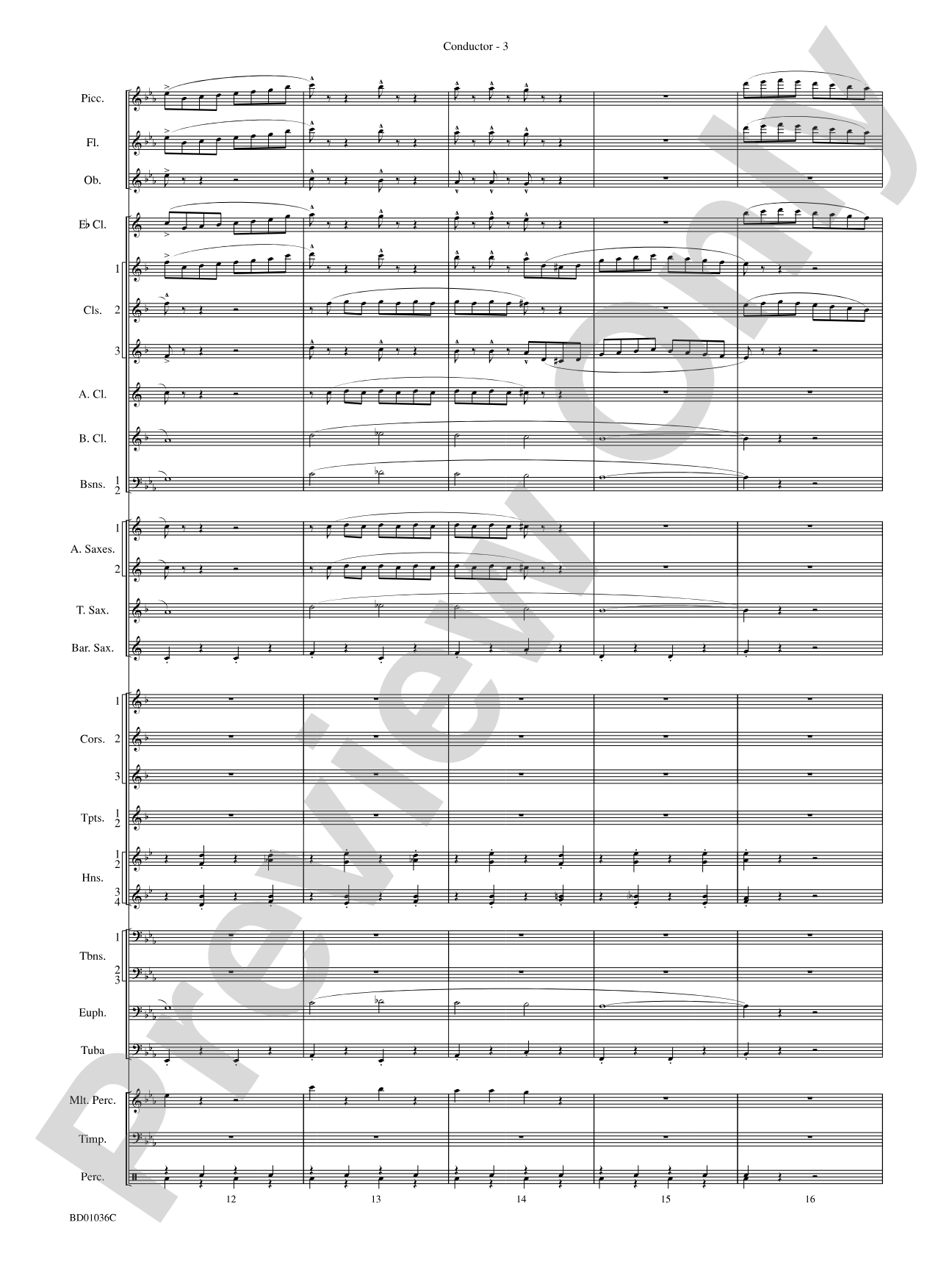
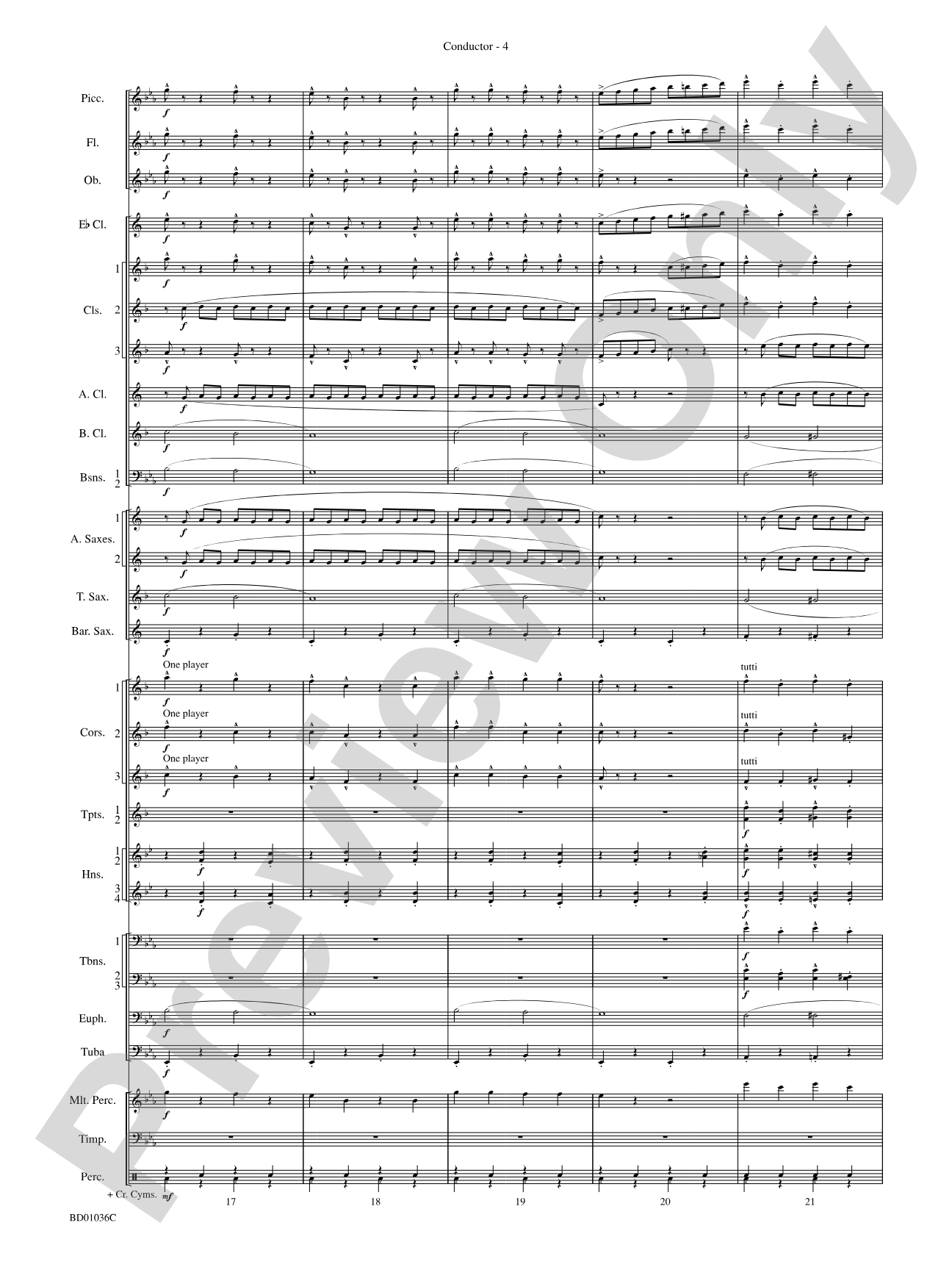
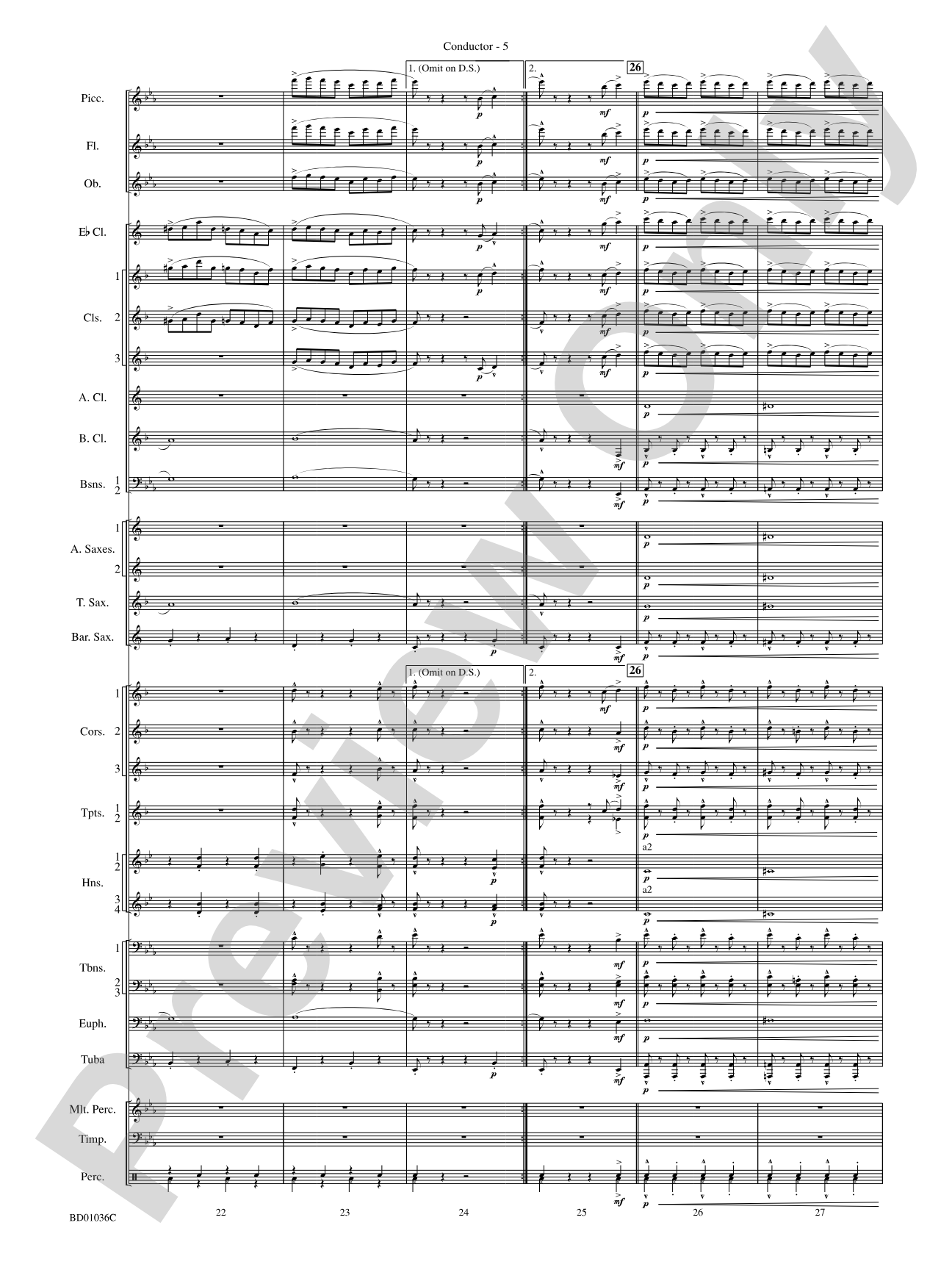
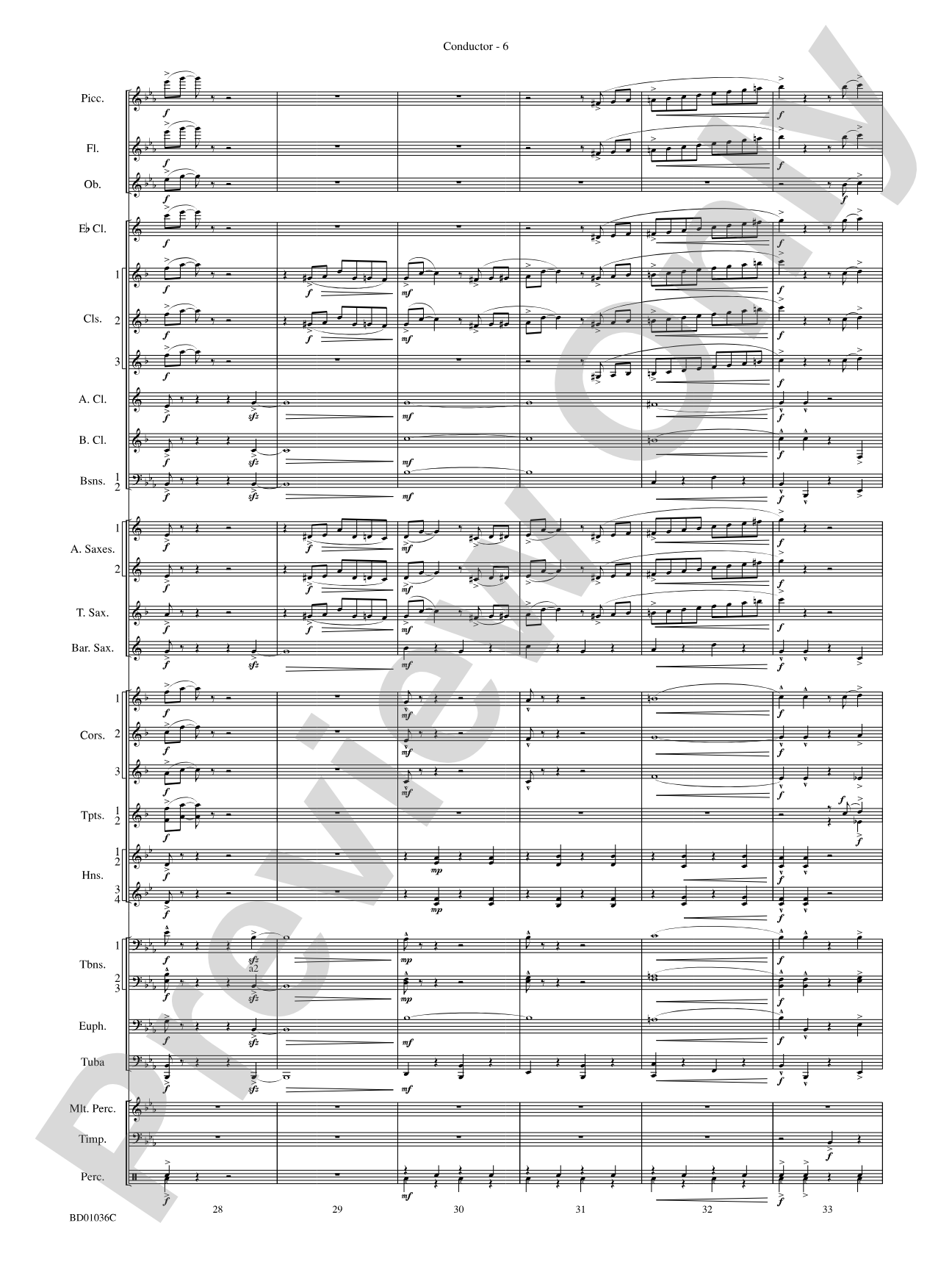
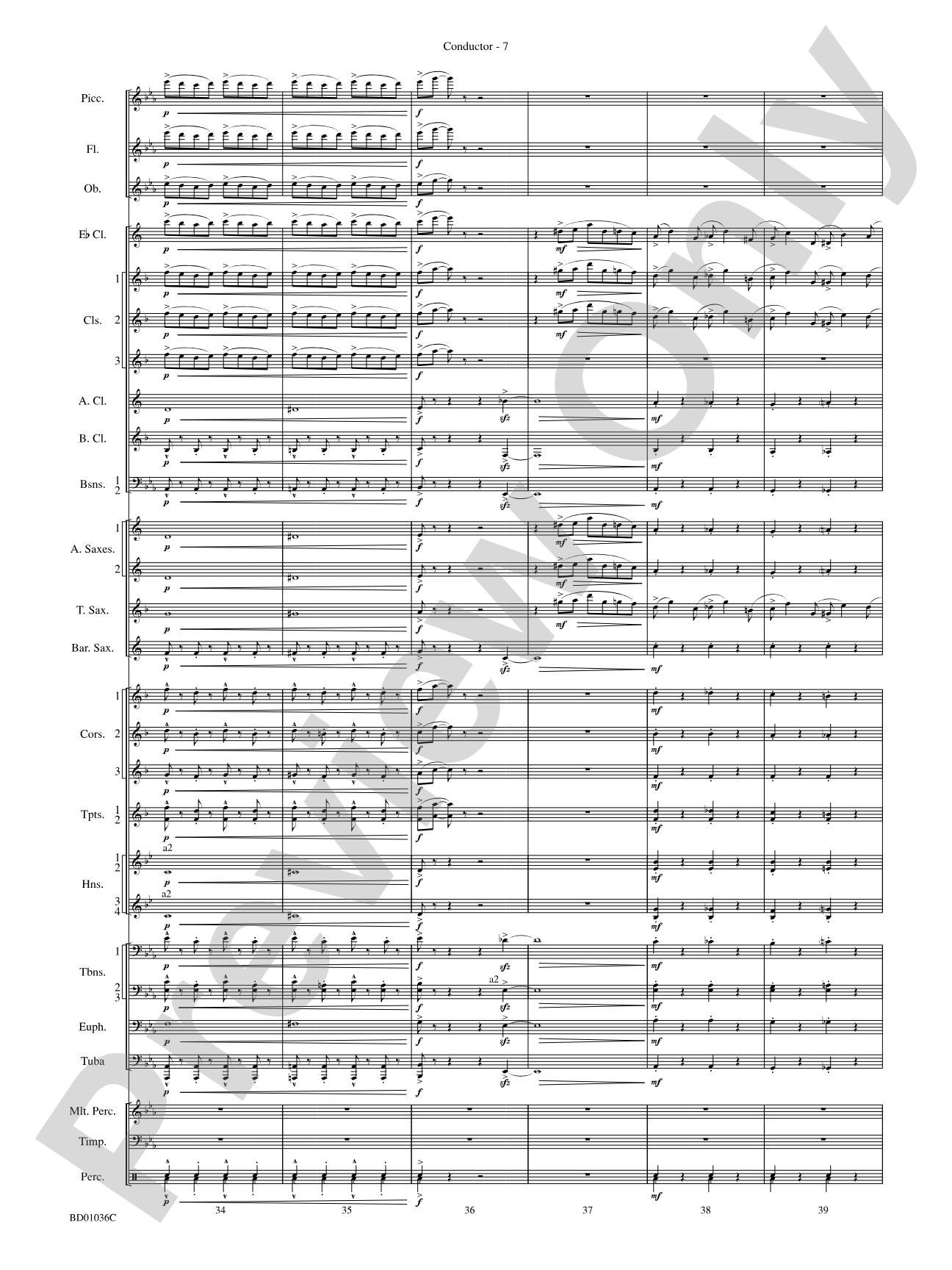
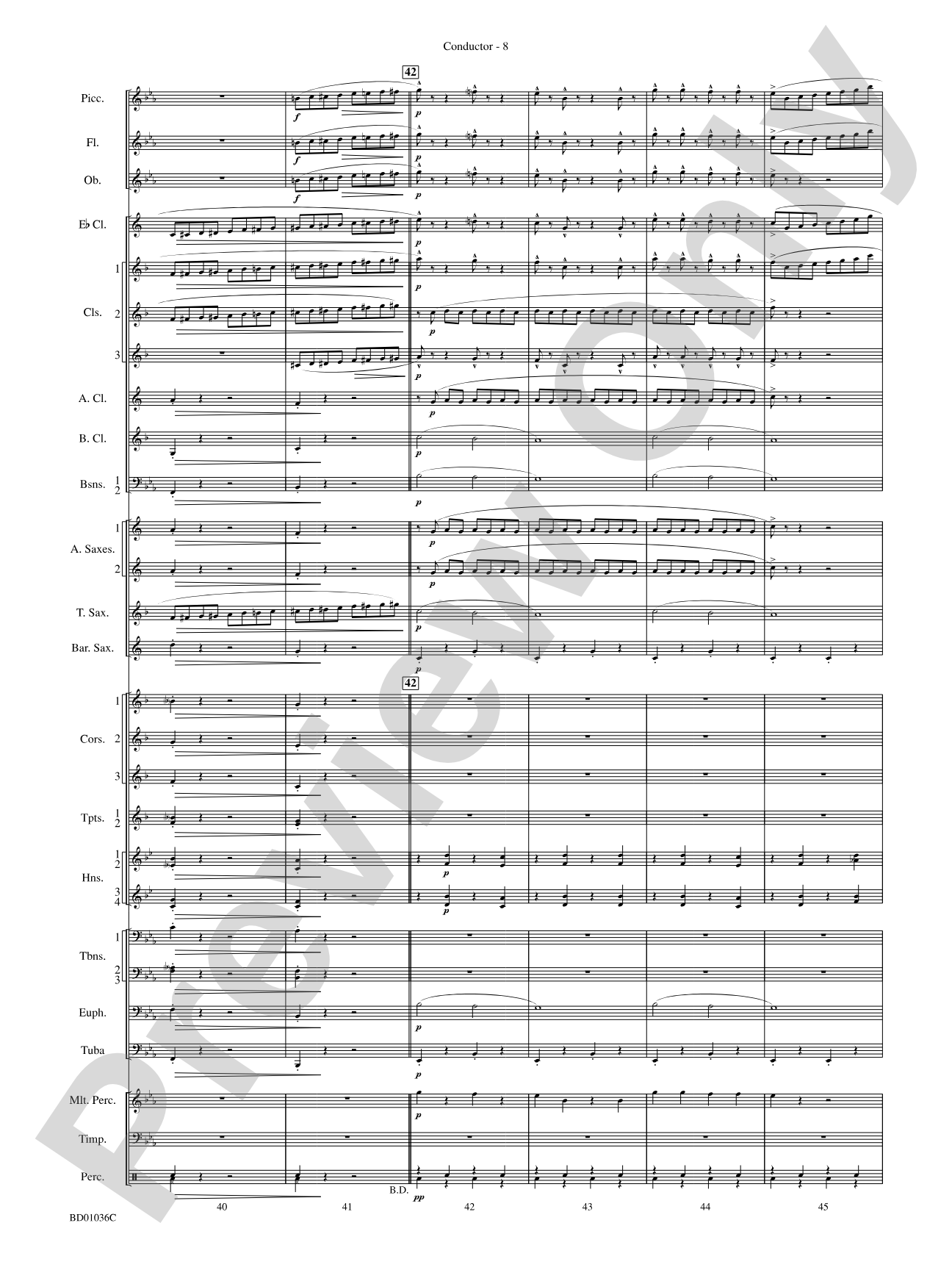
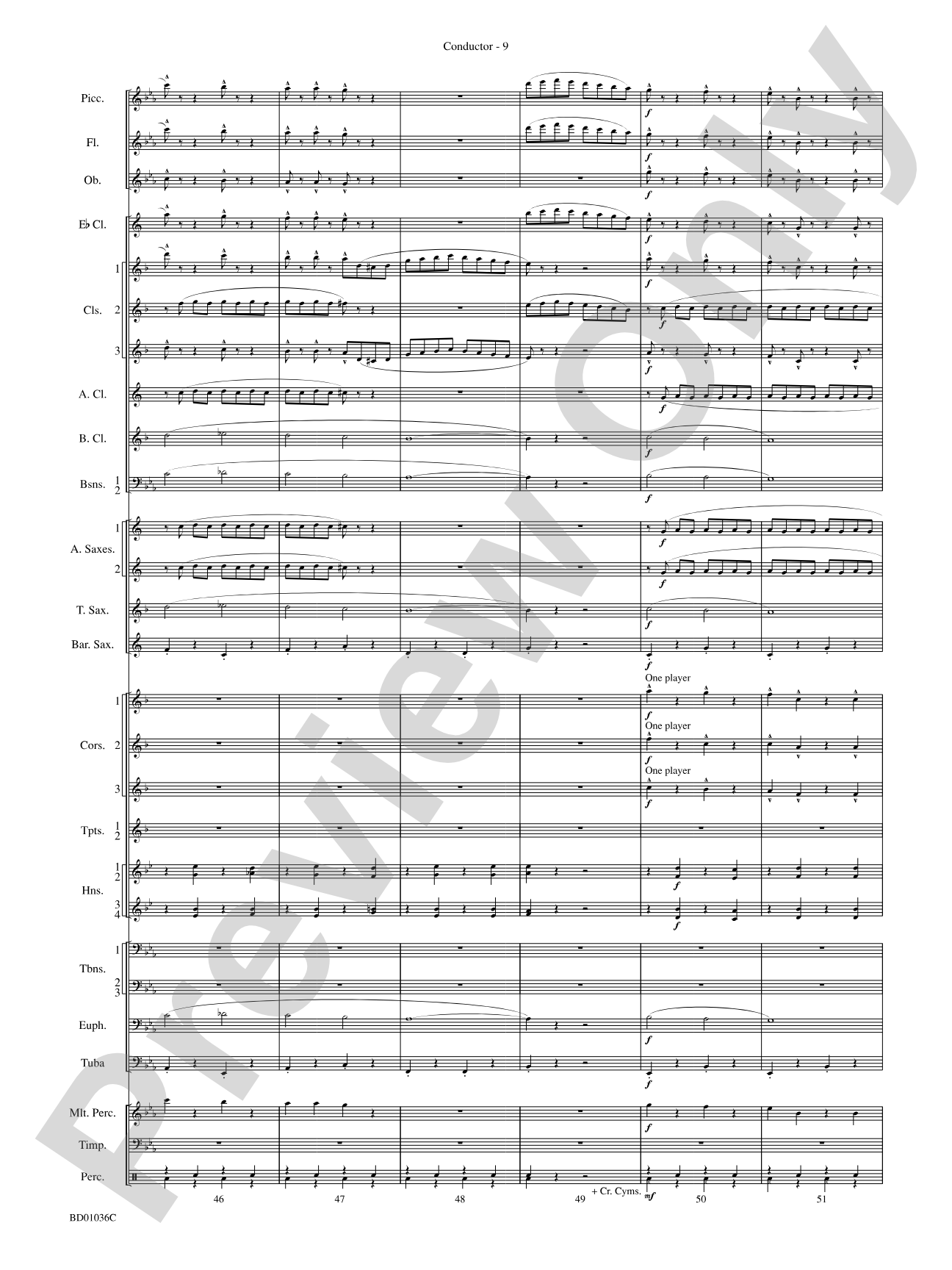
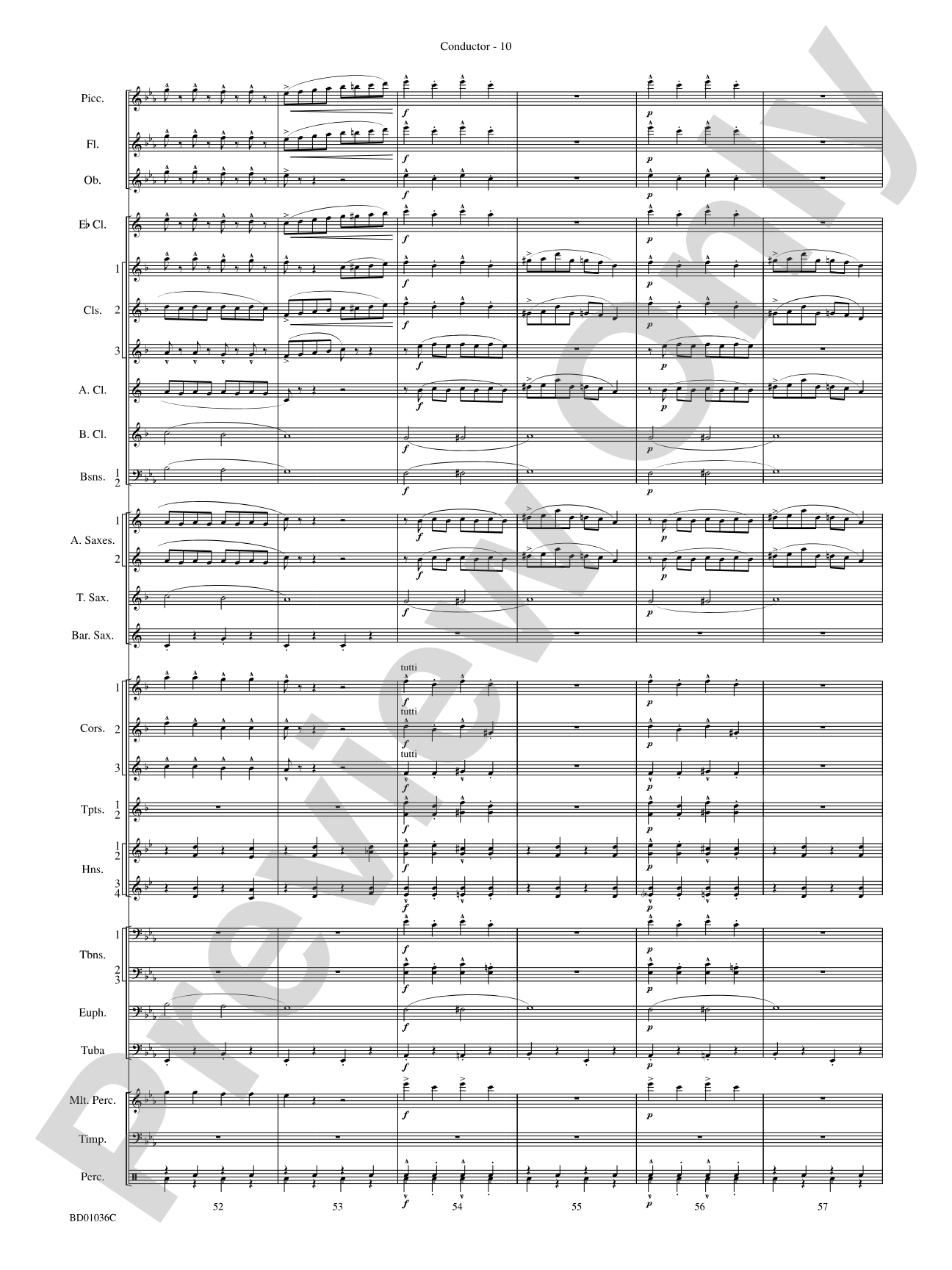
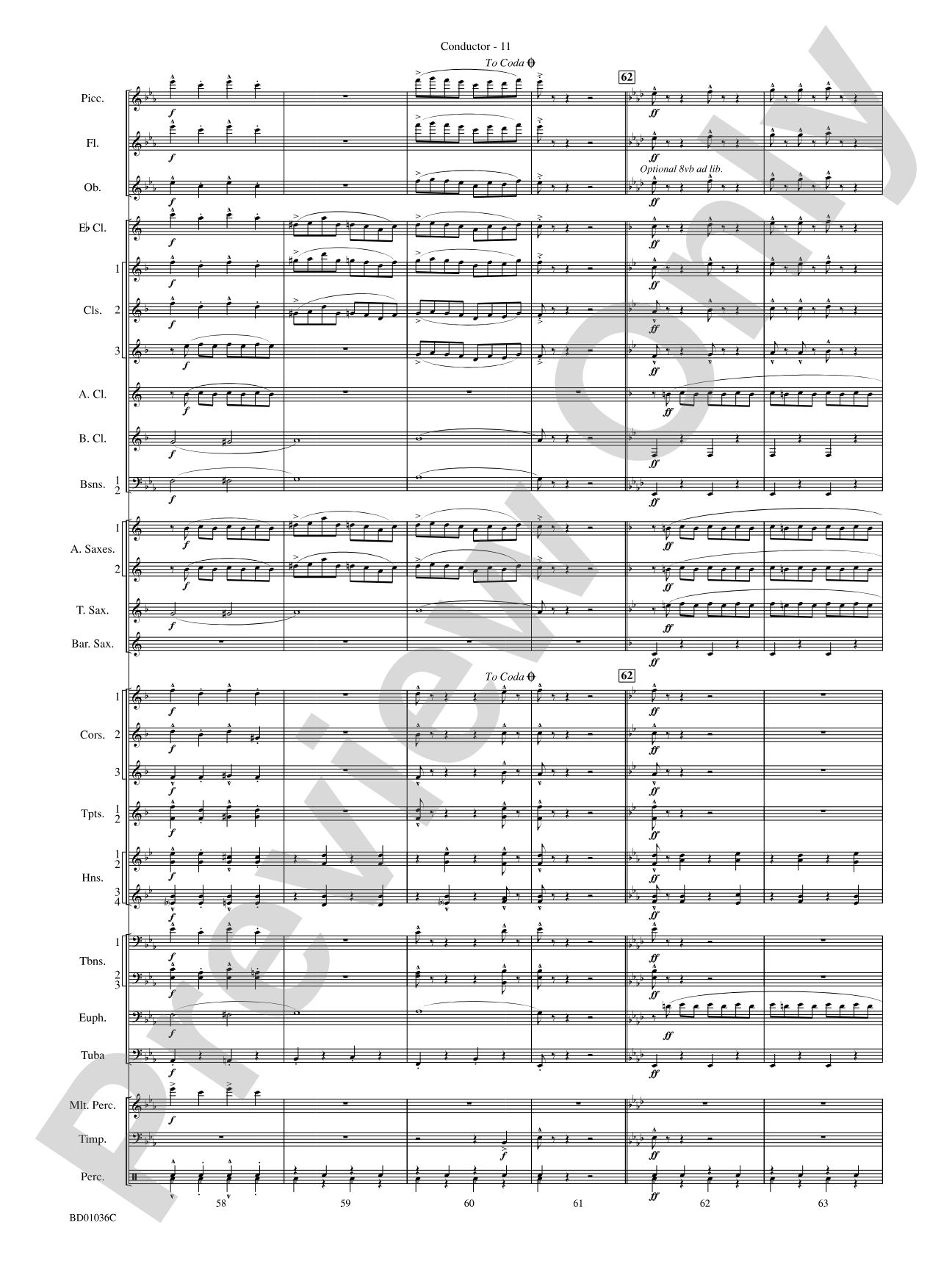
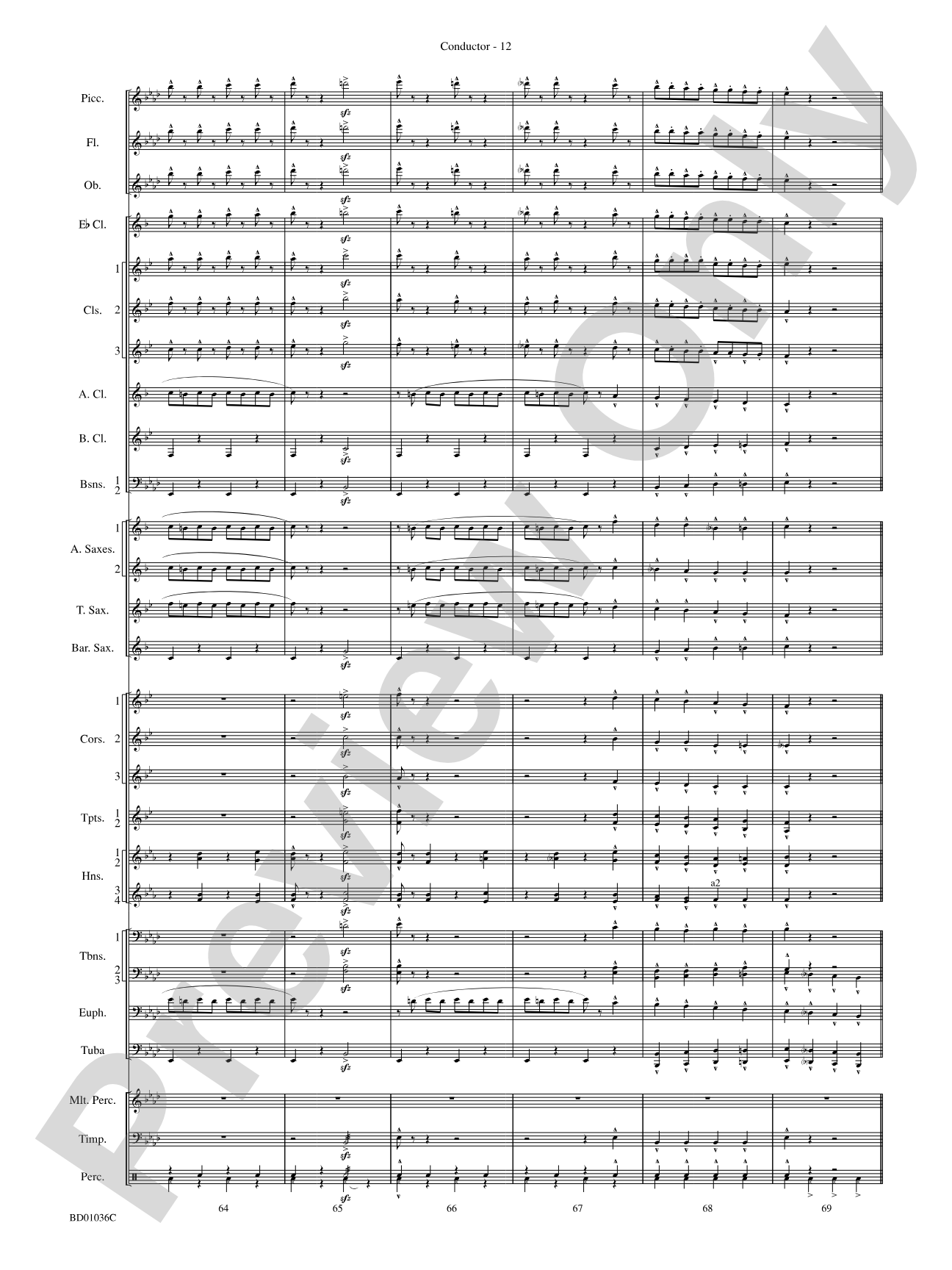
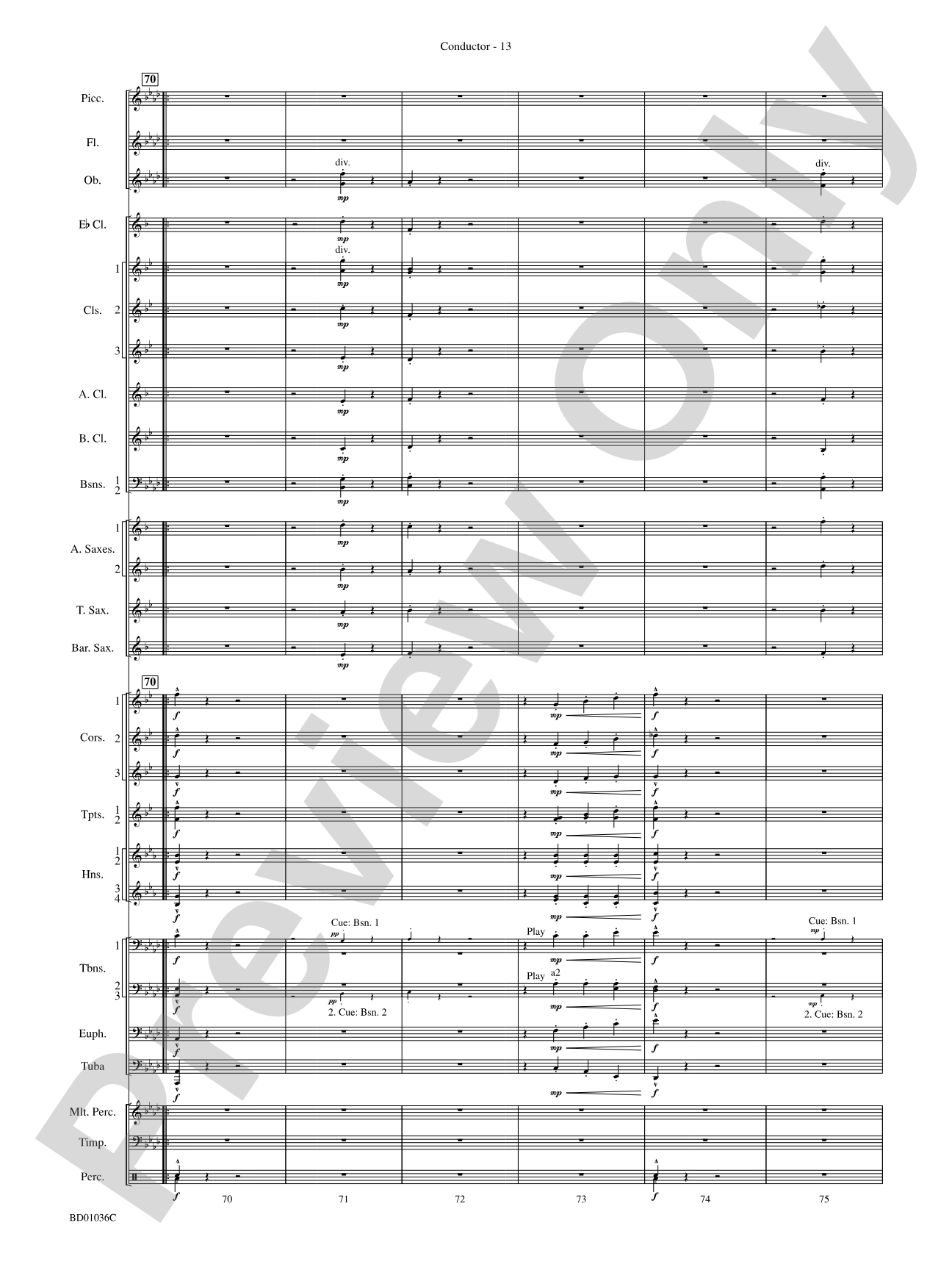
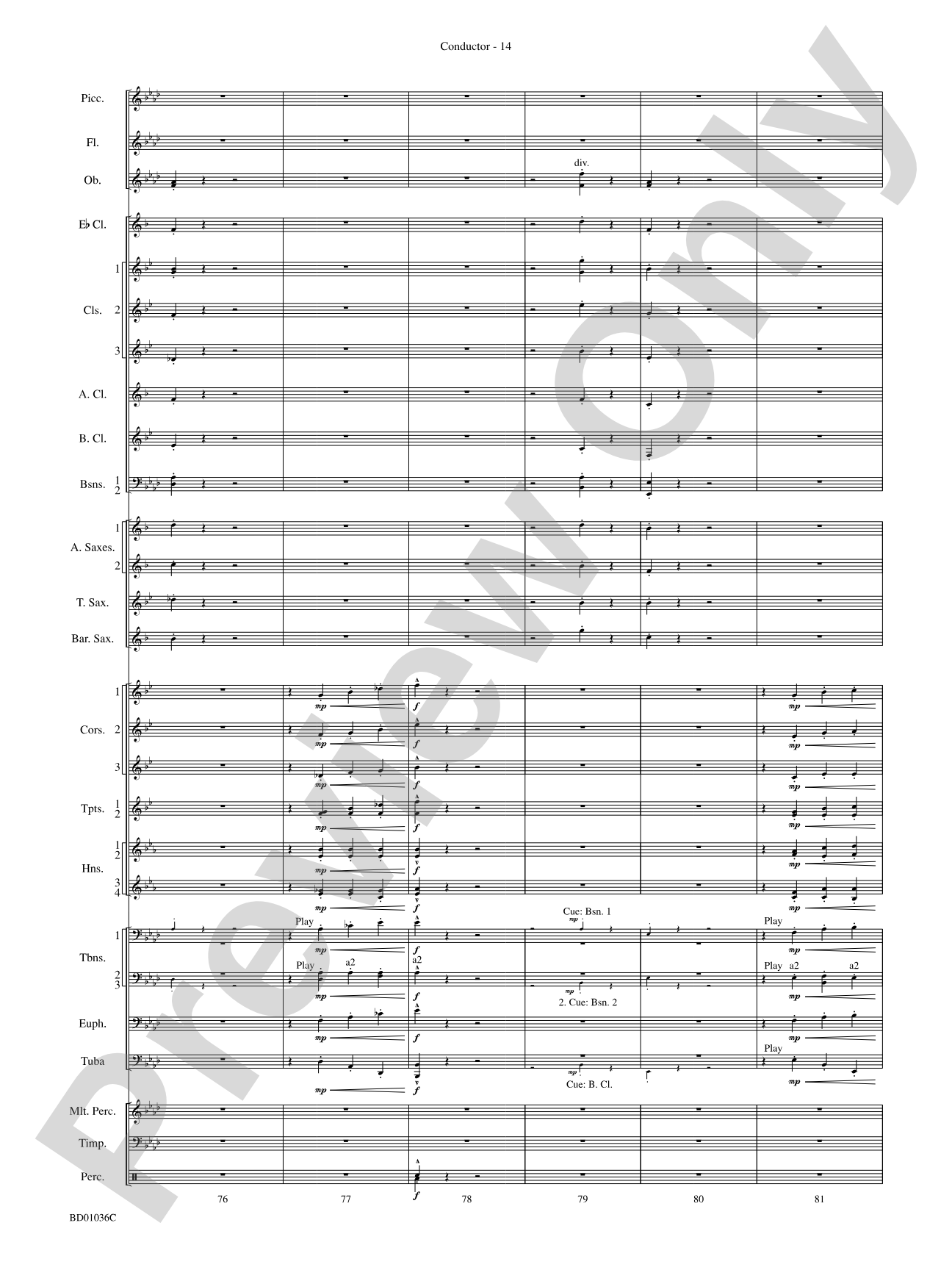
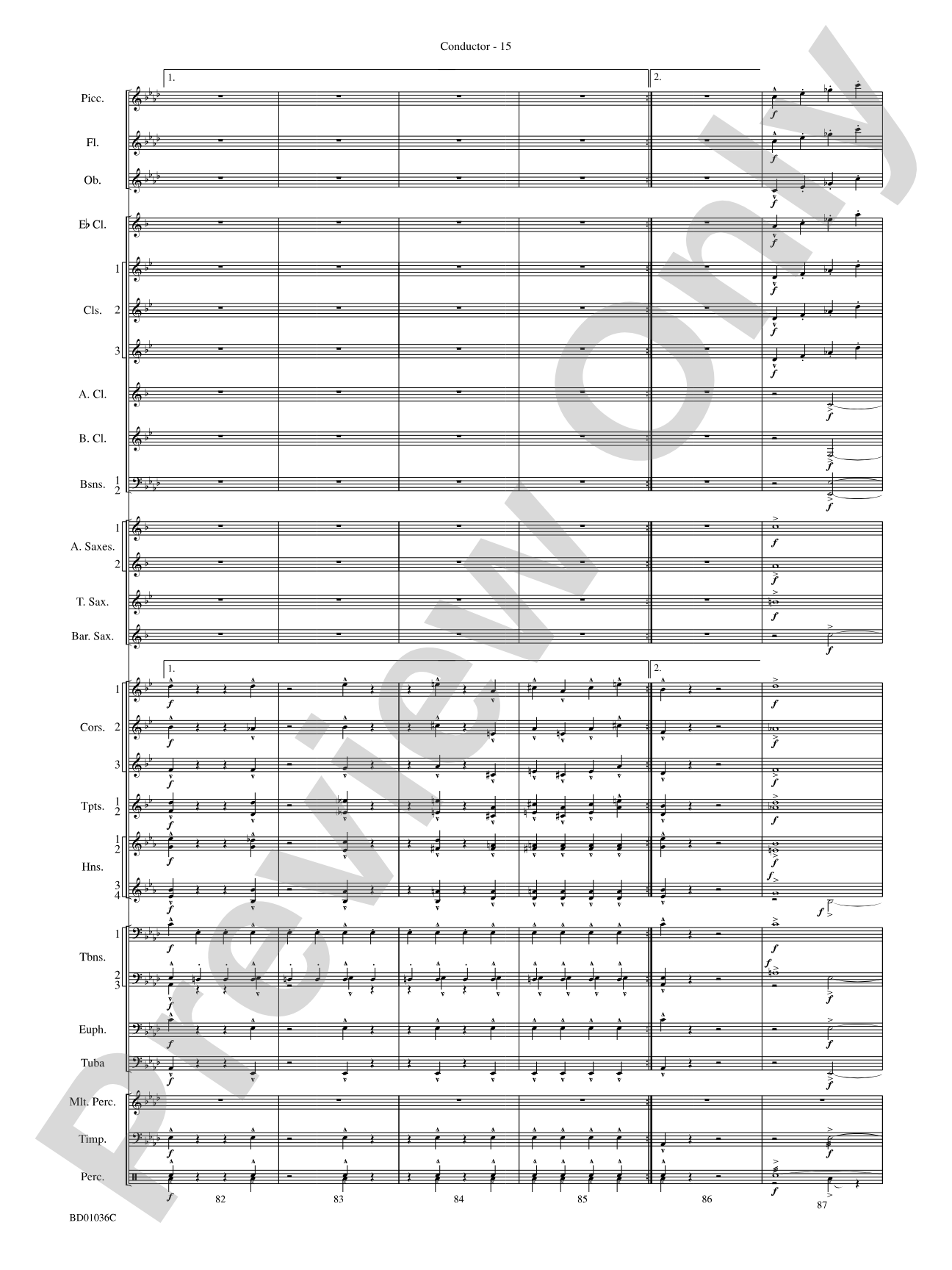
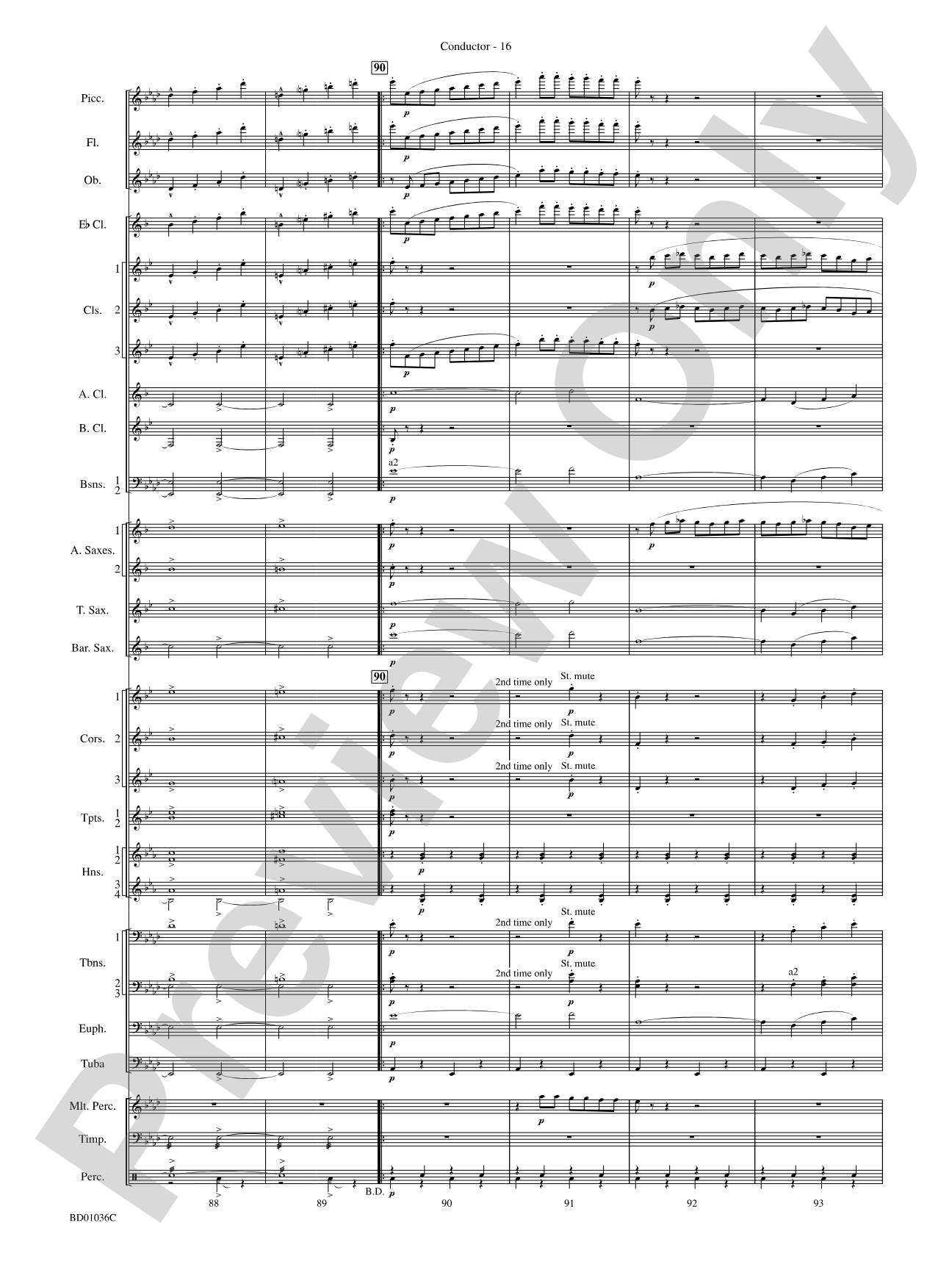
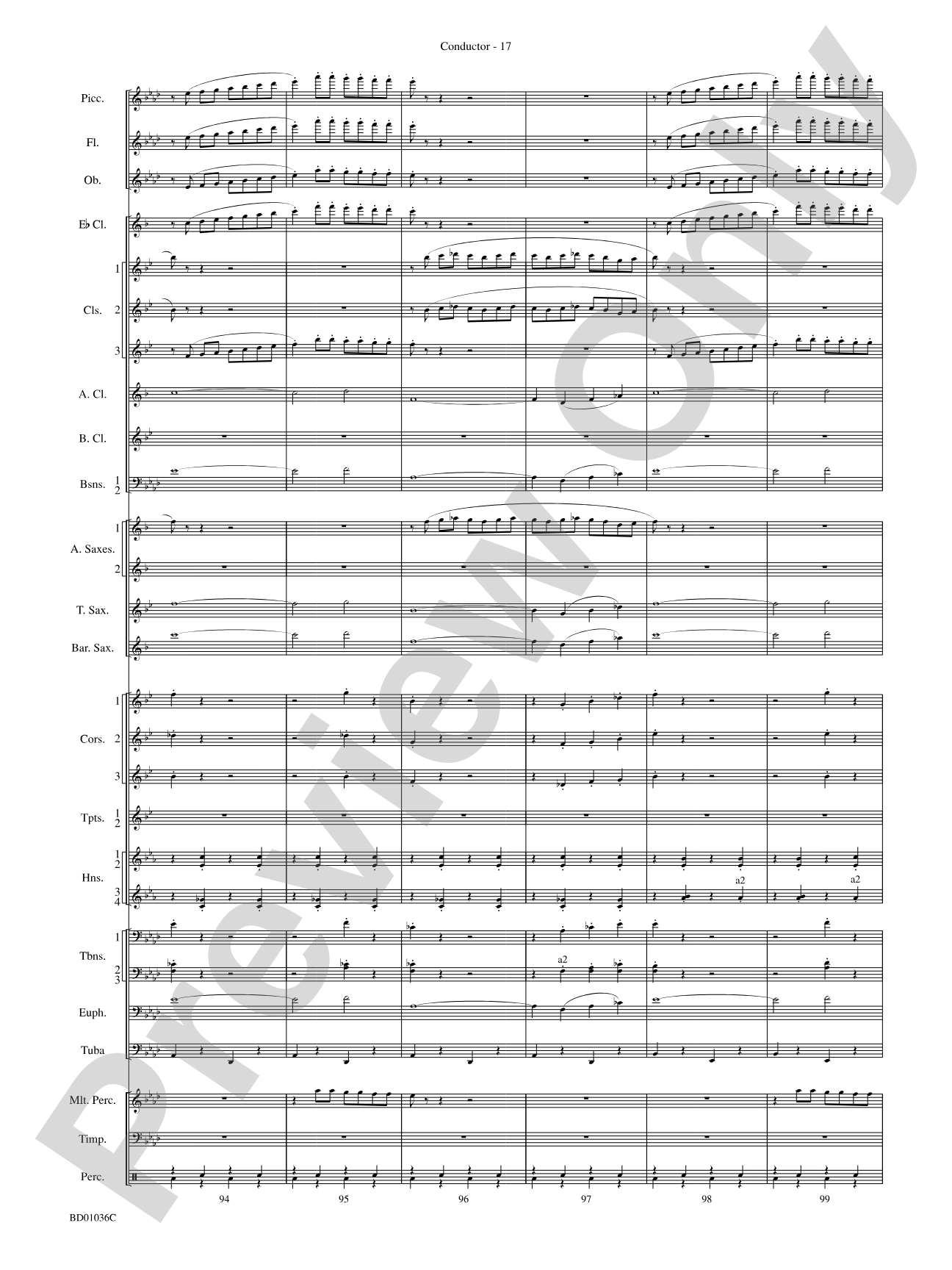
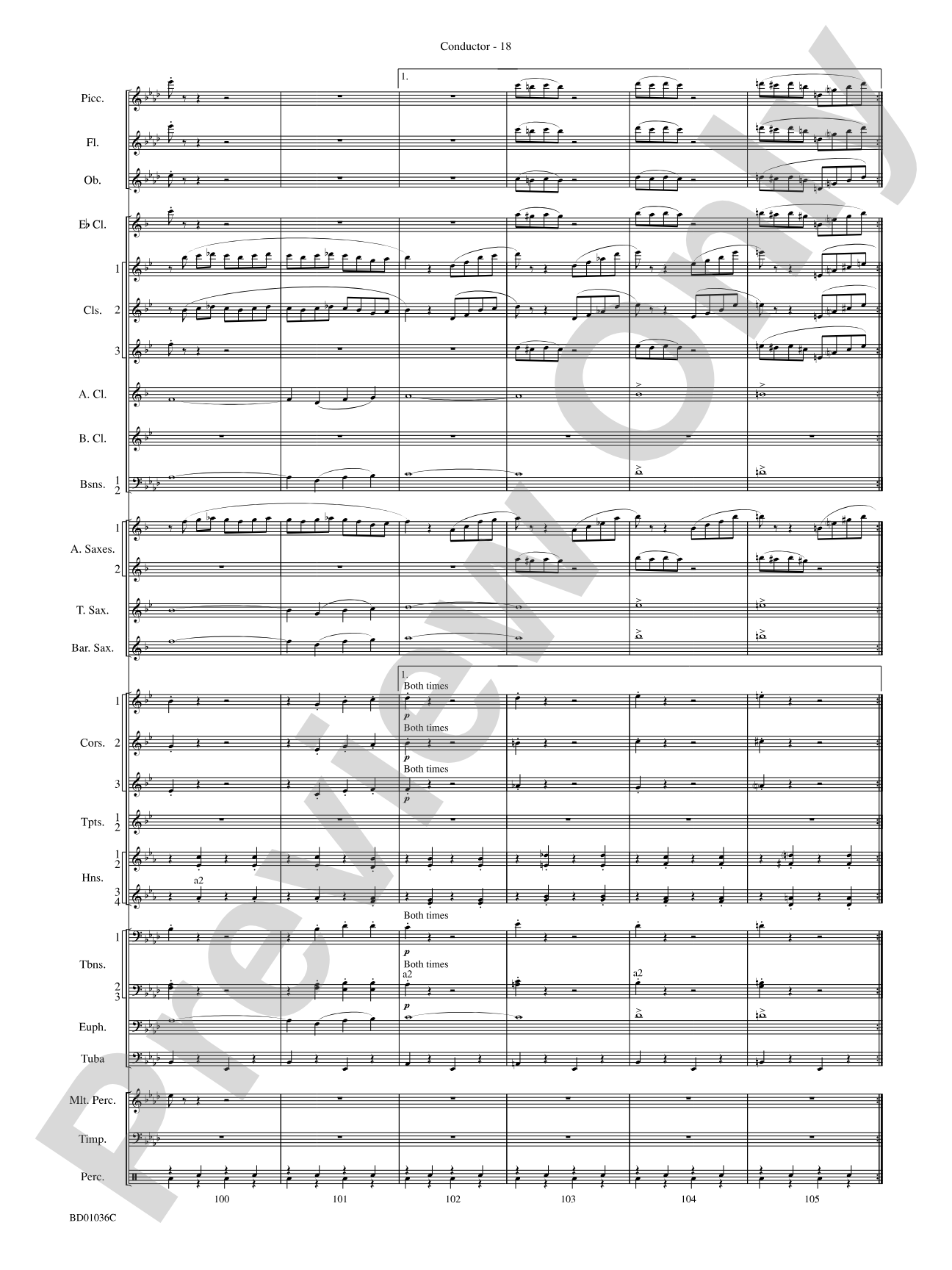
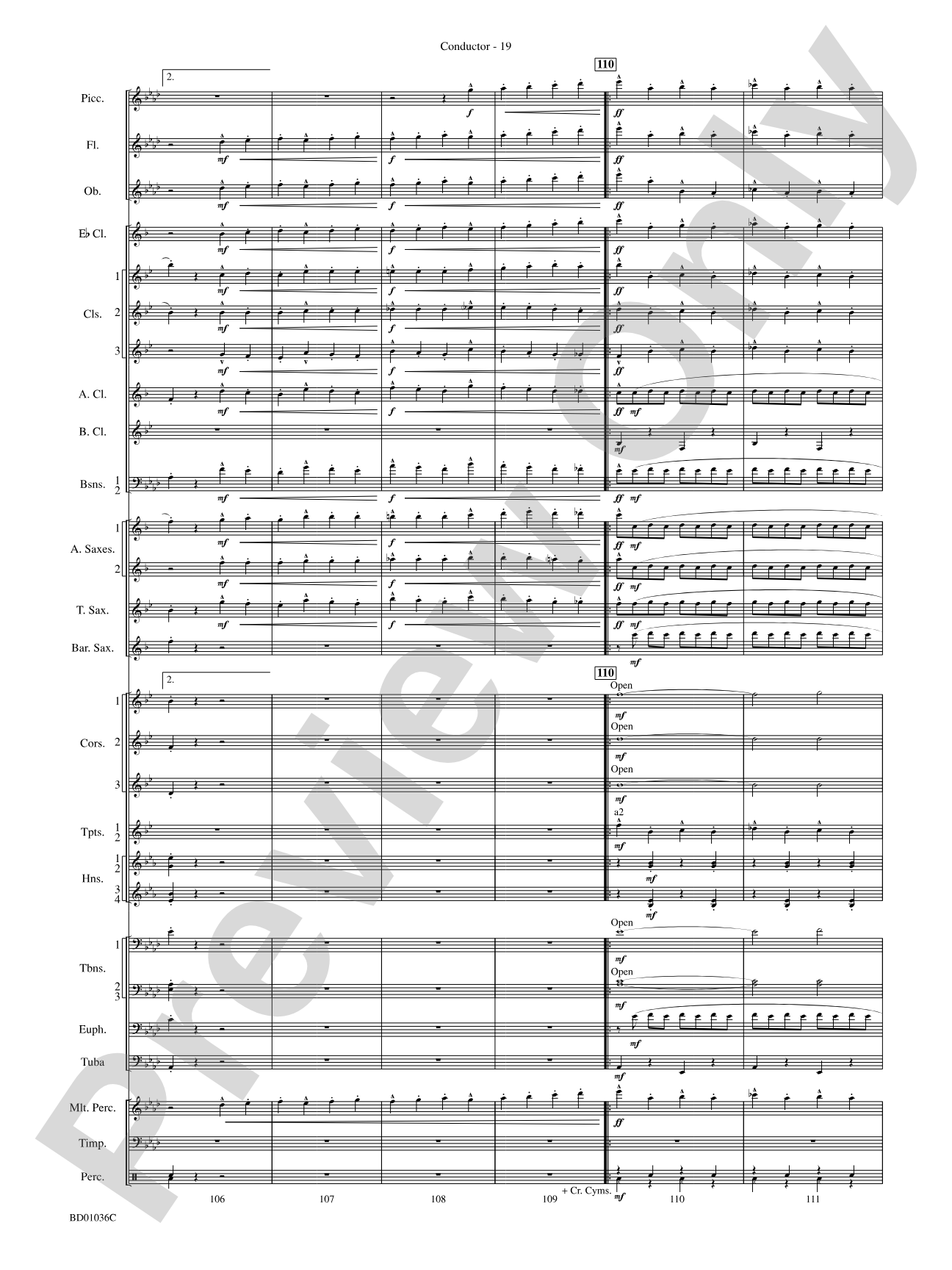
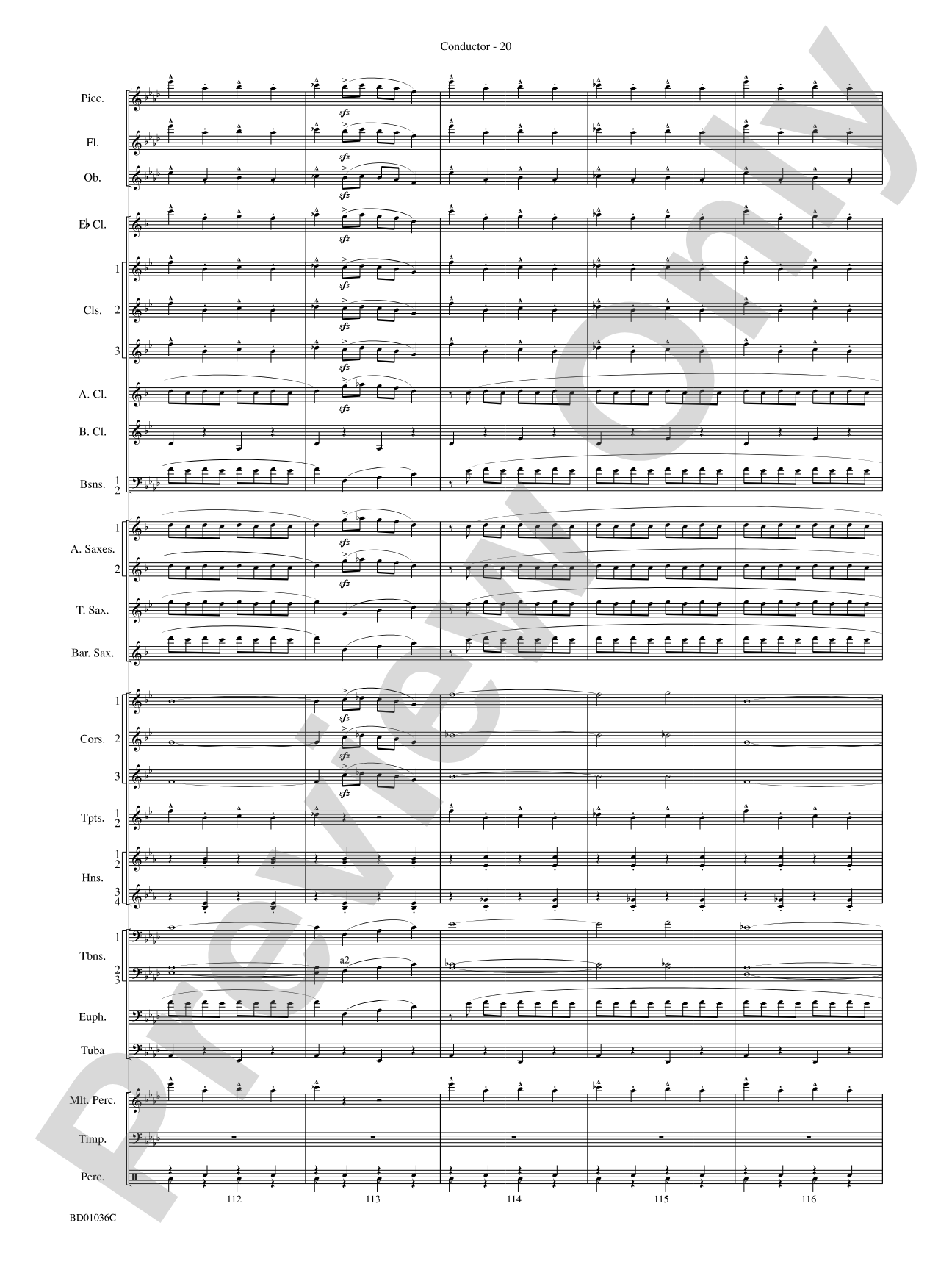
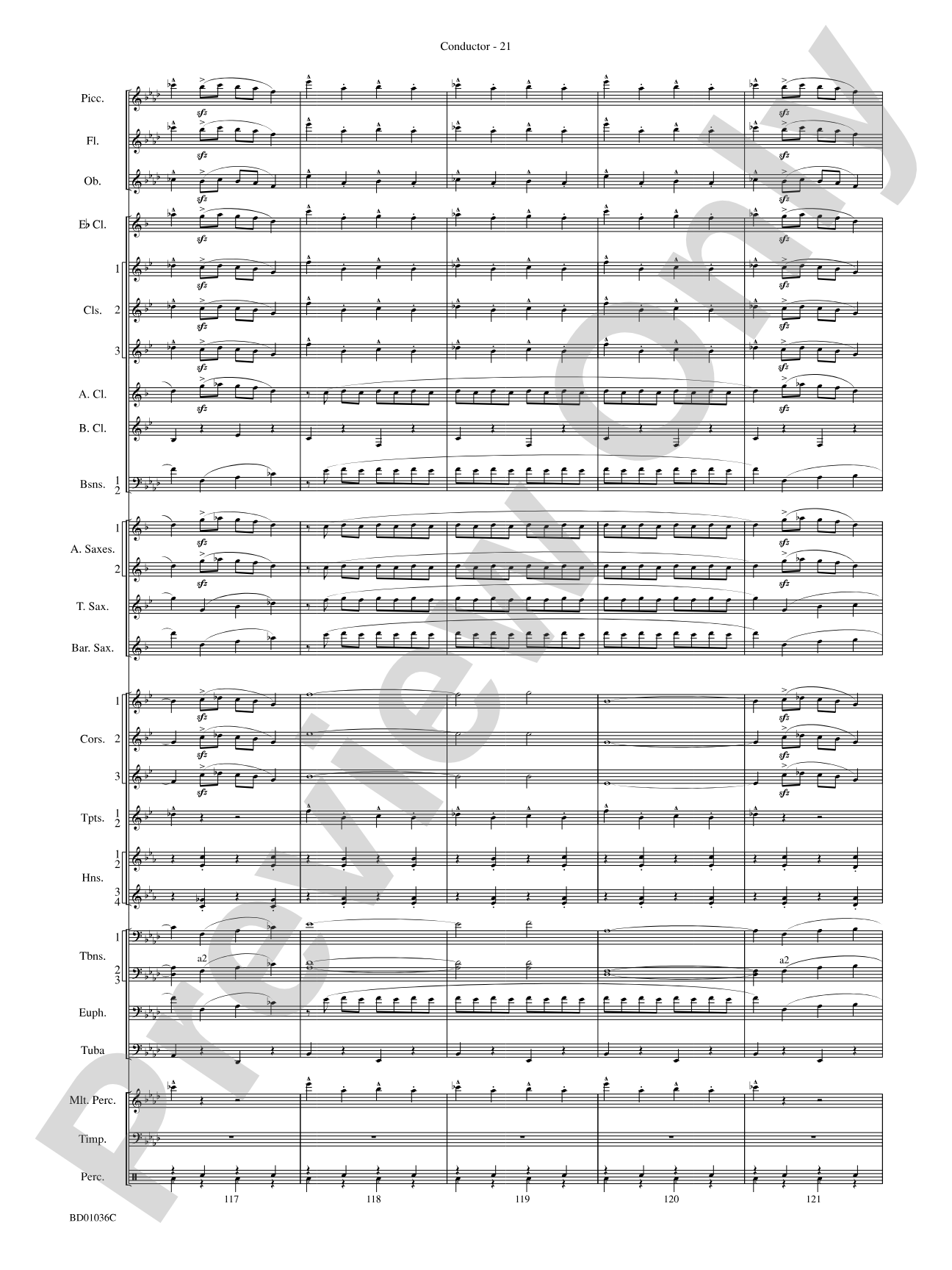
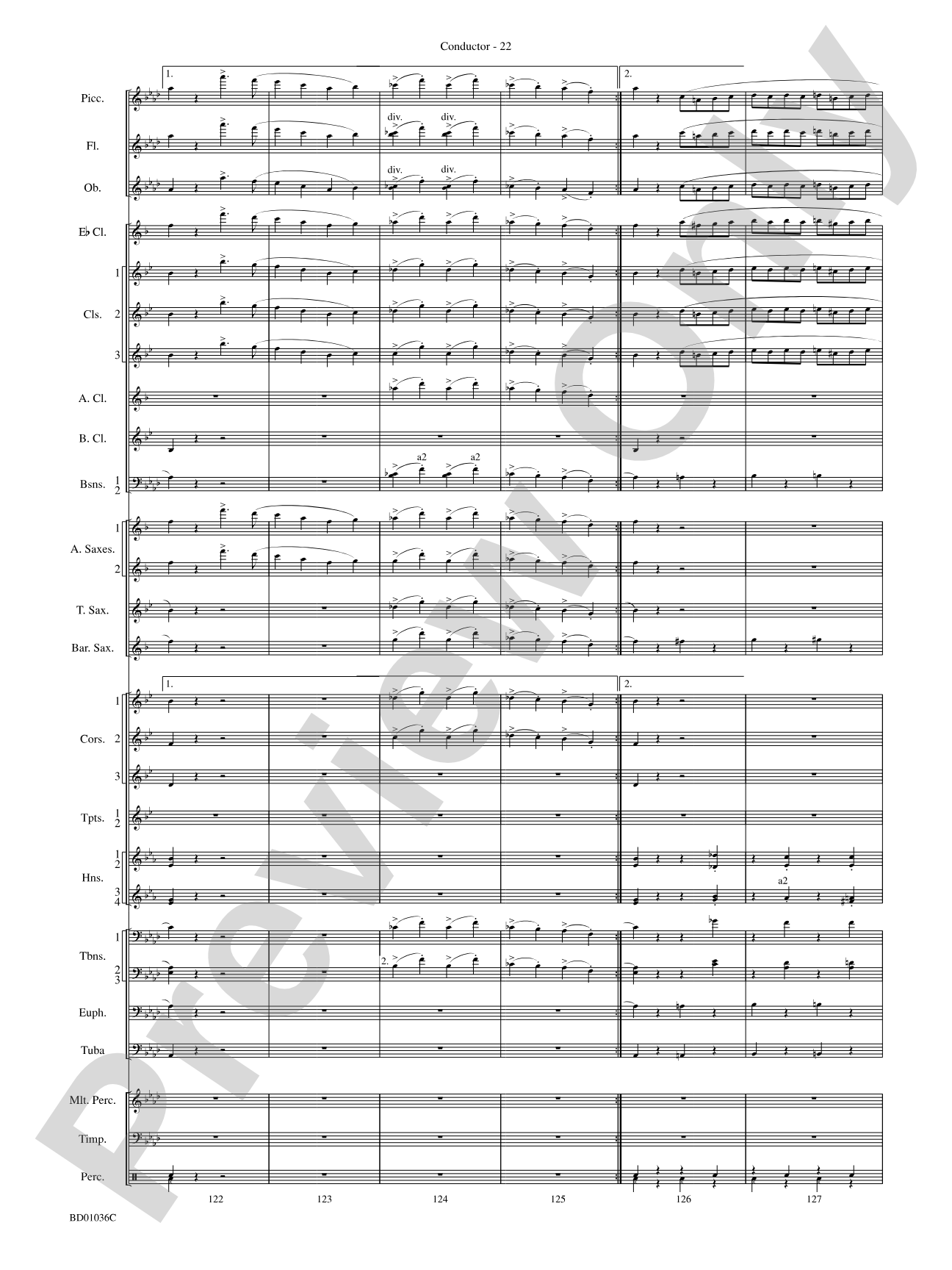
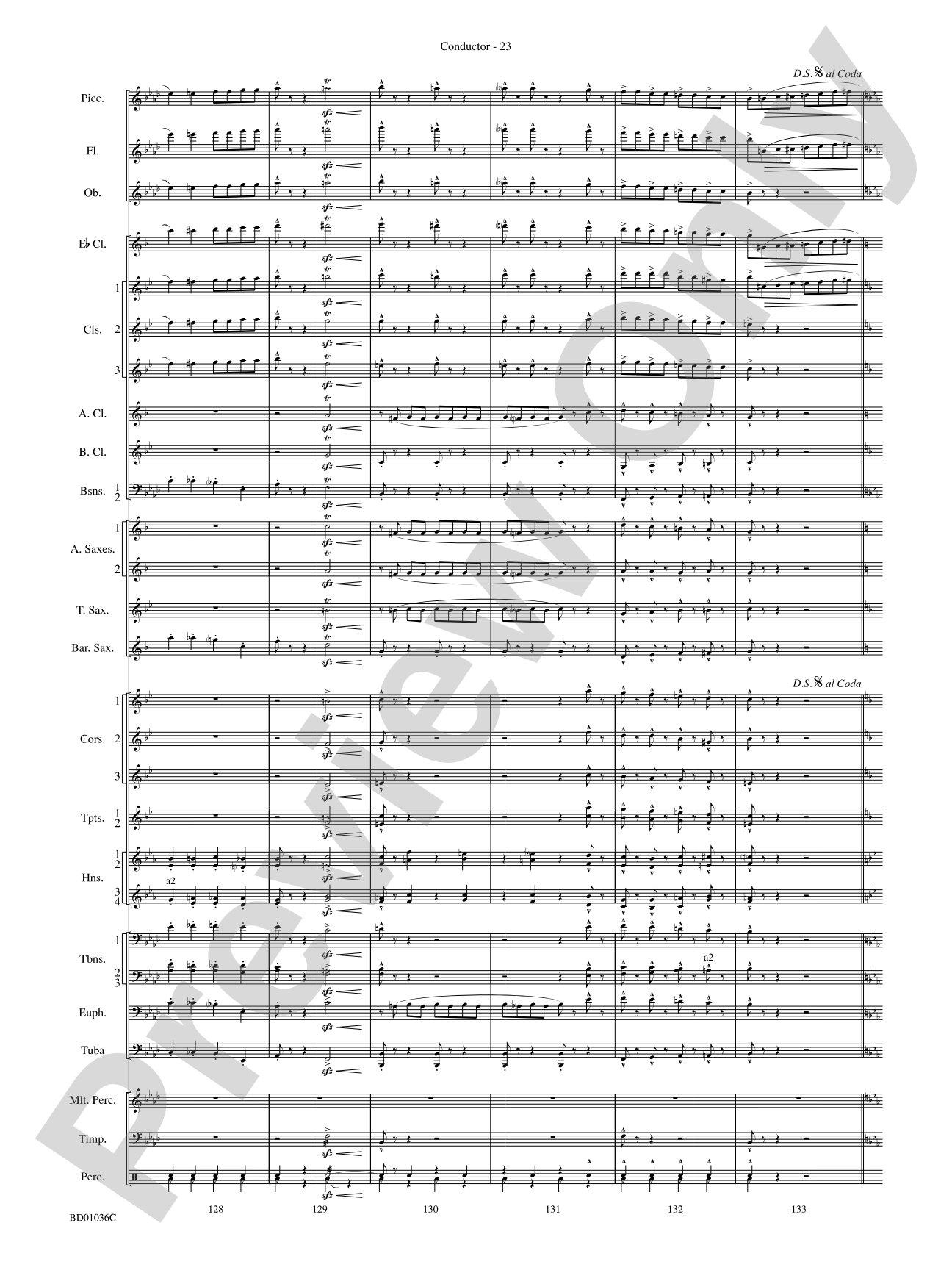
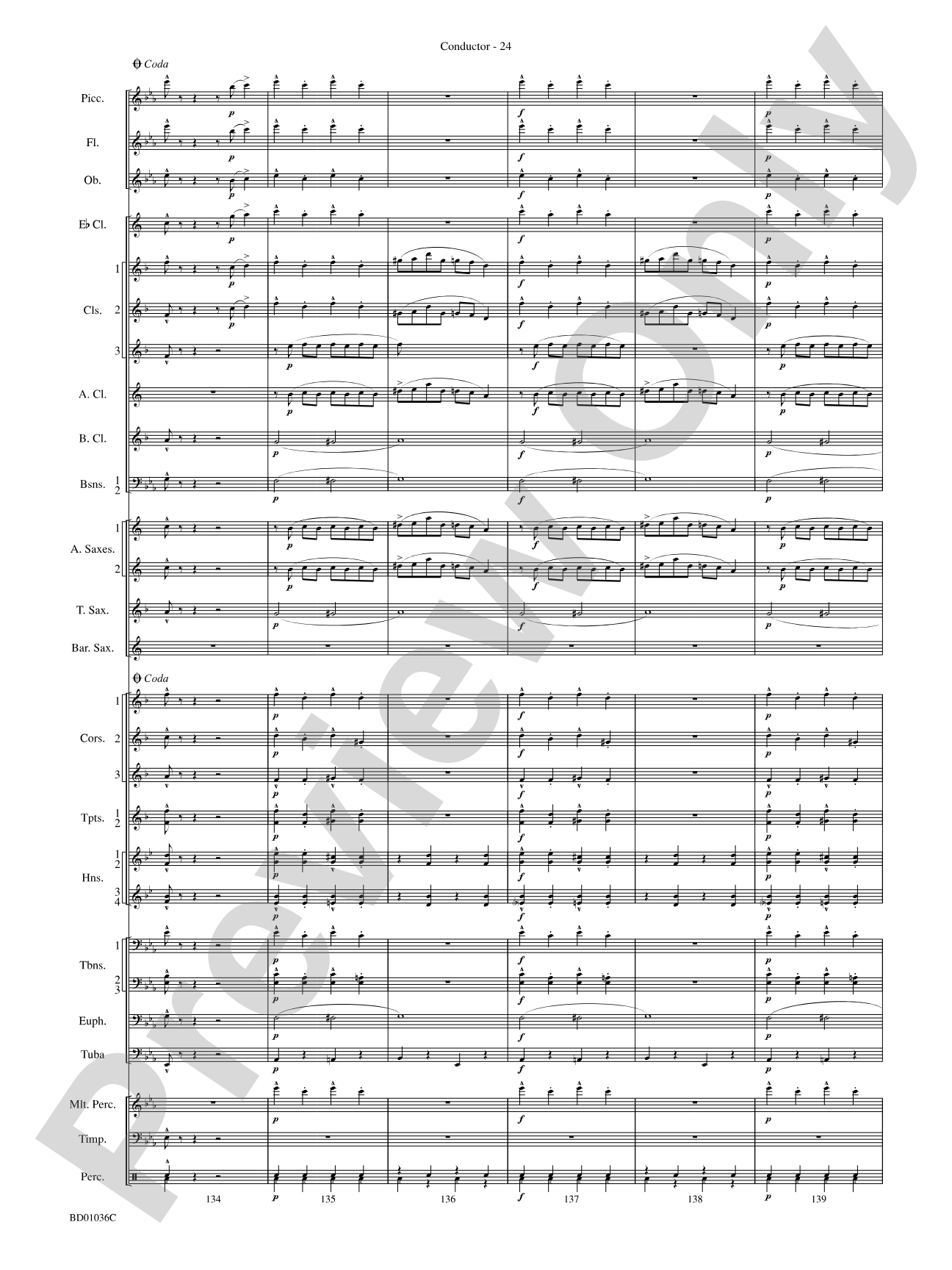
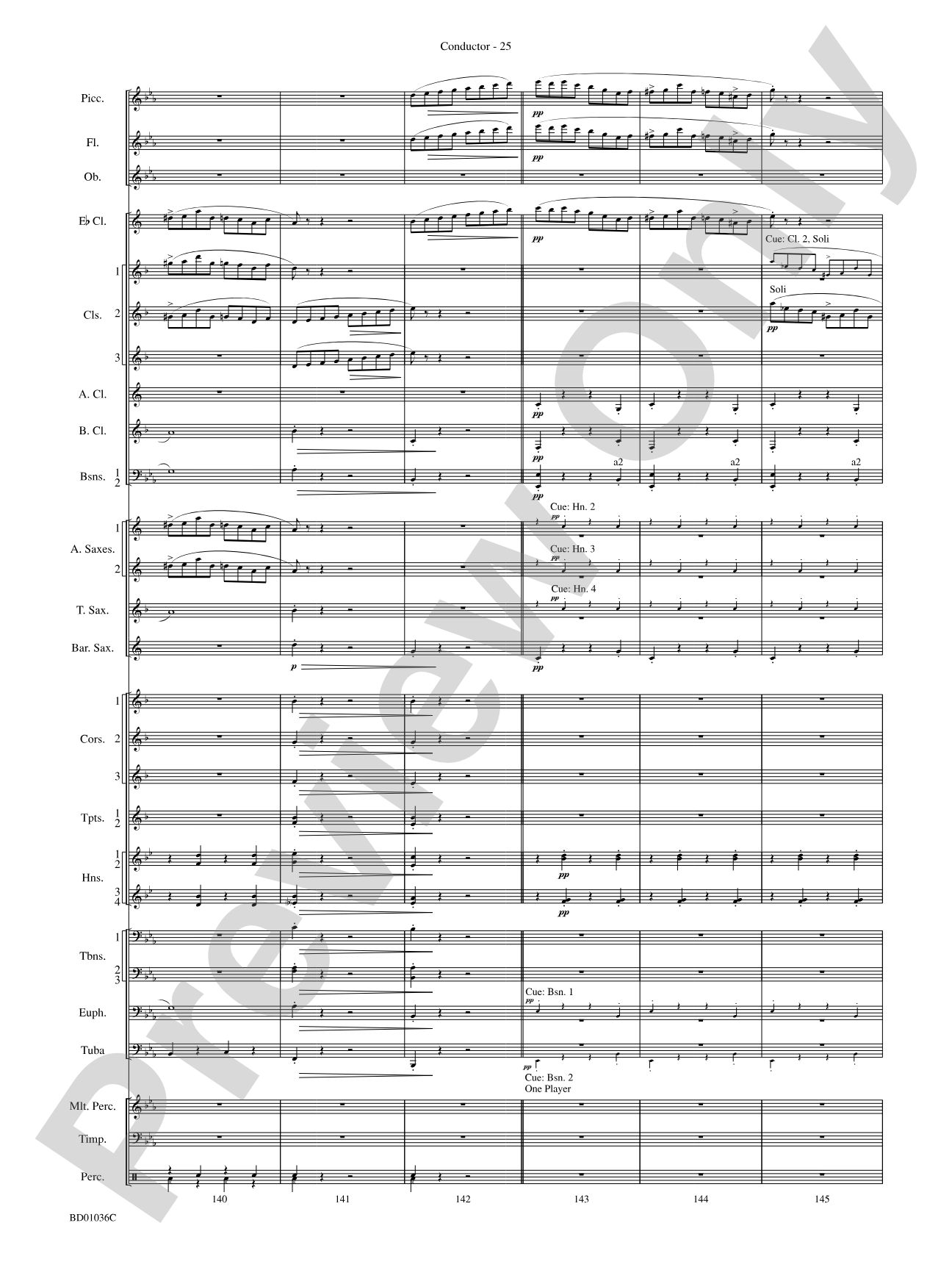
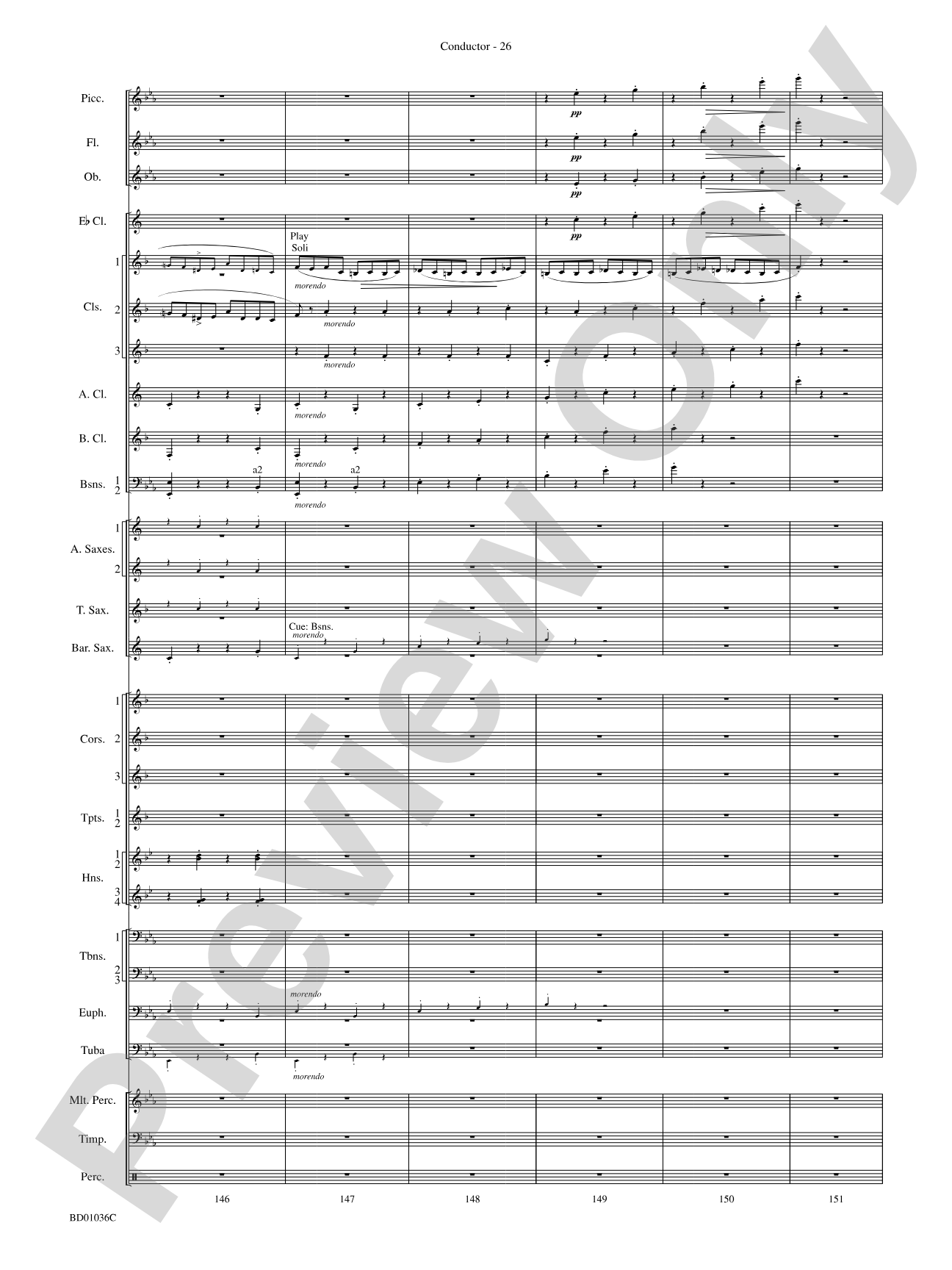
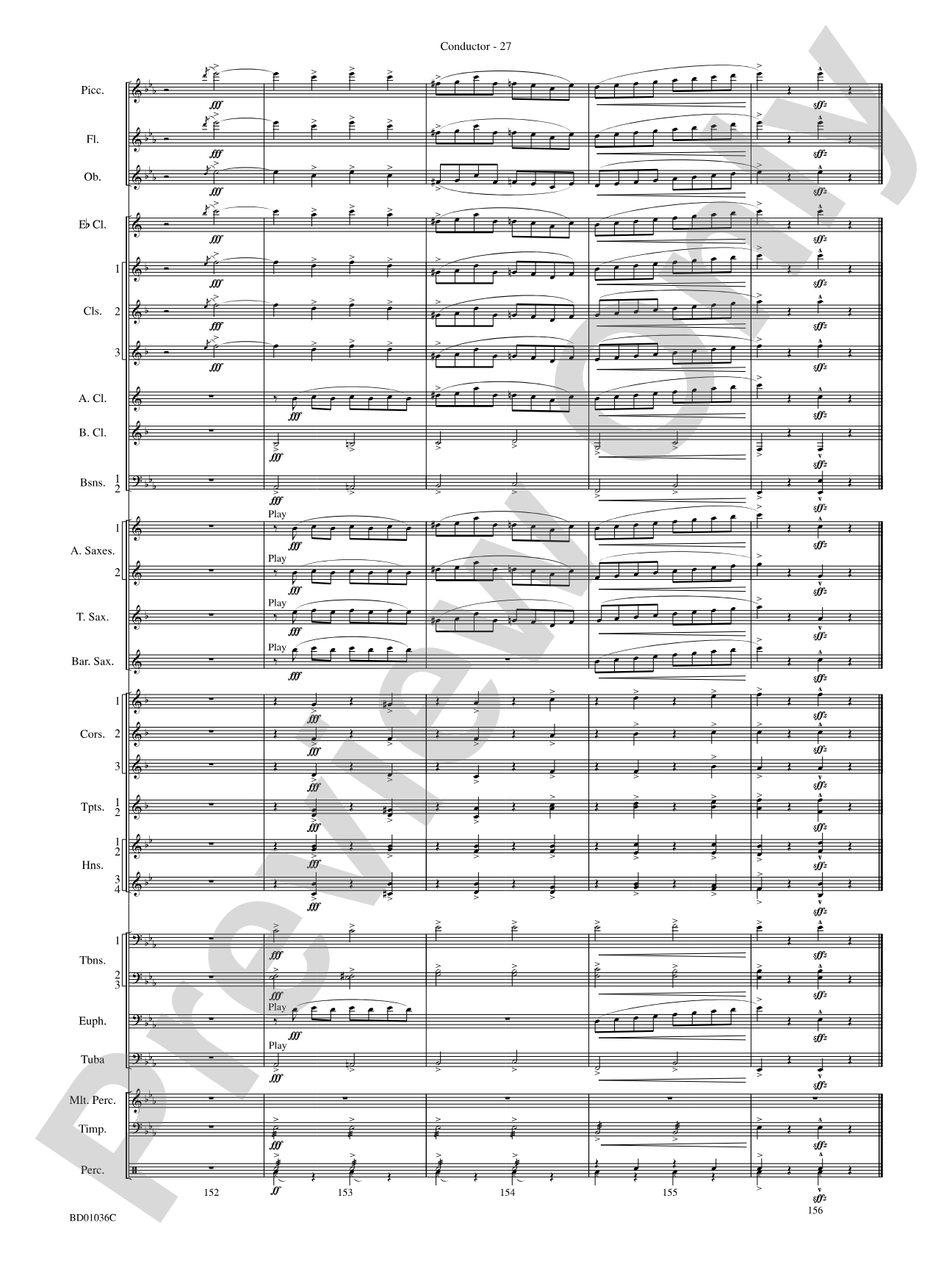

Fiddle-Faddle: Score
By Leroy Anderson / arr. Philip J. Lang
Grade: 3.5 (Medium Easy to Medium)
Item: 00-PR-0001972
$9.00
Pickup currently not available
Description
A rebirth of this classic Leroy Anderson work. For 40 years, bands all over the world have programmed and audiences have enjoyed the Anderson classic as arranged by Philip J. Lang. His scoring captures all of the orchestral colors. This one should be in every concert band's library. (3:32)


Don't just read it, hear it, play along with it, and watch your students grow with it. In MakeMusic Cloud, Fiddle-Faddle: Score comes alive with professional accompaniment, adjustable tempo, and built-in practice tools that turn solo practice into real progress.
Open in the Player
Jump straight in and assign it today.
Start Your Free Trial
Open this title and explore the full library in minutes.
Sample Audio
1
Audio File
--:--
0:00
0:00
Sample Video
No sample videos found.
Additional Details
Series:
Leroy Anderson Concert Band
Publisher:
Alfred Music
Page Count:
430
SKU:
00-PR-0001972
More about this title
About the Composer: Leroy Anderson
Leroy Anderson (1908-1975) was an American composer and conductor whose gift for accessible, witty orchestral miniatures defined light concert music for generations. He spent much of his career as a staff composer for the Boston Pops under Arthur Fiedler, crafting distinctive arrangements that became staples of American concert bands and orchestras. His melodies are immediately memorable; his orchestrations are sophisticated enough to reward close listening without demanding technical virtuosity from performers.
Why we love this
Philip J. Lang's arrangement preserves Anderson's orchestral sophistication while keeping the piece technically accessible to 3.5-level bands. The scoring crackles with color and rhythmic precision, and audiences respond immediately to its charm. This is the kind of piece that reminds everyone why concert band exists: pure joy in performance.
What to expect
Fiddle-Faddle bounces with mischievous energy and playful invention. Its melodies skip and dart across the band like children chasing each other, punctuated by unexpected harmonic turns and orchestral surprises that keep audiences leaning forward. The piece never takes itself seriously, yet the musicianship required to bring it off is genuine.
Who it's for
Concert bands at the Grade 3-3.5 level seeking a crowd-pleasing opener, closer, or encore that sits comfortably under the fingers without sacrificing musical sophistication. Ensembles preparing for festival or contest will find this a reliable crowd favorite that also stands up to adjudication.
How to get the most out of it
- Keep the articulation crisp and dance-like throughout; the piece lives in its rhythmic clarity rather than legato phrasing.
- Balance the woodwind colors carefully during the lighter passages. Lang's arrangement gives each section moments to shine, and muddiness will wash away the orchestral detail.
- Treat the tempo marking as a steady dance rhythm rather than a rush. Dancers need a predictable pulse, and so does this piece.
- Emphasize the dynamic contrasts marked in the score. The journey from soft, playful statements to full-band bursts depends on real control of the dynamic spectrum.
How to use it
Open a concert with this to set a bright, confident tone, or place it as a palate-cleanser between weightier works. It also serves as a natural encore that leaves the audience in good spirits without requiring an additional rehearsal commitment.
Skills your students will build
- Clear articulation and rhythmic precision in ensemble context
- Balance and blend across woodwind and brass sections
- Reading and responding to frequent dynamic shifts
- Maintaining steady tempo during syncopated rhythmic figures
- Listening for orchestral color and textural clarity