
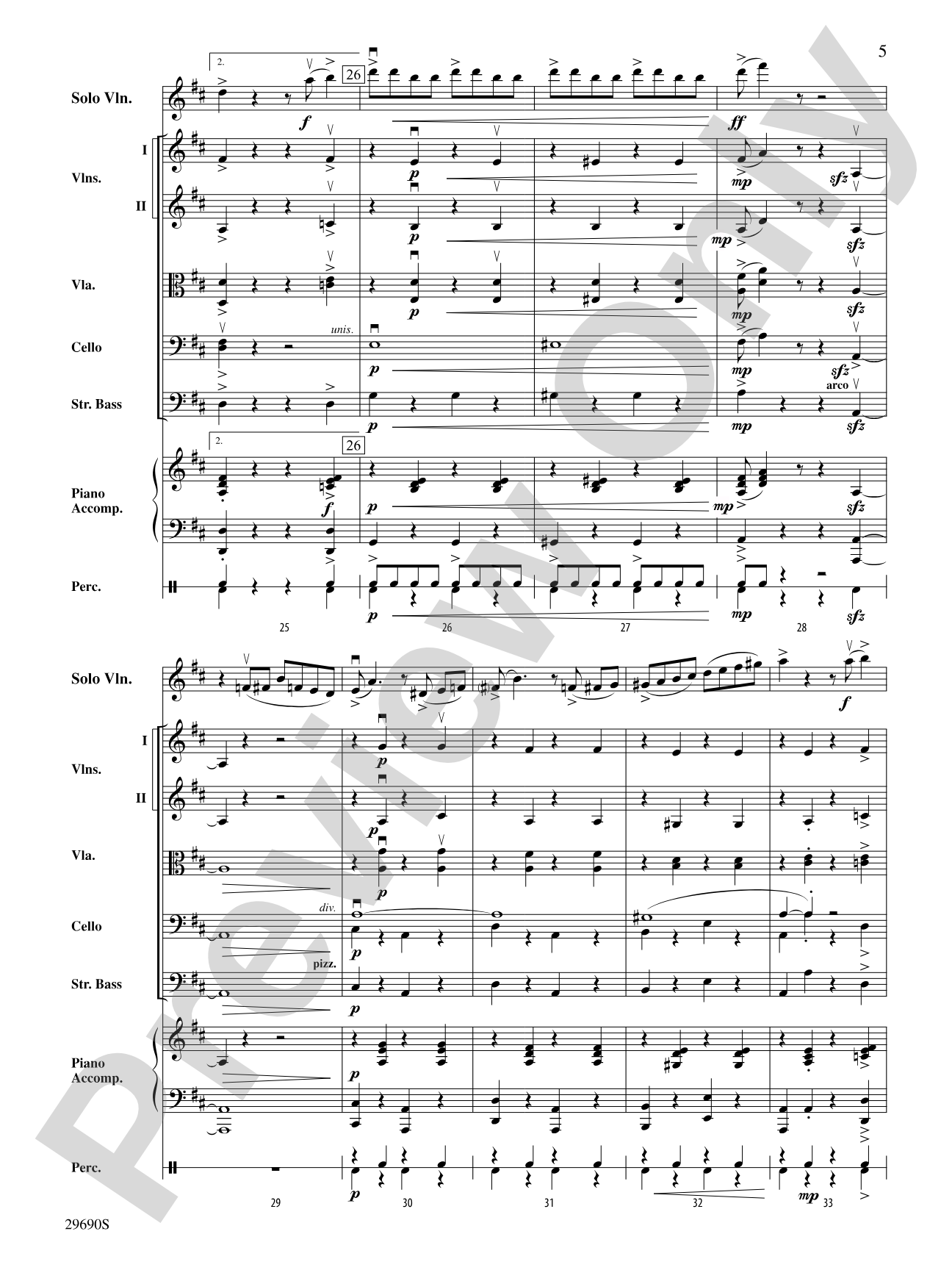
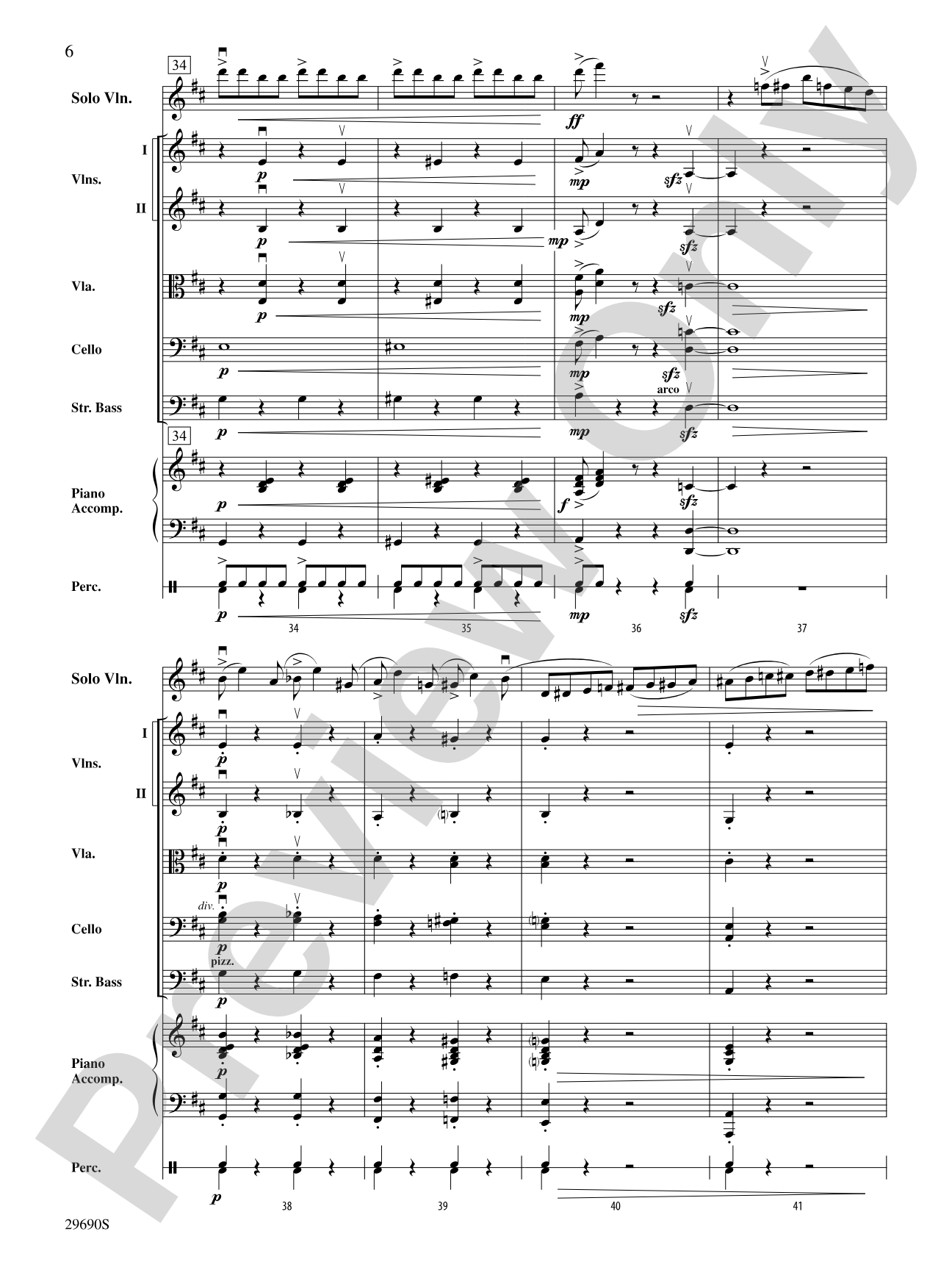
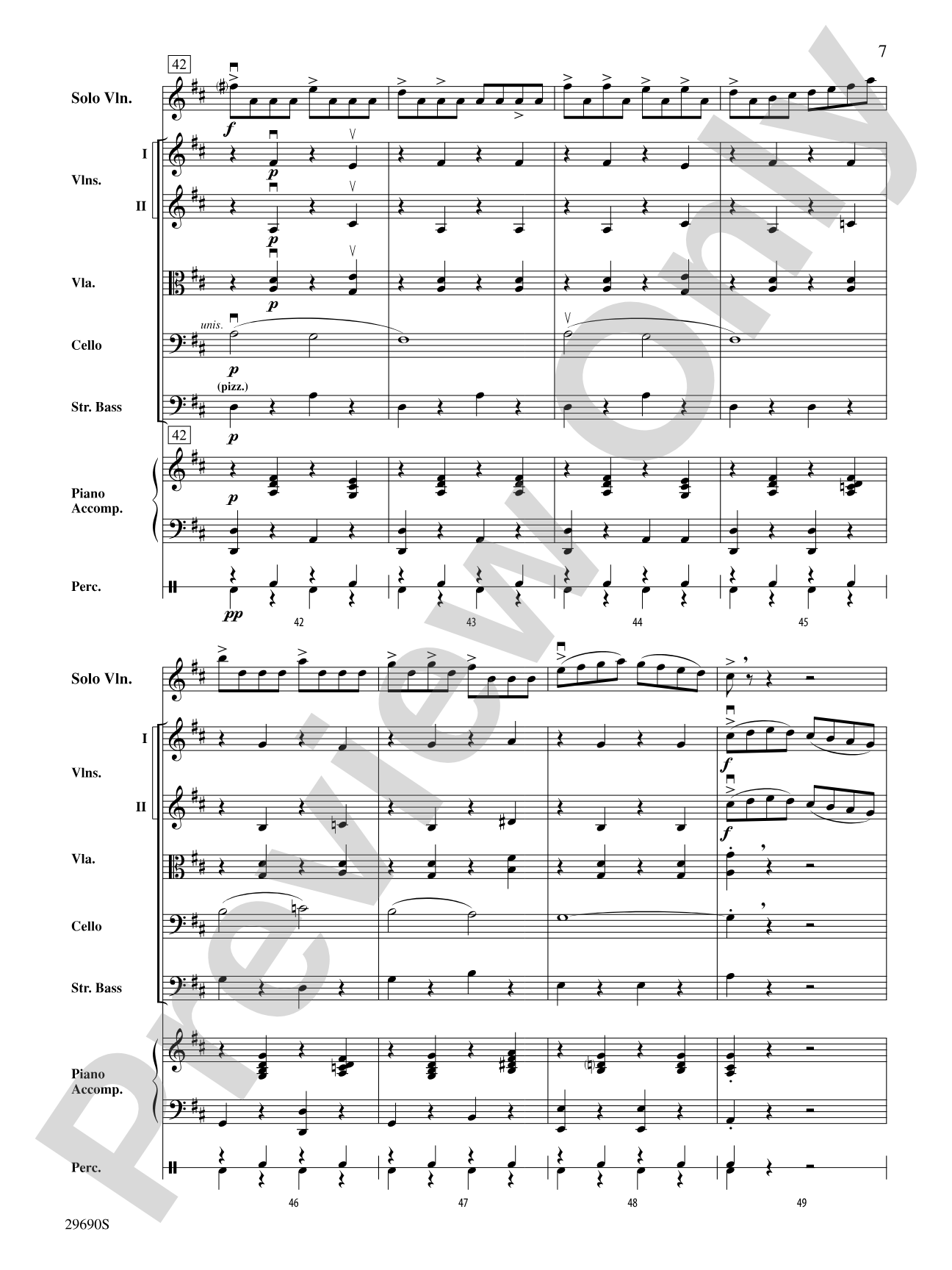
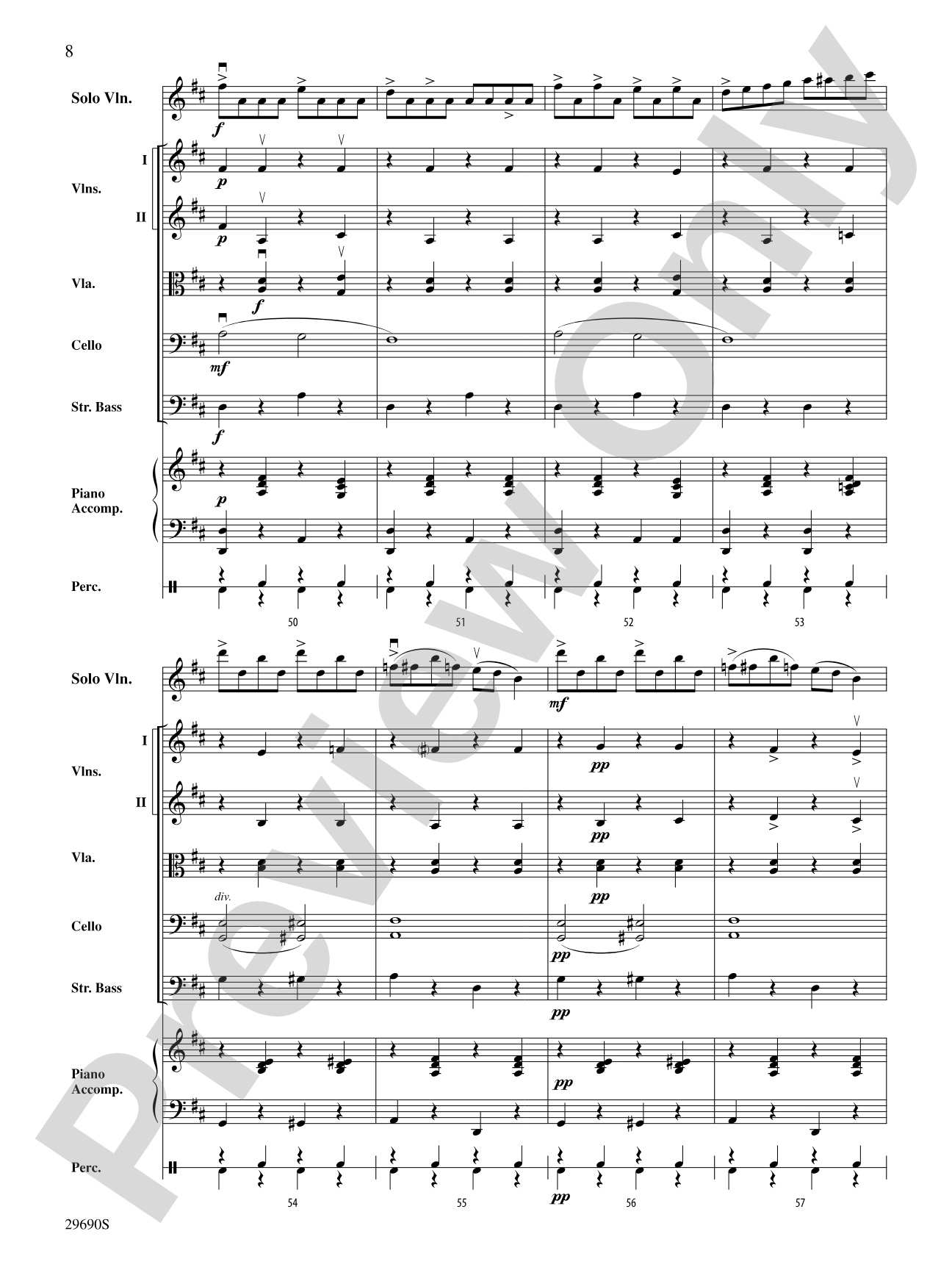
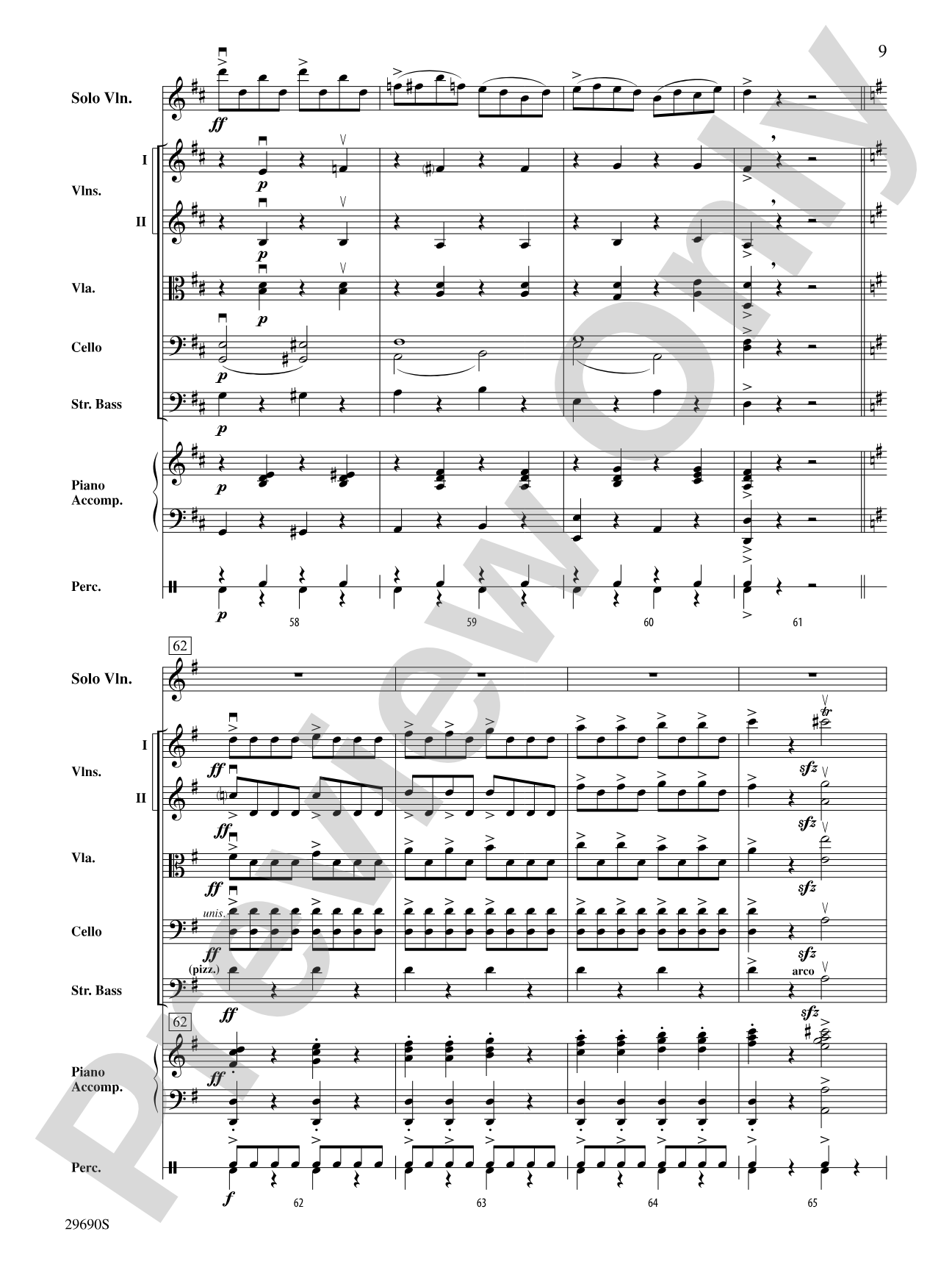
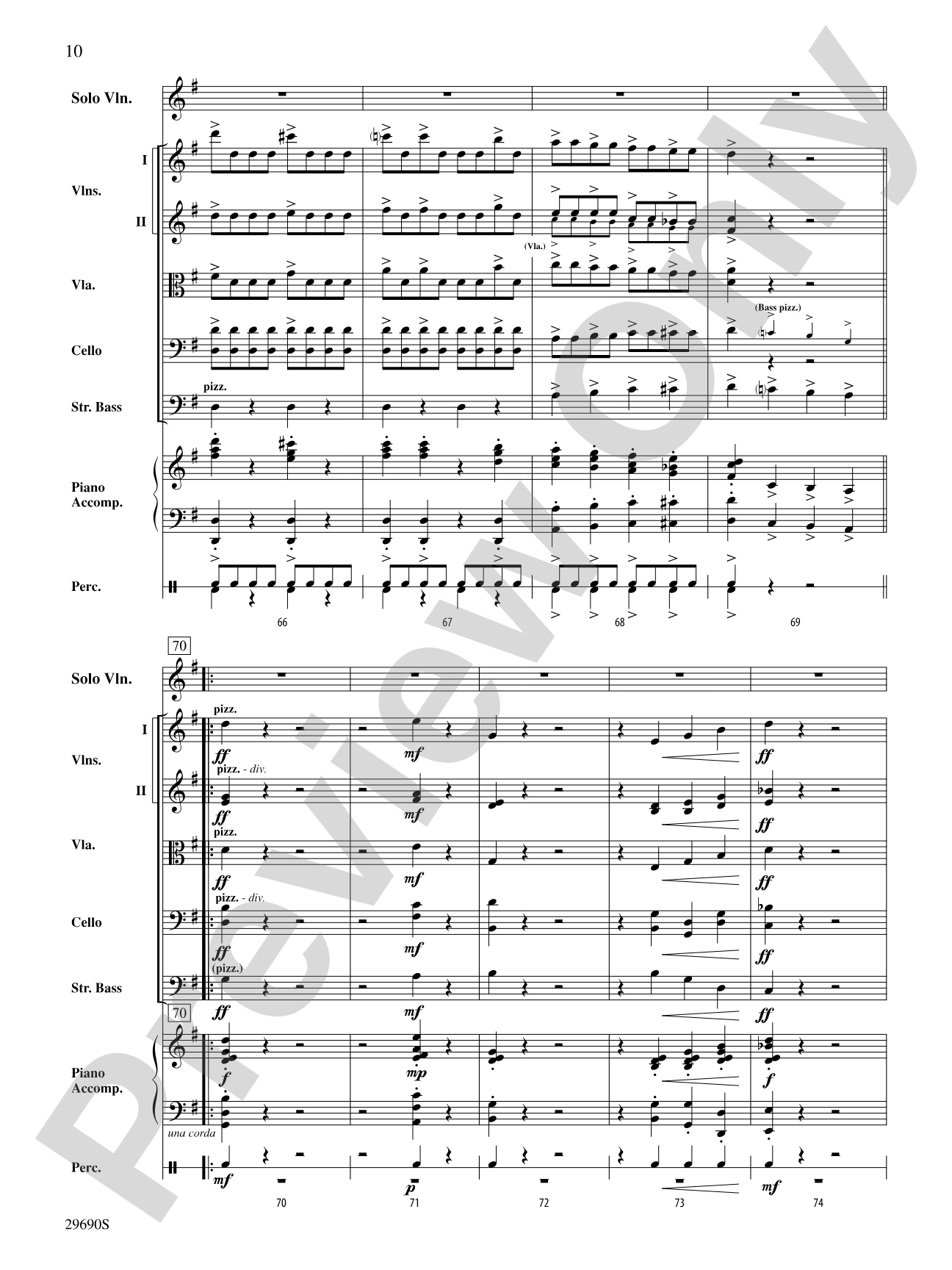
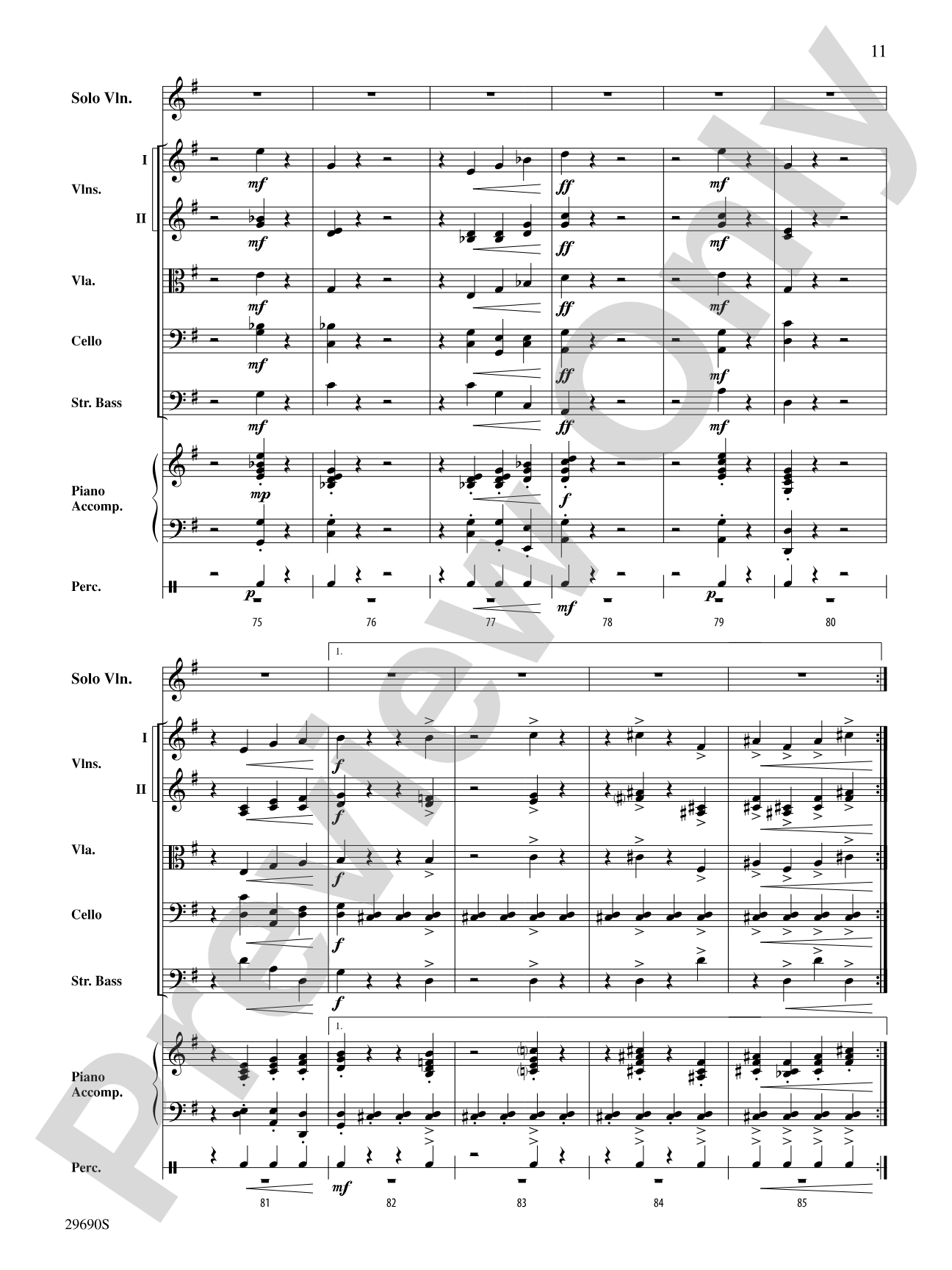
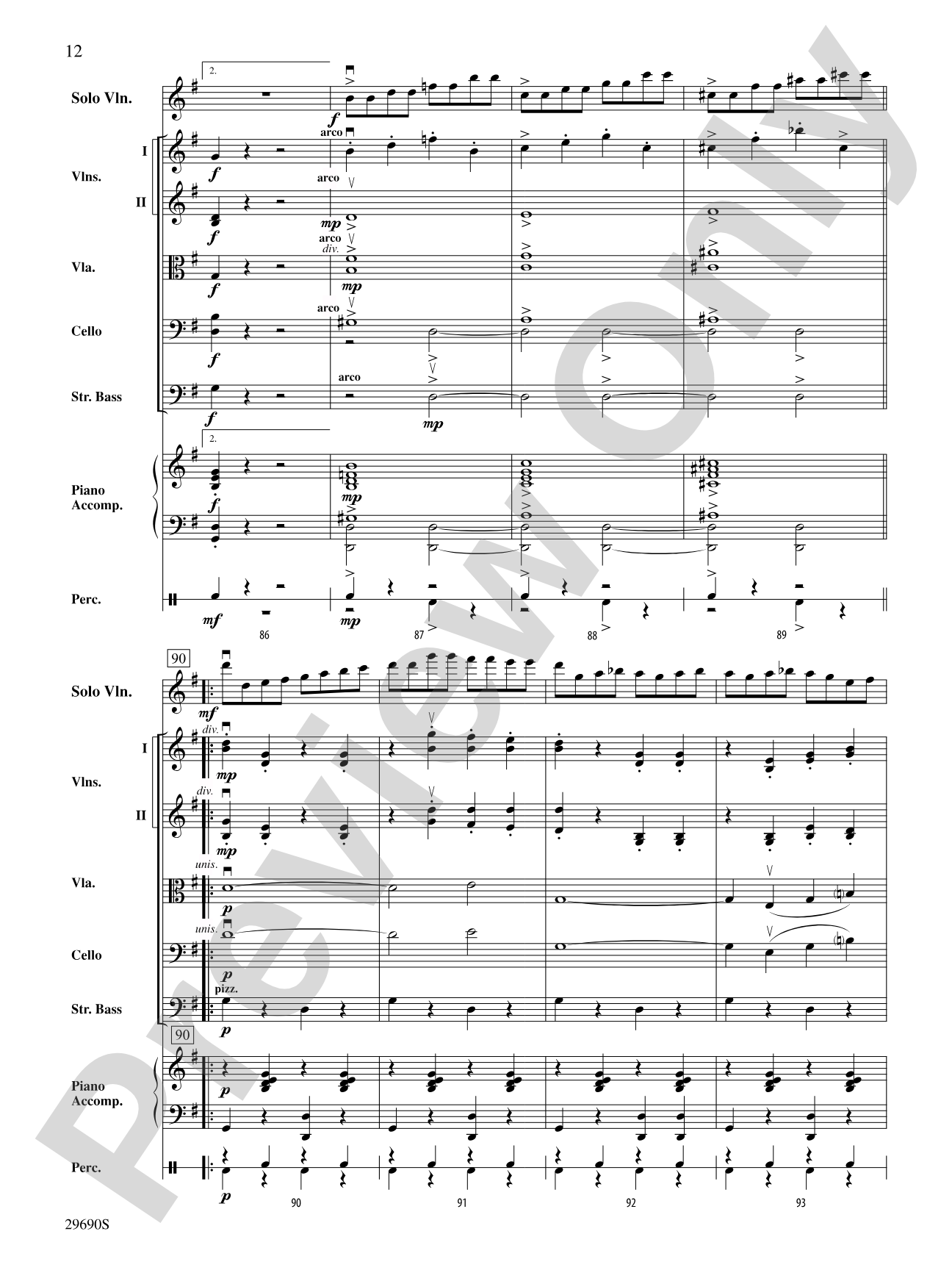
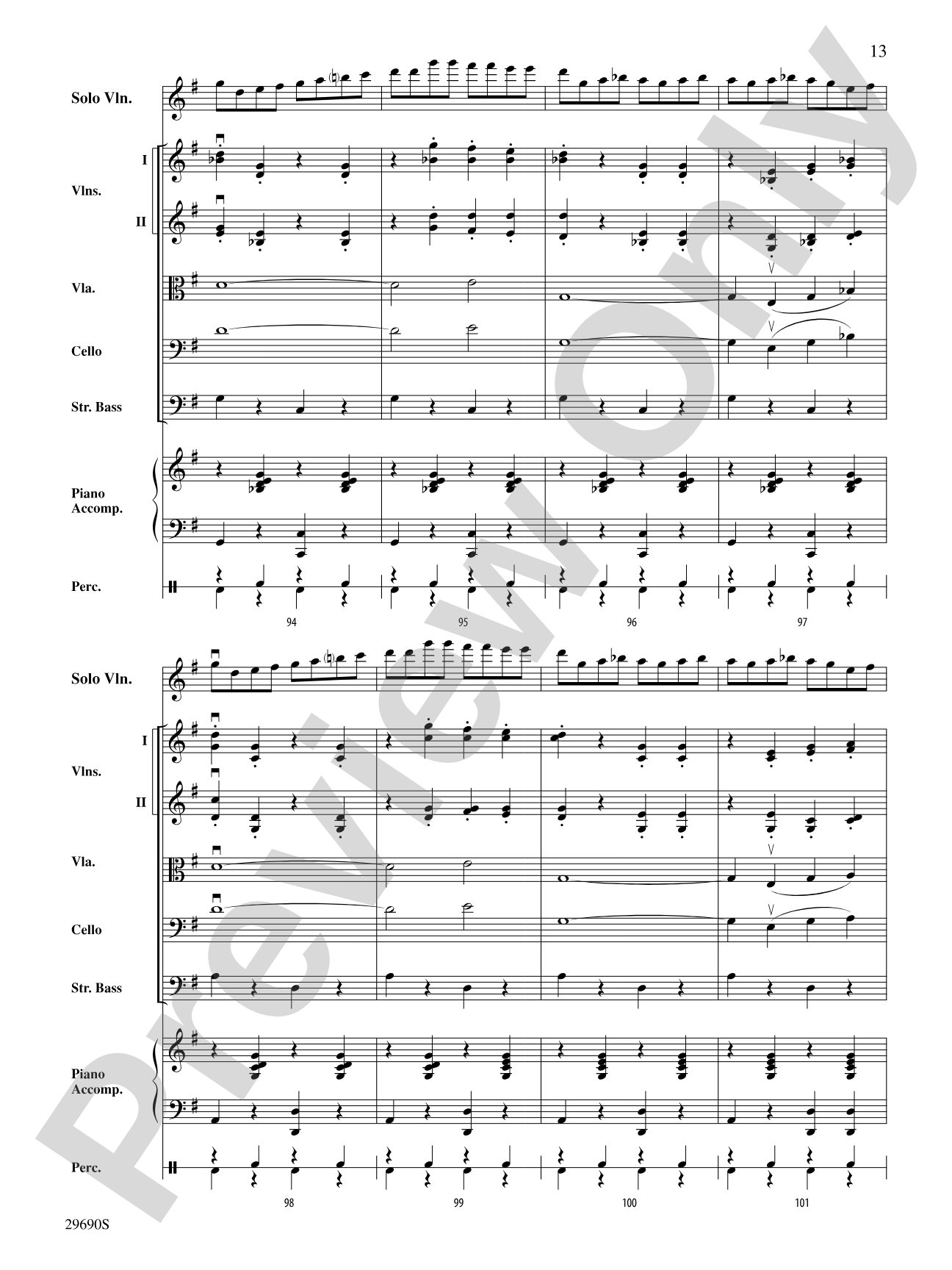
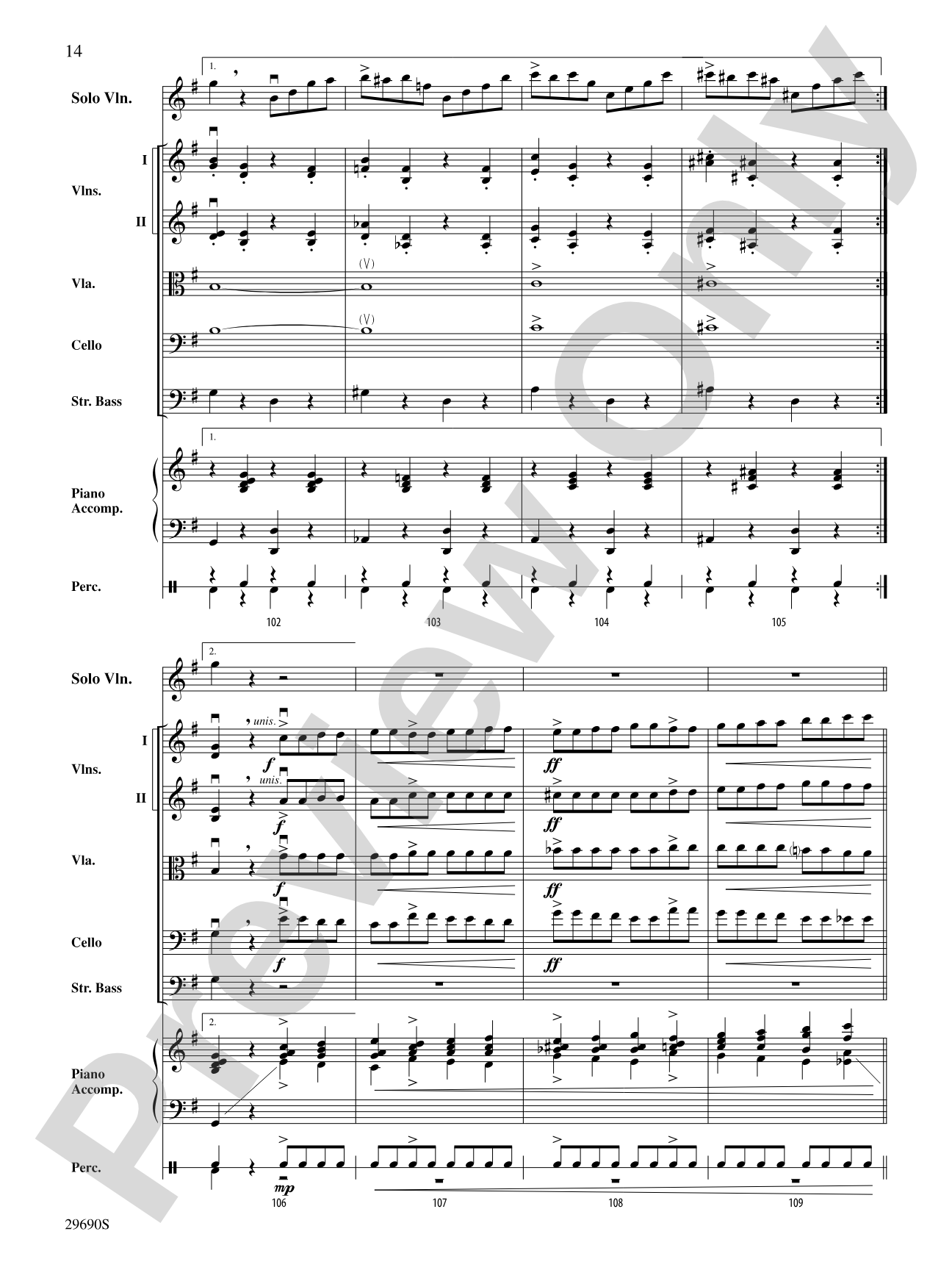
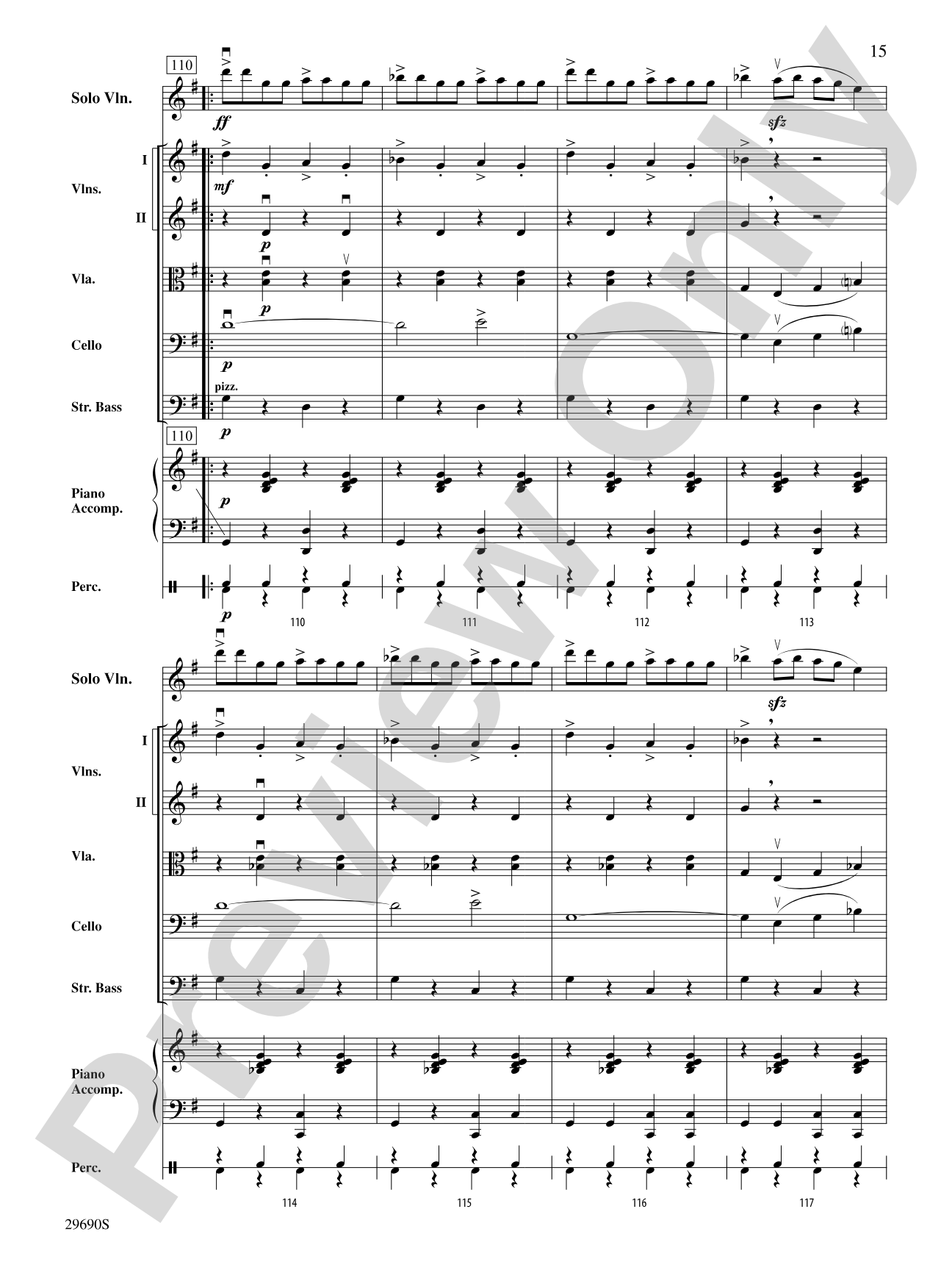
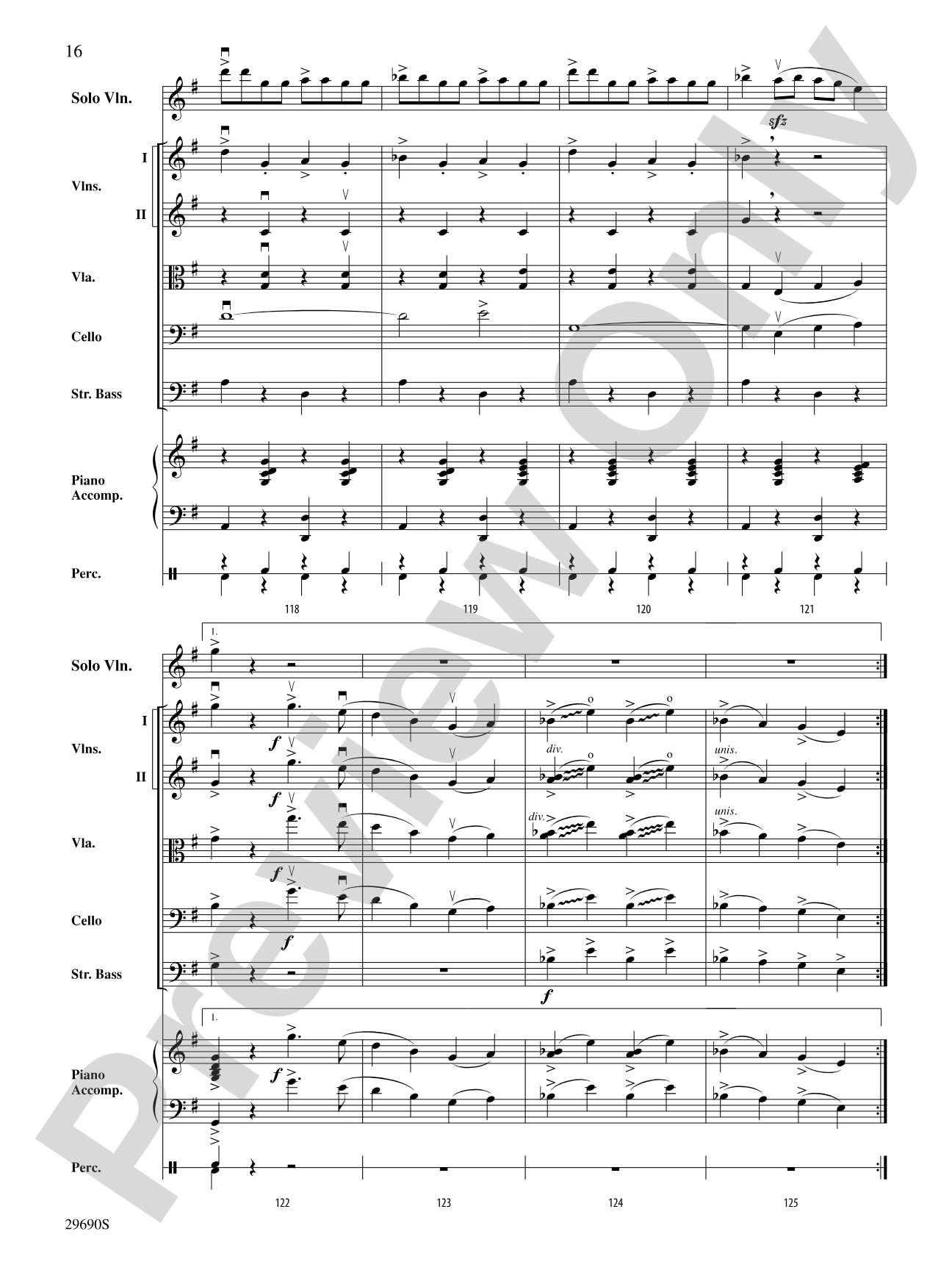
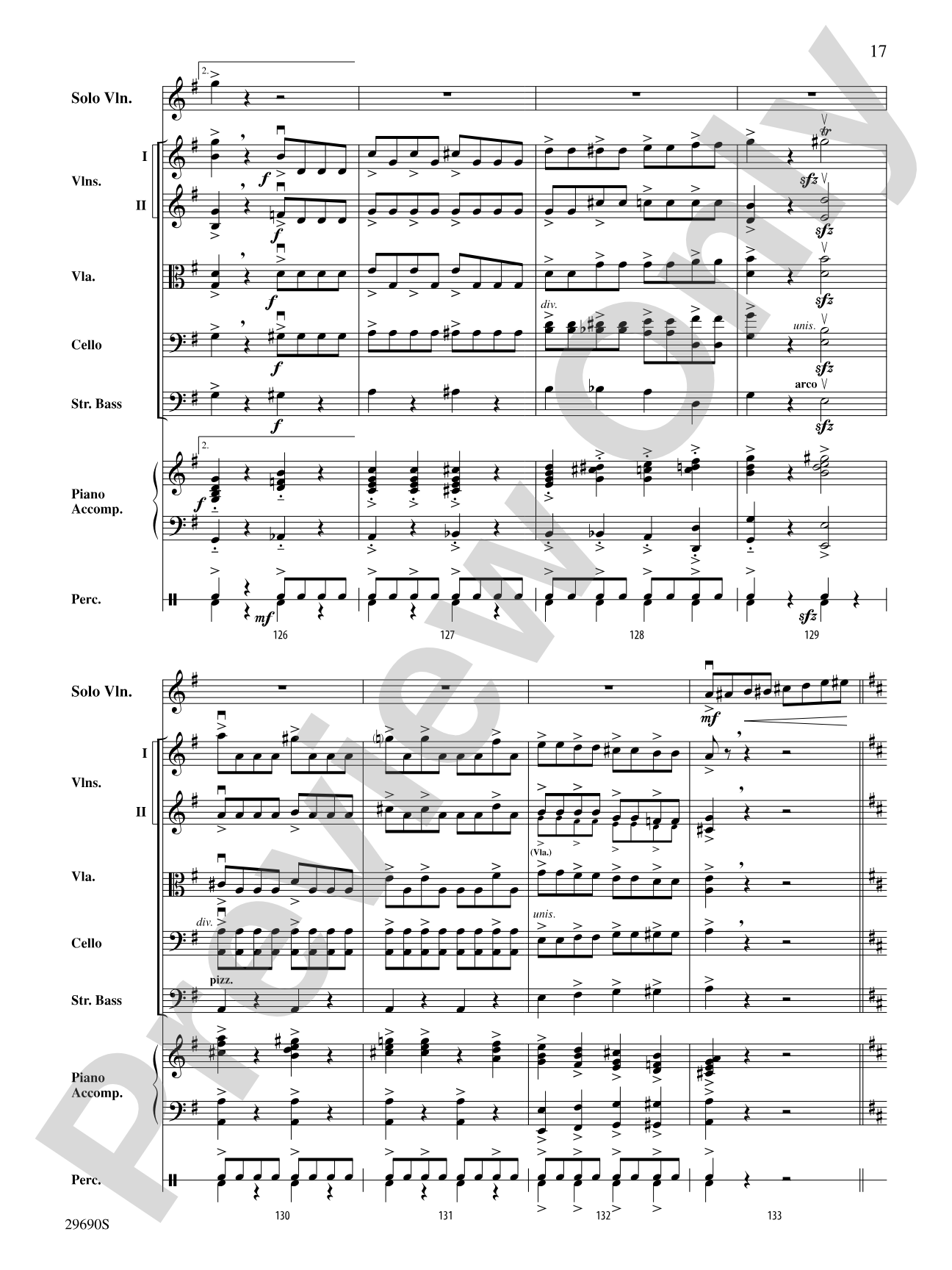
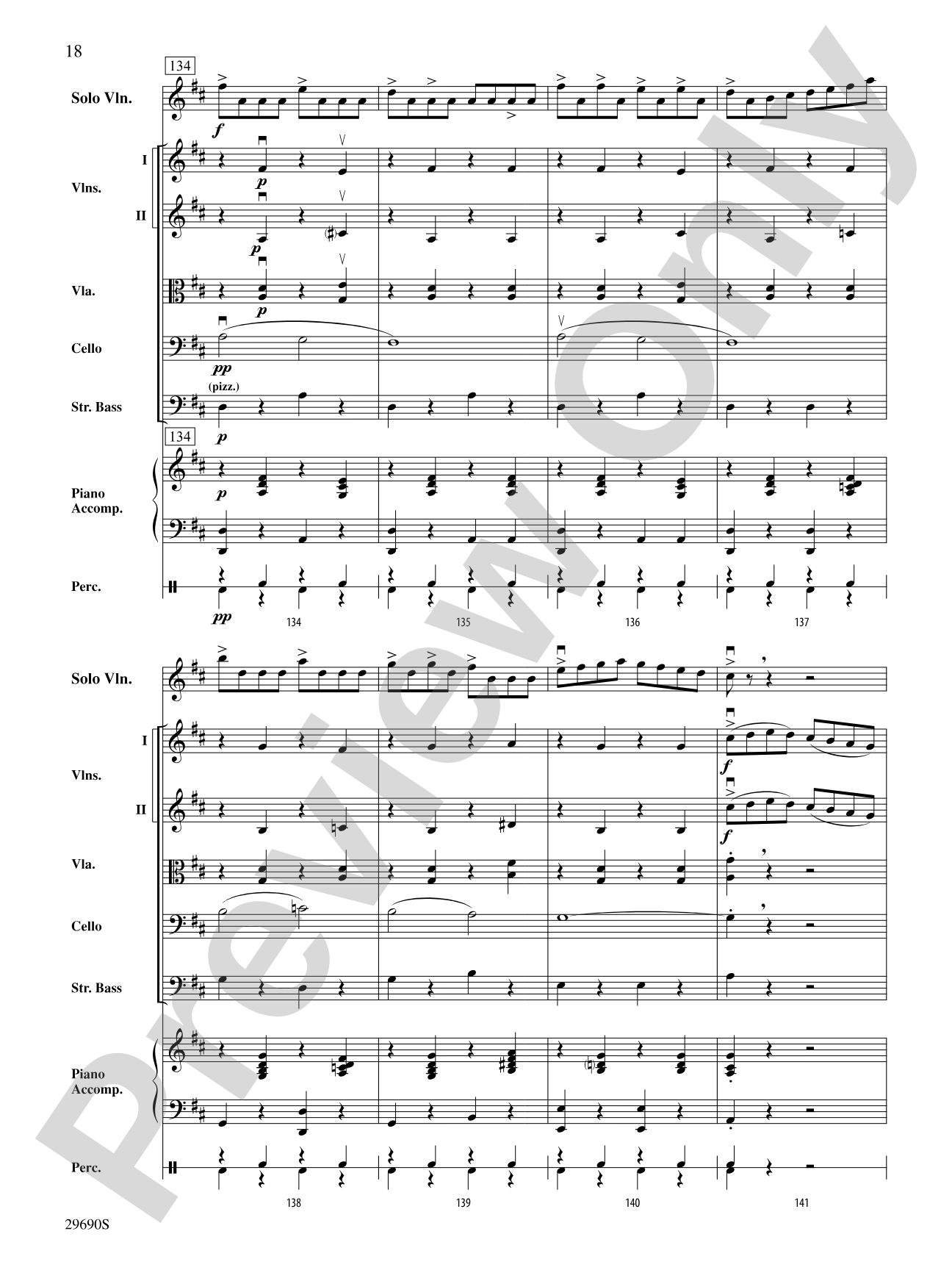
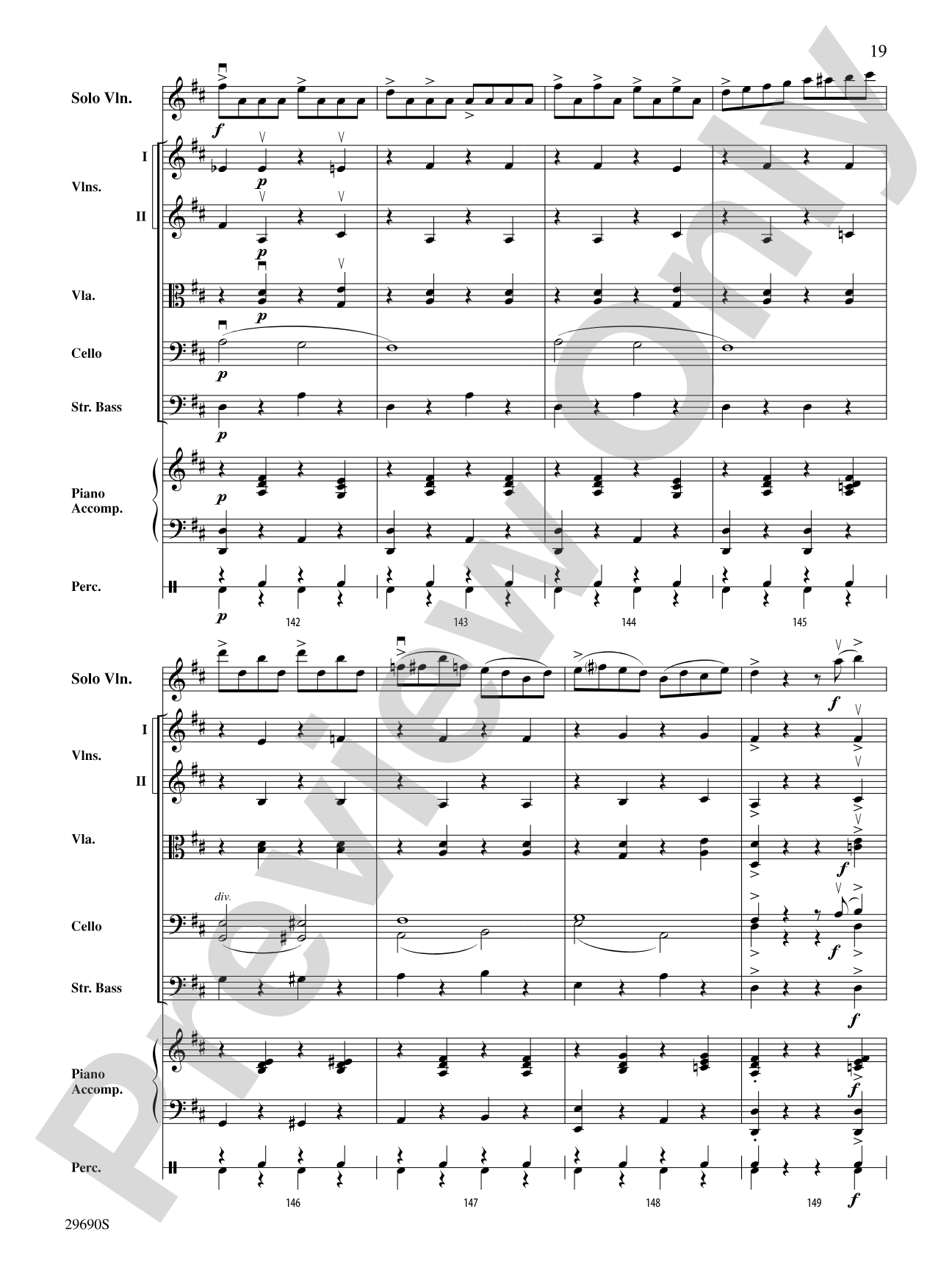
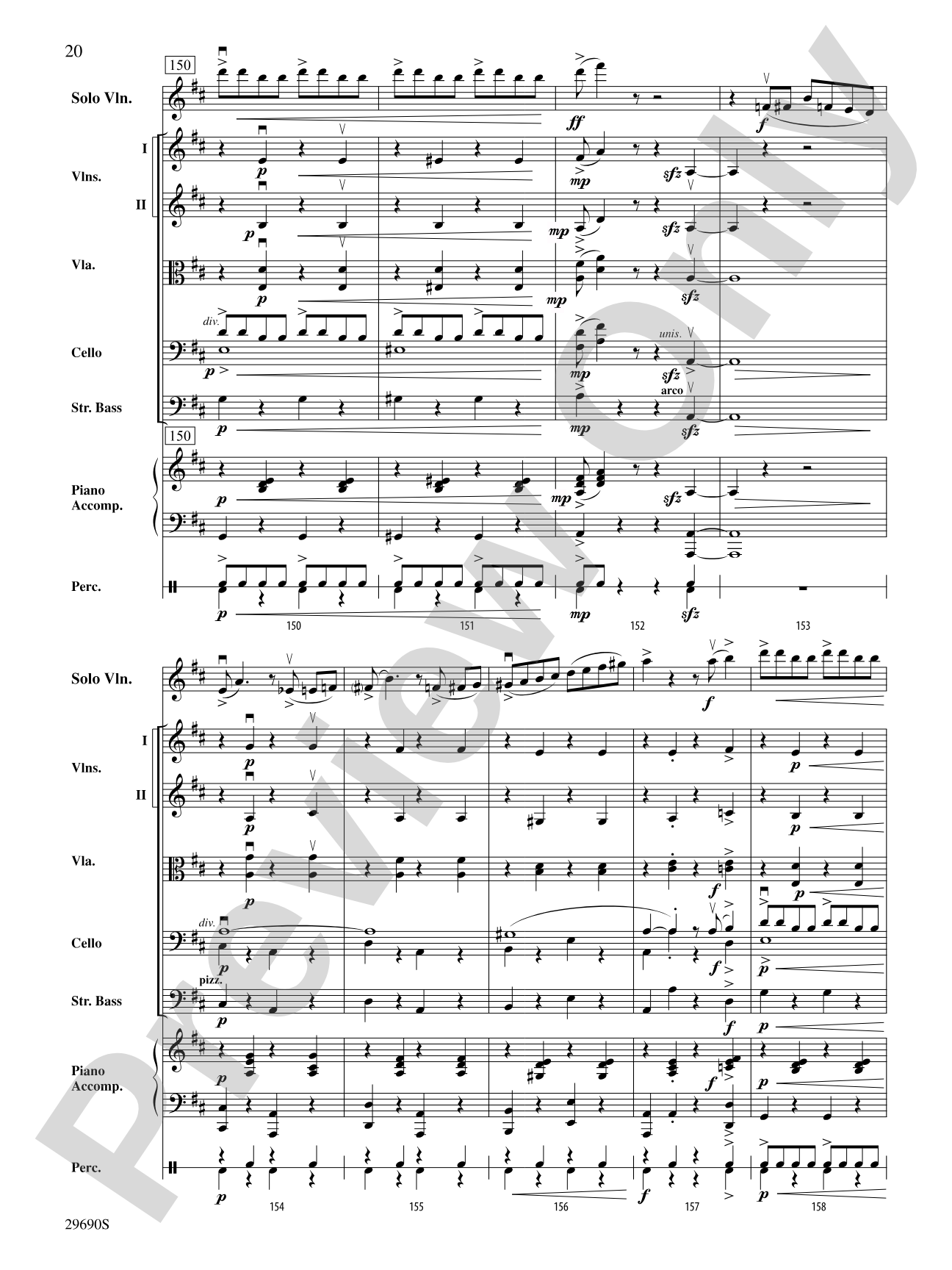
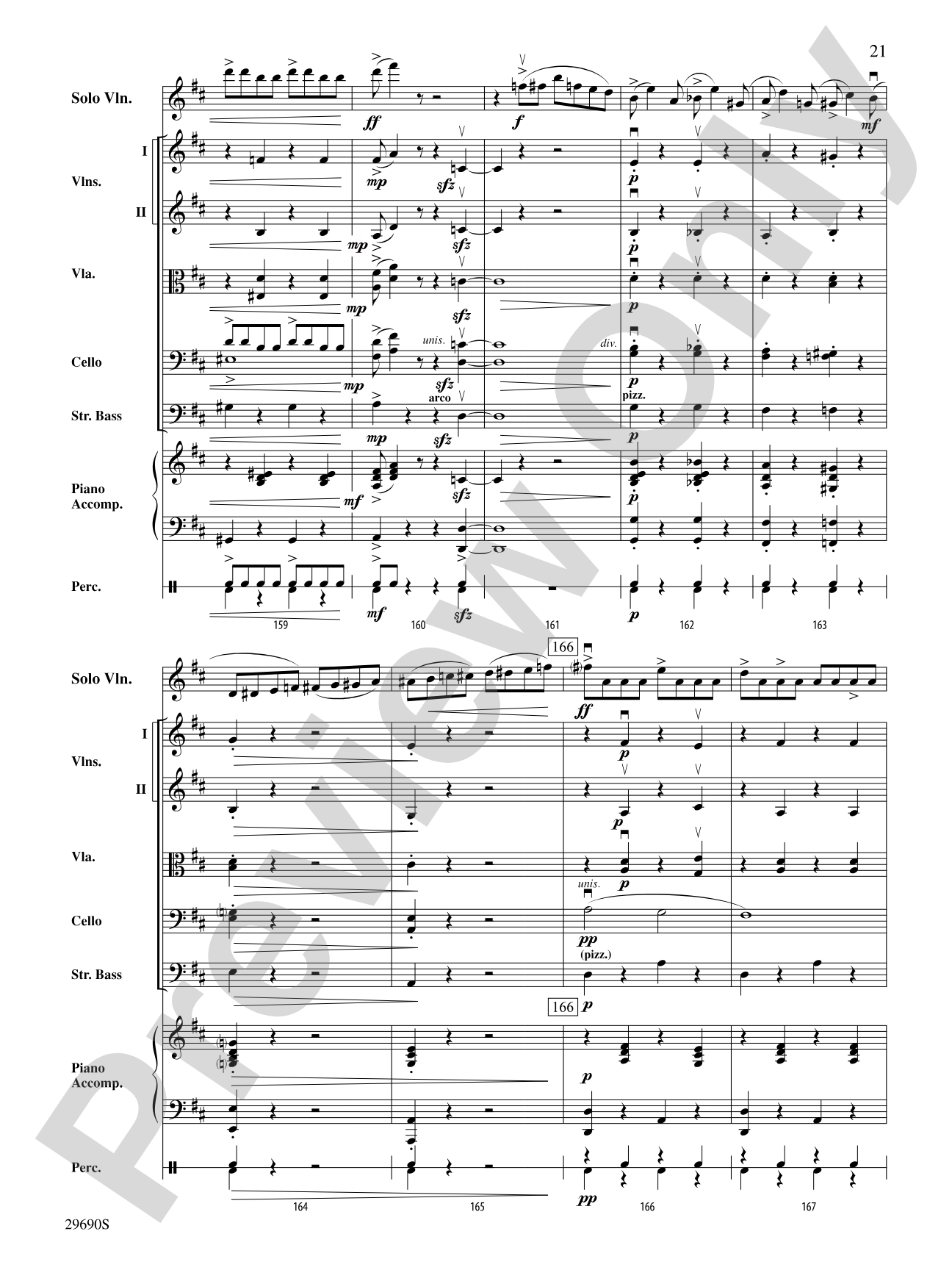
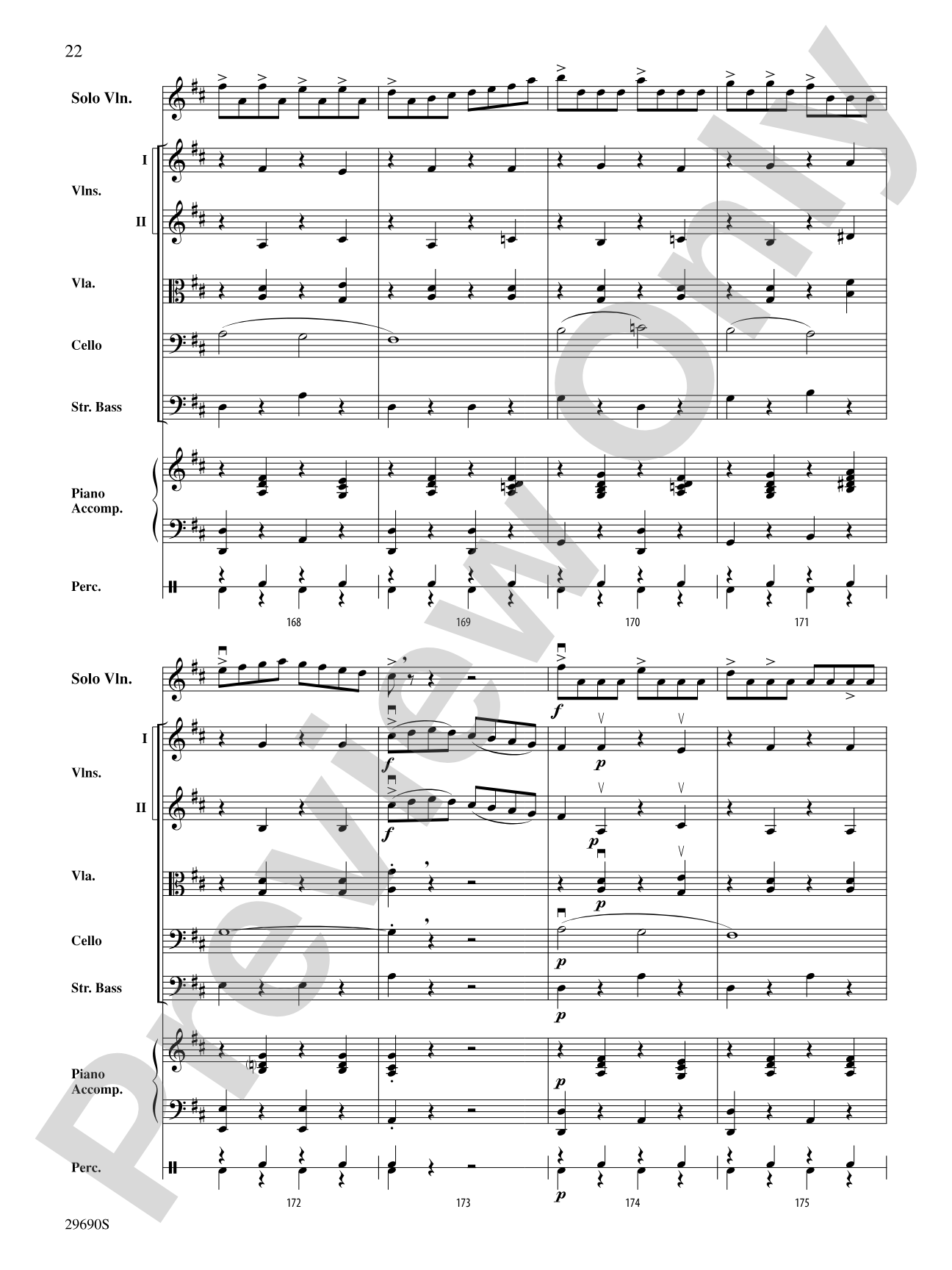
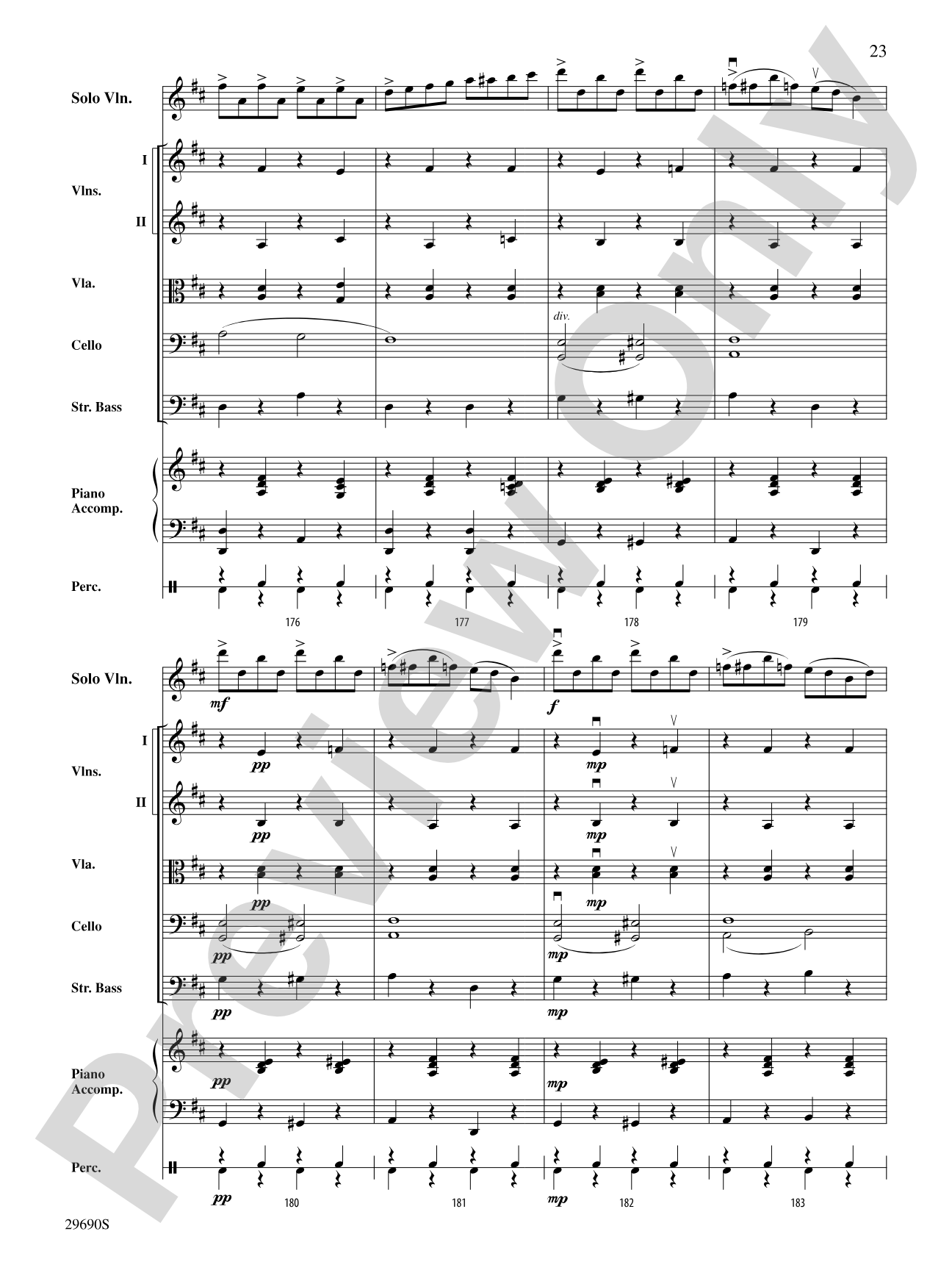
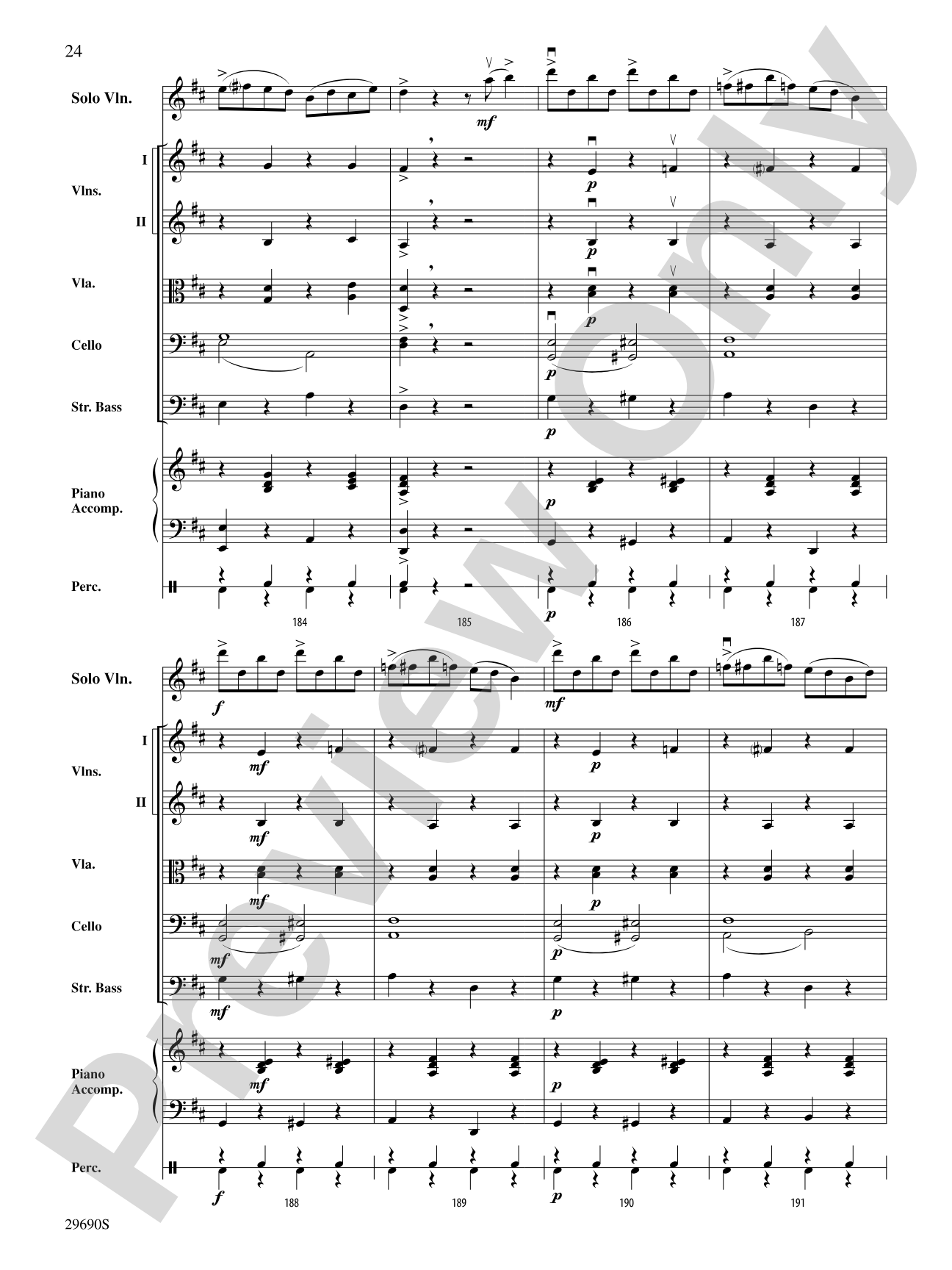
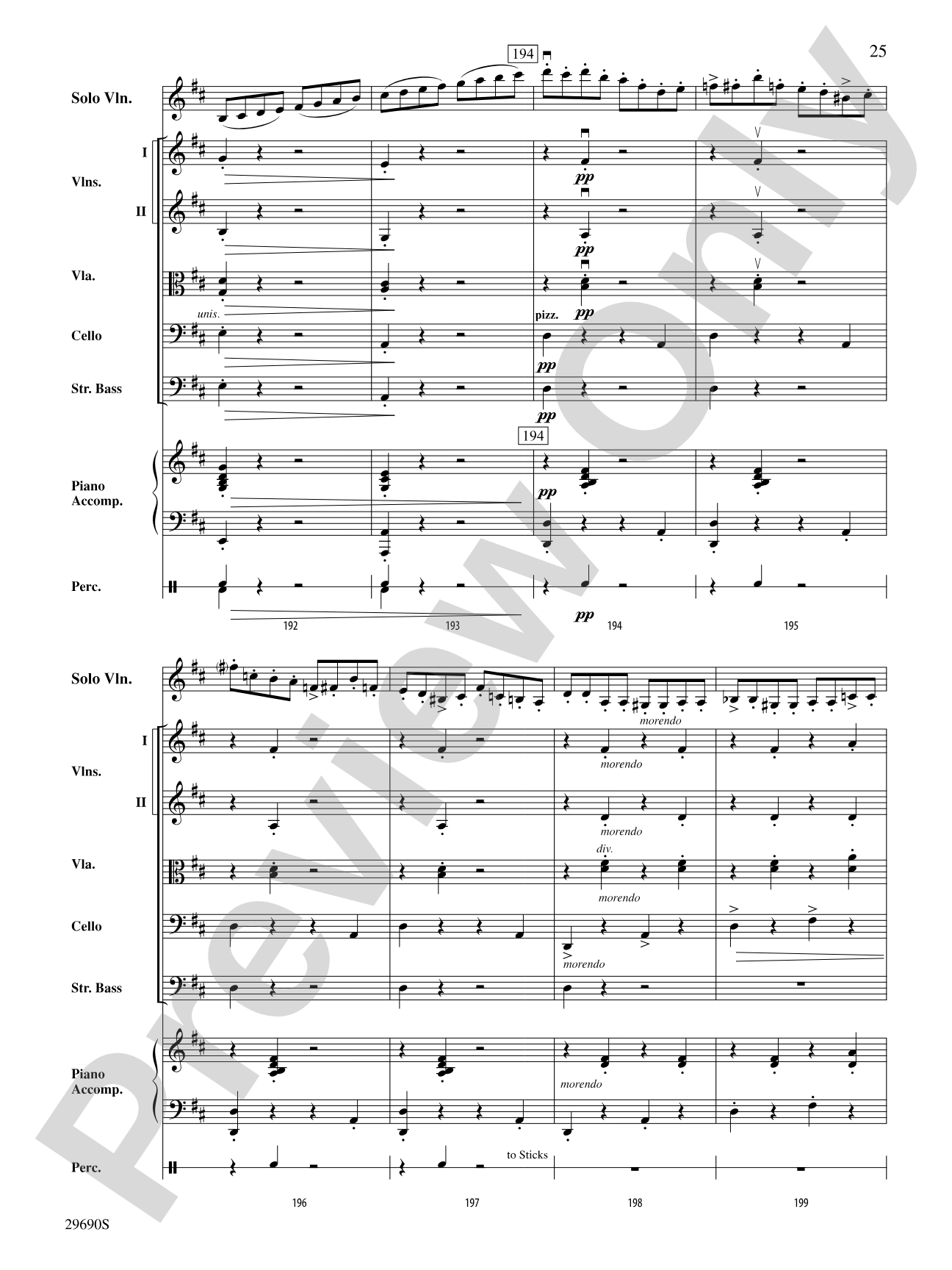
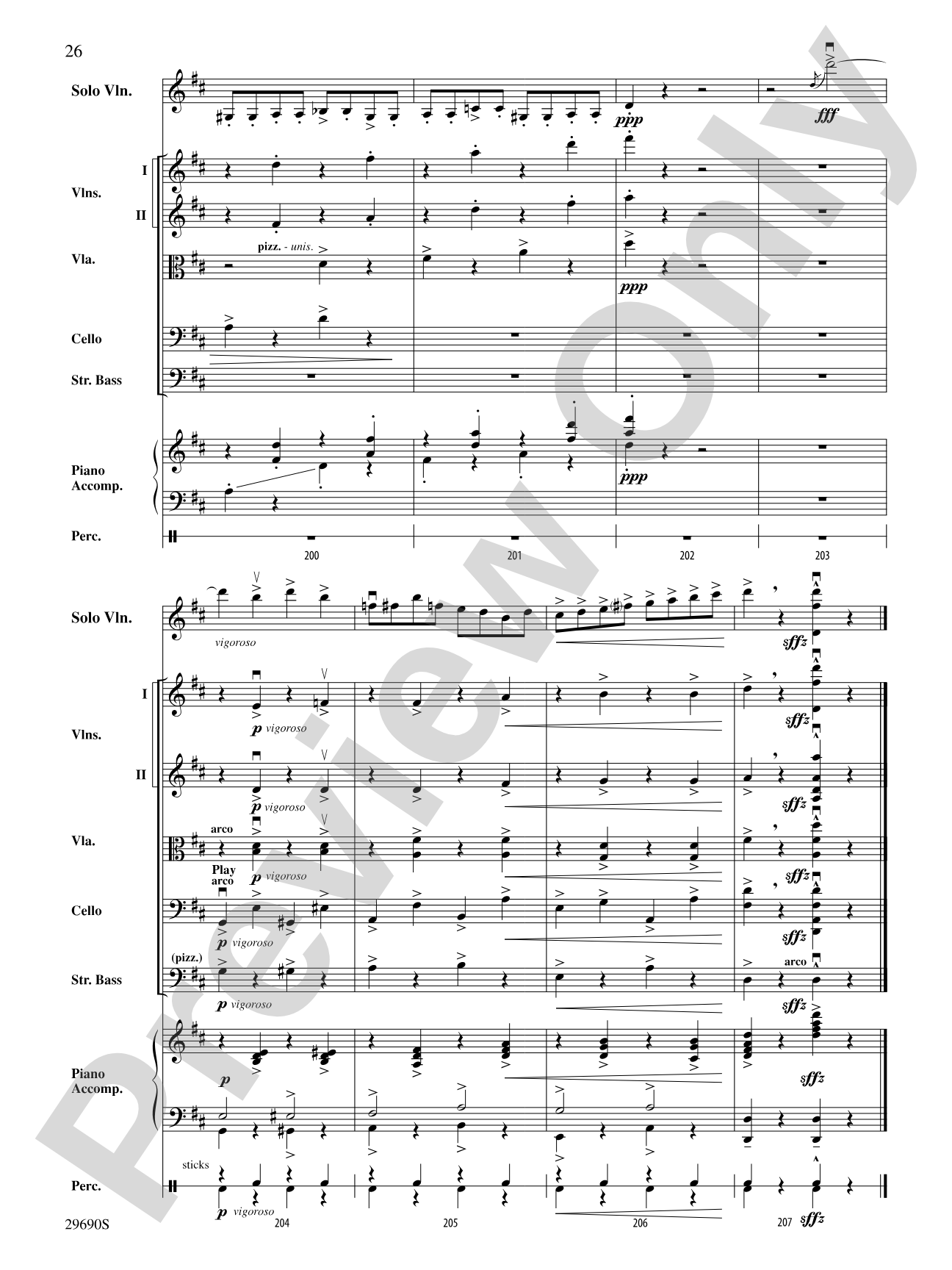



Fiddle-Faddle (for Soloist and String Orchestra): Score
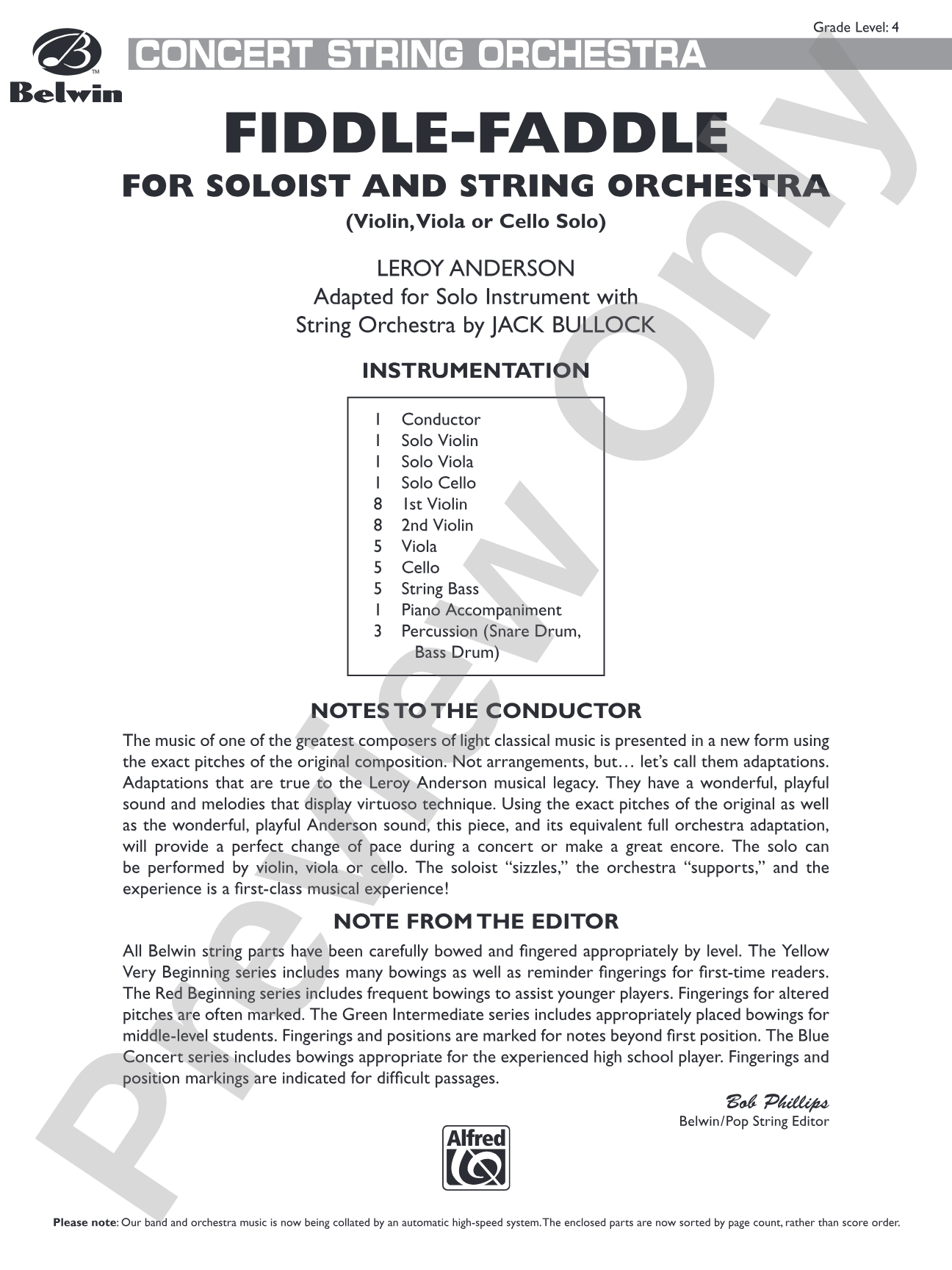
For Soloist and String Orchestra (Violin, Viola or Cello Solo)
By Leroy Anderson / arr. Jack Bullock
Grade: 4
Item: 00-PR-0001537
$11.00
Pickup currently not available
Description
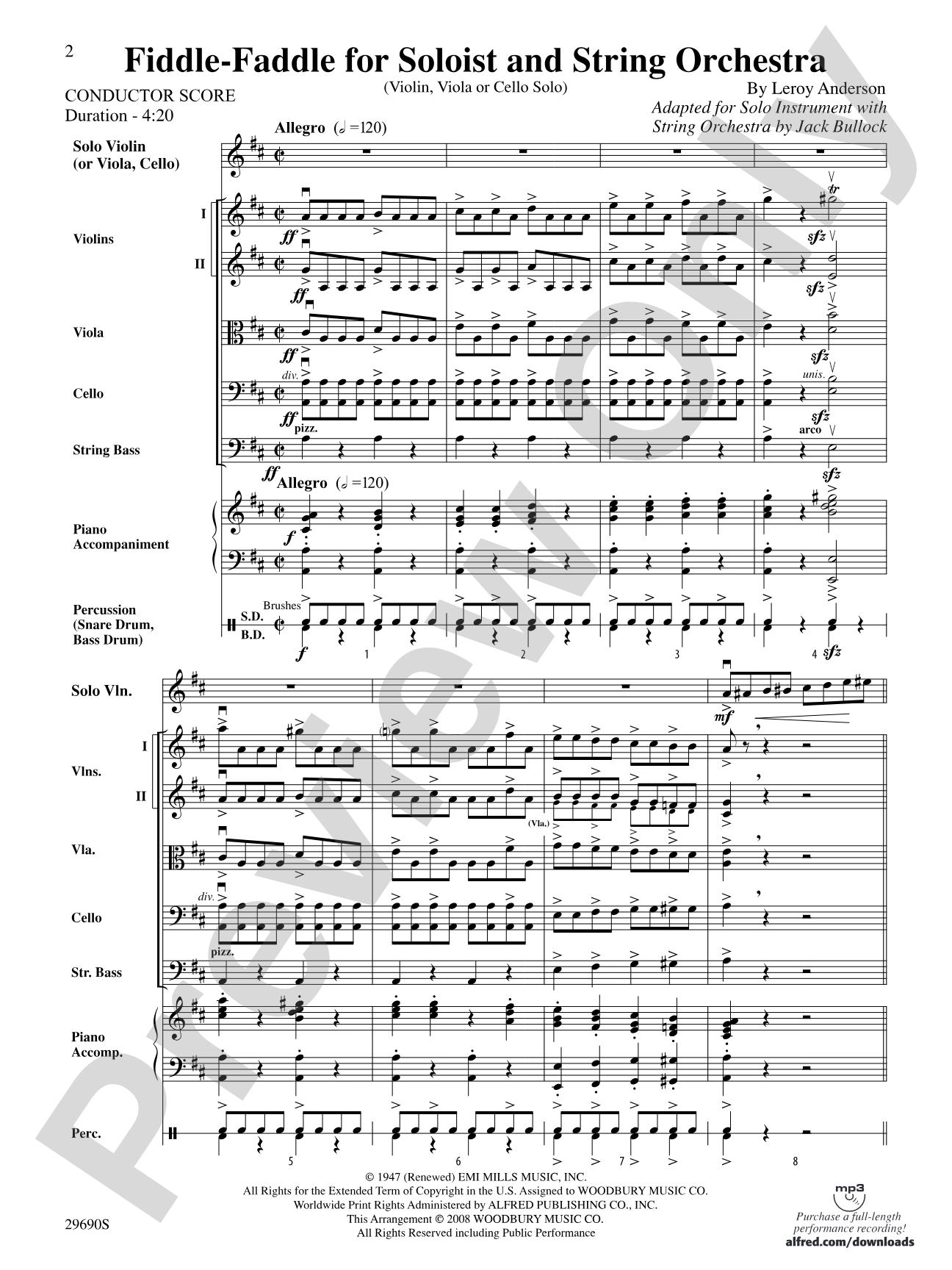
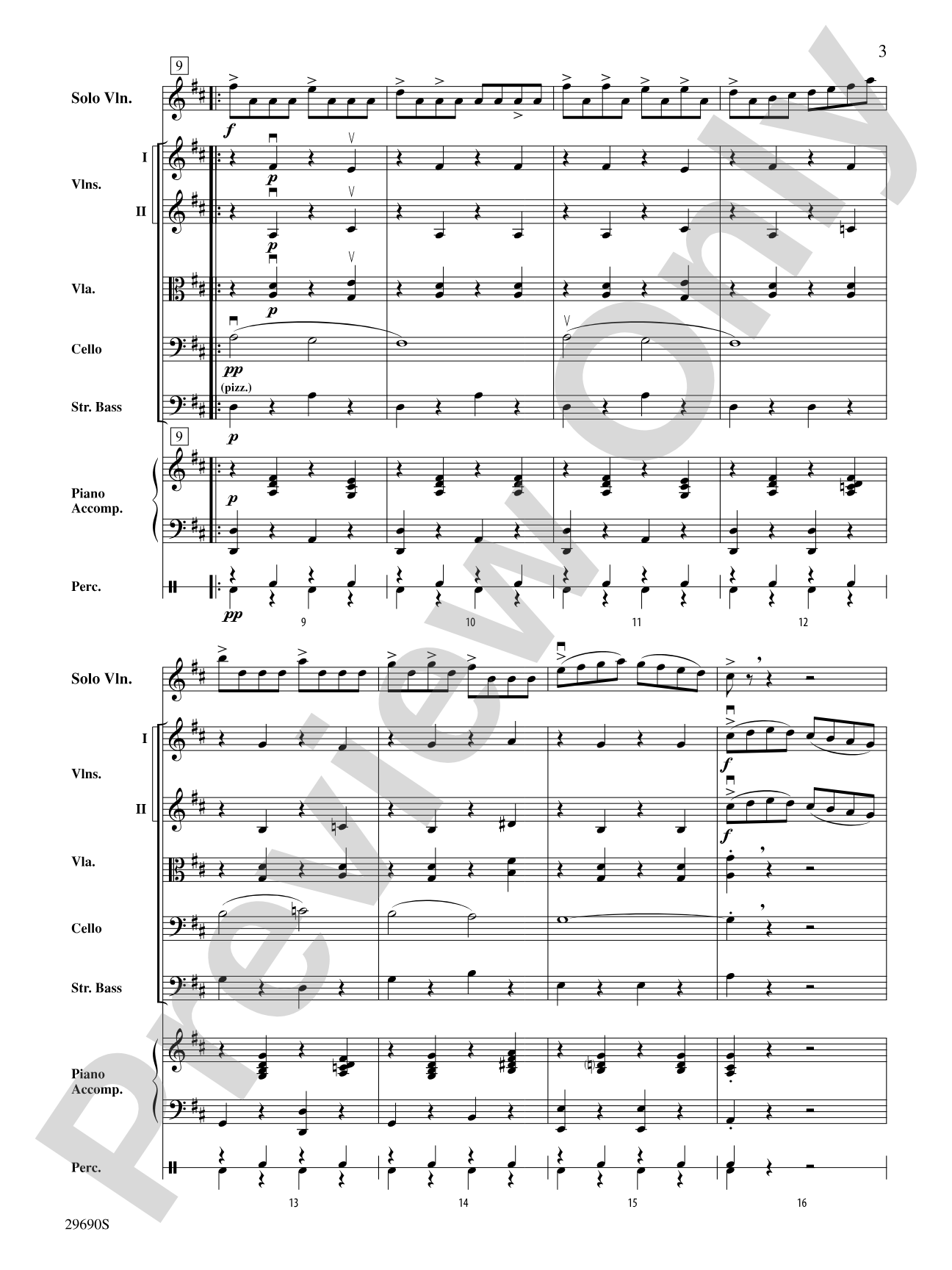
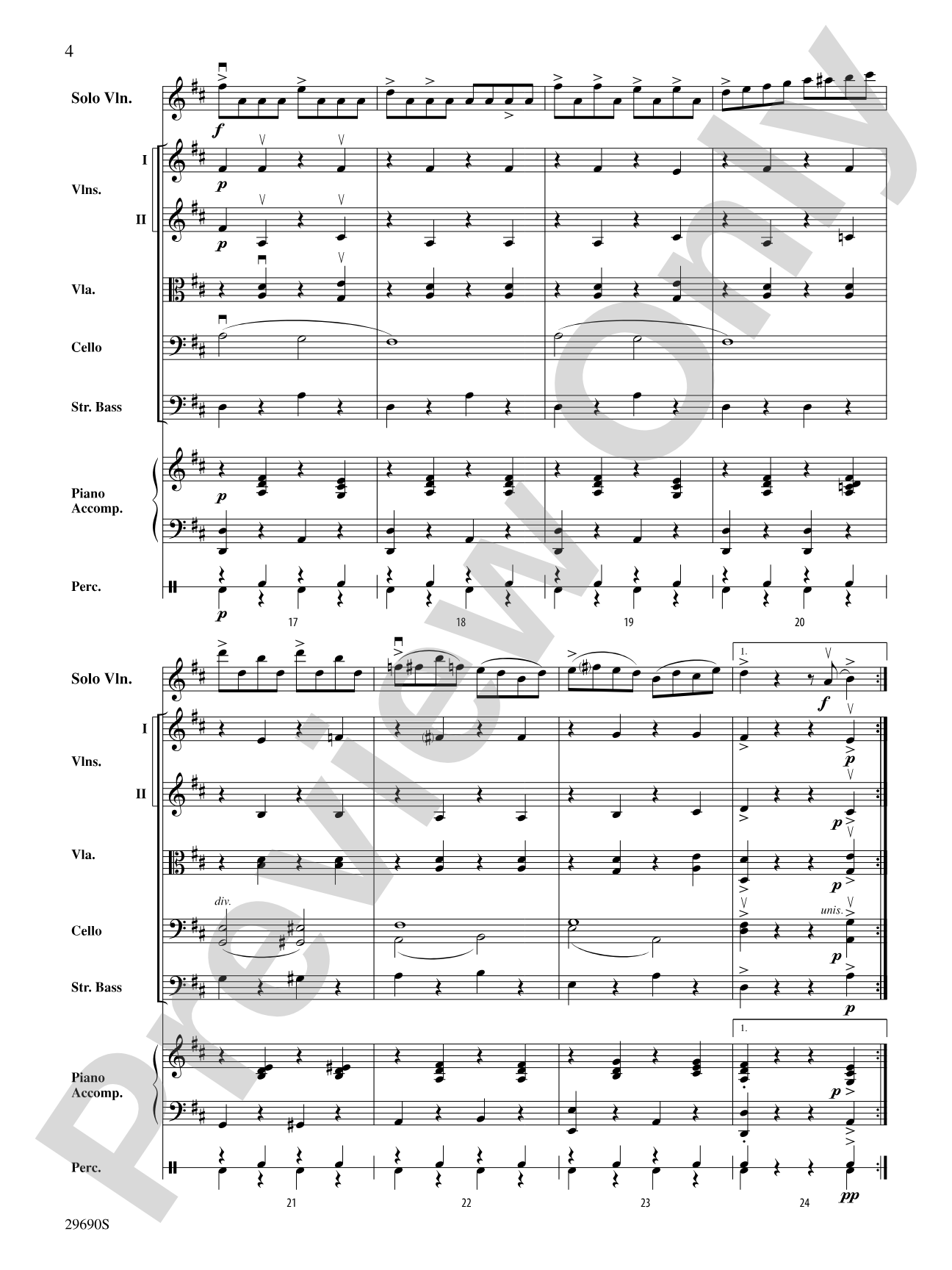
The soloist "sizzles," the orchestra "supports" and the performance is a first-class musical experience in this adaptation of music from one of the greatest composers of light classical music. Using the exact pitches of the original as well as the wonderful, playful Anderson sound, this piece will provide a perfect change of pace during a concert or make a great encore. The solo can be performed by violin, viola or cello. Also available for full orchestra! (4:20) This title is available in MakeMusic Cloud.


Don't just read it, hear it, play along with it, and watch your students grow with it. In MakeMusic Cloud, Fiddle-Faddle (for Soloist and String Orchestra): Score comes alive with professional accompaniment, adjustable tempo, and built-in practice tools that turn solo practice into real progress.
Open in the Player
Jump straight in and assign it today.
Start Your Free Trial
Open this title and explore the full library in minutes.
Sample Audio
1
Audio File
--:--
0:00
0:00
Sample Video
No sample videos found.
Additional Details
Series:
Pop Concert String Orchestra
Publisher:
Alfred Music
Page Count:
156
SKU:
00-PR-0001537
More about this title
About the Composer: Leroy Anderson
Leroy Anderson (1908-1975) mastered the art of accessible orchestral writing that bridges classical and popular idioms. His light classical compositions became staples of American concert halls, radio broadcasts, and film soundtracks, each one marked by infectious melodies, clever orchestration, and genuine musicality that never condescends to its audience.
Why we love this
Anderson's gift for melody and orchestral color translates beautifully to the string orchestra setting, and this arrangement preserves every spark of the original's charm. The soloist gets a genuinely fun showcase while the ensemble plays an active, musical supporting role rather than mere accompaniment. It's the kind of piece that reminds audiences why they love live classical music.
What to expect
Witty and effervescent, with cascading figurations that dance across the strings like nervous energy channeled into pure charm. The soloist sparkles against the ensemble's buoyant support, creating a performance that feels both polished and playful.
Who it's for
String orchestra conductors looking for a crowd-pleasing encore or mid-concert palette cleanser that works equally well in concert and festival settings. Solo violinists, violists, and cellists in school orchestras and community ensembles who want a vehicle that is both musically substantial and genuinely enjoyable.
How to get the most out of it
- Maintain clarity between the soloist and orchestra; the soloist should sit forward in the sound even when the ensemble is playing fully, since the piece's appeal depends on that sparkling, dancing quality.
- Keep the tempo steady and slightly buoyant to capture Anderson's playful character; rushing undermines the wit of the writing.
- Balance the string parts carefully so each voice remains visible; the orchestration depends on that transparency to achieve the 'sizzle' the composer intended.
- Work with your soloist on phrasing and character first, then ensure the ensemble mirrors that energy and precision in their rhythmic figures.
How to use it
Program this as an encore or as a change of pace between weightier works to reset the concert's energy and mood. It also works perfectly at festival competitions where you want to close a set on a high, memorable note without sacrificing musicality.
Skills your students will build
- Leading through rhythmic precision and character in the soloist line
- Balancing a solo voice against full ensemble texture
- Executing light articulations and transparent string voicing
- Maintaining stylistic consistency in light classical idiom
- Coordinating ensemble entries with solo phrasing and gesture