
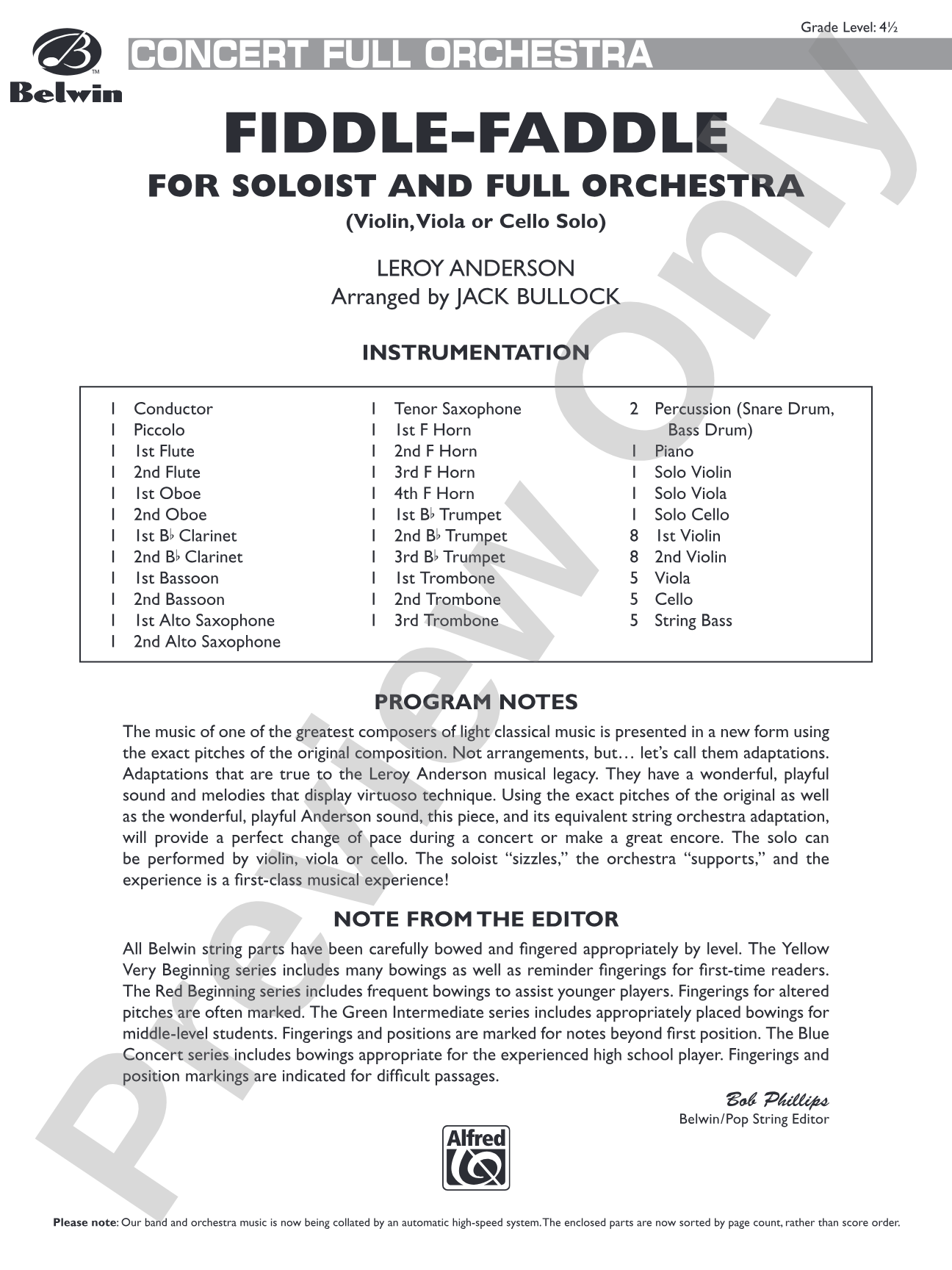
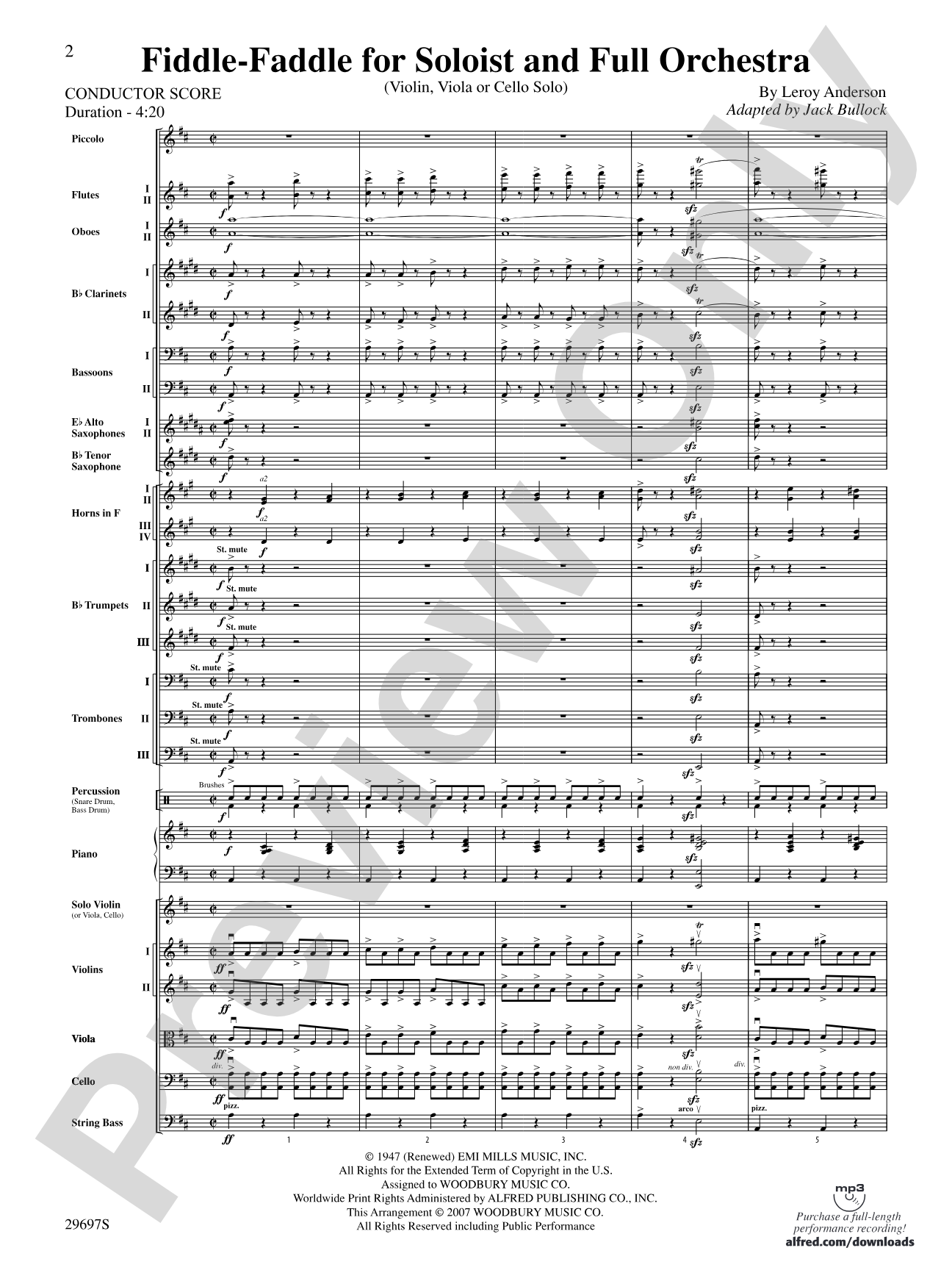
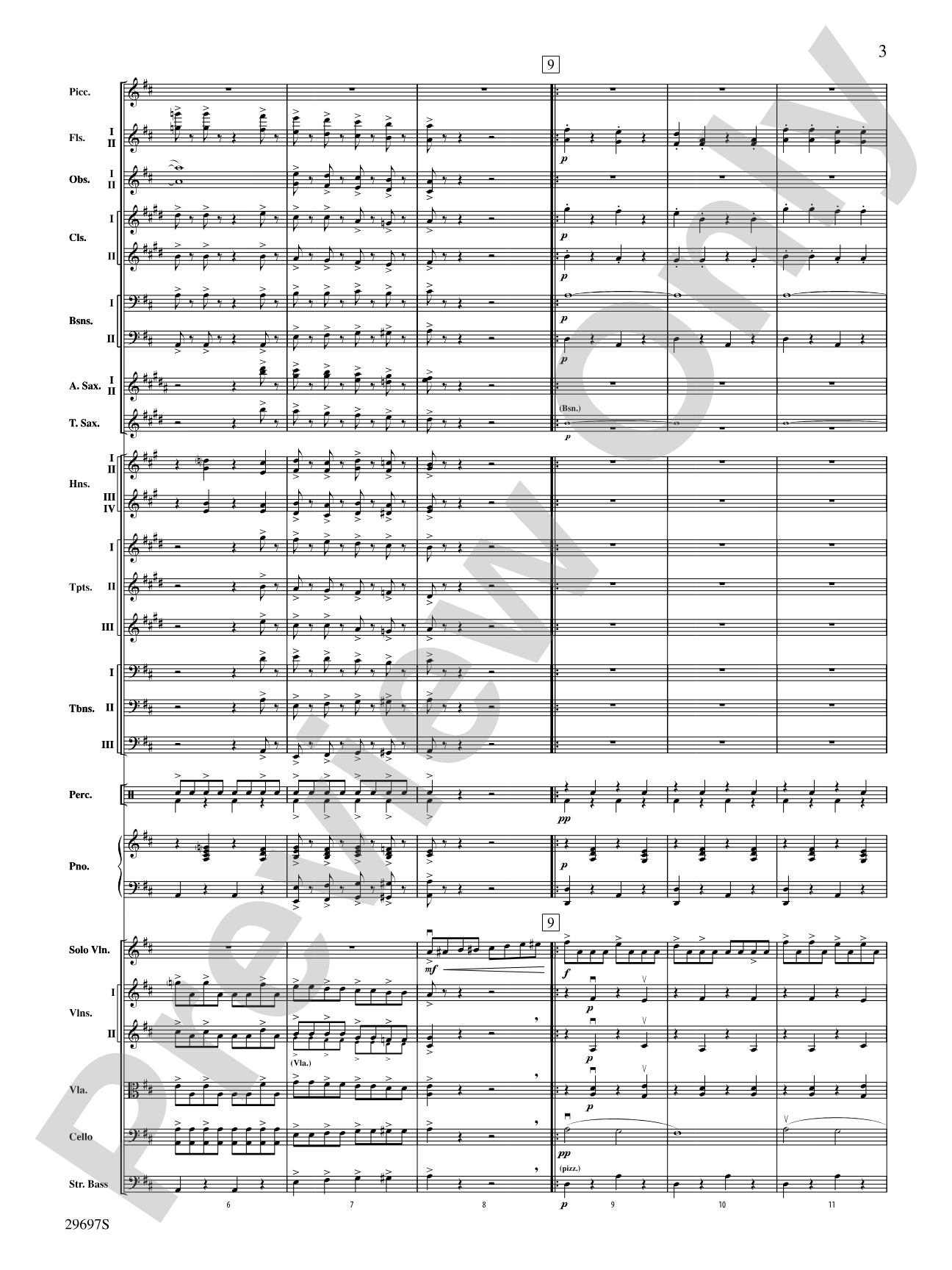
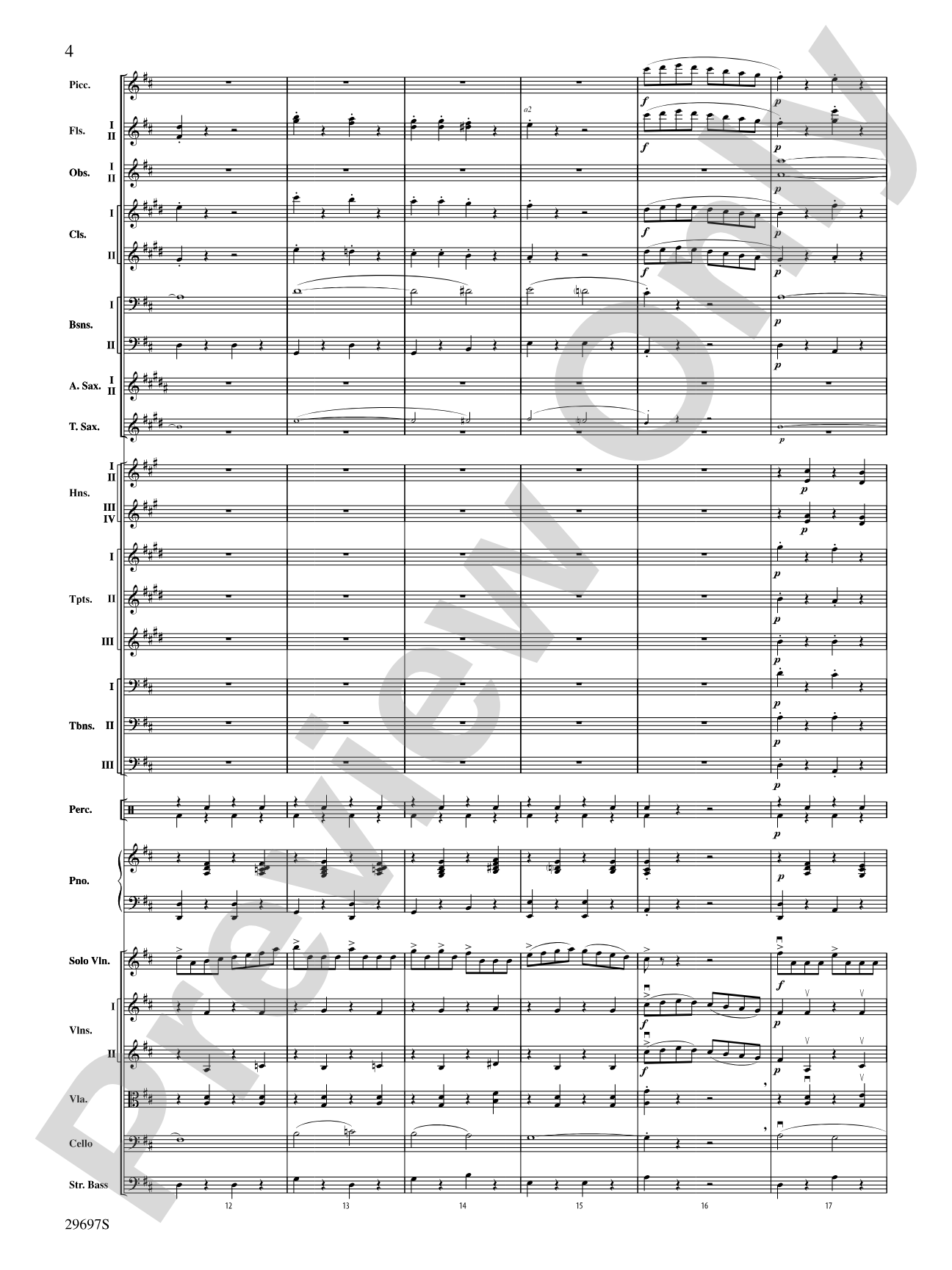
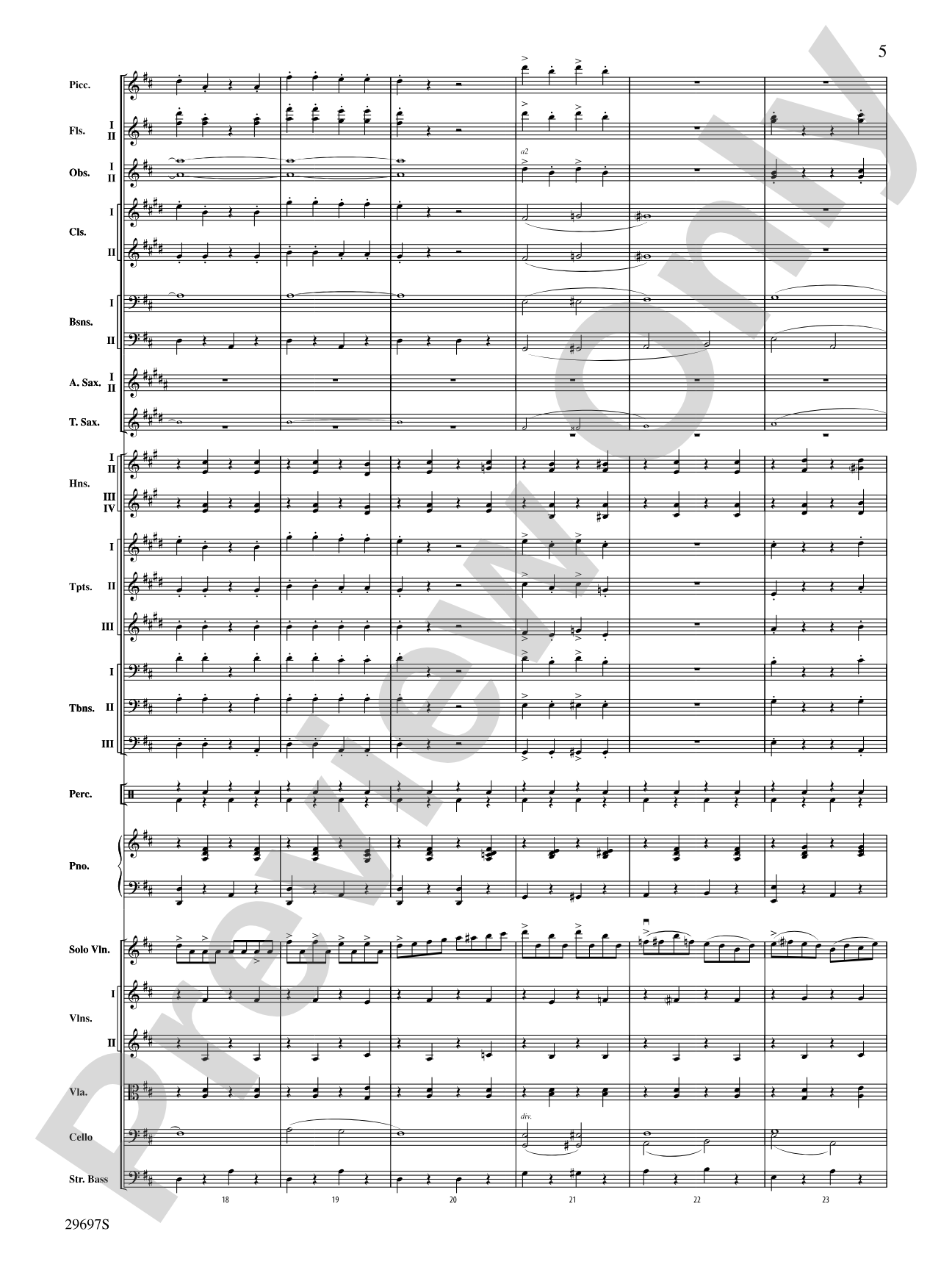
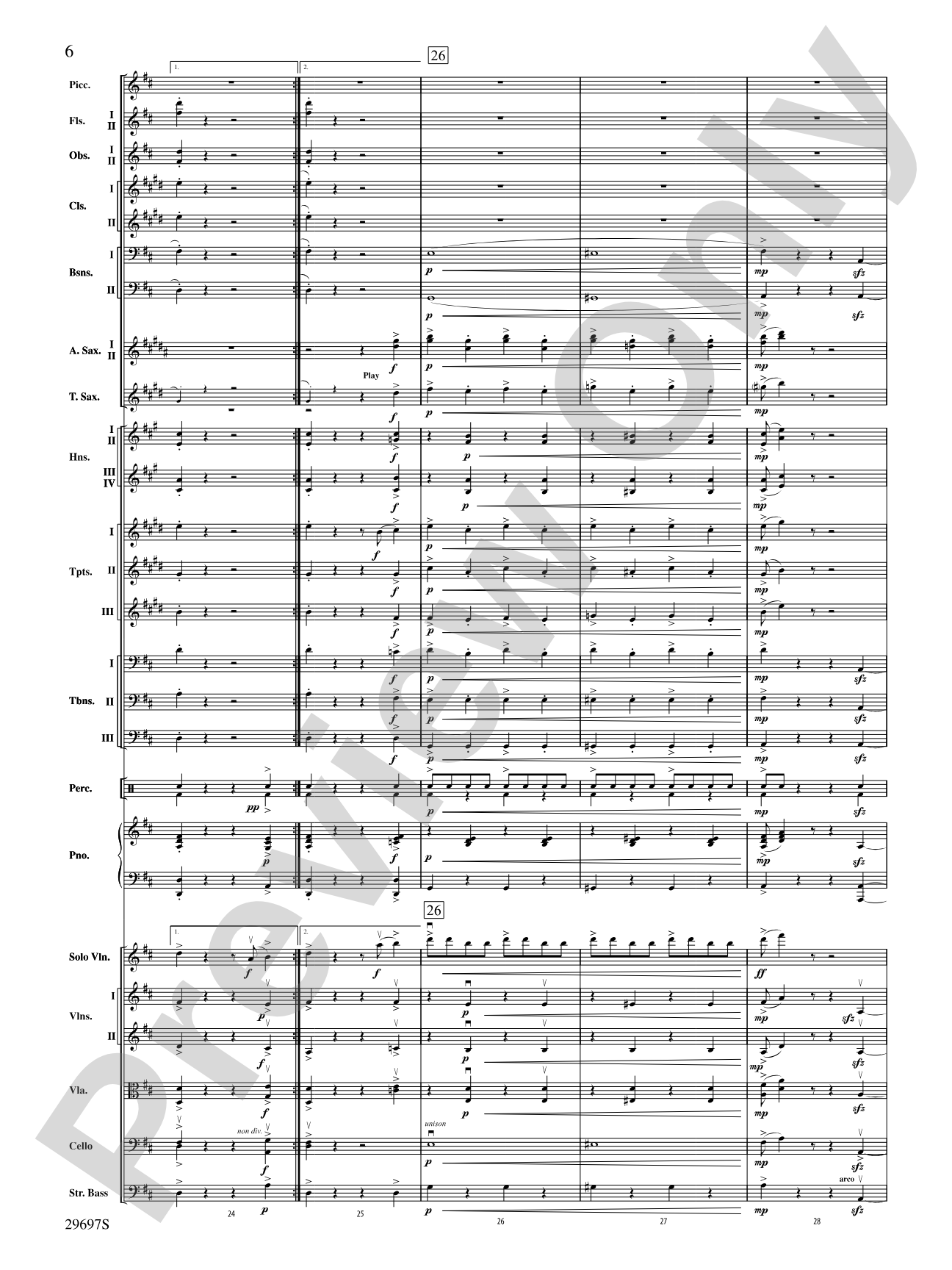
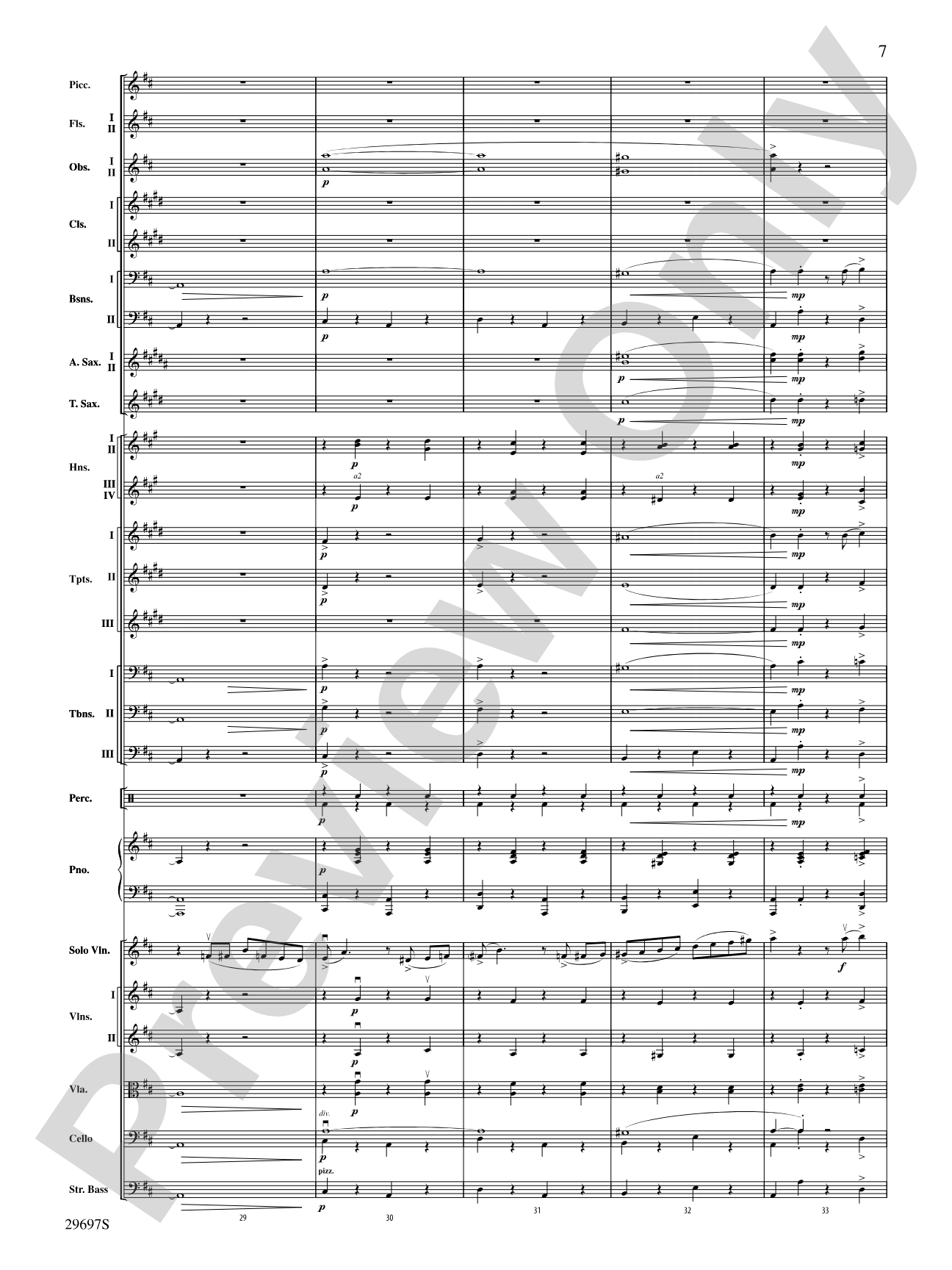
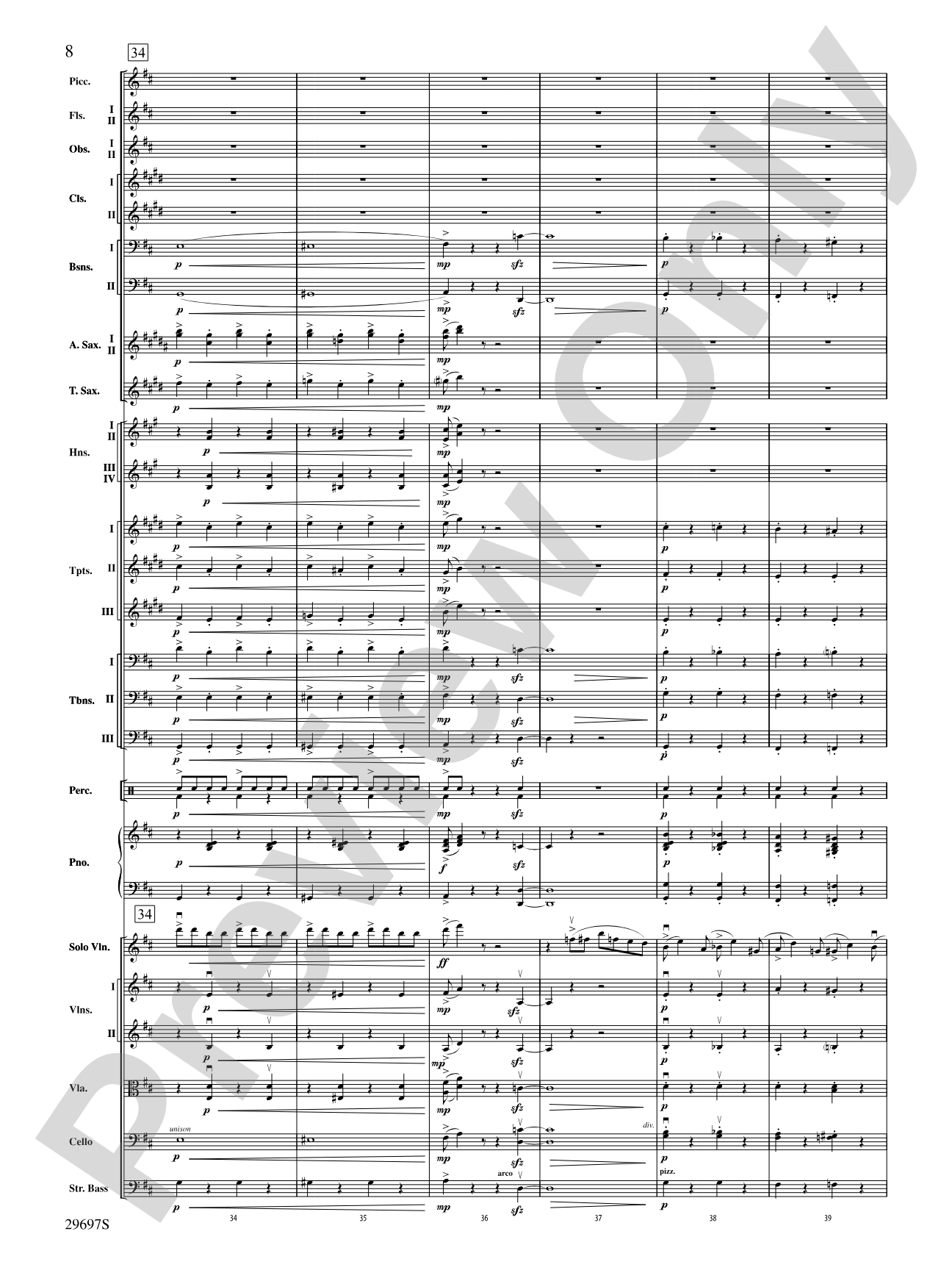
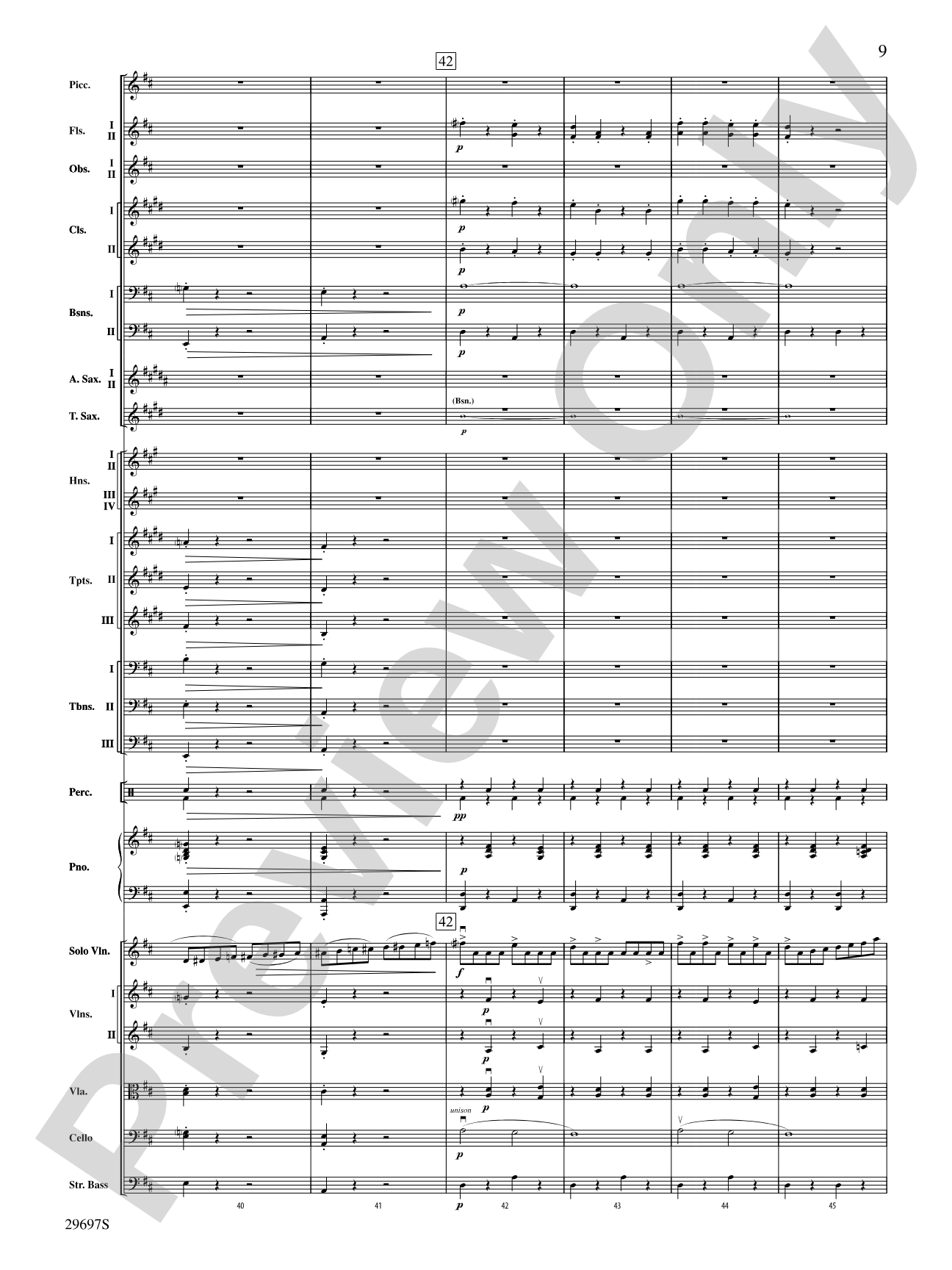
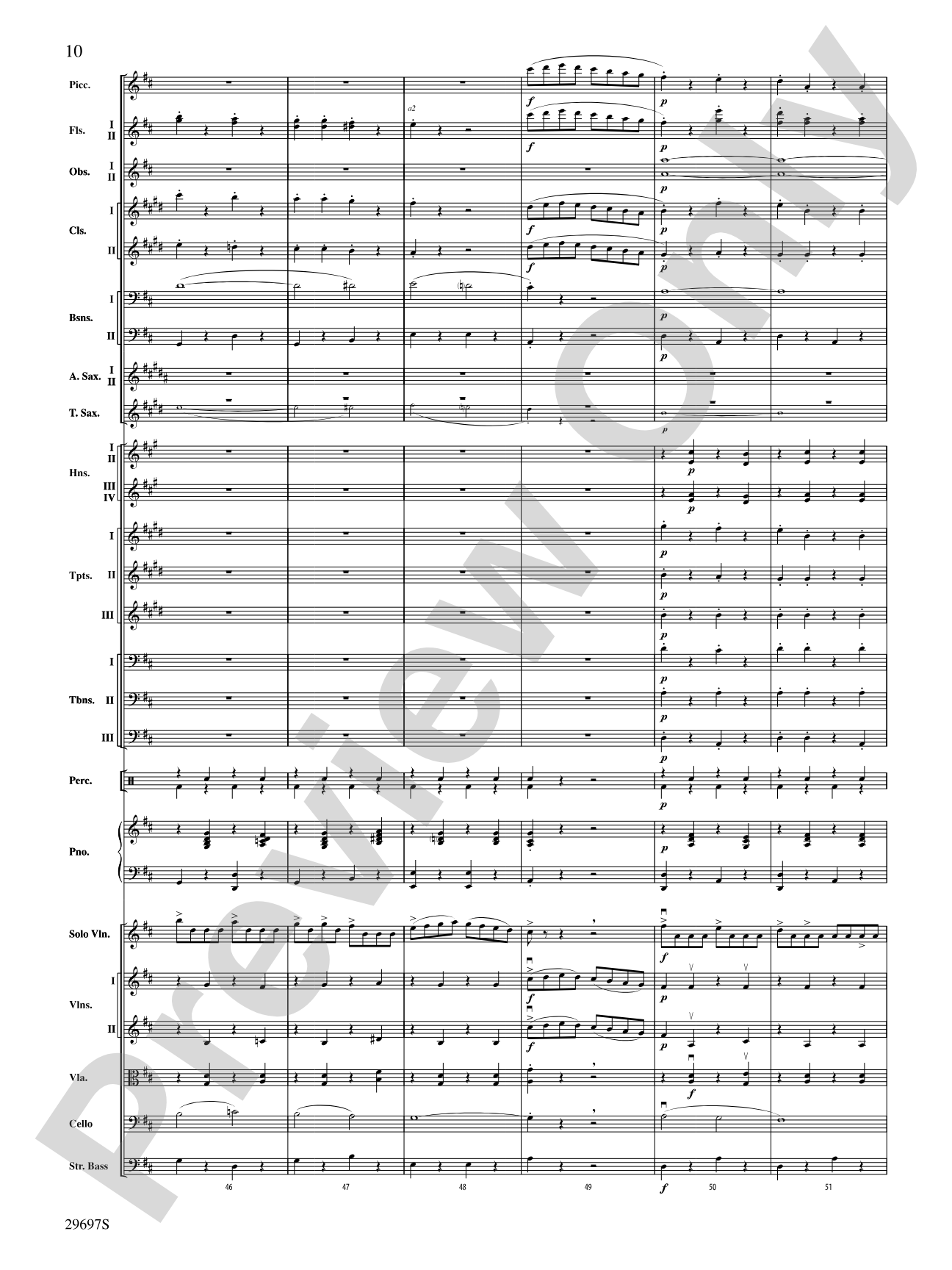
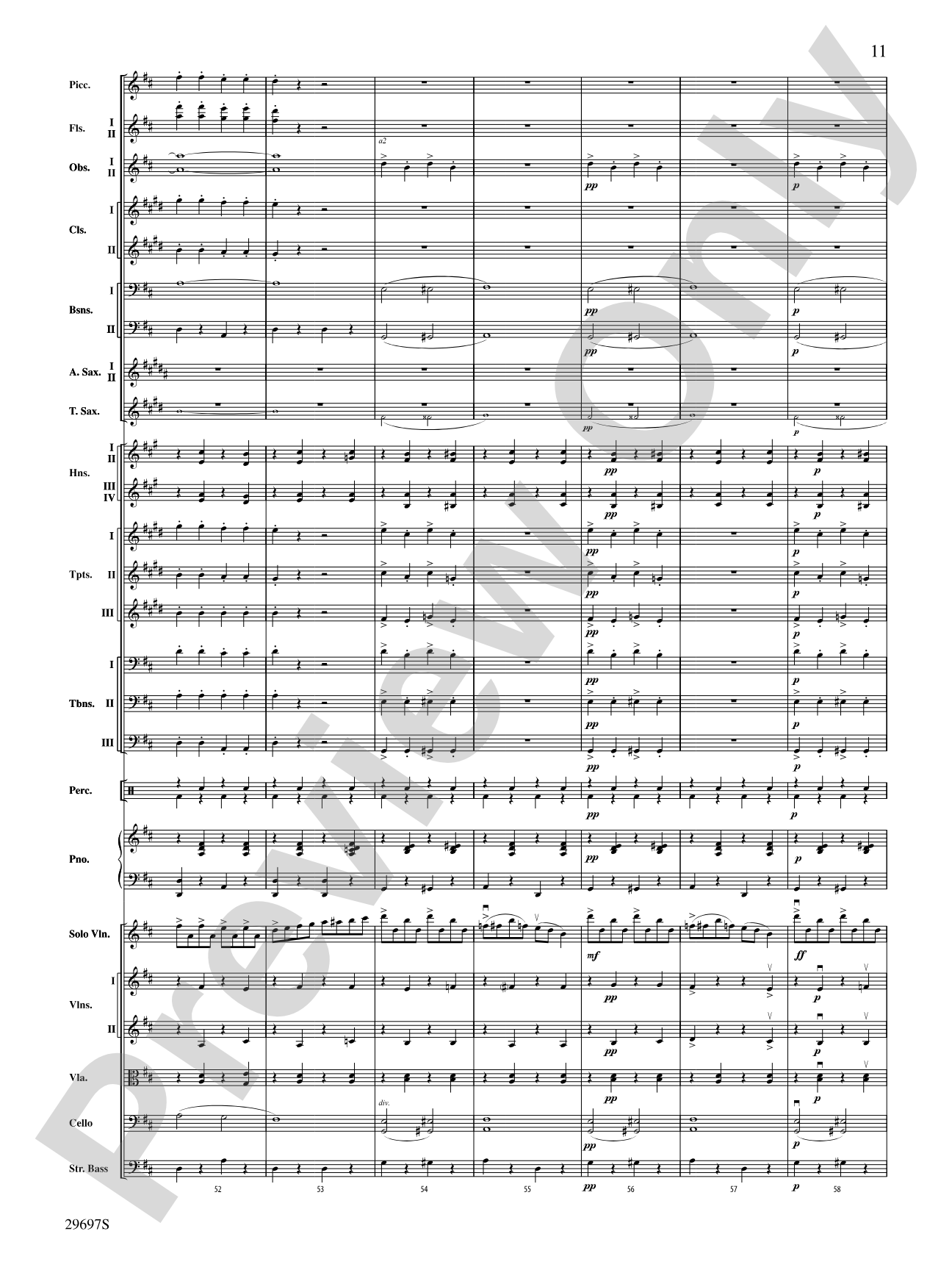
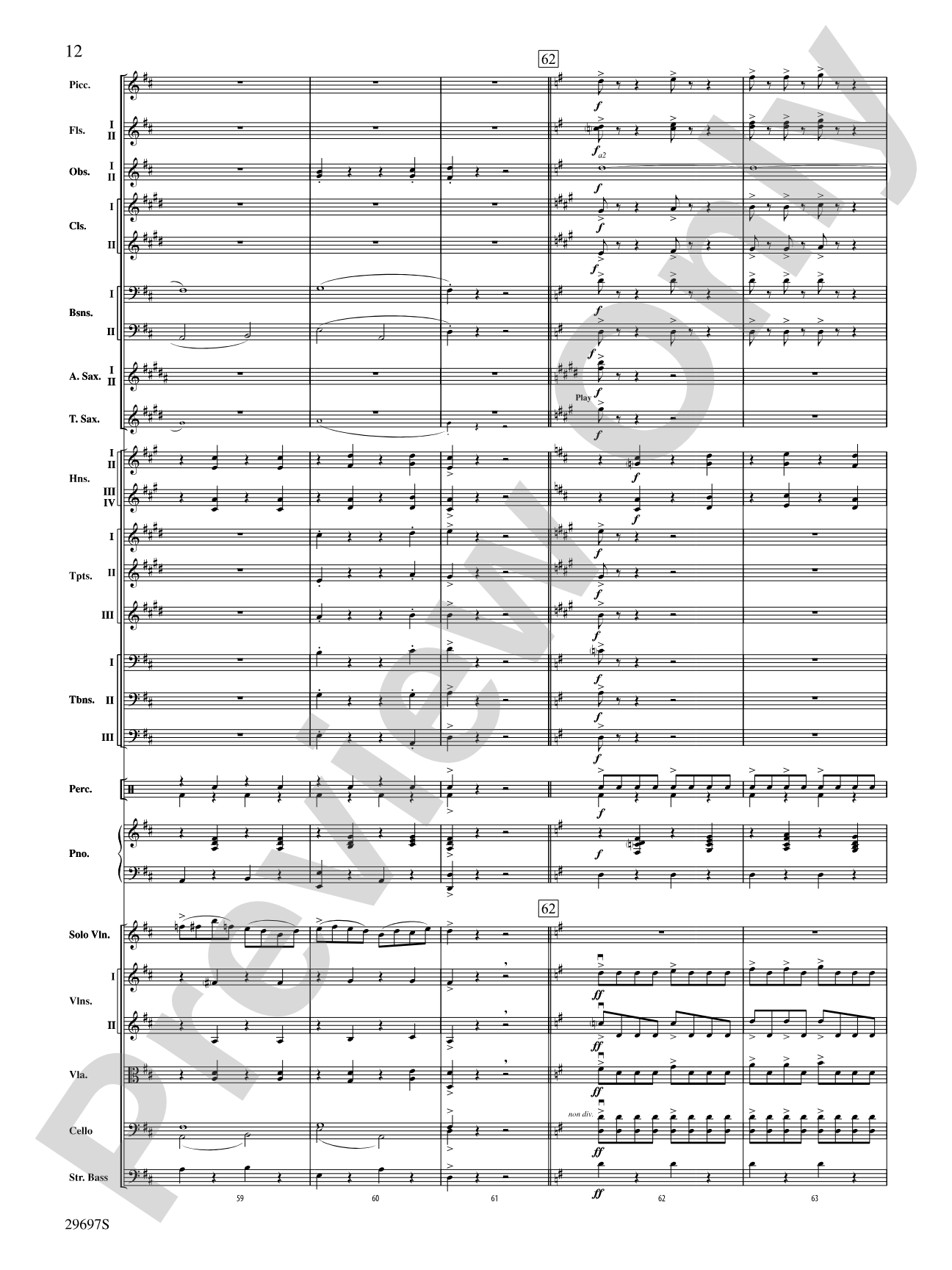
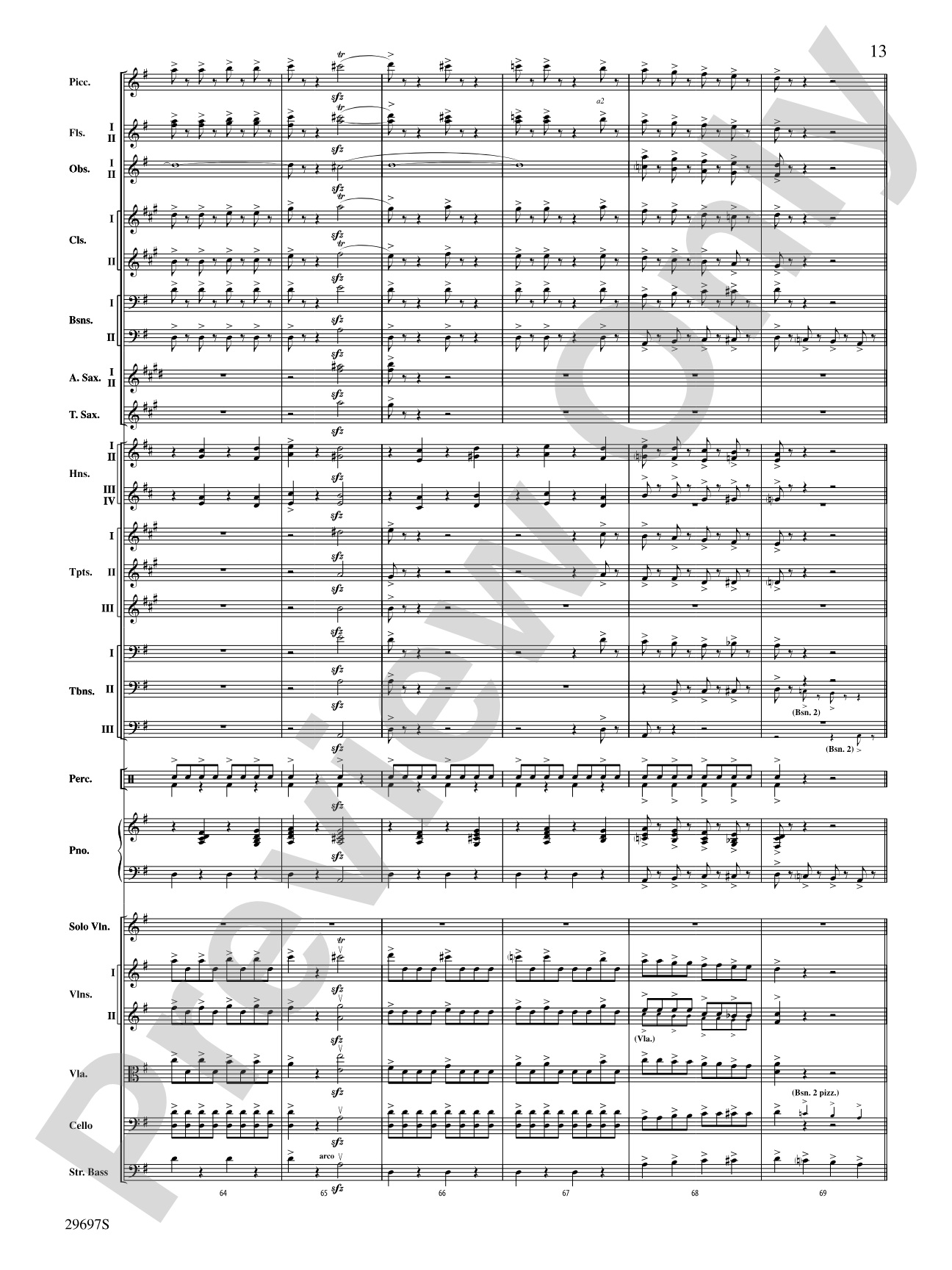
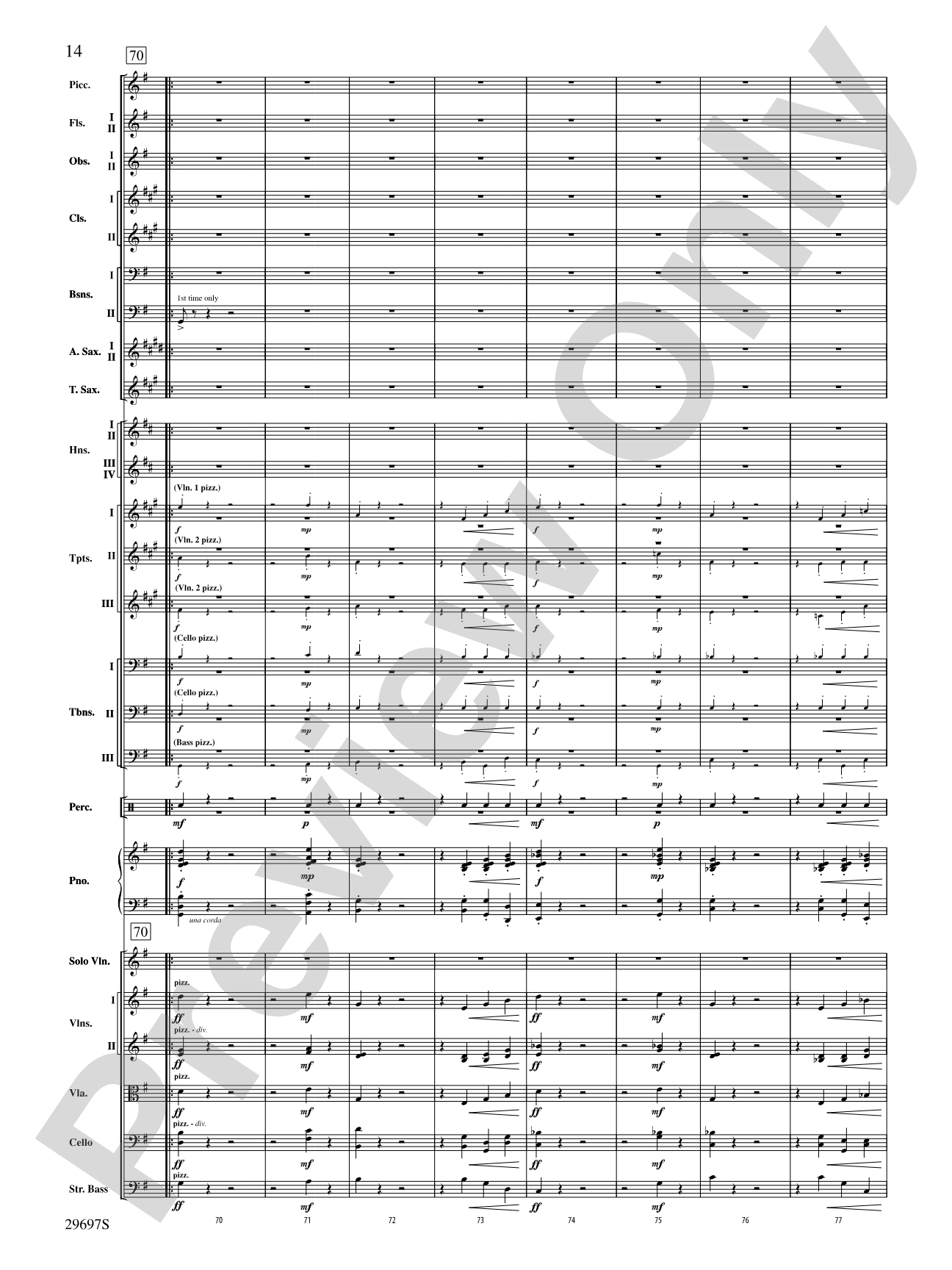
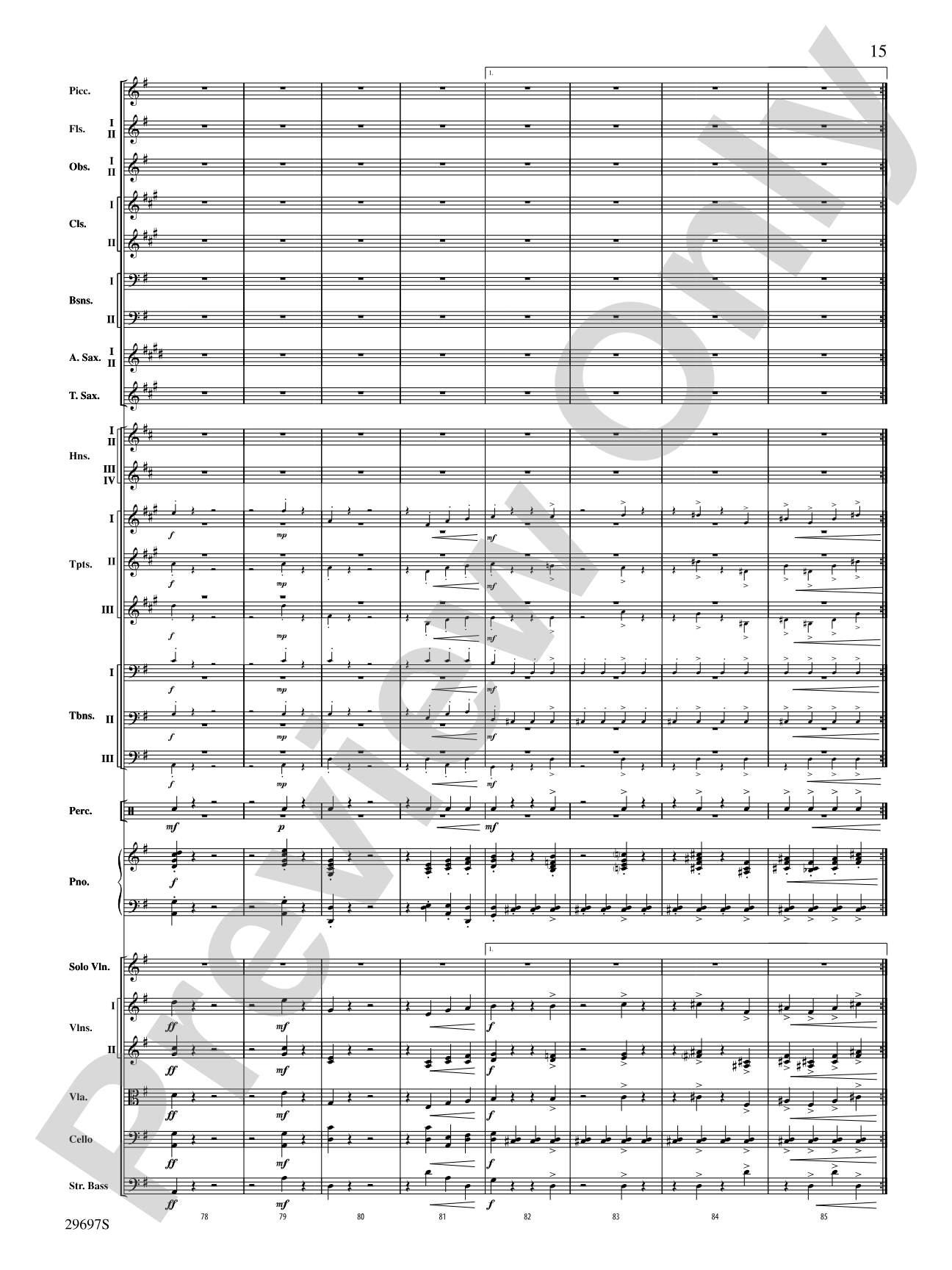
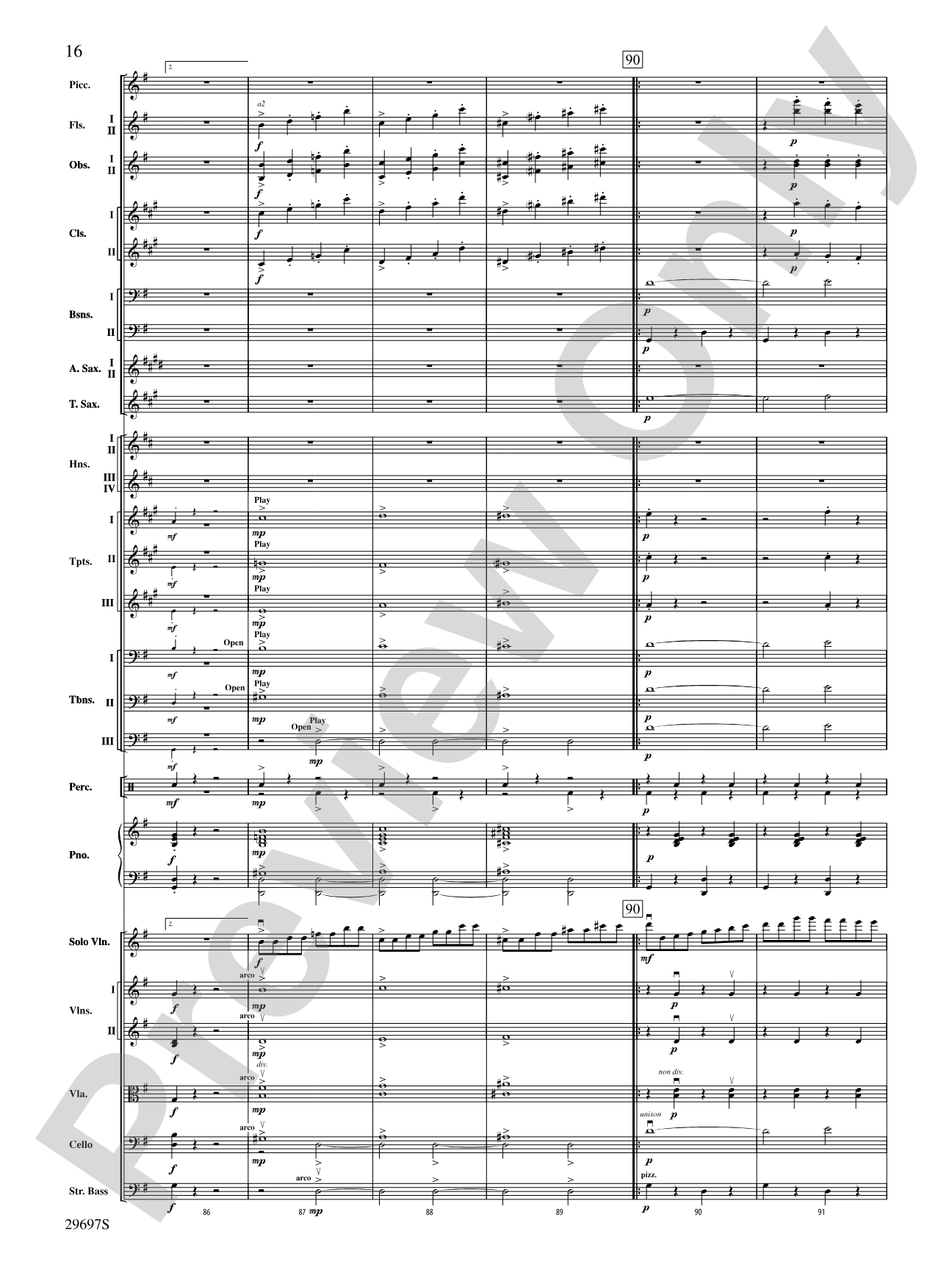
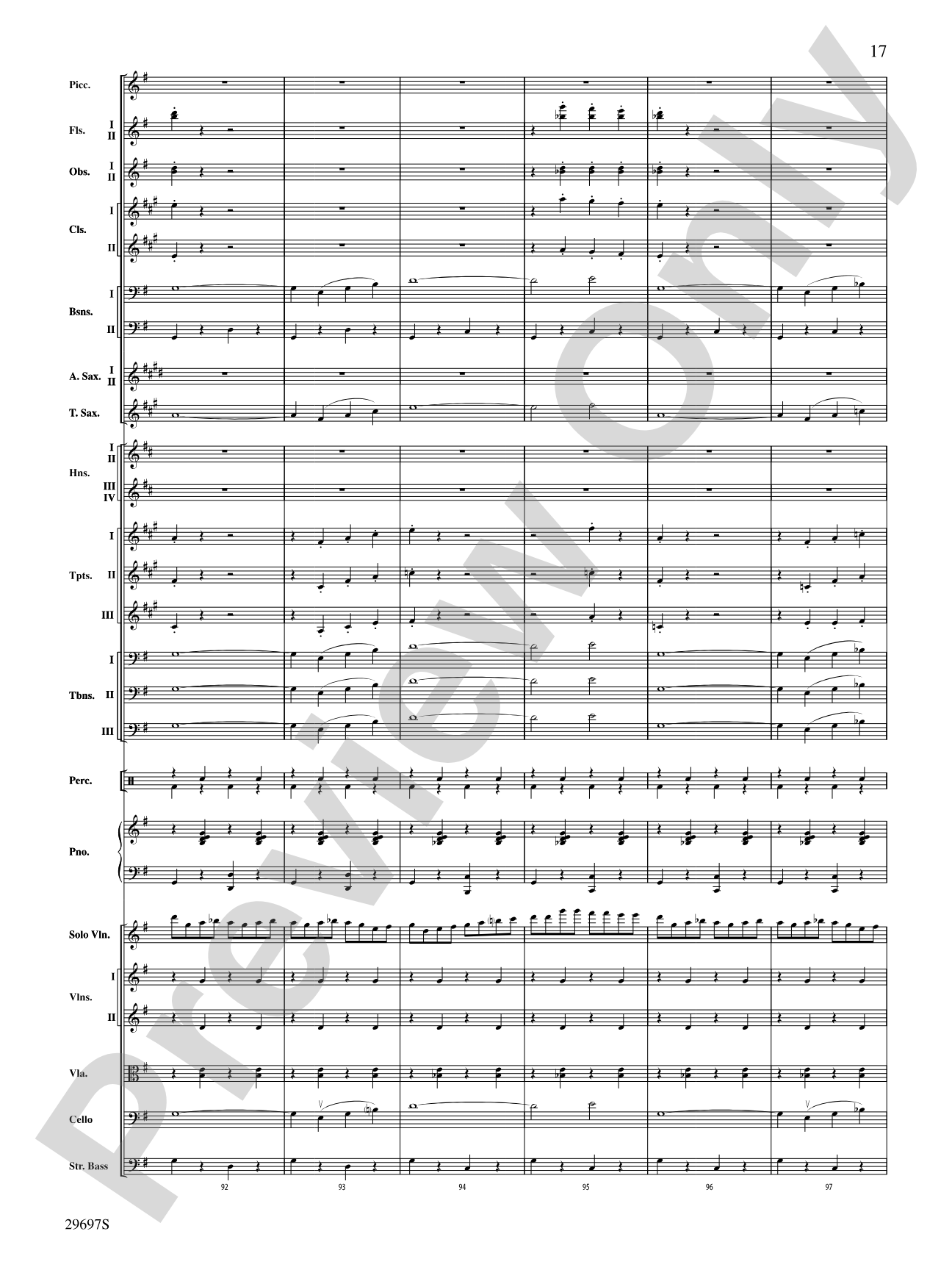
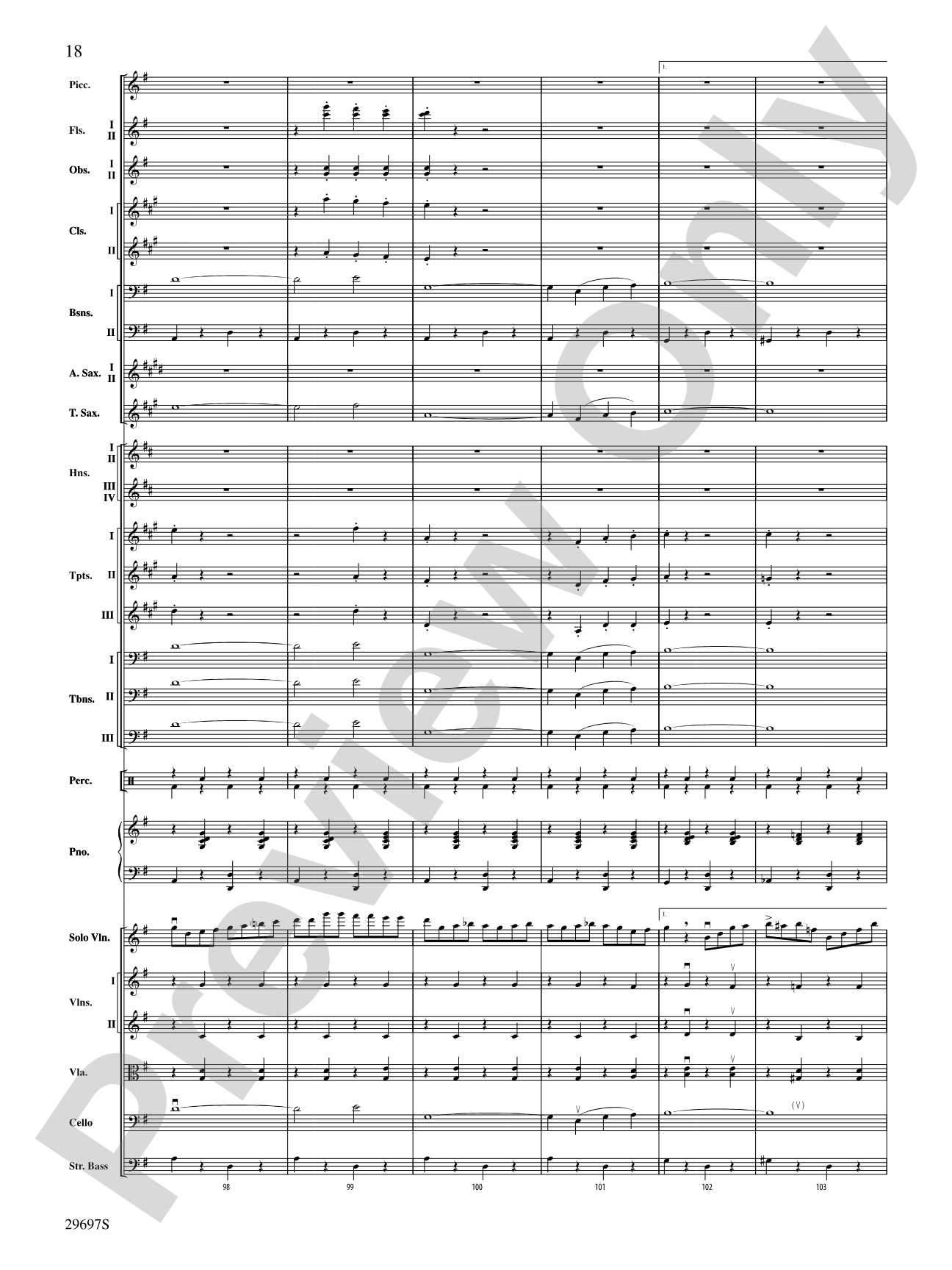
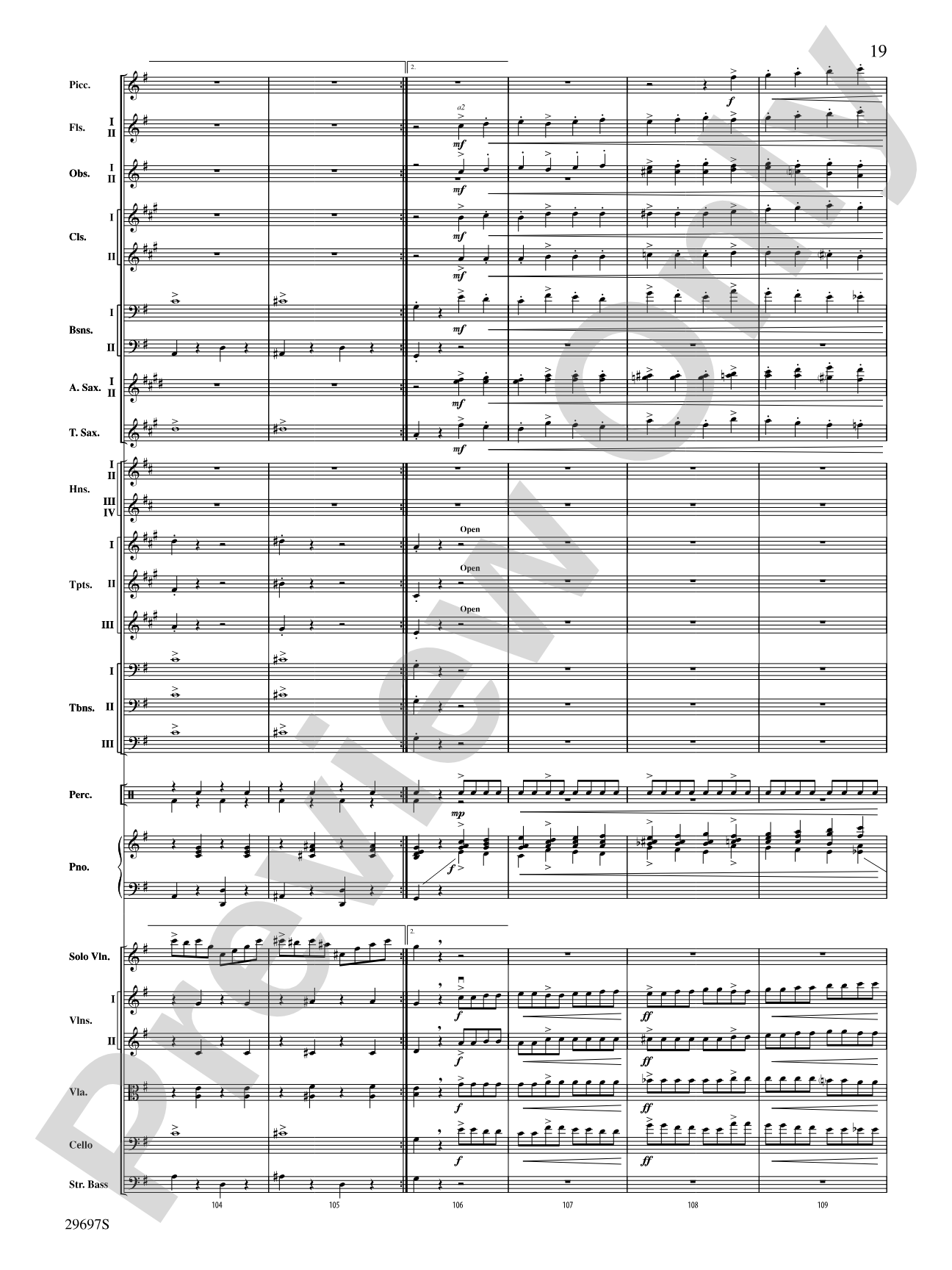
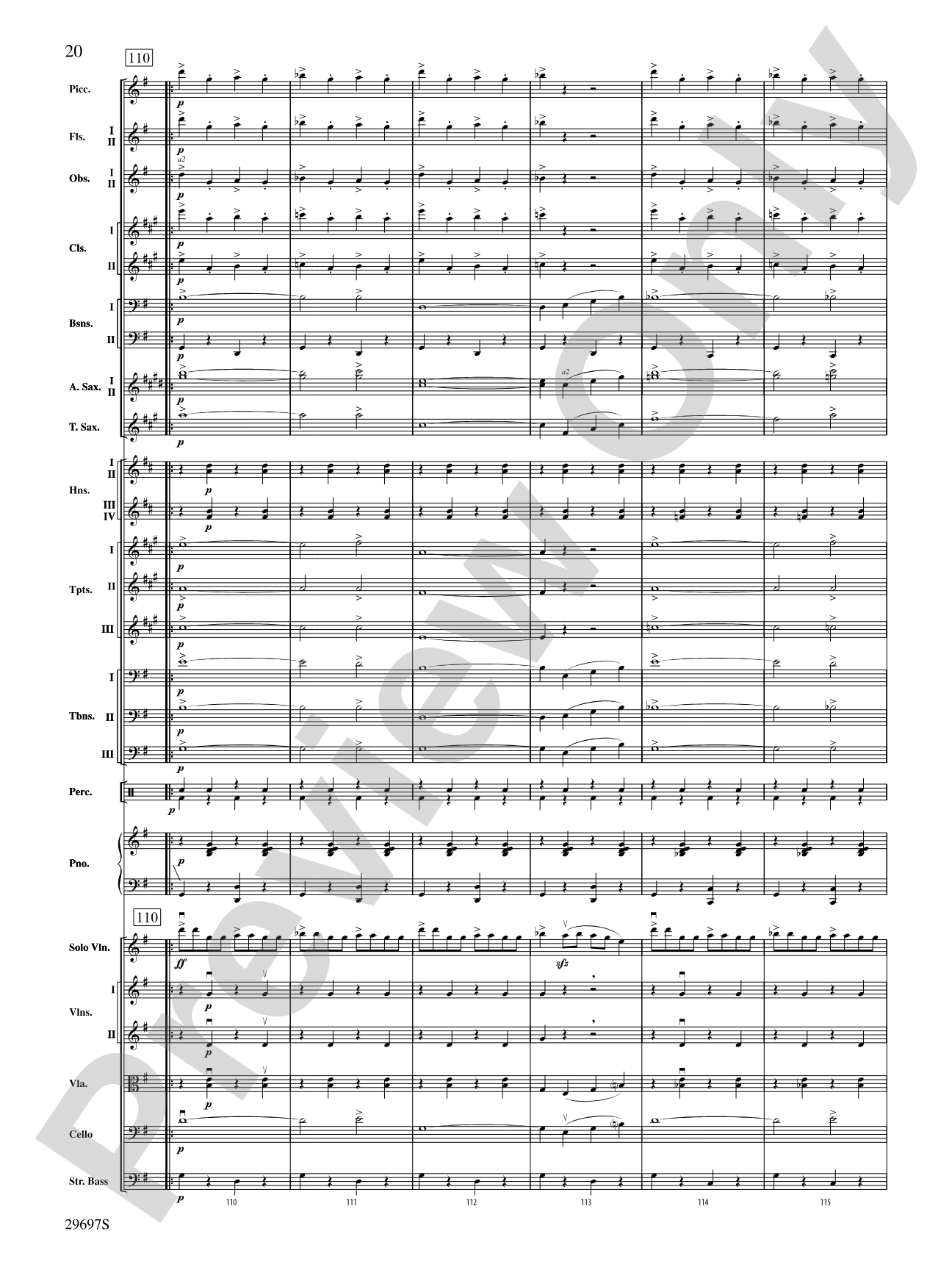
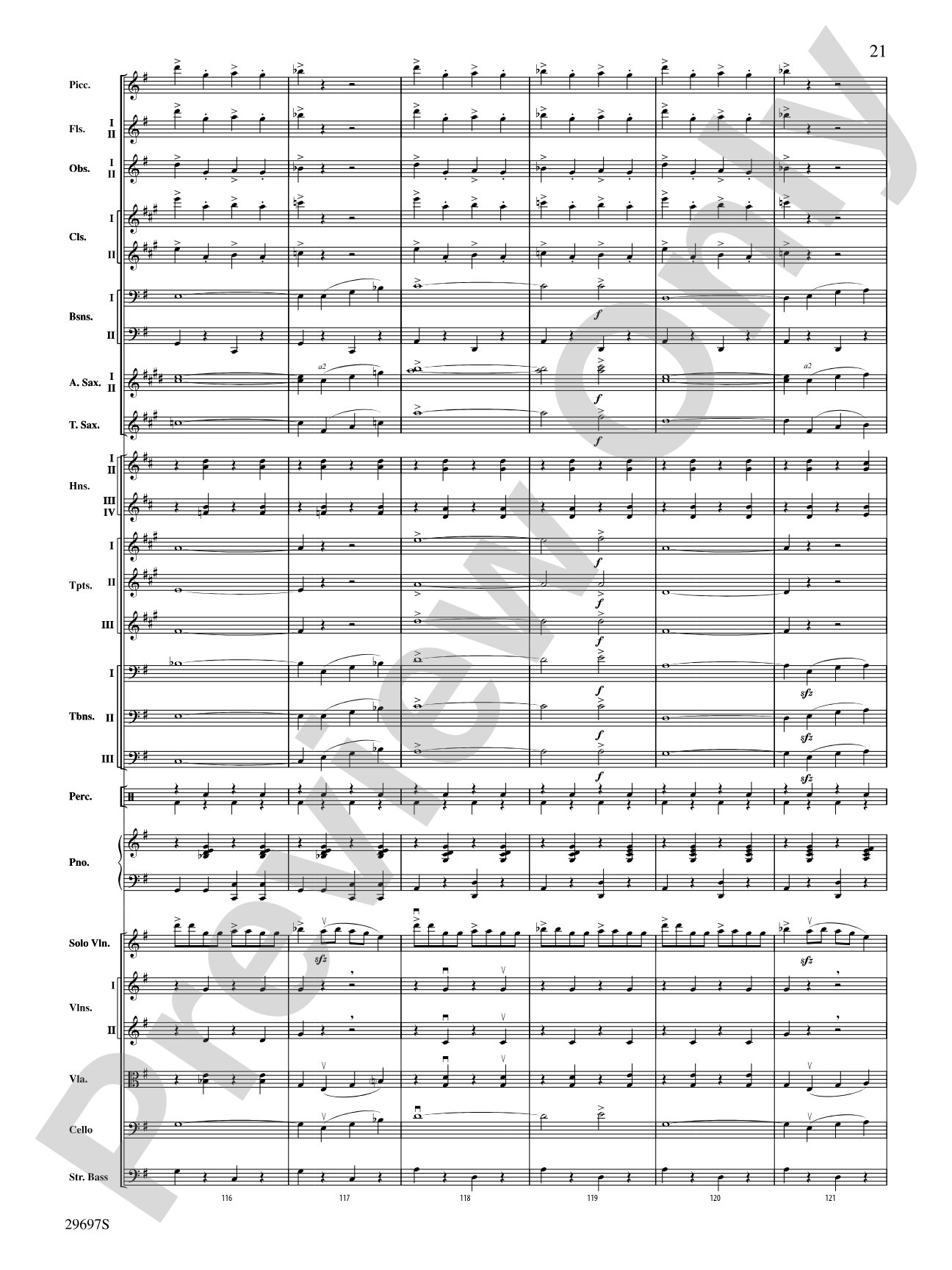
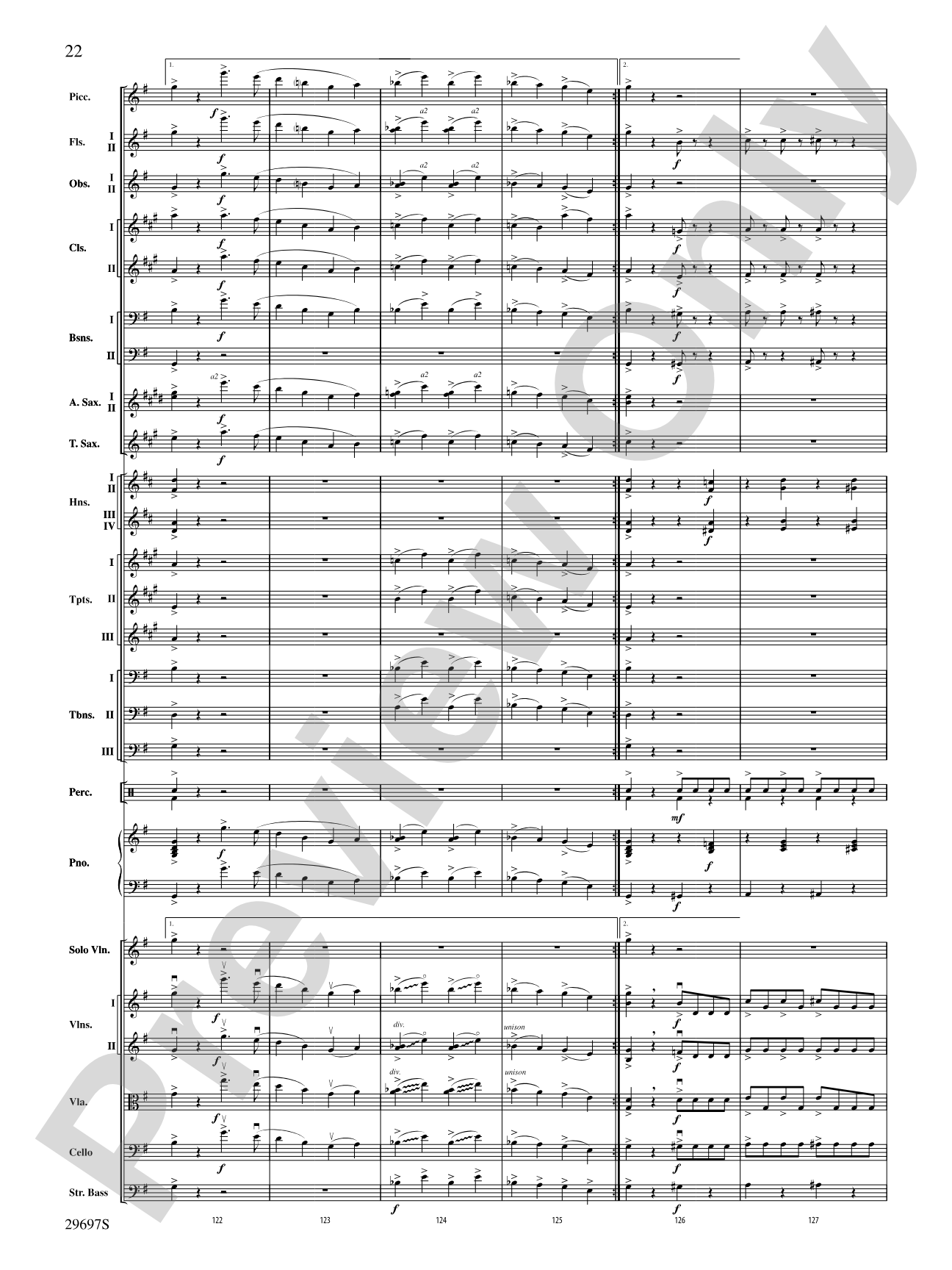
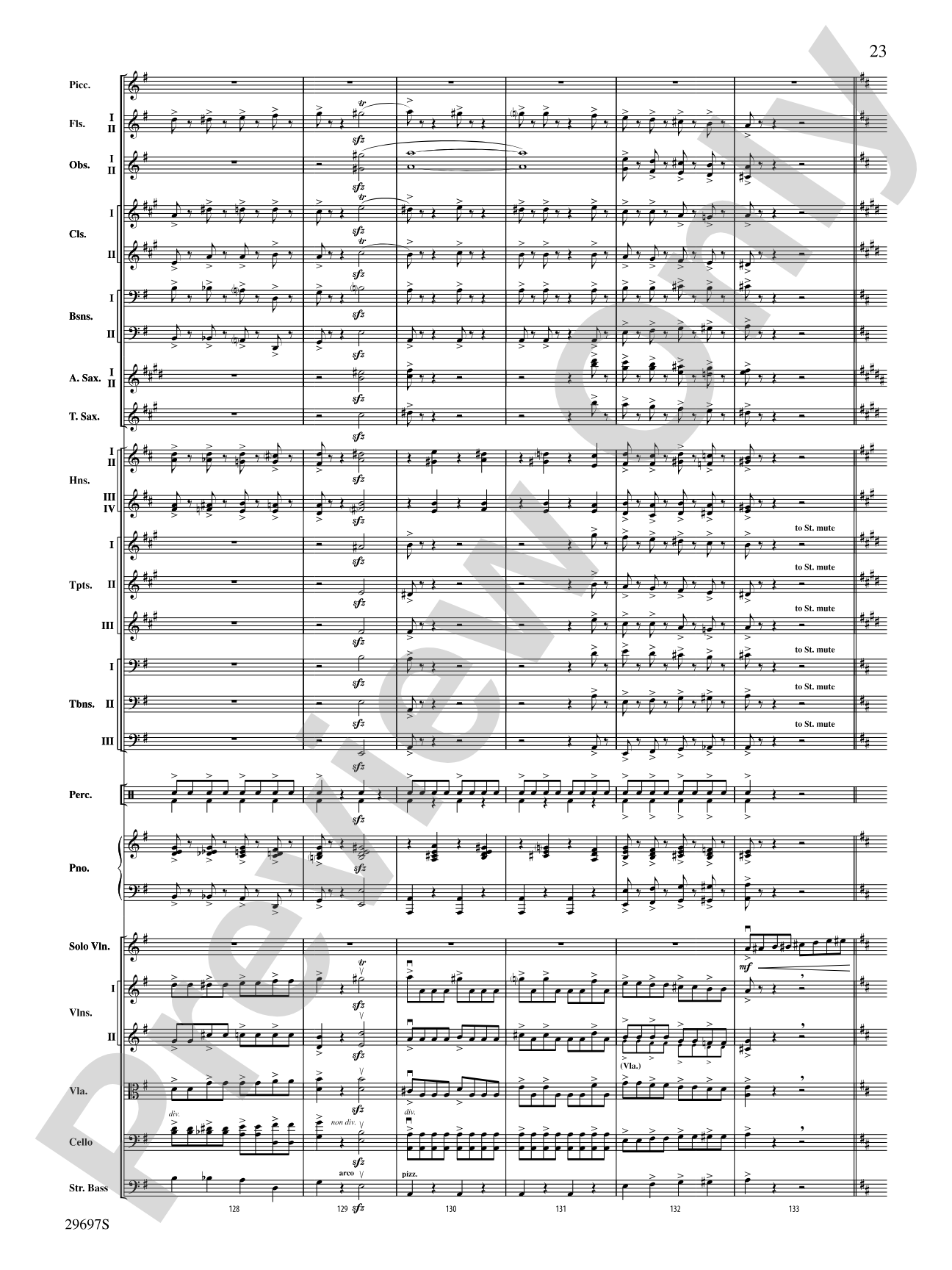
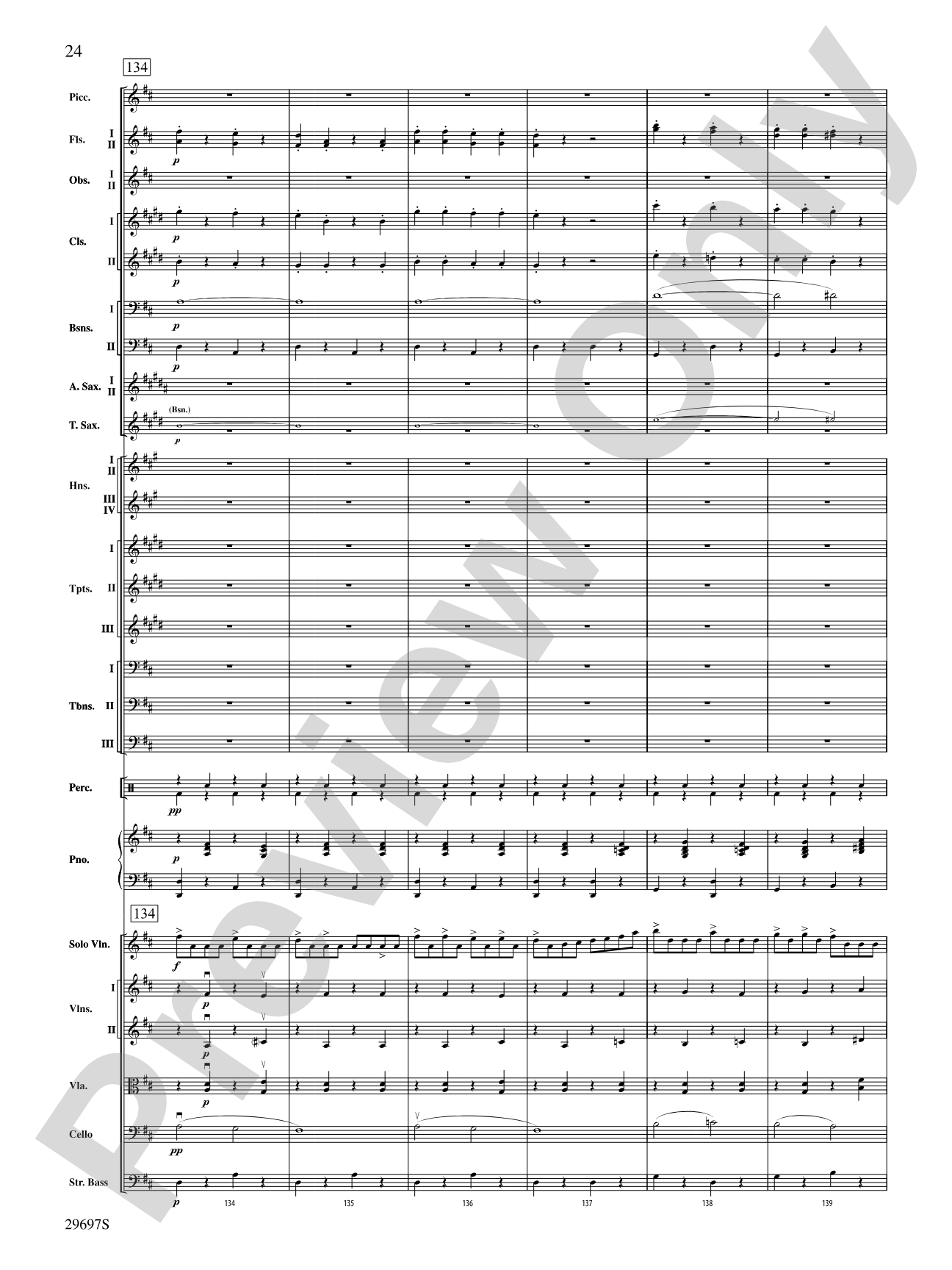
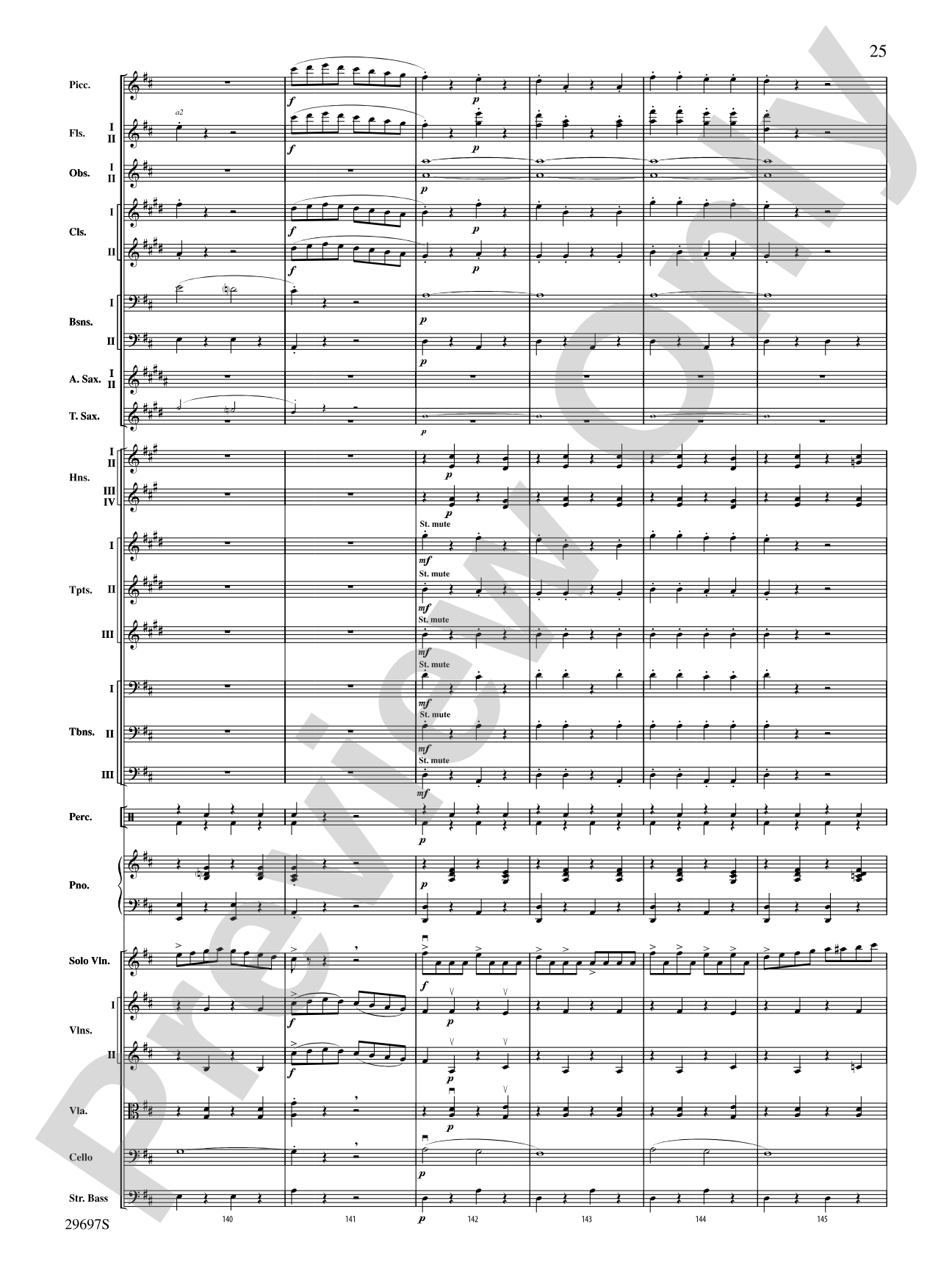
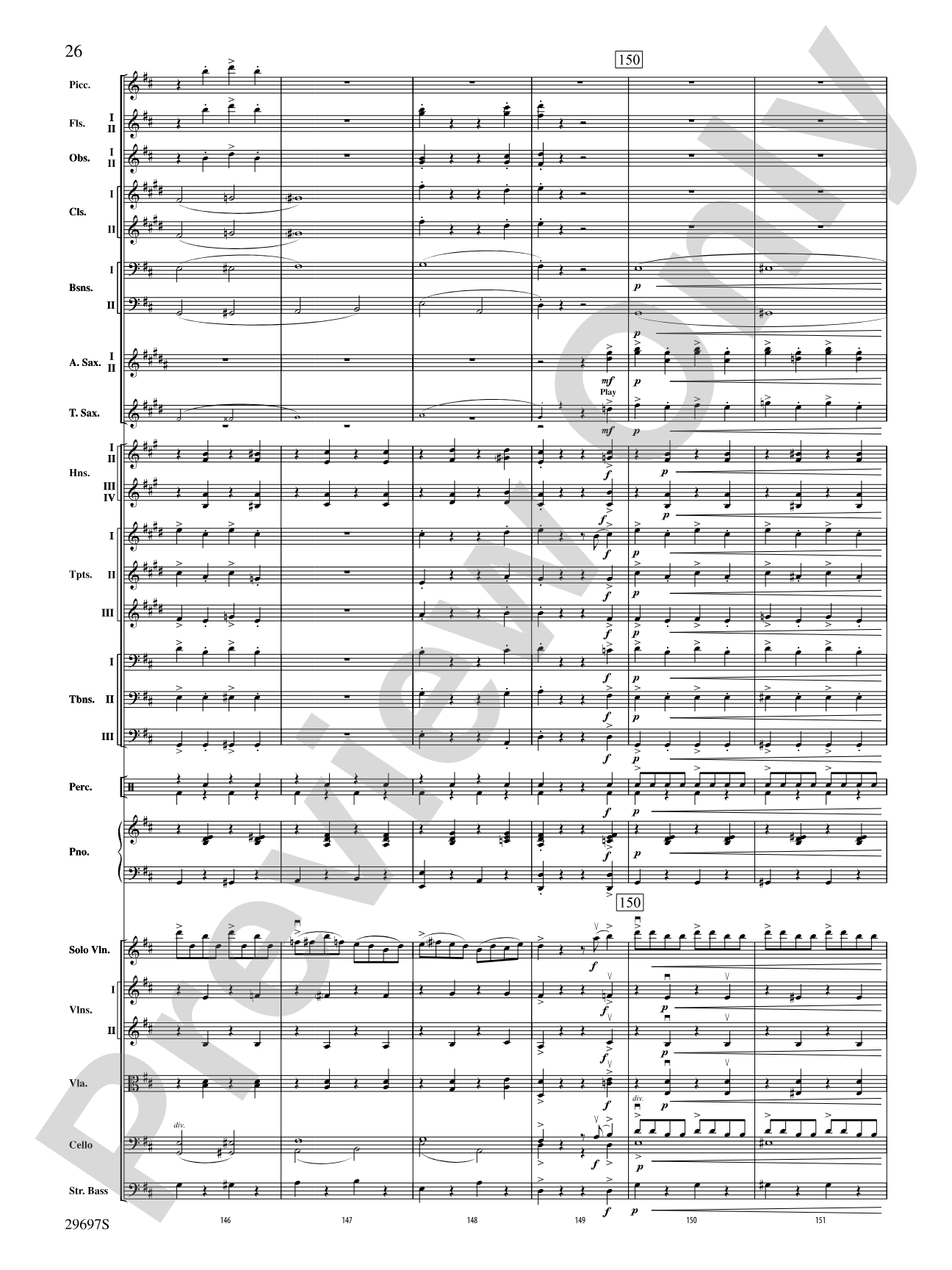
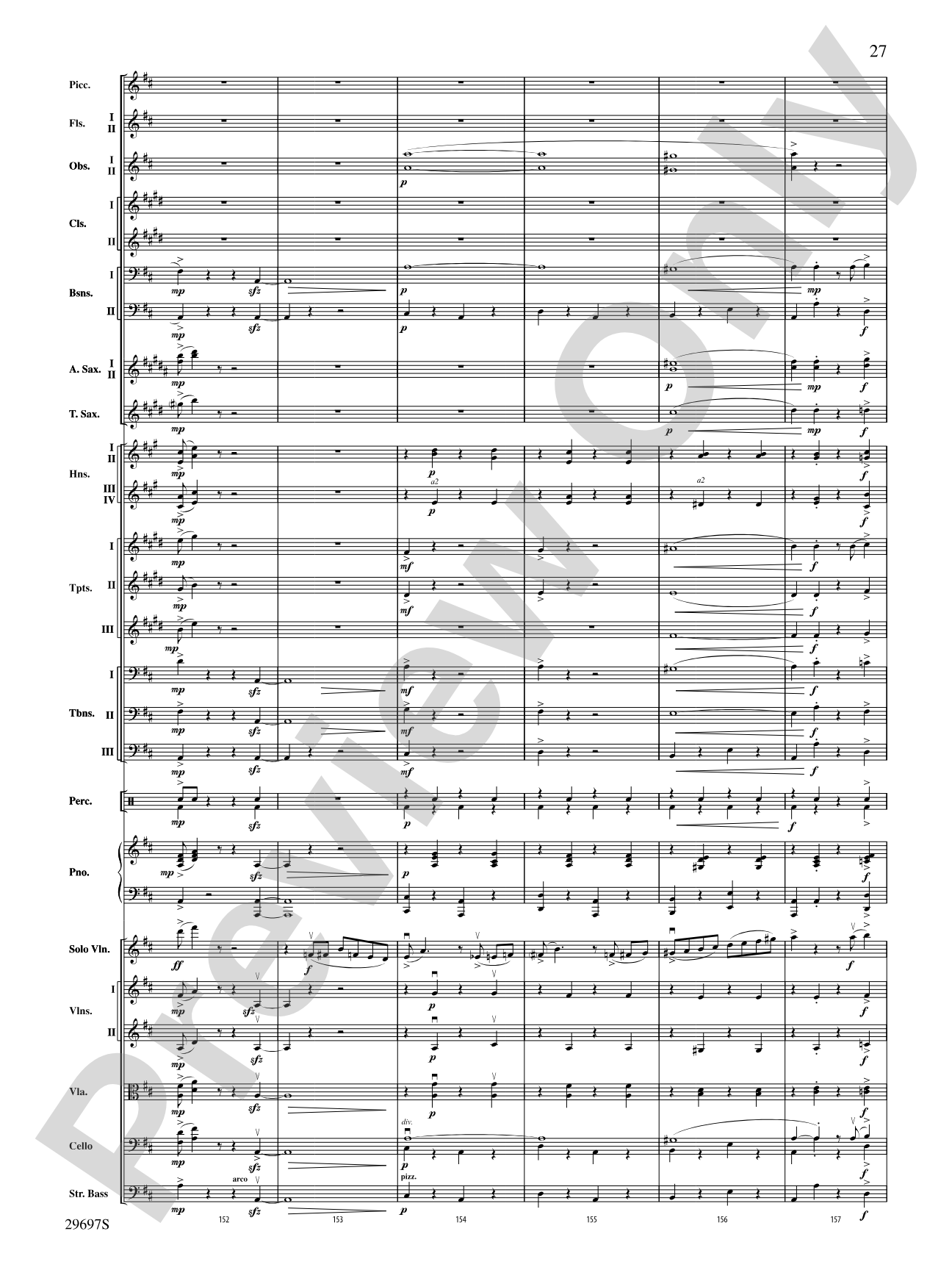
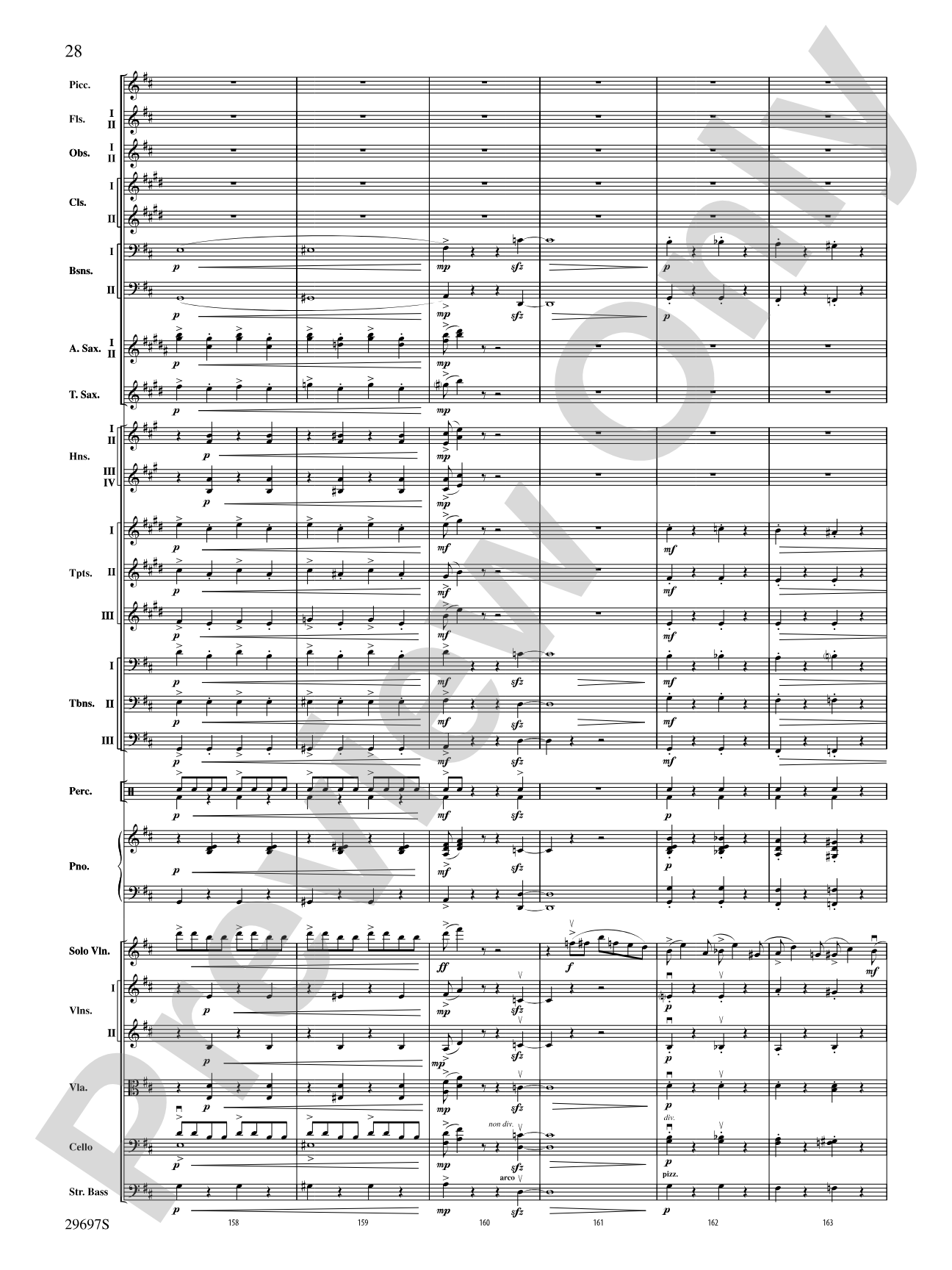
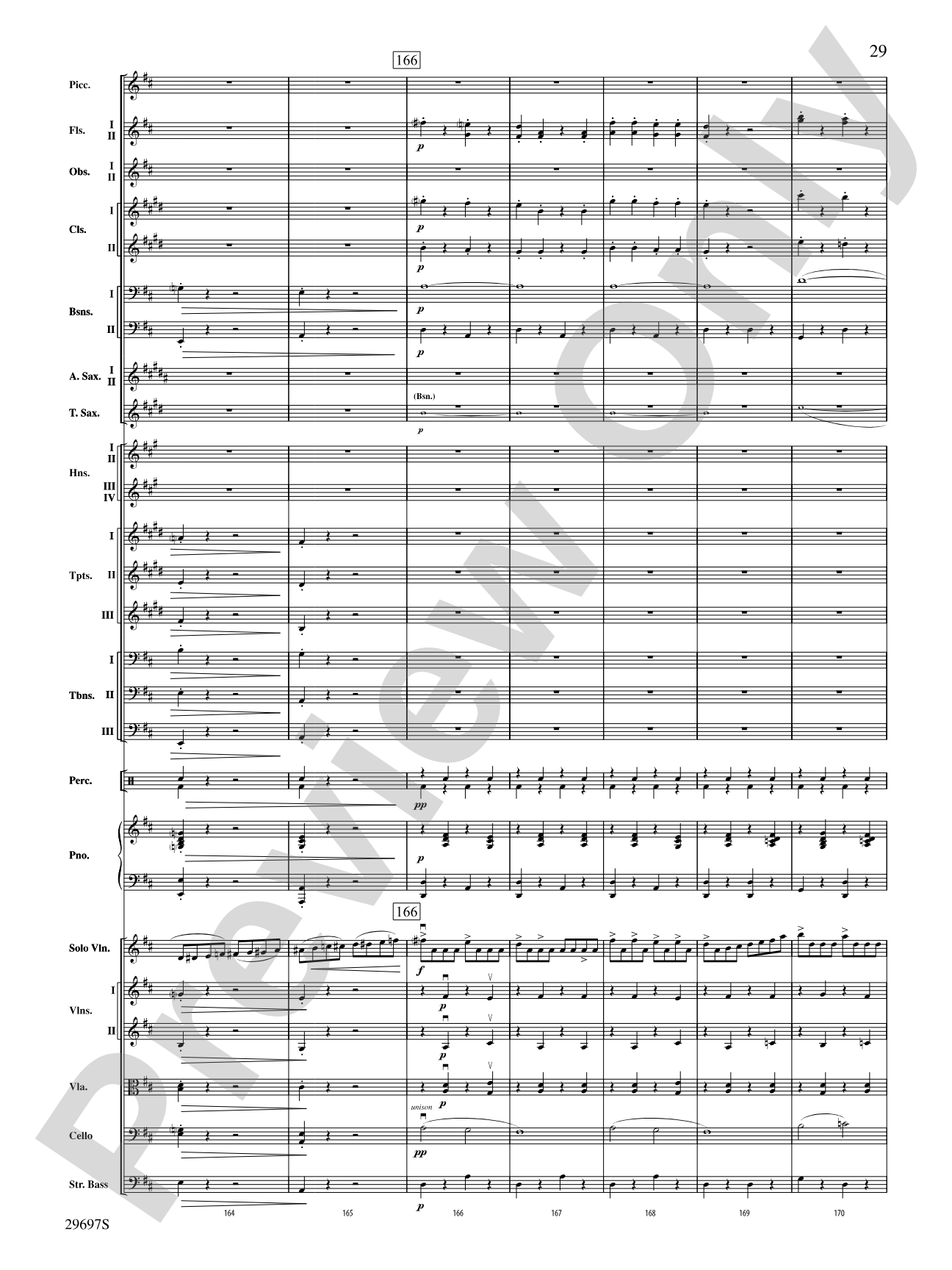
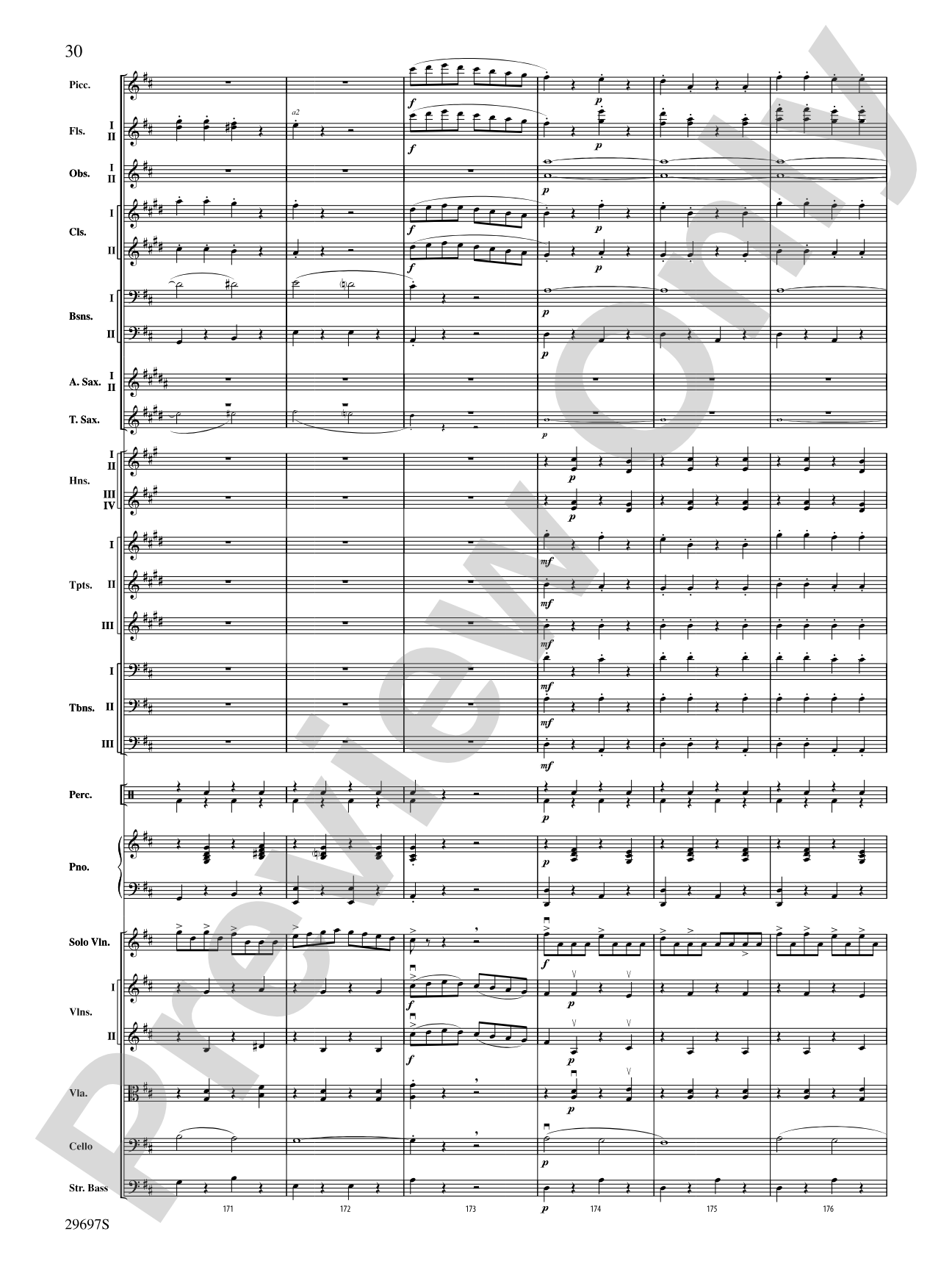
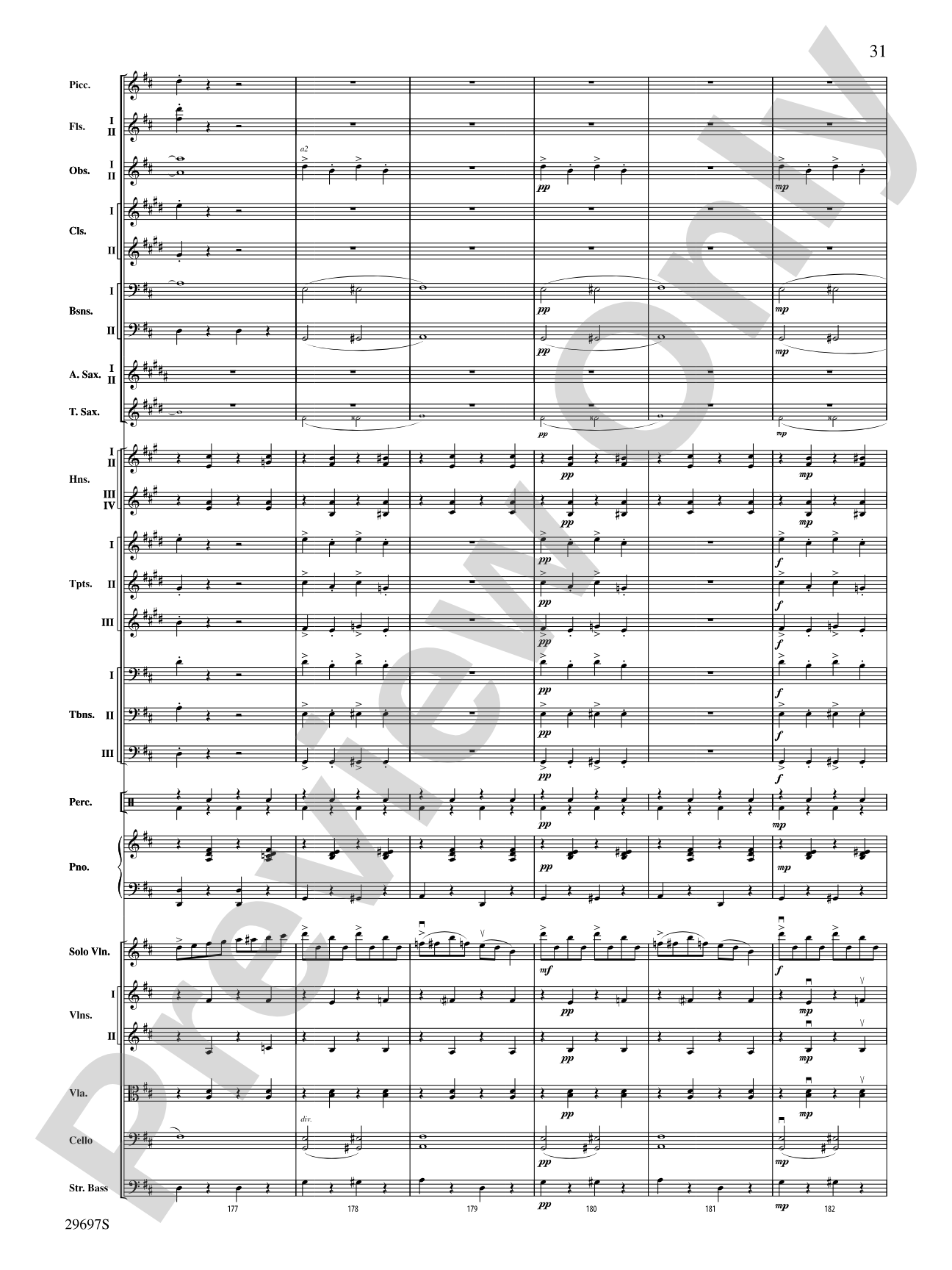
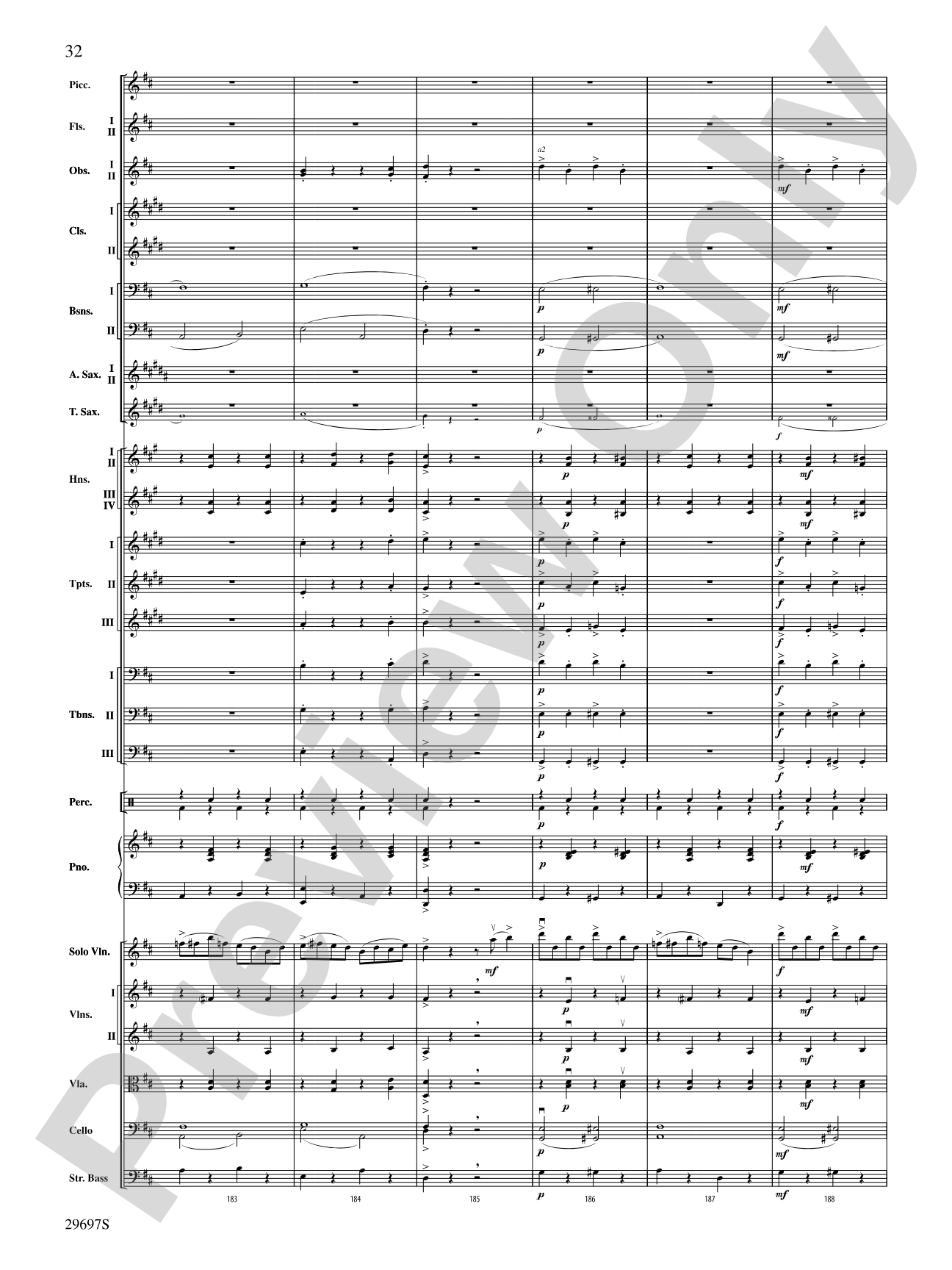
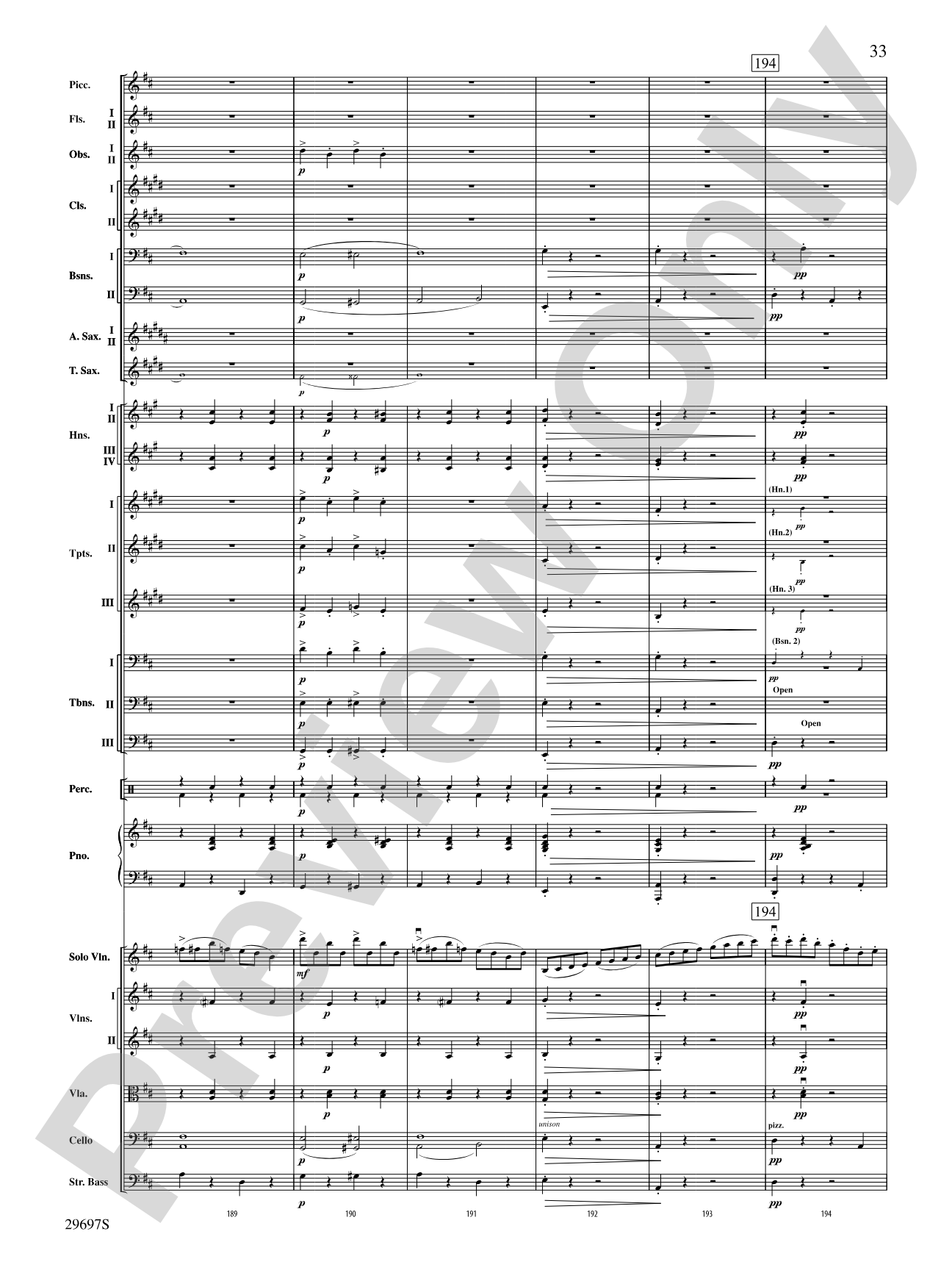
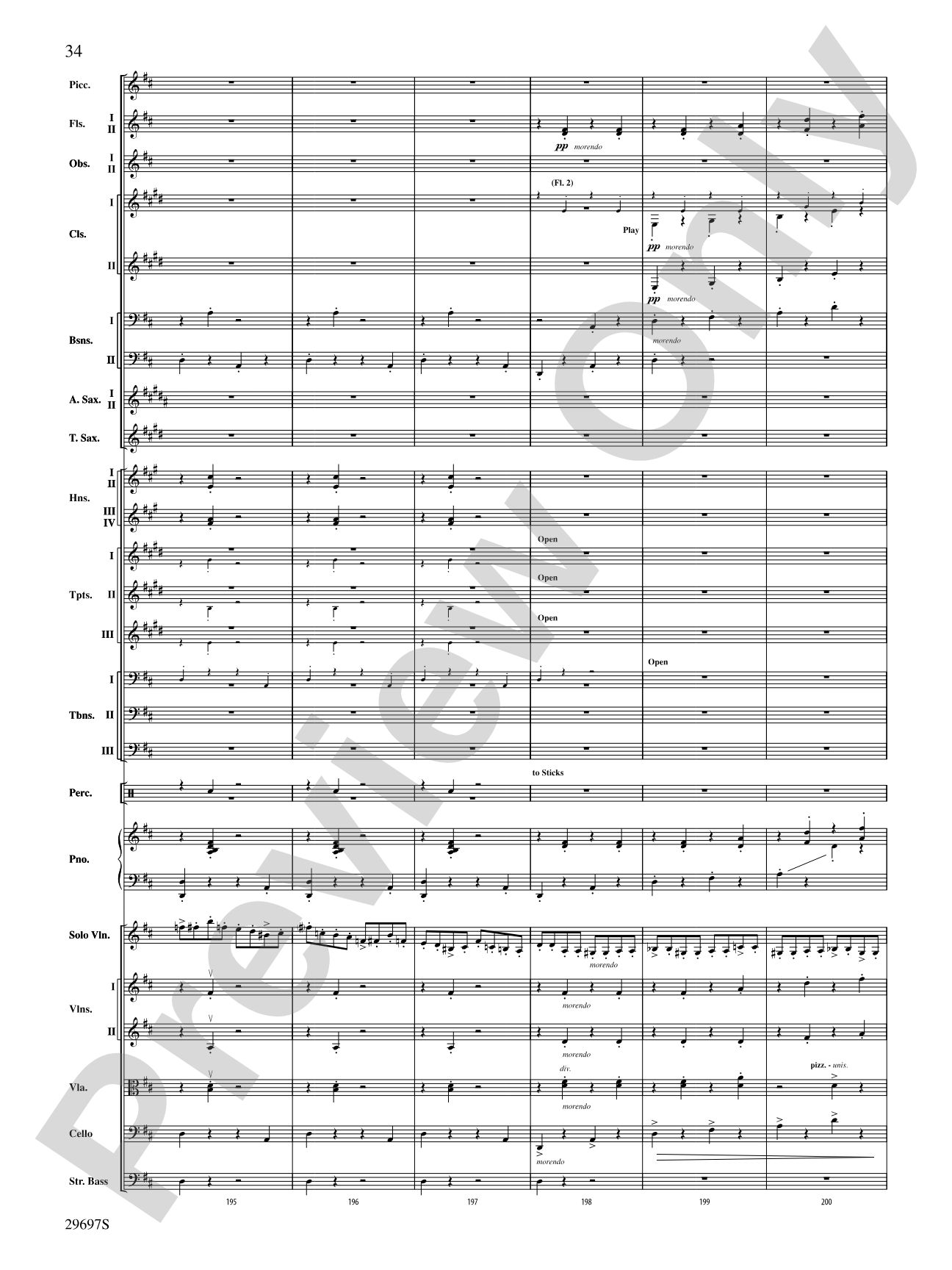
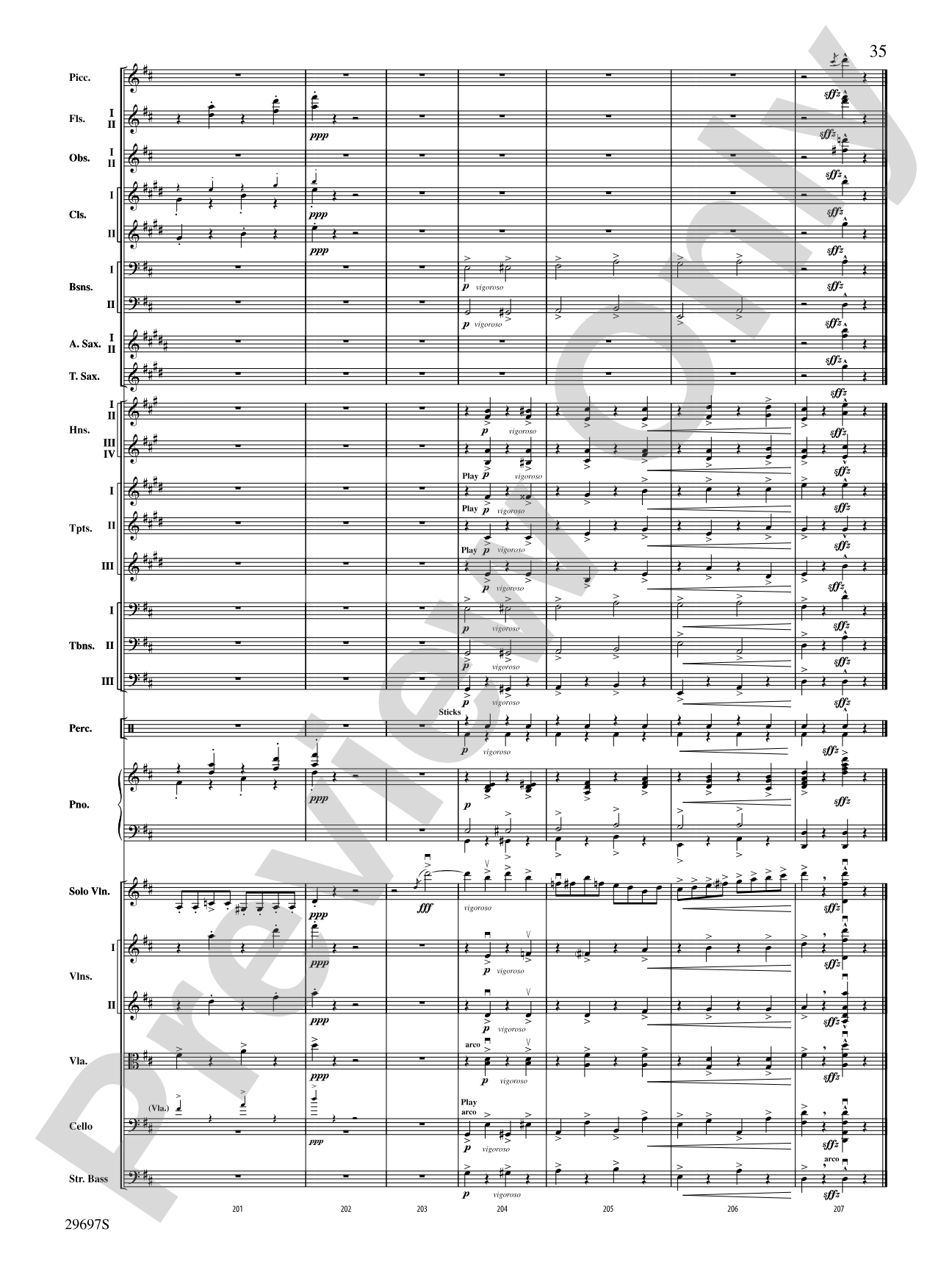


Fiddle-Faddle for Soloist and Full Orchestra: Full Orchestra Conductor Score & Parts
Violin, Viola or Cello Solo
By Leroy Anderson / arr. Jack Bullock
Grade: 4.5
Item: 00-PK-0001570

$72.00
Pickup currently not available
Buy Extra Parts (Digital PDF Download)
Parts Added to Cart!
Description
The soloist "sizzles," the orchestra "supports" and the experience is a first-class musical experience in this adaptation of music from one of the greatest composers of light classical music. Using the exact pitches of the original as well as the wonderful, playful Anderson sound, this piece will provide a perfect change of pace during a concert or make a great encore. The solo can be performed by violin, viola or cello. Also available for string orchestra! (4:20)


Don't just read it, hear it, play along with it, and watch your students grow with it. In MakeMusic Cloud, Fiddle-Faddle for Soloist and Full Orchestra: Full Orchestra Conductor Score & Parts comes alive with professional accompaniment, adjustable tempo, and built-in practice tools that turn solo practice into real progress.
Open in the Player
Jump straight in and assign it today.
Start Your Free Trial
Open this title and explore the full library in minutes.
Sample Audio
1
Audio File
--:--
0:00
0:00
Sample Video
No sample videos found.
Additional Details
Series:
Pop Concert Full Orchestra
Publisher:
Alfred Music
Page Count:
234
SKU:
00-PK-0001570
More about this title
About the Composer: Leroy Anderson
Leroy Anderson (1908-1975) defined the American light classical tradition, composing witty, accessible orchestral works that never sacrificed musical sophistication for entertainment value. His gift for memorable melody and orchestration made him a staple of pops concerts, radio broadcasts, and film; conductors and audiences alike have returned to his catalog for decades because the music simply works, it delights without condescension.
Anderson's influence on music education extends beyond his concert works. His pieces teach orchestration through listening, demonstrate how clarity and charm can coexist in serious composition, and show students that populist music can still demand real musicianship. For school orchestras, his works remain ideal vehicles for building confidence and joy in ensemble playing.
Why we love this
Anderson's melodic gift shines brightest in a vehicle like this, where a single voice carries the tune against orchestral color. The soloist gets a genuine showcase, this isn't mere accompaniment work, while the full orchestra has plenty of character and movement to maintain ensemble interest. It's the kind of piece that reminds audiences why they love live music.
What to expect
Sparkling and irreverent, with the soloist darting and weaving through a gently ebullient orchestral backdrop. There's genuine wit here, not sarcasm, but a kind of musical wink that keeps audiences engaged and smiling from the first note to the last.
Who it's for
Orchestras and full orchestras with a strong soloist ready to carry the spotlight. This works equally well for a confident high school orchestra or a semi-professional ensemble looking to add accessible, audience-friendly repertoire to the season.
How to get the most out of it
- Balance the soloist's sizzle against the orchestra without drowning the accompaniment; Anderson's countermelodies deserve to be heard.
- Lean into the piece's inherent playfulness in rehearsal. A conducted performance with obvious delight in the musical puns and rhythmic surprises will carry that spirit to the audience.
- Clarify the orchestral attacks in the support material so the soloist feels propelled rather than shadowed.
- Use the 4:20 duration to frame this as a breather in your concert flow—it lands exactly where it should without overstaying.
How to use it
Slot this as a first-half concert finale or an encore to reset the room after something heavier. It pairs beautifully with other American light classics and serves as an effective palate-cleanser between Romantic or contemporary works.
Skills your students will build
- Maintaining ensemble balance between soloist and full orchestra
- Characterful conducting of rhythmically playful material
- Orchestral clarity and transparent accompaniment writing
- Managing tempo and ensemble cohesion in fanciful, articulate passages