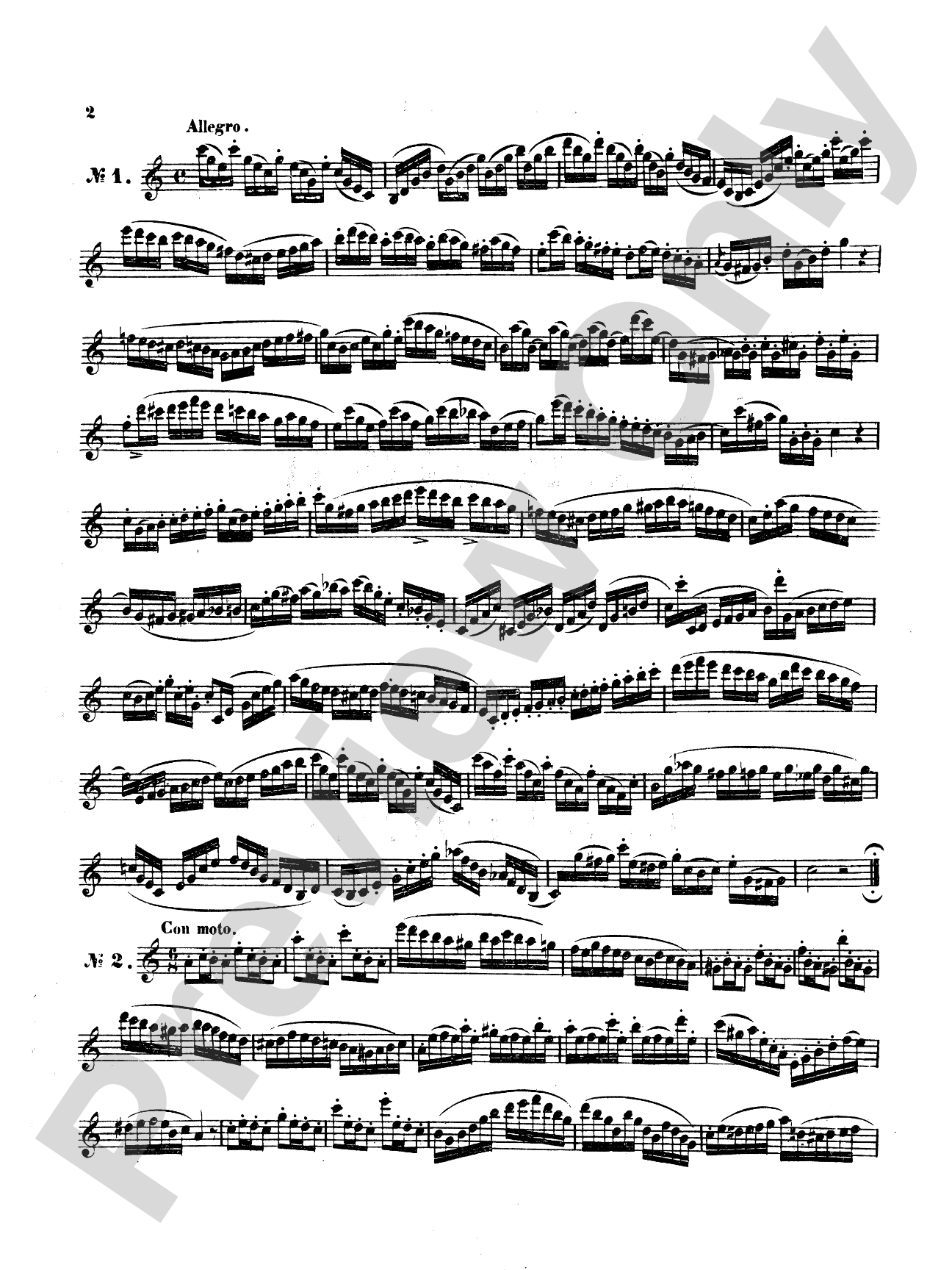
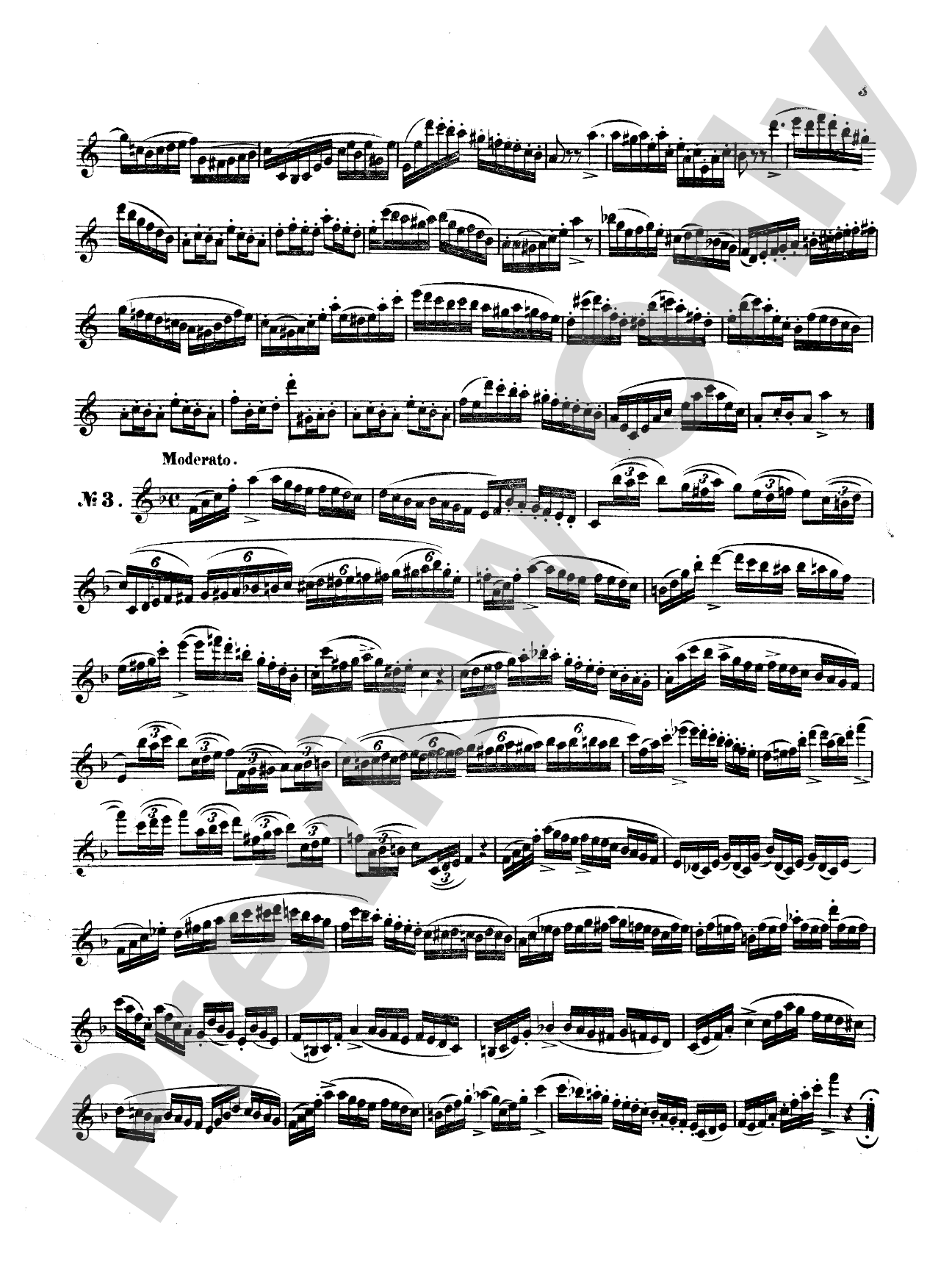
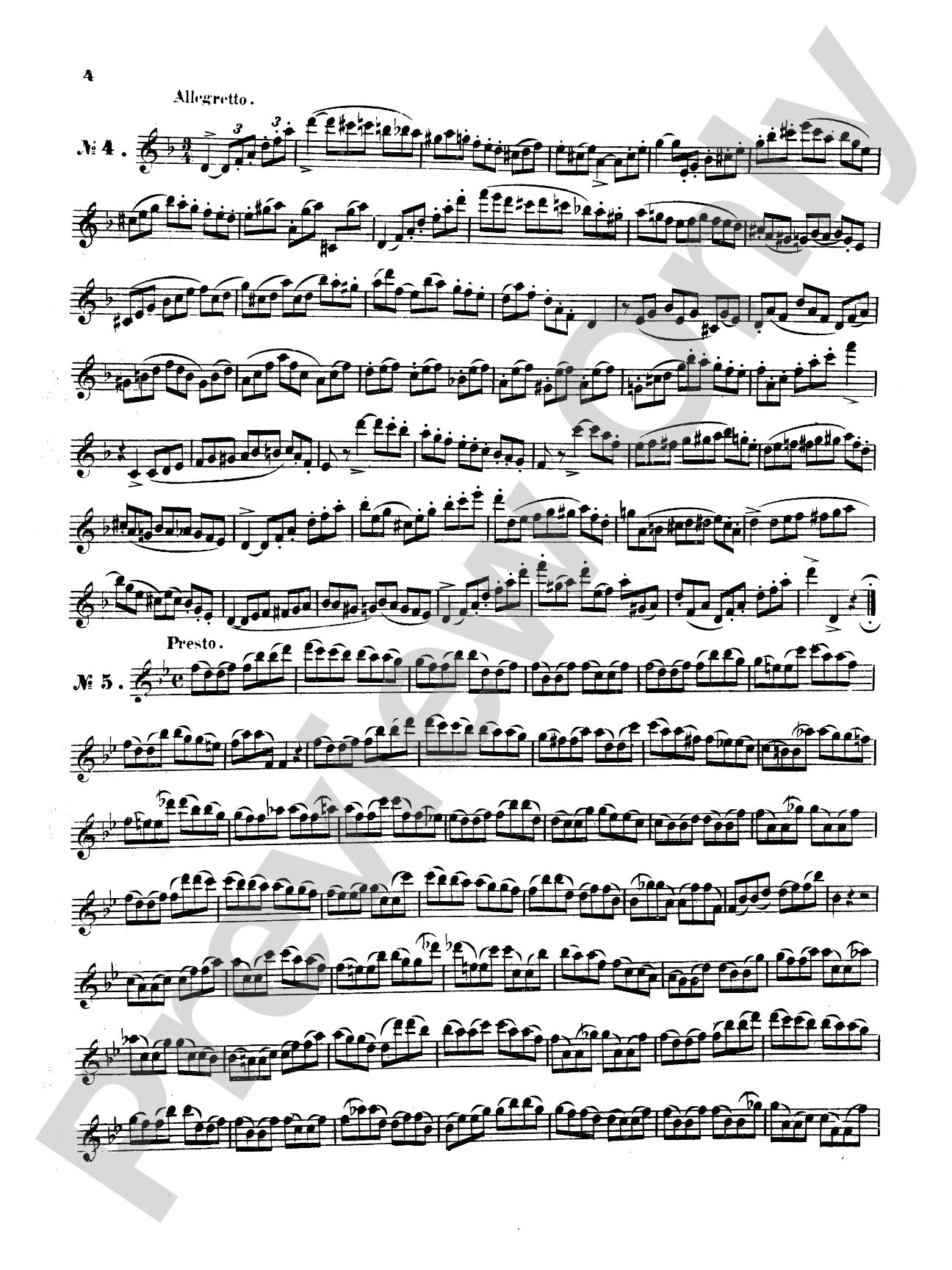
Ferling: Eighteen Studies, Op. 12 Sheet Music Preview

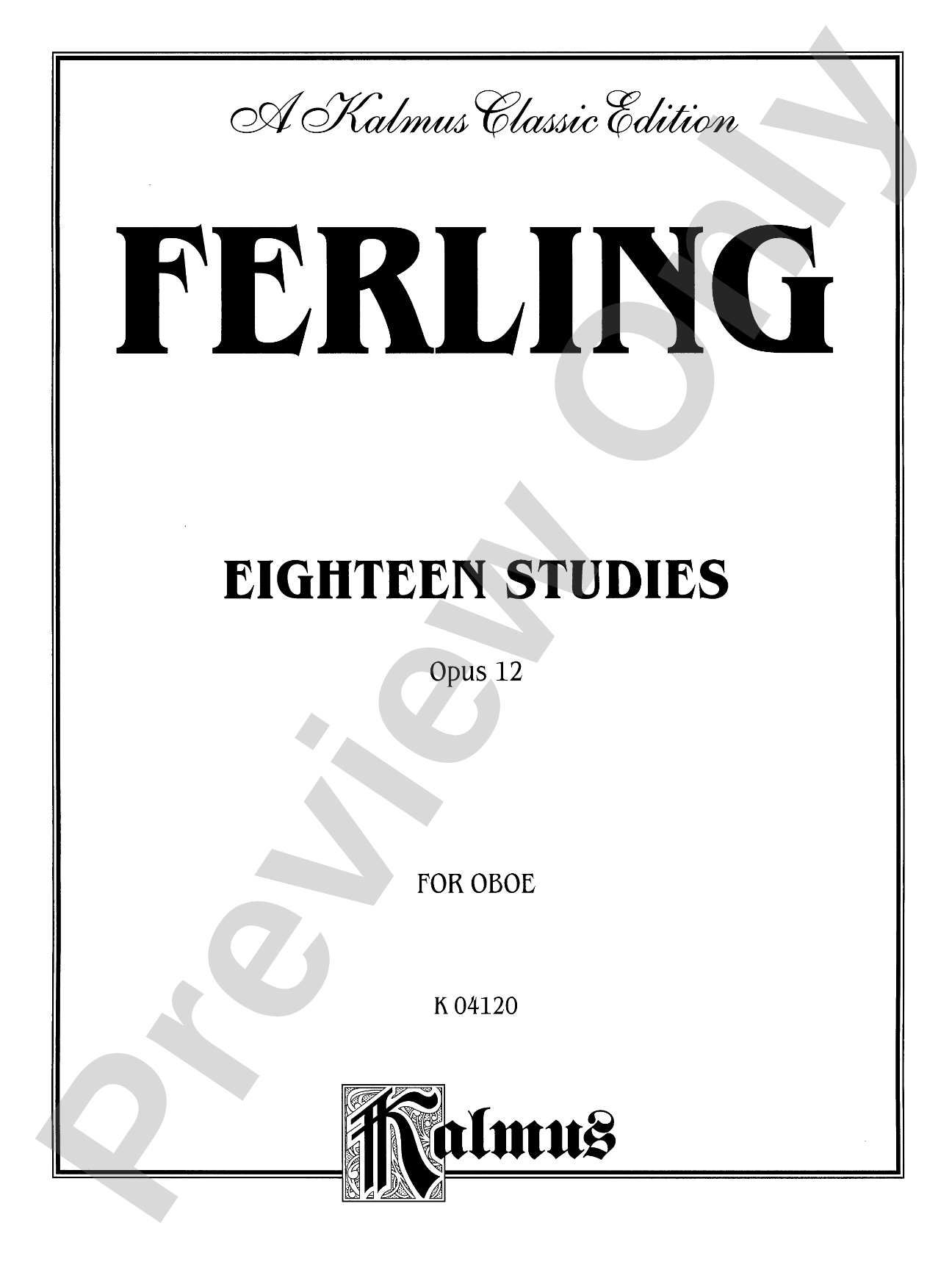
Ferling: Eighteen Studies, Op. 12

By Wilhelm Ferling

Item: 00-PC-0009859

Digital Download
$6.99
Description
A collection of exercises, for Oboe, composed by Wilhelm Ferling.

Don't just read it, hear it, play along with it, and watch your students grow with it. In MakeMusic Cloud, Ferling: Eighteen Studies, Op. 12 comes alive with professional accompaniment, adjustable tempo, and built-in practice tools that turn solo practice into real progress.

Sample Audio
No sample audio found.
Sample Video
Additional Details
Series: Kalmus Edition
Publisher: Alfred Music
Page Count: 16
SKU: 00-PC-0009859

More about this title

About the Composer: Wilhelm von Ferling

Wilhelm von Ferling (1796–1883) was a German oboist and composer whose pedagogical works became foundational to oboe training across Europe and beyond. Active as both a performer and teacher during the nineteenth century, Ferling produced a substantial catalog of études and concert pieces designed to develop technical facility while maintaining musical expression.

Why we love this

Ferling's eighteen studies occupy a sweet spot between foundational technique and genuine artistry. They demand solid fundamentals without requiring the extreme virtuosity of later études, making them ideal for developing players who are ready to move beyond basic exercises but still building the facility for advanced repertoire.

What to expect

The collection balances Romantic lyricism with Classical restraint. Lines unfold with natural phrasing and modest technical demands, yet each study targets a specific aspect of control or expression without ever feeling mechanical or disconnected from musical speech.

Who it's for

These études serve advanced students and pre-professional oboists preparing for conservatory-level study or performing ensemble work. They work equally well for adult amateurs seeking challenging solo material that rewards consistent practice.

How to get the most out of it

  • Approach each study as a complete musical phrase rather than a technical drill. Ferling wrote these with singing lines in mind, so aim for tonal consistency and shape even in passages that feel mechanically demanding.
  • Pay attention to the harmonic context provided by the accompaniment. Understanding what chord the oboe lands on helps clarify phrasing intentions and prevents the études from sounding isolated.
  • Work slowly enough to establish secure intonation before adding tempo. These studies expose intonation weaknesses quickly, especially in the intervals that appear repeatedly across the set.

How to use it

Ferling studies make excellent recital material for advanced students, either as standalone pieces or paired with Romantic concertos and sonatas. Teachers can assign them as semester-long projects, working through two or three studies per month alongside larger ensemble and solo repertoire.

Skills your students will build

  • Sustained legato phrasing across entire phrases
  • Evenness in scalar and intervallic passages
  • Intonation security in upper register
  • Dynamic control and tonal character variation
  • Reading and interpreting Romantic-era expression marks

You May Also Like