Feed the Birds (from Mary Poppins) (arr. Robert Longfield) Sheet Music Preview

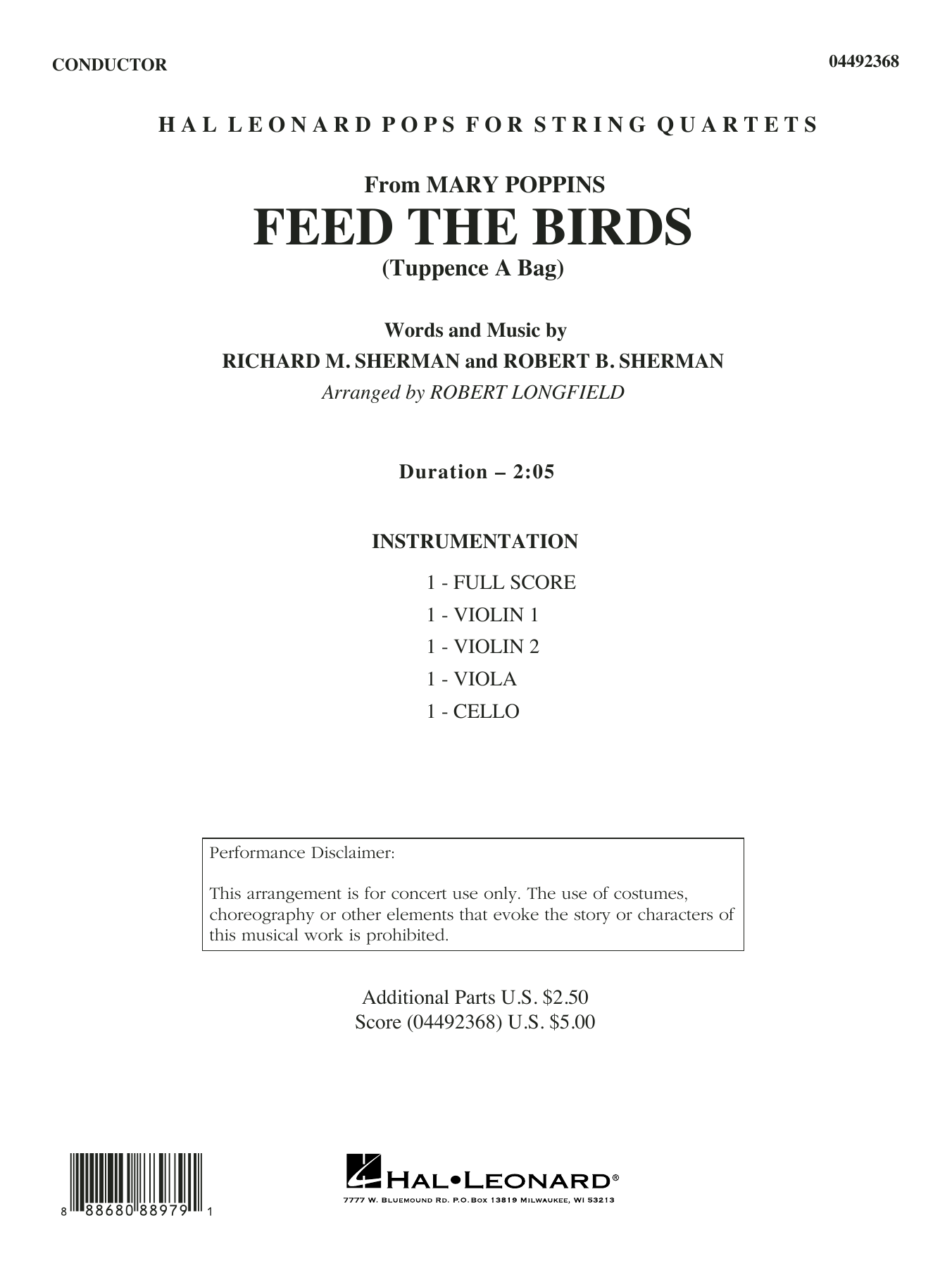
Feed the Birds (from Mary Poppins) (arr. Robert Longfield)

Arranged by Robert Longfield

Item: 35-PK00499268

Digital Download
$14.99
Description
A lovely adaptation of the song made famous by Julie Andrews in Mary Poppins.

Feed the Birds (from Mary Poppins) (arr. Robert Longfield) isn't in MakeMusic Cloud just yet...but it could be. Let us know you'd like to see it, and you'll help shape what comes next. In the meantime, start a free trial and dive into thousands of interactive titles your students can play along with today.

Sample Audio
No sample audio found.
Sample Video
Additional Details
Publisher: Hal Leonard
SKU: 35-PK00499268

More about this title

About the Arranger: Robert Longfield

Robert Longfield is an accomplished arranger whose work spans educational and professional music contexts. His arrangements are known for maintaining the integrity of original melodies while crafting parts that remain accessible to student musicians.

Why we love this

Longfield captures the gentle, contemplative quality of this beloved song without overcomplicating the ensemble writing. The arrangement works equally well as a tender concert opener or as a moment of quietness within a larger program, and it gives every section something meaningful to play.

What to expect

The piece radiates a quiet wisdom and kindness. There's something almost meditative about it, a moment of pause that reminds listeners why music matters beyond technical display. The melody unfolds with the simplicity of a lullaby, yet the harmonies lend it quiet sophistication.

Who it's for

This arrangement suits upper elementary through early middle school ensembles seeking something genuinely lyrical and emotionally grounded. It also works for small ensembles or chamber groups drawn to film music with substance.

How to get the most out of it

  • Shape the melody with long, singing phrases rather than punctuating each bar. This song lives in the space between notes as much as in the notes themselves.
  • Balance is everything here. The accompaniment must stay transparent so the tune remains the focal point, no matter which section carries it.
  • Let the harmonic movement breathe naturally. Resist the urge to rush through chord changes; the richness emerges when each harmony has room to resonate.

How to use it

Pair this with other film music selections to build a thematic concert, or anchor it as an intermission piece that gives audiences a chance to settle and reflect. It also works beautifully as part of a broader exploration of Stephen Sondheim's orchestrations and song craft in the classroom.

Skills your students will build

  • Singing or playing with legato phrasing across longer melodic lines
  • Listening for balance between melody and accompaniment
  • Responding to subtle dynamic gradations that color harmonic progression
  • Reading and maintaining independent parts in an ensemble context

You May Also Like