
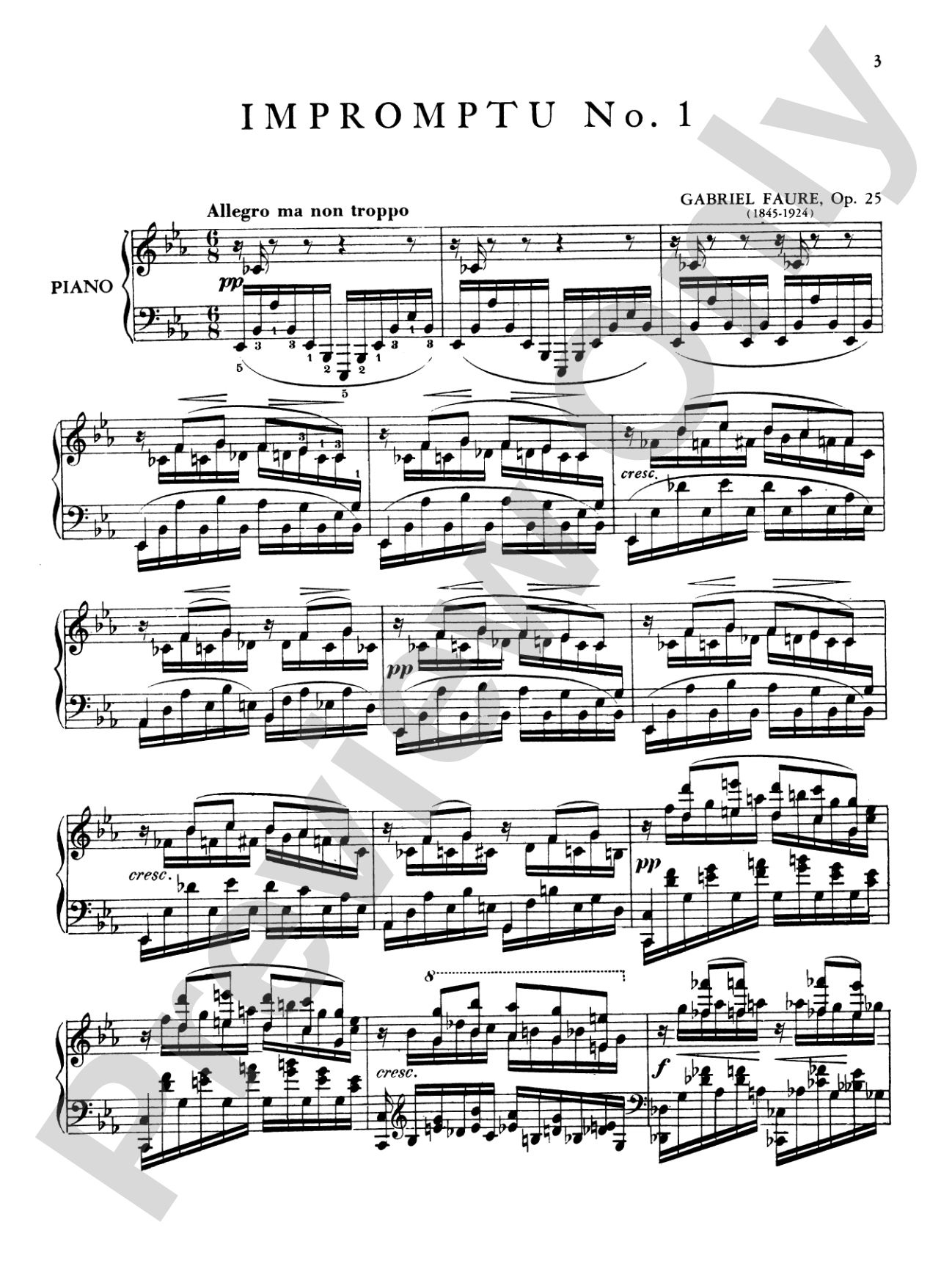
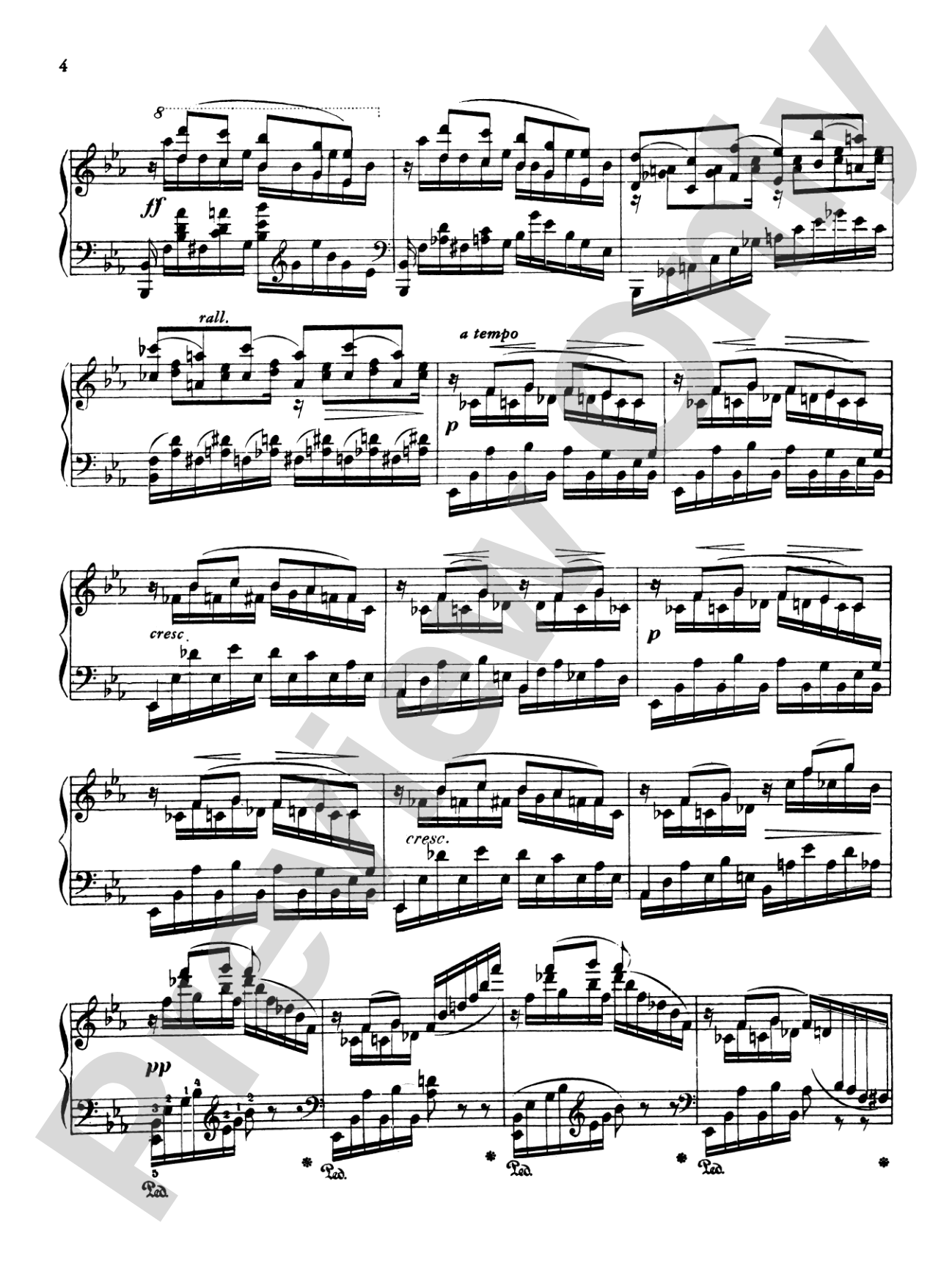
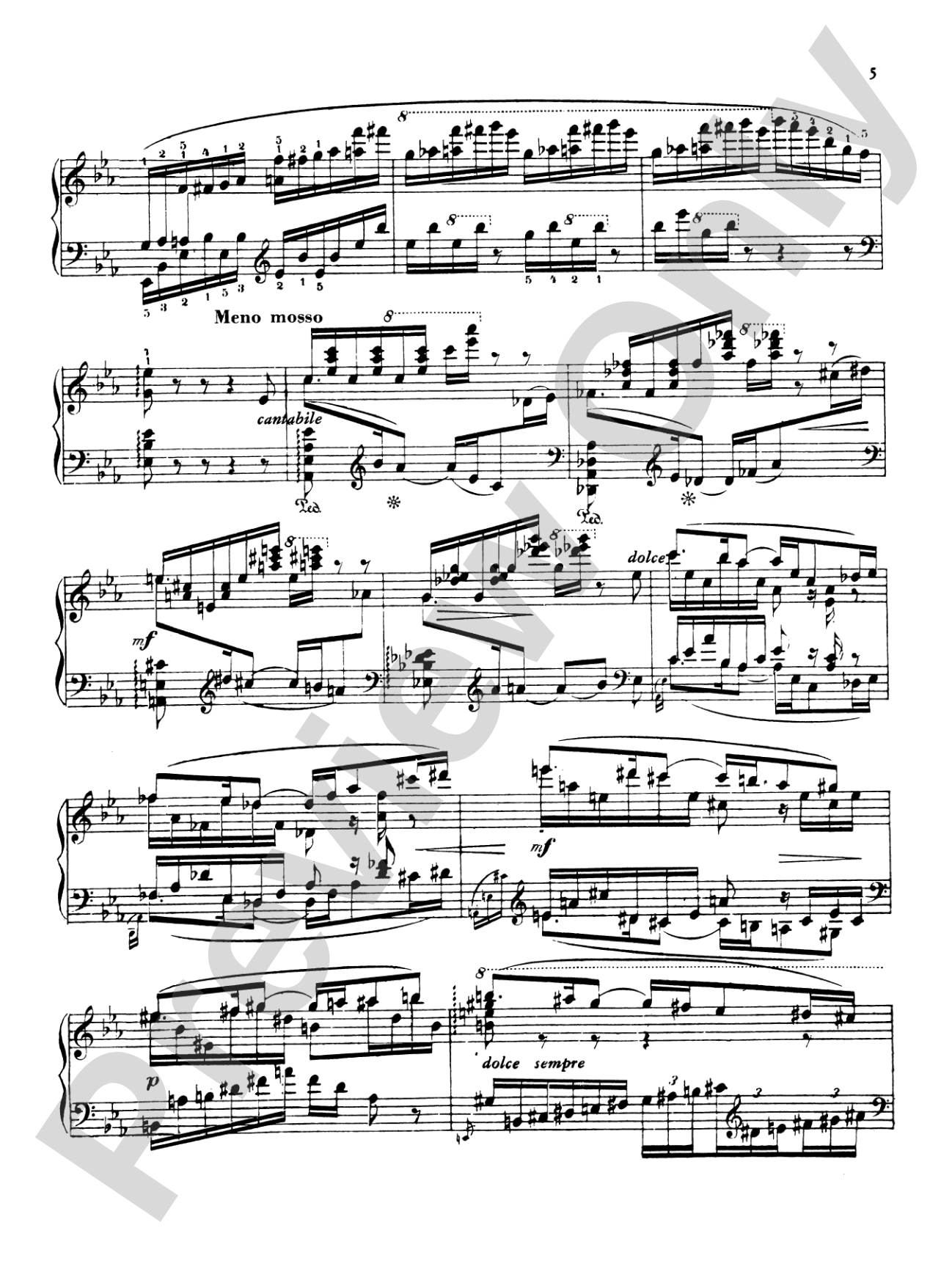
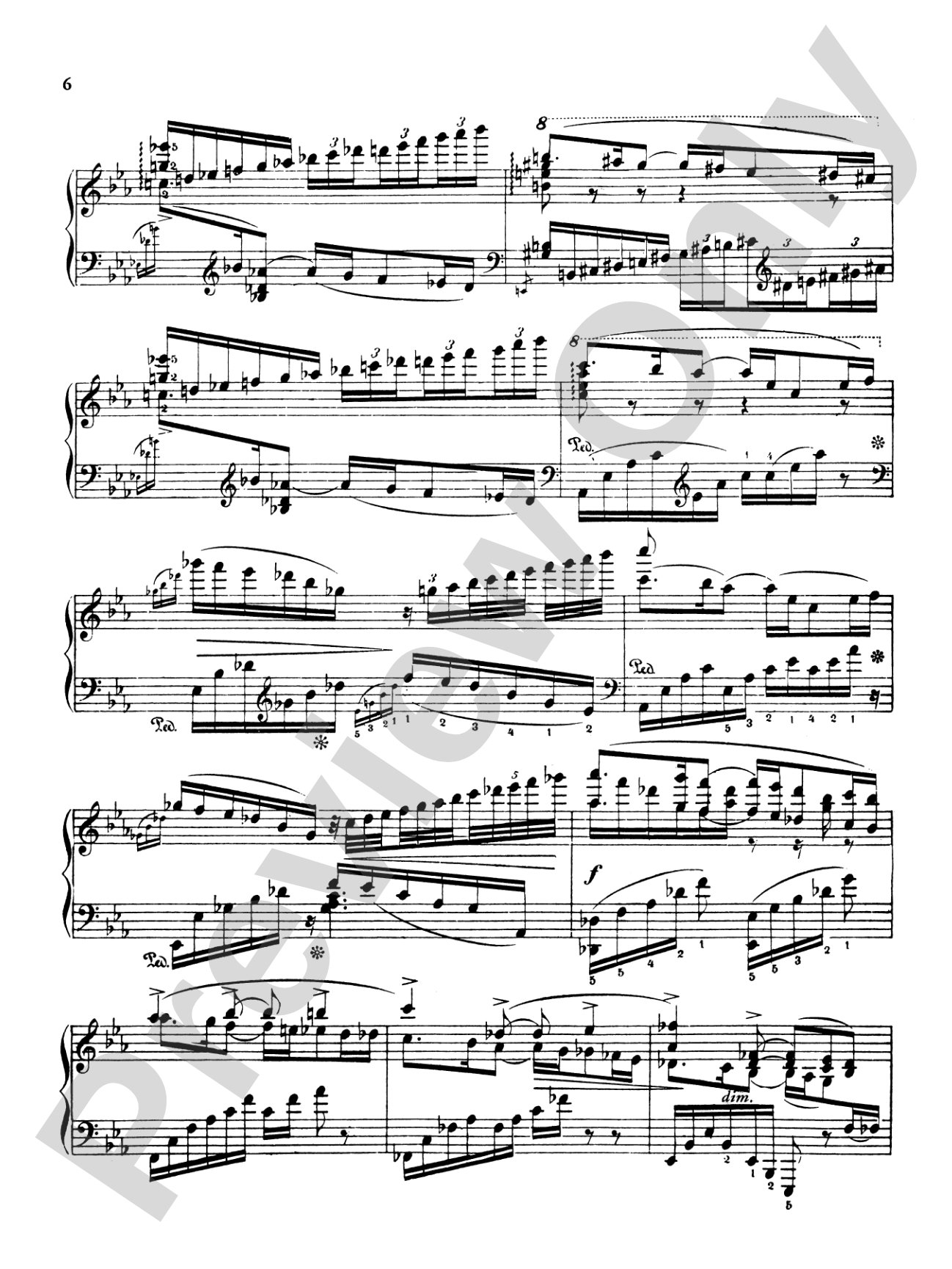
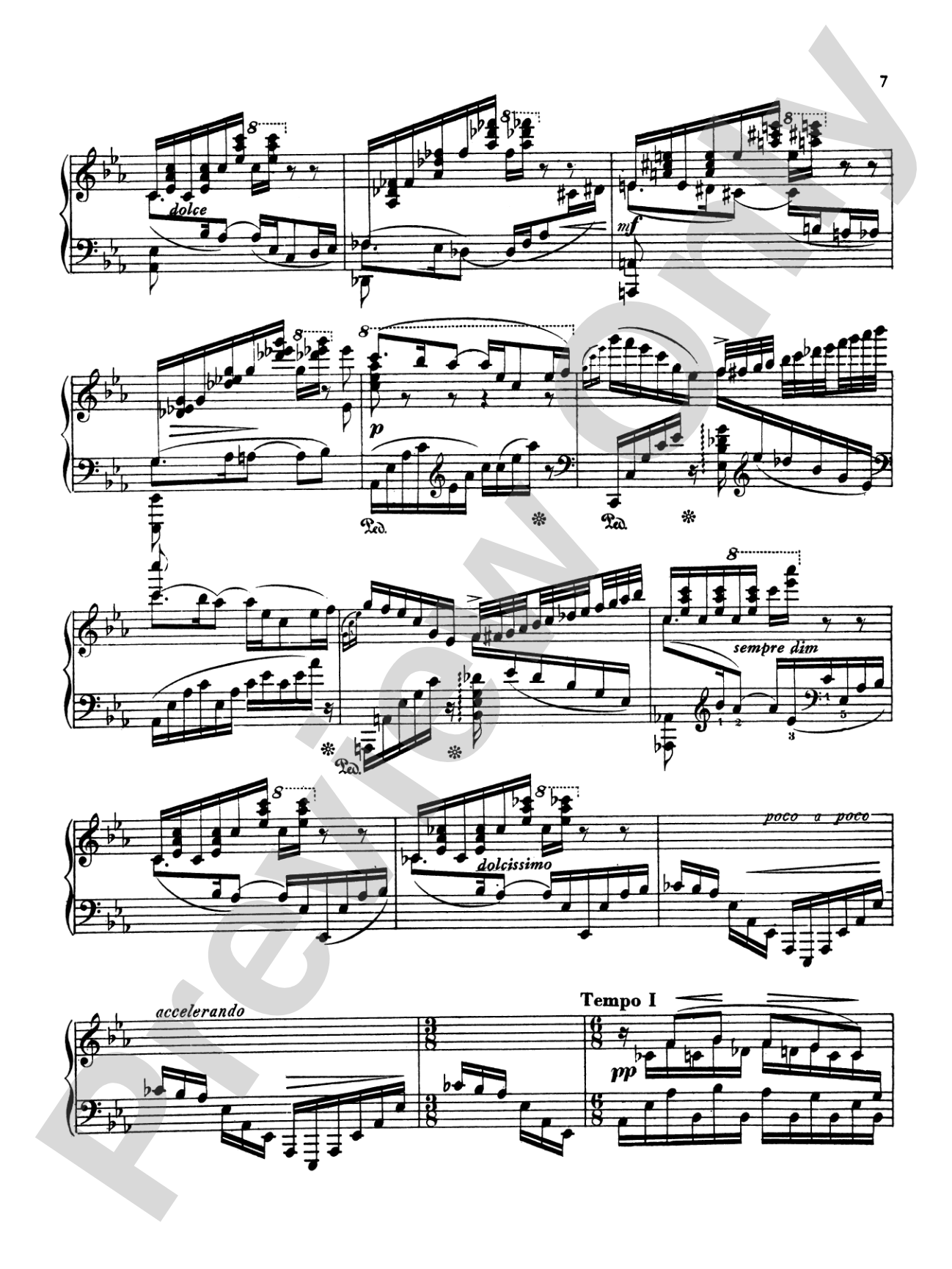
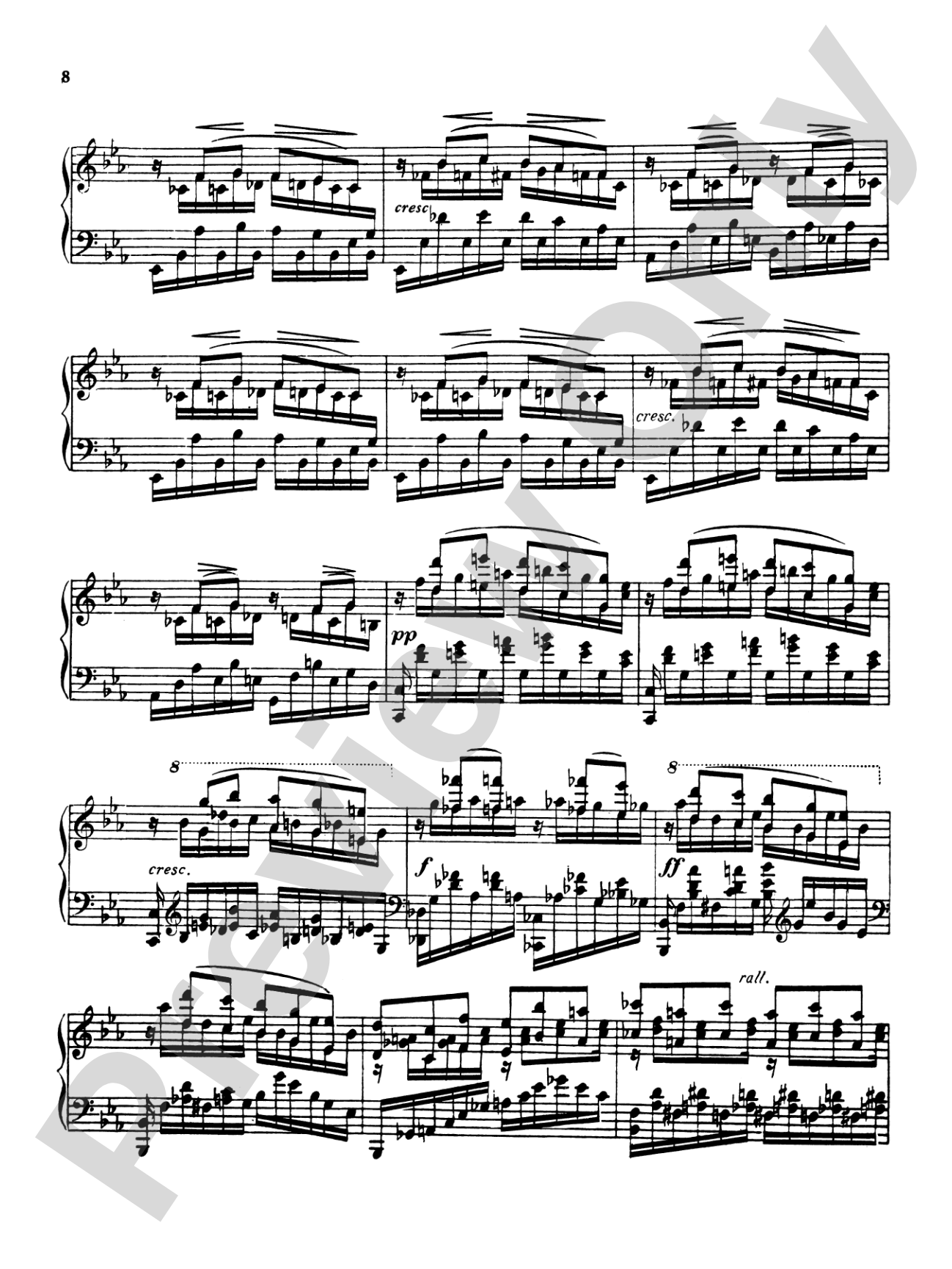
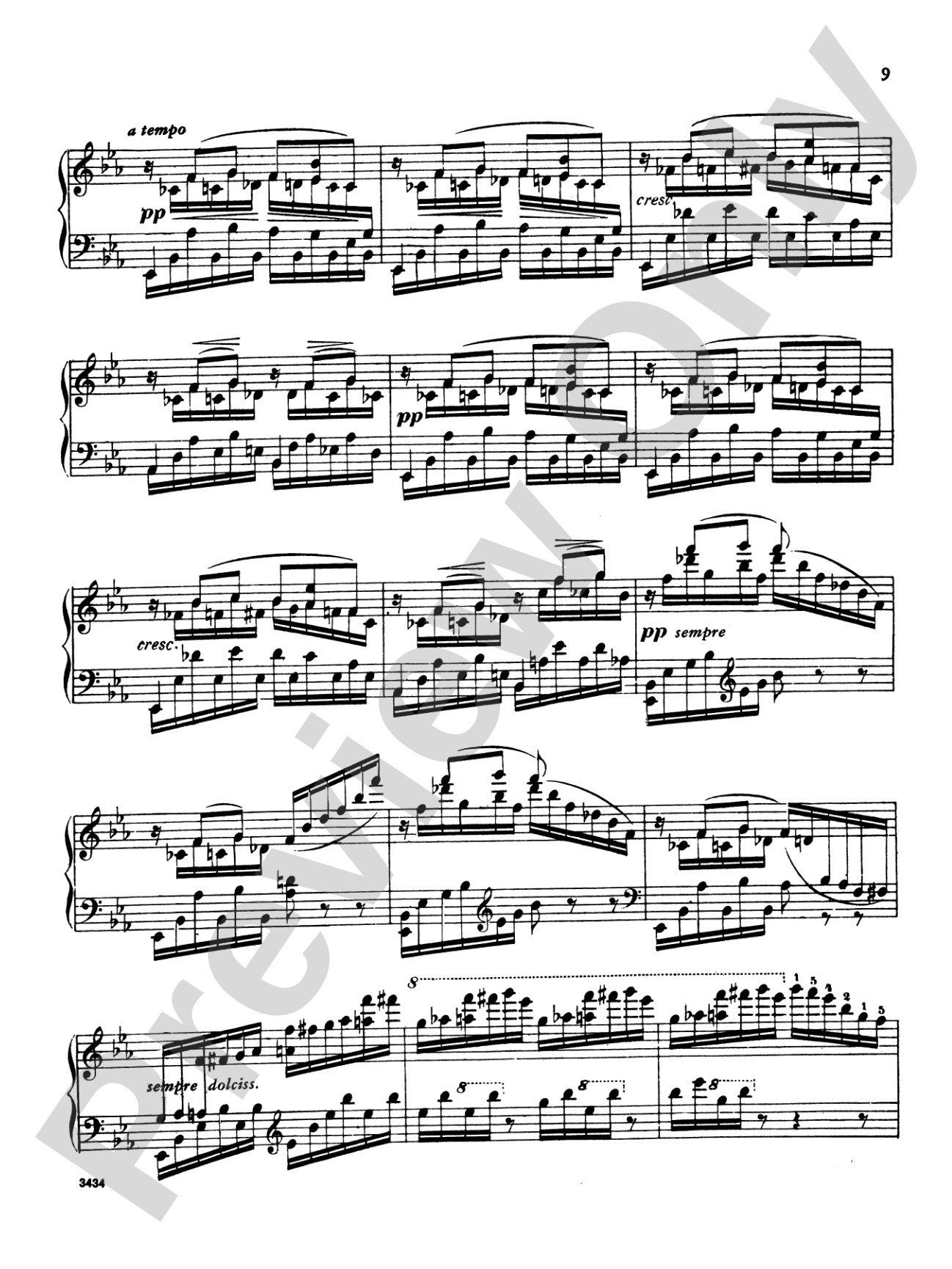
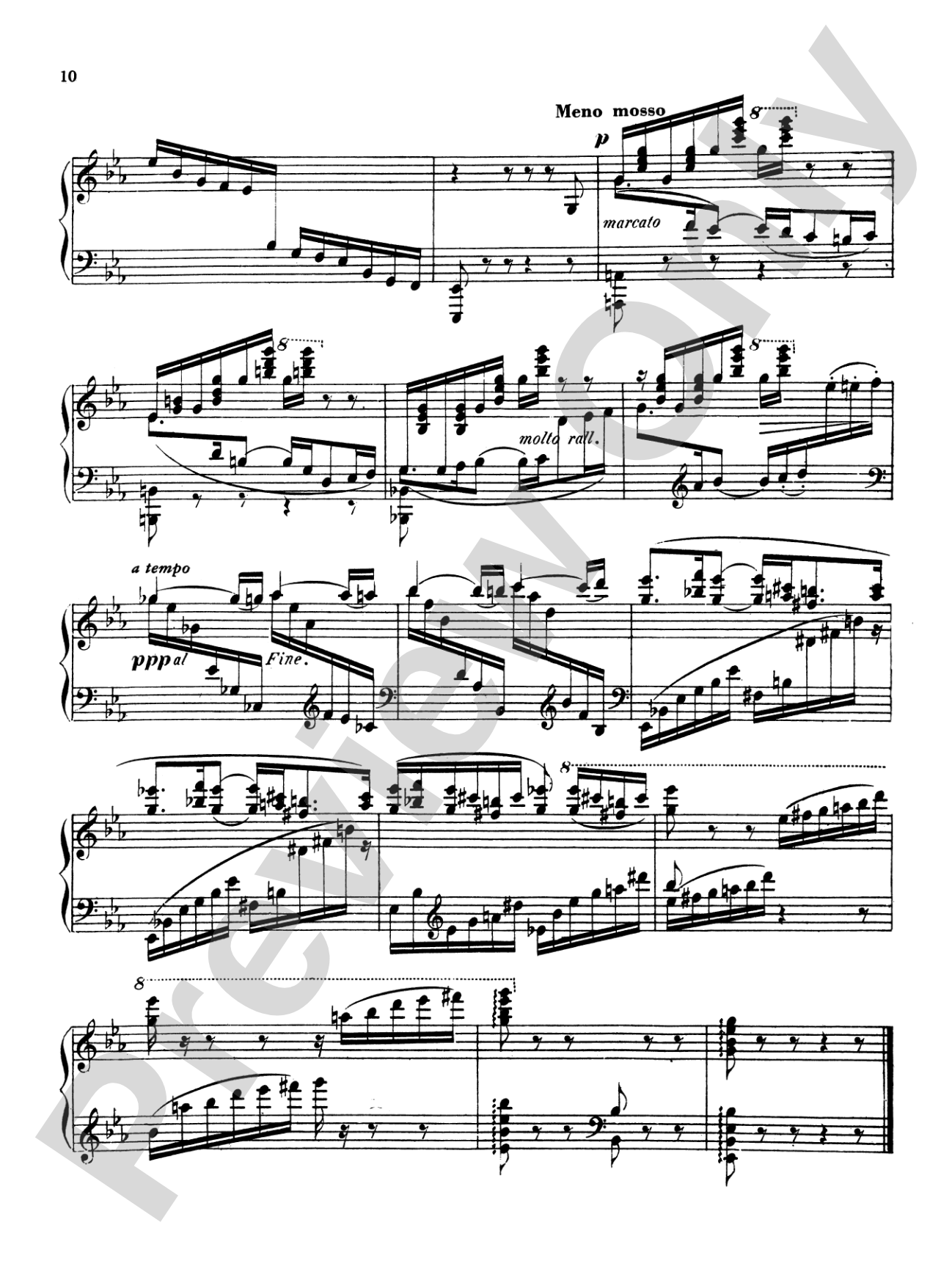

Fauré: Three Impromptus: Piano Book
By Gabriel Fauré
Item: 00-PK-0003085

$8.99
Pickup currently not available
Buy Extra Parts (Digital PDF Download)
| Product | Price | Quantity |
|---|---|---|
| Fauré: Three Impromptus | $1.99 | |
| Fauré: Three Impromptus | $1.99 | |
| Fauré: Three Impromptus | $1.99 |
Parts Added to Cart!
Related Items
Three Impromptus: Piano Book |
$8.95
|
View |
Description
Op. 25, 31, 34


Don't just read it, hear it, play along with it, and watch your students grow with it. In MakeMusic Cloud, Fauré: Three Impromptus: Piano Book comes alive with professional accompaniment, adjustable tempo, and built-in practice tools that turn solo practice into real progress.
Open in the Player
Jump straight in and assign it today.
Start Your Free Trial
Open this title and explore the full library in minutes.
Sample Audio
No sample audio found.
Sample Video
No sample videos found.
Additional Details
Series:
Kalmus Edition
Publisher:
Alfred Music
Page Count:
32
SKU:
00-PK-0003085
More about this title
About the Composer: Gabriel Fauré
Gabriel Fauré (1845, 1924) shaped French musical identity through a compositional voice that bridged Romanticism and Impressionism without fully embracing either. His harmonic language, subtle, chromatic, and emotionally restrained, influenced generations of 20th-century composers and remains central to the piano repertoire. As director of the Paris Conservatoire late in his career, Fauré shaped music education itself, championing artistic integrity over virtuosic display.
For student pianists, Fauré's work offers a masterclass in how musical depth emerges from restraint. His pieces reward careful attention to texture, pedal use, and the spaces between notes rather than relying on technical pyrotechnics.
Why we love this
These three impromptus reward the pianist with immediate musicality while demanding real pianistic intelligence. Fauré's harmonic language sits at the intersection of Romanticism and Impressionism, making them essential for pianists exploring the transition between those worlds. They're substantial enough to anchor a recital yet lean enough to pair thoughtfully with other repertoire.
What to expect
Intimate conversations rather than declarations. The music unfolds with a sense of discovery, moving through unexpected harmonic turns that feel both surprising and inevitable. There's a quiet elegance here, never bombastic, always thoughtful, with moments of genuine tenderness surrounded by restless, searching passages that keep the ear engaged.
Who it's for
Advanced intermediate to advanced pianists who have moved beyond technique-driven playing and are ready to engage with the subtleties of late Romantic harmonic language. These works suit recital performers building a program around Impressionistic repertoire and pianists exploring how 19th-century French salon music transformed into 20th-century modernism.
How to get the most out of it
- Listen closely to the harmonic color rather than pushing rhythmic momentum. Fauré's chord progressions often move through unexpected tonal areas, and players who prioritize linear flow over harmonic breathing sound rushed.
- Shape each phrase with the pedal in mind. Fauré's texture depends on the piano's ability to sustain and blend harmonies; careless pedal work blurs the very refinement that makes these pieces work.
- Treat the lyrical lines as song. Even where the writing is pianistic, imagine a vocalist's phrasing and legato sensibility, especially in the expressive passages that need space to breathe.
How to use it
These impromptus work beautifully in a recital focused on French piano music from the 1870s-1880s, placed alongside works by Saint-Saëns or early Debussy. They also suit a program exploring the harmonic bridge between Romanticism and Impressionism, where they illuminate how composers of Fauré's generation moved beyond Schumann into new tonal territory.
Skills your students will build
- Reading chromatic harmony and understanding voice leading across unexpected tonal centers
- Pedal technique for sustaining and blending complex harmonies without muddying texture
- Phrasing at the intersection of song-like lyricism and pianistic figuration
- Interpreting rubato and tempo flexibility within a Romantic-Impressionistic aesthetic
- Balancing harmonic interest with structural coherence in mid-length solo forms