
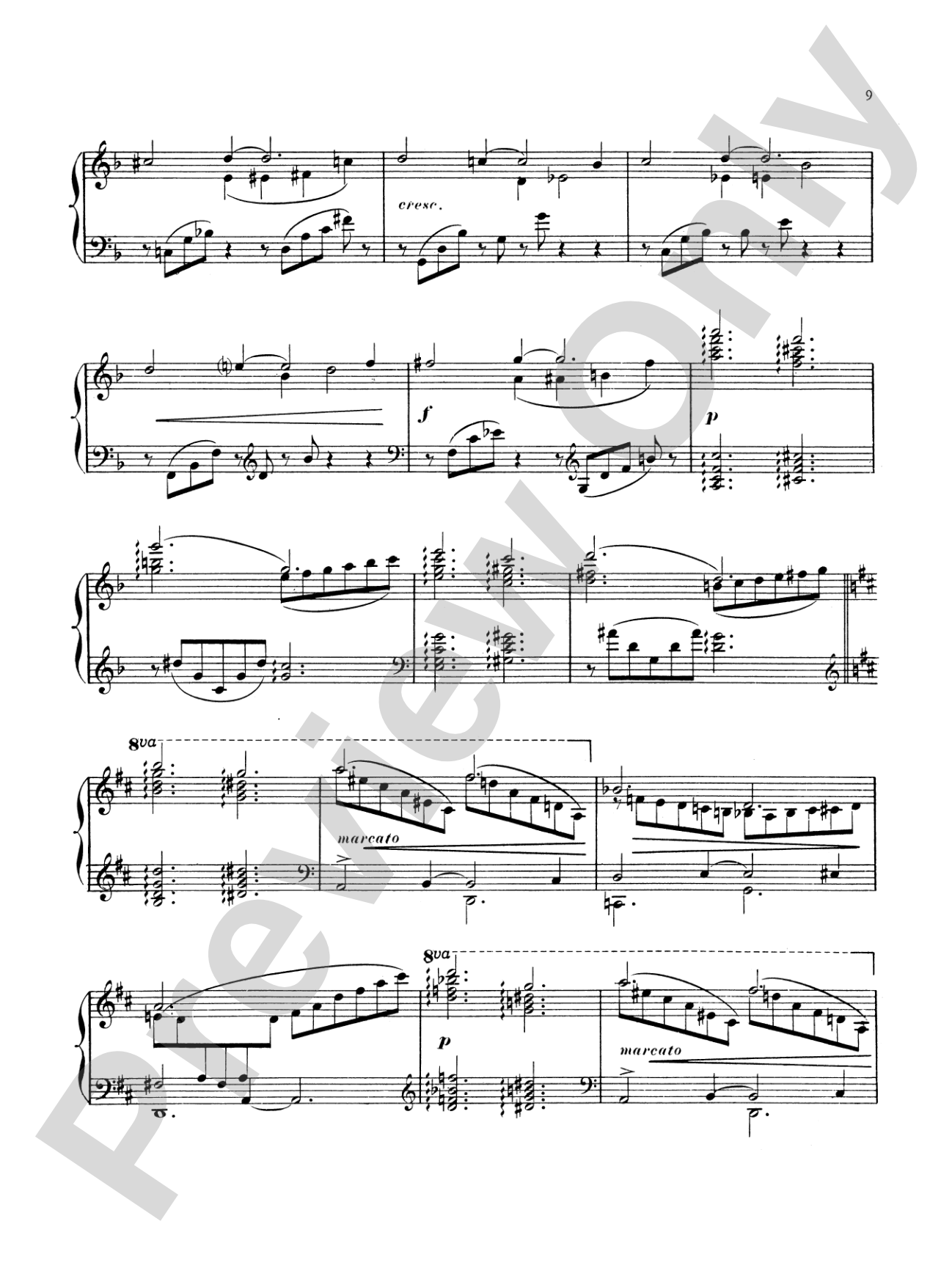
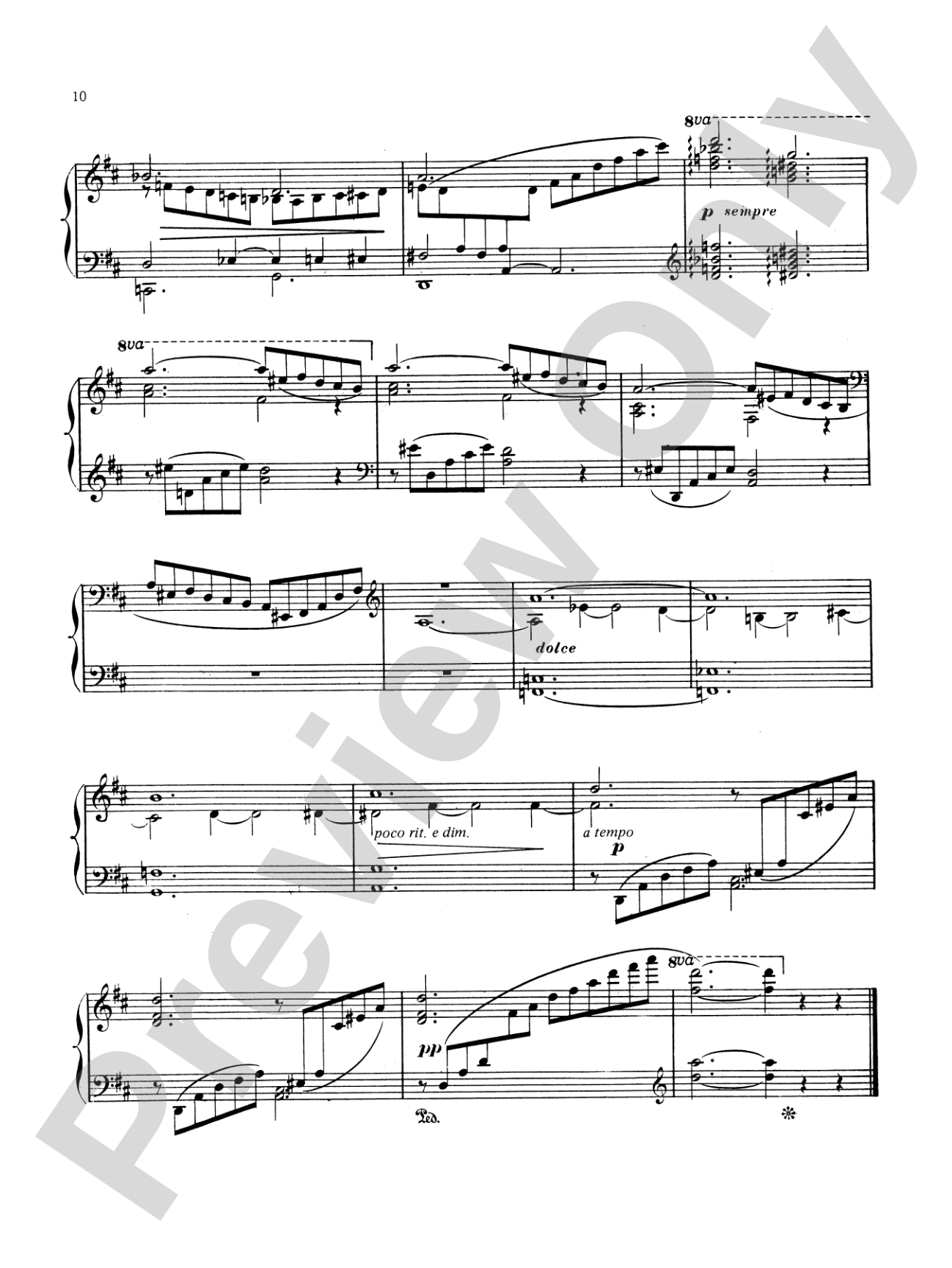

Fauré: Selected Works: Piano Book
By Gabriel Fauré
Level: Intermediate / Advanced
Item: 00-PK-0003928

$8.99
Pickup currently not available
Buy Extra Parts (Digital PDF Download)
| Product | Price | Quantity |
|---|---|---|
| Fauré: Selected Works | $0.99 | |
| Fauré: Selected Works | $0.99 | |
| Fauré: Selected Works | $0.99 | |
| Fauré: Selected Works | $0.99 | |
| Fauré: Selected Works | $0.99 | |
| Fauré: Selected Works | $0.99 |
Parts Added to Cart!
Related Items
Selected Works: Piano Book |
$8.95
|
View |
Description


Don't just read it, hear it, play along with it, and watch your students grow with it. In MakeMusic Cloud, Fauré: Selected Works: Piano Book comes alive with professional accompaniment, adjustable tempo, and built-in practice tools that turn solo practice into real progress.
Open in the Player
Jump straight in and assign it today.
Start Your Free Trial
Open this title and explore the full library in minutes.
Sample Audio
No sample audio found.
Sample Video
No sample videos found.
Additional Details
Series:
Kalmus Edition
Publisher:
Alfred Music
Page Count:
48
SKU:
00-PK-0003928
More about this title
About the Composer: Gabriel Fauré
Gabriel Fauré (1845, 1924) stands apart from his Romantic contemporaries for his refined harmonic language and intimate emotional restraint. A student of Saint-Saëns and later director of the Paris Conservatoire, Fauré shaped French music education and composition for half a century, balancing the virtuosity demanded of concert pianists with the subtlety that became his signature.
His piano works span decades of stylistic evolution, moving from the structured elegance of his early salon pieces toward increasing harmonic freedom and impressionistic textures. For students and teachers, Fauré represents a gateway into late Romantic French aesthetics, music that rewards close listening and precise voicing without relying on orchestral bombast.
Why we love this
Fauré's piano works offer intermediate to advanced students a pathway into French Impressionism without the technical excess of contemporary virtuoso writing. The selected pieces in this collection showcase his gift for crystalline harmony and memorable lyricism, making these works equally valuable in the recital hall and the study. You'll find writing that challenges pianists intellectually while remaining deeply musical.
What to expect
Fauré's piano writing balances restraint with profound emotional presence. You encounter elegance without affectation, harmonic innovation that never calls attention to itself, and melodies that linger precisely because they resist obvious sentiment. The overall impression is of intimate conversation with a composer who trusts the listener's musical intelligence.
Who it's for
Intermediate to advanced pianists seeking repertoire that bridges Romantic melody with Impressionistic harmony. This collection serves students who are ready to interpret subtle harmonic implications and control tone color with sophistication, as well as teachers looking for elegant, rewarding pieces suitable for recitals or student showcases.
How to get the most out of it
- Treat the harmonic progressions as guides for voicing and balance rather than as thickly scored textures. Many of Fauré's most sophisticated moments emerge from restraint and clarity, not density.
- Shape melodic lines by emphasizing their contour rather than highlighting individual notes. His melodies often span irregular phrase lengths and benefit from long-line thinking.
- Explore the harmonic colour through subtle pedal changes rather than blanket sustain. The sonorities in these pieces depend on precise control of which frequencies bloom and fade.
- Pay attention to tempo markings and character indications as essential compositional information. Fauré's music shifts between intimate and expansive without always relying on dynamic contrast.
How to use it
These pieces work beautifully as recital centerpieces for intermediate to advanced students, offering substantive content without the technical brutality of late-Romantic virtuoso writing. A Fauré selection also pairs naturally with contemporary French composers or earlier Romantic works, providing a sophisticated anchor within a diverse program. Consider featuring one piece in a student recital and reserving others for your own performance or advanced ensemble showcases.
Skills your students will build
- Harmonic analysis of extended tonality and chromatic voice leading
- Pedal control and tonal shaping in the absence of thick textures
- Interpretation of lyrical melody with subtle phrasing and rubato
- Recognition of French Impressionistic style and its relationship to Romanticism
- Expressive use of dynamic restraint and tonal colour as primary interpretive tools