
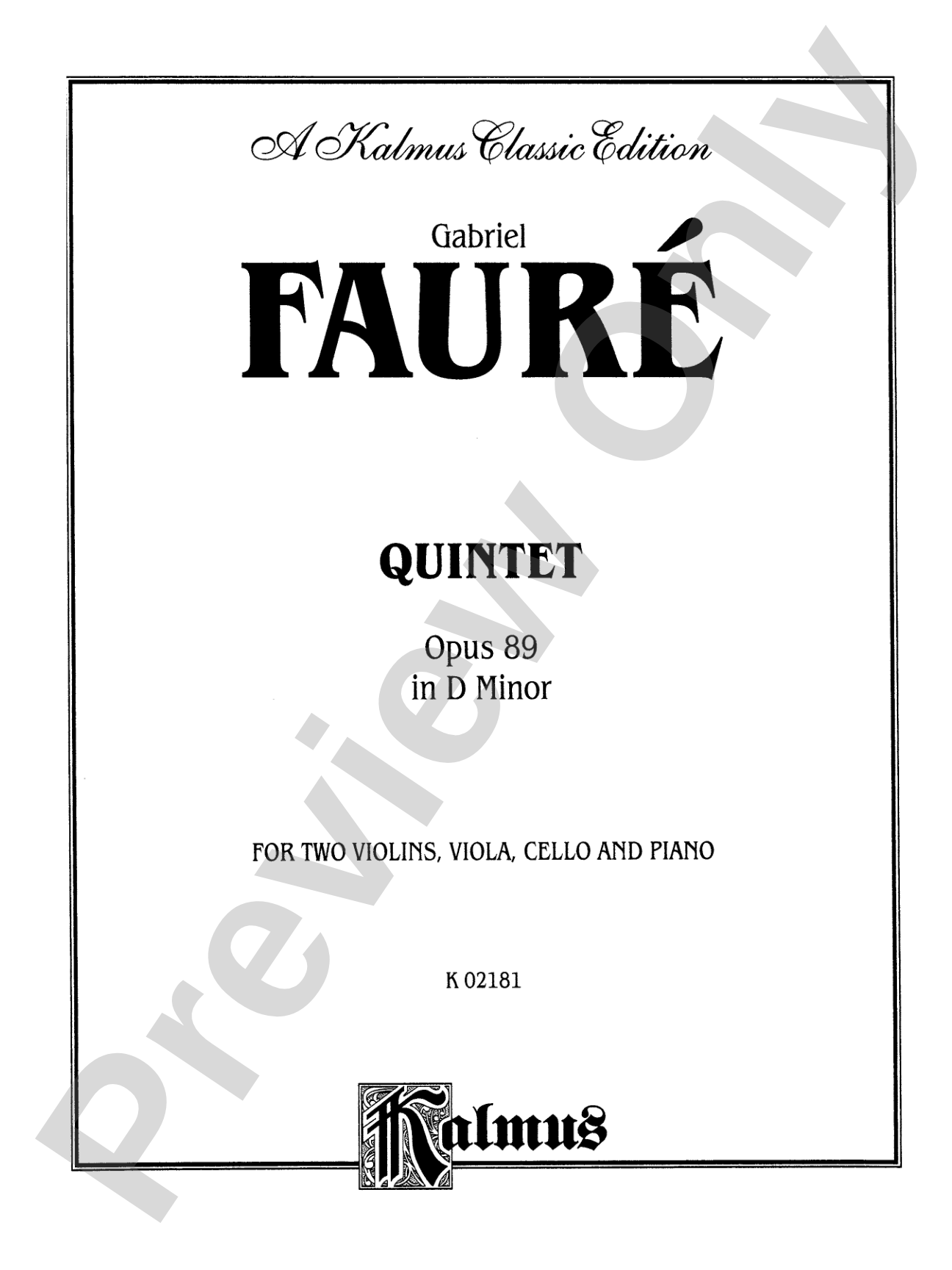

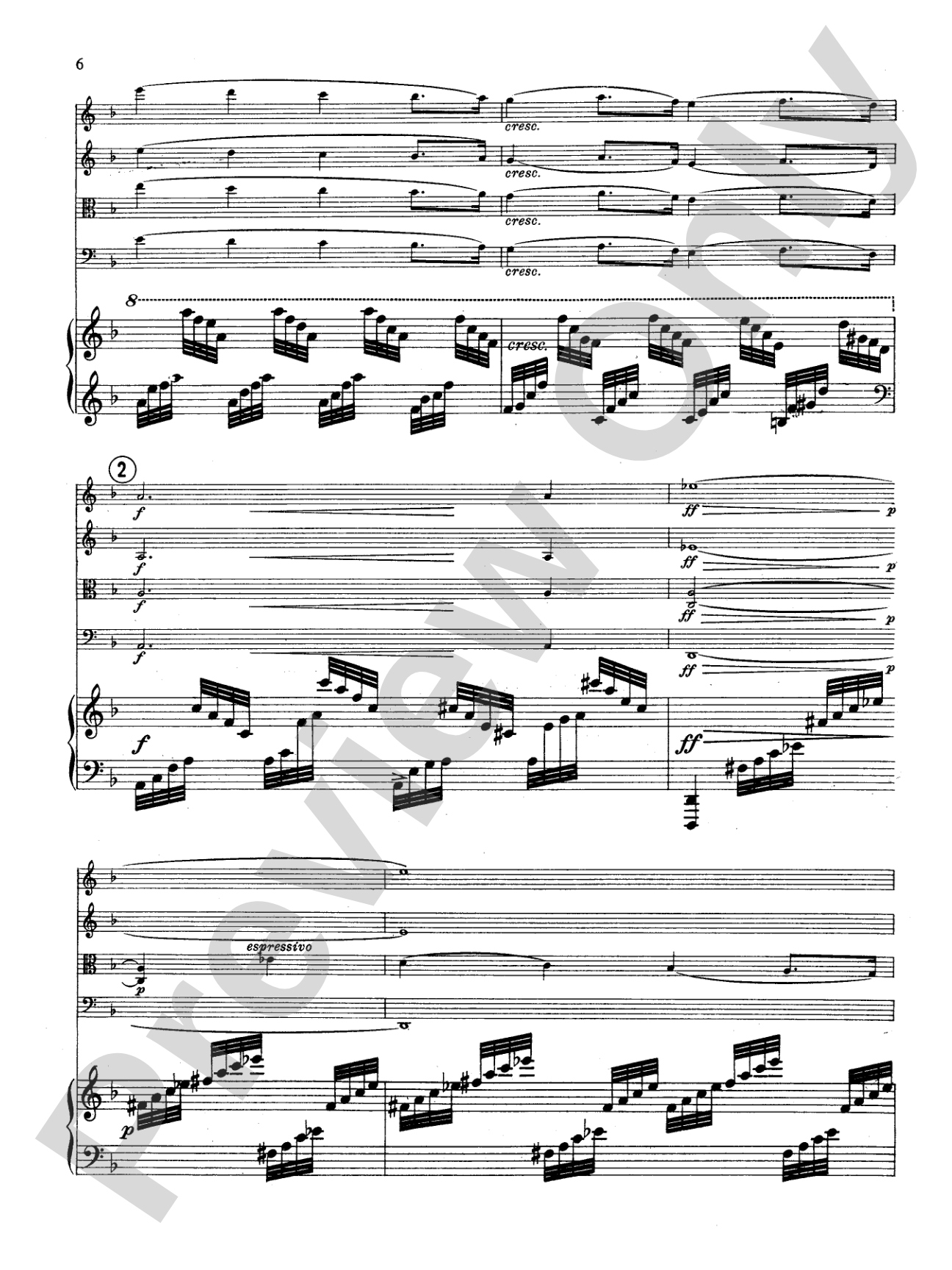
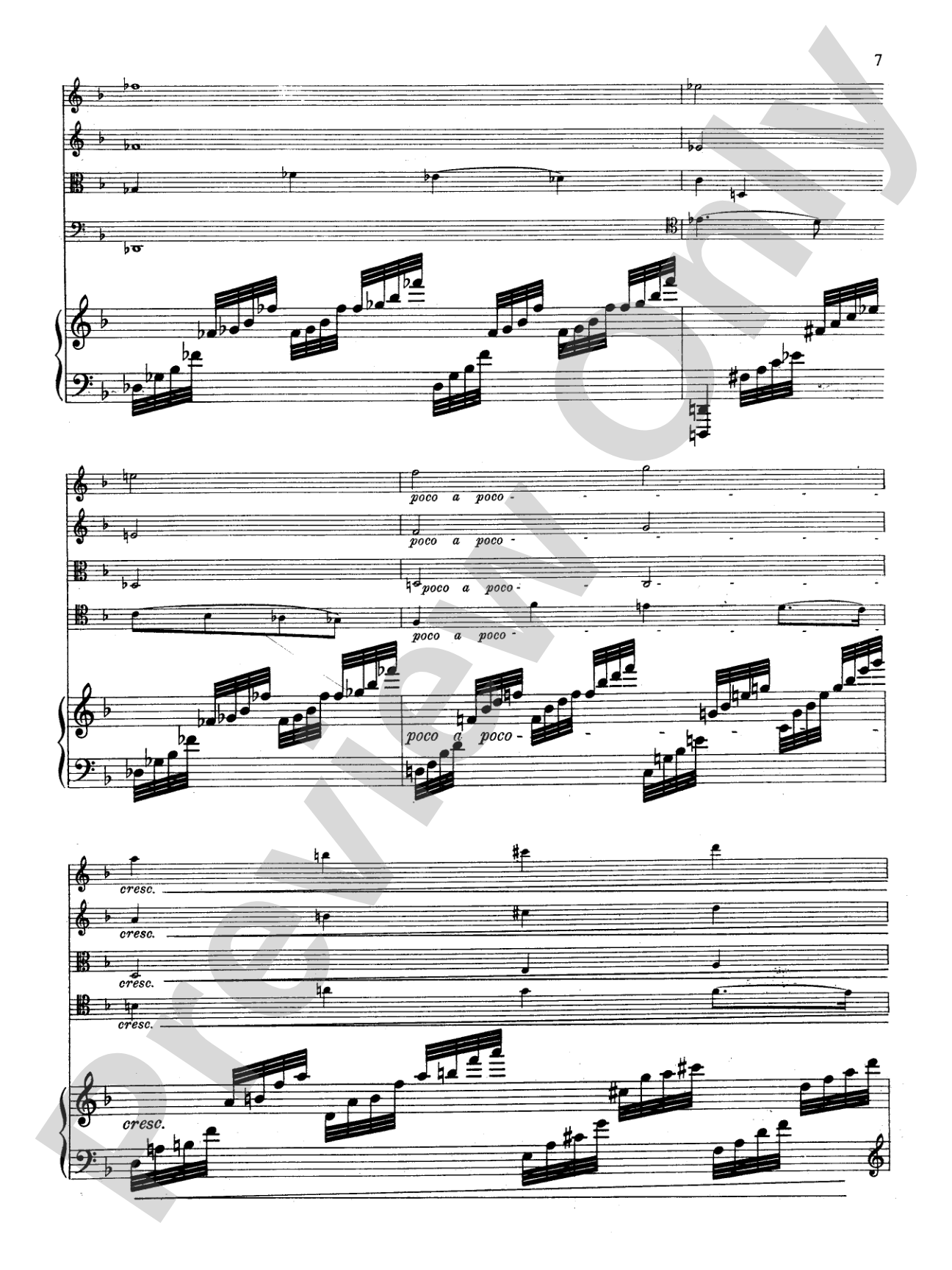
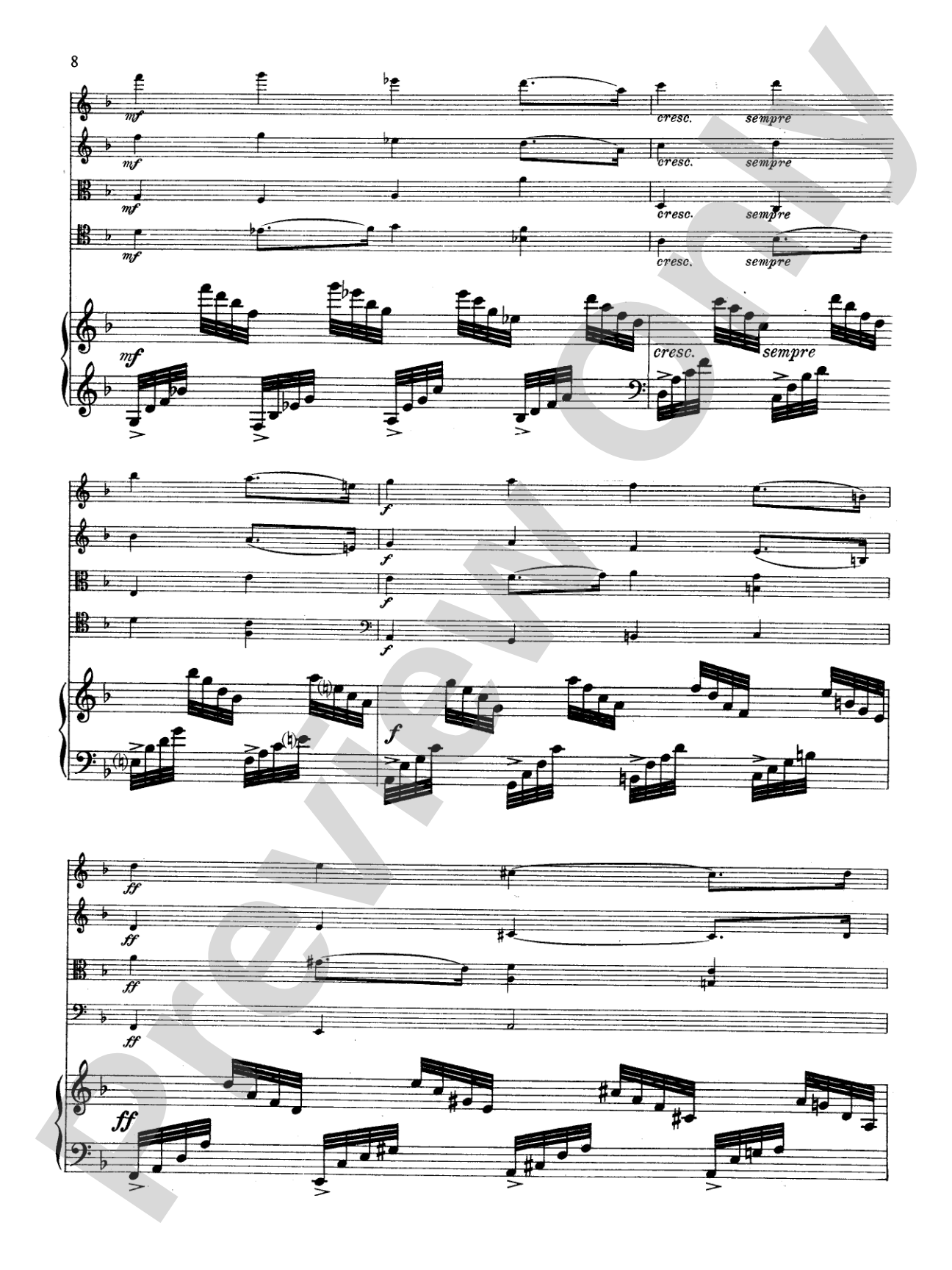
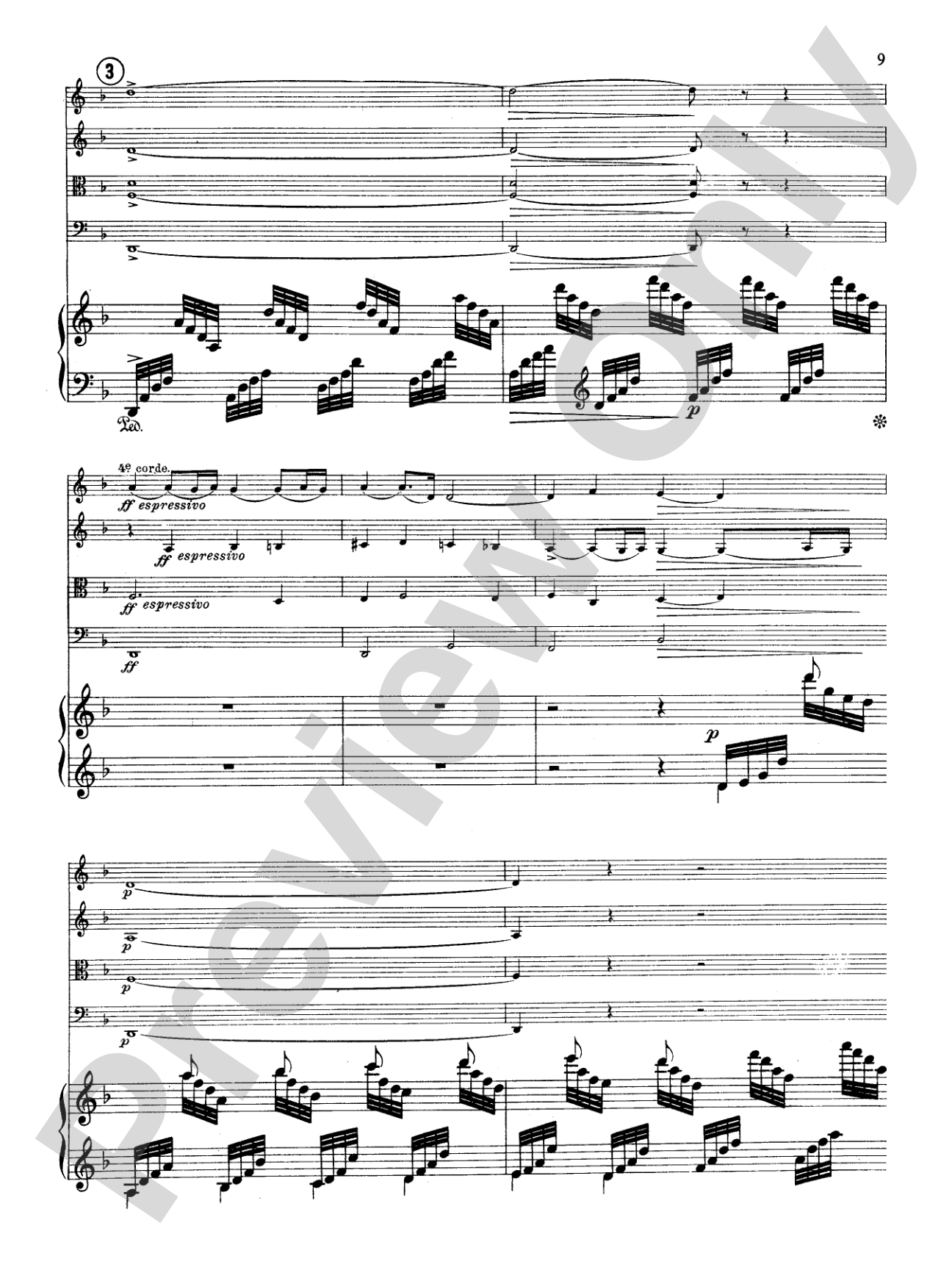
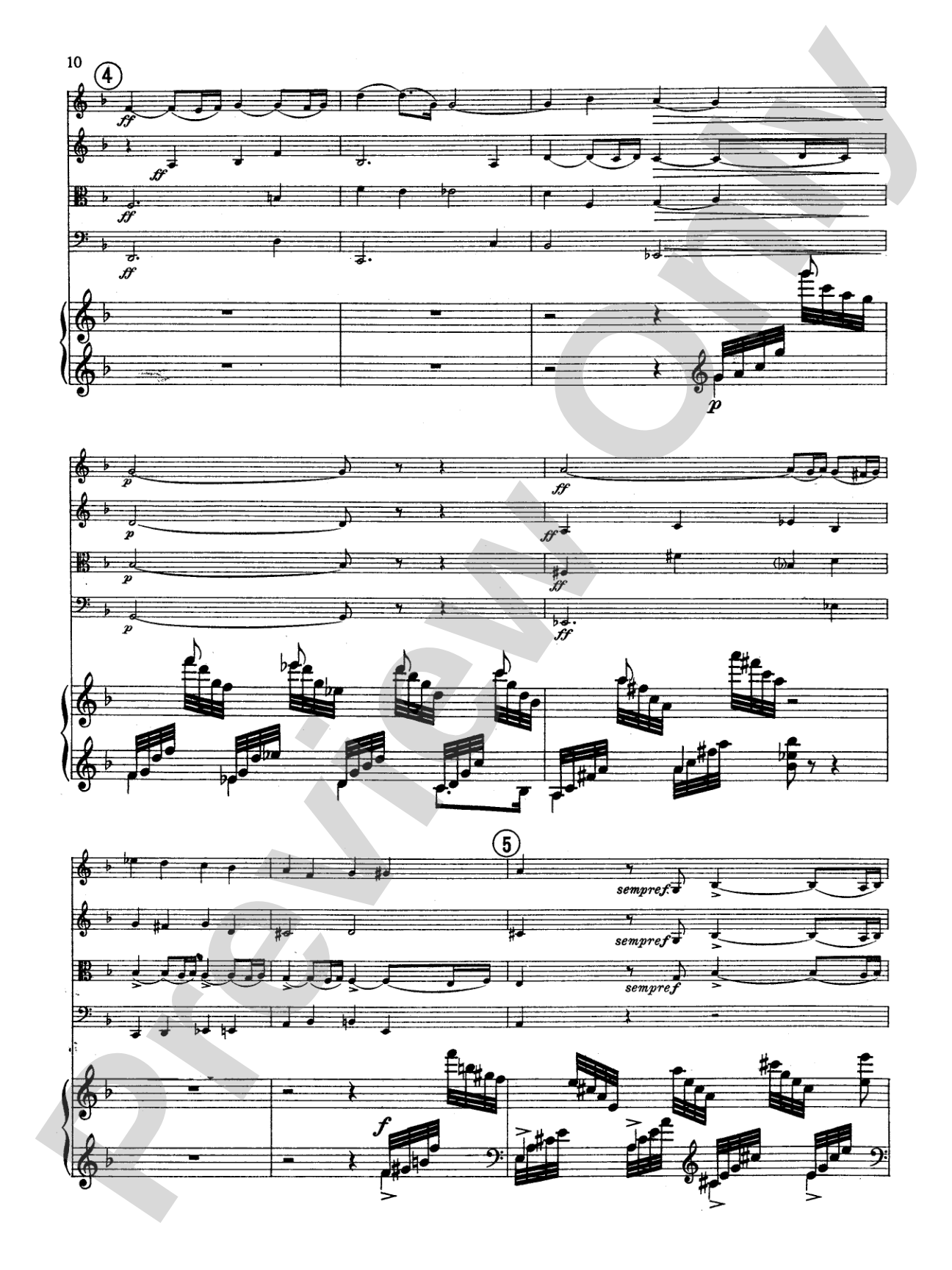
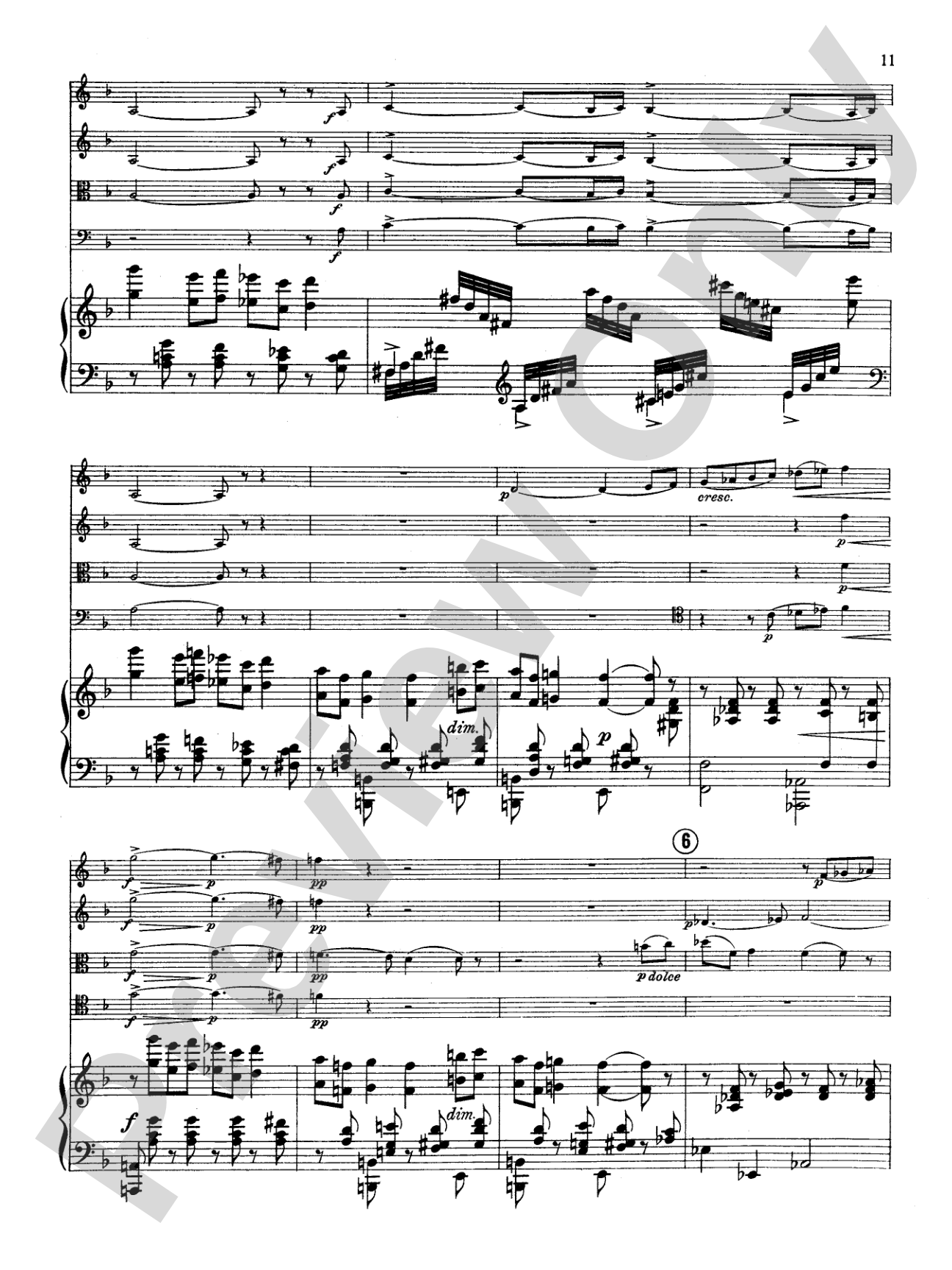
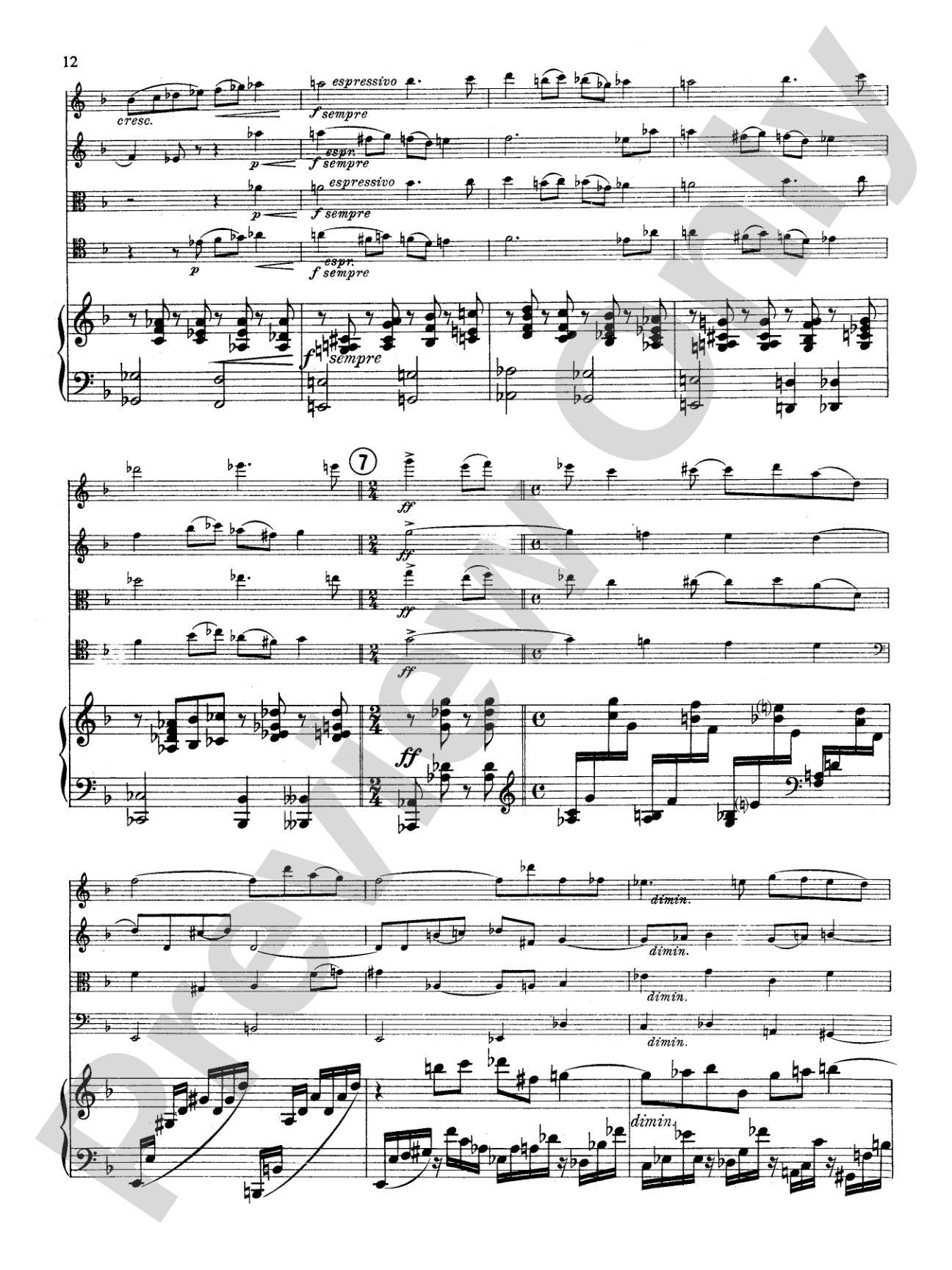
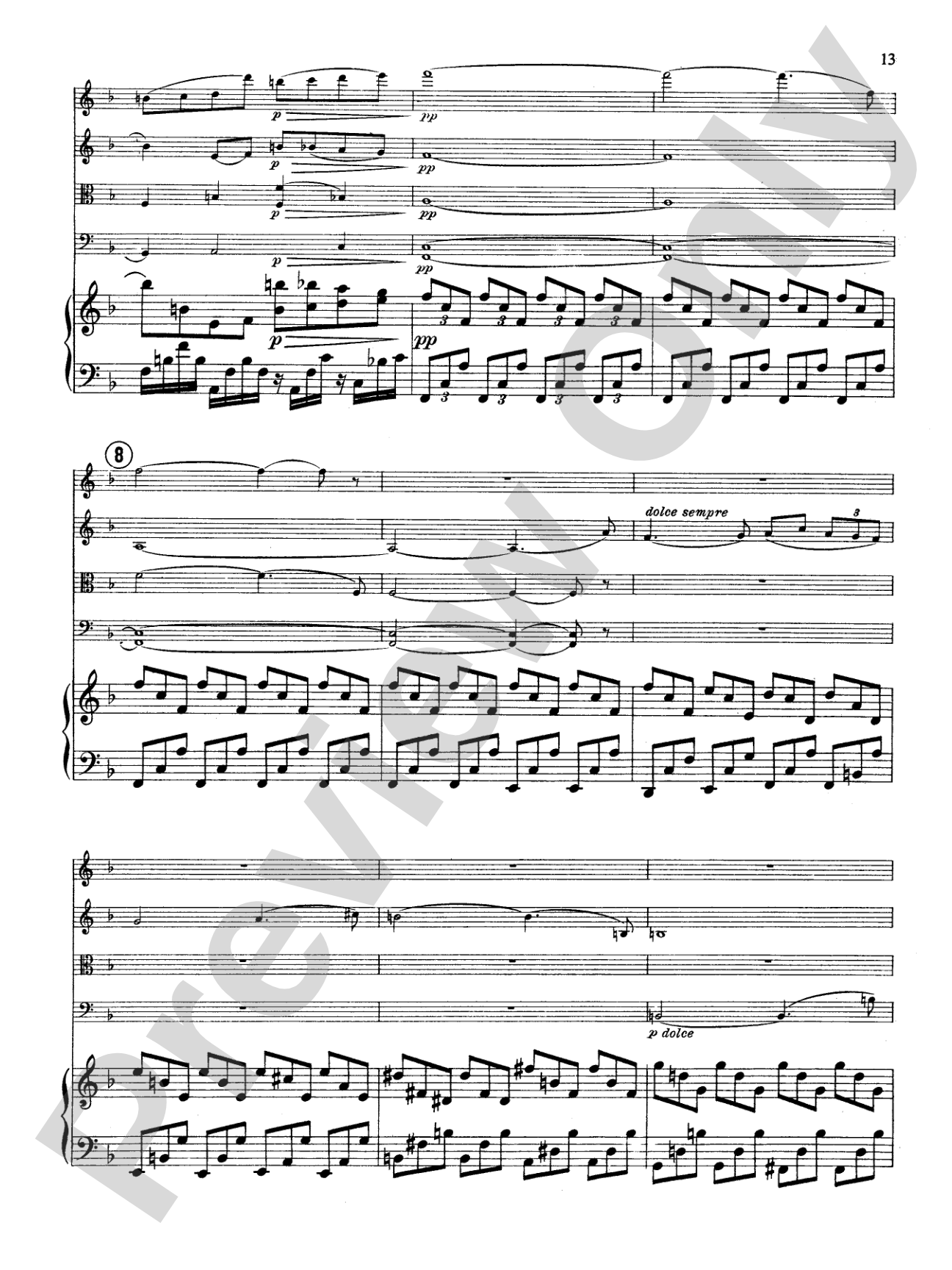
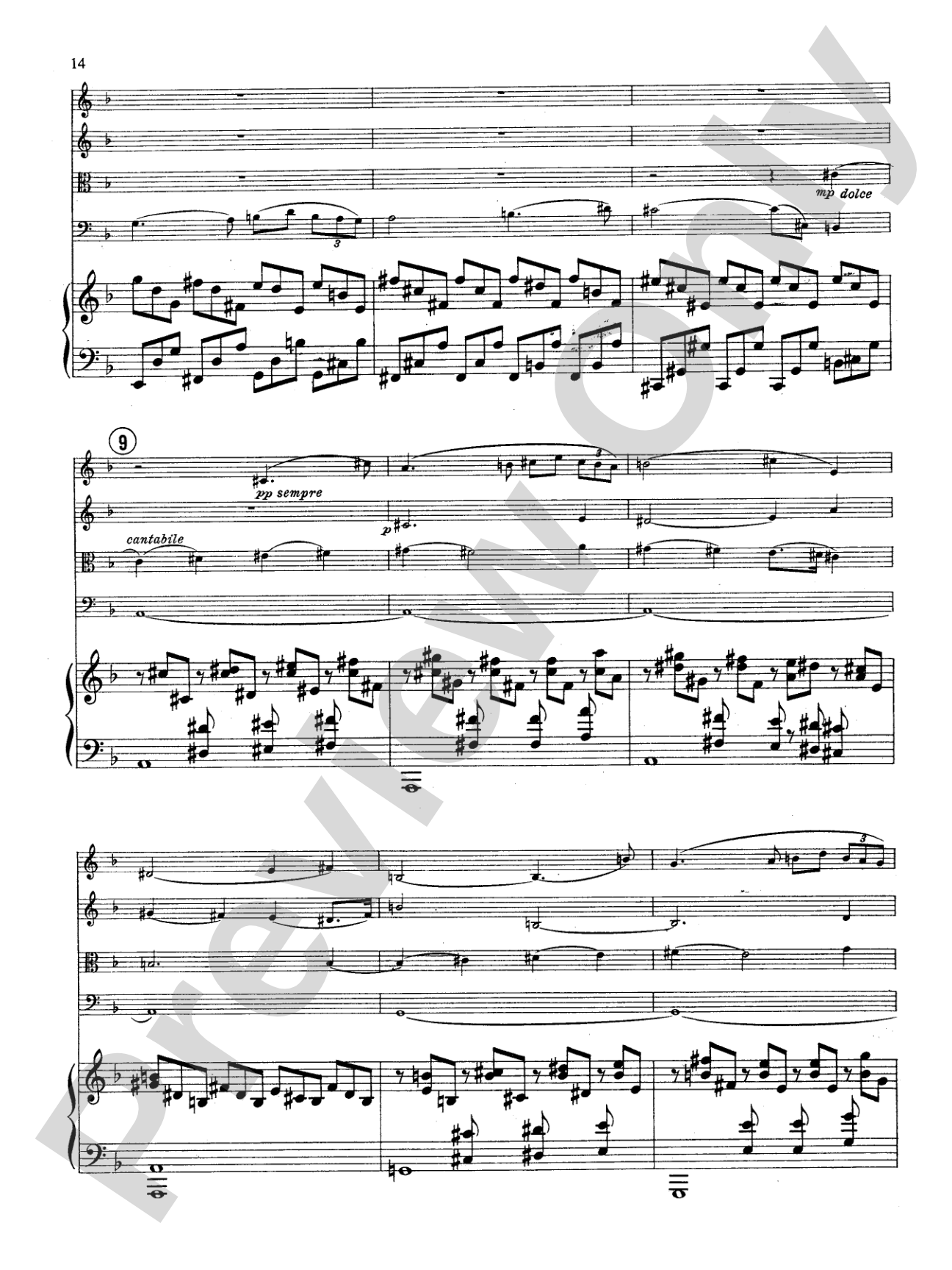
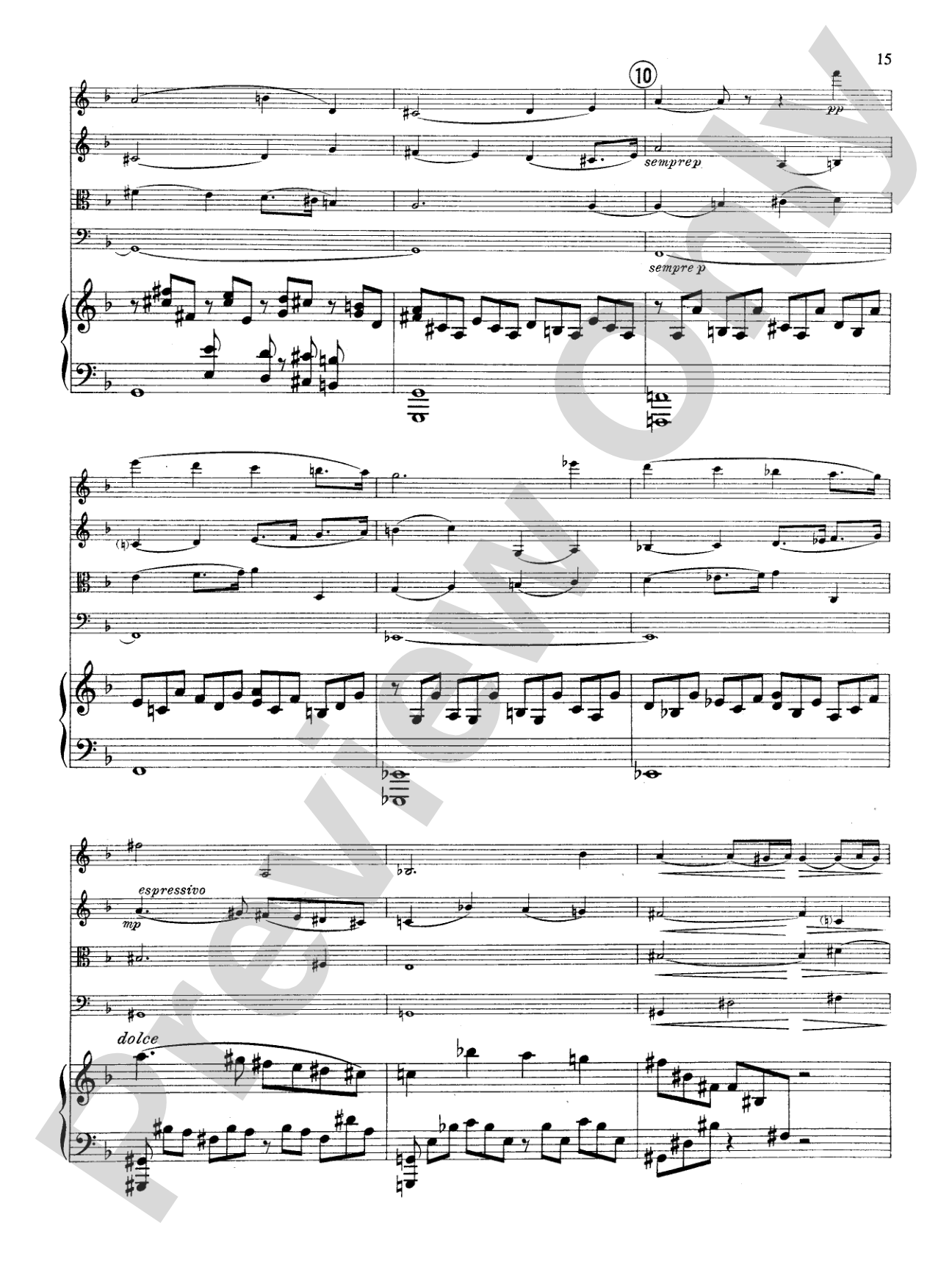

Fauré: Quintet, Op. 89 in D Minor
By Gabriel Fauré
Item: 00-PC-0003896
$18.95
Pickup currently not available
Description
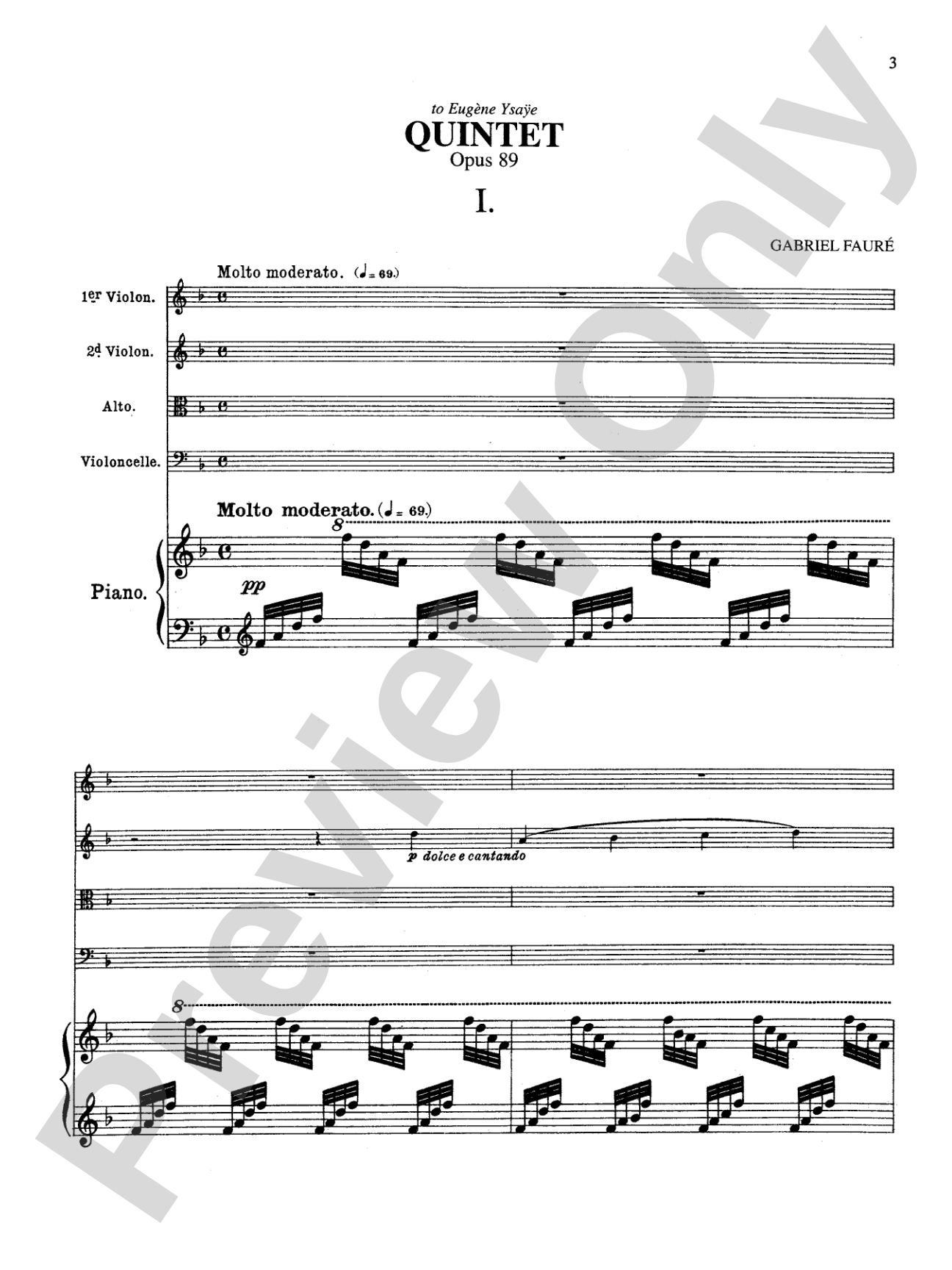
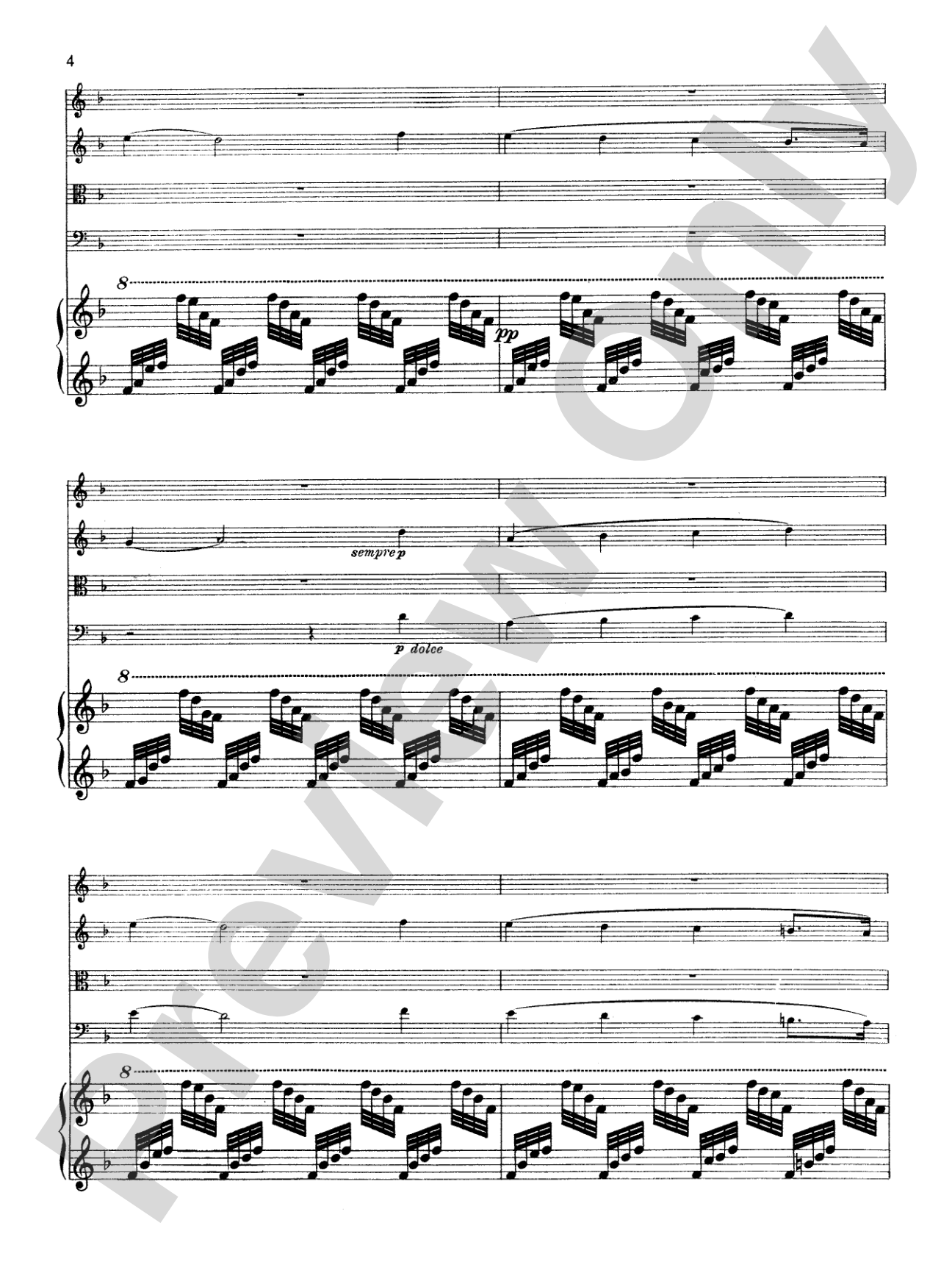
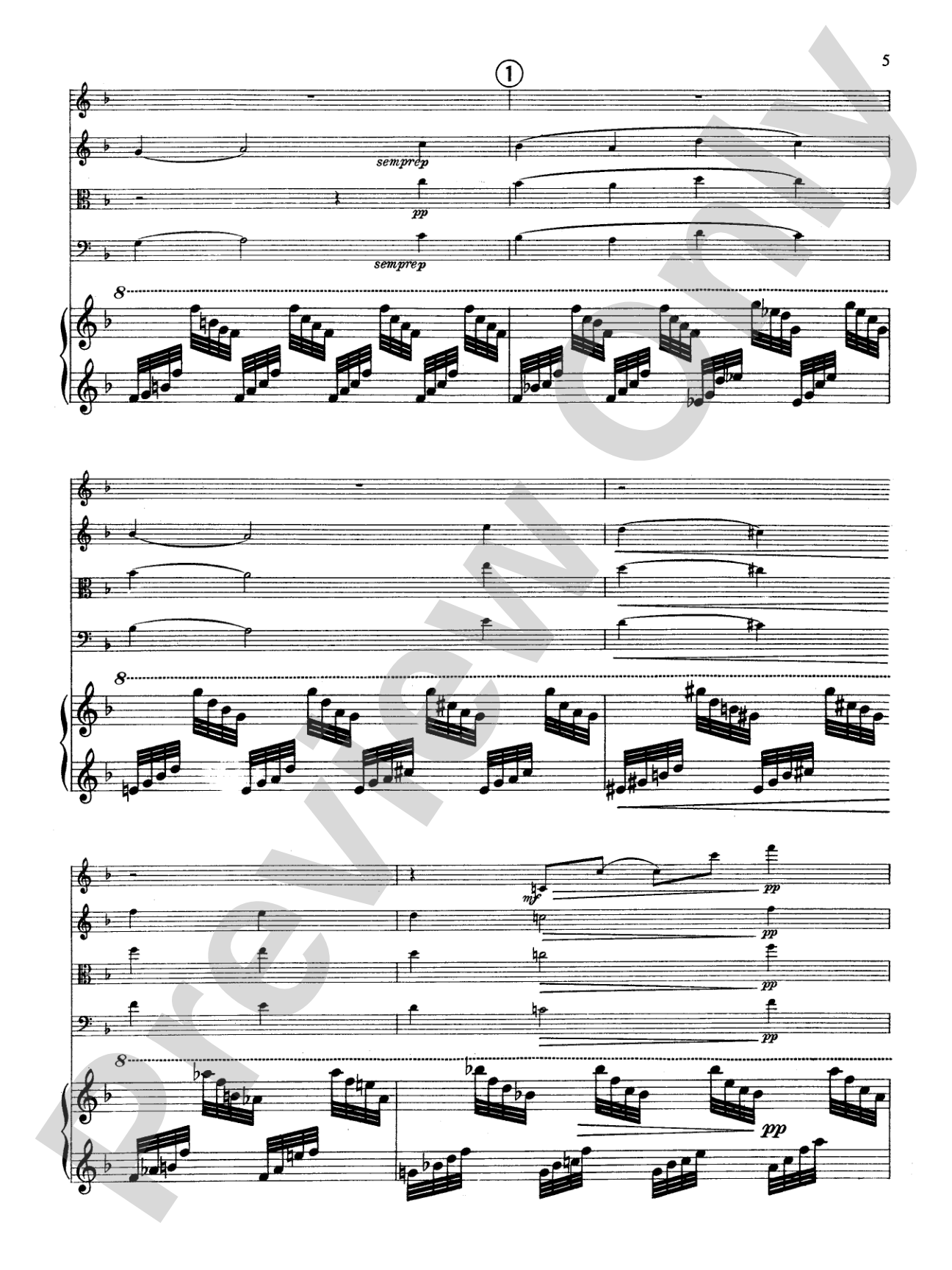
A new and cleanly printed edition of the Opus 89 piano quintet.


Don't just read it, hear it, play along with it, and watch your students grow with it. In MakeMusic Cloud, Fauré: Quintet, Op. 89 in D Minor comes alive with professional accompaniment, adjustable tempo, and built-in practice tools that turn solo practice into real progress.
Open in the Player
Jump straight in and assign it today.
Start Your Free Trial
Open this title and explore the full library in minutes.
Sample Audio
No sample audio found.
Sample Video
No sample videos found.
Additional Details
Series:
Kalmus Edition
Publisher:
Alfred Music
Page Count:
120
SKU:
00-PC-0003896
More about this title
About the Composer: Gabriel Fauré
Gabriel Fauré (1845-1924) was a French composer whose harmonic language fundamentally shaped how composers approached chromaticism and color in the late 19th and early 20th centuries. His chamber works reveal a compositional sensibility that values restraint, elegant phrasing, and emotional depth over virtuosic display. Fauré's late works, including Op. 89, demonstrate the influence of Impressionism while maintaining the structural integrity of the Romantic tradition.
Why we love this
Fauré's quintet sits at the intersection of formal classical design and harmonic innovation, giving young string players a substantial work that rewards both technical refinement and interpretive maturity. The piece offers serious chamber music without the overwhelming technical demands of some contemporary quintets, making it genuinely accessible for advanced high school and early college ensembles. Programming this work signals artistic ambition while remaining feasible for groups ready to move beyond standard contest fare.
What to expect
The work unfolds with an almost improvisatory quality, its elegant melodies and subtle harmonic shifts evoking twilight rather than dramatic darkness despite the D minor key signature. Passages of gossamer texturing alternate with moments of warm, almost golden lyricism, creating an atmosphere of refined introspection that lingers after the final resolution.
Who it's for
Advanced high school quartets with a capable pianist, college string ensembles, and chamber groups preparing for festivals and competitions seeking substantial repertoire that demonstrates both technical security and musical sophistication. This edition serves both performers building their chamber music library and teachers curating programs that span the Romantic and Impressionistic periods.
How to get the most out of it
- Attend carefully to Fauré's dynamic markings, which often work in service of phrase shape rather than dramatic contrast; subdue the forte passages slightly to maintain the work's intimate character.
- Balance the piano part as an integral voice rather than a support instrument; the quintet asks for genuine five-part dialogue, particularly in the development sections.
- Shape long lines through strategic use of vibrato depth and bow weight; Fauré's extended phrases demand consistent forward motion rather than sudden shifts in color.
- Mark the measure numbers in your parts clearly and establish visual cues with your collaborators for the less obvious structural sections, especially where key relationships may obscure formal boundaries.
How to use it
This quintet works exceptionally well as the centerpiece of a concert featuring late-Romantic chamber works, or paired with earlier Fauré compositions to trace his stylistic evolution. Its length and sophistication make it suitable as a festival entry or recital highlight for advanced ensembles, and its relatively manageable key and ensemble size allow directors to program it alongside larger works without overwhelming rehearsal resources.
Skills your students will build
- Balancing five independent voices in sustained dialogue
- Interpreting chromatic harmony and subtle harmonic coloration
- Executing long-lined phrases with consistent forward momentum
- Ensemble intonation in complex harmonic contexts
- Reading and navigating formal structures that blend Classical procedures with Impressionistic color