
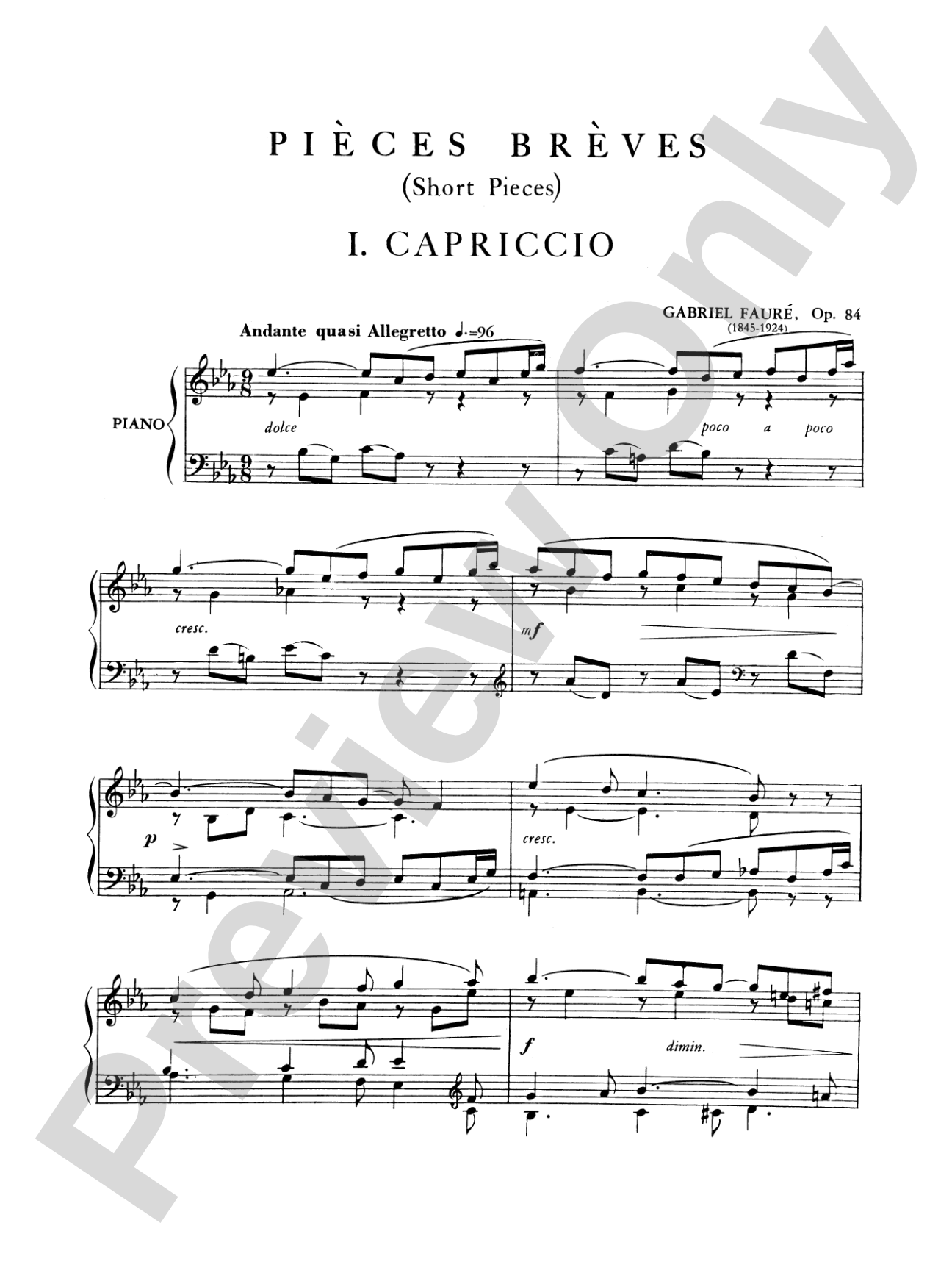
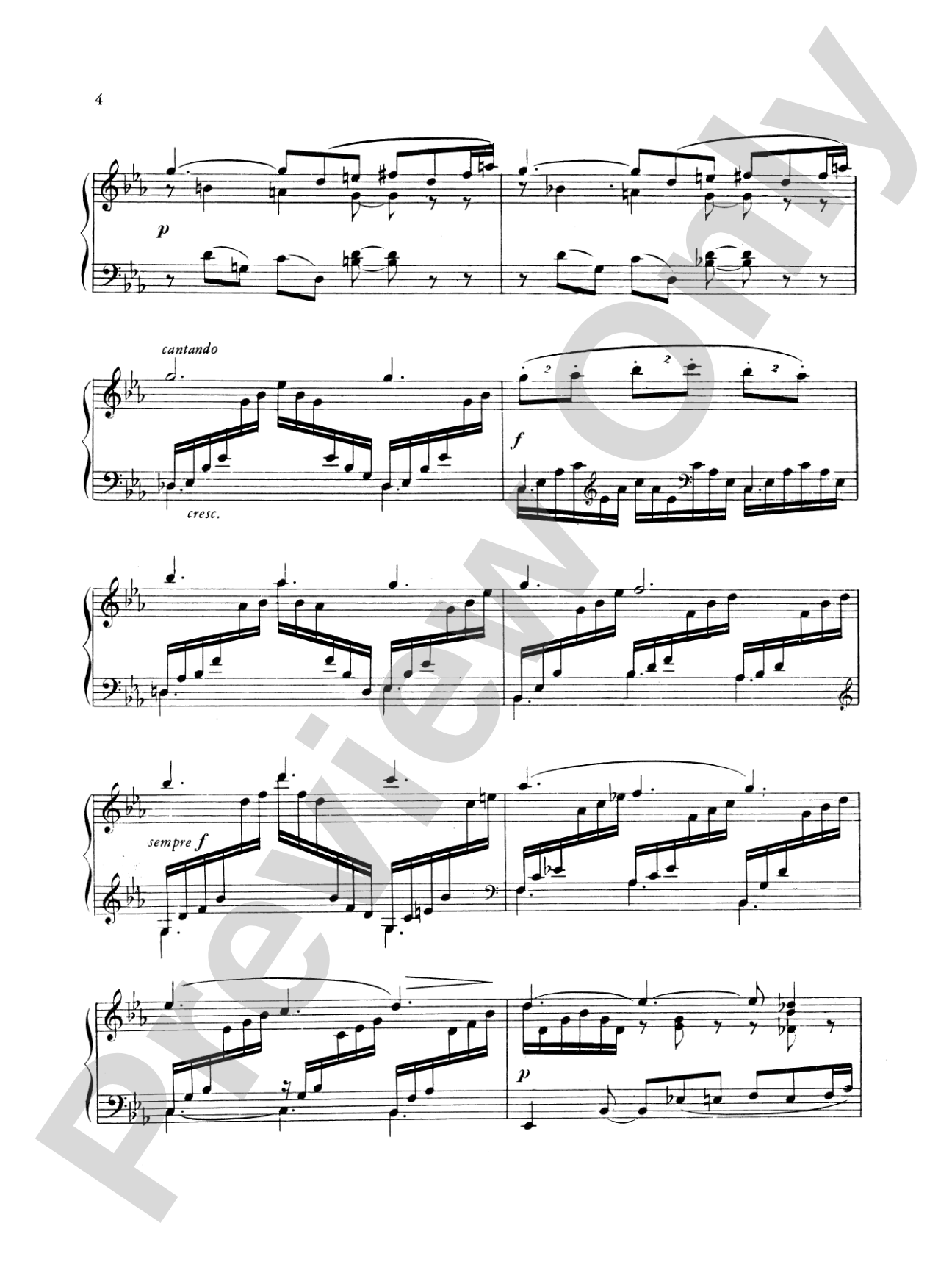
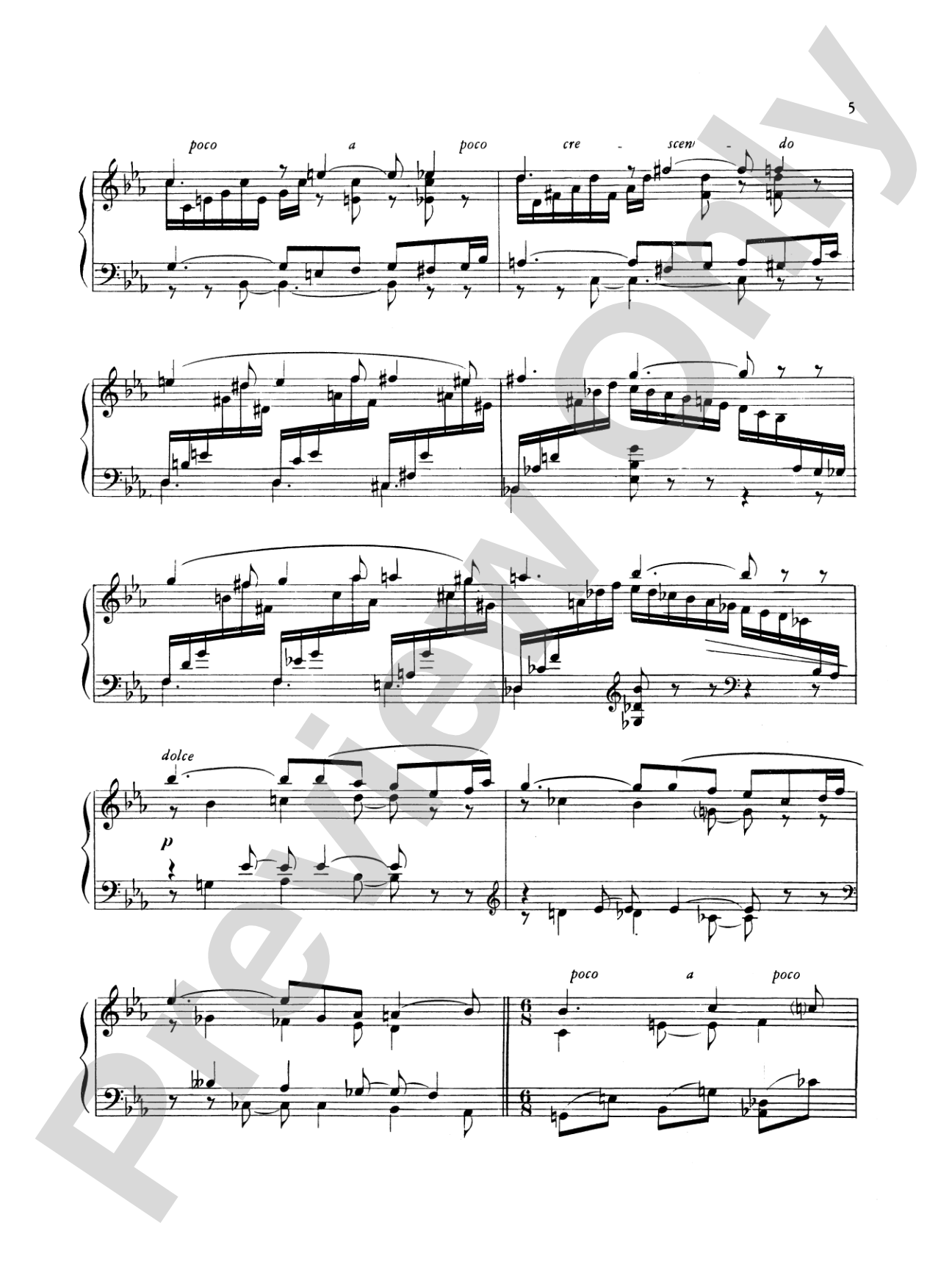
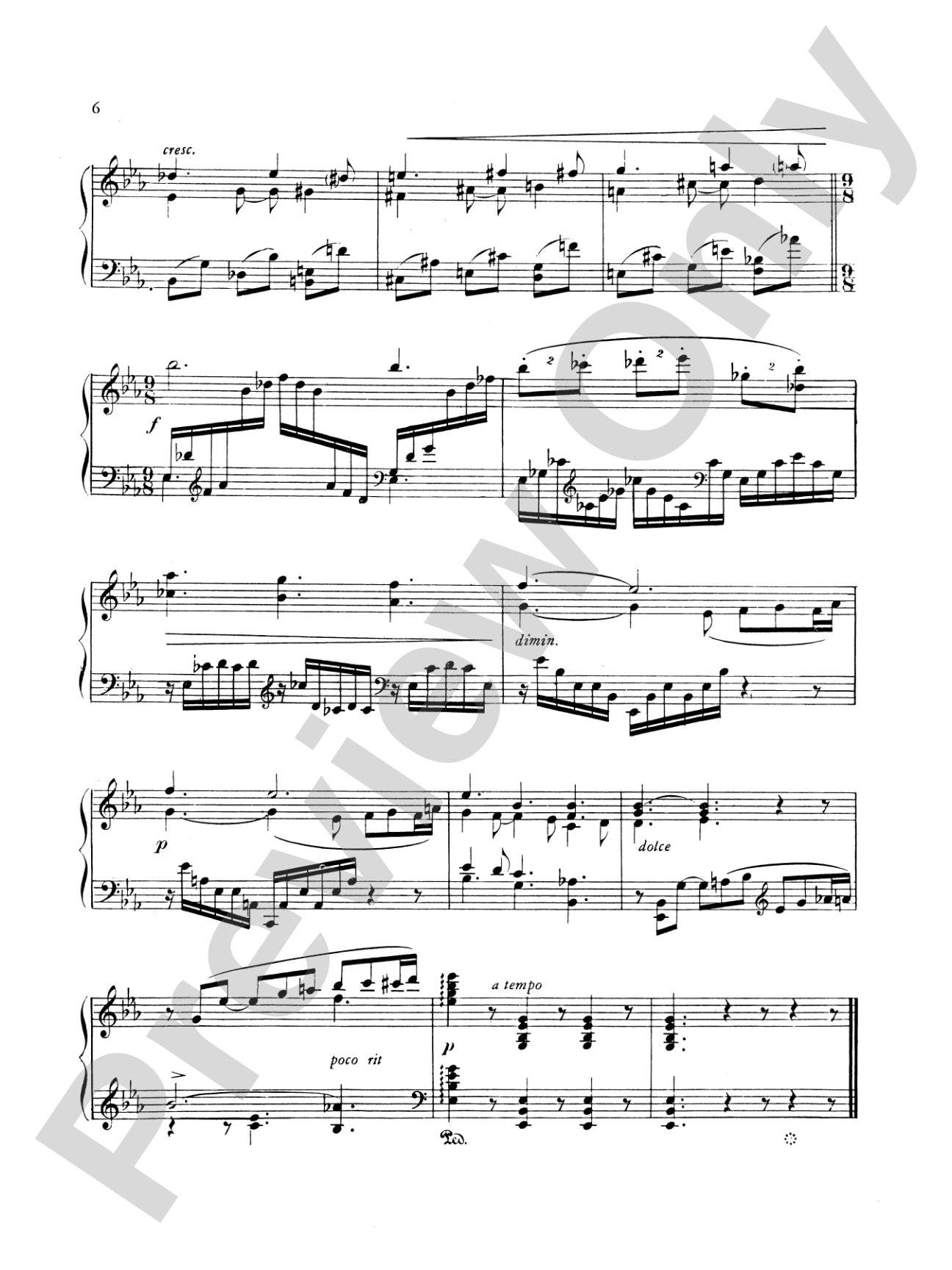

Fauré: Pièces Brèves, Op. 84: Piano
By Gabriel Fauré
Item: 00-PK-0003088

$7.99
Pickup currently not available
Buy Extra Parts (Digital PDF Download)
| Product | Price | Quantity |
|---|---|---|
| Fauré: Pièces Brèves, Op. 84 | $0.99 | |
| Fauré: Pièces Brèves, Op. 84 | $0.99 | |
| Fauré: Pièces Brèves, Op. 84 | $0.99 | |
| Fauré: Pièces Brèves, Op. 84 | $0.99 | |
| Fauré: Pièces Brèves, Op. 84 | $0.99 | |
| Fauré: Pièces Brèves, Op. 84 | $0.99 | |
| Fauré: Pièces Brèves, Op. 84 | $0.99 | |
| Fauré: Pièces Brèves, Op. 84 | $0.99 |
Parts Added to Cart!
Related Items
Pieces Breves, Opus 84: Piano |
$7.95
|
View |
Description
Expertly arranged piano solo from our Kalmus Edition.


Don't just read it, hear it, play along with it, and watch your students grow with it. In MakeMusic Cloud, Fauré: Pièces Brèves, Op. 84: Piano comes alive with professional accompaniment, adjustable tempo, and built-in practice tools that turn solo practice into real progress.
Open in the Player
Jump straight in and assign it today.
Start Your Free Trial
Open this title and explore the full library in minutes.
Sample Audio
No sample audio found.
Sample Video
No sample videos found.
Additional Details
Series:
Kalmus Edition
Publisher:
Alfred Music
Page Count:
32
SKU:
00-PK-0003088
More about this title
About the Composer: Gabriel Fauré
Gabriel Fauré (1845, 1924) shaped French music through a composing career that spanned from Romanticism into the twentieth century. His gift was for intimate expression: he wrote with restraint and elegance, favoring harmonic subtlety over grand gestures. As director of the Paris Conservatoire late in life, he influenced generations of composers while continuing to write chamber music and piano works that remain central to the recital repertoire.
Why we love this
These brief pieces showcase Fauré's mature voice: emotionally direct yet harmonically complex, they sit comfortably under the hands while demanding genuine musicality. A pianist at this level gains access to fin-de-siècle French sound without the virtuosic demands of showier Romantic fare, making these works ideal for recitals, competitions, or simply deepening interpretive skill.
What to expect
Intimate and introspective, these pieces evoke quiet reflection rather than display. The musical language floats between Romantic warmth and impressionistic delicacy, with moments of wistfulness and gentle resignation woven throughout. You're invited into a private conversation rather than asked to perform for a room.
Who it's for
Pianists with solid intermediate to early advanced technique who are ready to move beyond note-perfect playing and into interpretive choices. These pieces suit students preparing for music theory or applied piano exams, as well as adult pianists seeking substantial yet accessible repertoire that deepens with repeated study.
How to get the most out of it
- Resist the urge to rush. Fauré's brevity demands patience; silence and space between phrases matter as much as the notes themselves.
- Listen for the harmonic color shifts. These pieces explore dissonance and unexpected chords gently; let the ear adjust to each new sonority rather than forcing continuity.
- Shape the melody with a singing tone that sits above the accompaniment. Think of the piano as accompanying a vocalist, even when playing alone.
- Lean into the pedal thoughtfully. The sustain pedal blurs harmonies in service of atmosphere; change it often enough to maintain clarity without losing shimmer.
How to use it
Program one or two of these pieces as part of a recital devoted to French piano music, or place them alongside Debussy or Ravel to show stylistic kinship and contrast. They work equally well in academic recitals for upper-level students and in chamber settings where a pianist accompanies string or wind players later in the program.
Skills your students will build
- Harmonic analysis and recognition of chromatic voice leading
- Pedal technique and control of sustain for impressionistic sonority
- Interpretive independence and shaping of melody without obvious phrasing
- Reading and executing dynamic subtlety across registers
- Understanding of French Romantic and early modern harmonic language