Fauré: La Chanson D'Eve (French) Sheet Music Preview

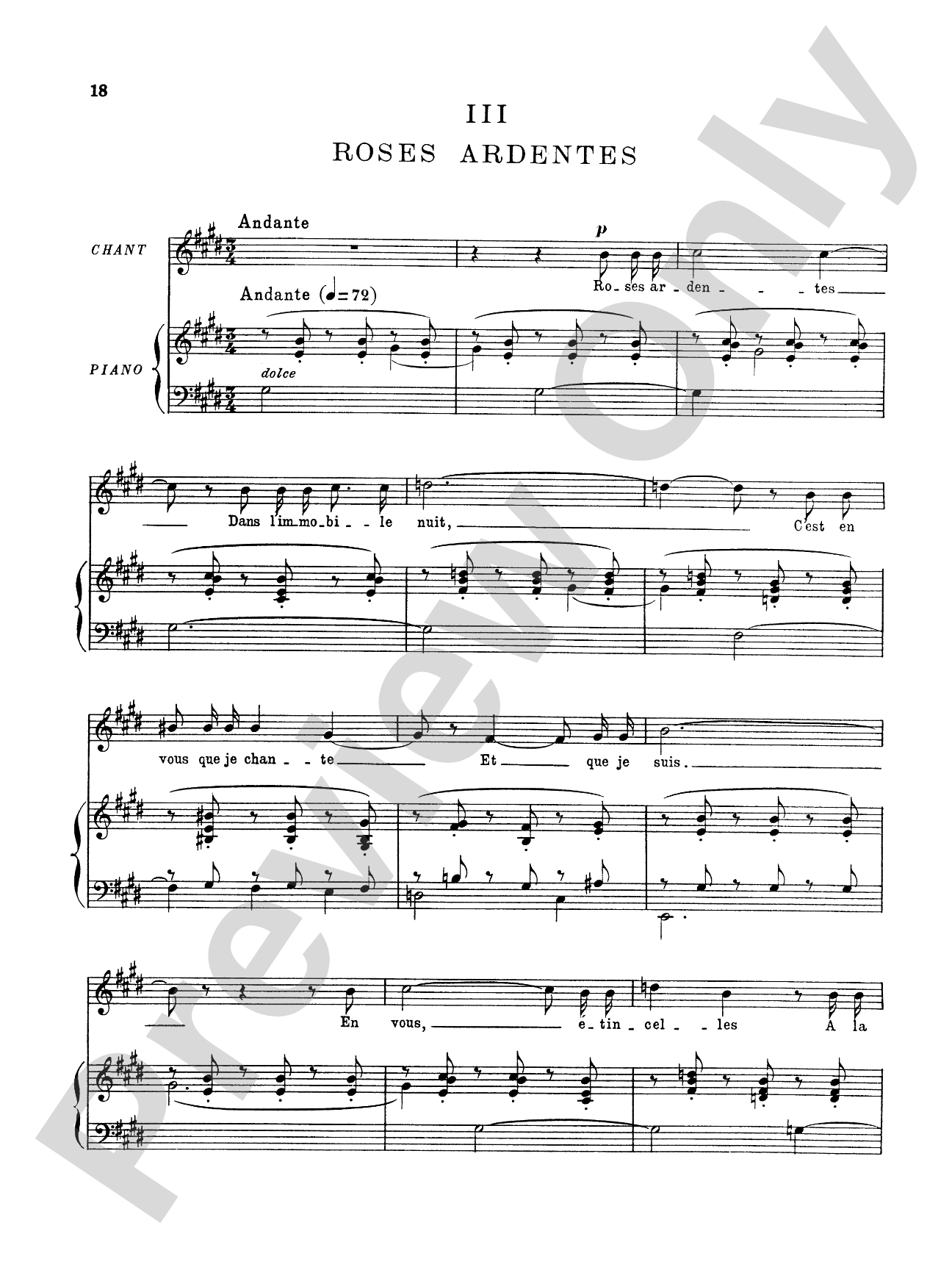
Fauré: La Chanson D'Eve (French)

By Gabriel Fauré

Item: 00-PC-0013487

Digital Download
$0.99
Description
Expertly arranged Vocal Collection by Gabriel Fauré from the Kalmus Edition series. This is from the Impressionistic and Romantic eras.

Don't just read it, hear it, play along with it, and watch your students grow with it. In MakeMusic Cloud, Fauré: La Chanson D'Eve (French) comes alive with professional accompaniment, adjustable tempo, and built-in practice tools that turn solo practice into real progress.

Sample Audio
No sample audio found.
Sample Video
Additional Details
Series: Kalmus Edition
Publisher: Alfred Music
Page Count: 48
SKU: 00-PC-0013487

More about this title

About the Composer: Gabriel Fauré

Gabriel Fauré (1845-1924) stands as one of France's most refined composers, a master of vocal writing who shaped the art song tradition across two decades. His songs combine harmonic subtlety with profound text sensitivity, making him essential study for singers working in the European art song repertoire. Fauré held the position of director at the Paris Conservatoire and composed chamber music, orchestral works, and an opera, but his legacy in music education rests most firmly on his extraordinary song cycle and collection output.

La Chanson d'Ève, composed between 1906 and 1910, represents Fauré at his most poetic and harmonically sophisticated. Set to poems by Charles Van Lerberghe, this cycle of ten songs explores themes of love, nature, and spiritual awakening with musical language that balances accessibility with genuine artistic depth. These songs remain core repertoire in advanced vocal training and professional recital programming.

Why we love this

La Chanson d'Ève offers something uncommon in vocal collections: songs that sound effortless but demand real artistry from the singer. The harmonic language is sophisticated without becoming opaque, and each poem pairs perfectly with its musical setting. For advanced students and recitalists, this collection bridges the gap between established art song standards and music that still reveals new interpretive possibilities with each performance.

What to expect

La Chanson d'Ève unfolds like a series of intimate conversations, each song exploring a different emotional landscape within a unified artistic vision. The harmonic language shimmers with impressionistic color while remaining grounded in lyrical melody; there's both dreamlike atmosphere and profound emotional clarity. Singing these songs feels like finding words for feelings that seem just beyond everyday language.

Who it's for

Advanced singers preparing recital repertoire, upper-level voice students developing art song interpretation, and professional vocalists expanding their French song cycle collection. This collection suits mature voices with solid technique and interpretive experience; the musical and textual demands require singers who can balance technical control with expressive nuance.

How to get the most out of it

  • Pay attention to the piano part as an equal partner rather than mere accompaniment; Fauré's harmonic interest often sits in the keyboard writing, and its independence shapes the overall color.
  • Shape phrases through subtle dynamic inflection rather than obvious swells; the impressionistic language here rewards restraint and transparency.
  • Approach French diction carefully, especially in sustained vowels; the vocal line often asks for elongated tones that can muddy text clarity without focused articulation.
  • Let silence breathe between songs if performing the cycle in part or whole; these pieces benefit from space and reflection rather than rushed transitions.

How to use it

Program selections from this cycle alongside other Fauré songs or French art songs for a thematic recital exploring Impressionist vocal writing. Individual songs work well as contrasting pieces in mixed recitals, though performing three to five in sequence creates a more powerful arc. This collection also serves advanced students as core study material for understanding French compositional approach to text and harmonic color.

Skills your students will build

  • Interpretation of impressionistic harmonic language and color
  • Sustaining lyrical legit singing through extended vocal lines
  • French diction with proper vowel placement in sustained passages
  • Collaboration with pianist as interpretive partner rather than accompanist
  • Understanding of compositional text-setting in early 20th century French vocal music

You May Also Like