
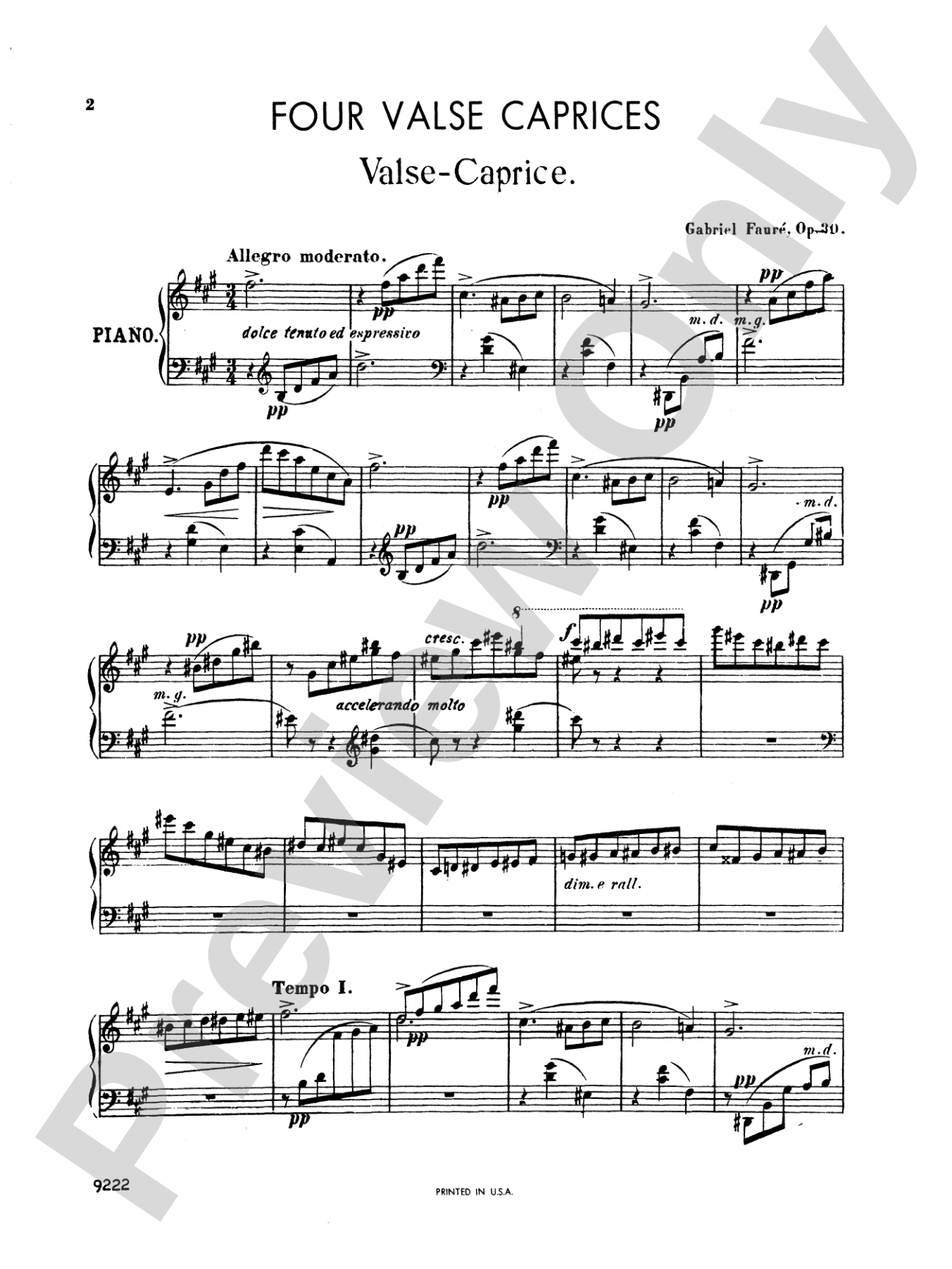
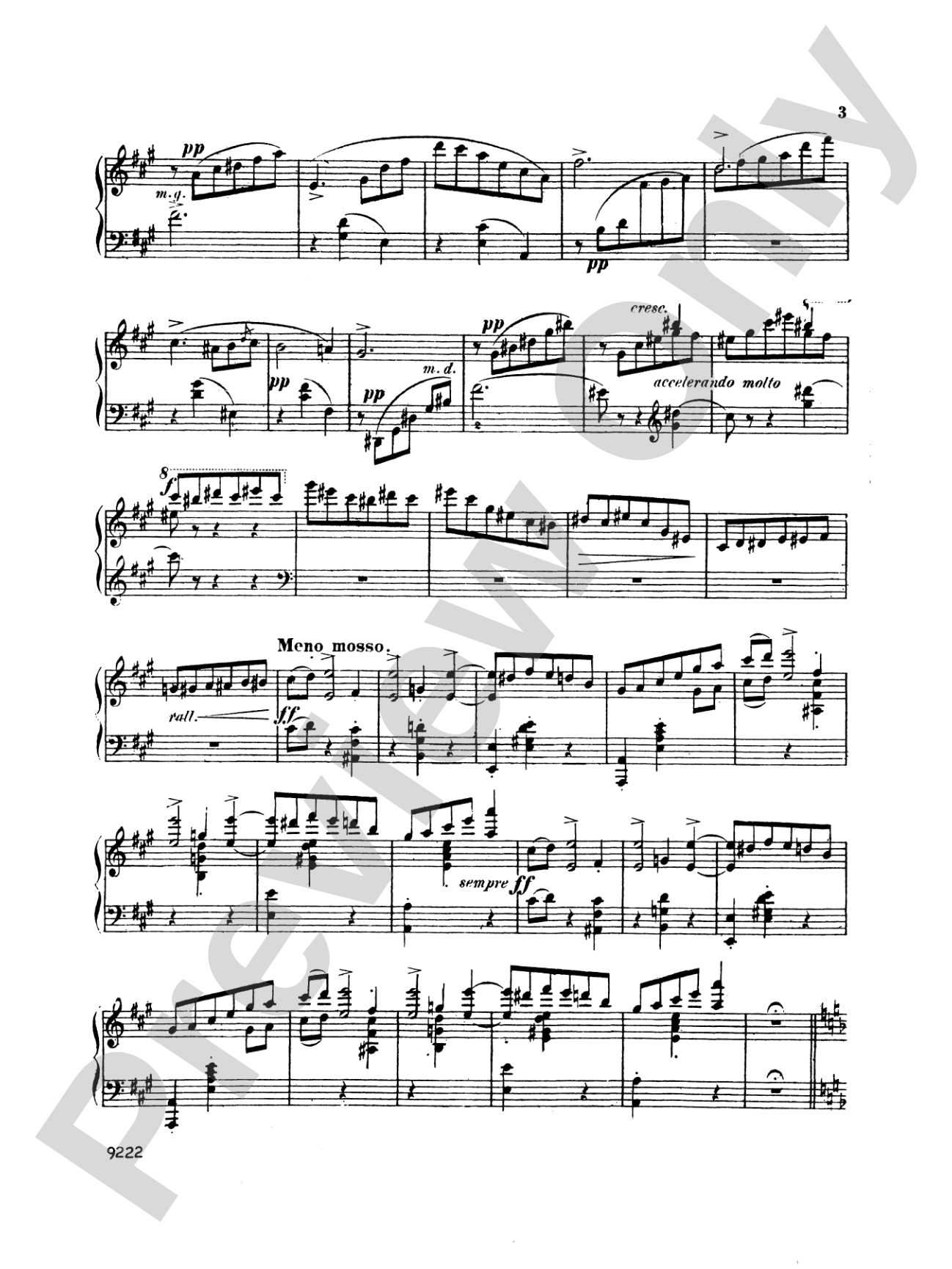
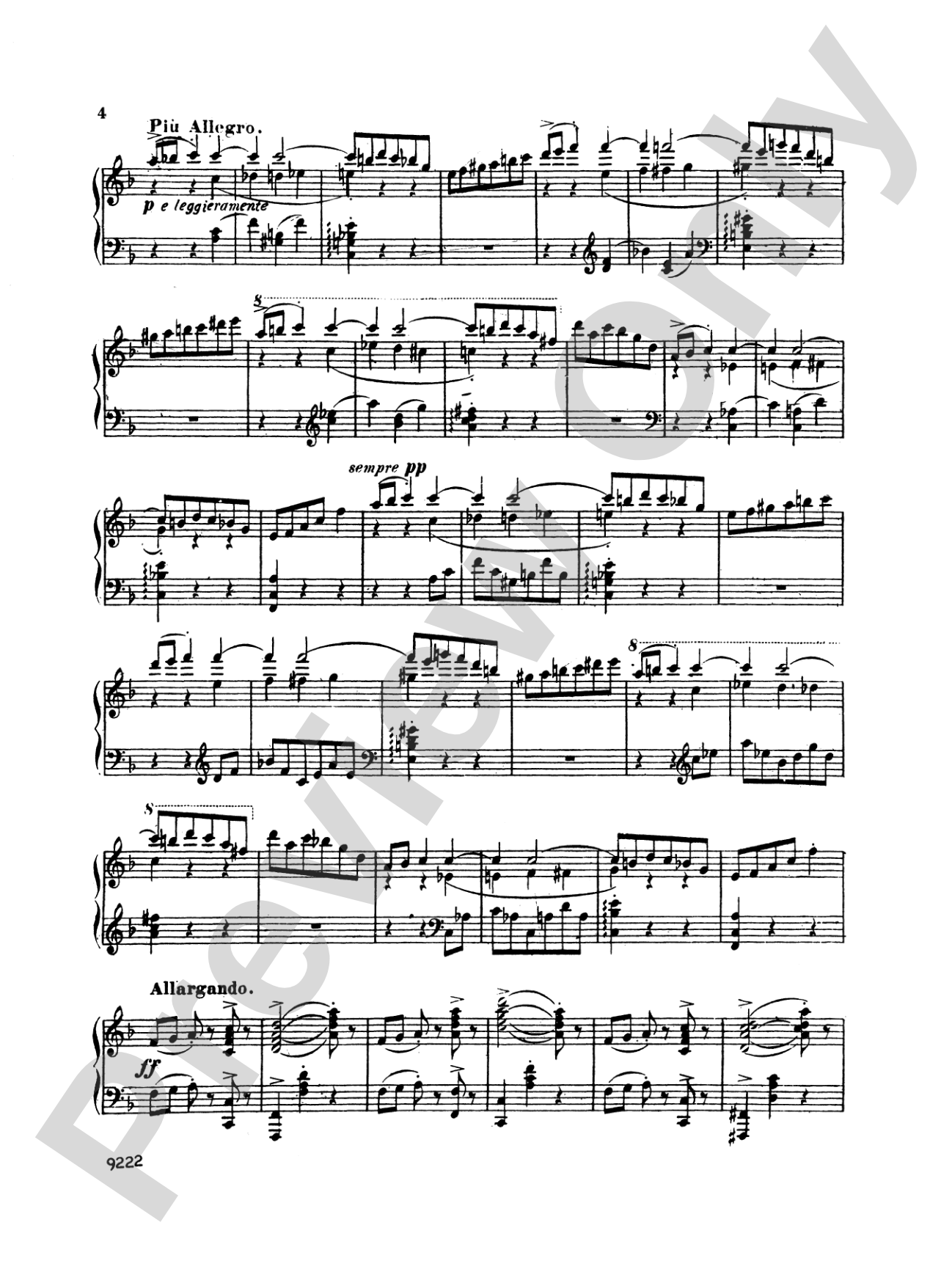
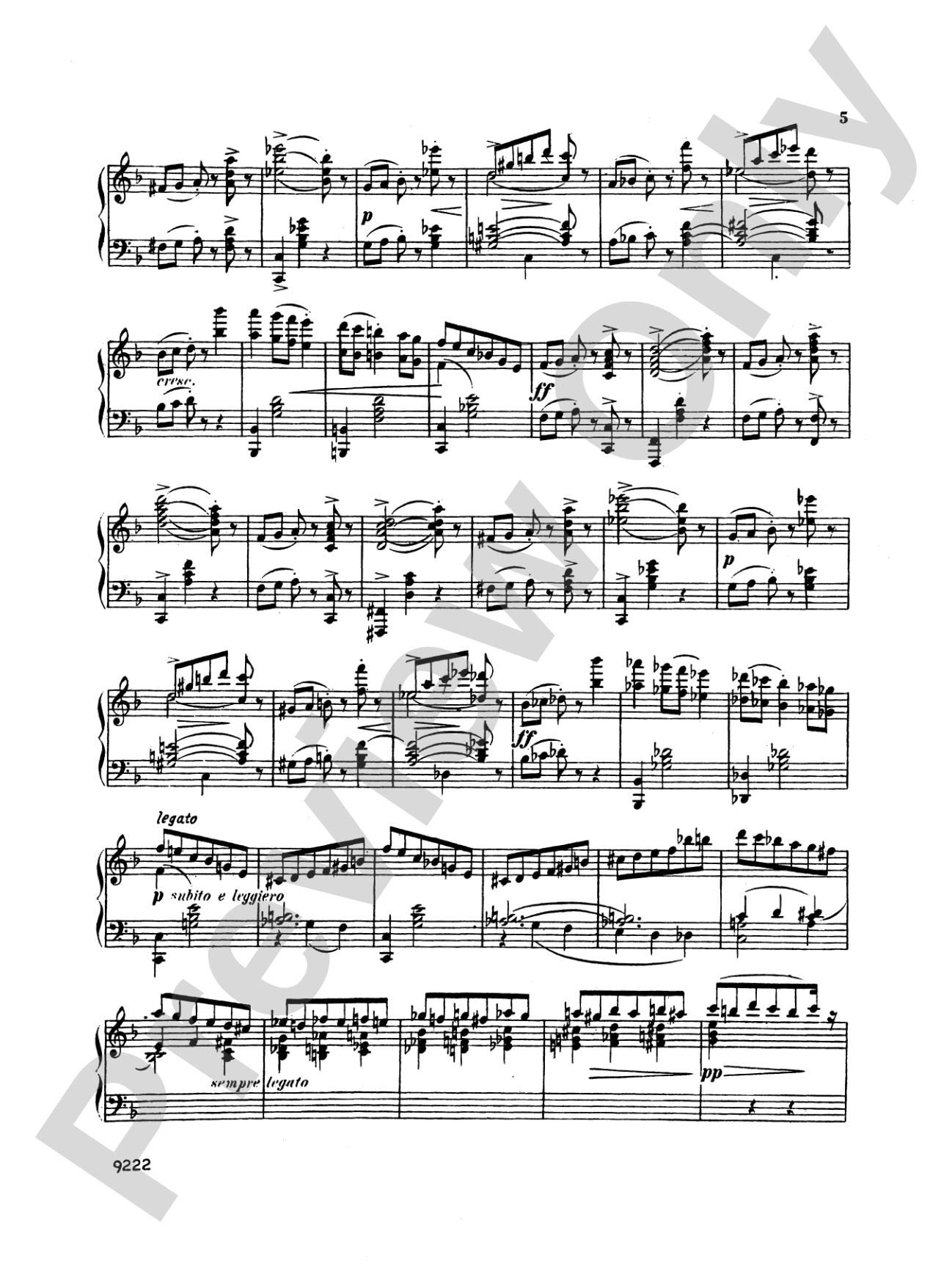
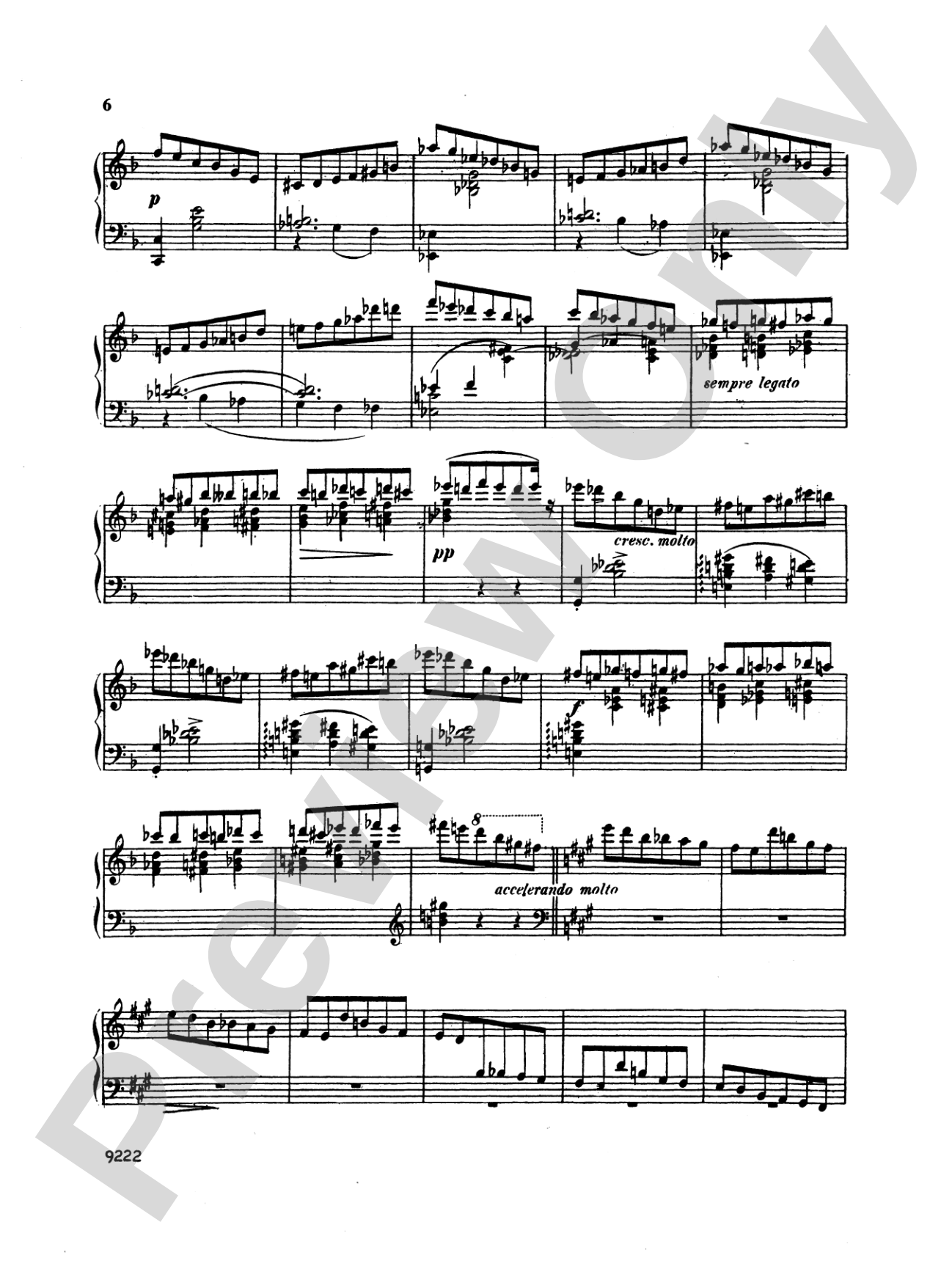
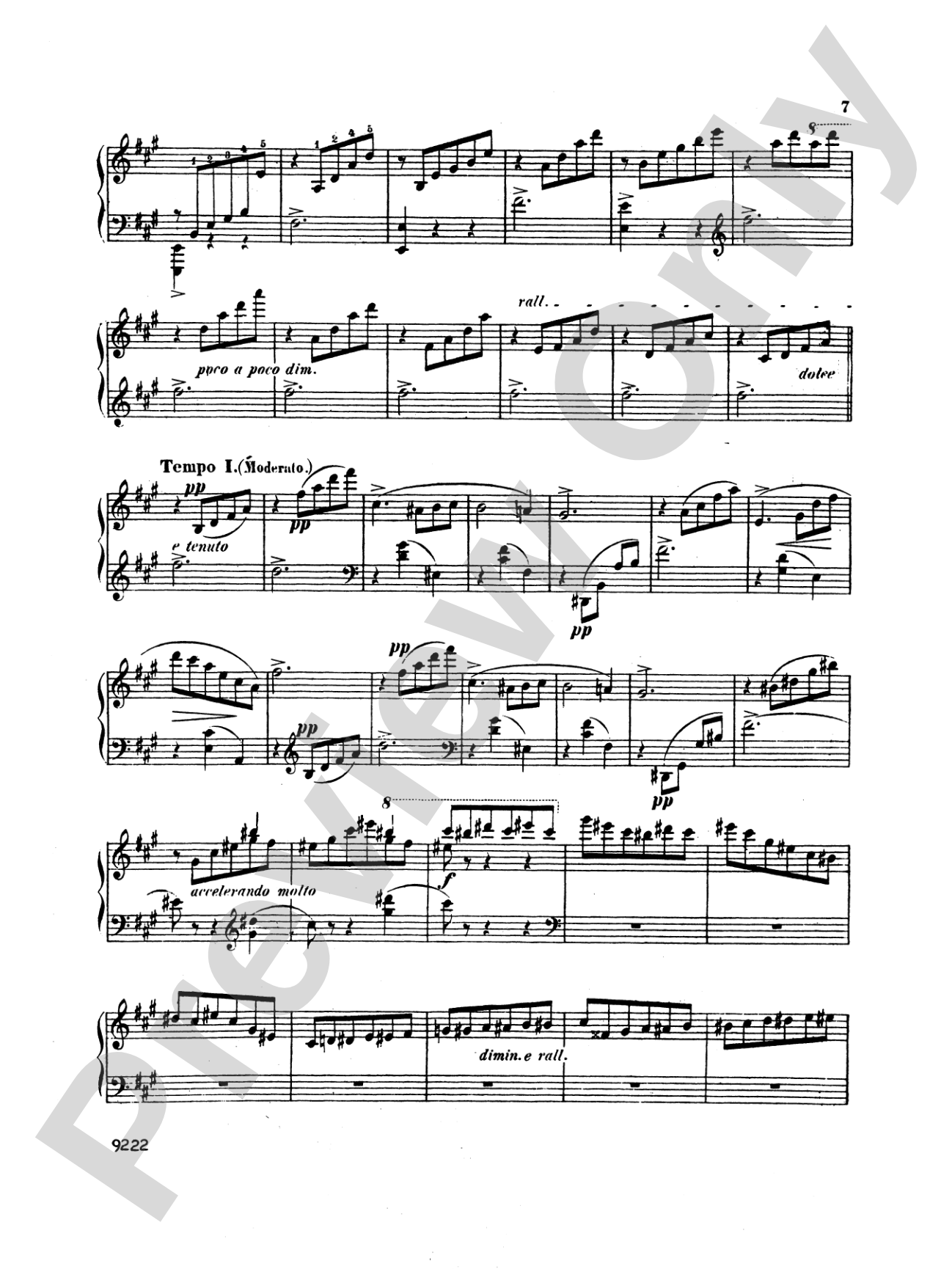
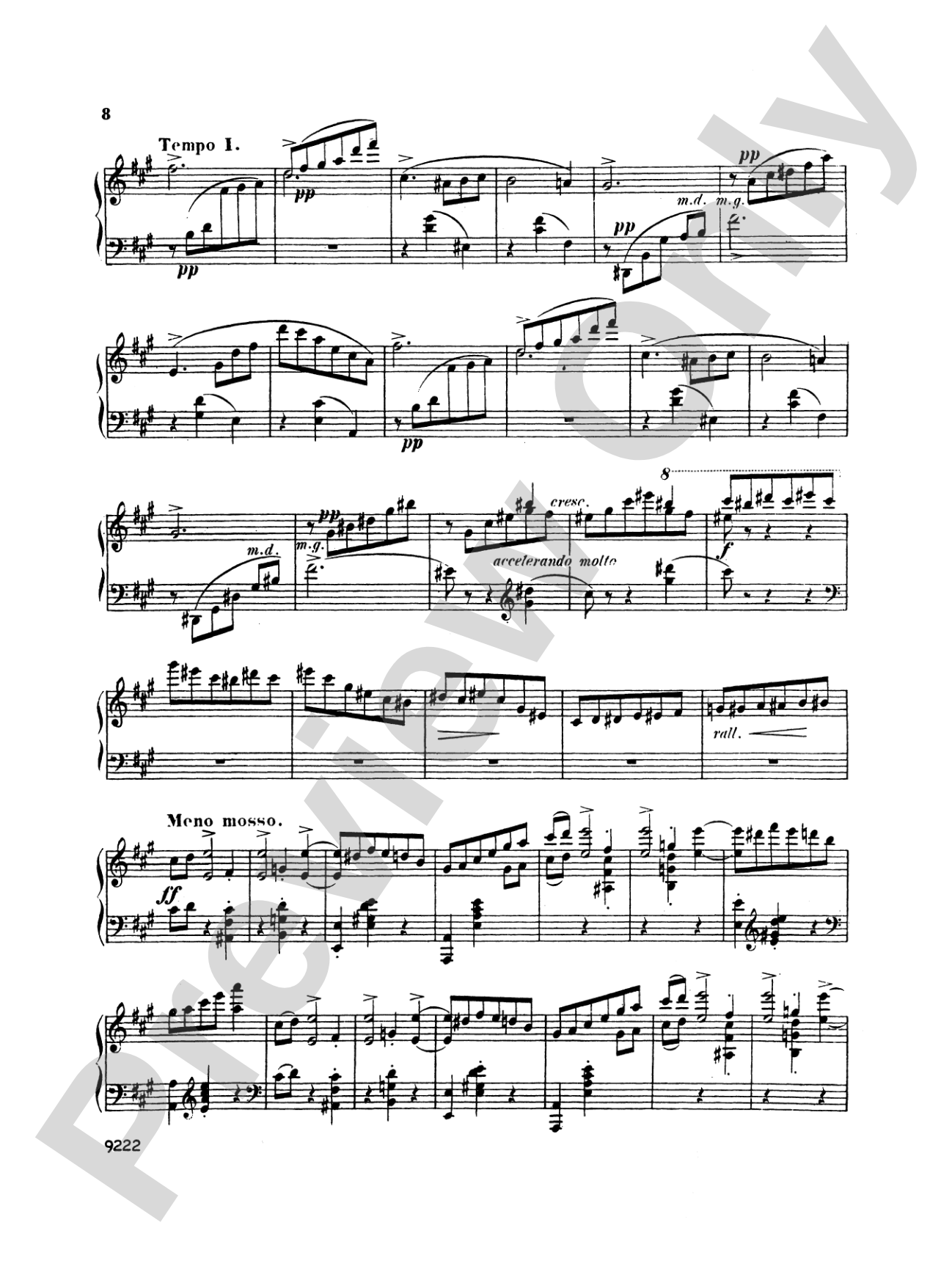
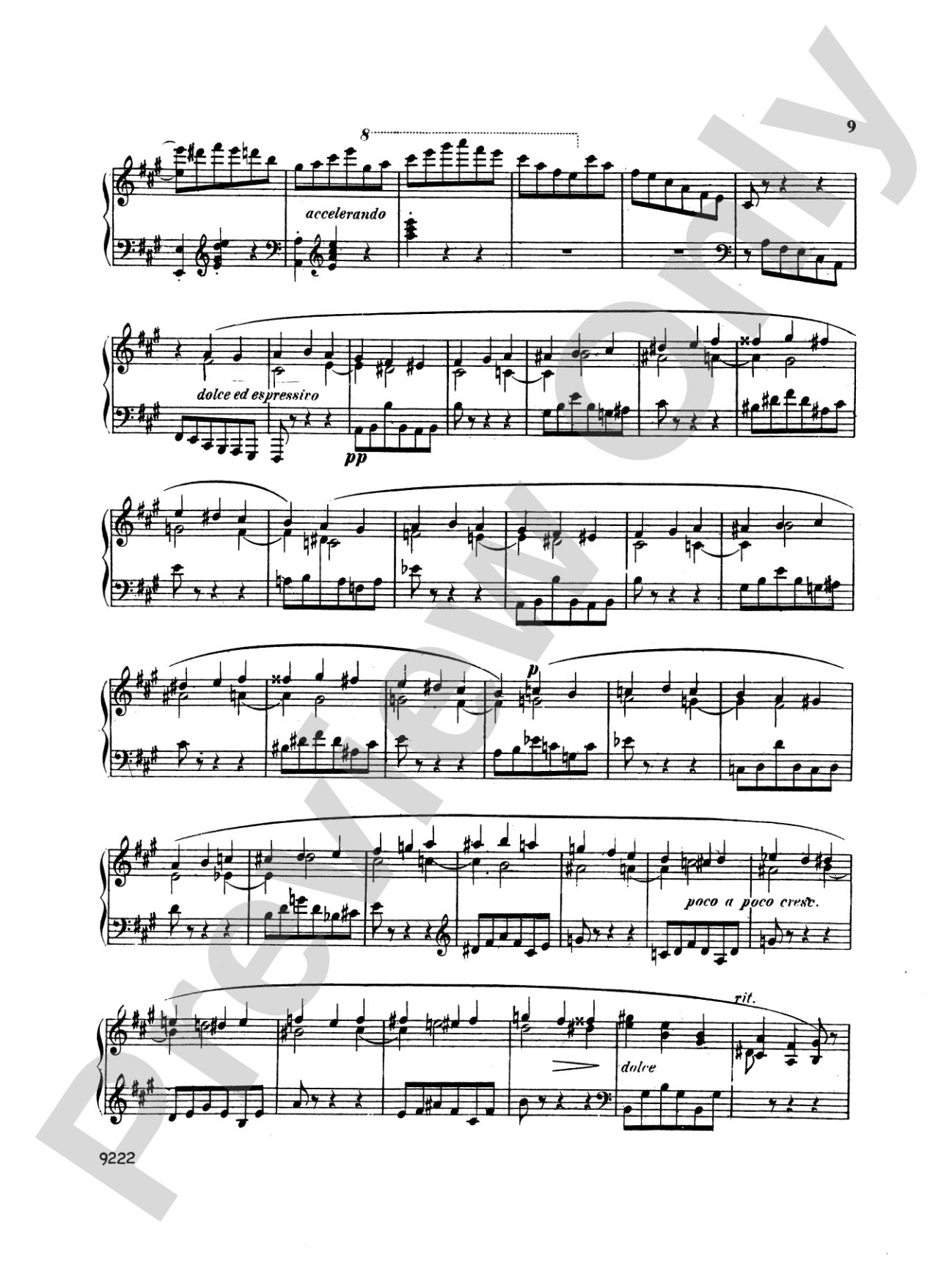
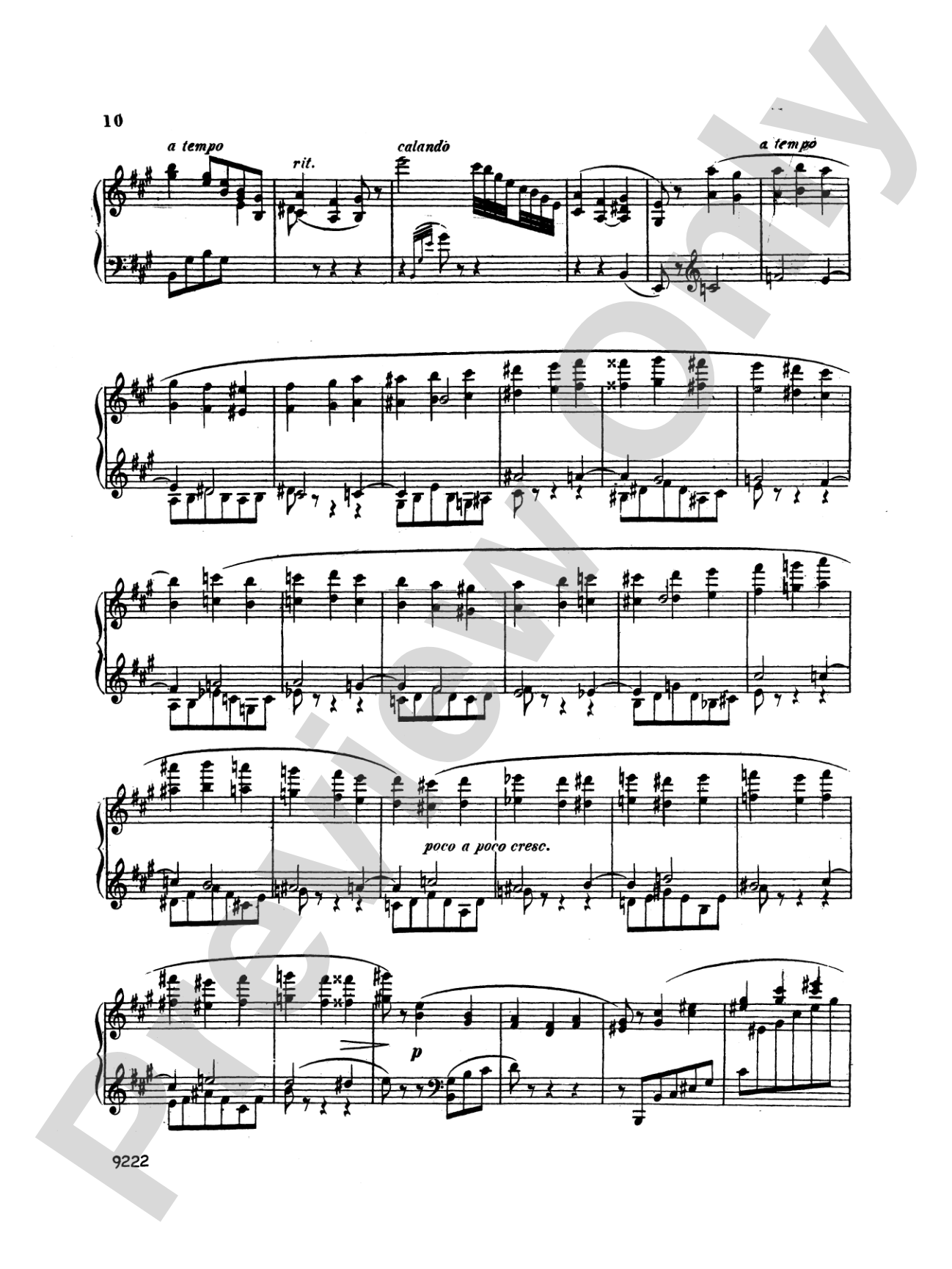
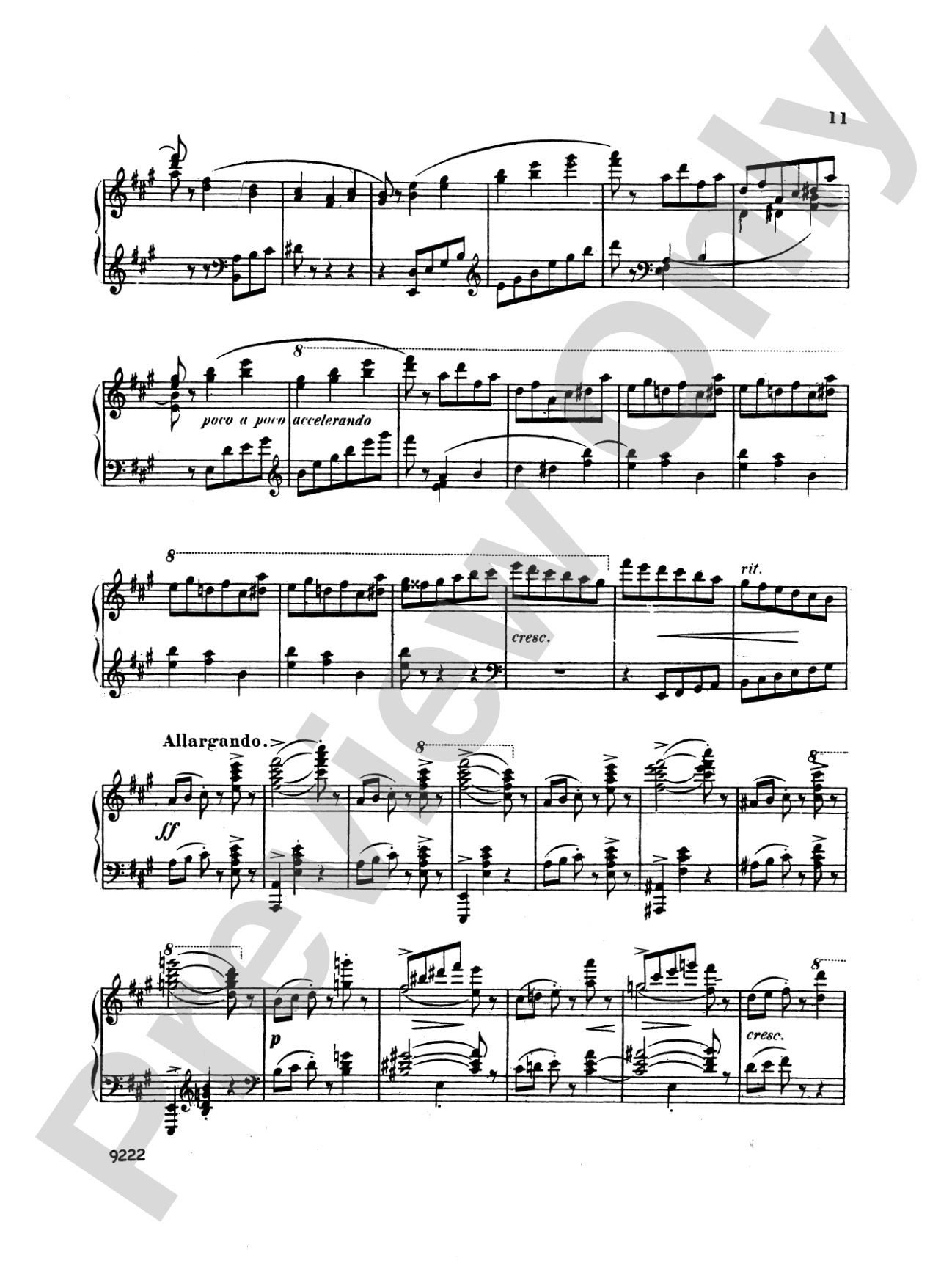
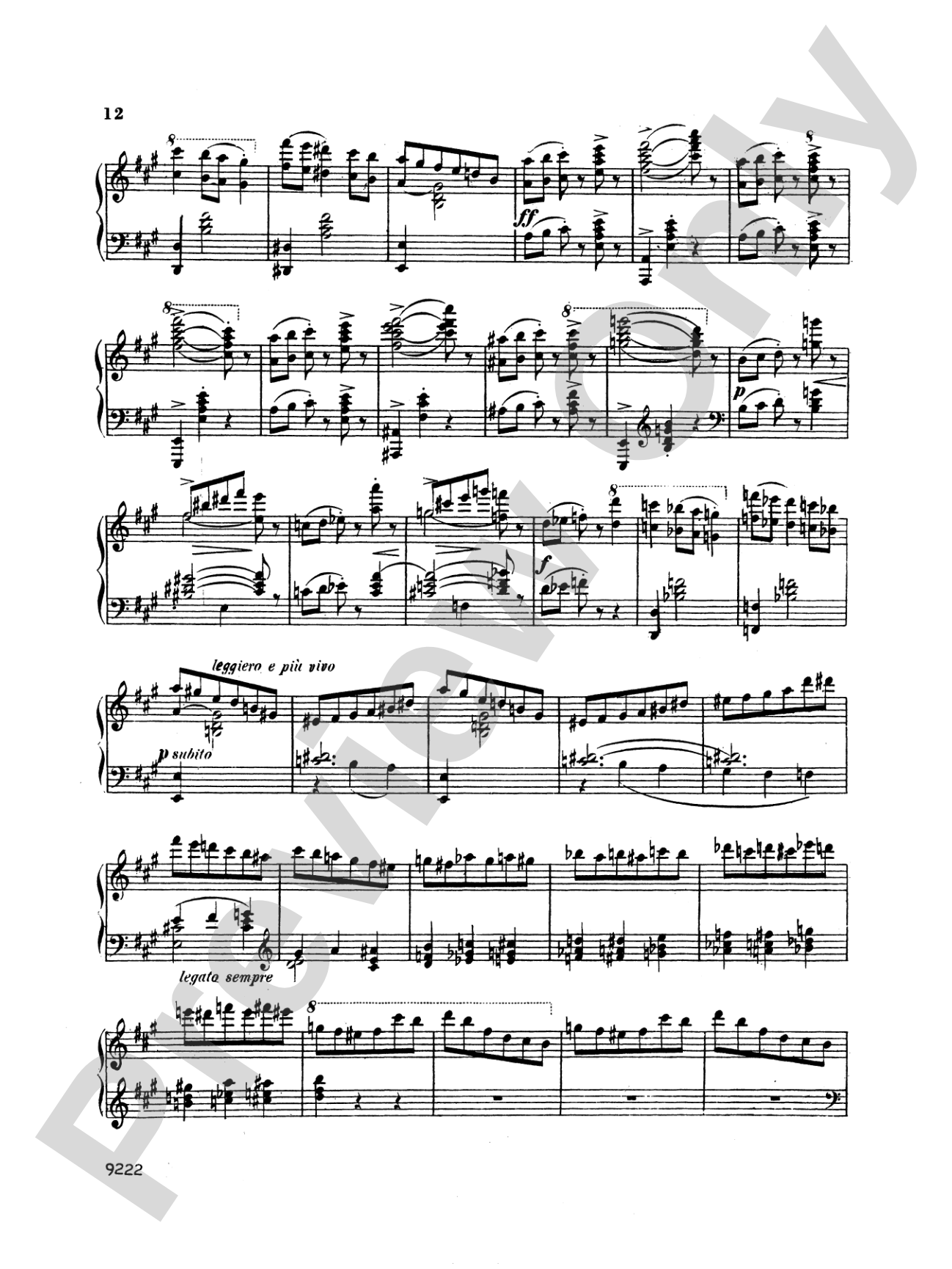
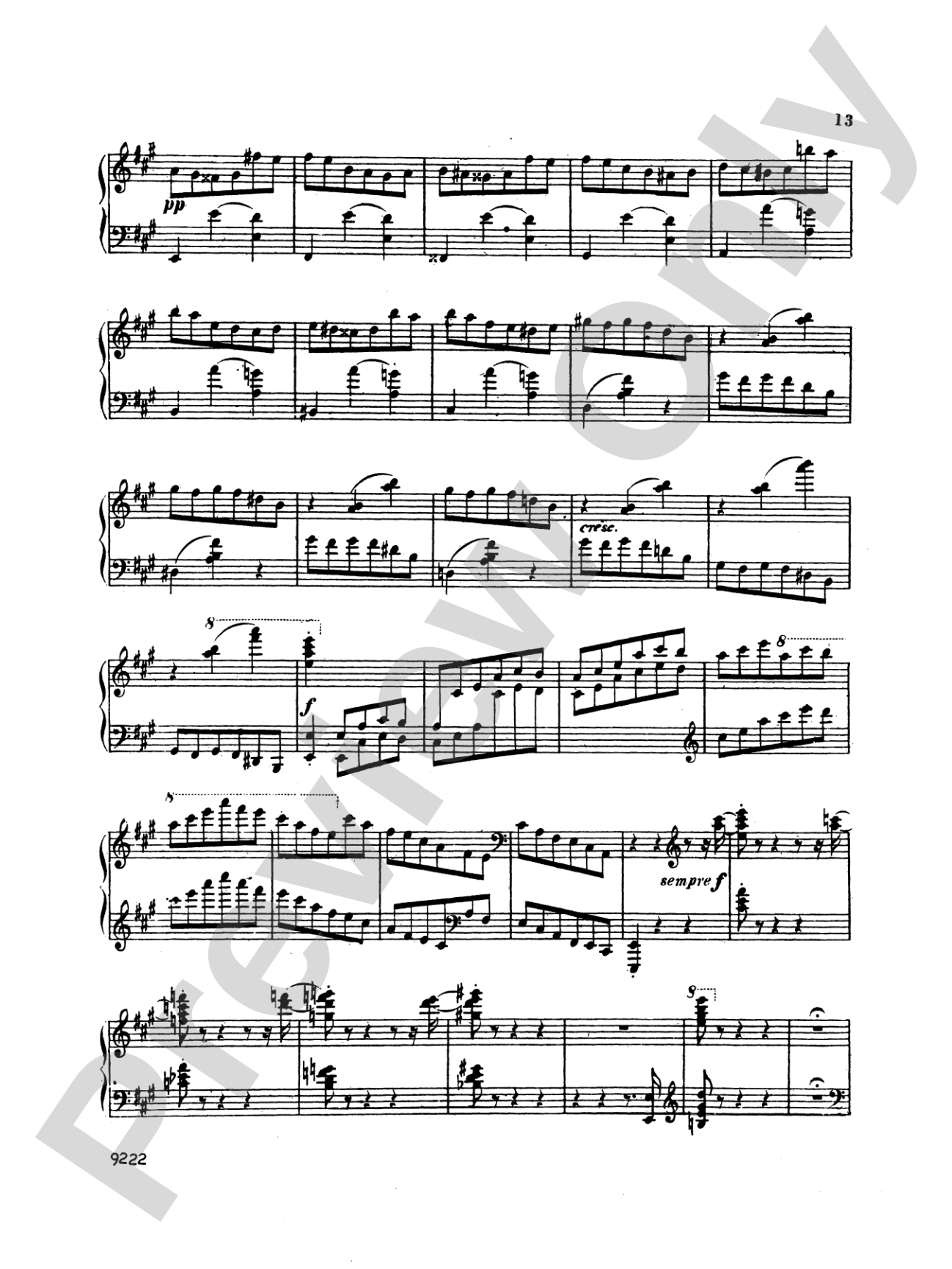
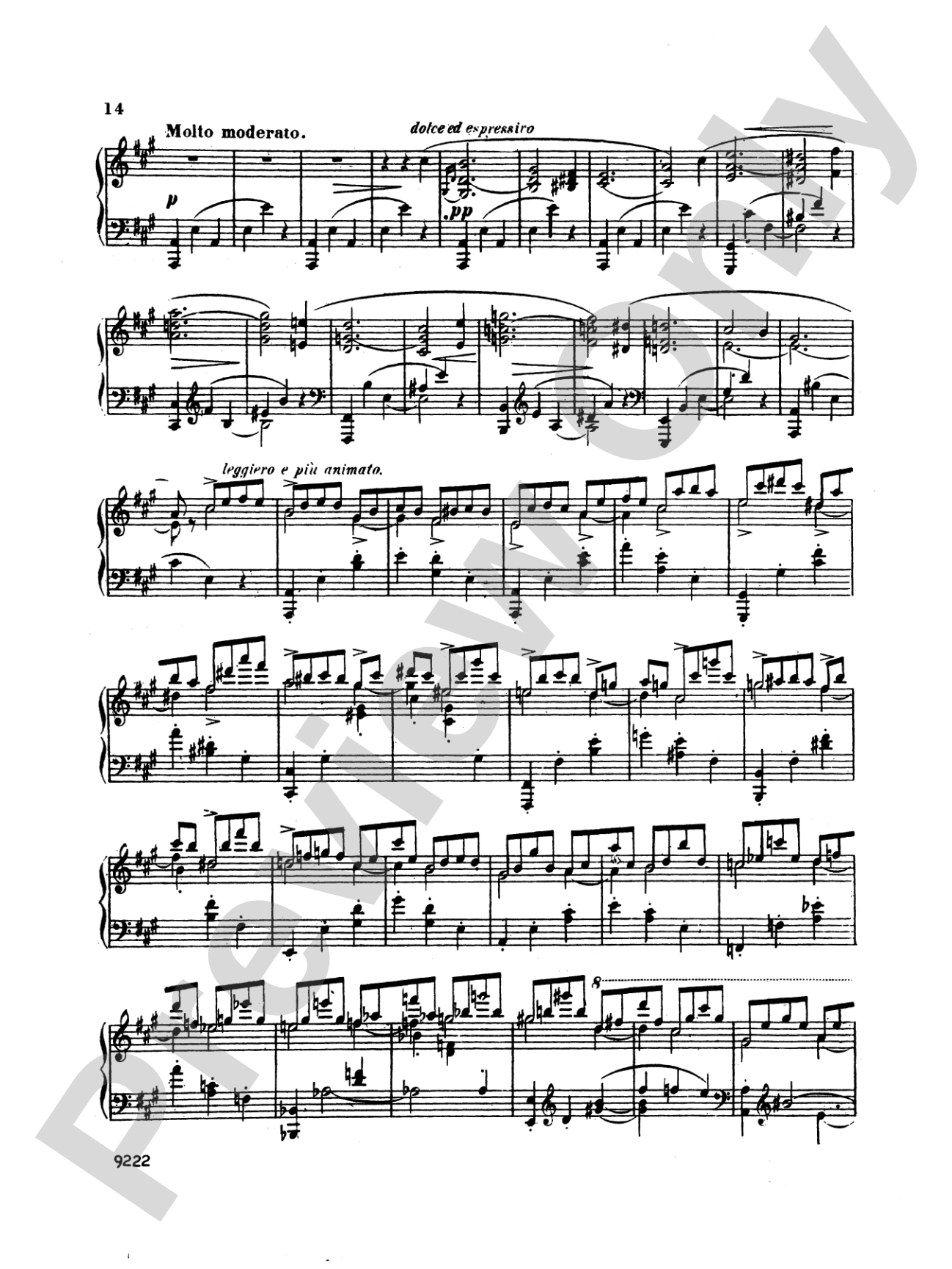
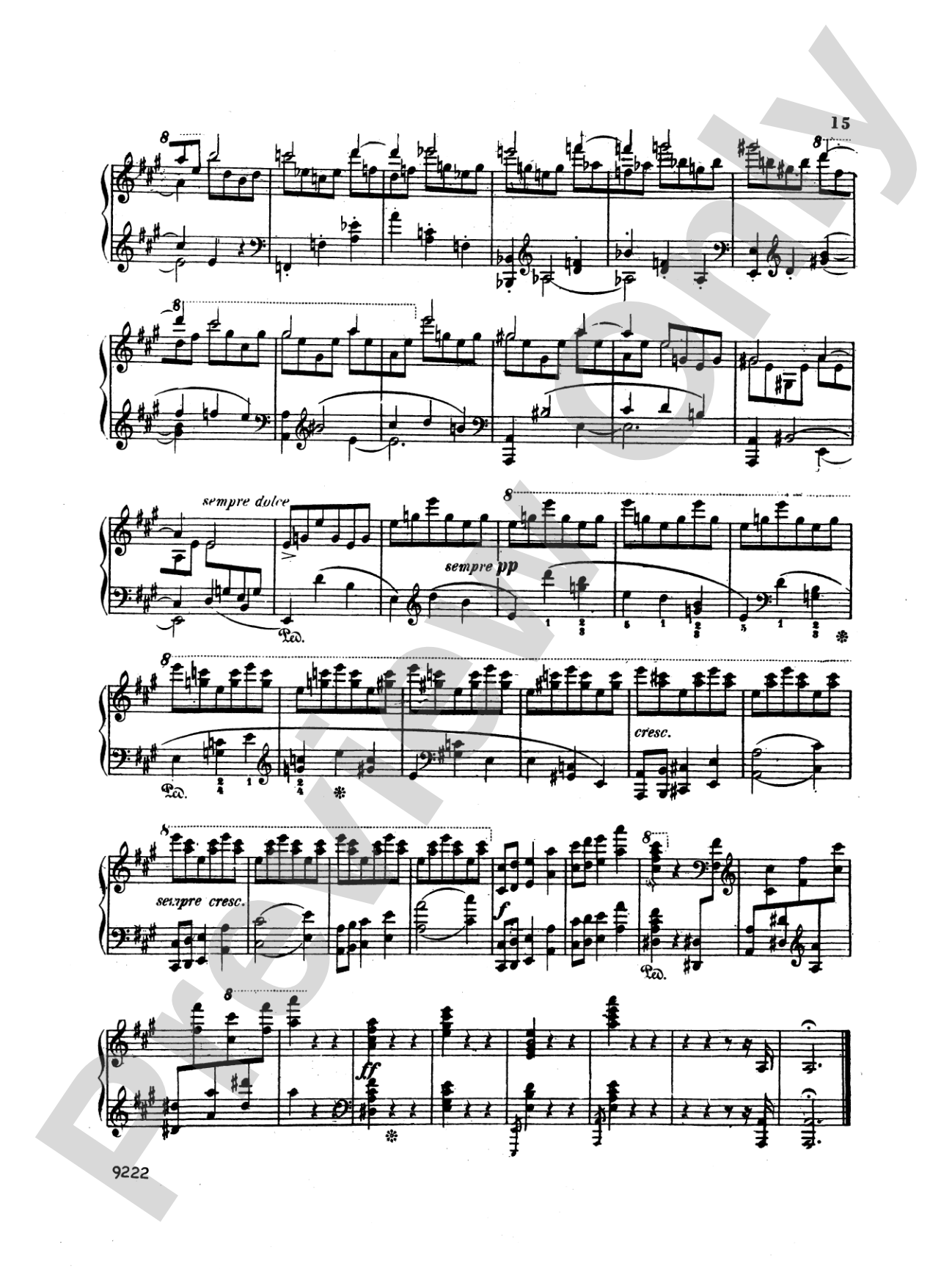

Fauré: Four Valse Caprices, Op. 30, 38, 59, 62: Piano Book
By Gabriel Fauré
Item: 00-PK-0003708

$11.99
Pickup currently not available
Buy Extra Parts (Digital PDF Download)
| Product | Price | Quantity |
|---|---|---|
| Fauré: Four Valse Caprices, Op. 30, 38, 59, 62 | $1.99 | |
| Fauré: Four Valse Caprices, Op. 30, 38, 59, 62 | $1.99 | |
| Fauré: Four Valse Caprices, Op. 30, 38, 59, 62 | $1.99 | |
| Fauré: Four Valse Caprices, Op. 30, 38, 59, 62 | $1.99 |
Parts Added to Cart!
Related Items
Four Valse Caprices, Opus 30, 38, 59, 62: Piano Book |
$11.95
|
View |
Description
A collection of piano solos expertly composed by Gabriel Fauré.


Don't just read it, hear it, play along with it, and watch your students grow with it. In MakeMusic Cloud, Fauré: Four Valse Caprices, Op. 30, 38, 59, 62: Piano Book comes alive with professional accompaniment, adjustable tempo, and built-in practice tools that turn solo practice into real progress.
Open in the Player
Jump straight in and assign it today.
Start Your Free Trial
Open this title and explore the full library in minutes.
Sample Audio
No sample audio found.
Sample Video
No sample videos found.
Additional Details
Series:
Kalmus Edition
Publisher:
Alfred Music
Page Count:
56
SKU:
00-PK-0003708
More about this title
About the Composer: Gabriel Fauré
Gabriel Fauré (1845-1924) shaped French music through his gift for lyrical melody and harmonic innovation. As director of the Paris Conservatoire and a prolific composer across all genres, he bridged Romantic tradition and modernist sensibility, earning respect from contemporaries like Debussy while remaining grounded in classical form.
Why we love this
These four waltzes showcase Fauré's ability to write pianistically grateful music without sacrificing sophistication. Each opus presents a distinct character, from playful to introspective, making them excellent for showcasing the full range of a student's interpretive capability at the advanced level.
What to expect
Elegant and introspective rather than overtly virtuosic, these waltzes dance with restraint and refinement. The harmonic language glides between expected resolutions and subtle detours, creating a sense of intimate sophistication that rewards close listening.
Who it's for
Advanced pianists studying the late Romantic and early Impressionistic repertoire, and teachers seeking substantial recital pieces that develop both technical security and interpretive maturity. These waltzes work equally well in solo performance or as part of a broader nineteenth-century French program.
How to get the most out of it
- Balance the melodic line against accompaniment figures; Fauré's textures reward clarity and separation rather than blending.
- Attend to rubato within the waltz pulse. These are not rigid dances but salon pieces where gentle flexibility serves the phrasing.
- Explore the harmonic color through voicing choices. The Impressionistic harmonies depend partly on how you distribute chord tones across the keyboard.
How to use it
Program one or several of these pieces in a recital focused on French Romanticism, pairing them with works by Saint-Saëns or Debussy. They also serve well as encore material, offering audiences something familiar in form yet distinctive in voice.
Skills your students will build
- Reading and executing rubato within triple meter
- Handling chromatic harmony and voice leading across registers
- Balancing singing melodic lines with accompaniment textures
- Interpreting dynamic and tonal subtlety in formal structures