
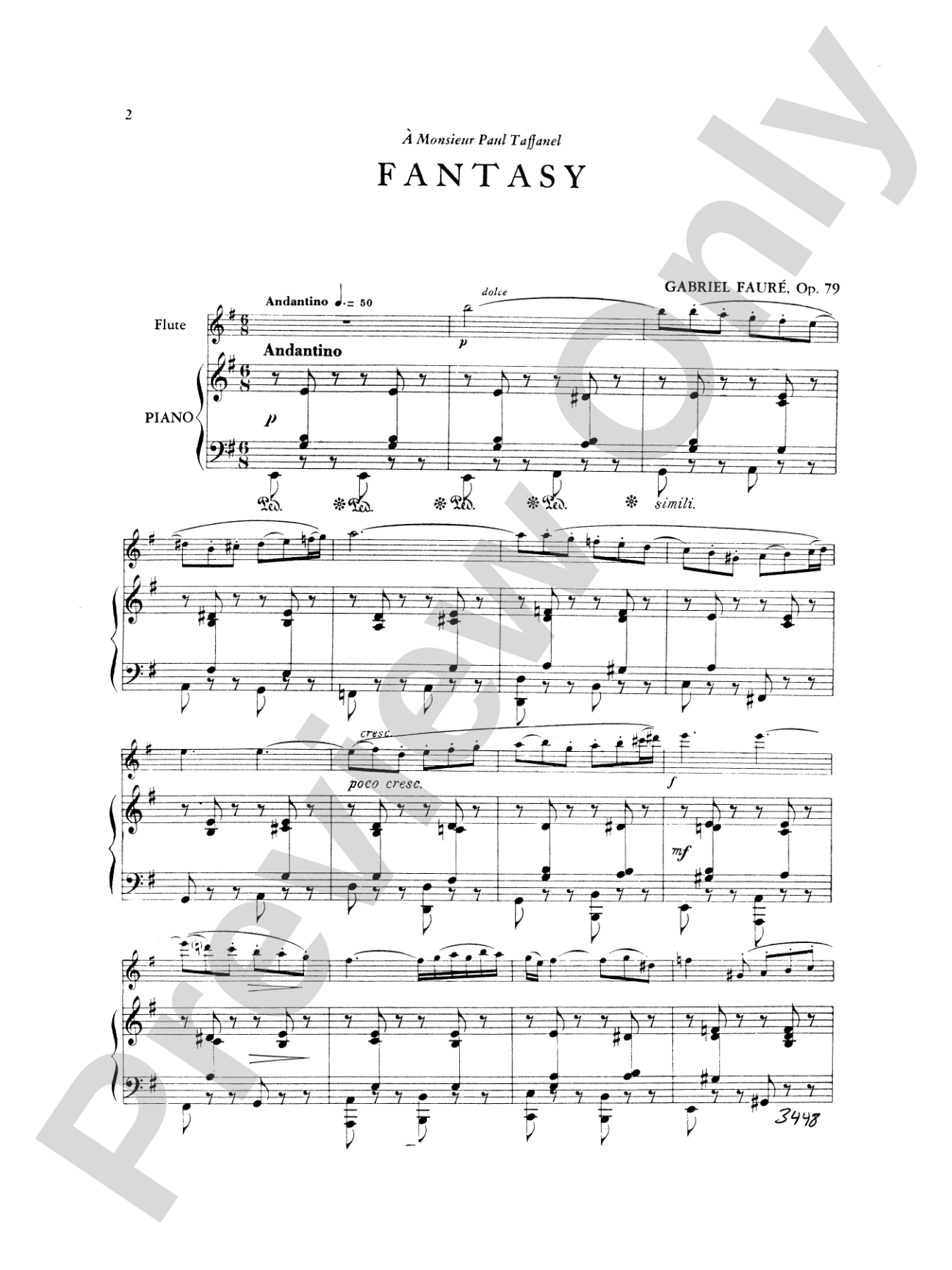
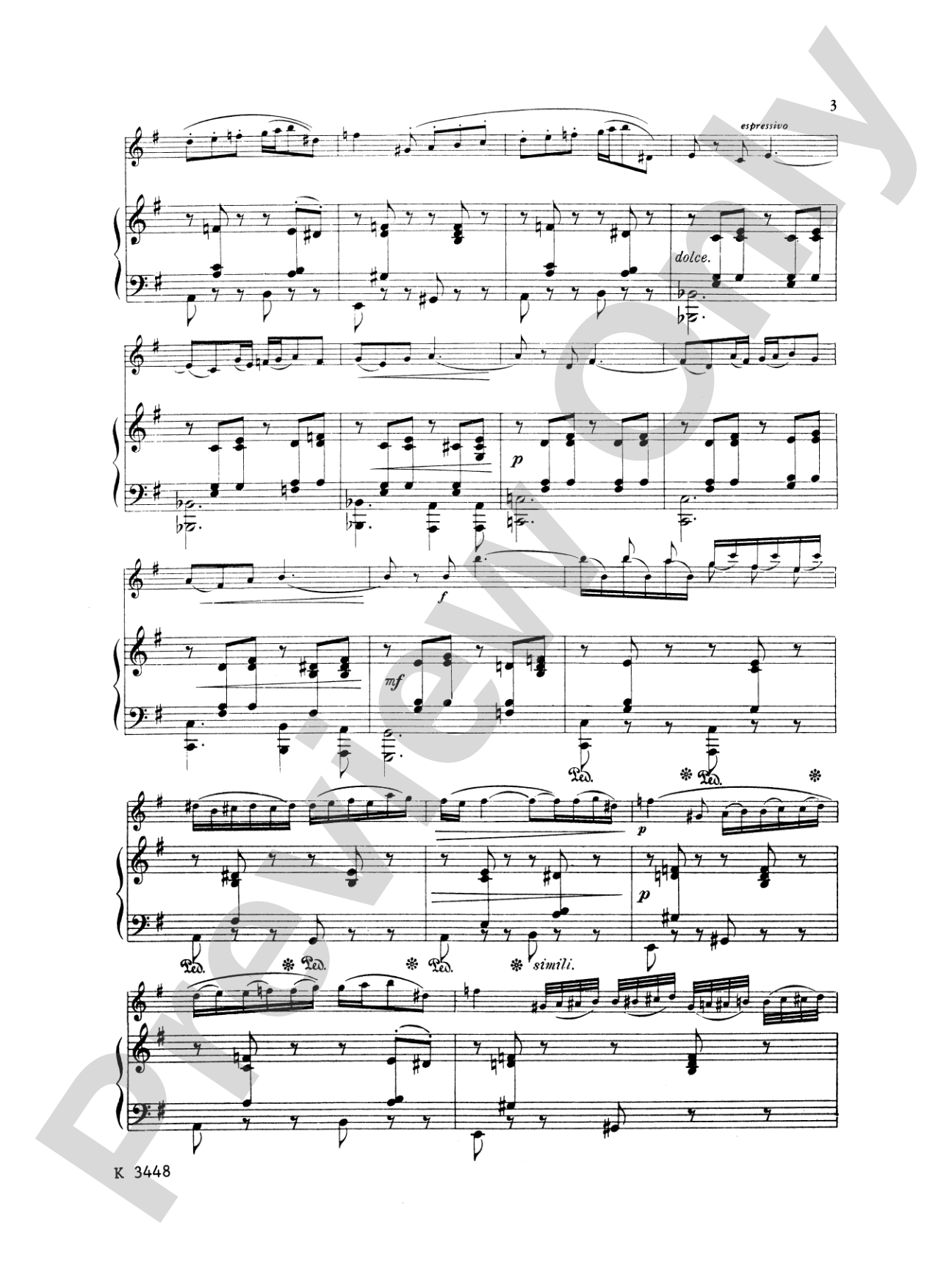
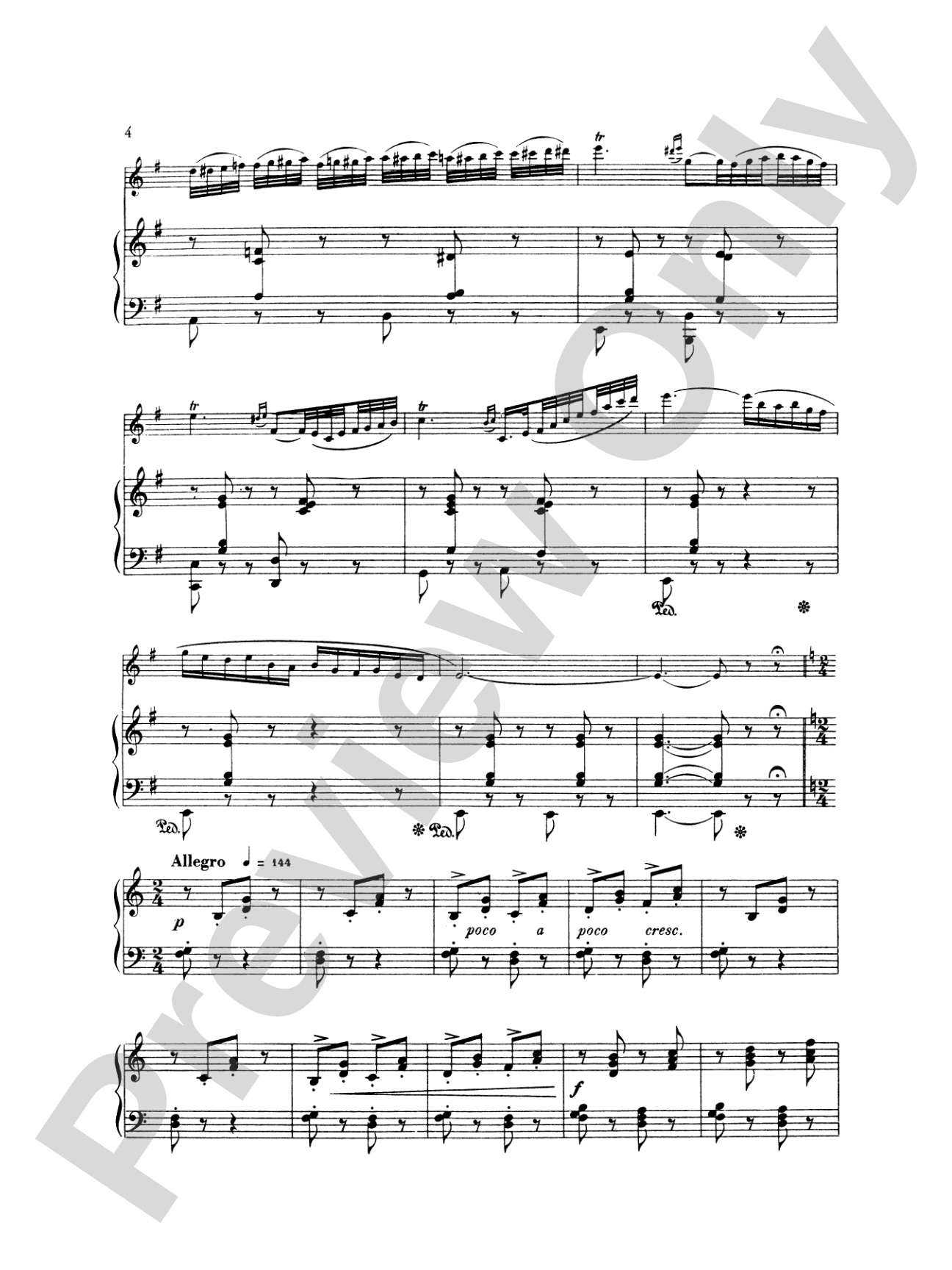
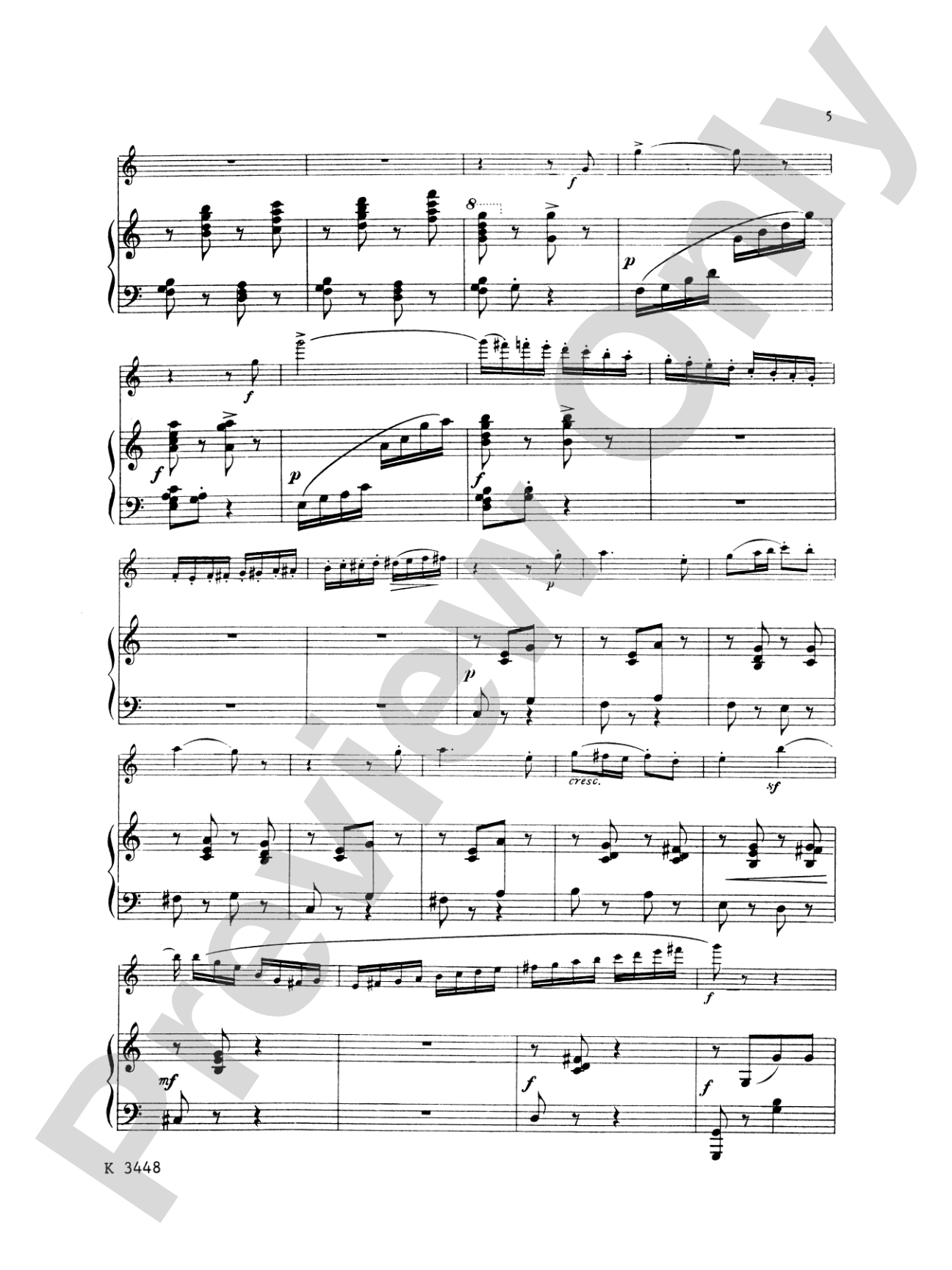
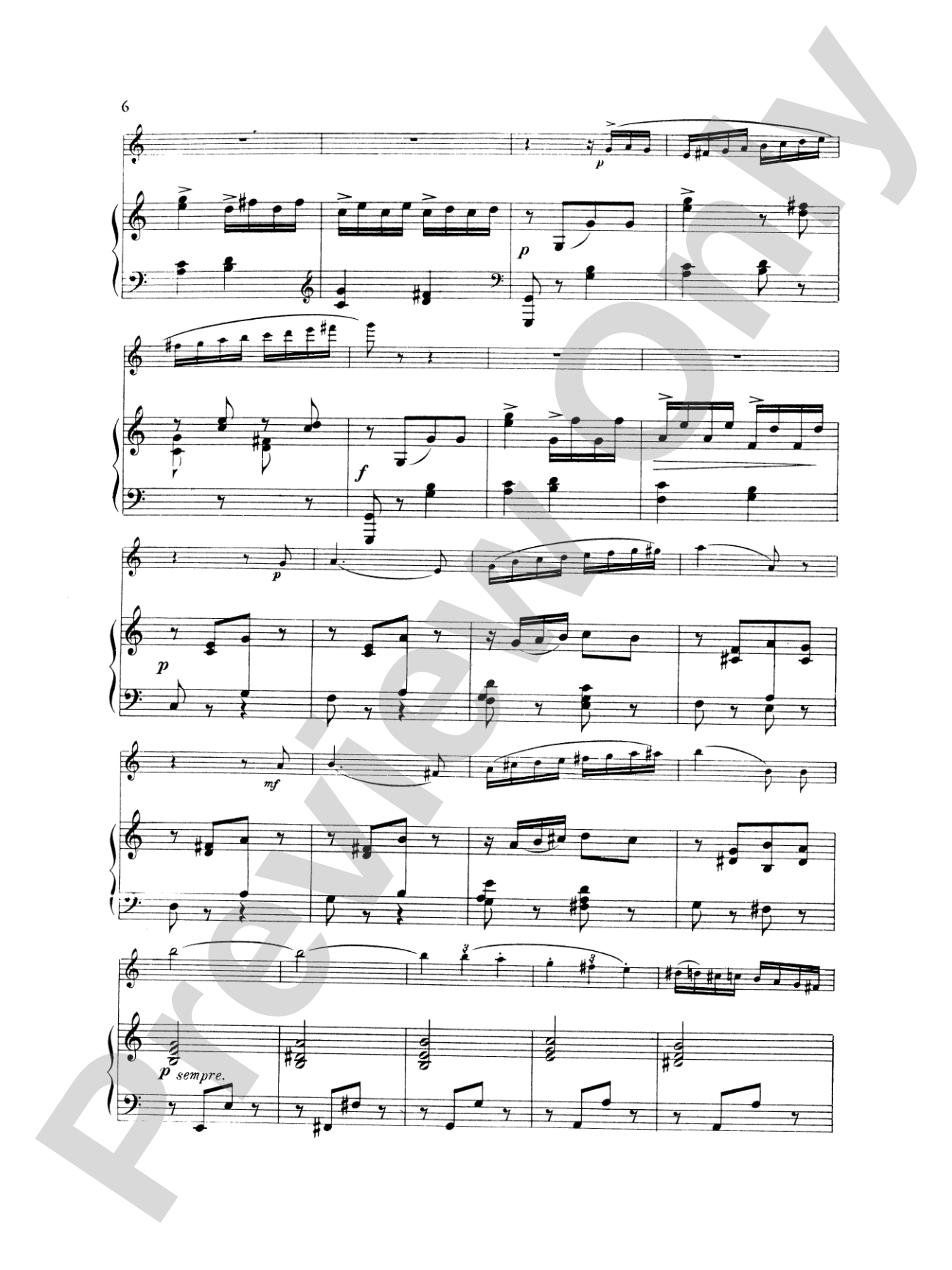
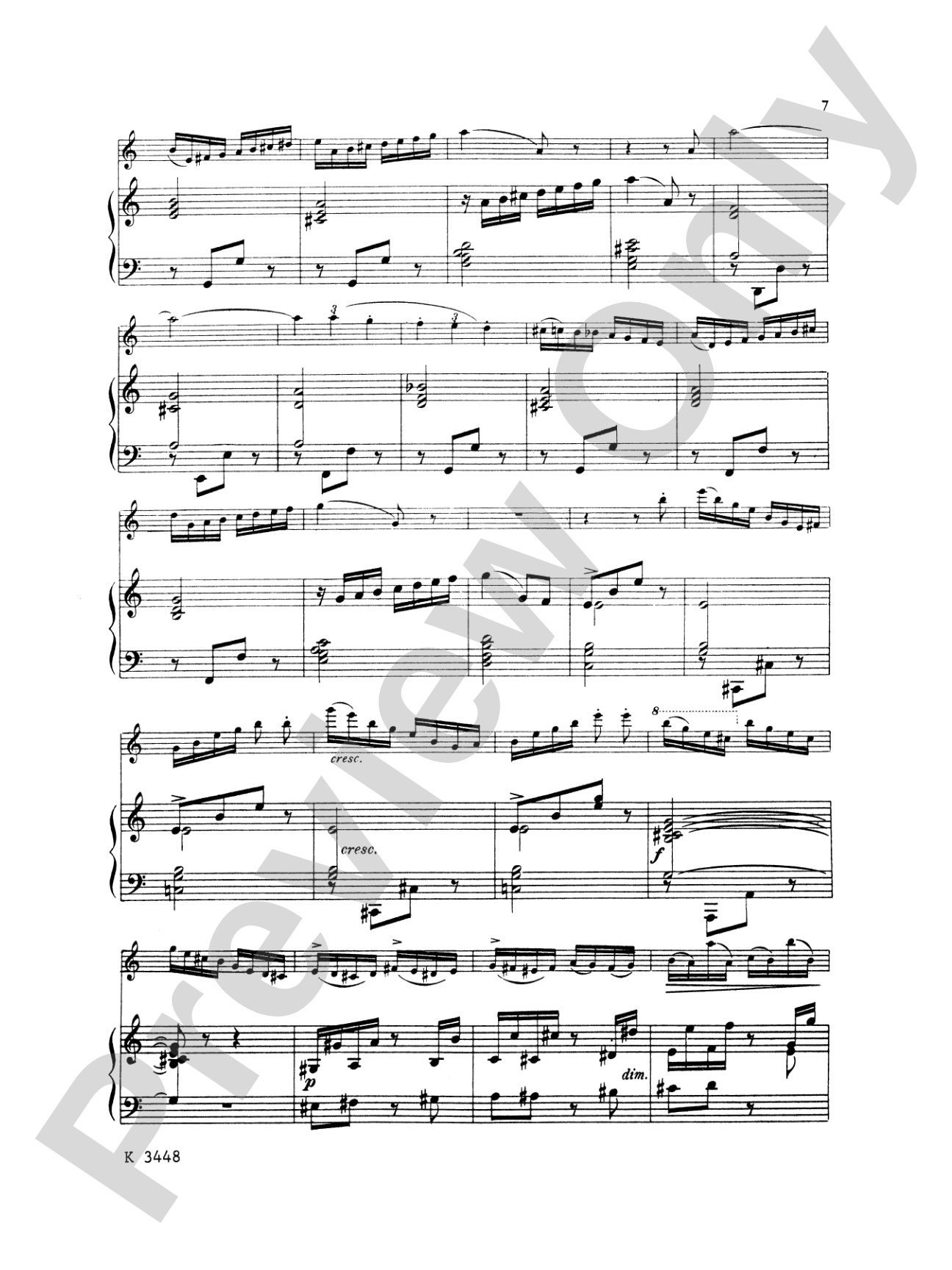
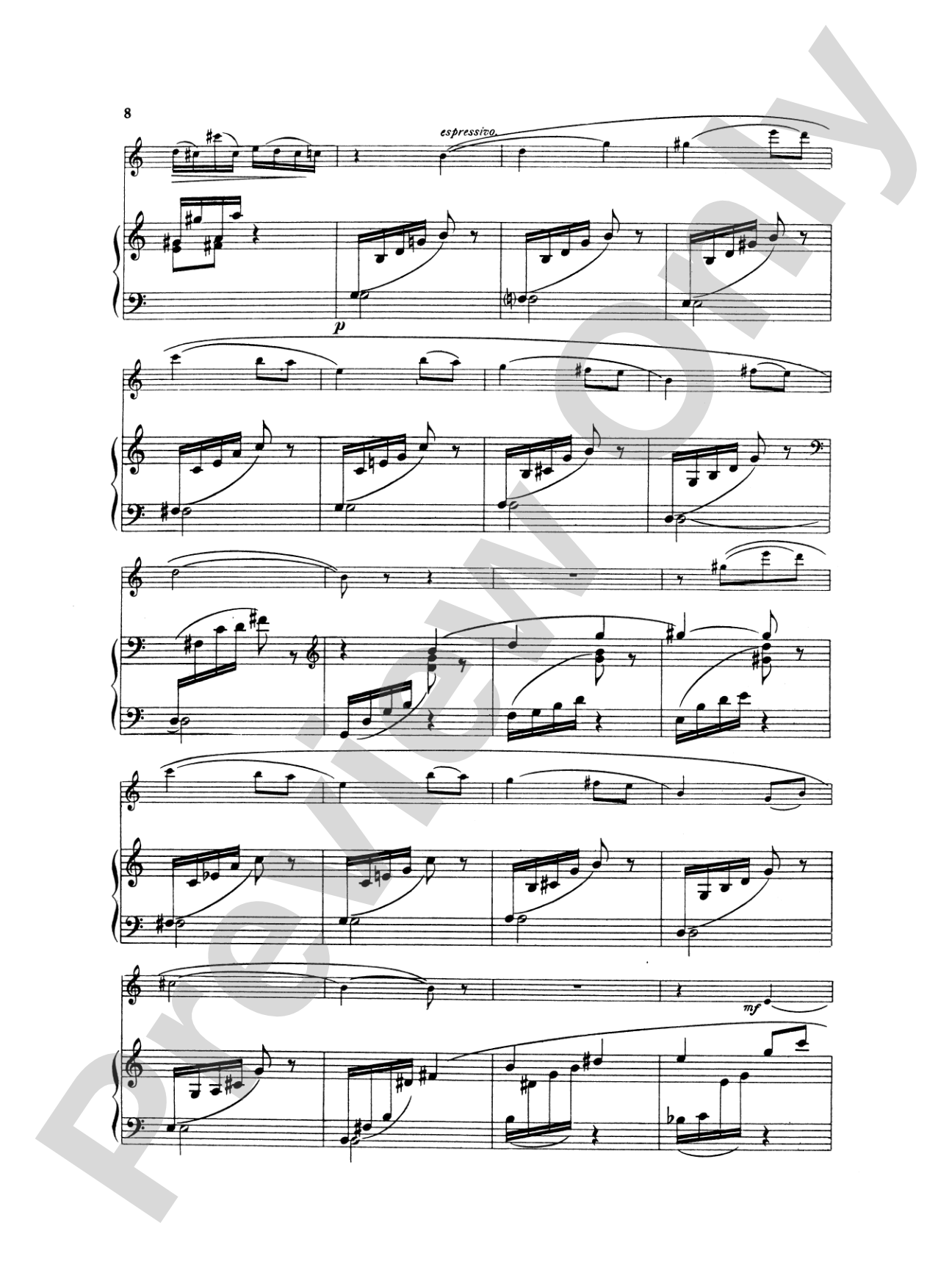
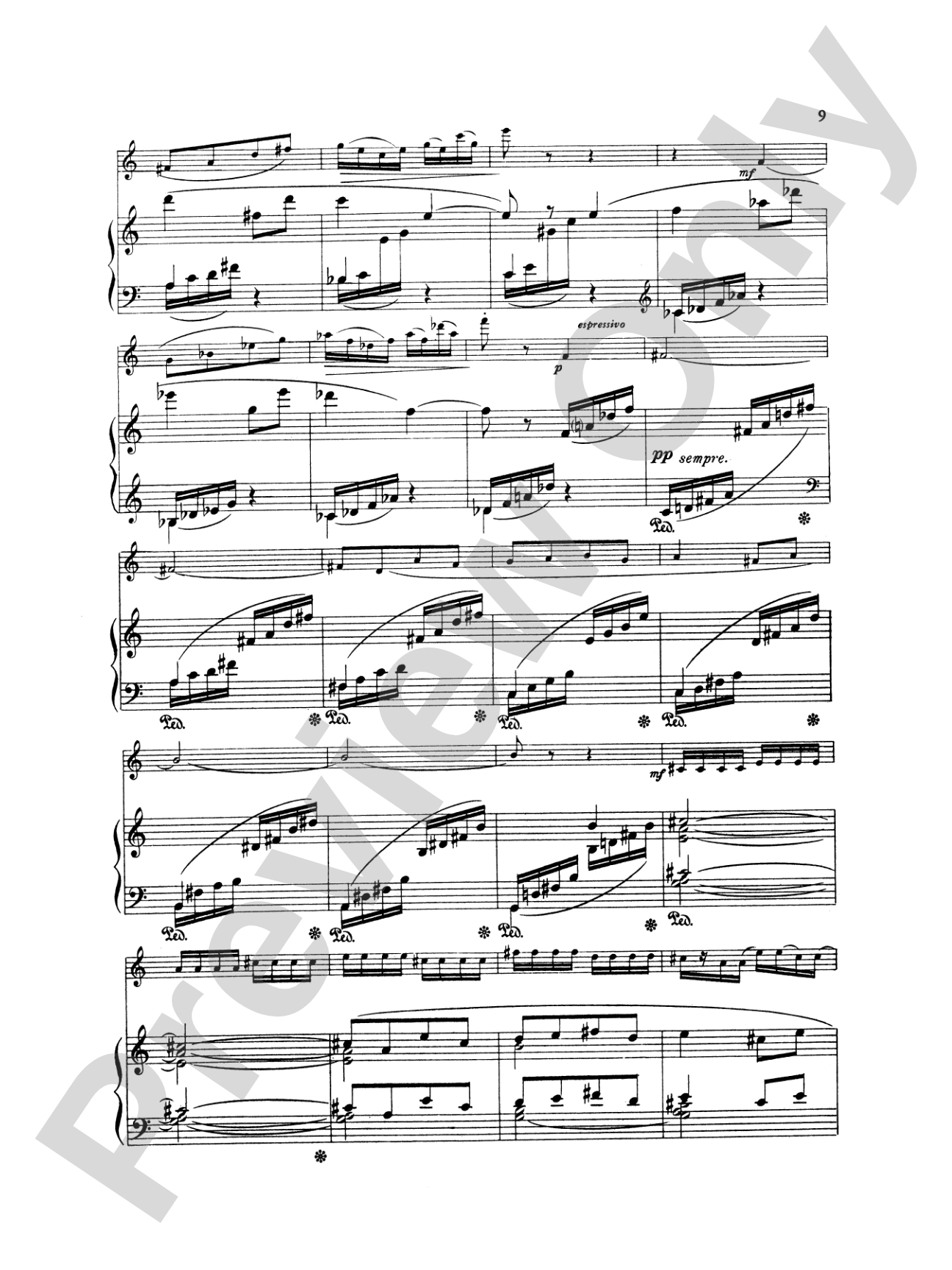
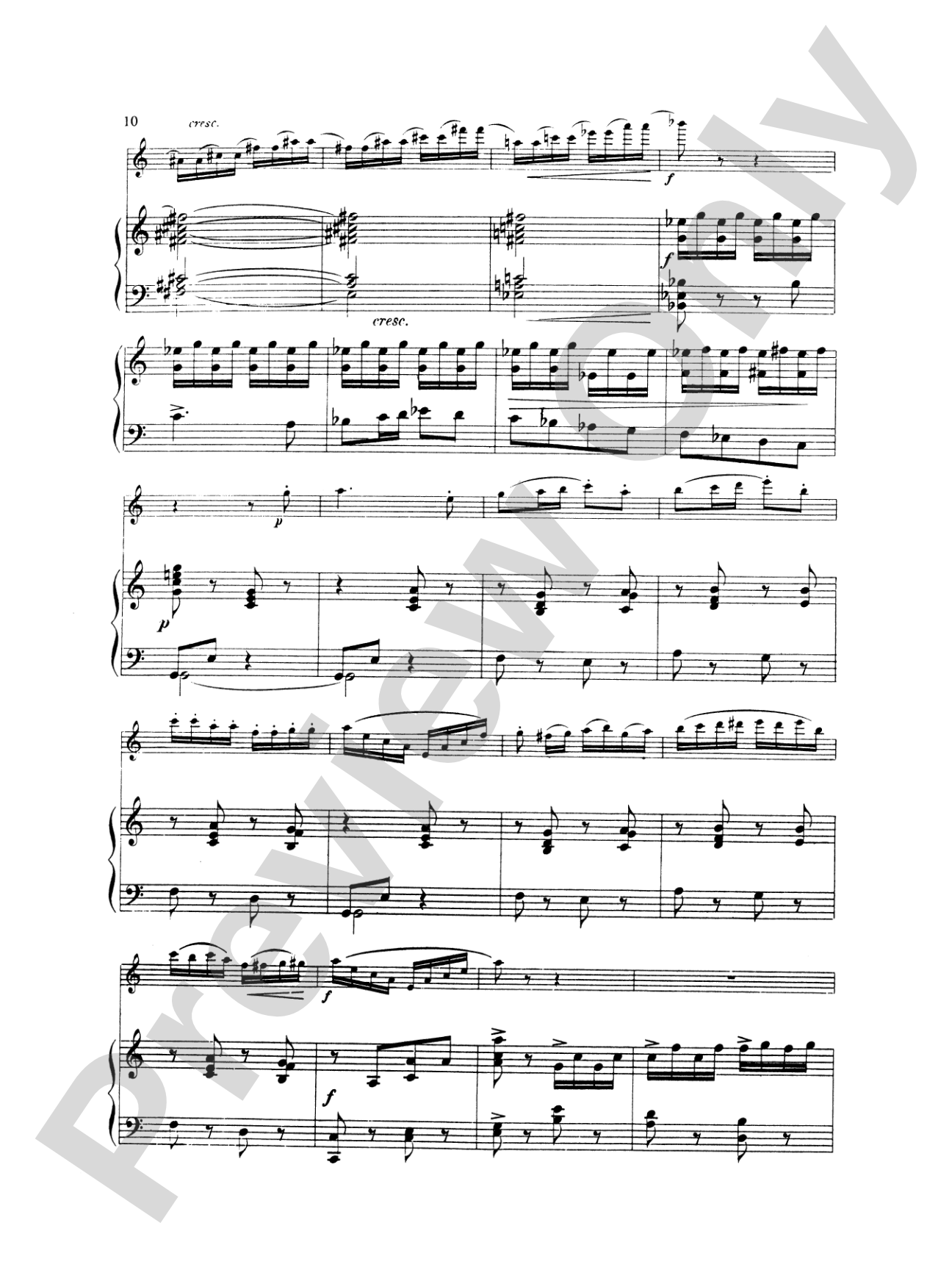
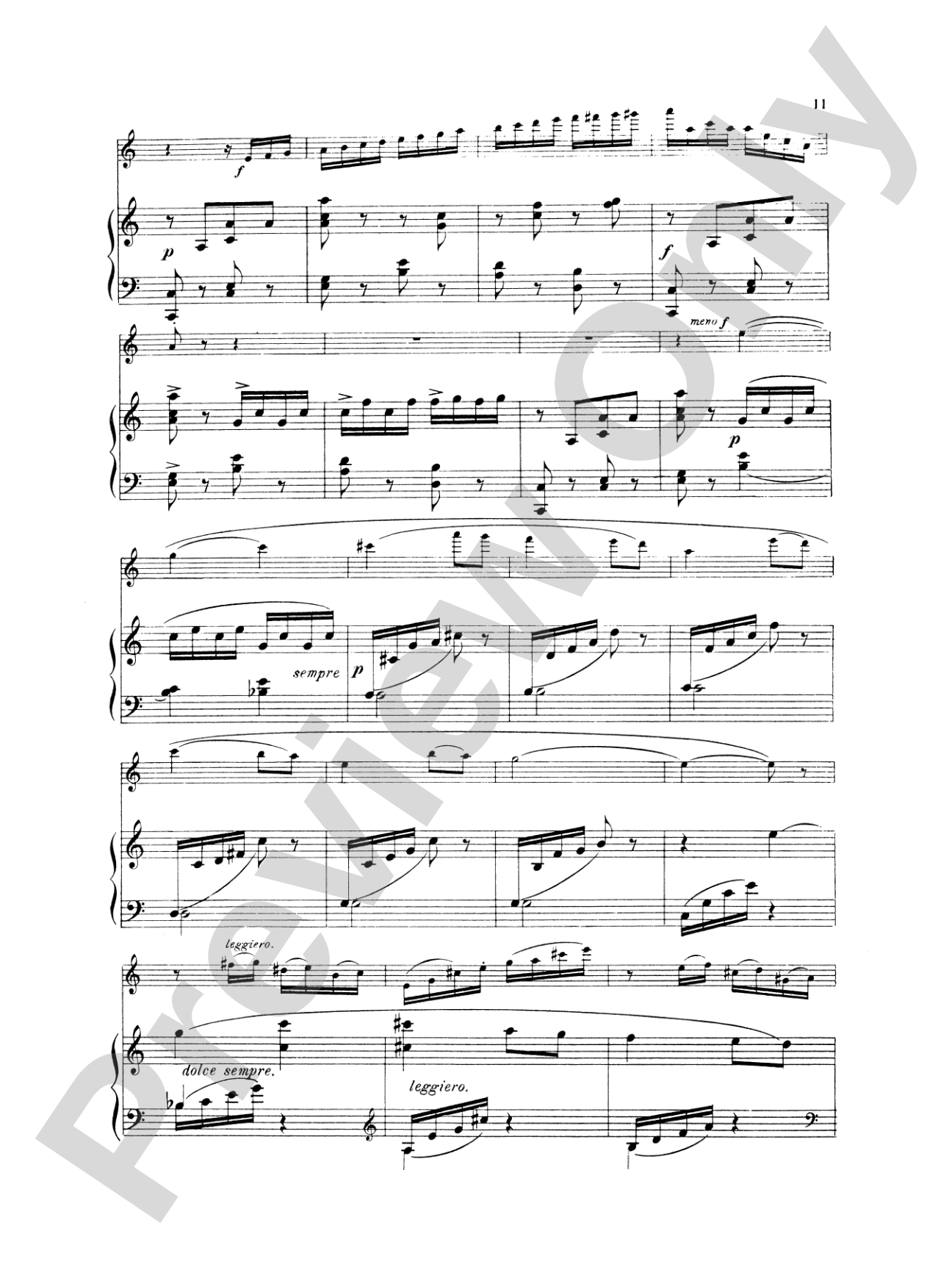
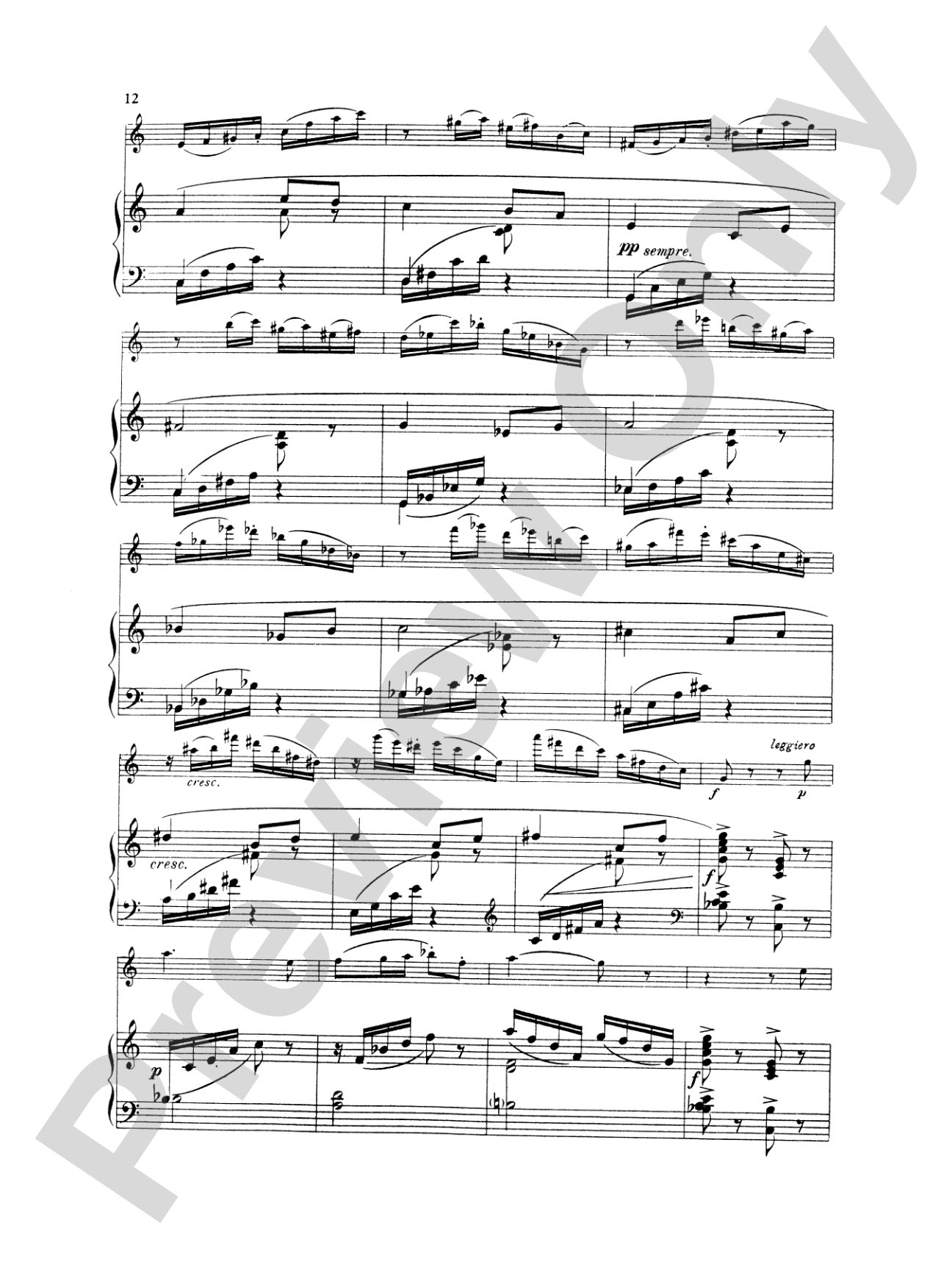
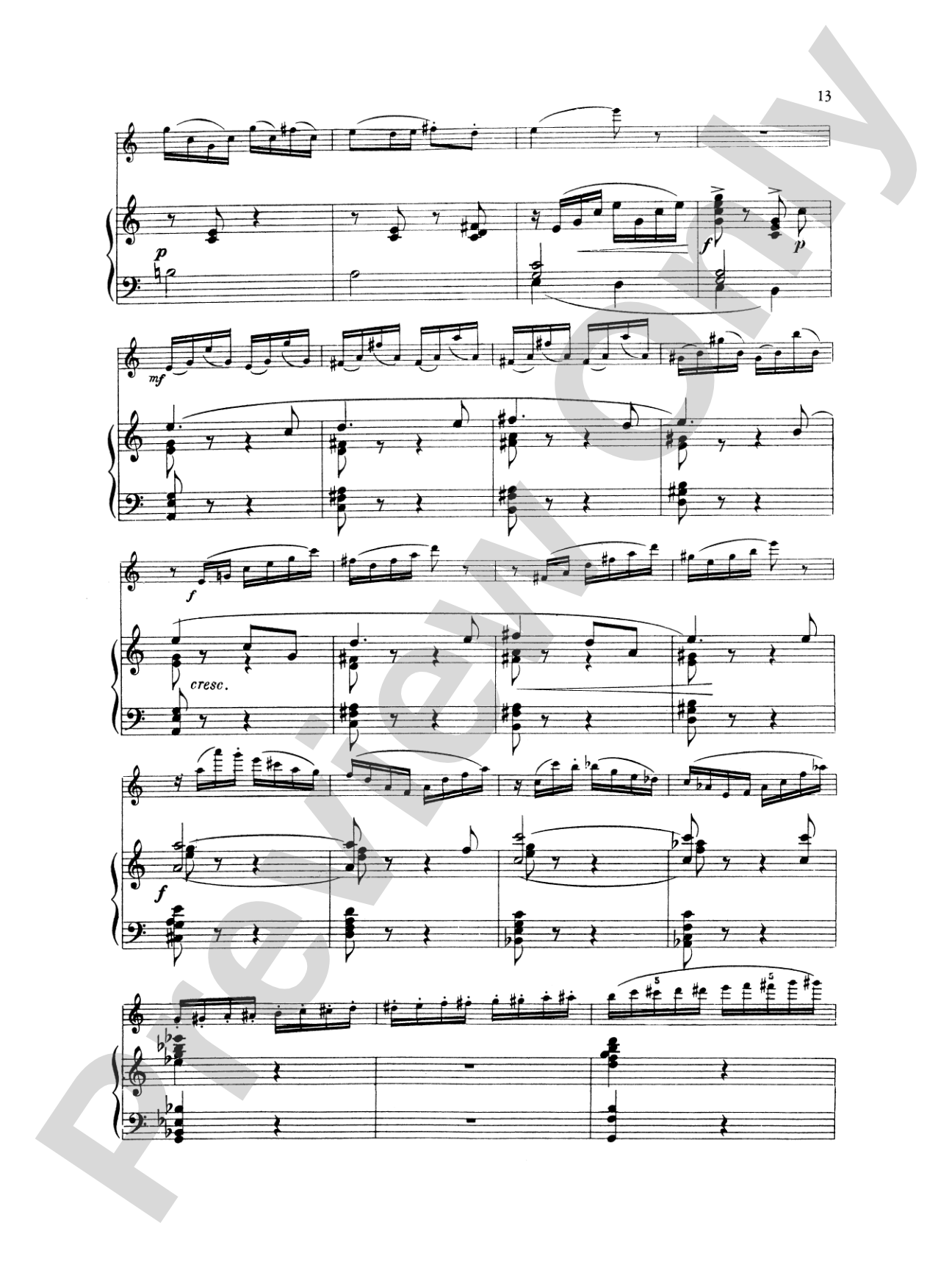
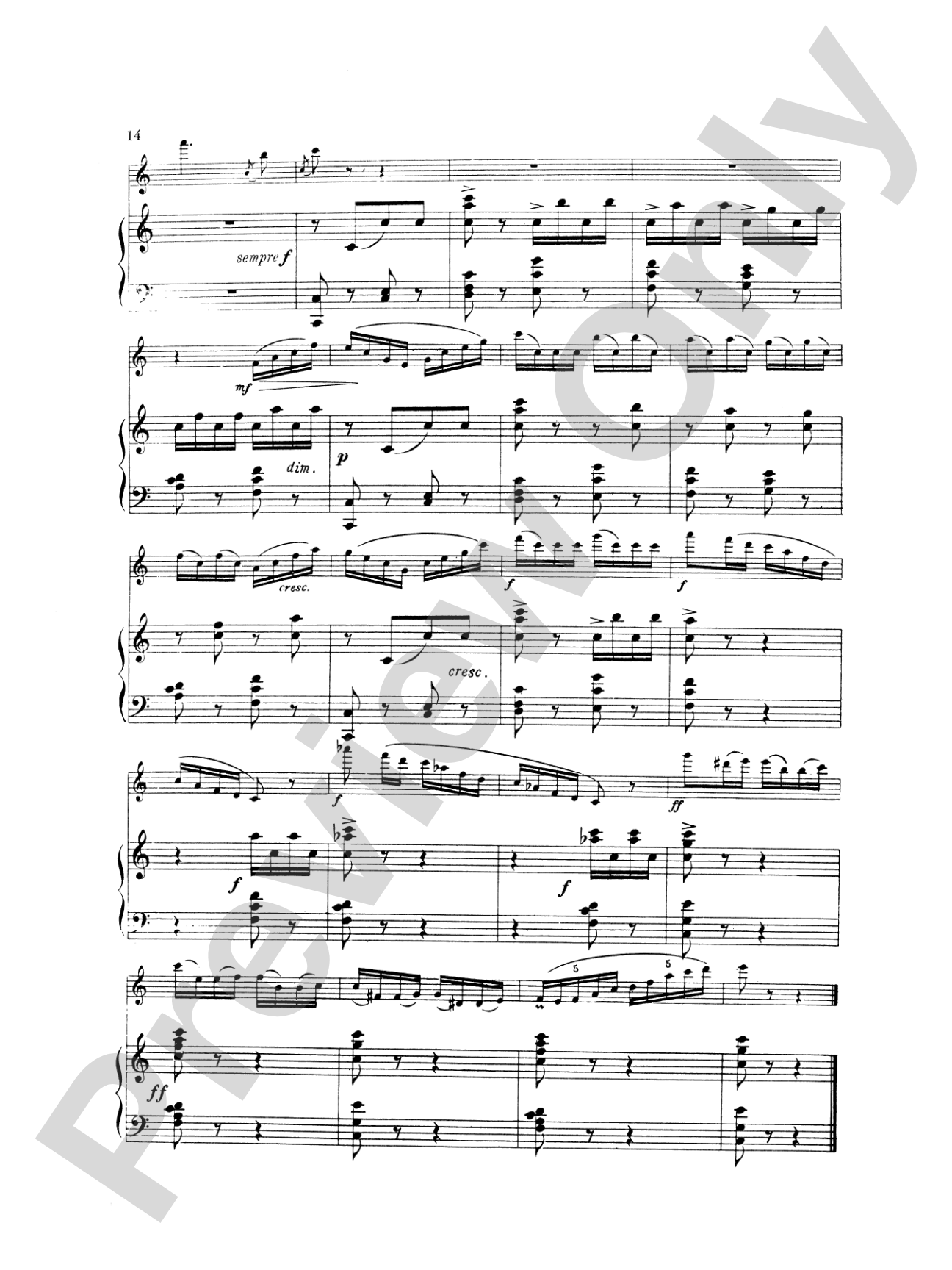



Fauré: Fantasy, Op. 79: Flute Part(s)
By Gabriel Fauré
Item: 00-PK-0003097

$8.99
Pickup currently not available
Parts Added to Cart!
Related Items
Fantasy, Opus 79: Flute Part(s) |
$8.95
|
View |
Description
A Flute Solo, composed by Gabriel Fauré.


Don't just read it, hear it, play along with it, and watch your students grow with it. In MakeMusic Cloud, Fauré: Fantasy, Op. 79: Flute Part(s) comes alive with professional accompaniment, adjustable tempo, and built-in practice tools that turn solo practice into real progress.
Open in the Player
Jump straight in and assign it today.
Start Your Free Trial
Open this title and explore the full library in minutes.
Sample Audio
No sample audio found.
Sample Video
No sample videos found.
Additional Details
Series:
Kalmus Edition
Publisher:
Alfred Music
Page Count:
24
SKU:
00-PK-0003097
More about this title
About the Composer: Gabriel Fauré
Gabriel Fauré (1845, 1924) shaped French musical identity during a transformative period that bridged Romanticism and modernism. As director of the Paris Conservatoire and a prolific composer across all genres, he developed a refined harmonic language that influenced generations of composers who followed. His chamber works and songs remain cornerstones of the French repertoire, valued for their emotional restraint and structural sophistication.
Why we love this
Fauré's Fantasy sits at the intersection of technical brilliance and emotional restraint, demanding both virtuosic command and interpretive maturity from the soloist. The piece rewards careful attention to phrasing and color, offering flutists a masterwork that remains fresh in recital and festival contexts without the predictability of more frequently performed repertoire.
What to expect
The Fantasy unfolds with the reflective lyricism characteristic of Fauré's late style, alternating between songlike passages and more intricate figuration that explores the flute's full range. There is an understated elegance throughout, favoring suggestion over statement, that creates an intimate atmosphere despite moments of technical display.
Who it's for
Advanced high school flutists and college-level flute students preparing for competitions, festivals, or recitals will find this work engaging and musically substantive. Solo performers seeking repertoire beyond the standard Baroque and Classical canons benefit from its relative rarity in the recital hall.
How to get the most out of it
- Shape long phrases by thinking in terms of breath units rather than bar lines; Fauré's harmonic progression often suggests a broader arc than the notation immediately reveals.
- Attend to dynamic nuance within a single dynamic level (playing p without losing presence, mf without excessive force) as Fauré writes relatively few dramatic contrasts.
- Balance the flute's natural brightness with the introspective character of the piece; experiment with tone color across different registers to match shifts in harmonic color.
- The digital score format allows you to isolate sections and work on internal continuity; use this to map transition points where the musical character shifts.
How to use it
Program this alongside works by Fauré's contemporaries (Debussy, Saint-Saëns) to explore late Romantic French aesthetics, or pair it with Baroque sonatas to highlight how twentieth-century composers reimagined the solo flute tradition. Its moderate length and refined character make it ideal for festival performances or the second half of a student recital.
Skills your students will build
- Sustaining long, shaped phrases with clarity of line
- Managing harmonic progression through subtle dynamic and tonal coloring
- Reading and interpreting Impressionistic notation and expression marks
- Navigating extended range passages with technical control and musicality
- Building interpretive maturity through a work that values restraint and nuance