
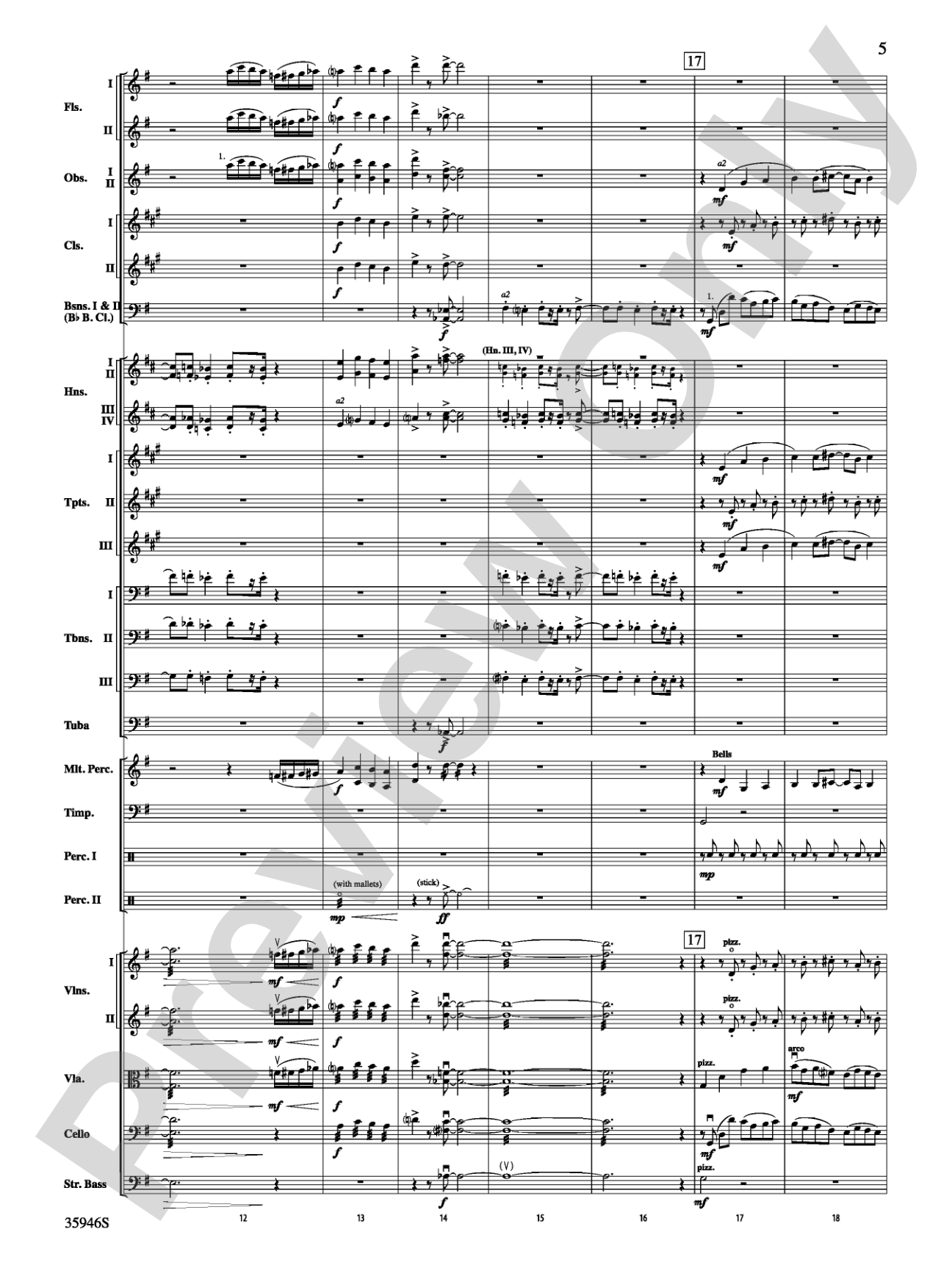
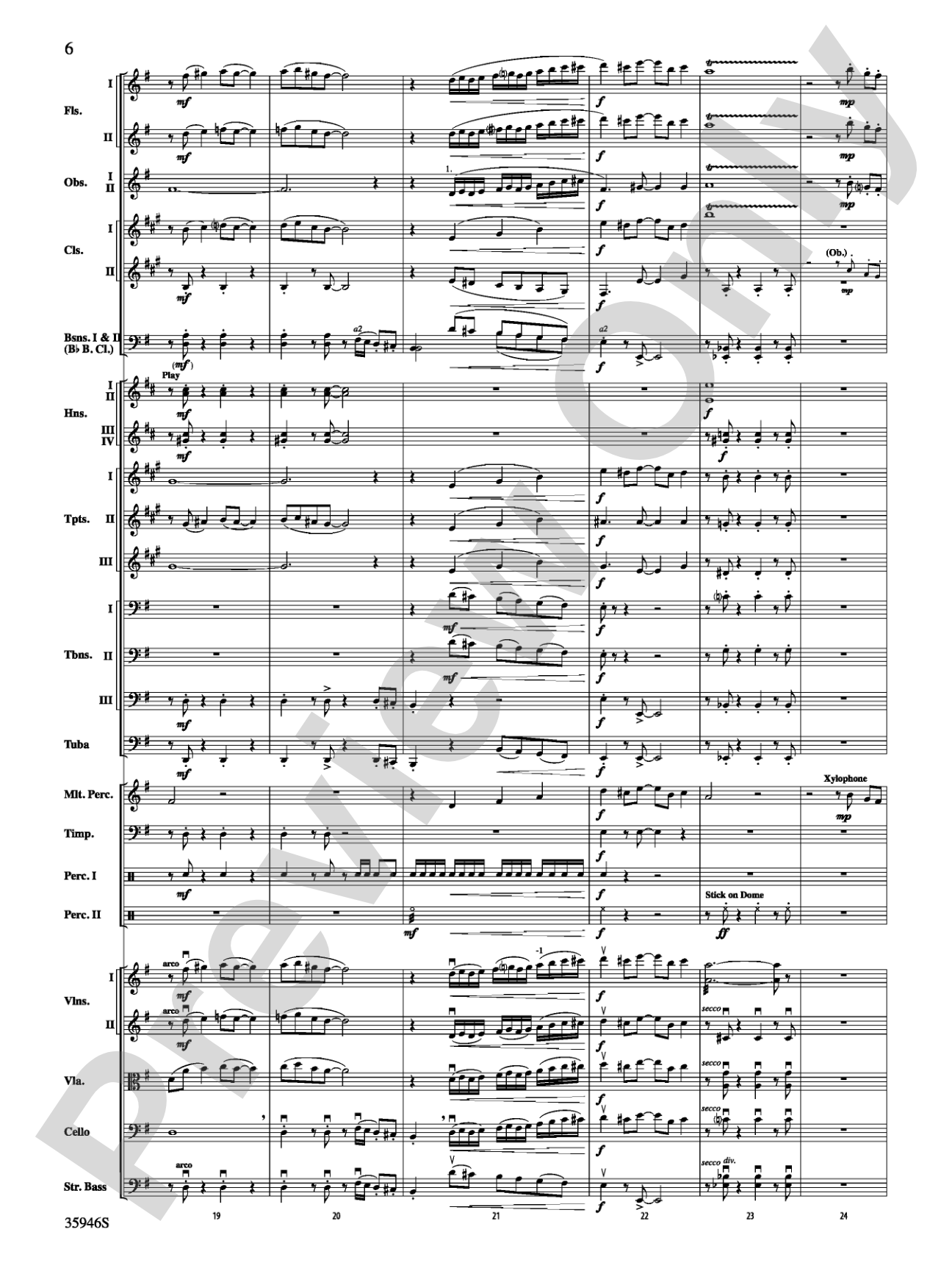
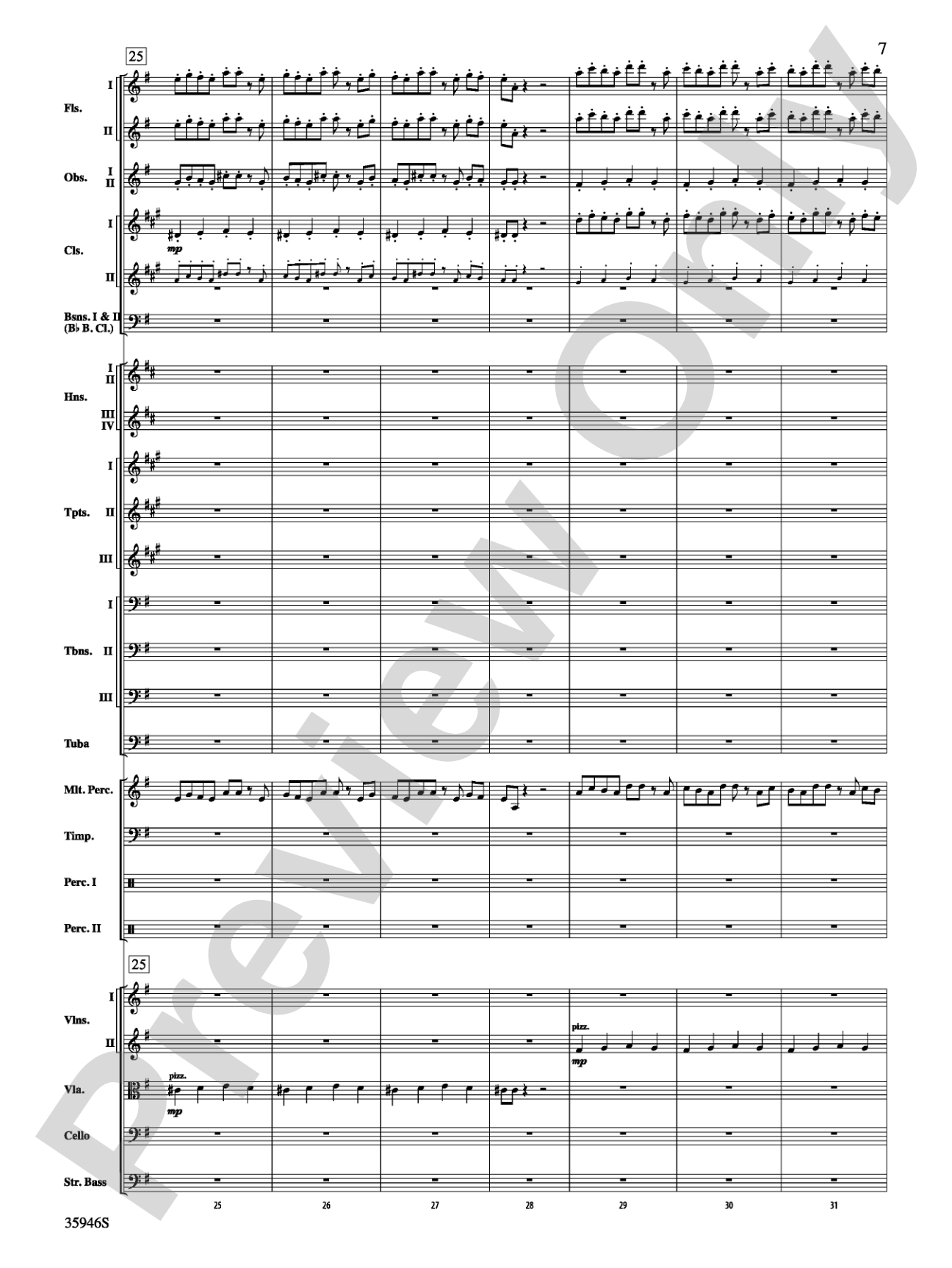
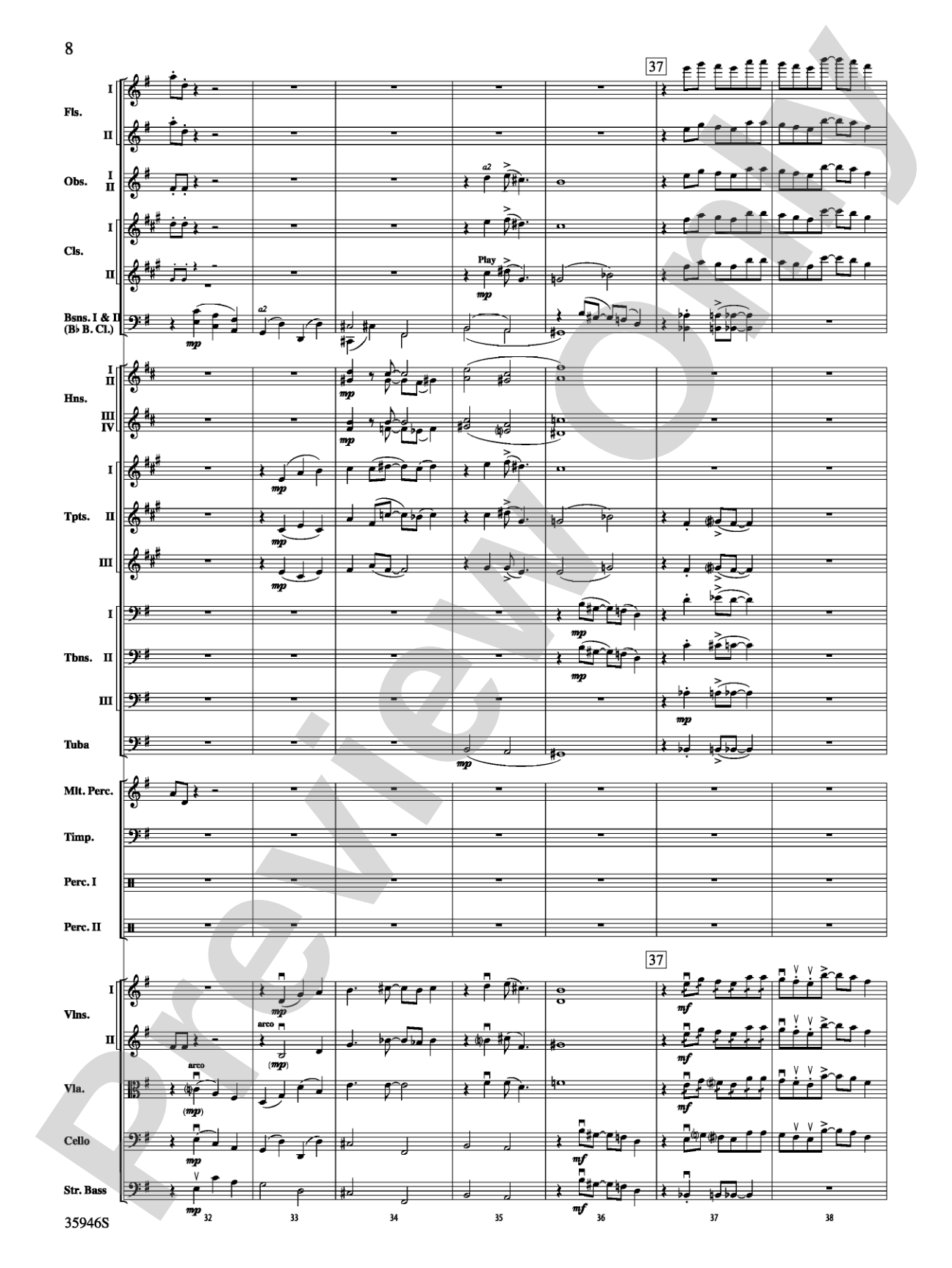
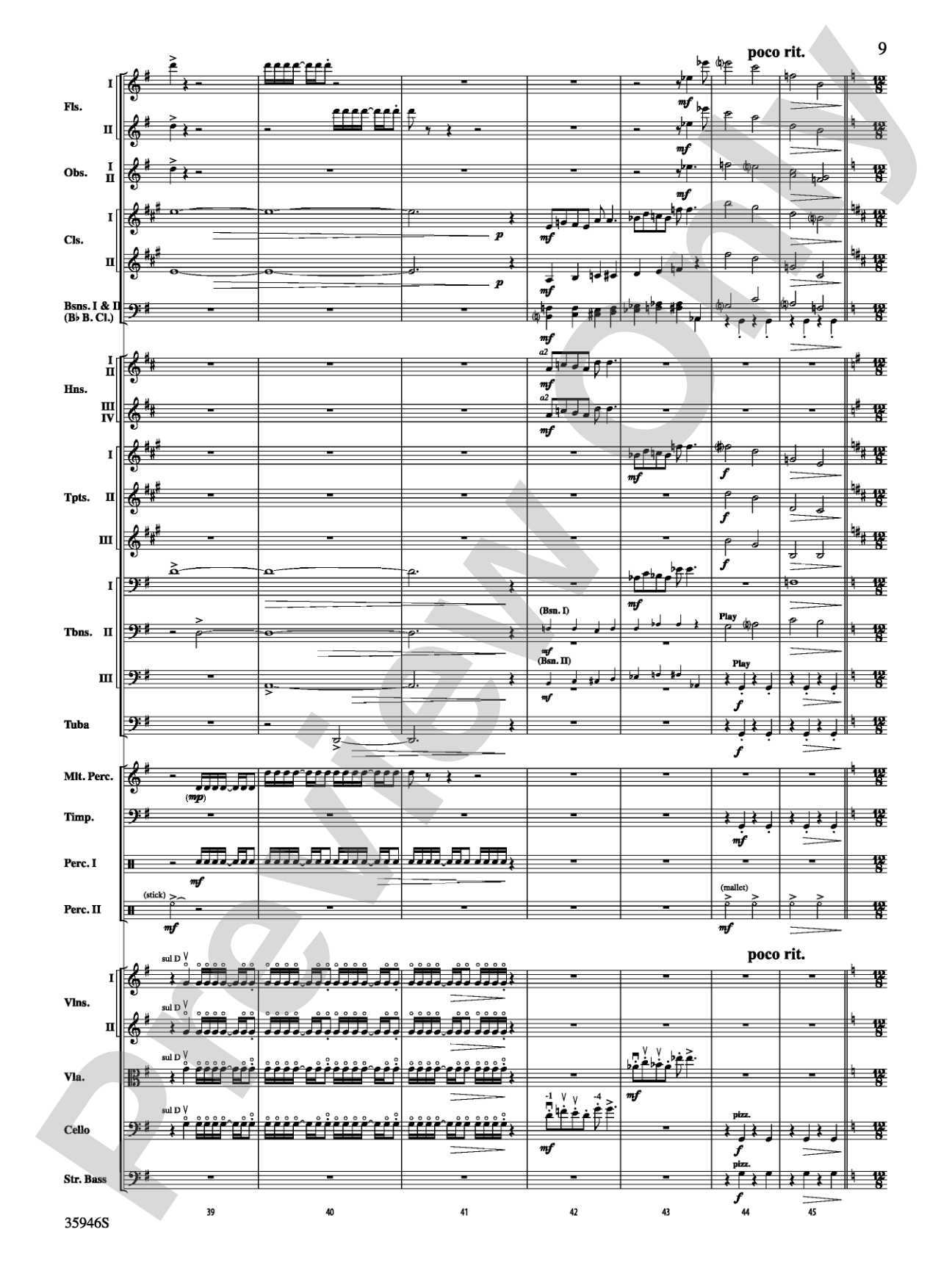
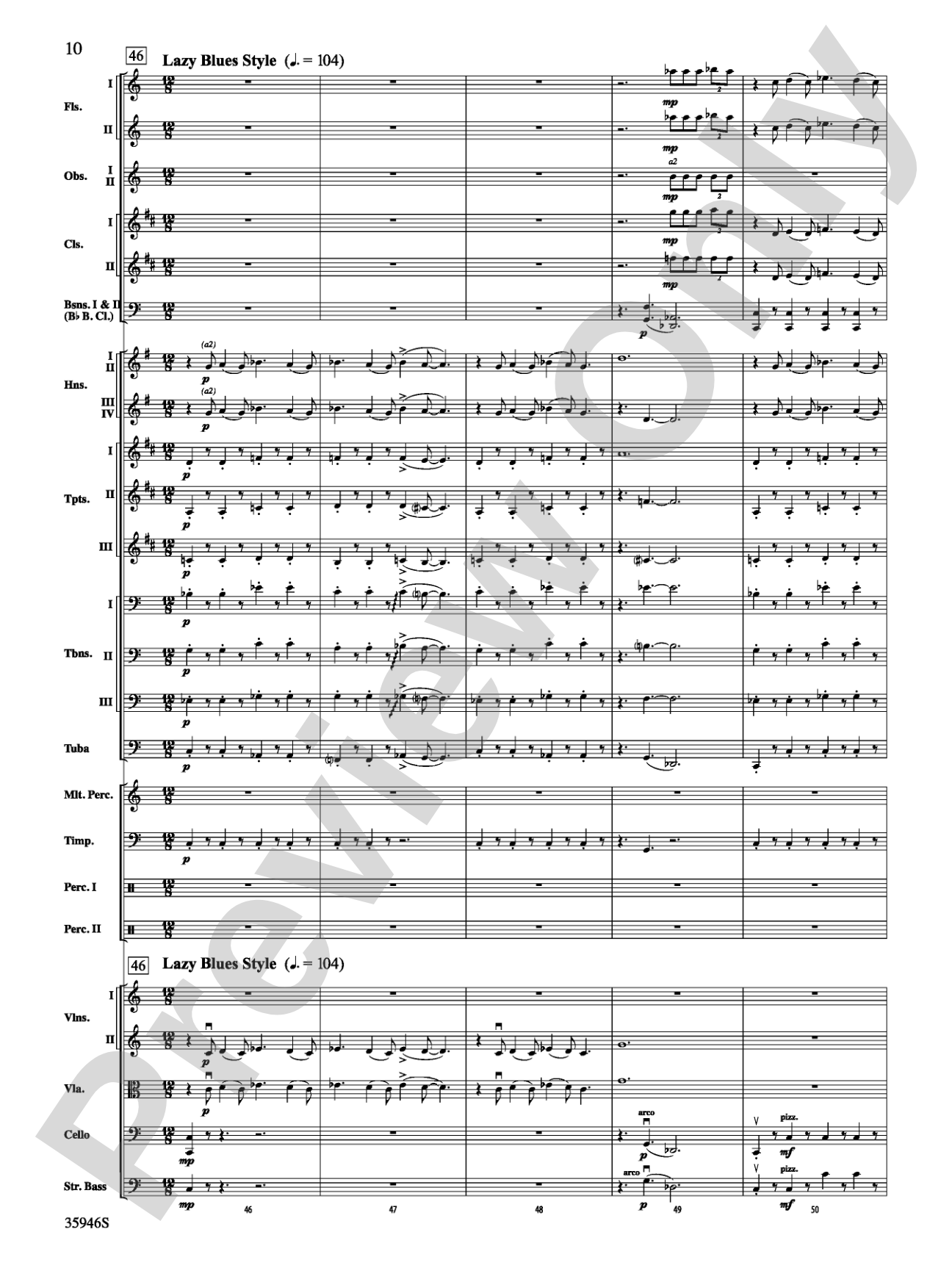
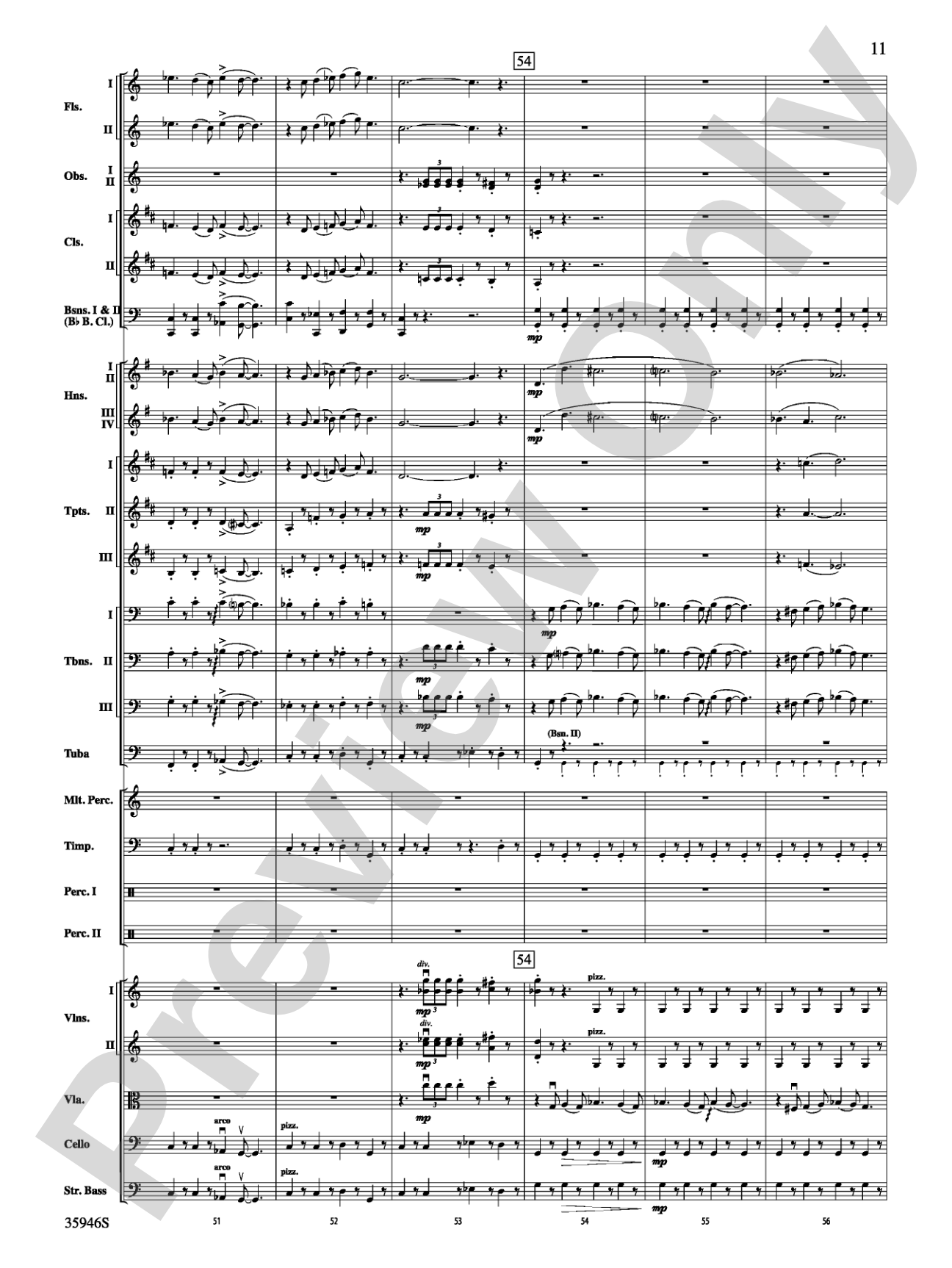
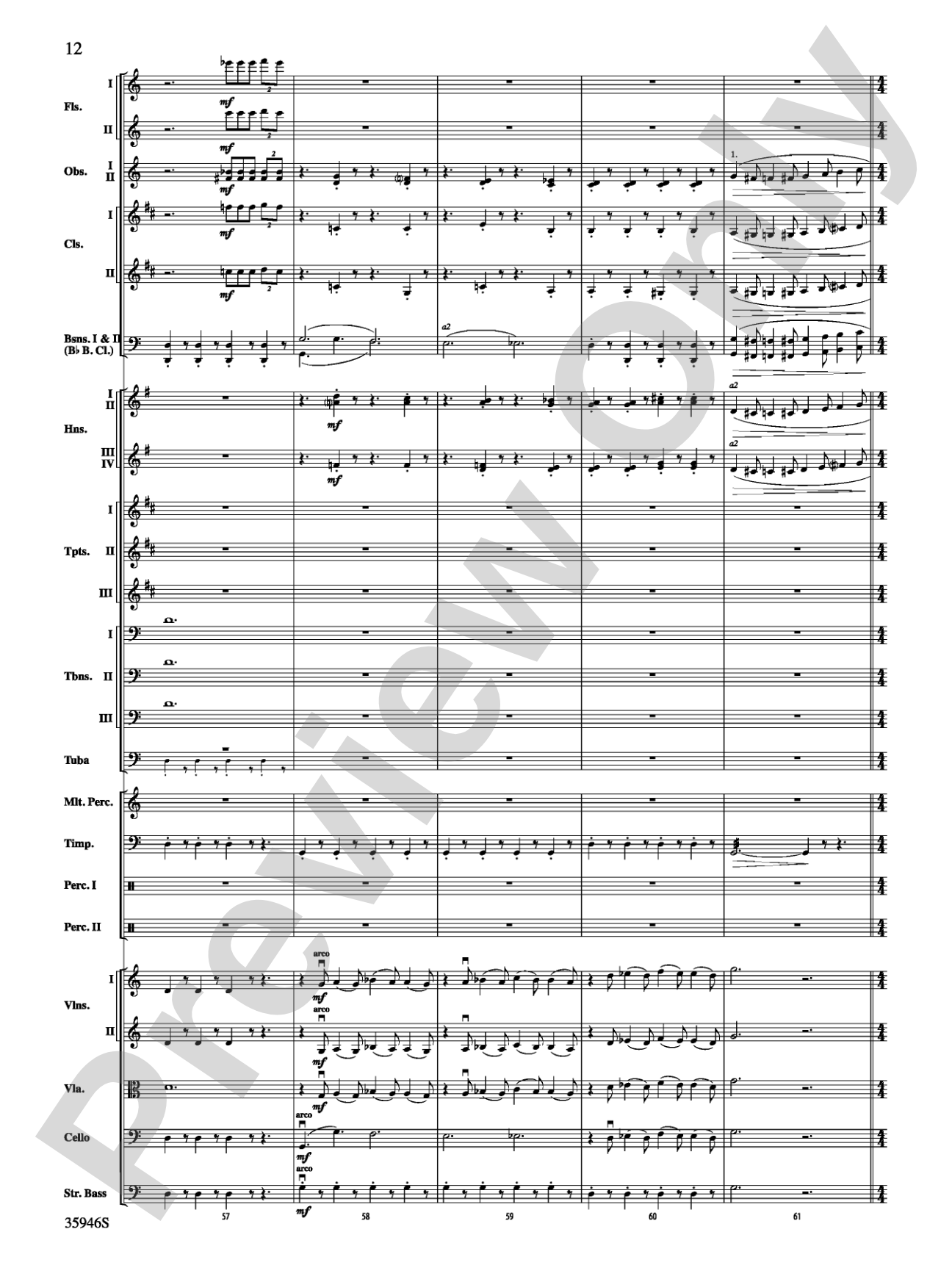
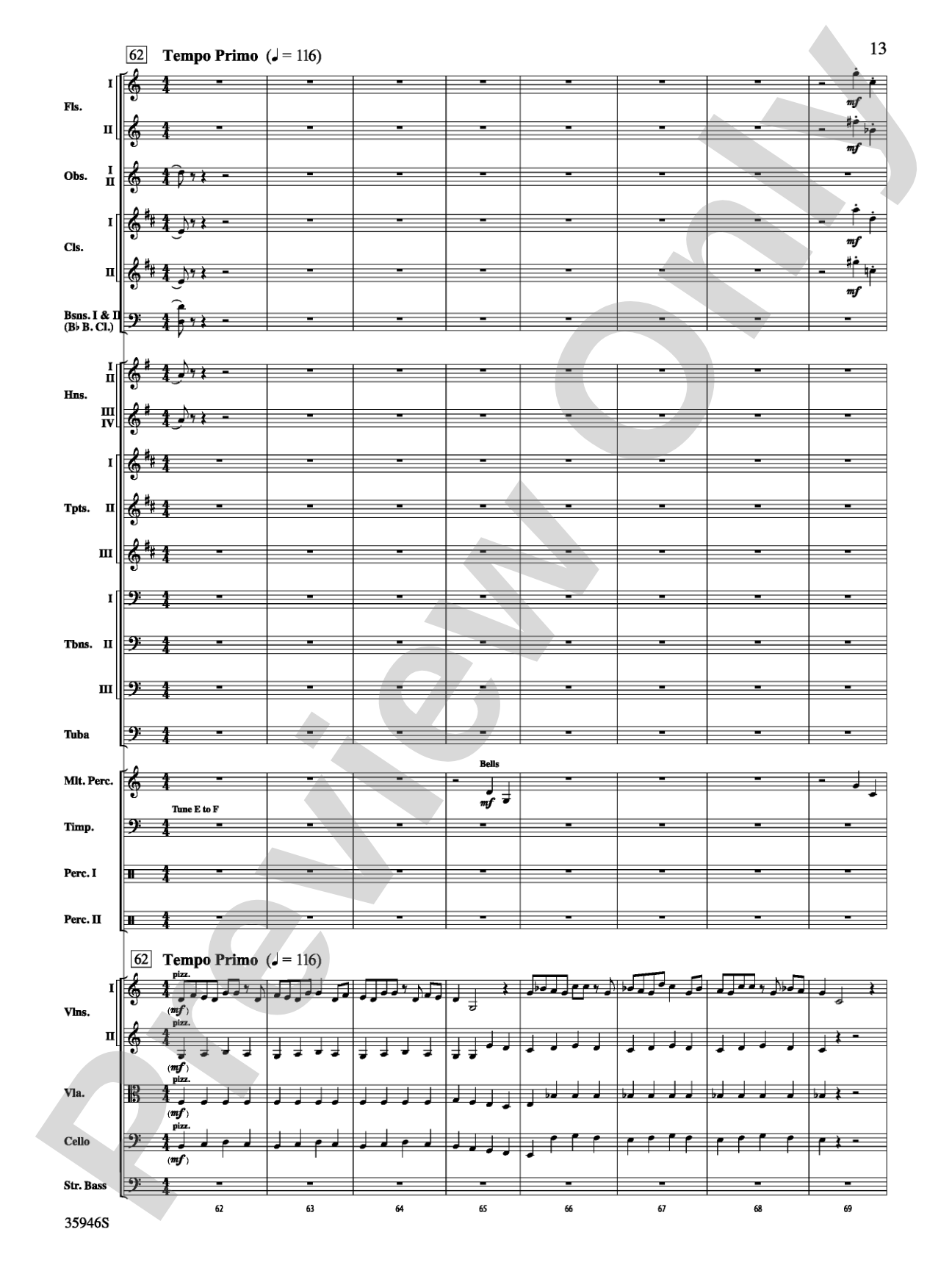
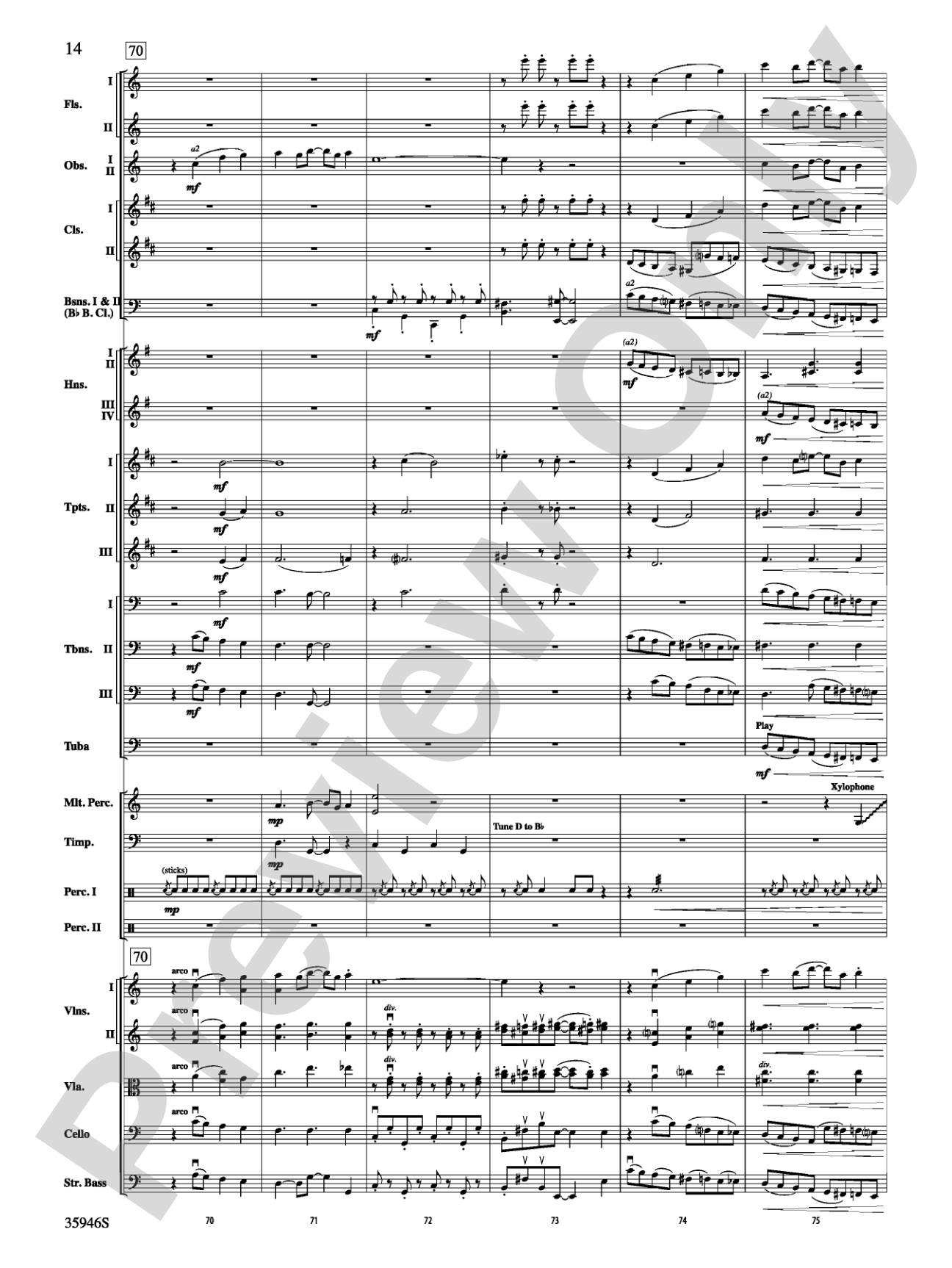
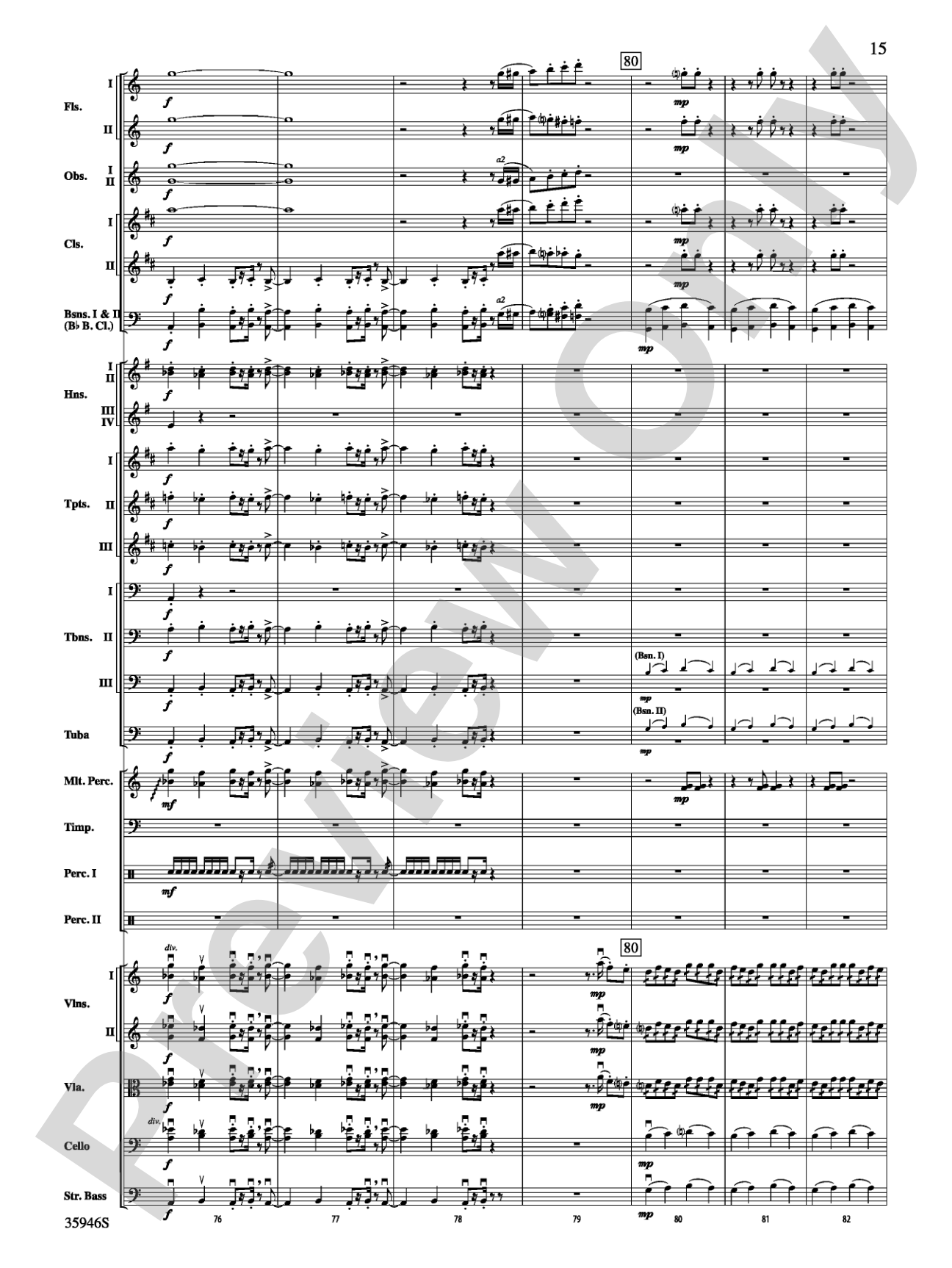
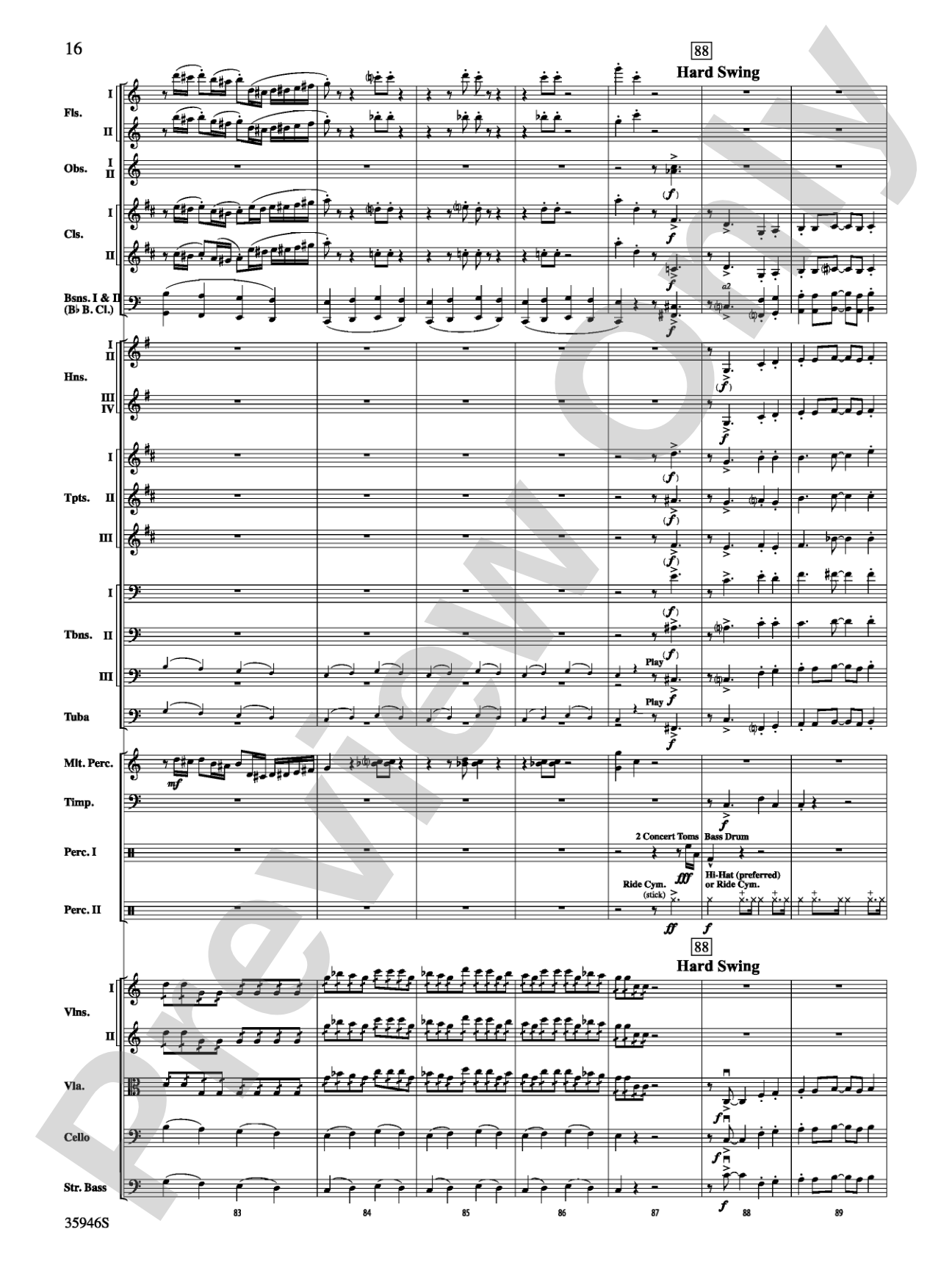
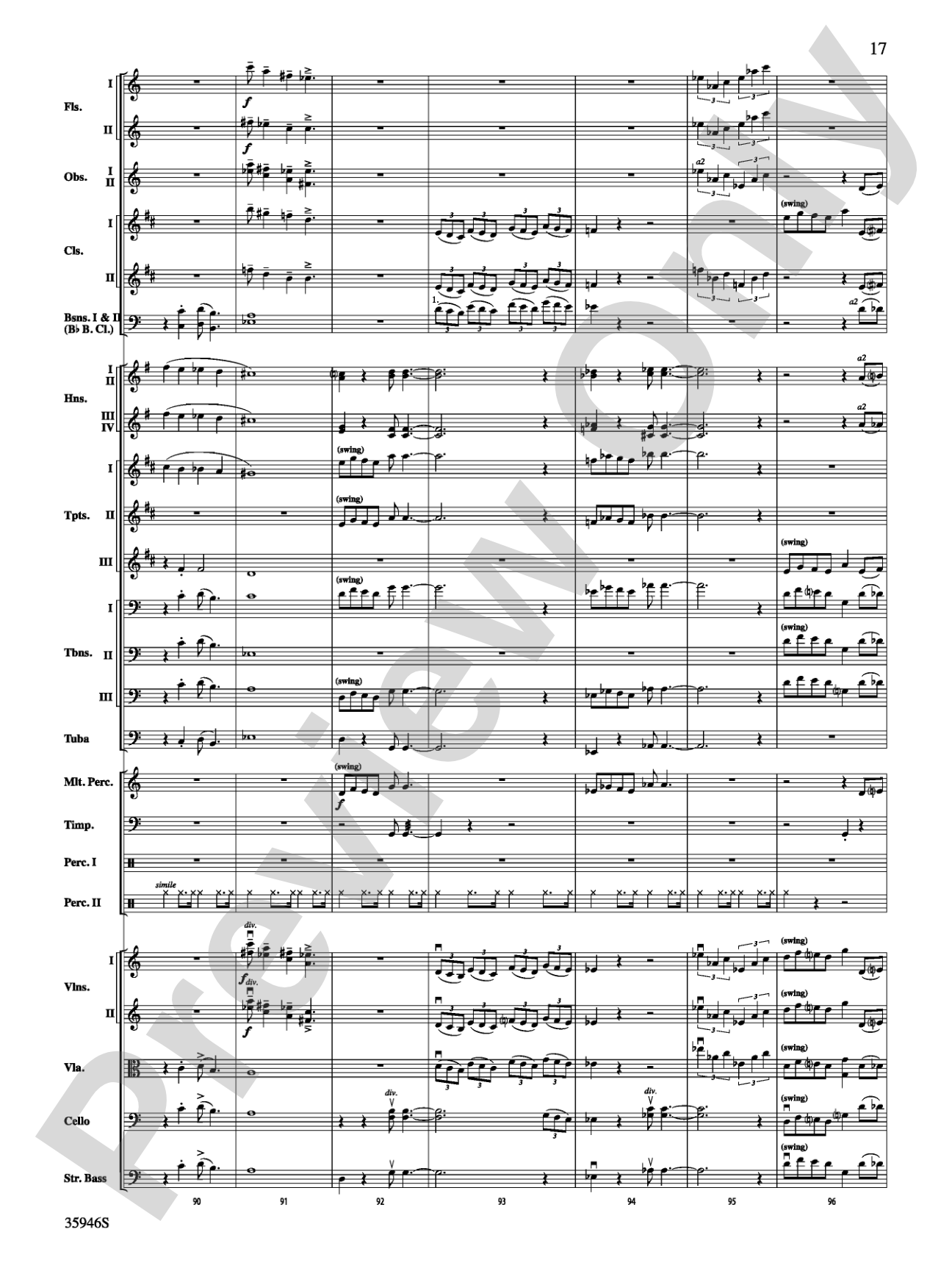
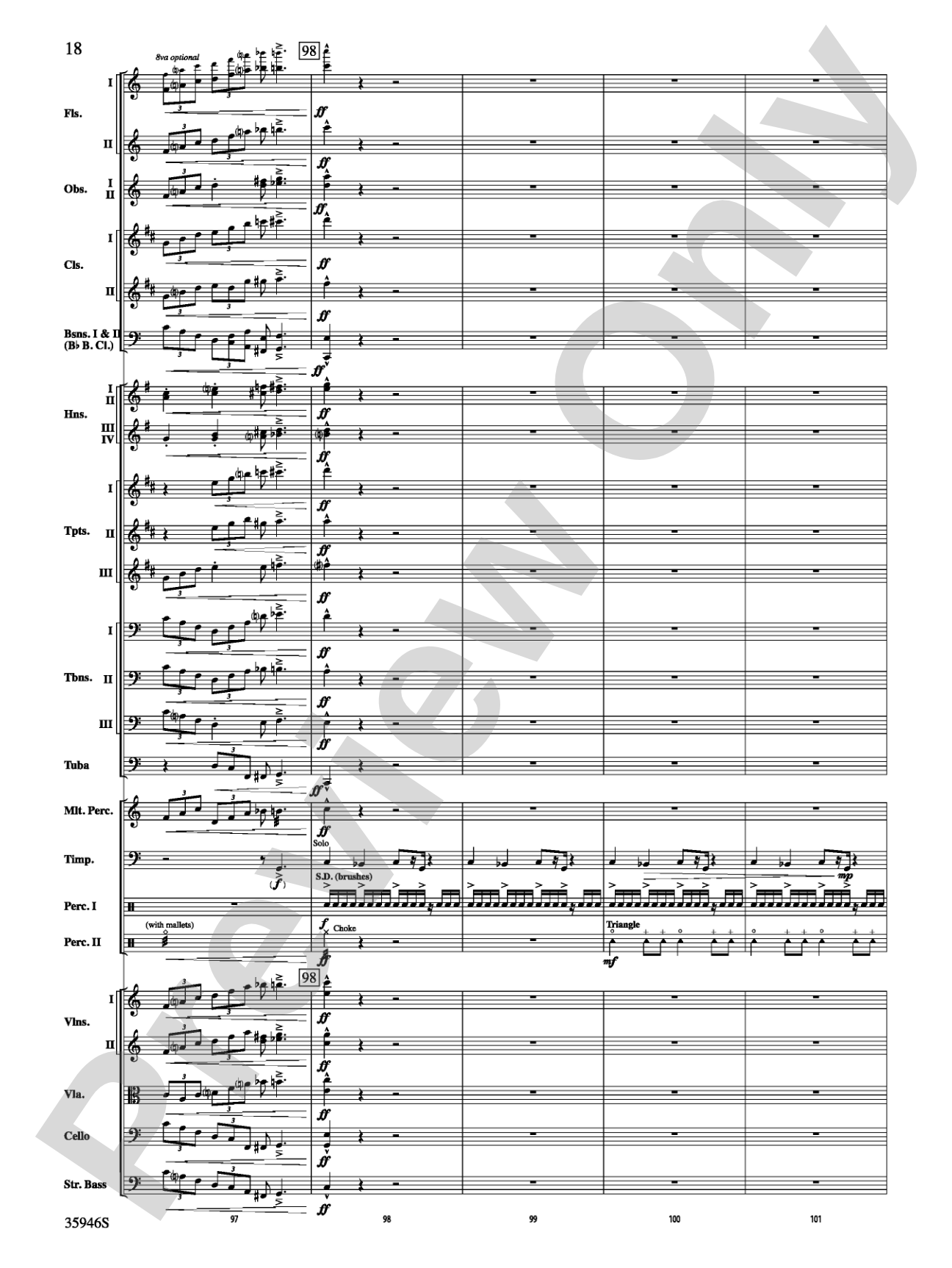
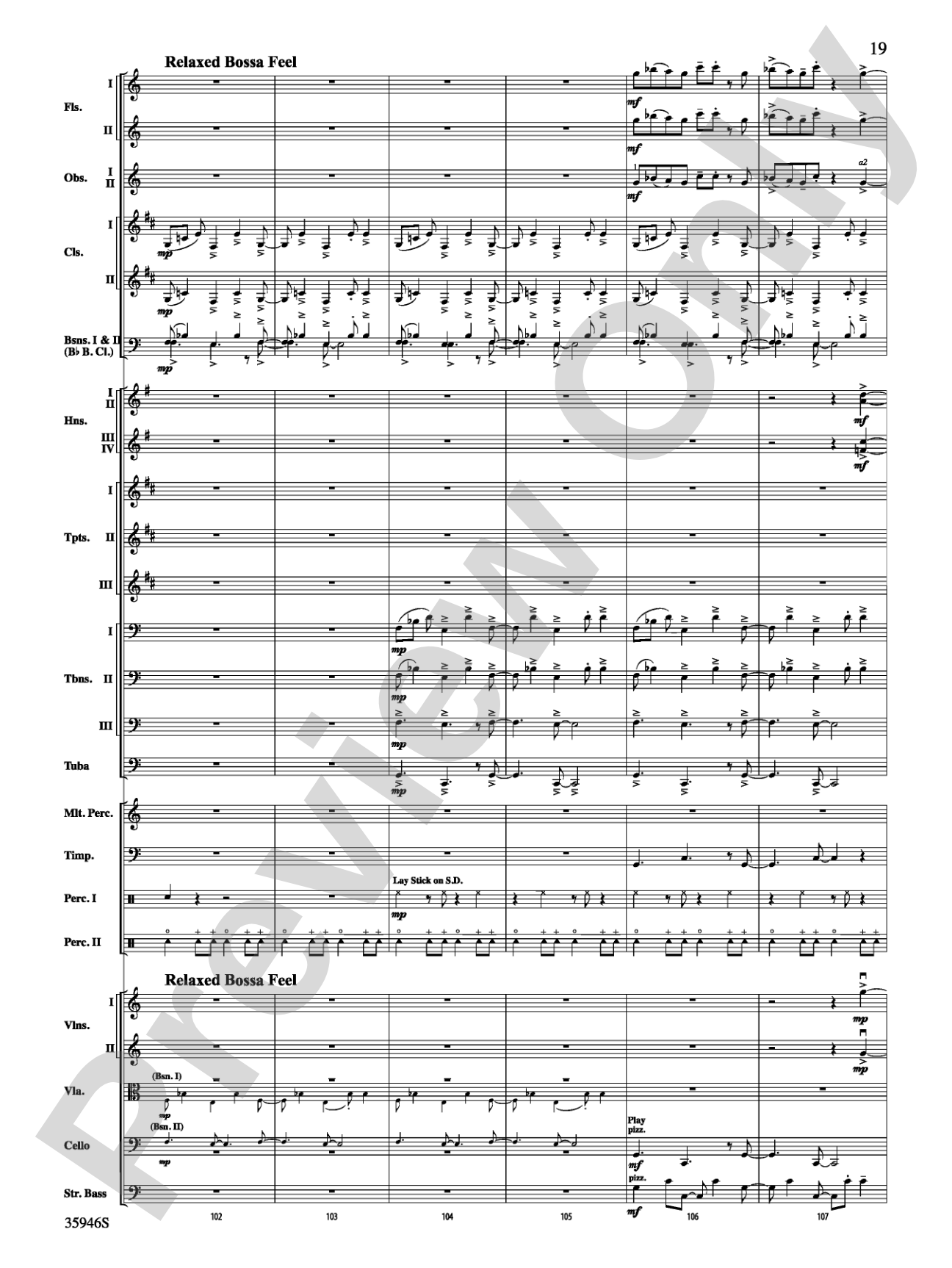
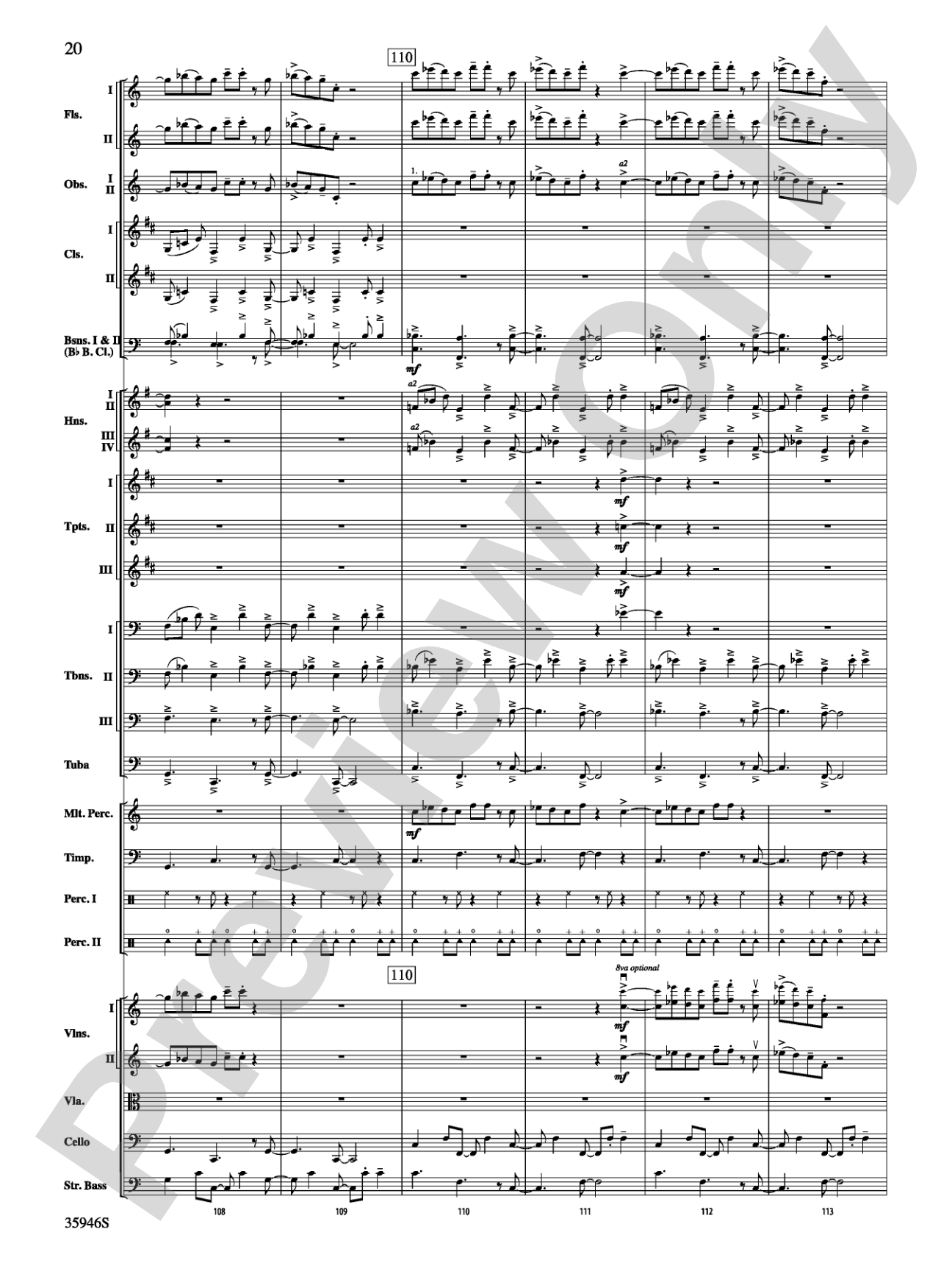
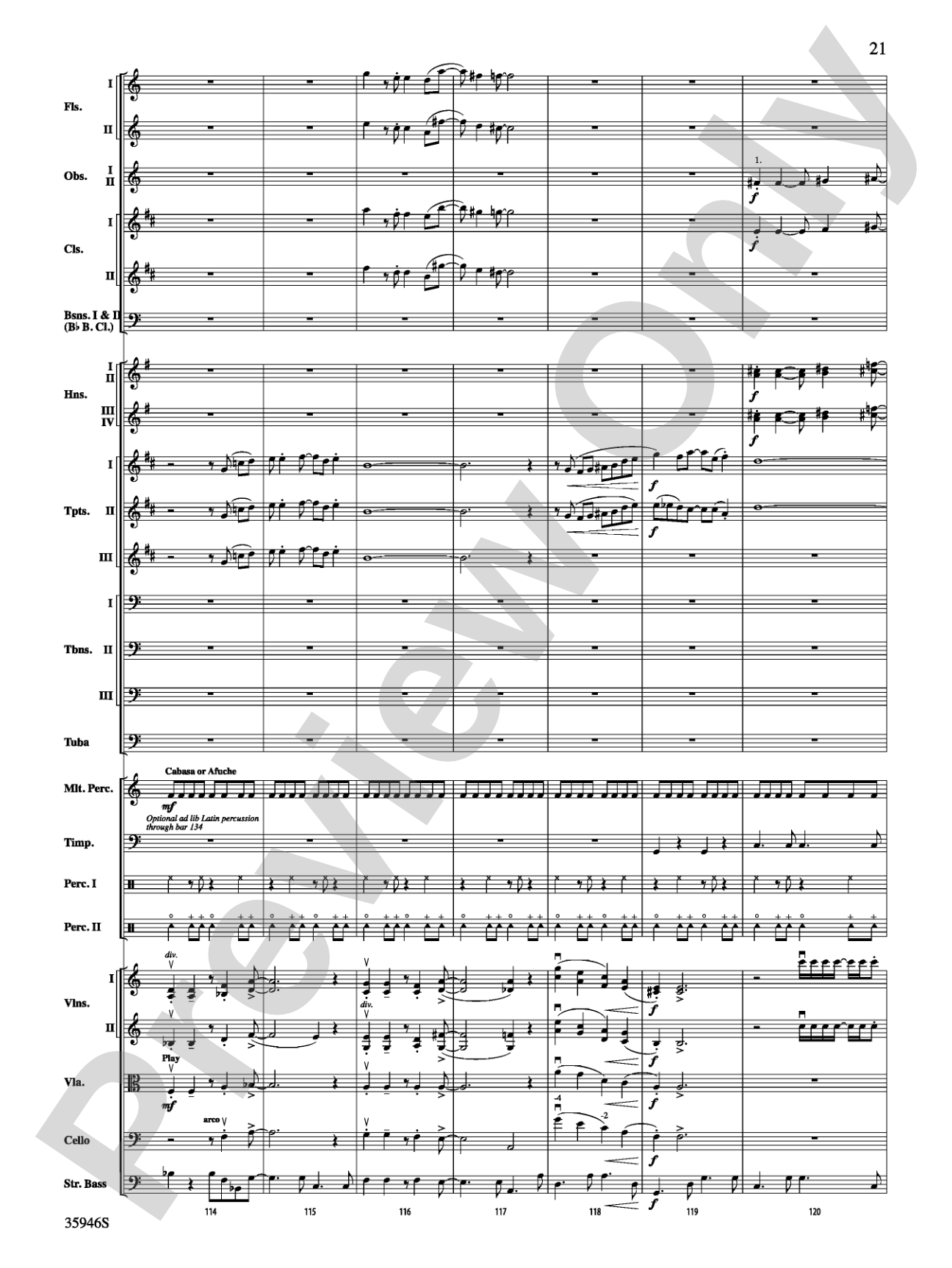
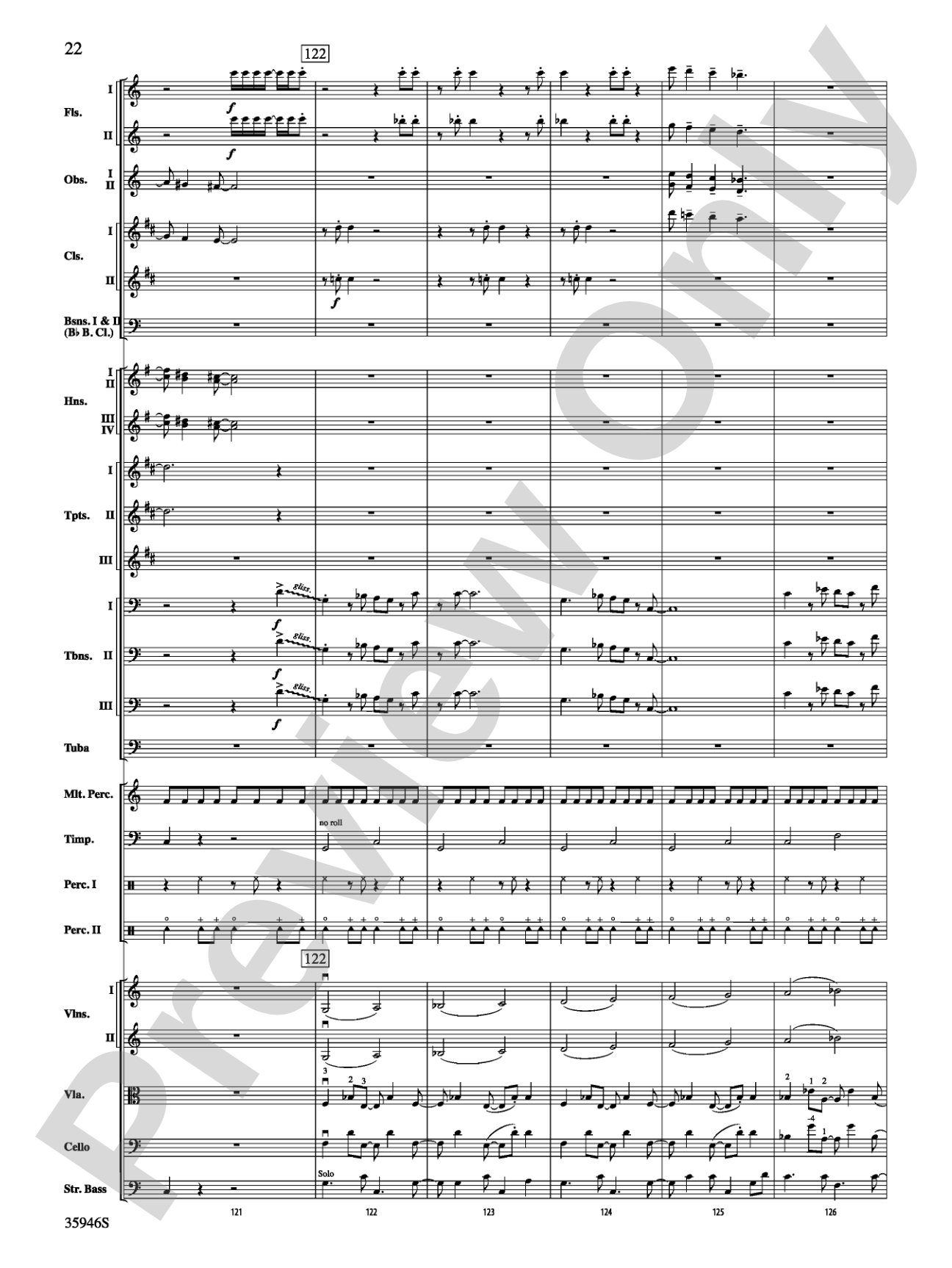
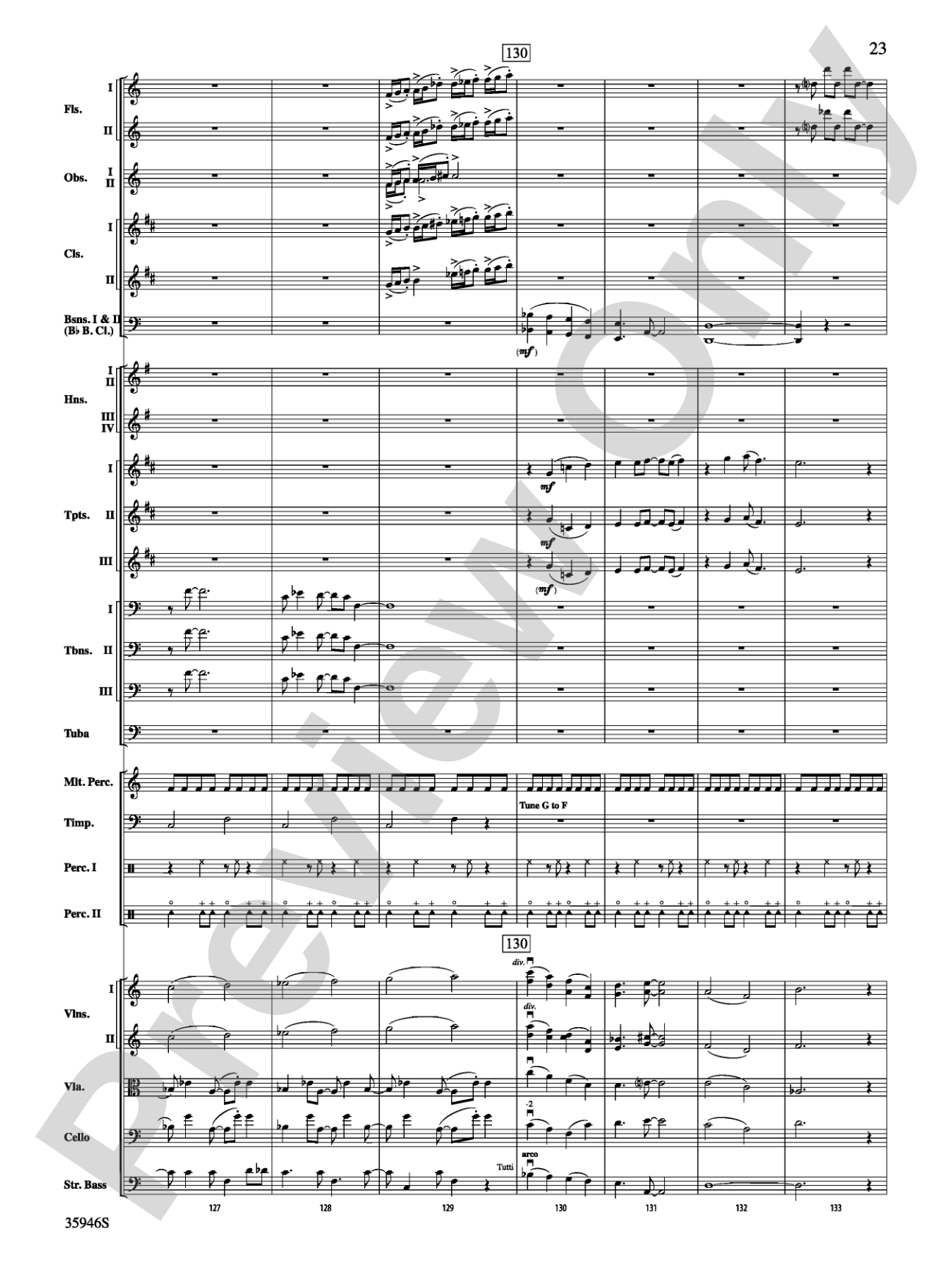
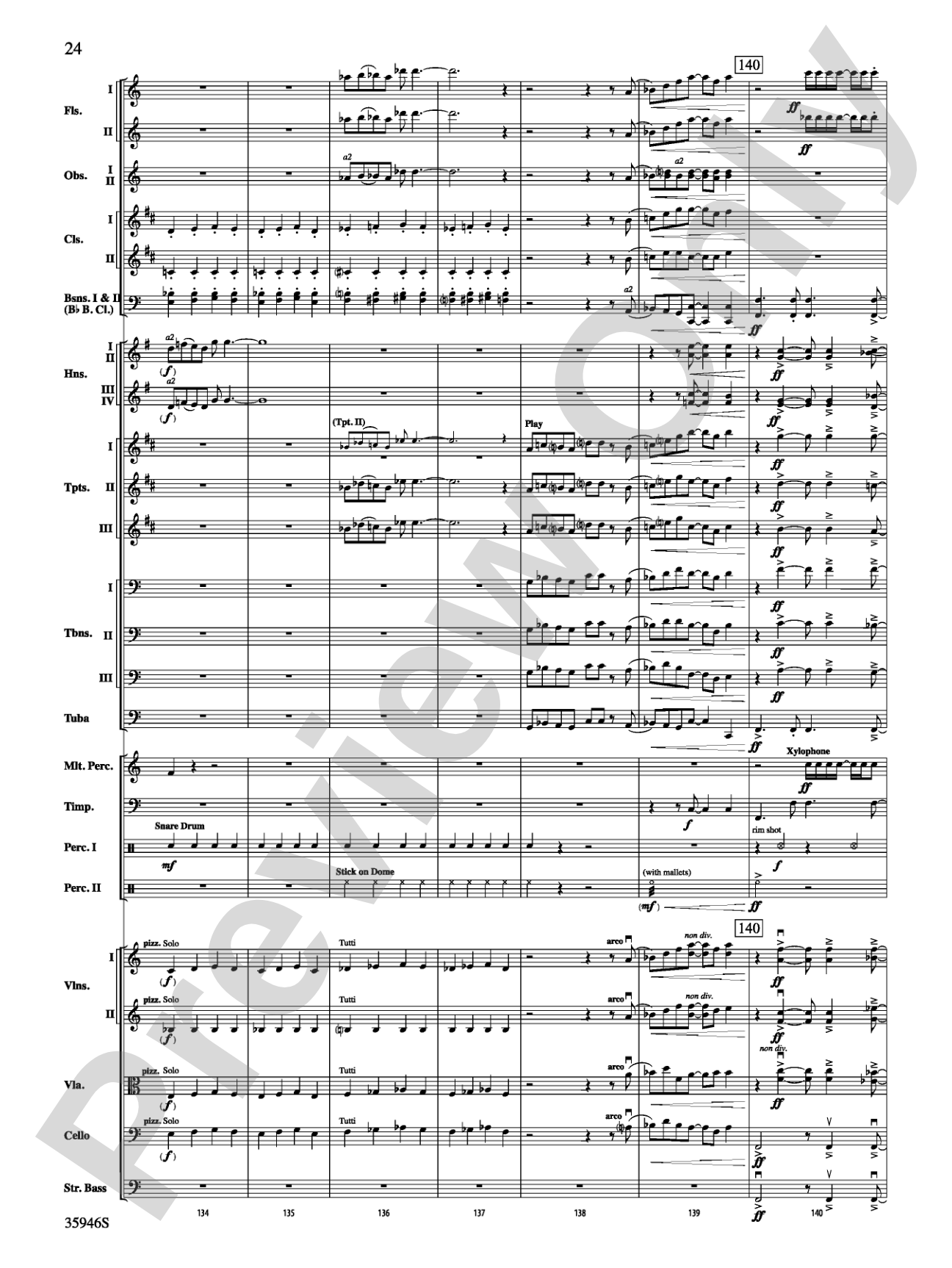
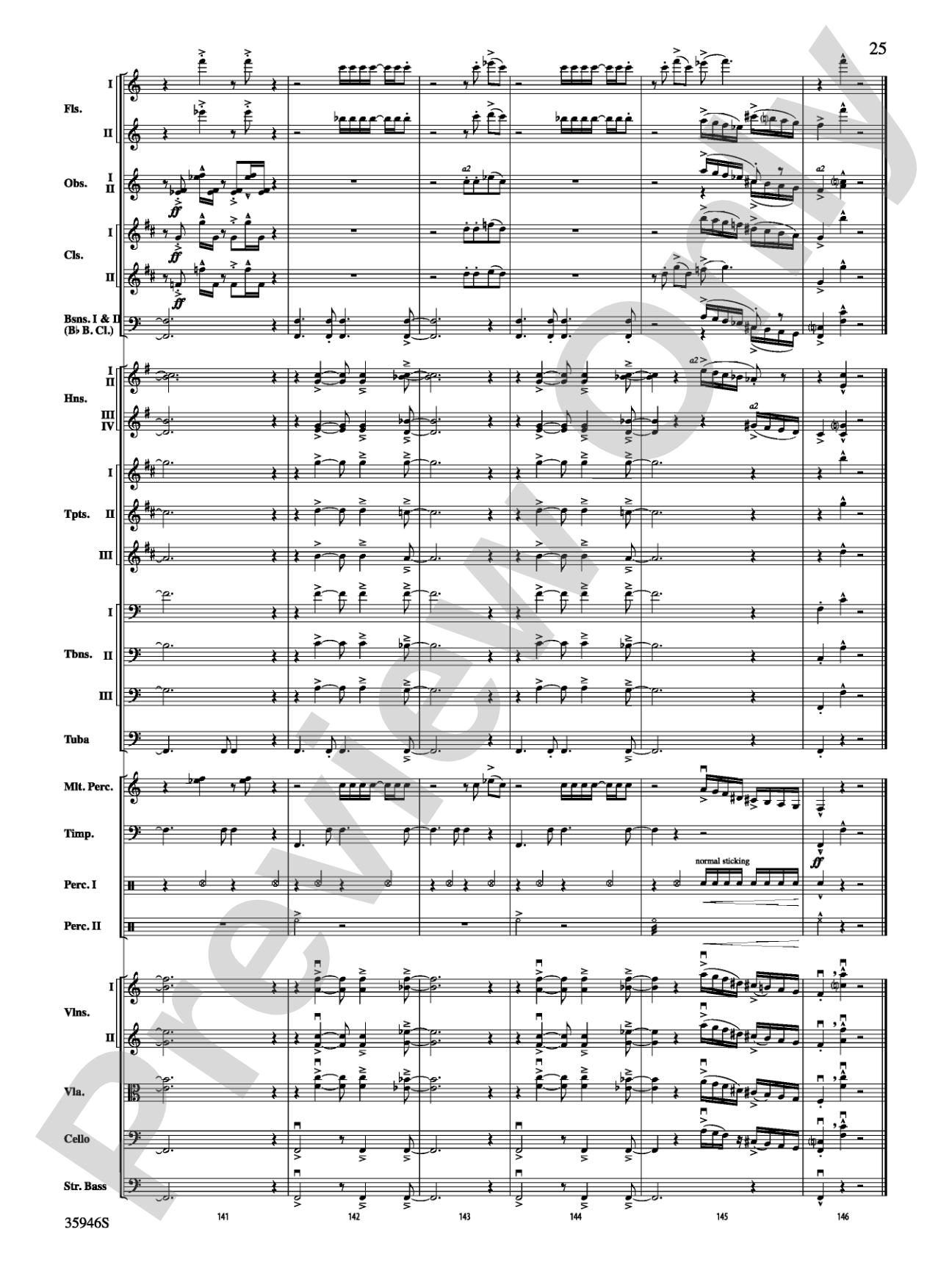




Fascinating Rhythm: Full Orchestra Conductor Score & Parts
Music and lyrics by George Gershwin and Ira Gershwin / arr. John Whitney
Grade: 4
Item: 00-PK-0004736

$70.00
One moment…
Description
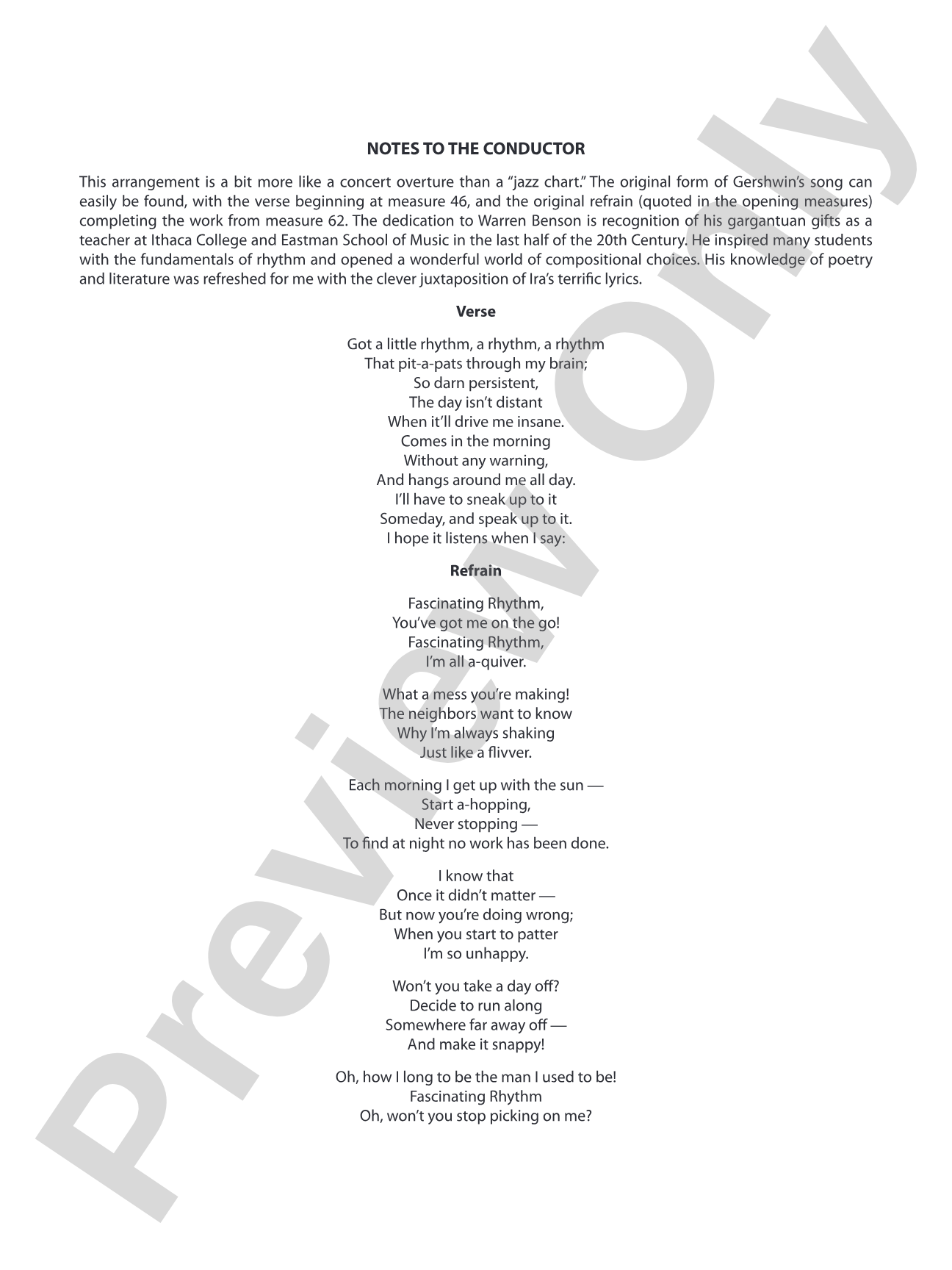
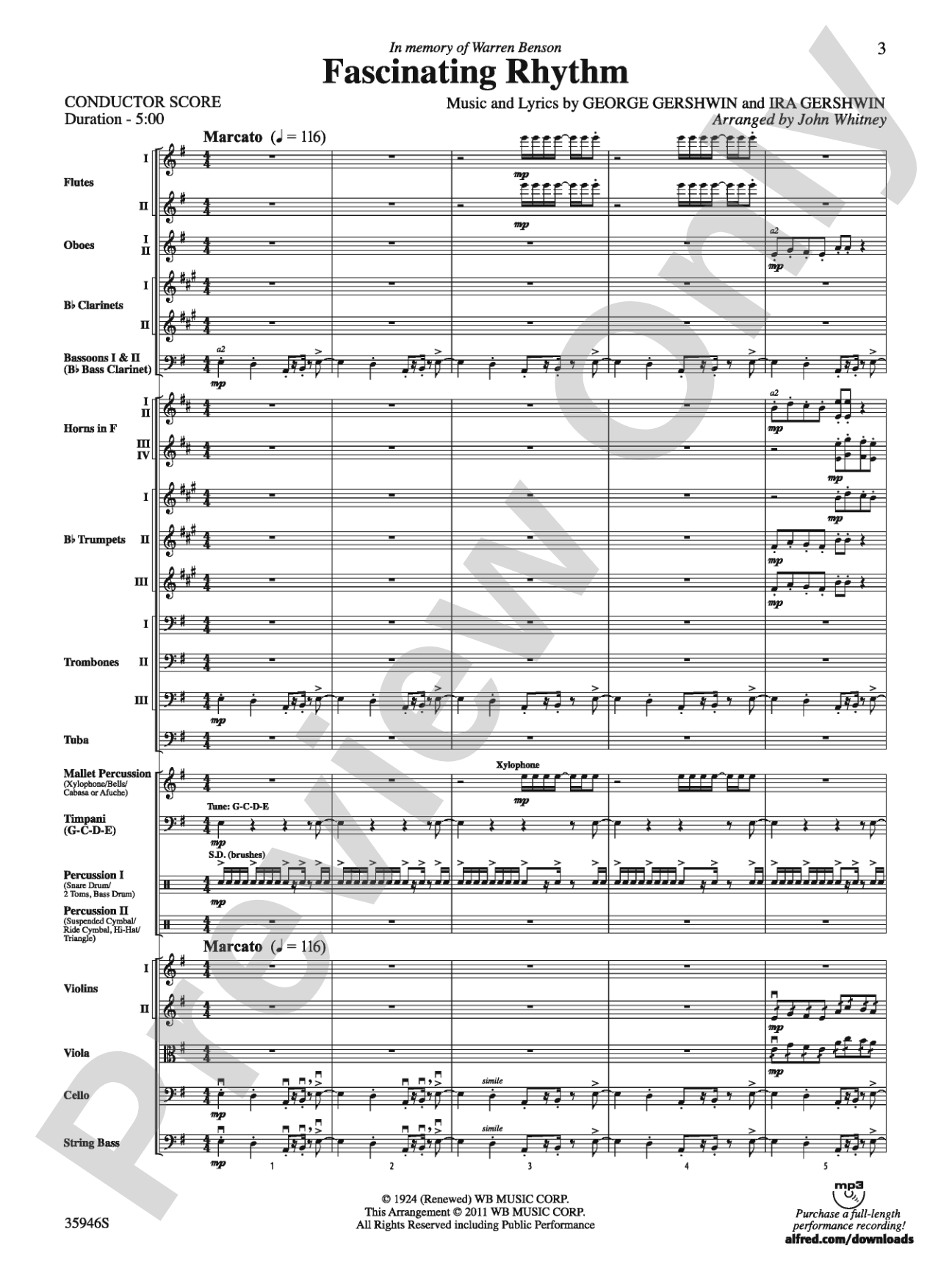
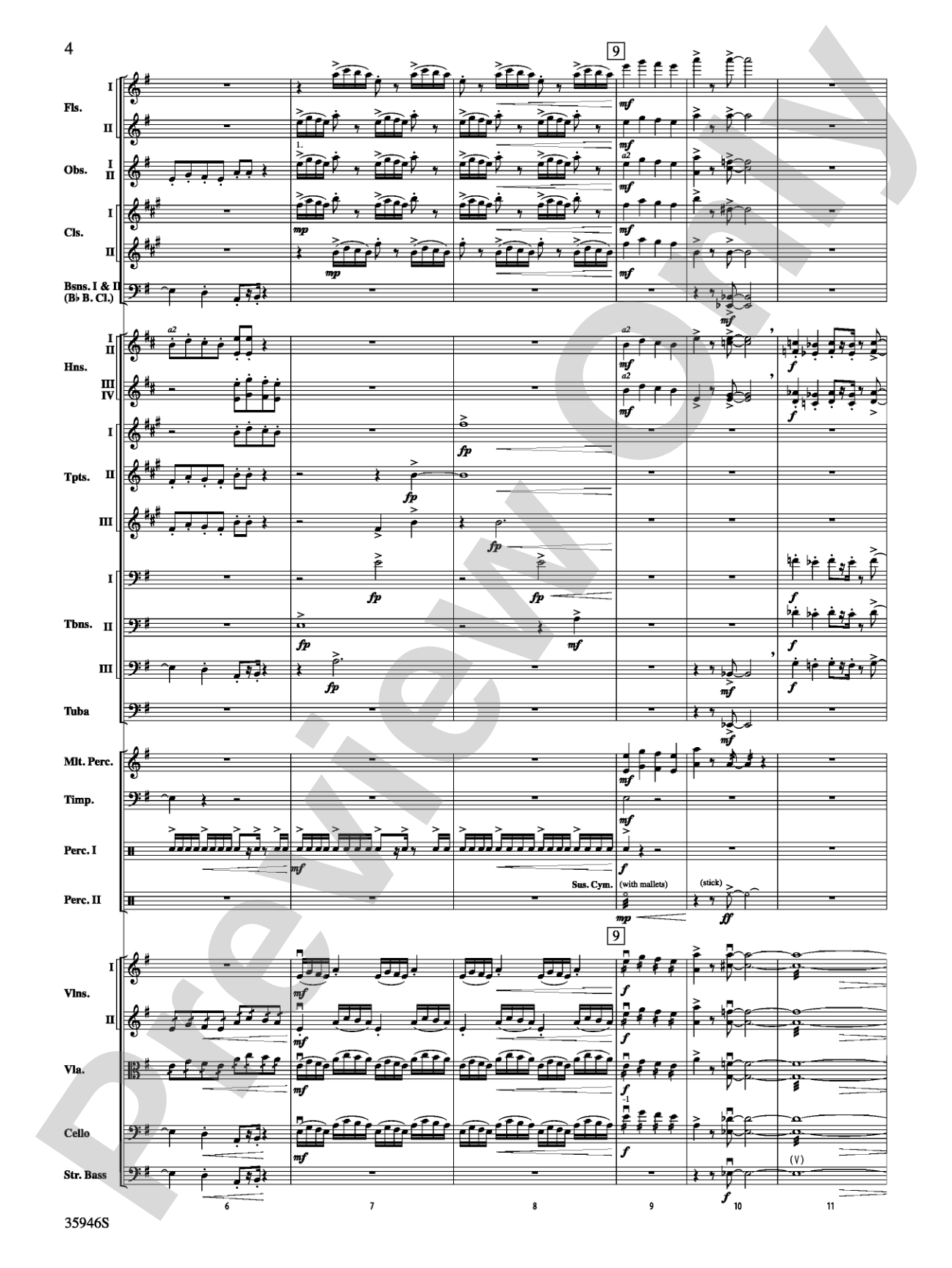
This arrangement is a bit more like a concert overture than a "jazz chart." The original form of Gershwin's song can easily be found throughout. Sure to delight audiences and players!


Don't just read it, hear it, play along with it, and watch your students grow with it. In MakeMusic Cloud, Fascinating Rhythm: Full Orchestra Conductor Score & Parts comes alive with professional accompaniment, adjustable tempo, and built-in practice tools that turn solo practice into real progress.
Open in the Player
Jump straight in and assign it today.
Start Your Free Trial
Open this title and explore the full library in minutes.
Sample Audio
1
Audio File
--:--
0:00
0:00
Sample Video
No sample videos found.
Additional Details
Series:
Pop Concert Full Orchestra
Publisher:
Alfred Music
Page Count:
228
SKU:
00-PK-0004736
Instrumentation:
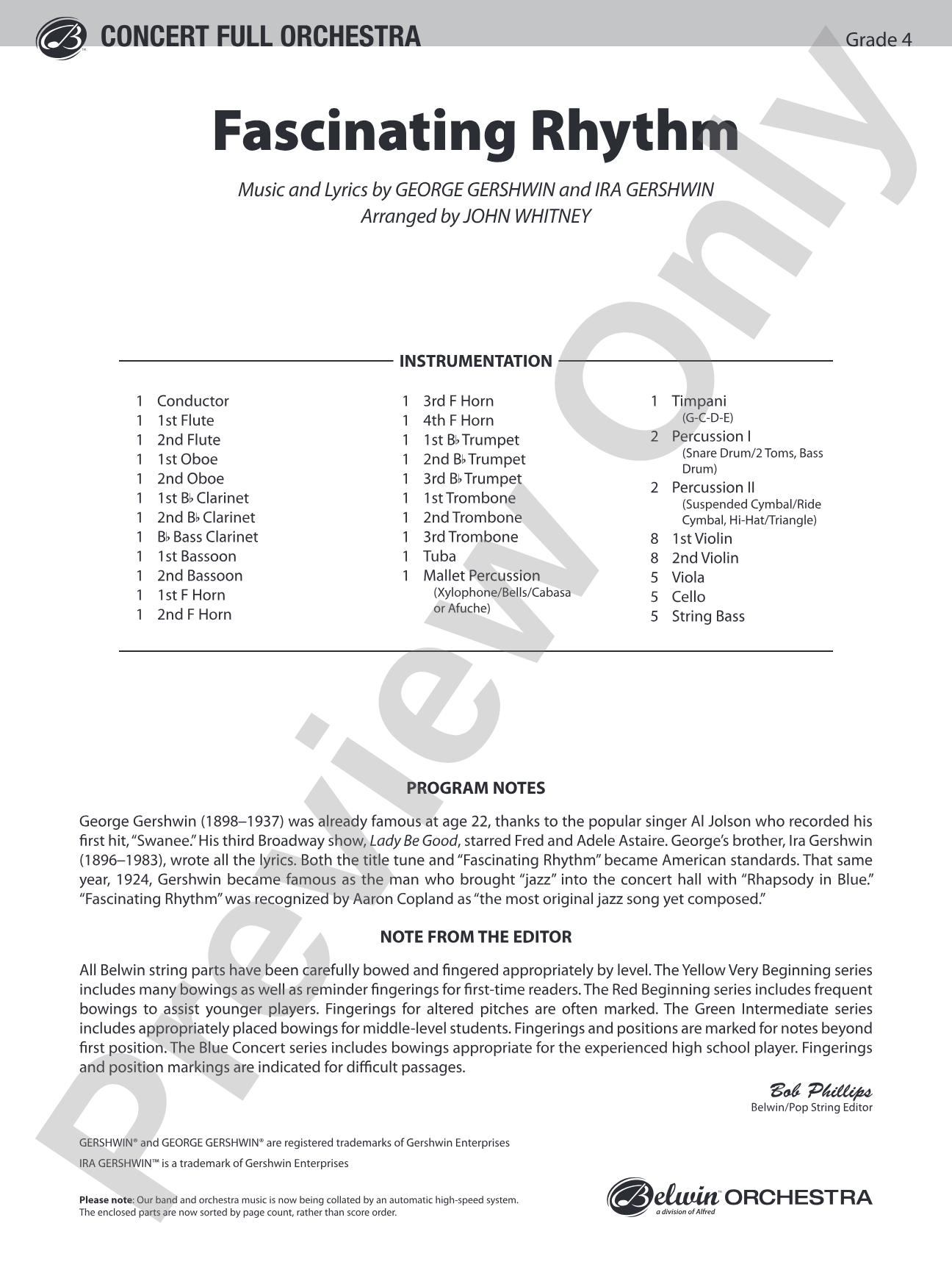
full (xylophone/bells/cabasa or afuche, timp, snare/2toms/bass, suscym/ridecym, hi-hat/triangle)
More about this title
About the Composer: George Gershwin
George Gershwin (1898-1937) bridged classical music and American popular song with unprecedented fluency. His ability to write memorable melodies, sophisticated harmonies, and rhythmically inventive passages made him one of the most performed composers in the 20th century, influencing everyone from film composers to concert hall modernists.
Gershwin's songs remain central to music education because they reward serious musicianship while remaining accessible to players and audiences alike. His brother Ira, the lyricist, provided witty, singable words that made these songs cultural touchstones. Together they created works that orchestrators still return to, recognizing in them the perfect balance of popular appeal and compositional craft.
Why we love this
John Whitney's orchestration treats this standard with real sophistication, structuring it as a concert piece rather than a straightforward jazz arrangement. The original song's melody remains instantly recognizable, but the harmonic and orchestral development gives your ensemble something genuinely rewarding to sink into, and audiences hear both the beloved tune and a polished concert experience.
What to expect
Infectious rhythm wrapped in a concert-quality arrangement. The piece has that irresistible swing and momentum Gershwin built into the song, but Whitney's orchestration gives it shape and sophistication that unfolds over its full length. It feels like a professional overture, not a novelty number.
Who it's for
Orchestra directors programming a concert that needs to reach listeners without sacrificing musicianship. This works equally well for advanced high school ensembles and early college orchestras seeking accessible repertoire with real substance.
How to get the most out of it
- Balance the syncopated rhythmic figures across sections carefully; the piece's groove depends on the ensemble locking together without rushing or dragging the underlying pulse.
- Let the xylophone and percussion colors breathe in the brighter passages; they carry essential melodic and rhythmic content, not just texture.
- Shape the dynamic arc across the full score to highlight how the arrangement builds from statement to development and back. Avoid playing throughout at a consistent volume.
- Check intonation closely in the fuller chordal sections where upper and lower winds overlap; Gershwin's harmonies can expose tuning issues quickly.
How to use it
Use this to open a pops concert or as a standout moment in a mixed repertoire program. It works particularly well alongside other 20th-century American standards or as a bridge between classical and popular repertoire, showing audiences that strong melody and skillful orchestration belong on the concert stage.
Skills your students will build
- Balancing syncopated rhythms across full ensemble without rushing
- Performing in swing style with proper articulation and lilt
- Reading complex percussion and mallet parts in concert context
- Shaping longer developmental forms that feature the same melody in different orchestral colors
- Executing rapid dynamic and textural changes across multiple sections