
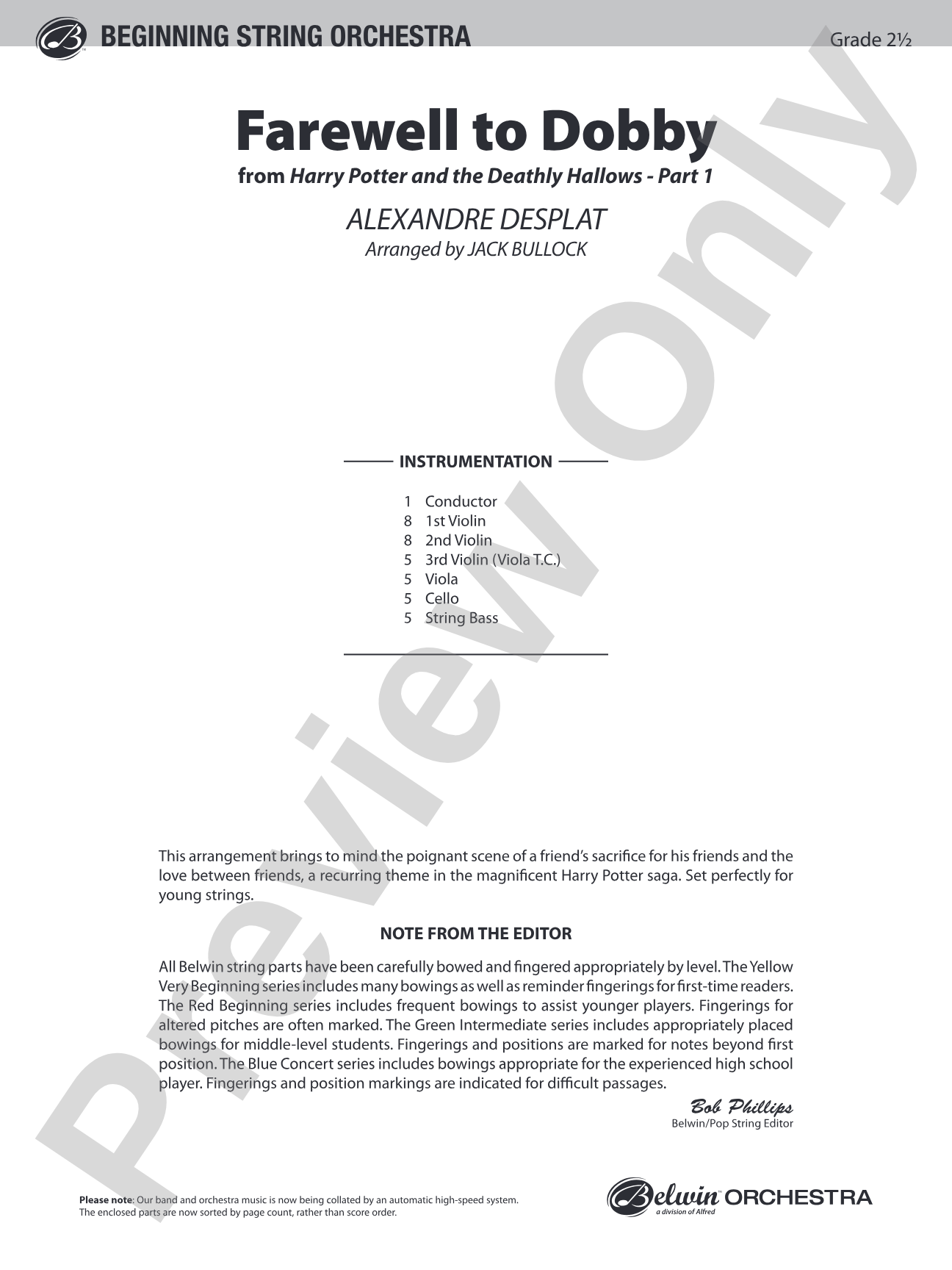
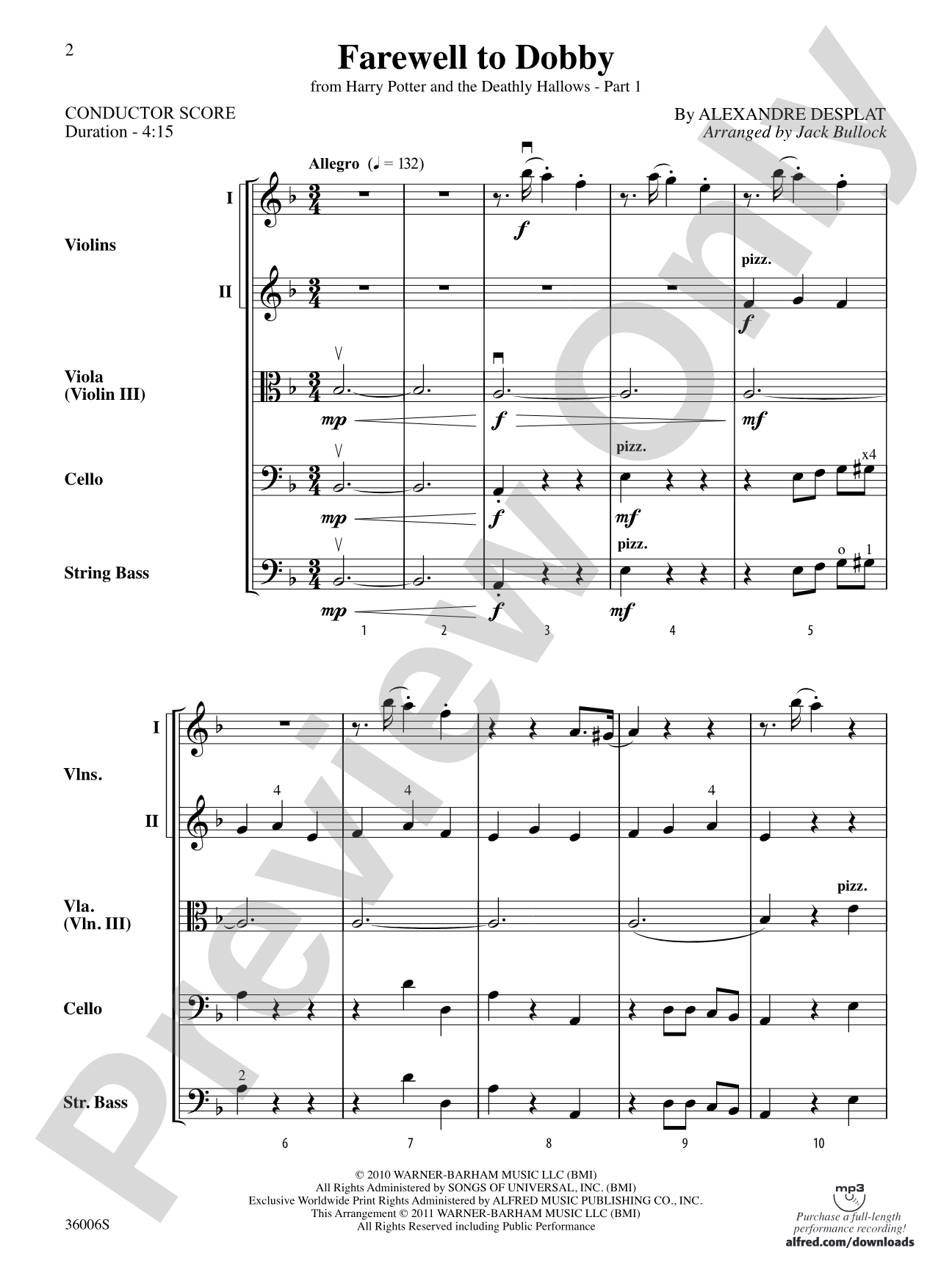
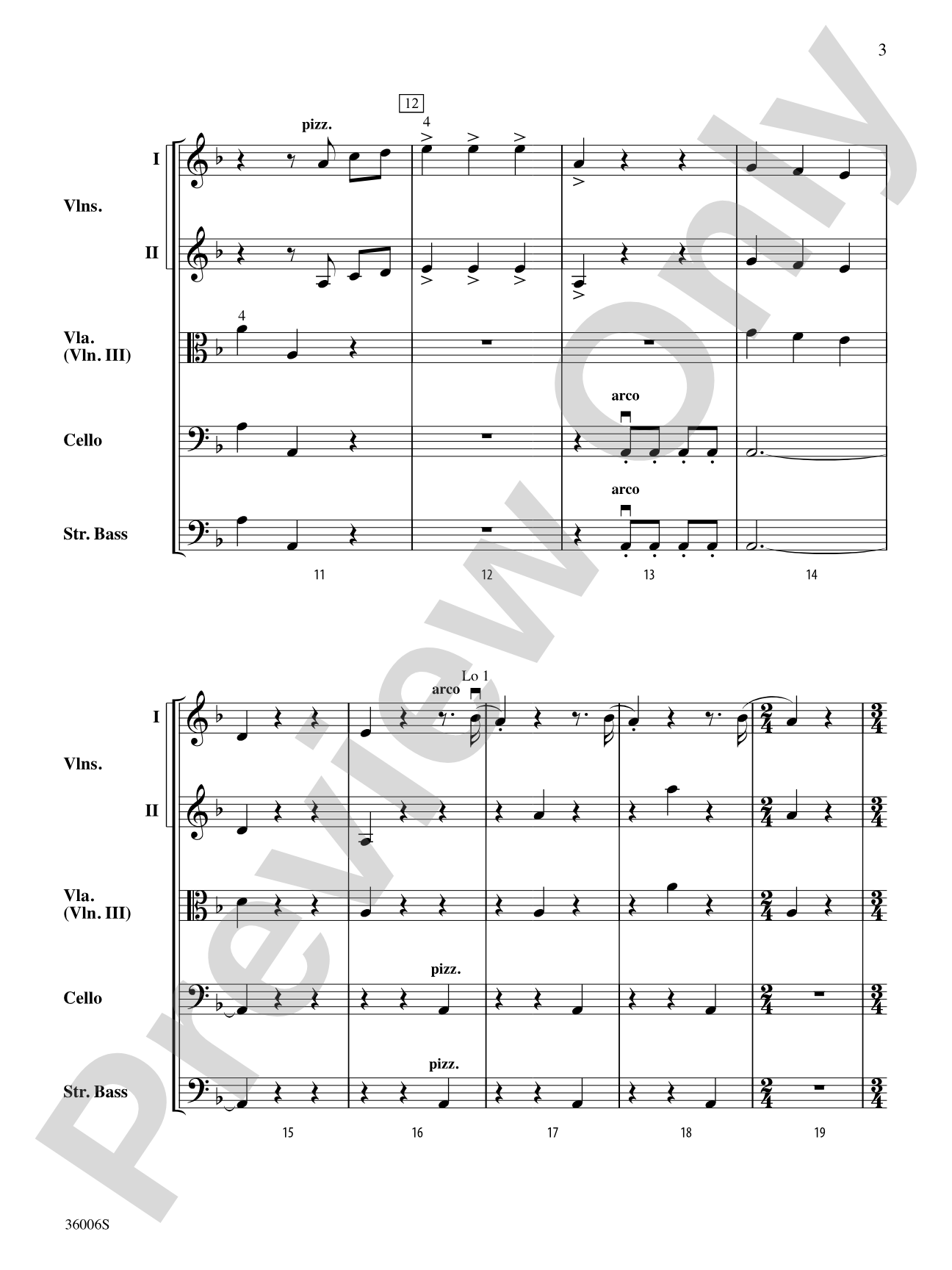
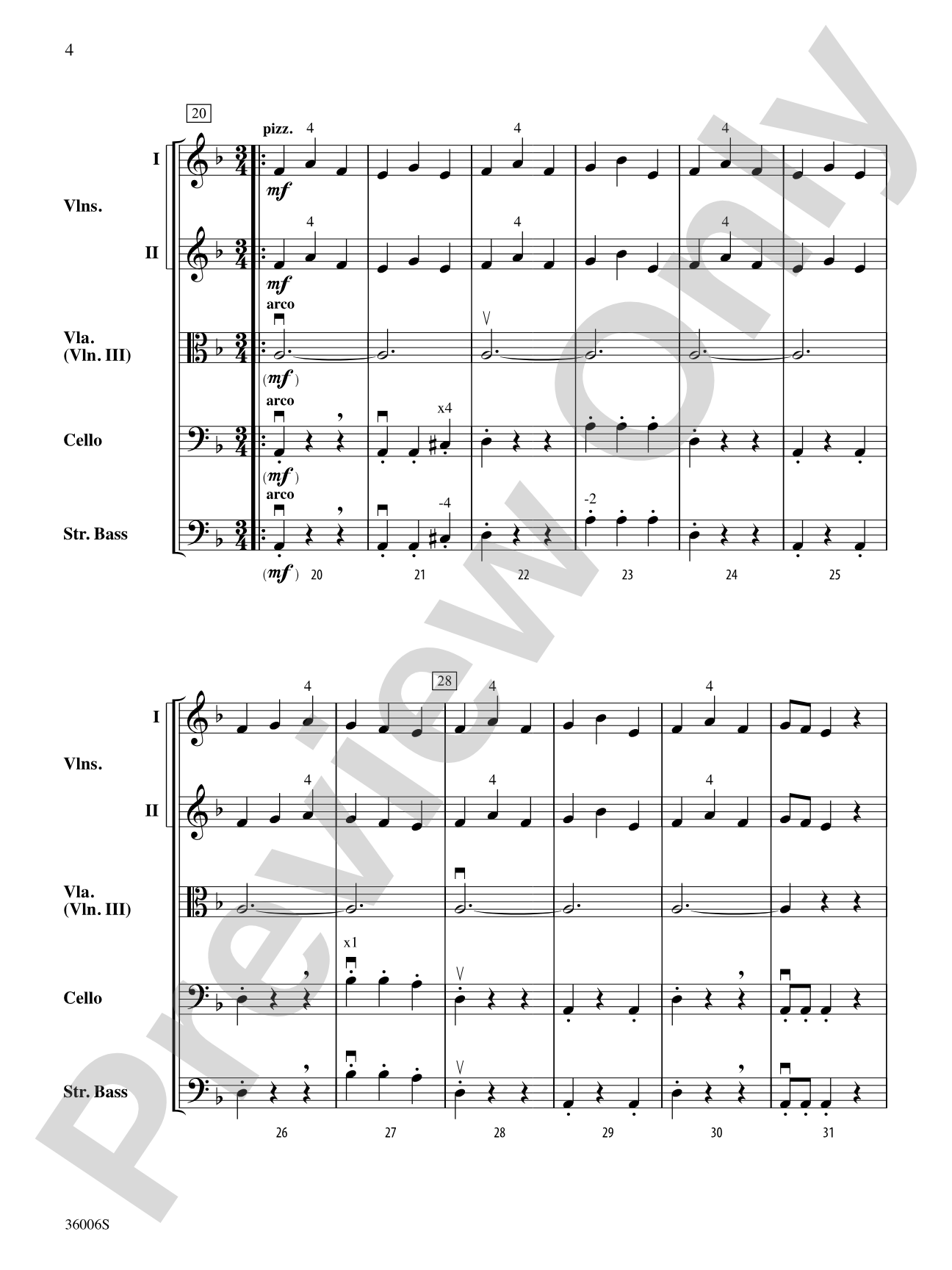
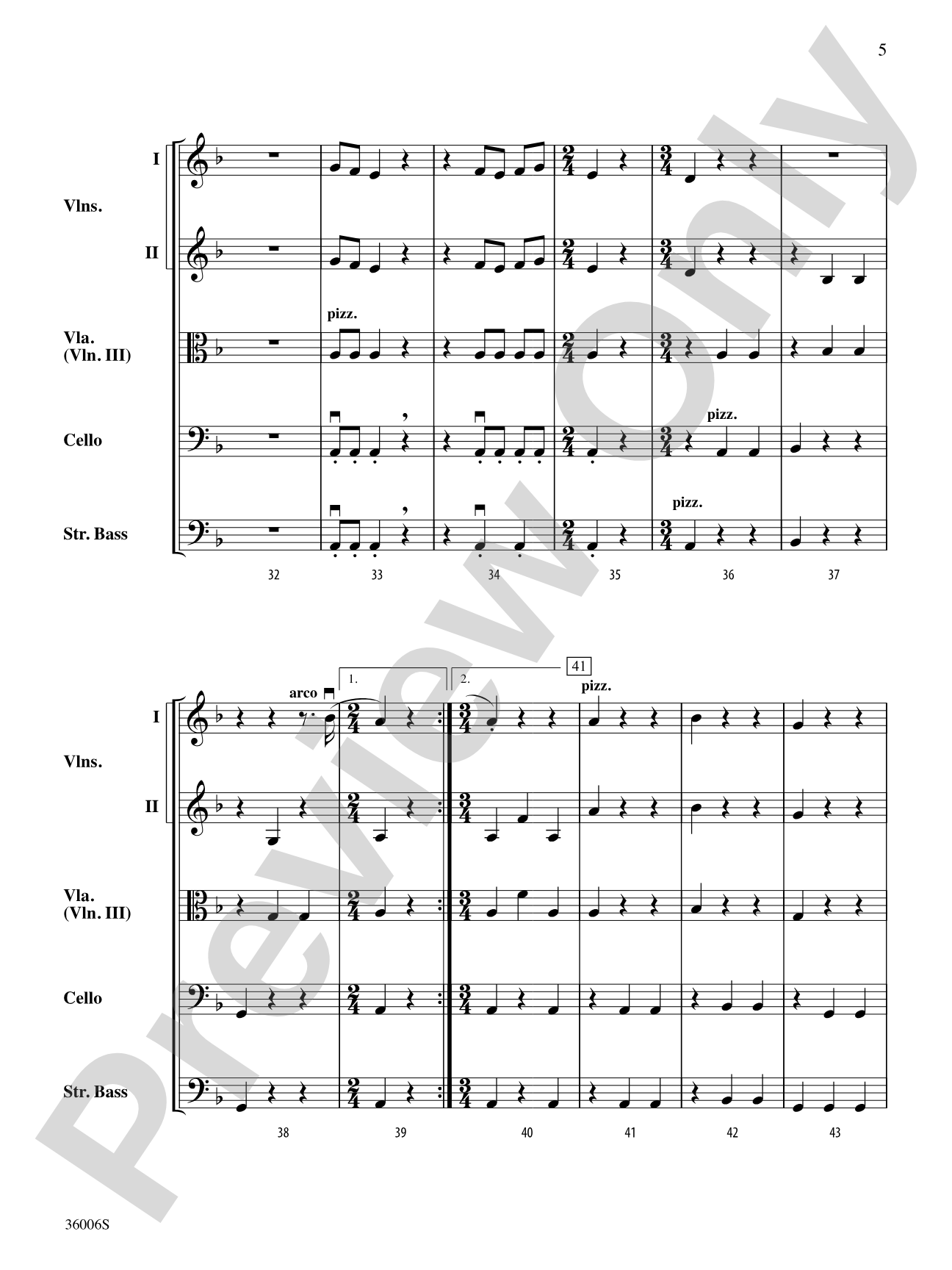
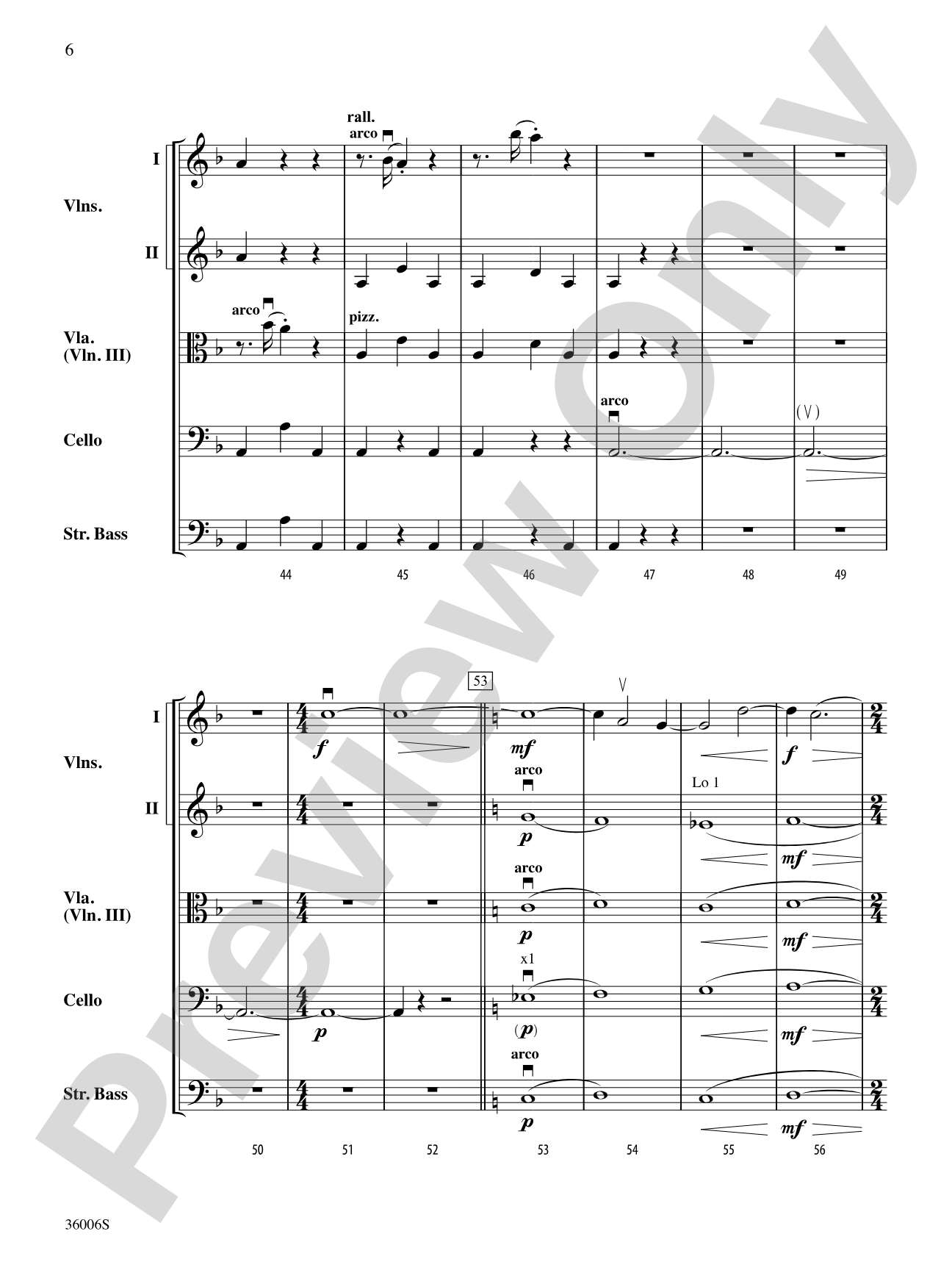
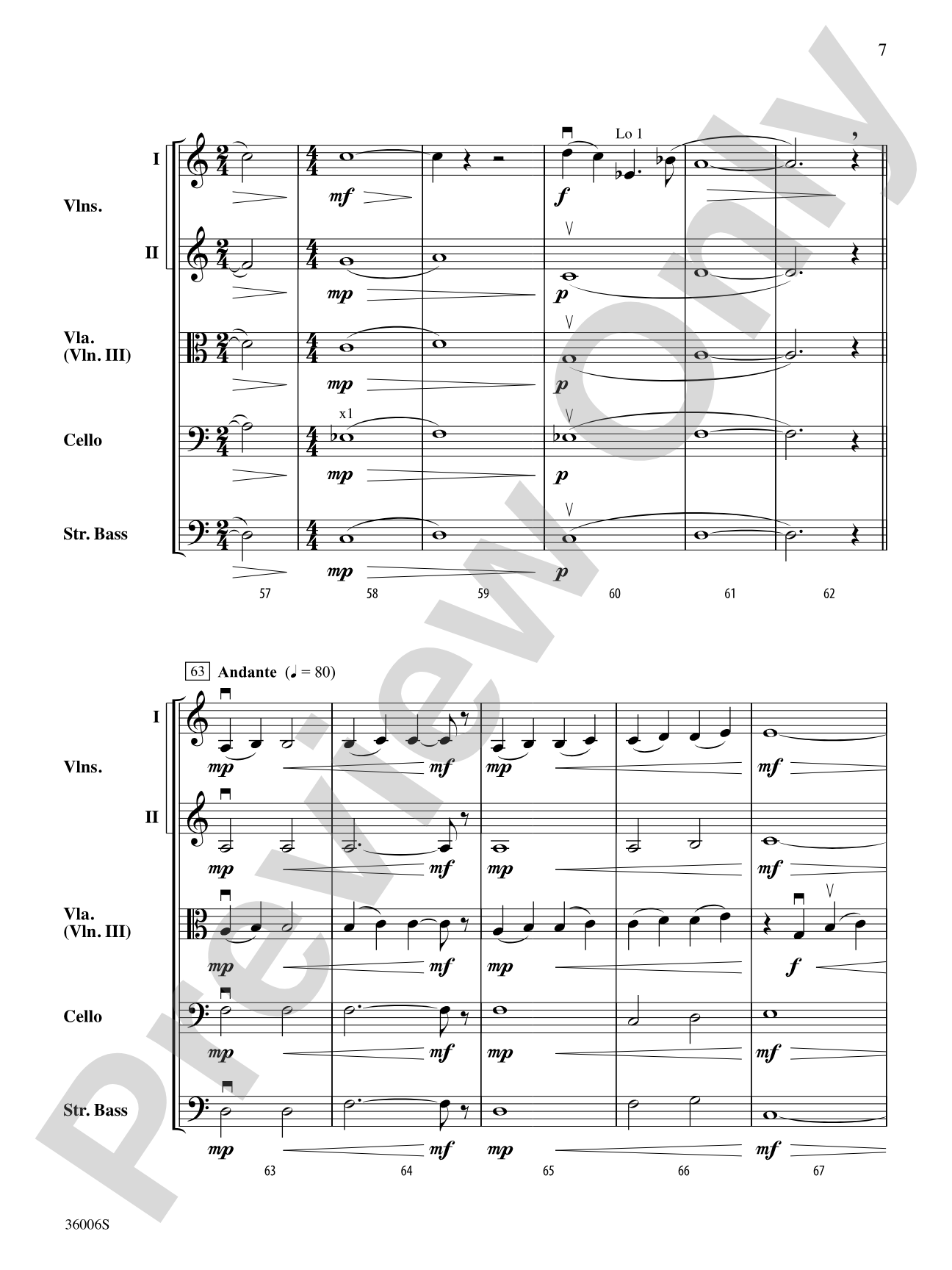
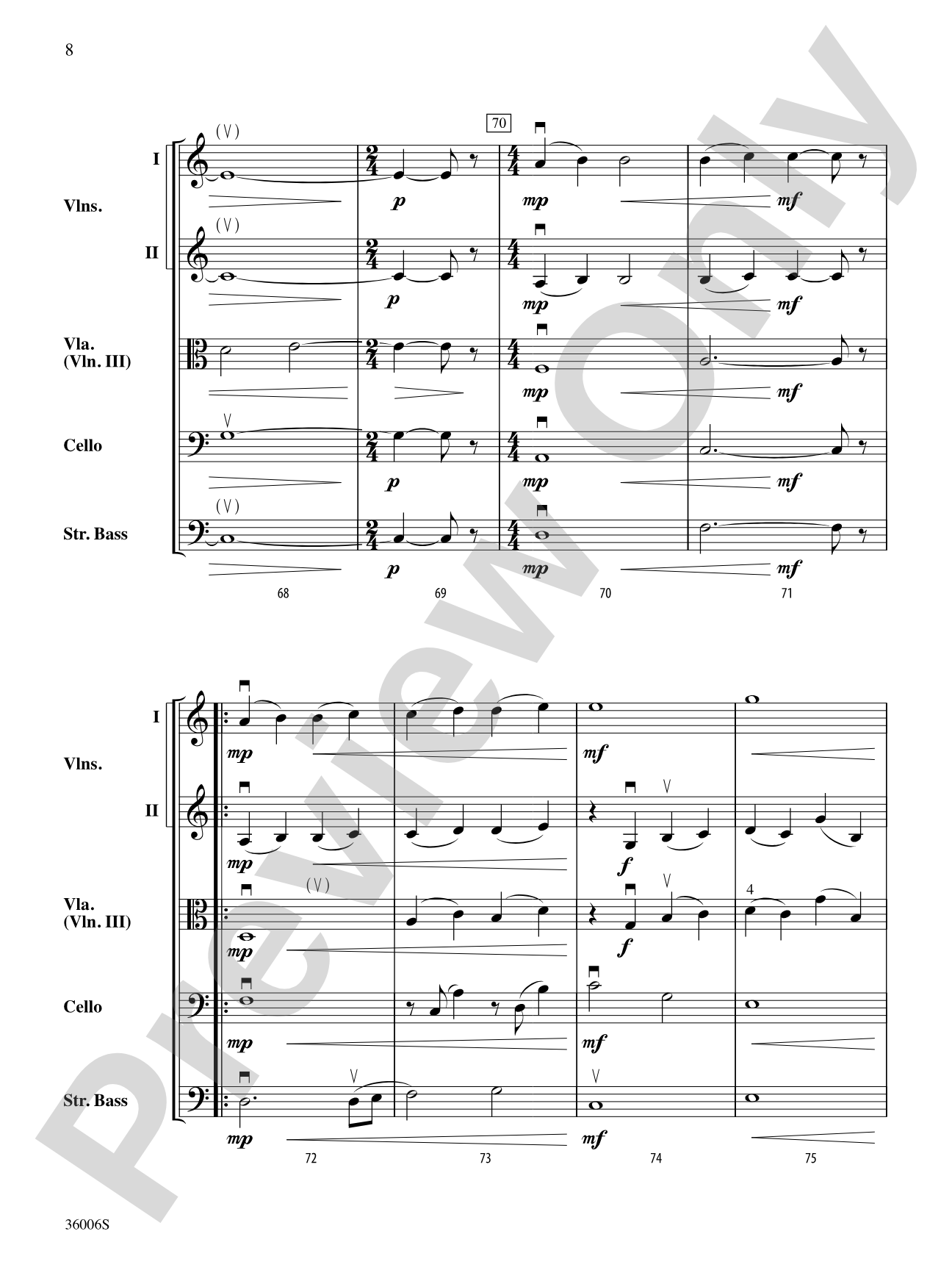
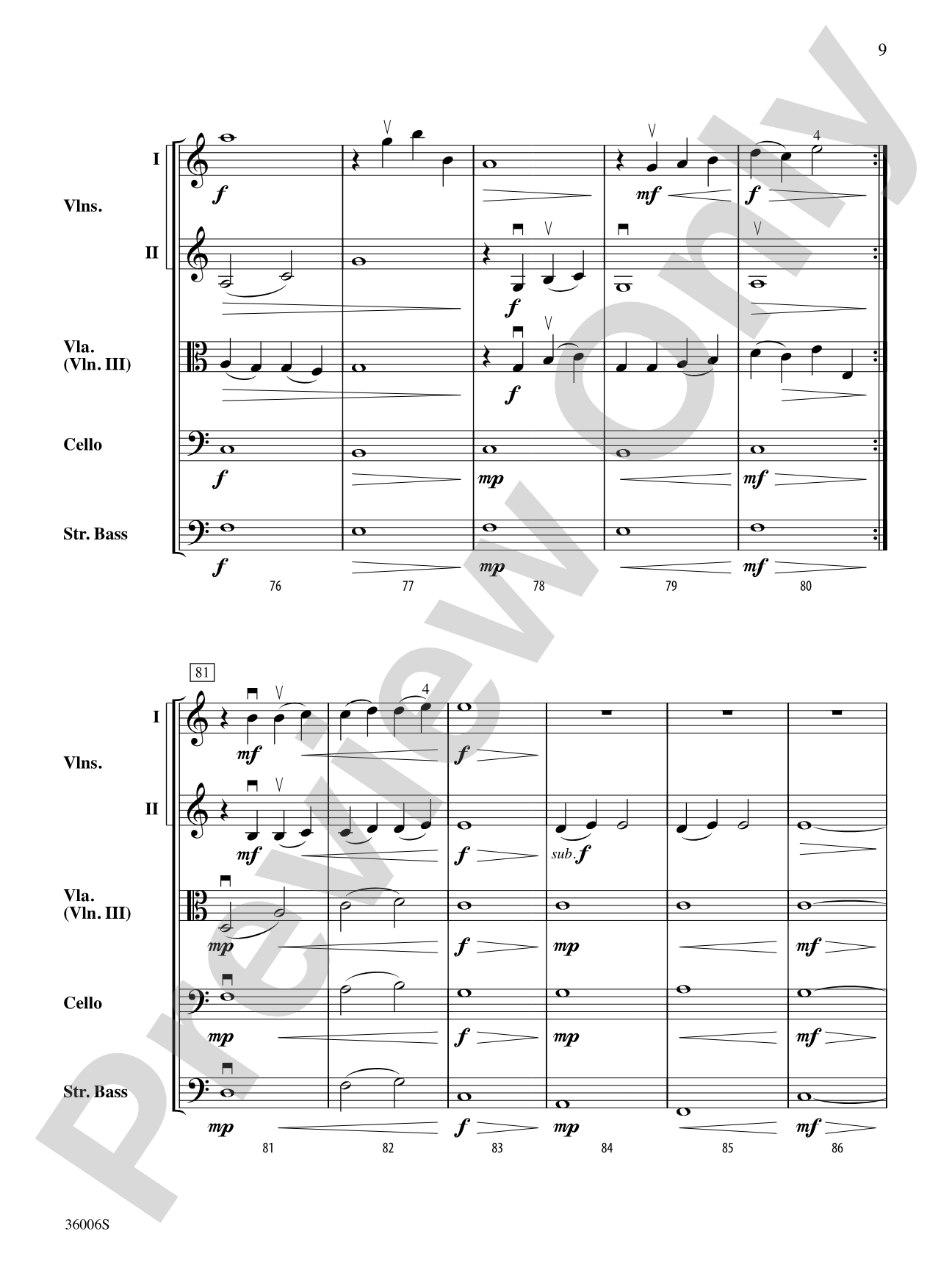
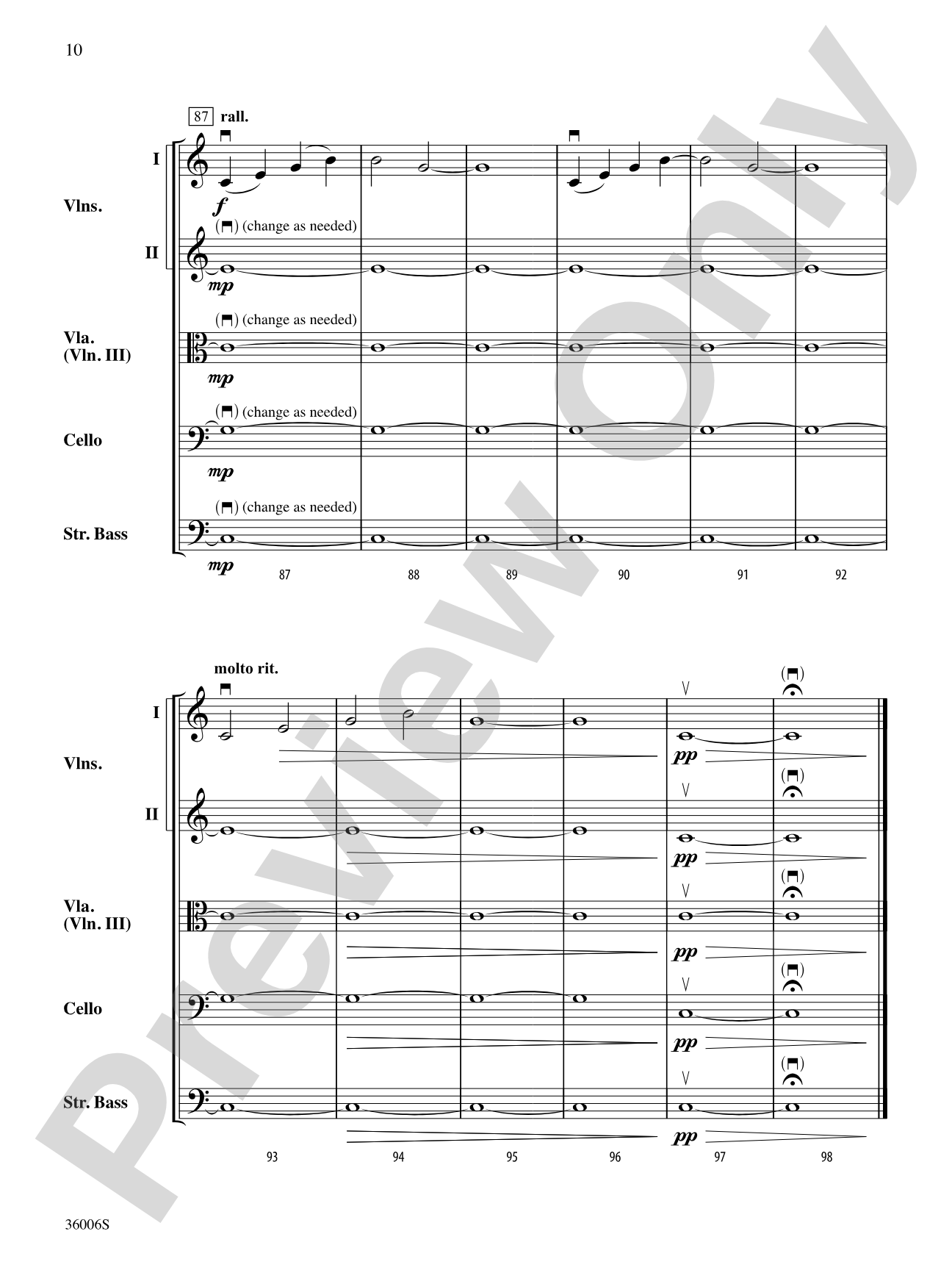



Farewell to Dobby (from Harry Potter and the Deathly Hallows, Part 1): String Orchestra Conductor Score & Parts
By Alexandre Desplat / arr. Jack Bullock
Grade: 2.5
Item: 00-PK-0004792

$50.00
Pickup currently not available
Buy Extra Parts (Digital PDF Download)
Parts Added to Cart!
Description
This arrangement brings to mind the poignant scene of a friend's sacrifice for his friends and the love between friends, a recurring theme in the magnificent Harry Potter saga. Set perfectly for young strings.


Don't just read it, hear it, play along with it, and watch your students grow with it. In MakeMusic Cloud, Farewell to Dobby (from Harry Potter and the Deathly Hallows, Part 1): String Orchestra Conductor Score & Parts comes alive with professional accompaniment, adjustable tempo, and built-in practice tools that turn solo practice into real progress.
Open in the Player
Jump straight in and assign it today.
Start Your Free Trial
Open this title and explore the full library in minutes.
Sample Audio
1
Audio File
--:--
0:00
0:00
Sample Video
No sample videos found.
Additional Details
Series:
Pop Beginning String Orchestra
Publisher:
Alfred Music
Page Count:
144
SKU:
00-PK-0004792
Instrumentation:
string w/ vln3
More about this title
About the Composer: Alexandre Desplat
Alexandre Desplat has composed the scores for eight Harry Potter films, establishing himself as one of the most recognizable voices in contemporary film music. His orchestral writing balances accessibility with sophistication, making his work ideal for educational arrangements that engage young musicians without overwhelming them.
Why we love this
This arrangement captures the emotional weight of the source material while remaining thoroughly playable for intermediate string orchestras. The Grade 2.5 setting respects both the melody's integrity and young players' technical limitations, making it a rare find in film music licensing where sentiment doesn't depend on instrumental virtuosity.
What to expect
Tender and contemplative, this arrangement evokes quiet reflection rather than spectacle. The string sound carries a gentle weight, suggesting both the gravity of sacrifice and the warmth of loyalty between friends.
Who it's for
String orchestras in grades 4-8 looking for emotionally mature concert repertoire that doesn't require advanced technique. Directors seeking accessible arrangements of recognizable film music will find this especially valuable for building audience engagement without compromising pedagogical integrity.
How to get the most out of it
- Shape the melodic line with sustained tone quality rather than dynamic extremes. Young strings often rush emotional passages; anchor the tempo and let the harmonic progression carry the expression.
- Balance the three violin parts carefully during the main theme. If Violin III lacks players, ensure those passages are distributed to avoid sparse voicing that undercuts the arrangement's emotional impact.
- Allow the ensemble to sit with silence and fermatas. This piece draws power from restraint, and students often find the restraint more challenging than technical passage work.
How to use it
Program this as a moment of stillness in a concert featuring lighter repertoire or film music selections. Its modest technical demands make it suitable for mid-year concert placement while its emotional maturity recommends it for spring programs aimed at older elementary or middle school audiences.
Skills your students will build
- Sustaining long melodic lines with consistent vibrato and tone
- Balancing part independence when the three violin lines diverge
- Controlling dynamic nuance in softer passages without losing projection
- Reading and responding to fermatas and rubato in printed scores
- Playing with ensemble awareness when the primary melody moves between sections