




Farewell Aragog (from Harry Potter and the Half-Blood Prince): String Orchestra Conductor Score & Parts
By Nicholas Hooper / arr. Jack Bullock
Grade: 2
Item: 00-PK-0004157

$55.00
Pickup currently not available
Buy Extra Parts (Digital PDF Download)
Parts Added to Cart!
Description
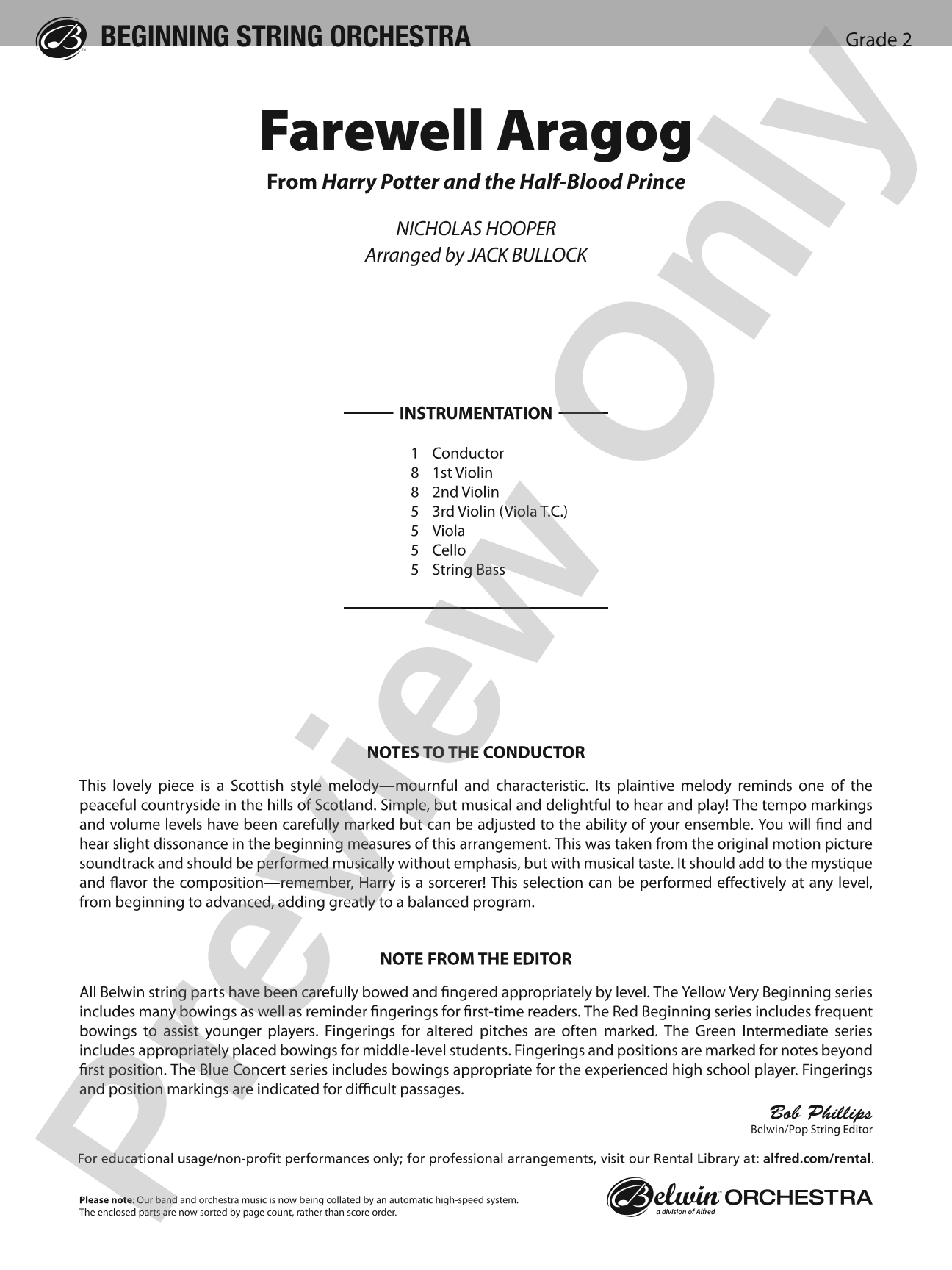
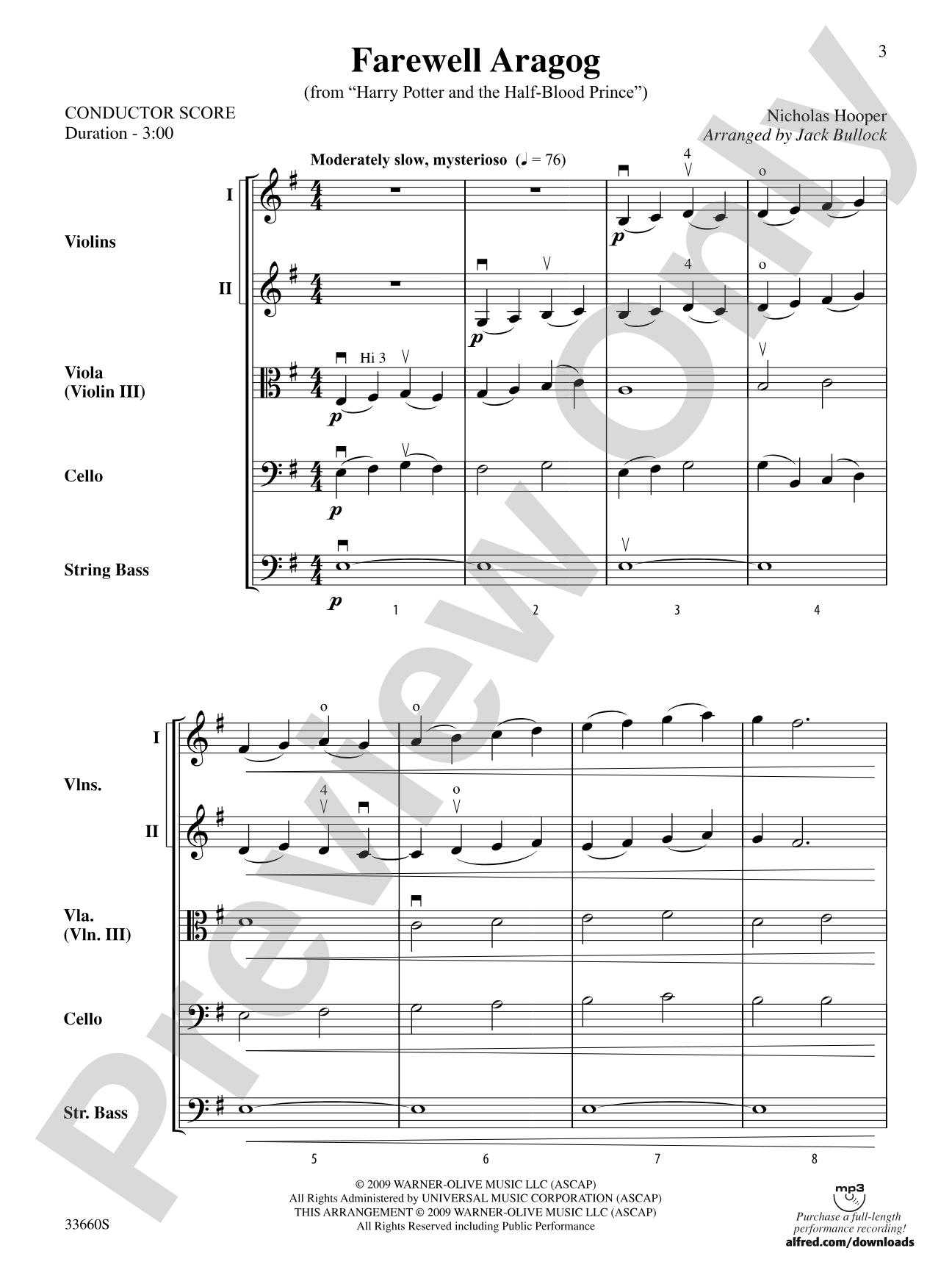
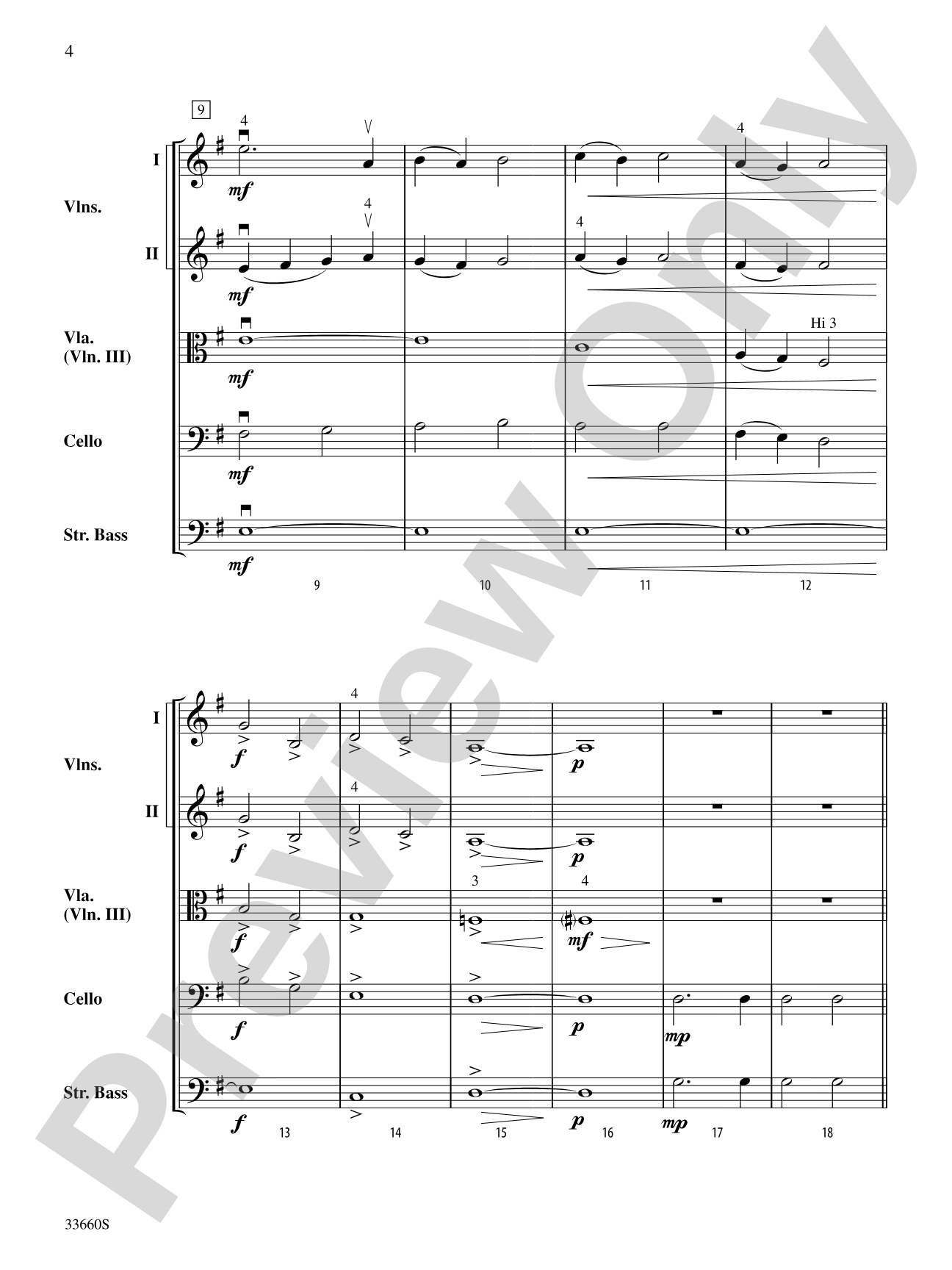
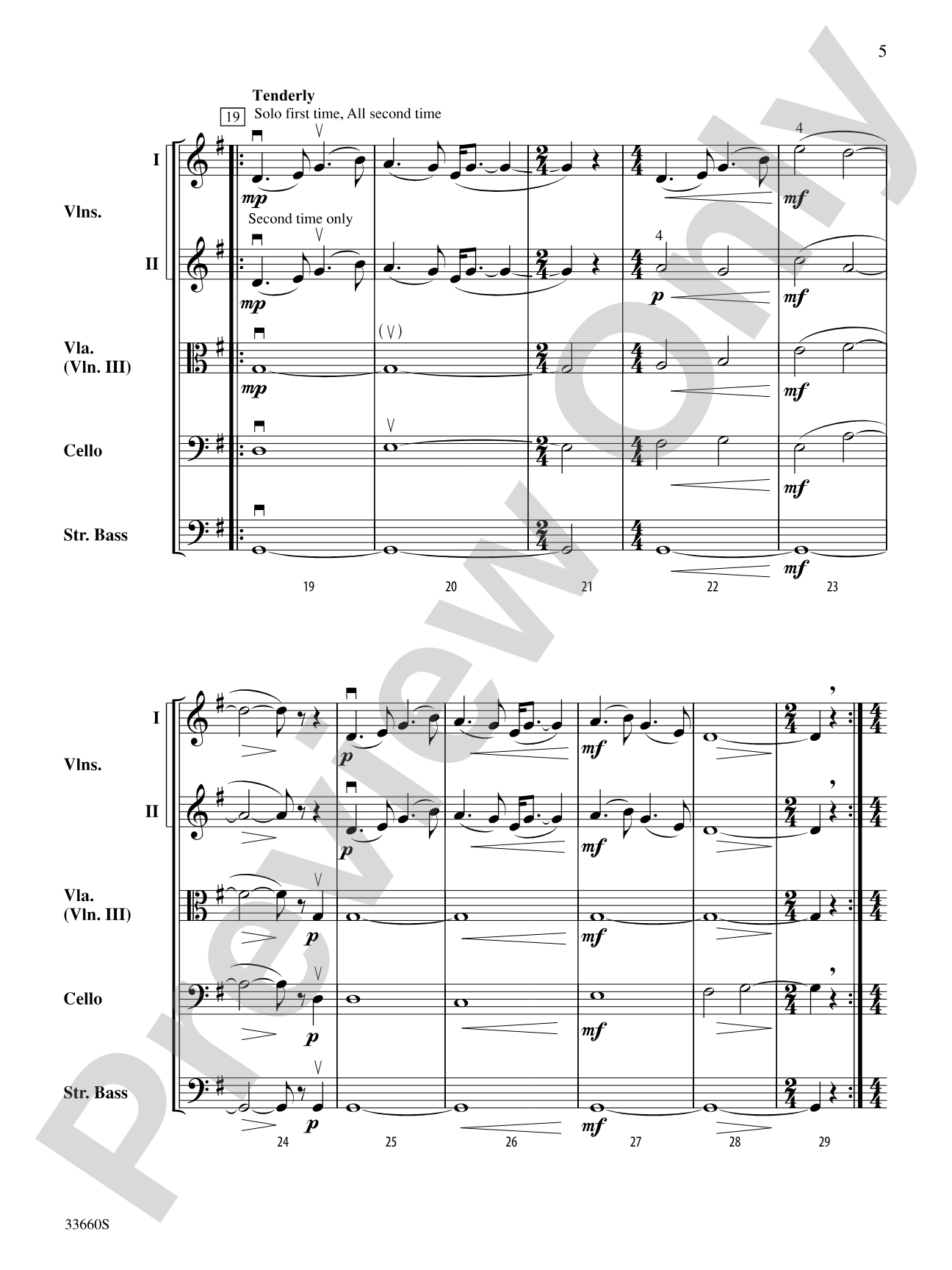
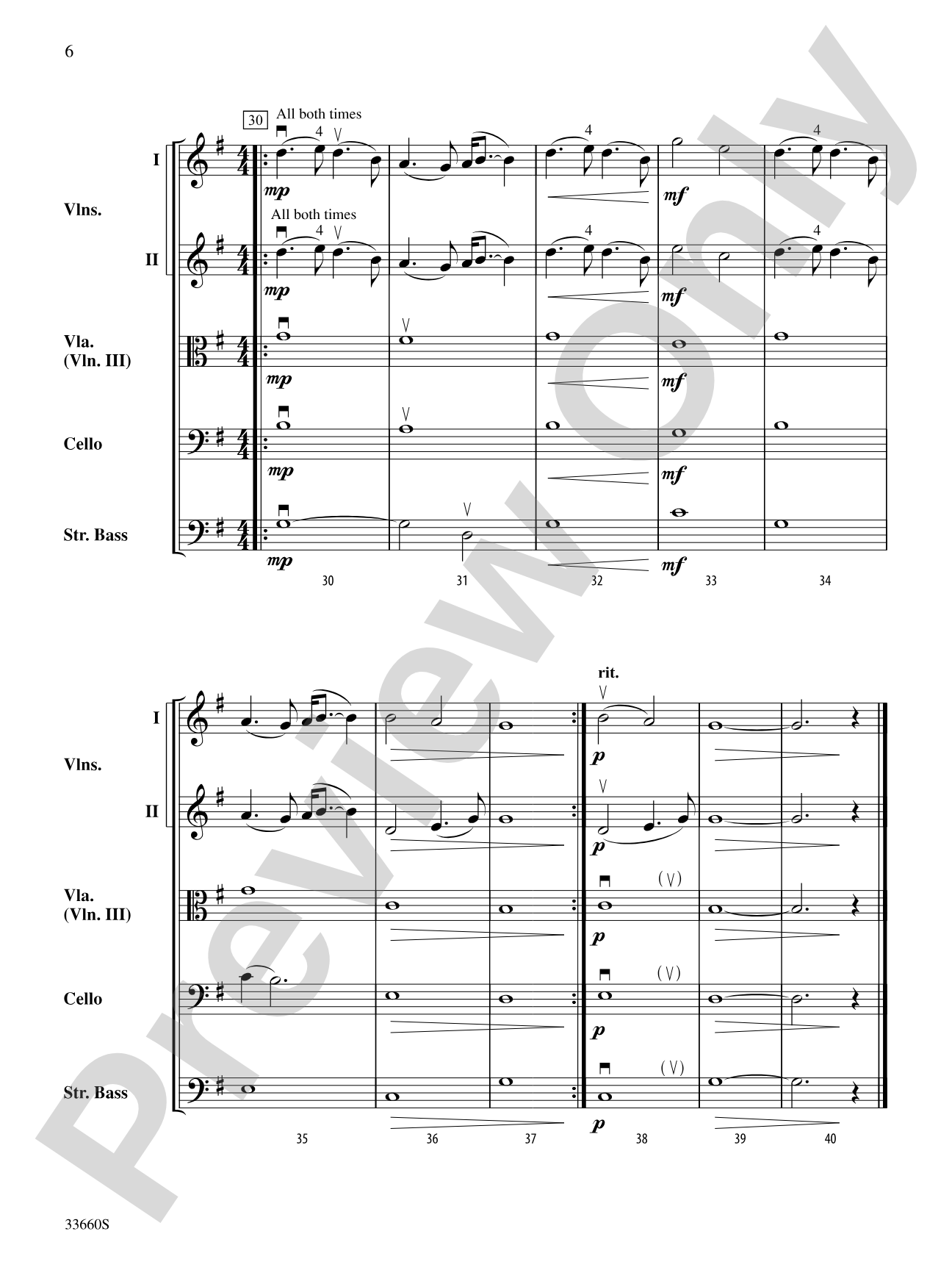
From the very popular Harry Potter motion picture series, this lovely piece is a Scottish style melody---mournful and characteristic. Its plaintive melody reminds one of the peaceful countryside in the hills of Scotland. Simple, but musical and delightful to hear and play! And don't let the slight hint of dissonance bother you---remember, Harry is a sorcerer.
For educational usage/non-profit performances only; for professional arrangements, visit our rental library at alfred.com/rental.


For educational usage/non-profit performances only; for professional arrangements, visit our rental library at alfred.com/rental.
Don't just read it, hear it, play along with it, and watch your students grow with it. In MakeMusic Cloud, Farewell Aragog (from Harry Potter and the Half-Blood Prince): String Orchestra Conductor Score & Parts comes alive with professional accompaniment, adjustable tempo, and built-in practice tools that turn solo practice into real progress.
Open in the Player
Jump straight in and assign it today.
Start Your Free Trial
Open this title and explore the full library in minutes.
Sample Audio
1
Audio File
--:--
0:00
0:00
Sample Video
No sample videos found.
Additional Details
Series:
Pop Beginning String Orchestra
Publisher:
Alfred Music
Page Count:
72
SKU:
00-PK-0004157
More about this title
About the Composer: Nicholas Hooper
Nicholas Hooper composed the scores for six films in the Harry Potter series, beginning with Harry Potter and the Goblet of Fire. His work across the franchise demonstrates a gift for writing music that honors the emotional stakes of each story while remaining accessible to student musicians when adapted for educational ensembles.
Why we love this
This arrangement captures the melancholy of a pivotal moment from the film while sitting comfortably at Grade 2, making it genuinely playable without sacrificing musical substance. The Scottish character and mournful melody give your orchestra a chance to explore expressive playing and tonal color within a straightforward technical framework. It's the kind of piece that reminds students why they love playing music together.
What to expect
A quiet walk through misty Scottish highlands, tinged with loss and reflection. The melody has a haunting quality that lingers, neither bright nor dark but contemplative and tender throughout.
Who it's for
String orchestra directors working at the Grade 2 level who want to program film music that resonates with students and audiences alike. This is ideal for orchestras eager to explore character and expression within a technically accessible score.
How to get the most out of it
- Shape the melody with a singing vibrato in the first violins; this plaintive tune needs warmth to avoid sounding thin or rushed
- Balance the sustained harmonic foundation in the lower strings so the Scottish melody emerges clearly without the orchestra sounding muddy
- Observe the hints of dissonance with intentional precision; these moments should feel slightly unsettling, not accidental
- Resist the urge to hurry through the peaceful passages; let the countryside imagery breathe and settle into the listeners' ears
How to use it
Program this during a film music concert or as a bridge piece between more energetic selections, where its reflective mood can create contrast. It also works well early in the year when building ensemble cohesion and tone production, since the focus is on phrasing rather than technical fireworks.
Skills your students will build
- Singing quality tone production in sustained melodic lines
- Balance and blend between melody and harmonic accompaniment
- Expression and vibrato control in a lyrical context
- Recognition and execution of modal and folk-influenced harmony
- Dynamic shaping across longer phrases