
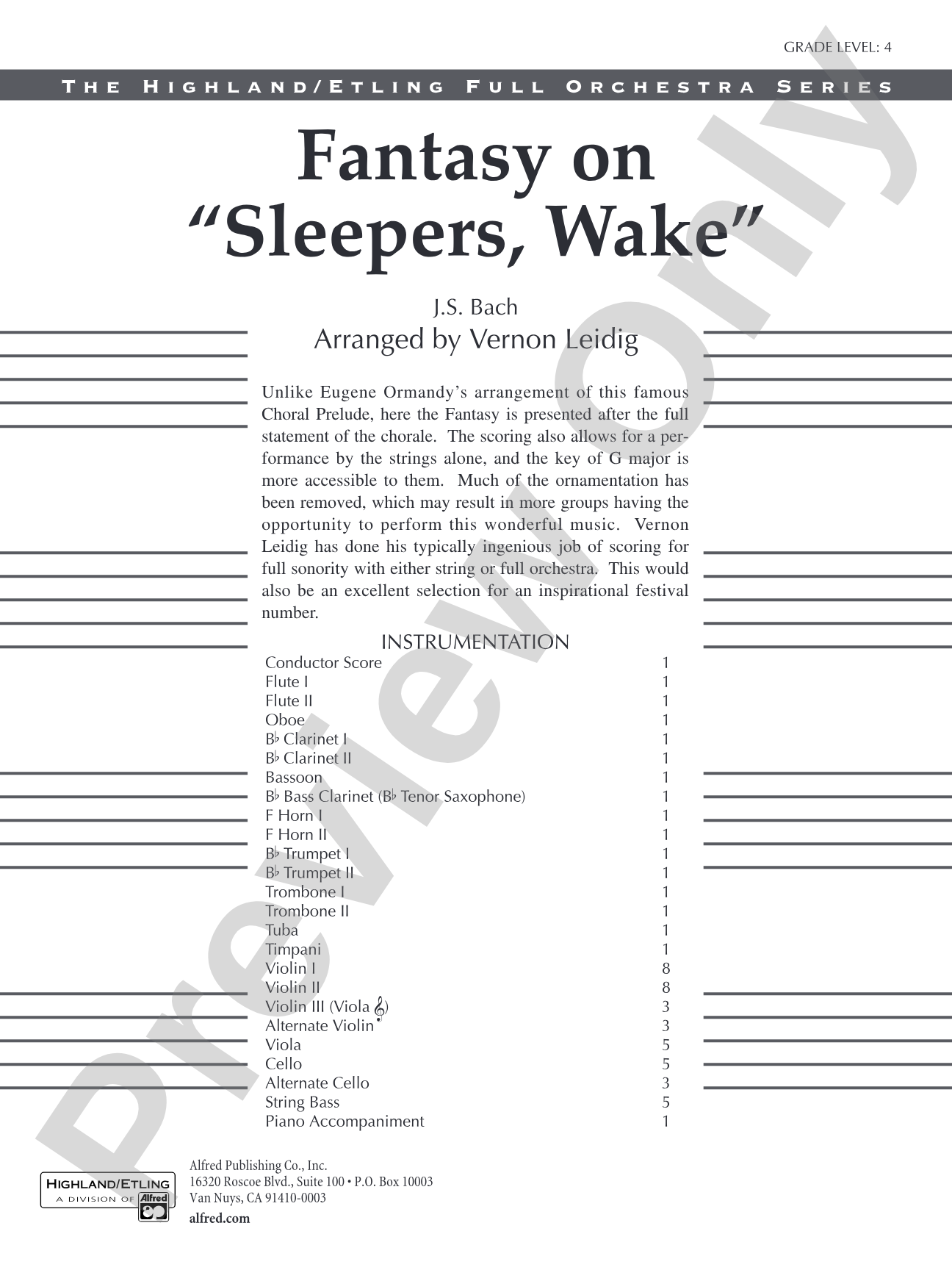

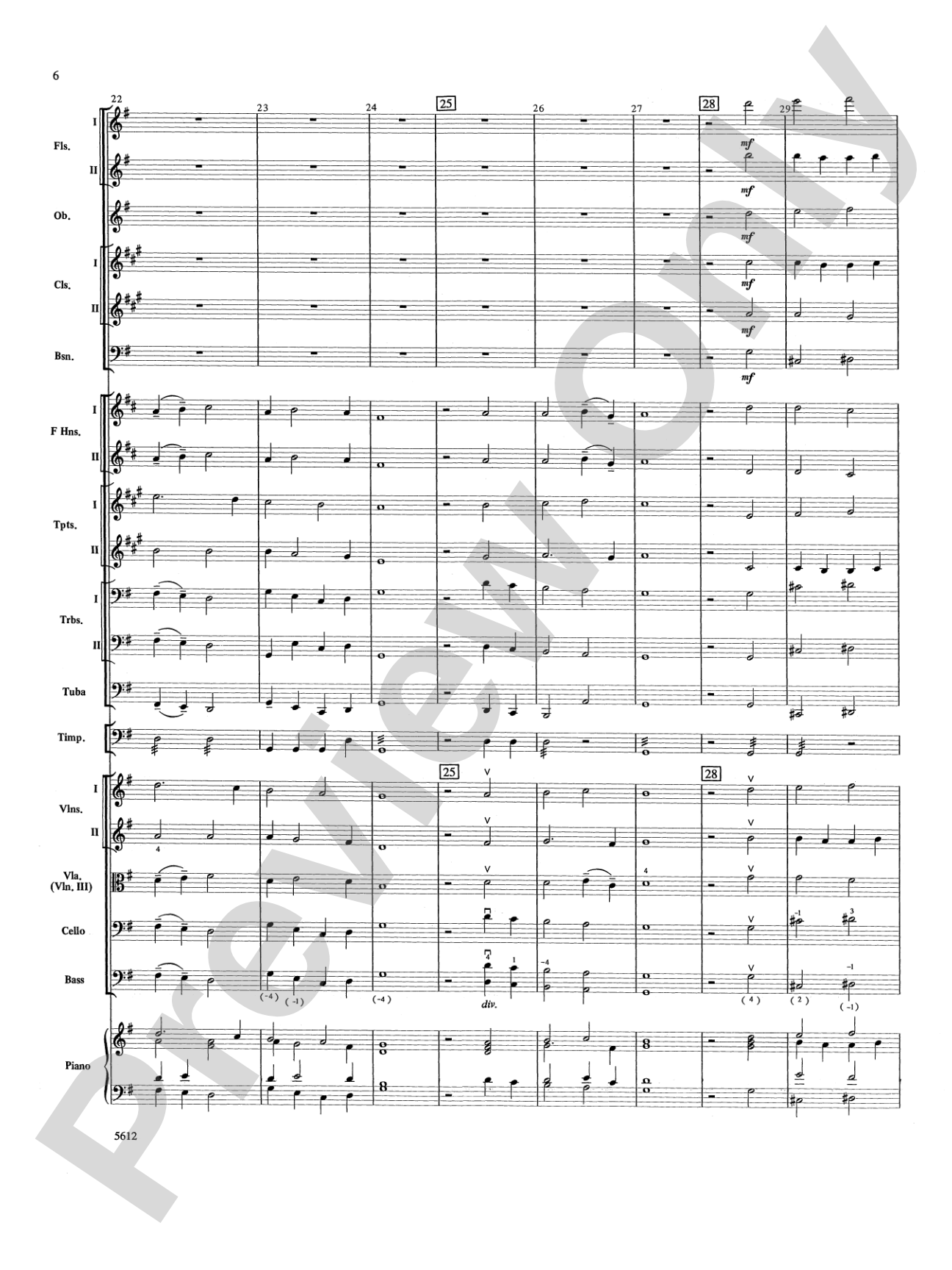
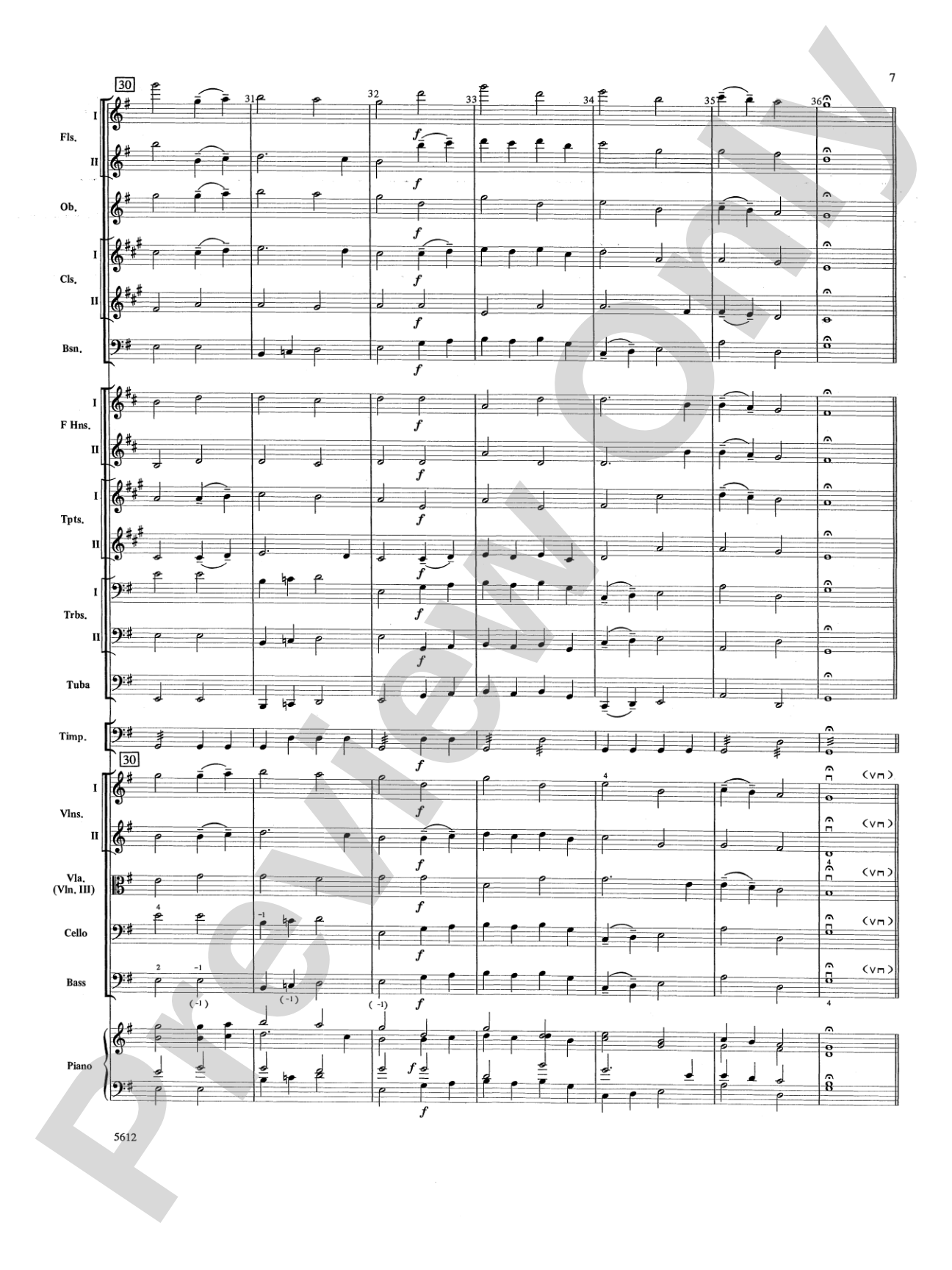
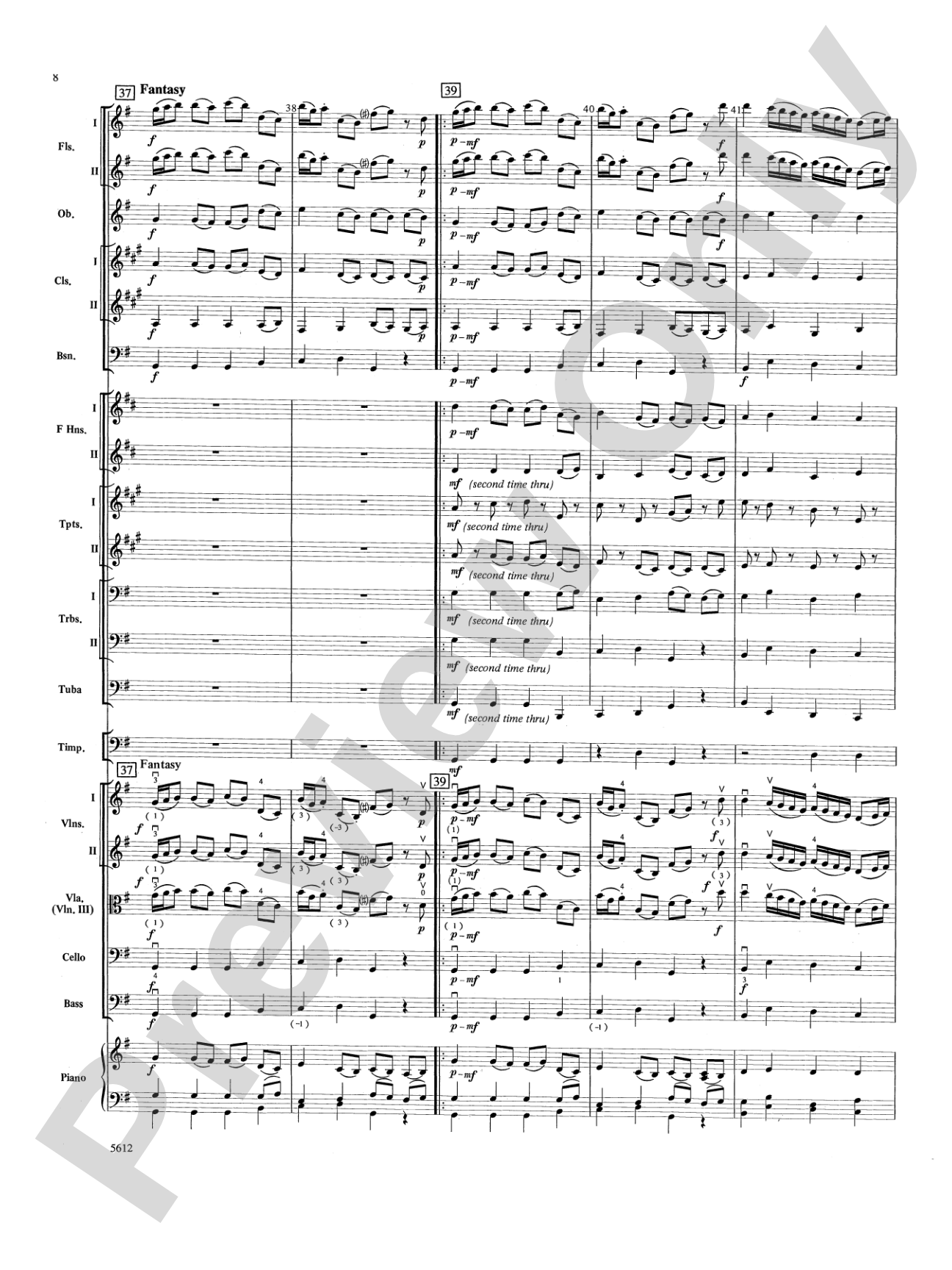
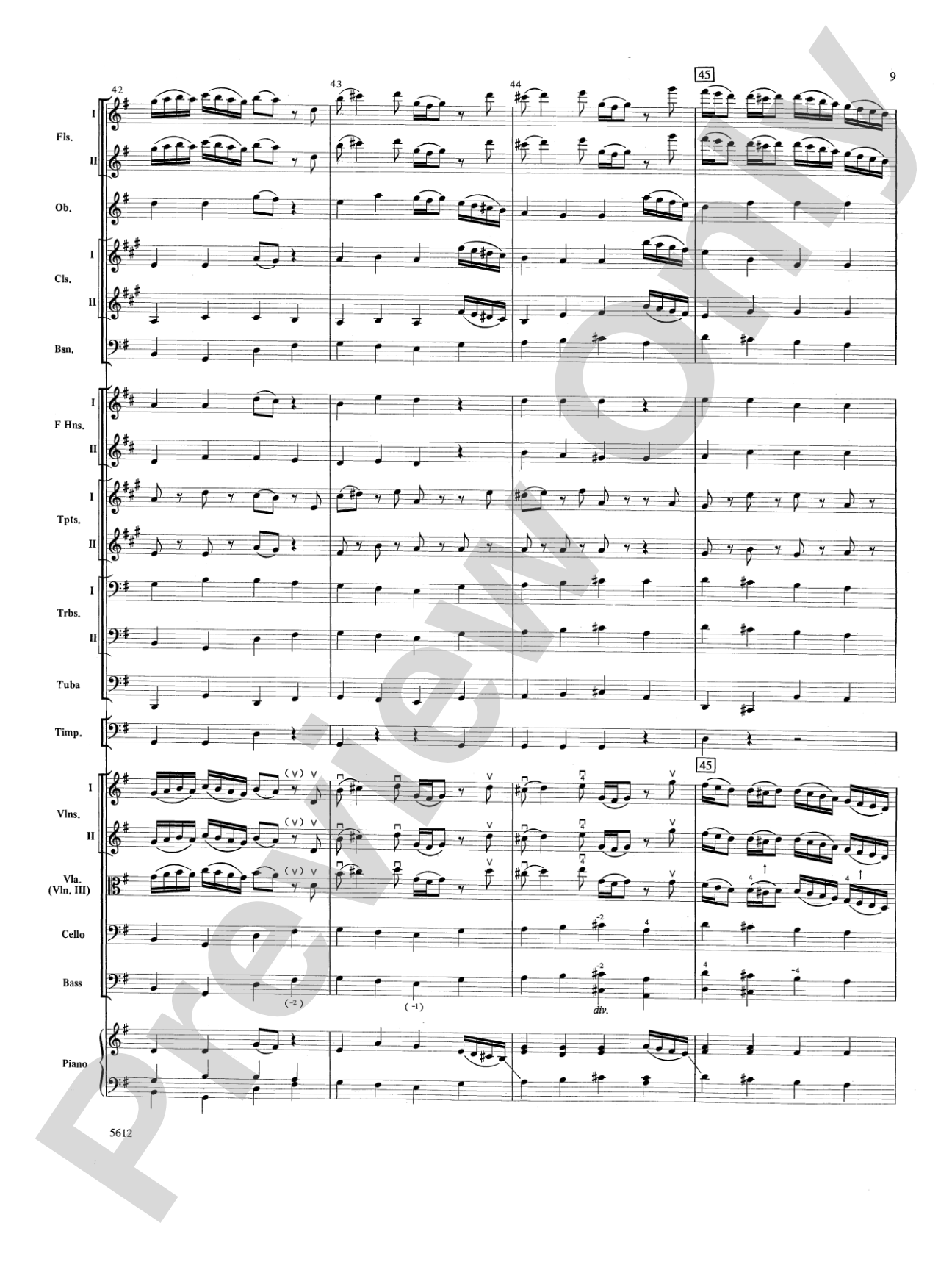
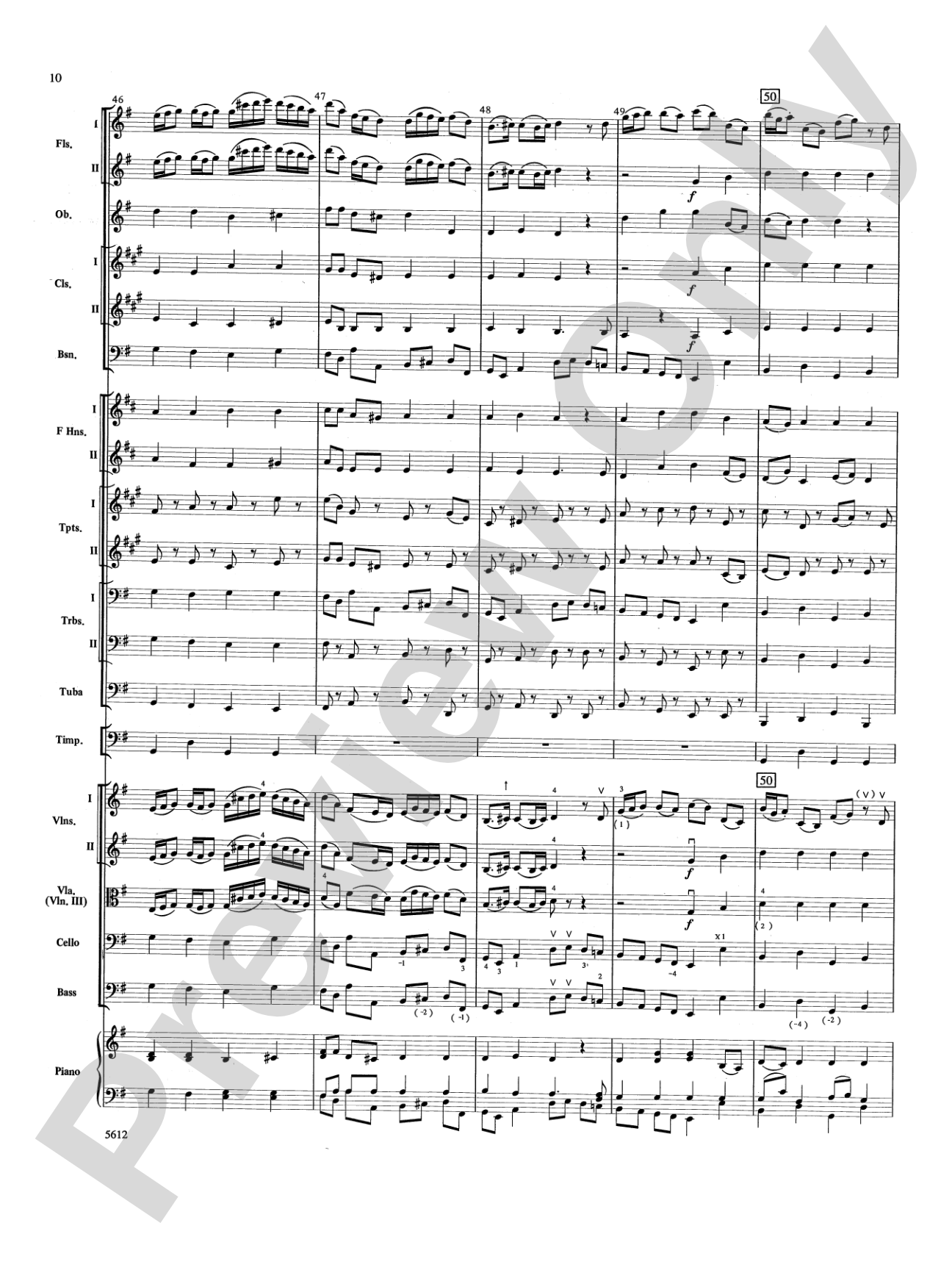
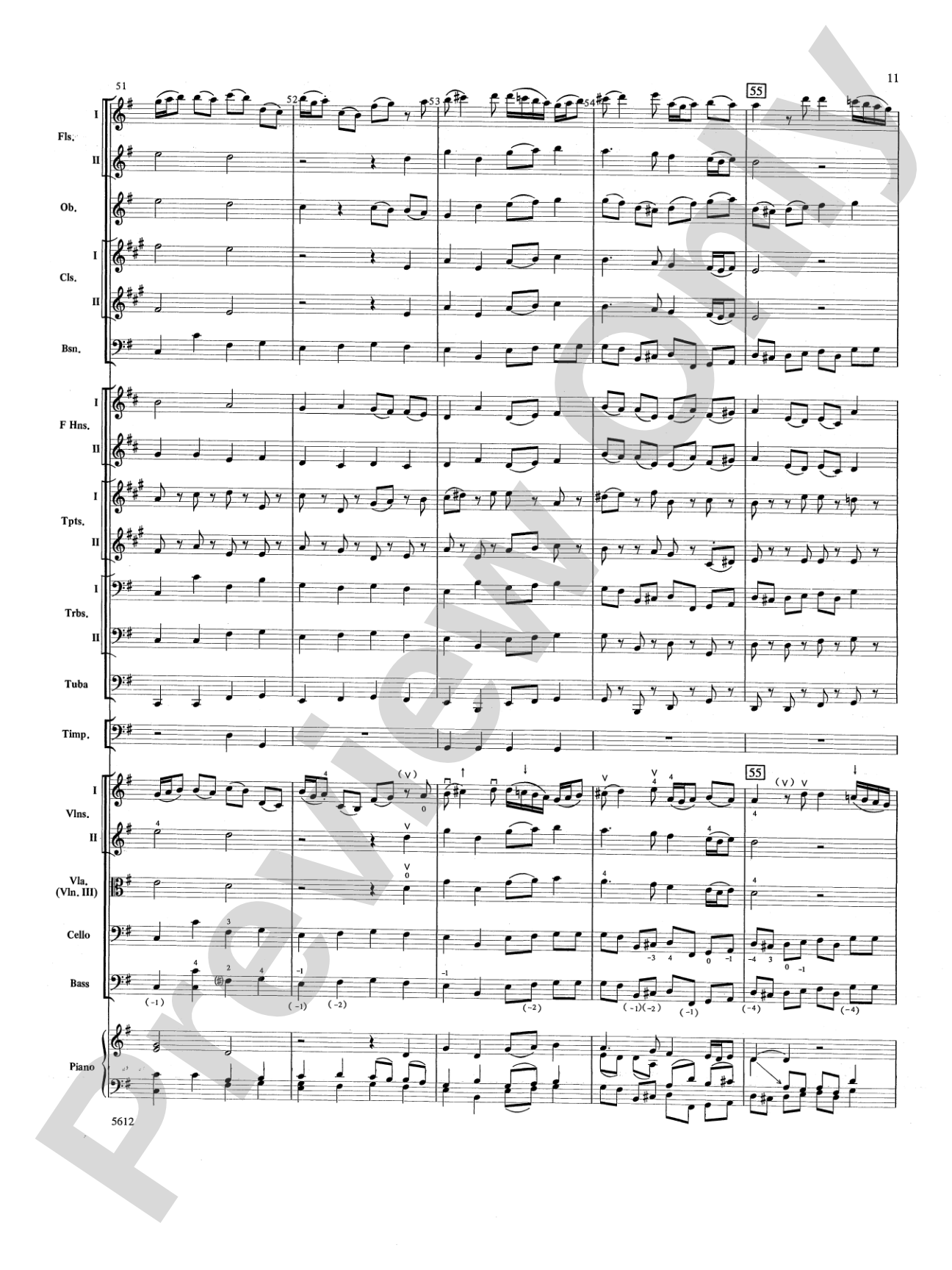
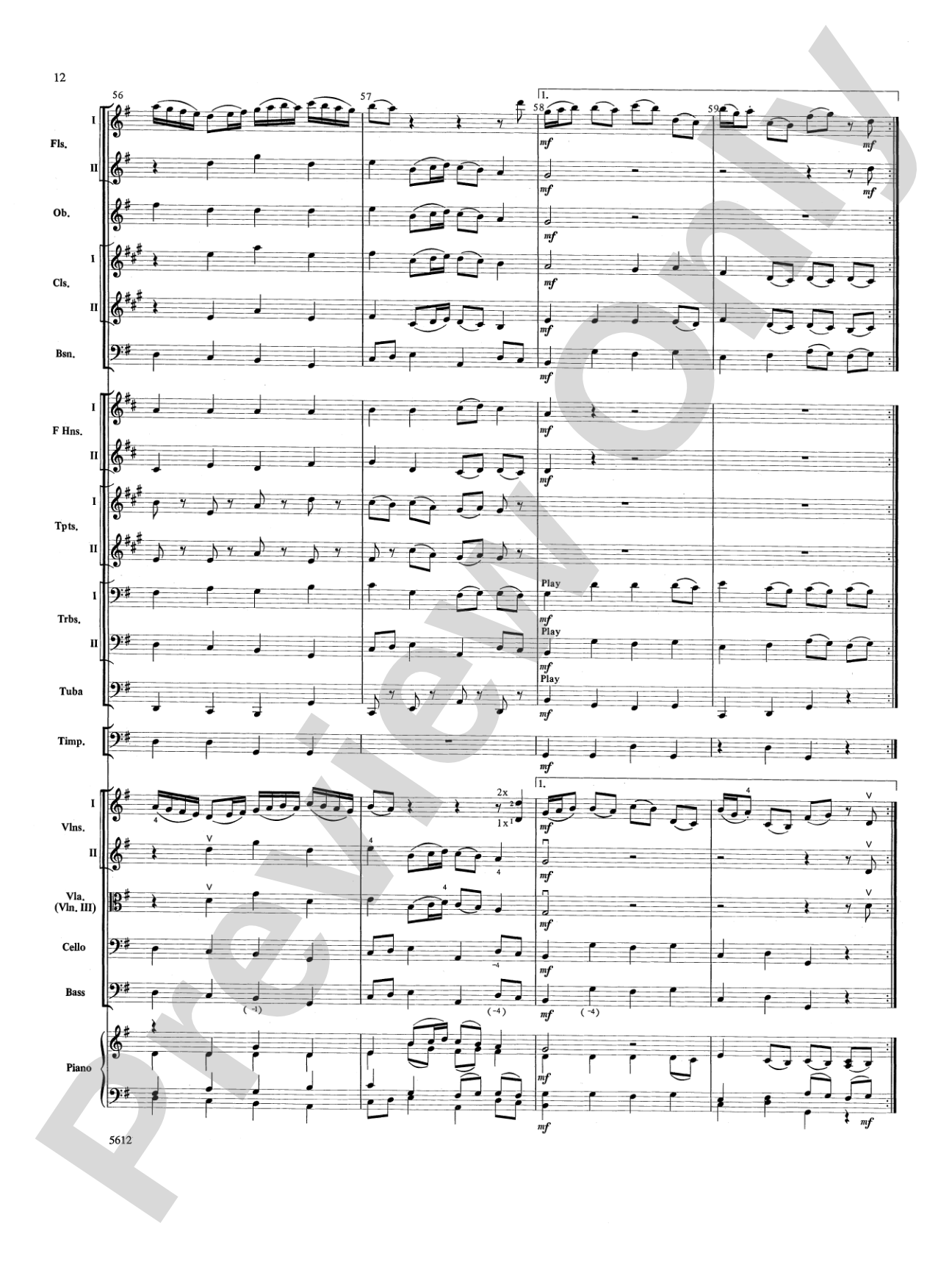
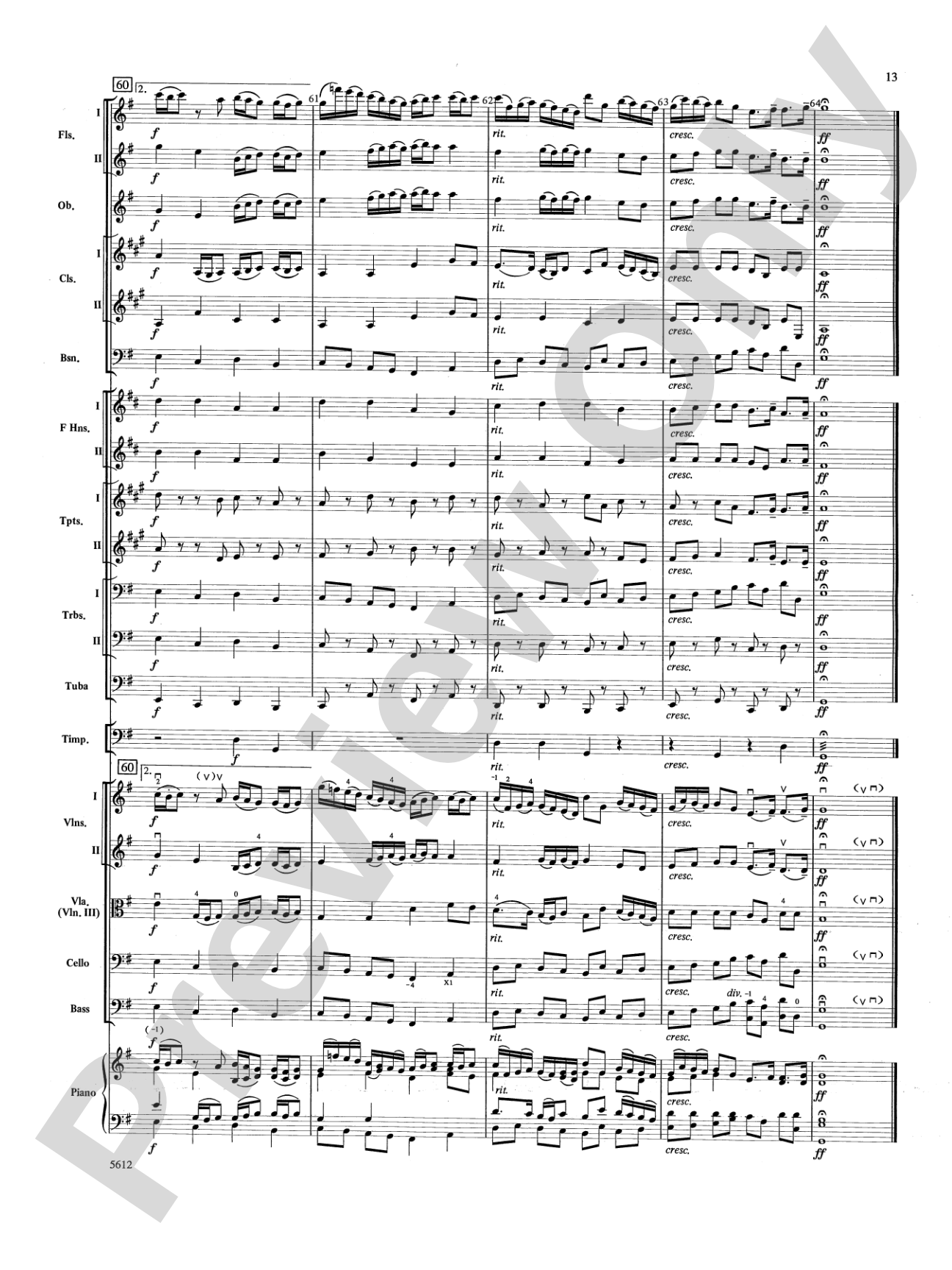




Fantasy on "Sleepers, Wake": Full Orchestra Conductor Score & Parts
By Johann Sebastian Bach / arr. Vernon Leidig
Grade: 4
Item: 00-PK-0001903

$63.00
Pickup currently not available
Buy Extra Parts (Digital PDF Download)
Parts Added to Cart!
Description
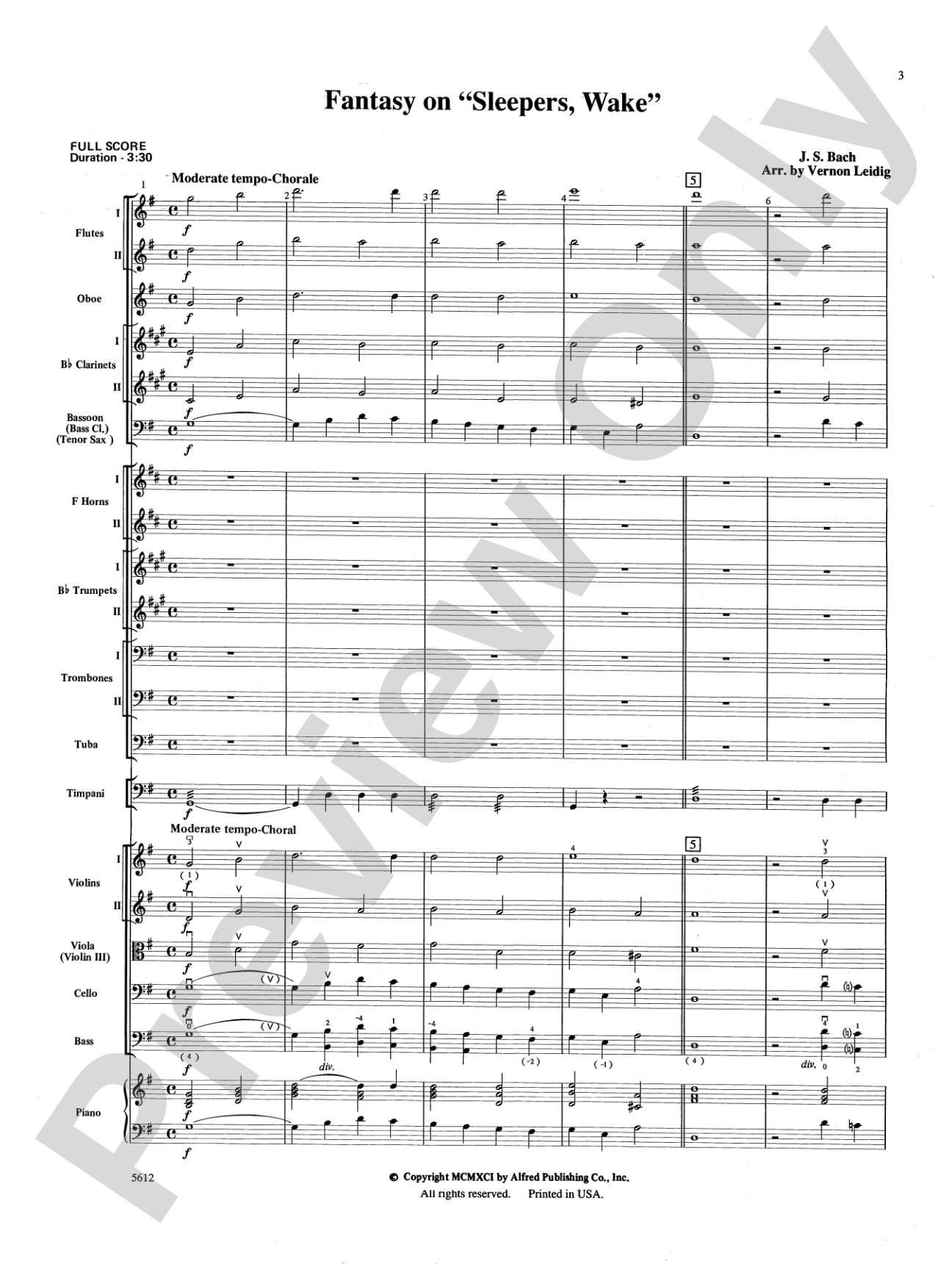
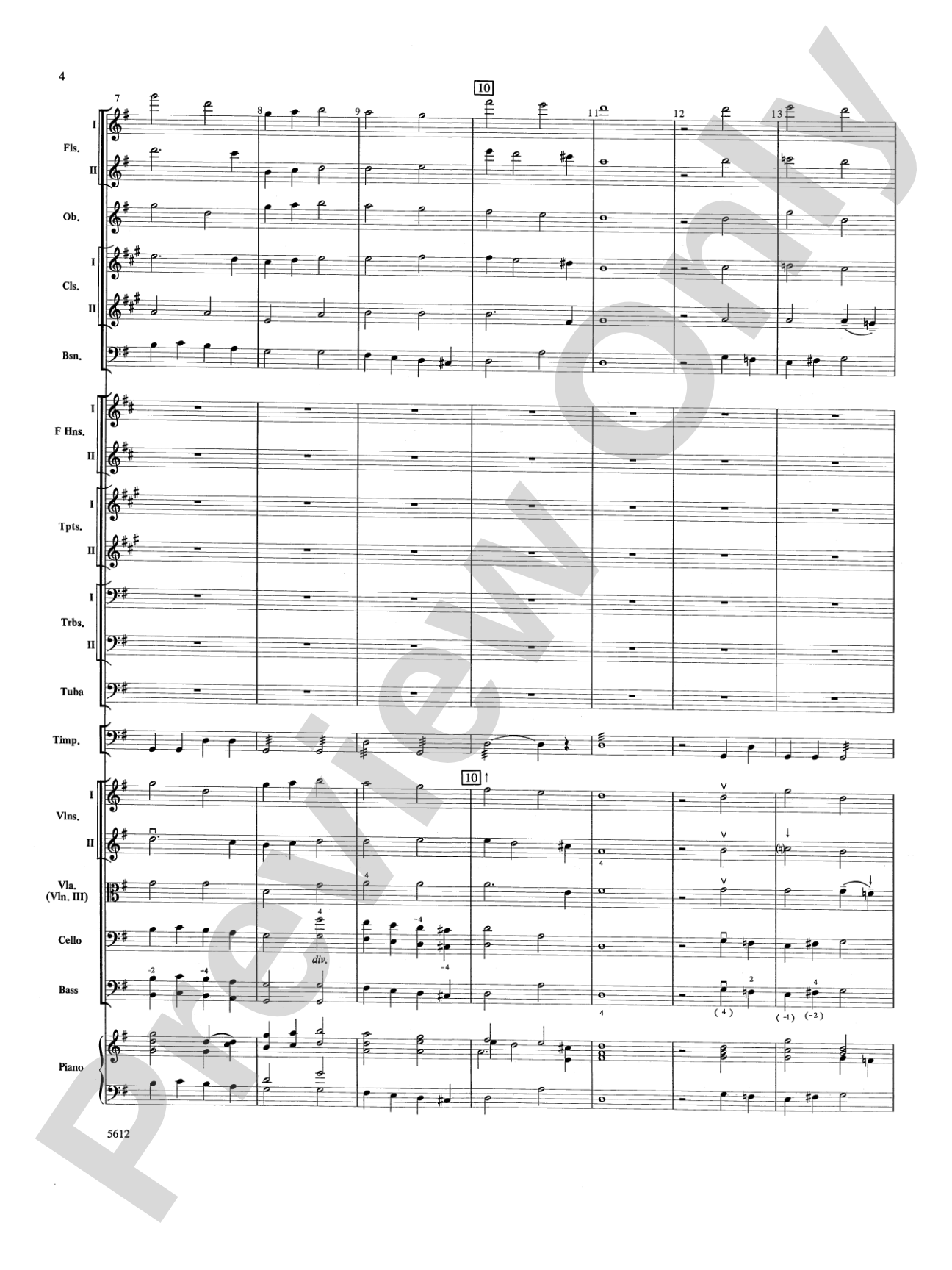
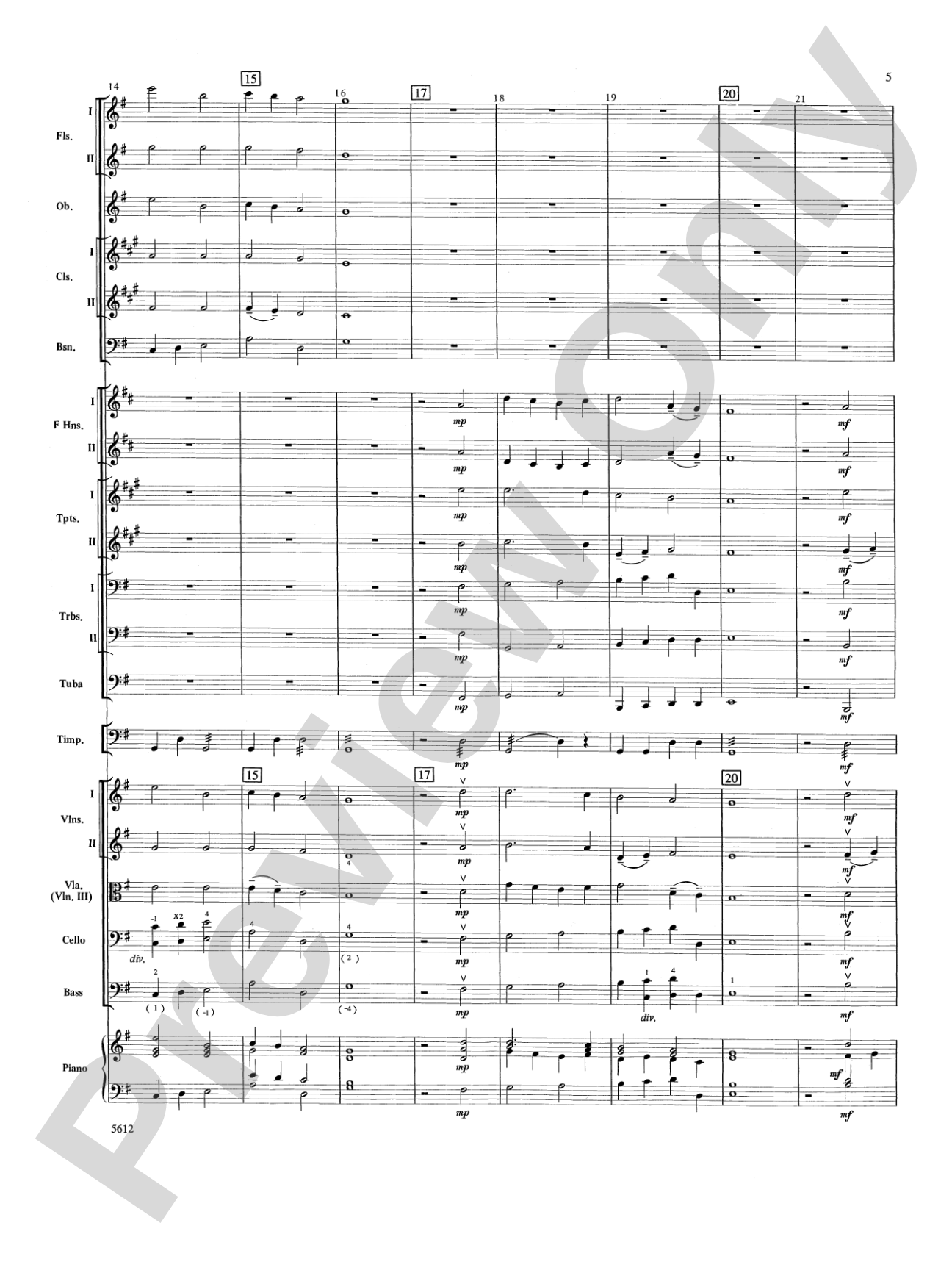
Unlike the Ormandy arrangement of this chorale prelude, the fantasy section begins after the full statement of the chorale. Scoring allows for strings-alone performance in the highly accessible key of G major. With much of the ornamentation removed, more groups have the opportunity to perform this familiar melody. Leidig has done a typically ingenious job of scoring, maintaining the richness of the piece for either string or full orchestra. Ideal for an inspirational combined festival number.


Don't just read it, hear it, play along with it, and watch your students grow with it. In MakeMusic Cloud, Fantasy on "Sleepers, Wake": Full Orchestra Conductor Score & Parts comes alive with professional accompaniment, adjustable tempo, and built-in practice tools that turn solo practice into real progress.
Open in the Player
Jump straight in and assign it today.
Start Your Free Trial
Open this title and explore the full library in minutes.
Sample Audio
No sample audio found.
Sample Video
No sample videos found.
Additional Details
Series:
Highland/Etling Full Orchestra
Publisher:
Alfred Music
Page Count:
114
SKU:
00-PK-0001903
More about this title
About the Composer: Johann Sebastian Bach
Johann Sebastian Bach (1685-1750) stands as one of Western music's most consequential composers. His mastery of counterpoint, harmonic language, and structural design established the template for centuries of music that followed. Bach's chorale preludes, organ works, and instrumental music remain central to music education because they combine mathematical rigor with profound emotional depth, offering students an inexhaustible resource for learning composition, arrangement, and performance practice.
Why we love this
Vernon Leidig's approach here respects the architecture of Bach's original while making it genuinely accessible to Grade 4 orchestras. The decision to begin the fantasy section after the full chorale statement gives players time to settle into the material, and the choice of G major with simplified ornamentation means more groups can execute the piece cleanly without sacrificing Bach's harmonic sophistication. For festival programming, this strikes the rare balance of sounding substantial and ambitious while remaining performable by schools that haven't yet reached advanced technical levels.
What to expect
Reverent and luminous. The chorale unfolds with hymn-like dignity, its familiar melody grounding the listener immediately. When the fantasy section begins, the music awakens into something more intricate and animated, with flowing counterlines and harmonic color that feel both Bach-like and orchestrally rich.
Who it's for
Orchestra directors programming a festival or combined concert who need a Bach arrangement that feels artistic and substantial but doesn't require soloistic virtuosity from every section. This works equally well for a strong Grade 4 group or as a confidence-builder for a Grade 5 ensemble looking for repertoire with genuine educational content.
How to get the most out of it
- Bring out the chorale melody in the opening statement by balancing the scoring so the primary voice never gets buried beneath inner voices, even when full orchestra joins.
- Use the transition into the fantasy section to reset ensemble focus; this structural pivot benefits from a slight collective breath and renewed attention to articulation and phrase shape.
- Shape the ornamentation that remains with clarity and purpose rather than rushing it; baroque figures land best when each note has weight and direction.
- Take advantage of the string-only reduction option in rehearsal to build confidence in the harmonic progression and voicing before adding winds and brass.
How to use it
This serves beautifully as an inspirational opening or closing number for a festival concert, or as a centerpiece for a program exploring baroque music across multiple ensembles. The piece also works well paired with other orchestral arrangements of baroque or classical repertoire, creating a coherent thematic block that showcases the orchestra's musicality without demanding high virtuosity.
Skills your students will build
- Balancing inner voices while maintaining a clear primary melody line
- Performing baroque articulation and phrasing with period awareness
- Reading orchestral parts in standard concert pitch and transpositions
- Executing sixteenth-note ornaments with rhythmic precision and style
- Ensemble listening across strings and winds in a harmonic progression