
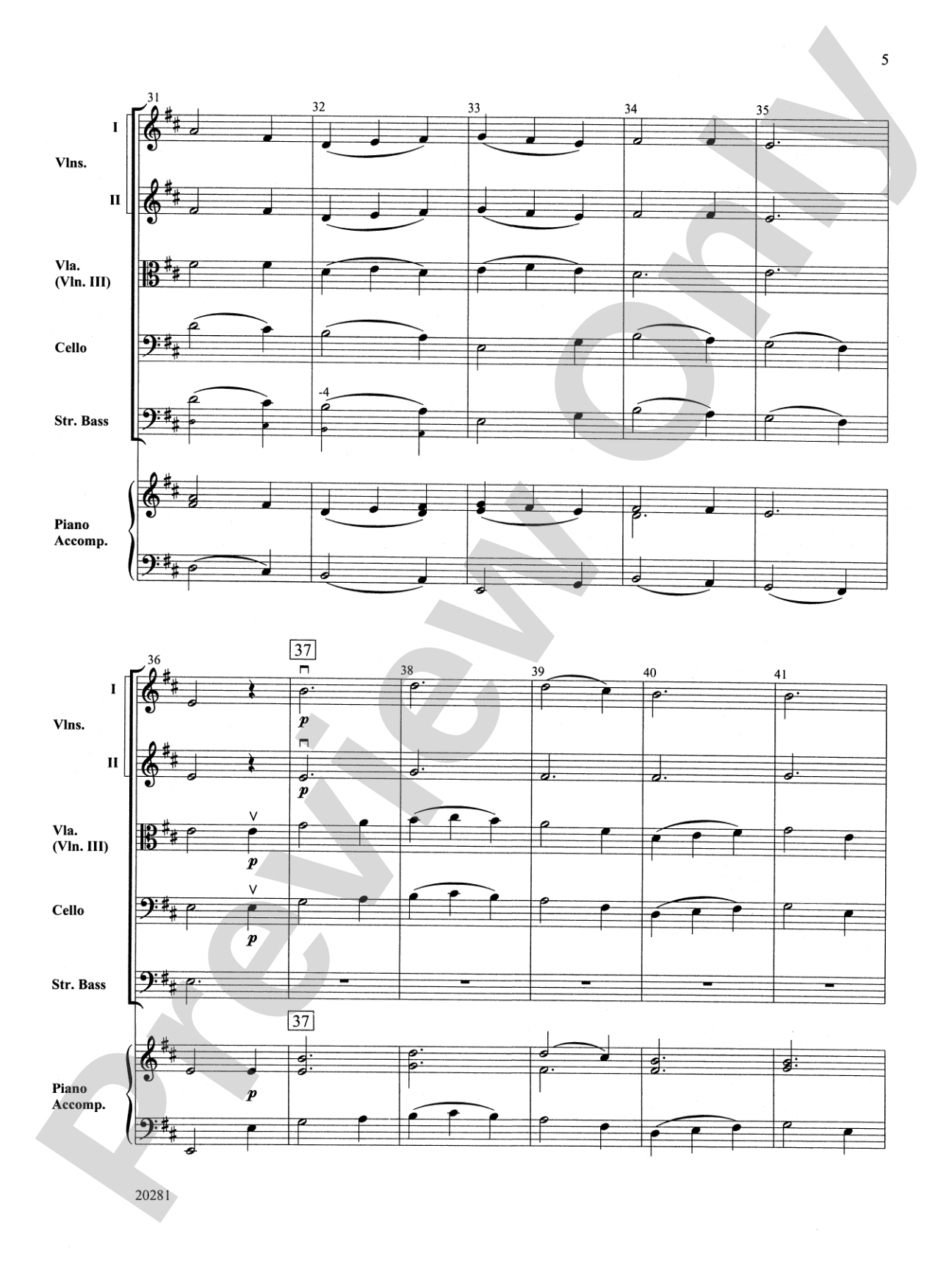
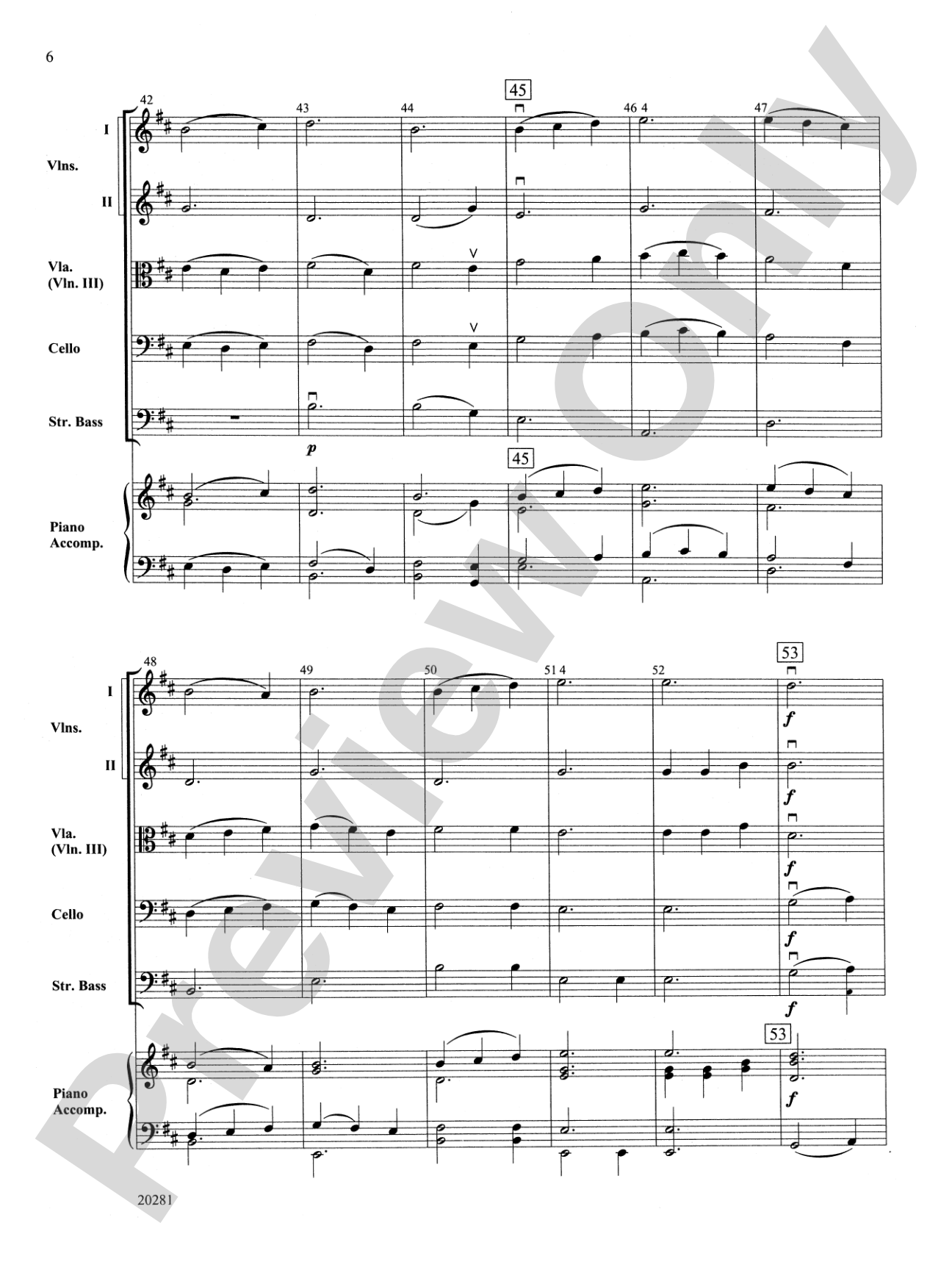
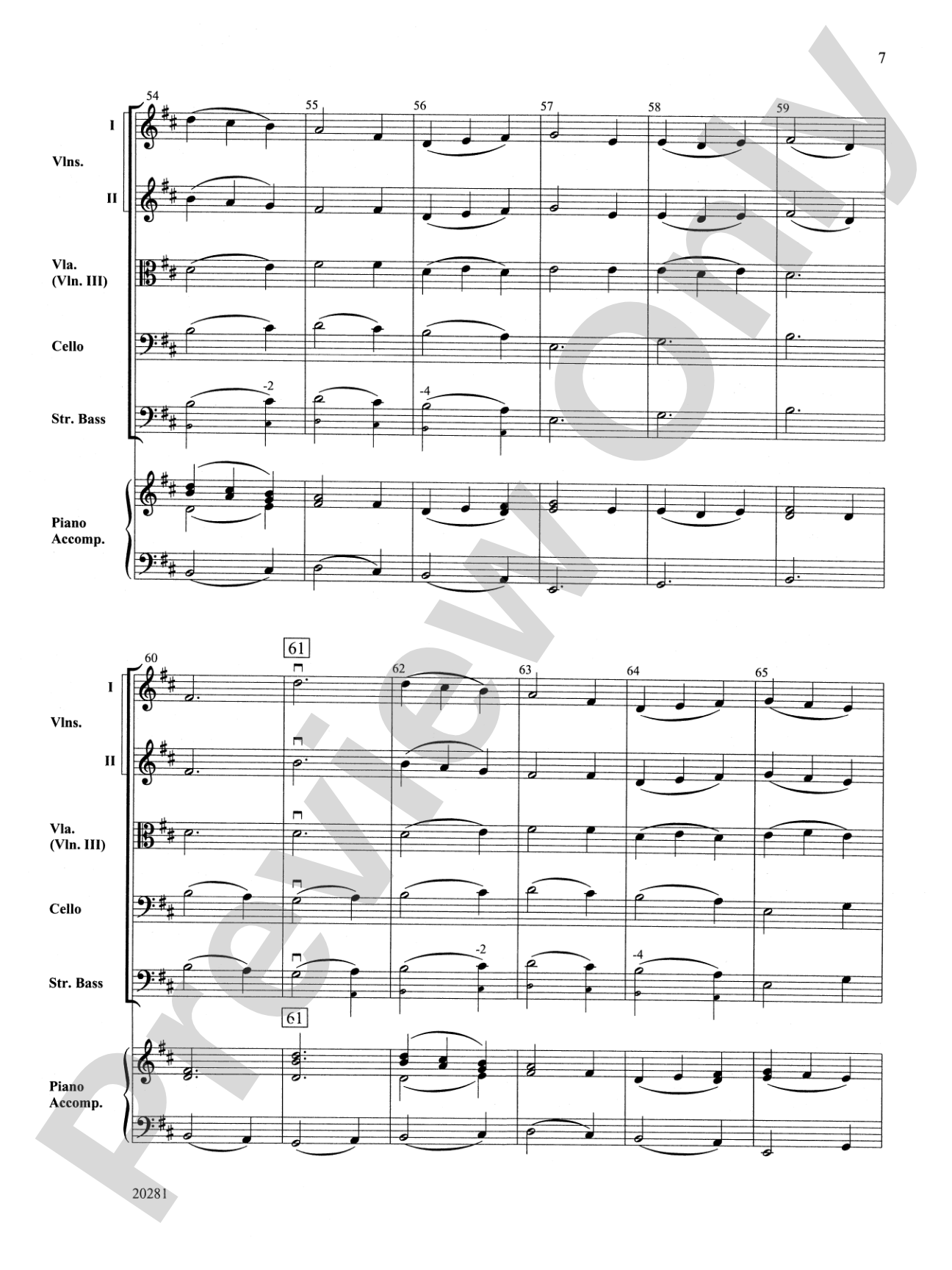
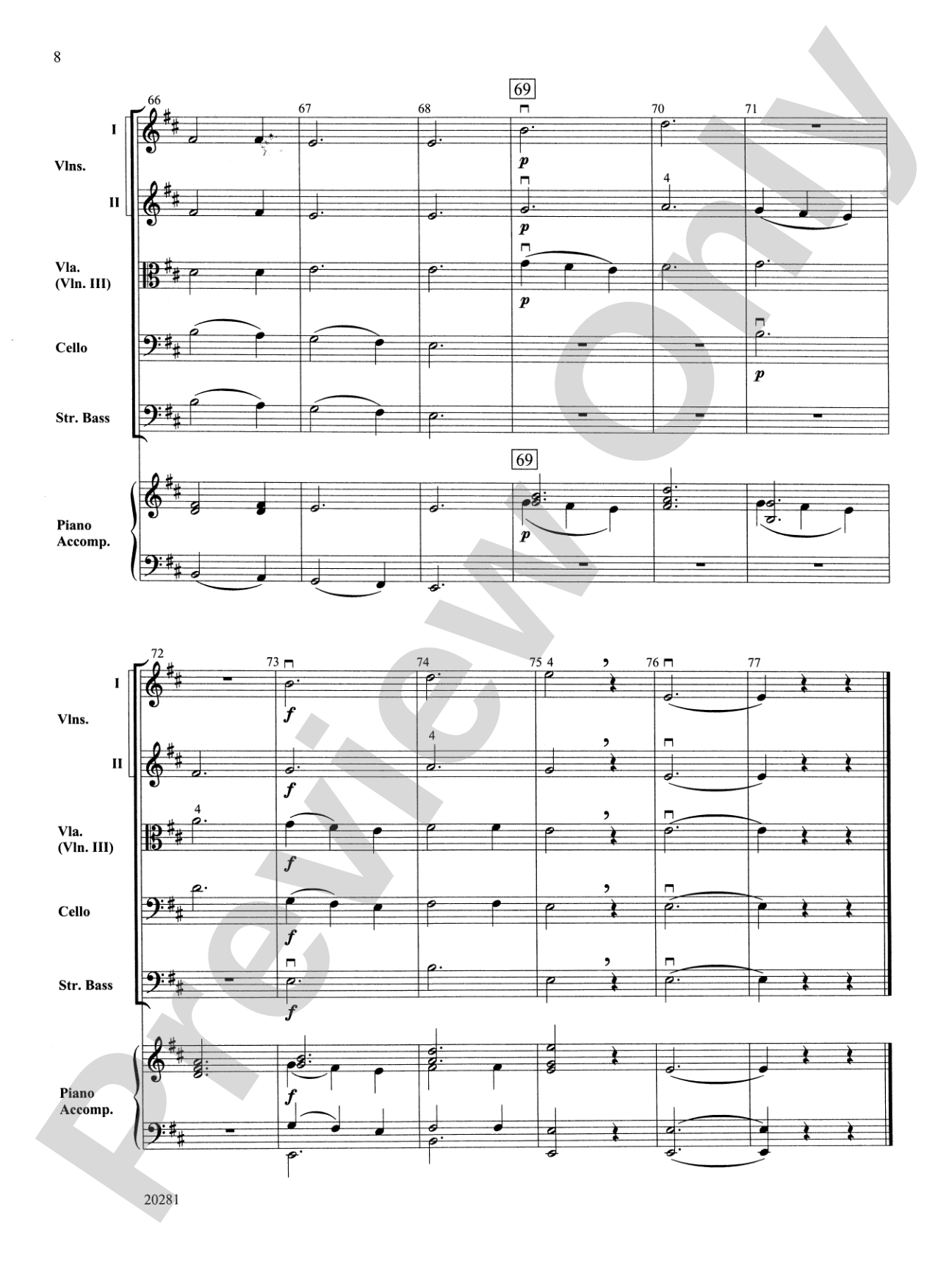

Fantasy on Greensleeves: Score
Arr. Mark Williams
Grade: 1
Item: 00-PR-0000371
$8.00
Pickup currently not available
Description
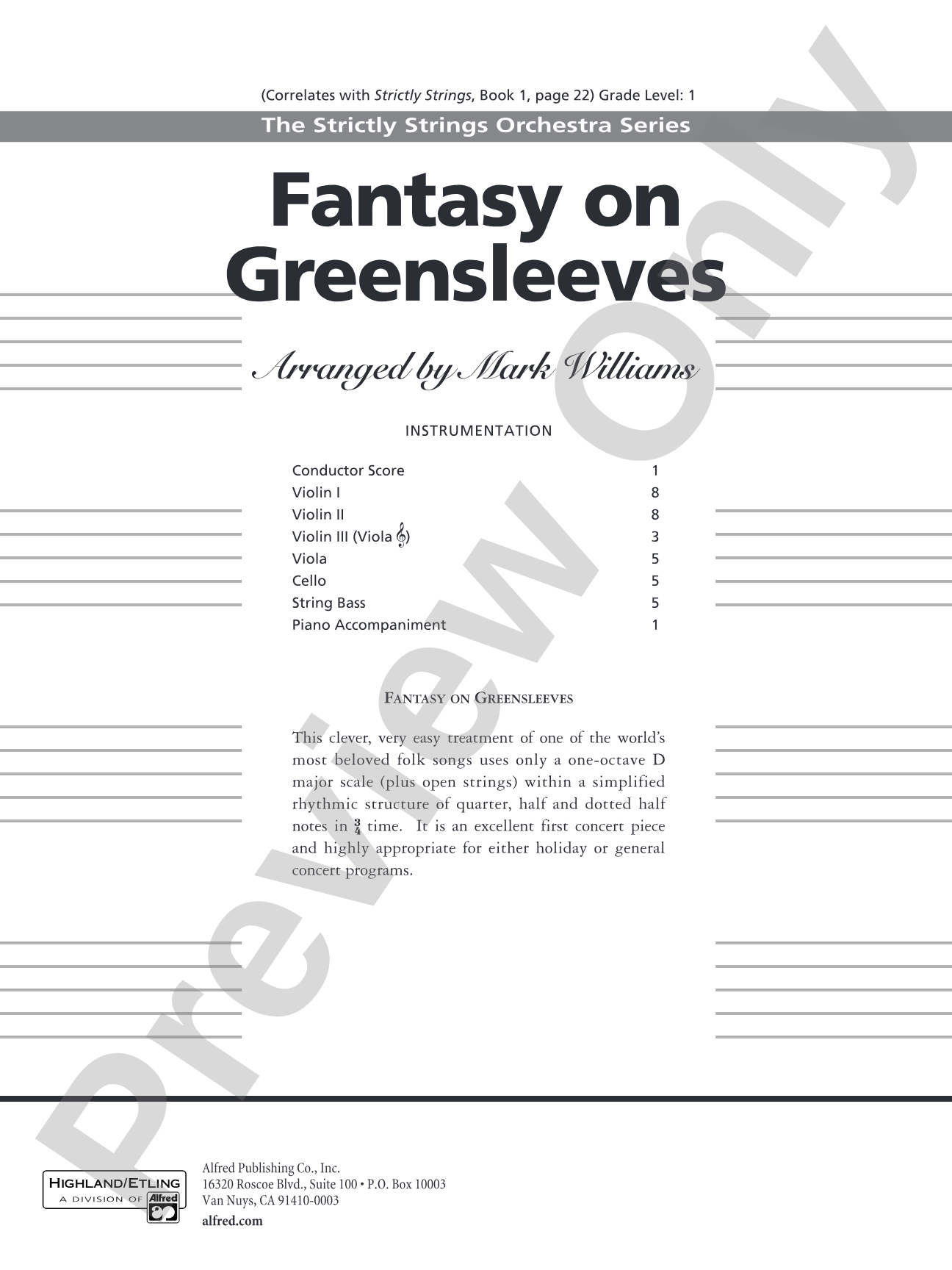
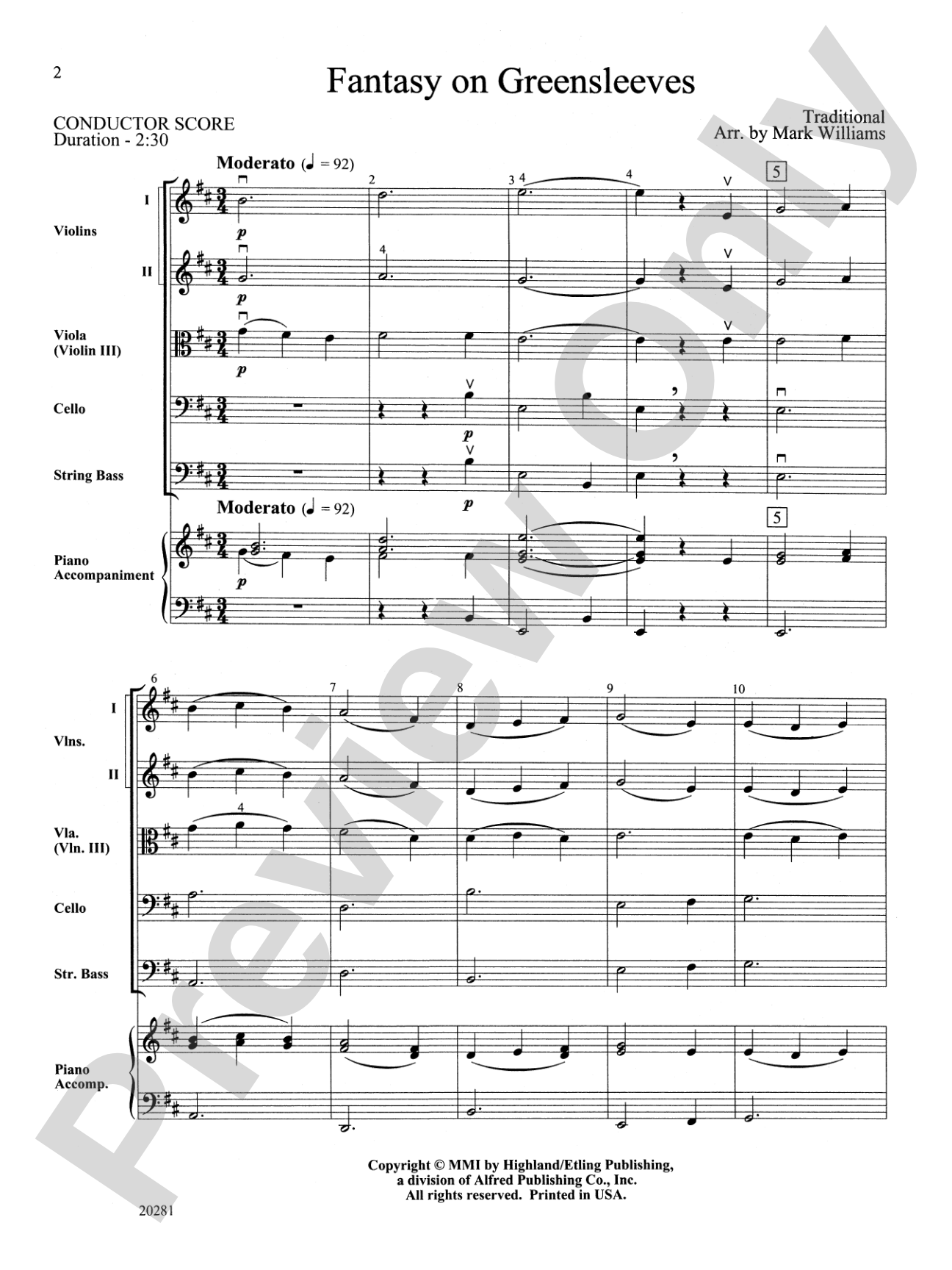
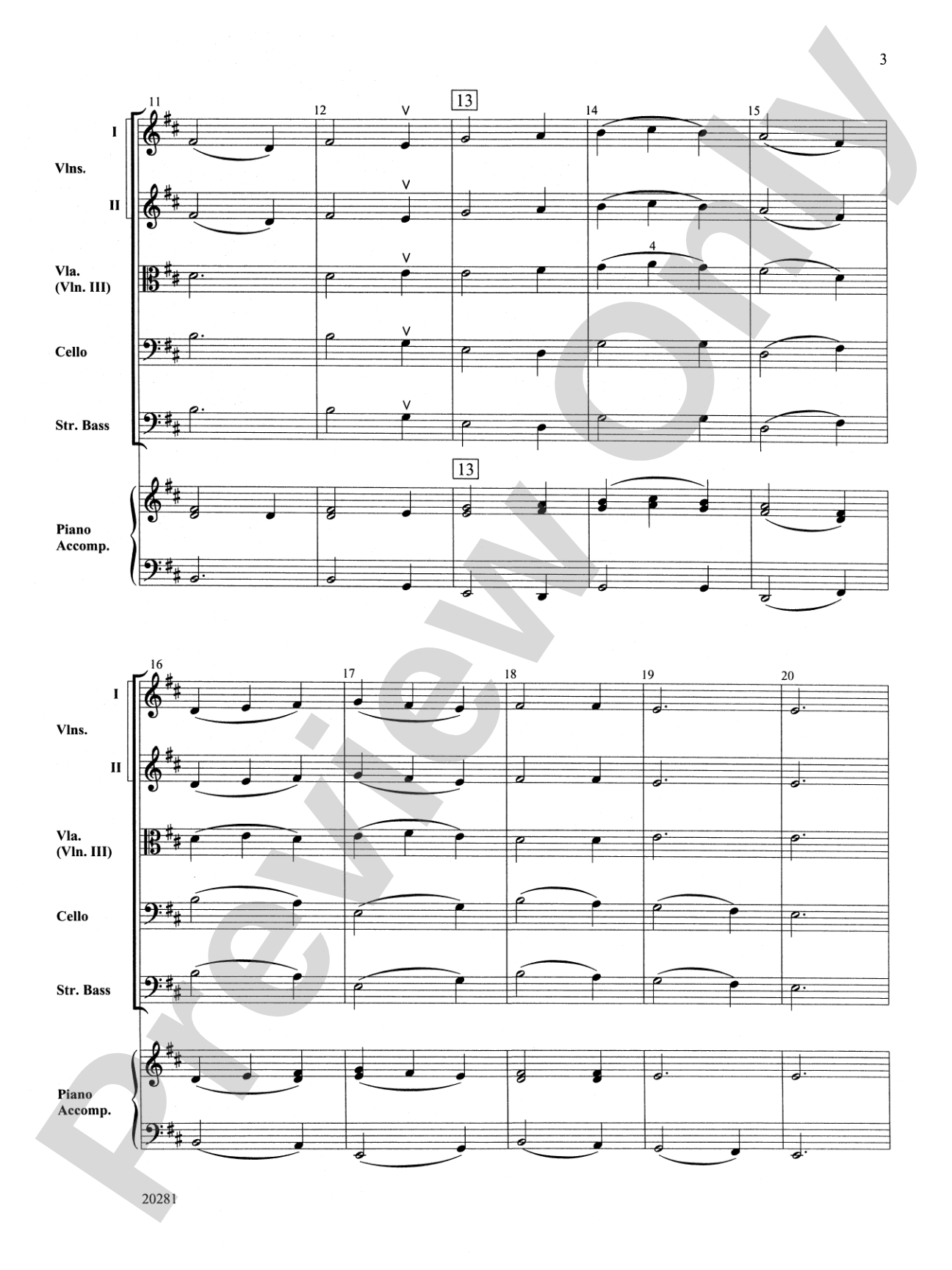
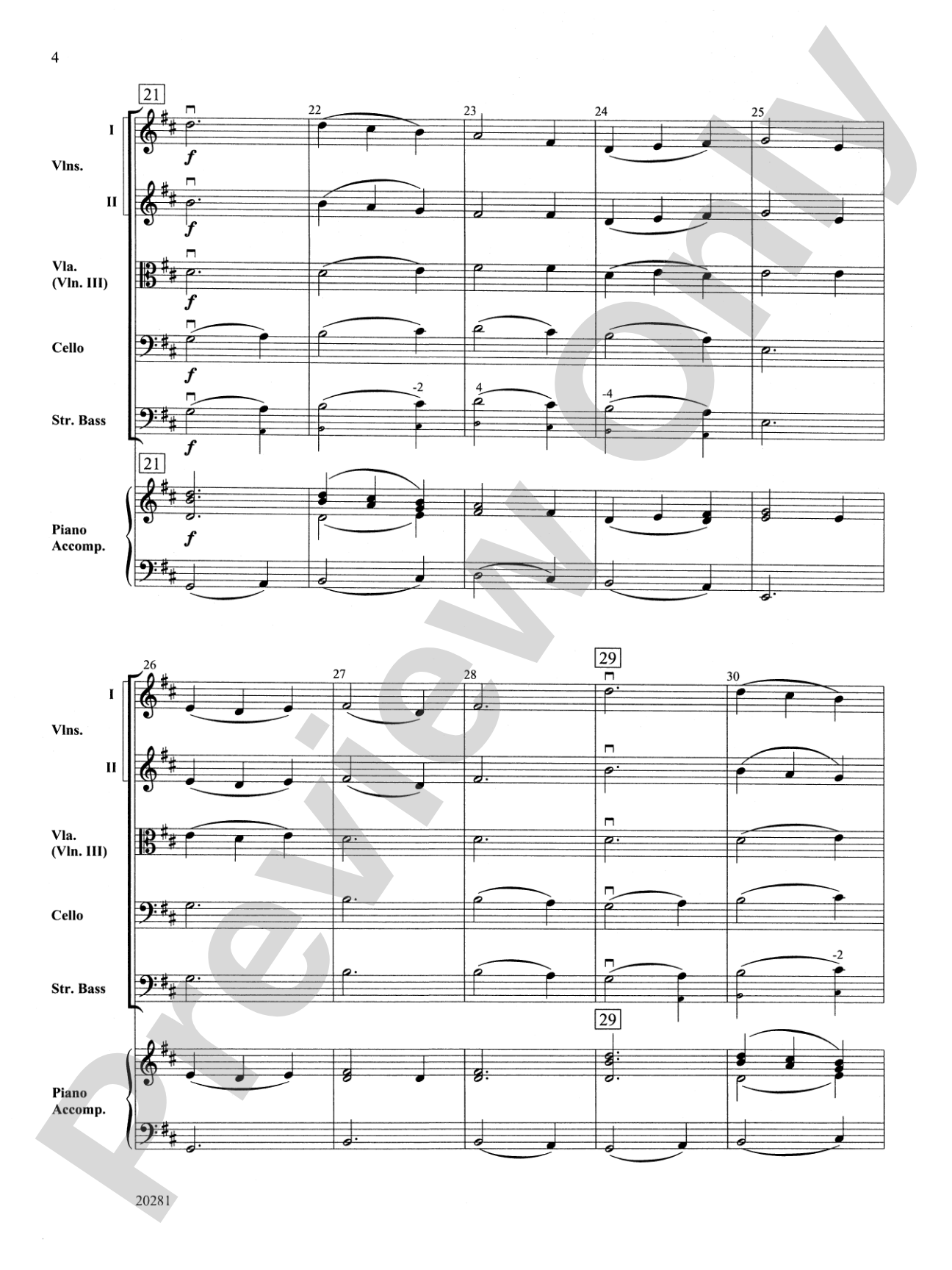
This clever, yet very easy treatment of one of the world's most beloved folk songs uses only a one-octave D major scale (plus open strings) within a simplified rhythmic structure. With only quarter, half and dotted half notes in 3/4 time, Fantasy on Greensleeves is an excellent first concert piece and appropriate for either holiday or general concert programs. Correlated with Strictly Strings, Book 1, page 22. (2:42)


Don't just read it, hear it, play along with it, and watch your students grow with it. In MakeMusic Cloud, Fantasy on Greensleeves: Score comes alive with professional accompaniment, adjustable tempo, and built-in practice tools that turn solo practice into real progress.
Open in the Player
Jump straight in and assign it today.
Start Your Free Trial
Open this title and explore the full library in minutes.
Sample Audio
1
Audio File
--:--
0:00
0:00
Sample Video
Additional Details
Series:
Highland/Etling Strictly Strings
Publisher:
Alfred Music
Page Count:
72
SKU:
00-PR-0000371
More about this title
About the Composer: Mark Williams

Mark Williams built a prolific career composing accessible, well-crafted music for young musicians across all ensemble types. With over 200 published works and a co-authorship of the Accent on Achievement Band Method, he shaped music education for generations of students. Born in Chicago and raised in Spokane, Washington, Williams taught elementary band for many years and earned a Master of Education degree from Eastern Washington University alongside his Bachelor of Arts in Education.
Beyond the page, Williams was a clinician and guest conductor who traveled extensively throughout North America and Australia, sharing his expertise with school programs everywhere. He performed on bassoon, arranged for the 560th Air Force Band, and served as conductor and artistic director for the Spokane British Brass Band. His contributions earned recognition from the Western International Band Clinic's Gralia Competition and multiple ASCAP Special Awards, cementing his reputation as one of the most important voices in school music composition.
Why we love this
This setting strips Greensleeves down to its purest elements, making it genuinely accessible for Grade 1 ensembles without sacrificing the melody's elegance. Williams uses only one octave and open strings, paired with straightforward rhythmic values, so beginning violinists and cellists can focus on tone and intonation rather than technical hurdles. The result is a polished first concert piece that audiences recognize instantly and students feel proud to perform.
What to expect
Greensleeves emerges as a gentle, unhurried meditation. The sparse texture and restricted range create intimacy, while the familiar tune itself carries quiet historical weight. Students feel they are playing something real and meaningful, not merely an exercise.
Who it's for
String orchestra programs at the beginning level who need a substantial first concert piece. This works equally well for school ensembles mixed in age or experience, since the technical demands are minimal and the artistic payoff is immediate.
How to get the most out of it
- Encourage singers to shape the familiar melody with gentle dynamic swells, especially through the longer note values, so the tune feels alive rather than static.
- Use the dotted half notes as moments for the ensemble to breathe together; a unified pause before the next phrase gives the performance breathing room and clarity.
- Balance the arrangement so that whichever section carries the primary melody dominates slightly, allowing other parts to recede and support without muddying the texture.
How to use it
Open a winter or holiday concert with this to settle the audience and establish a lyrical tone. Its brevity and clarity also make it a confident vehicle for premiering a new ensemble early in the season, building confidence before tackling more complex repertoire.
Skills your students will build
- Reading and performing in 3/4 time with quarter, half, and dotted half notes
- Sustaining long tones with consistent tone quality and intonation across open strings
- Balancing ensemble texture by listening to sectional roles within a simple arrangement
- Executing basic bowing patterns that serve a lyrical, song-like style