
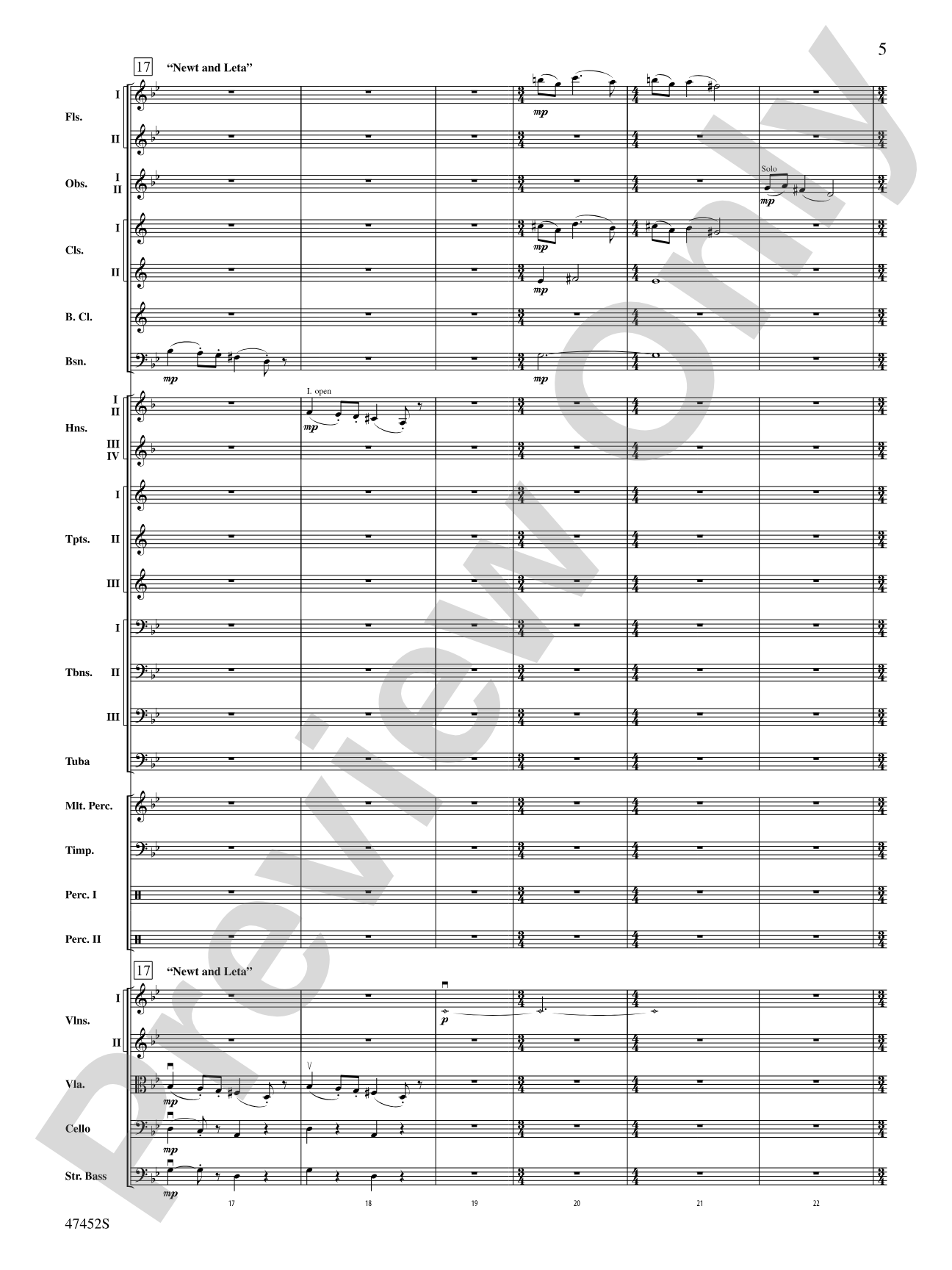
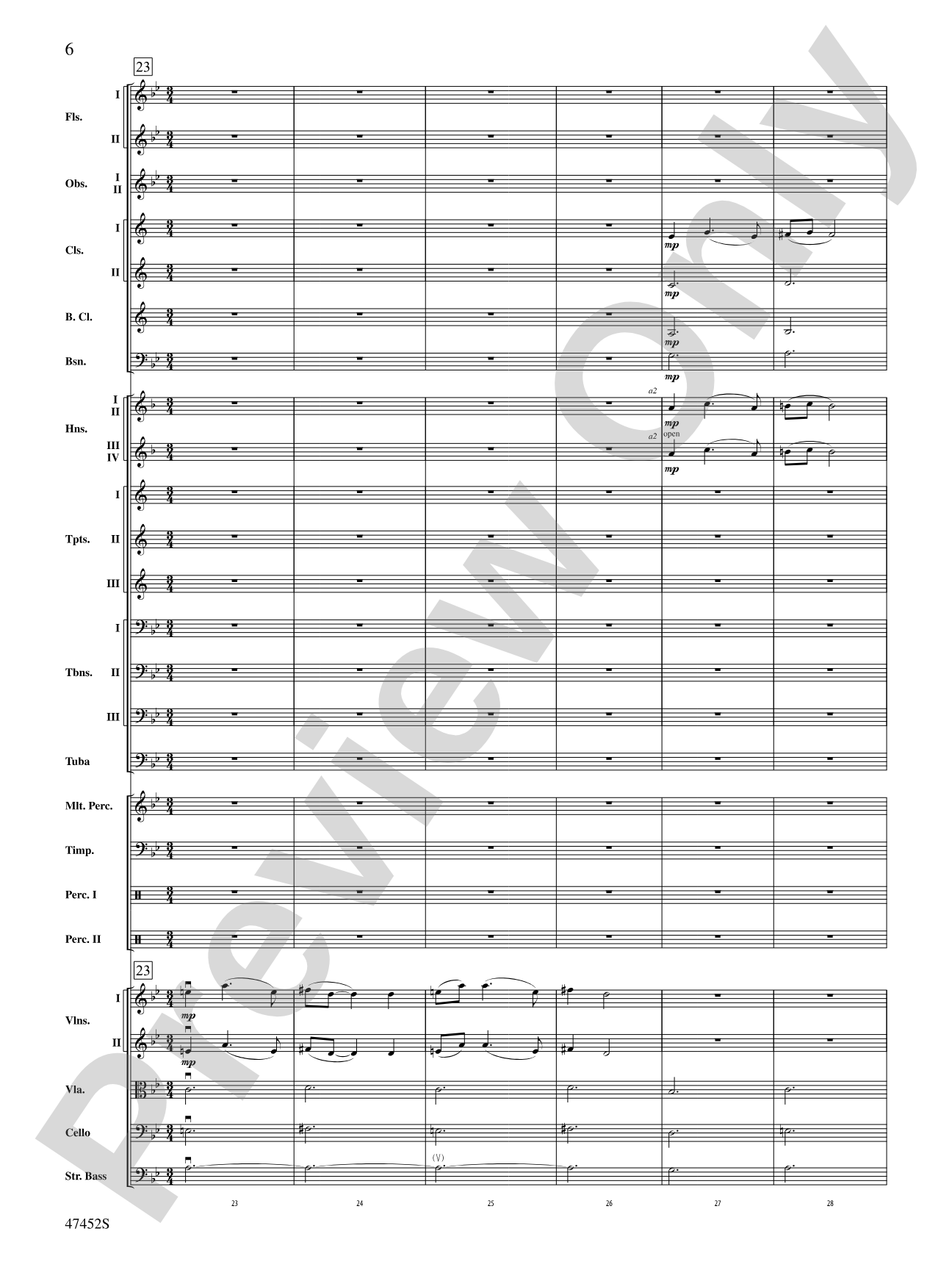
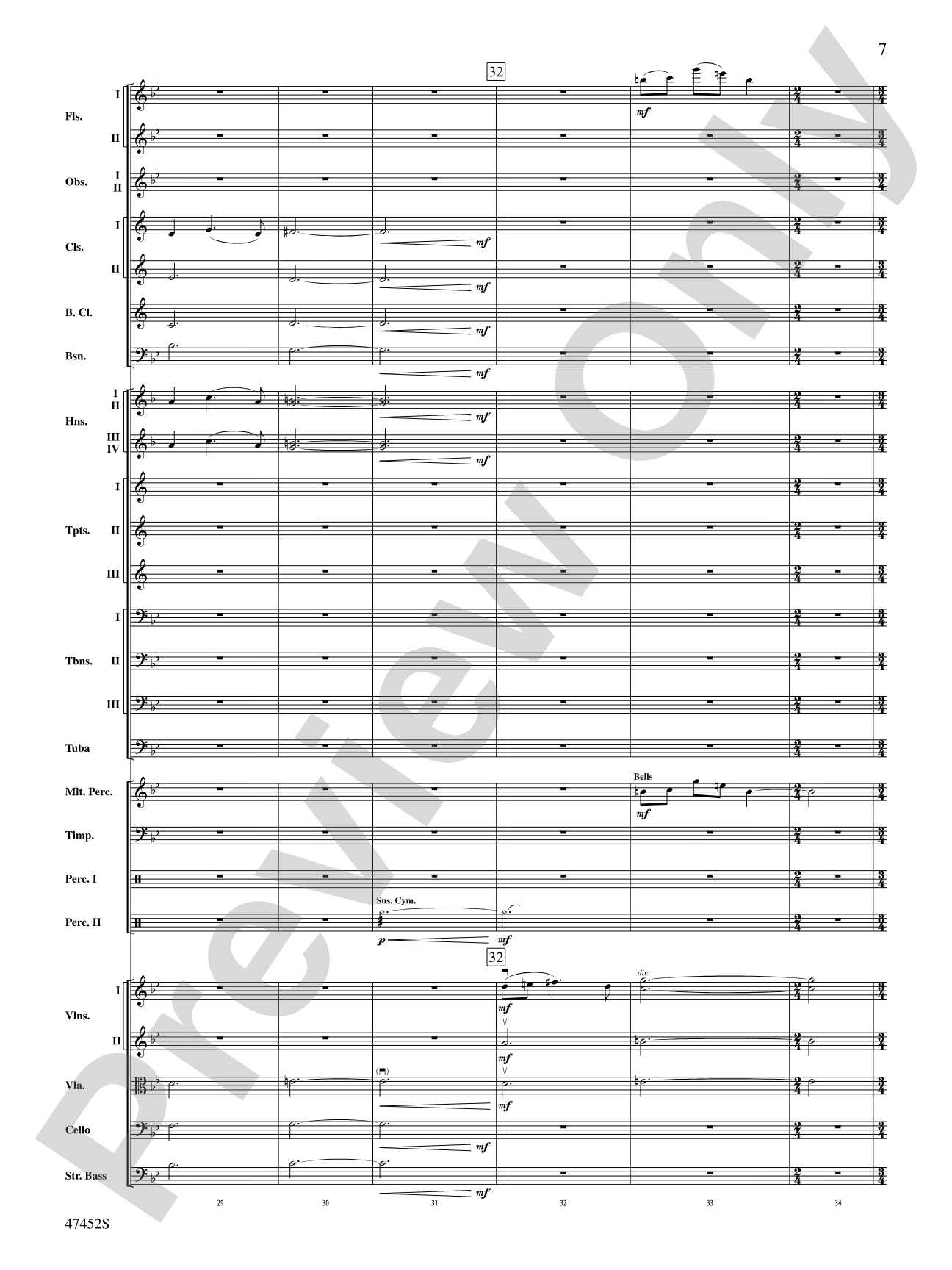
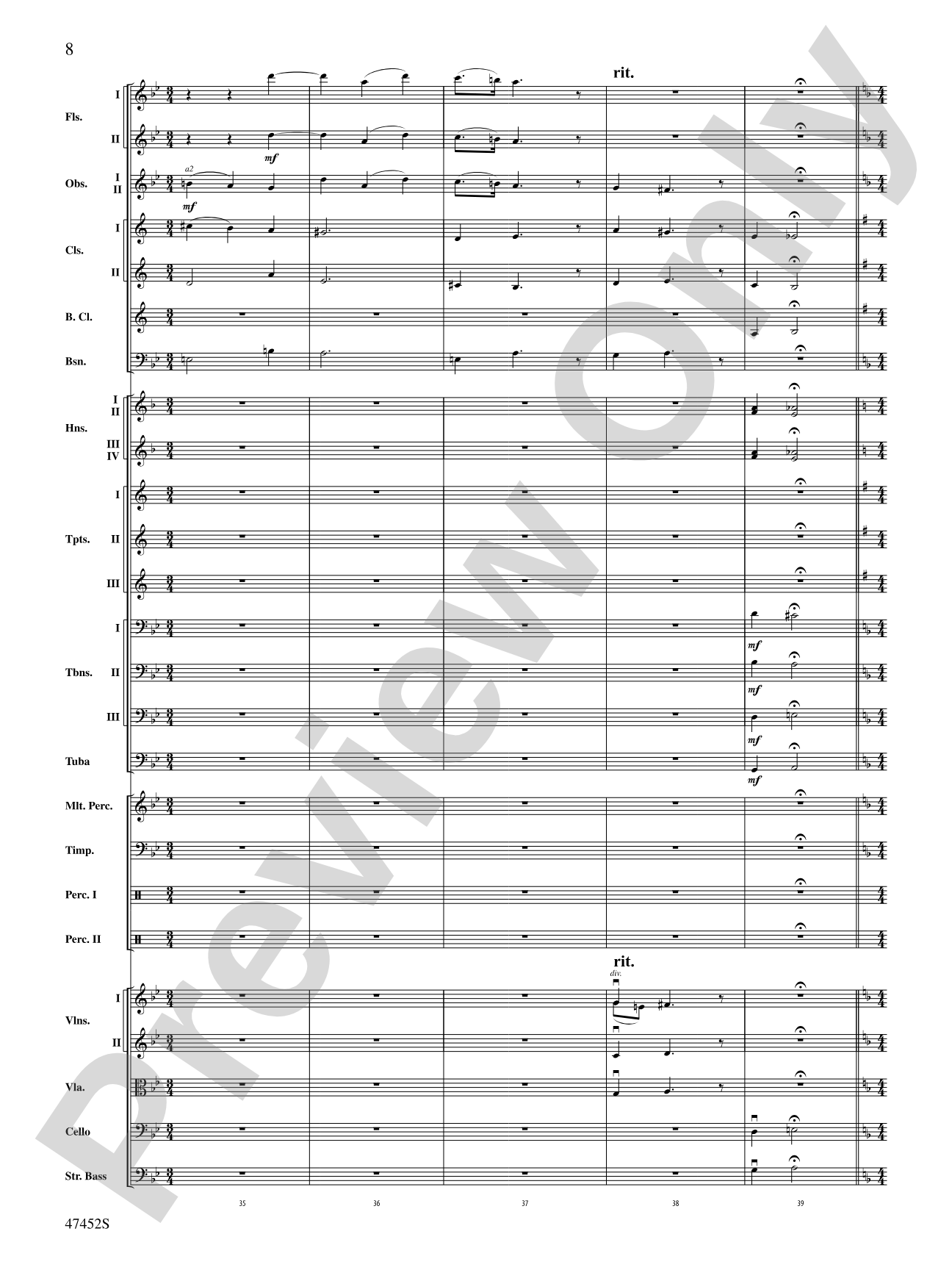
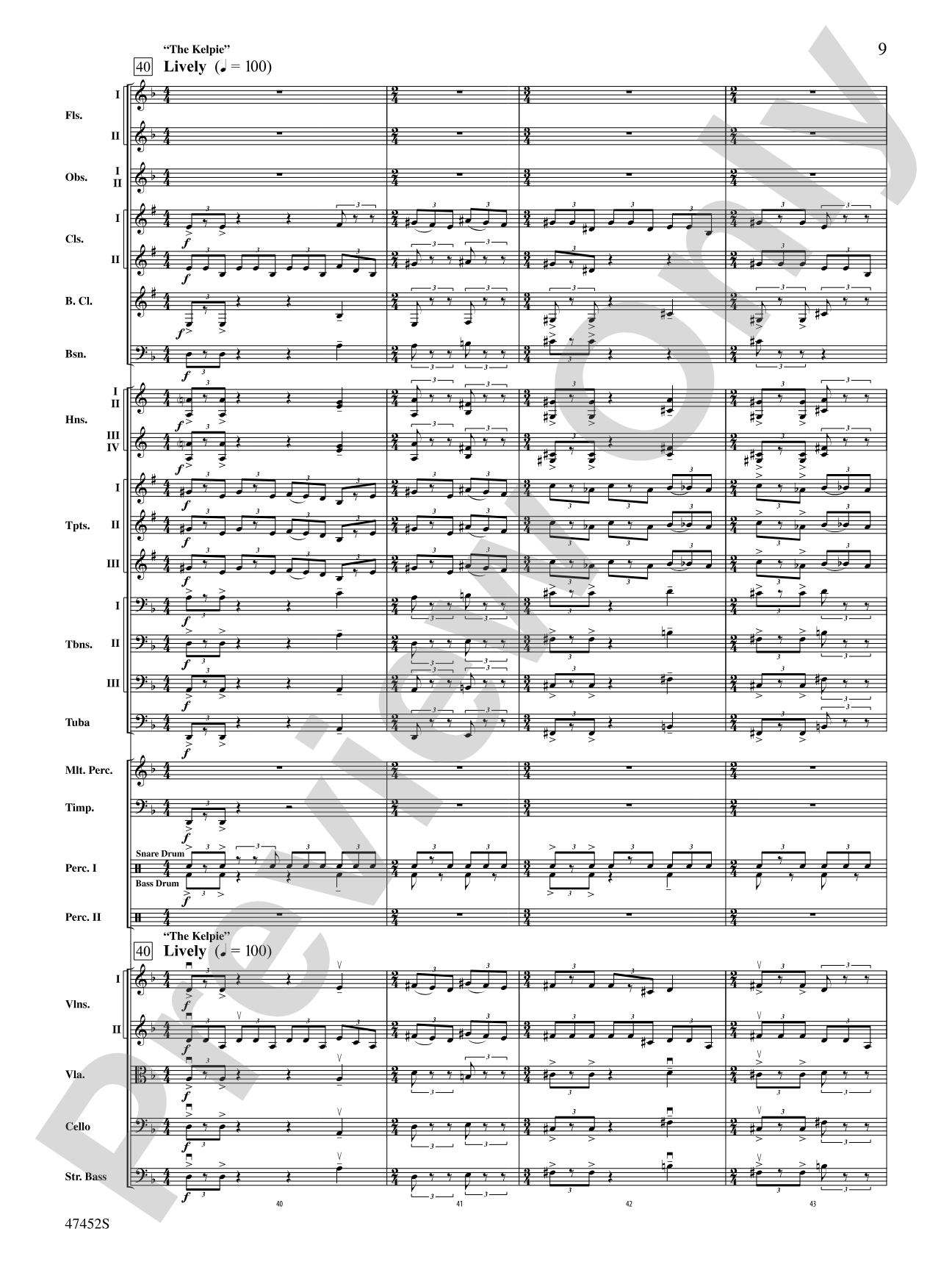
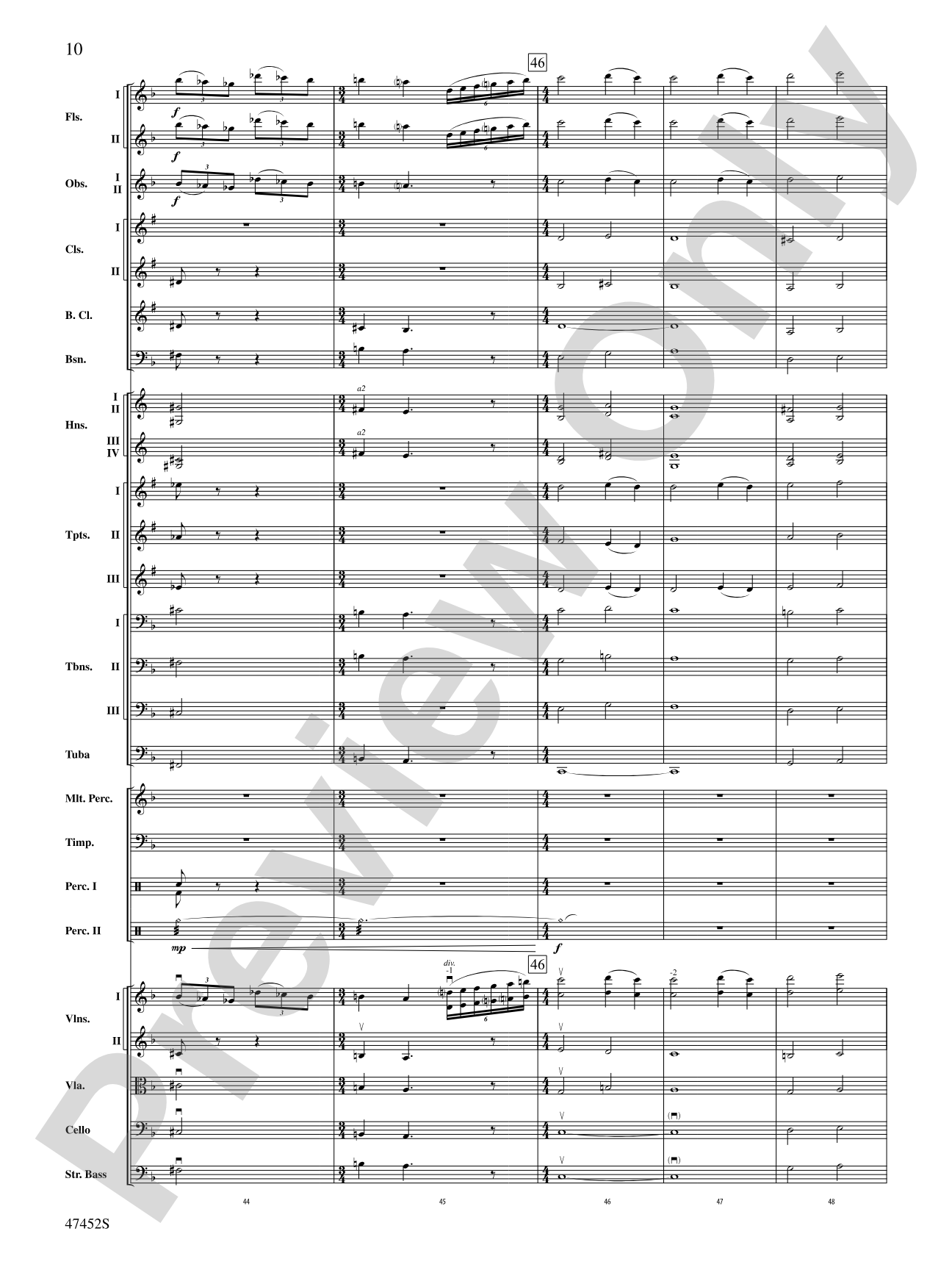
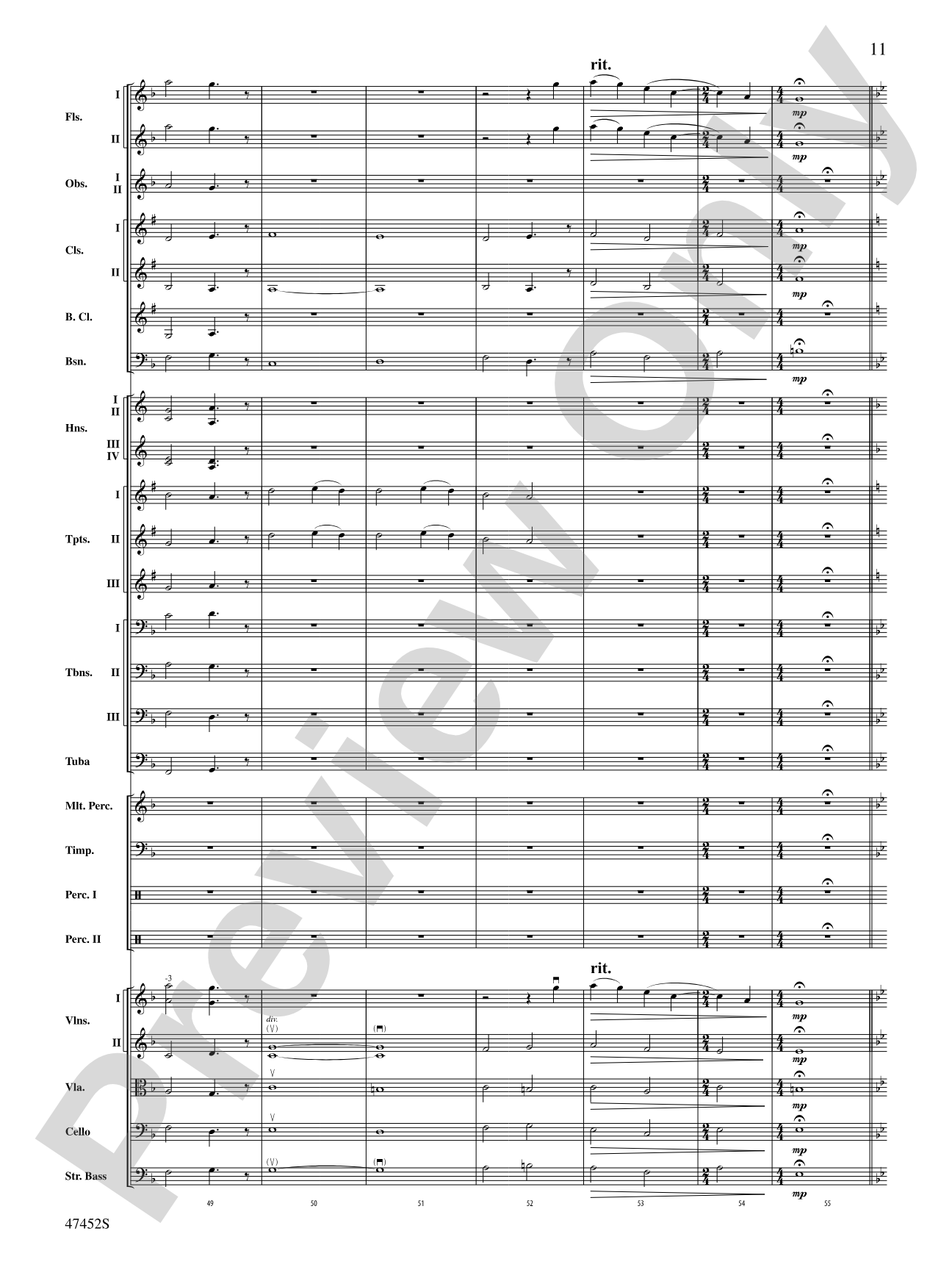
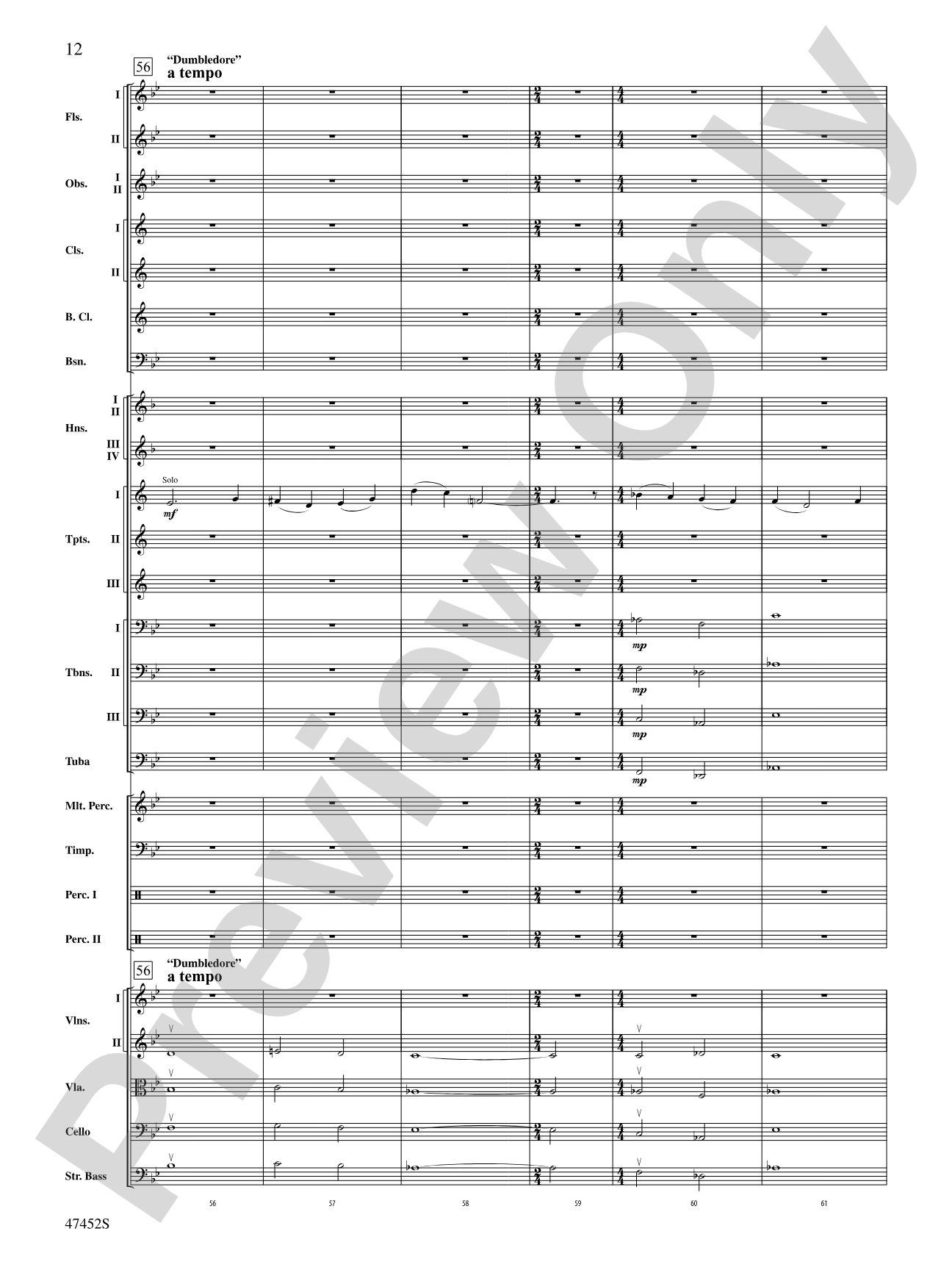
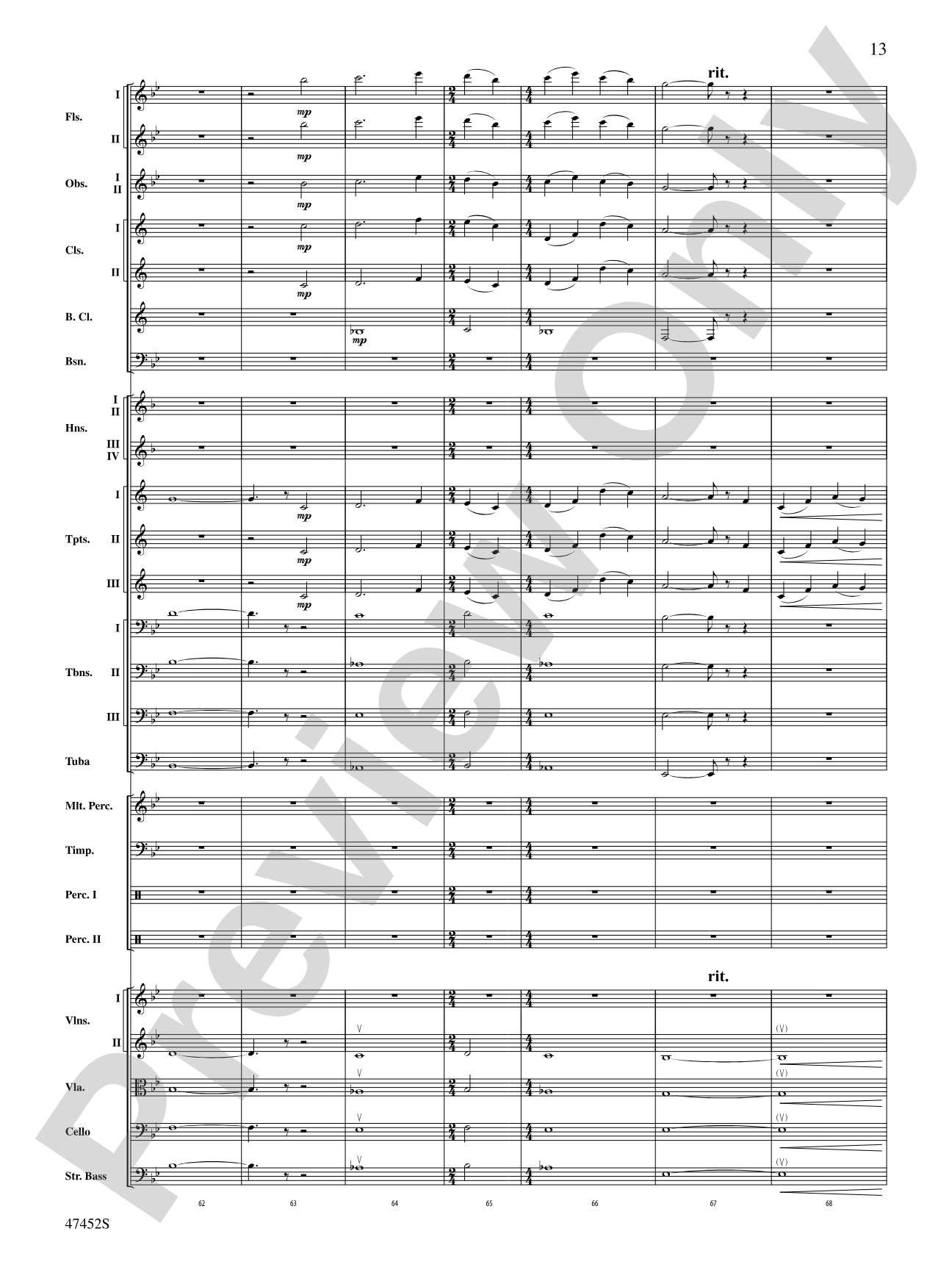
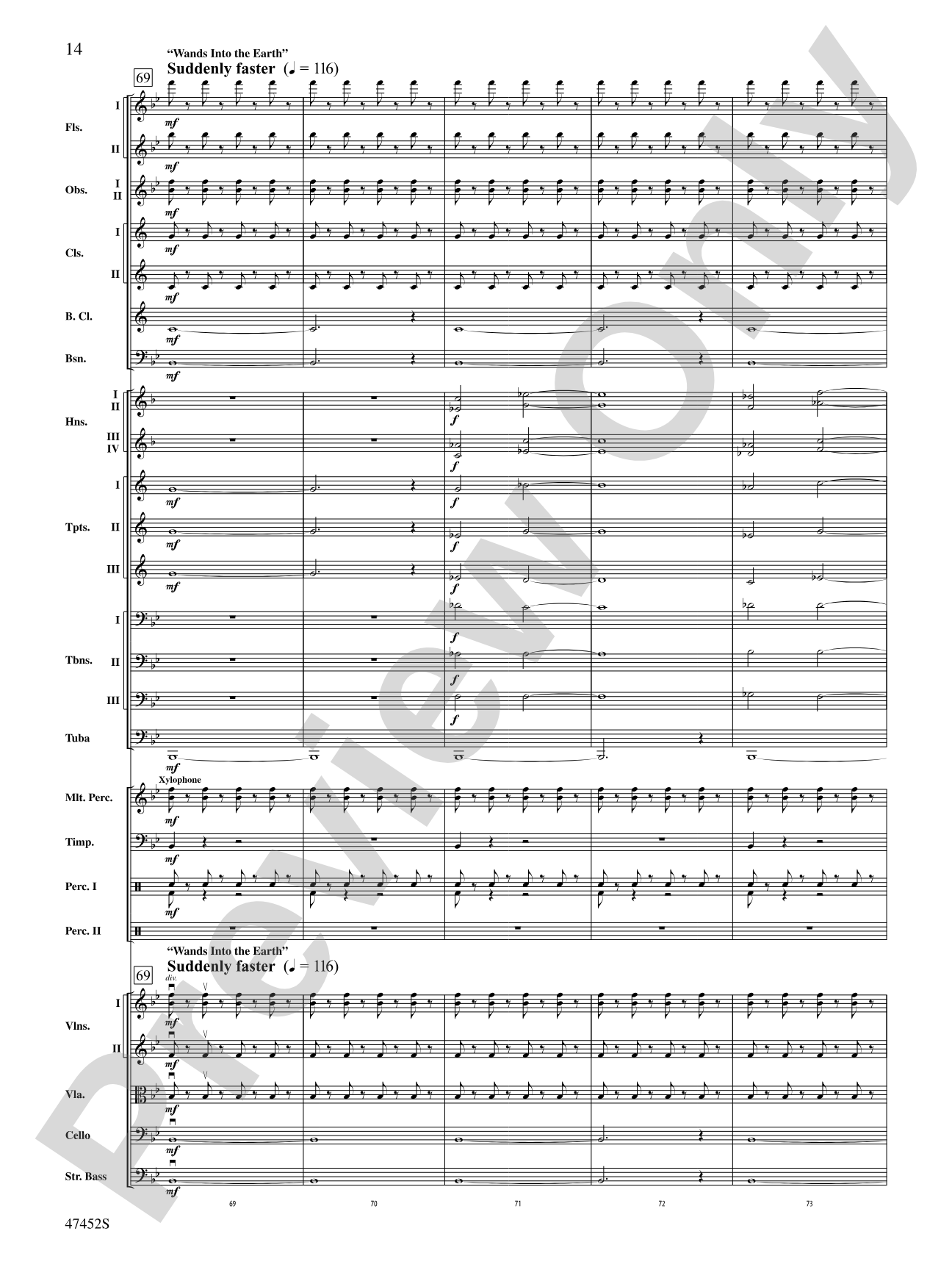
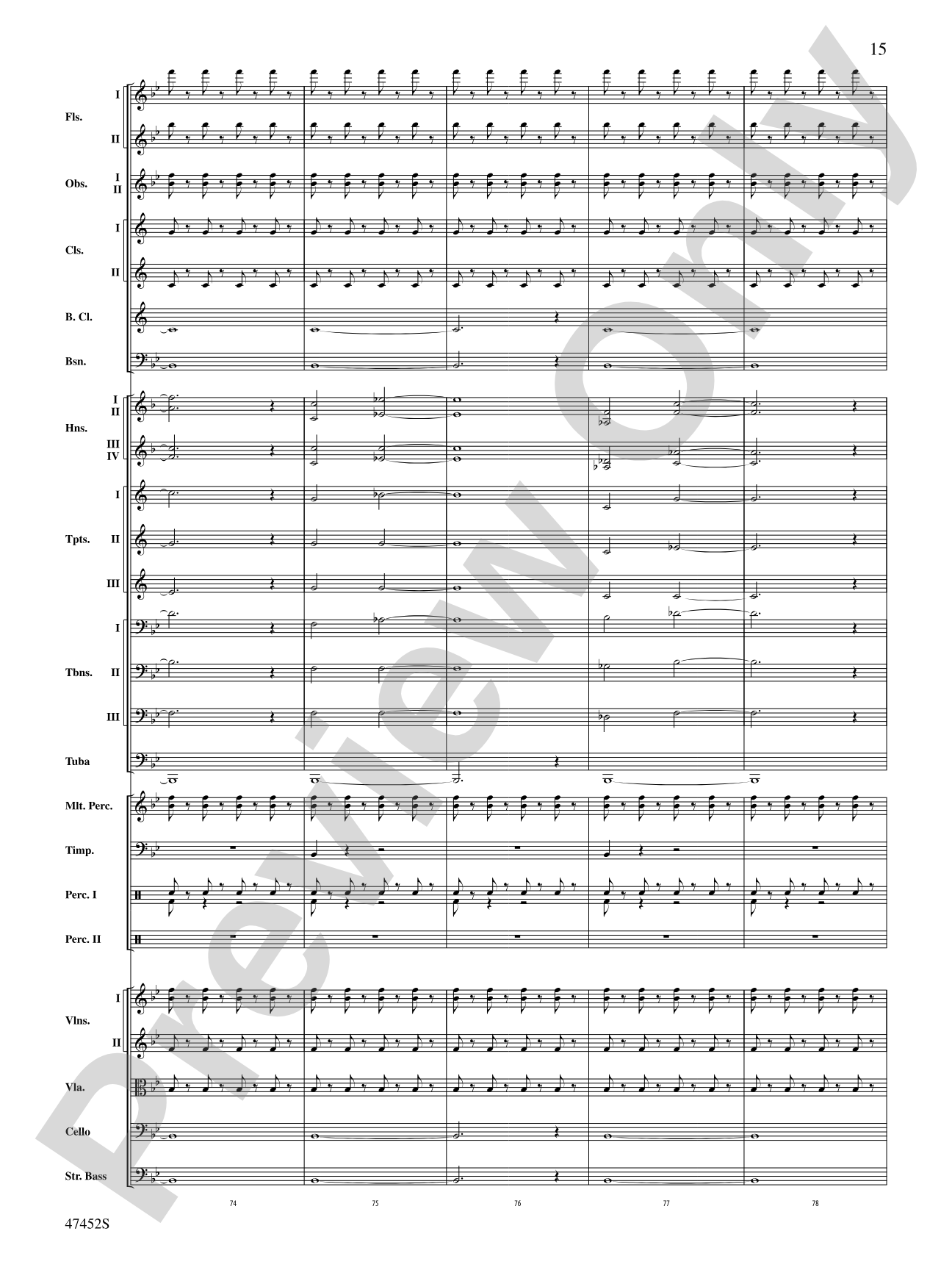
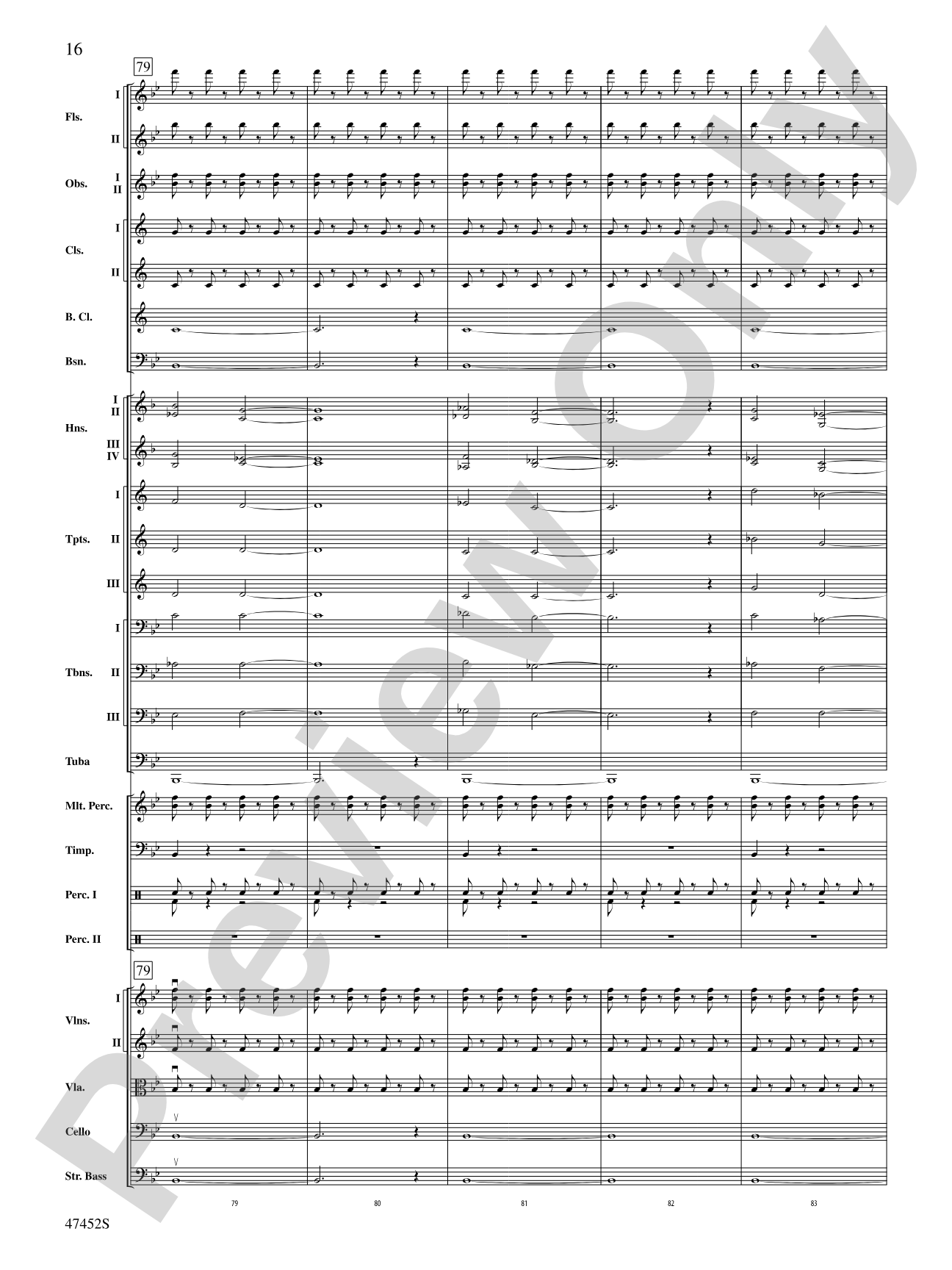
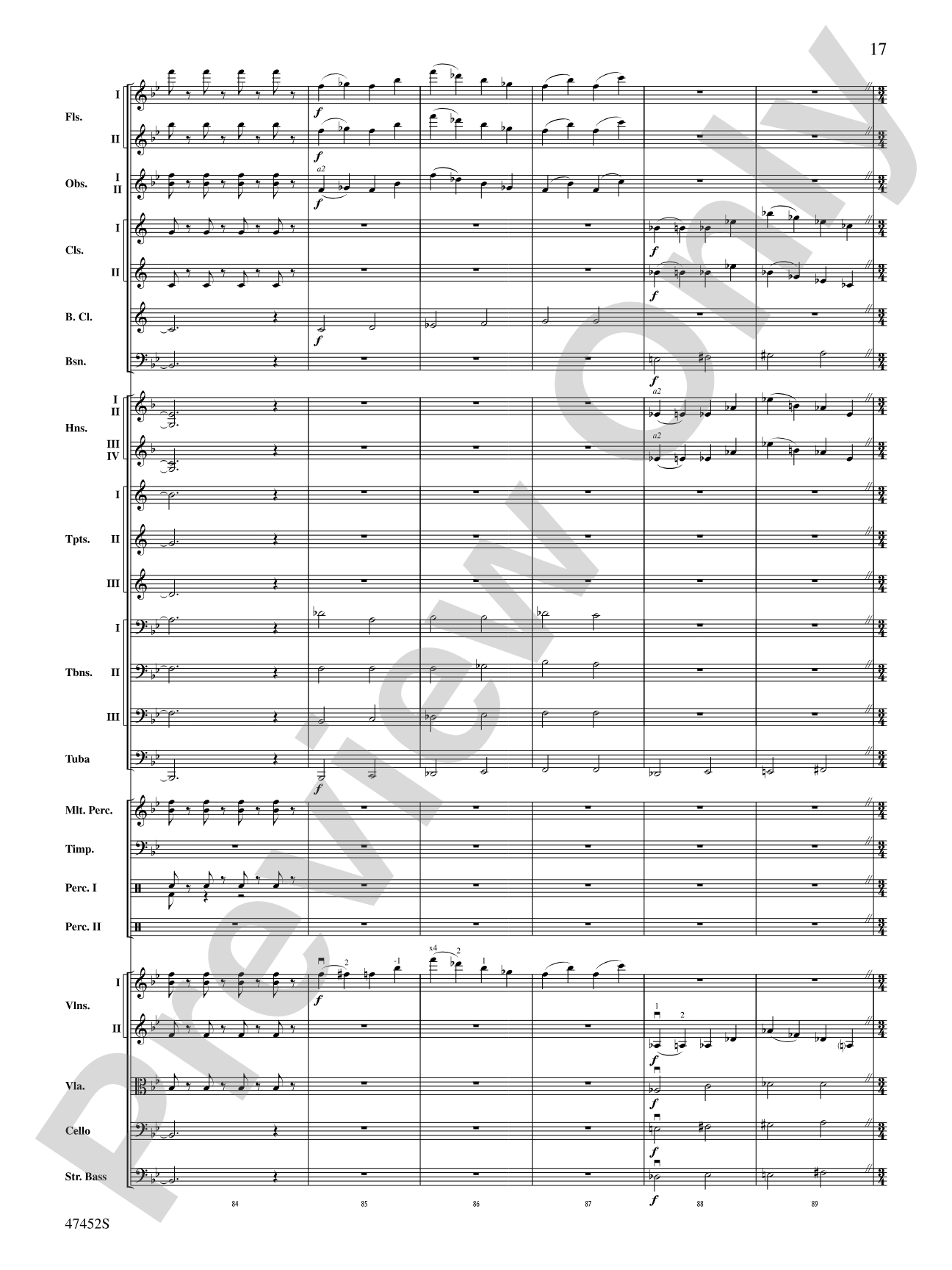
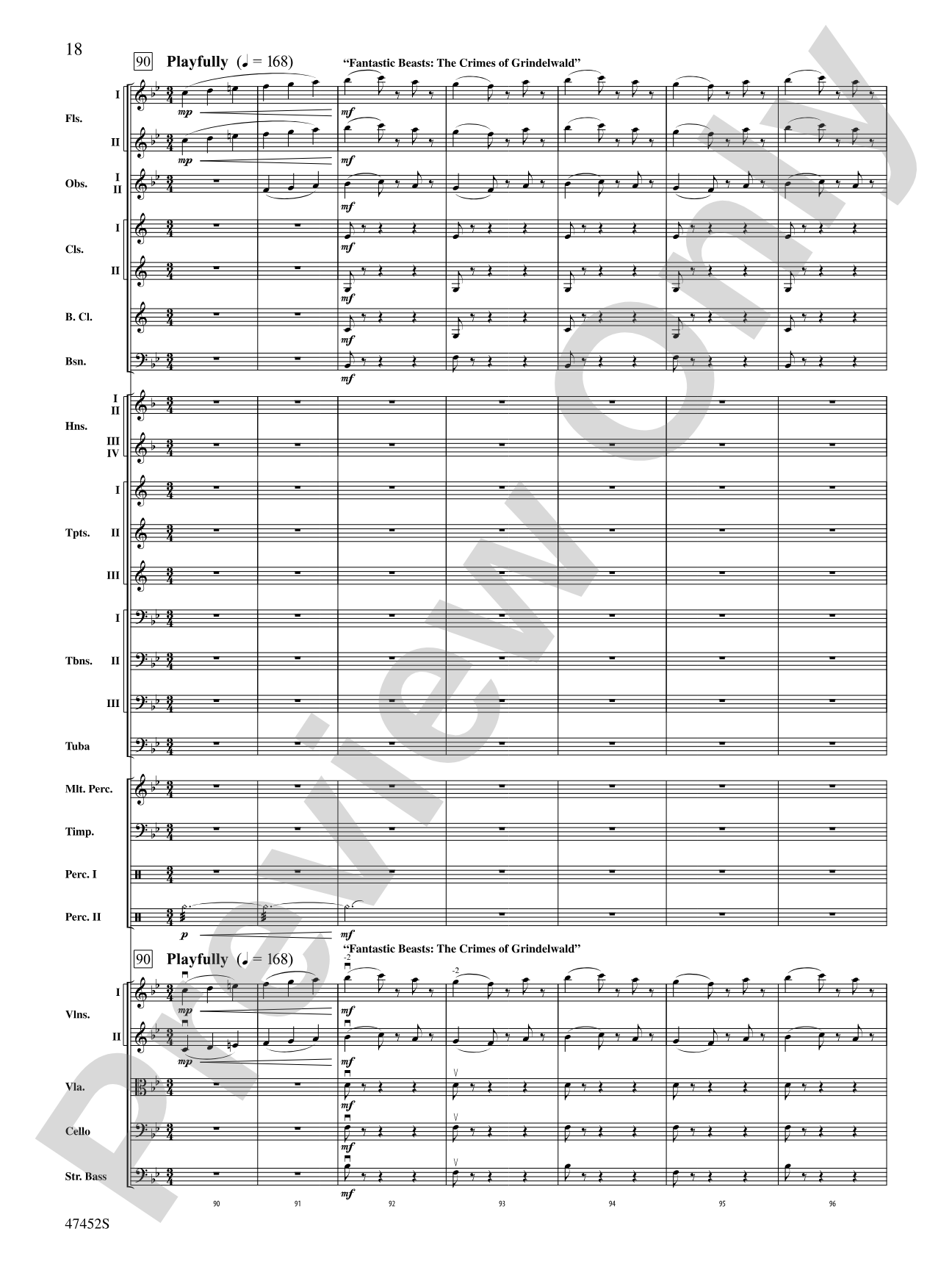
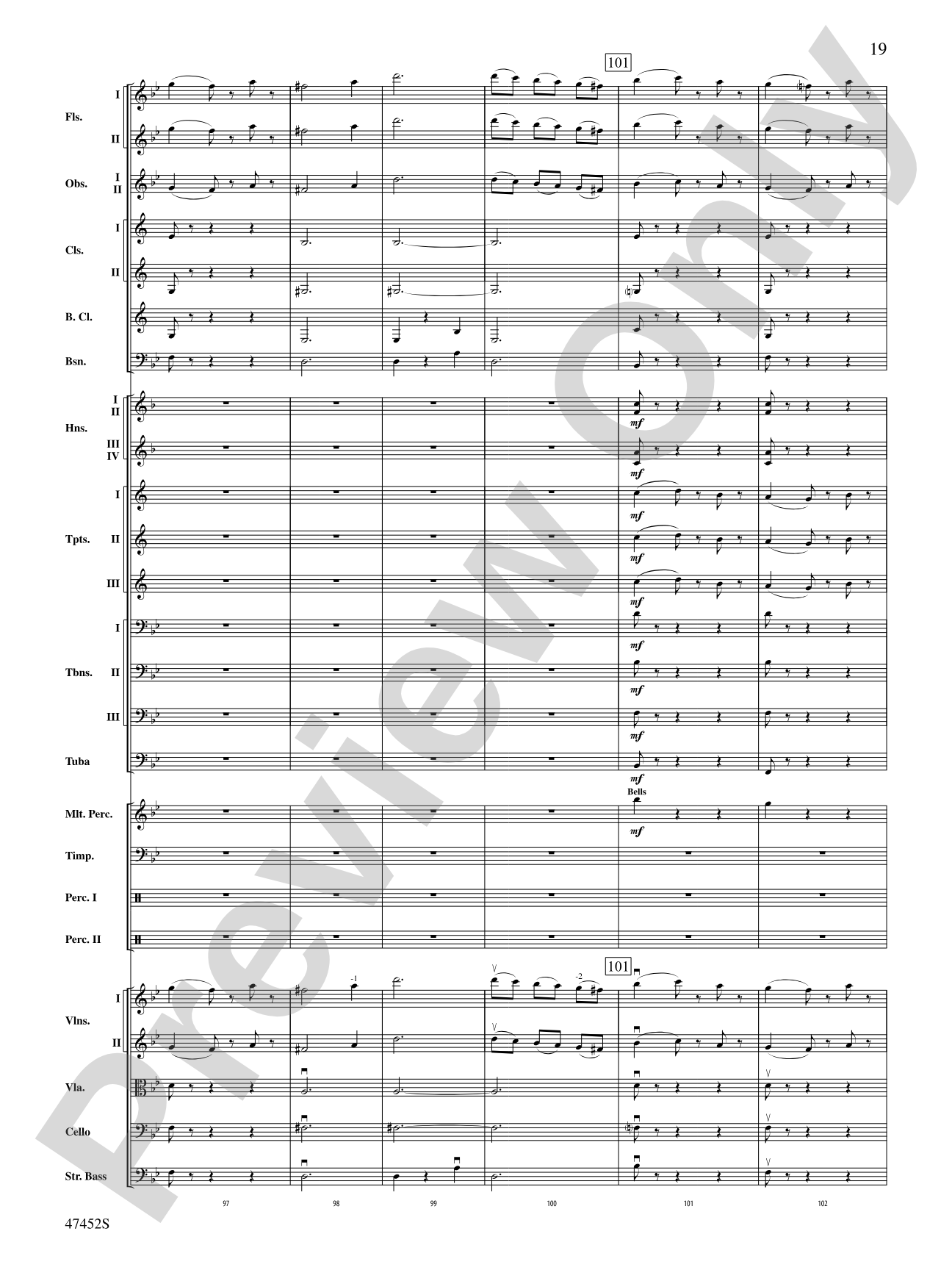
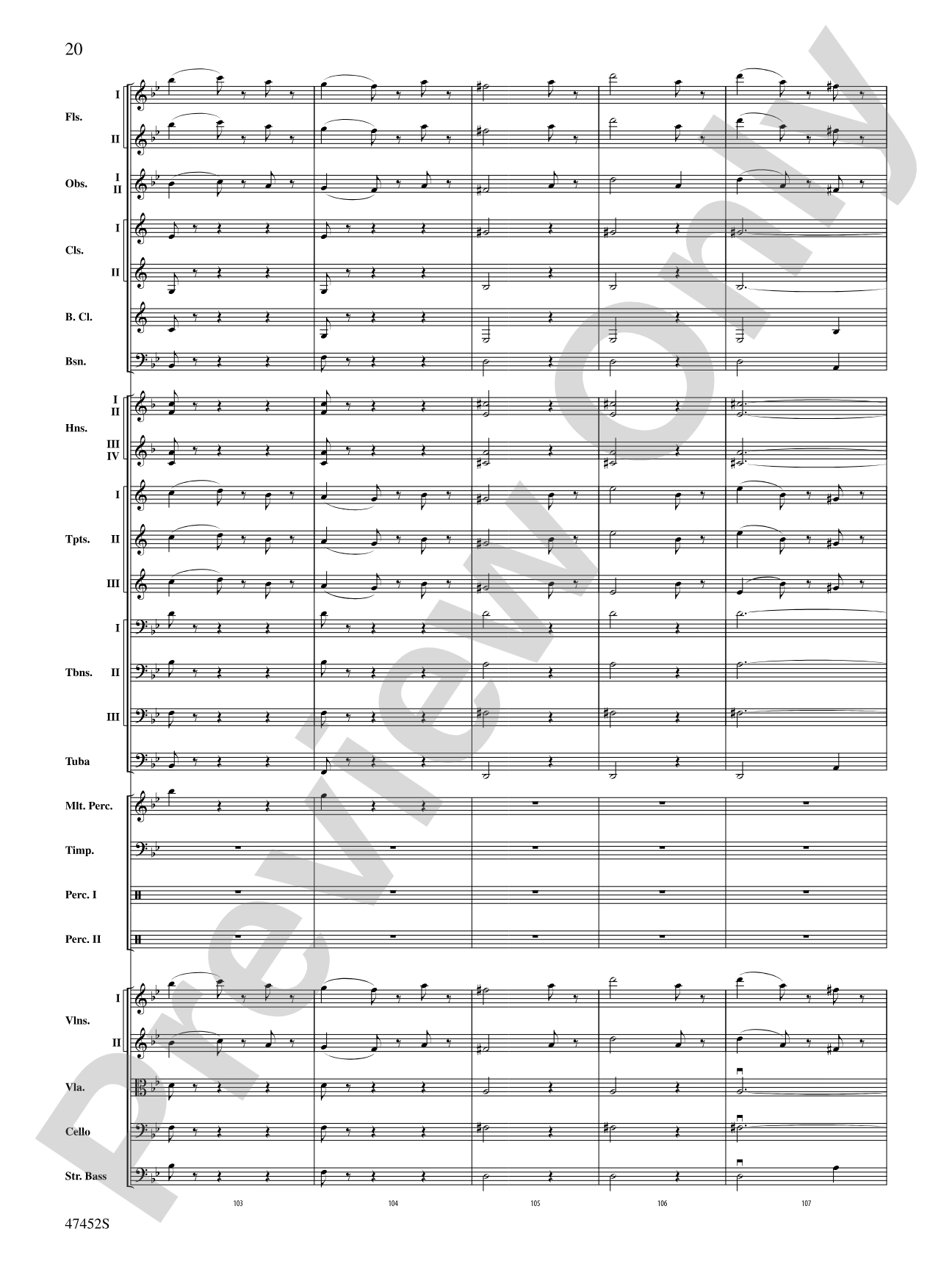
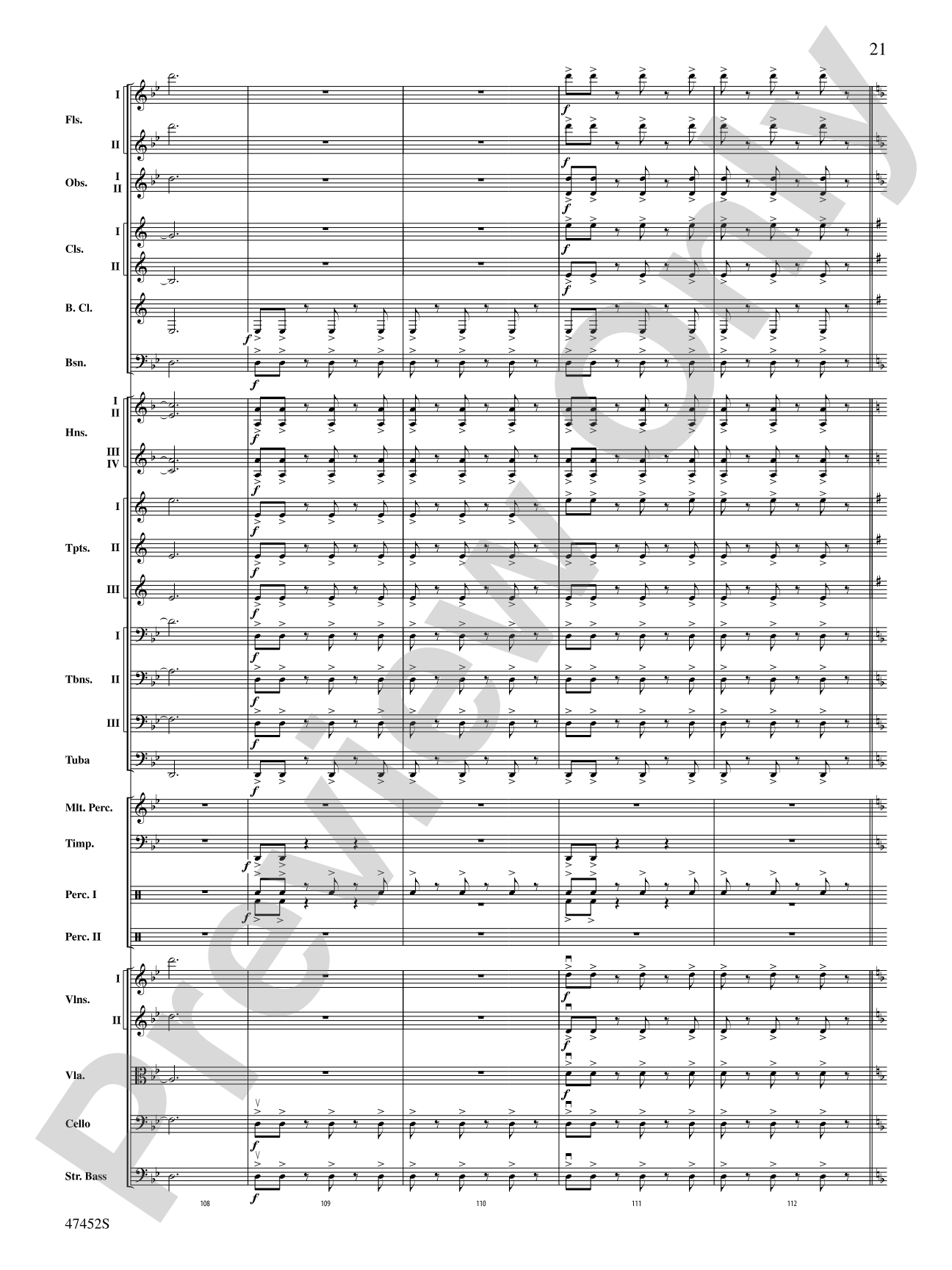
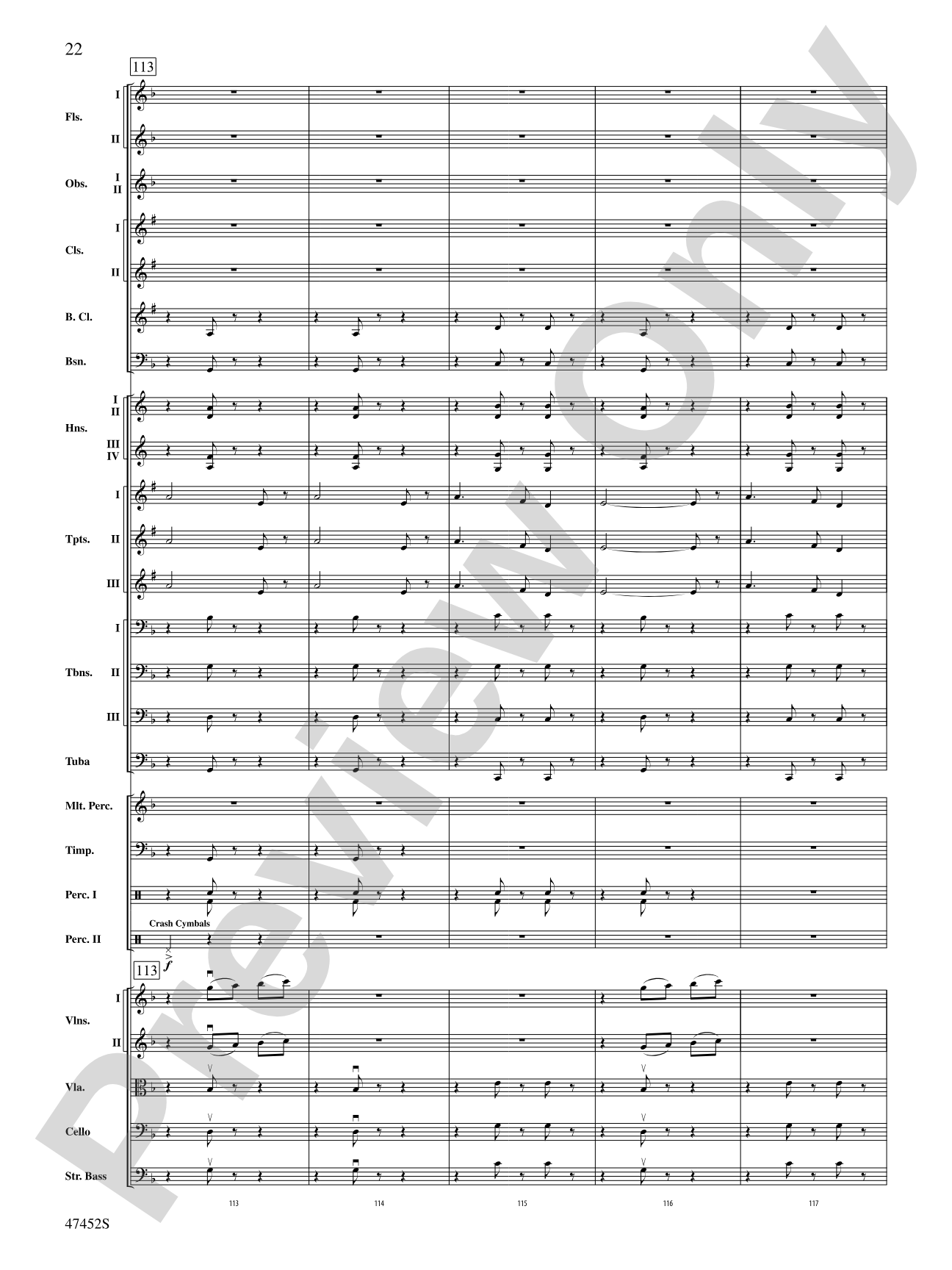
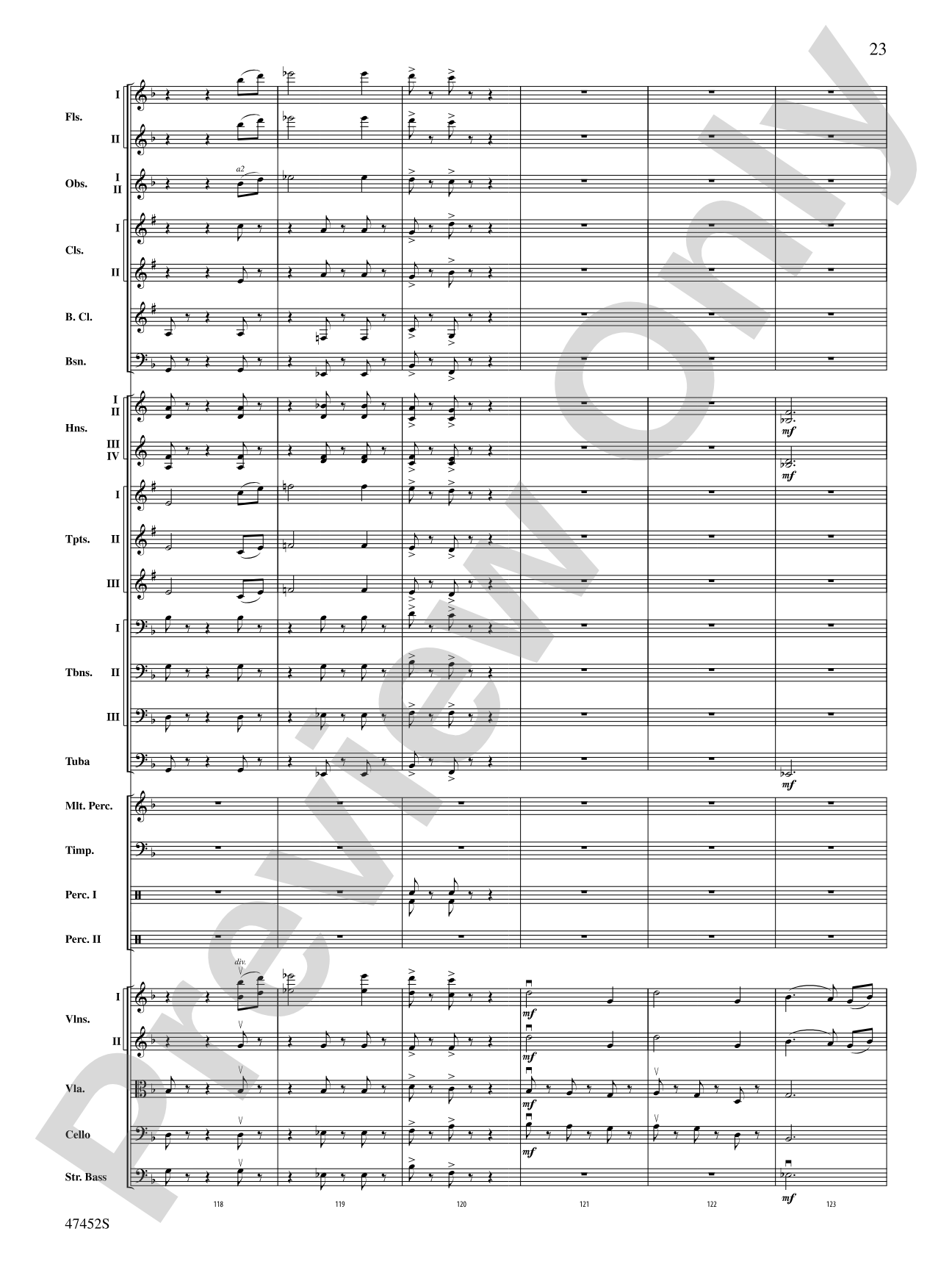
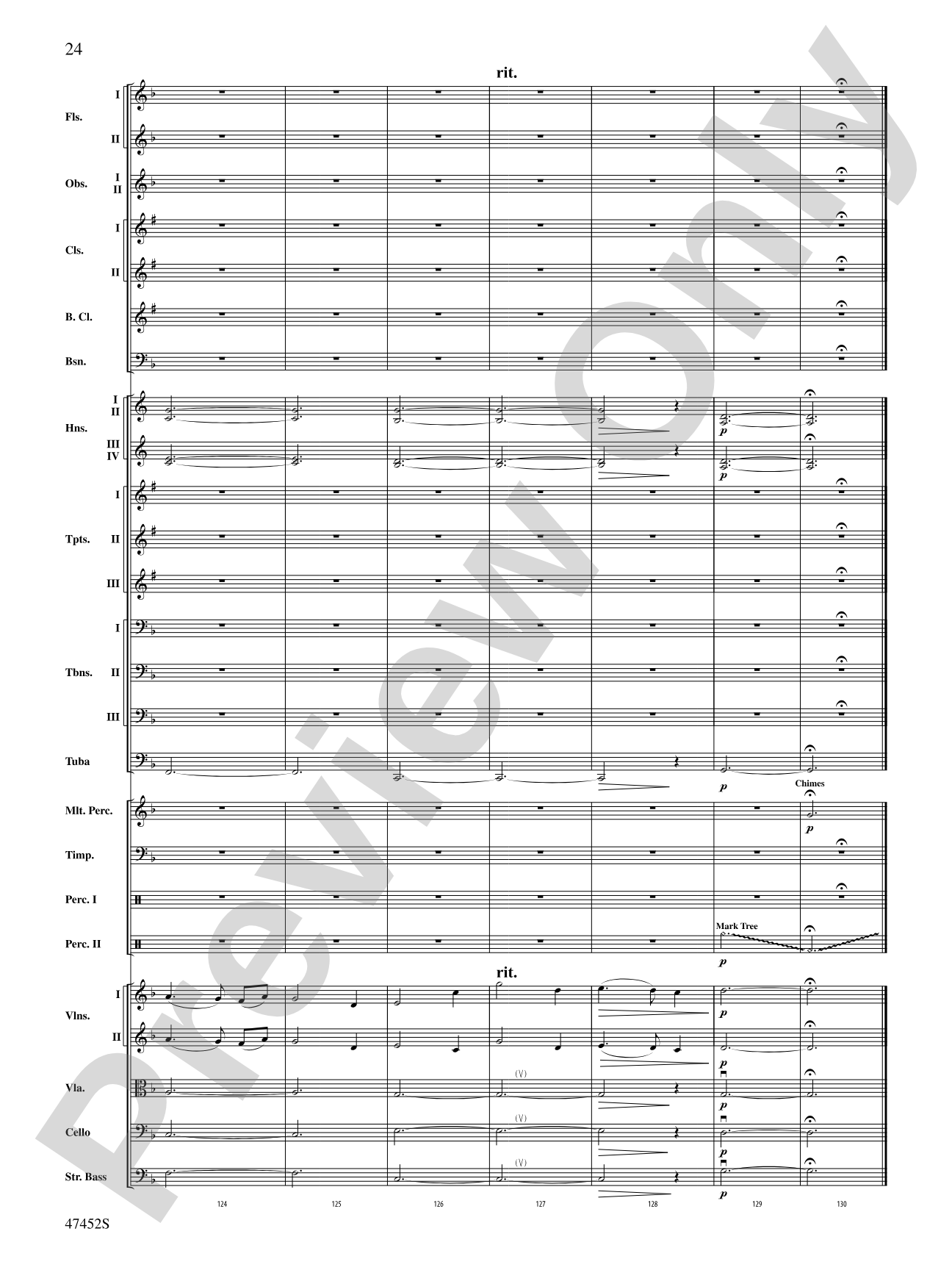

Fantastic Beasts: The Crimes of Grindelwald: Full Orchestra Conductor Score & Parts
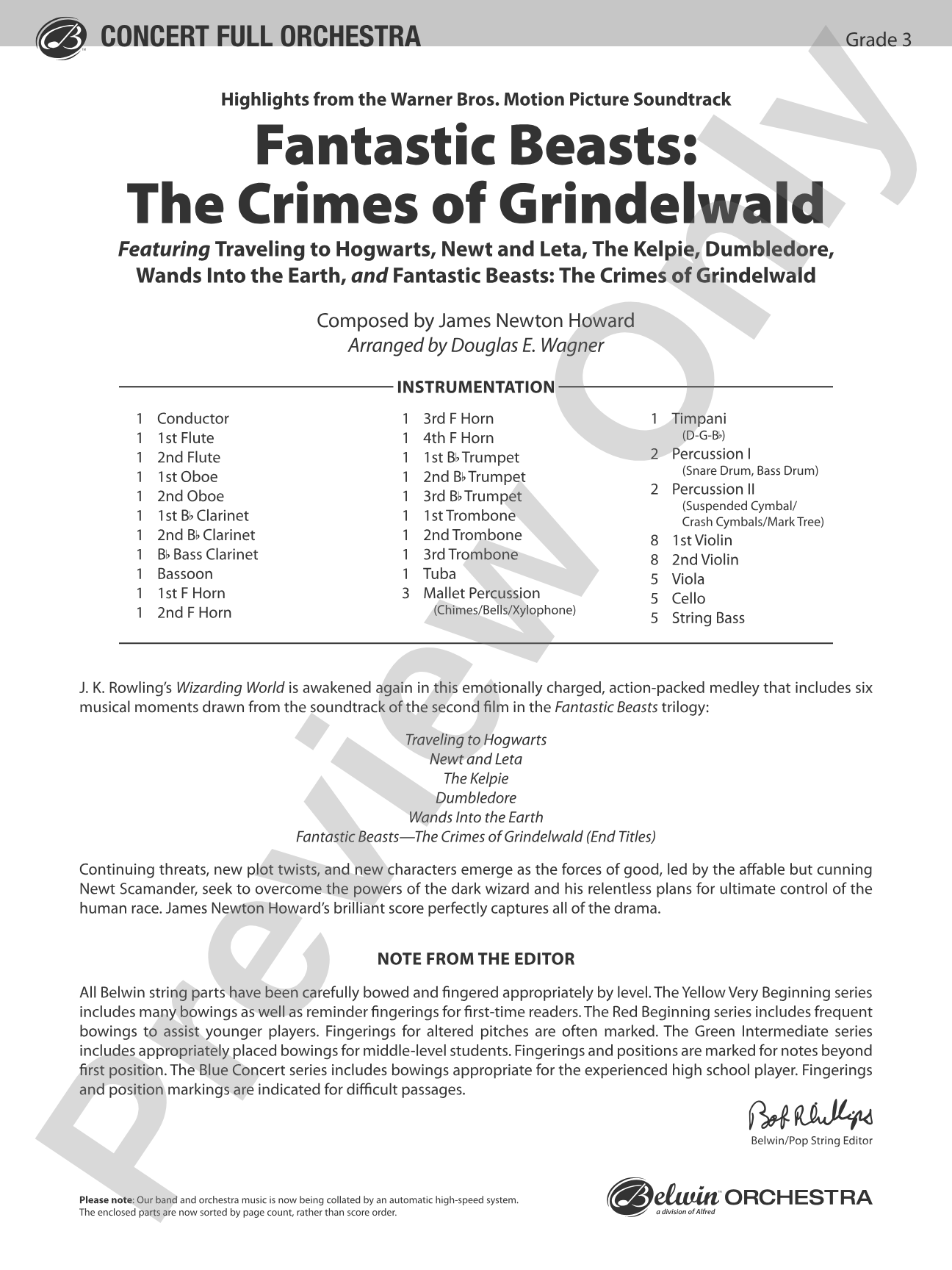
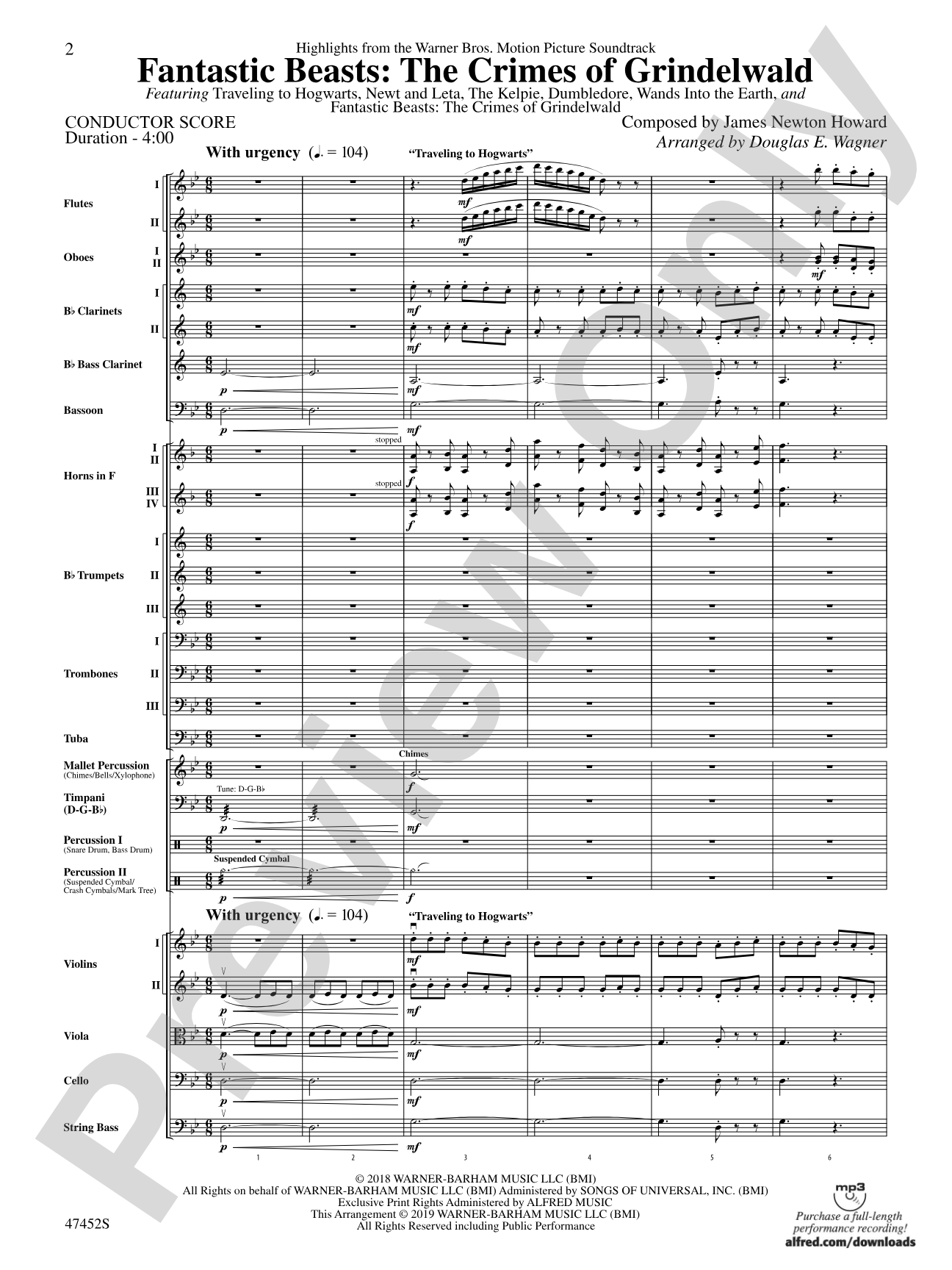
Featuring: Traveling to Hogwarts / Newt and Leta / The Kelpie / Dumbledore / Wands Into the Earth / Fantastic Beasts: The Crimes of Grindelwald
By James Newton Howard / arr. Douglas E. Wagner
Grade: 3
Item: 00-PK-0007688

$85.00
Pickup currently not available
Buy Extra Parts (Digital PDF Download)
Parts Added to Cart!
Related Items
Fantastic Beasts: The Crimes of Grindelwald: Concert Band Conductor Score & Parts |
$67.00
|
View | |
Fantastic Beasts: The Crimes of Grindelwald: Concert Band Conductor Score & Parts |
$67.00
|
View | |
Fantastic Beasts: The Crimes of Grindelwald: Concert Band Conductor Score |
$10.00
|
View | |
Fantastic Beasts: The Crimes of Grindelwald: Full Orchestra Conductor Score & Parts |
$85.00
|
View | |
Fantastic Beasts: The Crimes of Grindelwald: Full Orchestra Conductor Score |
$11.00
|
View |
Description
J. K. Rowling's Wizarding World is awakened again in this emotionally charged, action-packed medley that includes six musical moments drawn from the soundtrack of Fantastic Beasts: The Crimes of Grindelwald. This arrangement perfectly captures all of the drama.


Don't just read it, hear it, play along with it, and watch your students grow with it. In MakeMusic Cloud, Fantastic Beasts: The Crimes of Grindelwald: Full Orchestra Conductor Score & Parts comes alive with professional accompaniment, adjustable tempo, and built-in practice tools that turn solo practice into real progress.
Open in the Player
Jump straight in and assign it today.
Start Your Free Trial
Open this title and explore the full library in minutes.
Sample Audio
1
Audio File
--:--
0:00
0:00
Sample Video
Additional Details
Series:
Pop Concert Full Orchestra
Publisher:
Alfred Music
Page Count:
234
SKU:
00-PK-0007688
More about this title
About the Composer: James Newton Howard
James Newton Howard is a composer of film scores whose work spans action blockbusters, intimate dramas, and fantastical worlds. His collaborations with major studios have earned him Grammy nominations and widespread recognition for his ability to craft music that deepens emotional stakes while supporting visual storytelling.
Why we love this
Douglas E. Wagner's arrangement distills six key moments from Howard's score into a single medley that sustains dramatic tension without requiring the full complexity of a film orchestra. The Grade 3 scoring makes this wizarding world accessible to ambitious high school and community orchestras while preserving the emotional and structural integrity of the original.
What to expect
Mysterious, urgent, and sweeping. The music shifts between intimate moments of wonder and driving action sequences, creating a narrative arc that keeps listeners engaged. Cinematic orchestration draws you into the drama of the wizarding world without ever feeling like background music.
Who it's for
Orchestra directors seeking contemporary, engaging repertoire that appeals to young musicians and audiences alike. This medley works for high school orchestras with solid fundamentals and community orchestras looking to expand beyond traditional concert music into well-crafted popular arrangements.
How to get the most out of it
- Balance the ensemble carefully during dialogue-heavy moments and underscore sections; these passages often sit in the middle register and need clarity from violas and cellos rather than volume from first violins.
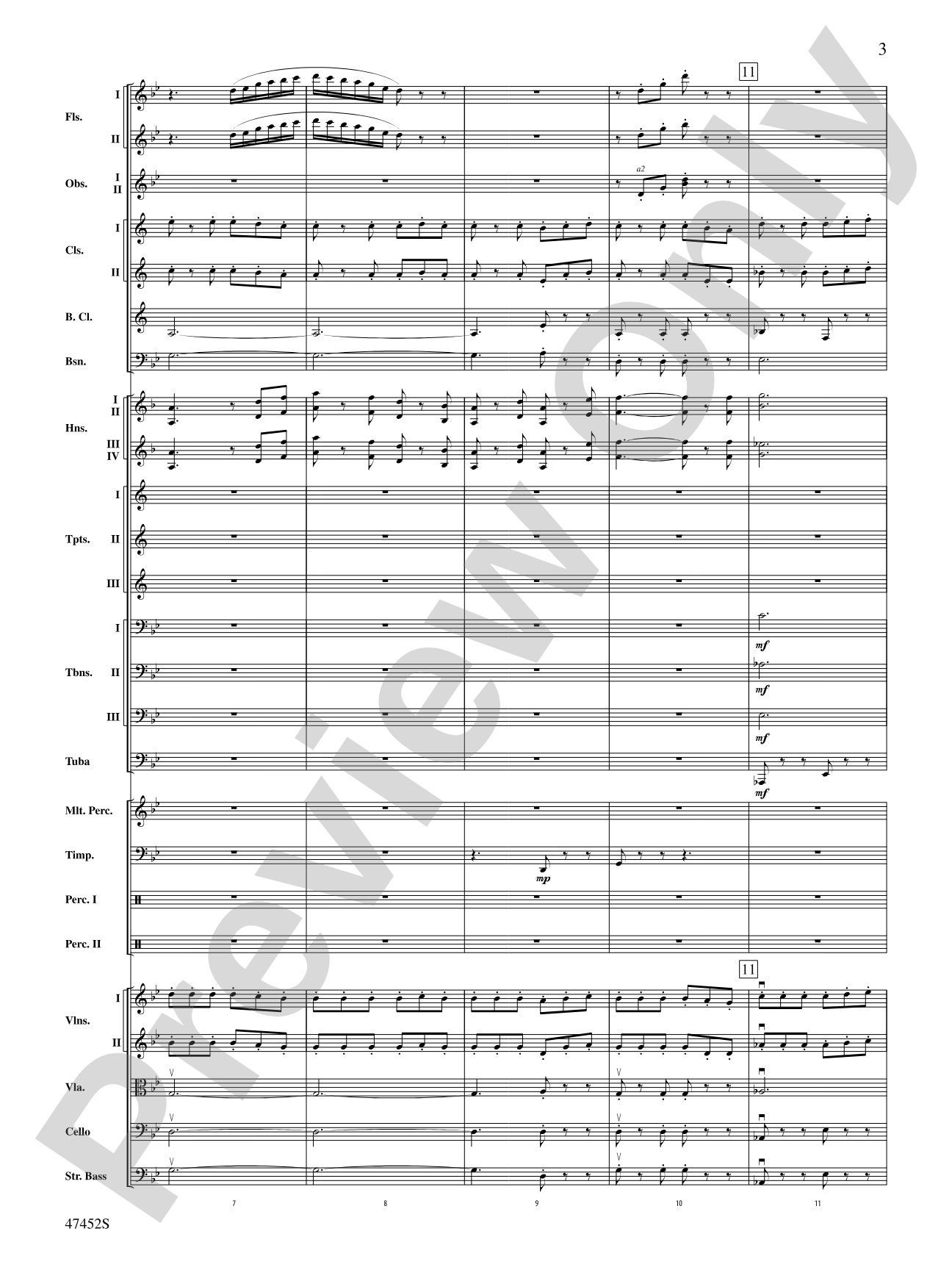
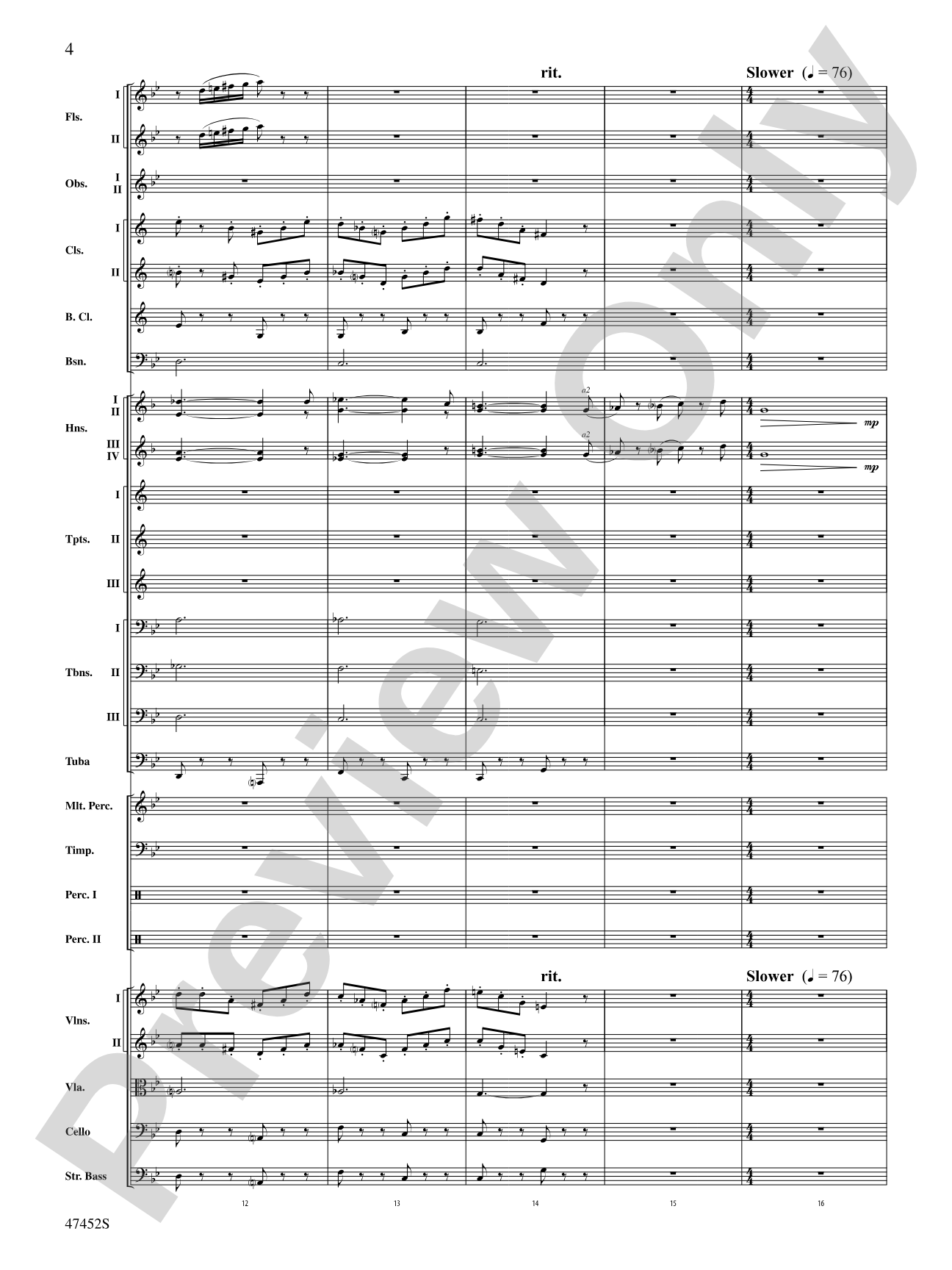
- Study the conductor score's cue system thoroughly before rehearsals. Film-derived medleys depend on precise transitions between musical moments, and your downbeats will anchor the section leaders.
- Emphasize sustained tone in the string section during lyrical passages. Magical themes often rely on smooth legato phrasing and consistent vibrato to create the ethereal quality the soundtrack established.
- Lock the rhythmic figures between percussion and bass carefully in faster sections. Action cues benefit from tight articulation that mirrors the forward momentum of the original film underscore.
How to use it
Program this medley on a pops or film music concert to create a standalone thematic arc. Its Grade 3 accessibility and substantial page count (234 pages of parts) make it a centerpiece work rather than filler. Pair it with shorter arrangements of contrasting genres to showcase your orchestra's range.
Skills your students will build
- Reading sustained legato passages and managing tone consistency across phrase lengths
- Executing rapid section transitions and cue changes under conductor leadership
- Coordinating rhythmic precision between multiple instrumental families in action-oriented textures
- Interpreting film music conventions and translating visual drama into orchestral expression