
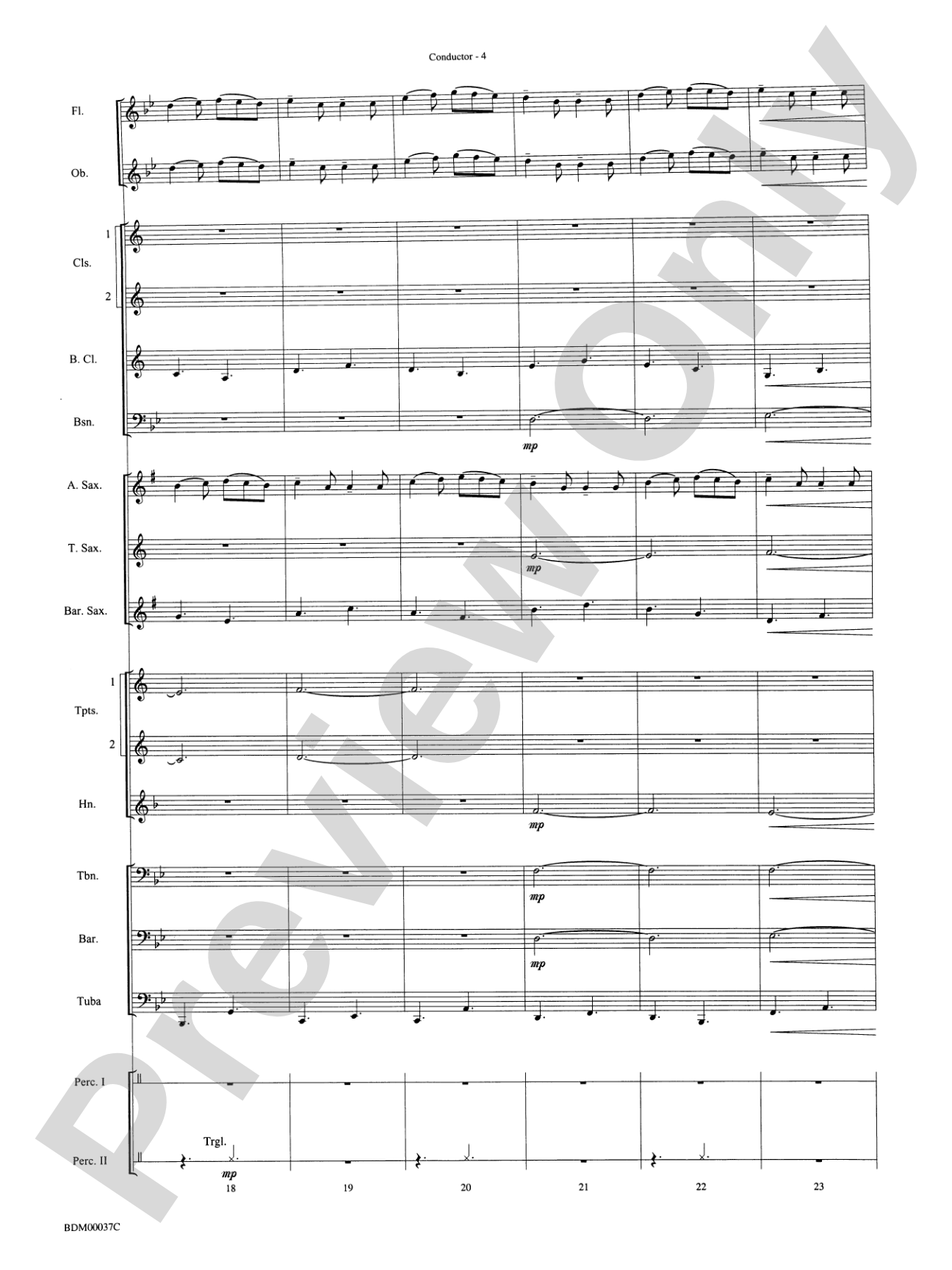
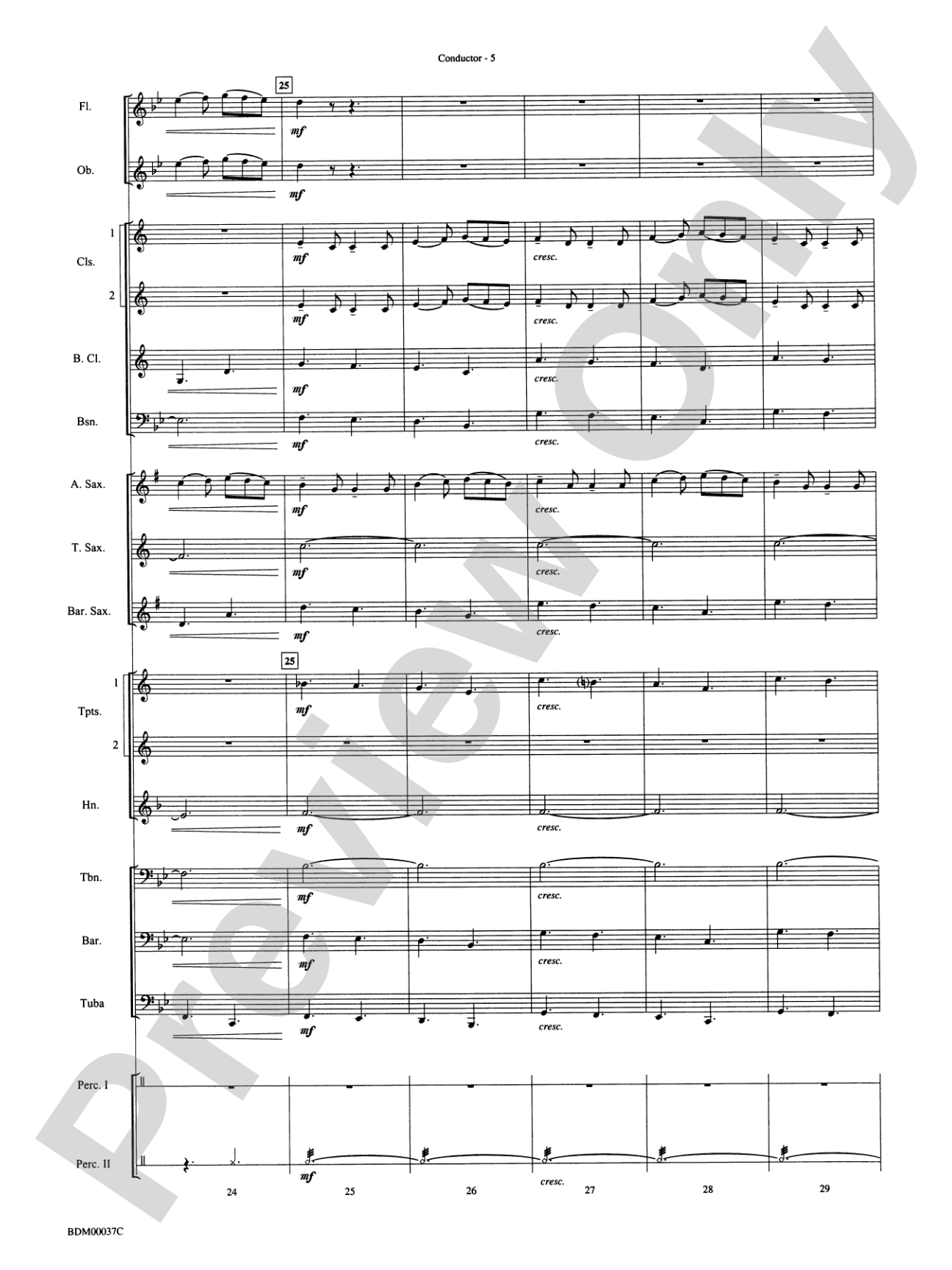
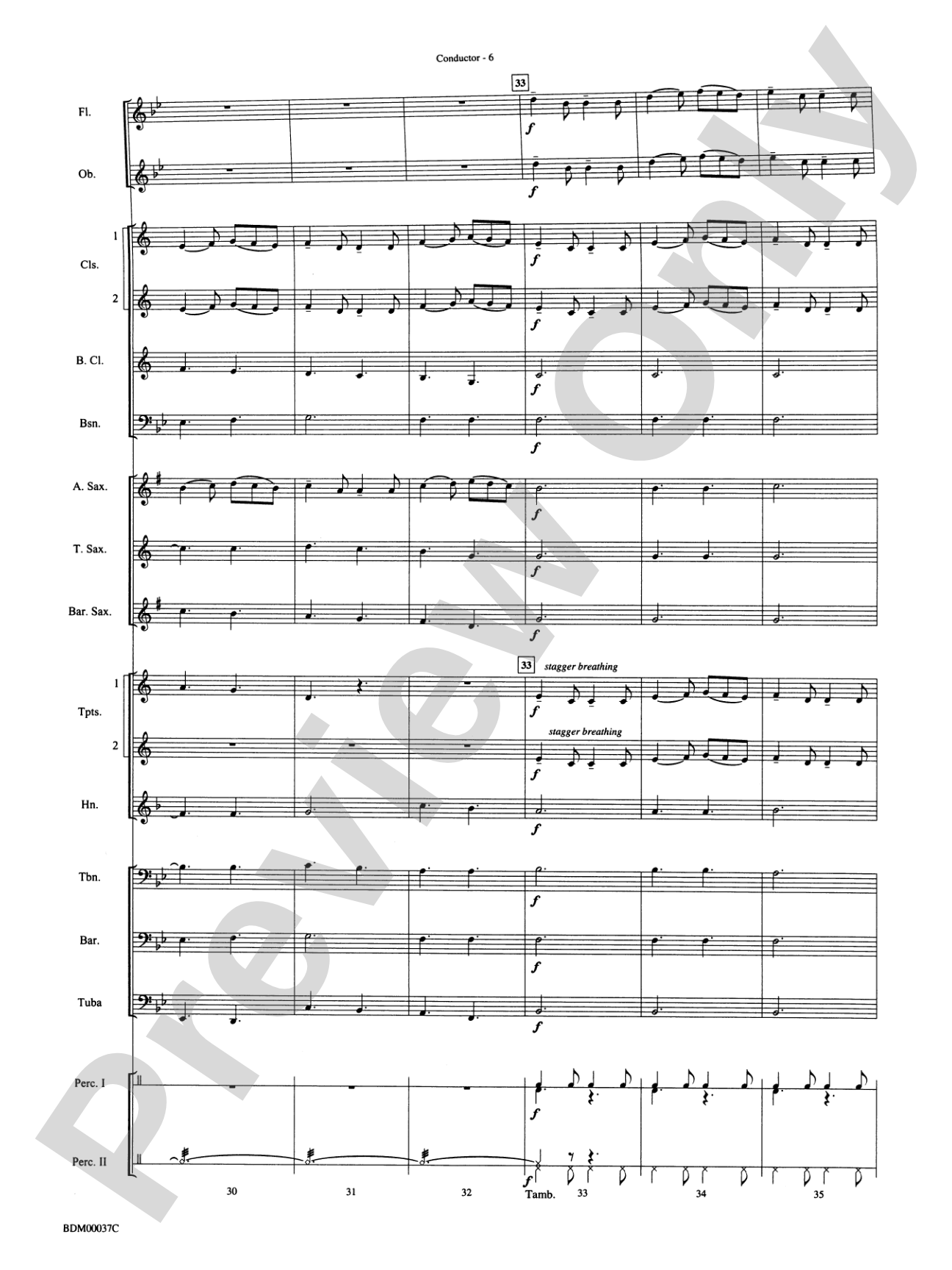
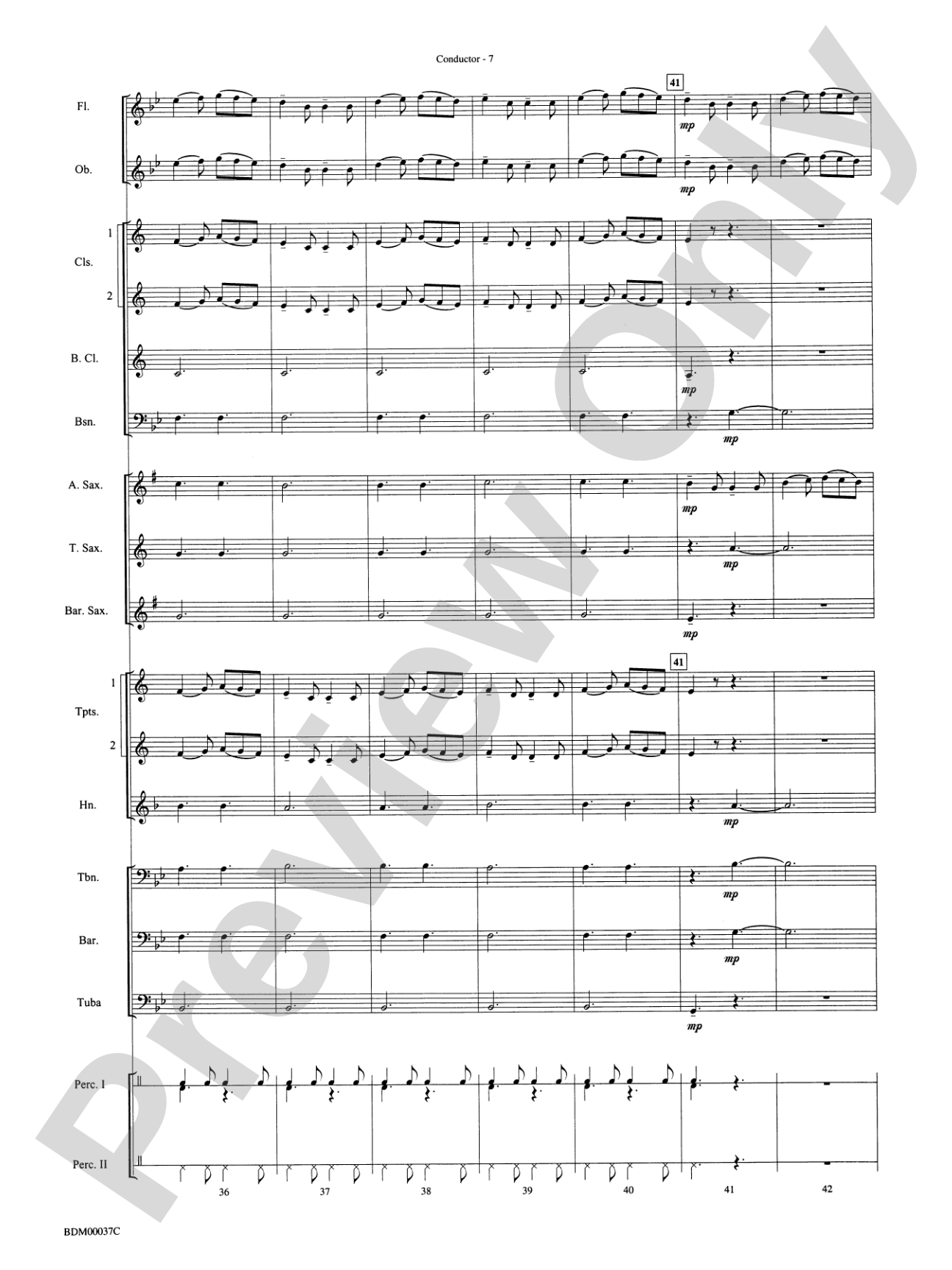
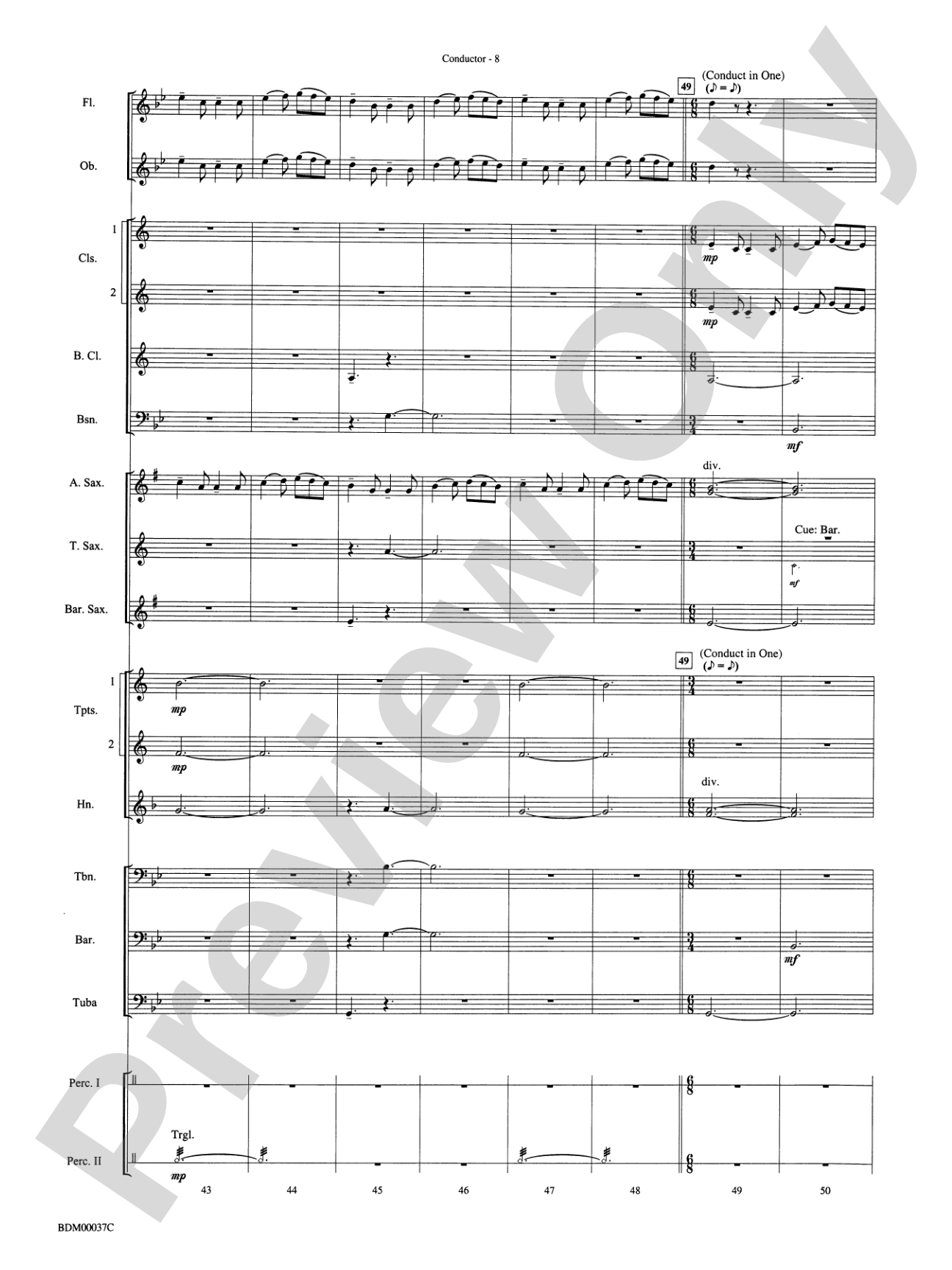
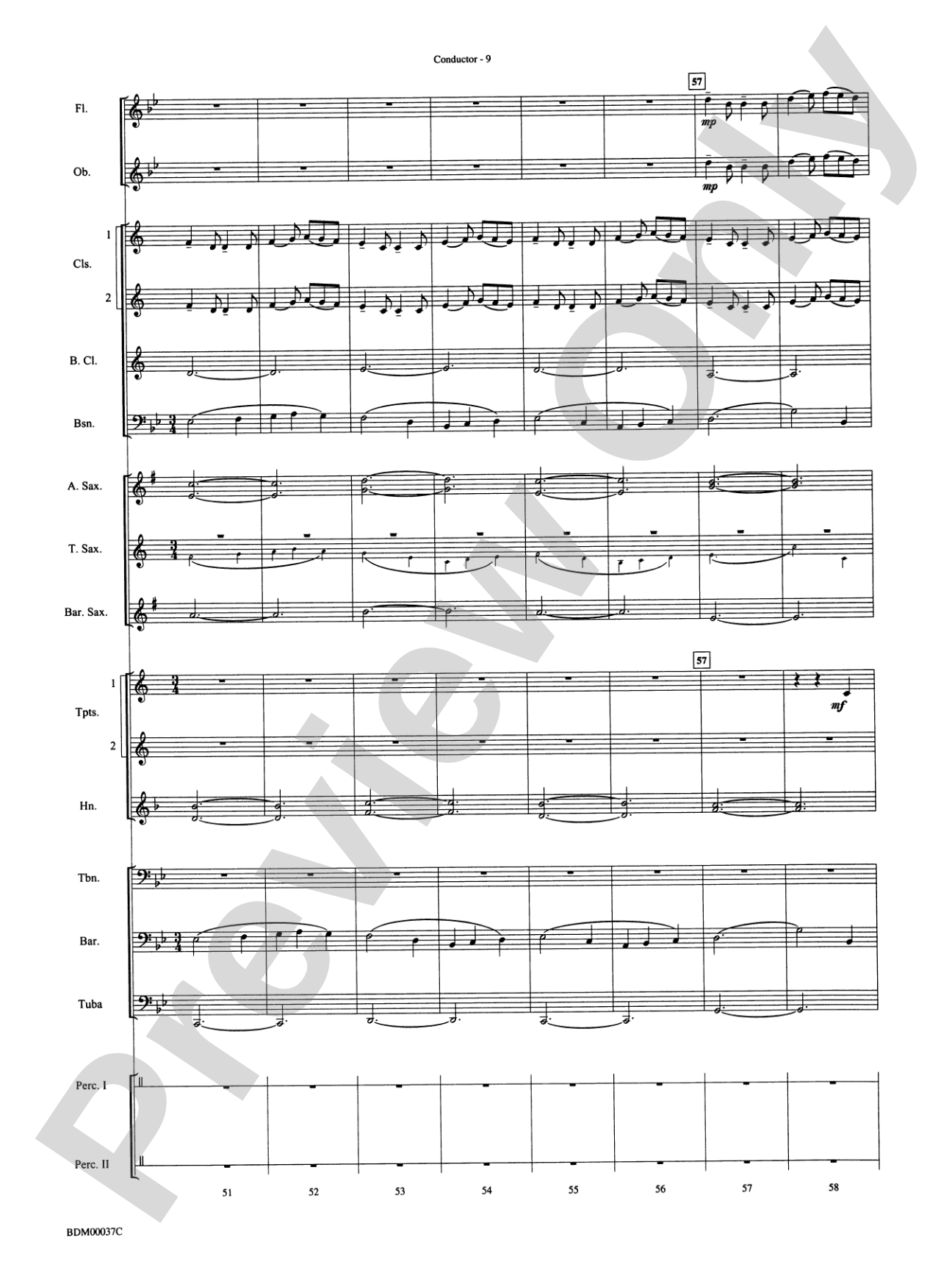
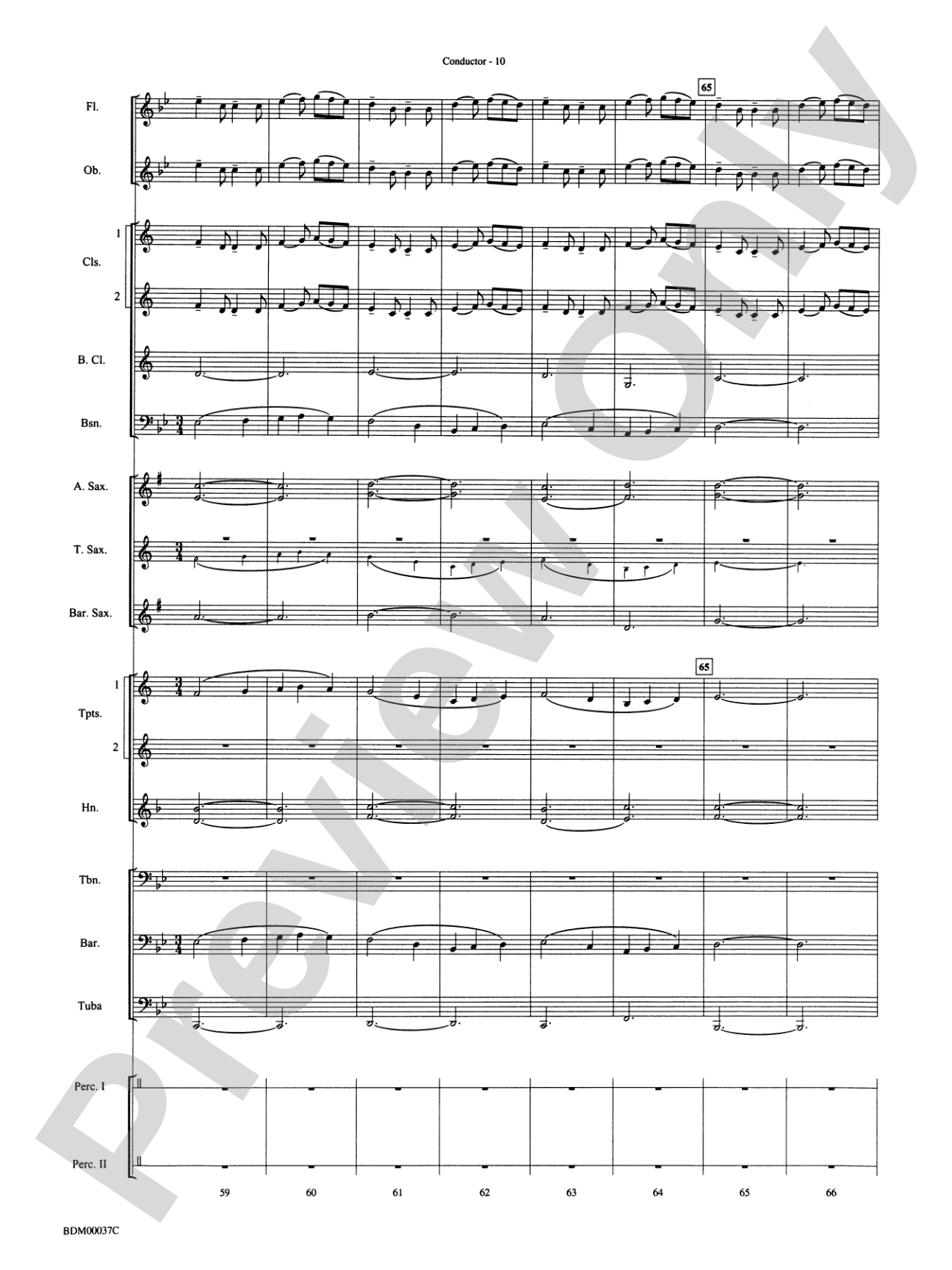
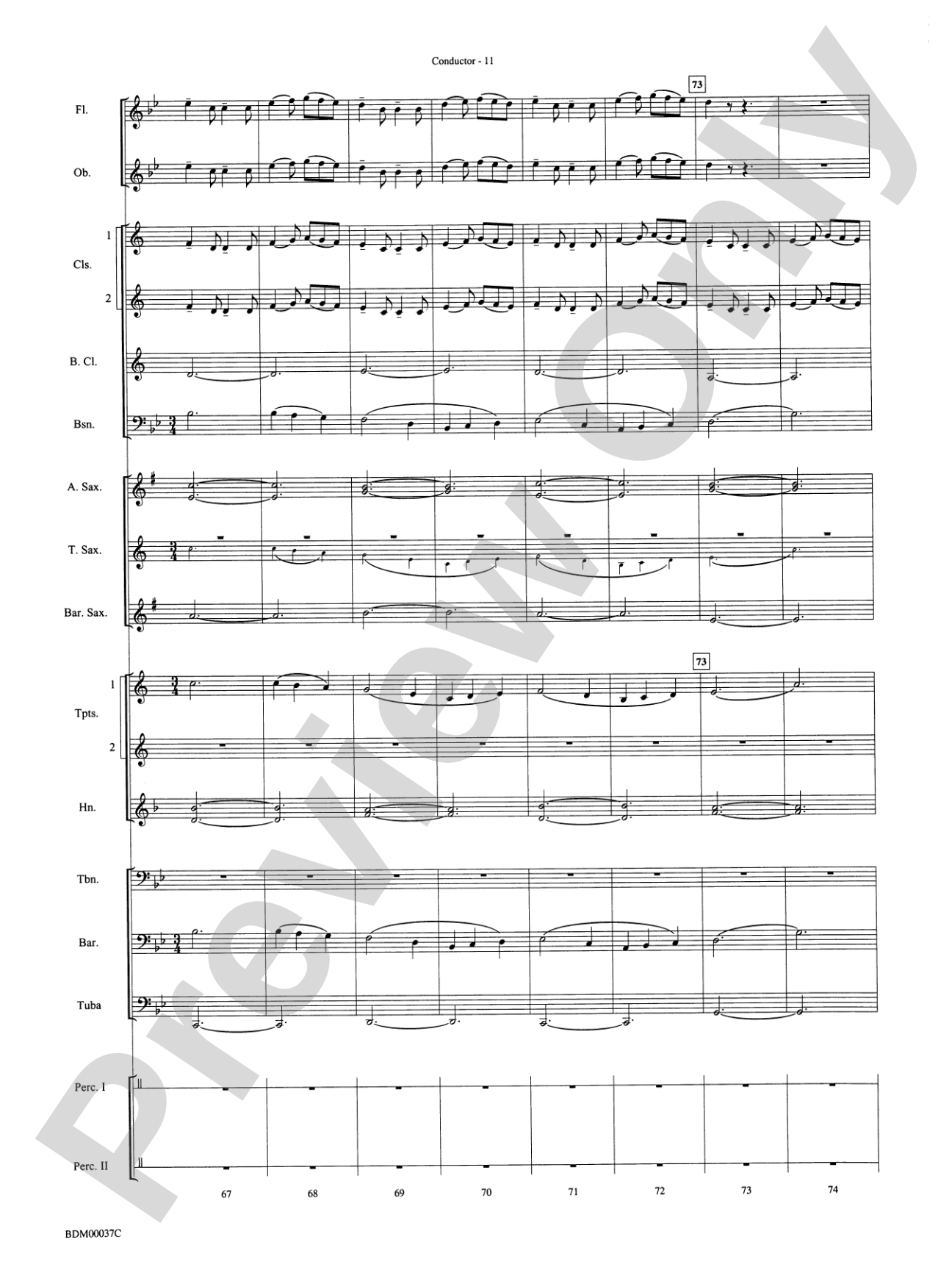
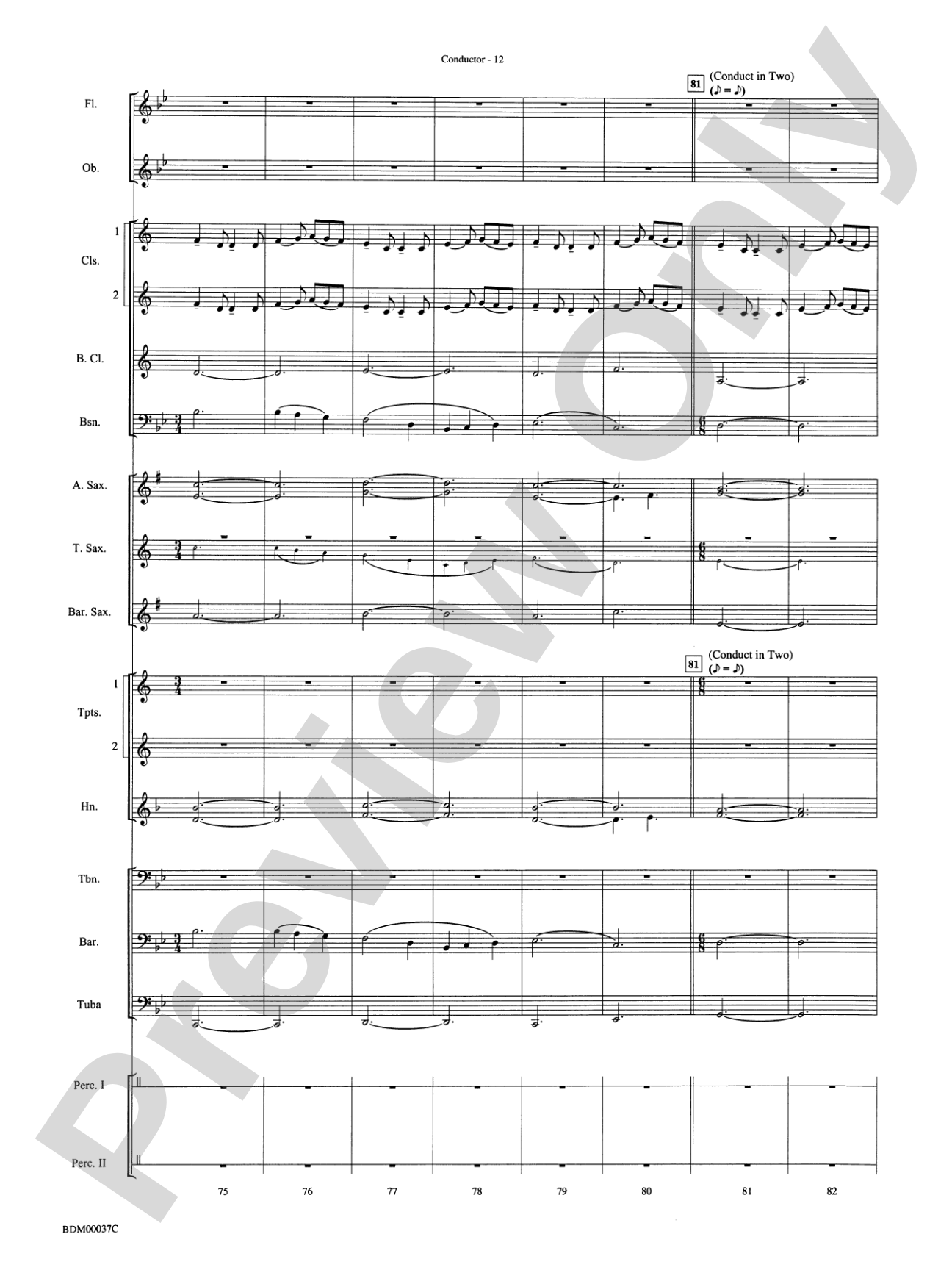
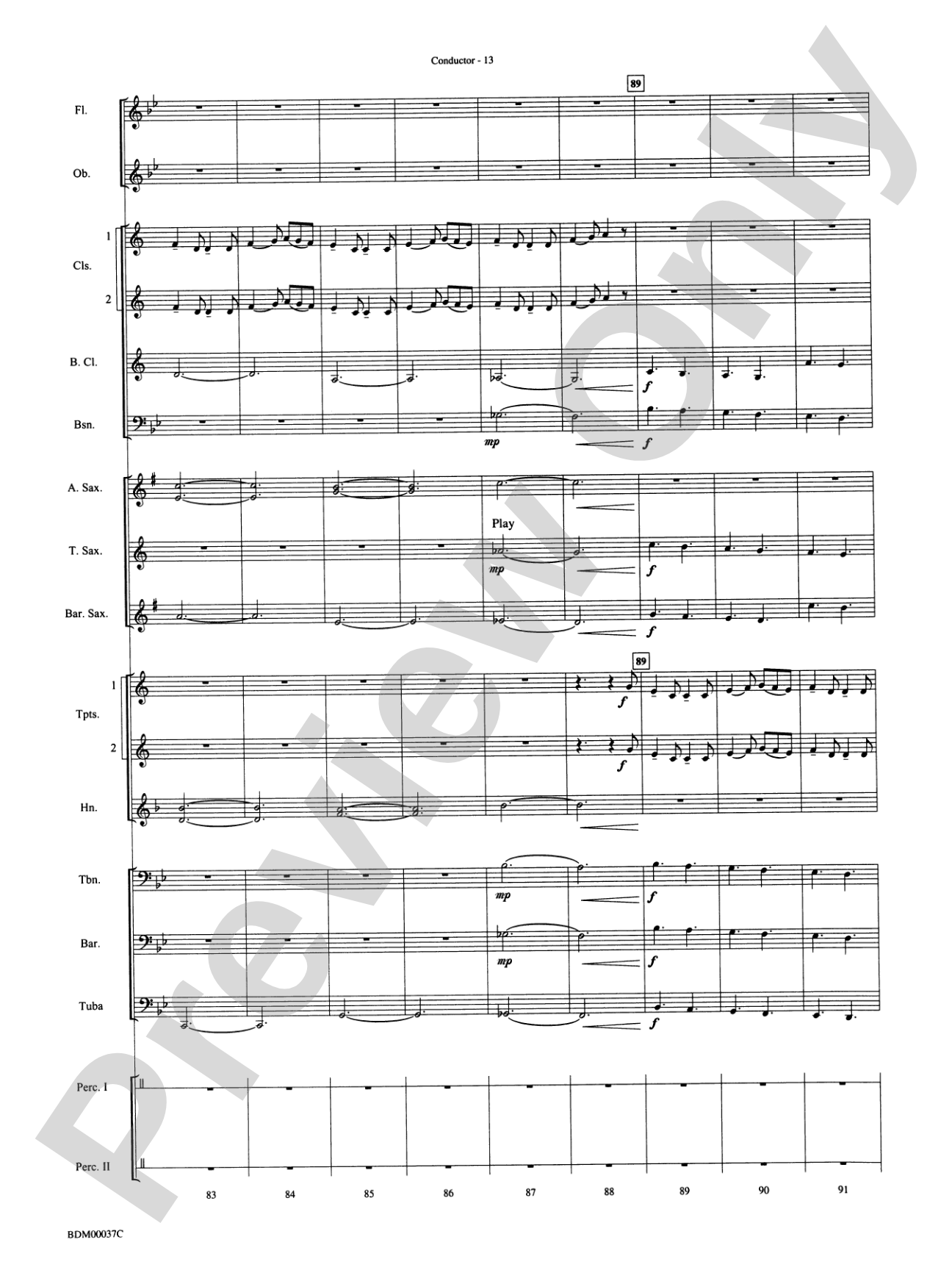
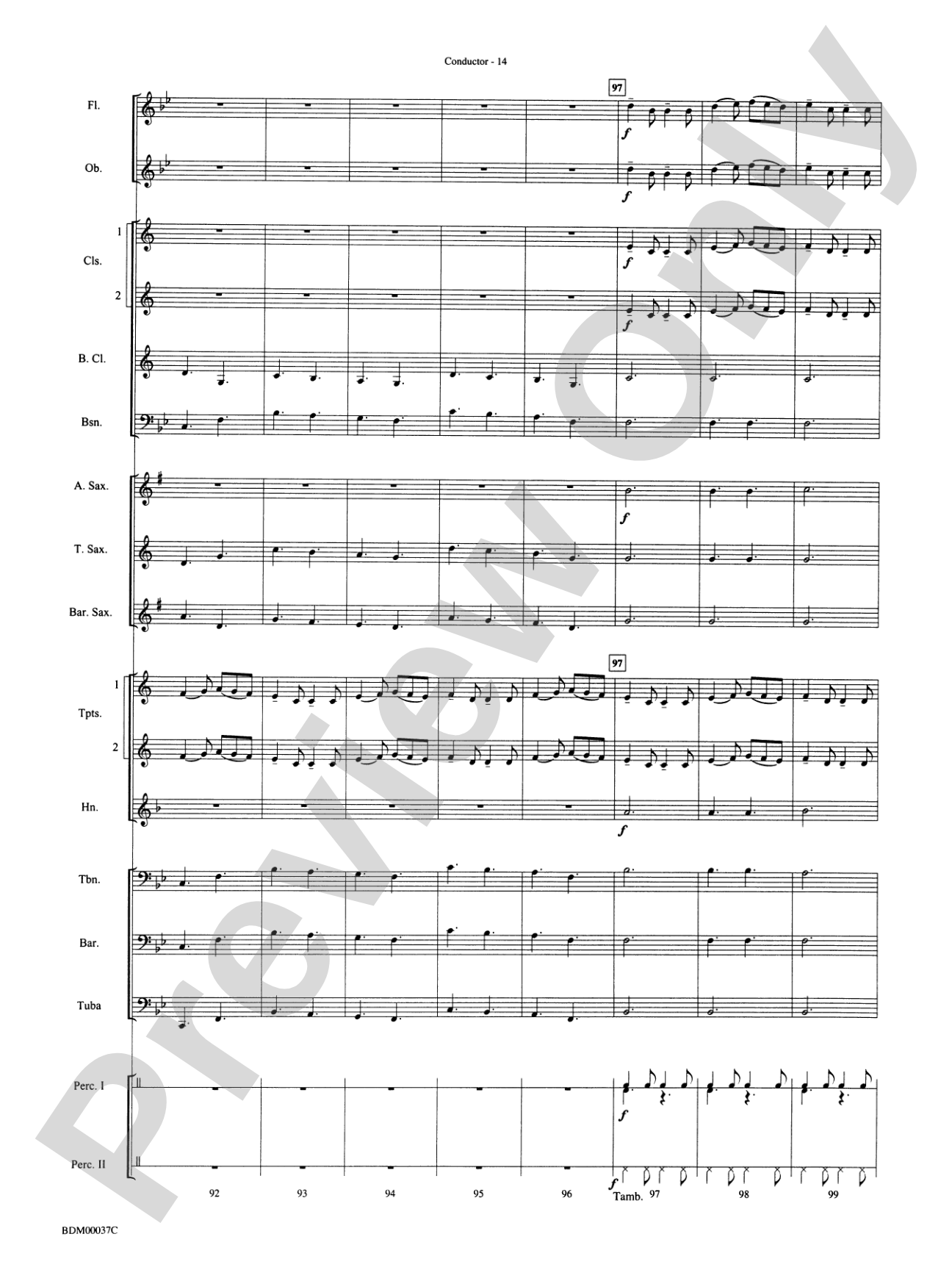
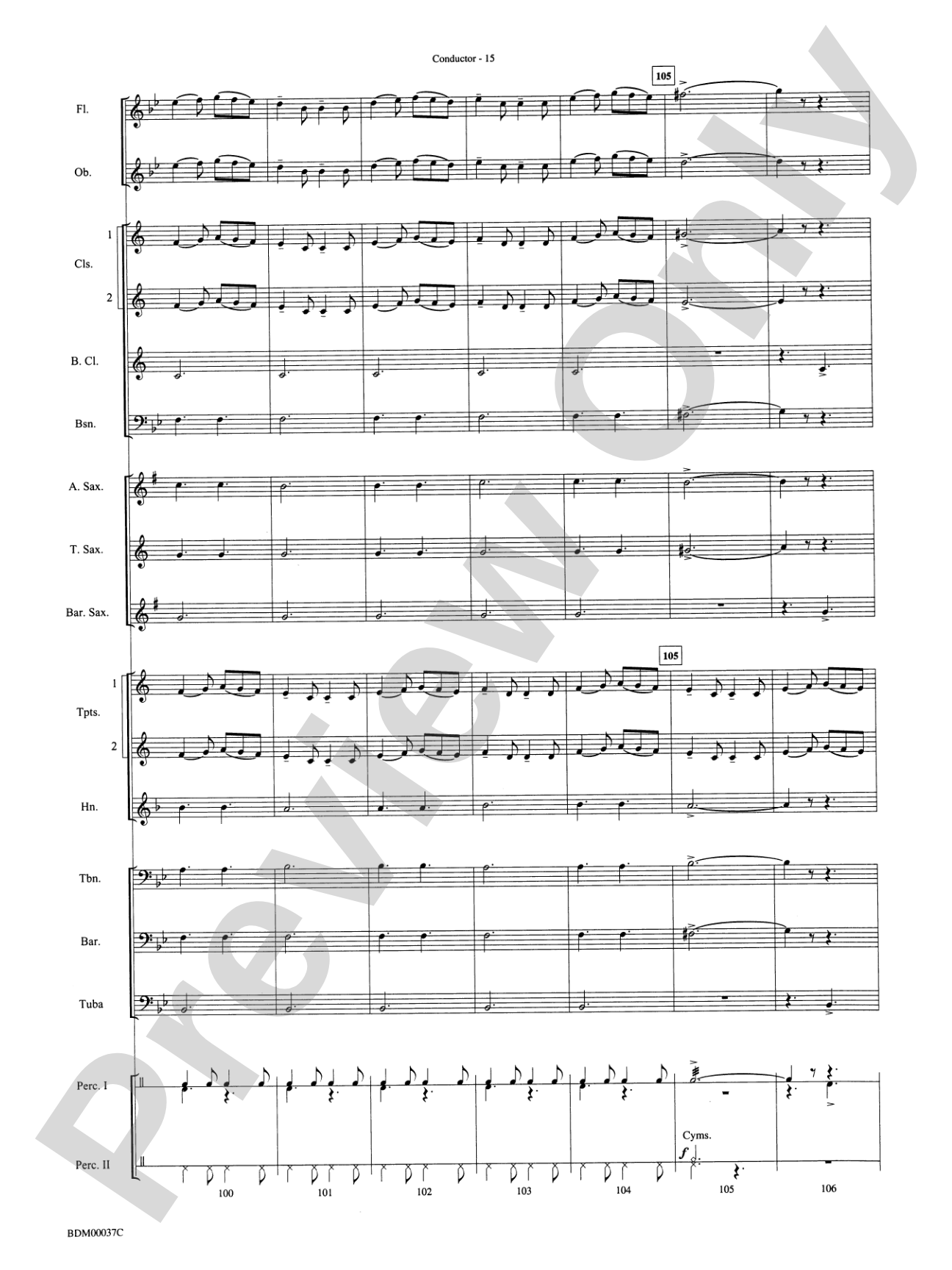
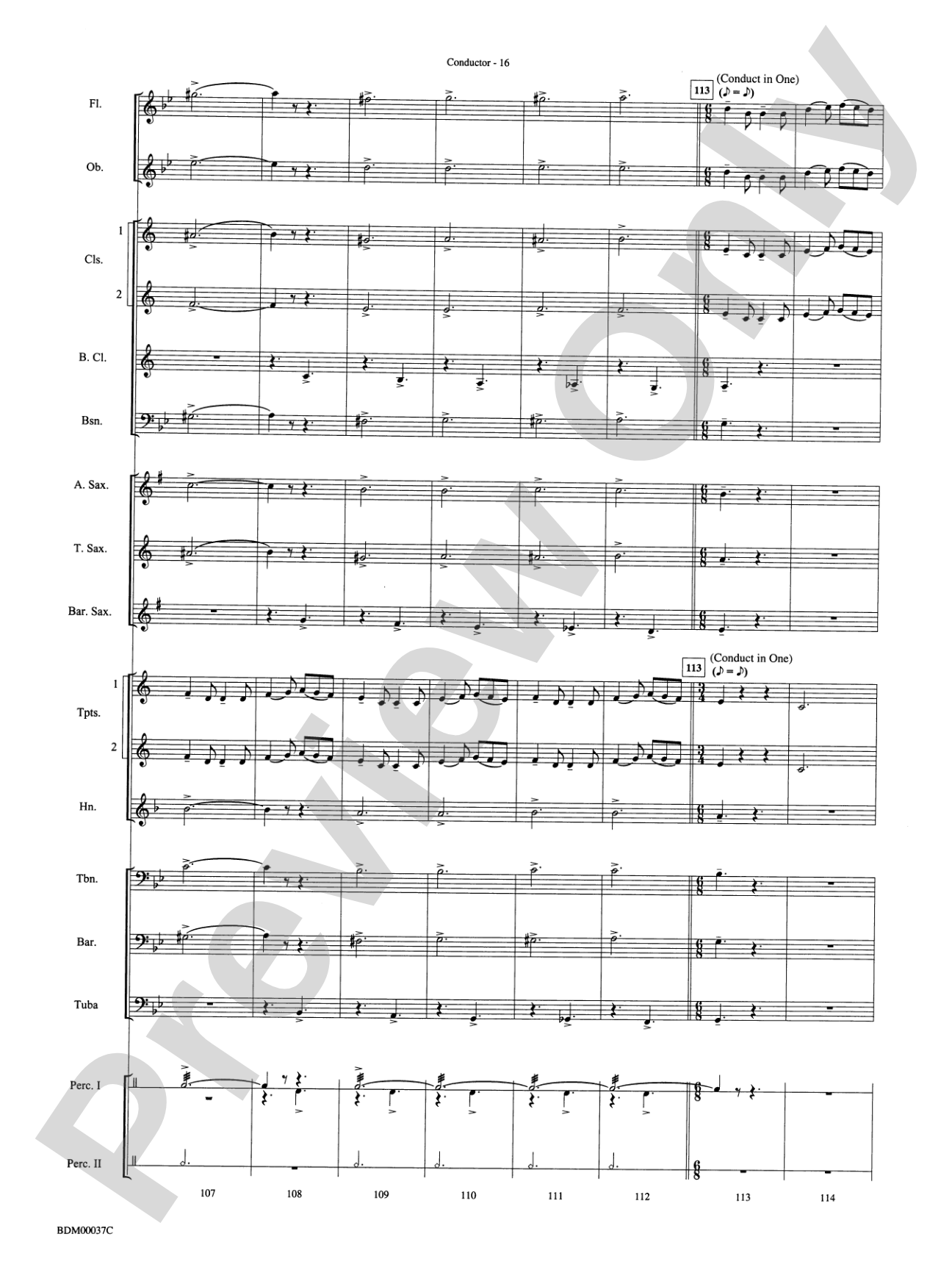
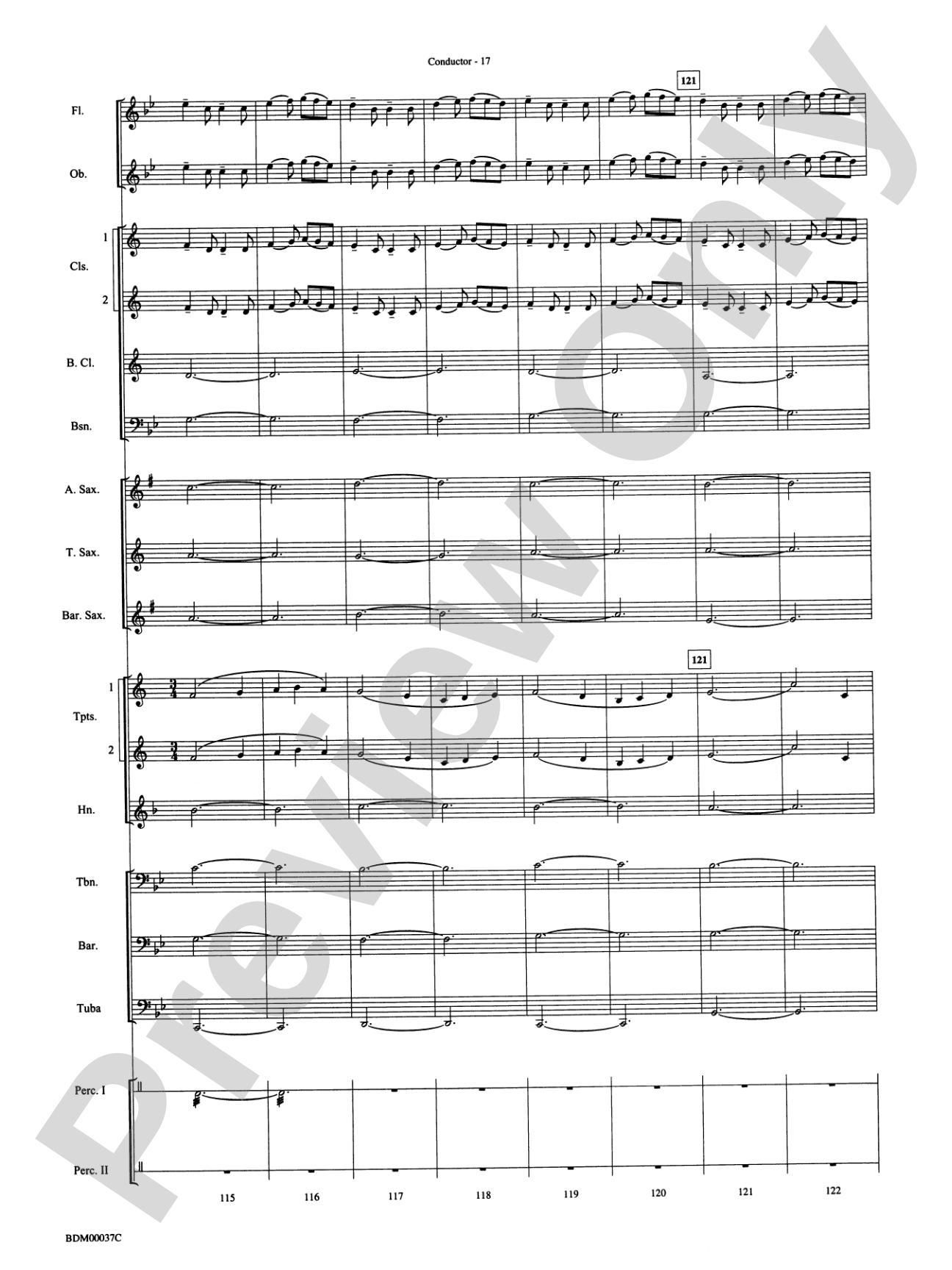
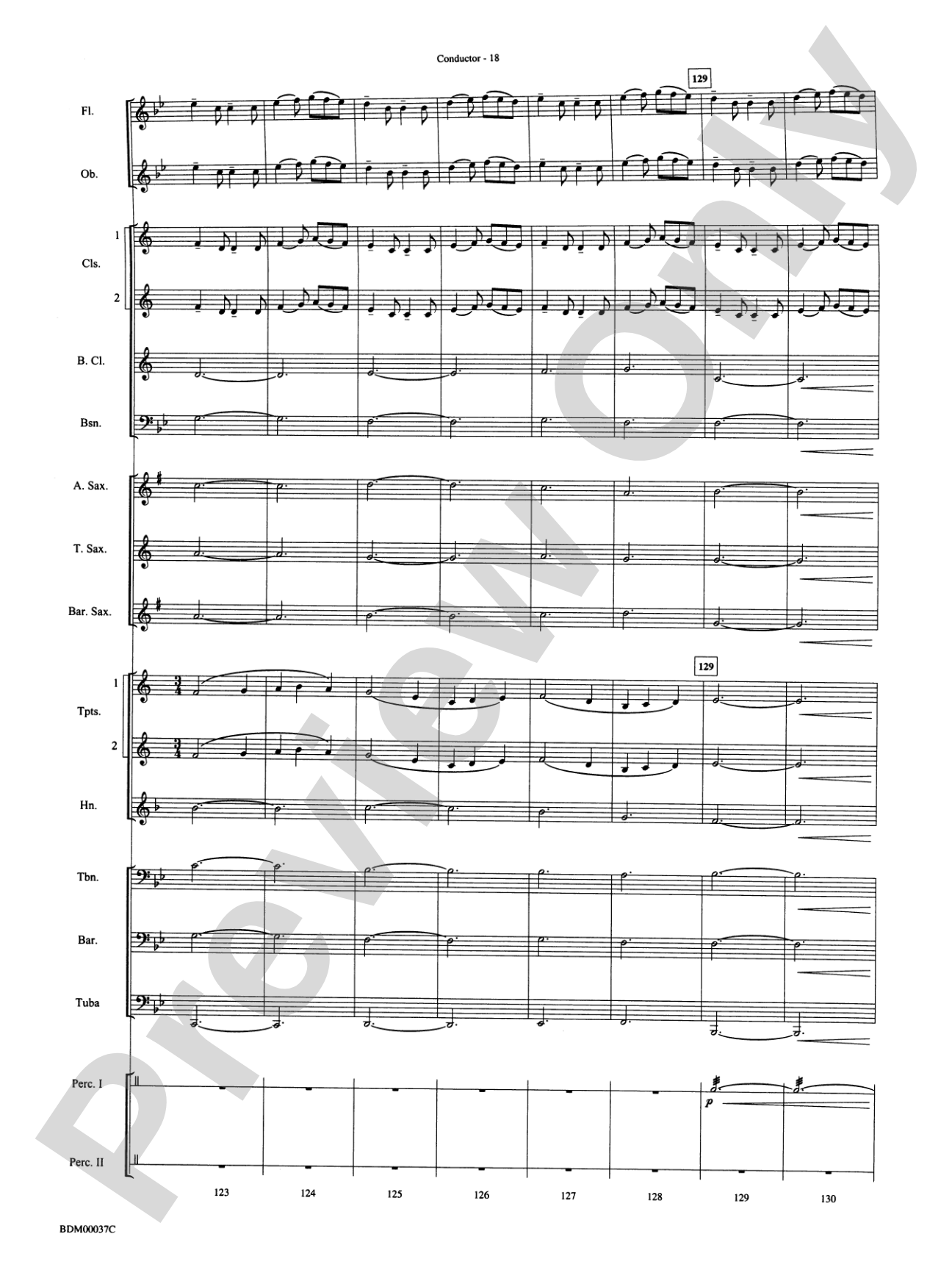
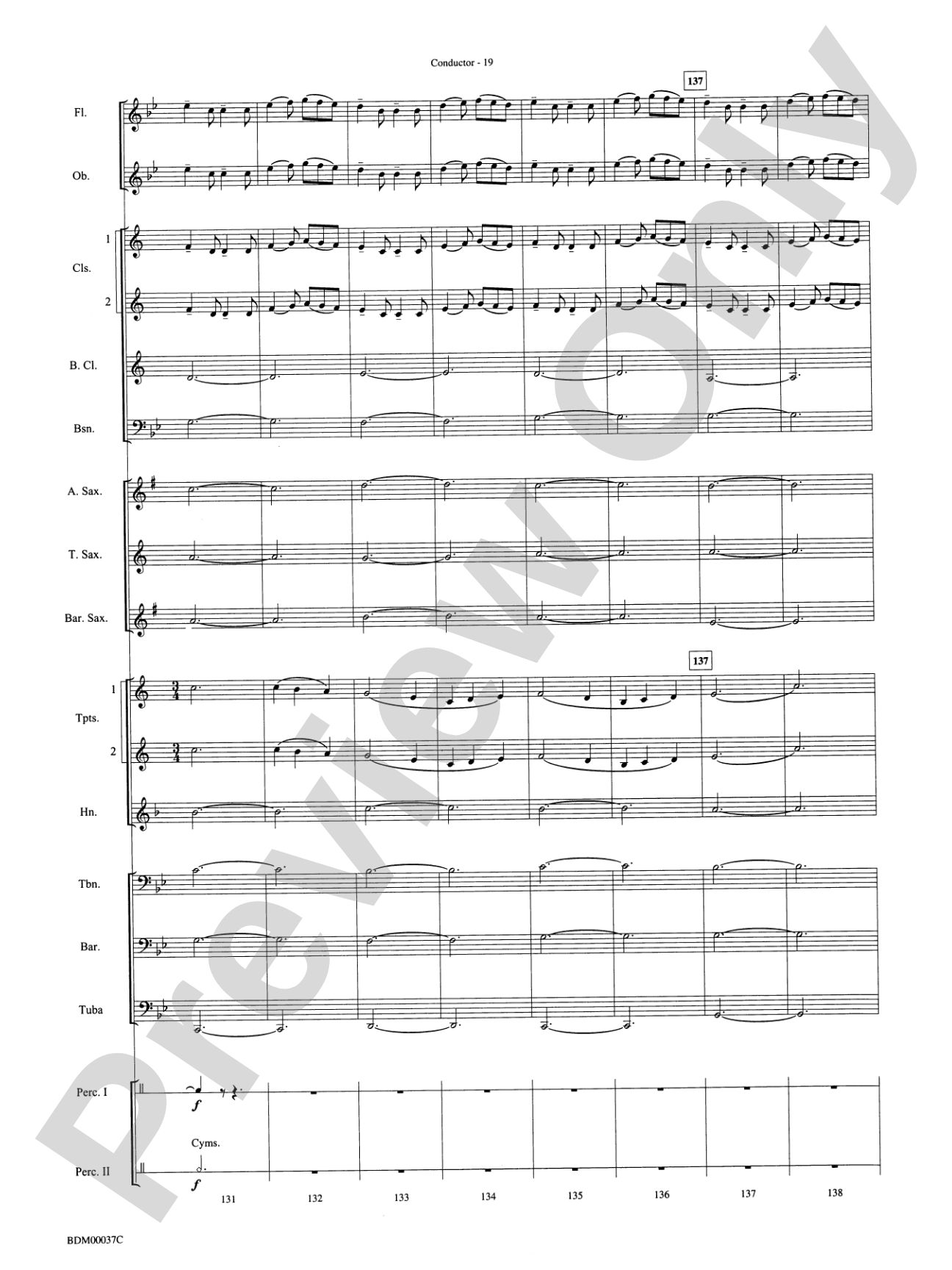
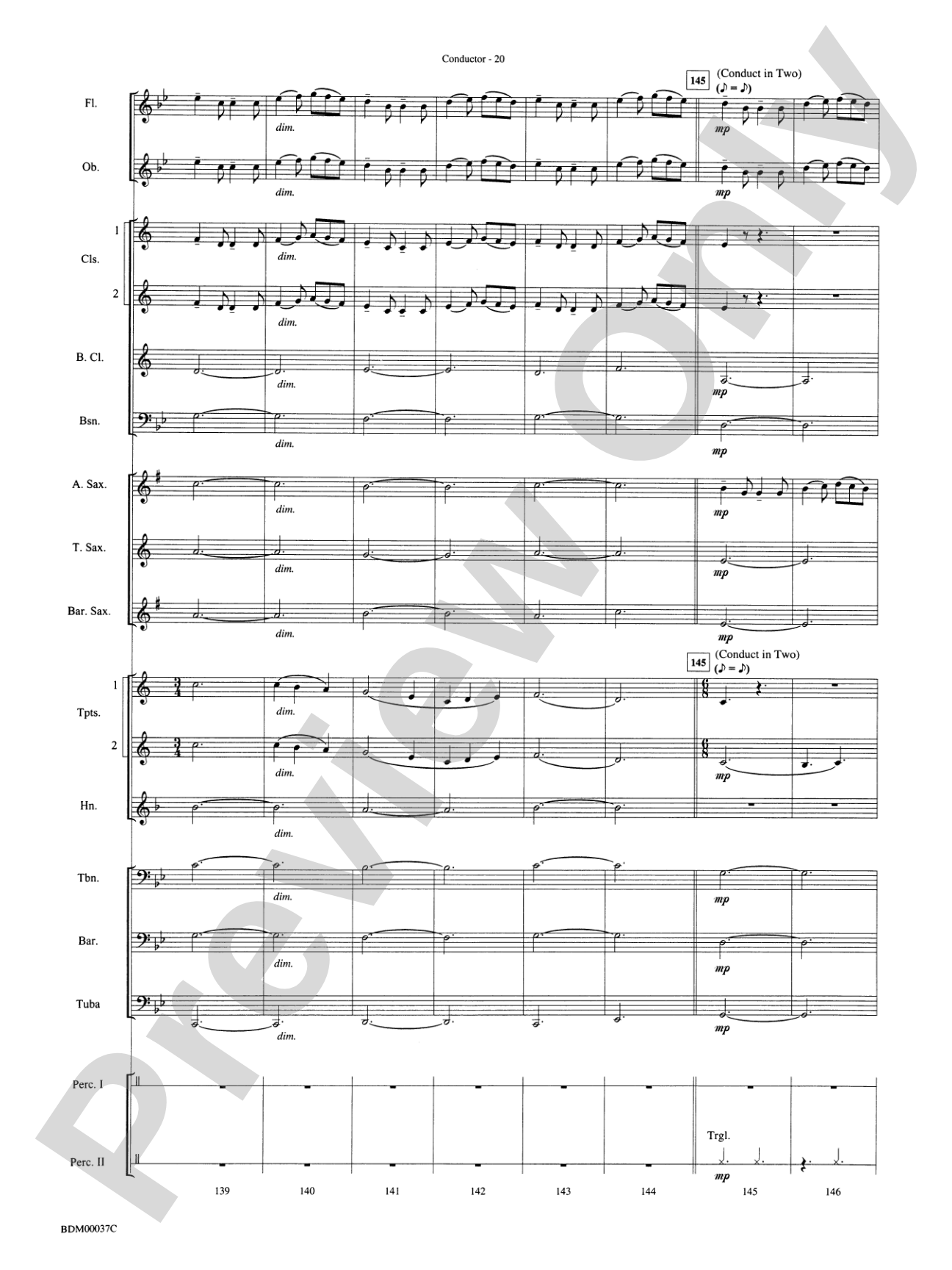
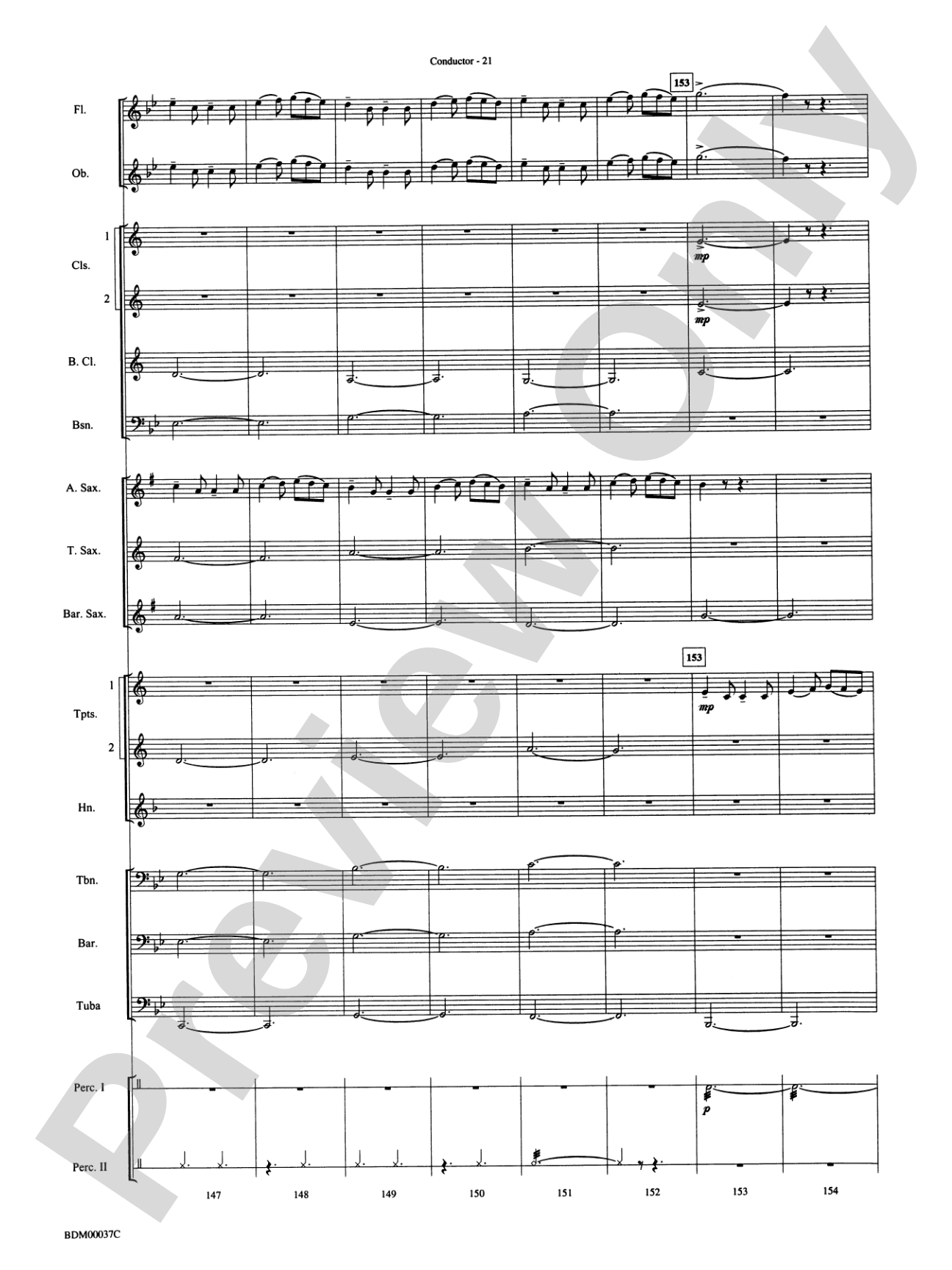
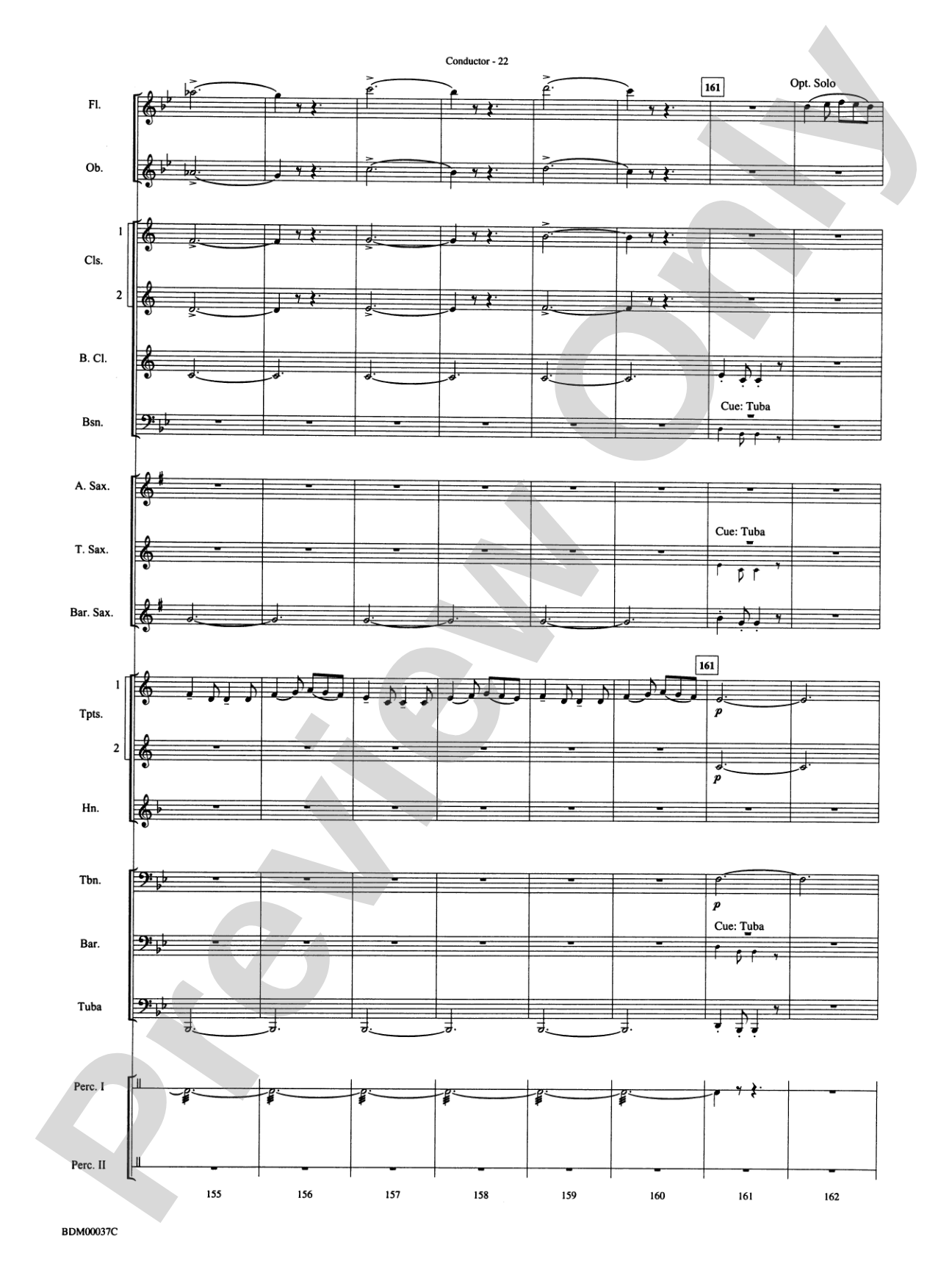
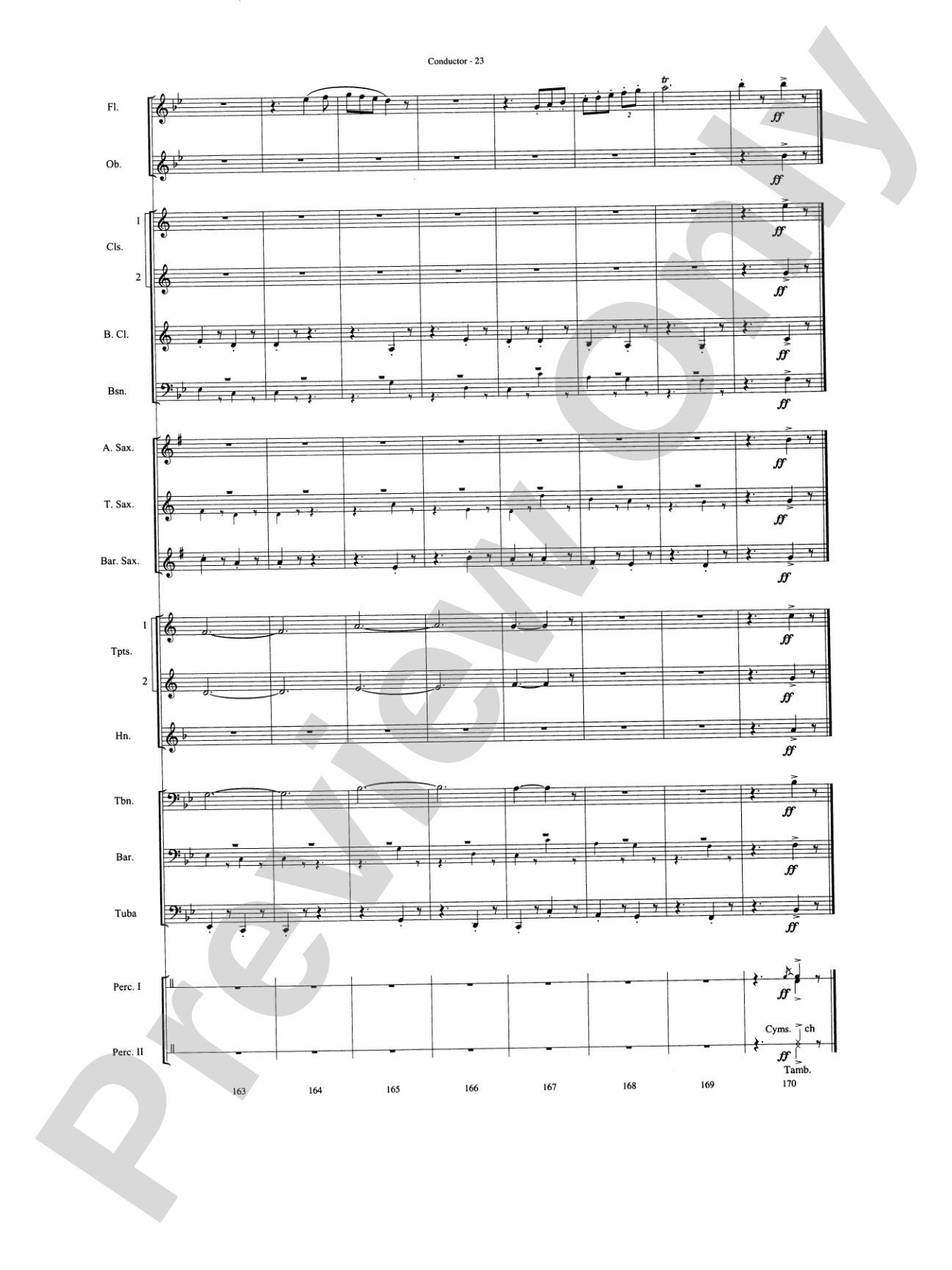

Fantasia on the "Dargason": Concert Band Conductor Score & Parts
By Gustav Holst / arr. Michael Story
Grade: 2 (Easy)
Item: 00-PK-0002146

$62.00
Pickup currently not available
Buy Extra Parts (Digital PDF Download)
Parts Added to Cart!
Description
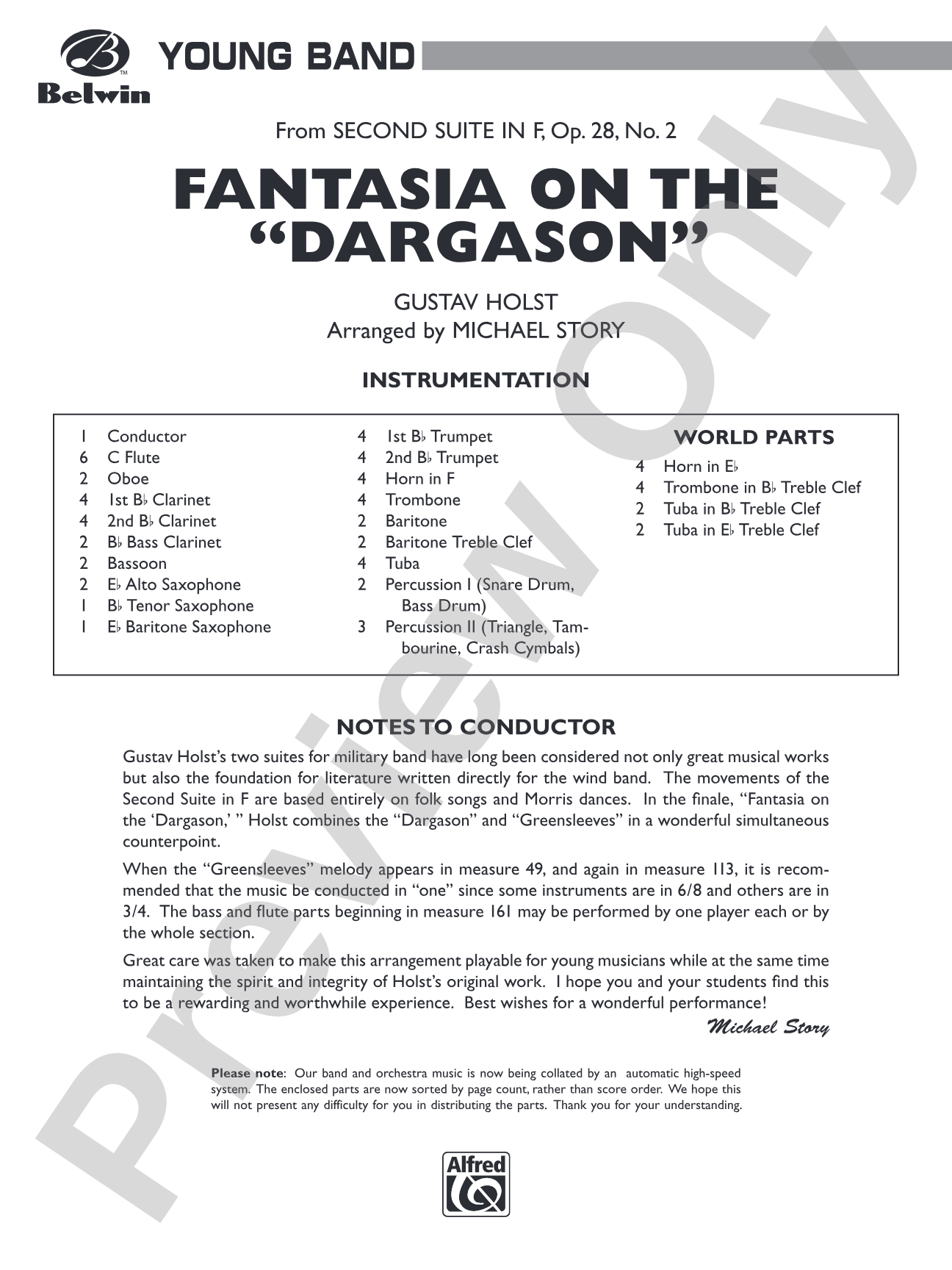
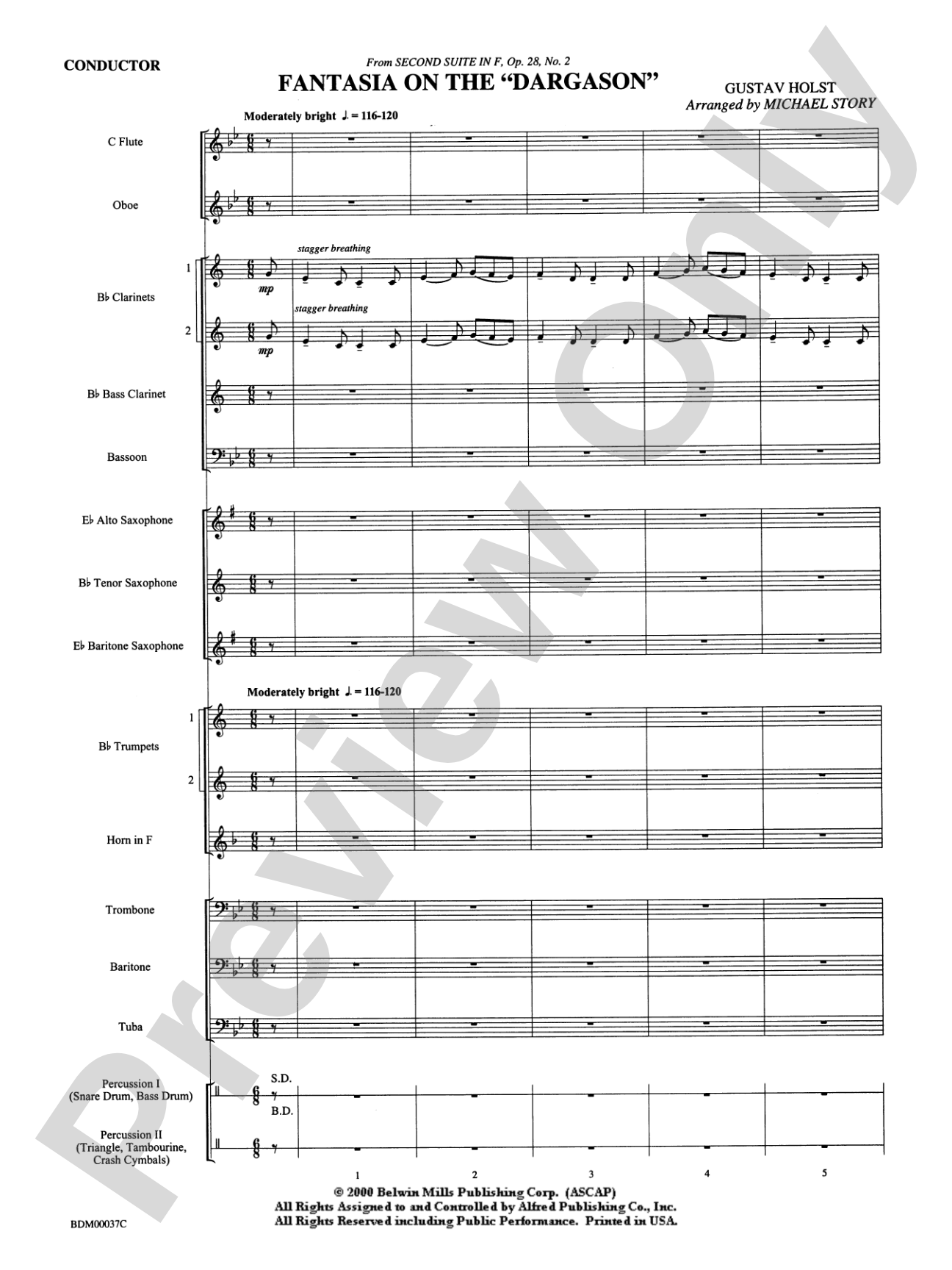
MIchael Story has skillfully re-scored the finale from Holst's Second Suite in F making the combination of "Dargason Dance" and "Greensleeves" approachable for young band. The key signature is better suited for this level and the variations have been mildly adapted for accessibility. The energy of the original has been retained. Don't miss this classic band work on your next program. (3:00)


Don't just read it, hear it, play along with it, and watch your students grow with it. In MakeMusic Cloud, Fantasia on the "Dargason": Concert Band Conductor Score & Parts comes alive with professional accompaniment, adjustable tempo, and built-in practice tools that turn solo practice into real progress.
Open in the Player
Jump straight in and assign it today.
Start Your Free Trial
Open this title and explore the full library in minutes.
Sample Audio
1
Audio File
--:--
0:00
0:00
Sample Video
No sample videos found.
Additional Details
Series:
Belwin Young Band
Publisher:
Alfred Music
Page Count:
274
SKU:
00-PK-0002146
More about this title
About the Arranger: Michael Story
Michael Story is a prolific composer and arranger whose work is standard repertoire in school band programs across the country. His arrangements prioritize musical integrity while adapting masterworks to fit the technical and range capabilities of developing ensembles, making challenging literature genuinely playable for young musicians.
Story's gift lies in preserving the character and energy of original compositions while removing barriers that would frustrate young players. His Belwin Young Band series has introduced generations of students to the concert band classics they'll encounter throughout their musical lives.
Why we love this
This arrangement captures the swagger and rhythmic drive of Holst's finale without forcing students into uncomfortable keys or awkward voice leading. Story makes a smart pedagogical choice by combining both thematic elements of the original into a cohesive, energetic work that feels like the real thing, not a simplified version. Young musicians will recognize they're playing a masterwork, and audiences will hear authentic concert band literature.
What to expect
Spirited and dance-like, with the genuine flavor of English folk melody. The piece swings with rhythmic vitality; there's brightness and joy in the orchestration, and a sense of playful interaction between melodic lines. It feels both approachable and substantial, like stepping into a concert band tradition.
Who it's for
Grade 2 bands ready to tackle a recognizable masterwork with solid technical foundation. This arrangement works for concert bands with players who can handle basic key signatures, simple rhythmic patterns, and the coordination required of a full ensemble without overwhelming struggles with range or intonation.
How to get the most out of it
- Bring out the folksy character of "Dargason" by keeping the principal melodic line (often in clarinet and flute) singing and conversational rather than purely lyrical. This melody needs personality.
- The interplay between "Dargason" and "Greensleeves" is the heart of the piece. Balance the sections so both melodies are heard when they occur simultaneously; resist letting either disappear into the texture.
- Maintain steady, confident tempo through the rhythmic sections. The energy comes from precision and forward motion, not rushing. A metronome in rehearsal helps lock the ensemble's internal pulse.
- Use dynamic contrast to shape the development. The mild adaptations for accessibility still allow for building intensity and then pulling back; use this architecture to keep three minutes of music engaging.
How to use it
Program this as a concert opener or closer; the three-minute length and energetic character make it ideal bookend material. It also pairs well with contemporary band works or other folk-based arrangements, giving your concert a thematic coherence. Many directors use it for festival or contest programs because it's approachable to perform, interesting to hear, and immediately recognizable.
Skills your students will build
- Reading accidentals and key signatures appropriate to Grade 2 level
- Sustaining independent melodic lines while tracking harmonic movement in other sections
- Maintaining steady tempo and rhythmic clarity through syncopated and straight-rhythm passages
- Balancing melodic priority with accompaniment texture in a full ensemble
- Understanding call-and-response and thematic interplay in classical forms