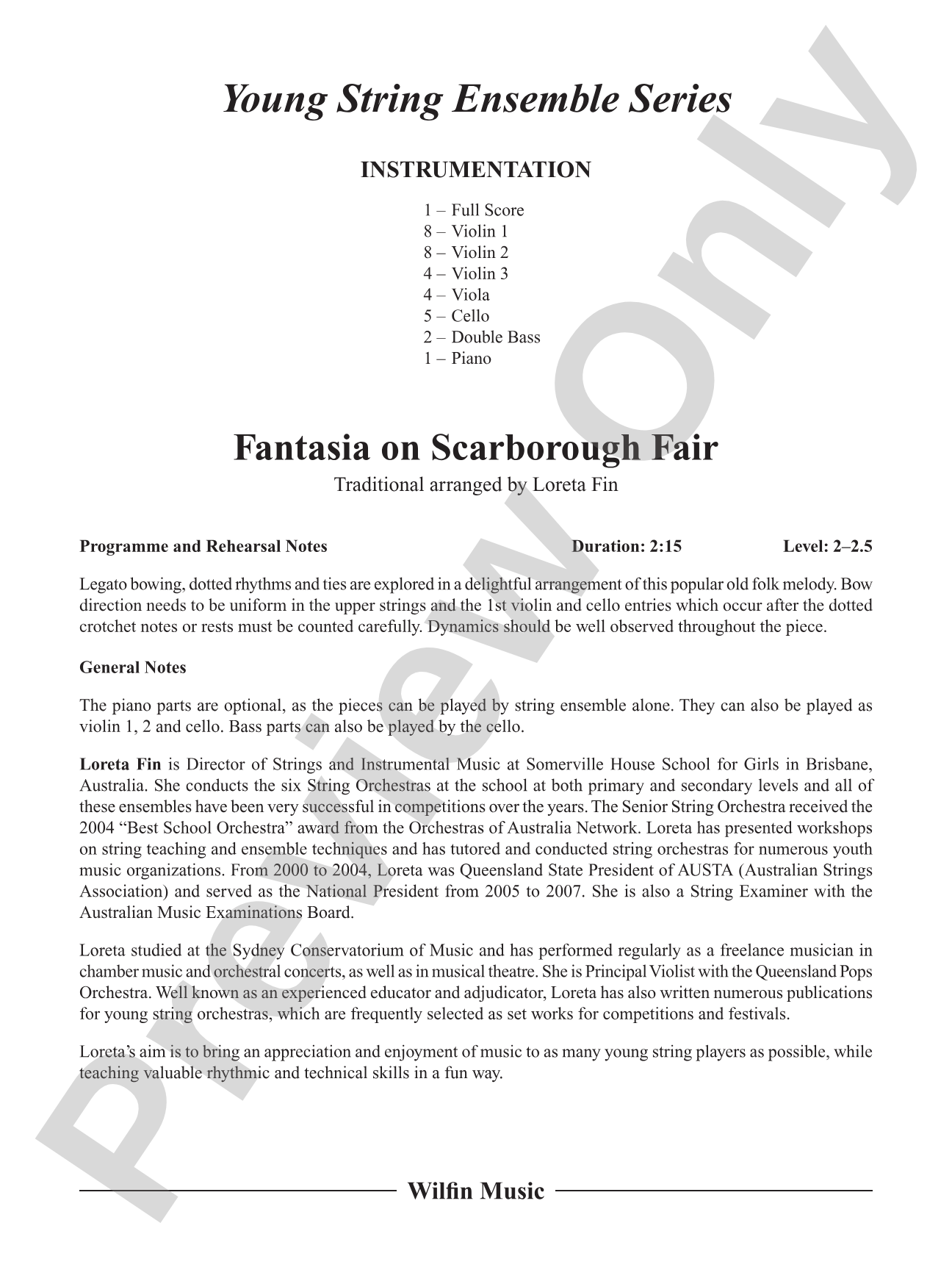
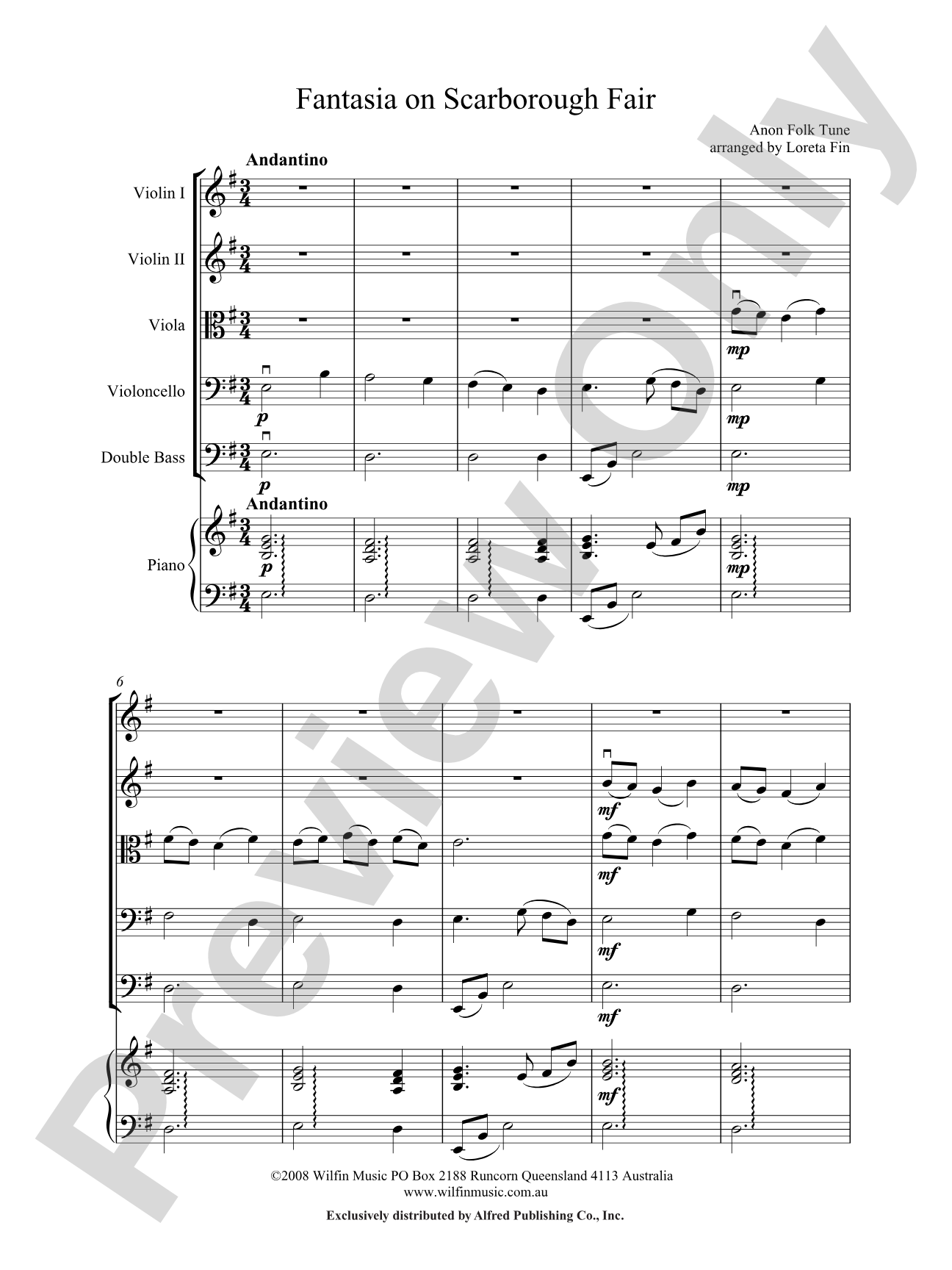
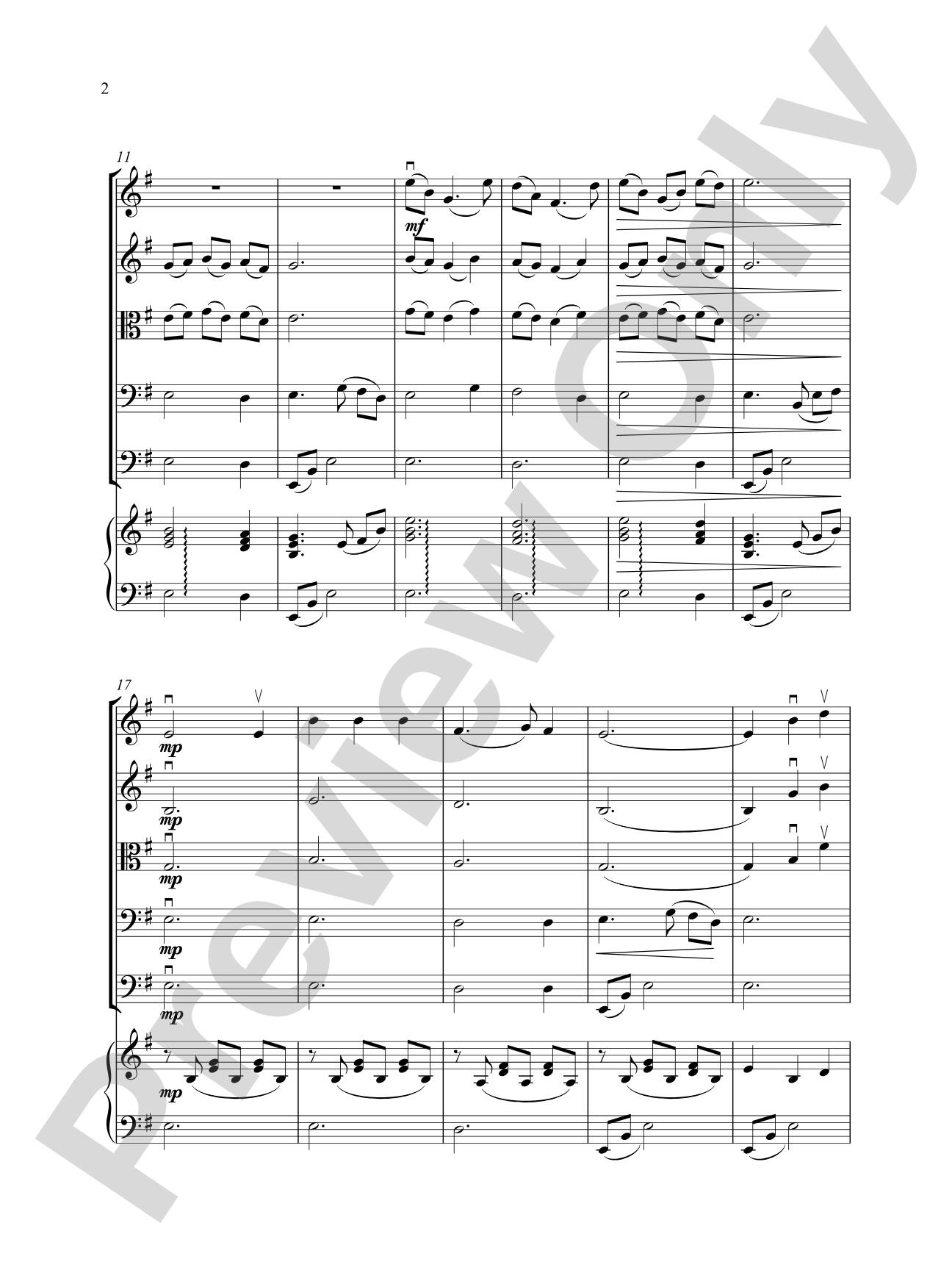
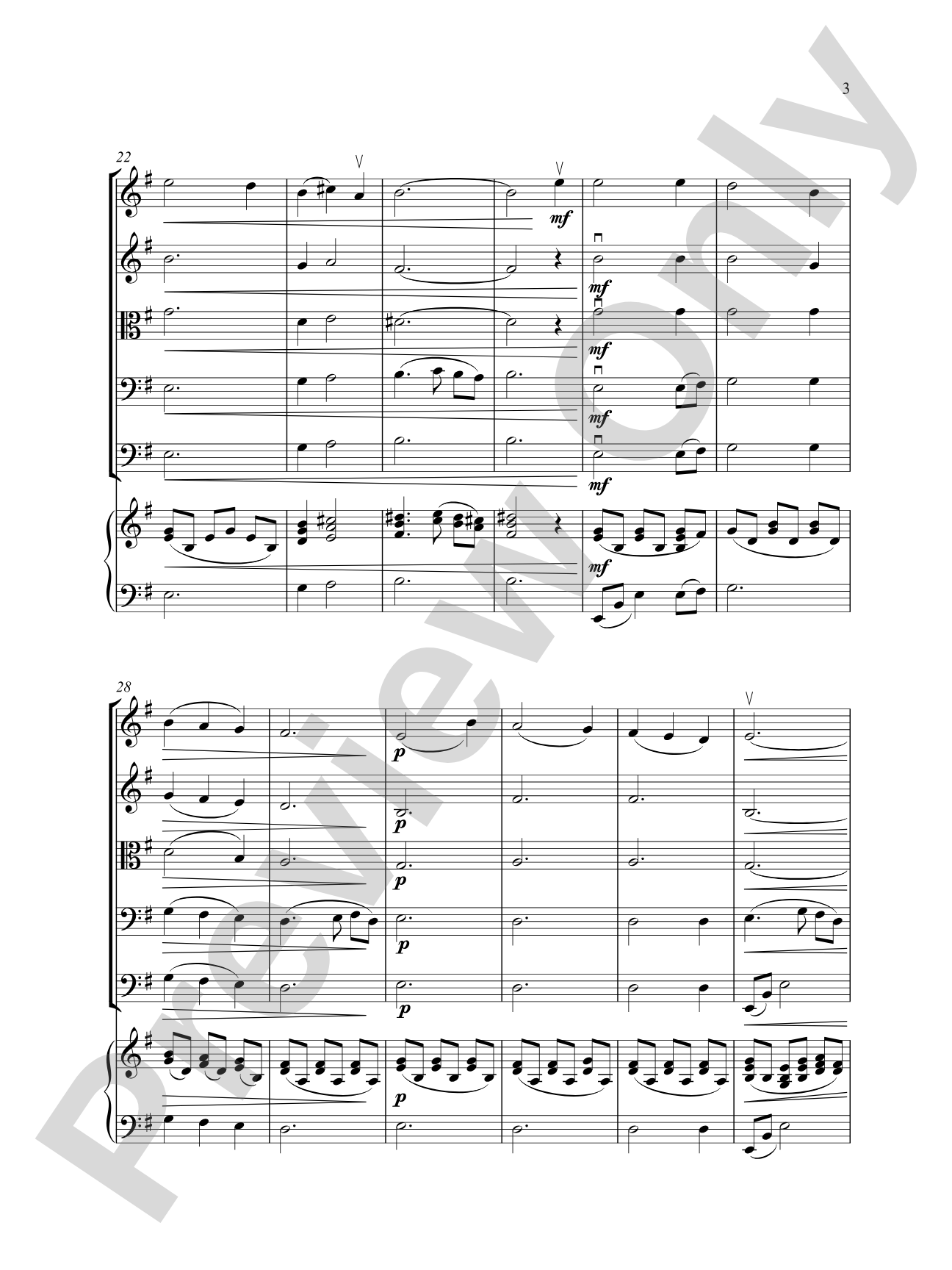
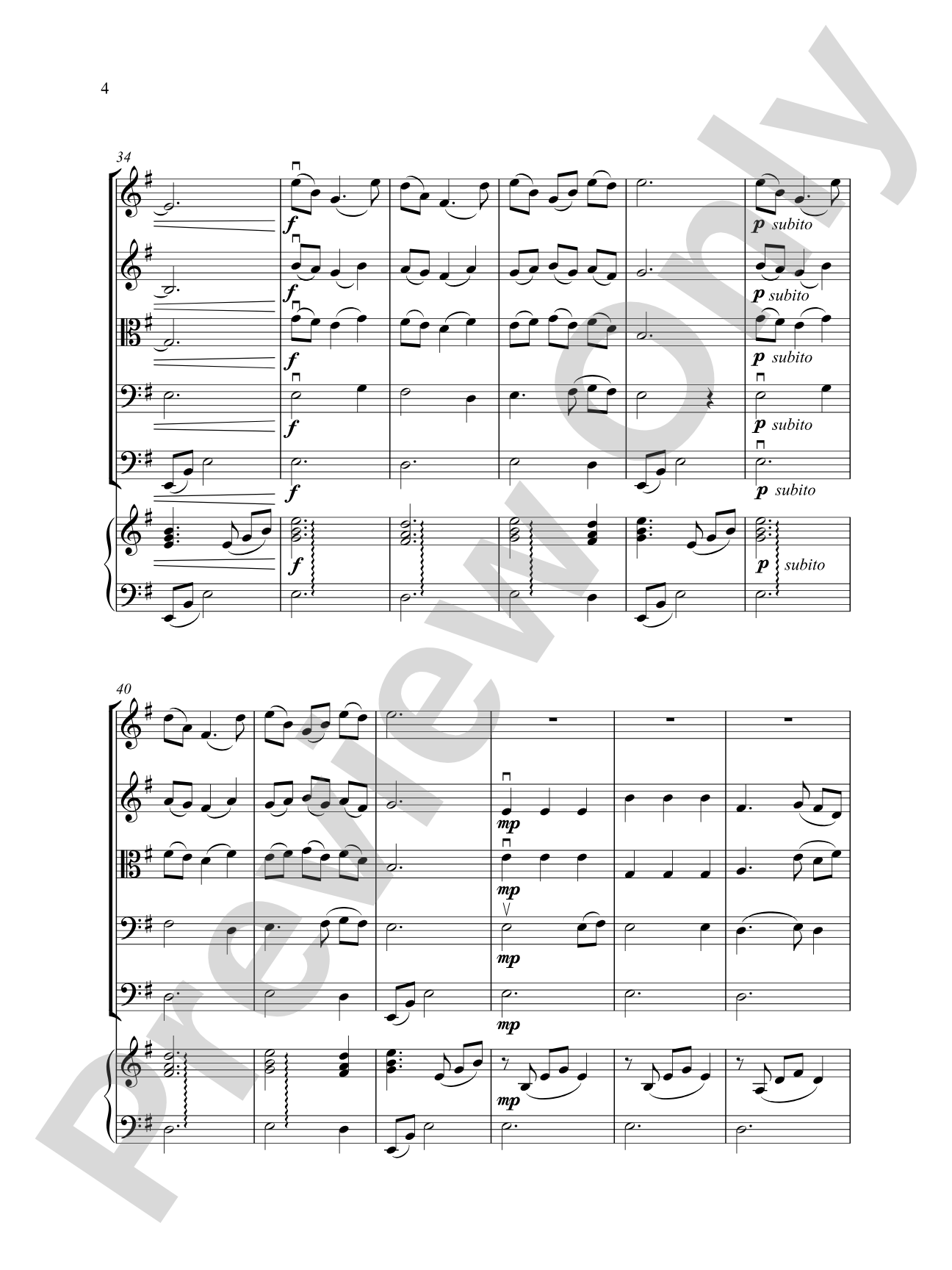
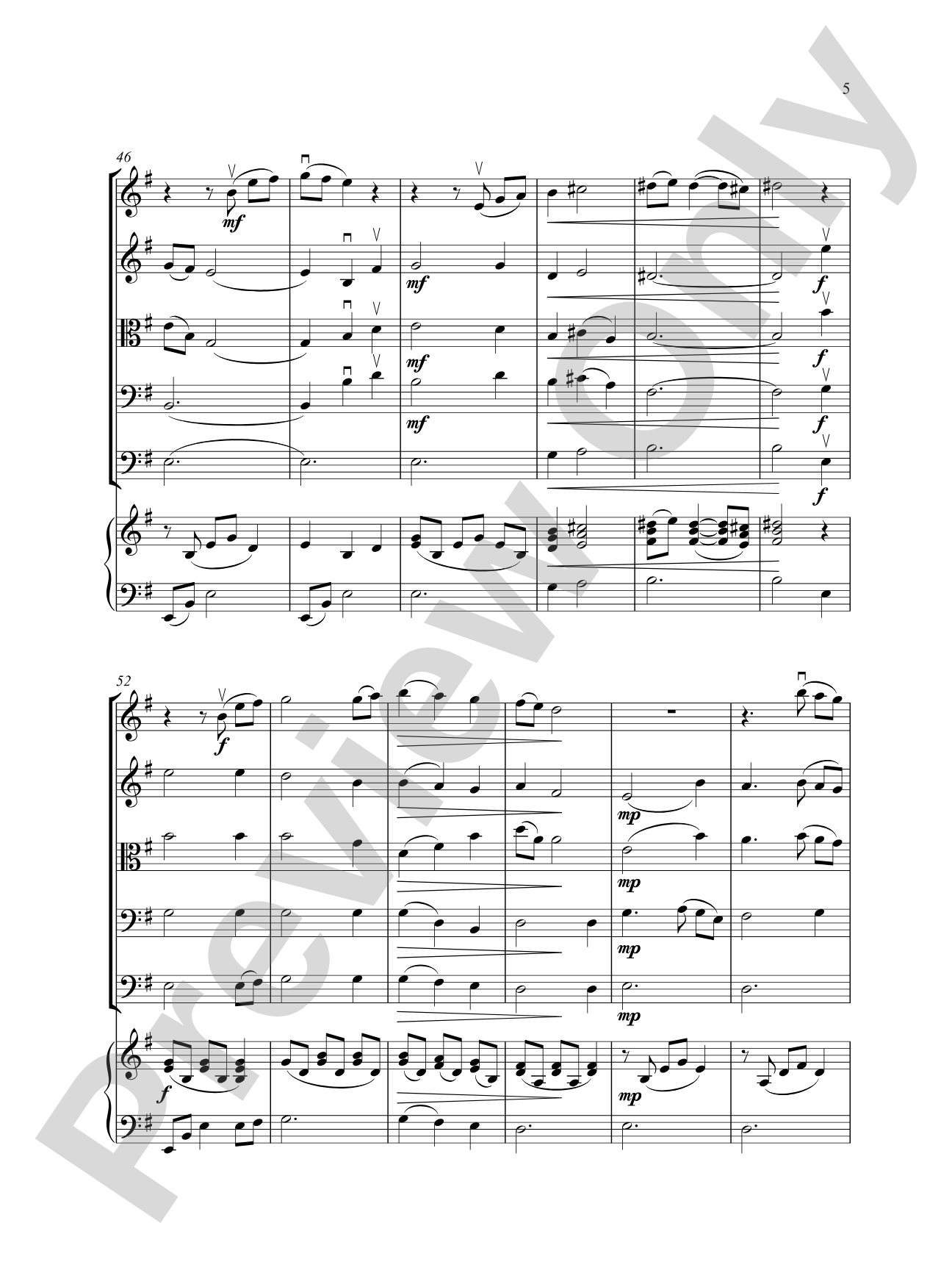
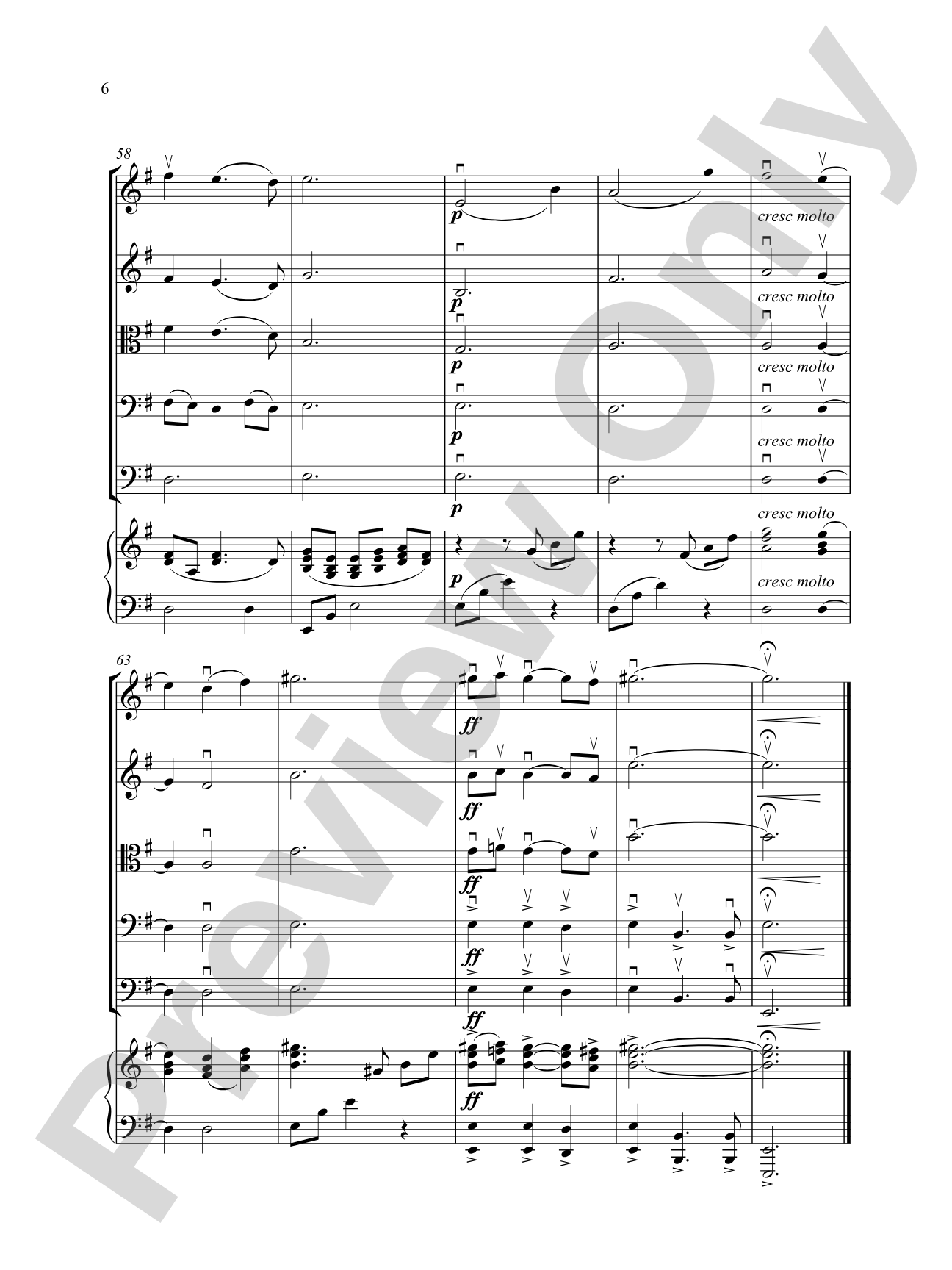
Legato bowing, dotted rhythms and ties are explored in a delightful arrangement of this popular old folk melody. Bow direction needs to be uniform in the upper strings and the 1st violin and cello entries which occur after the dotted crotchet notes or rests must be counted carefully. Dynamics should be well observed throughout the piece.
Discover MakeMusic Cloud: thousands of interactive titles your students can play along with today.
Series:Wilfin String Orchestra: Young String Ensemble Series
Publisher:Wilfin Music
Page Count:66
SKU:76-PR-0000046
More about this title
About the Arranger: Loreta Fin
Loreta Fin AM is an Australian string educator and conductor with deep roots in professional performance and music leadership. A first violinist with the Sydney Youth Orchestra and longtime principal viola with the Queensland Pops Orchestra, she studied at the Sydney Conservatorium of Music and has performed alongside internationally recognized artists across chamber and orchestral settings.
Since 1993, Fin has directed strings at Somerville House School in Brisbane while building a significant catalogue of over 100 published string works for young ensembles. Her contributions to string education in Australia earned her the Queensland State Award for services to the Australian Strings Association (which she led as both State and National President), the National Award for Services to Music and String Teaching, and recognition as a nominee for the inaugural ARIA "Best Teacher" award. She remains active as an adjudicator, examiner with the Australian Music Examinations Board, and conductor of state and national honours ensembles programs.
Why we love this
Fin's arrangement of Scarborough Fair respects the melody's grace while making genuine pedagogical demands on young players. The focus on uniform bow direction in upper strings and careful counting through dotted rhythms and rests gives conductors concrete teaching points that serve students well beyond this single piece.
What to expect
The familiar melody emerges with warmth and lightness, carried by flowing legato lines that reward controlled bow work. Dotted rhythms and strategic rests create gentle rhythmic interest without overwhelming younger musicians, while careful dynamic shaping draws out the folk melody's inherent lyricism.
Who it's for
String orchestras at the early intermediate level will find this arrangement accessible yet substantive. Young players ready to refine bowing control, read more complex rhythmic patterns, and respond to dynamic shaping will benefit from the focused technical work this score demands.
How to get the most out of it
Establish clear bow direction patterns in rehearsal before tackling the melodic line; have upper strings echo your bow without sound to build synchronization.
Mark the rests after dotted notes prominently in all parts and conduct those moments with extra clarity so first violin and cello entries land exactly on time.
Shape dynamics gradually rather than switching abruptly between levels; this supports the legato aesthetic and helps younger players hear the phrase architecture.
Work through sections of the arrangement separately by string section before combining, so each group owns the technical demands before blending with others.
How to use it
This works beautifully as a concert opener or bridge between technical studies and more complex repertoire. It pairs naturally with other folk song arrangements or as a standalone feature that showcases ensemble cohesion to families and school audiences.
Skills your students will build
Uniform bow direction in string sections
Legato bowing technique
Reading and executing dotted rhythms with precision
Counting rests and synchronized entries after rhythmic figures
Dynamic control and shaping across sustained lines
Ensemble balance and blend
You May Also Like
Scan to Complete Your Purchase
Use your phone's camera to scan the code below
You'll log in on your phone and the order will be added to your account