

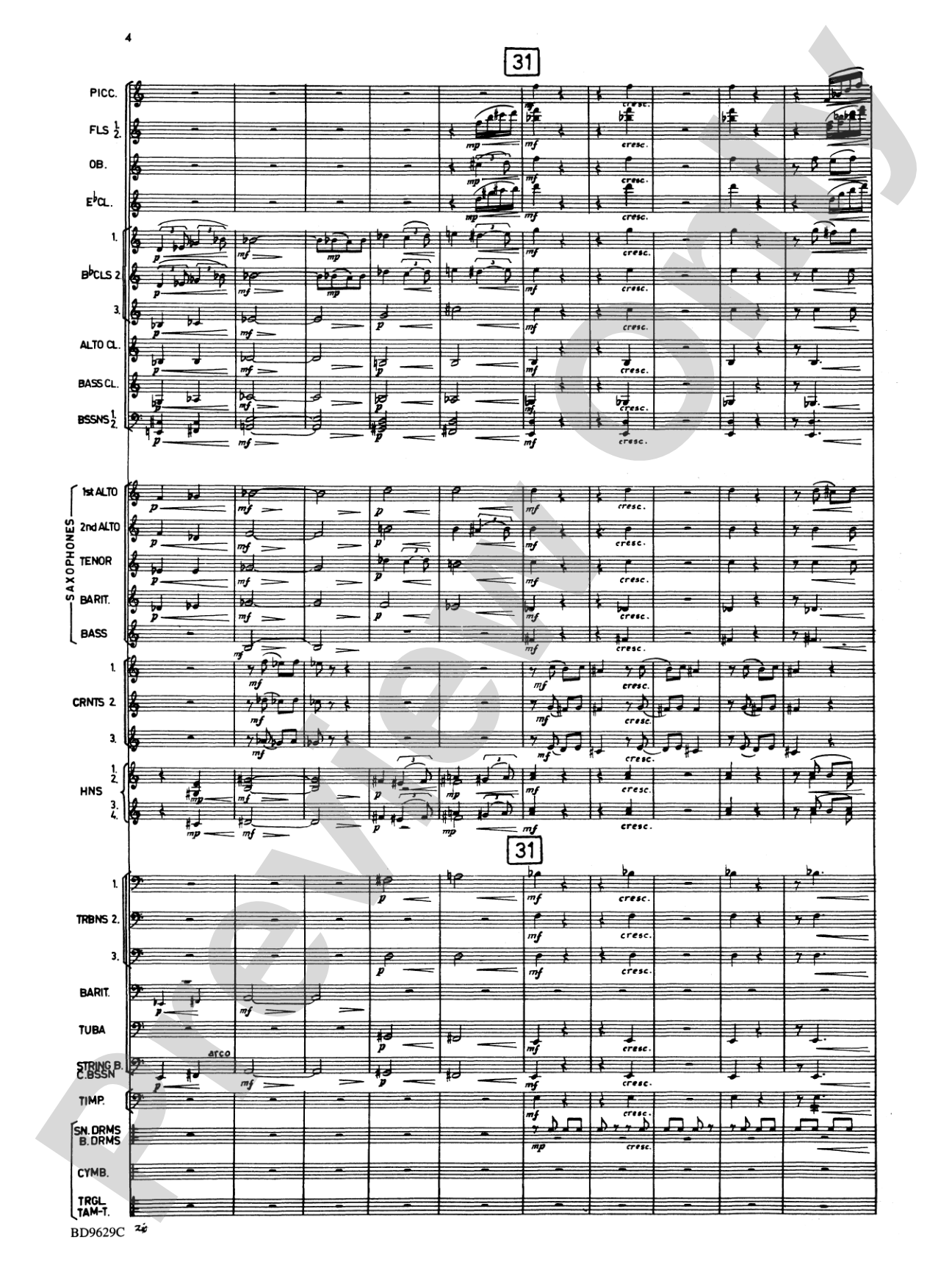
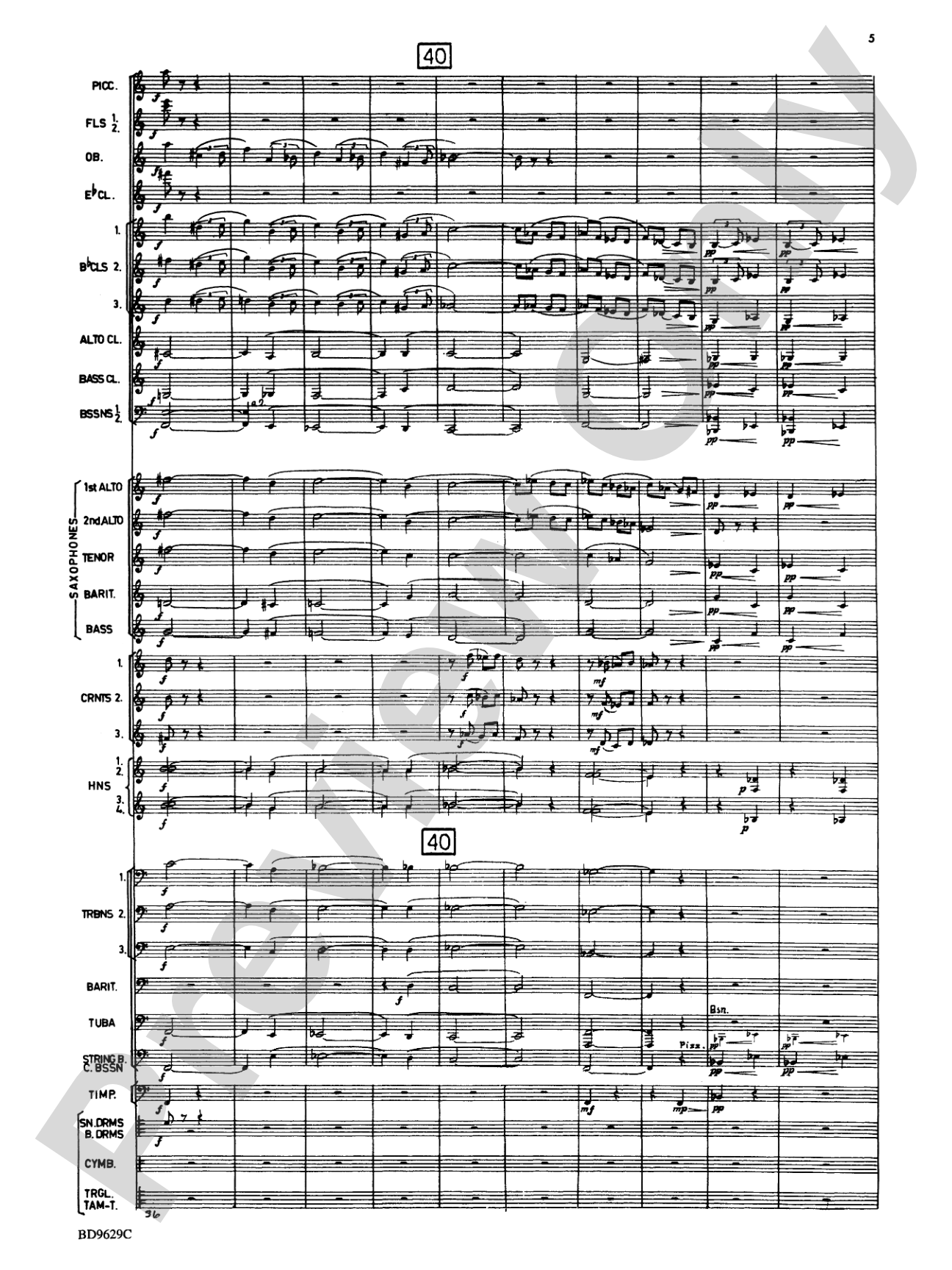
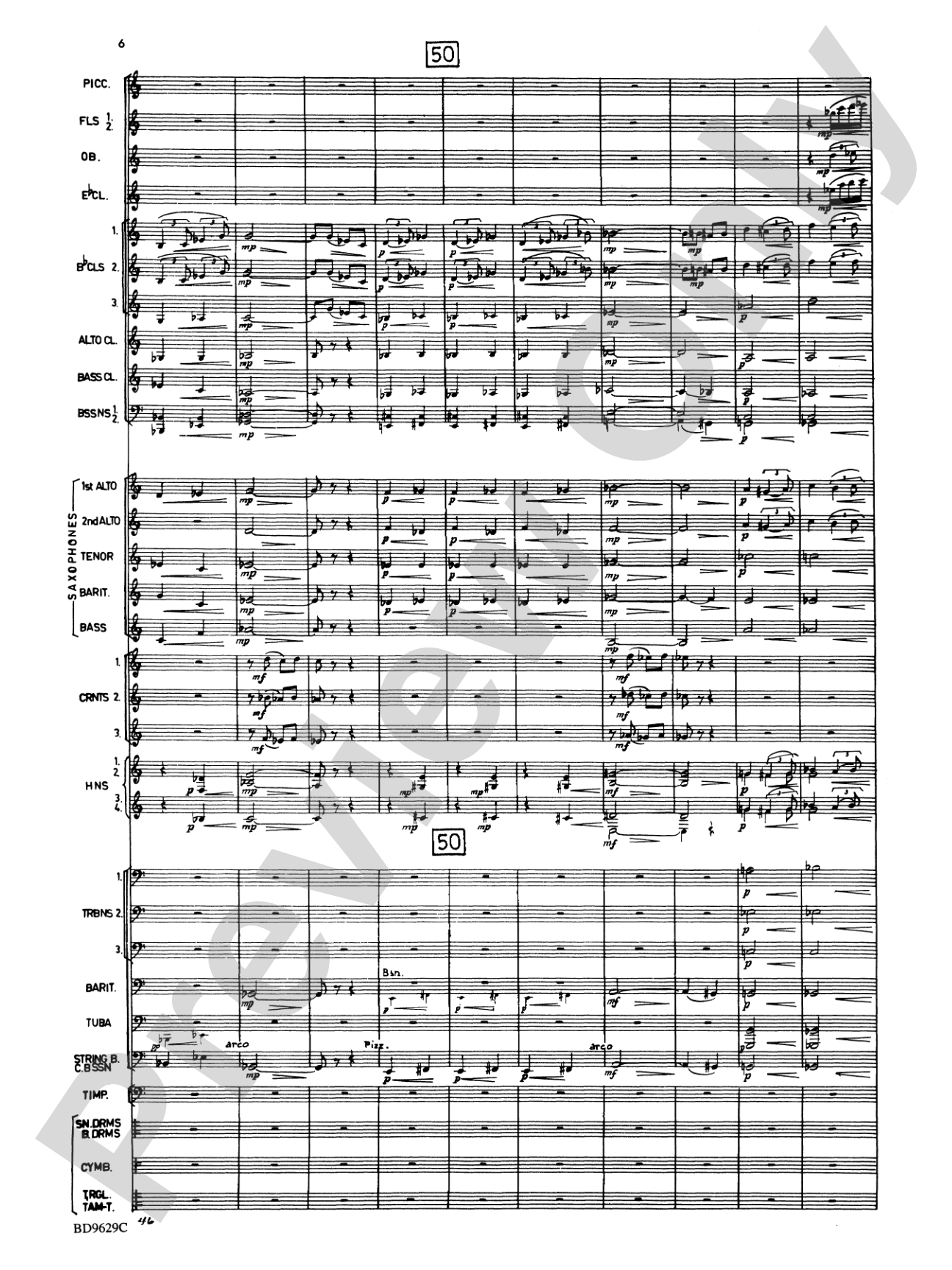
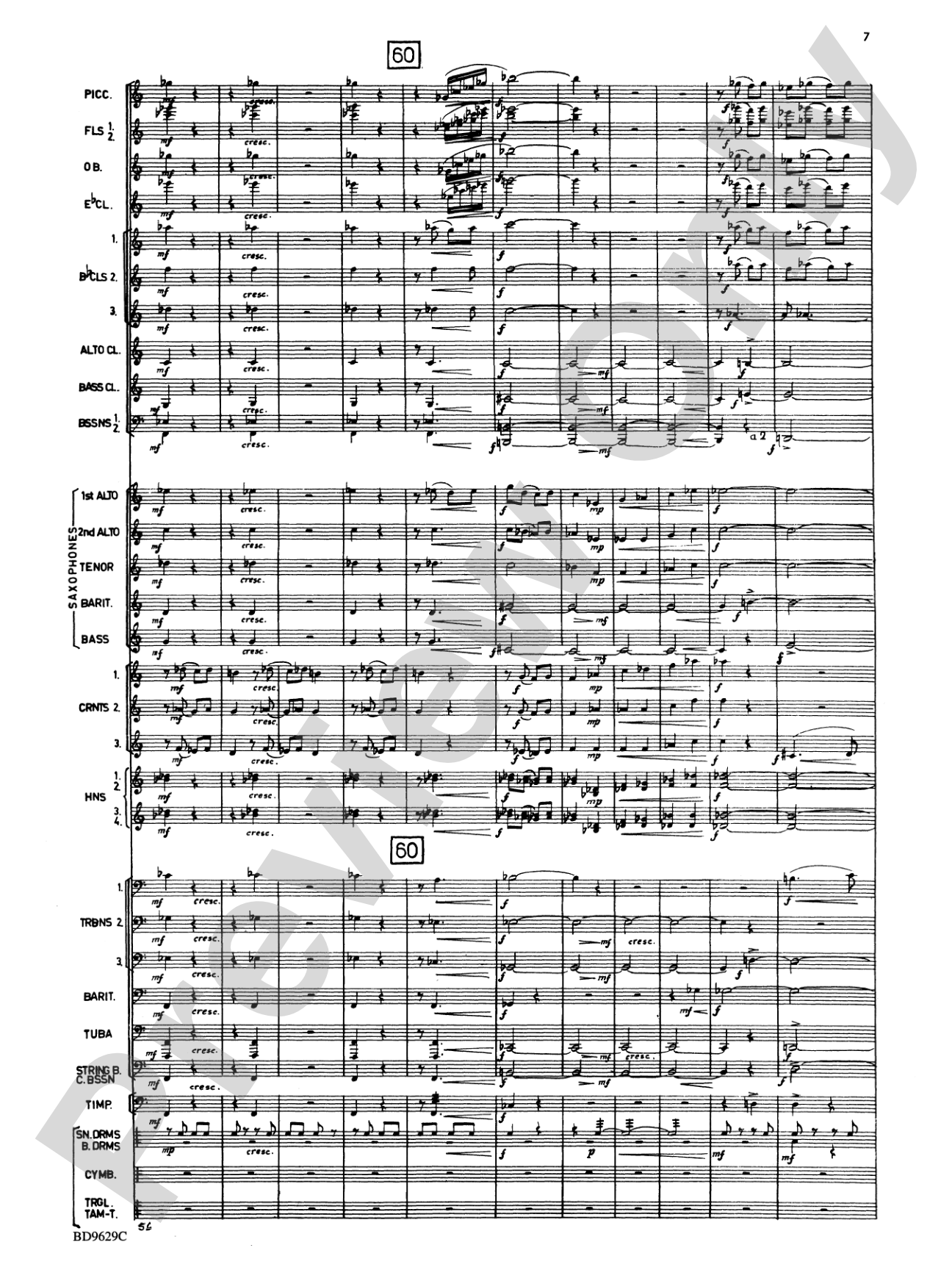
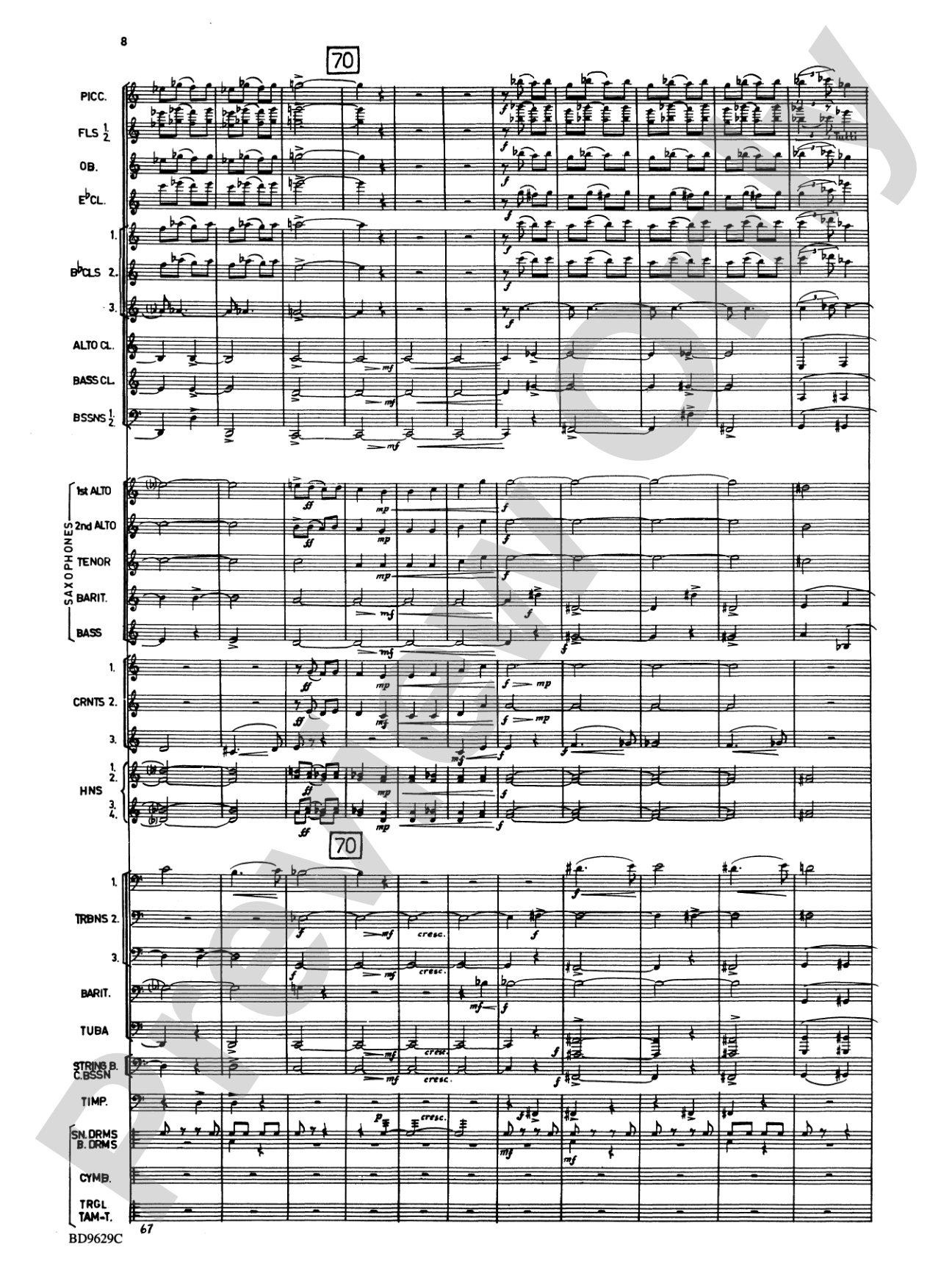
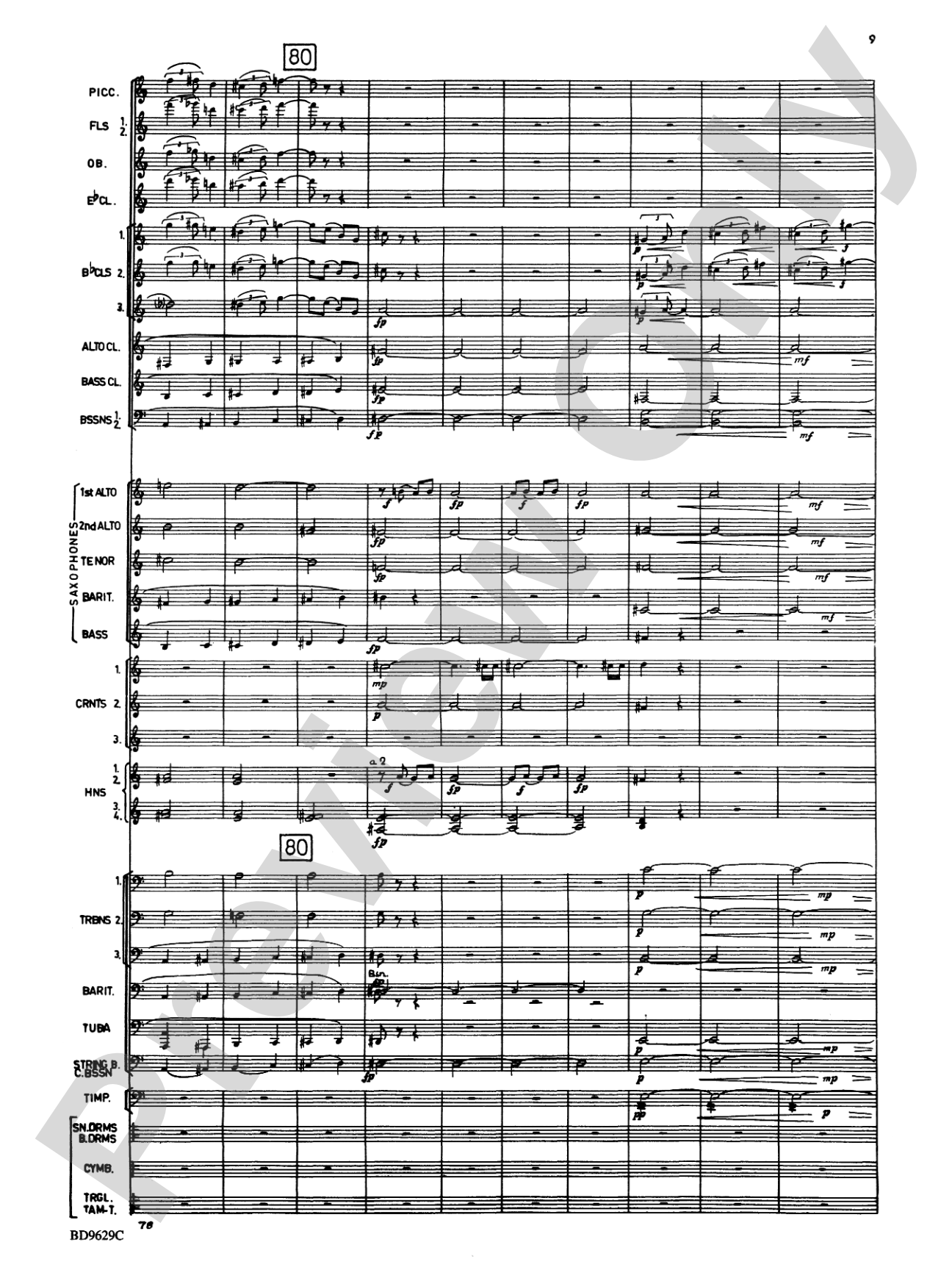
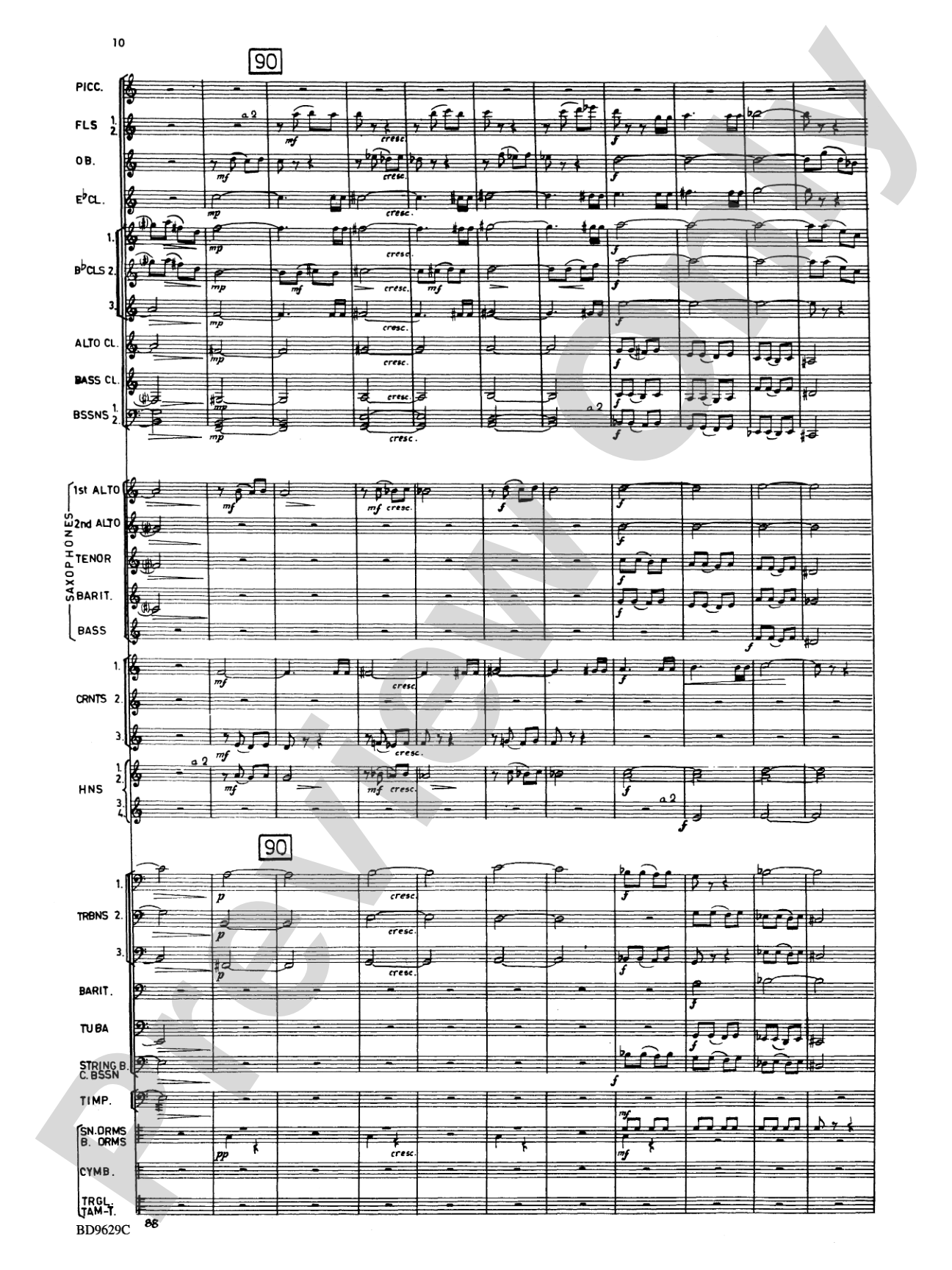
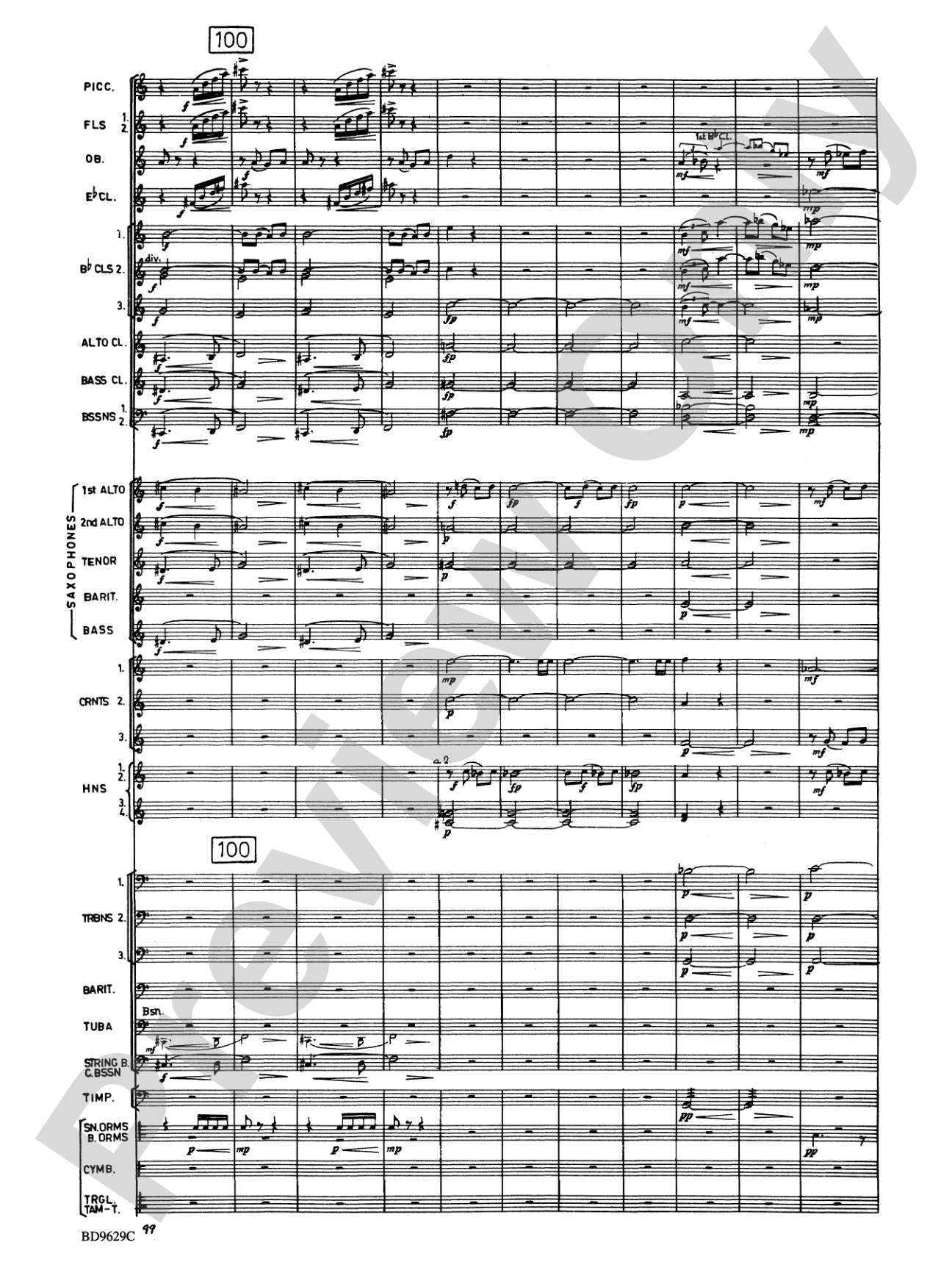
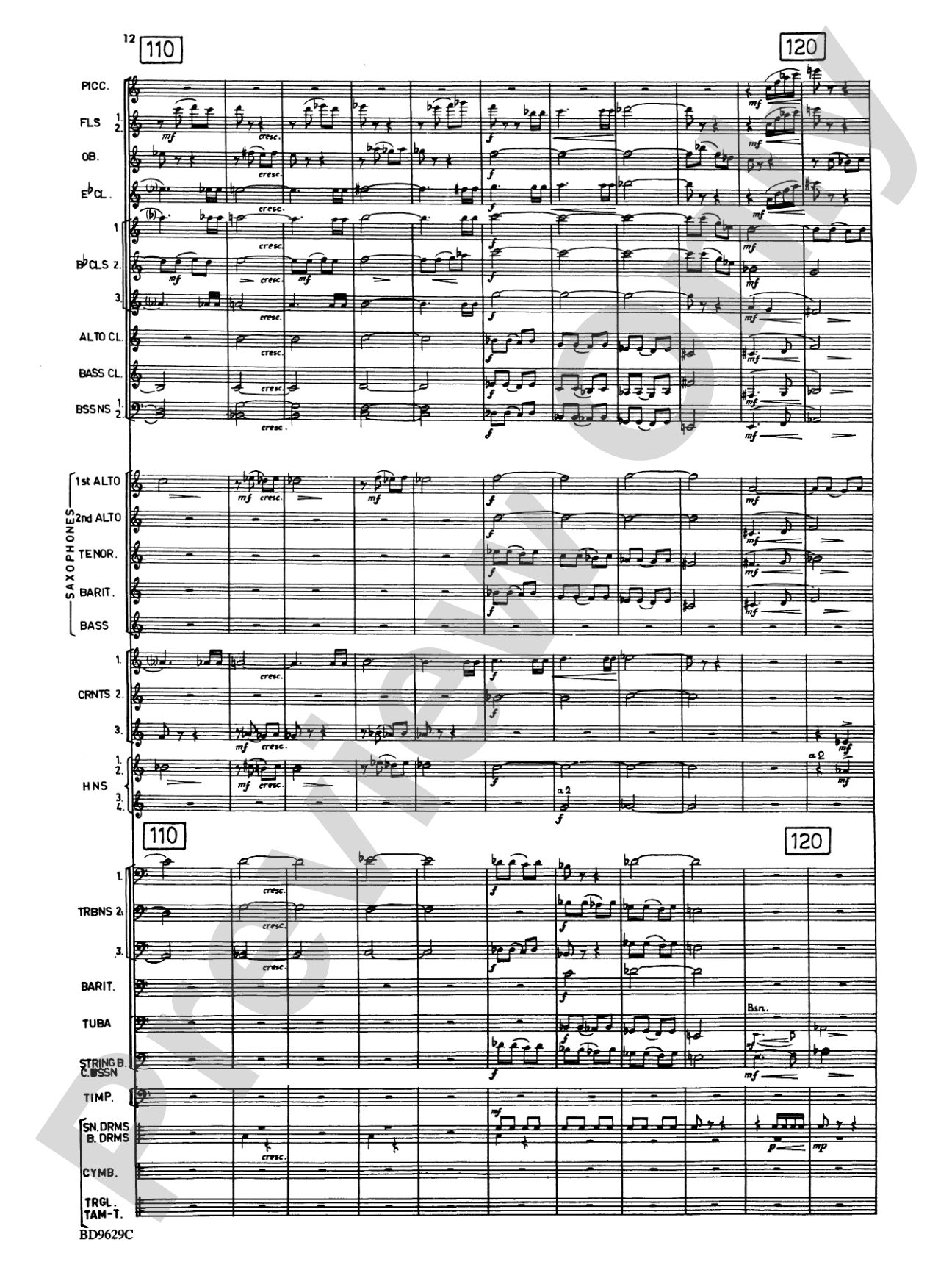
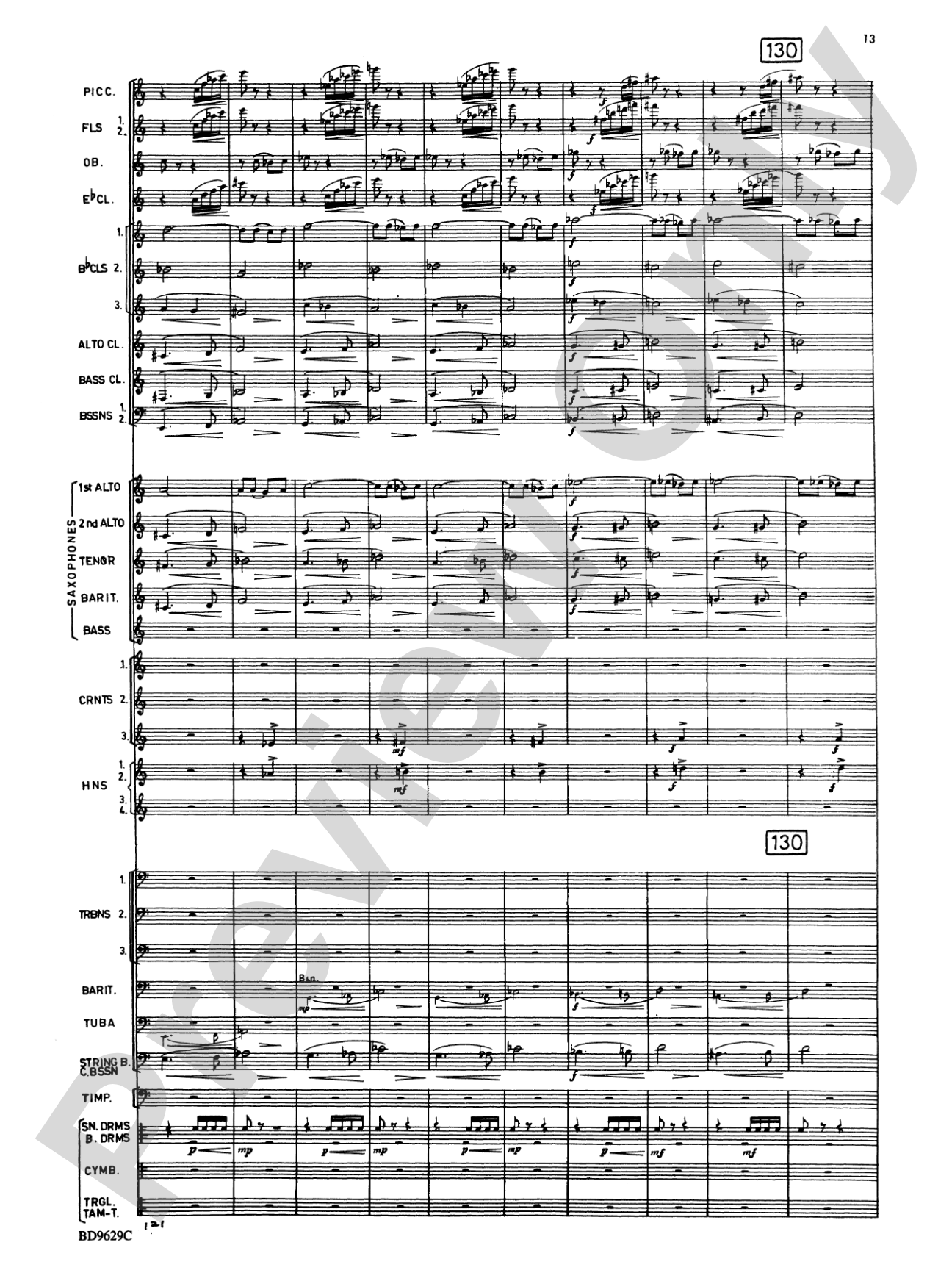
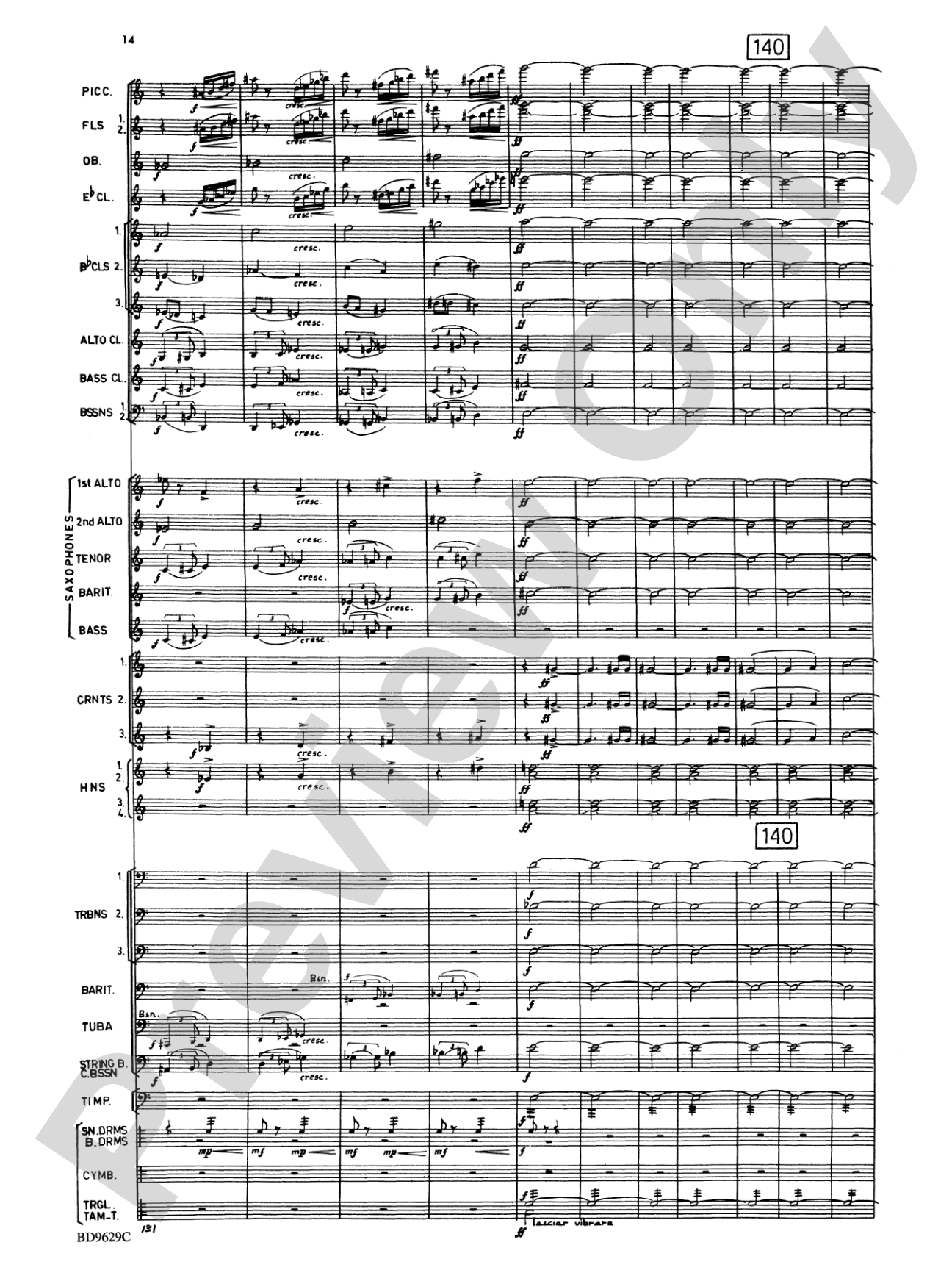
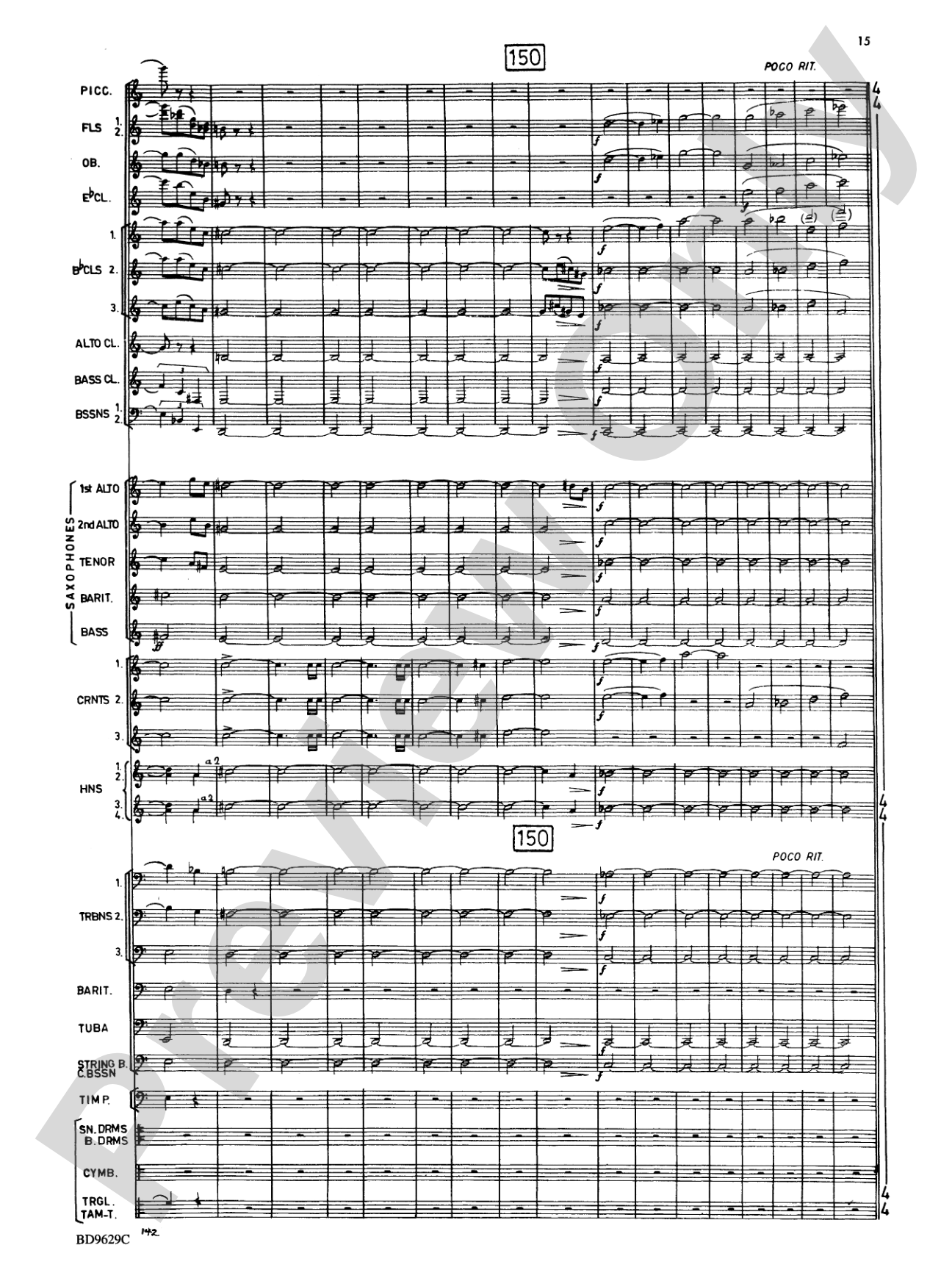
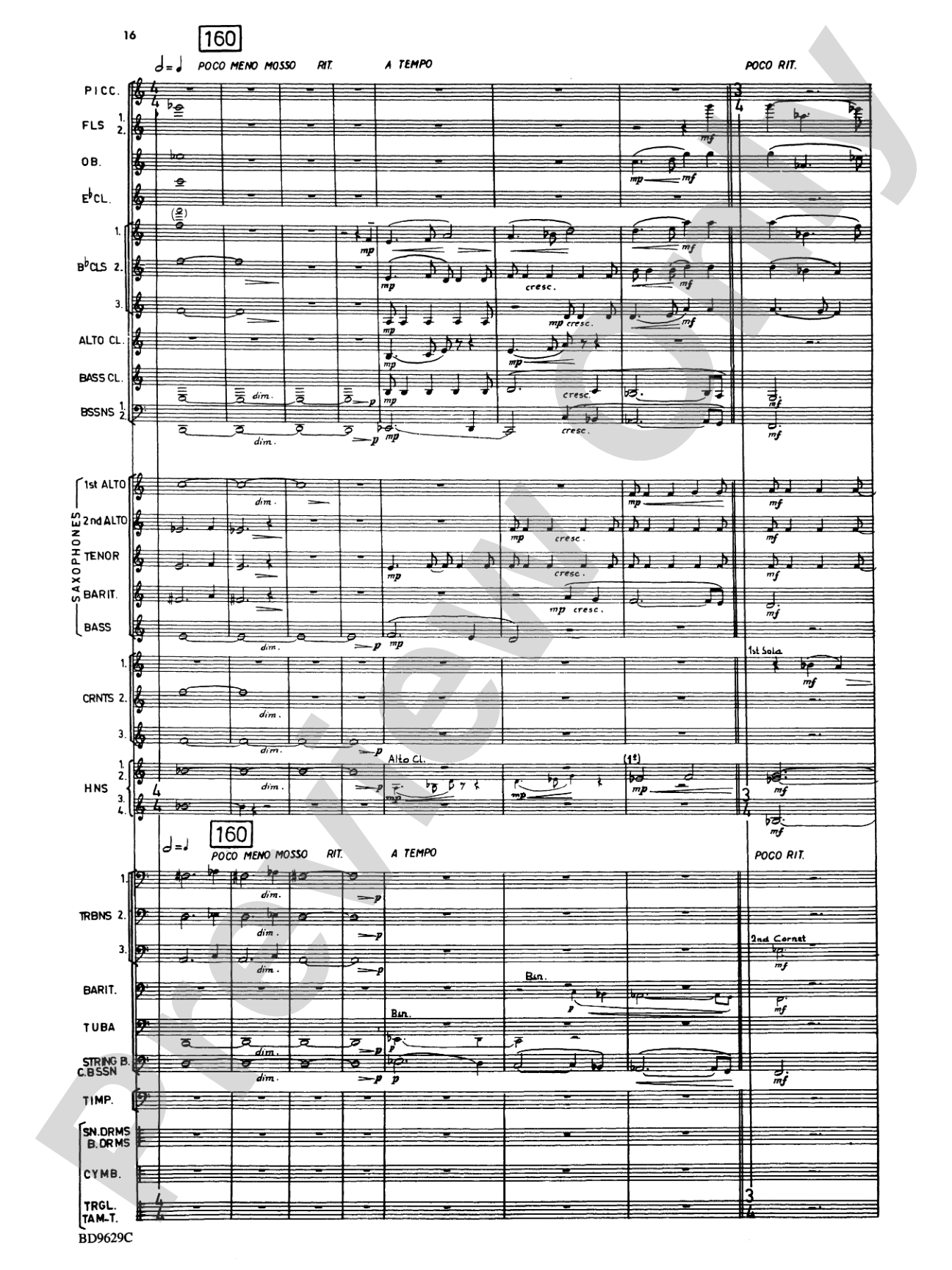
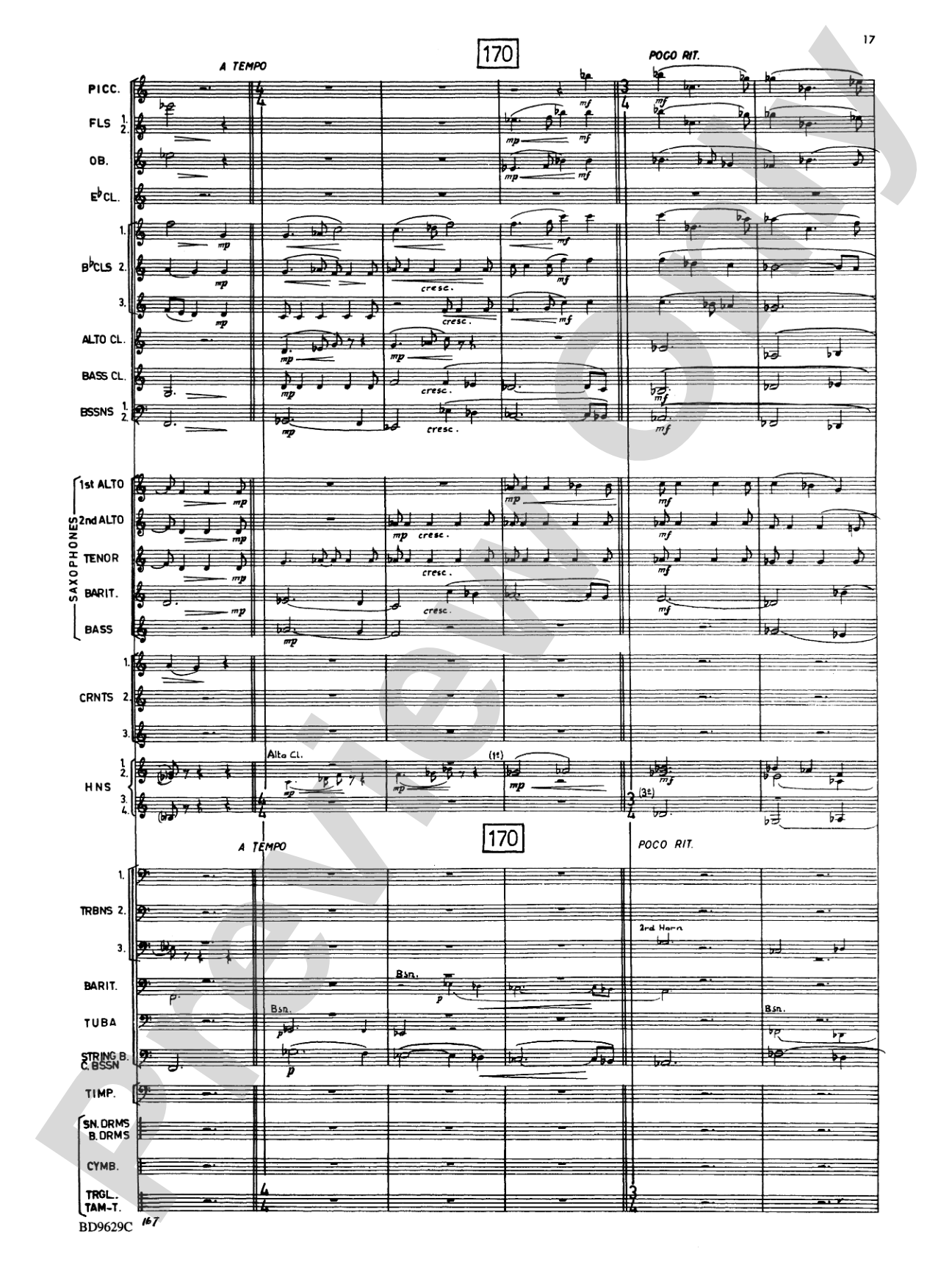
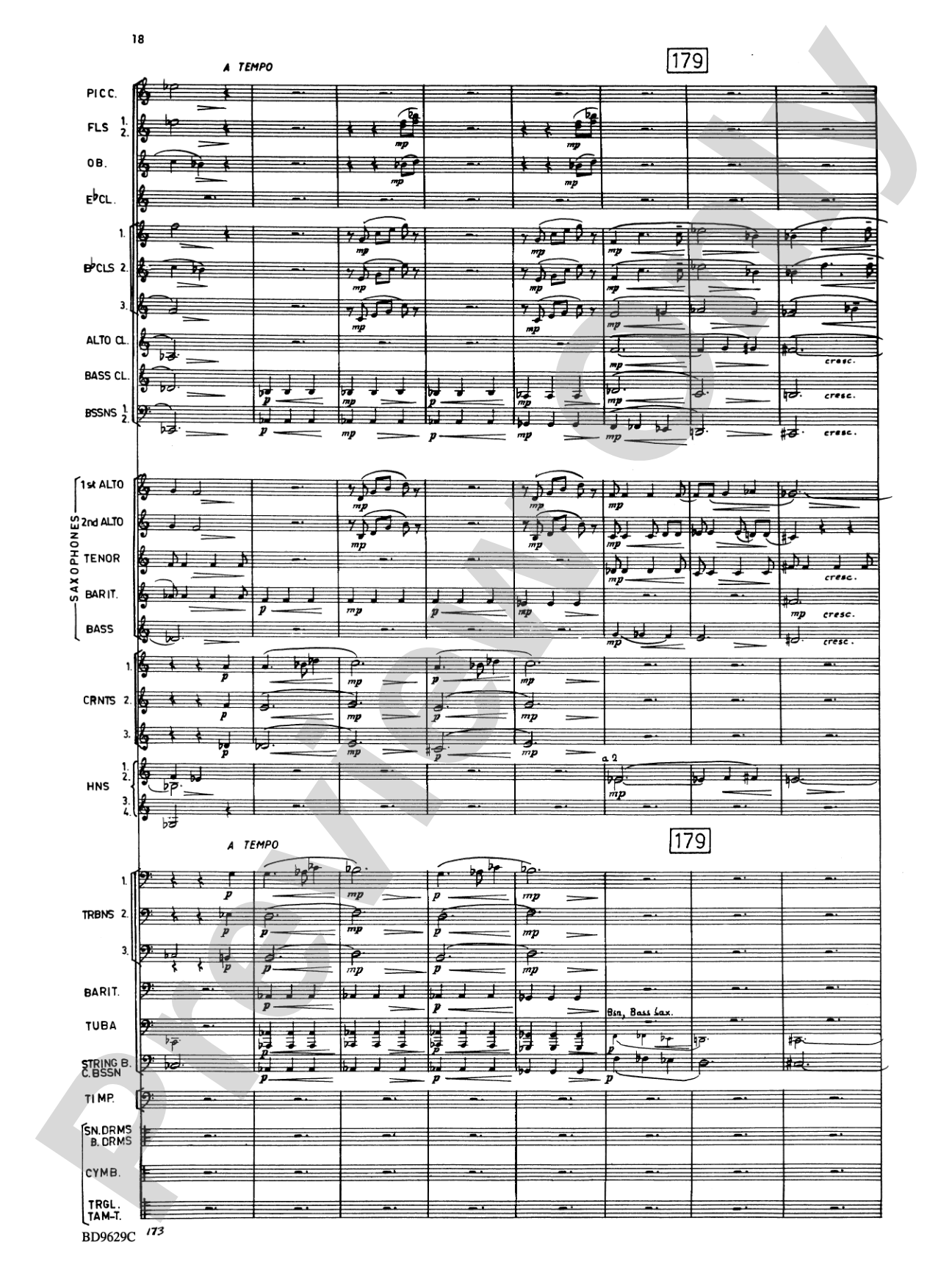
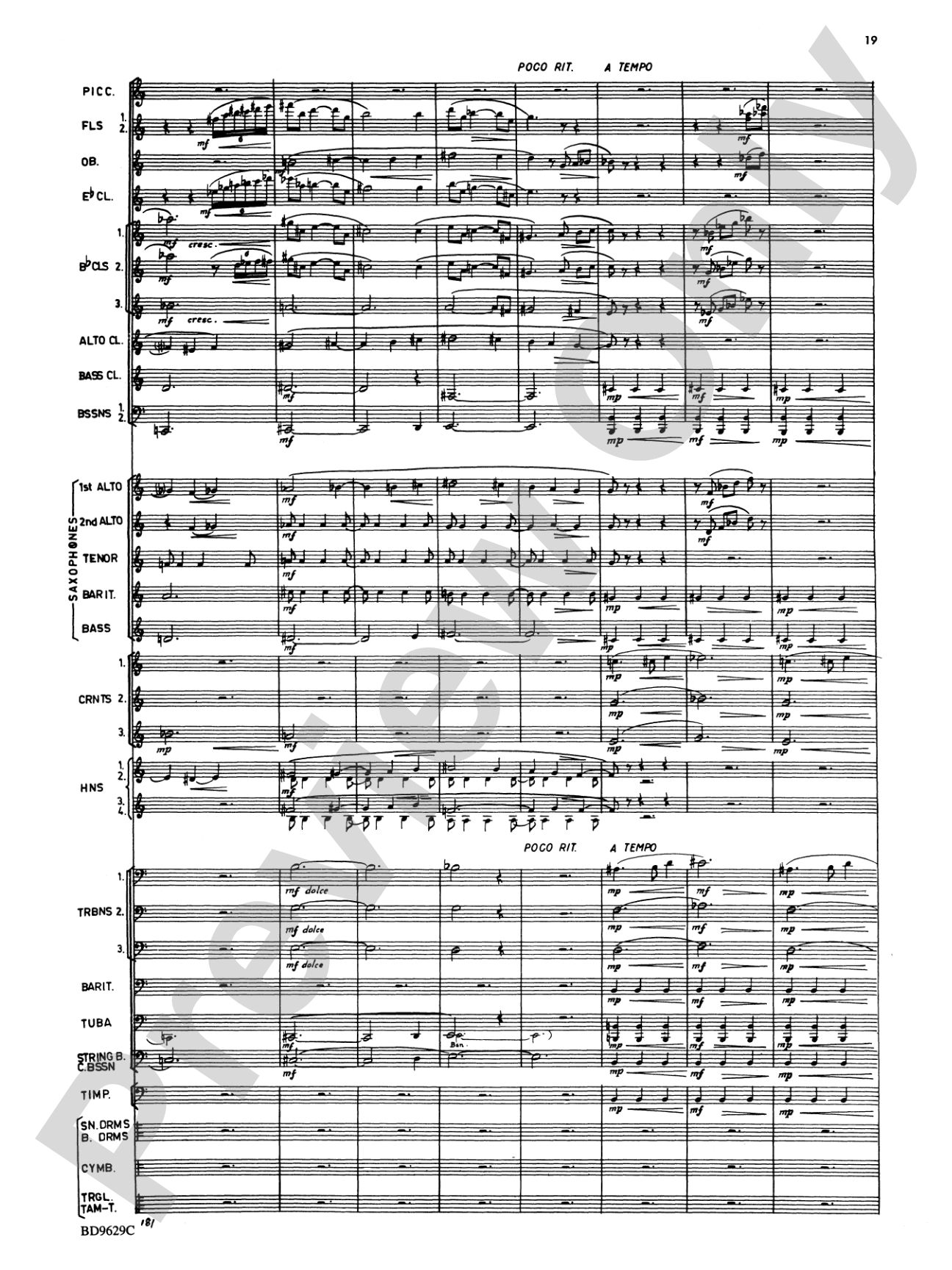
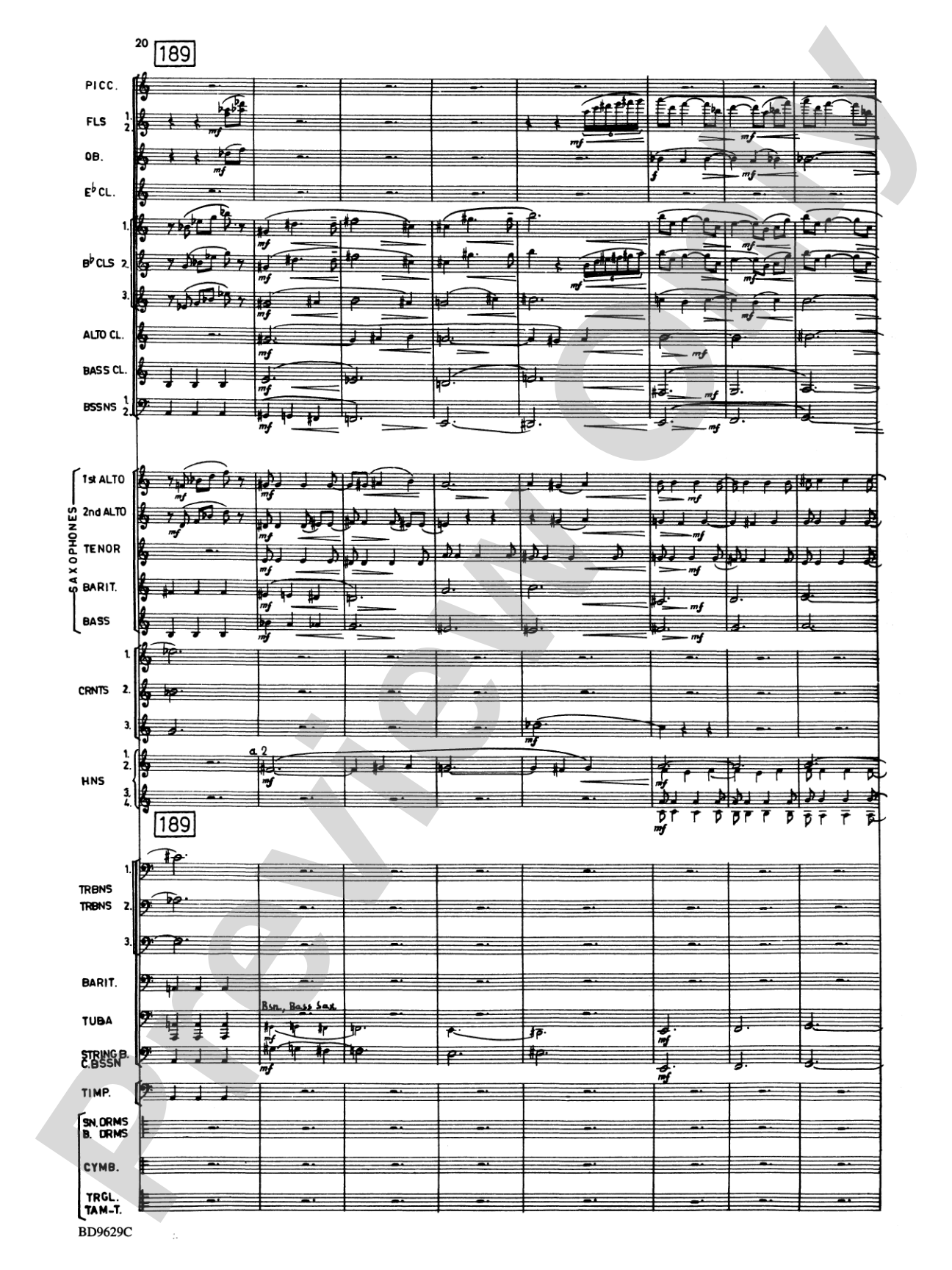
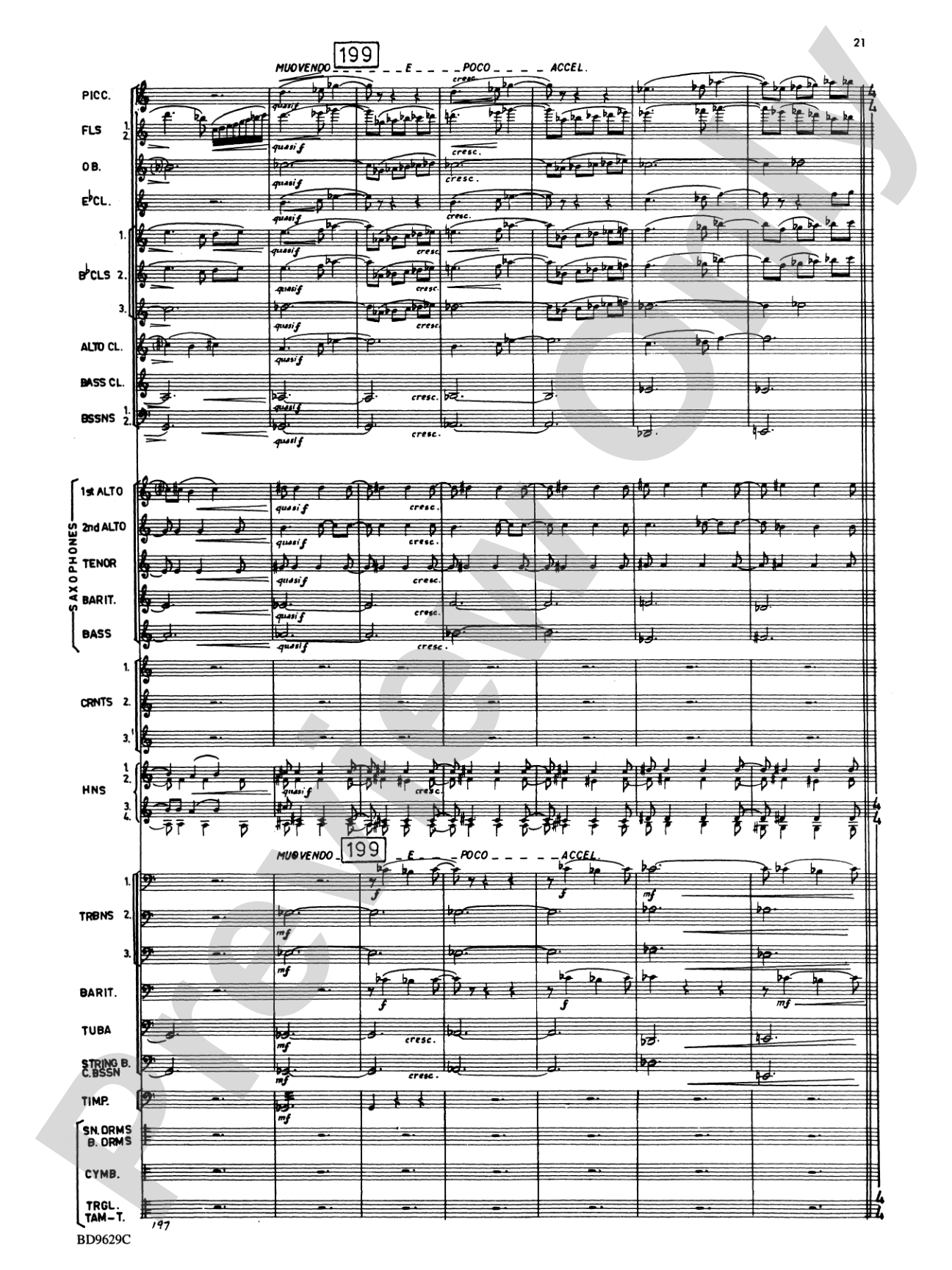
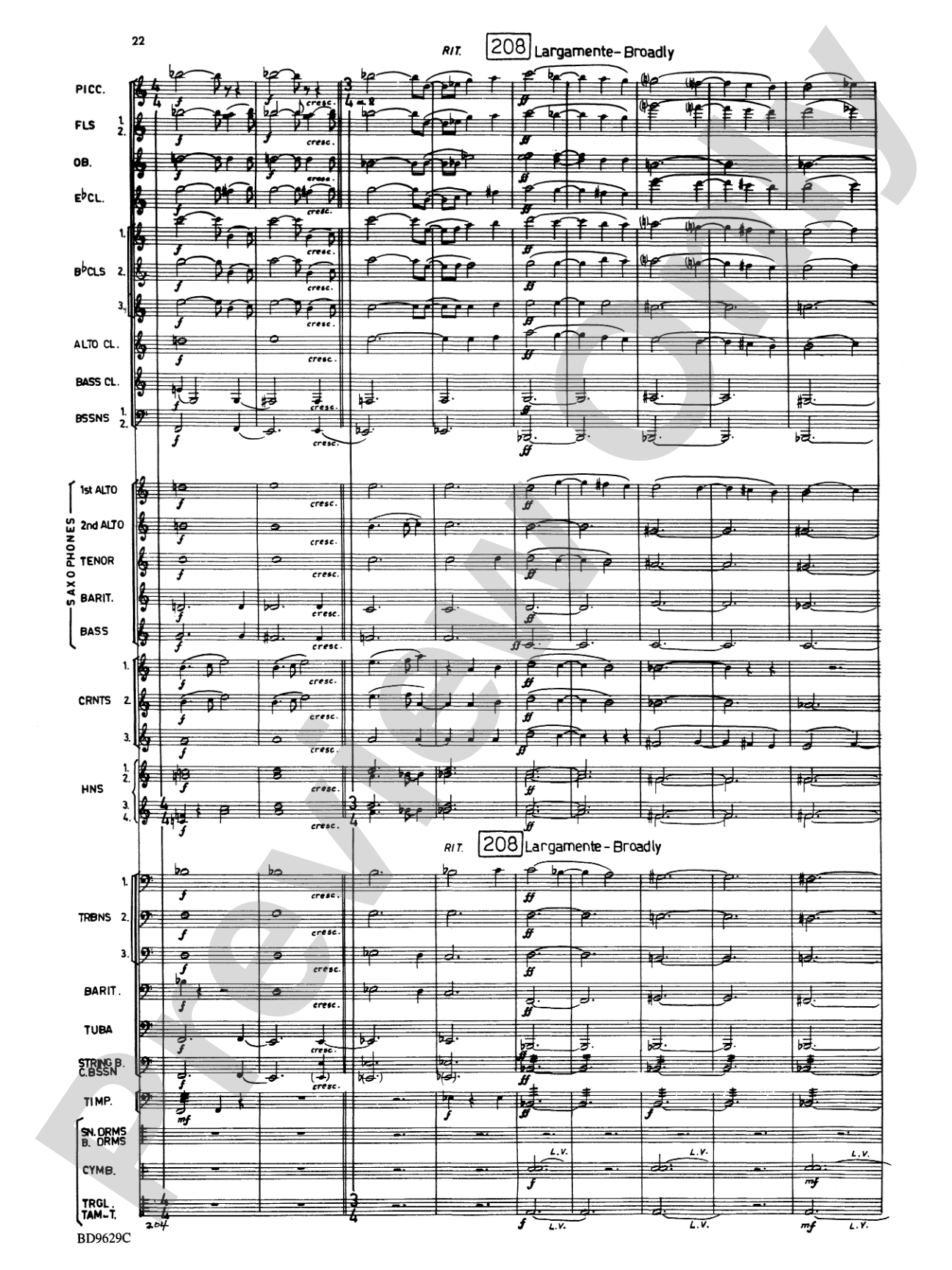
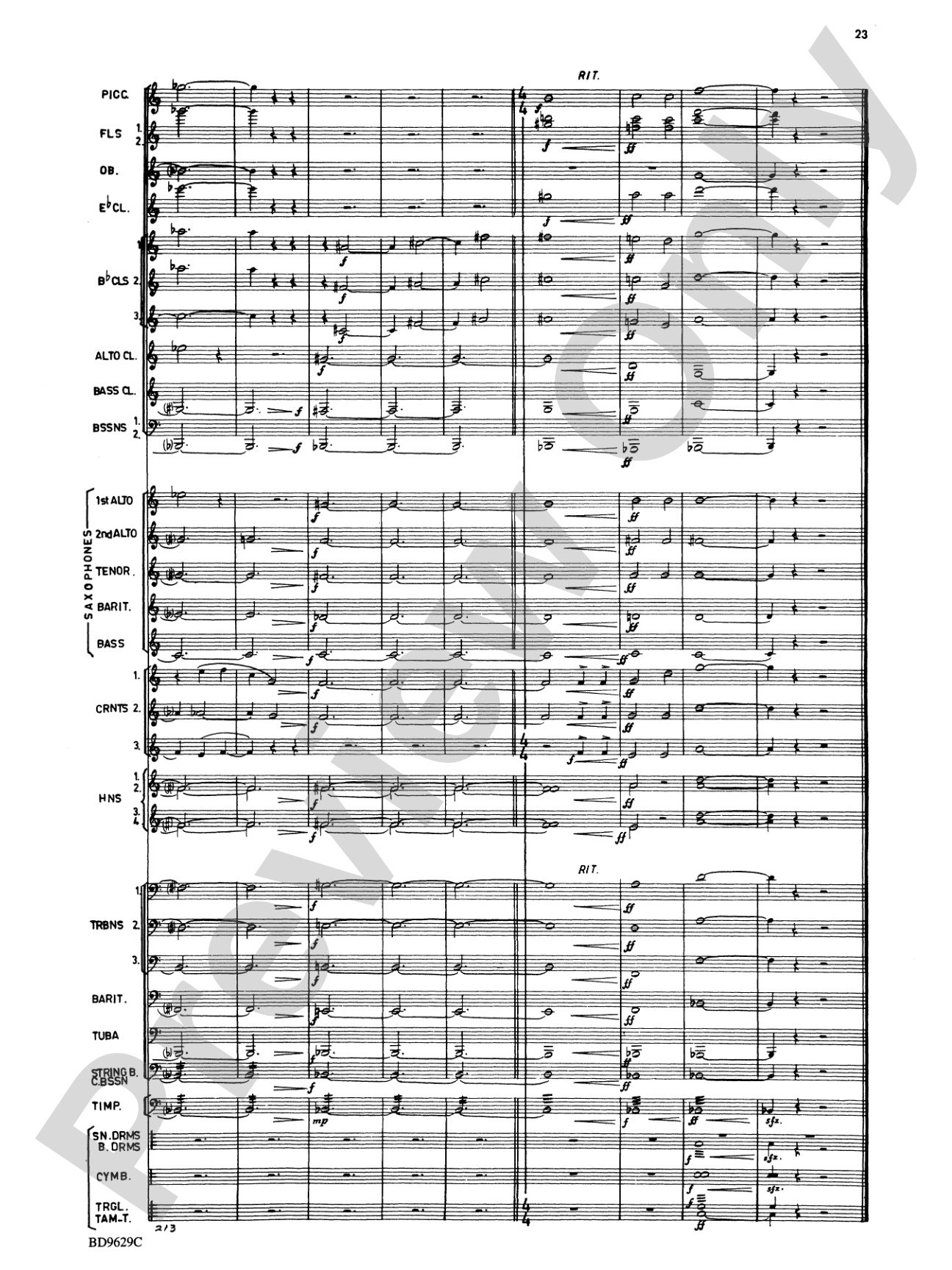




Fantasia for Band: Concert Band Conductor Score & Parts
By Vittorio Giannini
Grade: 5 (Medium Advanced)
Item: 00-PK-0004361

$95.00
Pickup currently not available
Buy Extra Parts (Digital PDF Download)
Parts Added to Cart!
Related Items
Fantasia for Band: Concert Band Conductor Score |
$15.00
|
View |
Description
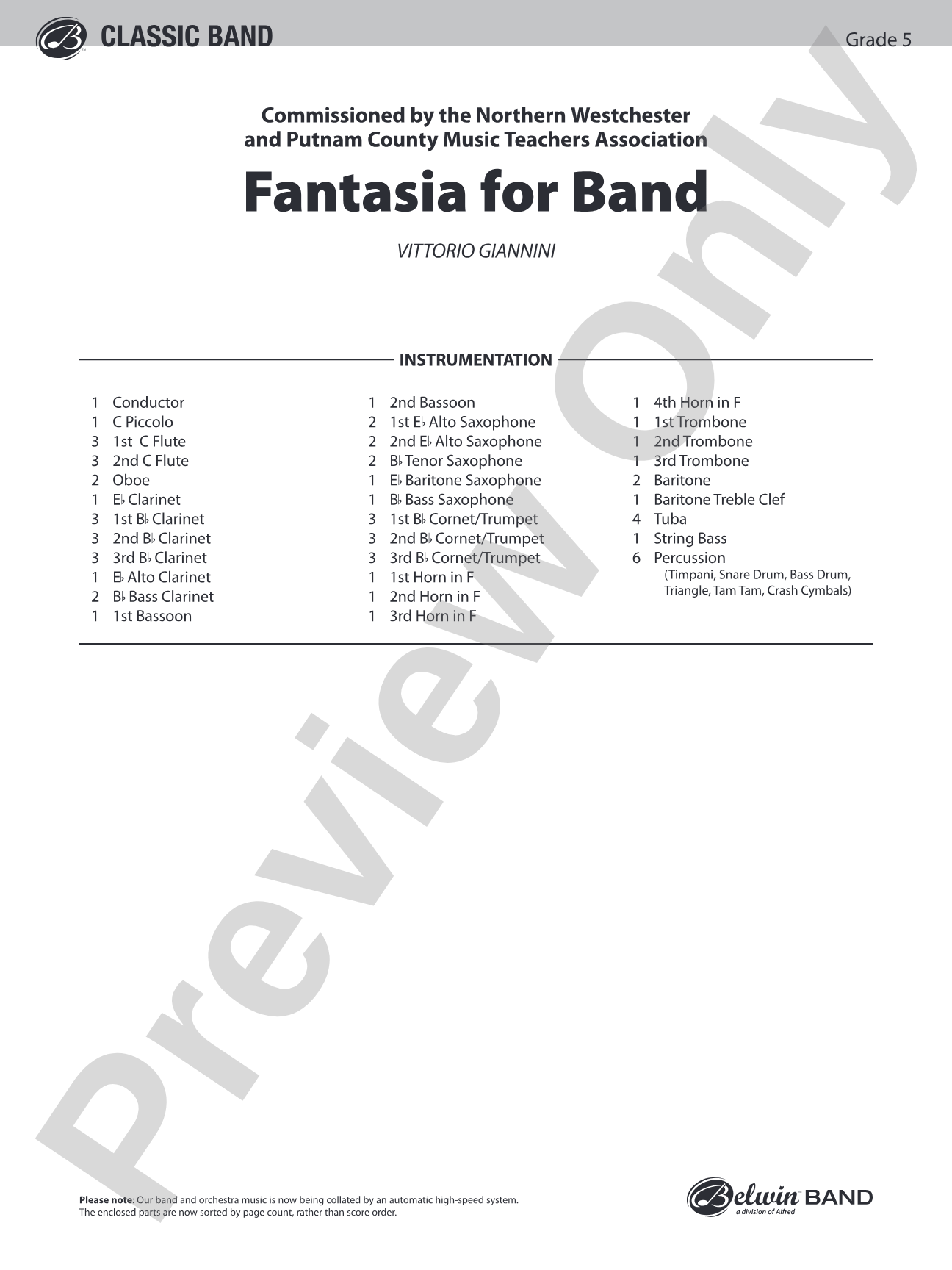
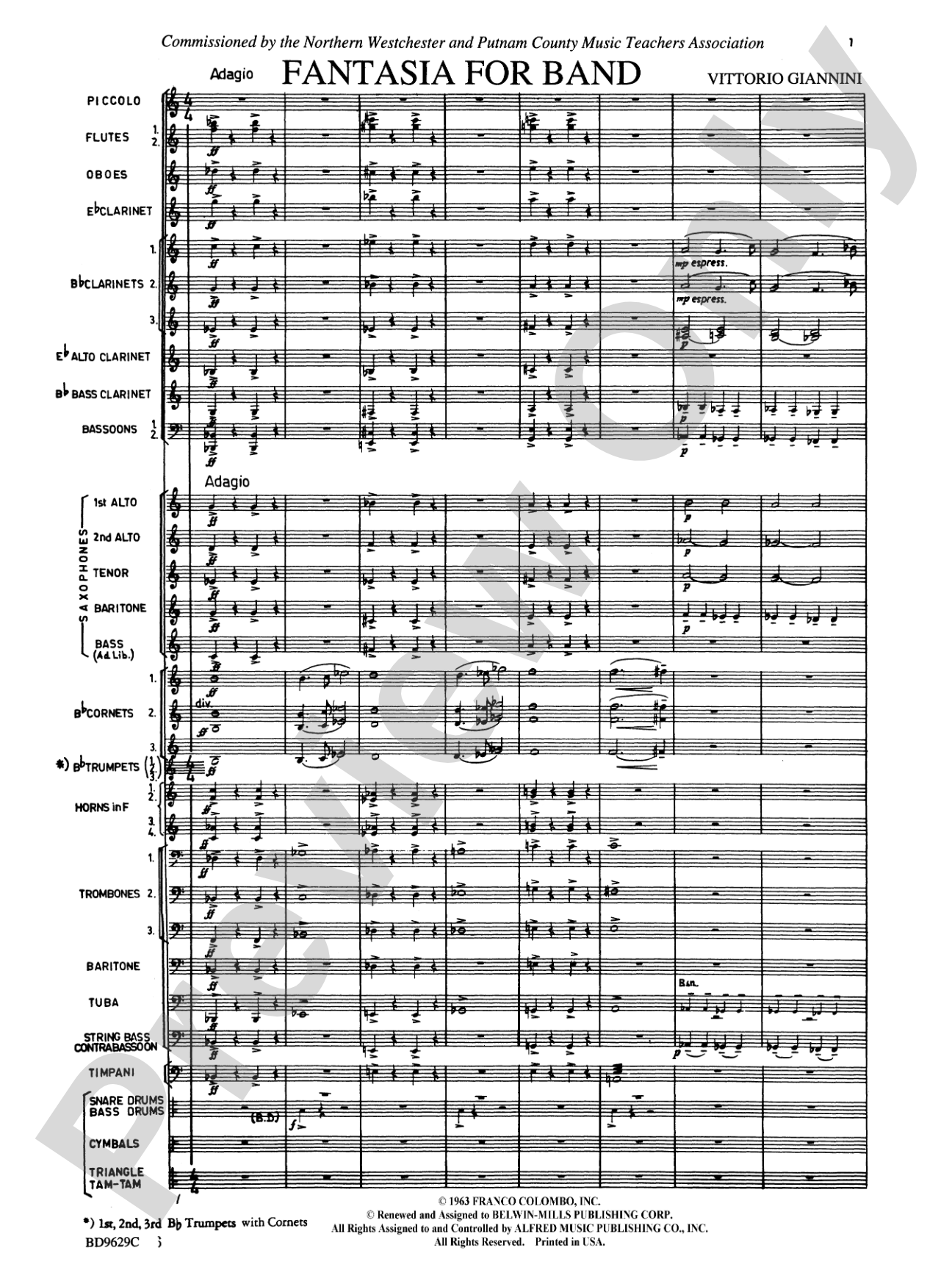
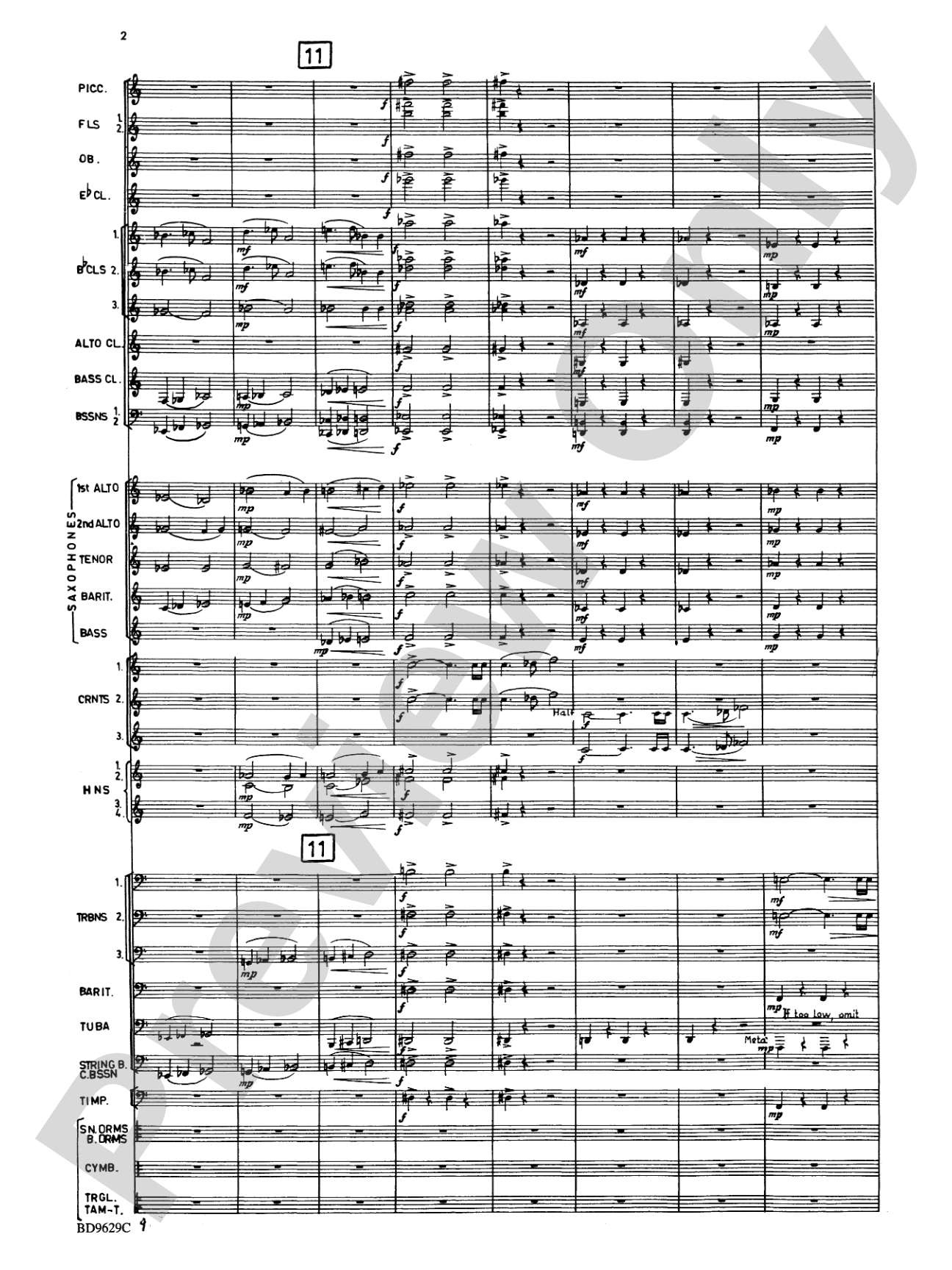
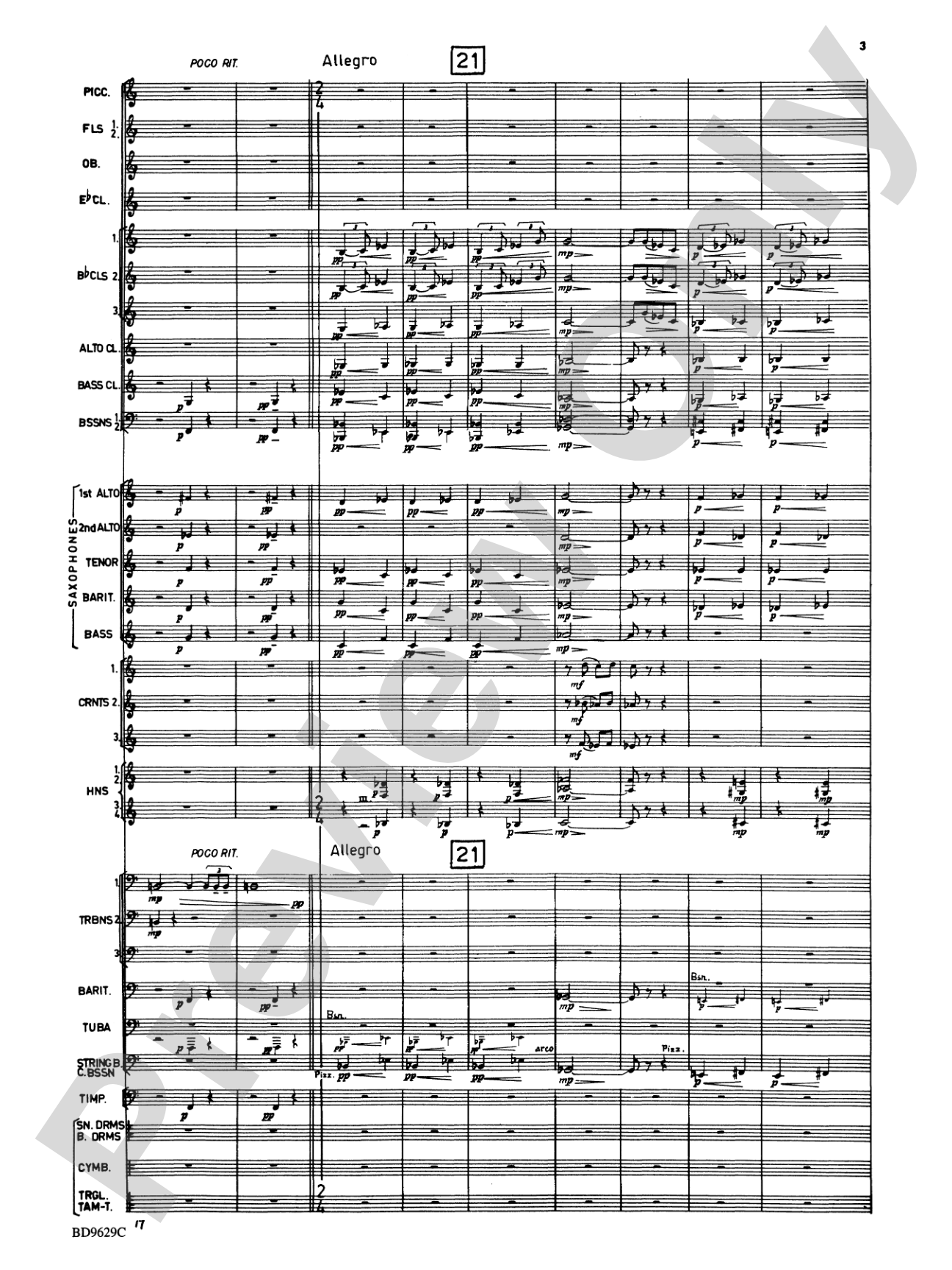
It was over forty years ago that this significant work for concert band was first published. Vittorio Gianinni had already distinguished himself by that time as a composer of opera, chamber music, works for symphony orchestra and, of course, concert band. His five major compositions in the band medium rank as true classics; loved by conductors, performers, and audiences alike. (6:02) This title is available in MakeMusic Cloud.


Don't just read it, hear it, play along with it, and watch your students grow with it. In MakeMusic Cloud, Fantasia for Band: Concert Band Conductor Score & Parts comes alive with professional accompaniment, adjustable tempo, and built-in practice tools that turn solo practice into real progress.
Open in the Player
Jump straight in and assign it today.
Start Your Free Trial
Open this title and explore the full library in minutes.
Sample Audio
1
Audio File
--:--
0:00
0:00
Sample Video
Additional Details
Series:
Belwin Classic Band
Publisher:
Alfred Music
Page Count:
248
SKU:
00-PK-0004361
More about this title
About the Composer: Vittorio Giannini
Vittorio Giannini (1903, 1966) was an American composer whose catalog spans opera, chamber music, orchestral works, and an impressive body of concert band literature. His five major band compositions established him as a serious voice in the medium during an era when many composers dismissed band writing as secondary work. Giannini brought the harmonic sophistication and structural rigor of his symphonic output to the concert band, earning respect from conductors who valued substance over showmanship.
Why we love this
This is one of the five definitive Giannini concert band works, and it shows why his name became synonymous with quality repertoire at the upper levels. The piece balances technical demands with genuine musical substance, giving your ensemble something that sounds impressive and feels rewarding to perform. Decades after its premiere, it still commands attention at contests and festivals because the writing is simply elegant.
What to expect
Fantasia suggests the improvisatory freedom of its title while maintaining structural clarity. The work unfolds with lyric expansiveness, building dramatic moments alongside intimate passages that let individual sections shine. You'll find moments of lush harmony alongside driving rhythmic episodes that keep the piece compelling and alive.
Who it's for
This is repertoire for Grade 5 bands with solid fundamentals and the stamina for a substantial concert work. Your ensemble should be comfortable with independent part-writing, dynamic control, and the musical maturity to sustain longer melodic lines. This piece rewards groups ready to move beyond simpler concert fare into music that demands ensemble precision and artistry.
How to get the most out of it
- Balance the lyrical passages by bringing out principal melody lines while keeping accompaniment figures transparent; Giannini's orchestration rewards careful voice leading.
- Set a steady tempo framework early in rehearsal and track how transitions between sections maintain forward momentum without rushing.
- Attend to intonation in the sustained chords, particularly in the harmonic shifts that anchor the work's structural points.
- Use sectional rehearsals to solidify rhythmic accuracy in the busier passages before bringing the full ensemble together for phrase shaping.
How to use it
Fantasia fits naturally into a concert or festival program where you want to showcase ensemble capability without overwhelming your audience with avant-garde idiom. Its duration (just over six minutes) makes it substantial enough for a strong centerpiece selection without consuming too much concert real estate. Consider programming it alongside lighter works to demonstrate your band's range.
Skills your students will build
- Sustaining long melodic lines with consistent phrasing and support
- Playing sustained harmonies with attention to intonation and blend
- Balancing principal melodies against accompanying voices
- Executing dynamic contrast and expressive control over extended passages
- Responding to conductor interpretation and shape in a work with multiple sections