
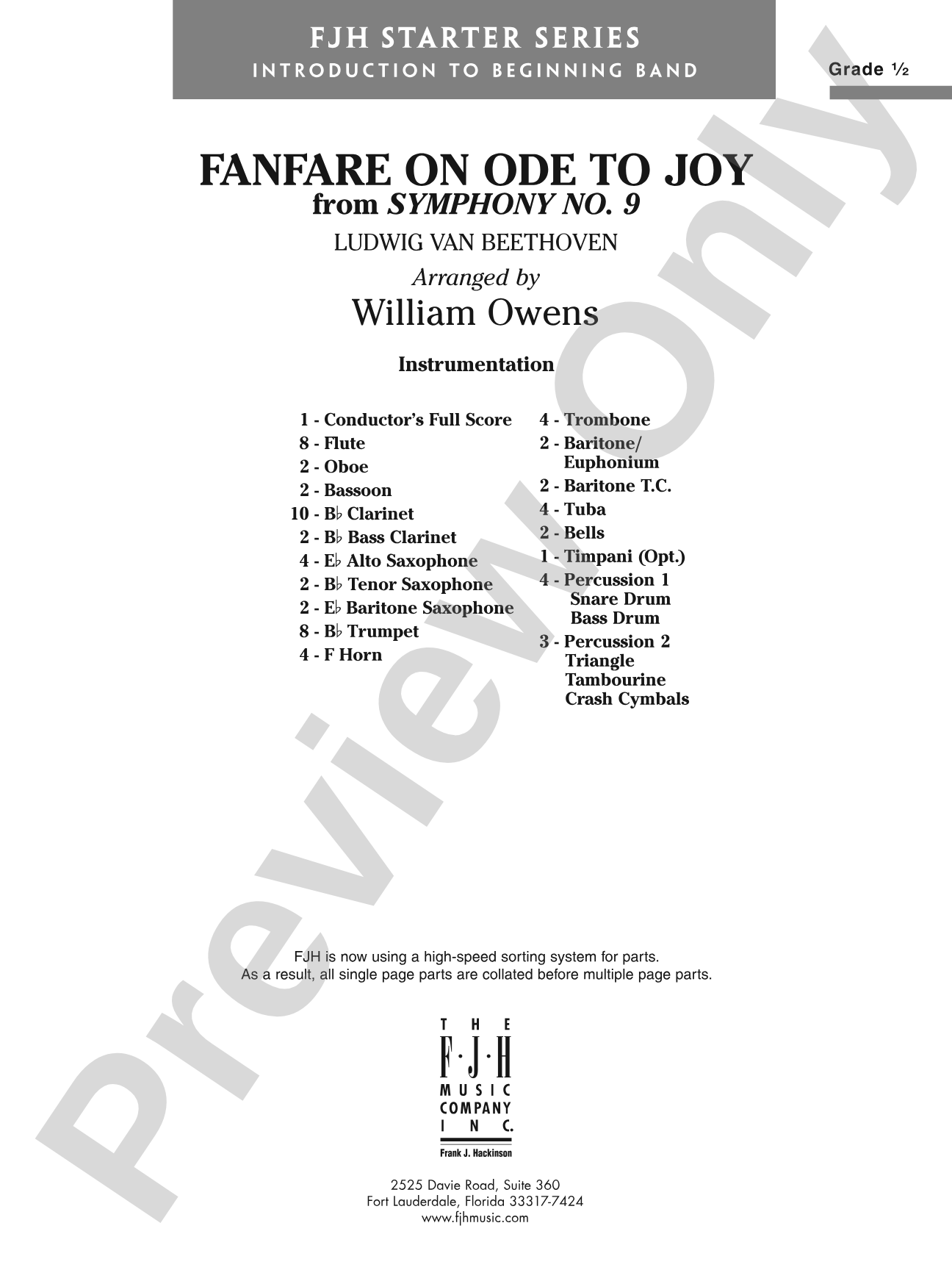
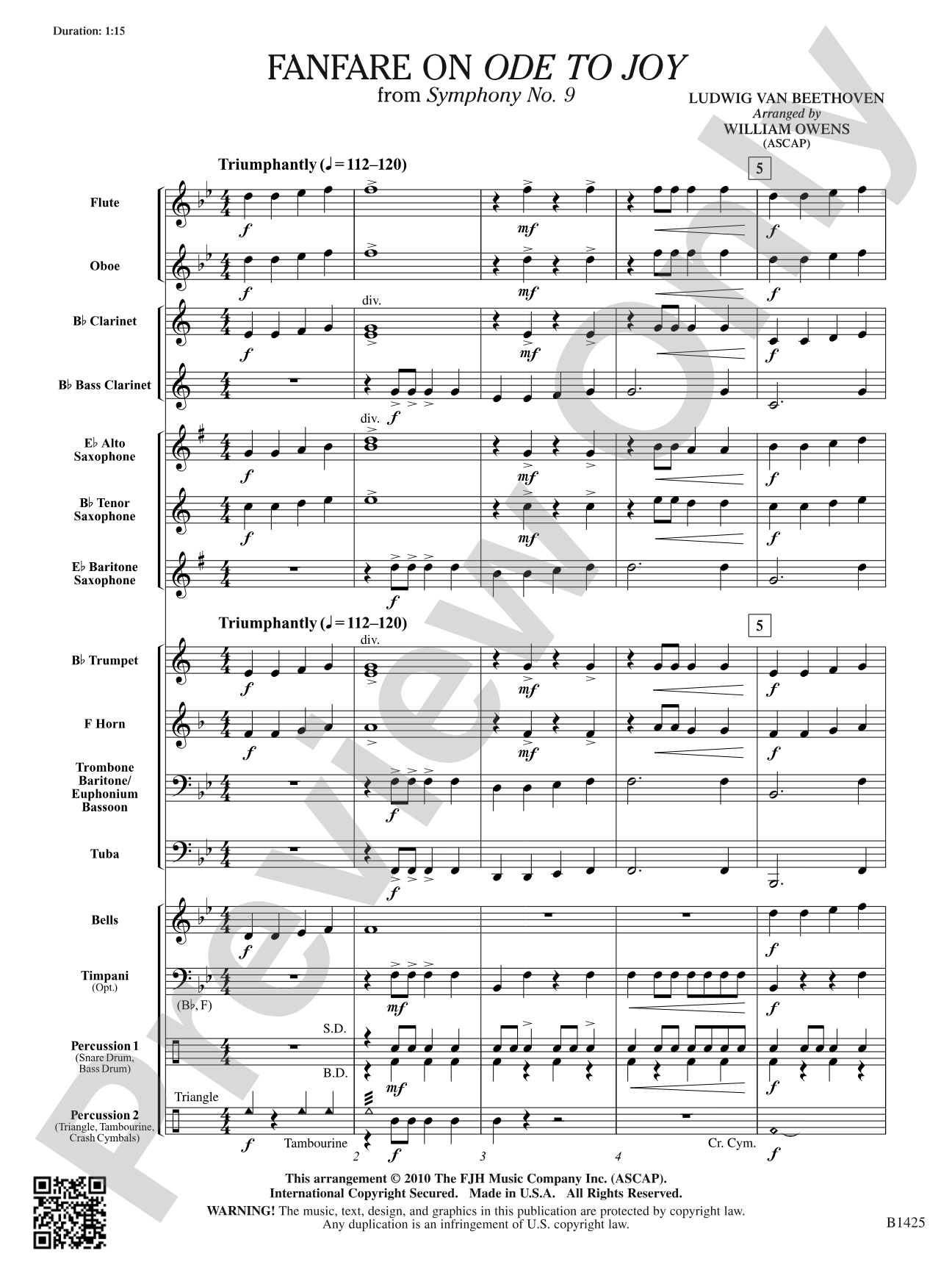
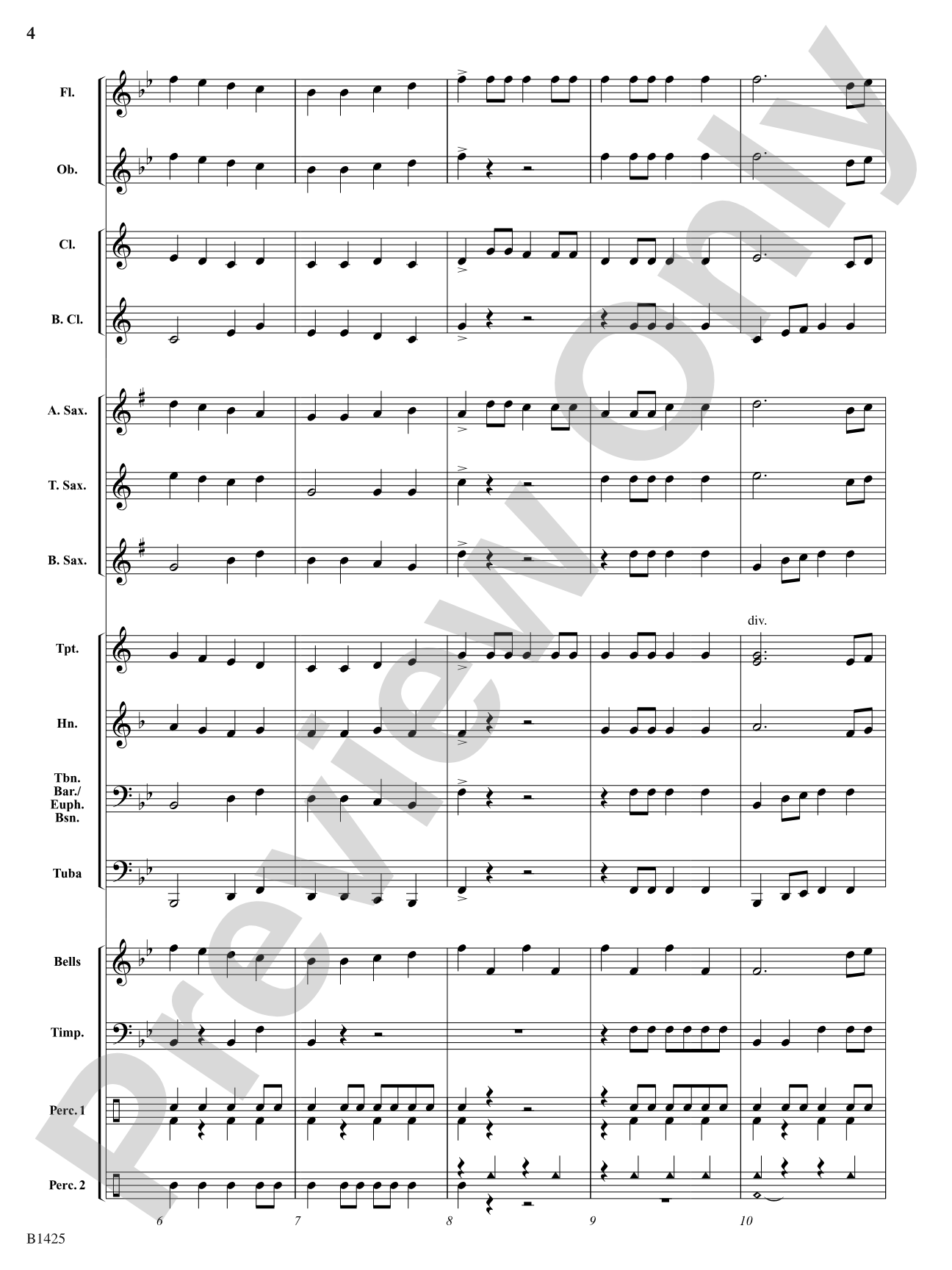
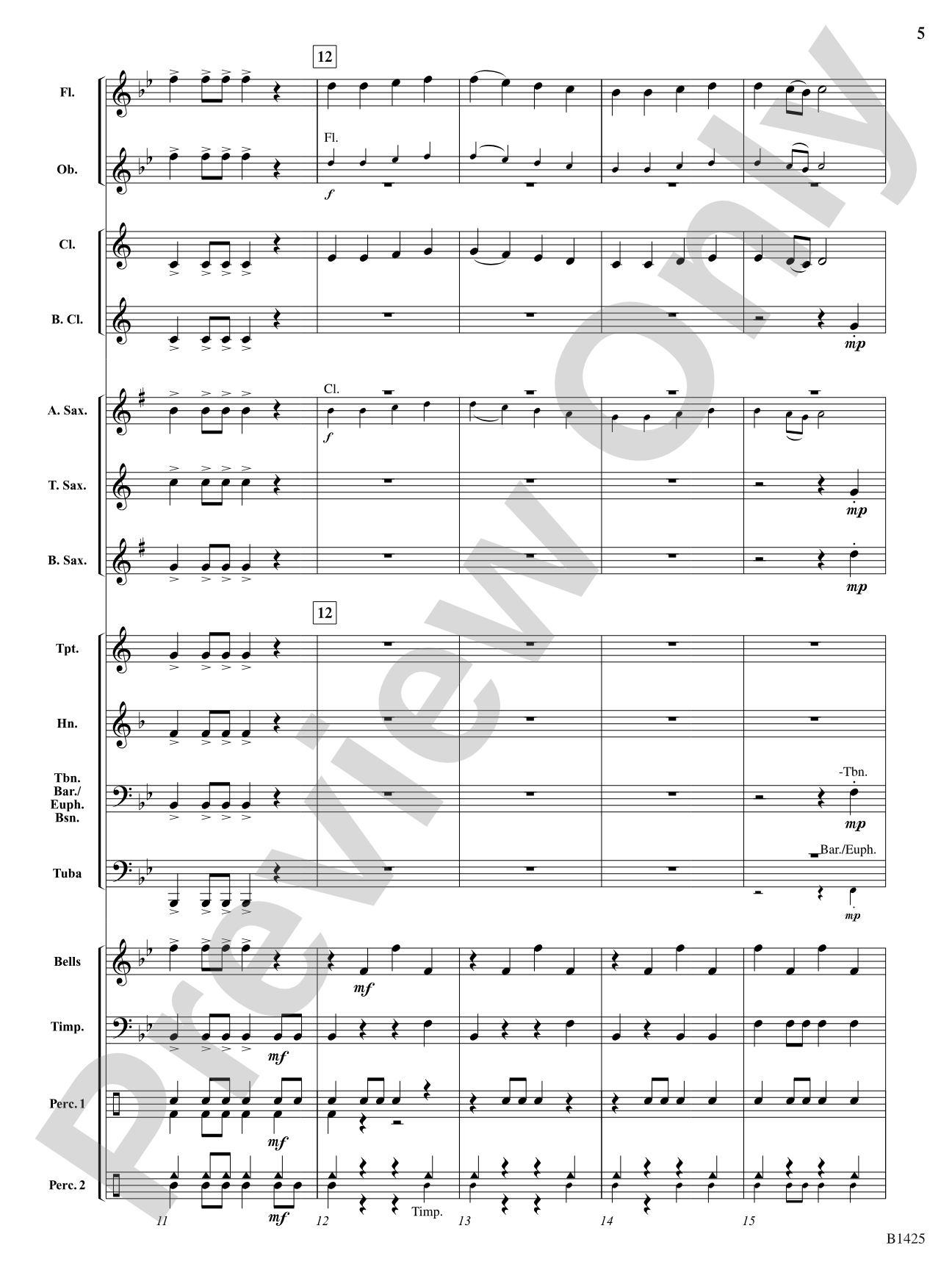
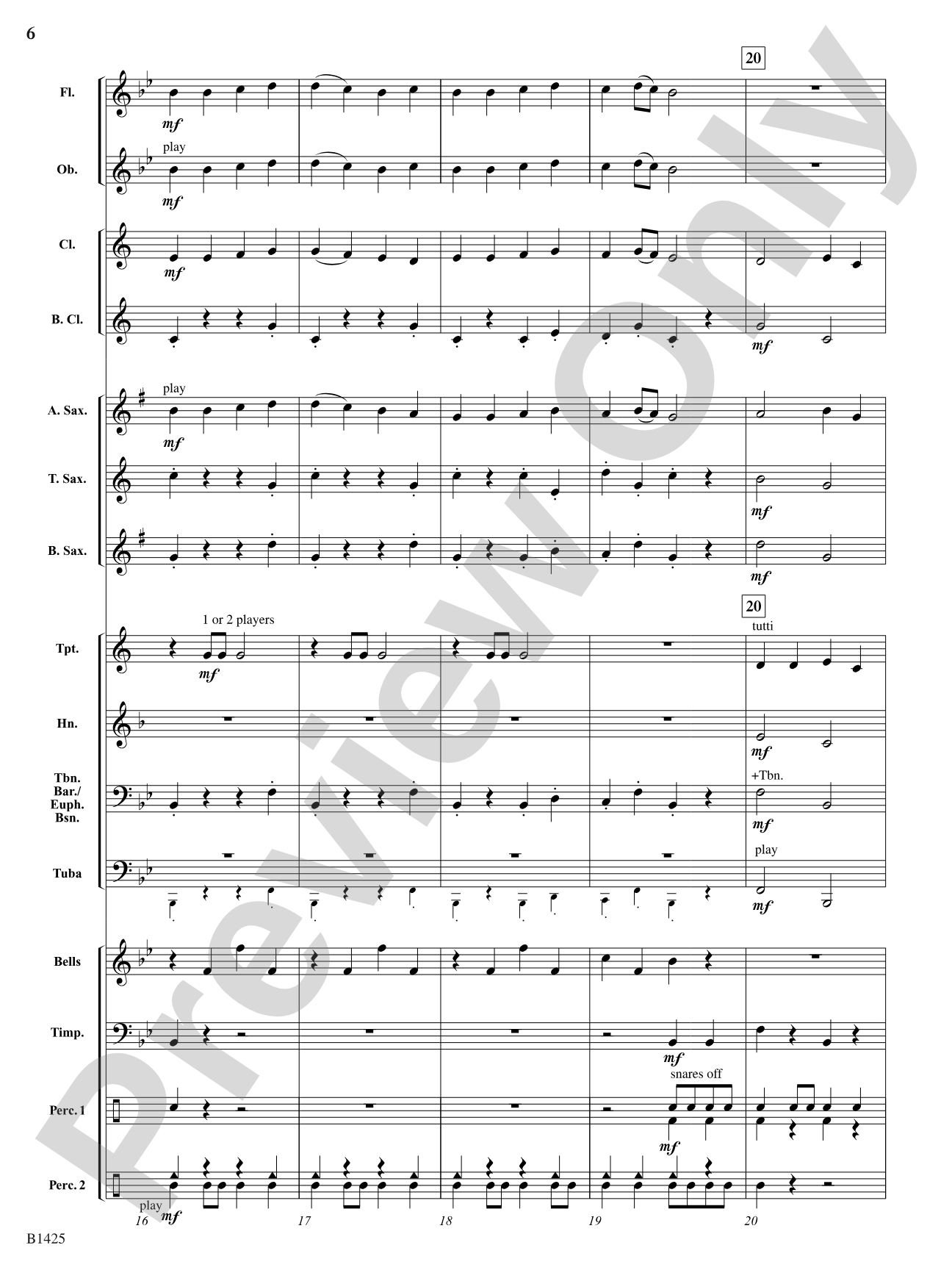
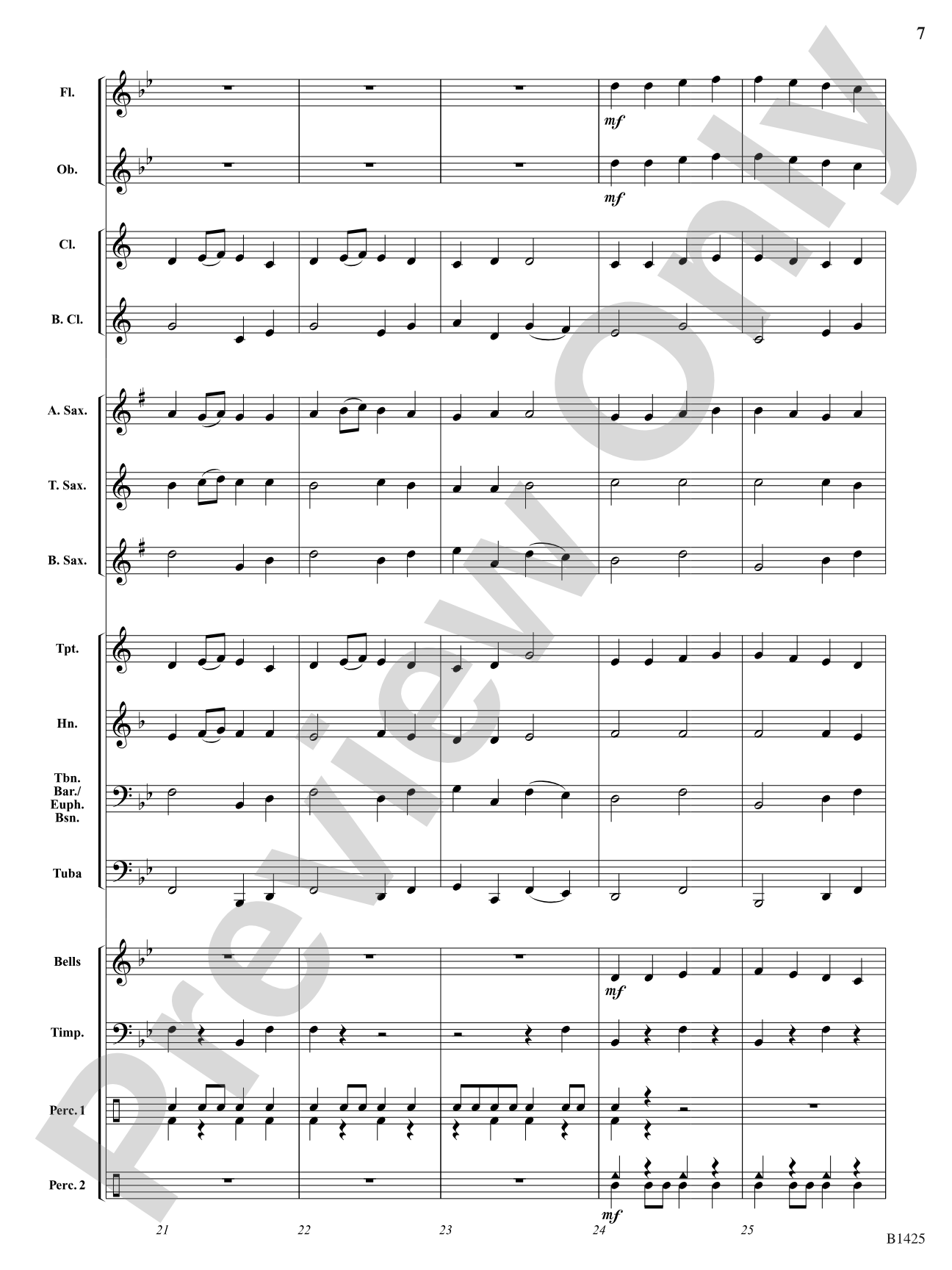
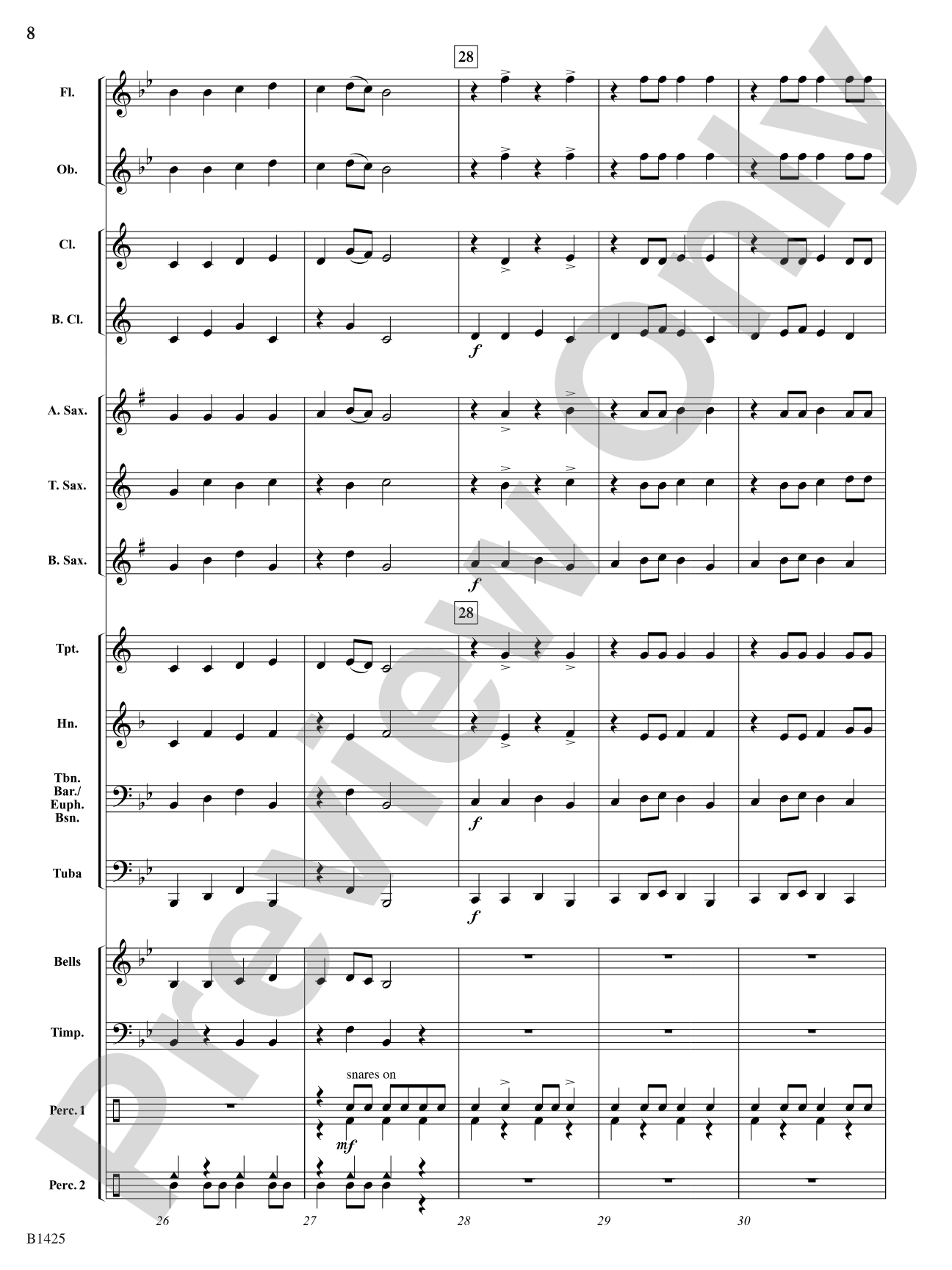
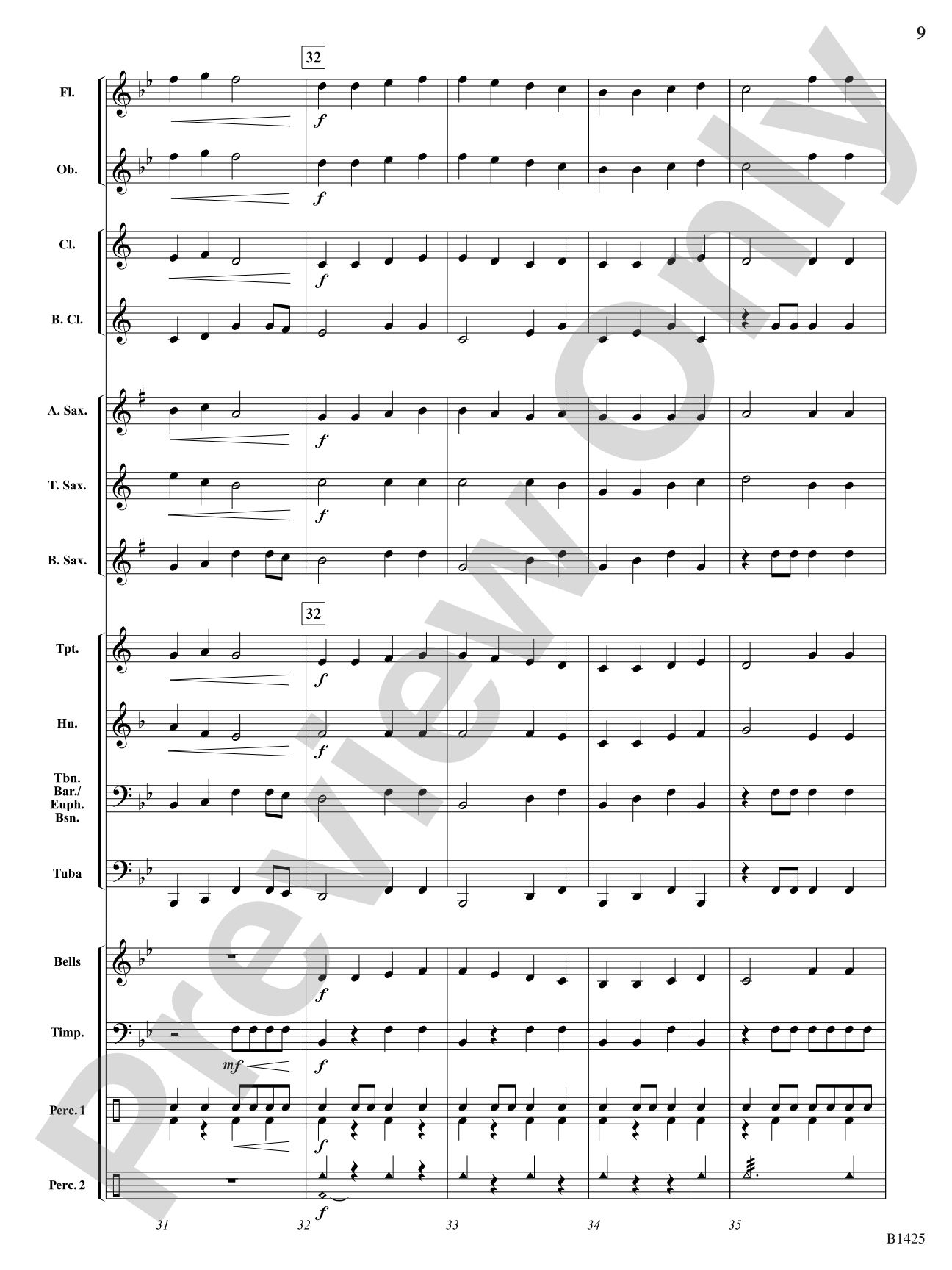
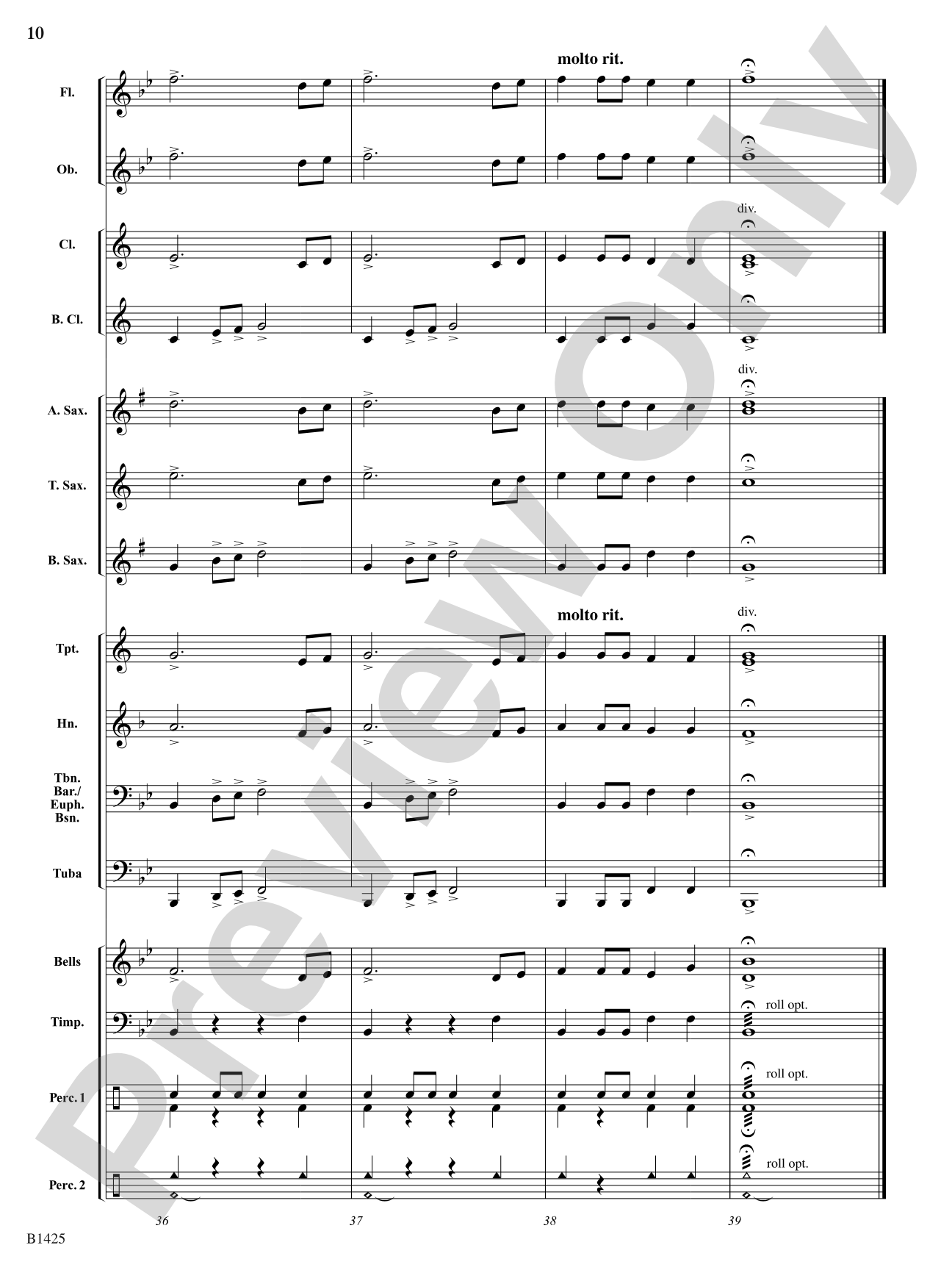
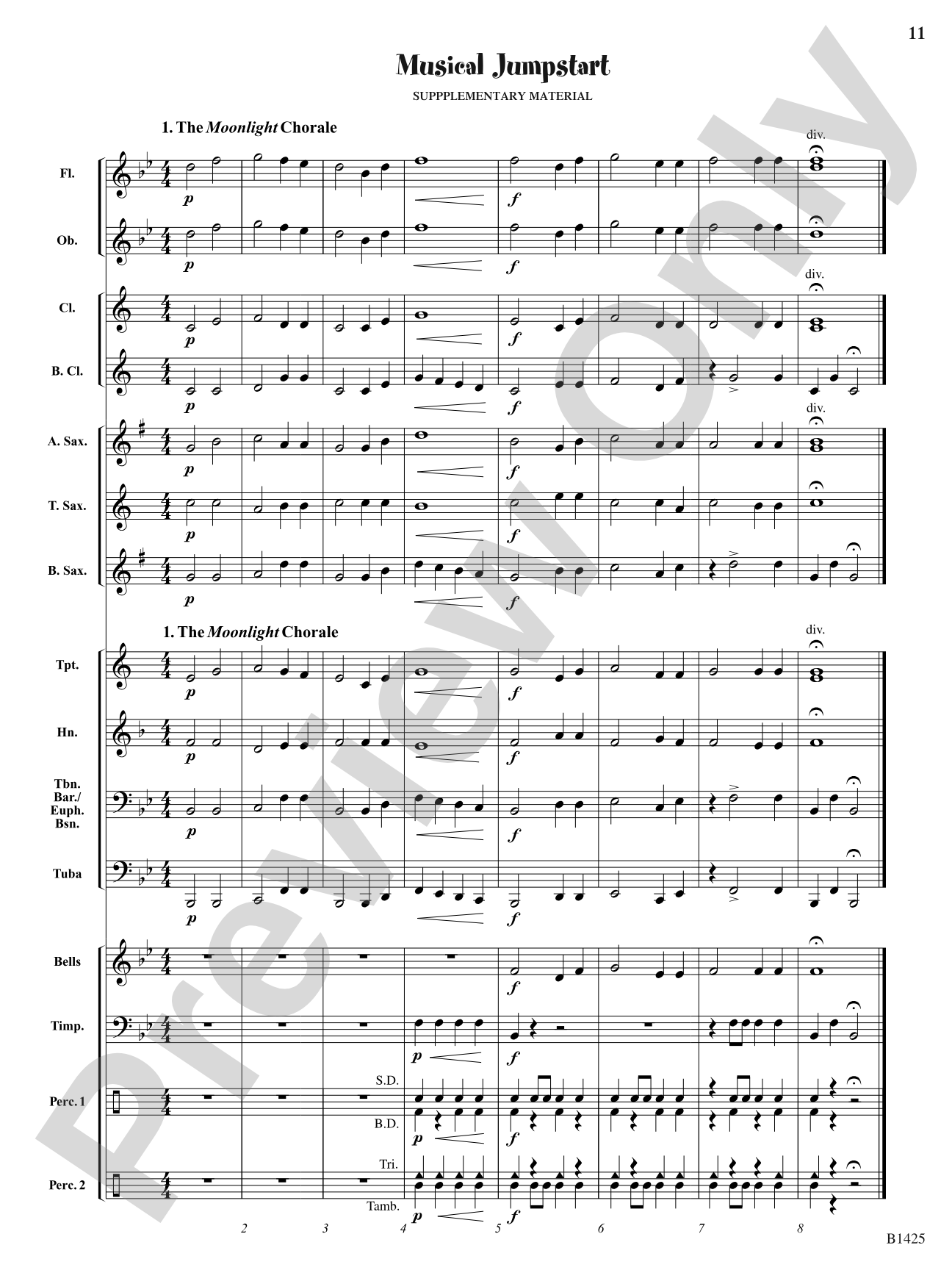
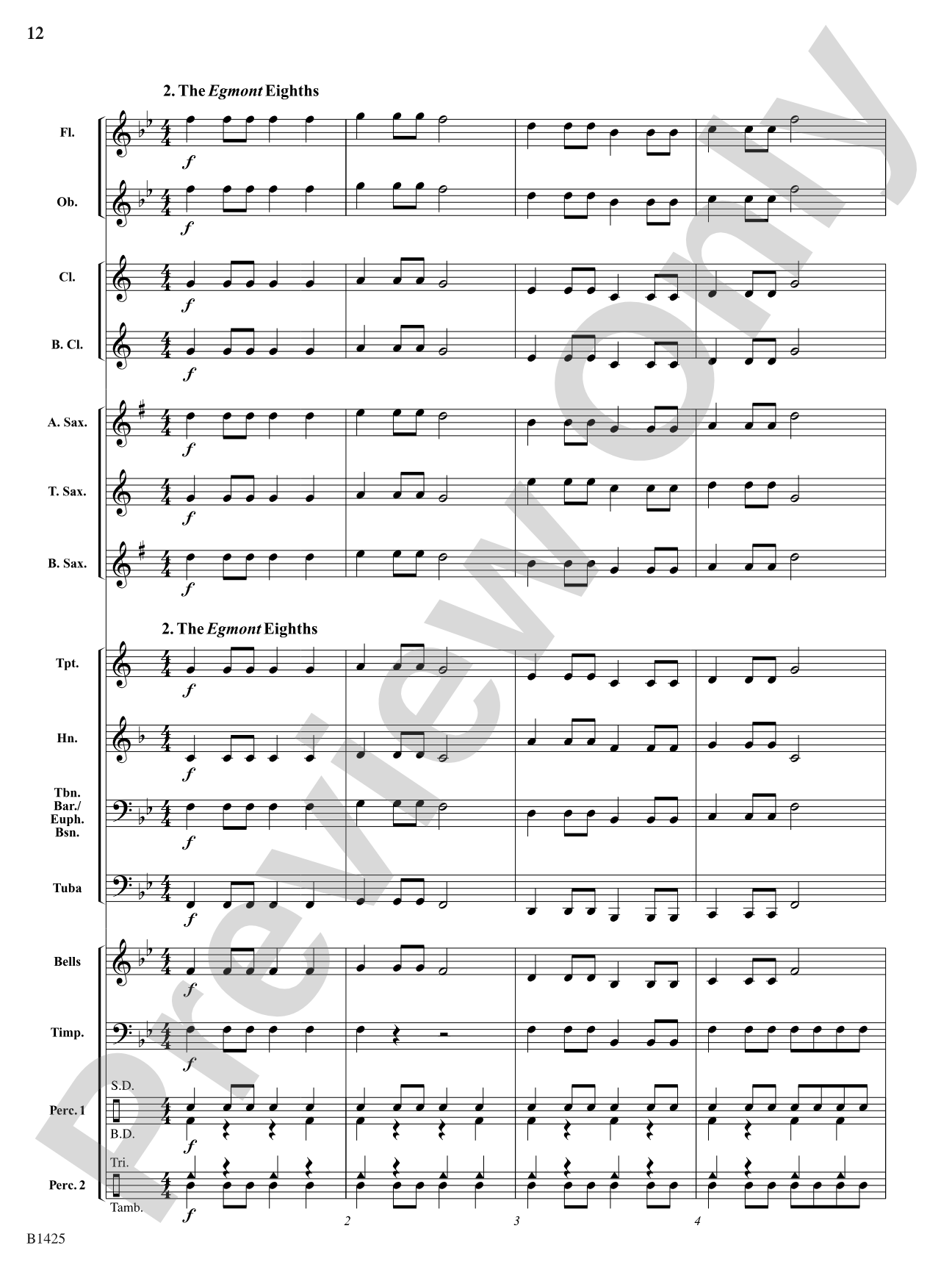
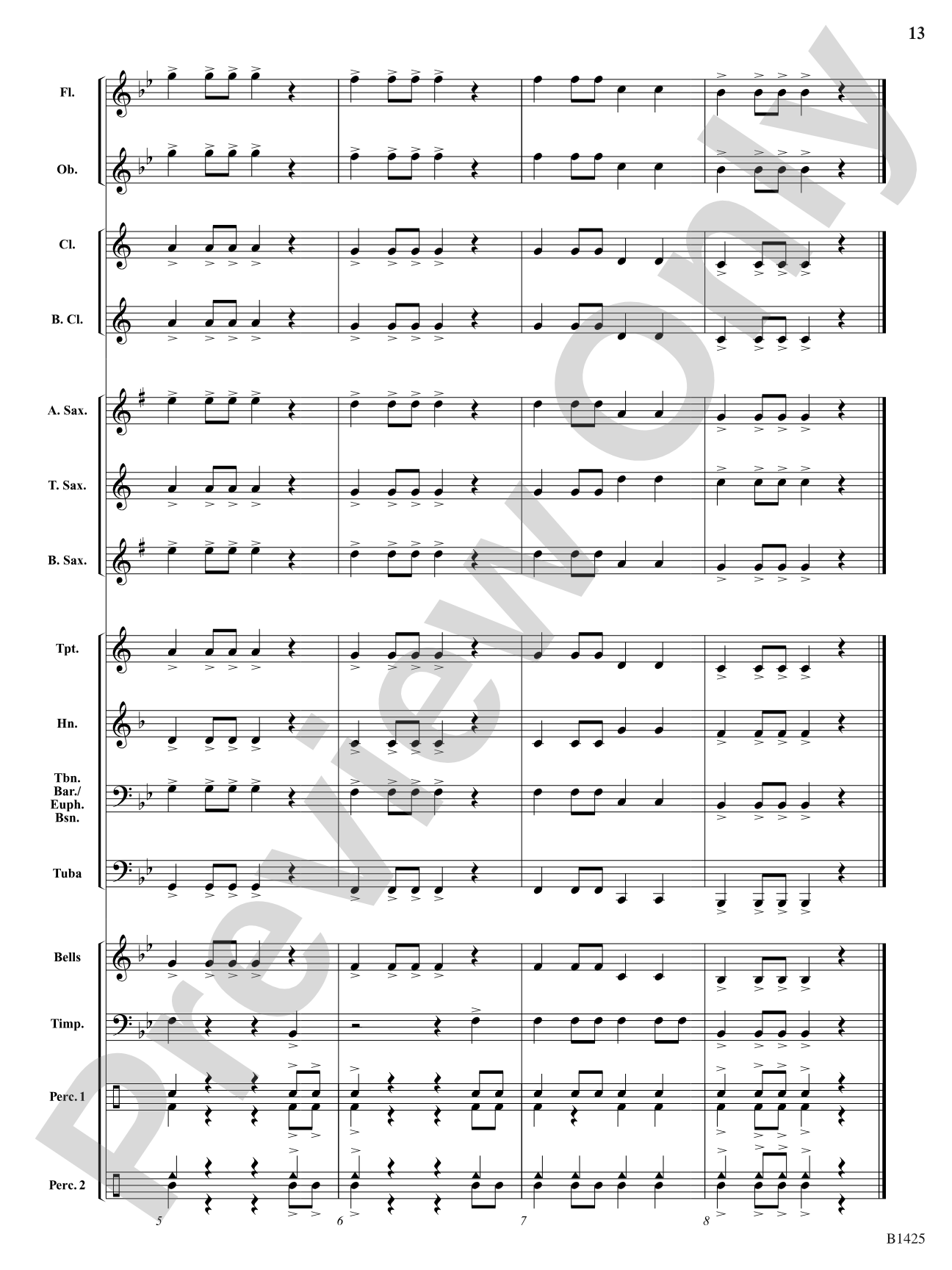
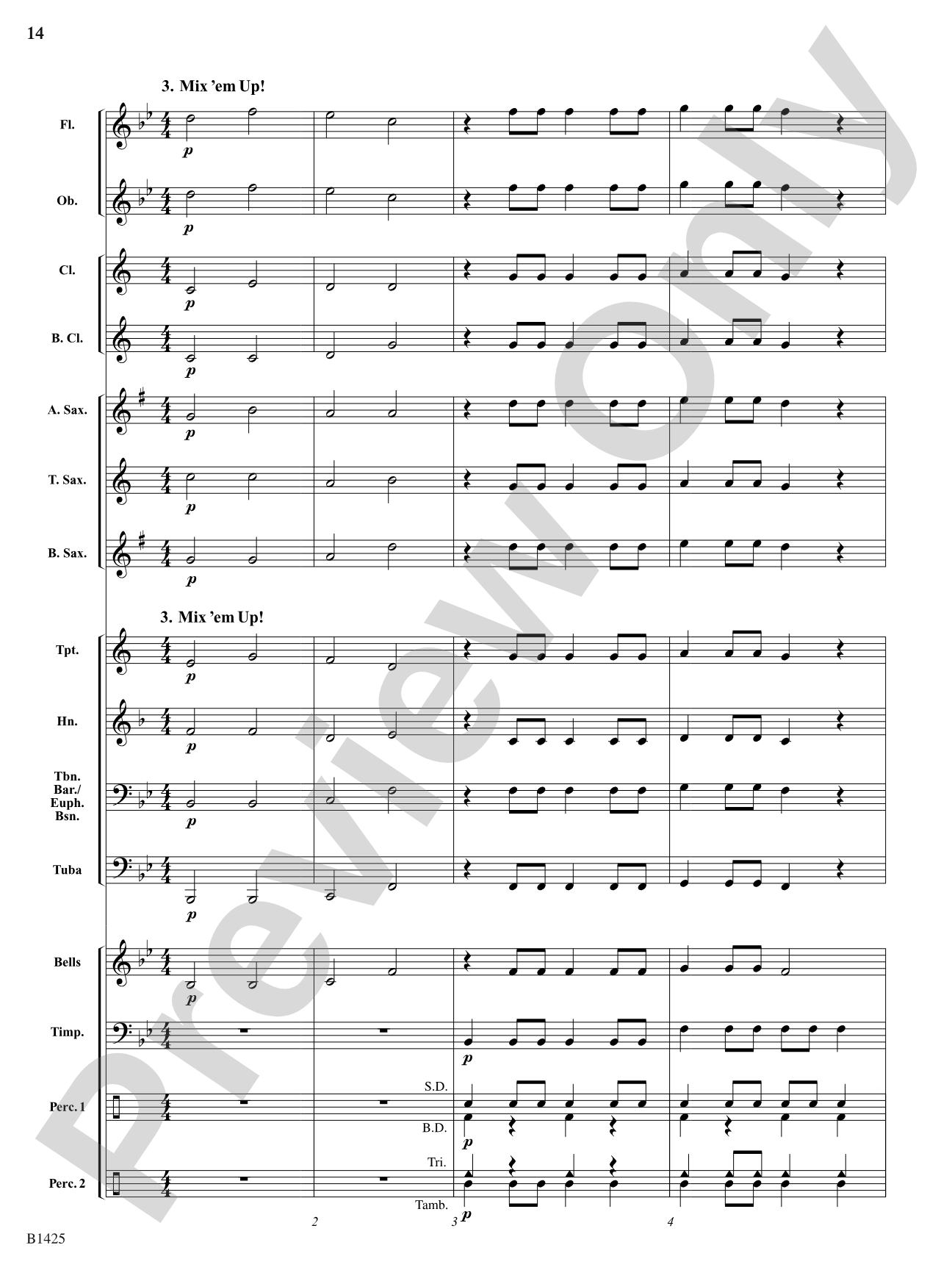
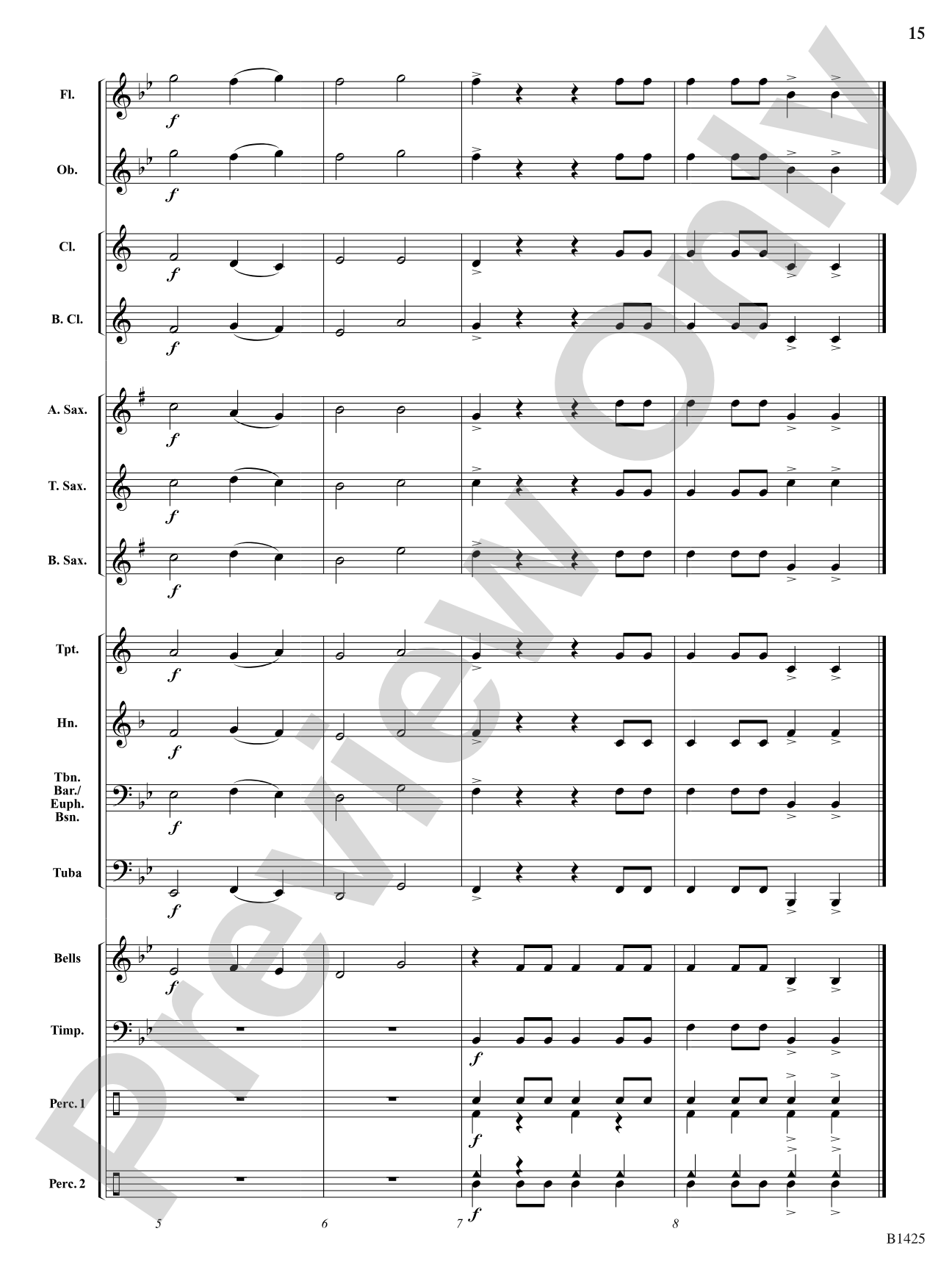

Fanfare on "Ode to Joy" from Symphony No. 9: Concert Band Conductor Score & Parts
By Ludwig van Beethoven / arr. William Owens
Level:.5
Item: 98-DB1425

$60.00
Pickup currently not available
Buy Extra Parts (Digital PDF Download)
Parts Added to Cart!
Description
This masterful arrangement places the power and excitement of Beethoven’s signature work at the fingertips of beginning players in dramatic fanfare fashion! Your students will be enchanted and empowered by one of the most recognized melodies in the world and Owens’ special treatment. Simply stunning!


Don't just read it, hear it, play along with it, and watch your students grow with it. In MakeMusic Cloud, Fanfare on "Ode to Joy" from Symphony No. 9: Concert Band Conductor Score & Parts comes alive with professional accompaniment, adjustable tempo, and built-in practice tools that turn solo practice into real progress.
Open in the Player
Jump straight in and assign it today.
Start Your Free Trial
Open this title and explore the full library in minutes.
Sample Audio
1
Audio File
--:--
0:00
0:00
Sample Video
No sample videos found.
Additional Details
Series:
FJH Starter Series
Publisher:
The FJH Music Company, Inc.
SKU:
98-DB1425
More about this title
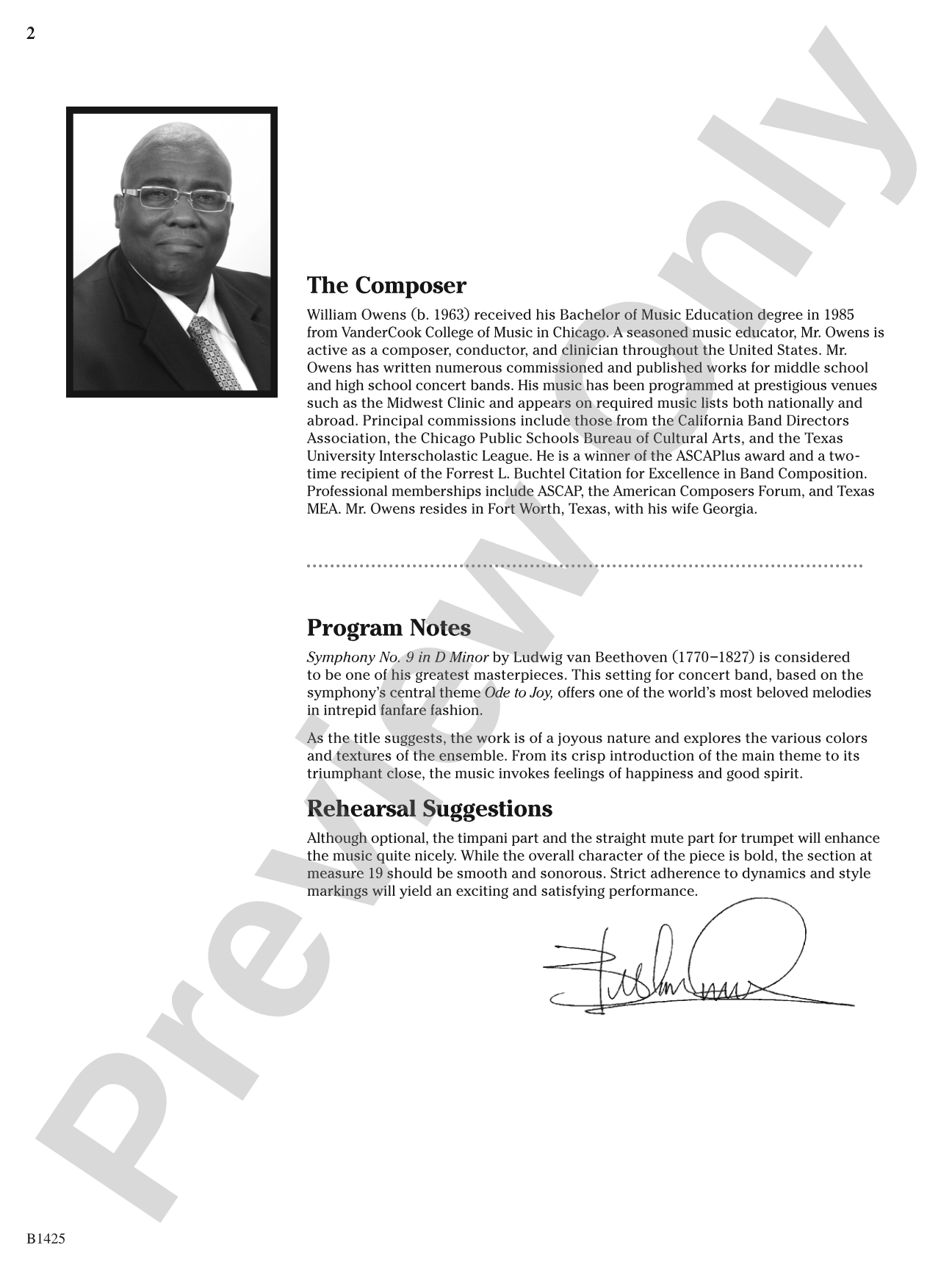
About the Composer: Ludwig van Beethoven
Ludwig van Beethoven (1770-1827) stands as a bridge between Classical and Romantic compositional traditions, fundamentally reshaping what orchestral music could express. His Ninth Symphony, completed in 1824 when he was profoundly deaf, remains one of the most performed and culturally significant works in Western music. The "Ode to Joy" melody has become a global anthem for human connection and triumph, adopted by organizations from the United Nations to sports events worldwide.
For music educators, Beethoven's legacy centers on his fearless approach to form, harmony, and the human voice. He demonstrated that accessible melodies could carry profound emotional weight and that orchestration could serve dramatic clarity rather than mere decoration. These principles make his works enduringly powerful teaching tools.
Why we love this
William Owens has distilled the universal appeal of this melody into an arrangement that actually works for beginning bands, resisting the urge to oversimplify while keeping the dramatic momentum intact. The fanfare framework gives every section a moment to shine, and your students will feel genuinely accomplished playing one of history's most beloved melodies from day one.
What to expect
Majestic and celebratory, like stepping into a moment larger than yourself. The opening fanfare commands respect and attention, and when the famous melody enters, it carries the weight of countless cultural moments while feeling fresh and newly discovered by your players.
Who it's for
Beginning concert bands (grades 4-6) and middle school ensembles seeking a repertoire piece that sounds impressive without requiring advanced technical facility. Any director wanting to build student confidence through a recognized, meaningful melody will find this arrangement both practical and rewarding.
How to get the most out of it
- Balance the melodic sections so the "Ode to Joy" theme cuts through clearly without overwhelming the harmony parts. Beginning players often play too soft in accompaniment roles, which muddies the texture.
- Shape the opening fanfare with deliberate articulation and control of dynamics. This sets the tone for the entire piece and commands the audience's attention immediately.
- Use the recorded accompaniment to establish steady tempo and let your students hear how their parts fit into the fuller sound. This builds confidence for live performance.
How to use it
This arrangement works beautifully as an opening or closing piece for a concert, signaling to the audience that they're about to hear something special. It also serves as an excellent program-closer if your band needs a piece that leaves the hall with a sense of triumph and unity.
Skills your students will build
- Sustaining steady tempo while balancing melody and accompaniment
- Playing with clear articulation in fanfare-style passages
- Reading and executing basic dynamic contrasts (forte and piano sections)
- Ensemble blend and balance across woodwinds, brass, and percussion