
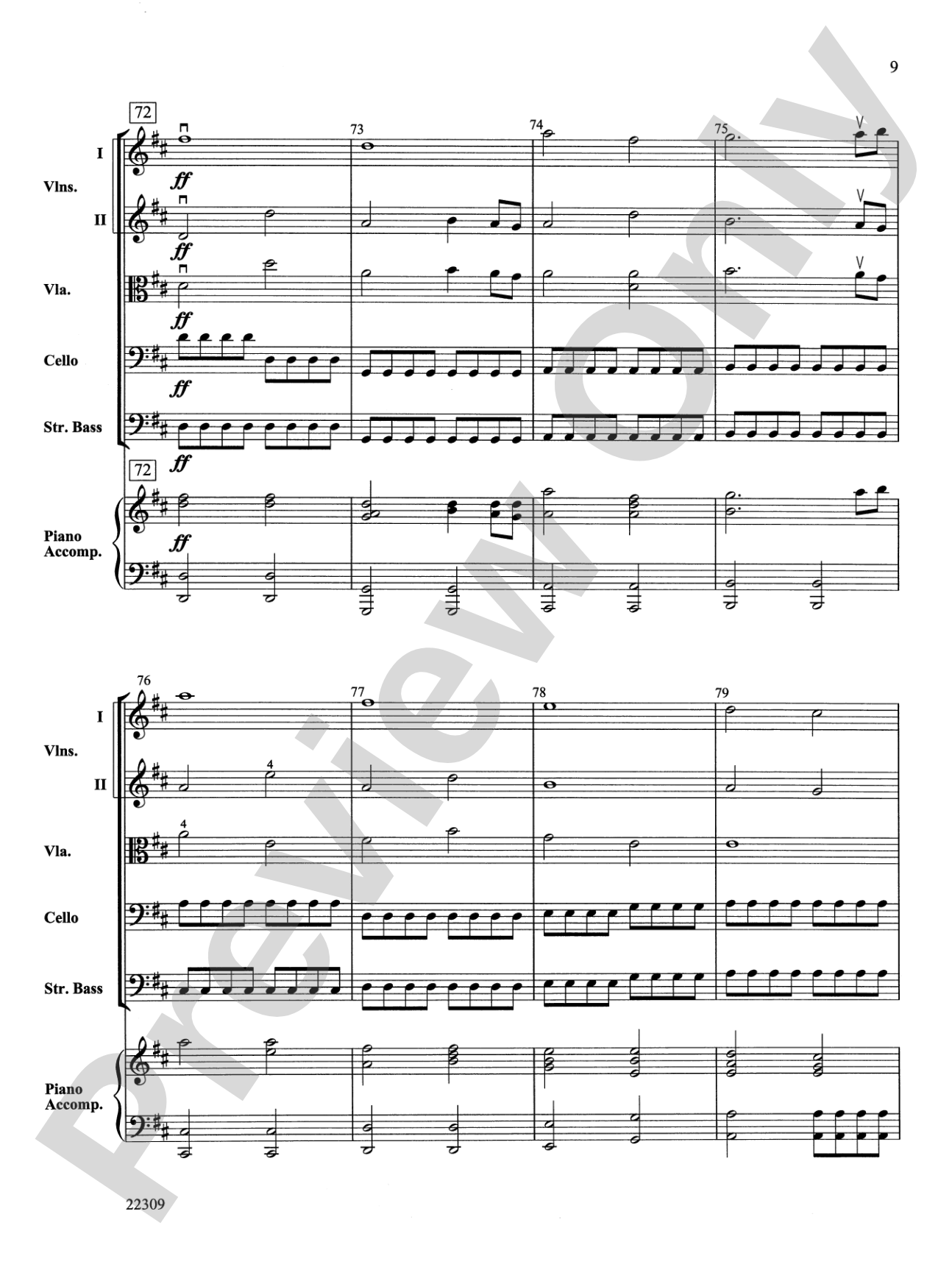
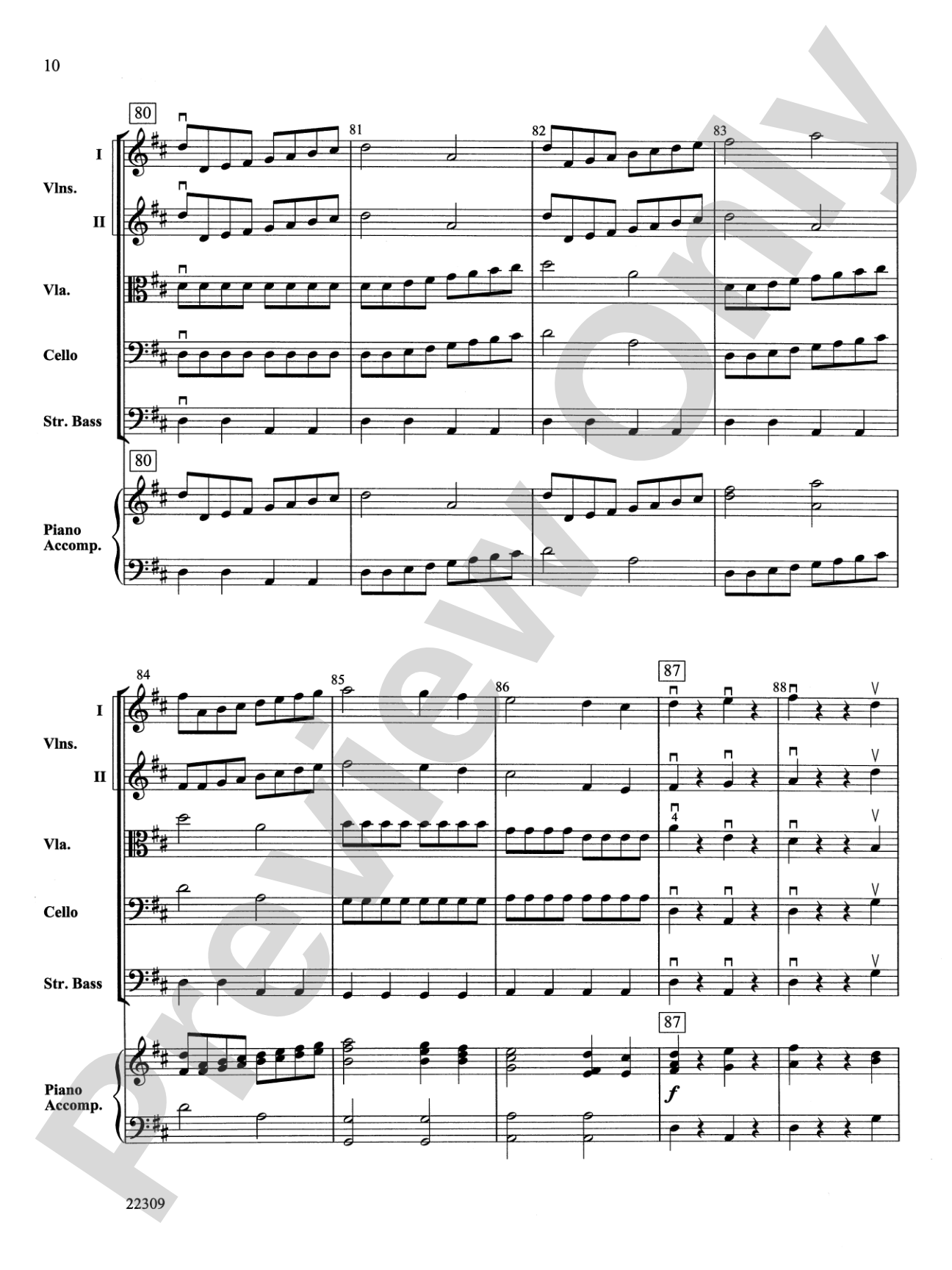
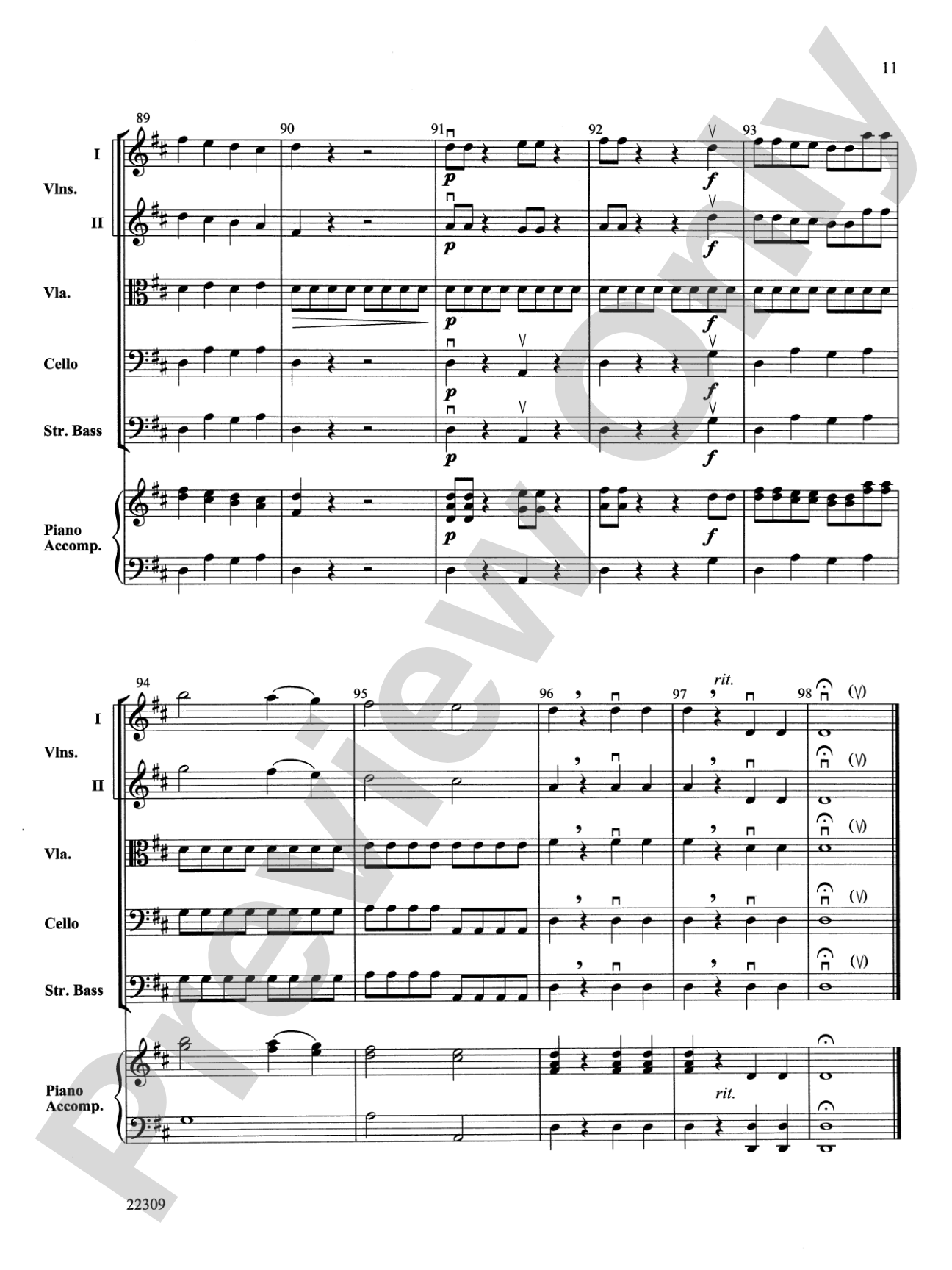


Fanfare and Celebration: String Orchestra Conductor Score & Parts
By Michael Hopkins
Grade: 1.5
Item: 00-PK-0000566

$55.00
Pickup currently not available
Buy Extra Parts (Digital PDF Download)
| Product | Price | Quantity |
|---|---|---|
| Fanfare and Celebration: Score | $9.00 | |
| Fanfare and Celebration: 1st Violin | $5.99 | |
| Fanfare and Celebration: 2nd Violin | $5.99 | |
| Fanfare and Celebration: Viola | $5.99 | |
| Fanfare and Celebration: Cello | $5.99 | |
| Fanfare and Celebration: String Bass | $5.99 | |
| Fanfare and Celebration: Piano Accompaniment | $5.99 |
Parts Added to Cart!
Description
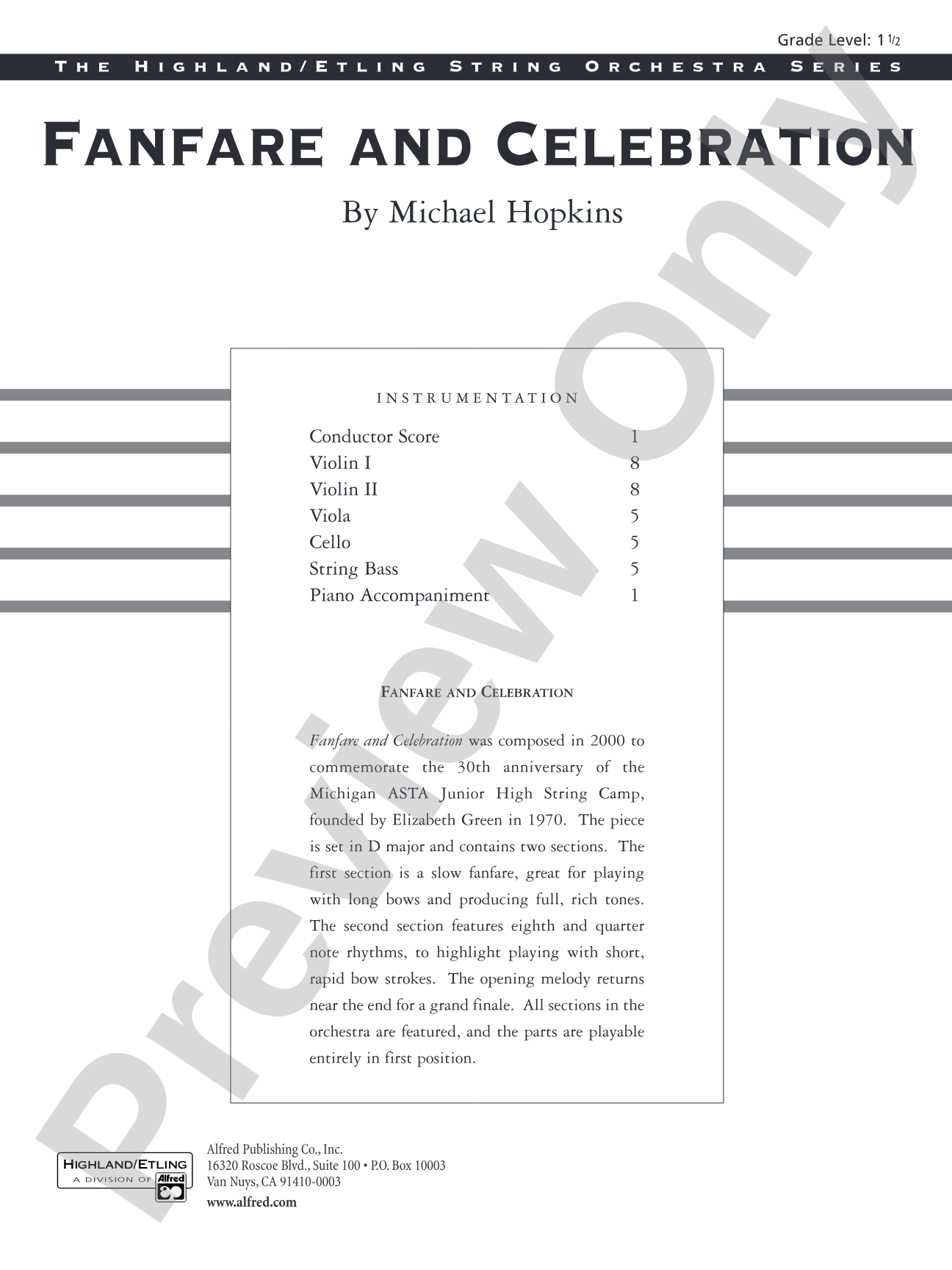
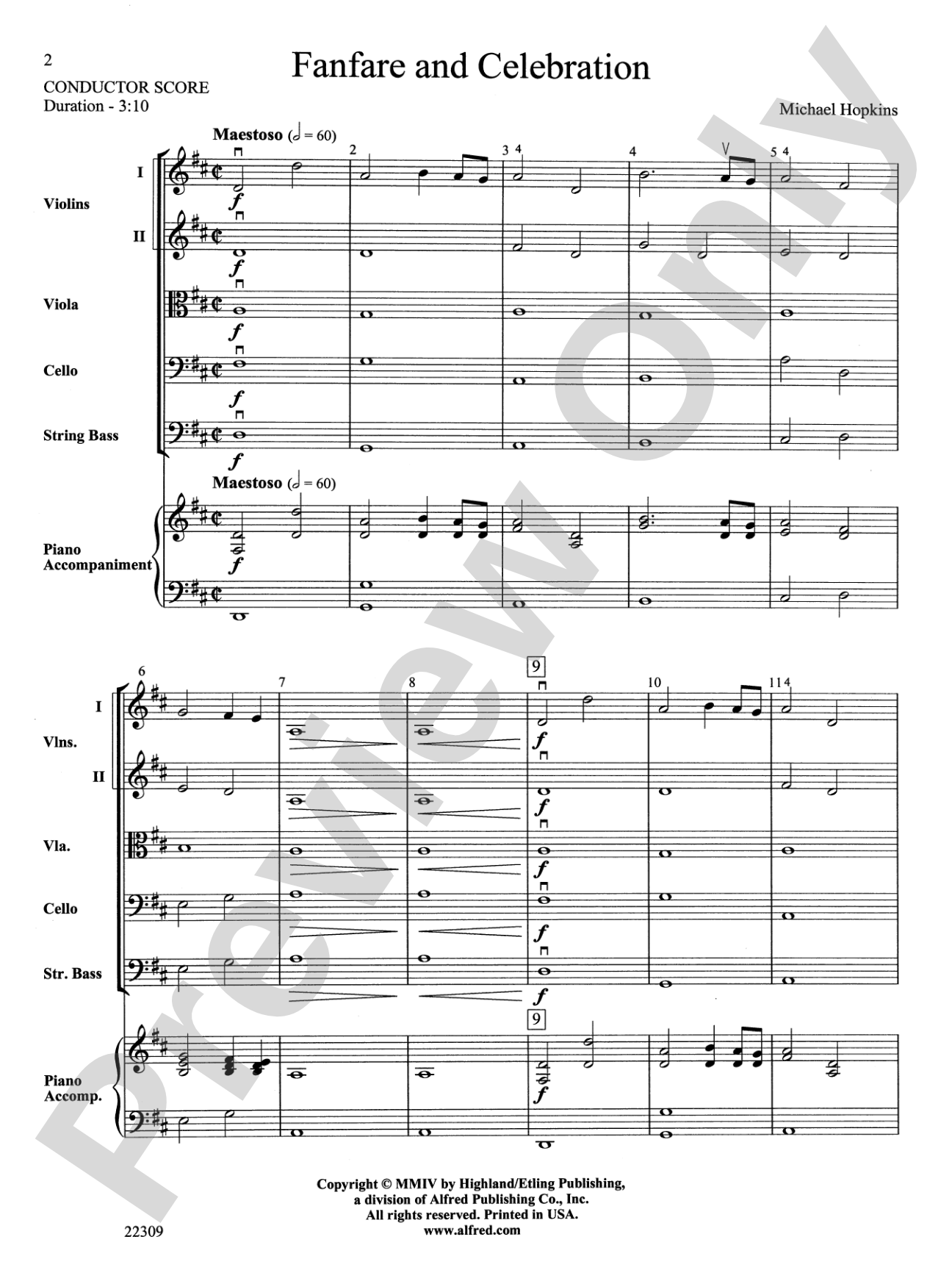
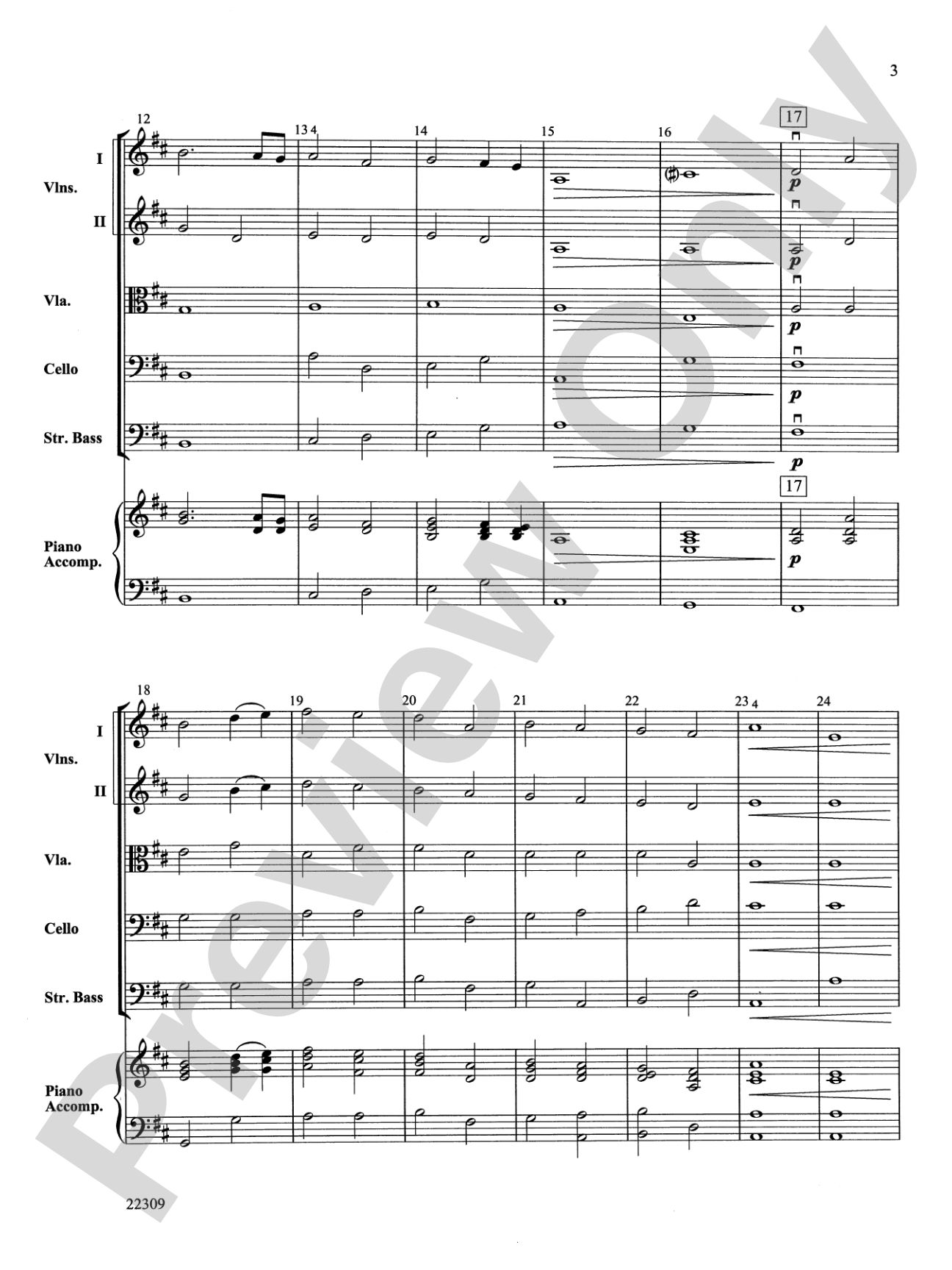
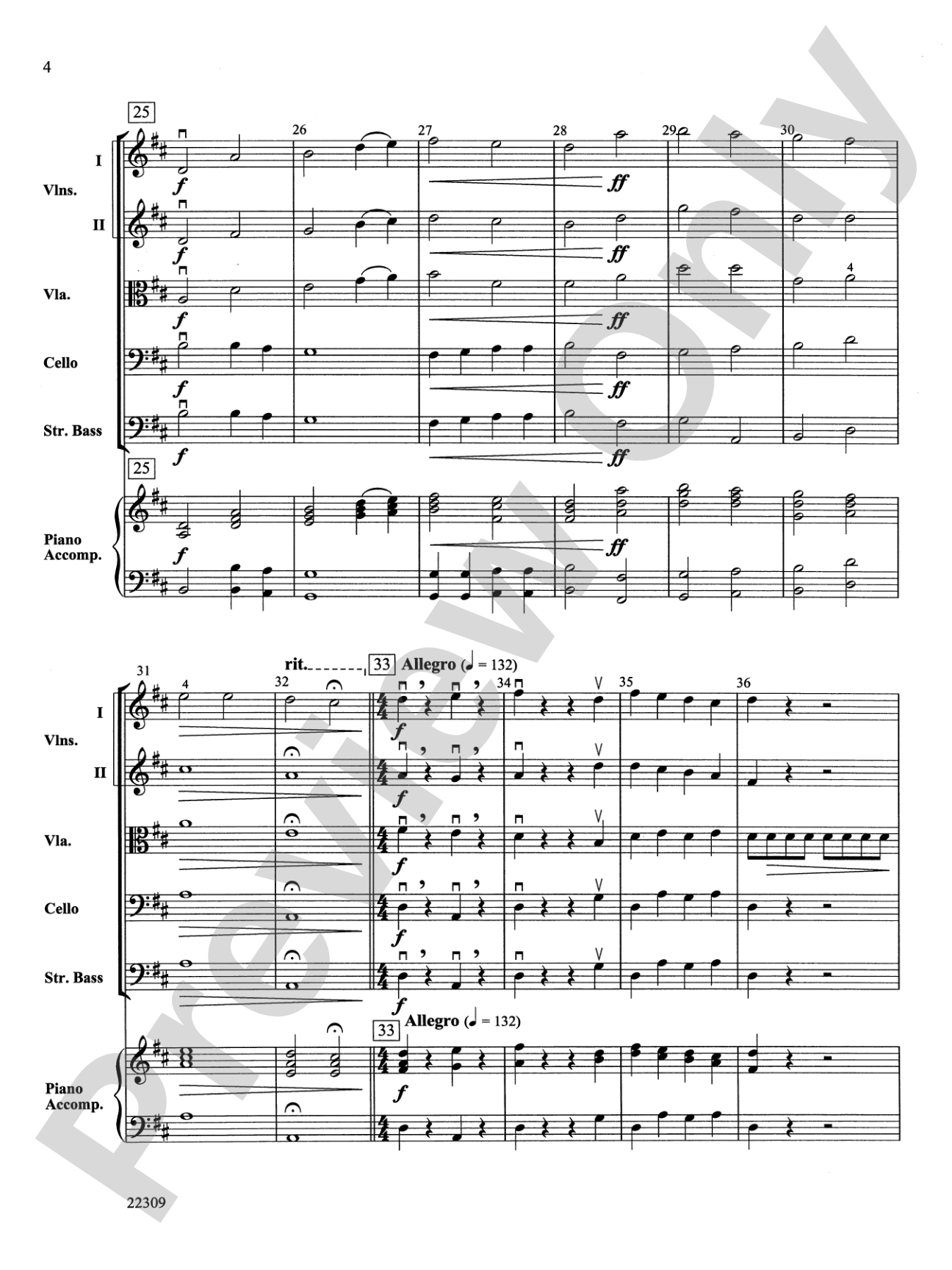
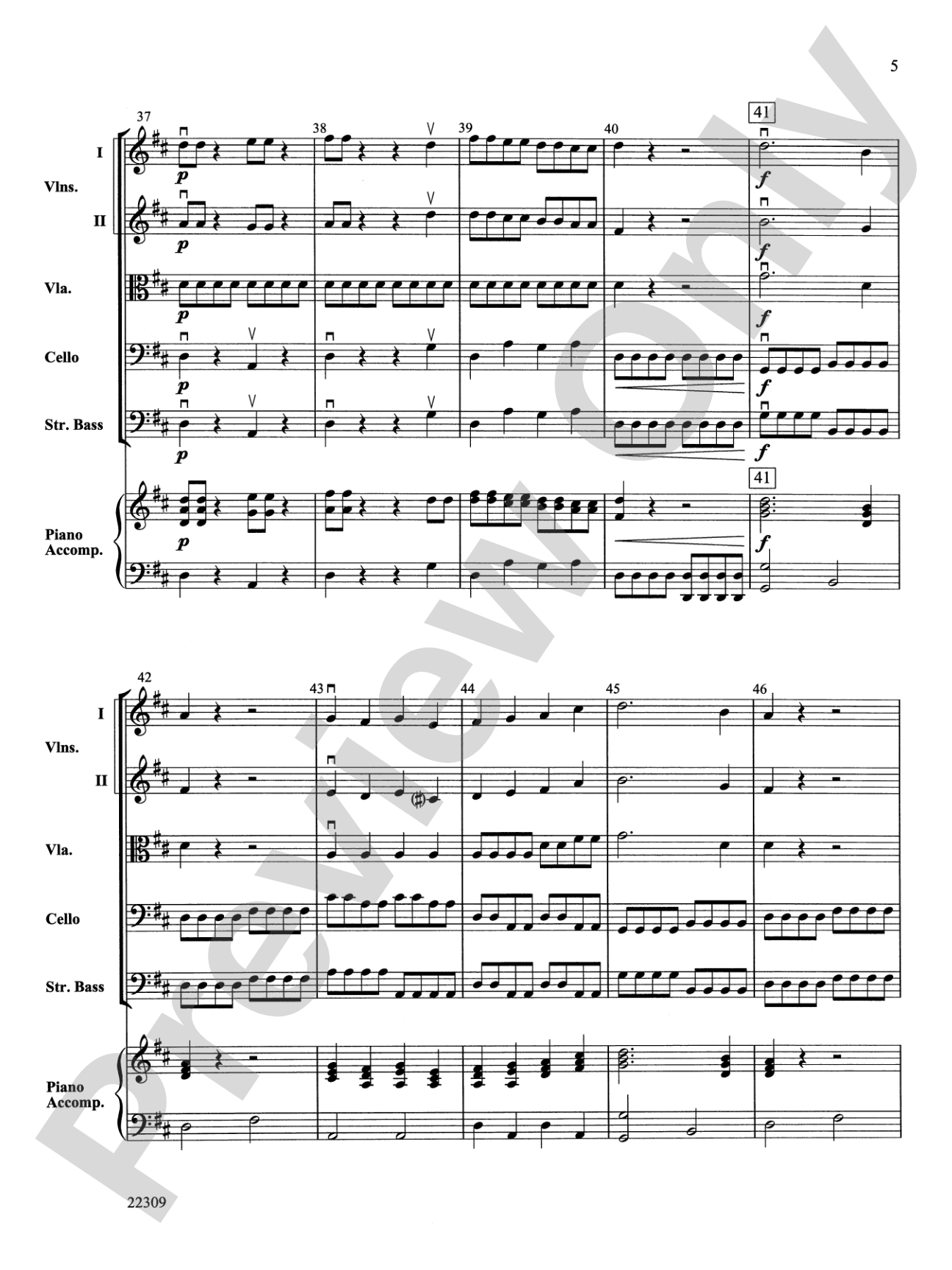
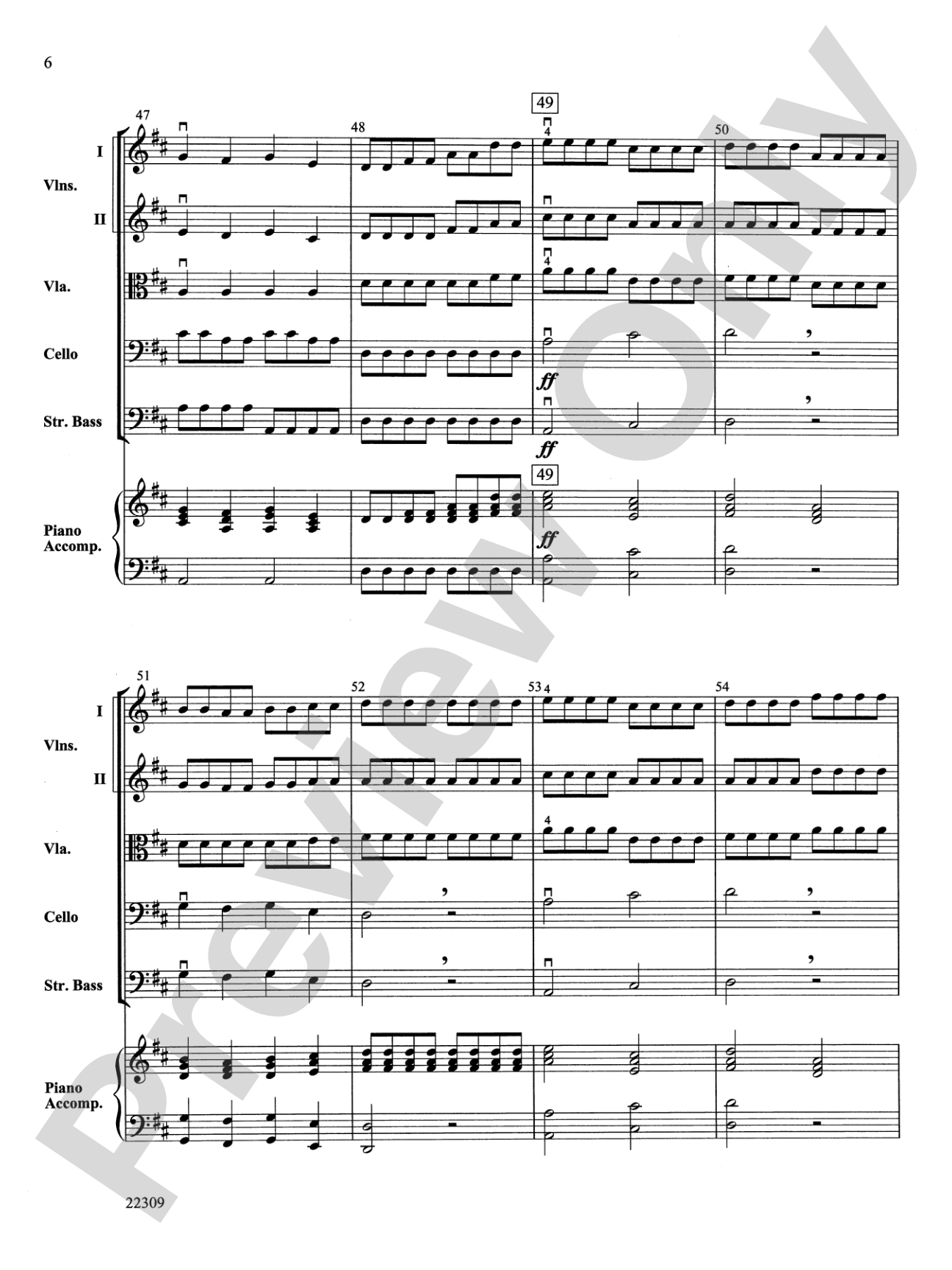
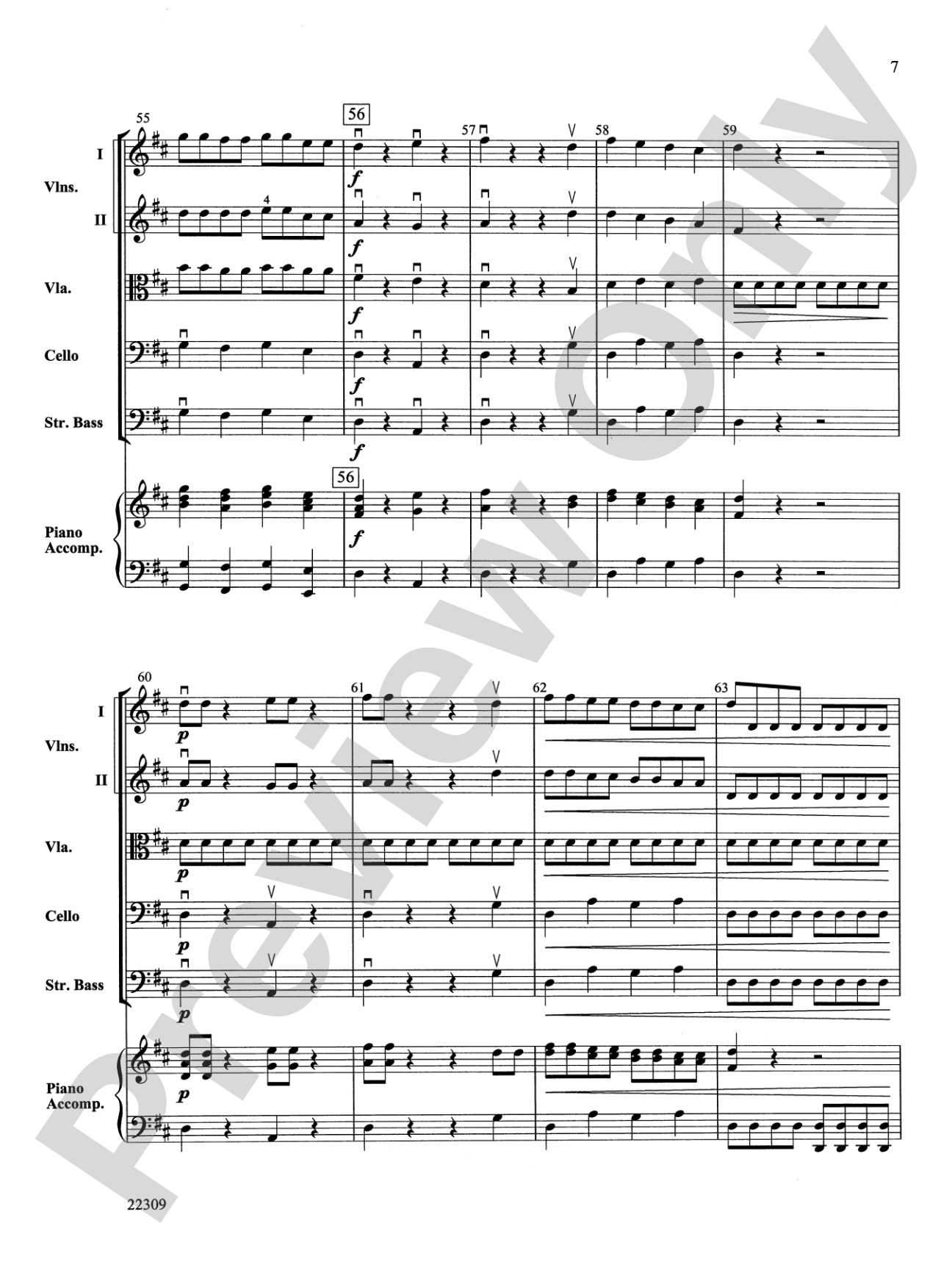
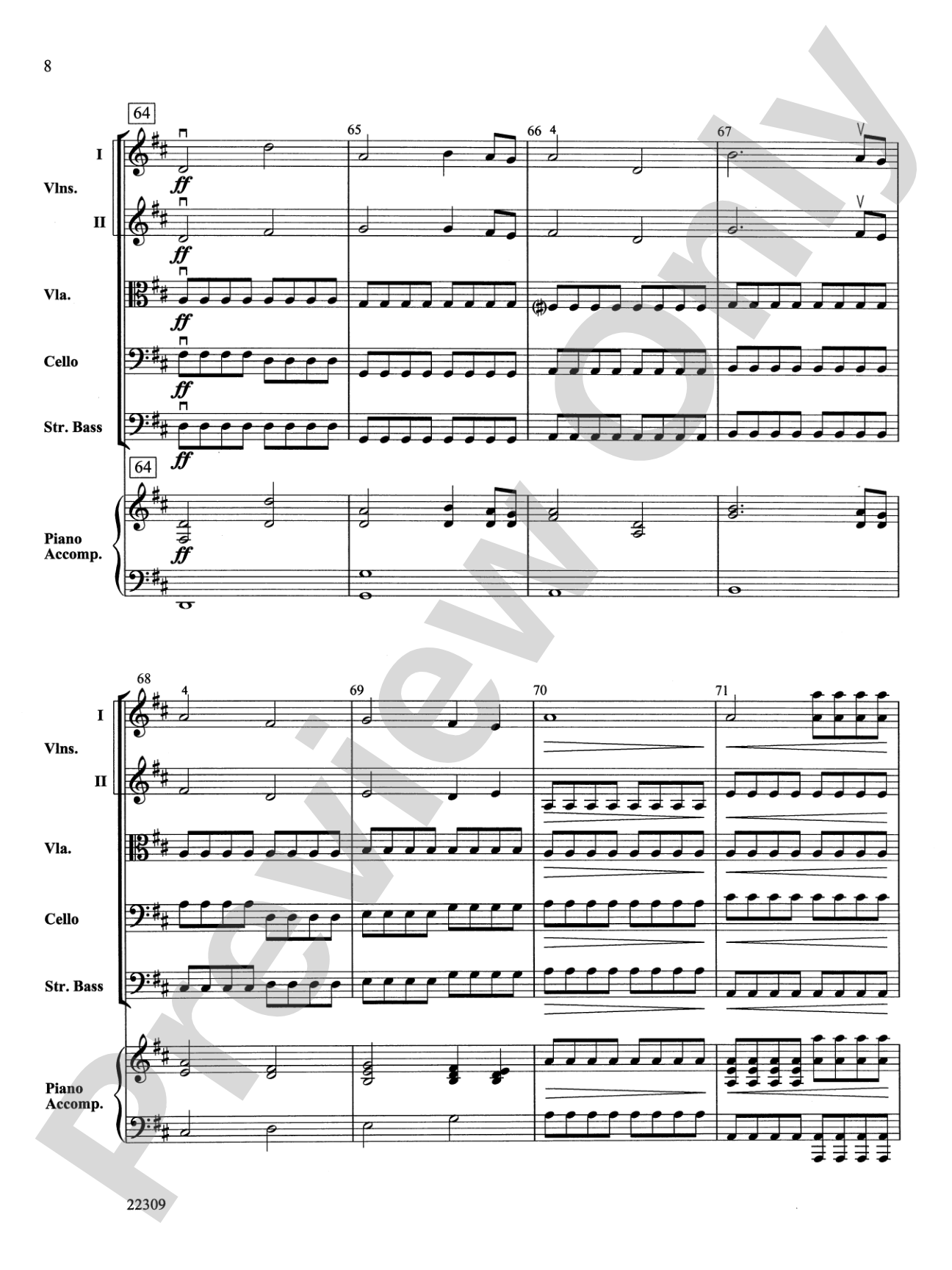
Fanfare and Celebration was composed in 2000 to commemorate the 30th anniversary of the Michigan ASTA Junior High String Camp, founded by Elizabeth Green in 1970. The piece is set in D major and contains two sections. The first section is a slow fanfare, great for playing with long bows and producing full, rich tones. The second section features eighth and quarter note rhythms, to highlight playing with short, rapid bow strokes. All sections in the orchestra are featured, and the parts are playable entirely in first position. This title is available in MakeMusic Cloud.


Don't just read it, hear it, play along with it, and watch your students grow with it. In MakeMusic Cloud, Fanfare and Celebration: String Orchestra Conductor Score & Parts comes alive with professional accompaniment, adjustable tempo, and built-in practice tools that turn solo practice into real progress.
Open in the Player
Jump straight in and assign it today.
Start Your Free Trial
Open this title and explore the full library in minutes.
Sample Audio
1
Audio File
--:--
0:00
0:00
Sample Video
No sample videos found.
Additional Details
Series:
Highland/Etling String Orchestra
Publisher:
Alfred Music
Page Count:
128
SKU:
00-PK-0000566
More about this title
About the Composer: Michael Hopkins

Michael Hopkins leads the music education program at the University of Michigan, where he teaches string techniques, orchestra methods, and music psychology. His career spans conducting positions in Colorado, Michigan, and Vermont, including founding the Burlington Chamber Orchestra and serving as guest conductor at over 100 festivals and clinics across the country.
Hopkins has authored more than 70 compositions and arrangements for orchestra and contributed significantly to music education scholarship through articles in the Journal of Research in Music Education, American String Teacher, and Music Educators' Journal. He wrote The Art of String Teaching (GIA Publications), a foundational resource for string pedagogues at all levels.
Why we love this
Hopkins wrote this piece specifically for junior high players, and it shows in every measure. The fanfare section asks students to produce genuine musicality with long bows in a way that feels achievable at this level, while the second section gives them rhythmic energy and technical reward without leaving first position. It's a piece that sounds substantial without overreaching.
What to expect
The opening unfolds with ceremony and elegance, built on sustained tones that invite students to listen to their own sound quality. The tempo quickens into a brighter, more energetic second section that feels like genuine celebration rather than merely going faster, giving the piece a natural arc that audiences hear and players feel.
Who it's for
Junior high string orchestras seeking a substantial piece that celebrates growth without technical overwhelm. This work rewards developing bow control and intonation while keeping all parts accessible in first position, making it ideal for festivals, concerts, and celebrations.
How to get the most out of it
- Shape the fanfare with clear phrase breathing. Even though students are in first position, the slow tempo allows for expressive dynamic shaping that makes the opening feel grand rather than stiff.
- Establish a consistent subdivision in the second section before the ensemble plays it together. The shift from sustained tones to eighth and quarter note patterns requires rhythmic confidence that benefits from sectional prep.
- Balance the orchestration so that featured sections emerge naturally. Since all sections get spotlight moments, students experience how their part contributes to the whole, which builds ensemble awareness.
How to use it
Open a spring concert with this piece, or feature it as a festival selection where the commemorative story (written for the Michigan ASTA Junior High String Camp) adds resonance. Its two-section design also makes it effective as a transition piece that shifts the mood and energy of a program.
Skills your students will build
- Sustained bow control and full-tone production in the upper half of the bow
- Rapid, controlled bow strokes with eighth and quarter note rhythms
- Responsiveness to conductor shaping and ensemble balance
- First-position intonation with increased confidence in D major
- Recognition of orchestration principles through featured section work