
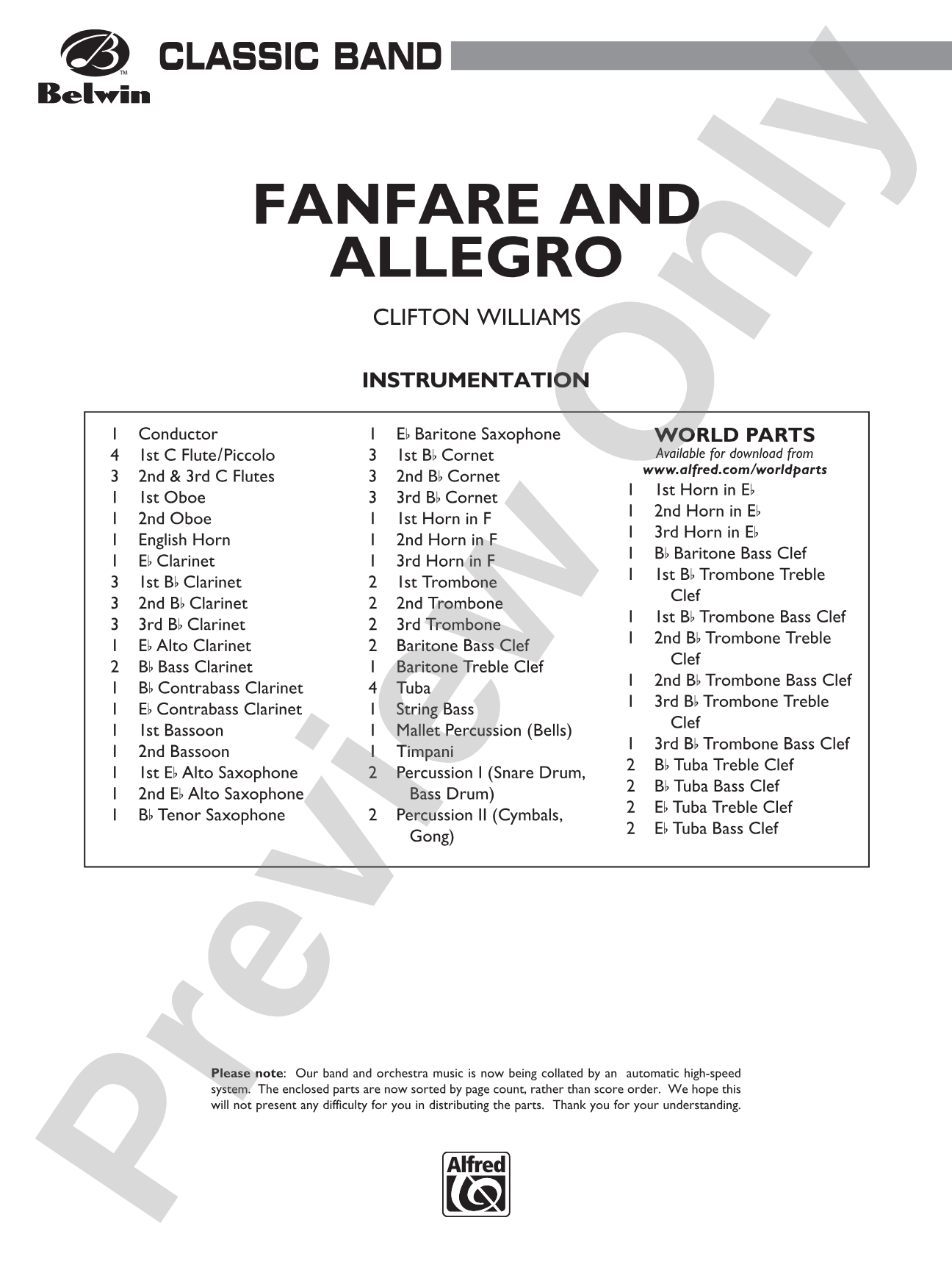

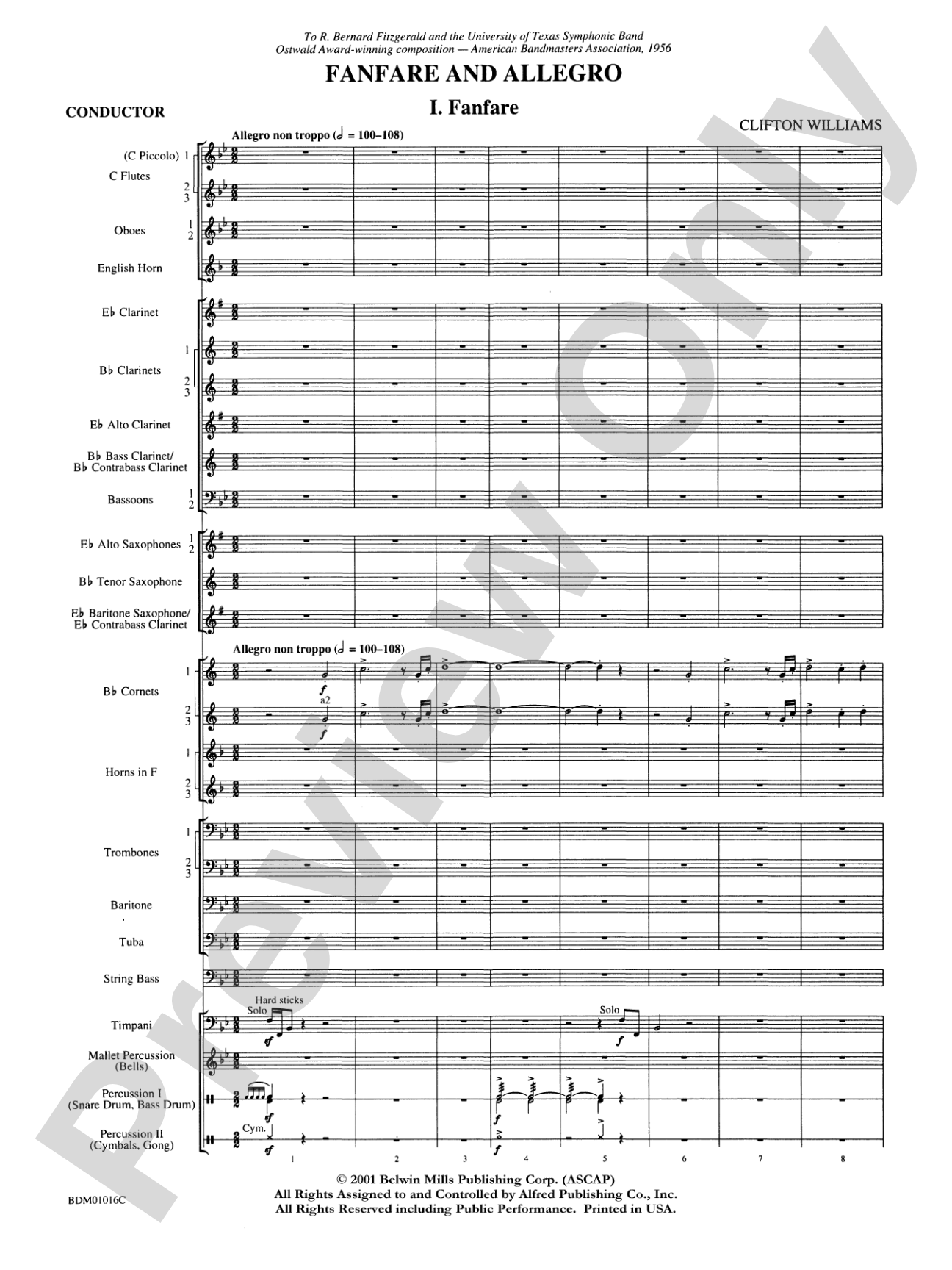
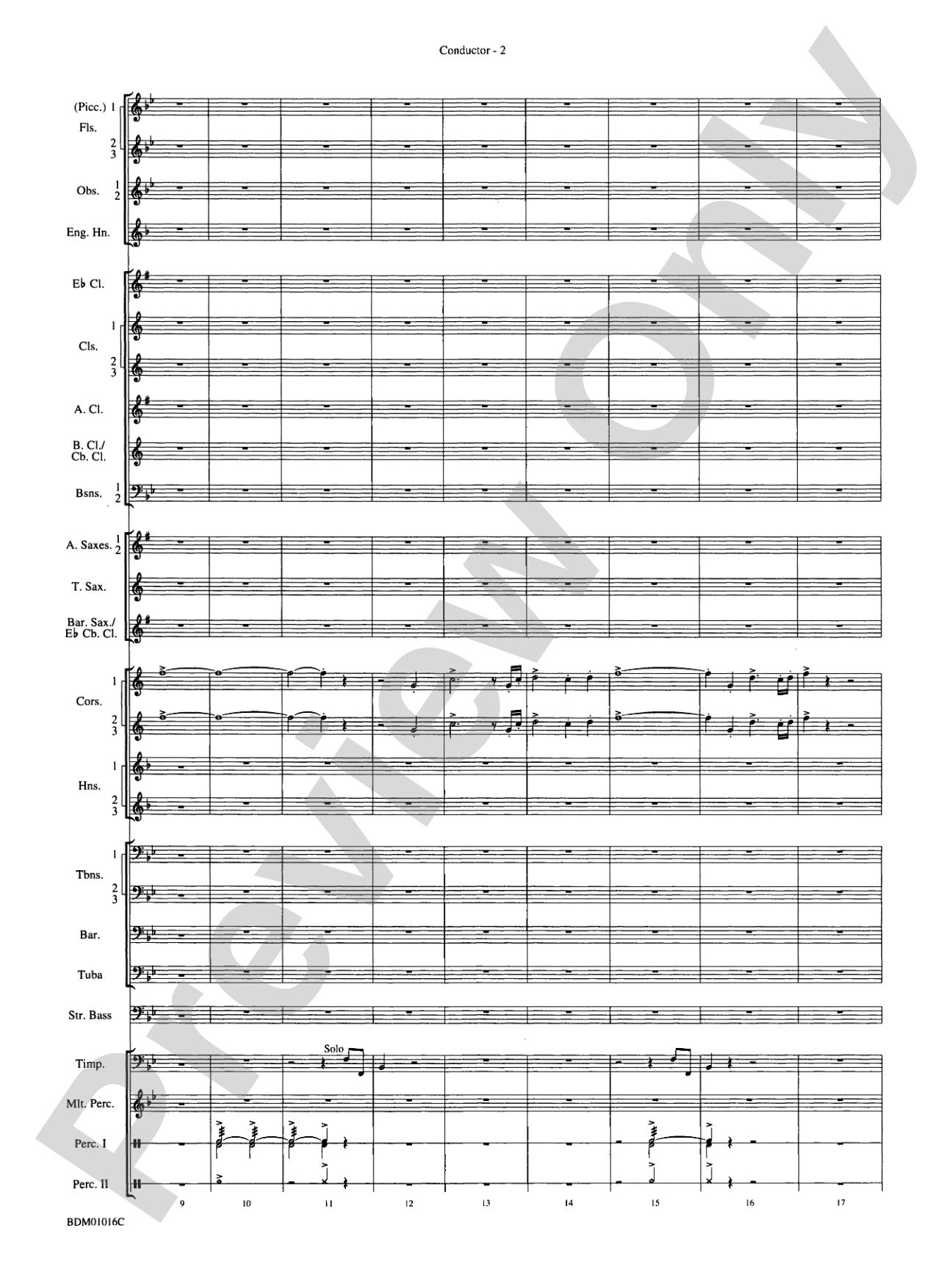
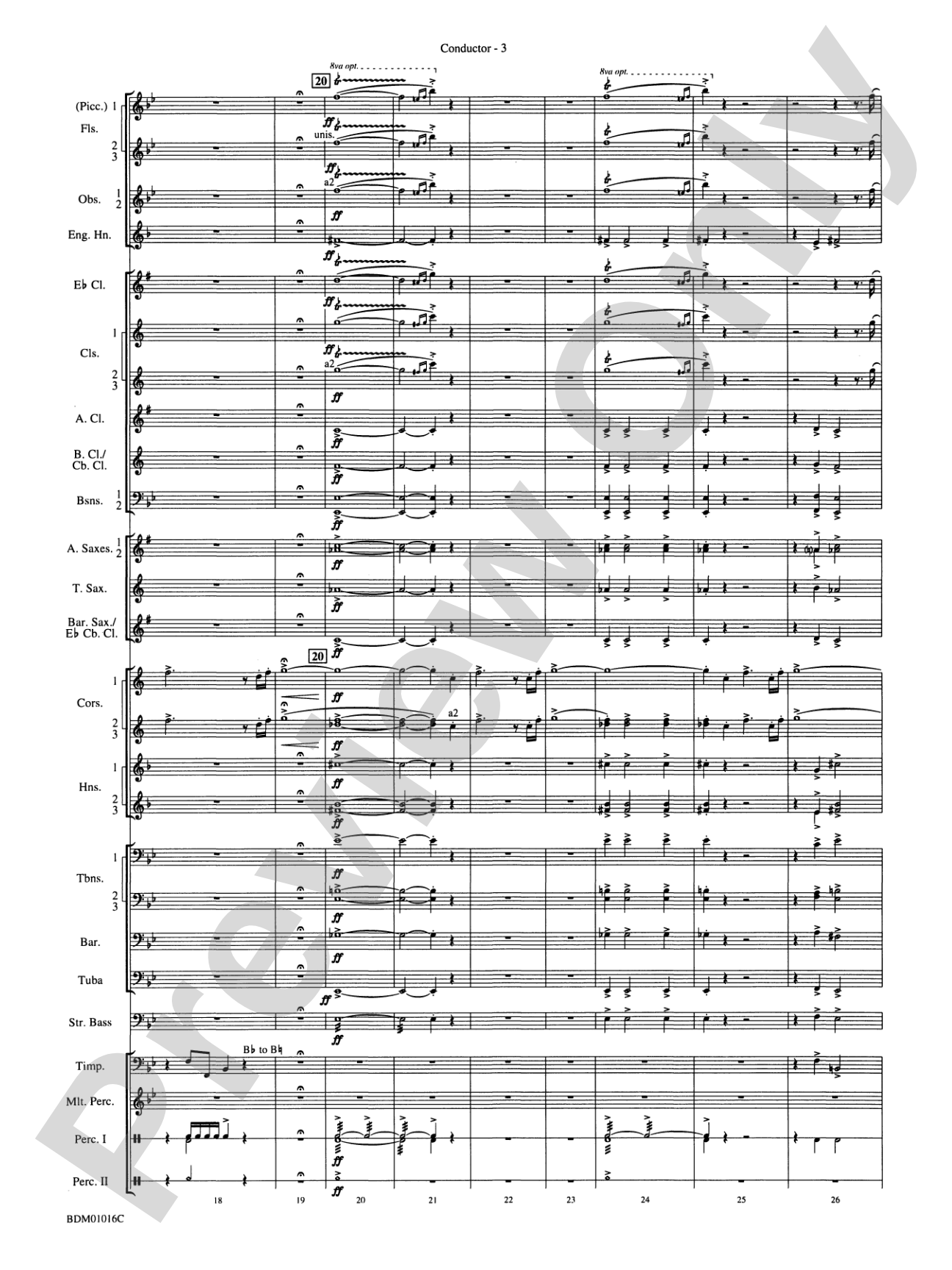
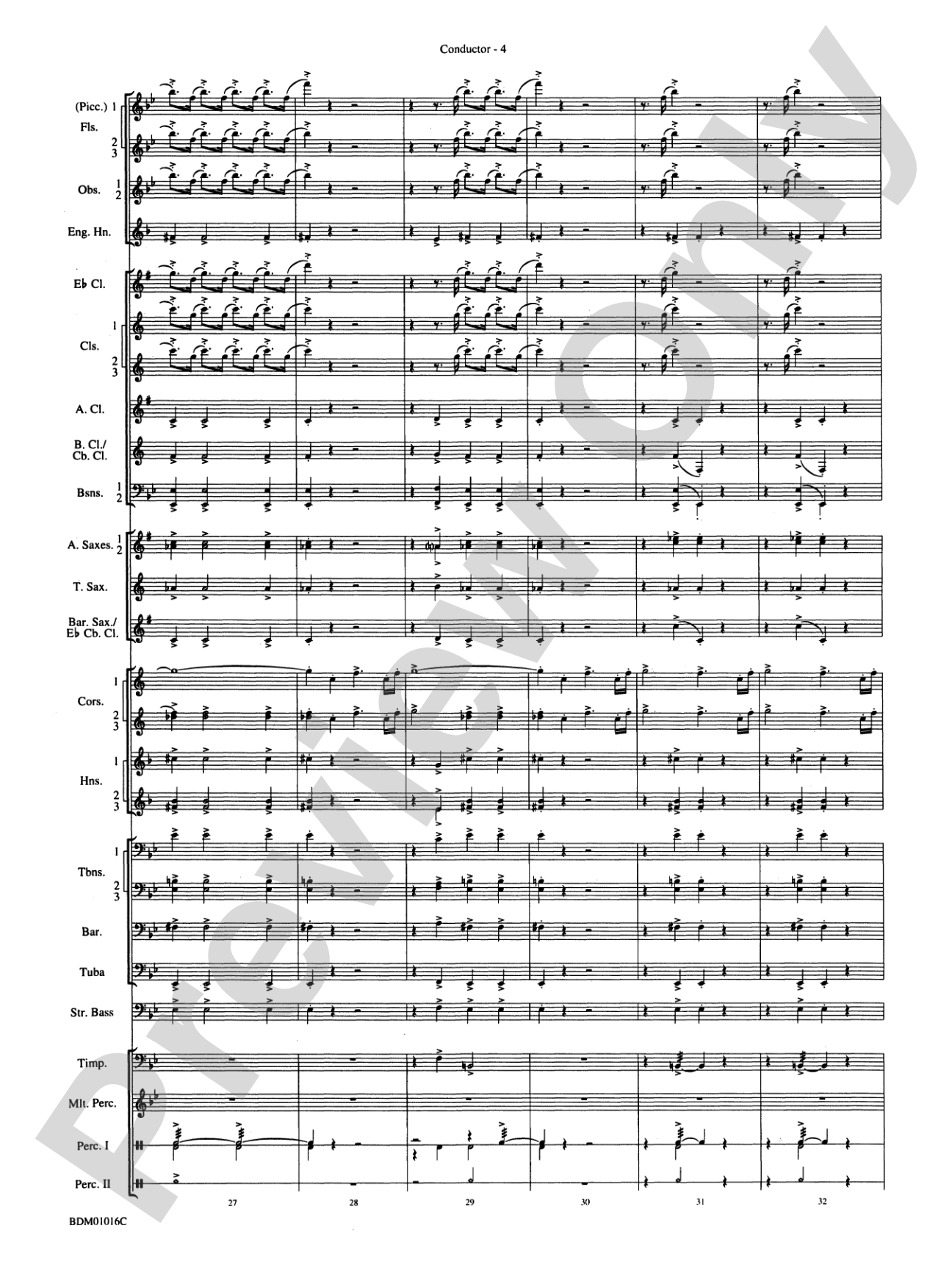
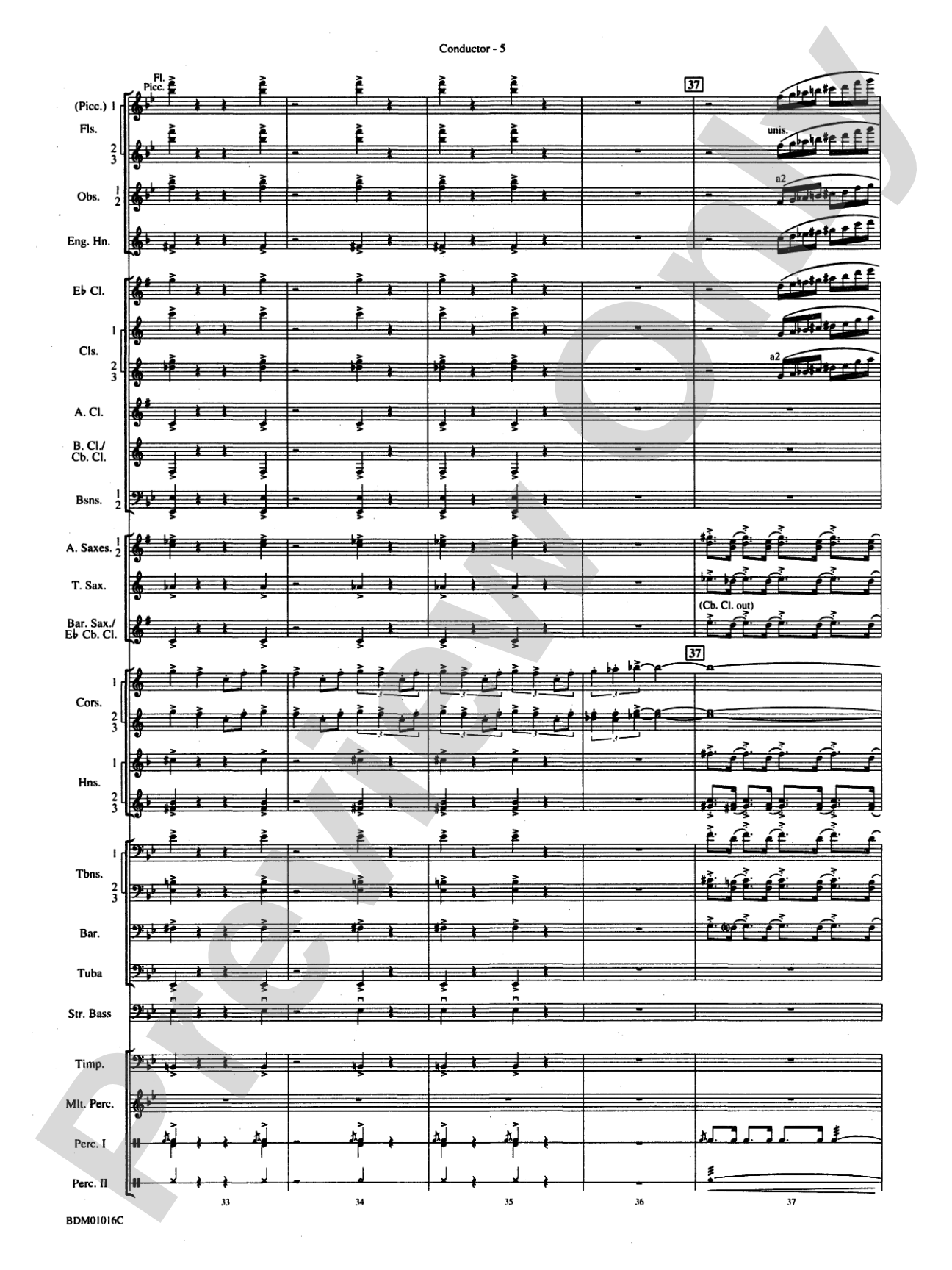
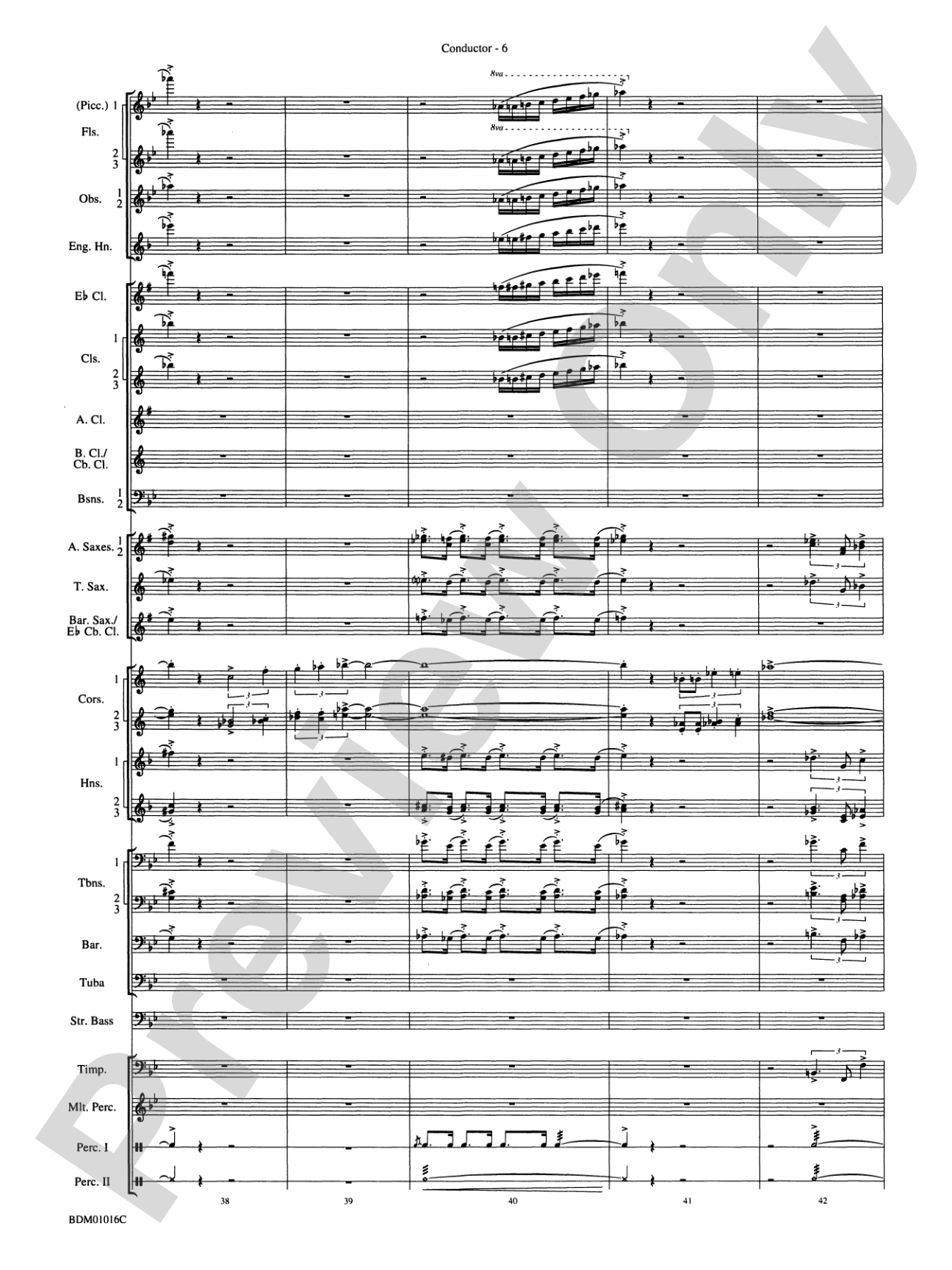
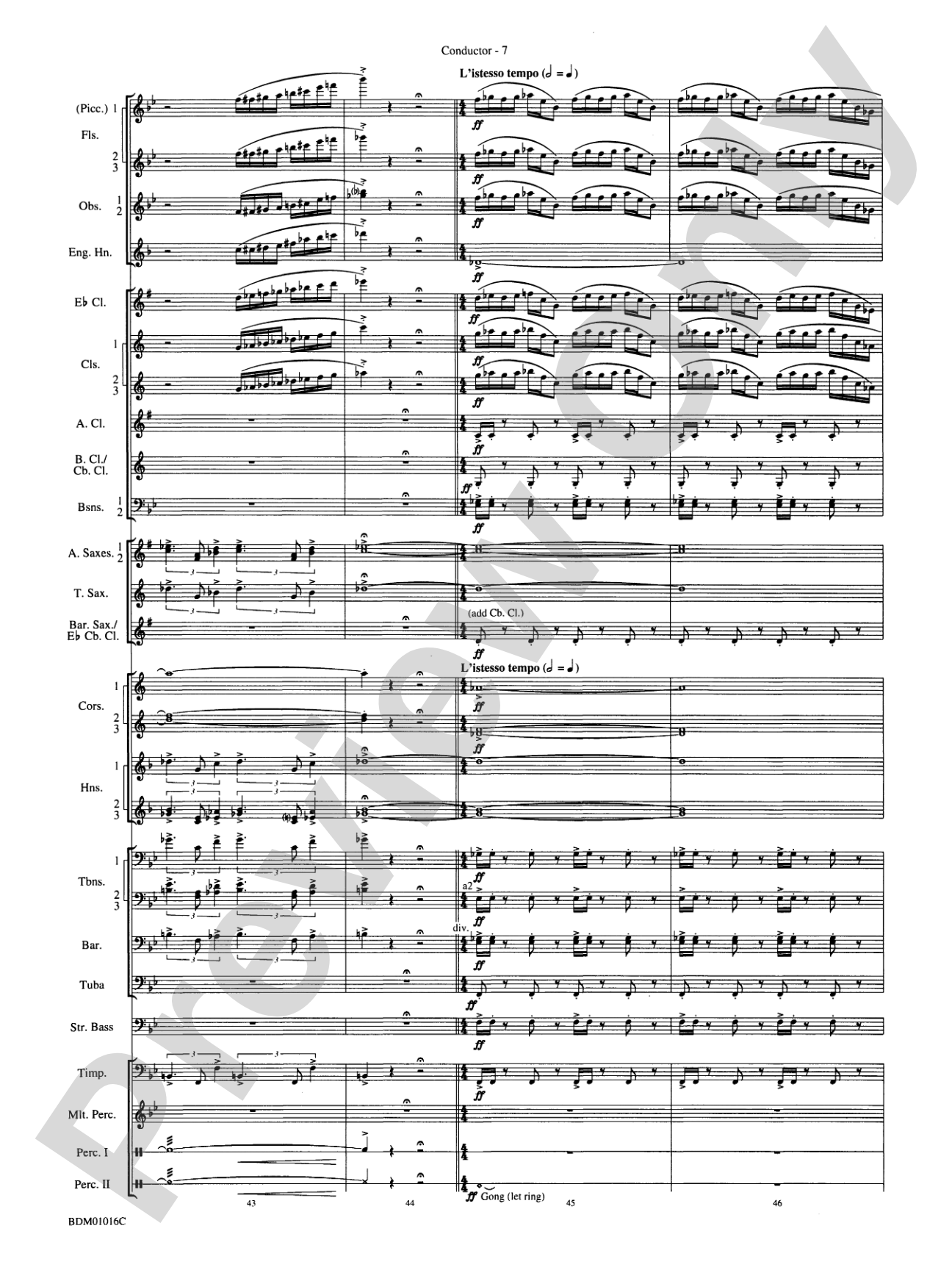
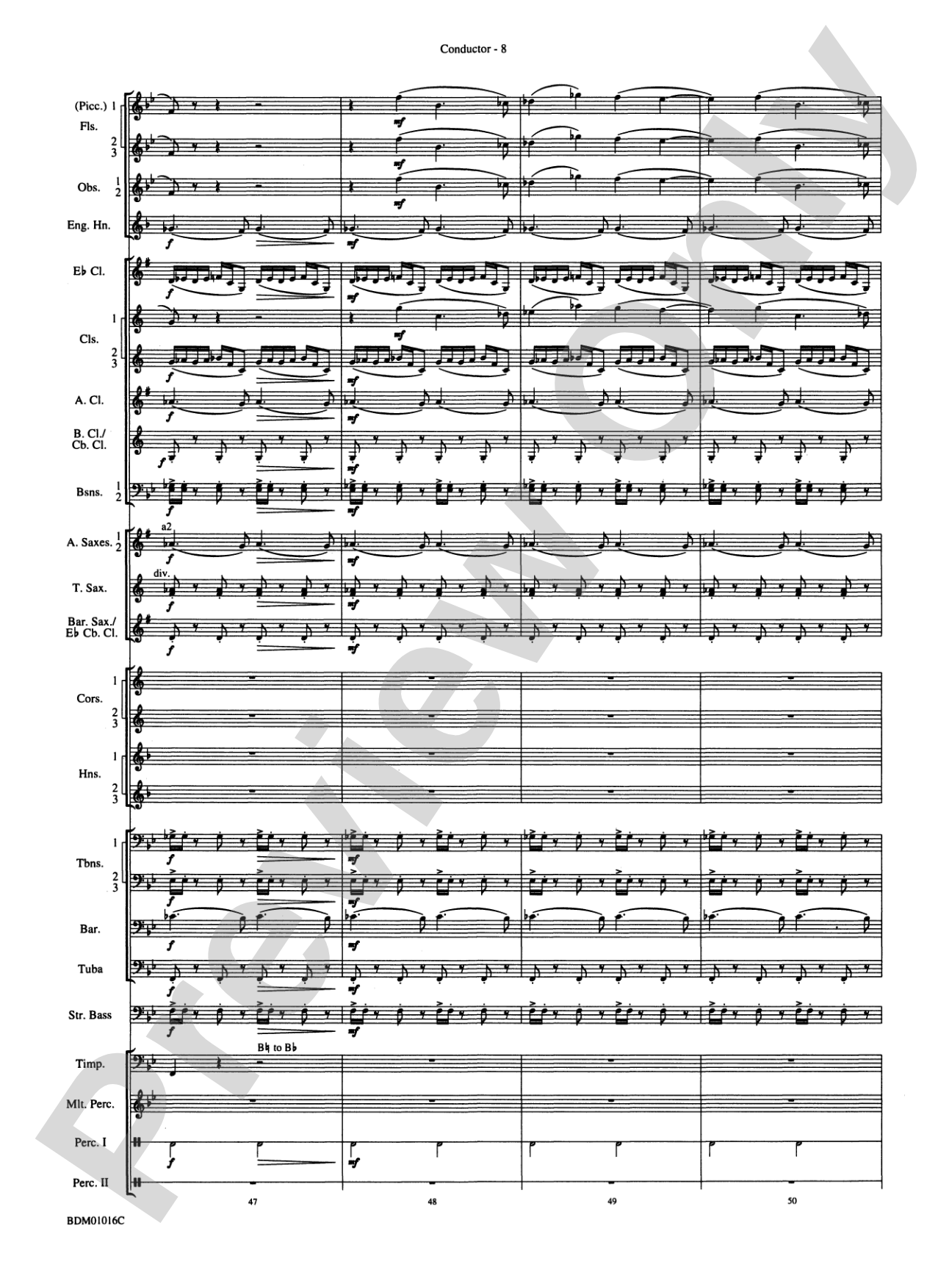
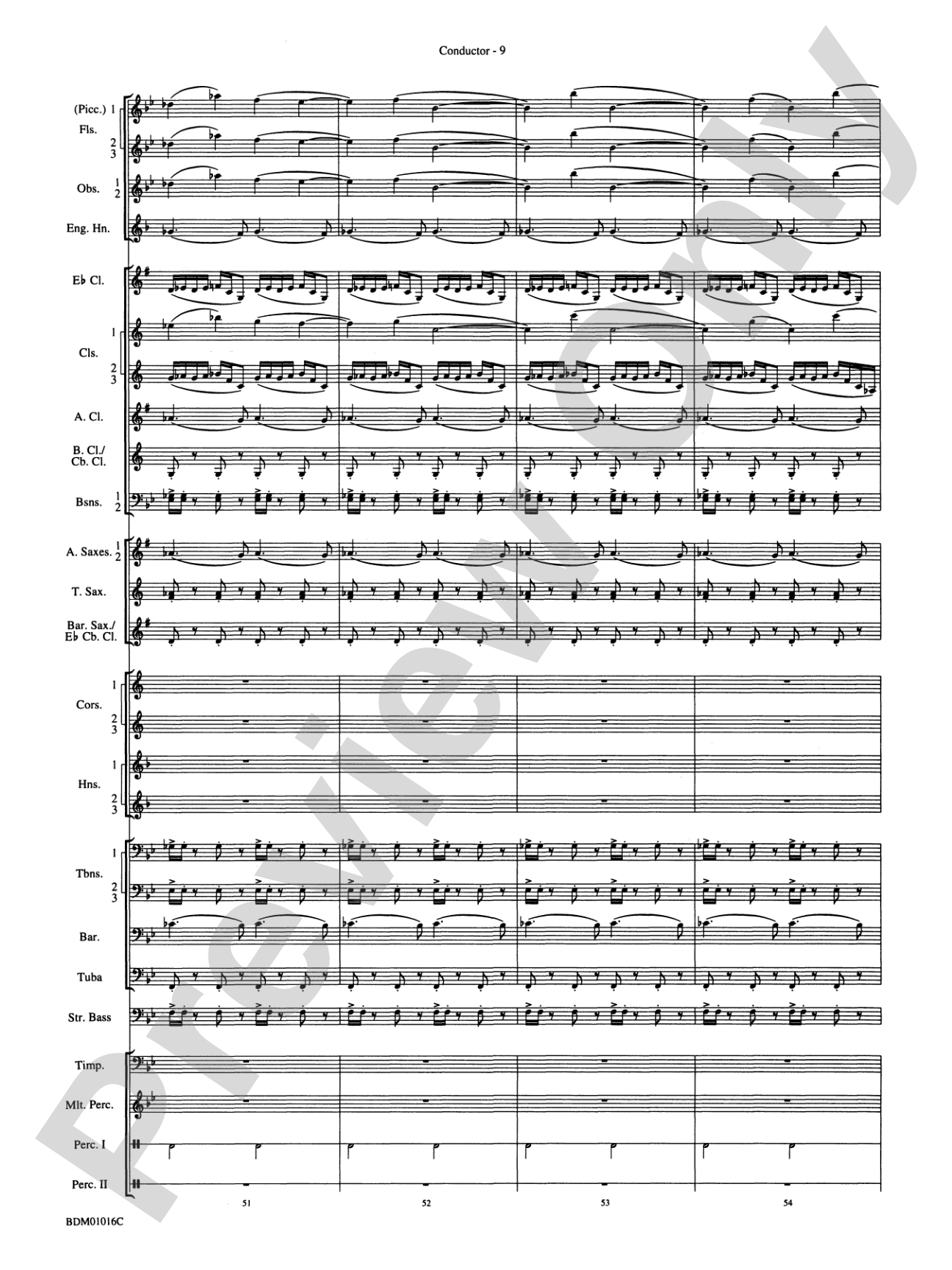
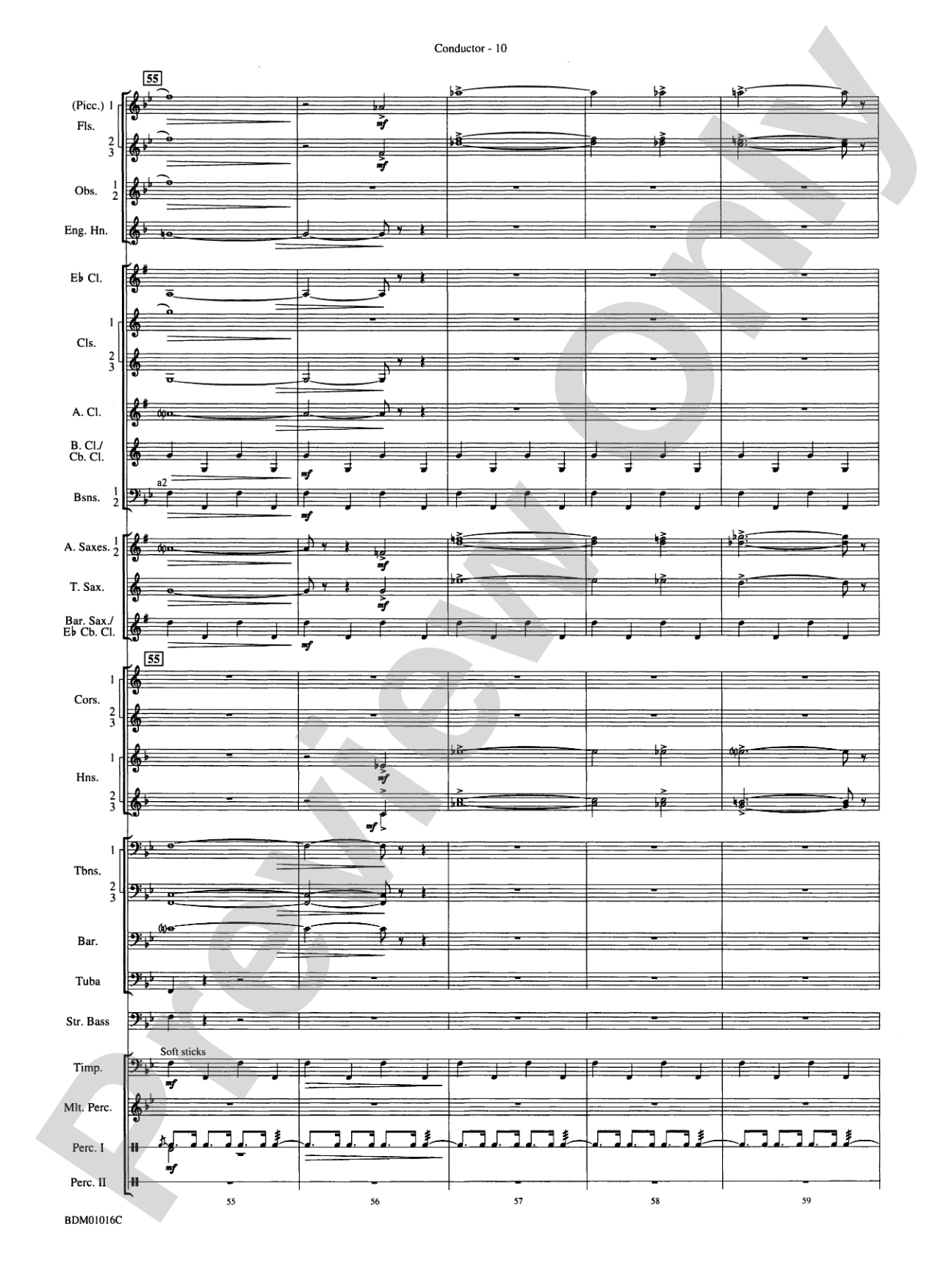
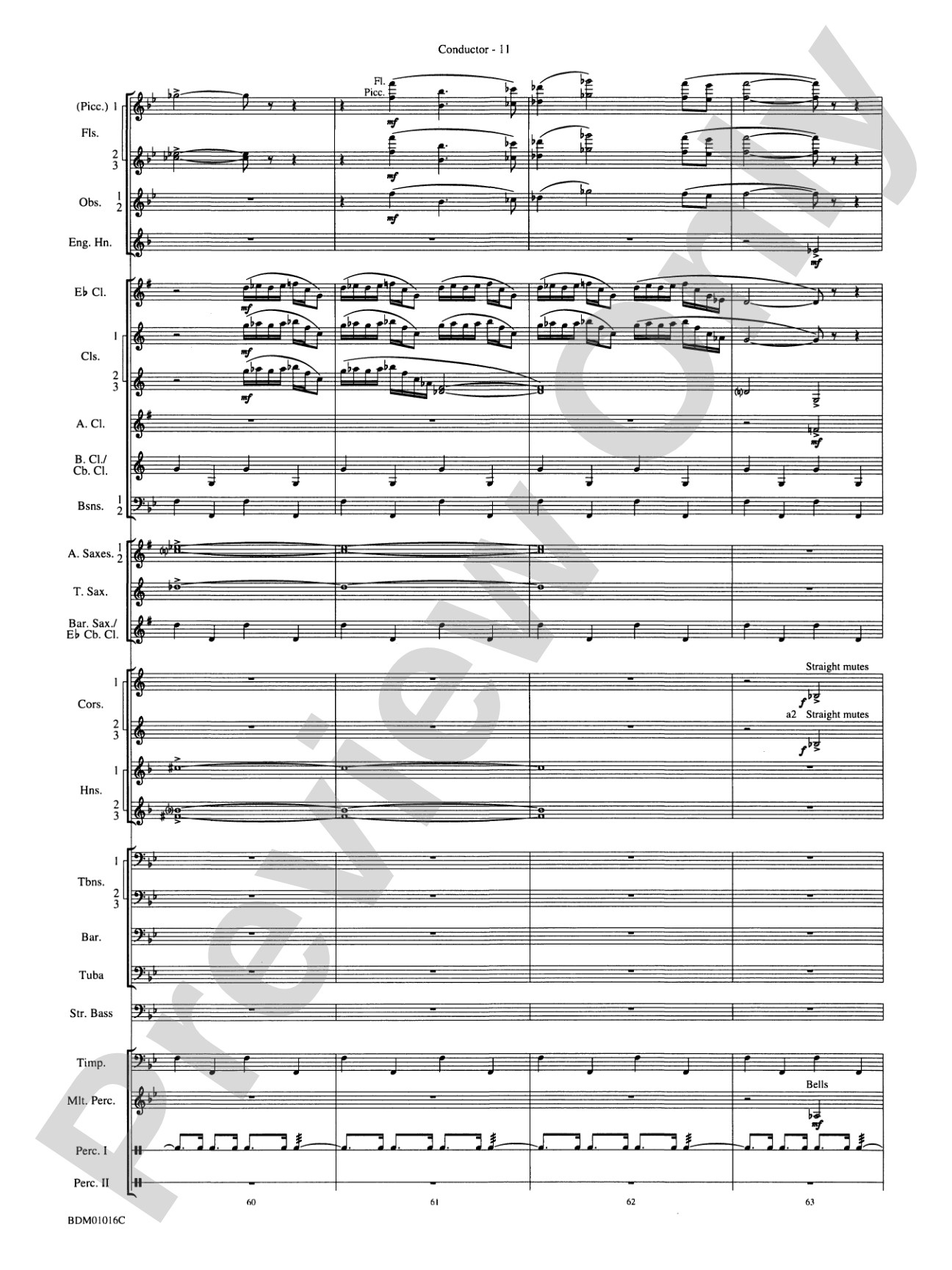
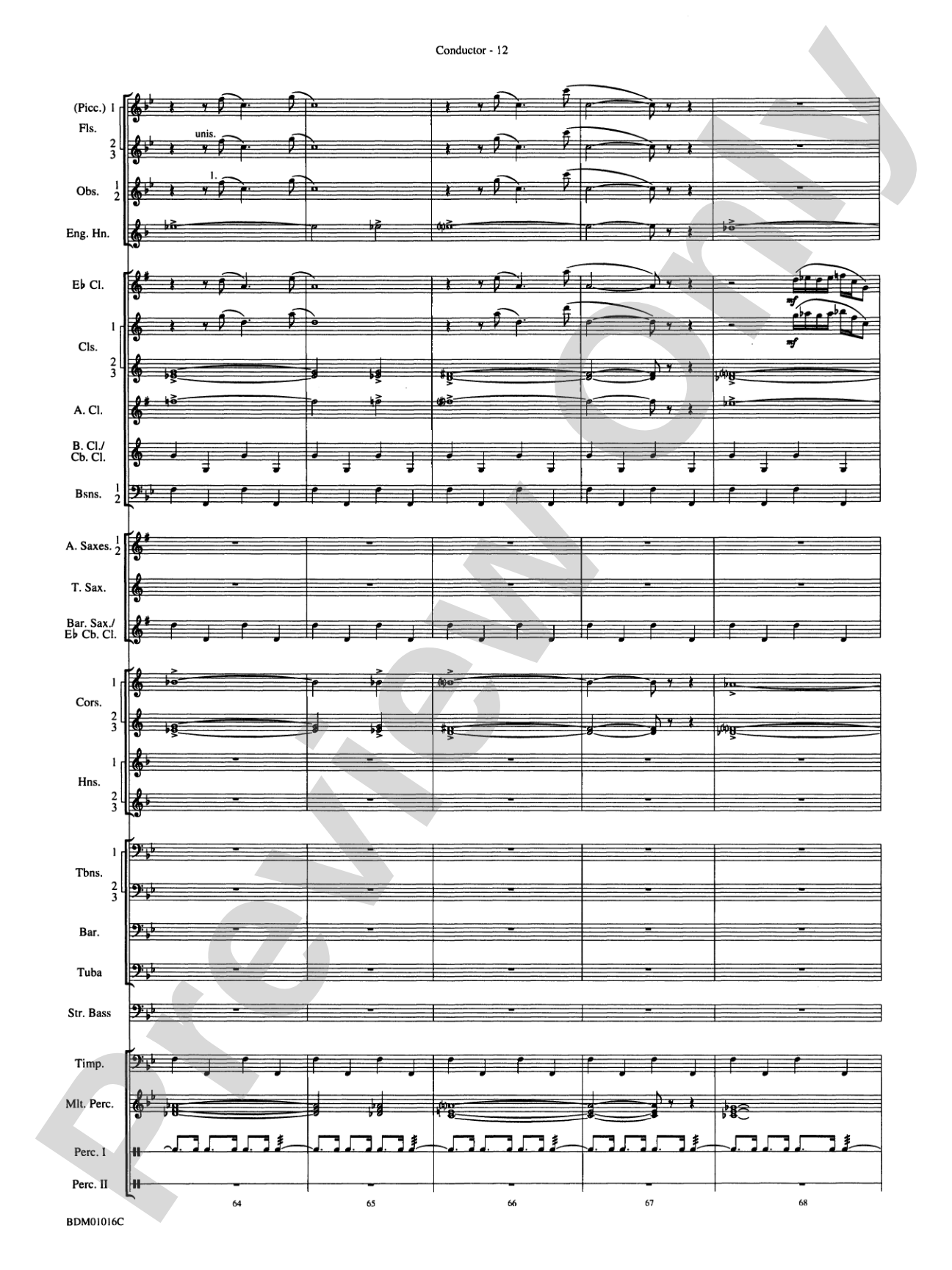
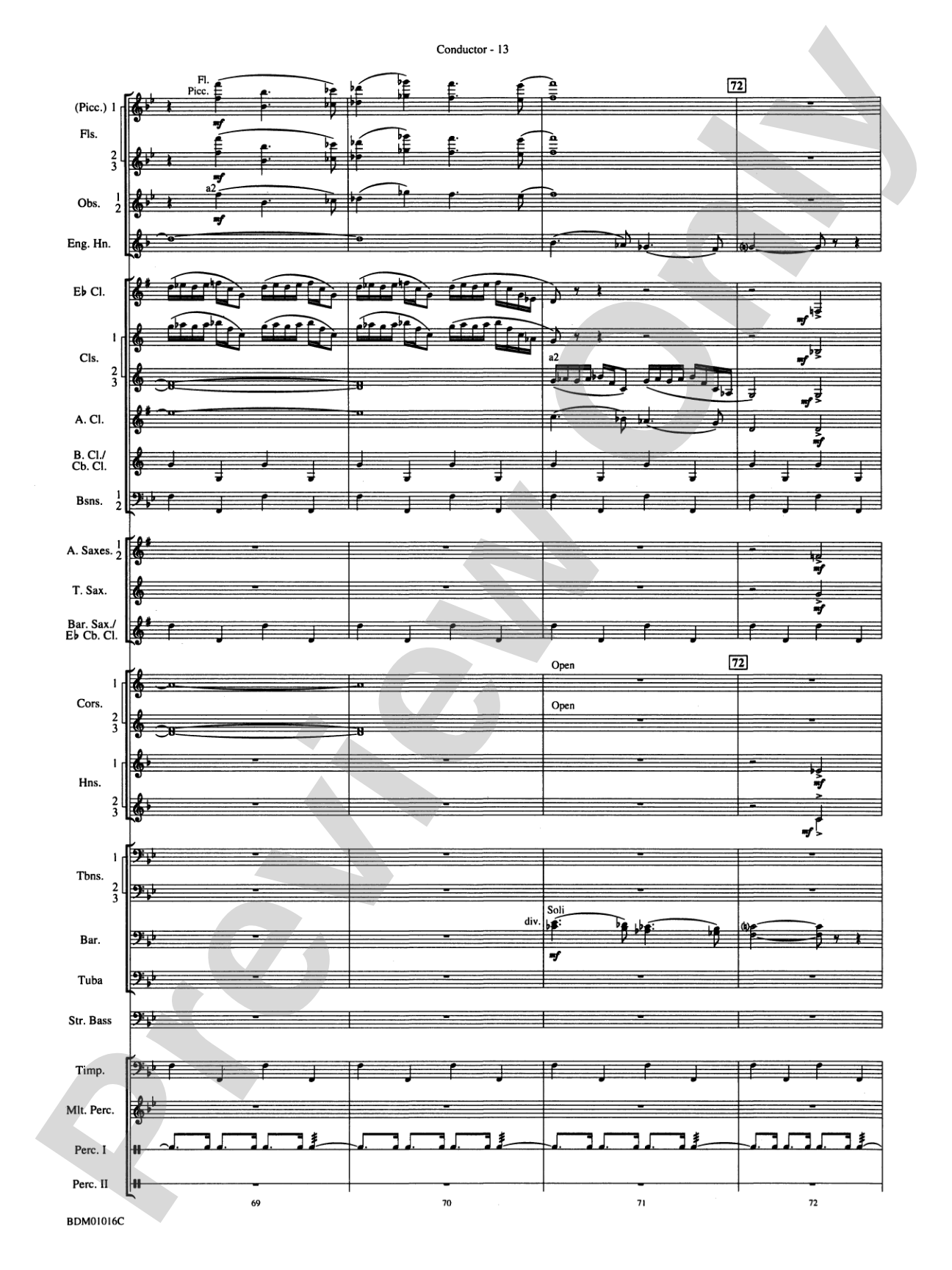
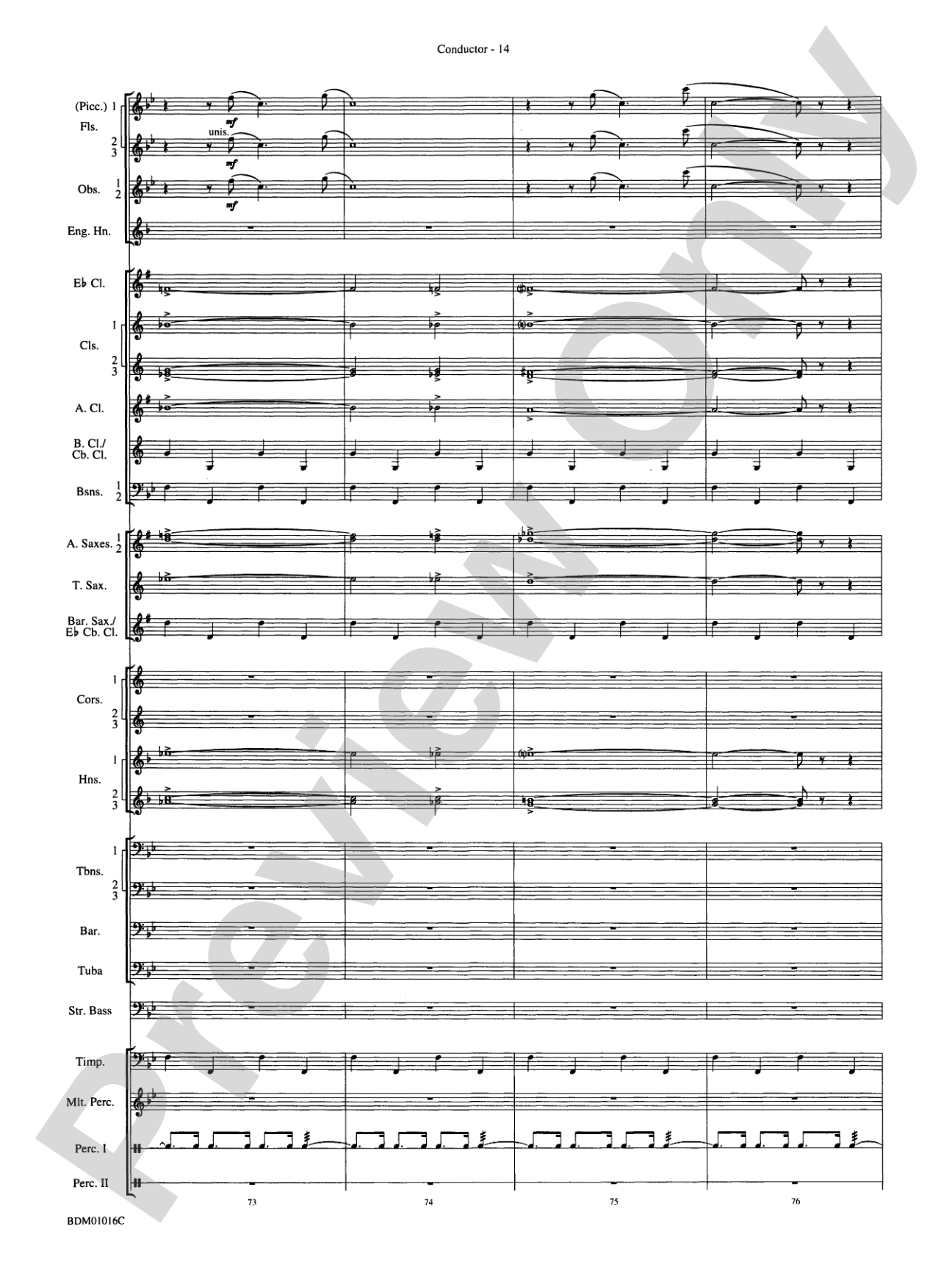
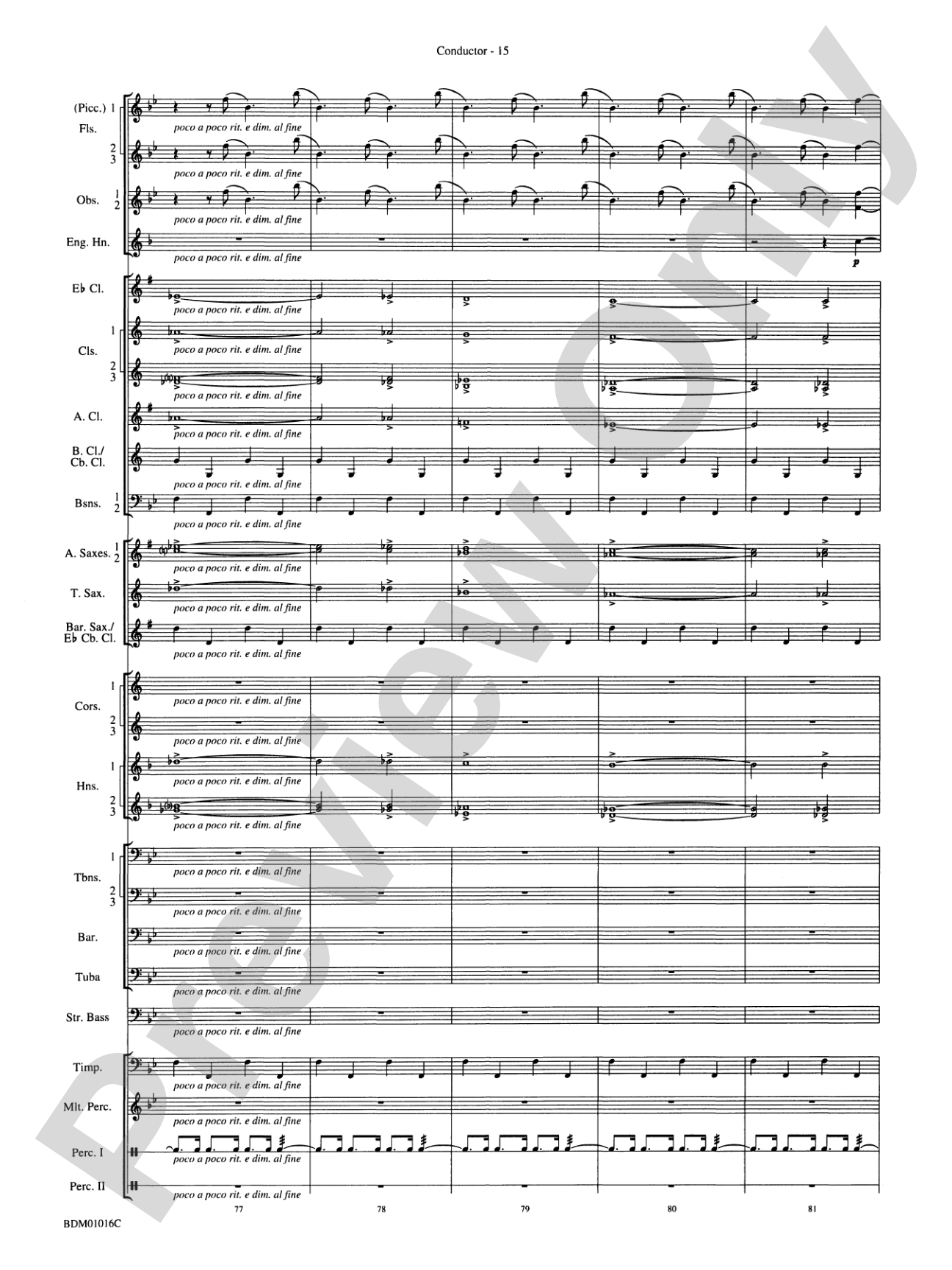
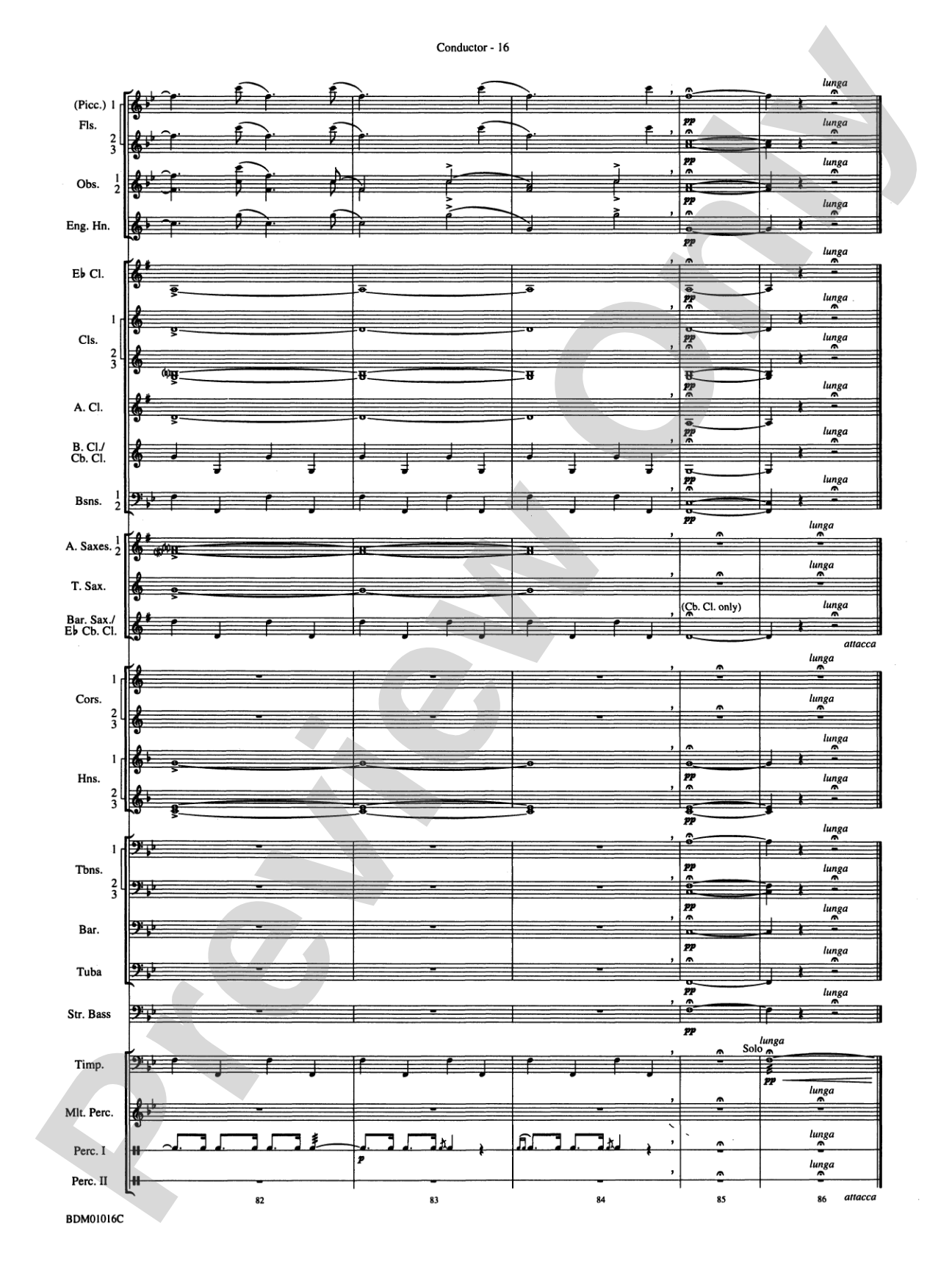
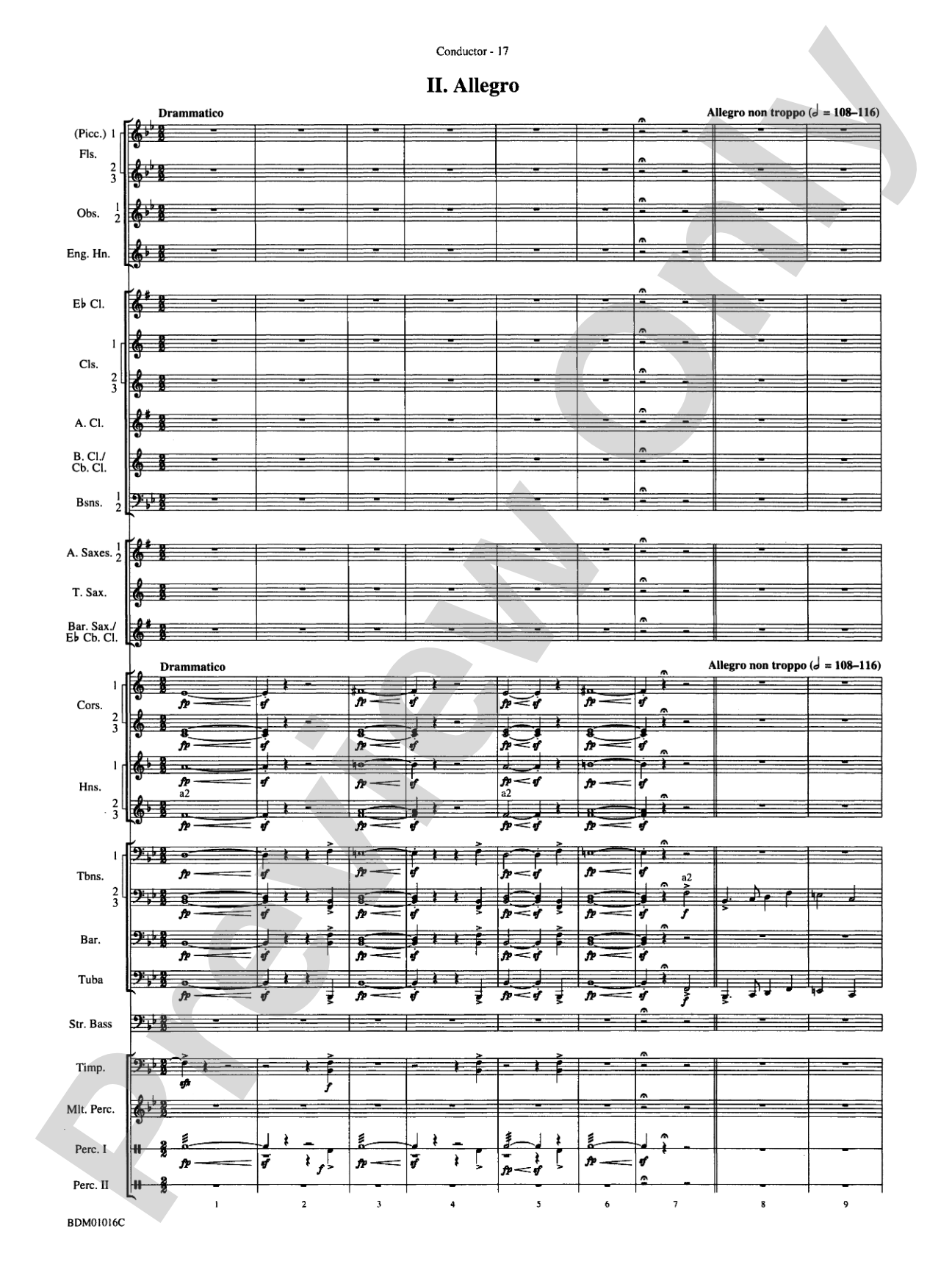
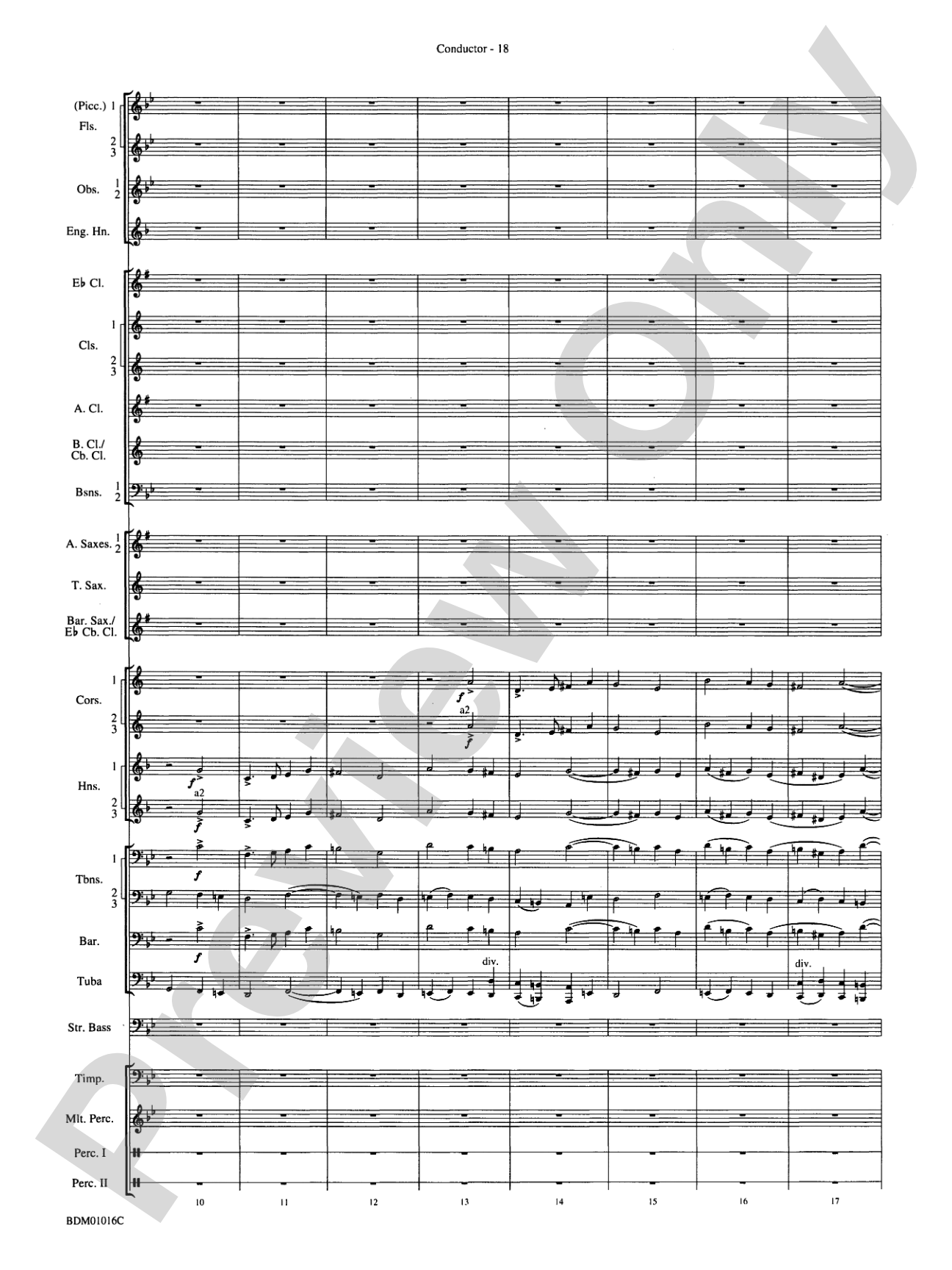
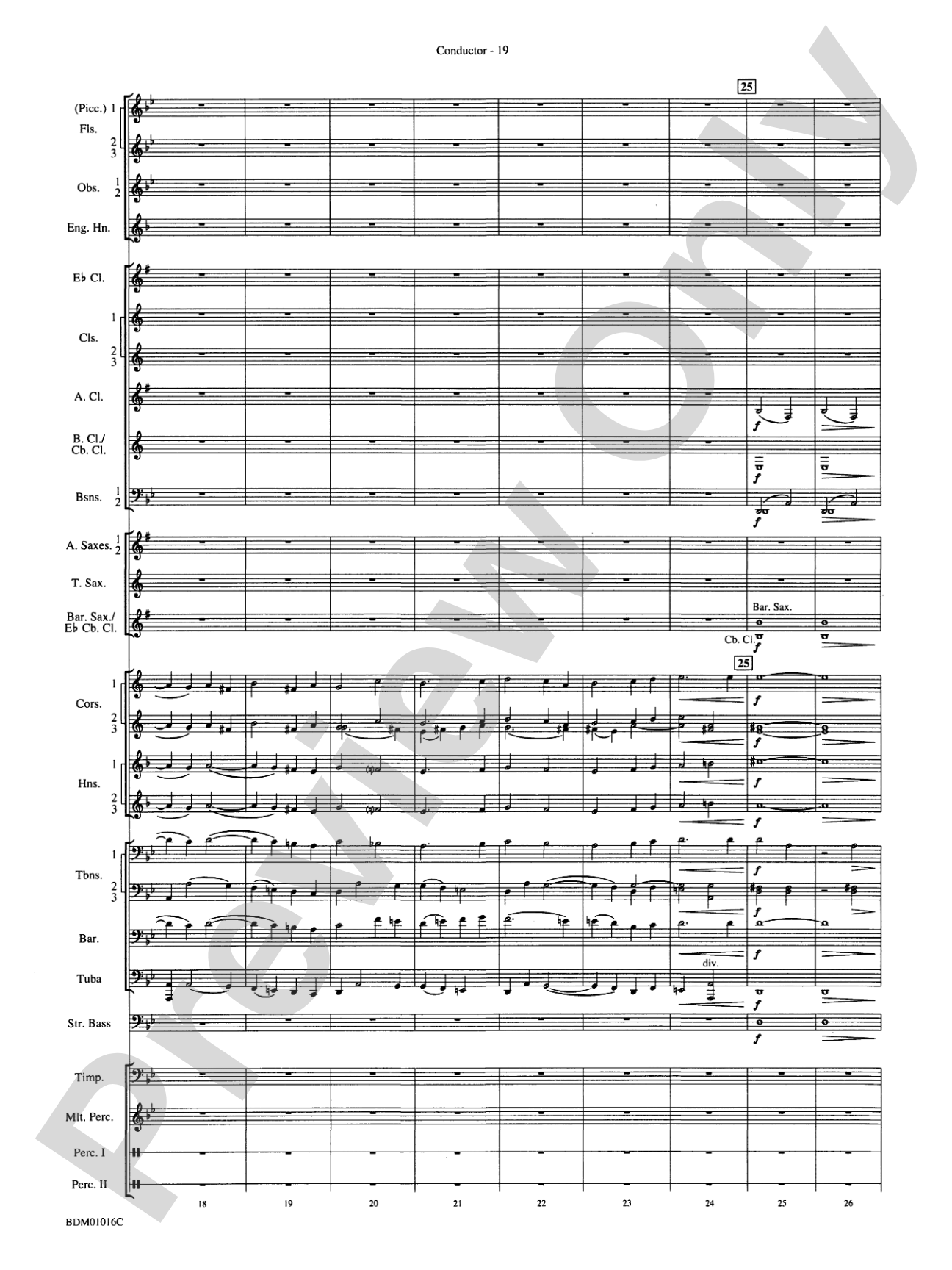
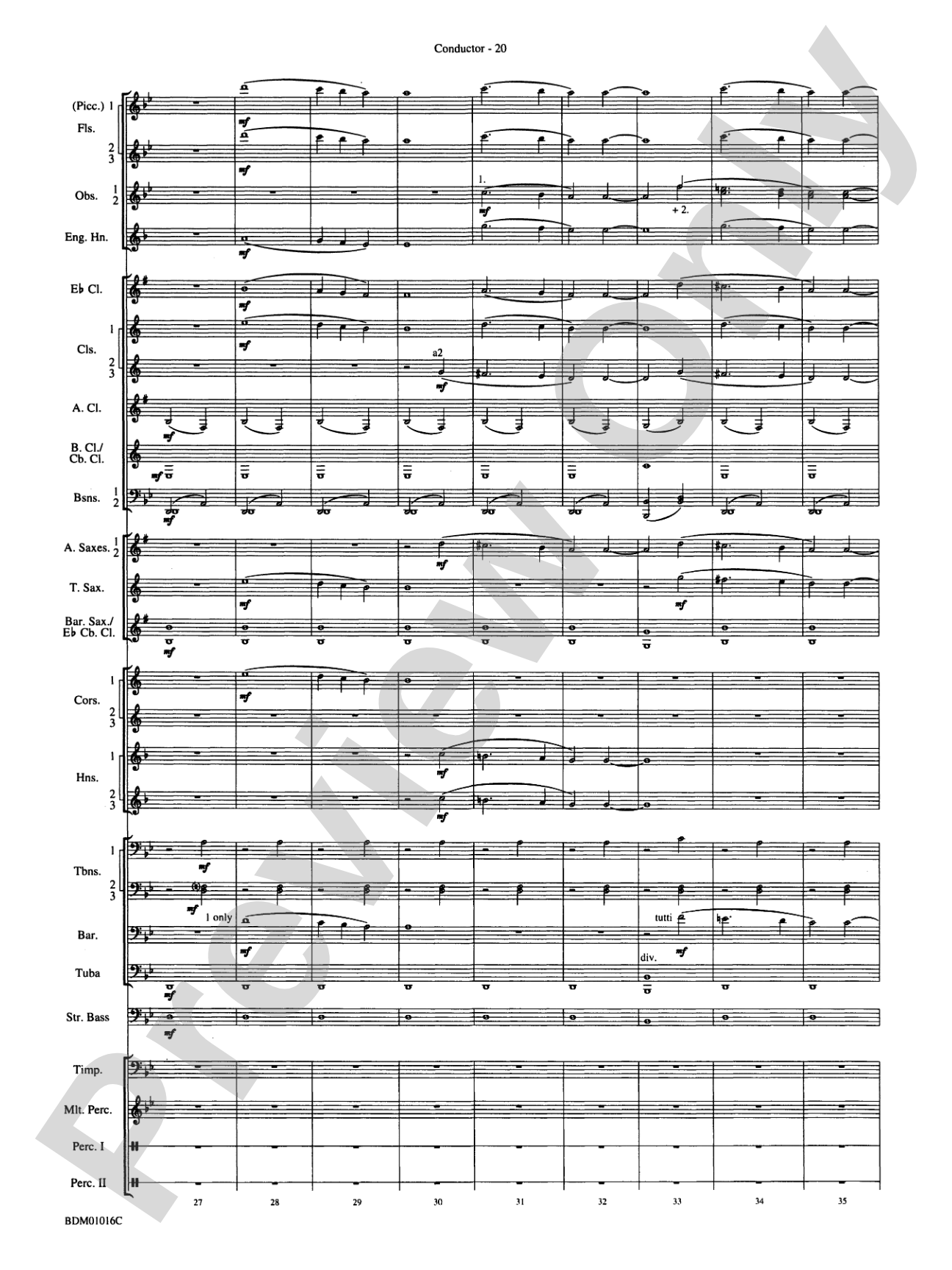
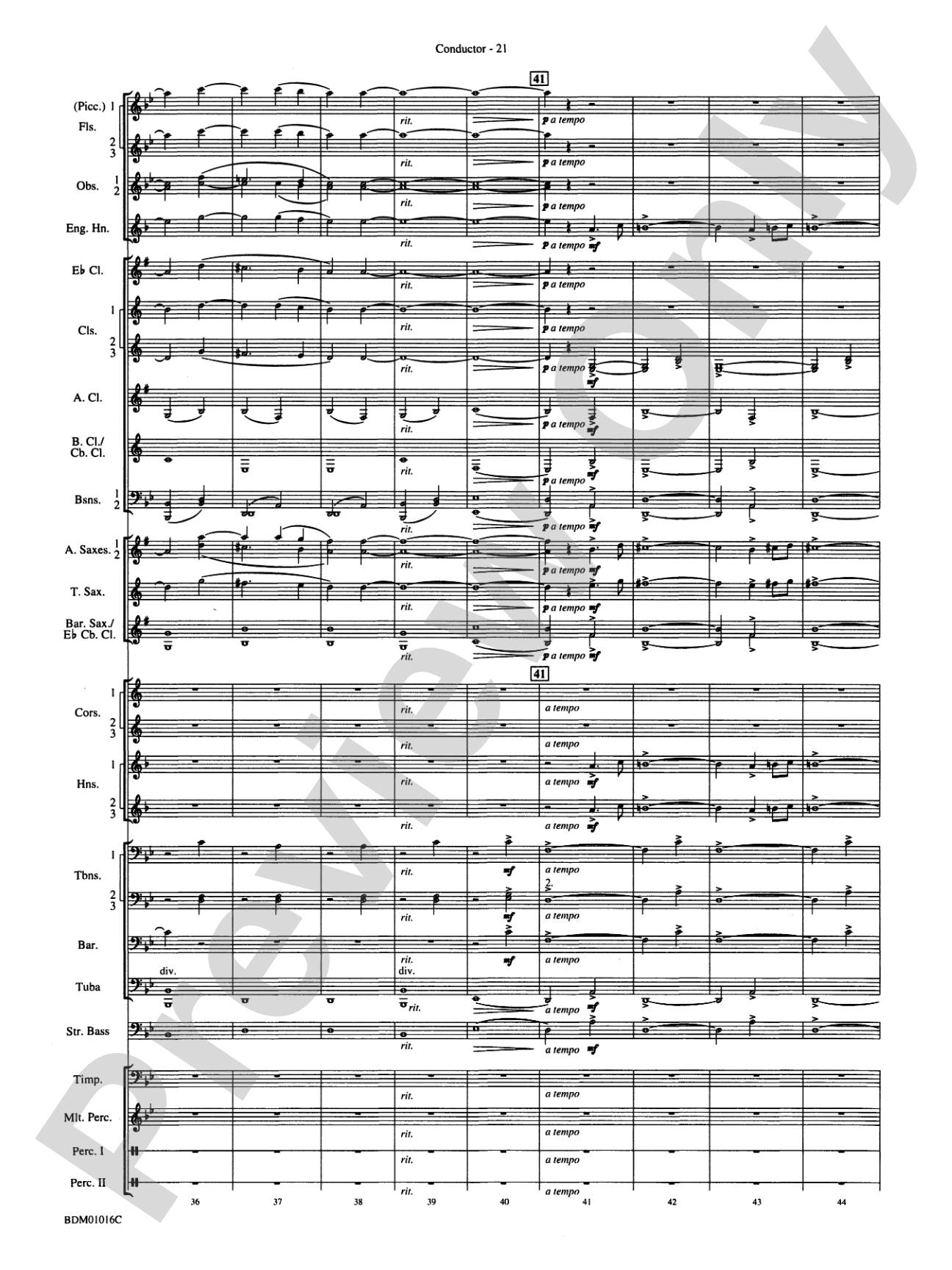
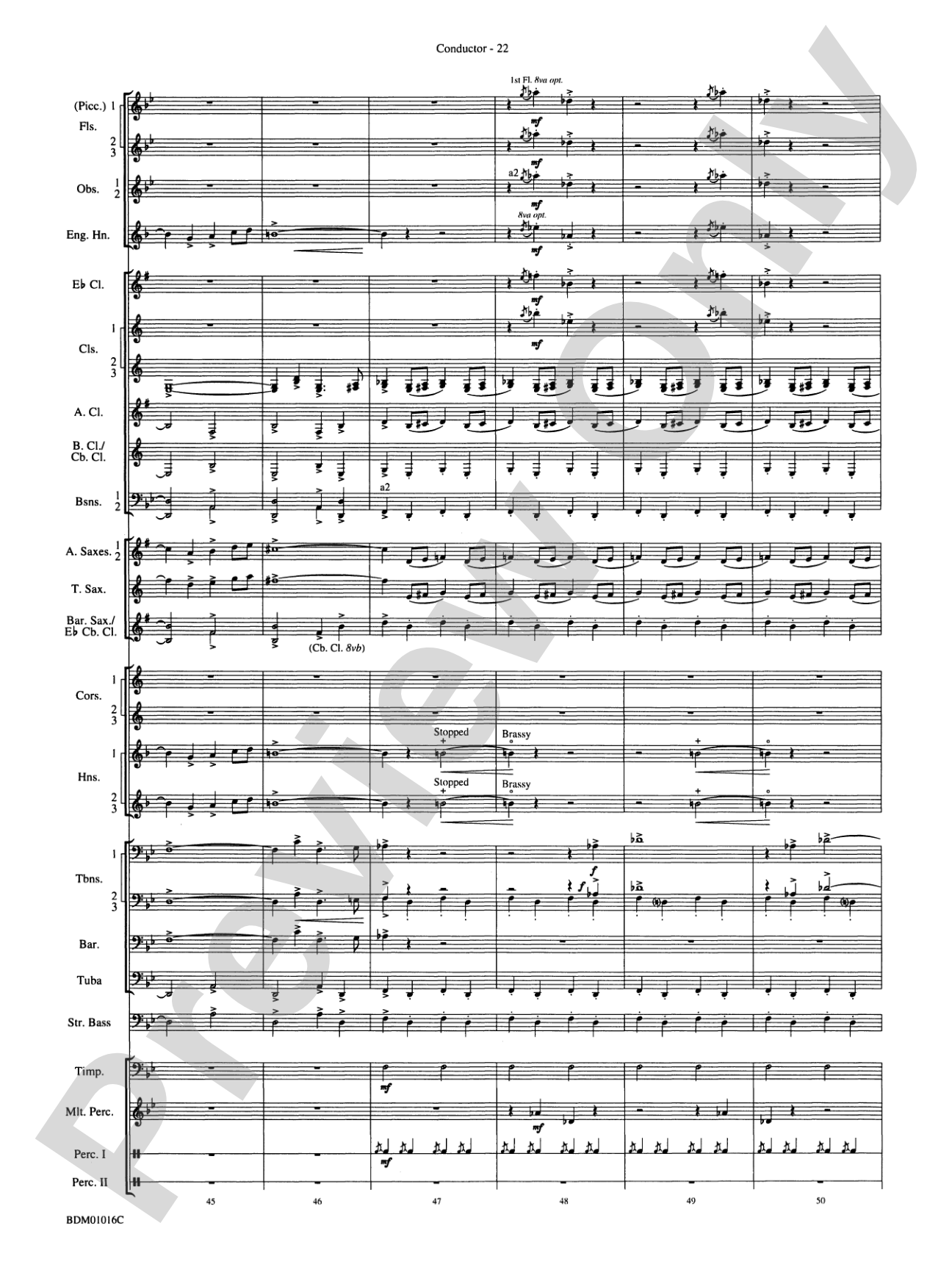
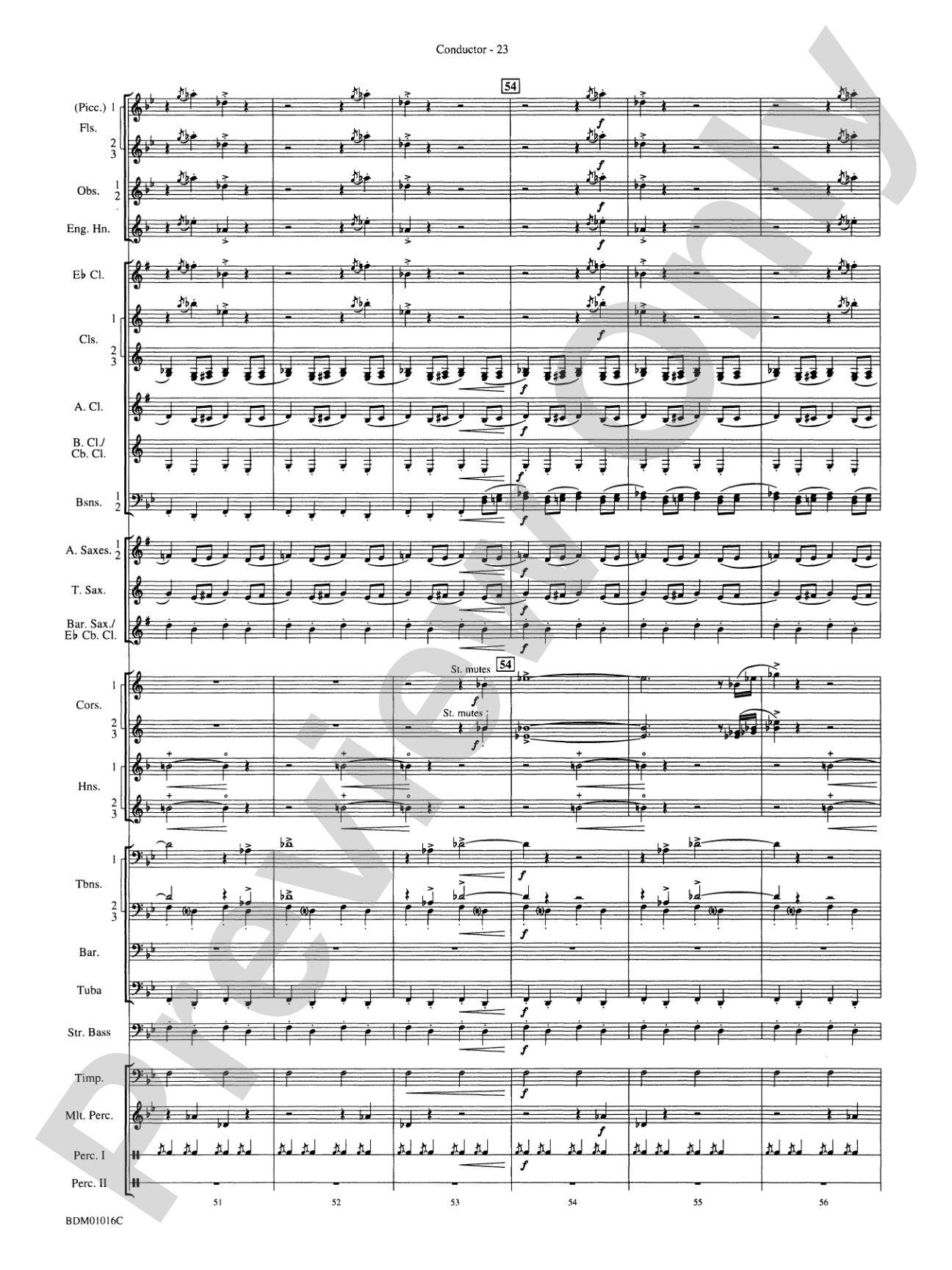
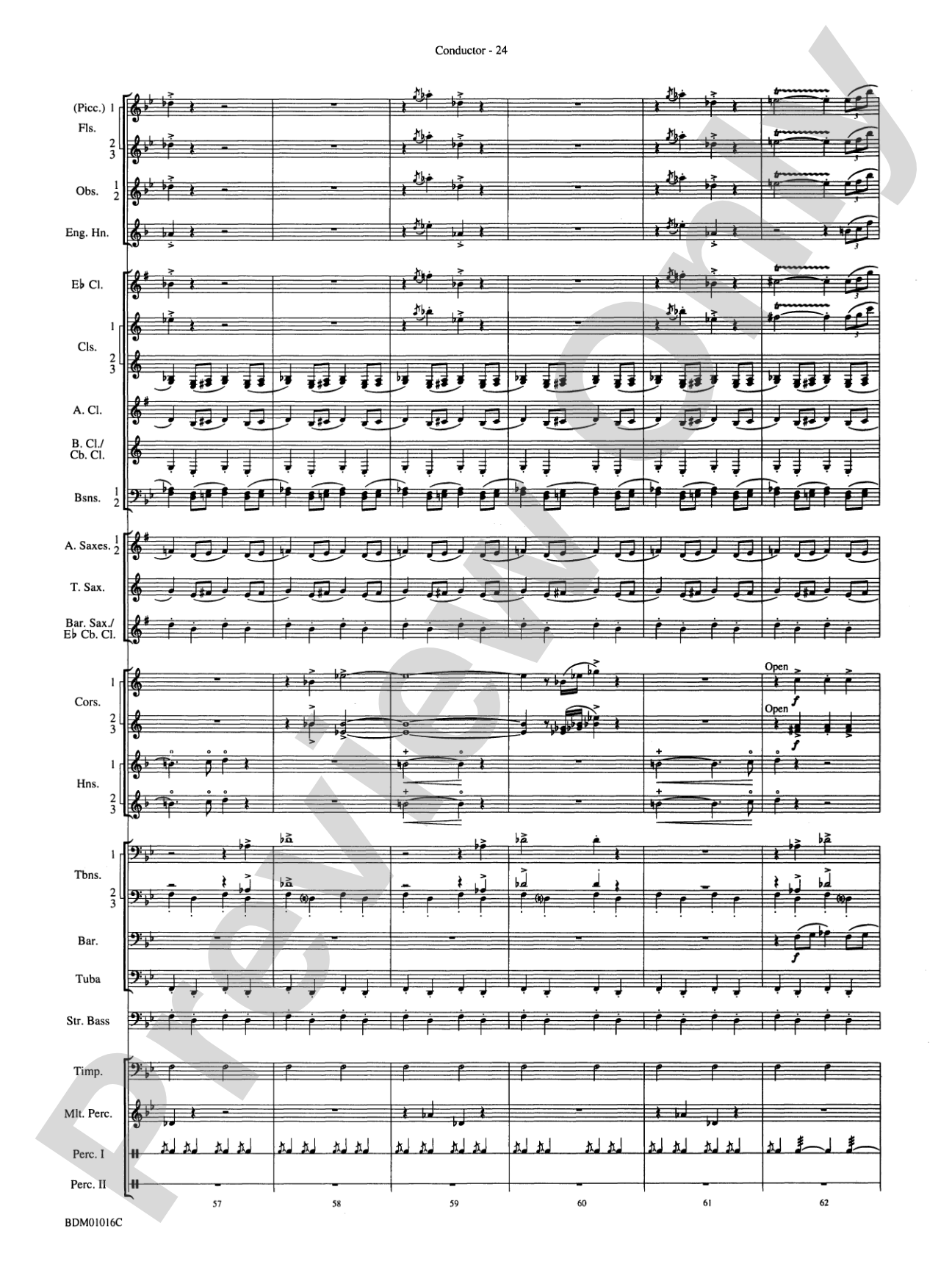
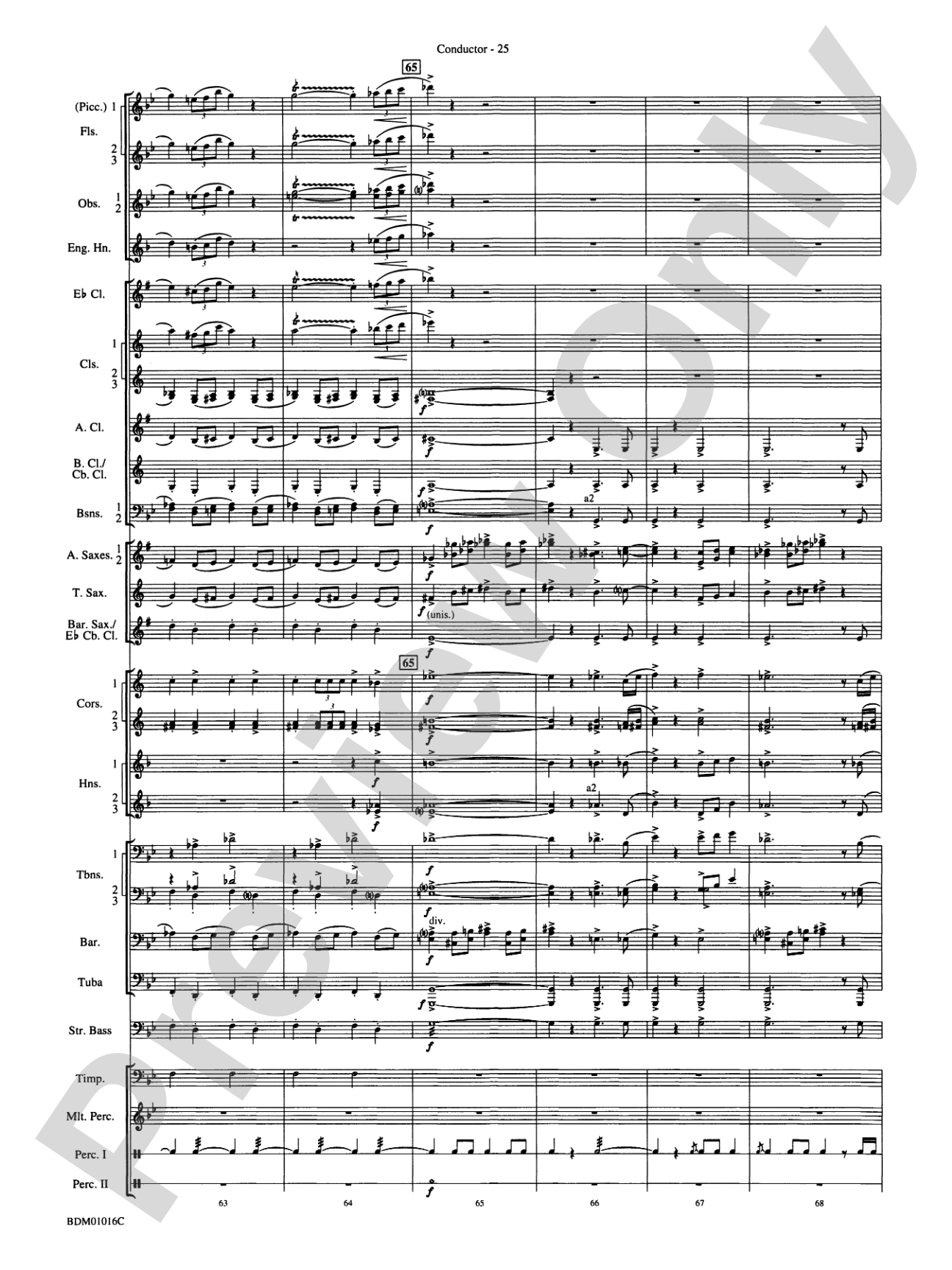
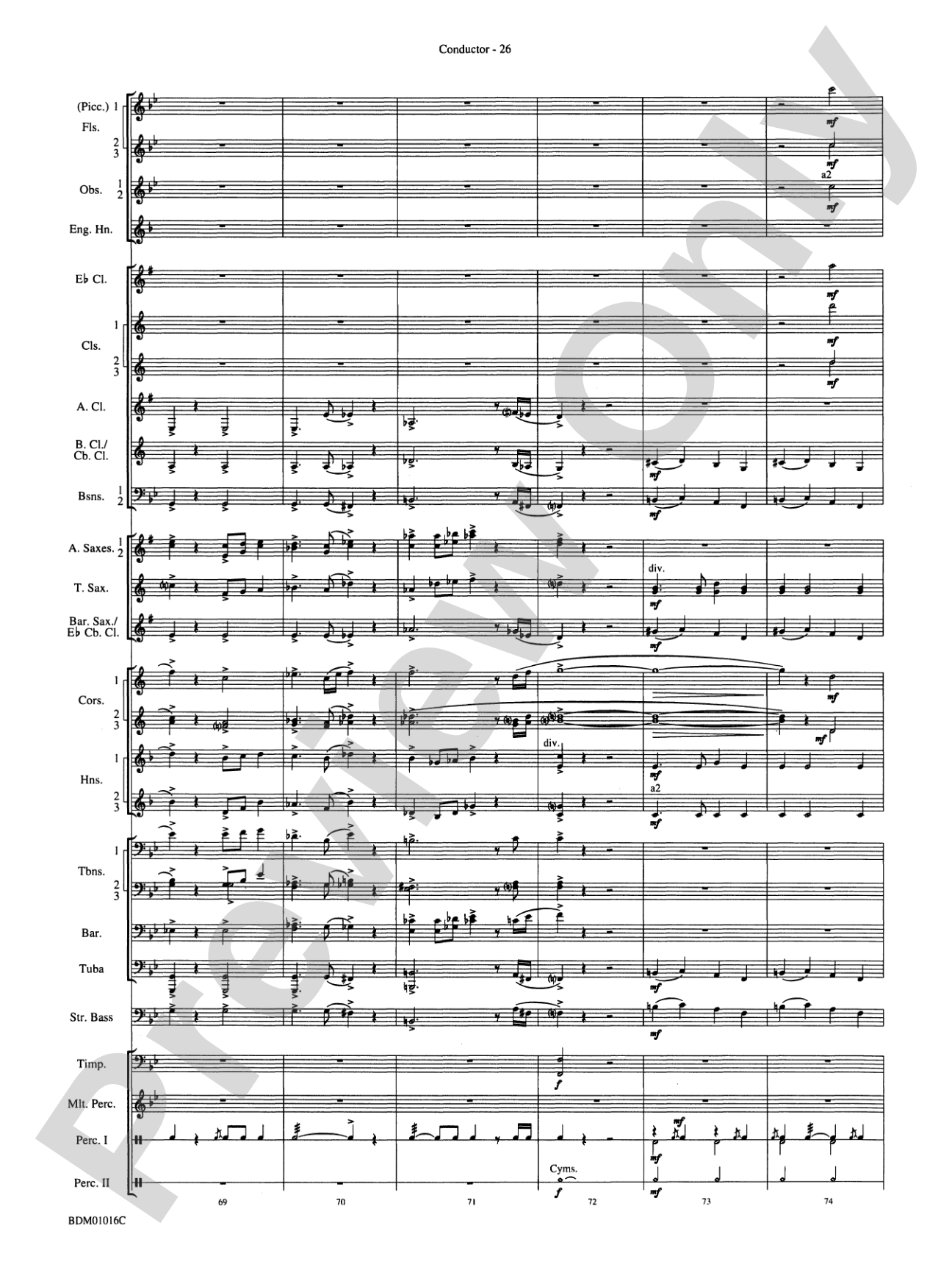
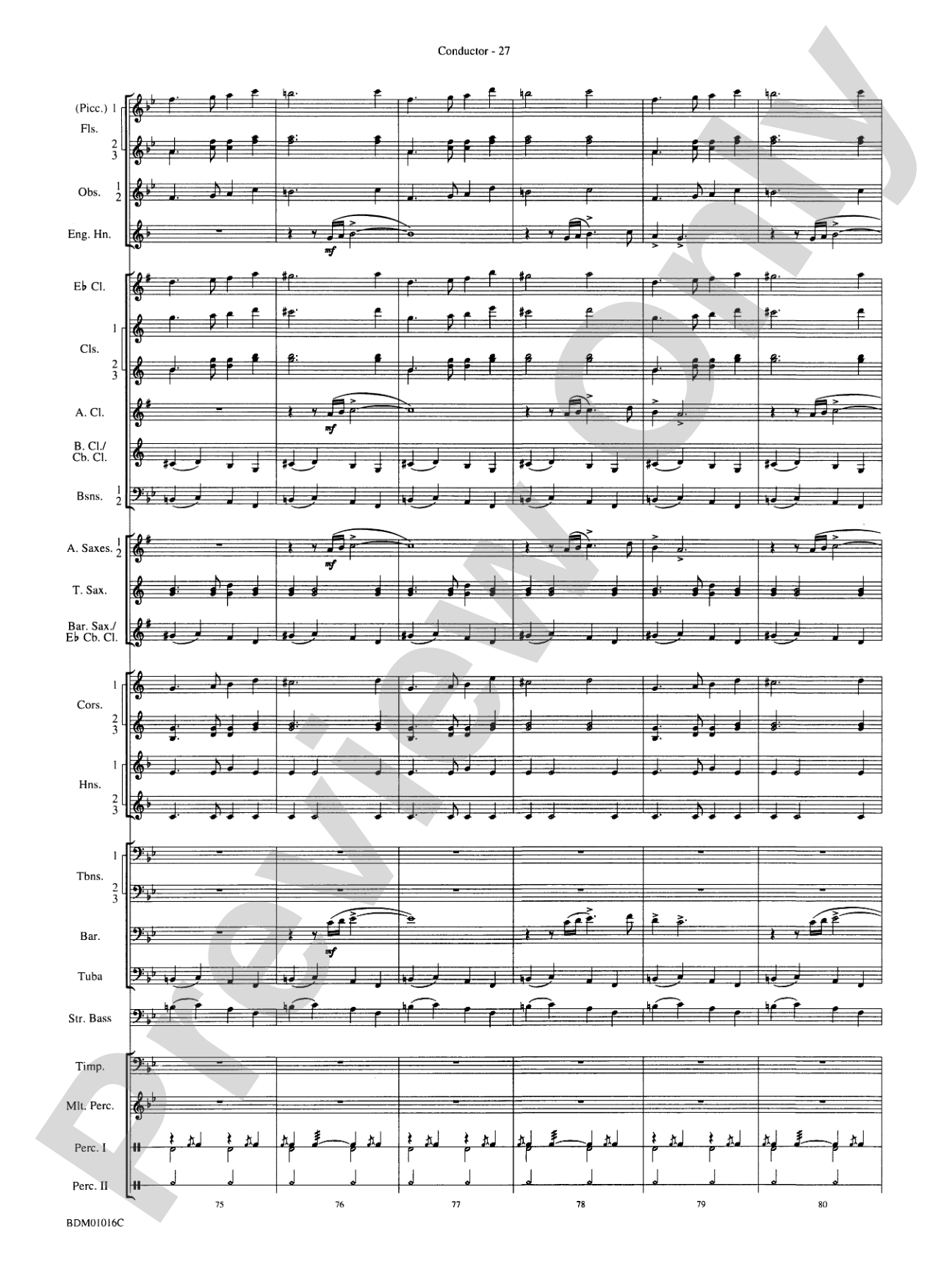
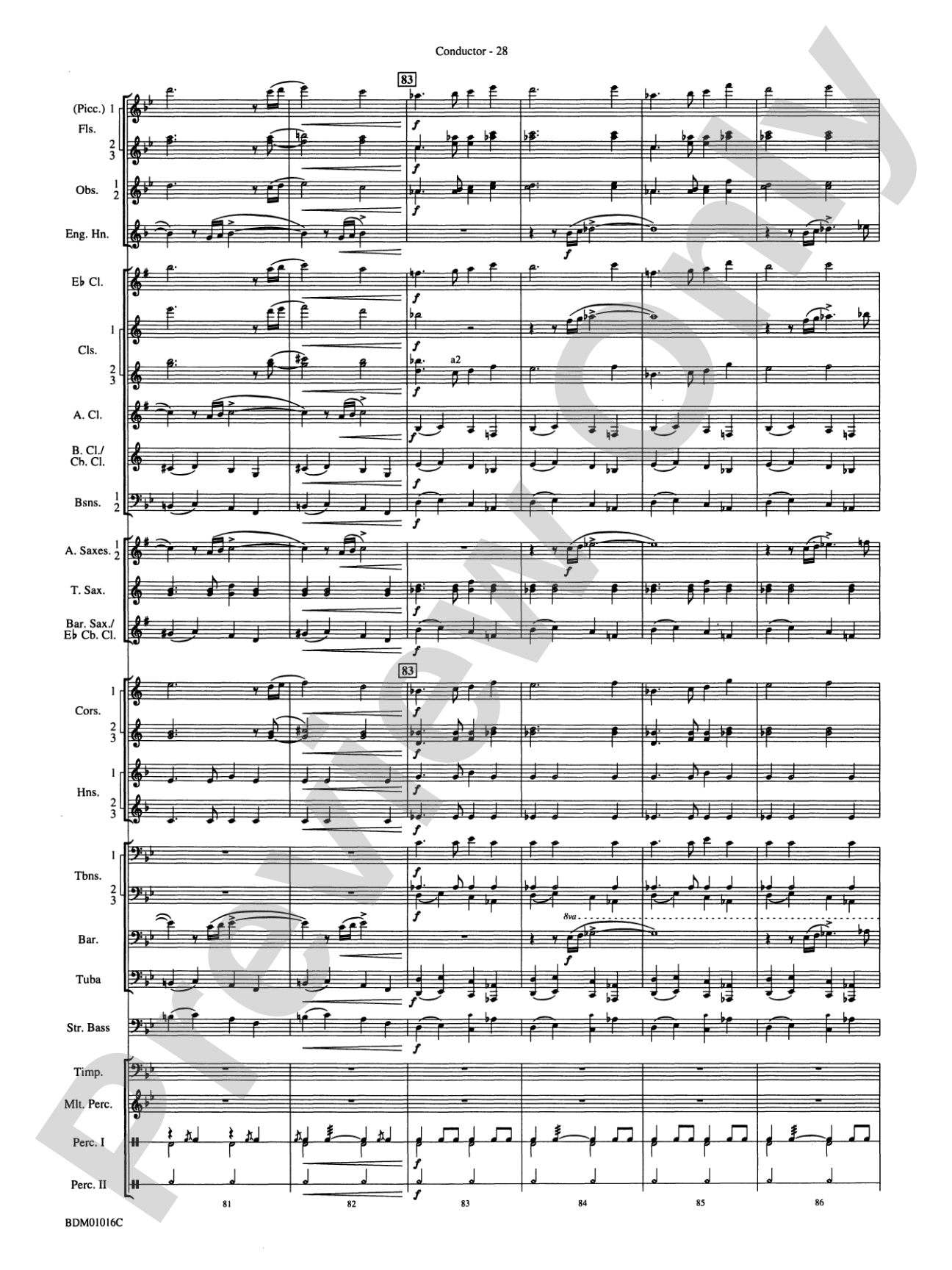
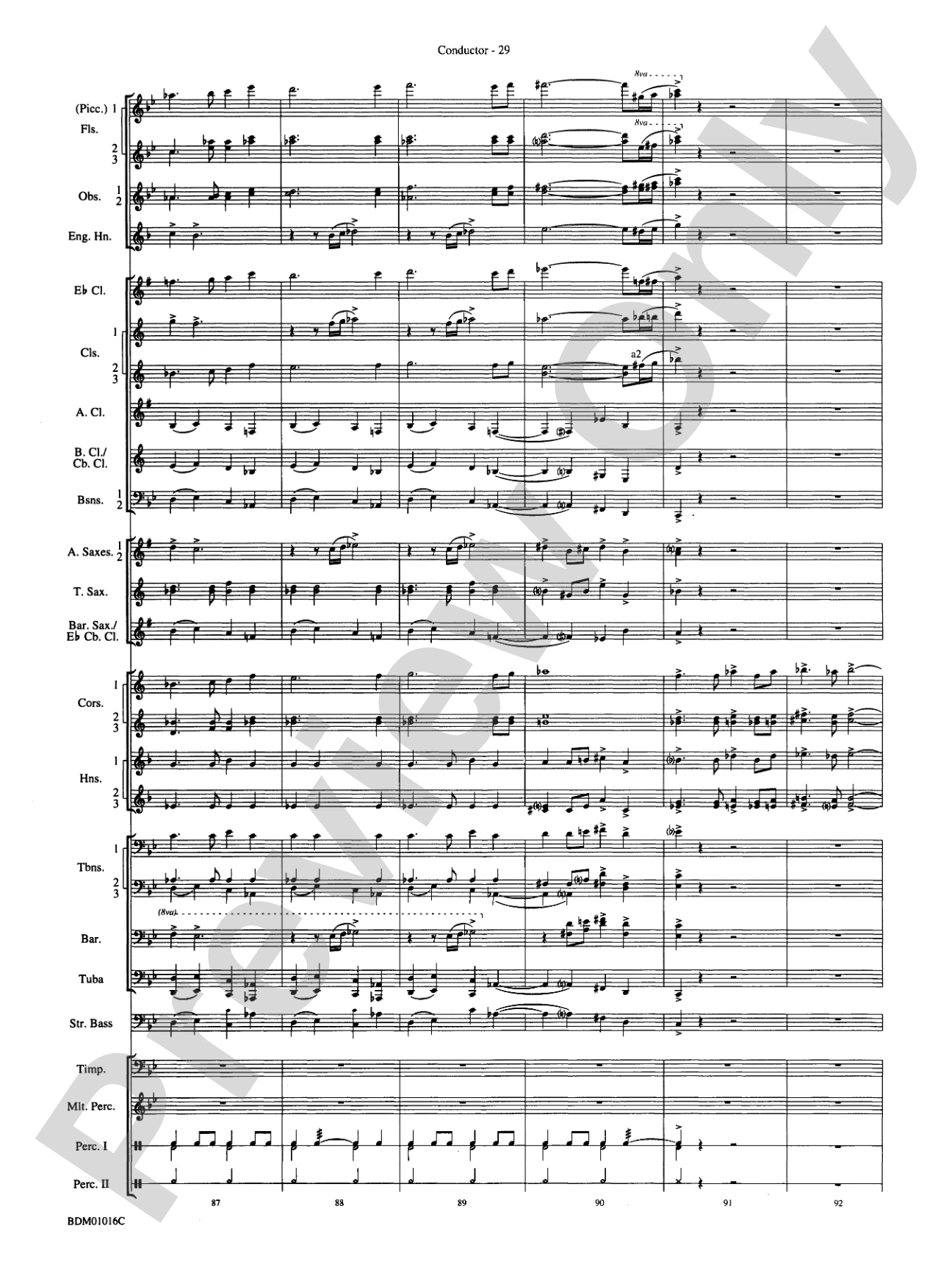
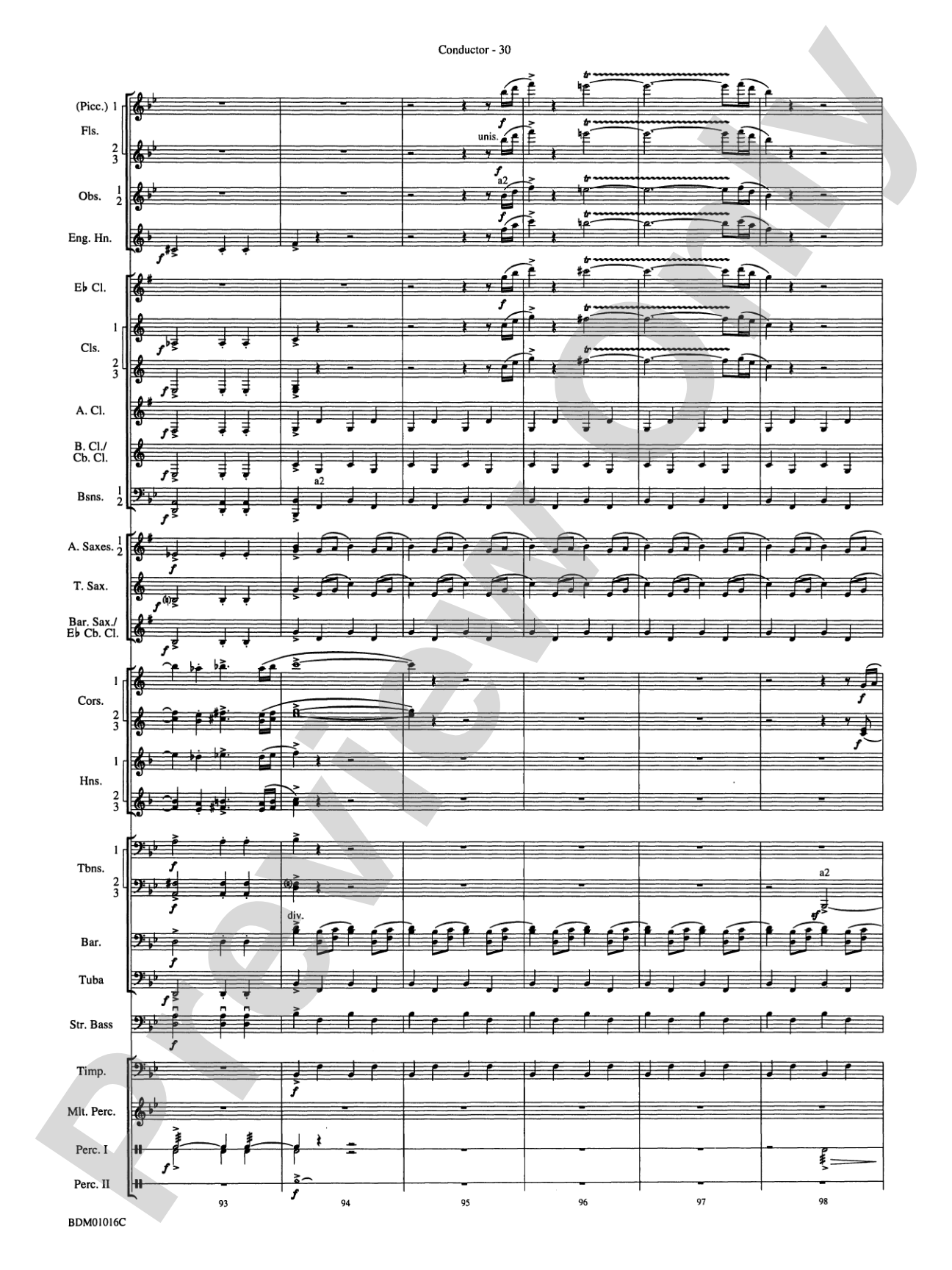
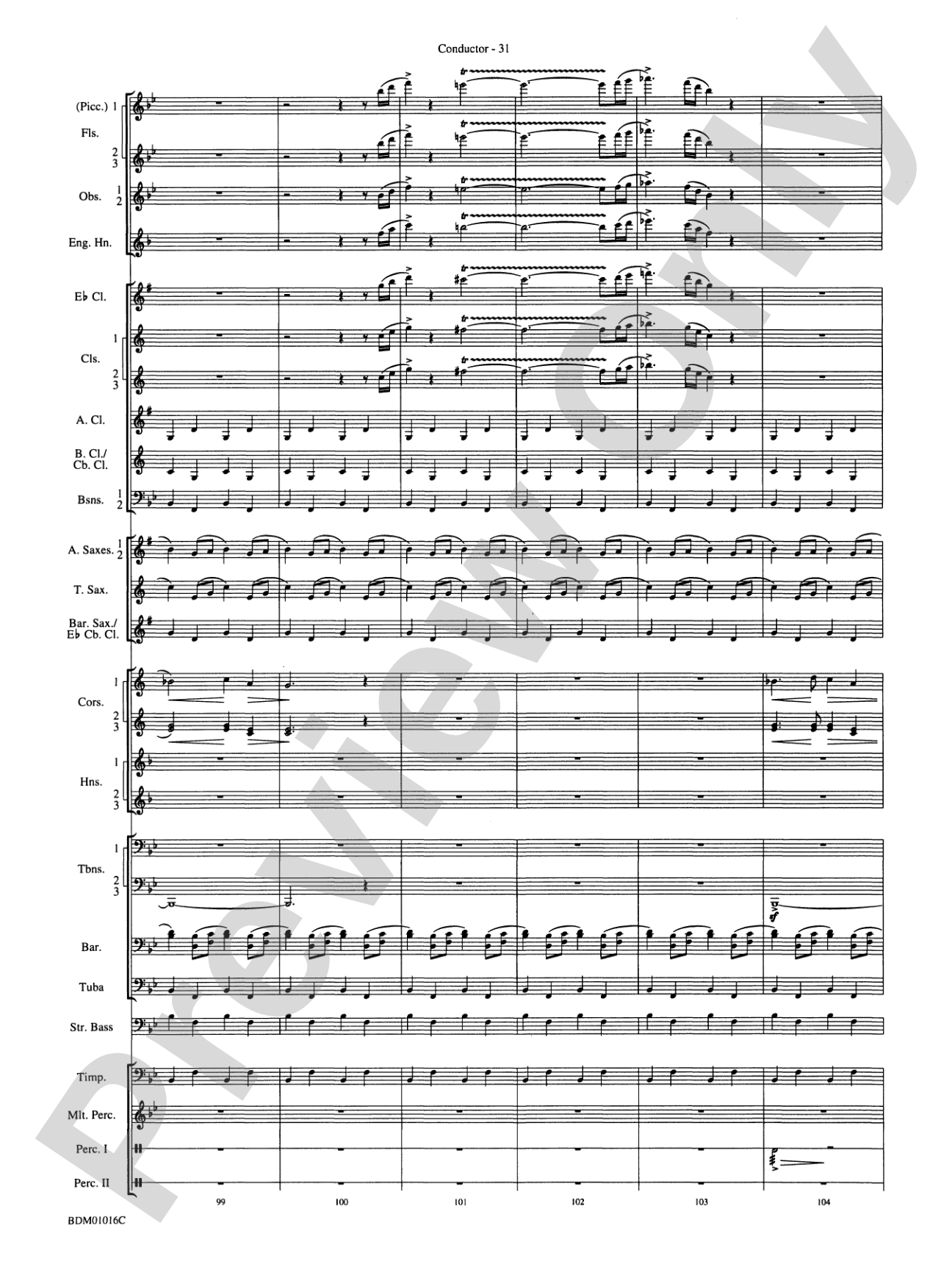
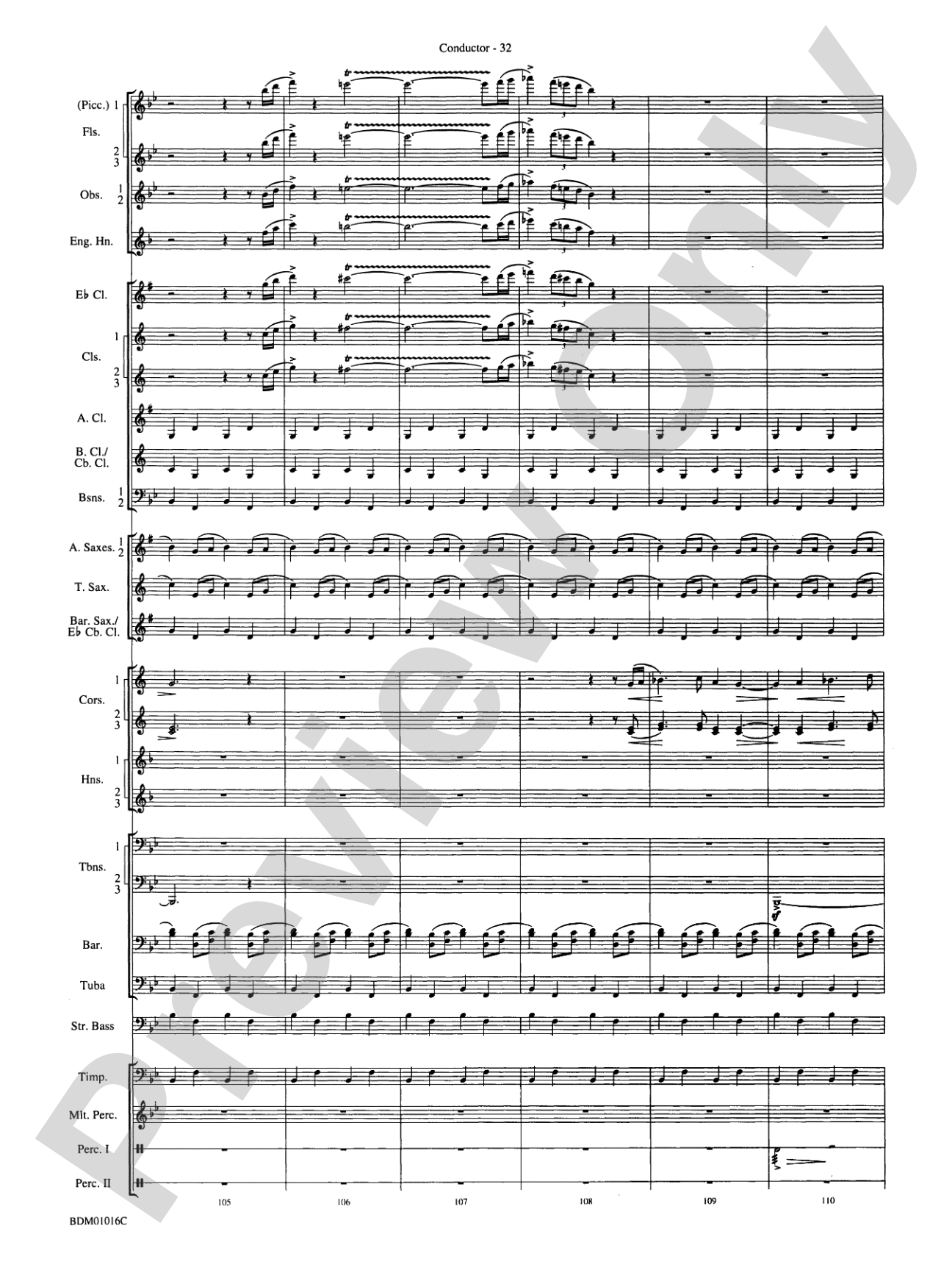
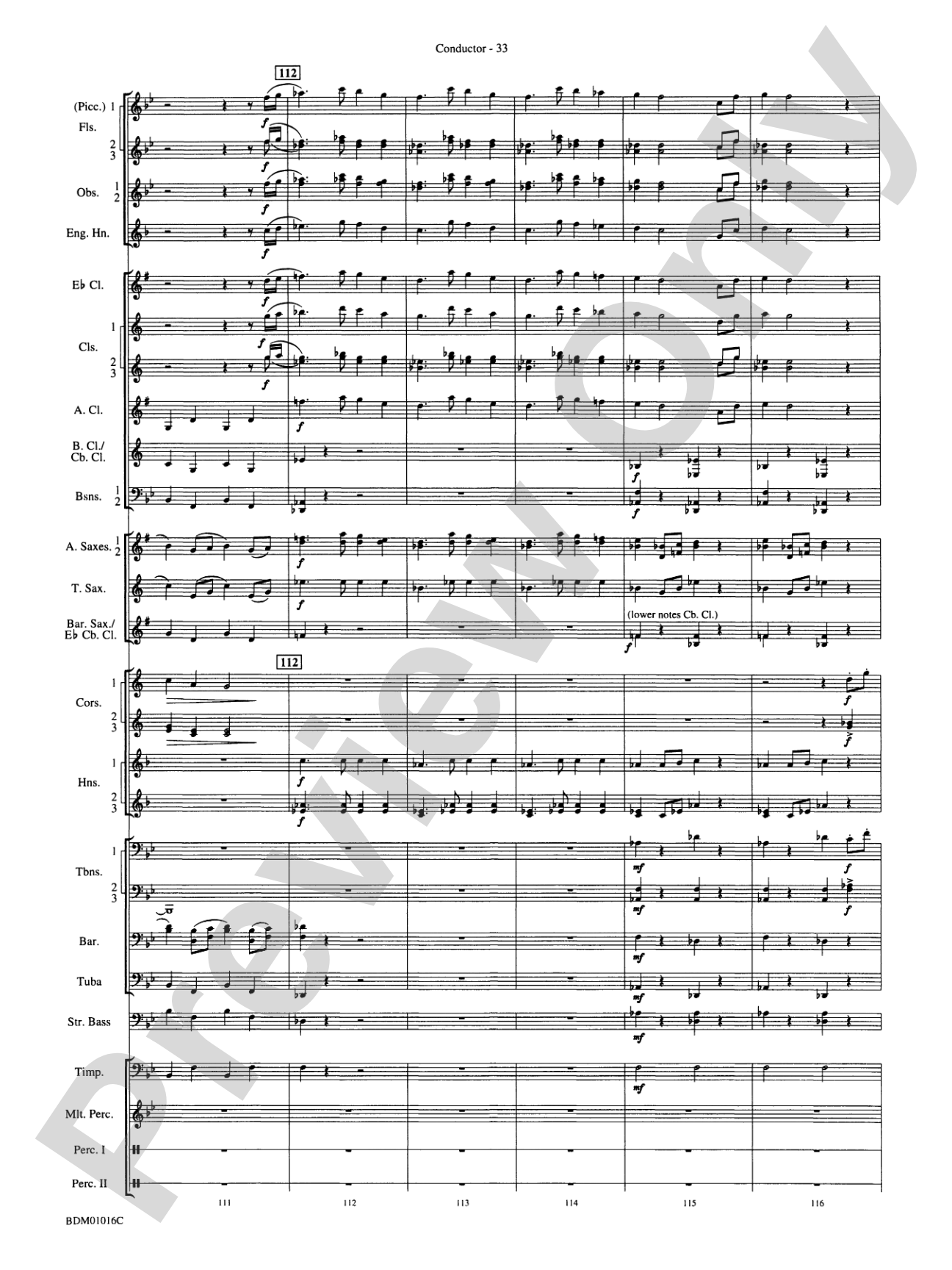
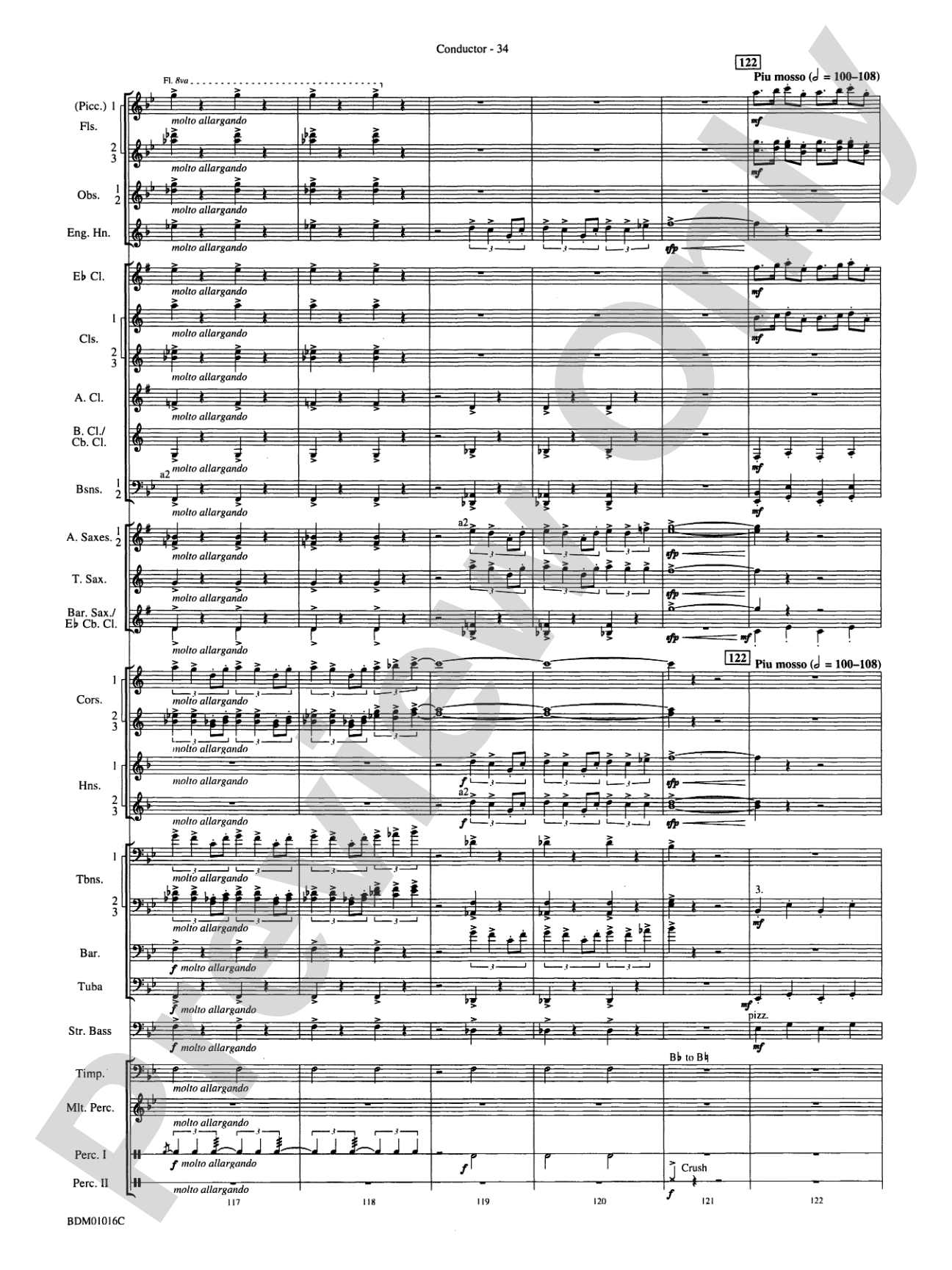
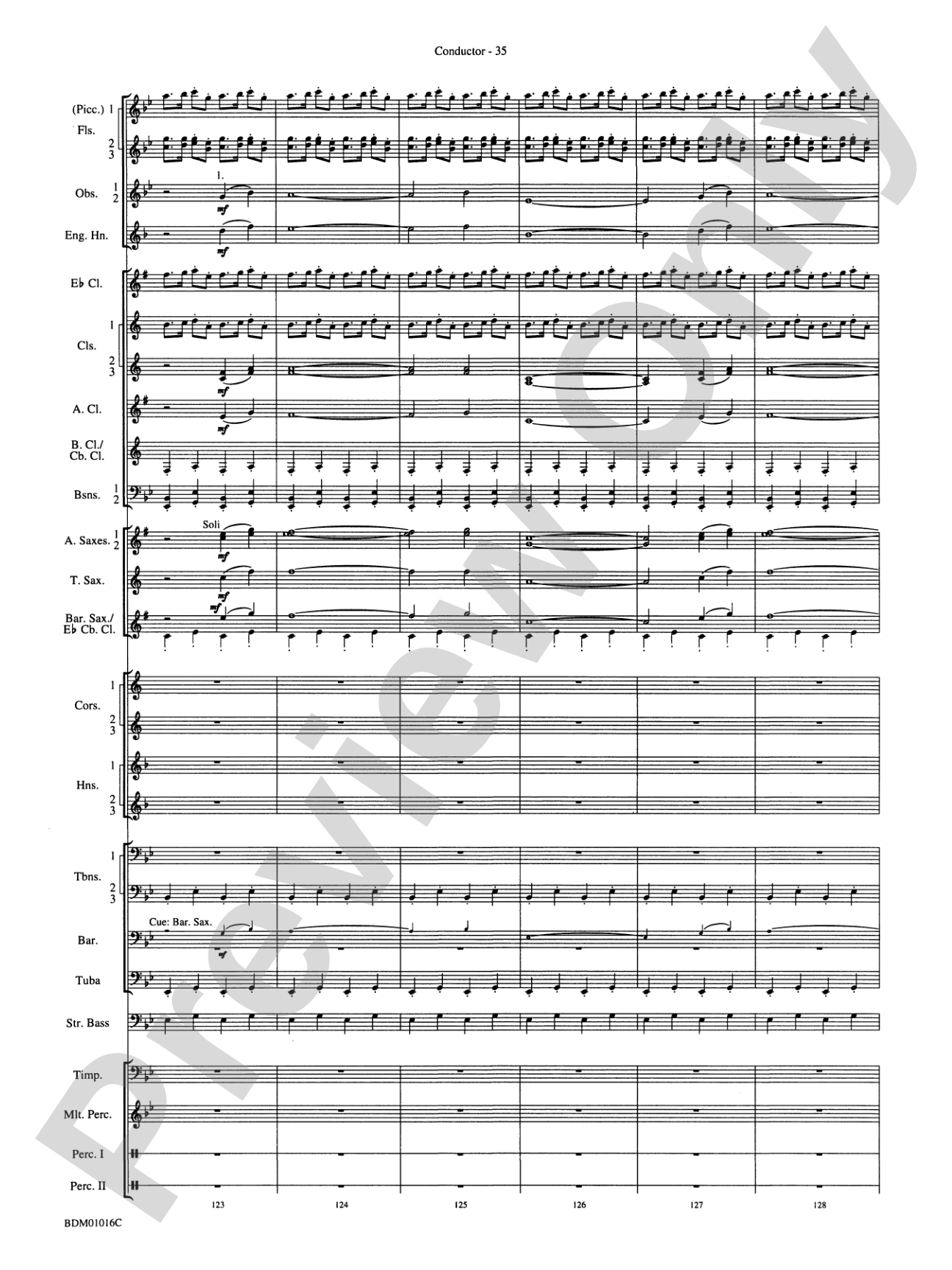
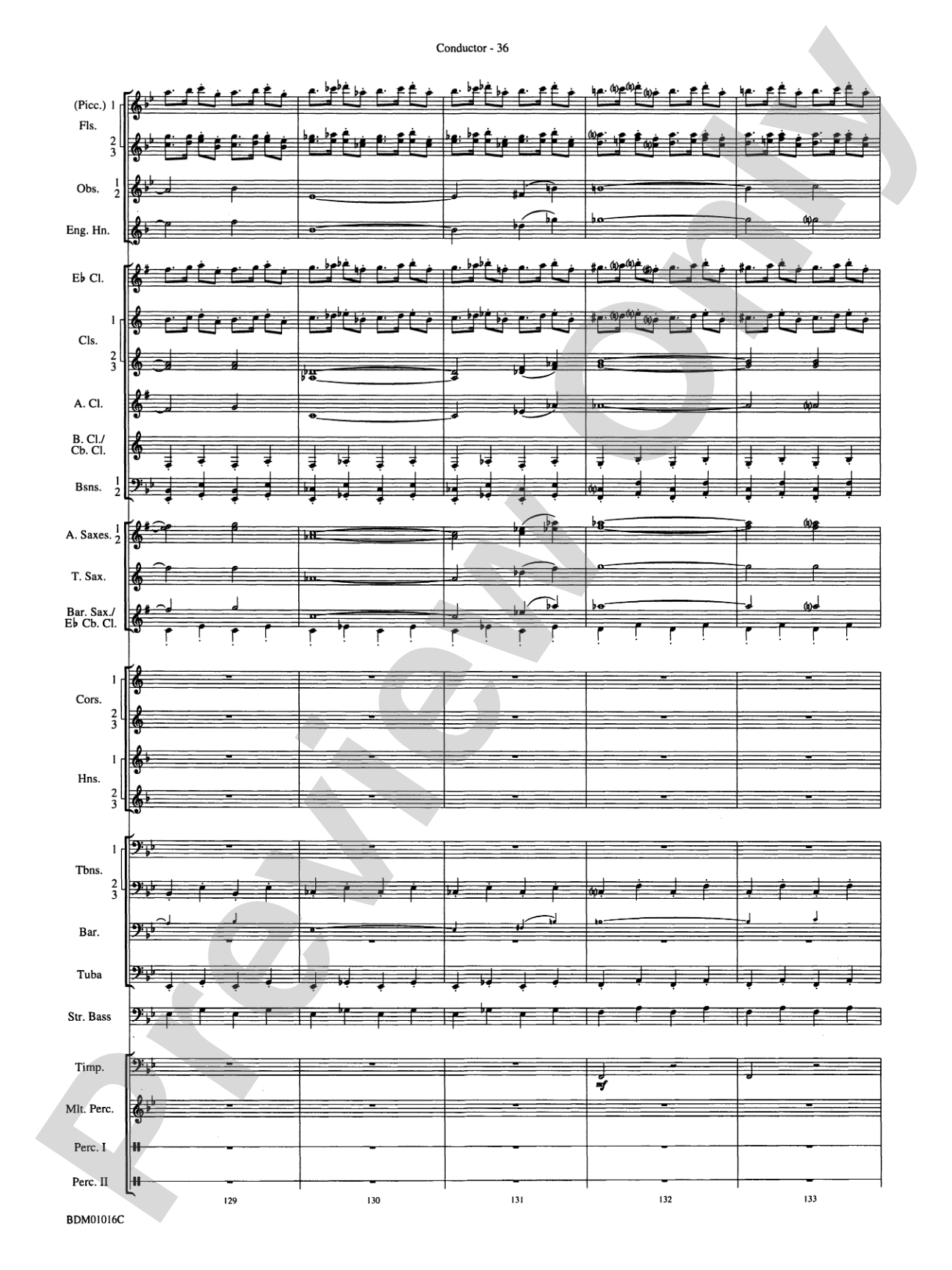
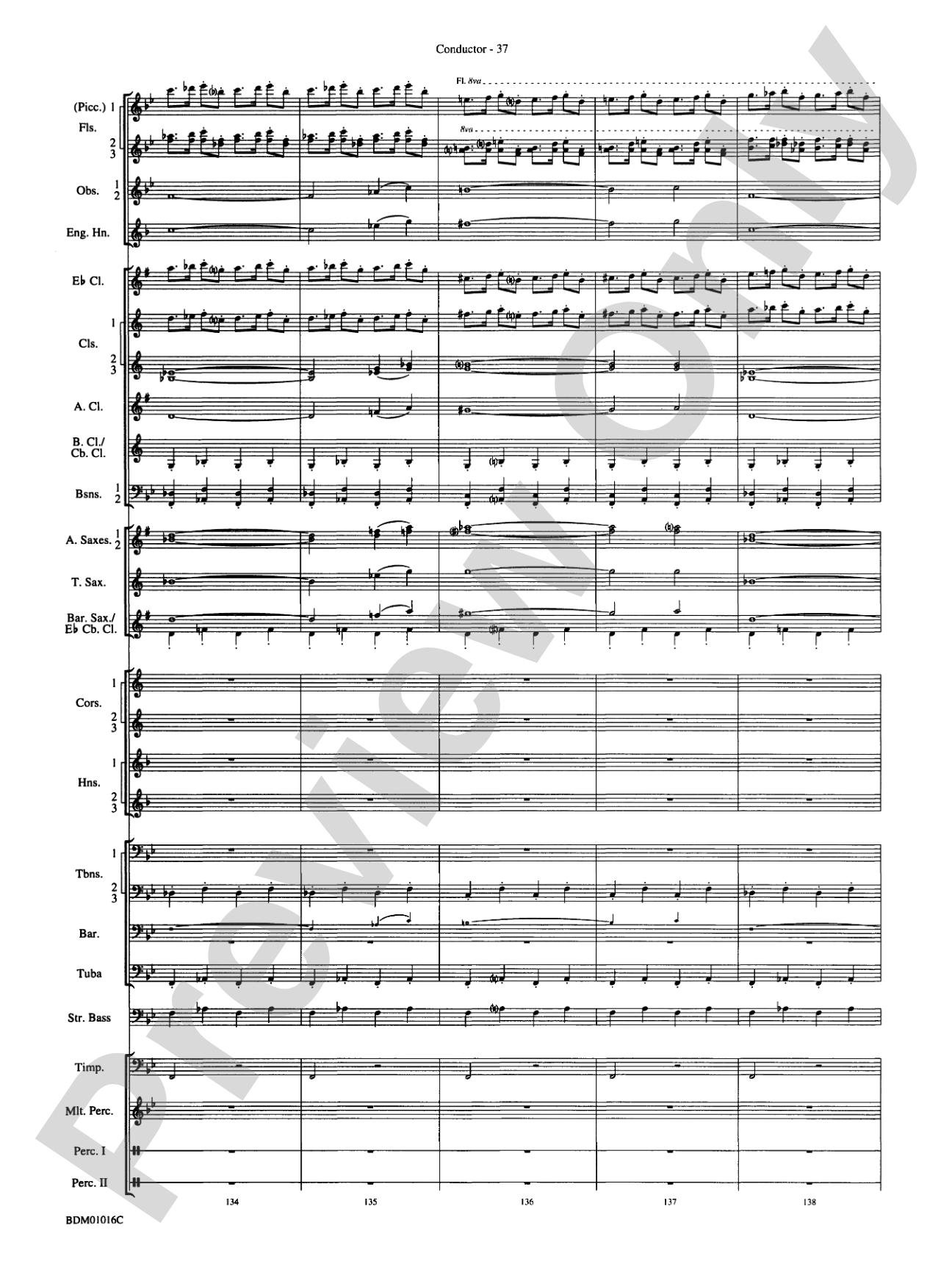
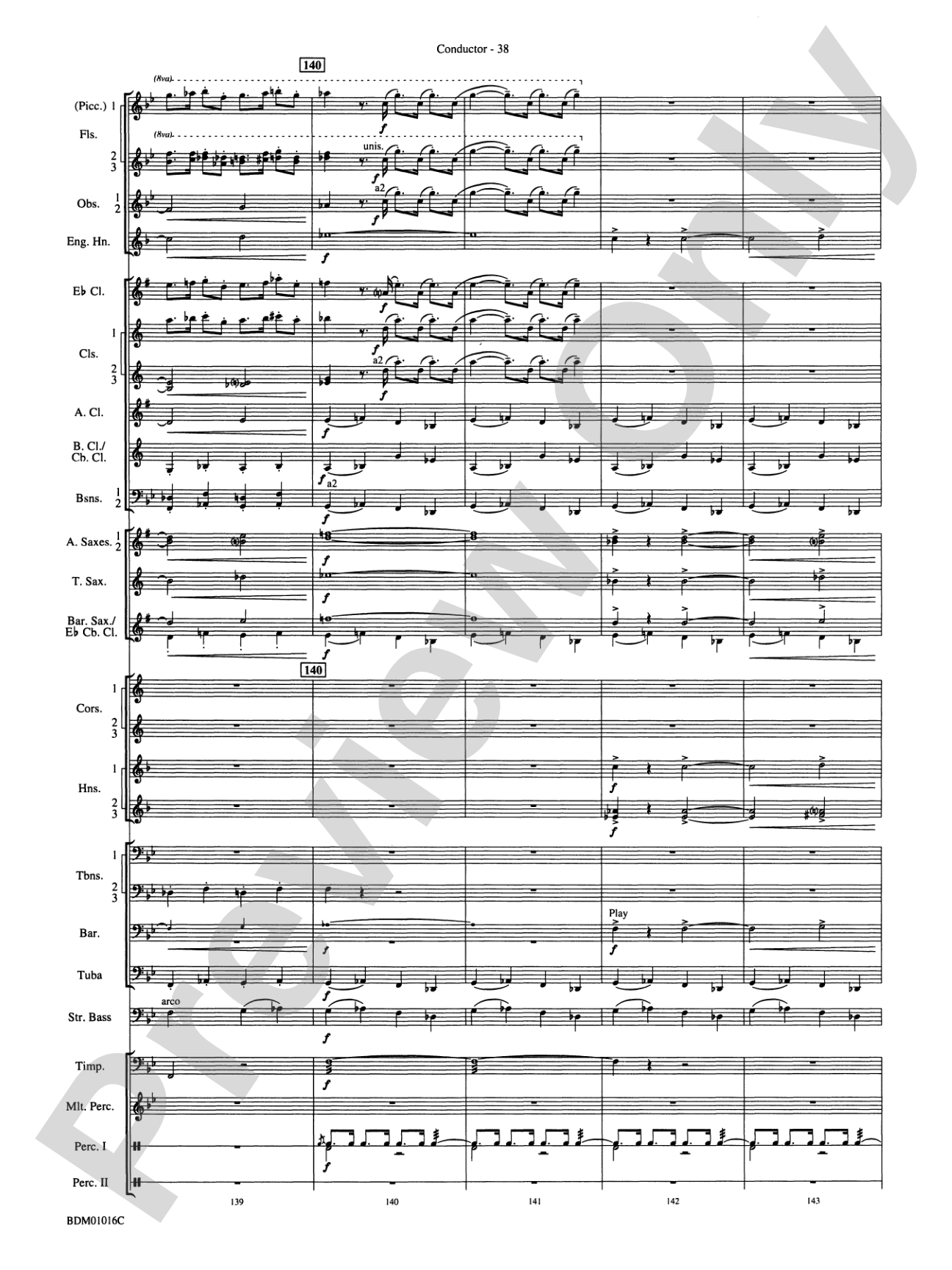
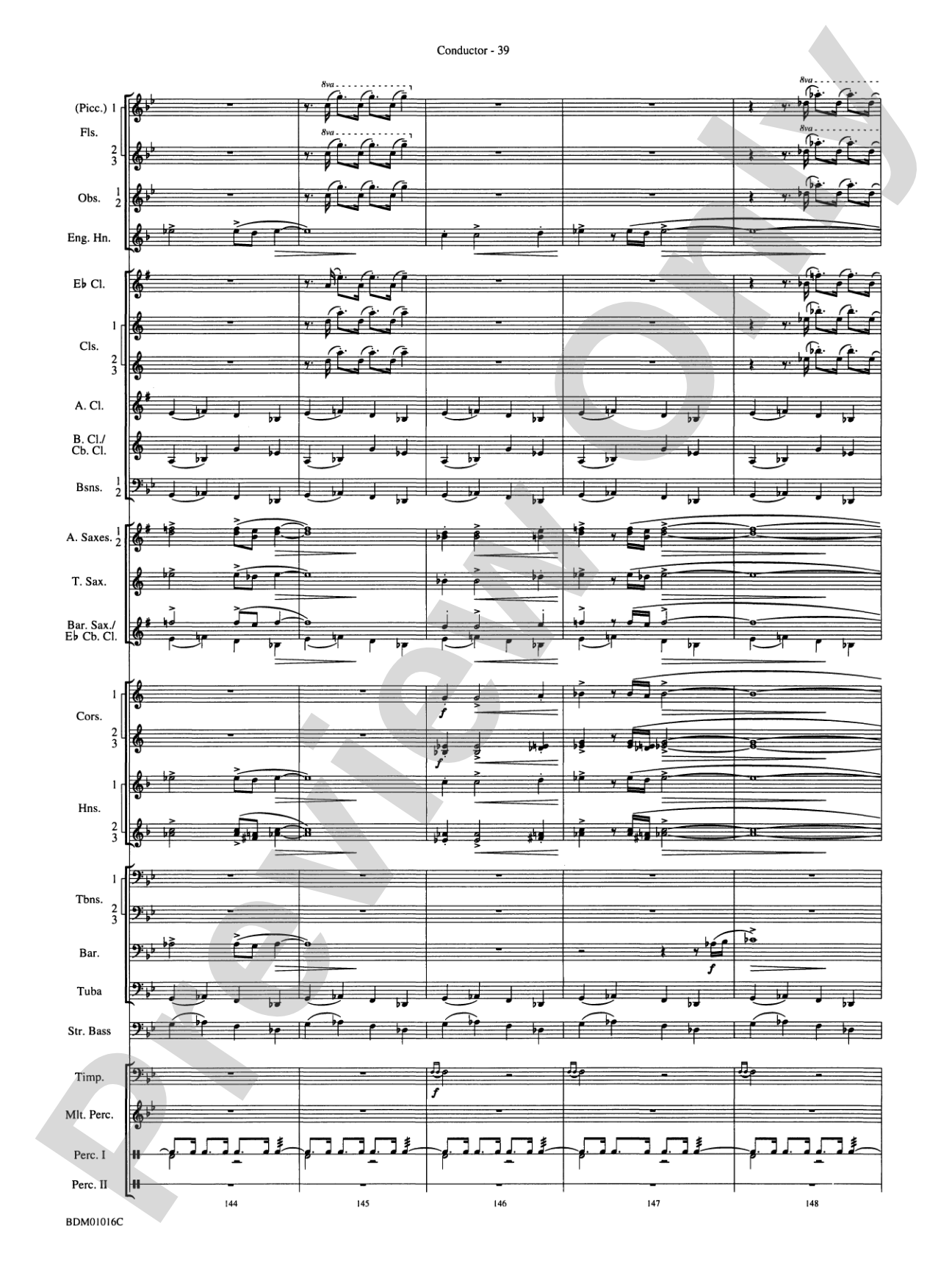
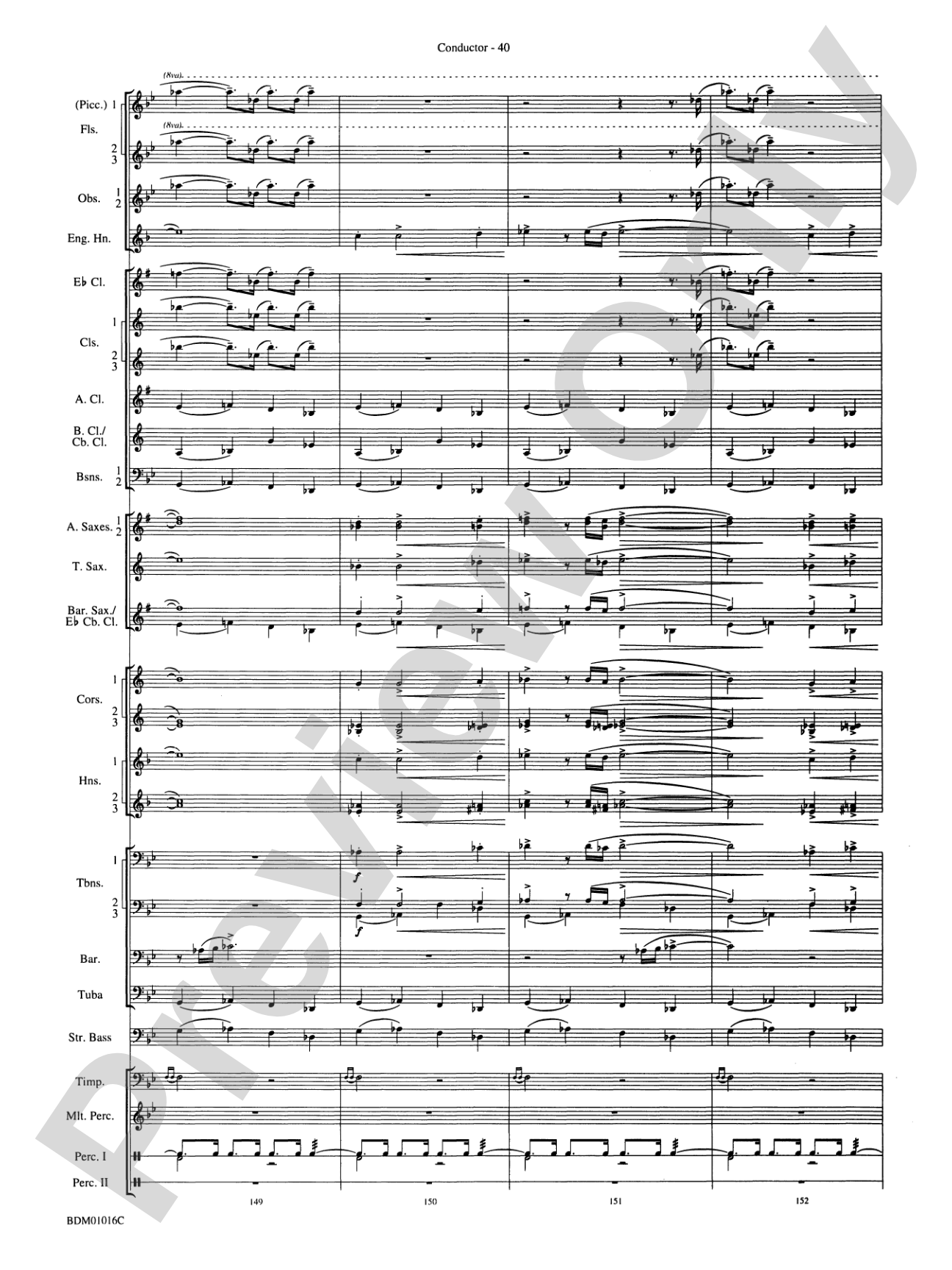
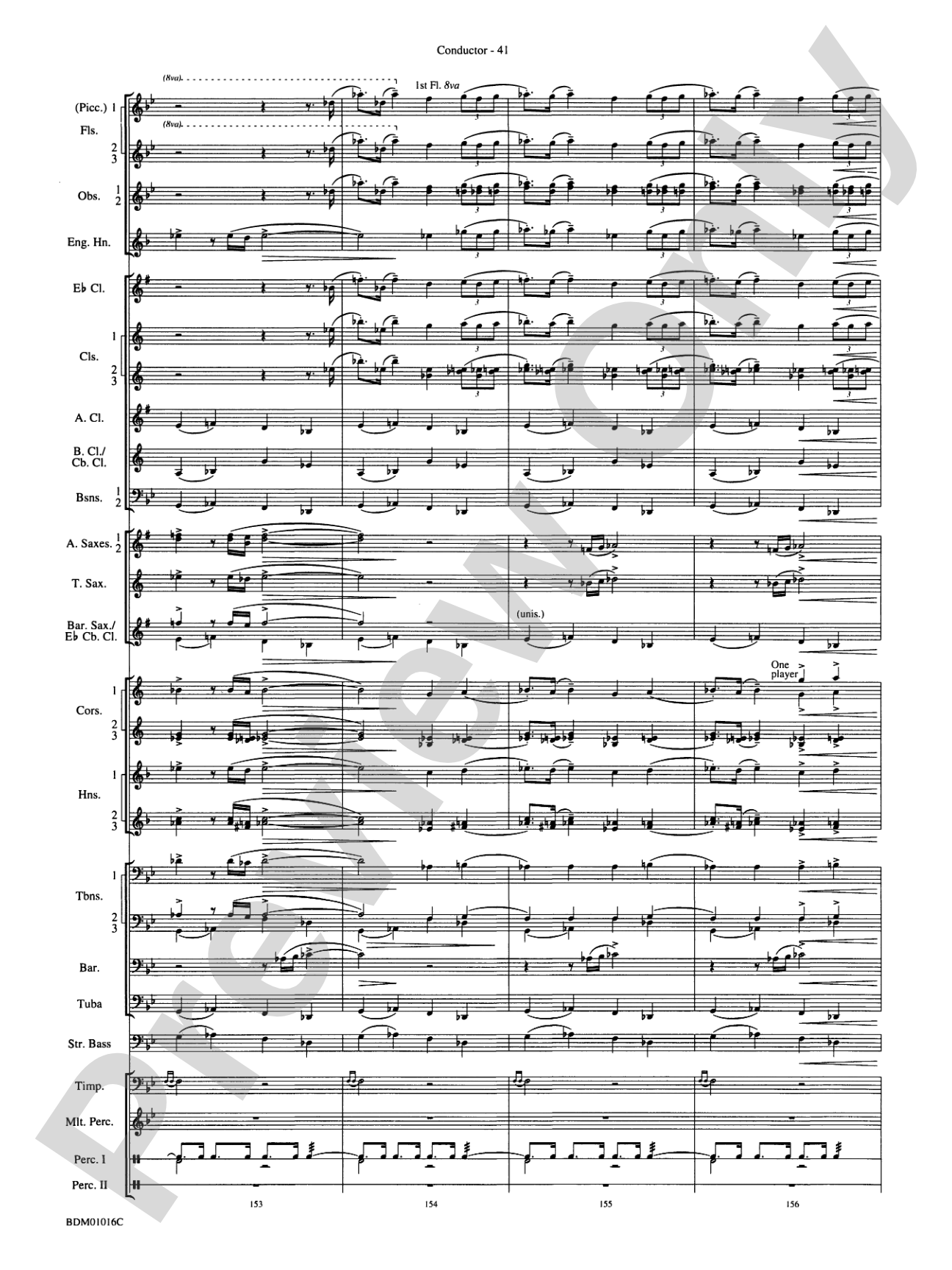
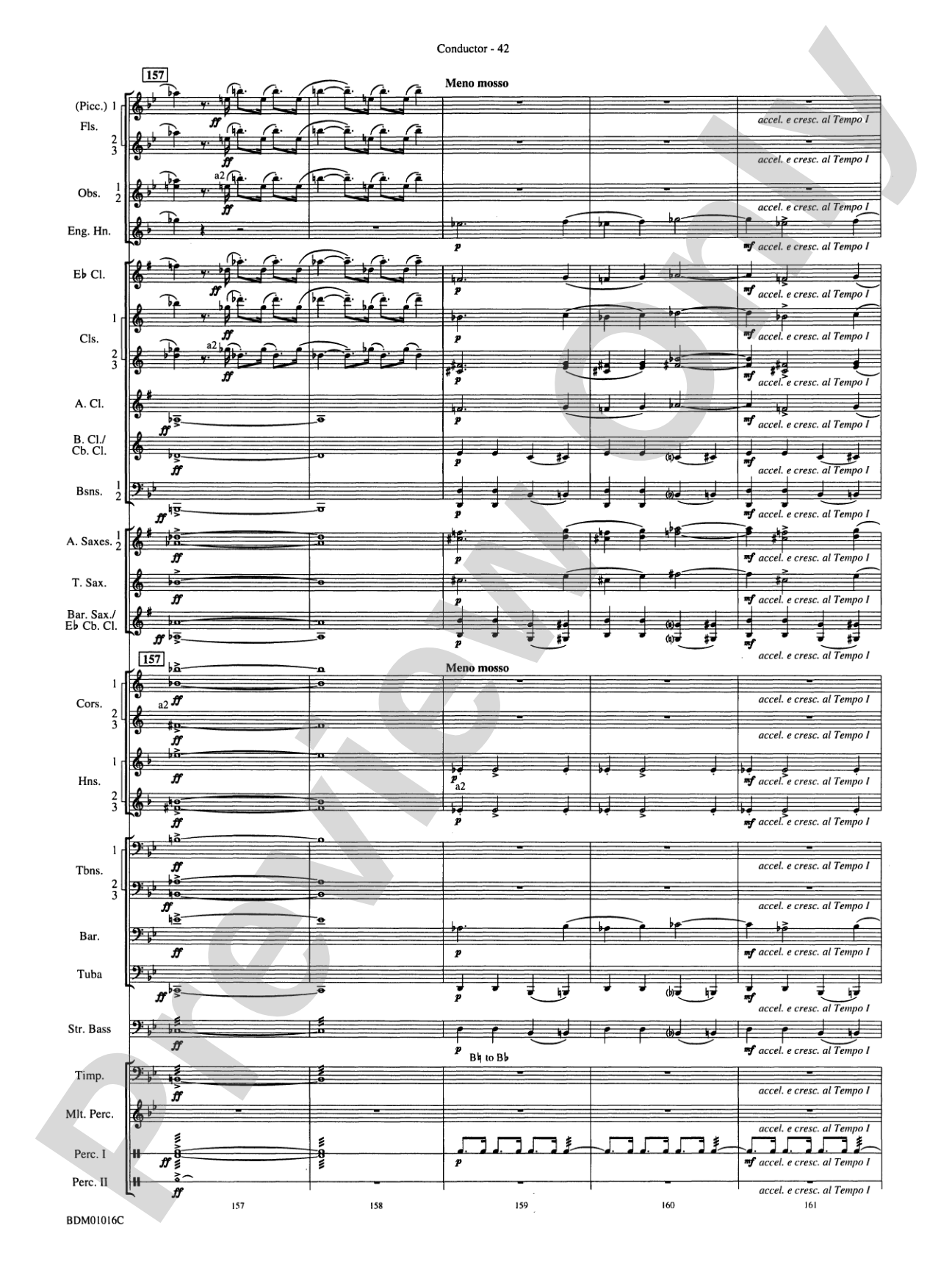
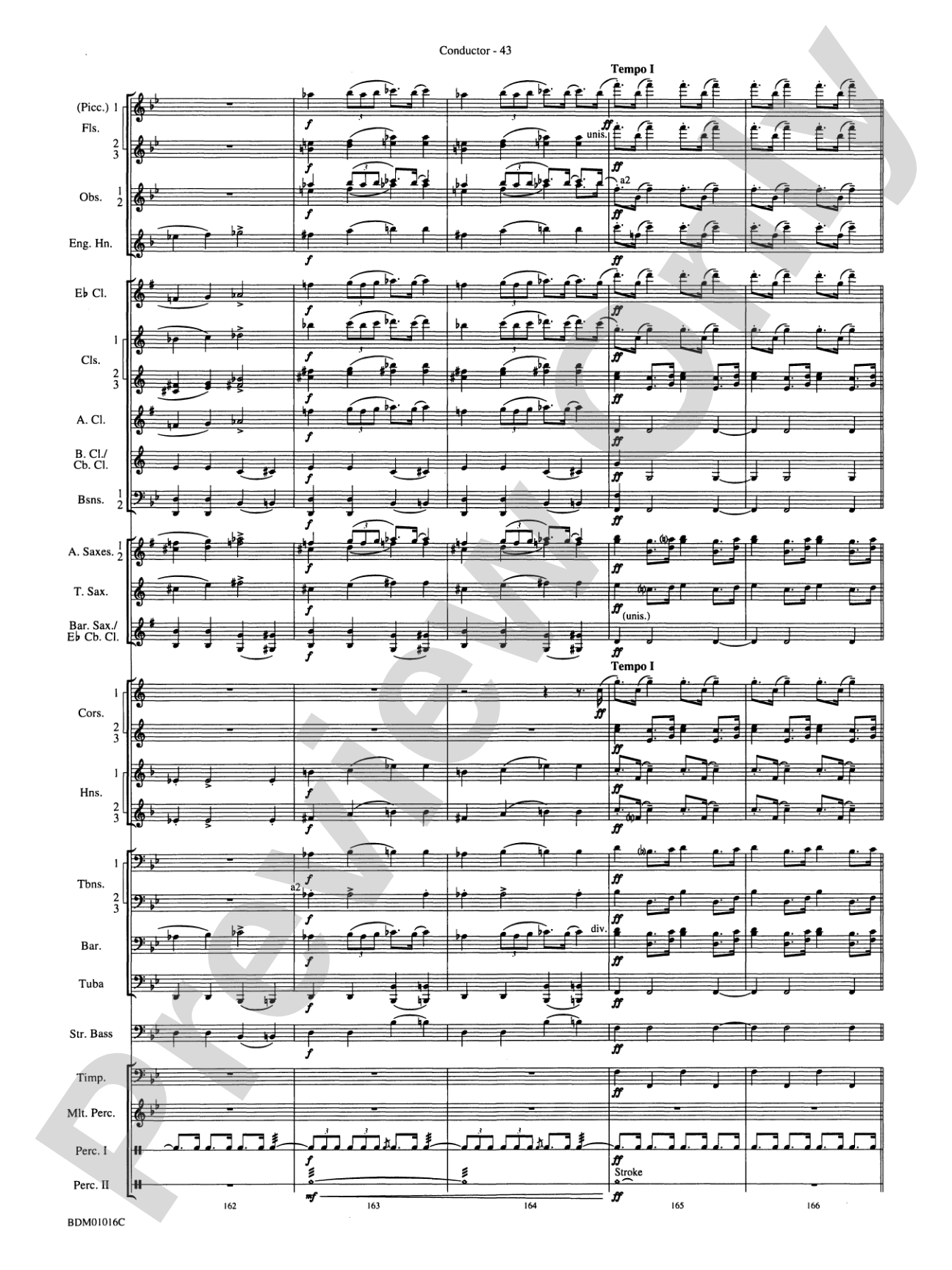


Fanfare and Allegro: Concert Band Conductor Score & Parts
By Clifton Williams
Grade: 5 (Medium Advanced)
Item: 00-PK-0002161

$95.00
Pickup currently not available
Buy Extra Parts (Digital PDF Download)
Parts Added to Cart!
Description
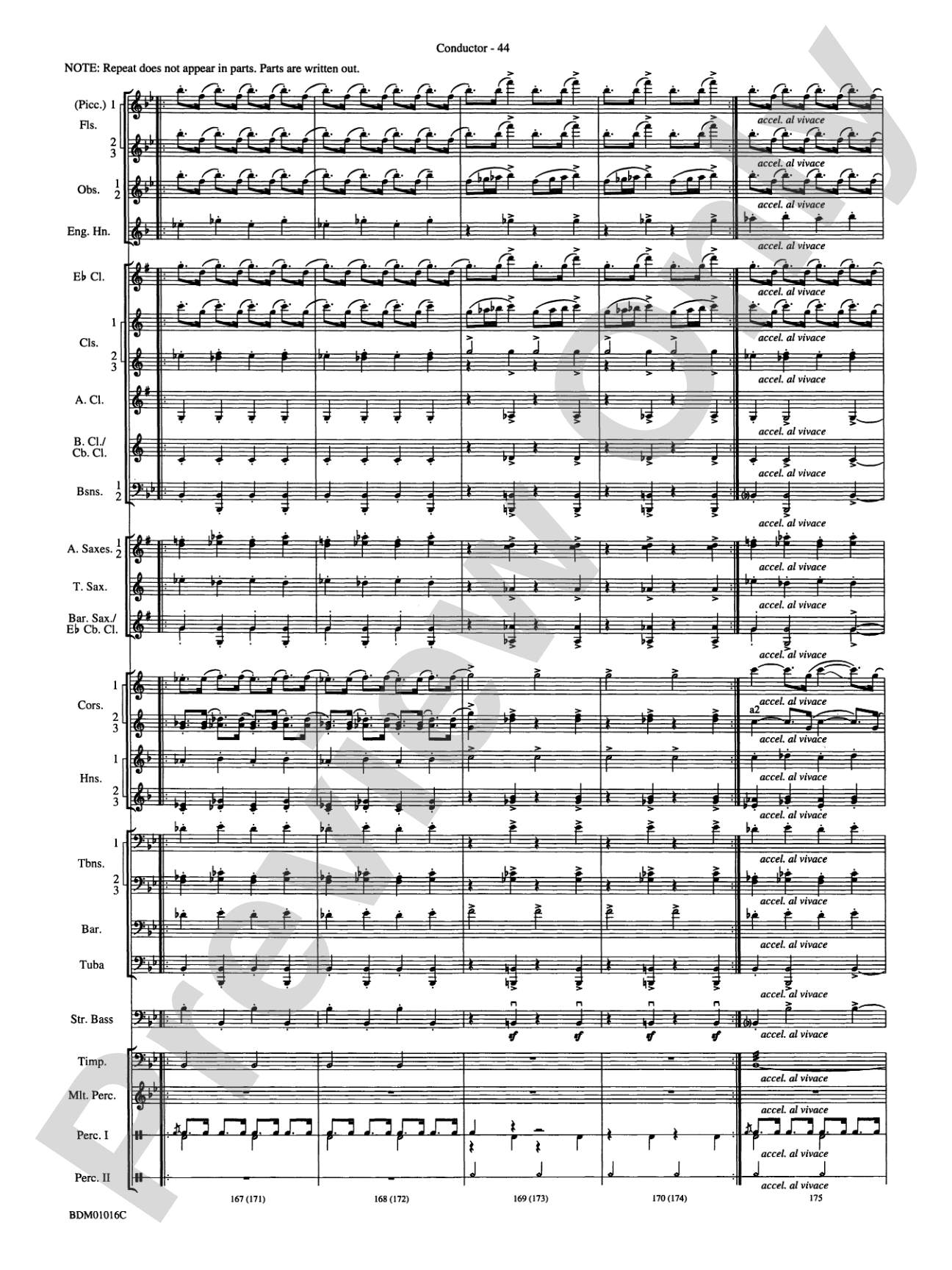
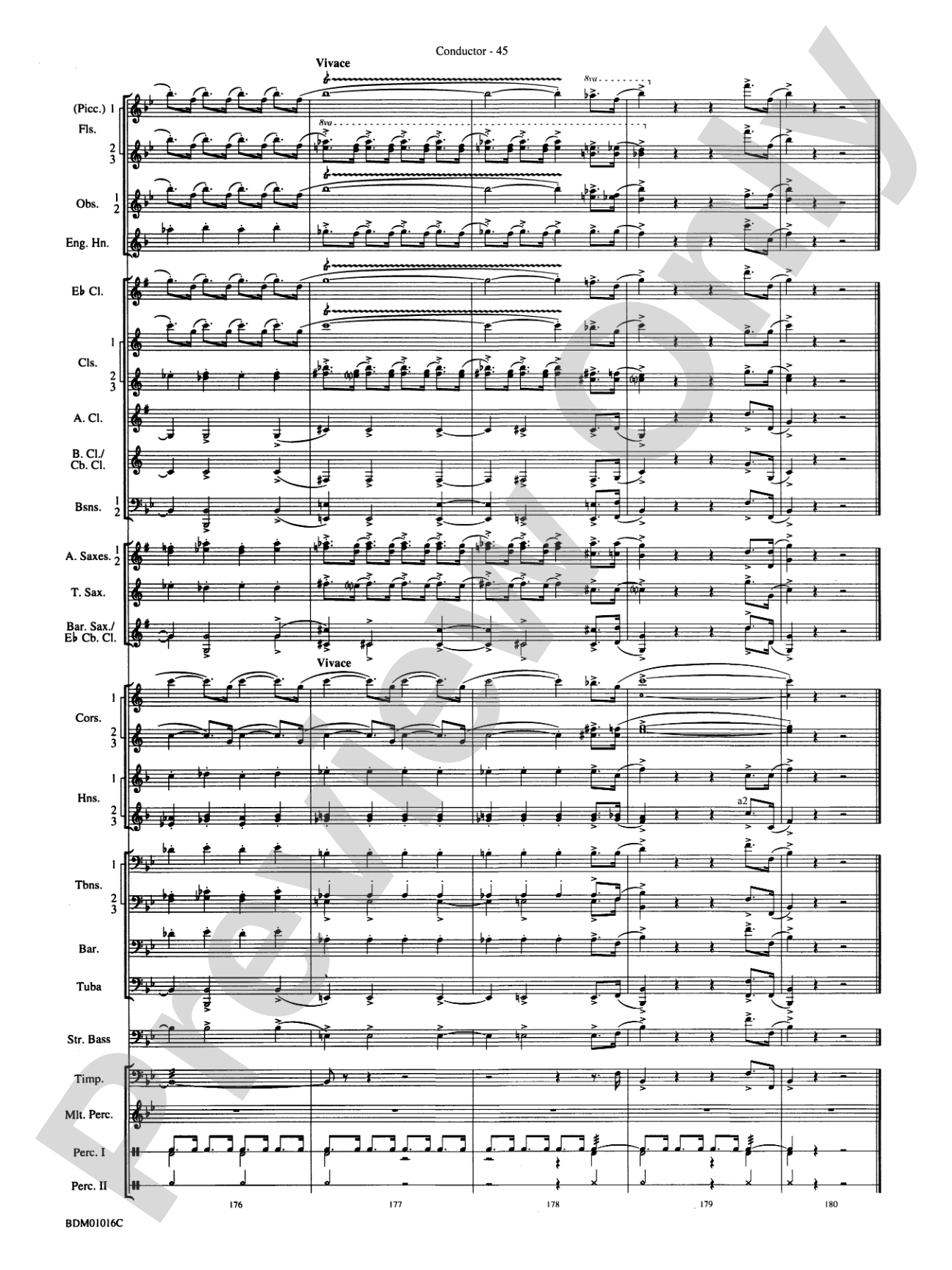
This brilliant work was the first composition to be honored with the Ostwald award for original band literature presented by the American Bandmasters Association in 1956. Beginning with a dynamic flourish leading directly into the allegro section, the familiar rhythmic intricacies enhance the impressive nature of the work. A monumental contribution to the literature. (6:17) This title is available in MakeMusic Cloud.


Don't just read it, hear it, play along with it, and watch your students grow with it. In MakeMusic Cloud, Fanfare and Allegro: Concert Band Conductor Score & Parts comes alive with professional accompaniment, adjustable tempo, and built-in practice tools that turn solo practice into real progress.
Open in the Player
Jump straight in and assign it today.
Start Your Free Trial
Open this title and explore the full library in minutes.
Sample Audio
1
Audio File
--:--
0:00
0:00
Sample Video
No sample videos found.
Additional Details
Series:
Belwin Classic Band
Publisher:
Alfred Music
Page Count:
376
SKU:
00-PK-0002161
More about this title
About the Composer: Clifton Williams
Clifton Williams (1923-1976) shaped the concert band repertoire during a pivotal era when American composers were establishing original works as central to band literature. His compositions demonstrated that bands could perform serious concert music worthy of the concert hall, moving beyond arrangements and marches. Williams's technical mastery and gift for orchestration influenced generations of band composers and conductors.
Why we love this
This work earned its legendary status for good reason: Williams constructs a piece that opens with unmistakable impact and sustains momentum through sophisticated rhythmic writing that never feels academic. The Ostwald Award recognition reflects what your band will discover in rehearsal—a composition that rewards careful preparation with musical results that feel genuinely impressive, not just technically demanding.
What to expect
Bright, assertive, and rhythmically propulsive. The piece commands the room from its first gesture and maintains that energy throughout, built on carefully crafted melodic writing rather than sheer volume. There's a sense of occasion here—performing it signals that your band has arrived at a level where serious literature is on the stand.
Who it's for
Grade 5 concert bands ready for a legitimate challenge that combines technical demands with genuine artistic reward. Conductors seeking a standard-repertoire piece that connects to band history while still engaging contemporary ensembles will find this essential.
How to get the most out of it
- Balance the opening fanfare so individual sections cut through clearly without overpowering the ensemble; Williams's orchestration depends on transparency rather than weight.
- Lock the rhythmic figures that drive the allegro section through isolated sectional work on these patterns before full-ensemble rehearsal.
- Shape the dynamic arch of the work carefully—the piece builds repeatedly, and each peak needs deliberate control to avoid sounding relentless.
- Use the full six-minute length to your advantage in programming; this is substantial enough to anchor a concert program or festival appearance.
How to use it
Program this for a festival or formal concert where you want to demonstrate the depth of your ensemble's technical and musical capability. Its length and weight make it a natural centerpiece rather than a supporting work; pair it with contrasting selections that give the band rest and variety.
Skills your students will build
- Reading complex rhythmic patterns across multiple ensemble sections
- Balancing independent voice lines within a dense orchestration
- Executing rapid articulation changes and dynamic shifts
- Sustaining ensemble precision through extended passages of intricate figurations
- Understanding the architecture of concert band form and scoring