
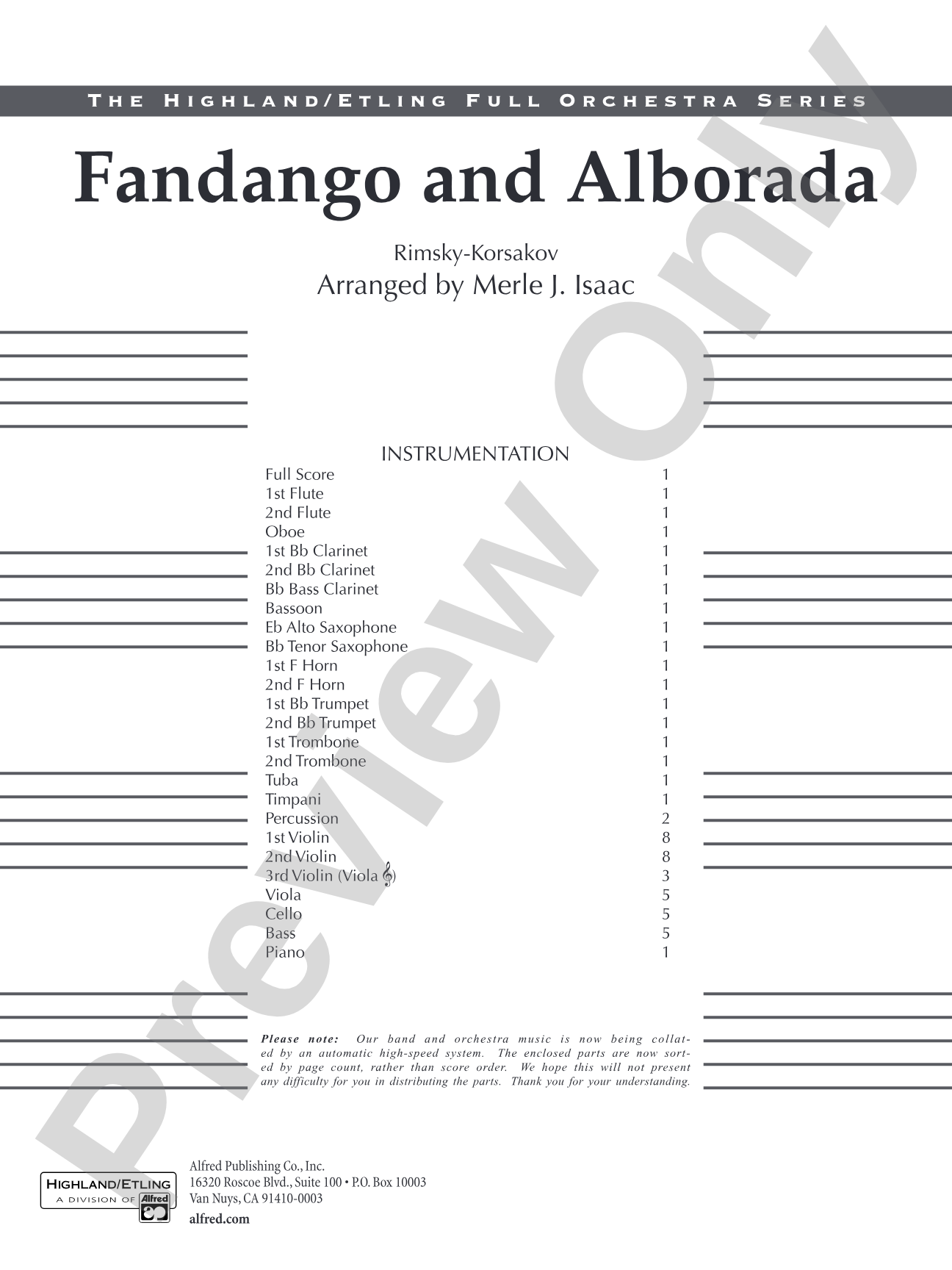

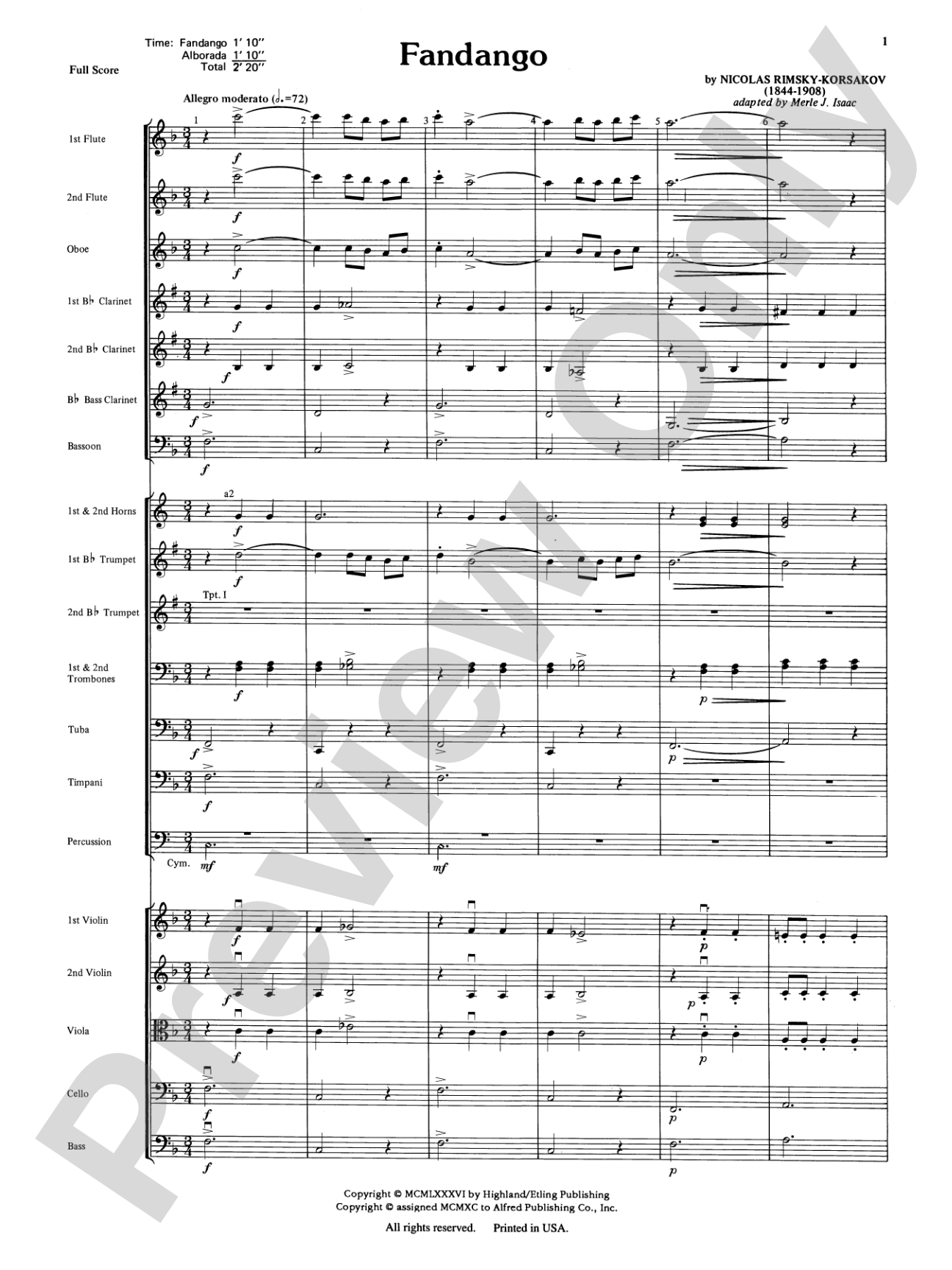
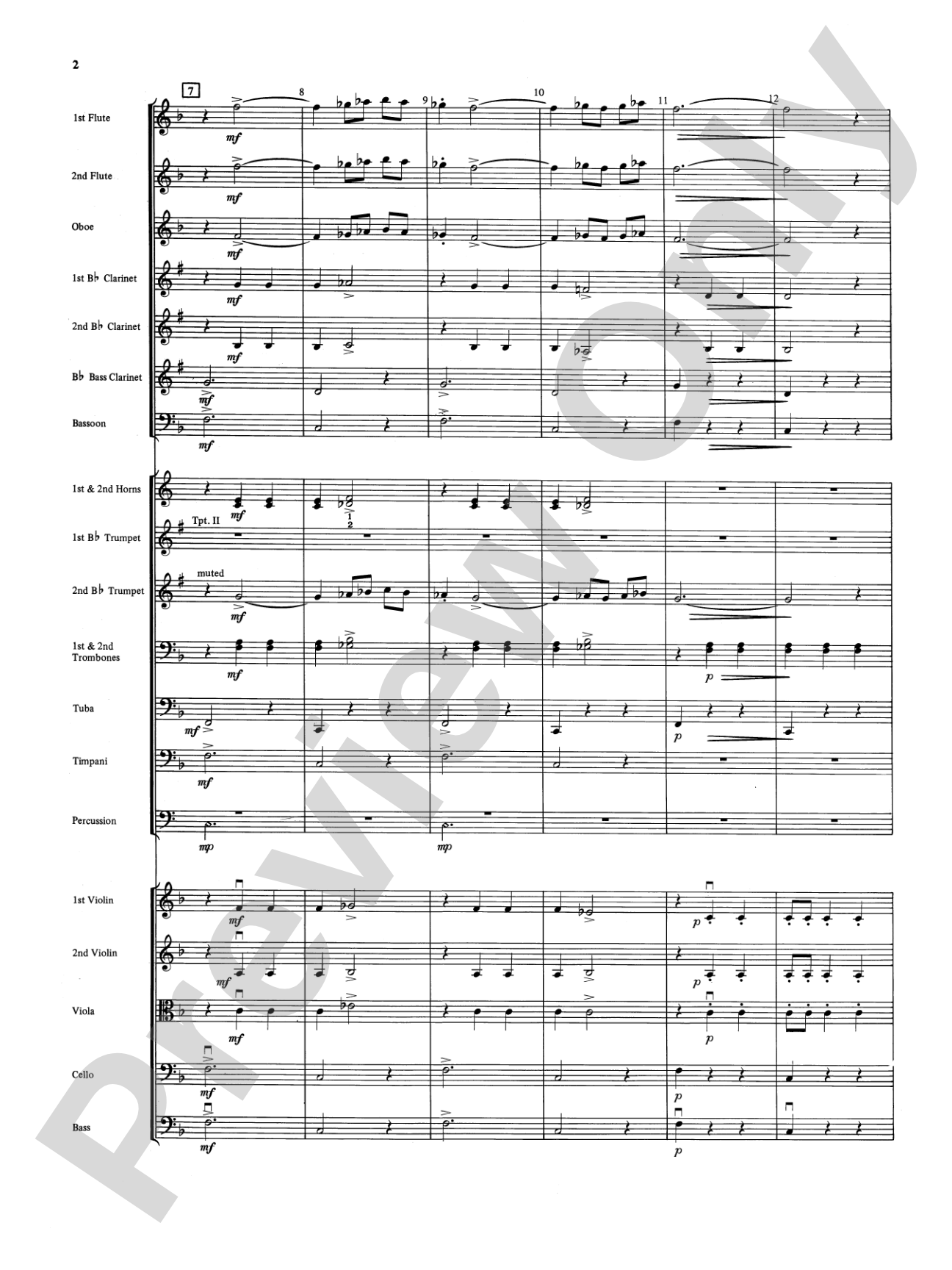
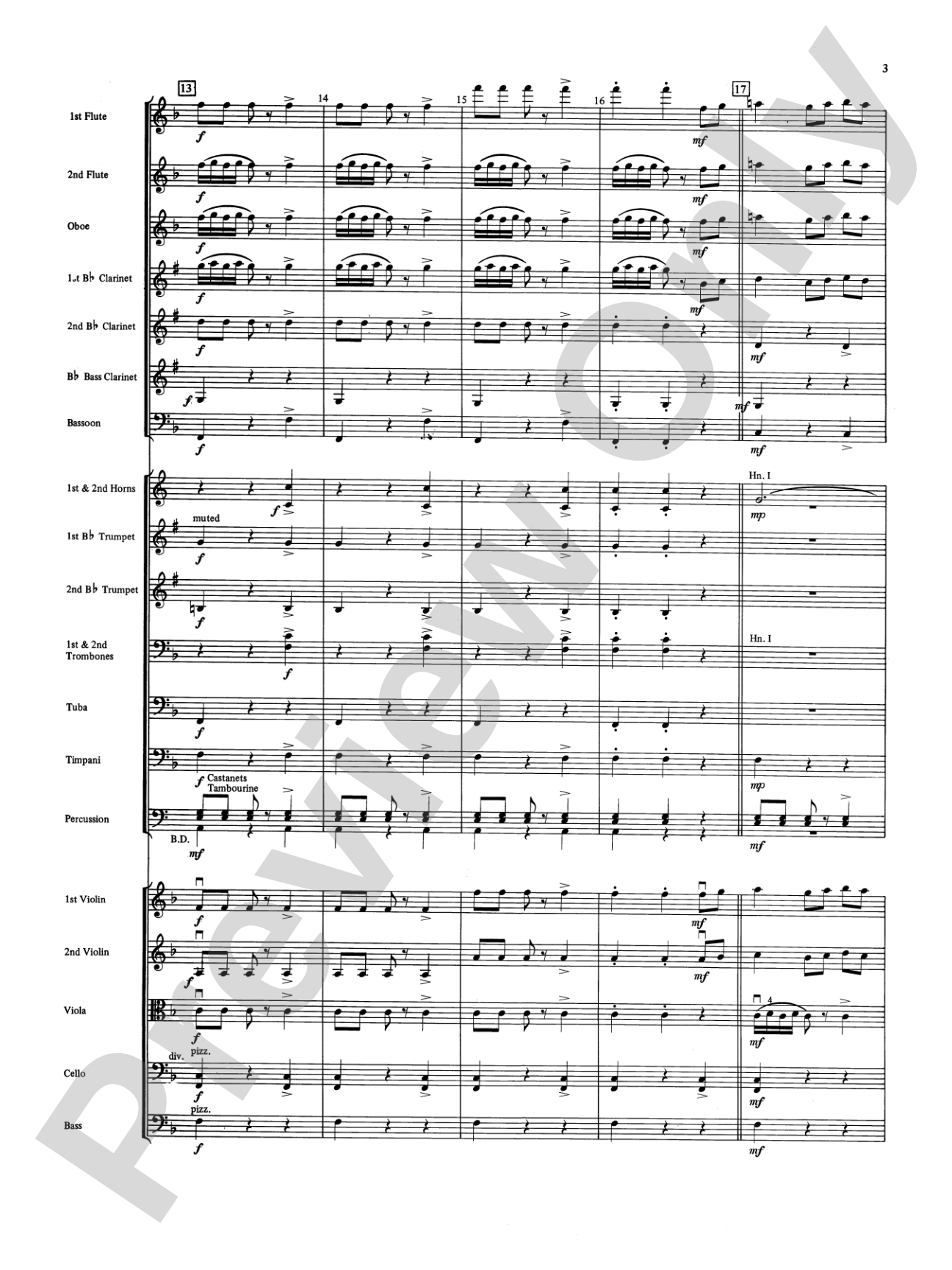
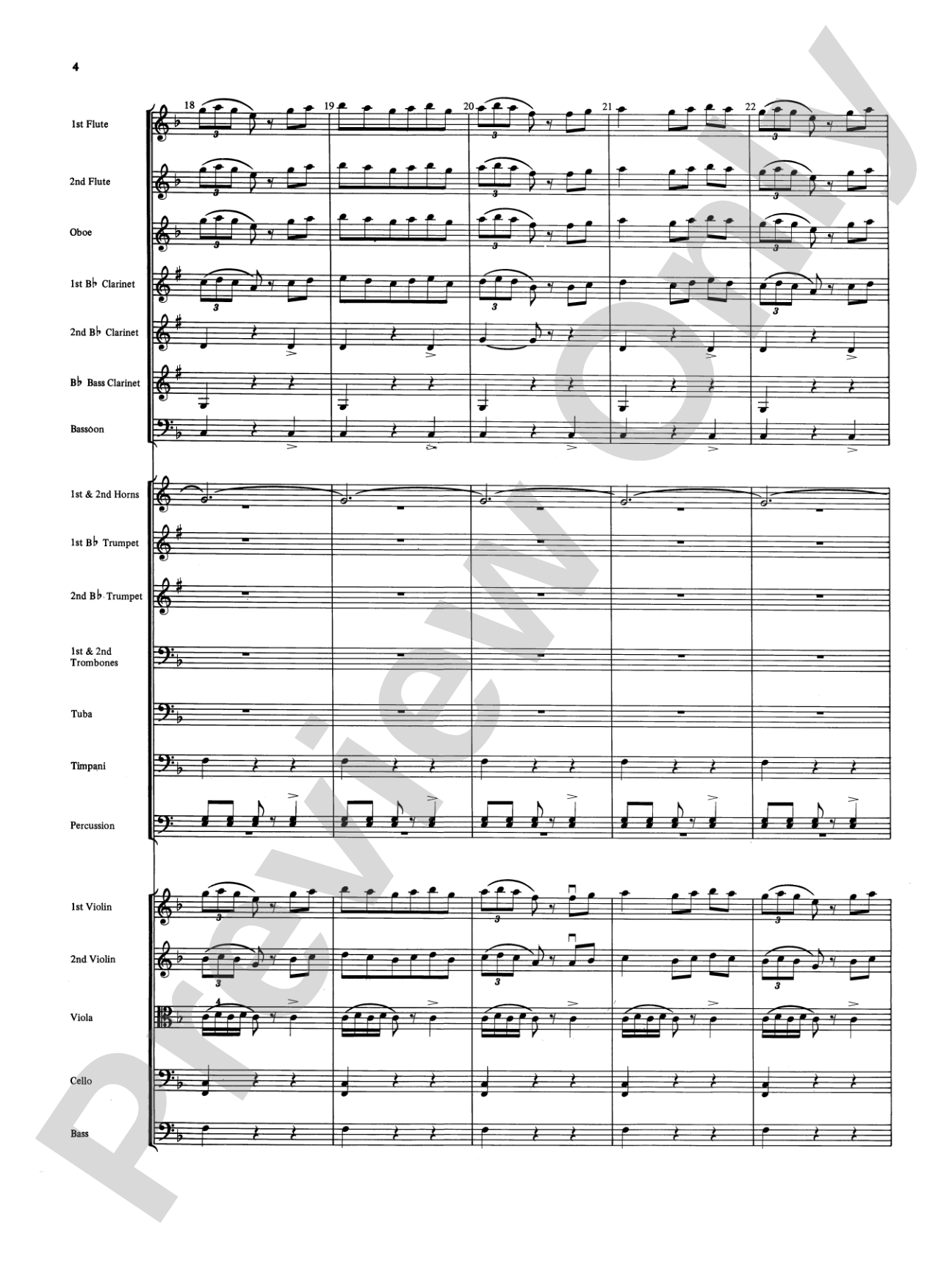
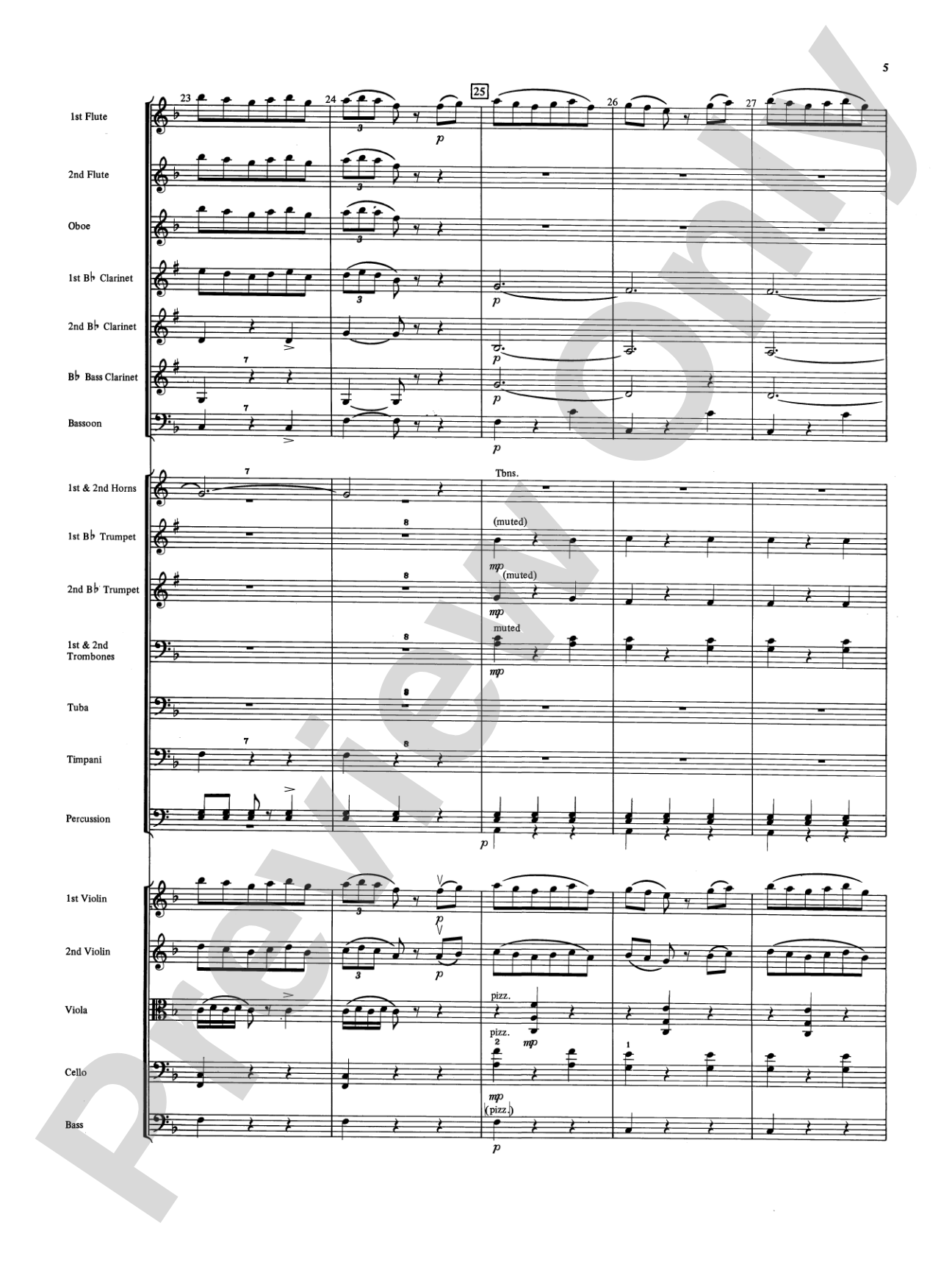
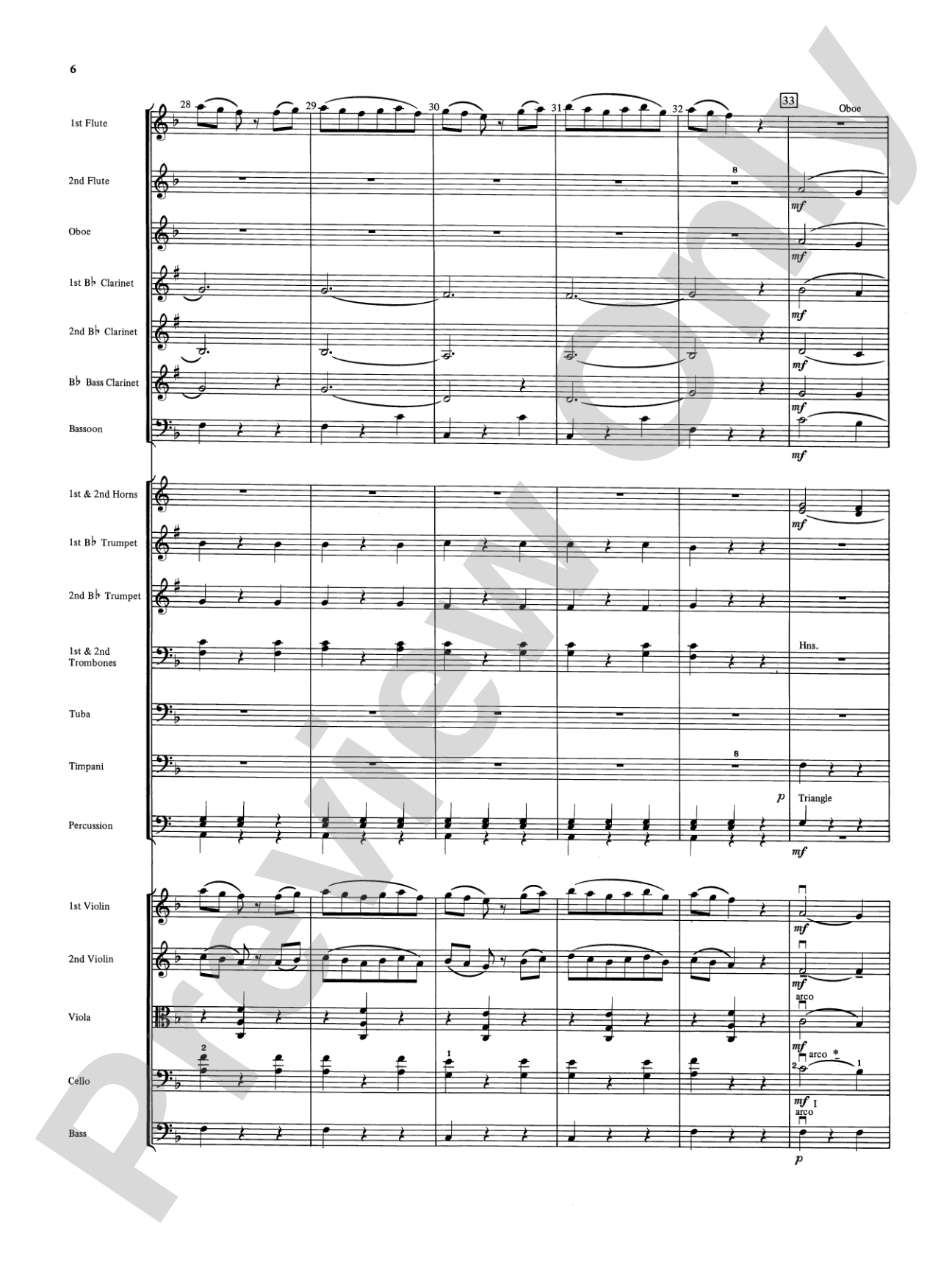
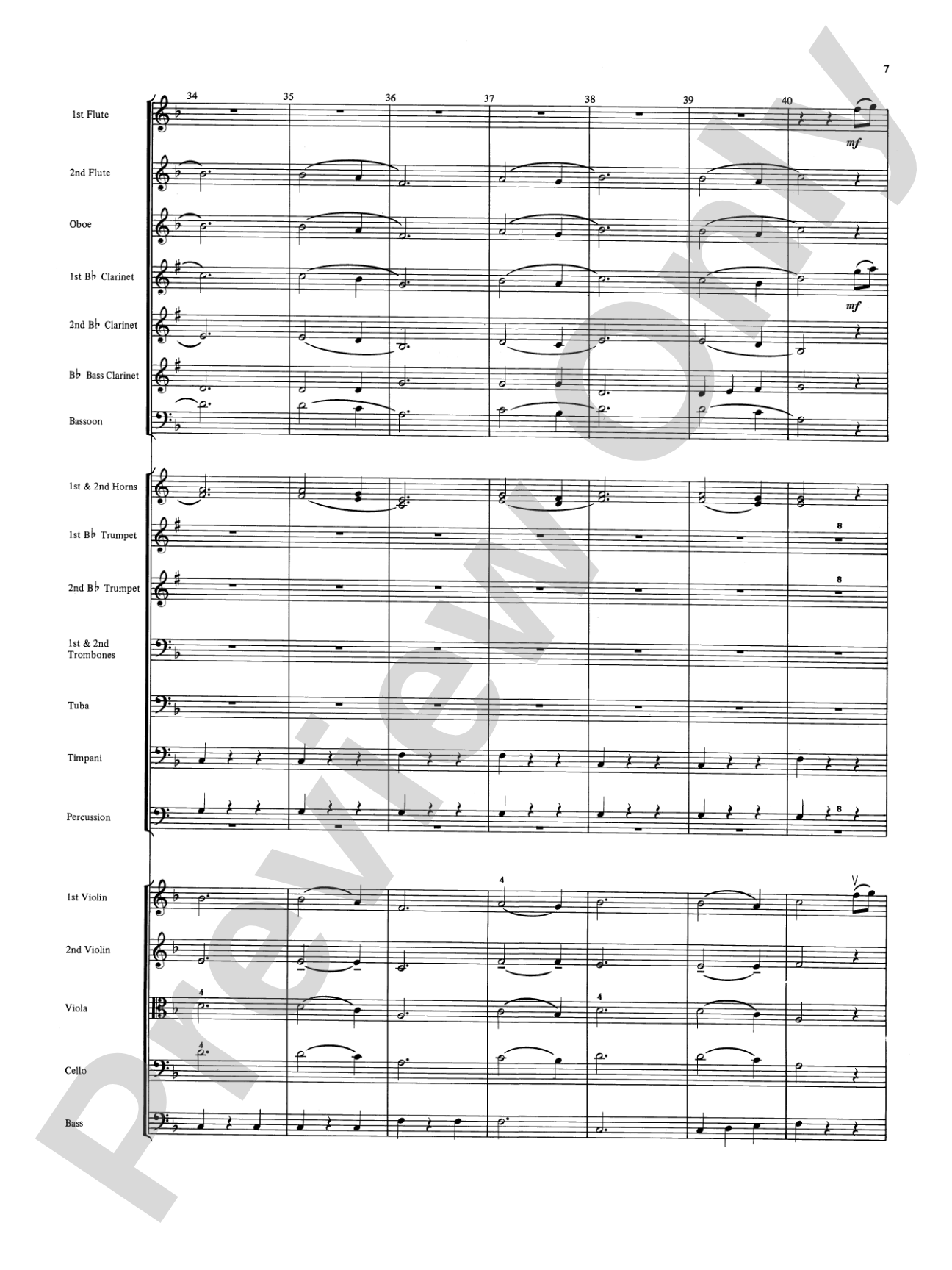
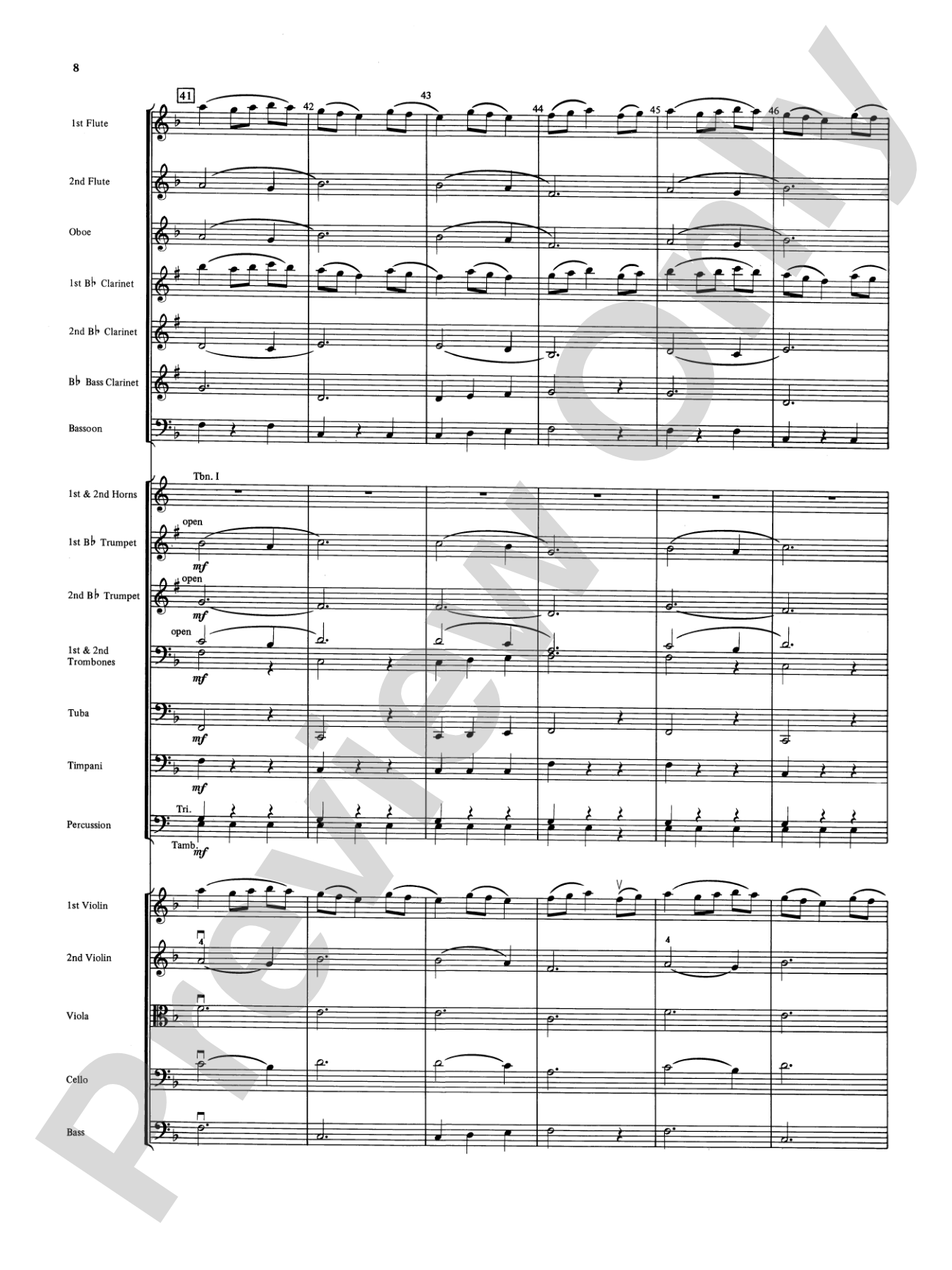
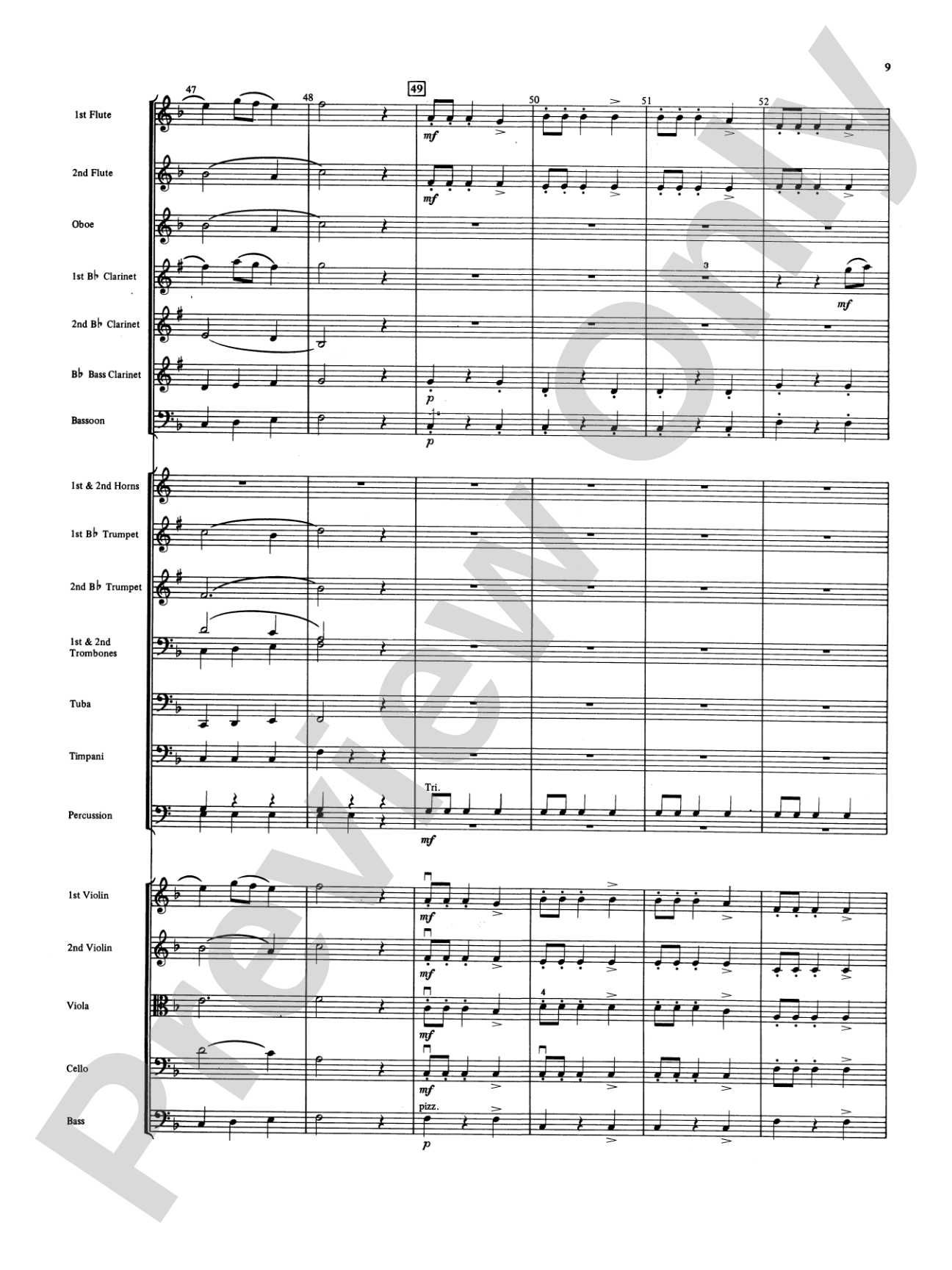
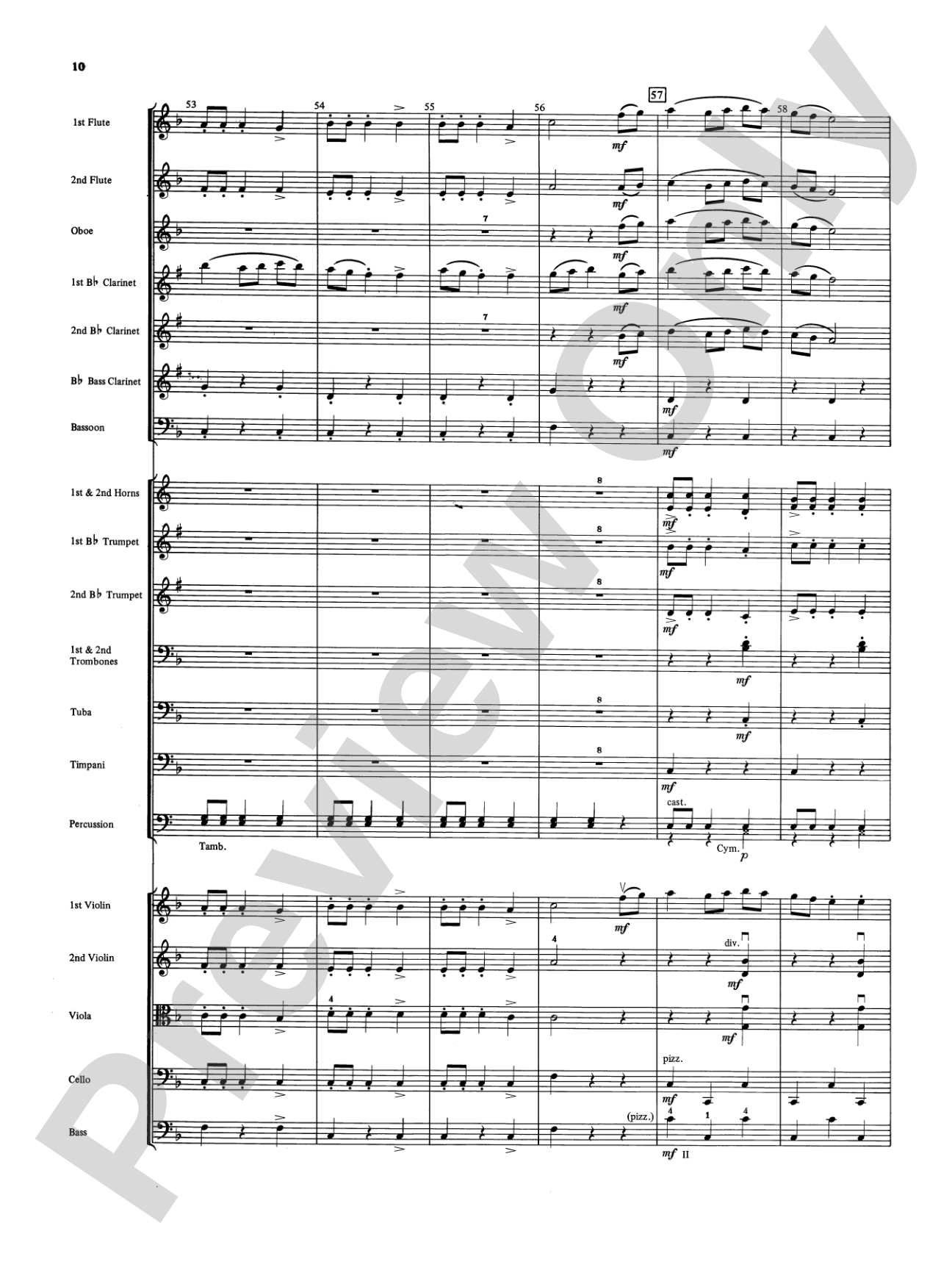
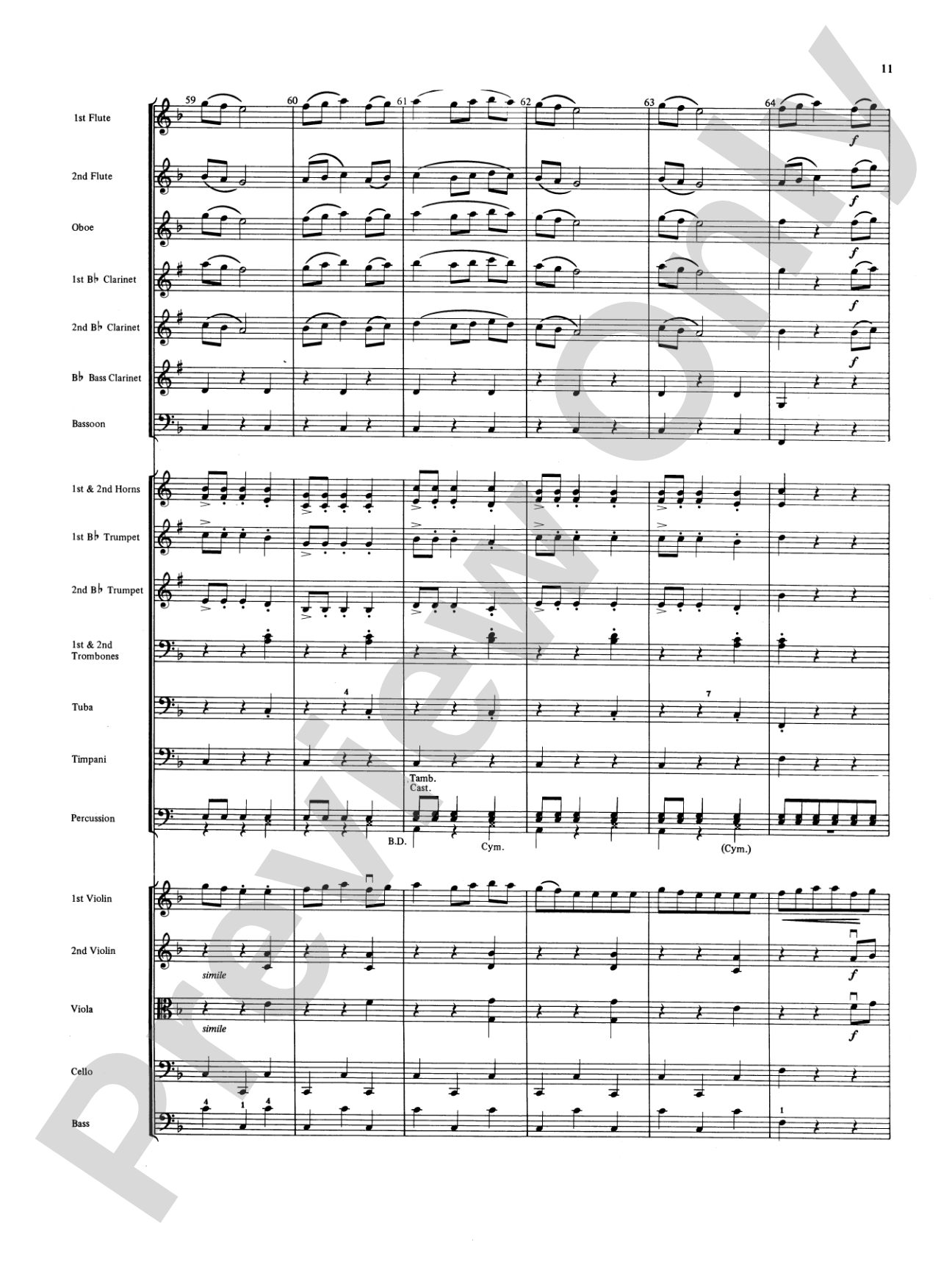
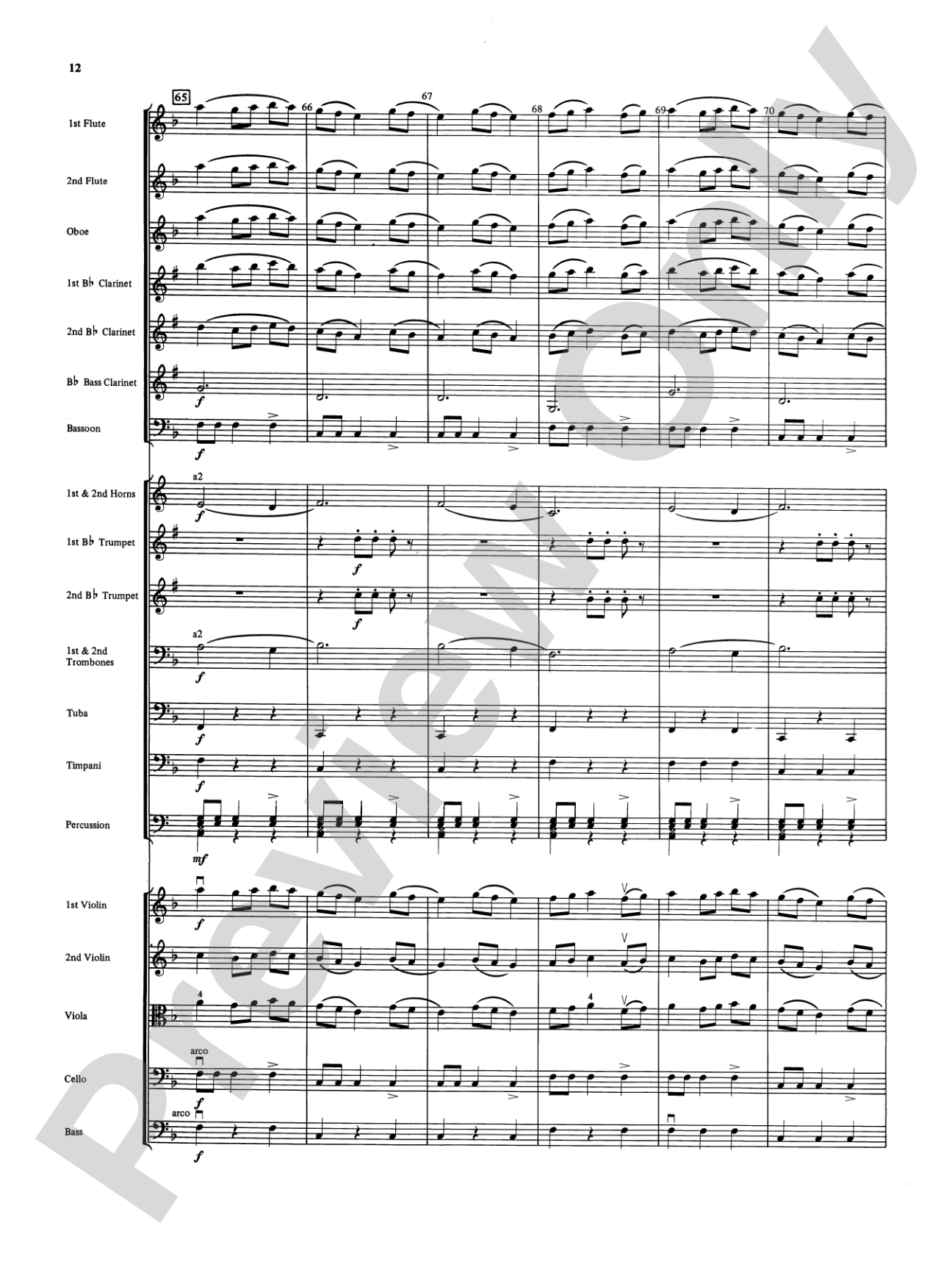
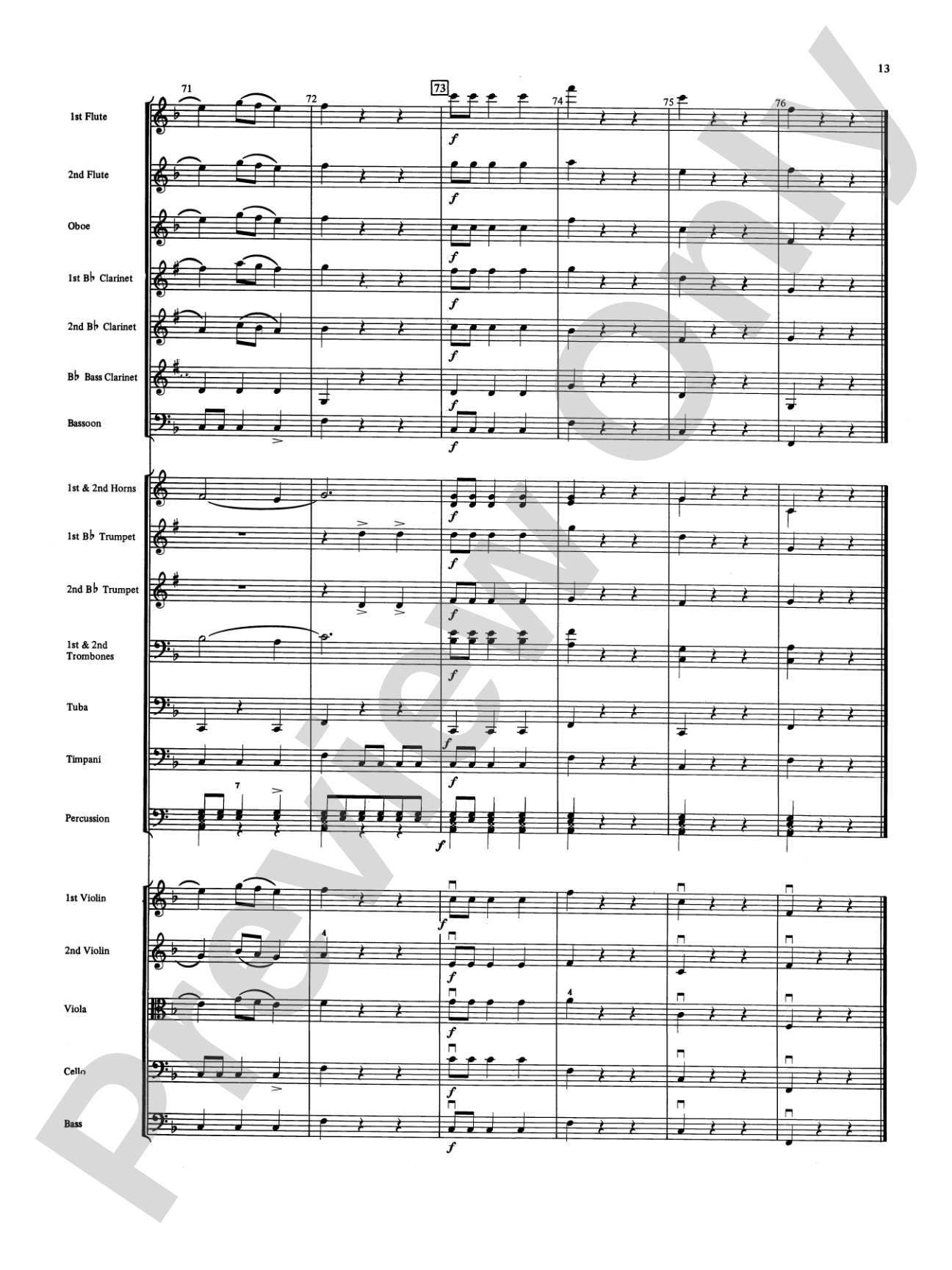
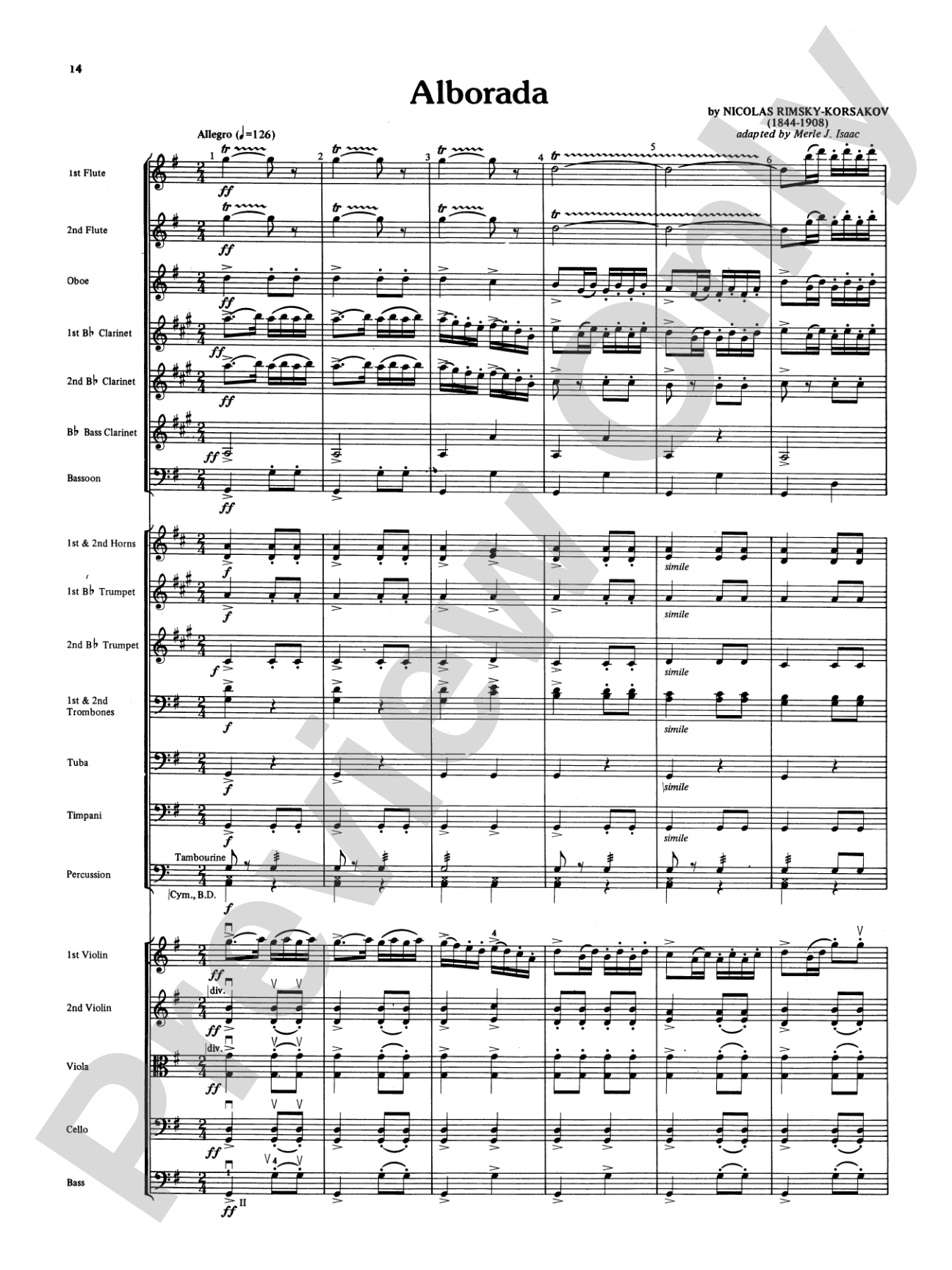
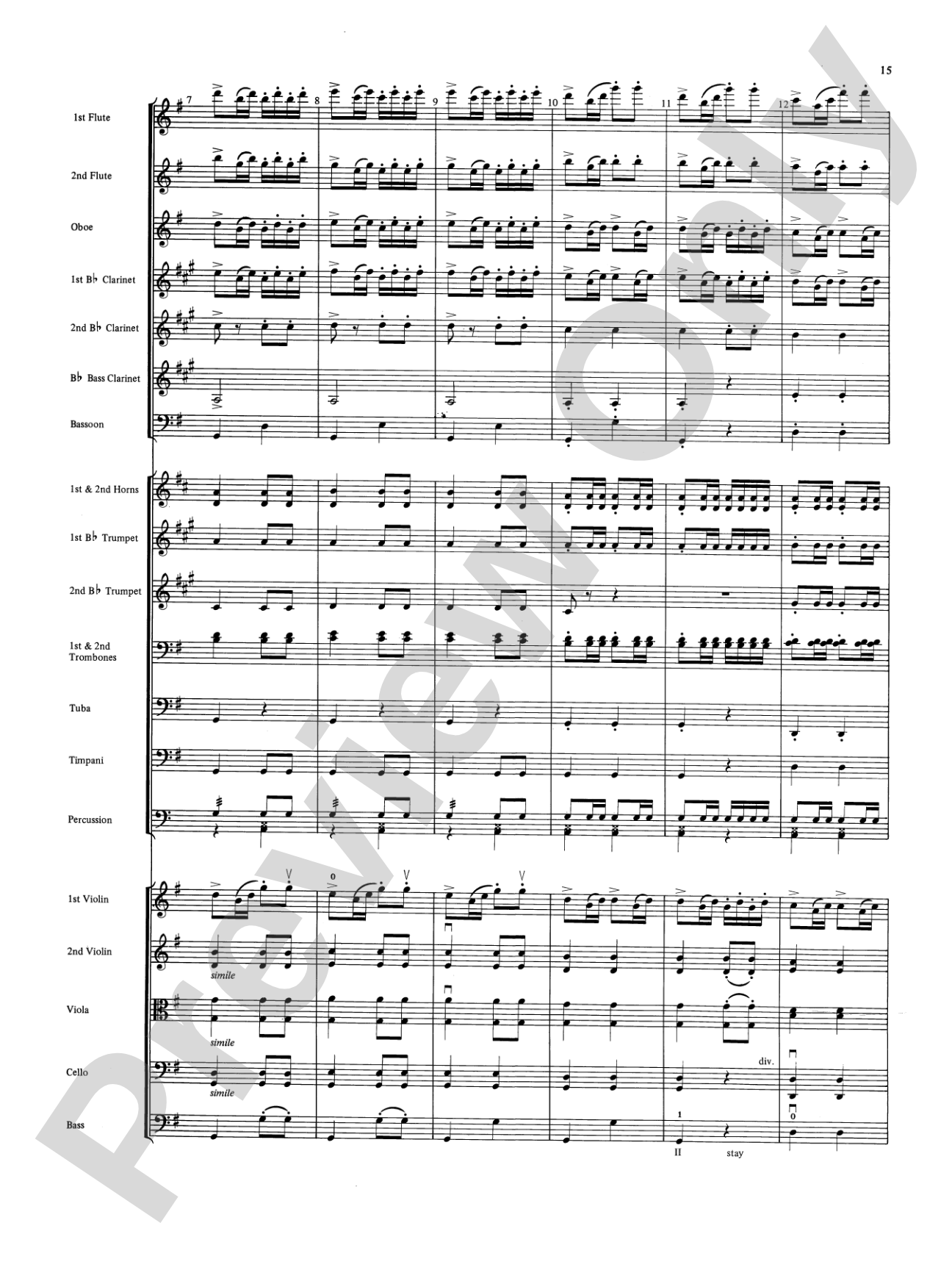
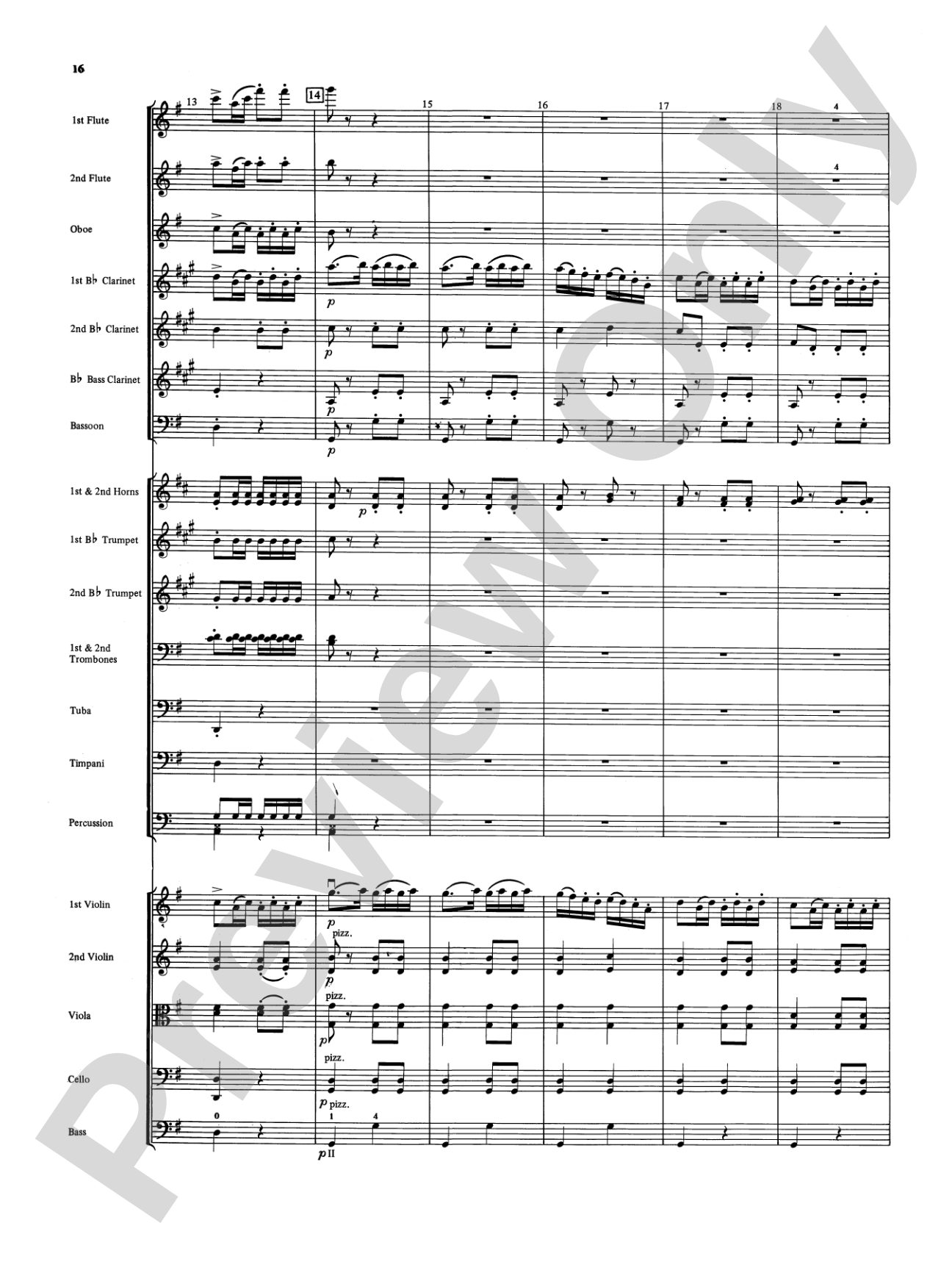
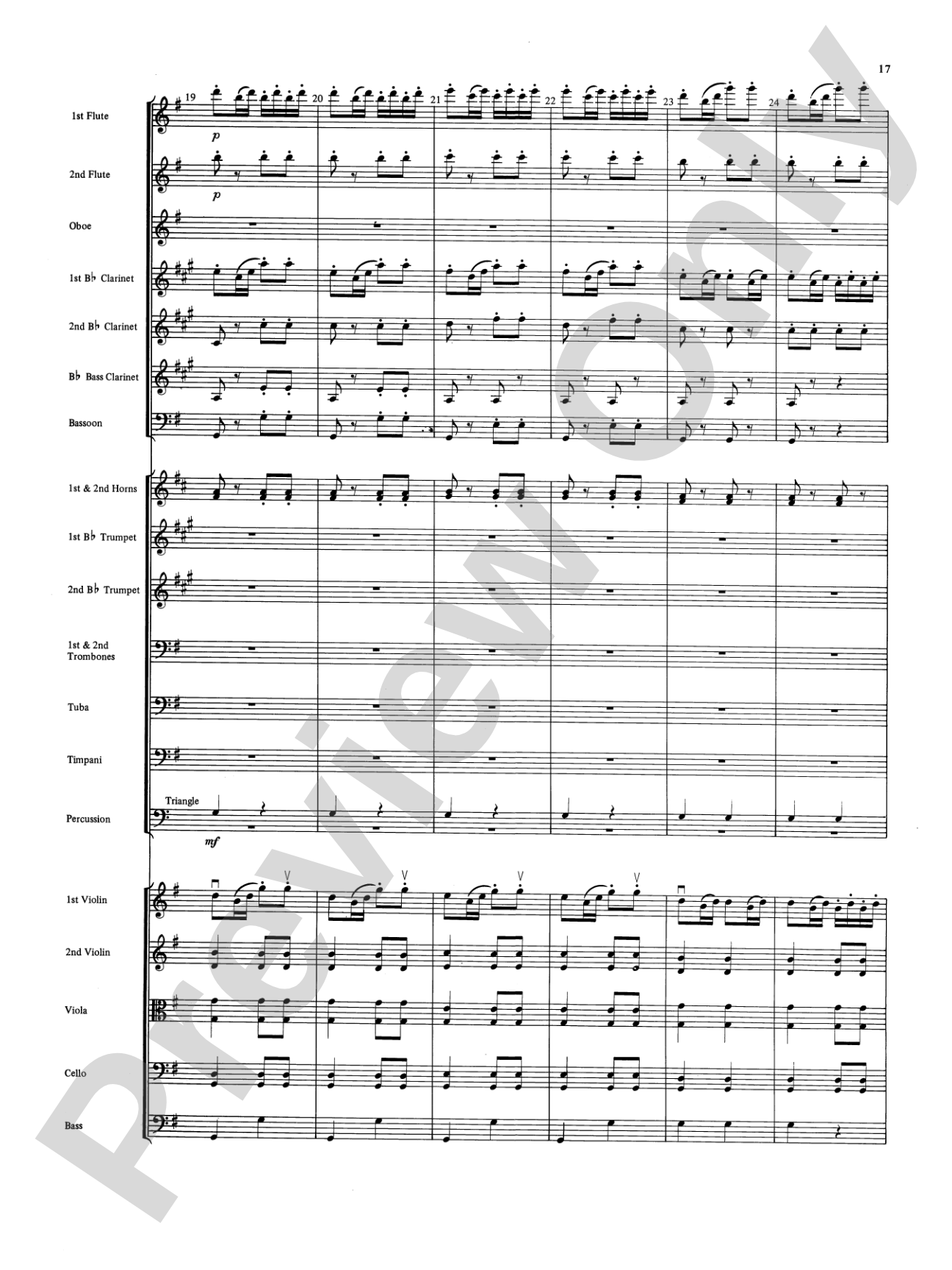
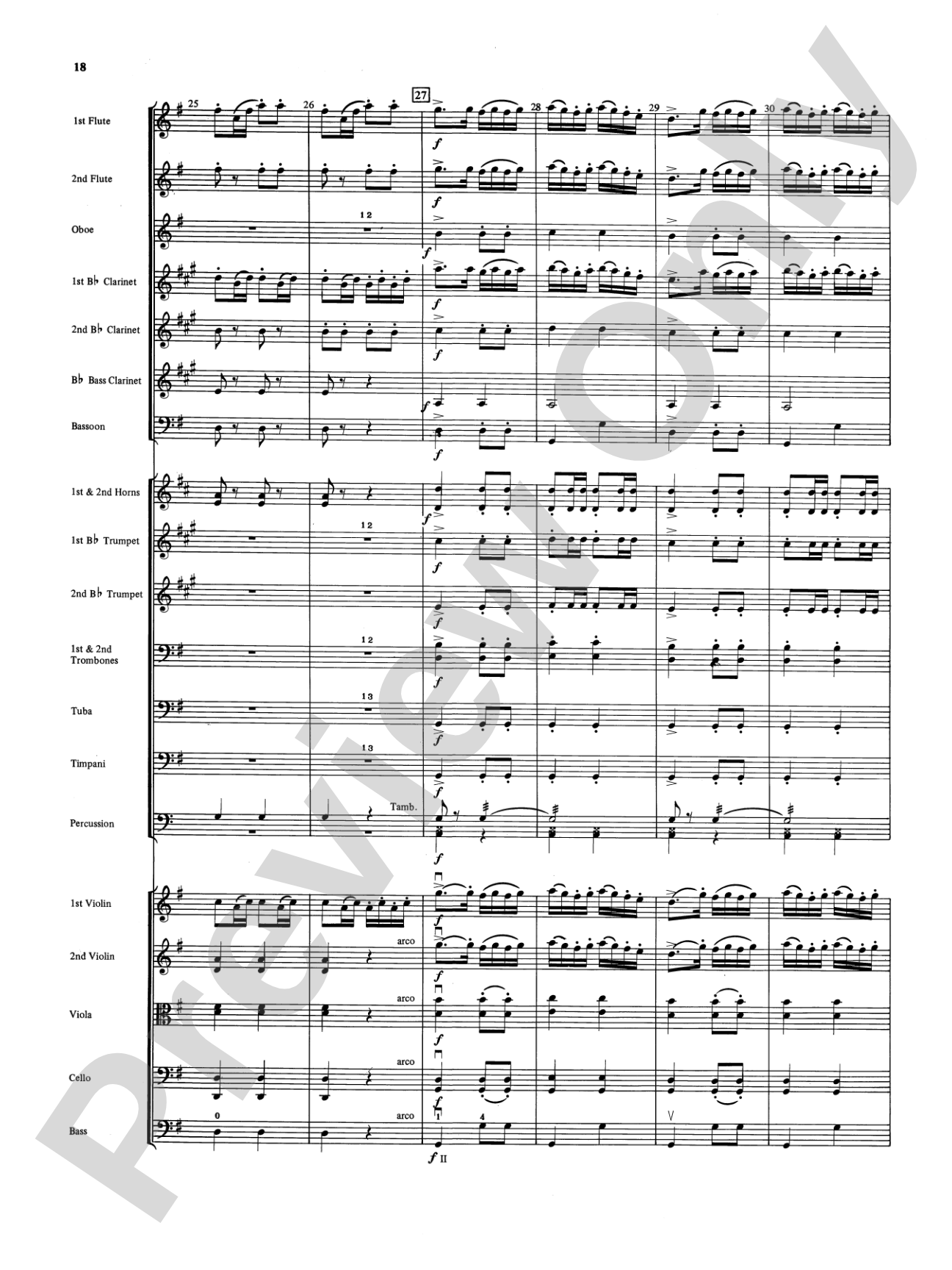
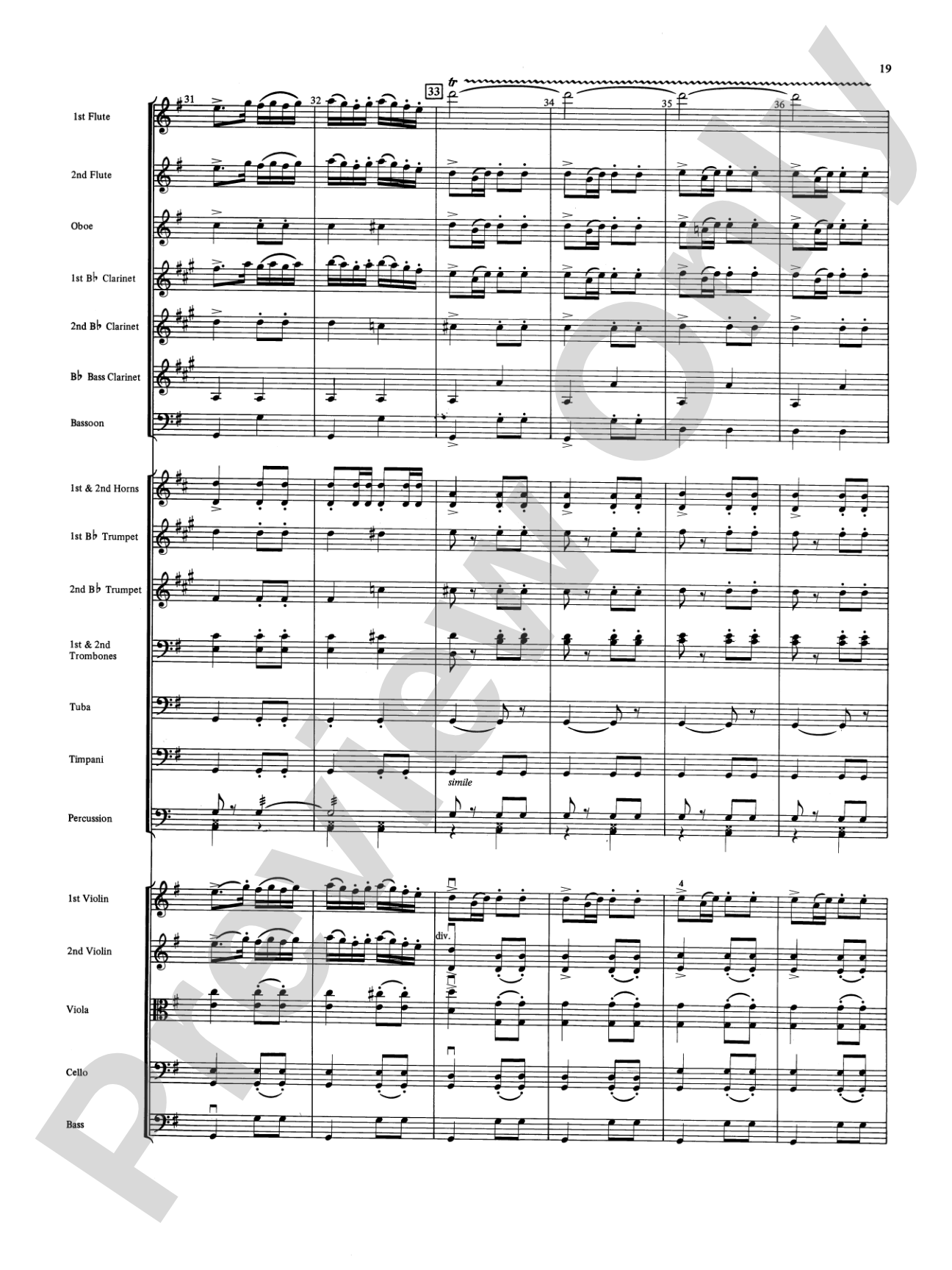
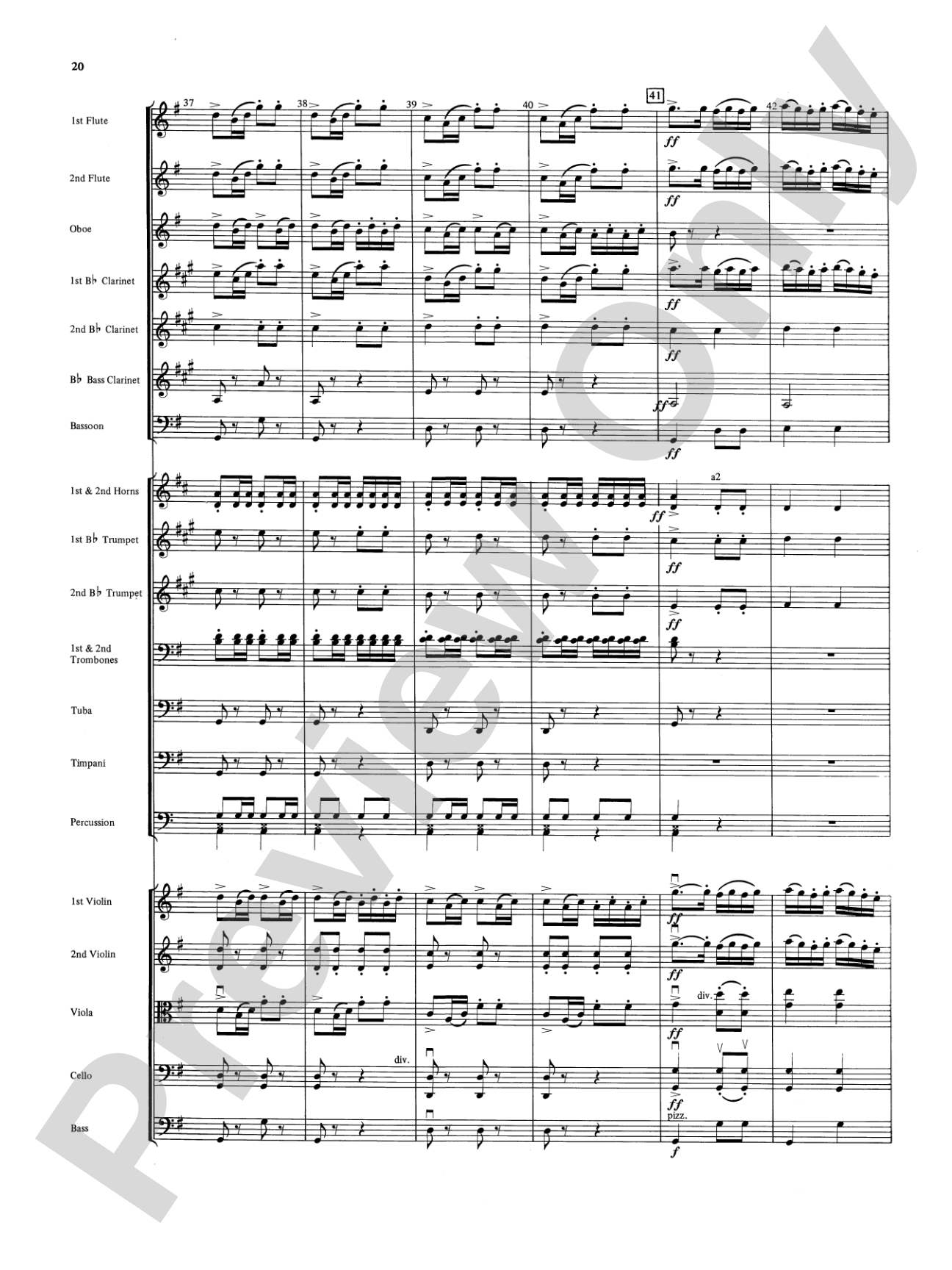
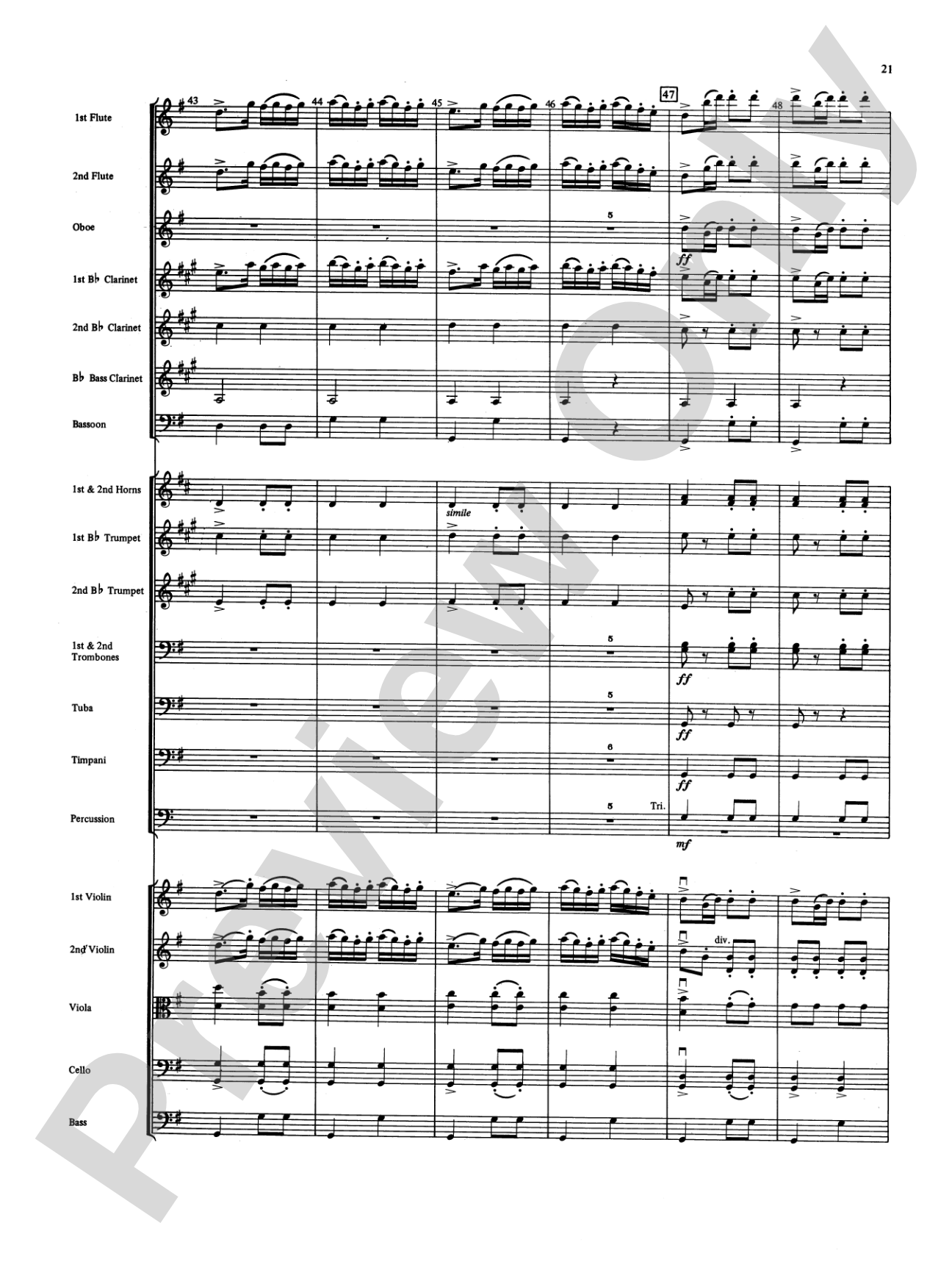
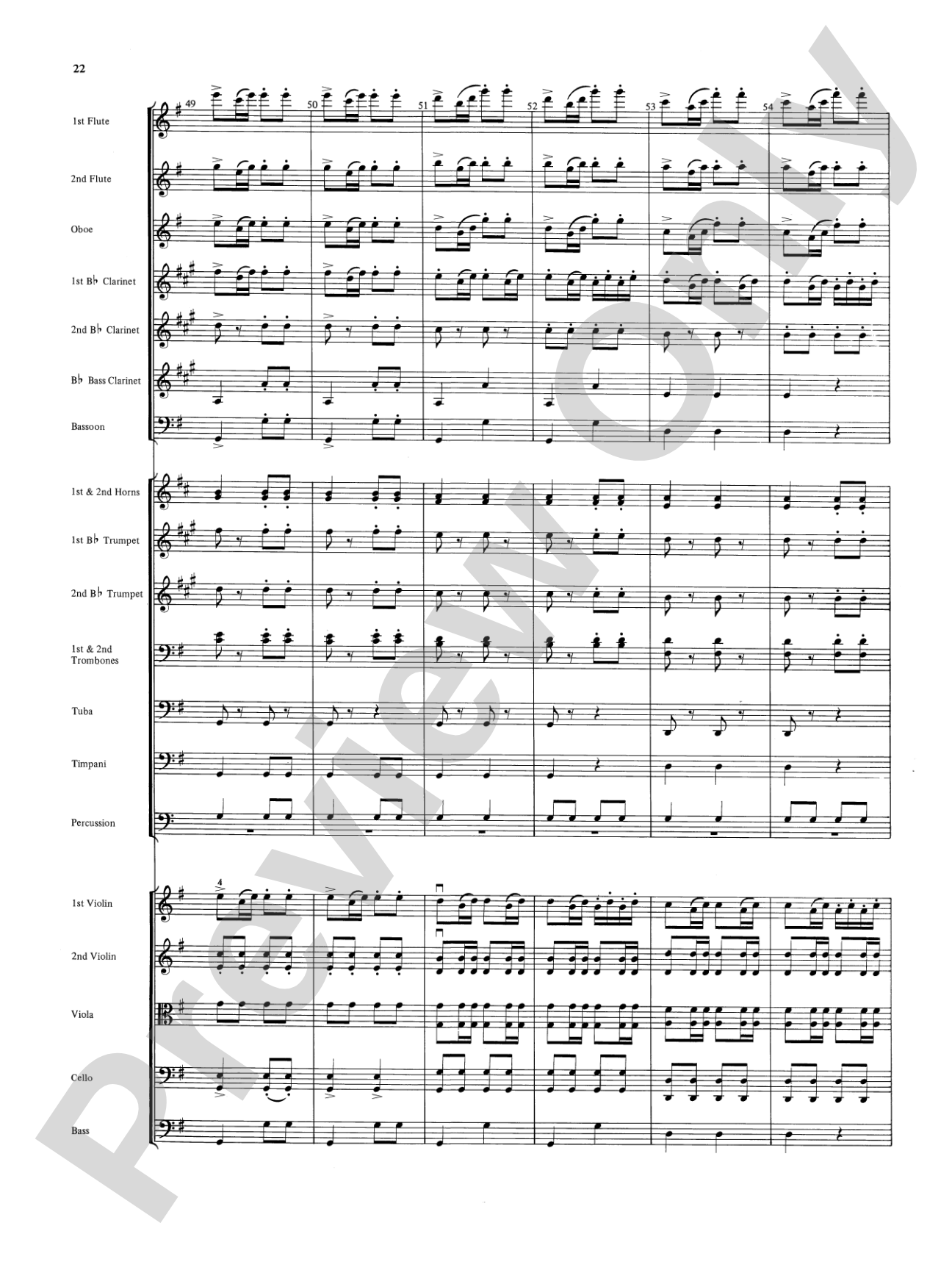
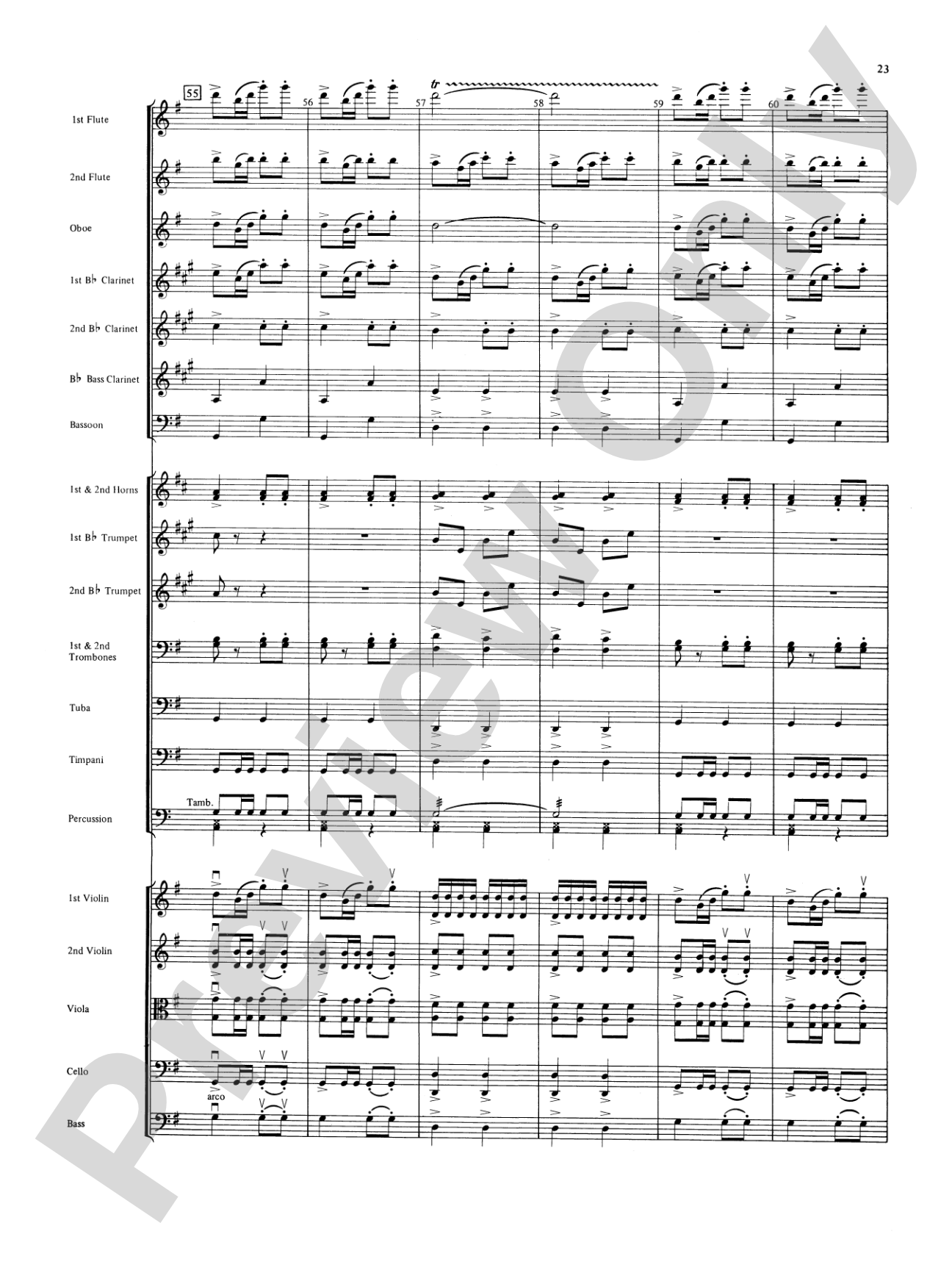
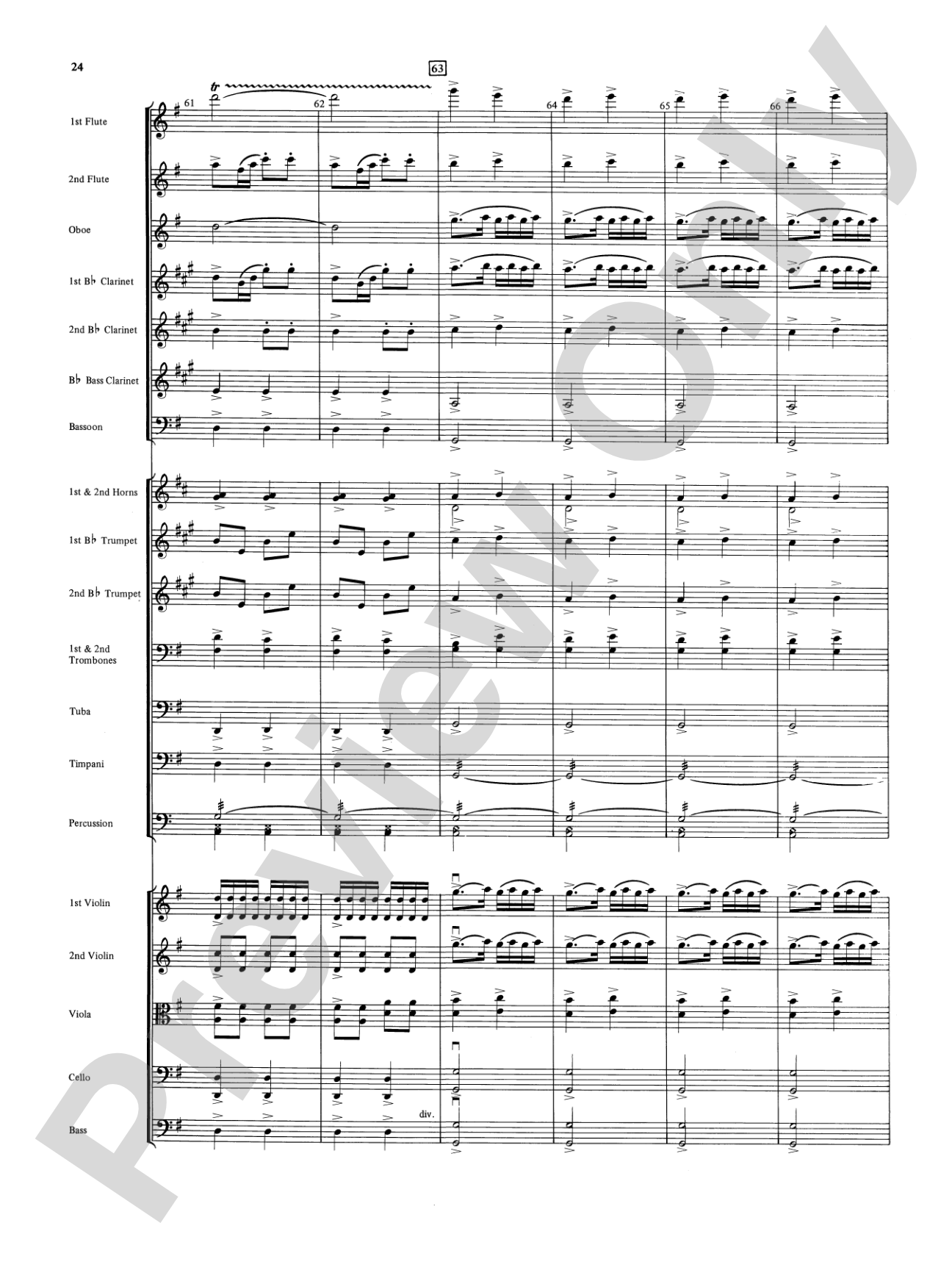
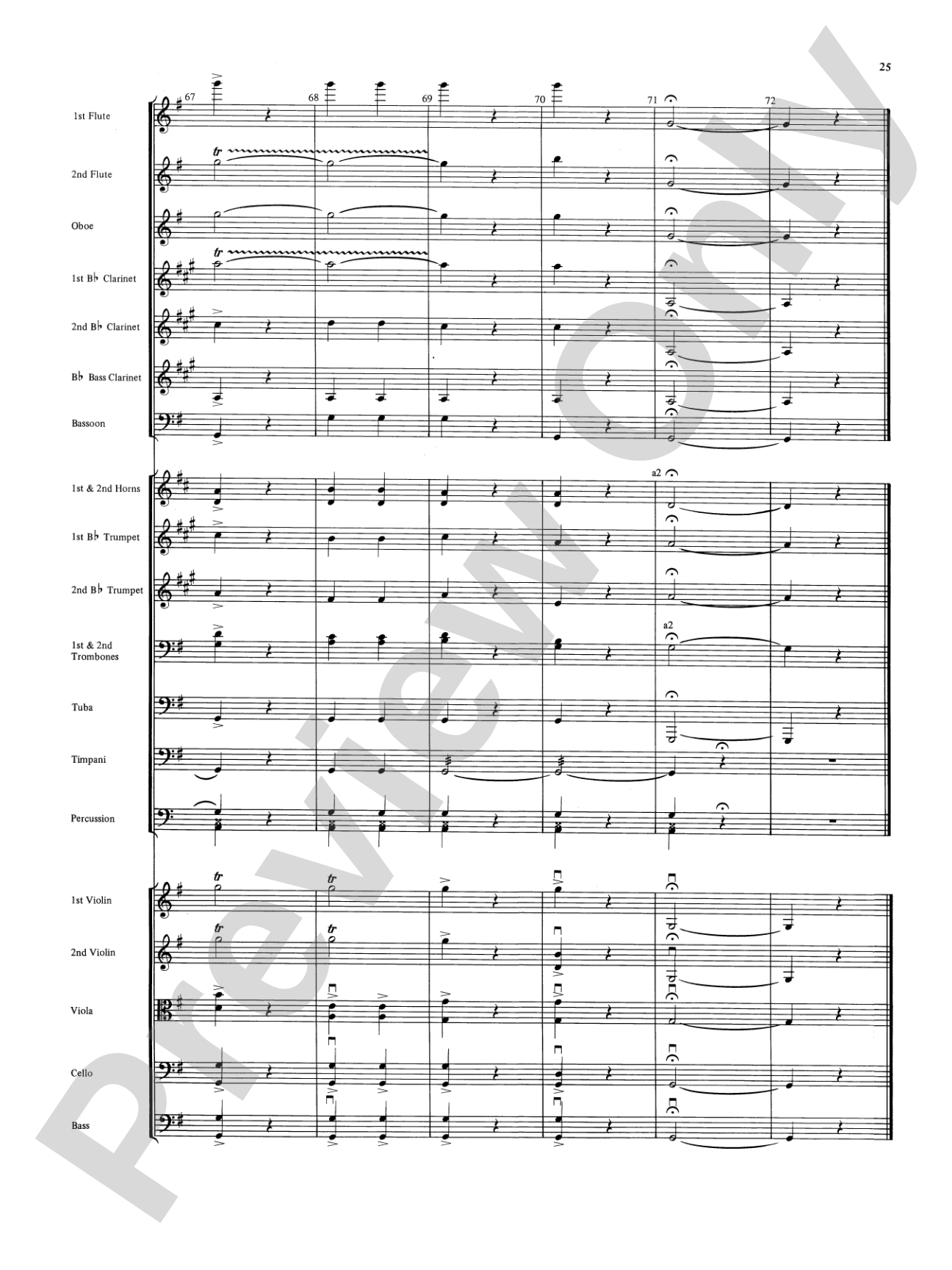


Fandango and Alborado: Score
By Nicolai Rimsky-Korsakov / arr. Merle J. Isaac
Grade: 4
Item: 00-PR-0000055
$9.00
Pickup currently not available
Description


Don't just read it, hear it, play along with it, and watch your students grow with it. In MakeMusic Cloud, Fandango and Alborado: Score comes alive with professional accompaniment, adjustable tempo, and built-in practice tools that turn solo practice into real progress.
Open in the Player
Jump straight in and assign it today.
Start Your Free Trial
Open this title and explore the full library in minutes.
Sample Audio
No sample audio found.
Sample Video
No sample videos found.
Additional Details
Series:
Highland/Etling Full Orchestra
Publisher:
Alfred Music
Page Count:
220
SKU:
00-PR-0000055
More about this title
About the Composer: Nicolai Rimsky-Korsakov
Nicolai Rimsky-Korsakov (1844-1908) was a Russian composer and orchestrator whose mastery of instrumental color fundamentally shaped how composers approached the orchestra. He served as director of the Imperial Chapel and taught at the St. Petersburg Conservatory, where his influence on generations of musicians extended far beyond his own compositions. His orchestration treatise remains a cornerstone of music education, and his scores demonstrate principles that conductors and arrangers still study today.
Rimsky-Korsakov's gift for melody and his fearless use of folk idioms made him a bridge between Western European tradition and Russian musical nationalism. His operas, orchestral works, and shorter character pieces reveal a composer equally comfortable with grand gestures and intimate expressions. For student orchestras, his music offers access to Romantic-era sophistication with orchestration that rewards careful listening and ensemble discipline.
Why we love this
Merle Isaac's arrangement captures the extroverted Spanish color of Rimsky-Korsakov's original without overwhelming a Grade 4 ensemble, allowing younger orchestras to tackle genuinely sophisticated material. The piece sits comfortably in the contest and festival circuit, where its combination of rhythmic vitality and lyrical passages gives students real interpretive choices. Programs built around Romantic nationalism gain immediate character when this work takes the stage.
What to expect
Spanish sunlight and rhythmic swagger dominate the fandango sections, where energetic folk-dance figures pulse beneath shimmering orchestral color. The alborado shift brings warmth and breadth, with singing melodies that invite the ensemble into a more lyrical space while maintaining the piece's underlying vitality.
Who it's for
This score and parts set serves conductors leading intermediate to early advanced full orchestras (Grade 4 level) who want to introduce their students to serious Romantic orchestration without exceeding technical range. Orchestras preparing for contests or festivals will find a vehicle that sounds substantial while remaining achievable in a single concert season.
How to get the most out of it
- Balance the rhythmic vitality of the fandango sections against the sweeping melodic lines of the alborado; neither element should overshadow the other. Mark phrase shapes and breathing points in the string parts during rehearsal to build ensemble cohesion.
- Layer the Spanish percussion elements (tambourine, triangle, castanets where included) into sectional rehearsals early so wind and string players hear their rhythmic context clearly and lock in.
- Conduct the alborado sections with a singing gesture that invites the orchestra to play through phrases rather than stopping at barlines; this transforms the character from academic to expressive.
- Ensure brass has secure articulation cues in the fandango rhythms; clarity in those figures prevents the texture from becoming muddied when dynamics build.
How to use it
Open a concert with this work to establish Romantic-era character and signal that the evening will include both showmanship and substance. It pairs naturally with other orchestral masterworks at the Grade 4 level and works equally well as a festival entry or concert closer that leaves audiences energized.
Skills your students will build
- Balancing rhythmic precision with lyrical phrasing across contrasting sections
- Reading and executing Spanish folk idioms and characteristic rhythms
- Ensemble color awareness through Rimsky-Korsakov's orchestration principles
- Conducting interpretation of mood shift from energetic dance to singing melody
- Sustaining musical shape across a longer form with multiple character changes