Fandango! Cover Image

Fandango!: String Orchestra Conductor Score & Parts

$40.00 USD
Sale price  $40.00 USD Regular price 
Skip to product information
Fandango! Cover Image

Fandango!: String Orchestra Conductor Score & Parts

By Robert D. McCashin

Grade: 1.5

Item: 98-ST6260

makemusic Cloud badge

Need it now?

Buy Digital Version
$40.00
Shipped

One moment…

Description
Experience the Spanish styles of the late 19th century in this clever original for strings! Melodies are shared equally across the ensemble without sounding contrived, and there are many stylistic teaching opportunities ranging from a warm legato sound to a clean staccato bow stroke. Sure to be a hit with both your ensemble and audience!

Don't just read it, hear it, play along with it, and watch your students grow with it. In MakeMusic Cloud, Fandango!: String Orchestra Conductor Score & Parts comes alive with professional accompaniment, adjustable tempo, and built-in practice tools that turn solo practice into real progress.

Sample Pages

Sample Audio
0:00
0:00
Sample Video
Additional Details
Series: FJH Beginning Strings
Publisher: The FJH Music Company, Inc.
UPC: 674398228959
SKU: 98-ST6260

More about this title

About the Composer: Robert D. McCashin
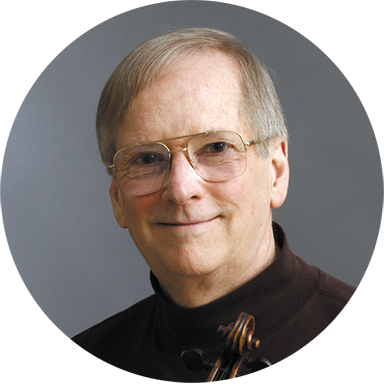
Robert D. McCashin

Robert D. McCashin, DMA, spent 43 years as a conducting professor and string pedagogue at James Madison University, where he directed the symphony, chamber, and opera orchestras while teaching at both the undergraduate and doctoral levels. A violinist trained at Louisiana State University and the University of Arizona, he earned JMU's Distinguished Teacher Award in 2015 and has published nearly 80 educational compositions and arrangements across grade levels 1 through 5.

McCashin's work as an educator extended beyond the university classroom. He founded the Arlington Youth Symphony during his time in Texas, where he also performed with regional orchestras and maintained an active private studio. His collaborative string method books, New Directions for Strings and A Scale in Time, have become standard resources in music education. Many of his compositions have achieved bestseller status and Editors' Choice recognition in the educational music market.

Why we love this

McCashin writes for beginners without talking down to them. The melodic material moves around the ensemble naturally, giving every section a moment to shine while maintaining genuine musical interest. The contrast between legato and staccato passages gives you concrete teaching points that land immediately with players who are still building foundational technique.

What to expect

A lively Spanish dance that moves with natural grace rather than forced drama. The scoring captures authentic late 19th century idiom without becoming precious, pairing warm, singing melodic passages with crisp rhythmic moments that give the piece its characteristic spirit.

Who it's for

Early intermediate string orchestras ready to explore color and articulation beyond unison playing. This works well for ensembles where students have solid bow control and can manage distributed melodic material across the sections.

How to get the most out of it

  • Establish a clear pulse for the Spanish rhythmic character early in rehearsal; use the accompaniment track to lock the ensemble's sense of forward motion and stylistic flavor.
  • Shape the legato passages with a singing tone, asking students to imagine the melodic line as a vocalist would phrase it rather than simply connecting notes.
  • Balance the staccato sections by encouraging a clean lift at the end of each note; this prevents the bow stroke from becoming choppy or losing resonance.
  • Let the ensemble hear a reference recording or Latin percussion accompaniment in context so they understand the dance-like energy that frames their contribution.

How to use it

Place this as a concert opener or an energetic mid-program pick that builds audience engagement. It sits naturally between a more serious early-year standard and heavier repertoire, making it ideal for spring concerts or festival programming where you want to showcase emerging musicianship alongside technical growth.

Skills your students will build

  • Sharing melodic responsibility across sections with musical balance
  • Contrasting legato articulation with clean staccato bow strokes
  • Responding to stylistic context (Spanish/Latin idiom) through sound production
  • Reading and executing rhythmic figures characteristic of fandango dance patterns
  • Maintaining ensemble cohesion while parts move independently

You May Also Like
