

Famous & Fun Favorites, Book 4: 16 Appealing Piano Arrangements: Piano
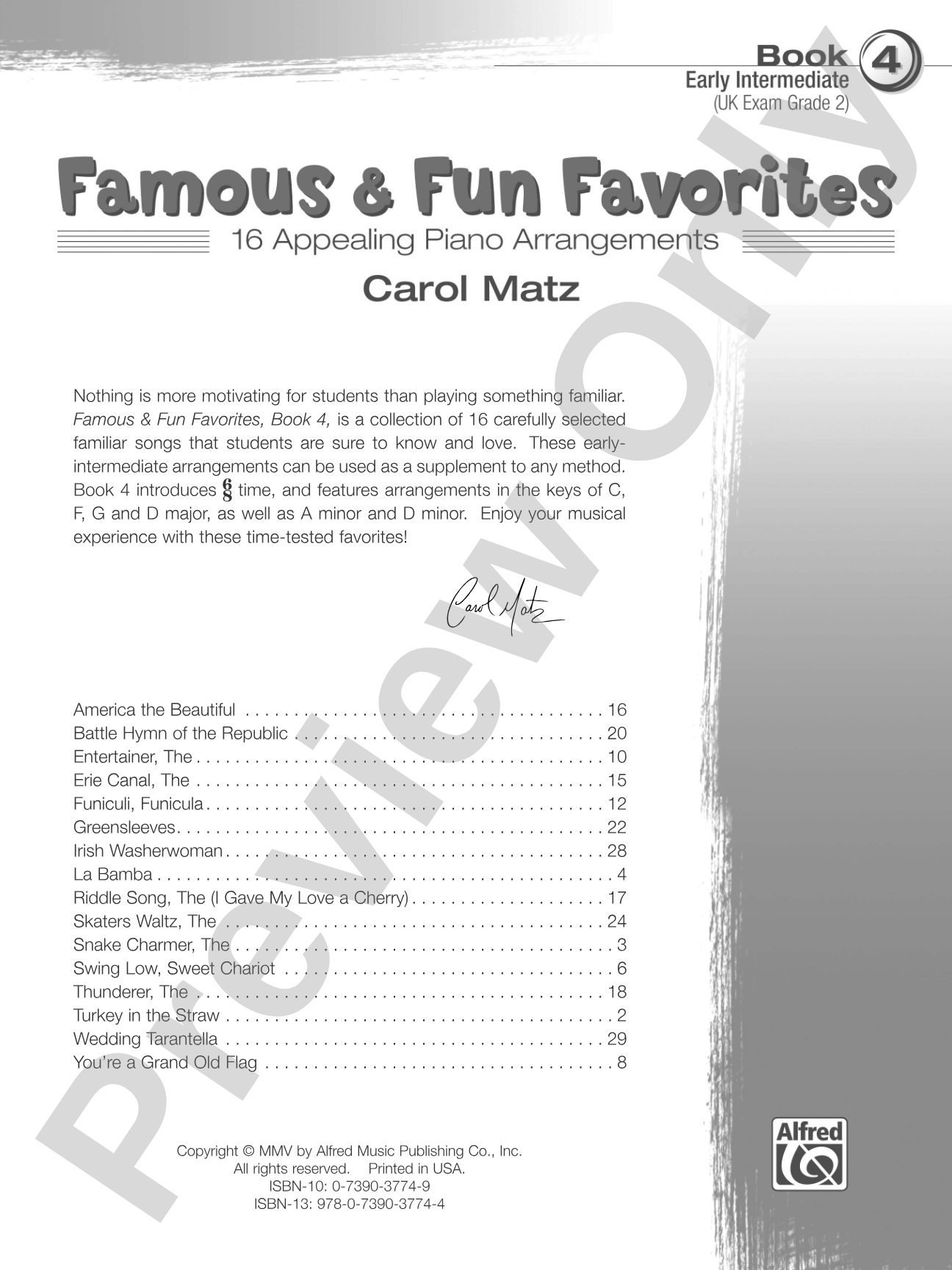
16 Appealing Piano Arrangements
Arranged by Carol Matz
Level: Early Intermediate
Item: 00-PB-0000858
$7.99
Pickup currently not available
Related Items
Famous & Fun Favorites, Book 4: Piano Book |
$7.99
|
View |
Description
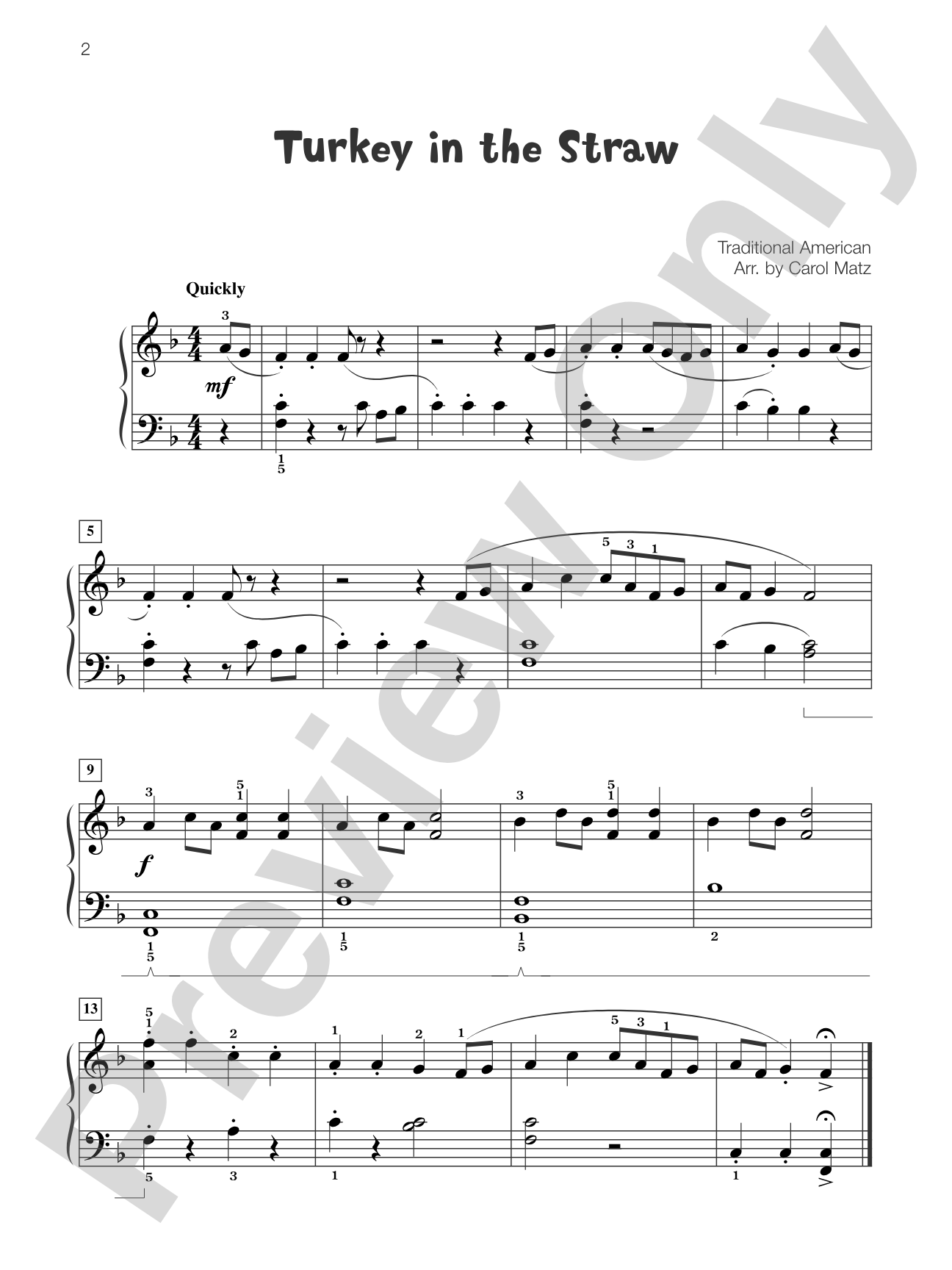
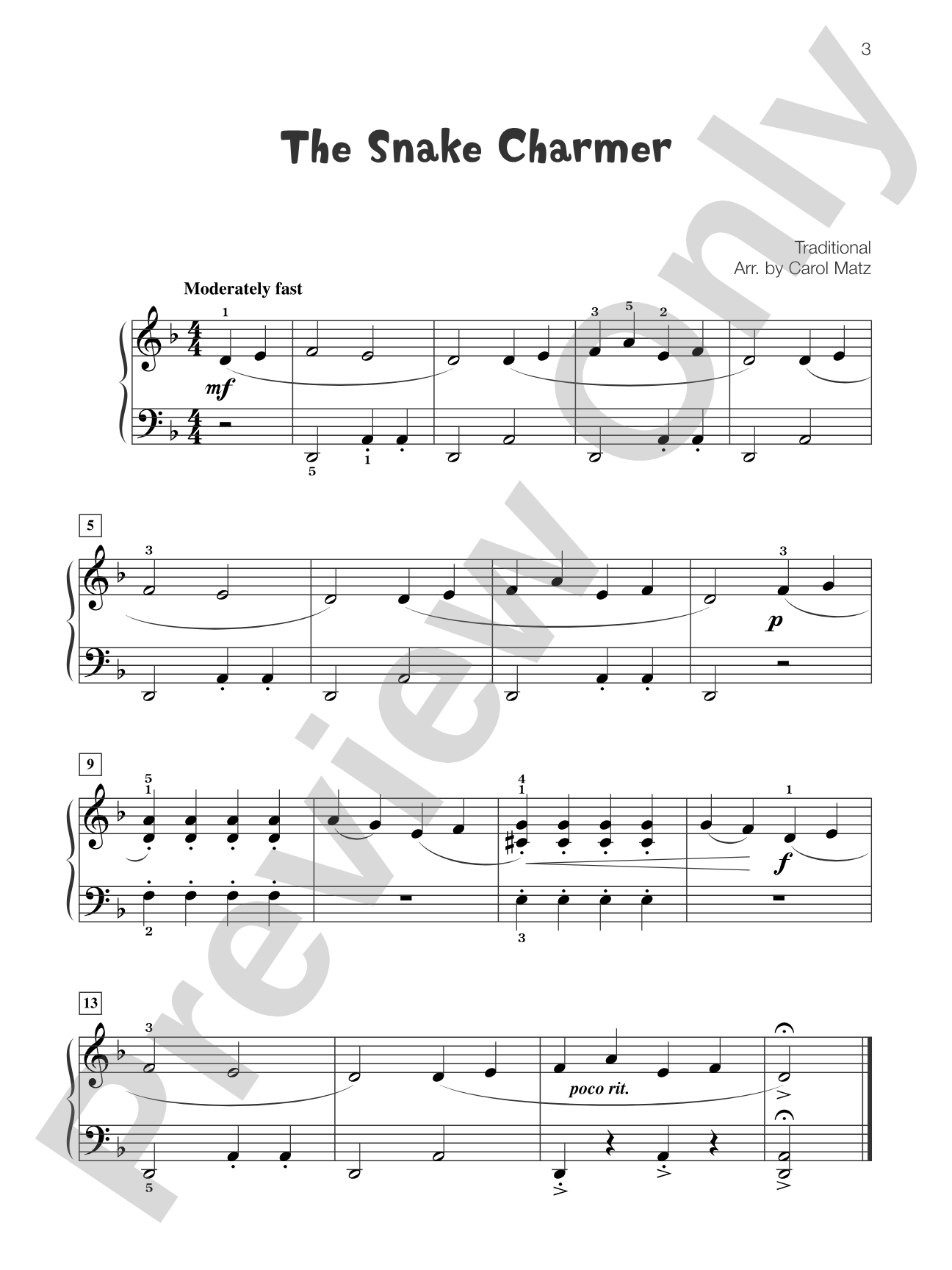
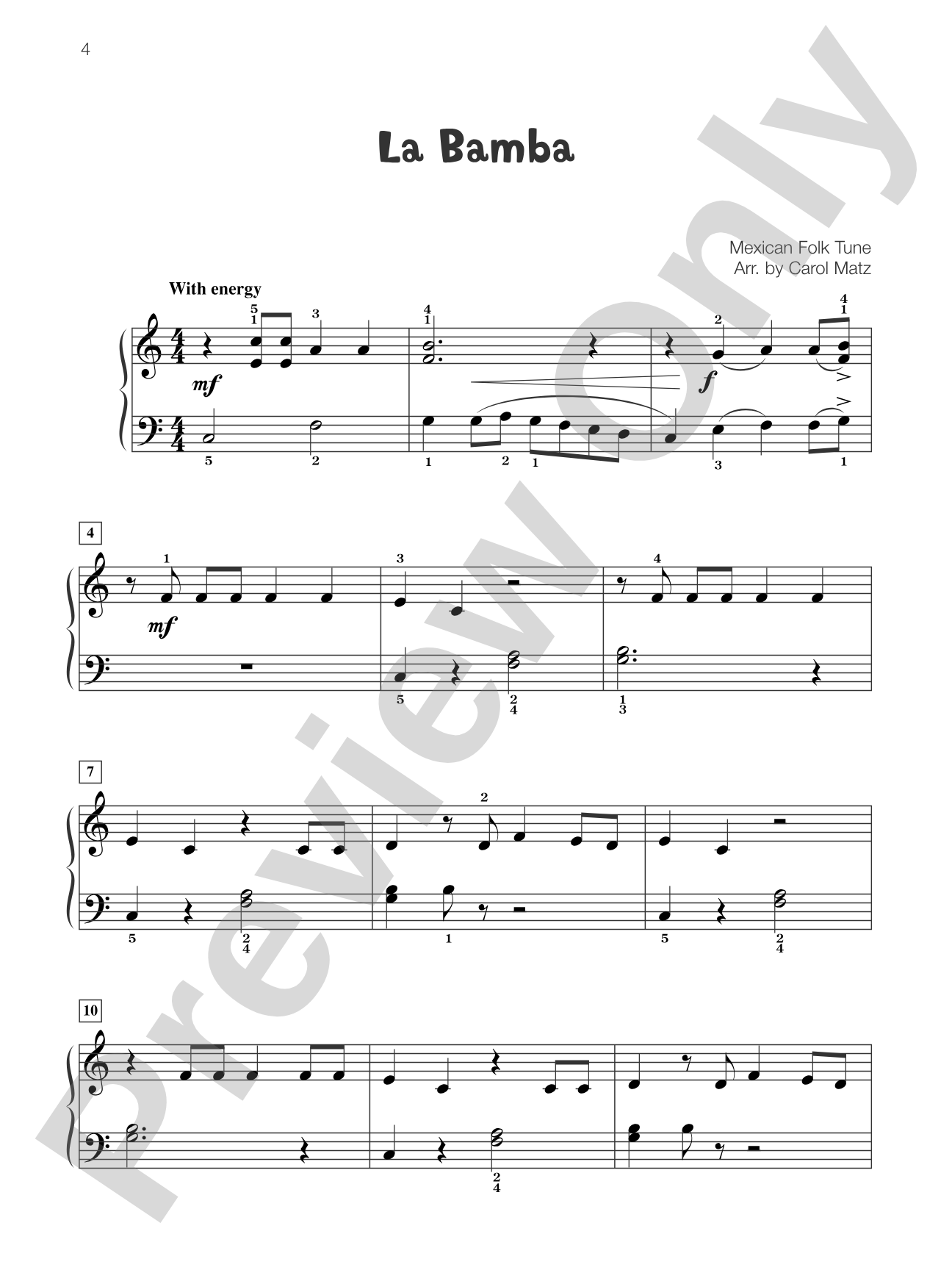
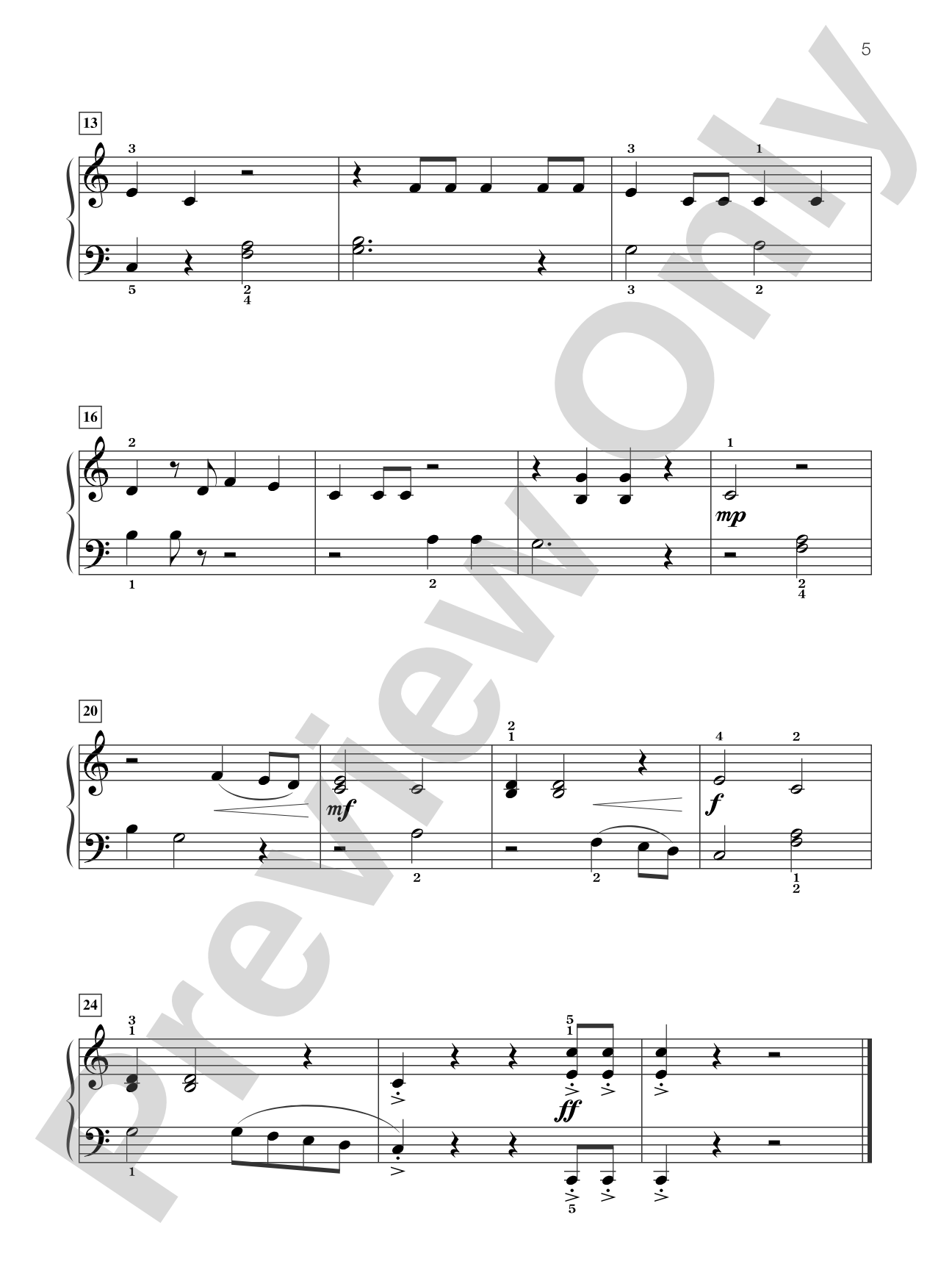
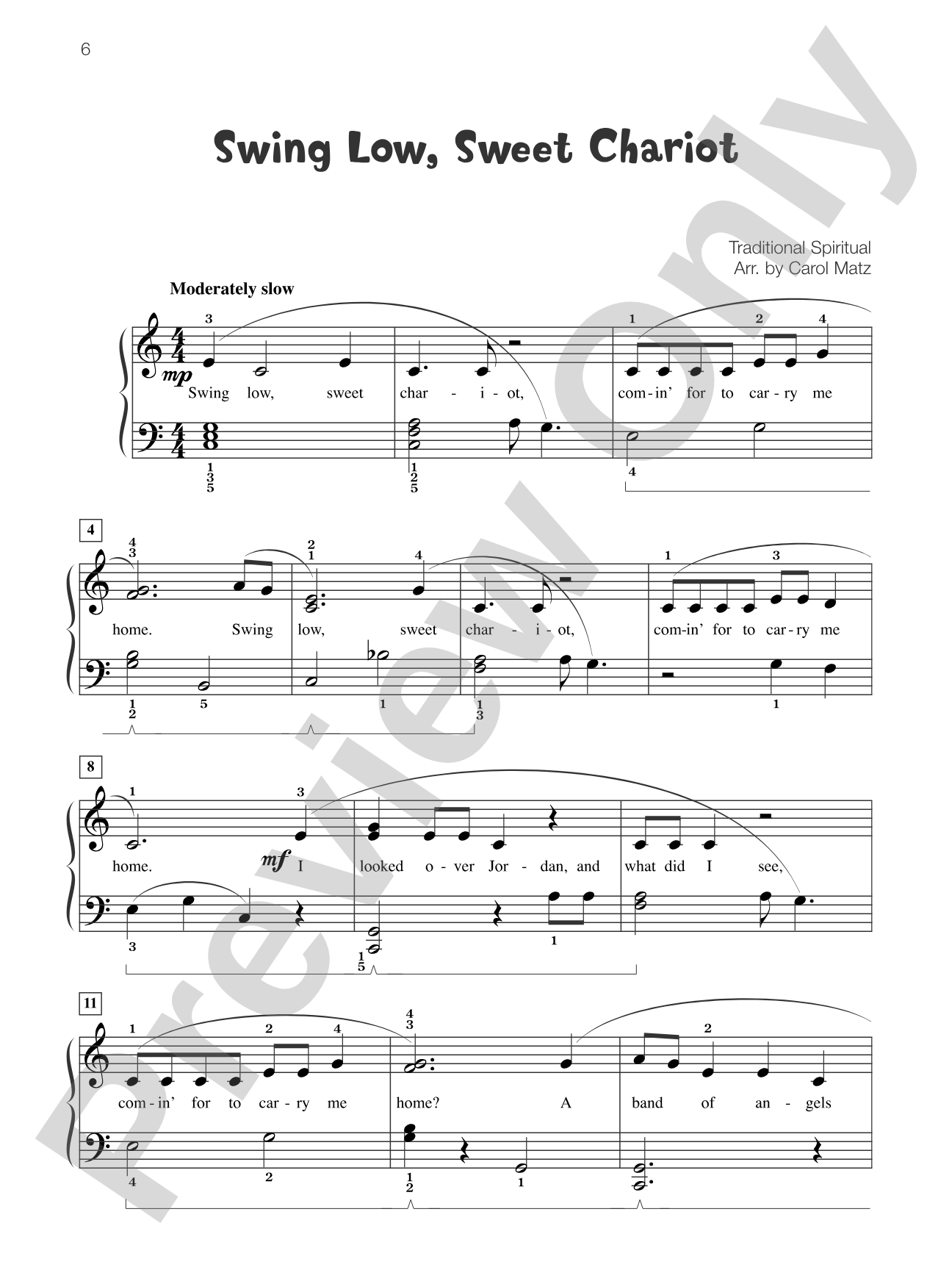
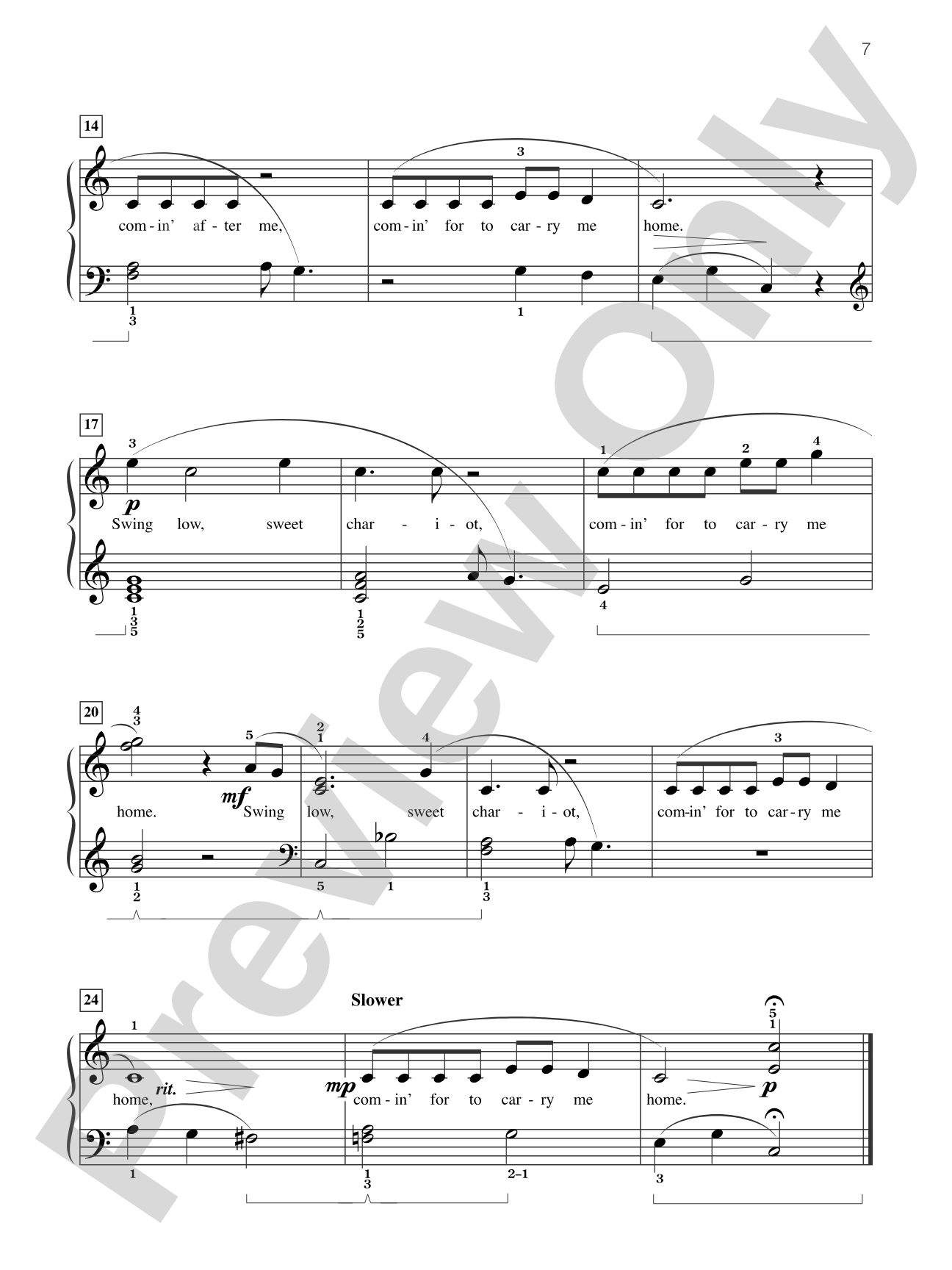
Famous & Fun: Favorites, Book 4, is a collection of appealing arrangements of familiar songs that students are sure to know and love. Written at the early intermediate level, it may be used as a supplement to any method. "America, the Beautiful," "Battle Hymn of the Republic," and "The Erie Canal" are Federation Festivals 2016-2020 selections. A Federation Festivals 2020-2024 selection.


Famous & Fun Favorites, Book 4: 16 Appealing Piano Arrangements: Piano isn't in MakeMusic Cloud just yet...but it could be. Let us know you'd like to see it, and you'll help shape what comes next. In the meantime, start a free trial and dive into thousands of interactive titles your students can play along with today.
Request This Title
Tell us you want it.
Start Your Free Trial
Explore everything that's ready to play right now.
Sample Audio
No sample audio found.
Sample Video
No sample videos found.
Additional Details
Series:
Famous & Fun
Publisher:
Alfred Music
Page Count:
32
SKU:
00-PB-0000858
More about this title
About the Arranger: Carol Matz

Carol Matz brings three decades of piano teaching experience to her arrangements, having worked directly with students at the keyboard while developing her distinctive compositional voice. She has created over 300 published works across multiple genres and ensemble types, from solo piano to orchestra, jazz big band, and chamber music. Her training in composition, arranging, and orchestration at the University of Miami shaped her ability to adapt familiar melodies for pedagogical contexts without sacrificing musicality.
As a clinician and workshop presenter, Matz has shared her teaching philosophy across North America, Europe, and the Pacific region. Her Famous & Fun series has become a staple in piano studios precisely because it honors both student interests and artistic integrity, proving that accessible repertoire and genuine musicianship are not mutually exclusive.
Why we love this
Matz understands the power of recognition without condescension. These 16 arrangements tap into songs students already know and love, eliminating the barrier of unfamiliar material while preserving the early intermediate challenge in the piano writing itself. The inclusion of three Federation Festivals selections across two consecutive cycles signals repertoire that adjudicators respect and audiences embrace.
What to expect
Familiar territory wrapped in fresh musical clothing. These songs arrive as friends in new contexts: a ragtime rhythm supporting a march, jazz voicings brightening a folk melody, classical forms containing pop sensibilities. There's joy in recognition paired with the satisfying surprise of discovering new possibilities in beloved melodies.
Who it's for
Early intermediate piano students ready to move beyond simplified method book material but still building technical facility and musical independence. Teachers seeking high-quality supplementary repertoire that connects with student interests while introducing jazz and popular music arranging techniques.
How to get the most out of it
- Study the harmonic language beneath each melody. Matz's arrangements often introduce jazz-influenced voicings and unexpected chord substitutions that reward careful listening and give pianists insight into how popular melodies can be reimagined.
- Pay attention to register shifts and hand position changes. Early intermediate students sometimes rush through these transitions, but smooth voicing from one section to the next requires deliberate practice and listening.
- Shape the melodic line with dynamic intent rather than playing it mechanically. Many of these pieces are songs students know; help them hear how the melody breathes differently in piano texture than it does in its original form.
How to use it
Integrate these pieces into studio recitals alongside classical method repertoire to reflect the full range of what your students study. The Federation Festivals selections work especially well as early spring programming, offering students the dual benefit of preparing for festival competitions while performing music that resonates with peers and families.
Skills your students will build
- Reading and executing jazz-influenced chord voicings at early intermediate level
- Maintaining rhythmic precision through syncopation and syncopated accompaniment patterns
- Balancing melody against active accompaniment figures
- Smooth voice leading and hand position management across register changes
- Musical phrasing beyond method book studies using recognizable melodic material