
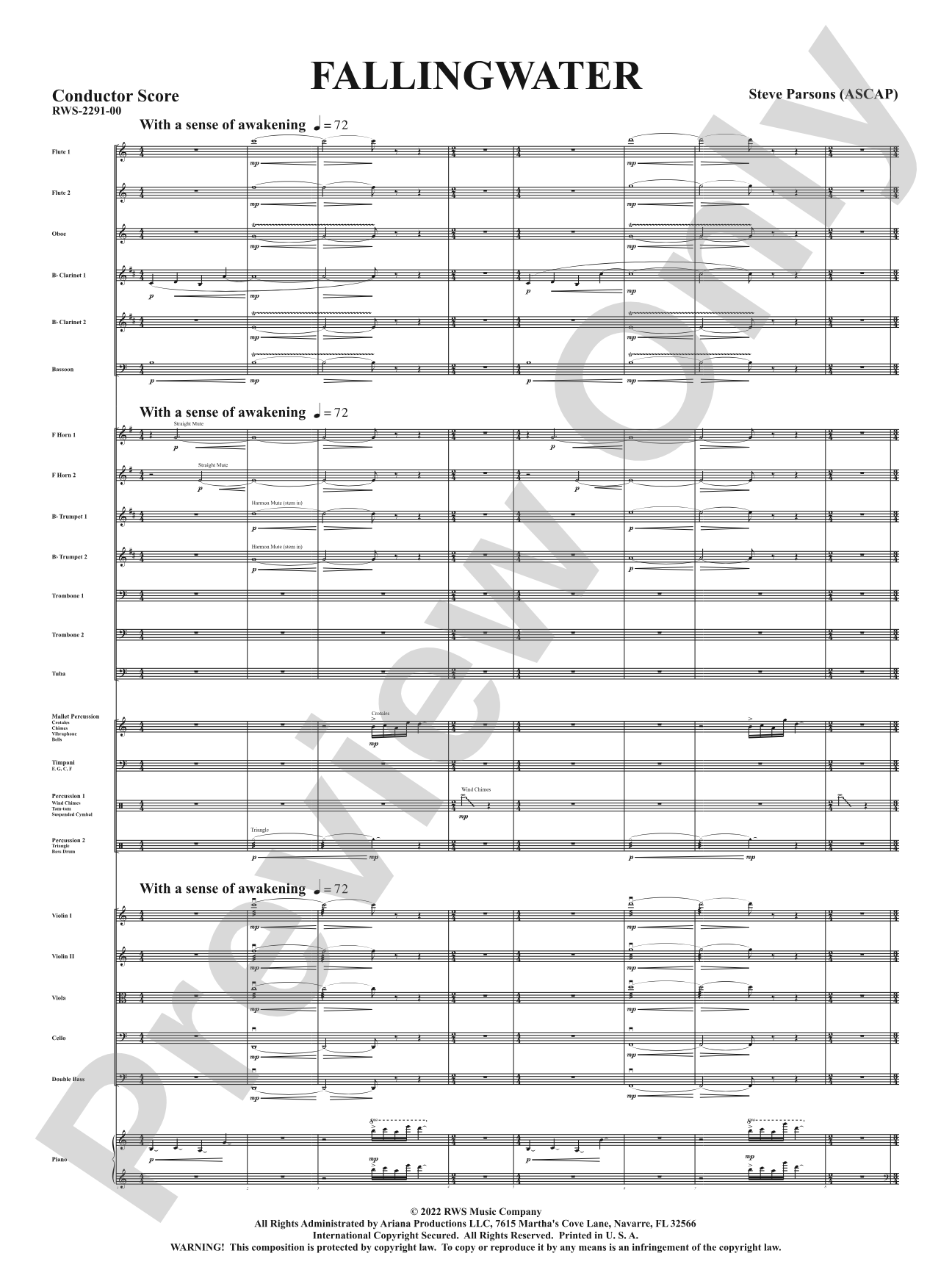
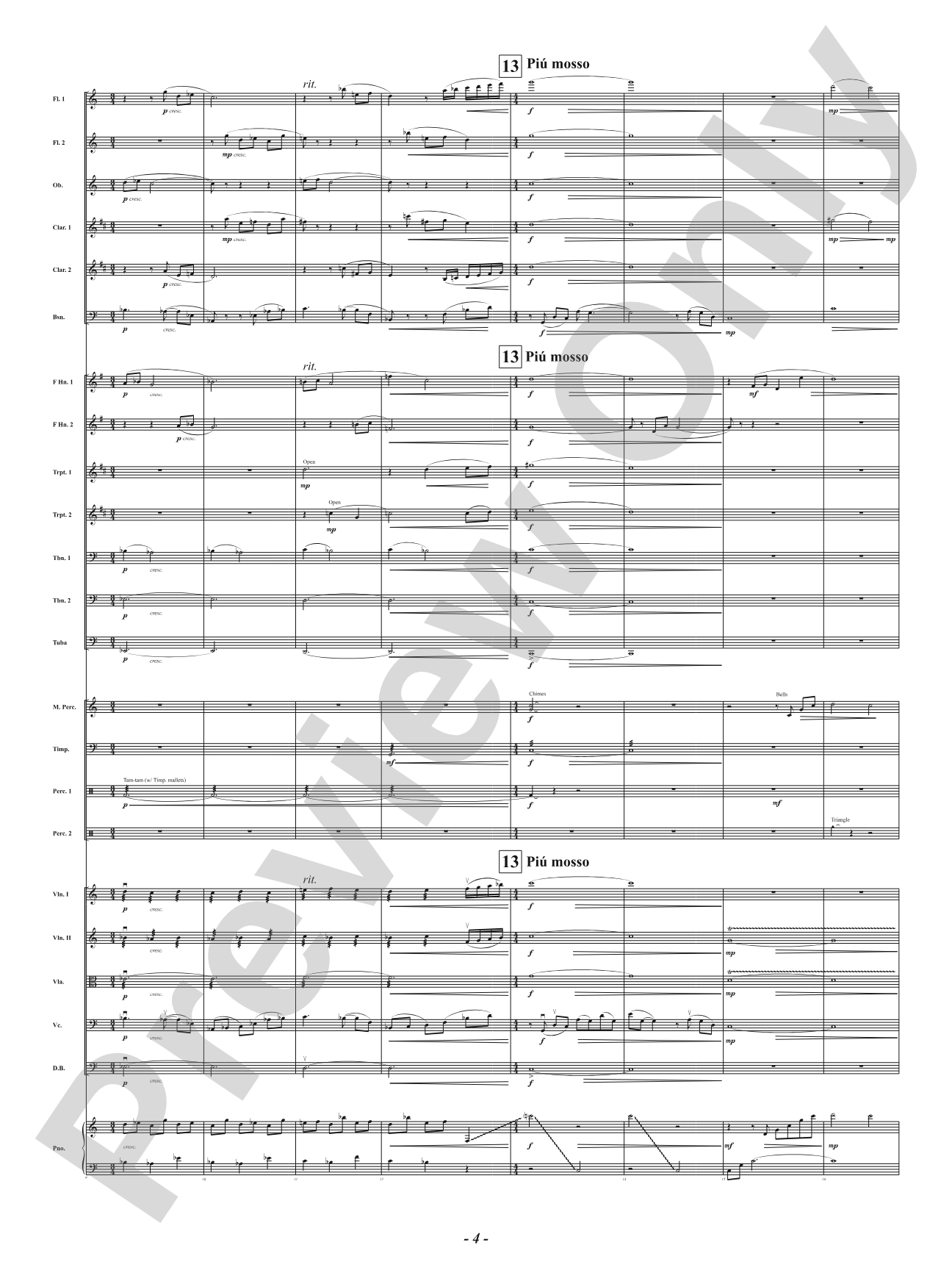
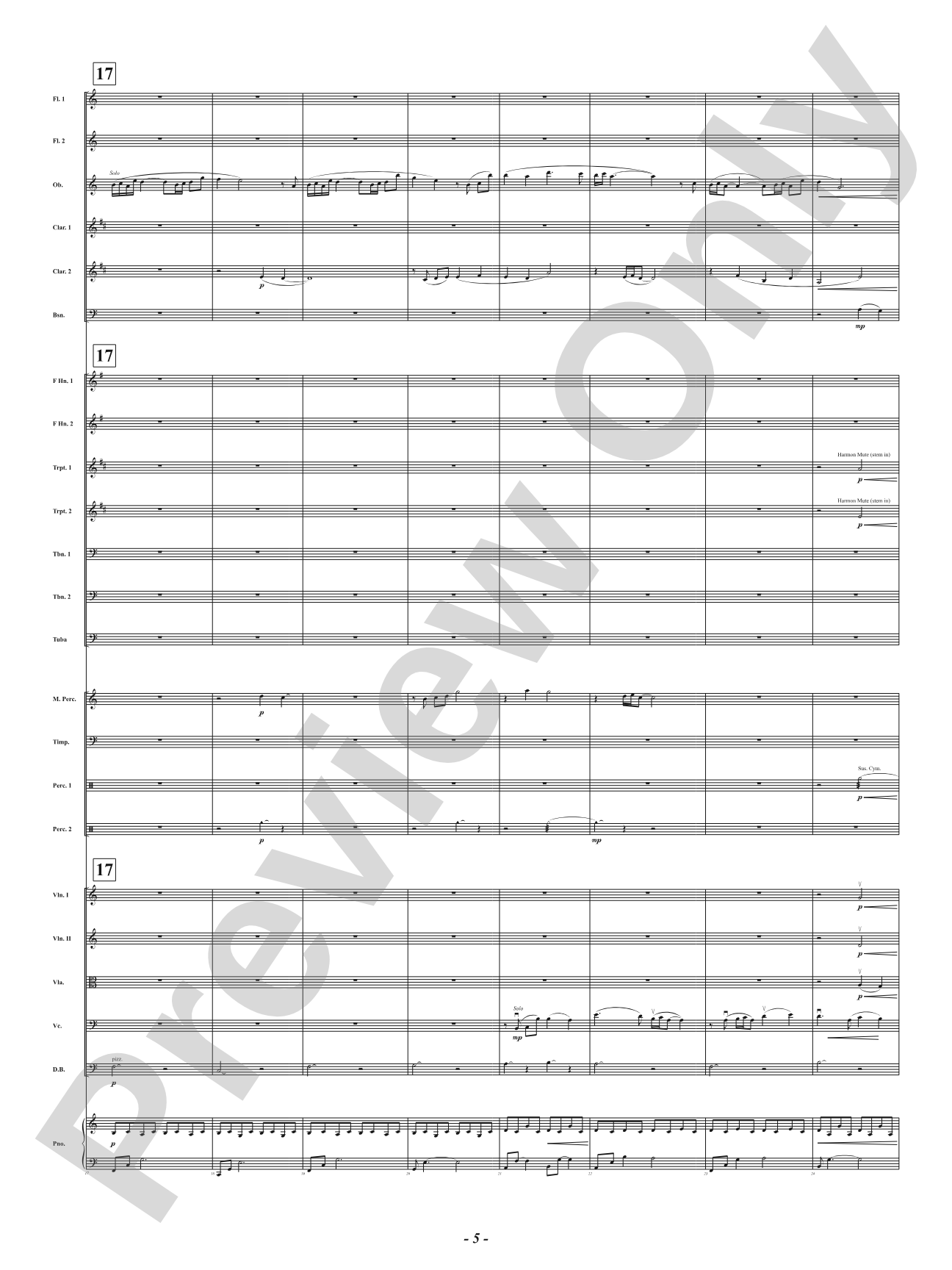
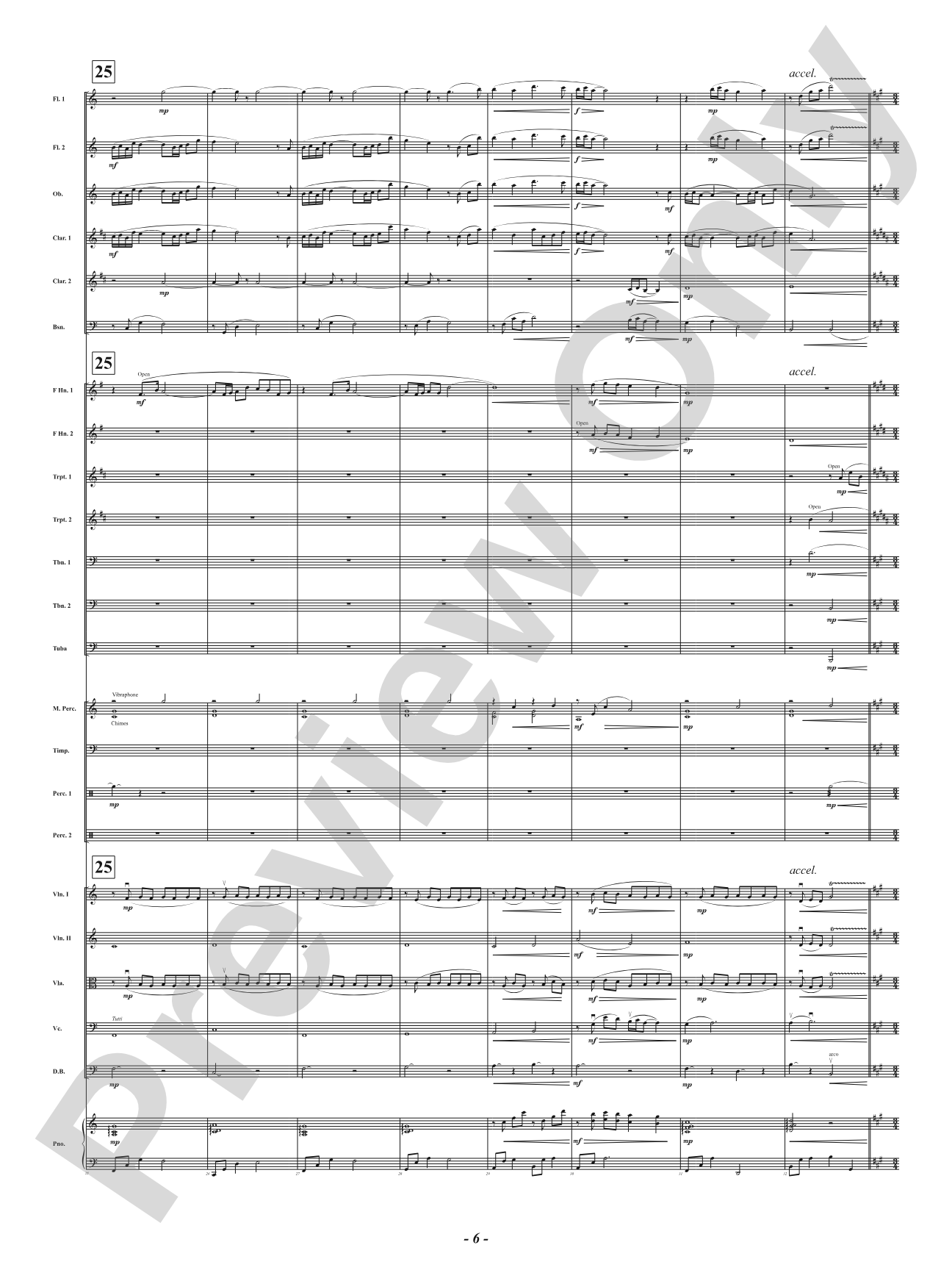
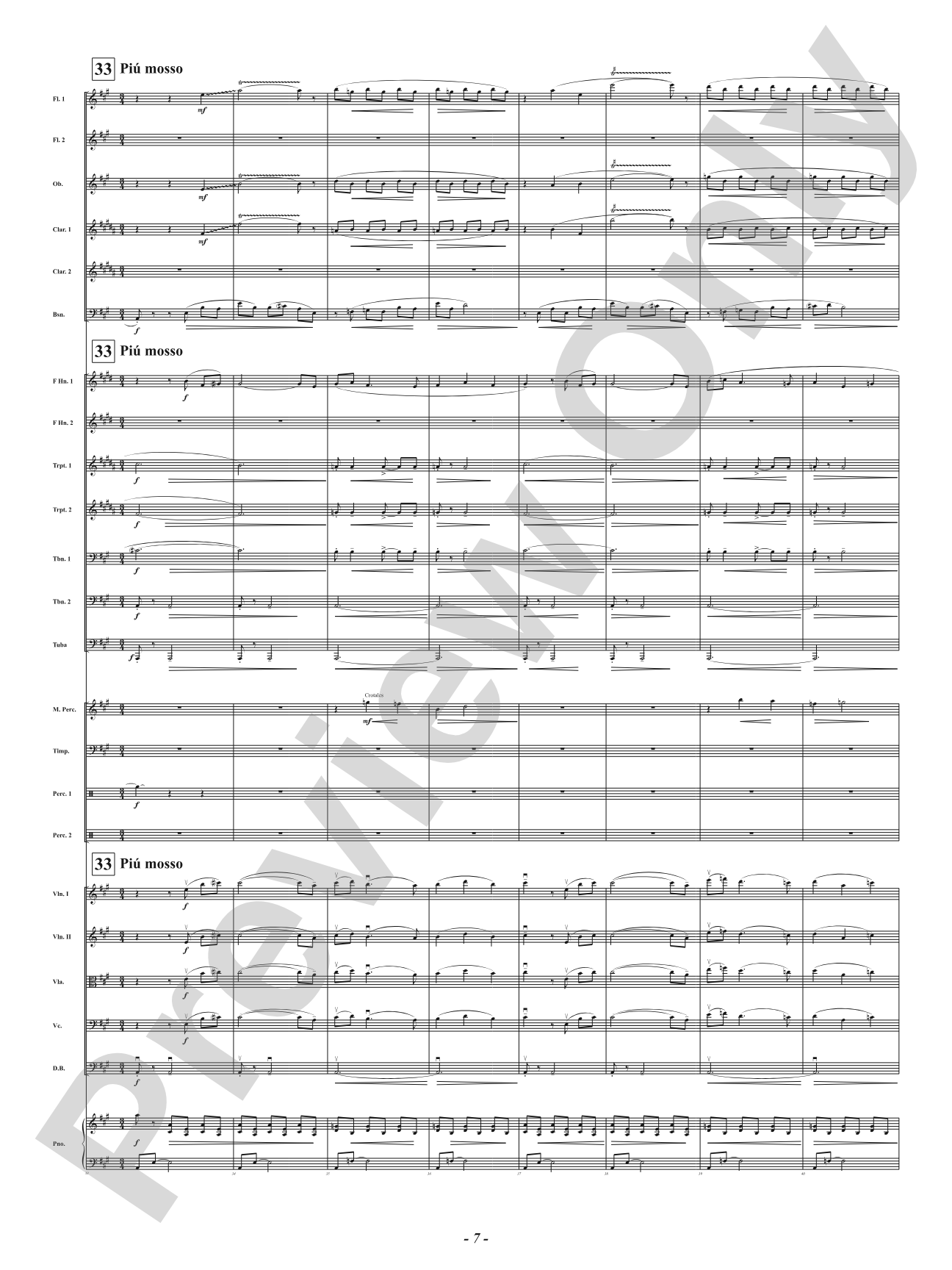
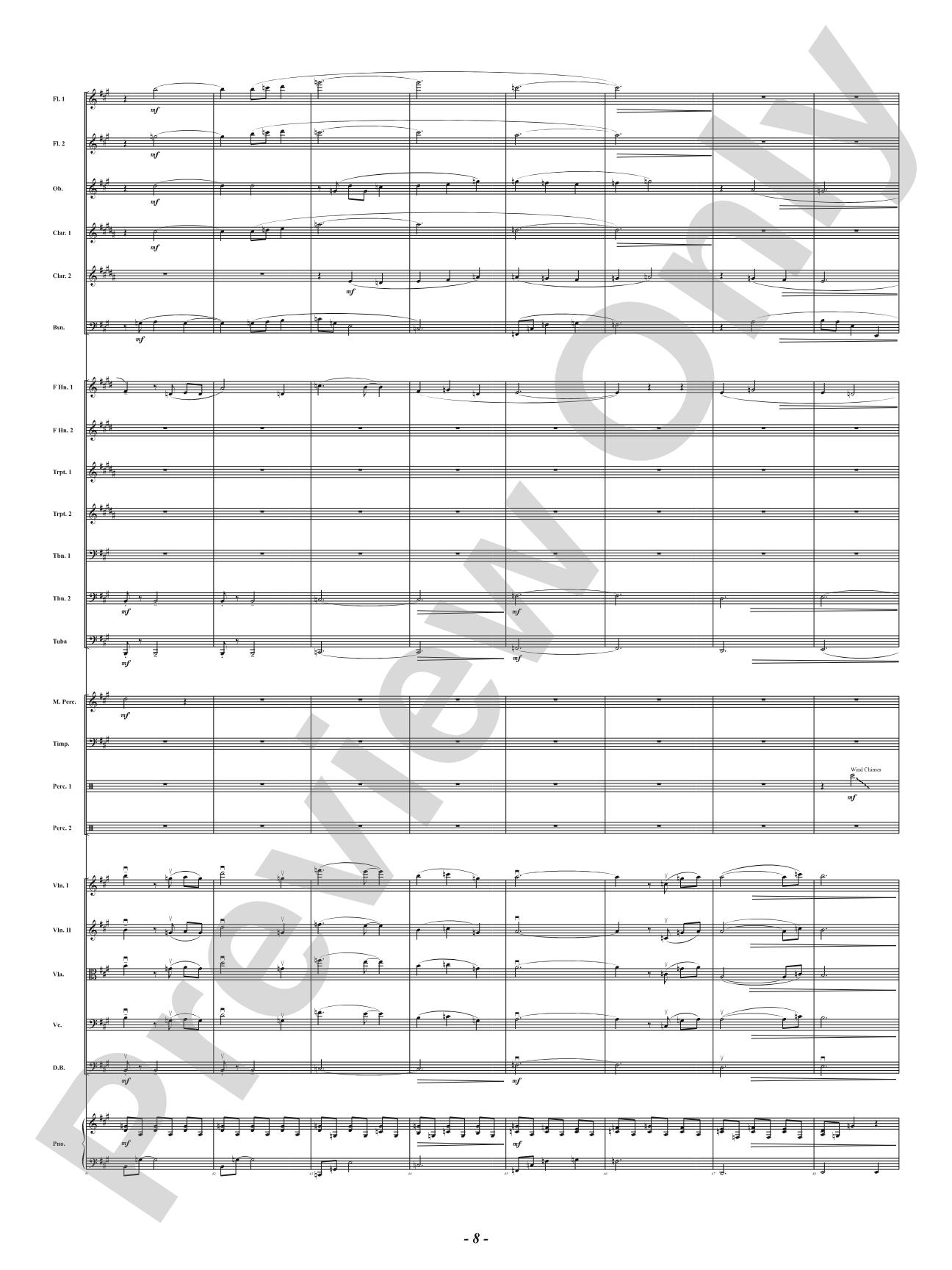
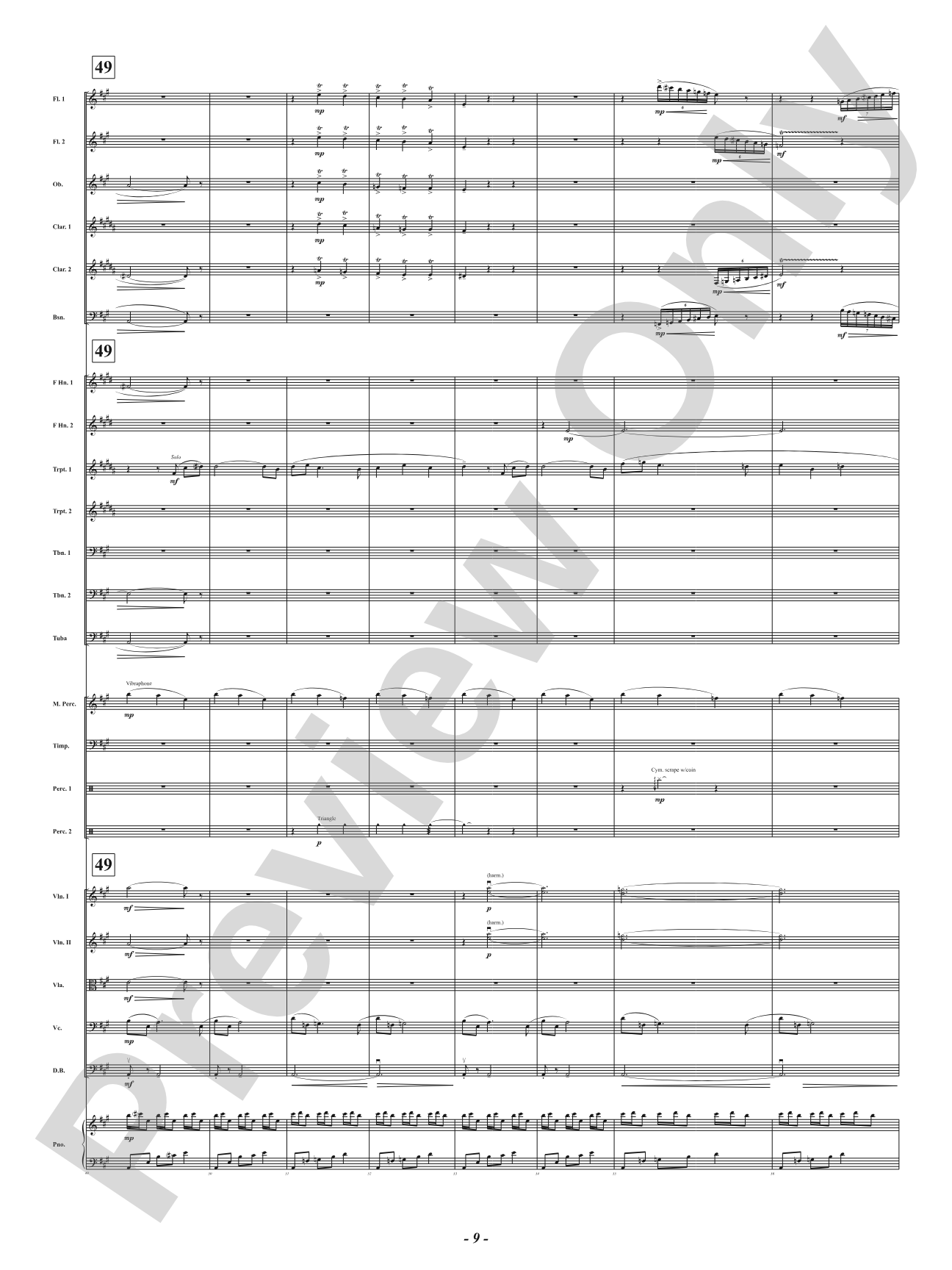
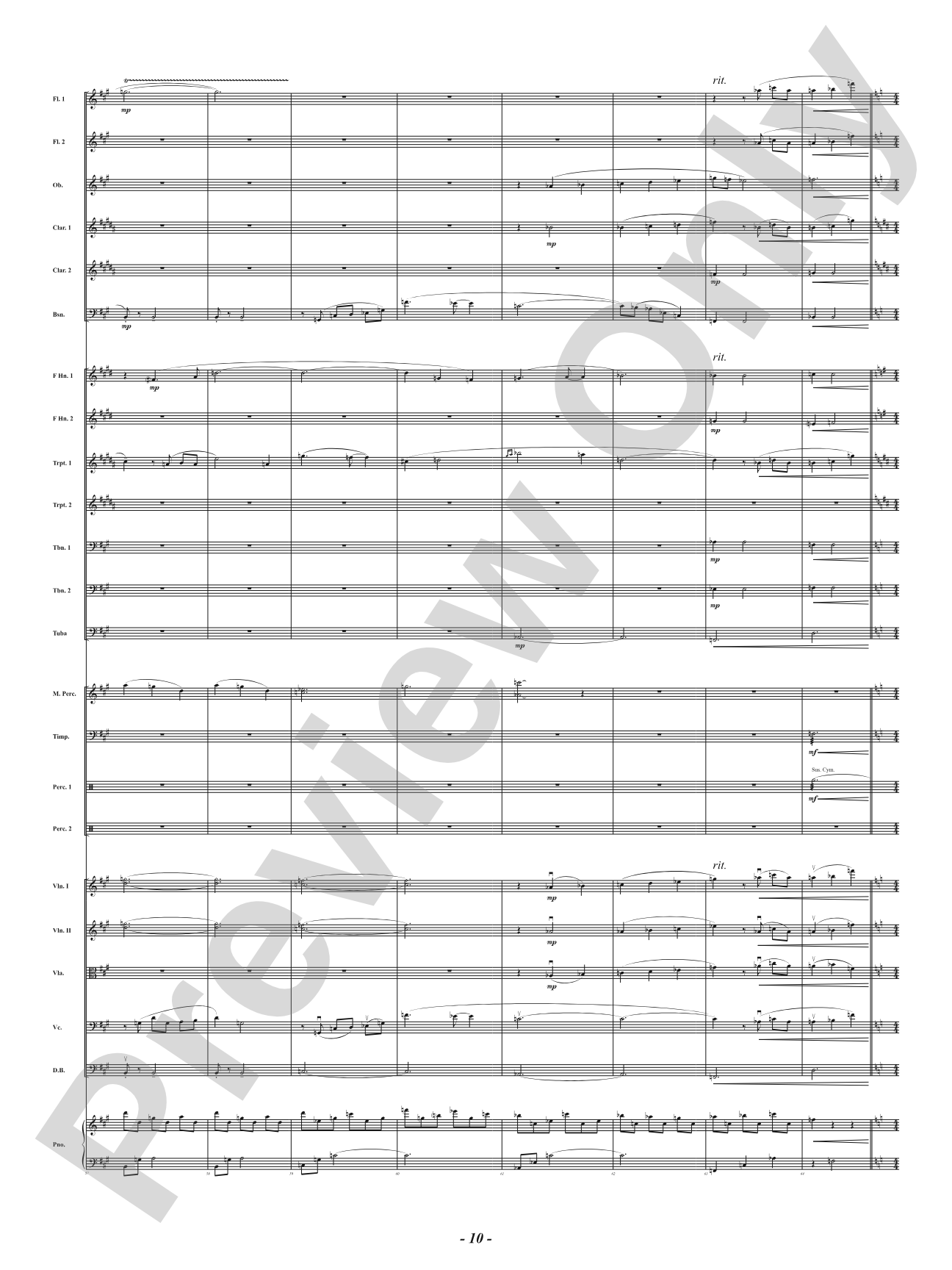
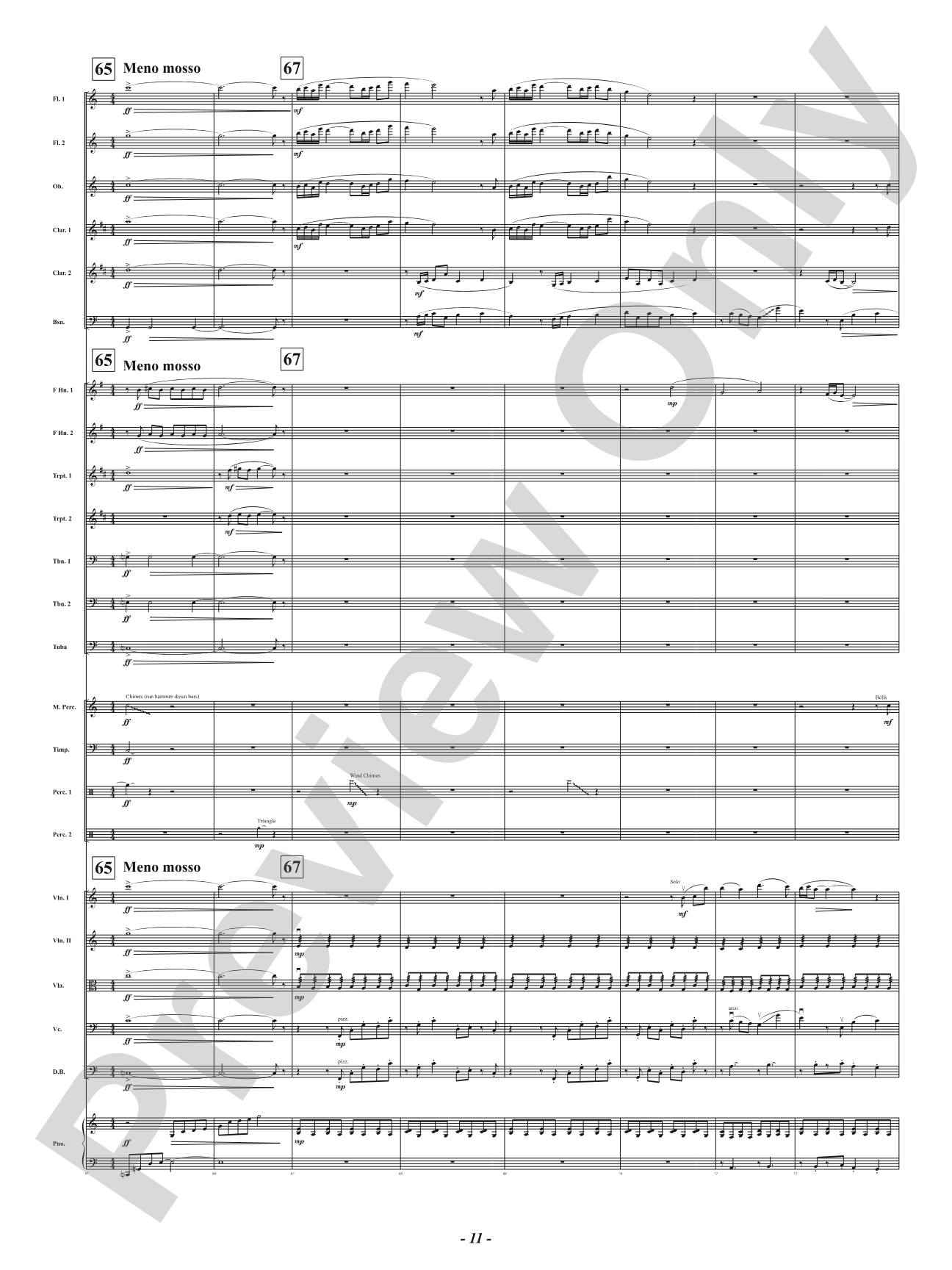
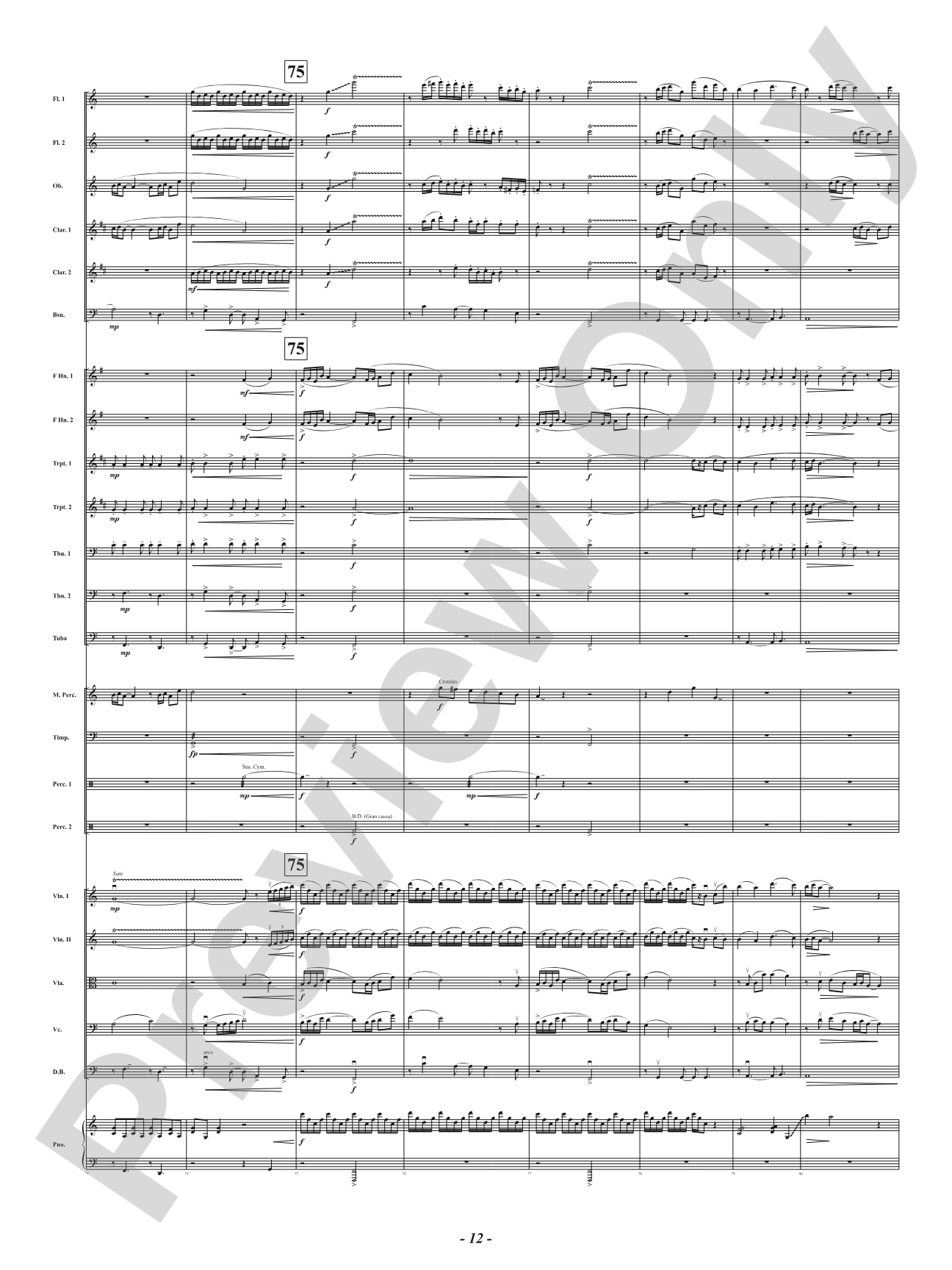
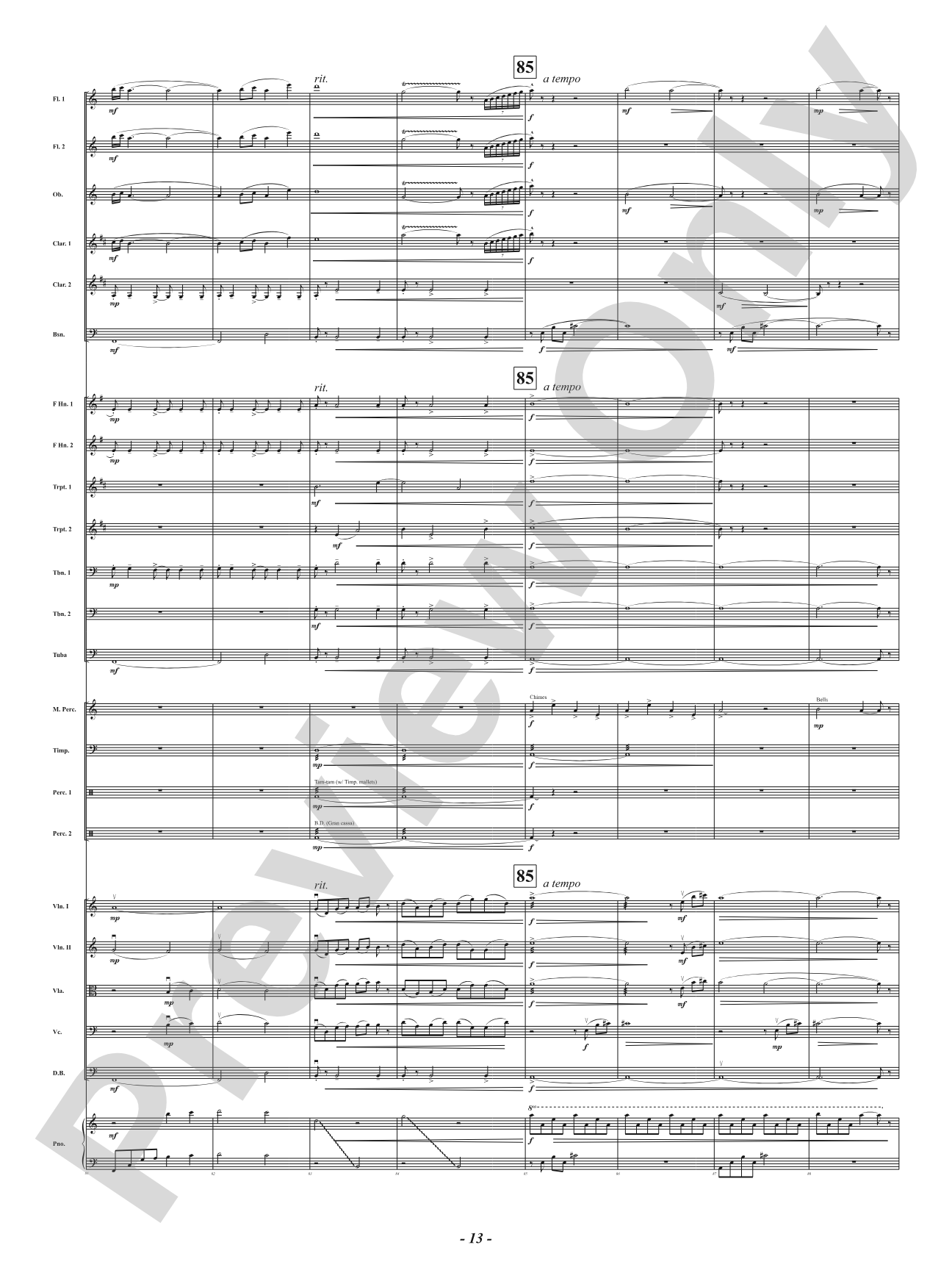
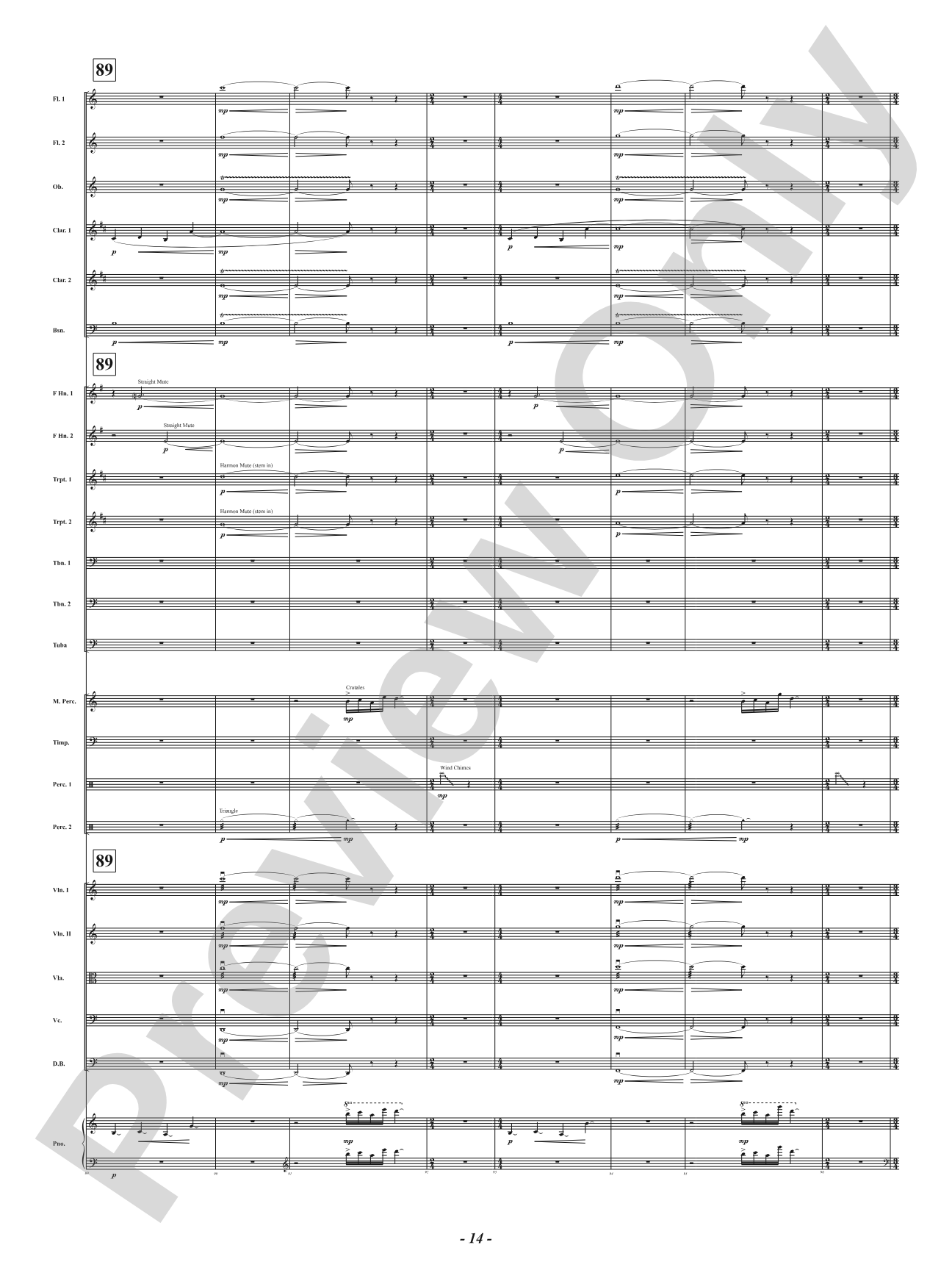
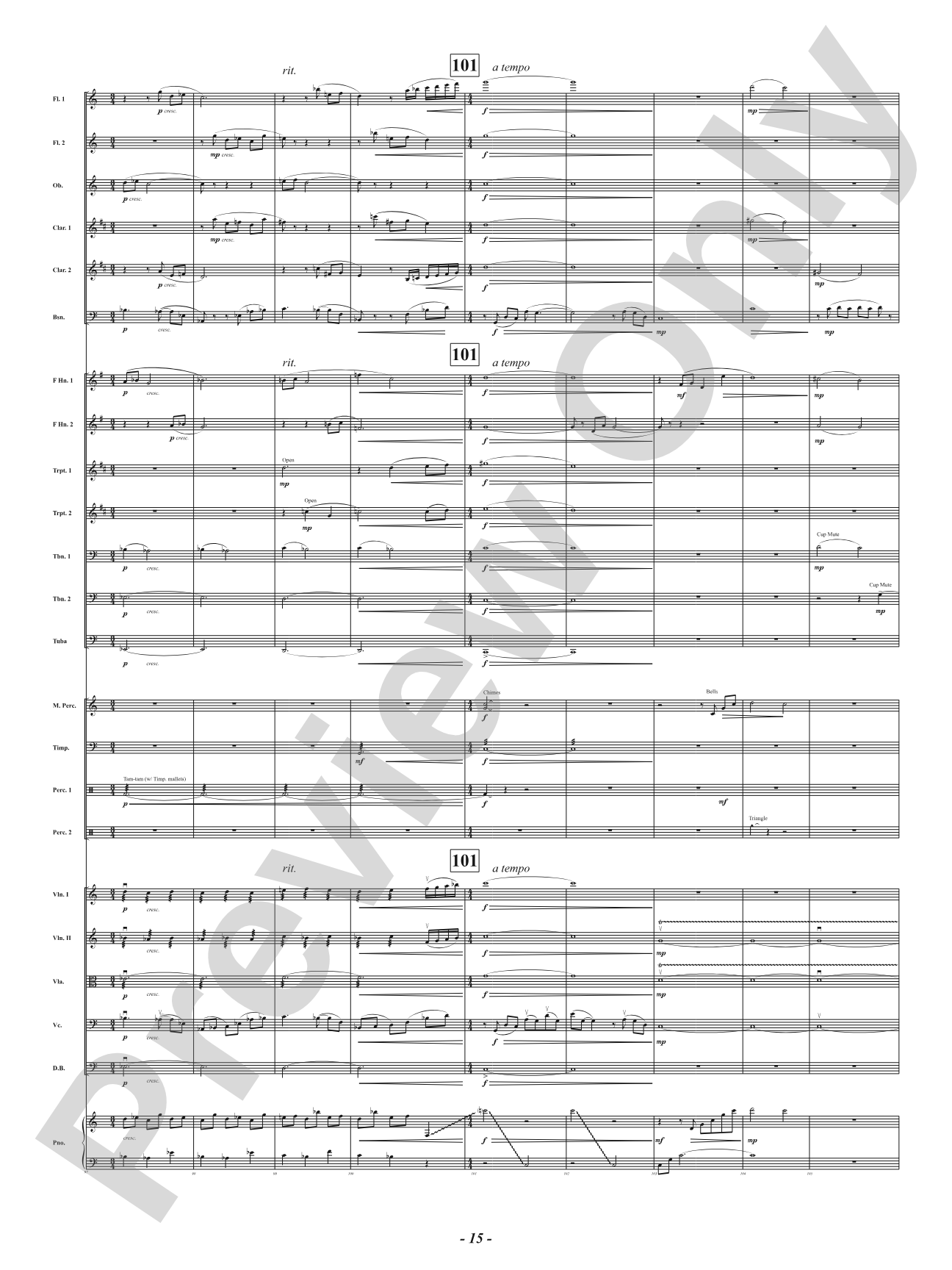
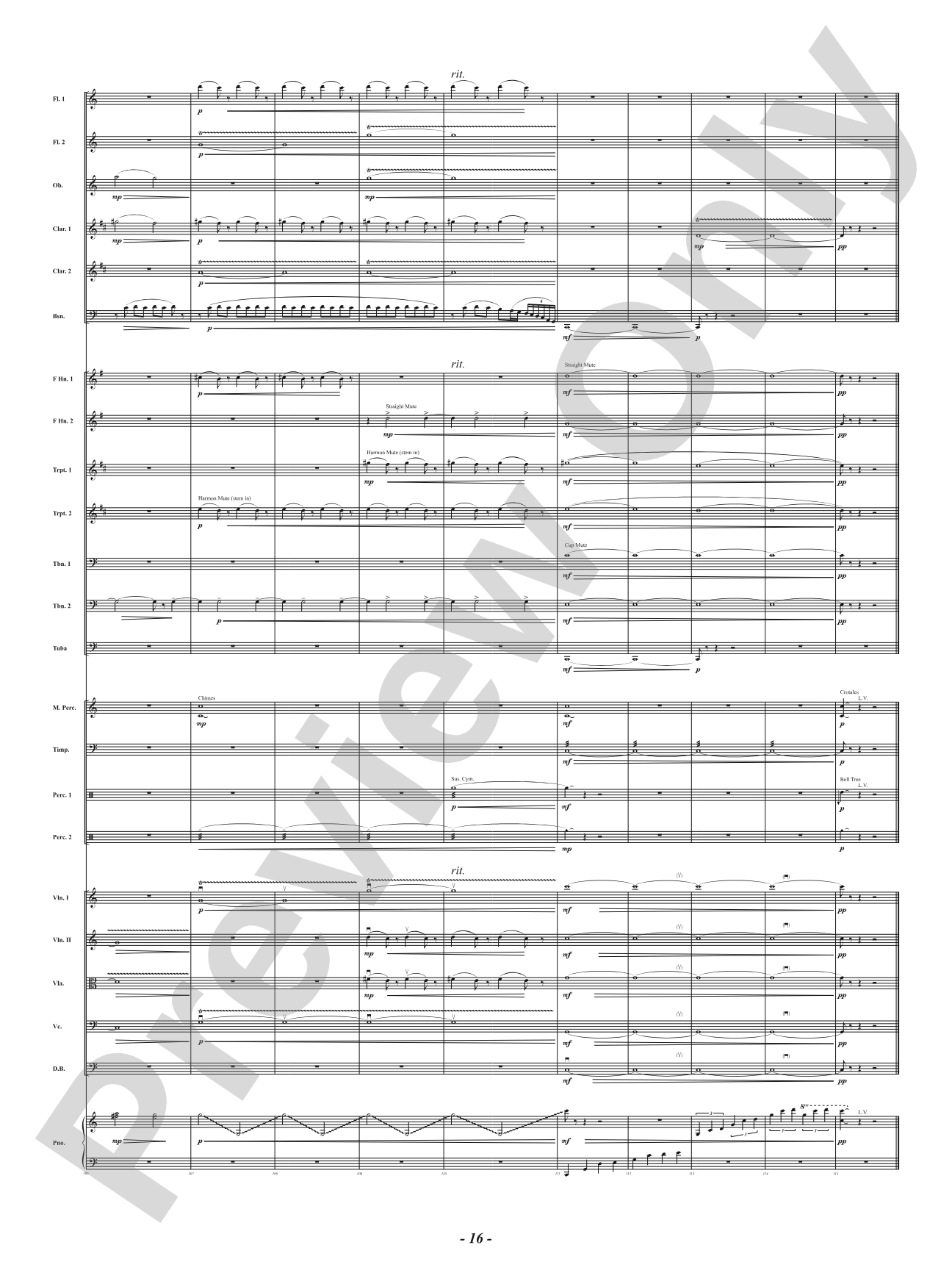

Fallingwater: Score
By Steve Parsons
Grade: 4
Item: 98-PR-RWS2291
$15.00
Pickup currently not available
Description
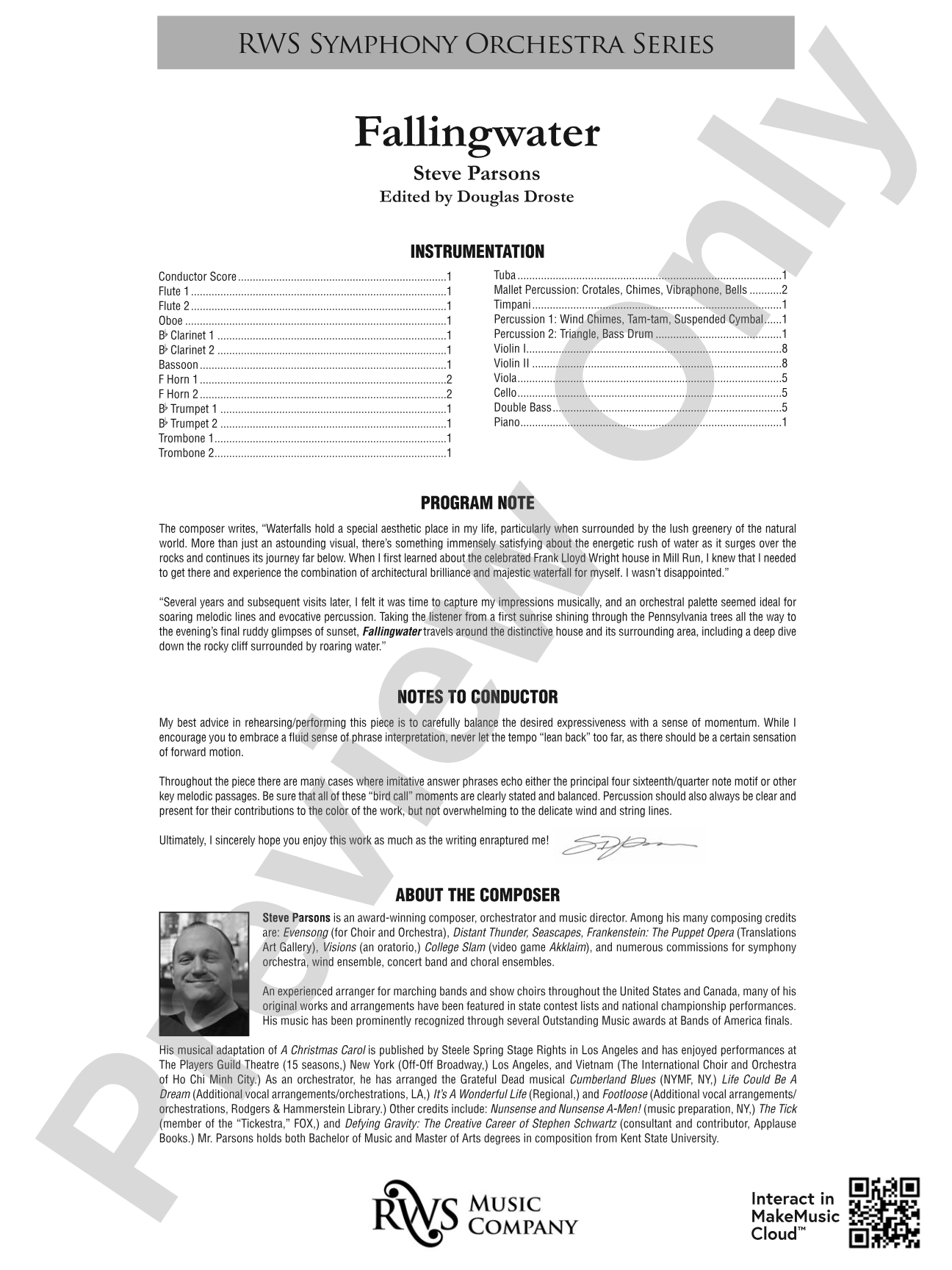
Inspired by the famous architectural masterpiece and its foundational waterfall, this piece depicts a day in Mill Run, Pennsylvania from first sunrise to the final glimmer of twilight. Sparkling orchestral colors shimmer like windswept leaves, while majestic, soaring thematic material surges along with the flowing river. Explore nature's captivating beauty with this exciting new work!
Original Item#: RWS-2291-00


Original Item#: RWS-2291-00
Fallingwater: Score isn't in MakeMusic Cloud just yet...but it could be. Let us know you'd like to see it, and you'll help shape what comes next. In the meantime, start a free trial and dive into thousands of interactive titles your students can play along with today.
Request This Title
Tell us you want it.
Start Your Free Trial
Explore everything that's ready to play right now.
Sample Audio
1
Audio File
--:--
0:00
0:00
Sample Video
No sample videos found.
Additional Details
Series:
RWS - Symphony Orchestra
Publisher:
RWS Music Company
SKU:
98-PR-RWS2291
More about this title
Why we love this
Parsons has crafted a piece that turns architectural and natural wonder into orchestral narrative without relying on heavy-handed program music. The Grade 4 scoring gives every section meaningful material; this isn't a showpiece for soloists buried in an undifferentiated ensemble. You get genuine orchestral color and thematic development that rewards careful rehearsal.
What to expect
Fallingwater breathes with natural imagery. Delicate shimmer gives way to powerful surges; the orchestration ebbs and flows like water over stone and light across a landscape. You hear a composer who has studied the actual interplay between architecture, water, and changing light, and knows how to render it in orchestral terms.
Who it's for
Orchestras at the upper-intermediate level seeking contemporary American repertoire with genuine musical substance. This works for concert programming, festival competition, or spring performances where you want a piece that engages your musicians' musicianship without overwhelming section leaders.
How to get the most out of it
- Balance the shimmering figuration in upper strings and woodwinds against the river theme in lower voices. These elements need clarity individually and cohesion as a whole.
- Shape the soaring thematic passages with long-term phrase goals rather than bar-by-bar gestures. The majestic material needs breathing room to build its impact.
- Attend to the sunrise and twilight framing devices in your opening and closing approaches. These moments set the listener's emotional anchor for the journey between them.
- Differentiate the orchestral colors across the day's arc. What sounds bright and energetic at noon takes on different character as light shifts toward dusk.
How to use it
Pair this with other contemporary descriptive works or balance a classical/romantic-heavy concert with a modern piece that respects traditional orchestral craft. Its Grade 4 accessibility makes it suitable for mid-season programming when your musicians have established technical footing but still need rewarding material.
Skills your students will build
- Orchestral color and blend across four-part instrumental families
- Sustaining long melodic phrases with proper support and direction
- Ensemble balance in multi-textural passages (accompanimental figures against thematic material)
- Interpreting programmatic intent through instrumental color choices
- Reading full orchestral textures with independent part awareness