
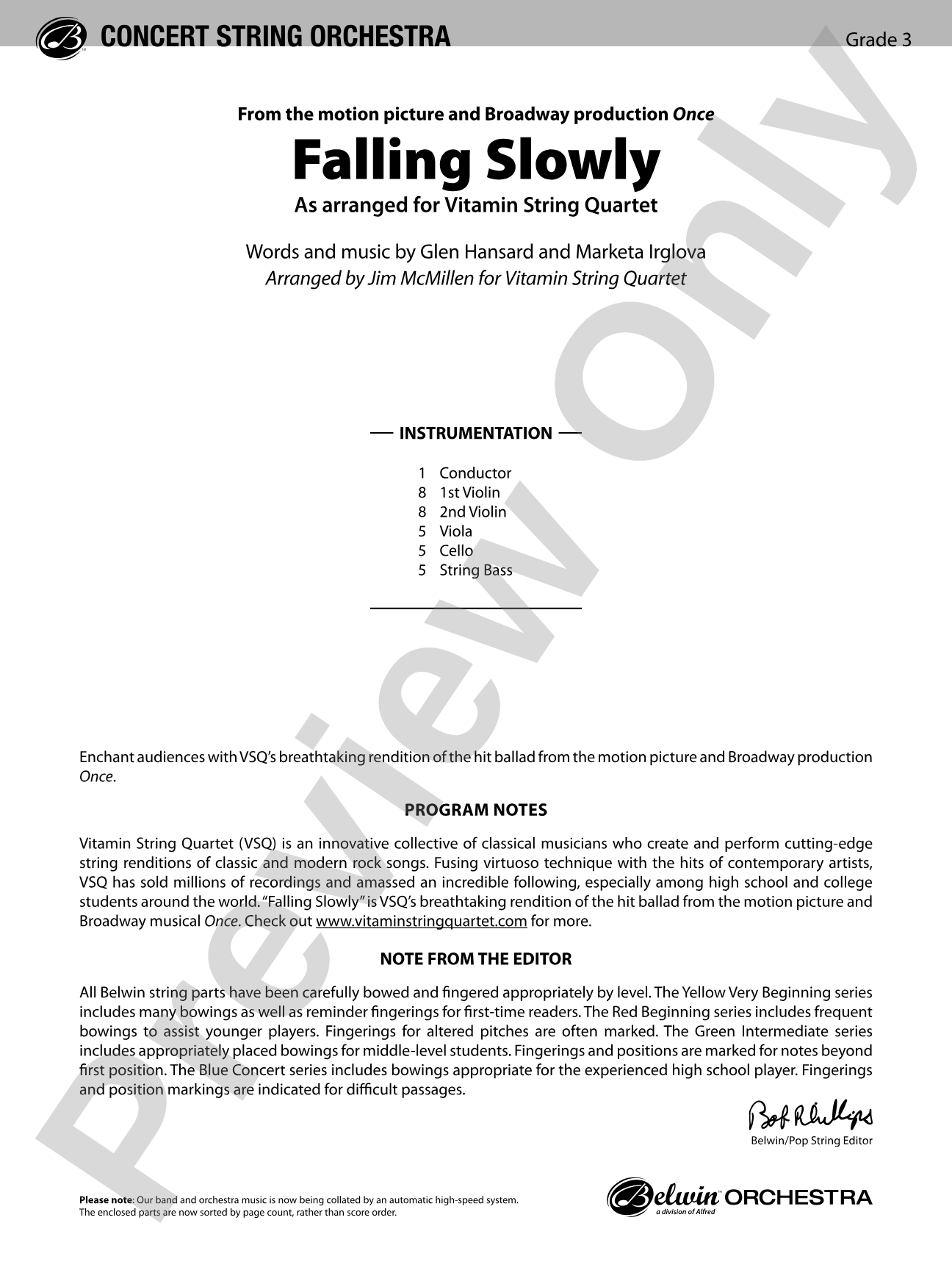
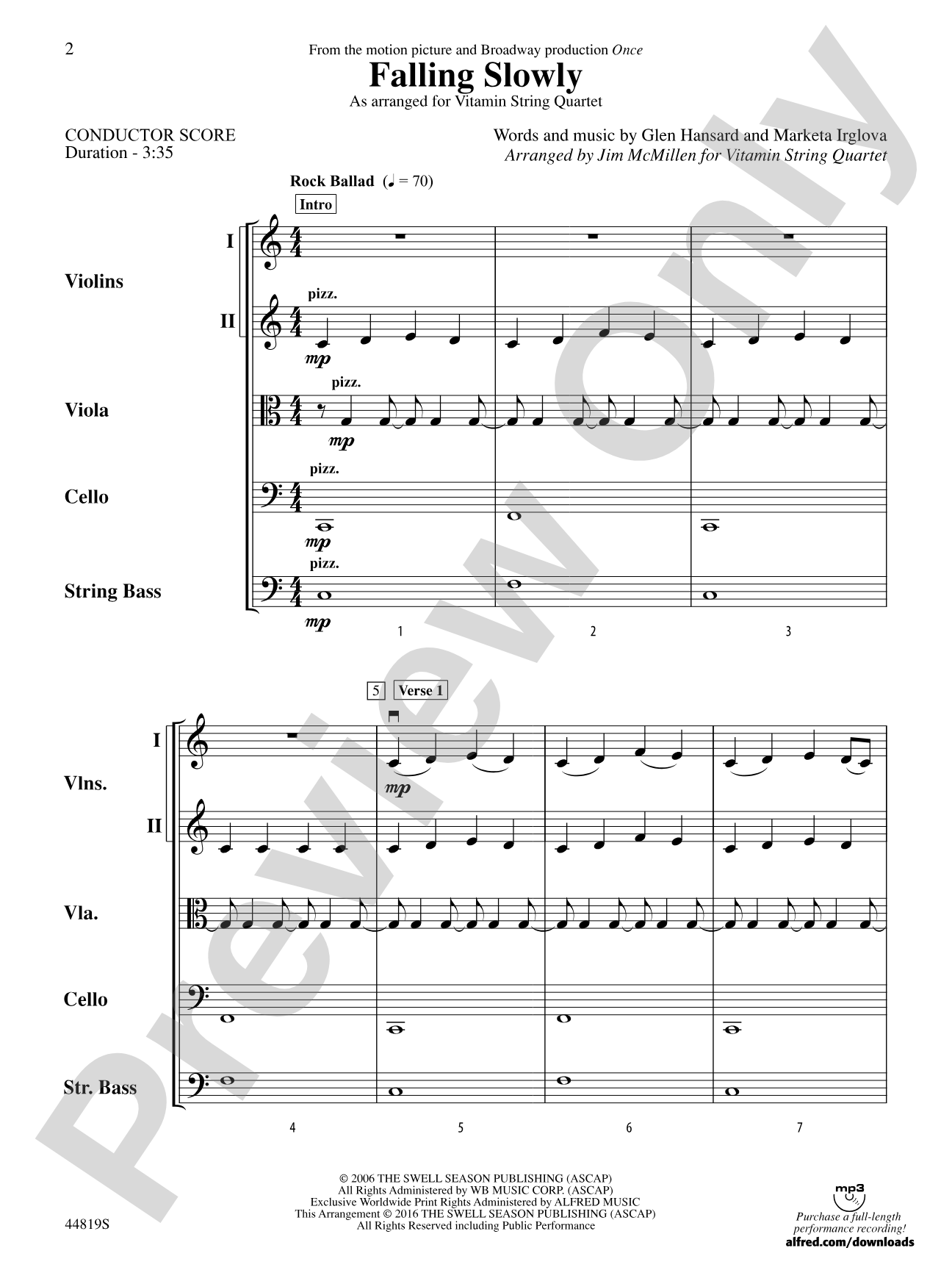
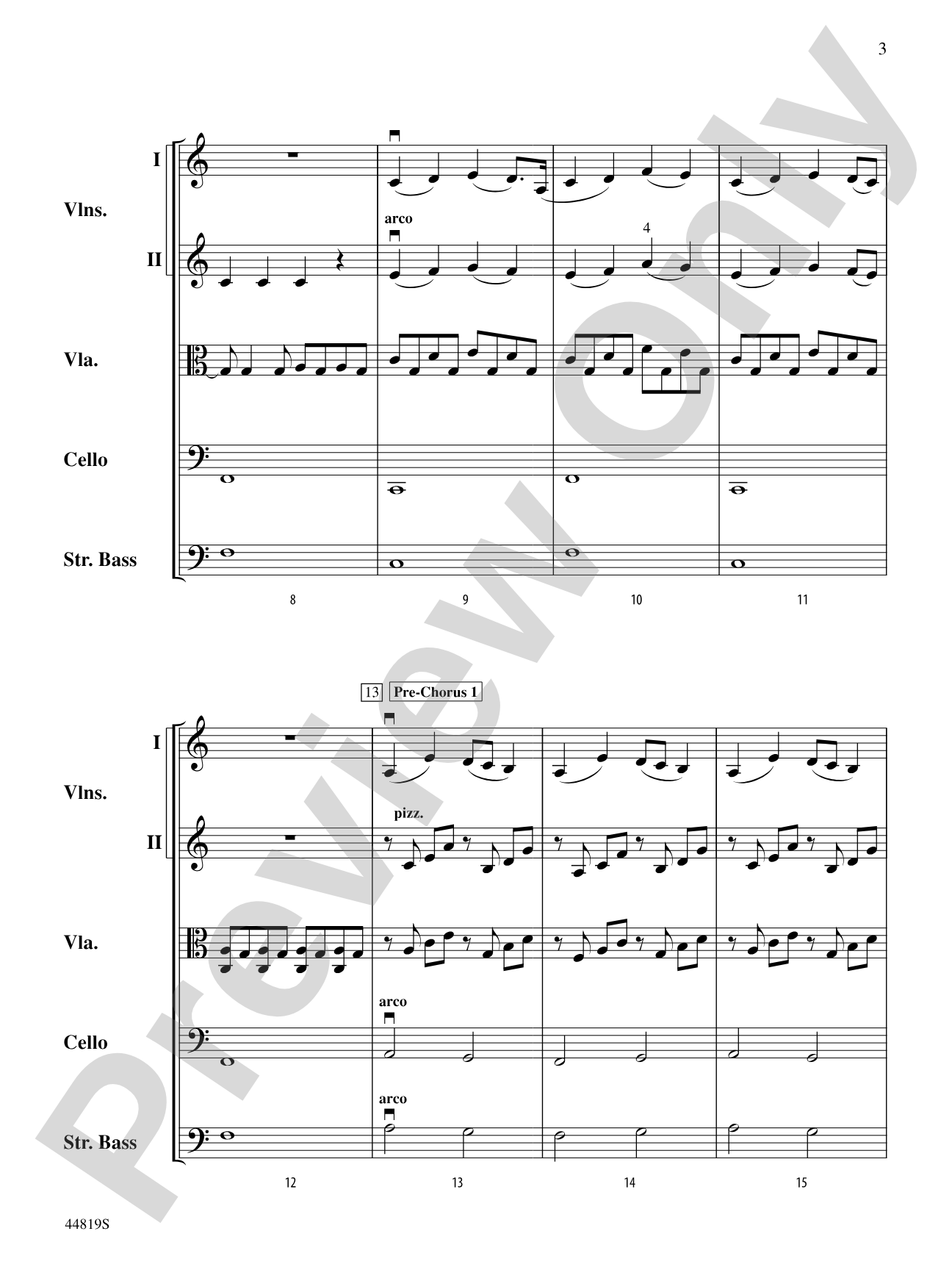
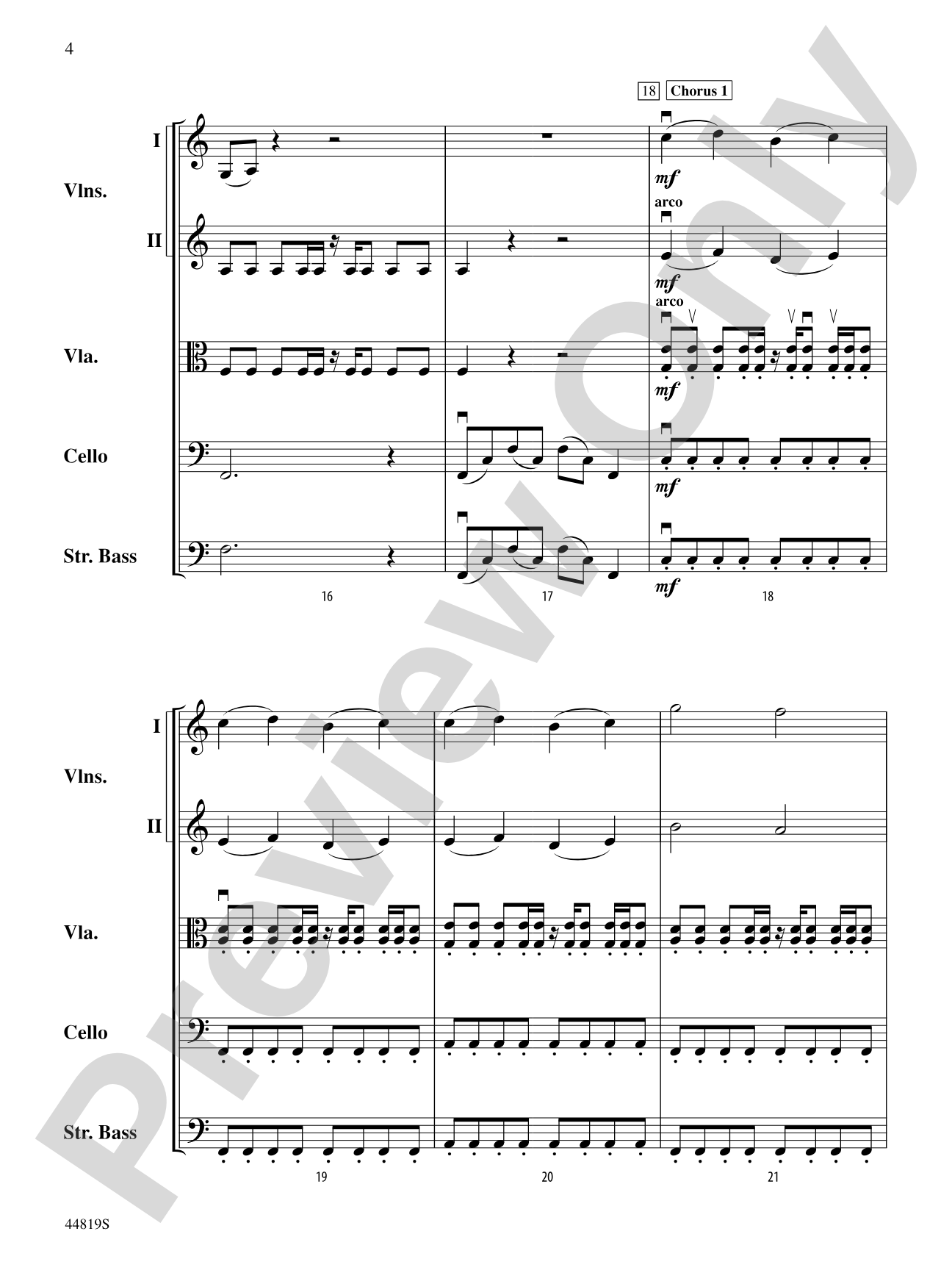
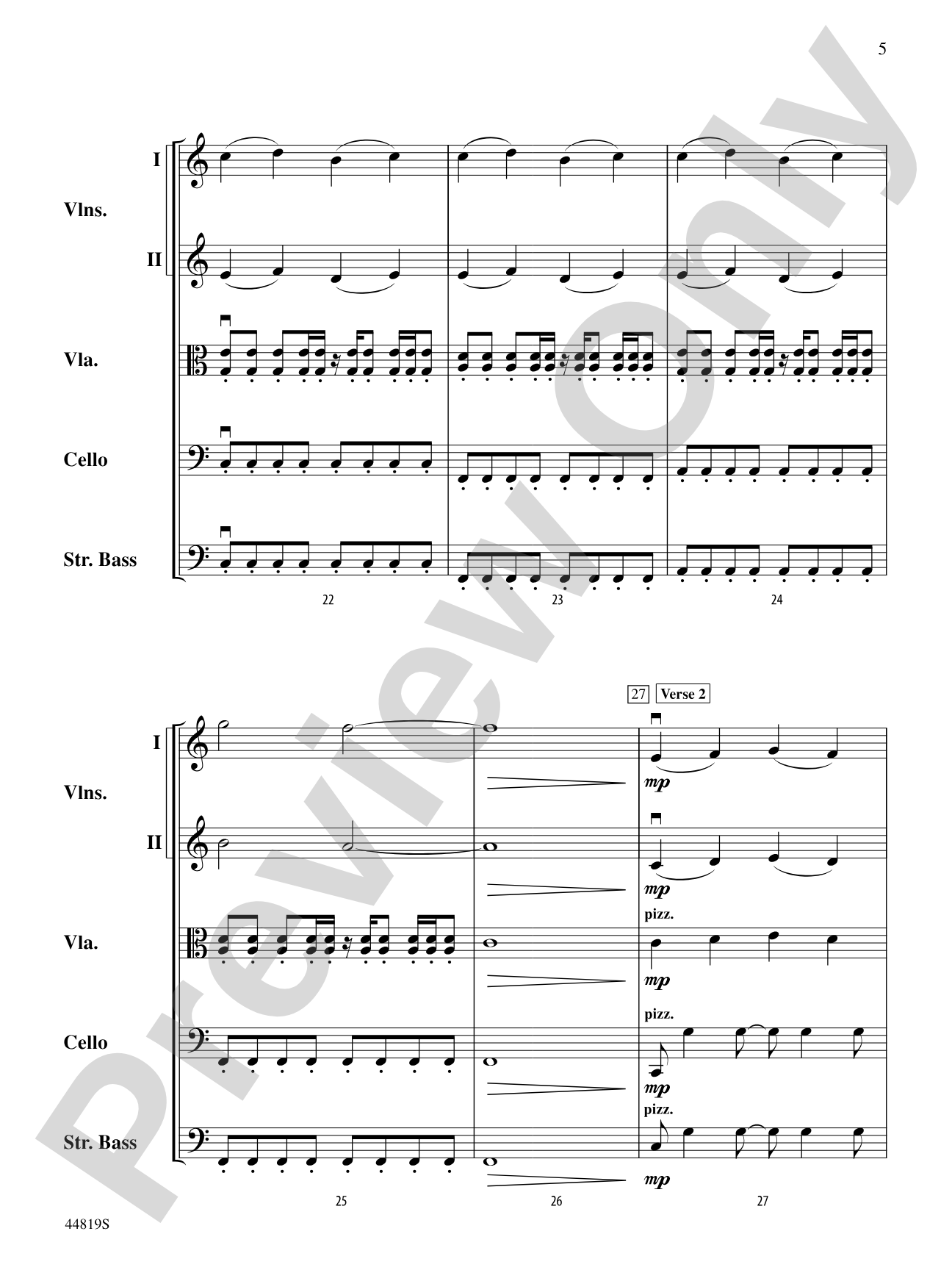
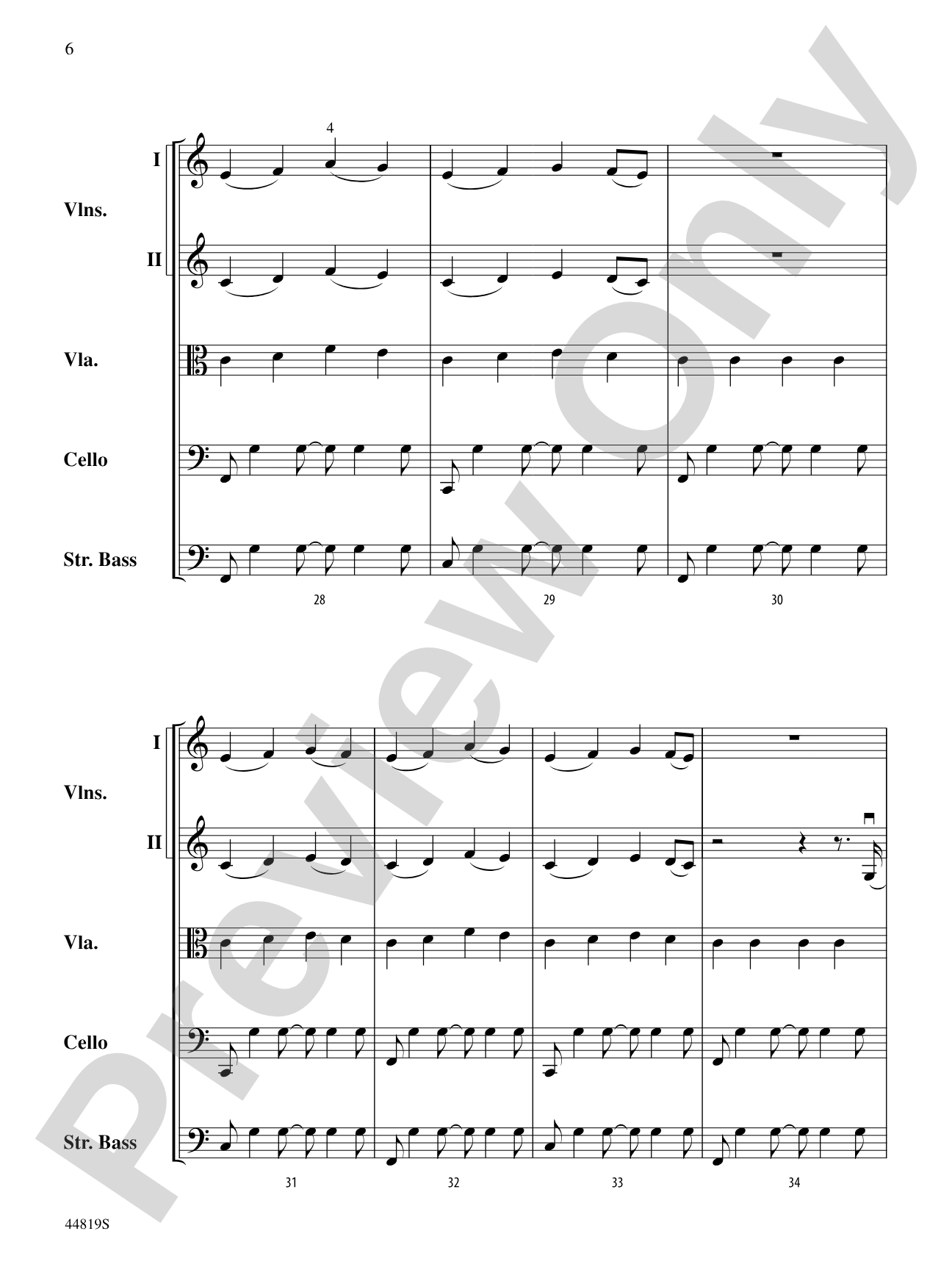
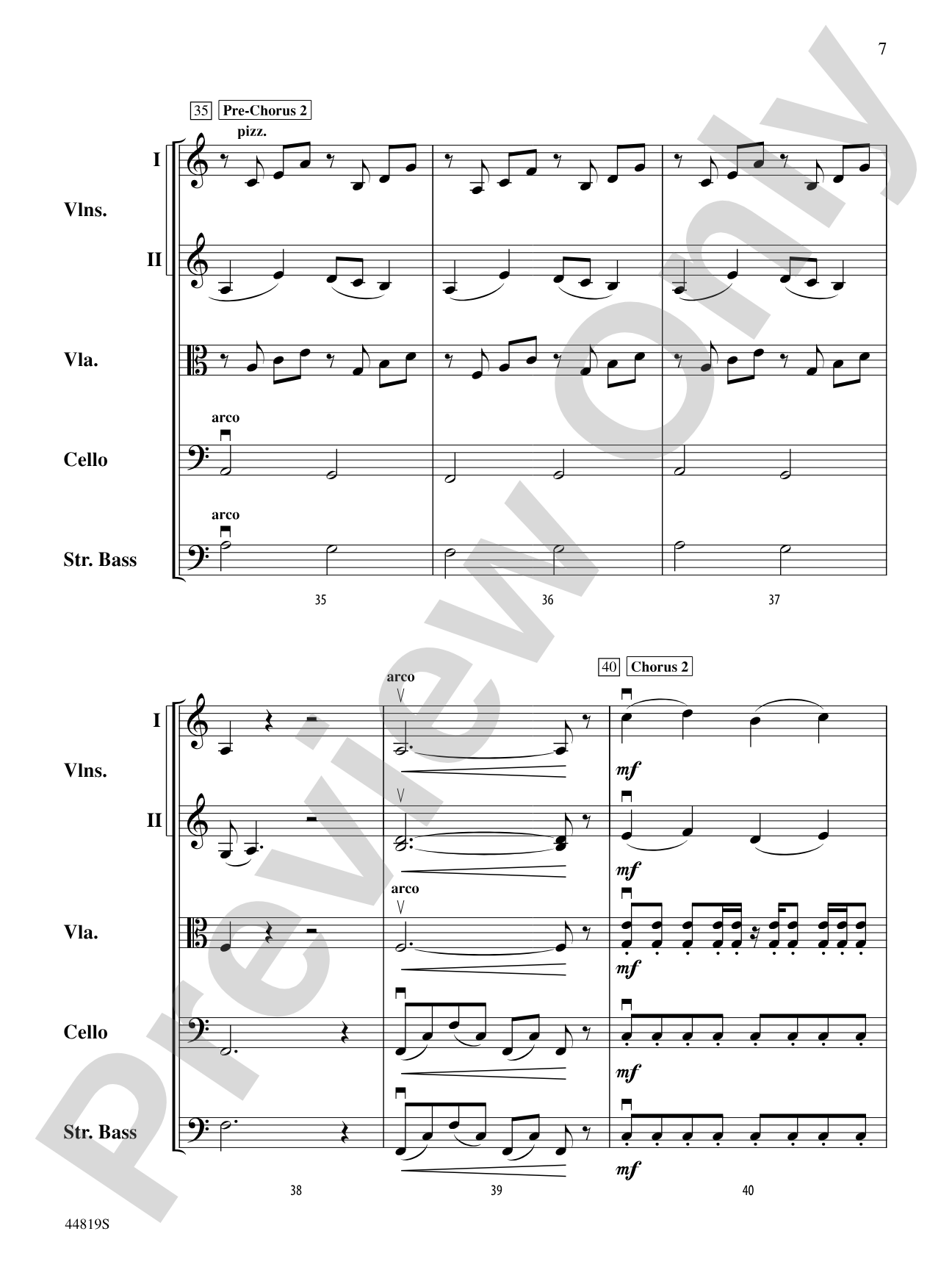
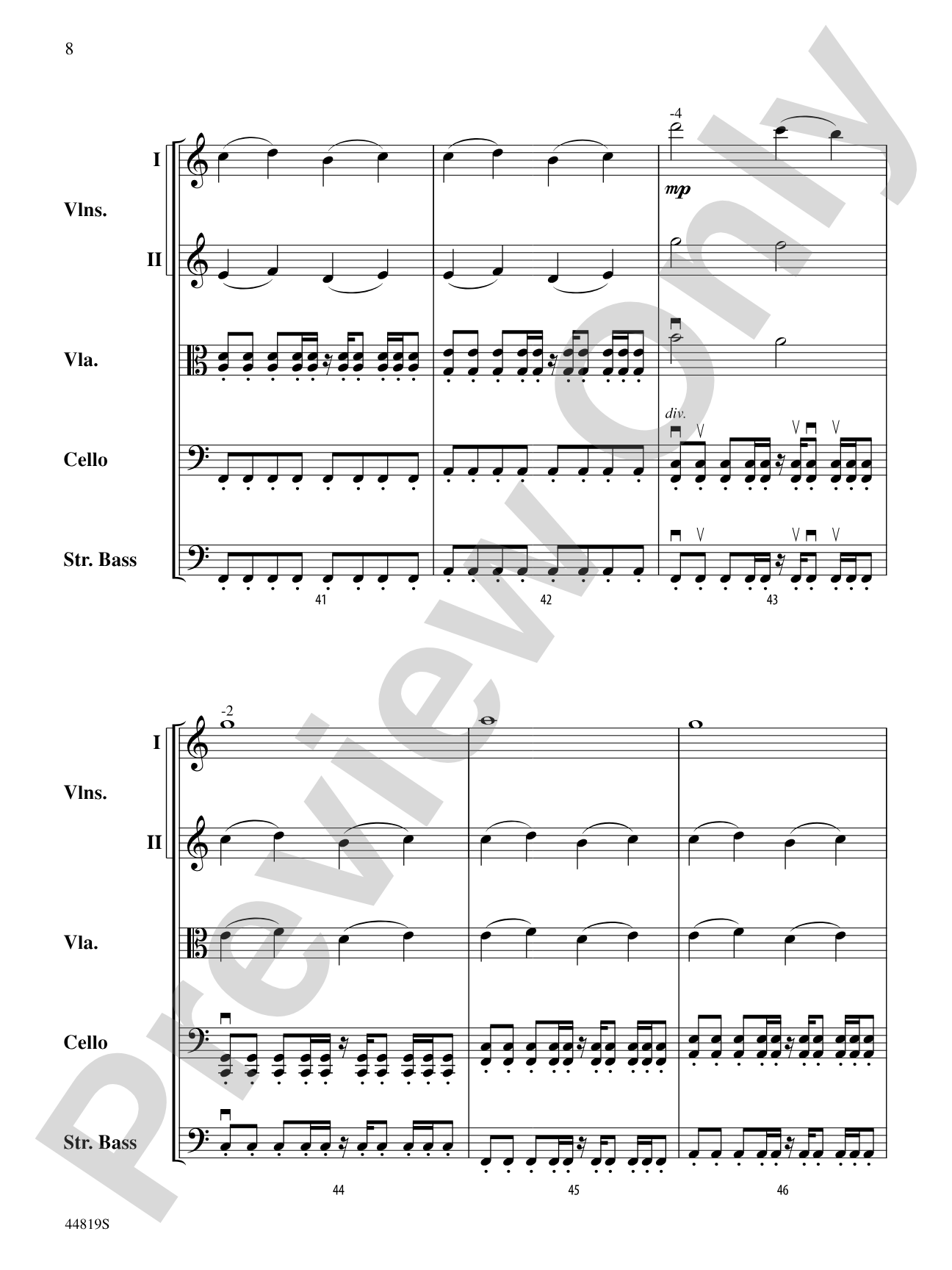
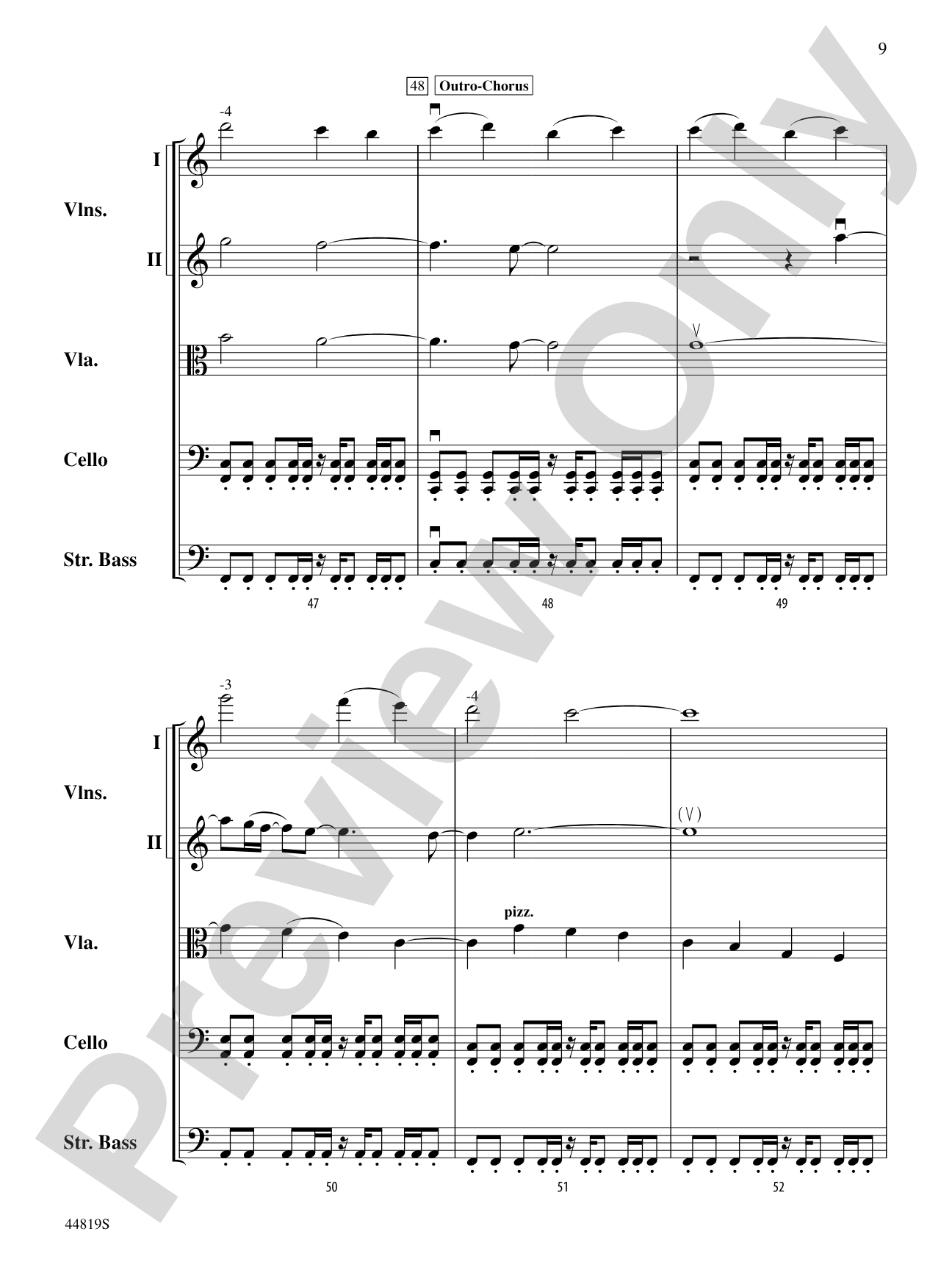
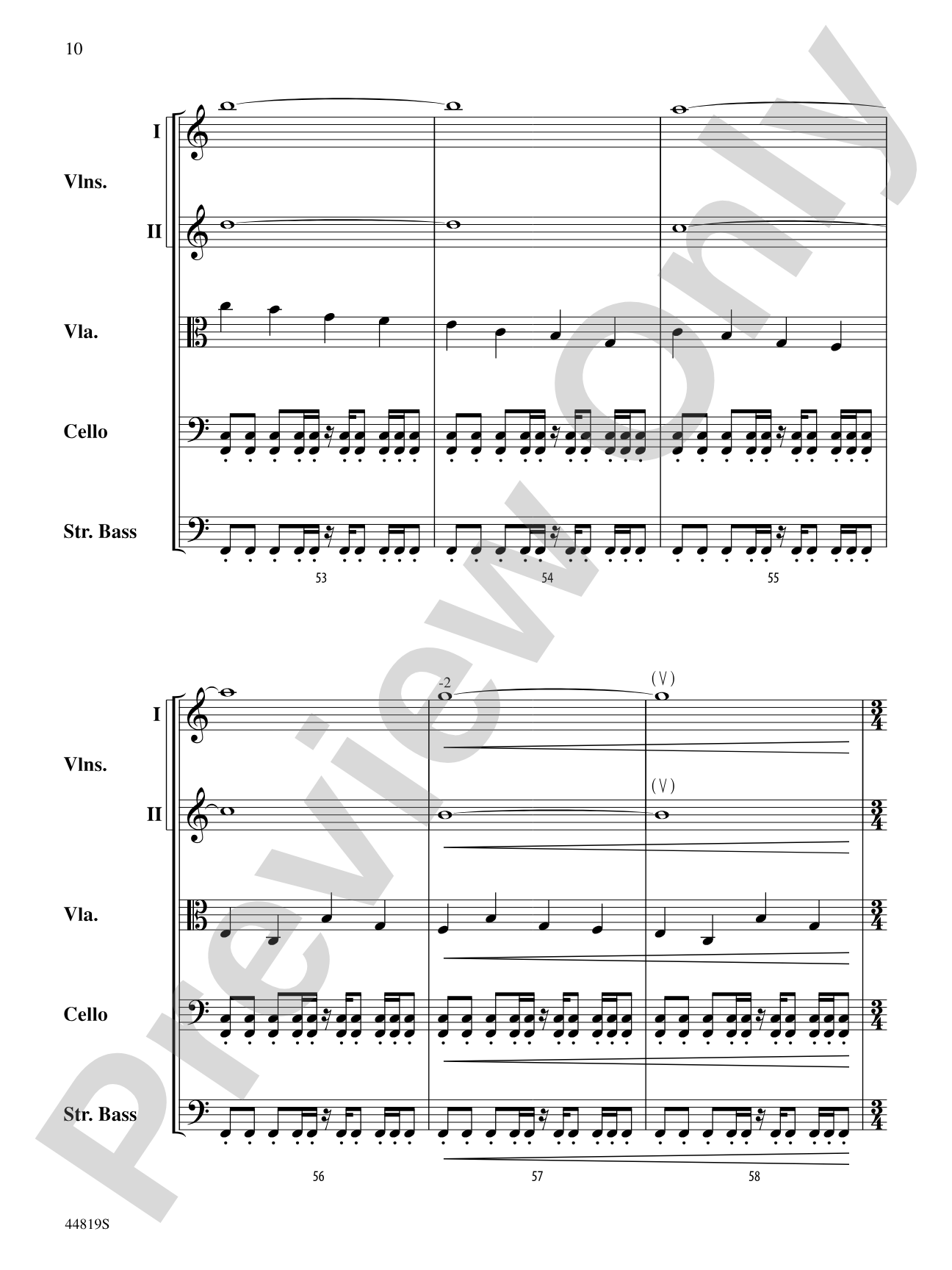
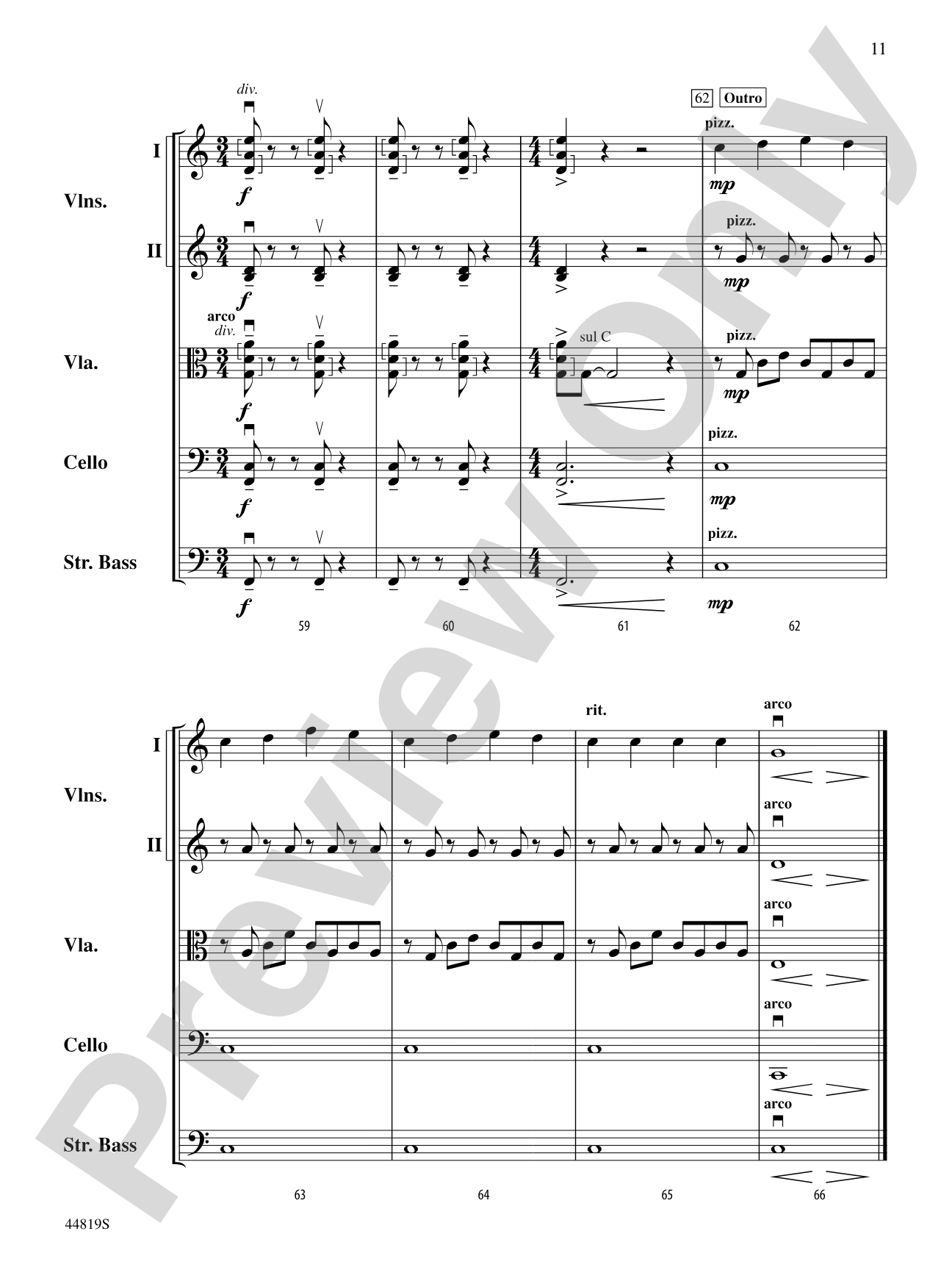

Falling Slowly (from the Motion Picture and Broadway Production Once): String Orchestra Conductor Score & Parts
As Arranged for Vitamin String Quartet
Words and music by Glen Hansard and Markéta Irglová / arr. Jim McMillen for Vitamin String Quartet
Grade: 3
Item: 00-PK-0007091

$70.00
One moment…
Description
Enchant audiences with VSQ's breathtaking rendition of the hit ballad from the motion picture and Broadway production Once. Vitamin String Quartet (VSQ) is an innovative collective of classical musicians who create and perform cutting-edge string renditions of classic and modern rock songs. Fusing virtuoso technique with the hits of contemporary artists, VSQ has sold millions of recordings and amassed an incredible following, especially among high school and college students around the world.
Vitamin String Quartet (VSQ) is an innovative collective of classical musicians who create and perform cutting-edge string renditions of classic and modern rock songs. Fusing virtuoso technique with the hits of contemporary artists, VSQ has sold millions of recordings and amassed an incredible following, especially among high school and college students around the world. Check out vitaminstringquartet.com for more. (3:35)


Vitamin String Quartet (VSQ) is an innovative collective of classical musicians who create and perform cutting-edge string renditions of classic and modern rock songs. Fusing virtuoso technique with the hits of contemporary artists, VSQ has sold millions of recordings and amassed an incredible following, especially among high school and college students around the world. Check out vitaminstringquartet.com for more. (3:35)
Don't just read it, hear it, play along with it, and watch your students grow with it. In MakeMusic Cloud, Falling Slowly (from the Motion Picture and Broadway Production Once): String Orchestra Conductor Score & Parts comes alive with professional accompaniment, adjustable tempo, and built-in practice tools that turn solo practice into real progress.
Open in the Player
Jump straight in and assign it today.
Start Your Free Trial
Open this title and explore the full library in minutes.
Sample Audio
1
Audio File
--:--
0:00
0:00
Sample Video
Additional Details
Series:
Pop Concert String Orchestra
Publisher:
Alfred Music
Page Count:
124
SKU:
00-PK-0007091
More about this title
About the Composer: Glen Hansard
Glen Hansard is an Irish musician and actor best known as the frontman of The Frames and for his collaborative work with Markéta Irglová. His songwriting draws from folk and indie rock traditions, emphasizing emotional directness and melodic storytelling. Hansard's work has reached audiences far beyond the music world through film and theater, making him a compelling study in how contemporary songwriting translates across media.
As a composer for music education, Hansard's pieces offer students access to songs that resonate with their own cultural moment. His melodies are singable and memorable, his harmonic language is contemporary yet accessible, and his songs reward careful listening and expressive interpretation.
Why we love this
Jim McMillen's arrangement captures the intimate vulnerability of the original without sacrificing the sweep and power that a string section can deliver. Students get to experience how folk-influenced songwriting works in orchestral color, and audiences recognize the melody immediately, which means your ensemble's musicality shines through without the burden of unfamiliar material.
What to expect
This is a song about quiet recognition, about two people seeing each other clearly. The arrangement preserves that intimacy while allowing strings to open up into something more cinematic. The melody is conversational and unguarded, and McMillen's writing lets you sit inside that feeling rather than performing around it.
Who it's for
String orchestras at the intermediate level who want to tackle a piece their students actually know and care about. High school and early college ensembles benefit especially, as the piece carries cultural weight while remaining technically manageable for developing musicians.
How to get the most out of it
- Balance the exposed melodic lines carefully across your first violins and violas; the arrangement often splits the primary voice, so clean unison or intentional doubling matters greatly to the overall effect.
- Allow space for breath between phrases even though these are instrumental parts. The piece originates as a vocal ballad, so phrasing that mirrors vocal phrasing will feel more natural and less mechanically smooth.
- The arrangement likely sits at moderate tempo with rubato possibilities; consult McMillen's tempo marking but give yourself permission to shape the line slightly where the emotion demands it, particularly in the final section.
- Lower strings carry essential harmonic foundation in this style of arrangement. Make sure your cellos and basses can be heard; they're not background texture here but active participants in the storytelling.
How to use it
Program this as a centerpiece for a concert exploring contemporary songwriting and film music, or pair it with other accessible pop arrangements to demonstrate how classical instruments reshape modern material. It's equally effective as a pops program highlight or as part of a thematic concert about love and connection in contemporary culture.
Skills your students will build
- Phrase shaping in contemporary harmonic language
- Balancing multiple melodic voices across the string section
- Responding to recorded material (familiar to the song's film version) while playing as an ensemble
- Dynamic control at softer volumes where every articulation is audible
- Interpreting rubato and expressive freedom within a modern piece