Fallen Heroes Cover Image

Fallen Heroes: Concert Band Conductor Score

$7.00 USD
Sale price  $7.00 USD Regular price 
Skip to product information
Fallen Heroes Cover Image

Fallen Heroes: Concert Band Conductor Score

By Keith Terrett

Grade: 2 (Medium Easy)

Item: 00-33849S

$7.00
Shipped

One moment…

Description
This poignant and moving tribute to our military is dedicated to fallen heroes who have sacrificed their lives for their county all over the world.

Fallen Heroes: Concert Band Conductor Score isn't in MakeMusic Cloud just yet...but it could be. Let us know you'd like to see it, and you'll help shape what comes next. In the meantime, start a free trial and dive into thousands of interactive titles your students can play along with today.

Sample Pages

Sample Audio
No sample audio found.
Sample Video
Additional Details
Series: Young Symphonic
Publisher: Alfred Music
Page Count: 12
UPC: 038081395203
SKU: 00-33849S

More about this title

About the Composer: Keith Terrett
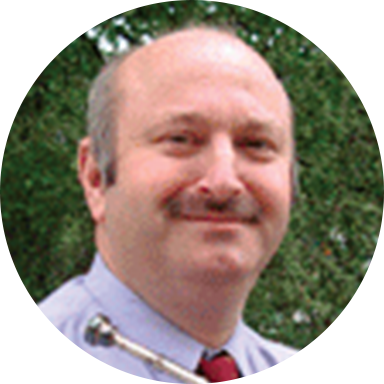
Keith Terrett

Keith Terrett's musical foundation was built through military service, beginning at age 15 when he entered the British Army band school to study cornet. He rose to principal cornet and trumpet with the Band of the Queen's Royal Irish Hussars, a cavalry regiment stationed in West Germany, and performed across the USA, Canada, Northern Ireland, and continental Europe. His formal composition training came at Kneller Hall, where he studied orchestration, harmony, and composition, winning the student march competition in 1988.

Terrett's career has been shaped by cultural immersion and cross-cultural collaboration. During his tenure as a lecturer and music director in Papua New Guinea (1994-1999), he collected and arranged folk songs from remote villages and worked alongside musicians from Yothu Yindi. His subsequent moves to Kuwait and Norway deepened his engagement with global music traditions, particularly Arabic music and culture. His published works appear across Austria, the United Kingdom, Belgium, Canada, Switzerland, Germany, the USA, and Norway, reflecting a lifetime commitment to writing flexible, ensemble-centered music that serves diverse musical communities.

Why we love this

Terrett composed this tribute with the Grade 2 ensemble in mind, which means young musicians get to play music with genuine emotional weight without navigating technical obstacles. The piece allows your band to engage seriously with patriotic themes and memorial significance while remaining focused on fundamental musicianship and ensemble balance.

What to expect

The music carries a quiet dignity and reflective quality appropriate to its subject. Terrett's writing builds emotional resonance through straightforward harmonic language and thoughtful orchestration rather than dramatic gesture, creating space for audiences to contemplate and honor.

Who it's for

Band directors programming patriotic or memorial concerts, particularly those seeking Grade 2 repertoire with emotional sincerity and substance. This score works well in schools and community bands that want to recognize sacrifice and service without requiring advanced technical skills from their musicians.

How to get the most out of it

  • Shape the phrasing to reflect the solemnity of the piece; avoid rushing through sustained passages and let silence speak as part of your interpretation.
  • Balance the texture carefully so that melodic voices cut through without drowning out harmonic support, which is especially important in a tribute of this nature.
  • Allow time in rehearsal for students to understand the dedicatory intent behind the music; their commitment to the piece will deepen when they grasp what they're honoring.

How to use it

Program this as part of a 4th of July concert, a Memorial Day or Veterans Day ceremony, or a concert exploring patriotic themes. It pairs effectively with other Grade 2 concert band selections when you want the program to include at least one piece of serious commemorative intent.

Skills your students will build

  • Balancing sustained harmonic texture with melodic clarity
  • Controlling dynamics to support emotional expression rather than technical display
  • Playing with sensitivity to ensemble timing and phrasing in a non-dance context
  • Understanding how straightforward harmonic language creates powerful musical meaning

You May Also Like