
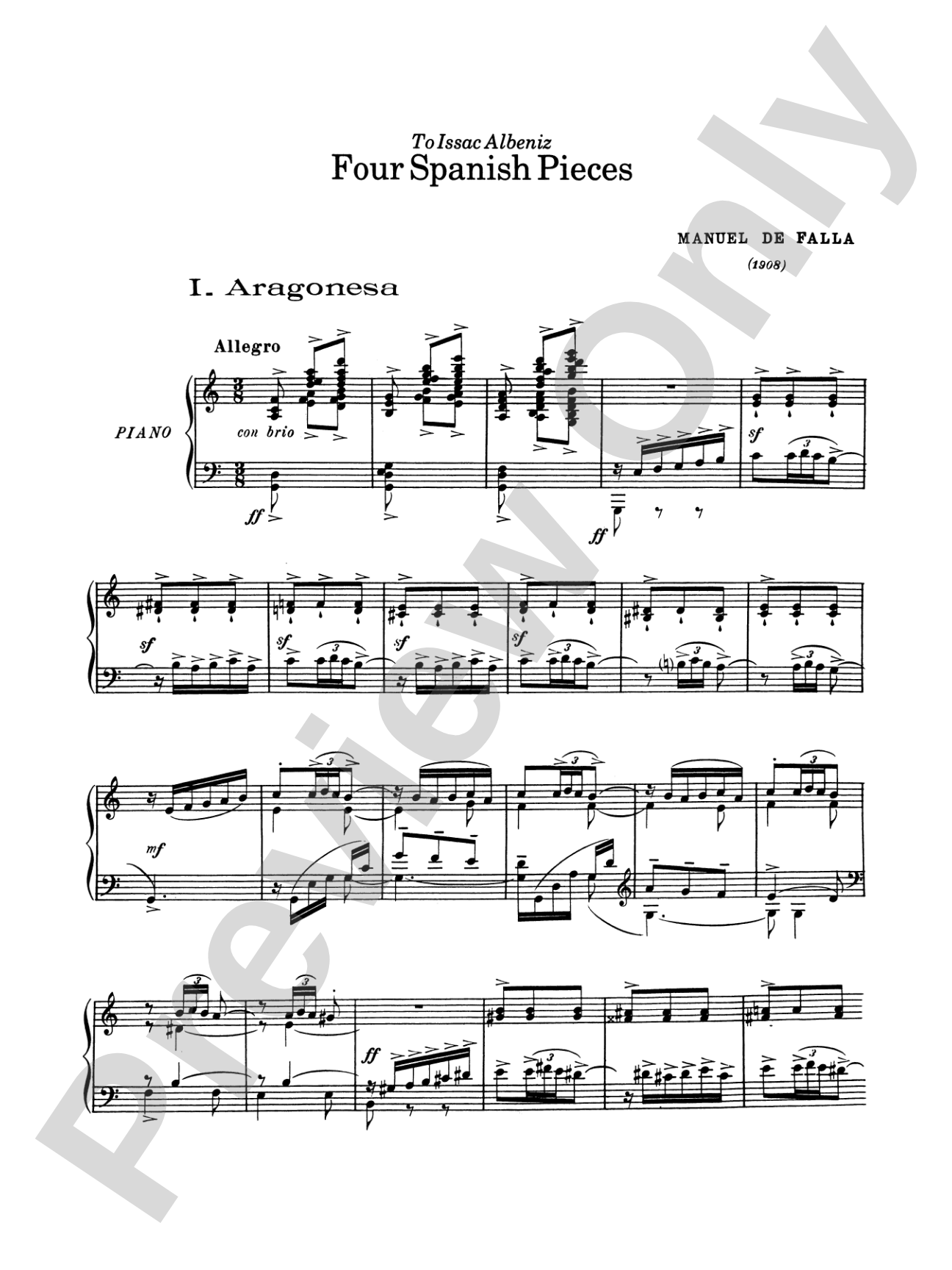
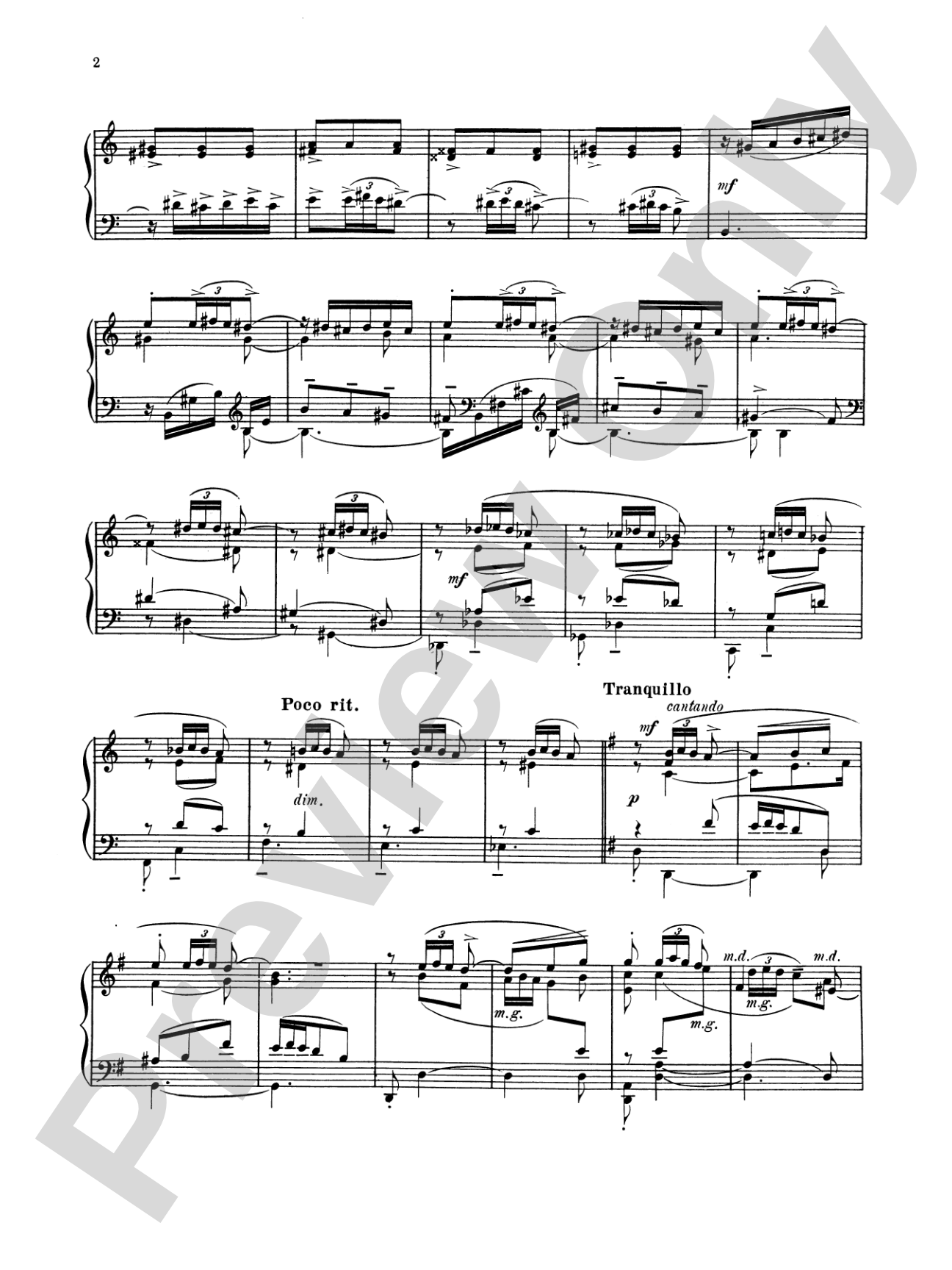
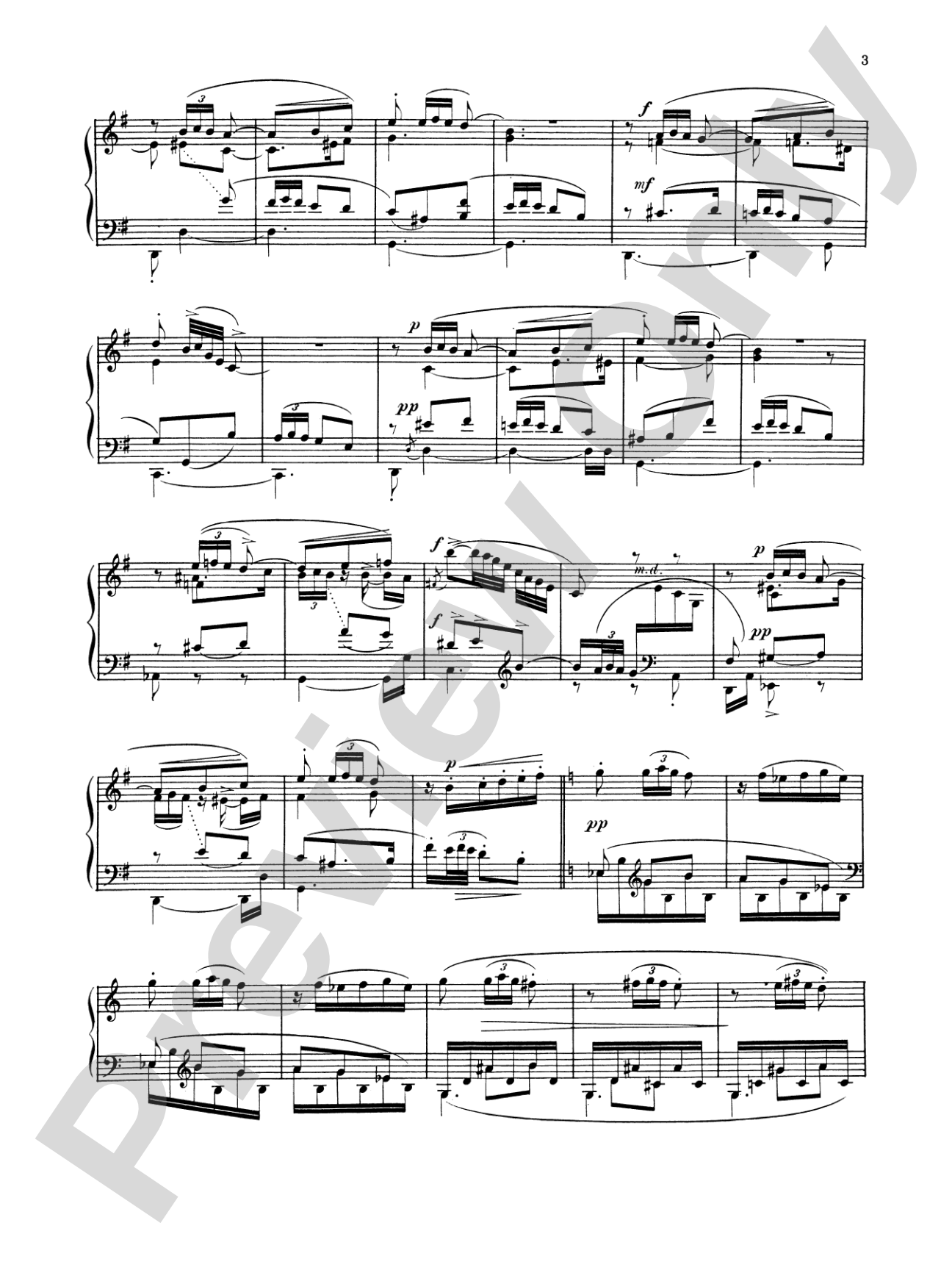
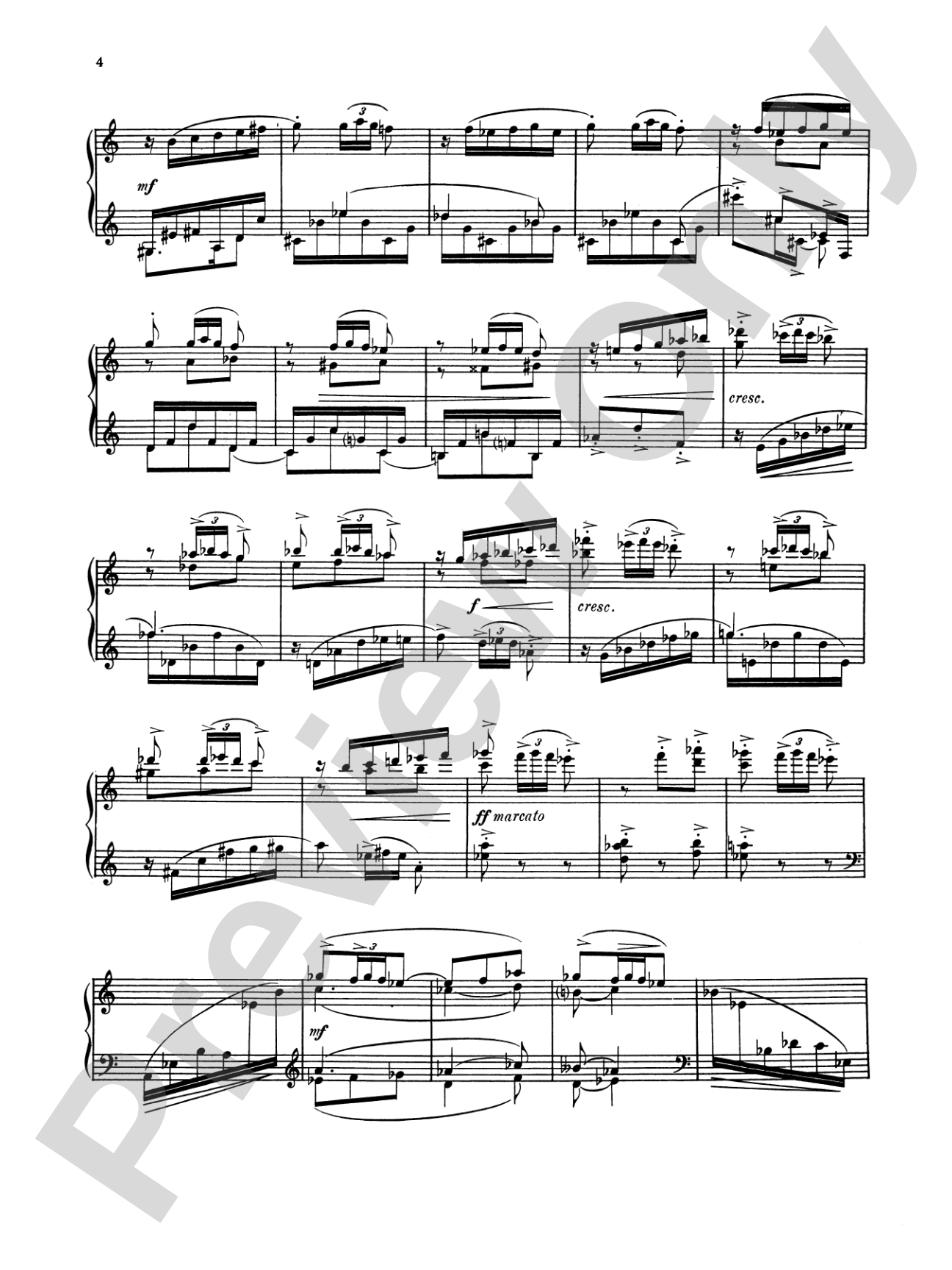

Falla: Four Spanish Pieces: Piano Book
By Manuel de Falla
Item: 00-PK-0003913

$9.99
Pickup currently not available
Buy Extra Parts (Digital PDF Download)
| Product | Price | Quantity |
|---|---|---|
| Falla: Four Spanish Pieces | $1.99 | |
| Falla: Four Spanish Pieces | $1.99 | |
| Falla: Four Spanish Pieces | $1.99 | |
| Falla: Four Spanish Pieces | $1.99 |
Parts Added to Cart!
Related Items
Four Spanish Pieces: Piano Book |
$9.95
|
View |
Description
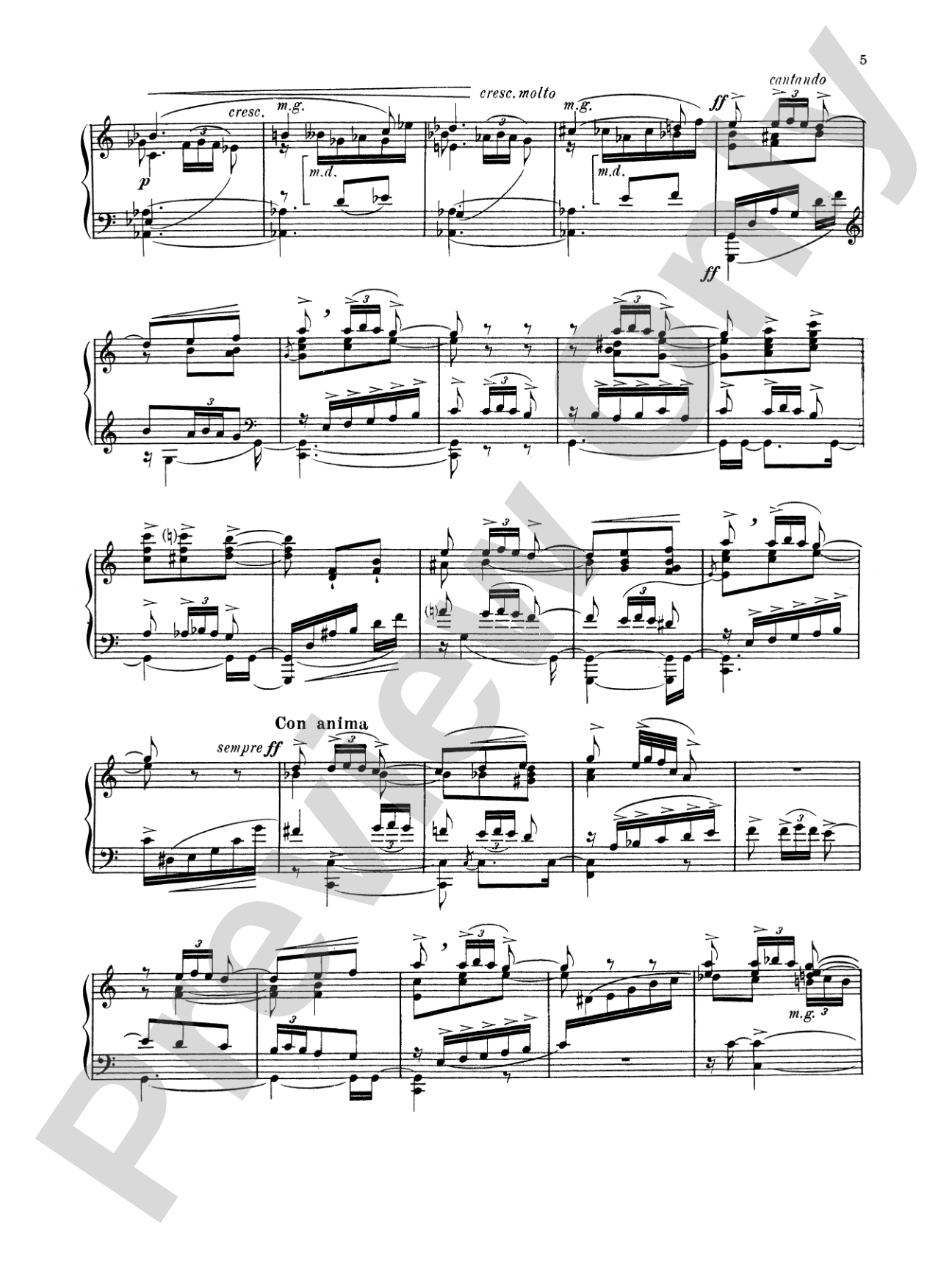
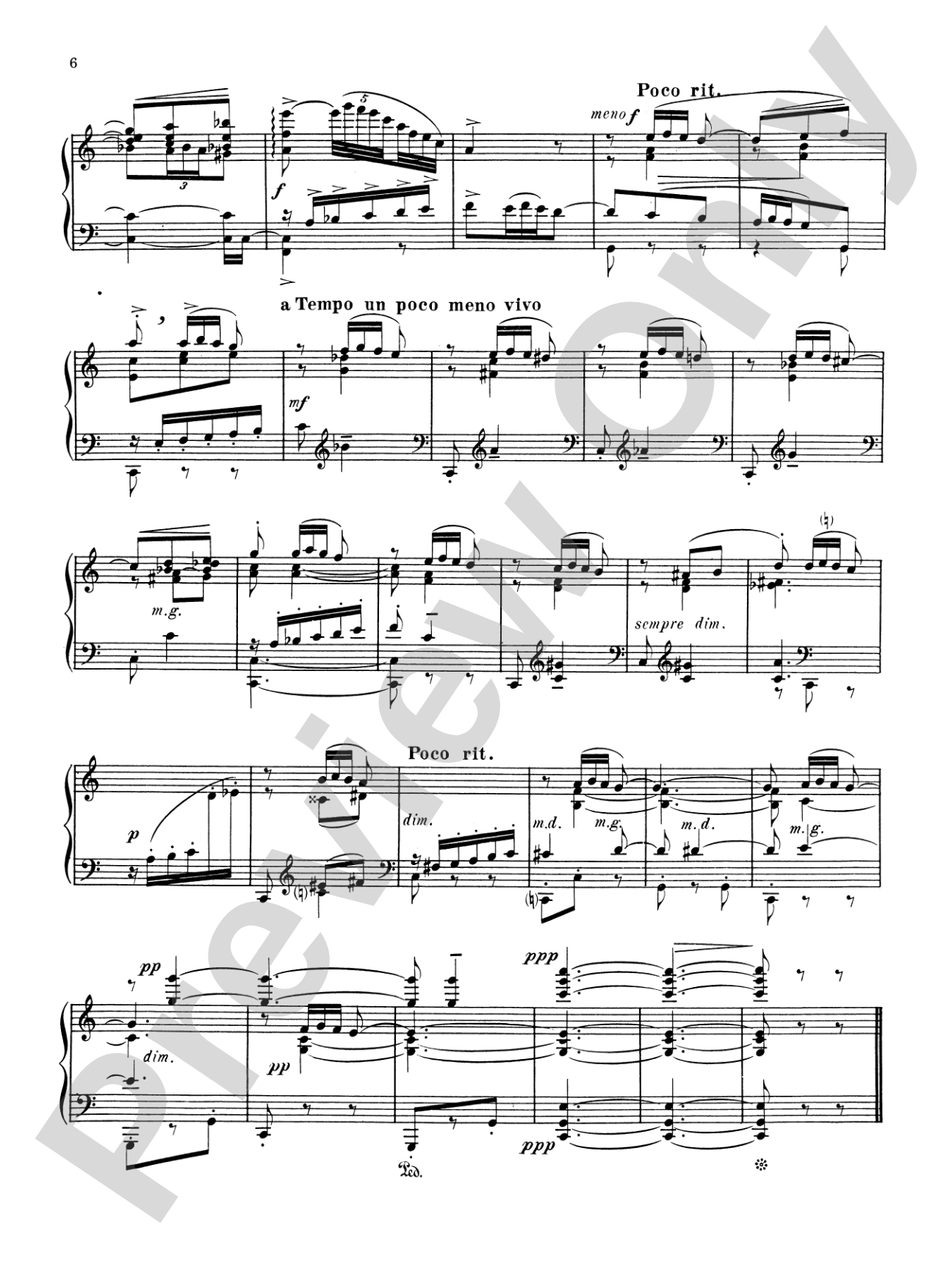
Manuel de Falla (1876--1946) was a Spanish Andalusian composer. With Isaac Albéniz, Enrique Granados and Joaquín Turina he is one of Spain's most important musicians of the first half of the 20th century. Includes: Aragonesa * Cubana * Montanesa * Anduluza.


Don't just read it, hear it, play along with it, and watch your students grow with it. In MakeMusic Cloud, Falla: Four Spanish Pieces: Piano Book comes alive with professional accompaniment, adjustable tempo, and built-in practice tools that turn solo practice into real progress.
Open in the Player
Jump straight in and assign it today.
Start Your Free Trial
Open this title and explore the full library in minutes.
Sample Audio
No sample audio found.
Sample Video
No sample videos found.
Additional Details
Series:
Kalmus Edition
Publisher:
Alfred Music
Page Count:
24
SKU:
00-PK-0003913
More about this title
About the Composer: Manuel De Falla
Manuel de Falla (1876, 1946) shaped Spanish music by synthesizing Andalusian folk idioms with modernist harmonic language. His early works drew international attention, particularly after the success of *El amor brujo* and *El sombrero de tres picos*, establishing him as Spain's leading compositional voice in the early 20th century.
Falla's piano writing occupies a distinctive middle ground: technically demanding without becoming virtuosic for its own sake, and deeply rooted in Spanish musical character while remaining cosmopolitan in structure. His influence extends through generations of pianists and composers who study how to embed regional identity into refined modernist forms.
Why we love this
These four pieces showcase Falla's gift for capturing regional Spanish character without slipping into pastiche. Each movement presents distinct pianistic challenges and rewards players with genuine artistry that transcends finger exercises—the harmonic language is modern enough to engage serious students, yet the melodic material remains accessible and deeply musical.
What to expect
These pieces evoke the landscapes and rhythms of Spain with remarkable vividness: the assertive energy of an Aragonese procession, the sultry languor of Cuban influence, the rugged mountain spirit of Montanesa, and the haunting grace of Andalusian song. Falla balances folk authenticity with unexpected harmonic turns that create a sense of sophistication and refinement without losing their popular roots.
Who it's for
Intermediate to advanced piano students and recitalists seeking substantial solo works from the early 20th century. Teachers building a modern Spanish repertoire will find these pieces essential and rewarding for students ready to move beyond Romantic idioms while still engaging with lyrical, character-driven music.
How to get the most out of it
- Treat each piece as a character study. Aragonesa demands rhythmic vitality and clarity in the accompaniment; Cubana calls for a languid, syncopated approach with careful pedal control to blur harmonic color without losing definition.
- Balance the Spanish dance rhythms (especially in Montanesa) with Falla's sophisticated harmonic language. Resist rushing; let the chromatic shifts and unexpected resolutions breathe.
- Listen closely to the interplay between melody and accompaniment patterns. Falla often uses folk-like melodies over modern harmonies; clarity of texture prevents the pieces from becoming muddy despite rich sonorities.
- Pay attention to Falla's dynamic markings and accents. They shape the phrasing as much as tempo does and prevent the romantic interpretation from becoming overly sentimental.
How to use it
Program these as a suite to explore Spanish nationalism in early modernism, or select individual pieces for varied recital programming. They pair naturally with other nationalist composers from the period and offer students exposure to non-Germanic 20th-century piano literature that remains genuinely rewarding to perform.
Skills your students will build
- Understanding Spanish regional musical idioms and their translation to modern harmony
- Balancing rhythmic vitality with sophisticated harmonic language
- Pedal control in passages with chromatic or unconventional harmonies
- Interpreting folk-inspired melodies in contemporary compositional contexts
- Developing tonal clarity in texturally complex passages