Ezekiel Saw the Wheel Cover Image

Ezekiel Saw the Wheel: SATB divisi, <I>a cappella</I> Choral Octavo

$3.50 USD
Sale price  $3.50 USD Regular price 
Skip to product information
Ezekiel Saw the Wheel Cover Image

Ezekiel Saw the Wheel: SATB divisi, a cappella Choral Octavo

Arr. Mark Hayes

Item: 00-23120

makemusic Cloud badge

Need it now?

Buy Digital Version
$3.50
Shipped

One moment…

Description
Bring the house down with this spectacular rendition of the widely-known Ezekiel Saw the Wheel by one of the most skilled arrangers of our time. Mark Hayes opens with a slow, soulful introduction and then begins to develop the traditional spiritual as only he can. Each section grows more and more thrilling as Mark delivers the kind of varied textures, dynamics, secondary themes, and harmonies that modern choirs have come to love. A challenging a cappella spiritual that is well worth the effort!

Don't just read it, hear it, play along with it, and watch your students grow with it. In MakeMusic Cloud, Ezekiel Saw the Wheel: SATB divisi, a cappella Choral Octavo comes alive with professional accompaniment, adjustable tempo, and built-in practice tools that turn solo practice into real progress.

Sample Pages

Sample Audio
0:00
0:00
Sample Video
Additional Details
Series: Alfred Archive Edition: Alfred Choral Designs
Publisher: Alfred Music
Page Count: 20
UPC: 038081223025
SKU: 00-23120

More about this title

About the Arranger: Mark Hayes
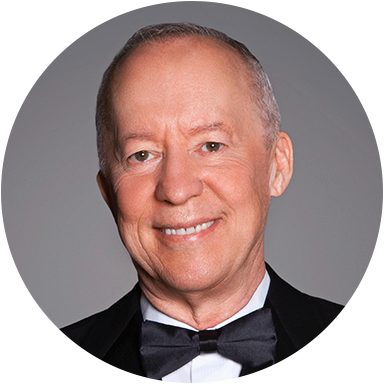
Mark Hayes

Mark Hayes stands among the most prolific voices in American choral and sacred music, with over 1,750 published compositions spanning concert works, arrangements, and pedagogical materials. A summa cum laude graduate of Baylor University's piano performance program, Hayes has built a career conducting at major venues including Lincoln Center, the National Cathedral, and Carnegie Hall. He premiered his Requiem at Lincoln Center in 2013 and later conducted it in Rome as part of the Vatican-sponsored Festival Pro Musica E Arte Sacra. His work crosses genres freely: sacred choral cycles, musical theater orchestration, and an extensive catalog of piano works ranging from gospel to jazz to classical repertoire.

Beyond the concert stage, Hayes has shaped the landscape of church and school music through his arrangements and original compositions. Baylor University recognized his contributions with the Award for Exemplary Leadership in Christian Music in 2010. His approach to arranging traditional spirituals and hymns has become the standard many choirs aspire to, blending the deep roots of these forms with sophisticated harmonic language and dynamic architecture that challenges singers while remaining accessible to diverse musical backgrounds.

Why we love this

Hayes shapes this familiar spiritual into something that demands everything from your singers while keeping the emotional core intact. The architecture is masterful: a hushed, soulful opening that builds through layered textures and unexpected harmonic turns creates genuine drama without ever losing sight of what makes this melody resonate across generations. For a director seeking an a cappella moment that commands attention and showcases ensemble skill, this is the kind of arranging that makes singers feel the weight of what they're doing.

What to expect

A spiritual that breathes and unfolds like a prayer. Hayes opens with intimate restraint, then gradually expands the harmonic palette and textural possibilities until the piece soars with the conviction and joy the text deserves. There's sophistication in every phrase, but it never feels distant from the song's soul.

Who it's for

Accomplished SATB choirs with secure intonation and comfort sustaining a cappella singing. This arrangement rewards groups that have developed blend and the ability to balance divisi parts as musical lines rather than harmonic filler.

How to get the most out of it

  • Establish the soulful character in the opening section before building momentum; rushing into the fuller textures will diminish the impact of each new layering.
  • Balance the divisi passages carefully so secondary voices emerge as countermelodies rather than blend into the texture; mark these moments in rehearsal so singers understand their musical role.
  • Sustain intensity through the dynamic climaxes by having singers focus on forward-moving energy rather than volume alone; Hayes uses harmony to create swell, not just dynamics.
  • Attend to the transitions between contrasting sections; even brief moments of rhythmic or harmonic shift need clarity so the journey of the arrangement lands fully.

How to use it

This works beautifully as a closing piece for a concert celebrating spiritual traditions or American music, where its arc from intimate to triumphant provides genuine release. It also serves as a powerful standalone feature that lets an experienced ensemble demonstrate both technical skill and emotional maturity.

Skills your students will build

  • Sustaining pitch and intonation without instrumental support across extended phrases
  • Reading and balancing divisi parts as independent melodic or harmonic lines
  • Navigating Hayes' sophisticated harmonic language and secondary voice writing
  • Building and controlling dynamic intensity through harmonic density rather than volume alone
  • Interpreting spiritual tradition within a modern harmonic framework

You May Also Like
