
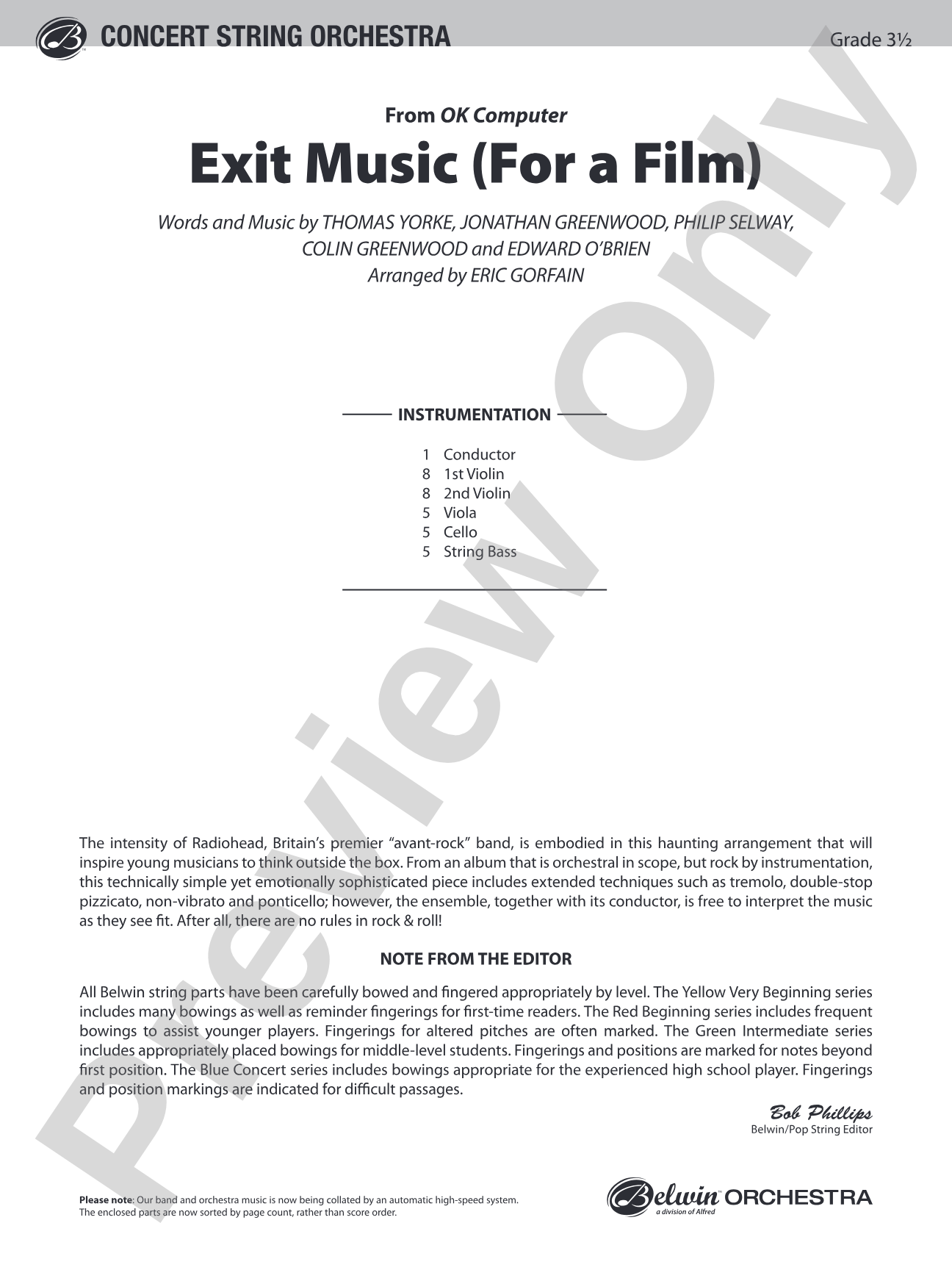
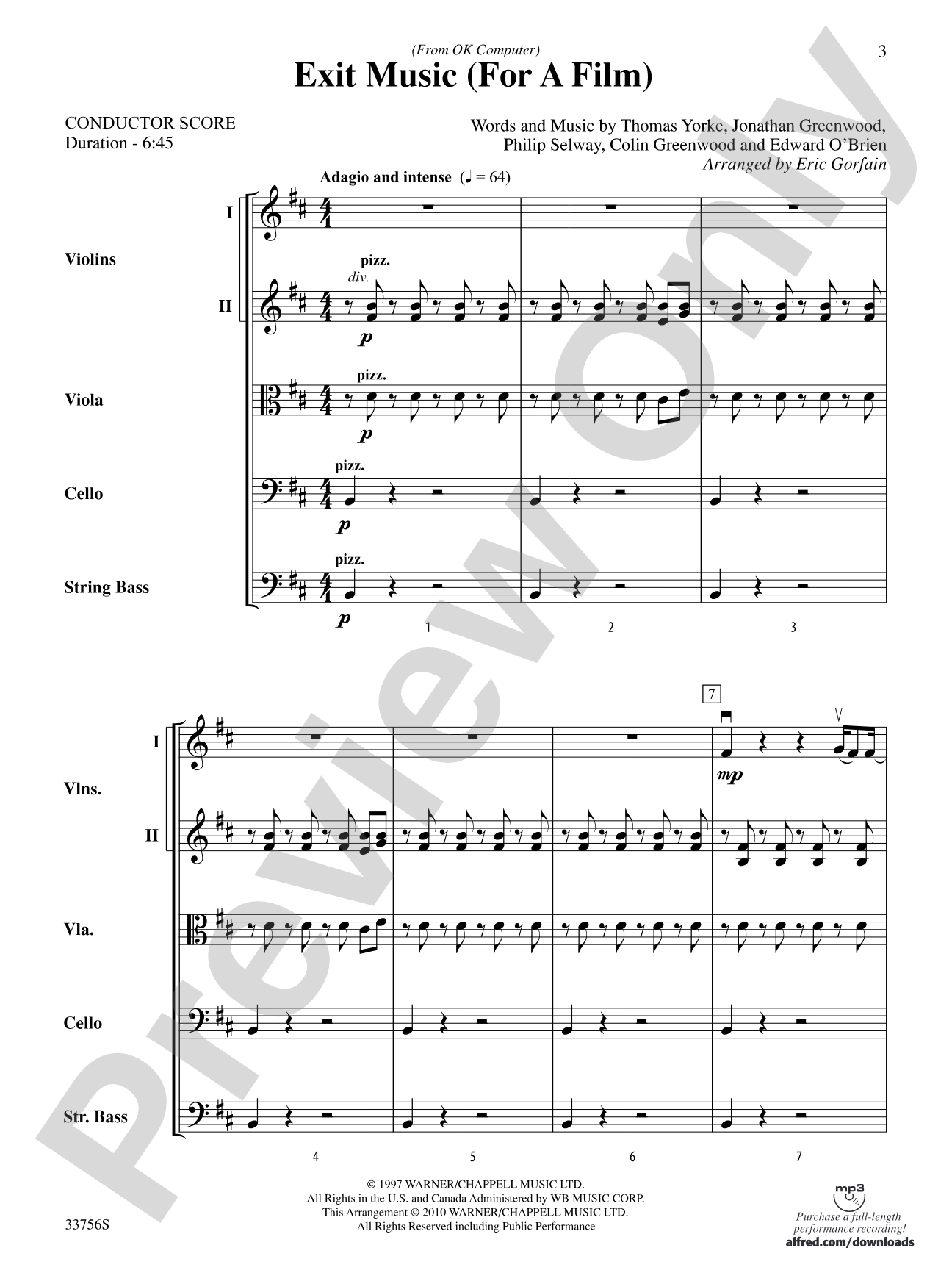
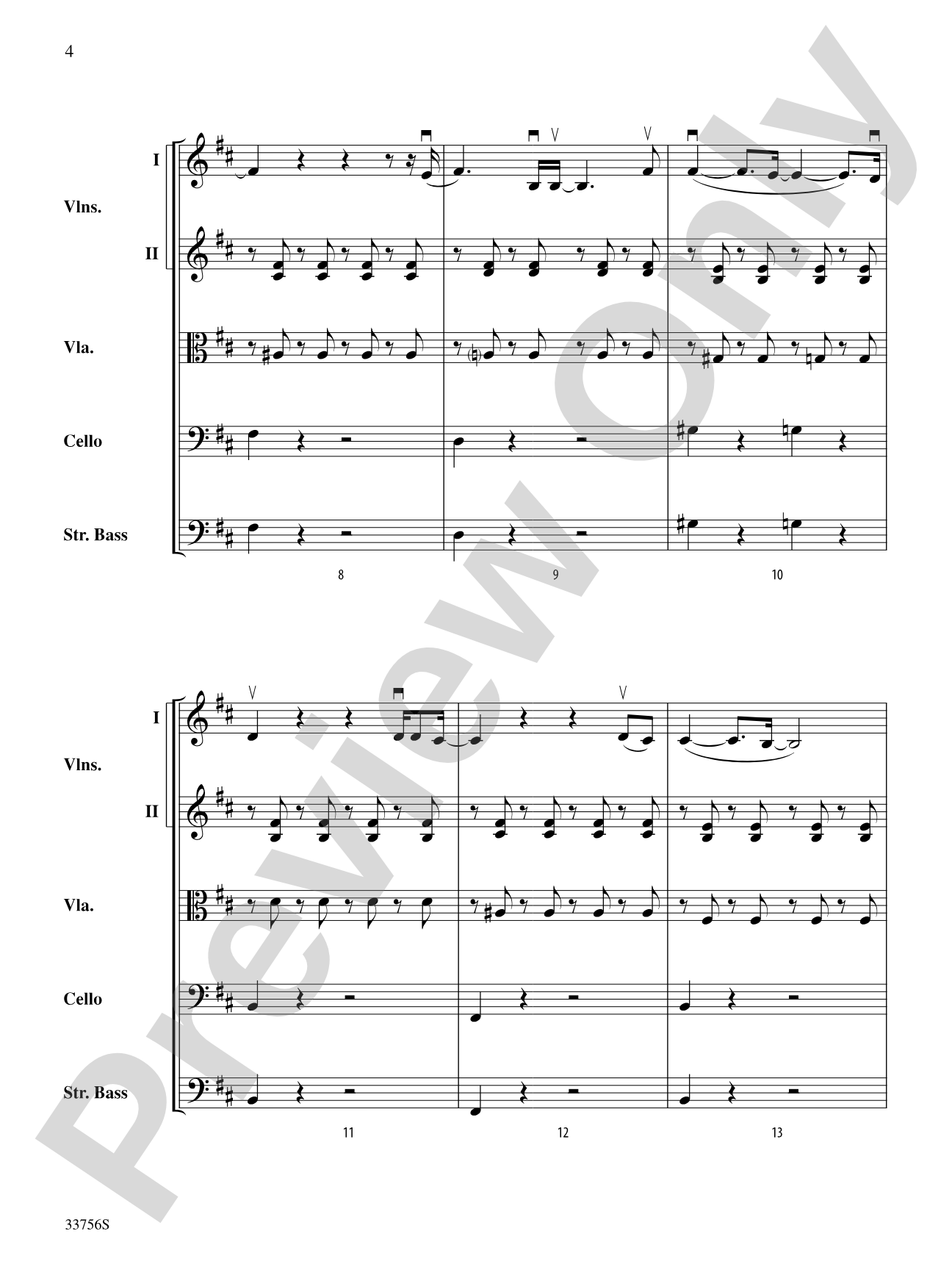
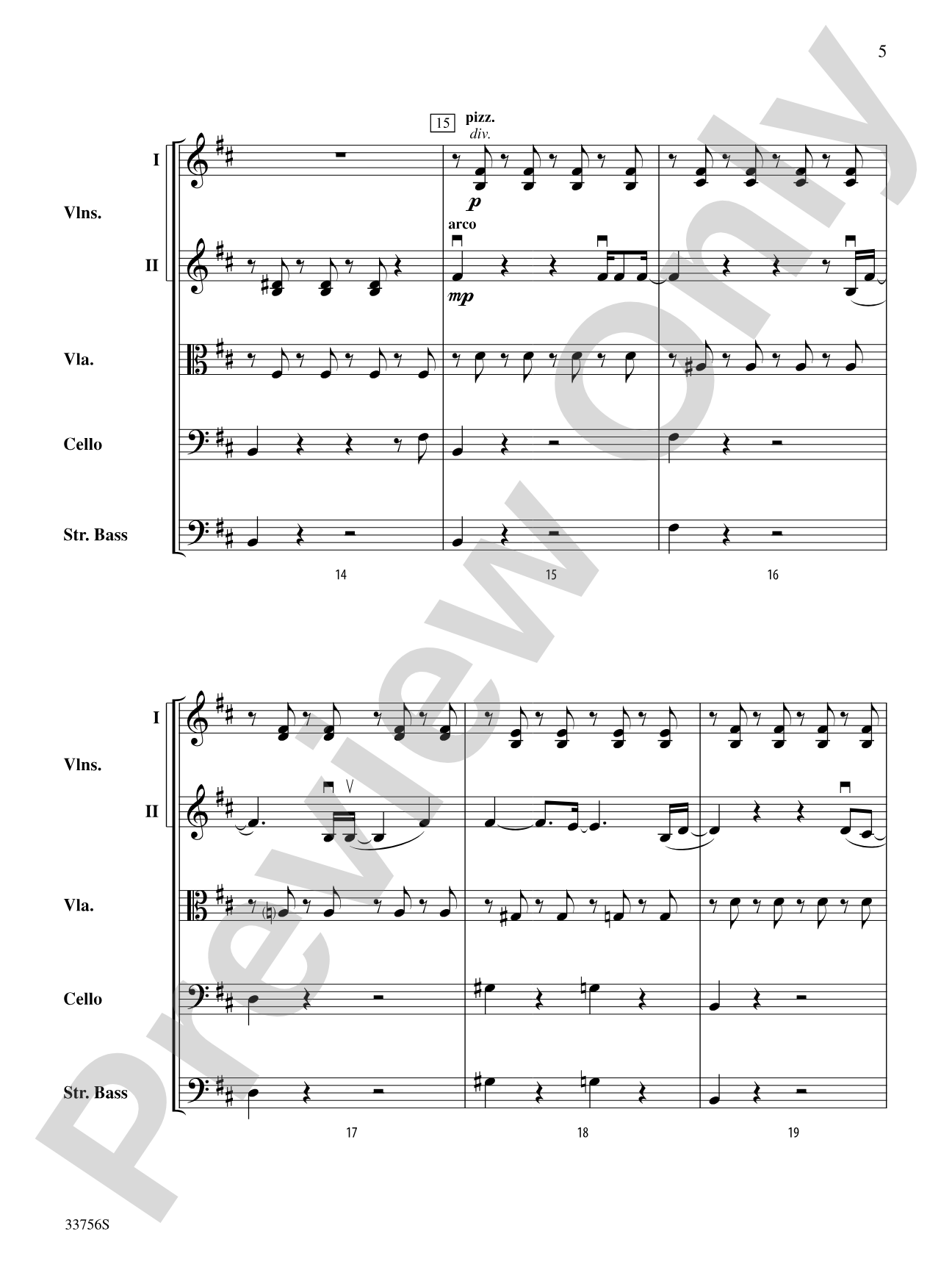
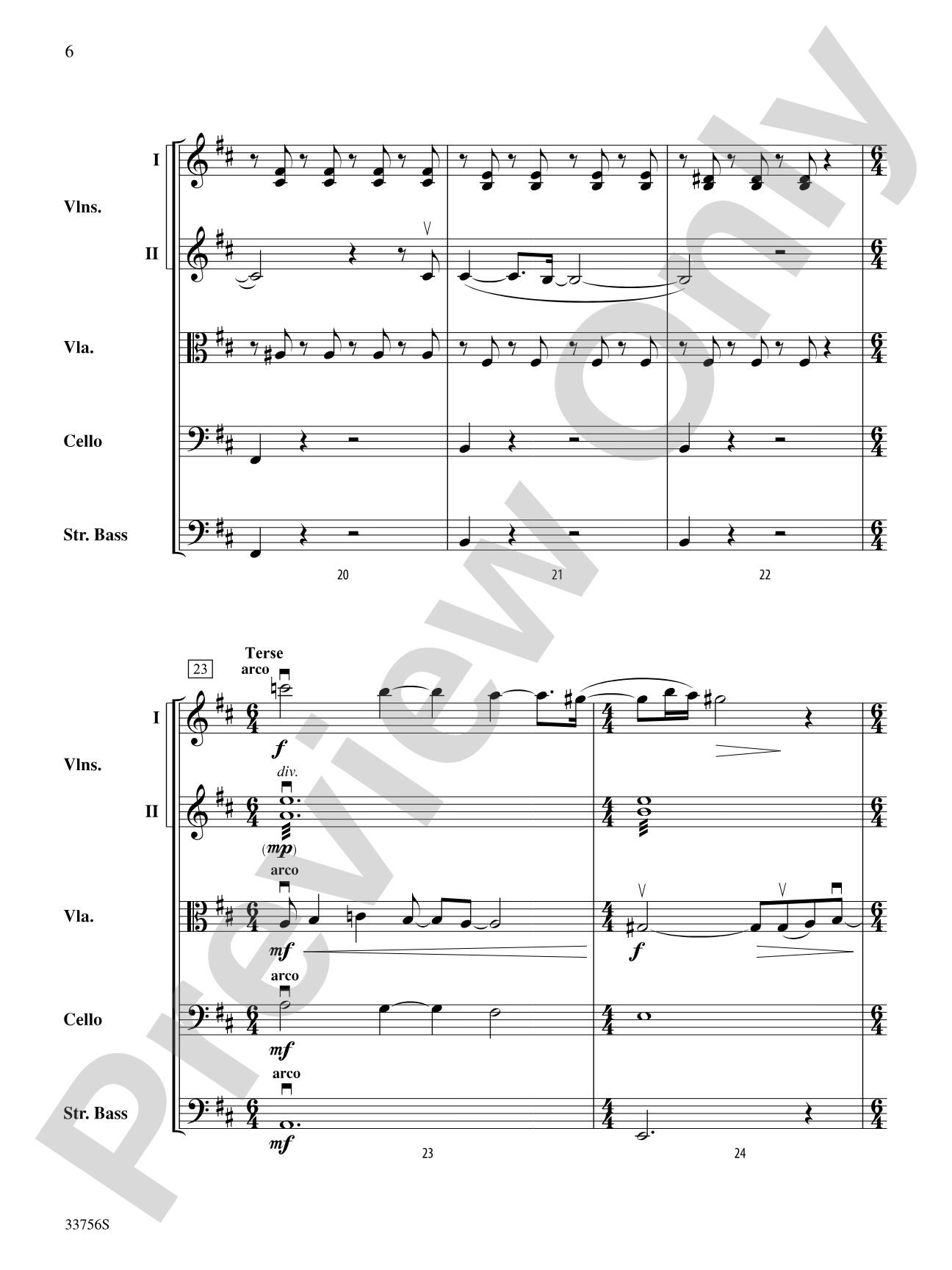
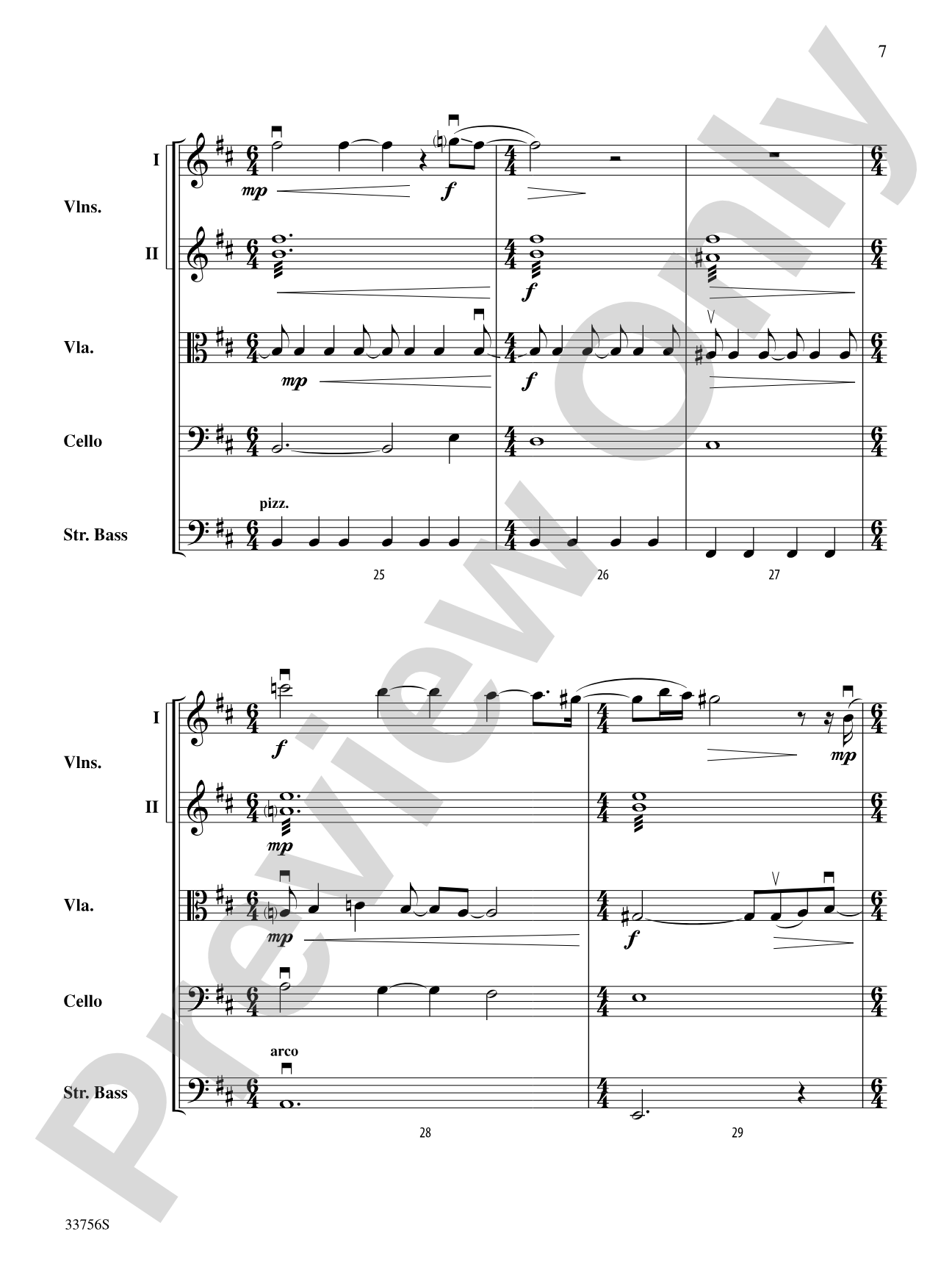
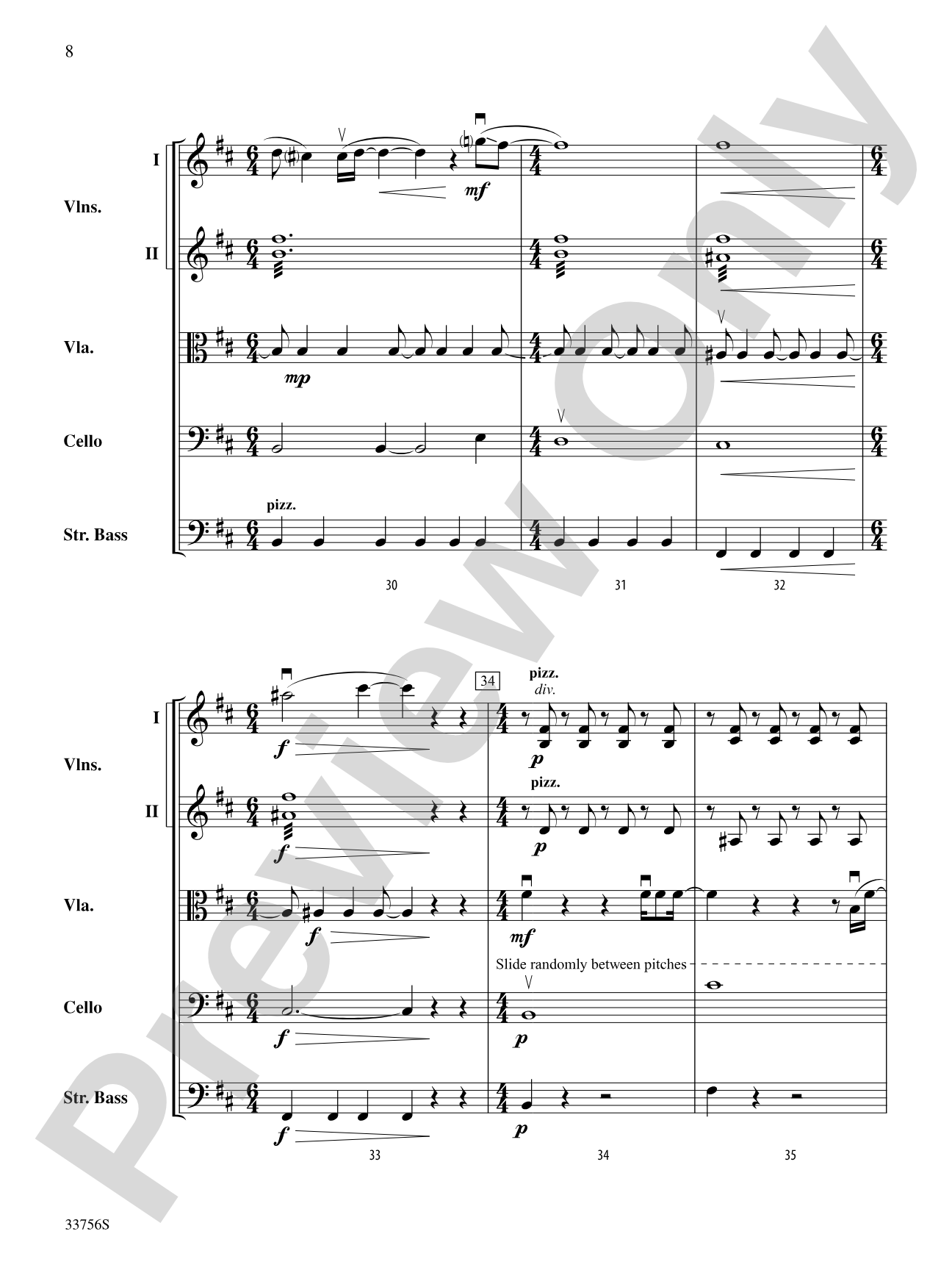
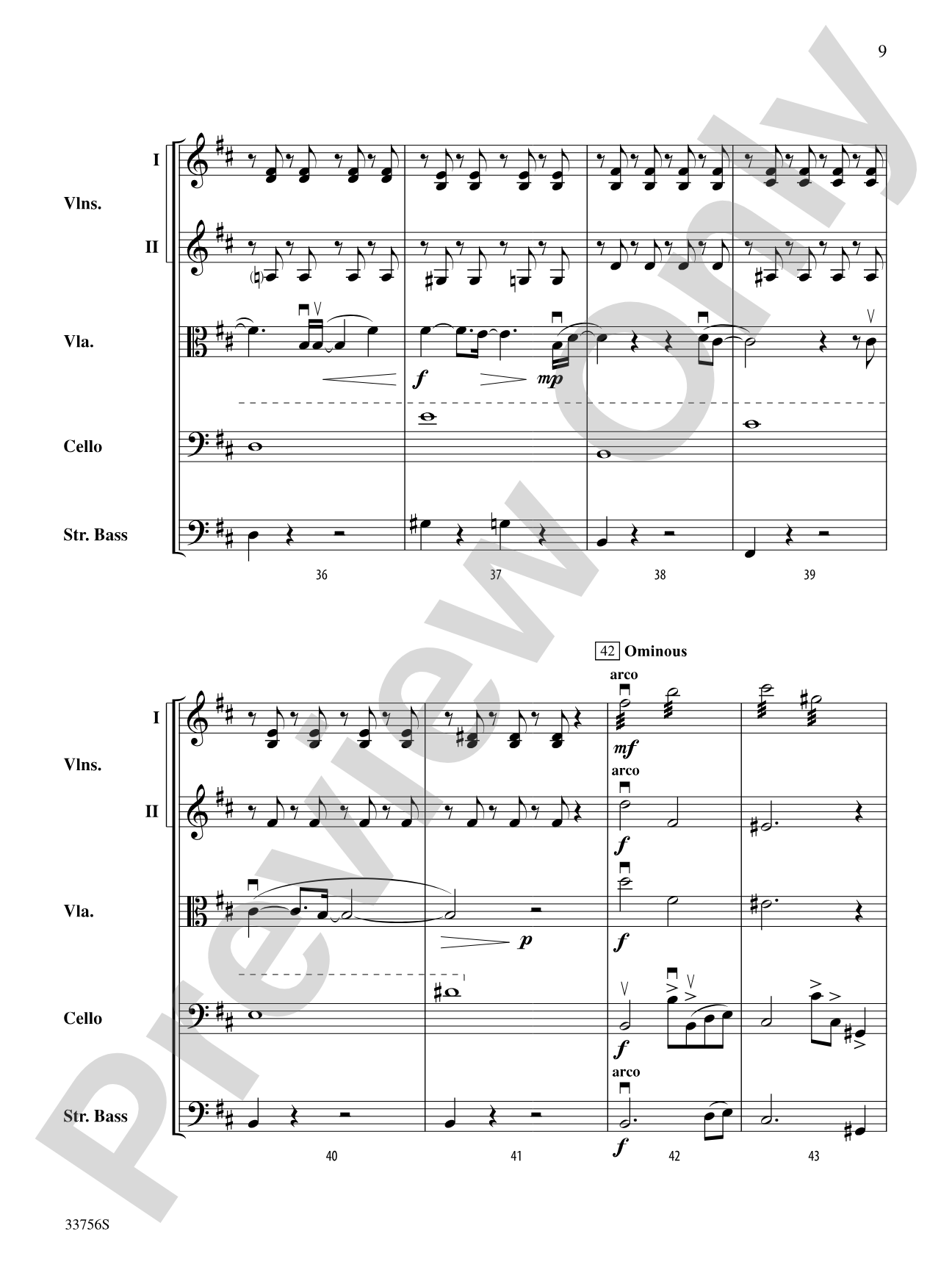
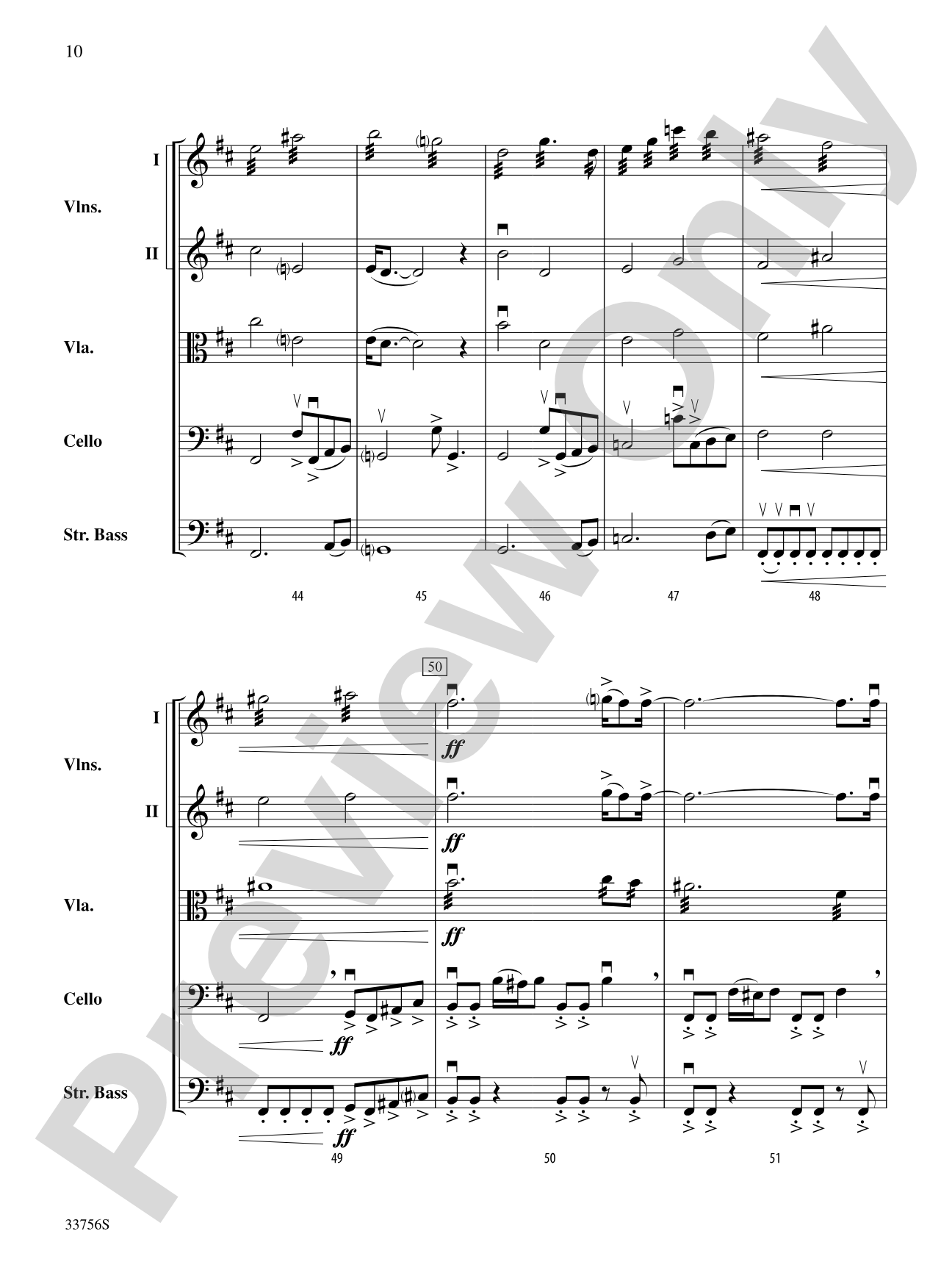
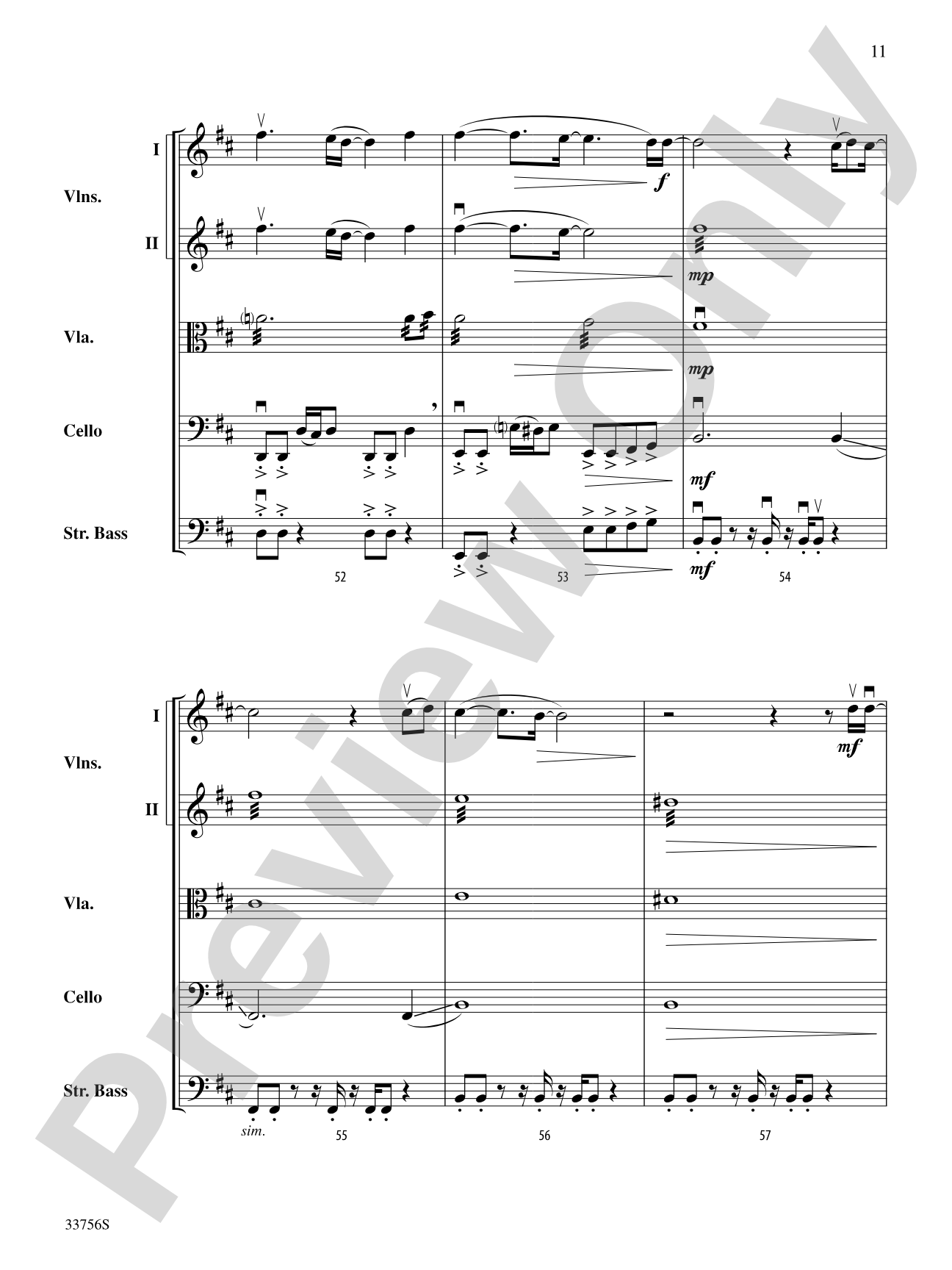
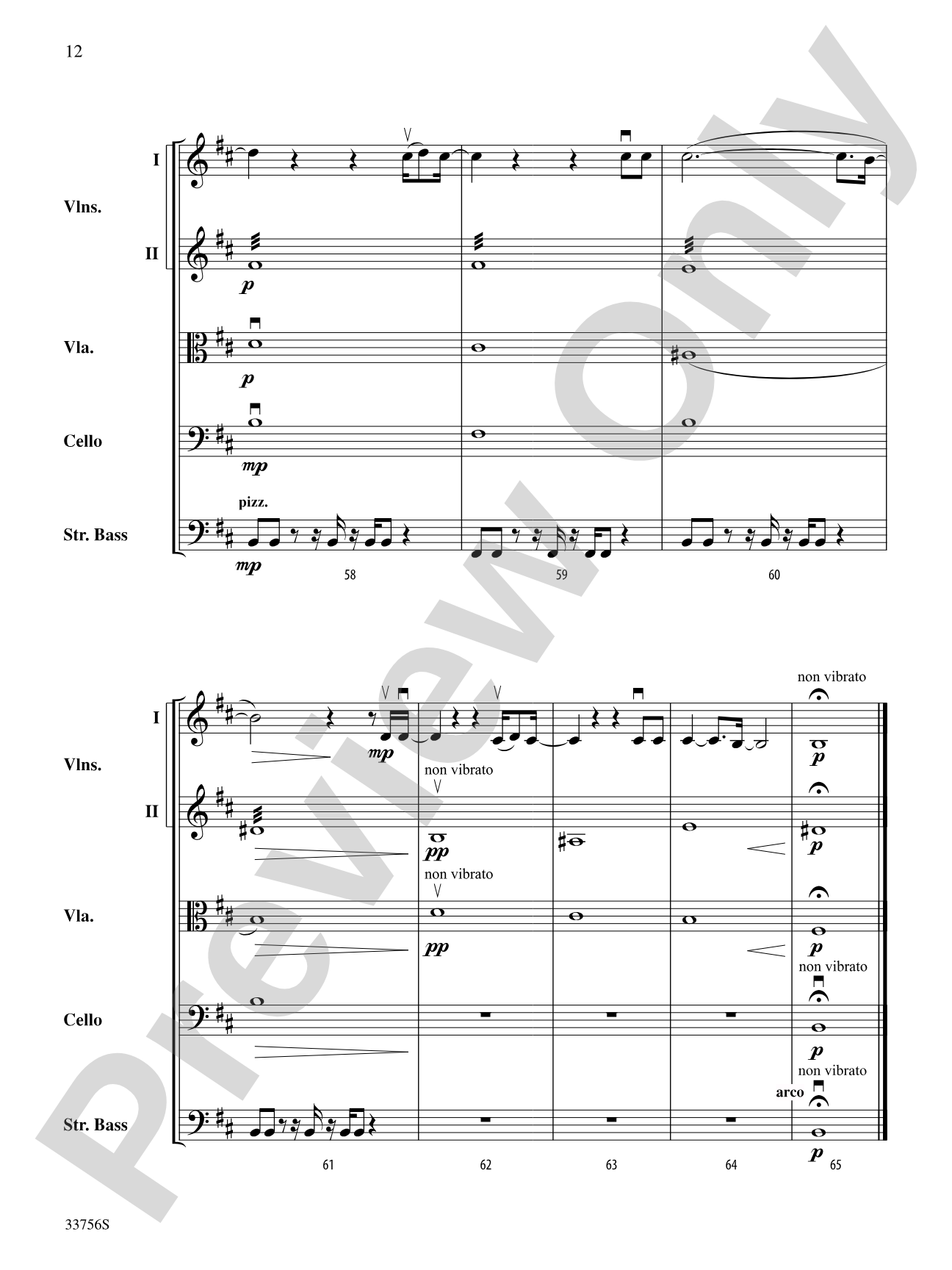

Exit Music (For a Film): Score
As performed by Radiohead
Words and music by Thomas Yorke, Jonathan Greenwood, Philip Selway, Colin Greenwood, and Edward O'Brien / arr. Eric Gorfain
Grade: 3.5
Item: 00-PR-0002859
$10.00
Pickup currently not available
Description
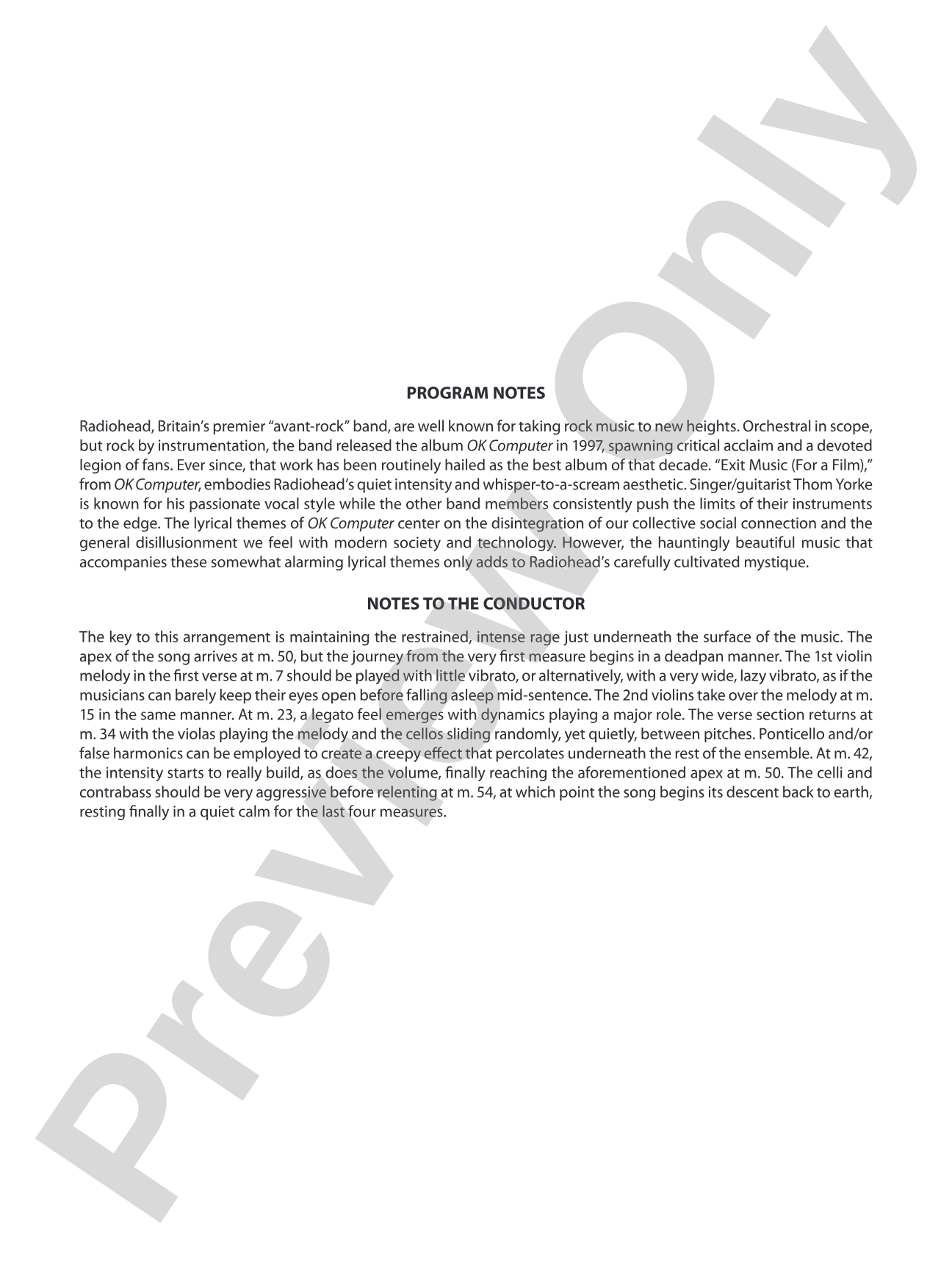
The intensity of Radiohead, Britain's premier "avant-rock" band, is embodied in this haunting arrangement that will inspire young musicians to think outside the box. From an album that is orchestral in scope, but rock by instrumentation, this technically simple yet emotionally sophisticated piece includes extended techniques such as tremolo, double-stop pizzicato, non-vibrato and ponticello; however, the ensemble, together with its conductor, is free to interpret the music as they see fit. After all, there are no rules in rock & roll!


Don't just read it, hear it, play along with it, and watch your students grow with it. In MakeMusic Cloud, Exit Music (For a Film): Score comes alive with professional accompaniment, adjustable tempo, and built-in practice tools that turn solo practice into real progress.
Open in the Player
Jump straight in and assign it today.
Start Your Free Trial
Open this title and explore the full library in minutes.
Sample Audio
1
Audio File
--:--
0:00
0:00
Sample Video
Additional Details
Series:
Pop Concert String Orchestra
Publisher:
Alfred Music
Page Count:
122
SKU:
00-PR-0002859
More about this title
About the Composer: Thomas Yorke
Thomas Yorke is the lead vocalist and primary songwriter of Radiohead, one of the most influential rock bands of the past three decades. His work spans from guitar-driven alternative rock to experimental electronic music, consistently challenging conventional song structures and production techniques. As a composer, Yorke has demonstrated particular interest in orchestral textures and instrumental color, work that extends beyond traditional band arrangements into film scores and contemporary classical commissions.
Why we love this
This arrangement captures the unsettling beauty of Radiohead's work without requiring advanced technical facility, making it accessible to Grade 3.5 ensembles while maintaining genuine artistic depth. The extended techniques (tremolo, pizzicato, ponticello, non-vibrato) offer students permission to explore unconventional string sounds in a compositionally rigorous context. Programming this piece signals to your ensemble that contemporary music, art rock, and orchestral sophistication belong in the same concert.
What to expect
The piece unfolds with a haunting, cinematic quality that mirrors film underscore more than traditional concert music. Tremolo and ponticello create a landscape of tension and uncertainty, while moments of clarity and stillness allow listeners to feel the vulnerability beneath the surface.
Who it's for
String orchestra directors seeking contemporary repertoire that challenges young musicians aesthetically without overwhelming them technically. Students ready to understand that sophisticated music can come from popular music contexts and that extended techniques serve emotional storytelling, not novelty.
How to get the most out of it
- Establish the tremolo sections with clarity first, then layer in dynamics and expression; the texture should feel unsettling rather than chaotic.
- Treat non-vibrato passages as deliberate choices, not as incomplete vibrato. Stillness here creates emotional weight.
- Balance the double-stop pizzicato so individual pitches remain audible within the percussive attack rather than blending into a single timbre.
- Encourage your section leaders to make interpretive choices within the framework you establish; rock sensibility means flexibility within structure.
How to use it
Pair this with other art rock or contemporary classical works to frame a concert around how modern composers think about orchestration. It also works as a striking opener that signals an unconventional program to follow, or as a standalone feature that demonstrates your ensemble's range beyond traditional classical repertoire.
Skills your students will build
- Extended string techniques (tremolo, ponticello, non-vibrato, double-stop pizzicato)
- Interpreting notation and composer intent in contemporary classical contexts
- Balancing technical execution with emotional expression
- Reading and responding to flexible phrasing within a notated score