Excursions for Trumpet and Brass Band Cover Image

Excursions for Trumpet and Brass Band: Brass Band, Solo Brass with Ensemble, Conductor Score & Parts

$49.50 USD
Sale price  $49.50 USD Regular price 
Skip to product information
Excursions for Trumpet and Brass Band Cover Image

Excursions for Trumpet and Brass Band: Brass Band, Solo Brass with Ensemble, Conductor Score & Parts

By Bruce Broughton

Grade: 6

Item: 36-BSMBB101

$49.50
Shipped

One moment…

Description
A transcription by the composer of a work originally commissioned and recorded by The United States Air Force Band. Demanding trumpet solo. In the aptly named work, Mr. Broughton explores the diverse technical and expressive capabilities of the trumpet, with the angular melodies and driving rhythms that characterize the piece used by the solo trumpet to lead the band. This version for solo trumpet and brass band was arranged by the composer and recorded by The New York Staff Band of the Salvation Army featuring Philip Smith, Principal Trumpet, the New York Philharmonic. Includes transposed parts for bass clef instruments.

Excursions for Trumpet and Brass Band: Brass Band, Solo Brass with Ensemble, Conductor Score & Parts isn't in MakeMusic Cloud just yet...but it could be. Let us know you'd like to see it, and you'll help shape what comes next. In the meantime, start a free trial and dive into thousands of interactive titles your students can play along with today.

Sample Pages

No sample pages found.

Sample Audio
No sample audio found.
Sample Video
Additional Details
Series: Black Squirrel Music - LudwigMasters
Publisher: Keiser Productions, Inc.
UPC: 659359548185
SKU: 36-BSMBB101
Instrumentation: Trumpet, Brass Band

More about this title

About the Composer: Bruce Broughton
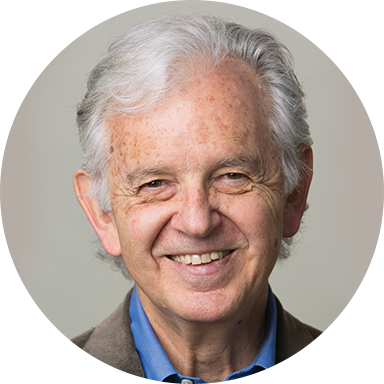
Bruce Broughton

Bruce Broughton has shaped the sound of American film and television for decades, composing scores for classics like Silverado, Tombstone, and The Rescuers Down Under, alongside themes for series ranging from JAG to The Orville. His work across multiple media has earned him ten Emmy Awards, an Oscar nomination, a Grammy nomination, and twenty-three Emmy nominations overall. Beyond his screen work, Broughton has written extensively for concert hall and theme park audiences, with orchestral and chamber works performed by ensembles including the Cleveland Orchestra and Chicago Symphony.

A committed advocate for composers' rights and advancement, Broughton serves on the Board of ASCAP and has held leadership positions in both the Academy of Television Arts and Sciences and the Academy of Motion Picture Arts and Sciences. His concert music demonstrates the same craft and imagination that defines his film scoring, drawing on his deep understanding of orchestration and dramatic structure.

Why we love this

Broughton brings his film composer's ear for drama and pacing to the brass band medium, creating a solo vehicle that demands serious musicianship without sacrificing the joy of playing. The work's angular melodies and propulsive rhythms give the trumpet genuine character work rather than relying on conventional virtuosity alone. Recording it with Philip Smith, Principal Trumpet of the New York Philharmonic, signals the caliber of artistry this piece expects and rewards.

What to expect

Restless and driven, with the trumpet cutting angular phrases through a propulsive harmonic landscape. The piece balances technical display with genuine musical storytelling, creating moments of lyrical expression amid sections that demand precision and stamina.

Who it's for

Advanced brass bands with a confident principal trumpet ready to tackle Grade 6 technical demands and interpretive responsibility. This work suits ensembles that have developed secure ensemble fundamentals and can provide the rhythmic and harmonic foundation a substantial solo needs.

How to get the most out of it

  • Shape the angular melodic lines with clear directional intent; these phrases need architectural support from the soloist, not just technical execution.
  • Balance the trumpet's presence against the band so the solo voice leads rather than competes; the accompaniment is substantial and will support an ambitious interpretation.
  • Prepare rhythmic precision in the section parts early; the driving rhythms that characterize the work depend on ensemble tightness that frees the soloist to breathe.
  • Explore the full dynamic and tonal palette the trumpet offers; Broughton writes for the instrument's expressive range as much as its technical capability.

How to use it

Feature this as a centerpiece on a concert celebrating the trumpet's range of voices, pairing it with contrasting works that highlight different expressive territories. The piece works particularly well when programmed after ensemble works that establish the band's rhythmic cohesion, allowing the solo trumpet to emerge from that established foundation.

Skills your students will build

  • Sustained phrasing of angular, non-traditional melodic shapes
  • High-register endurance and control under performance conditions
  • Independence within ensemble texture; leading rather than blending
  • Interpretation of demanding rhythmic figurations at tempo
  • Coordination between soloist and ensemble in works requiring both virtuosity and accompaniment awareness

You May Also Like