

Everyone's Guide to the String Orchestra: Score
Selections from The Carnival of the Animals
By Camille Saint-Saëns / arr. Douglas E. Wagner
Grade: 2
Item: 00-PR-0006839
$9.00
Pickup currently not available
Description
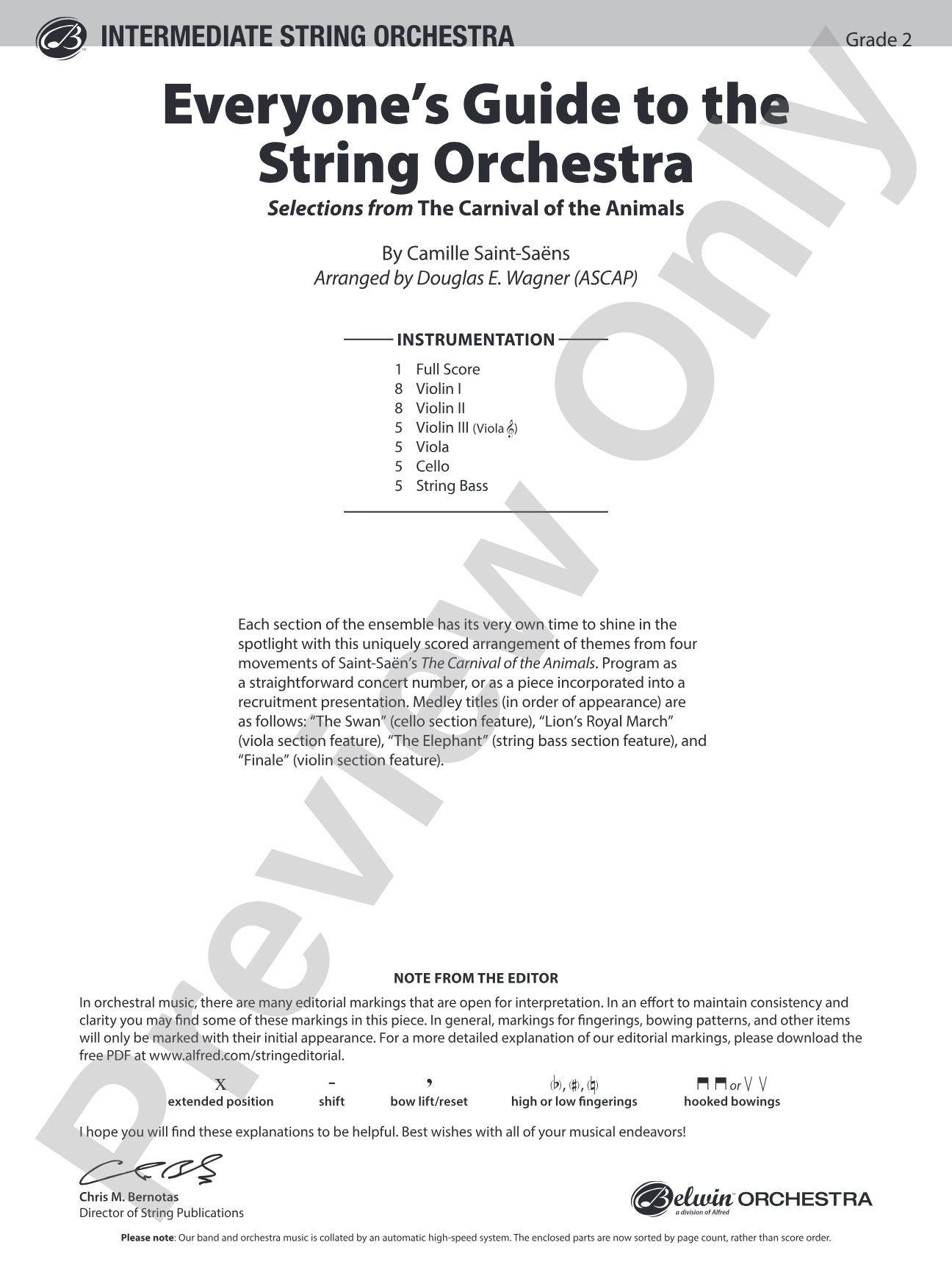
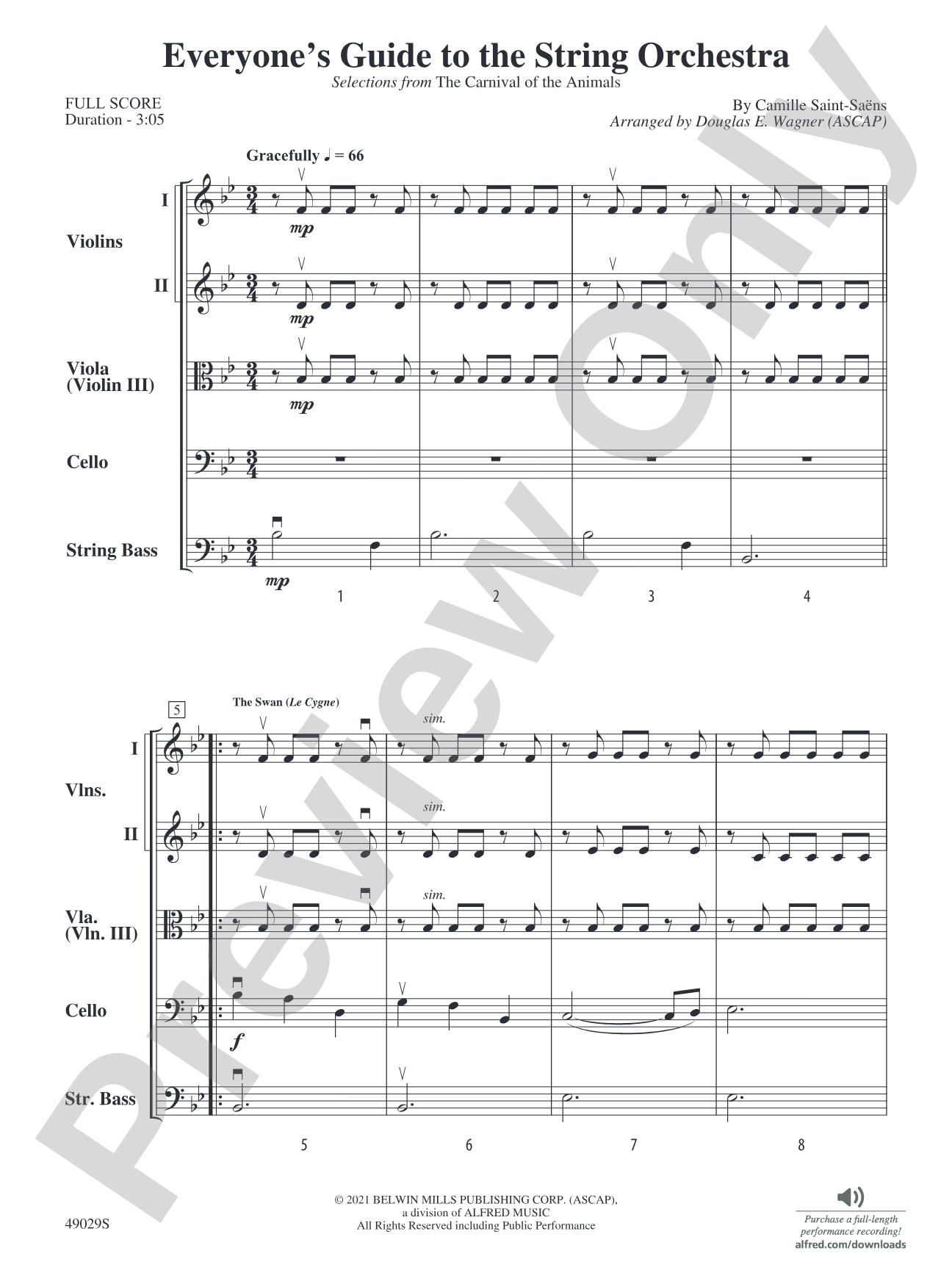
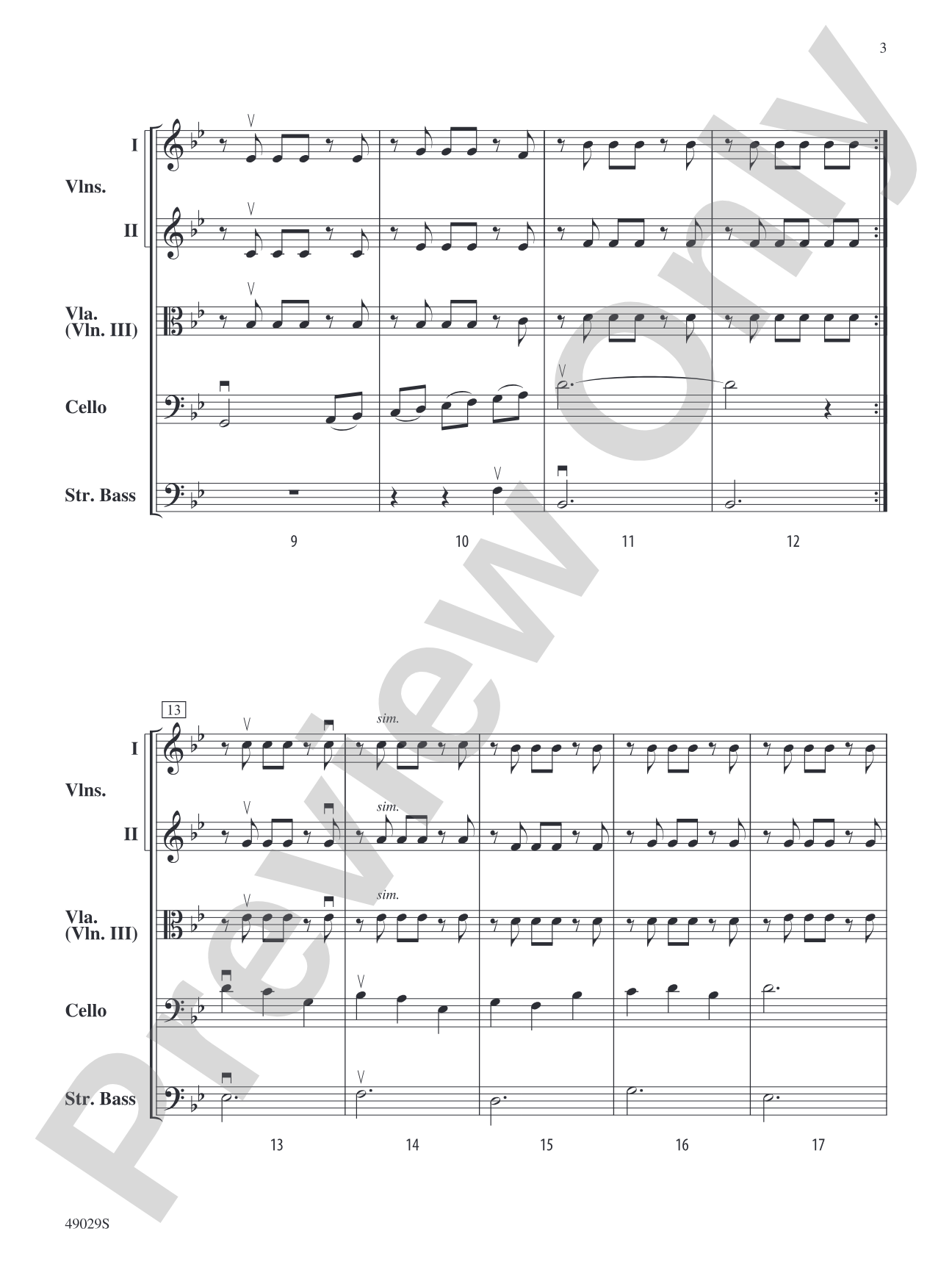
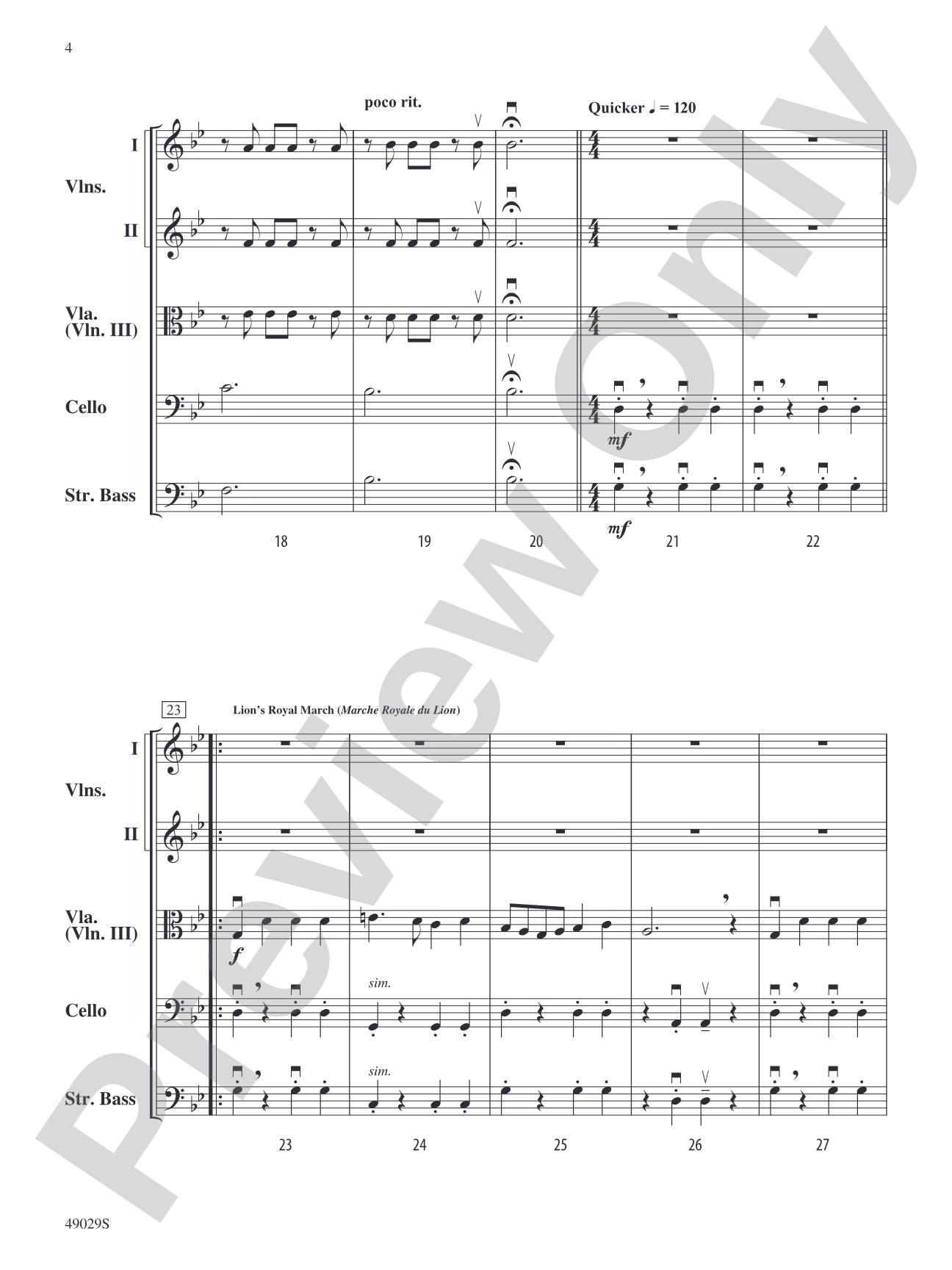
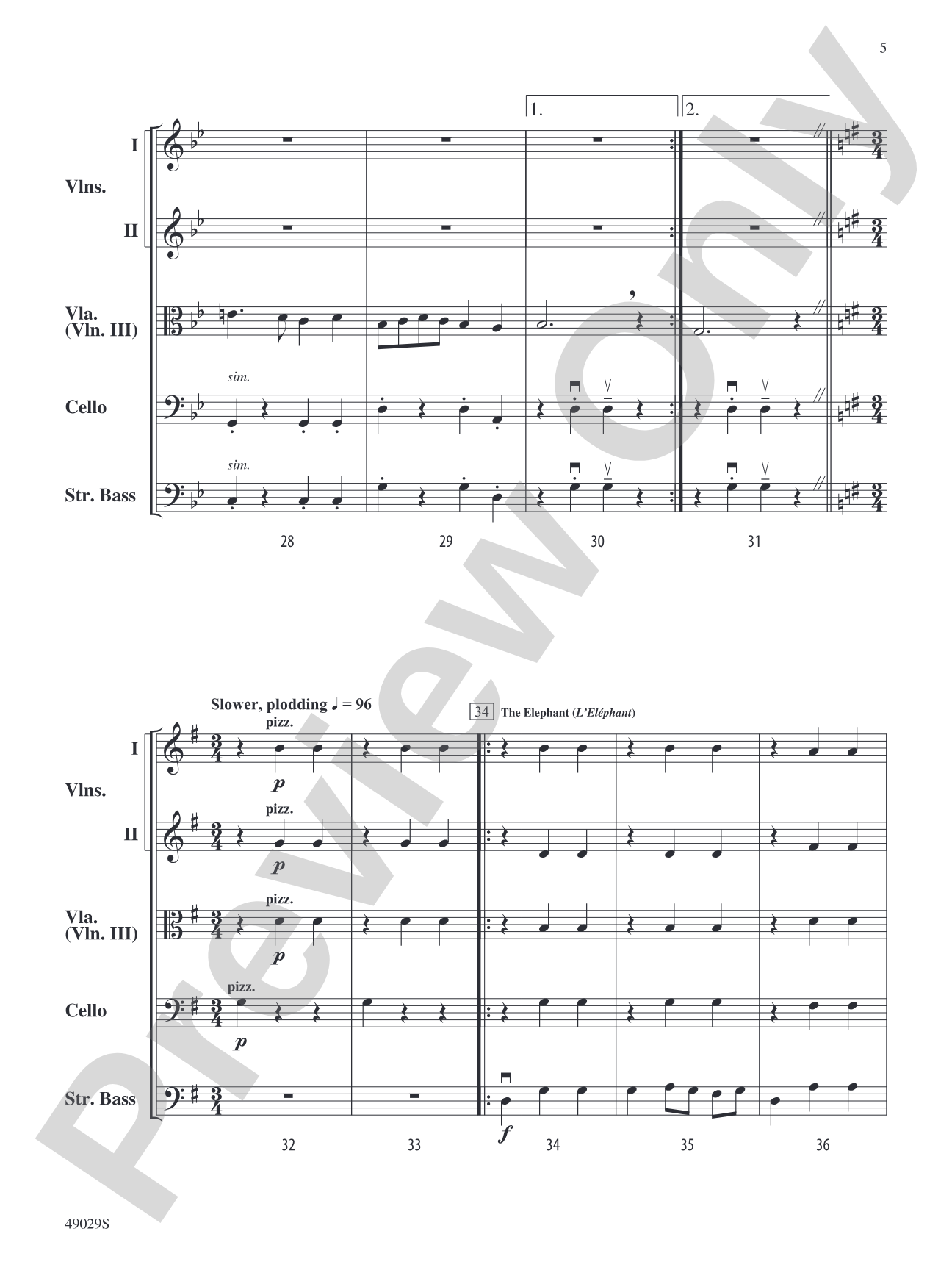
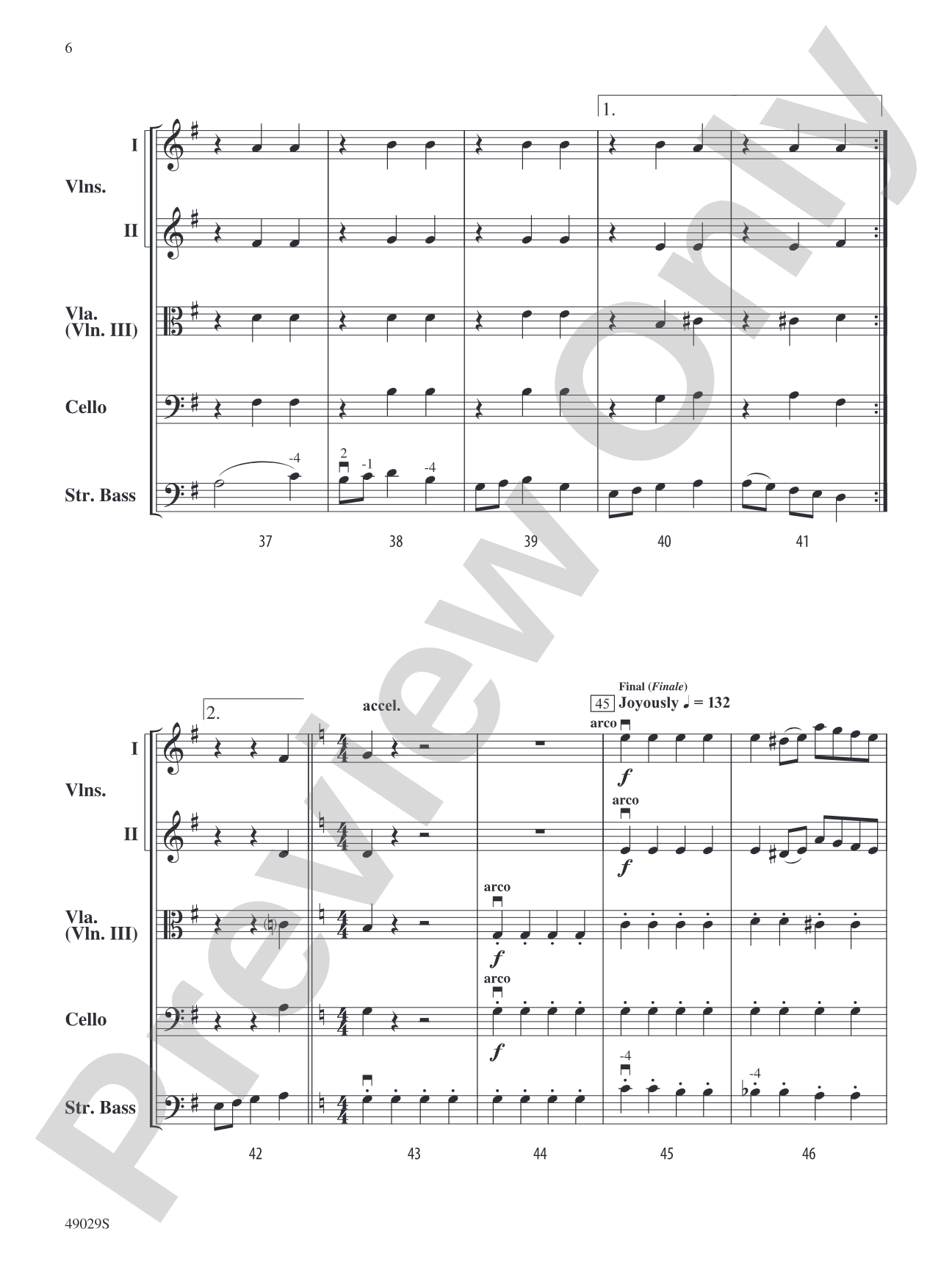
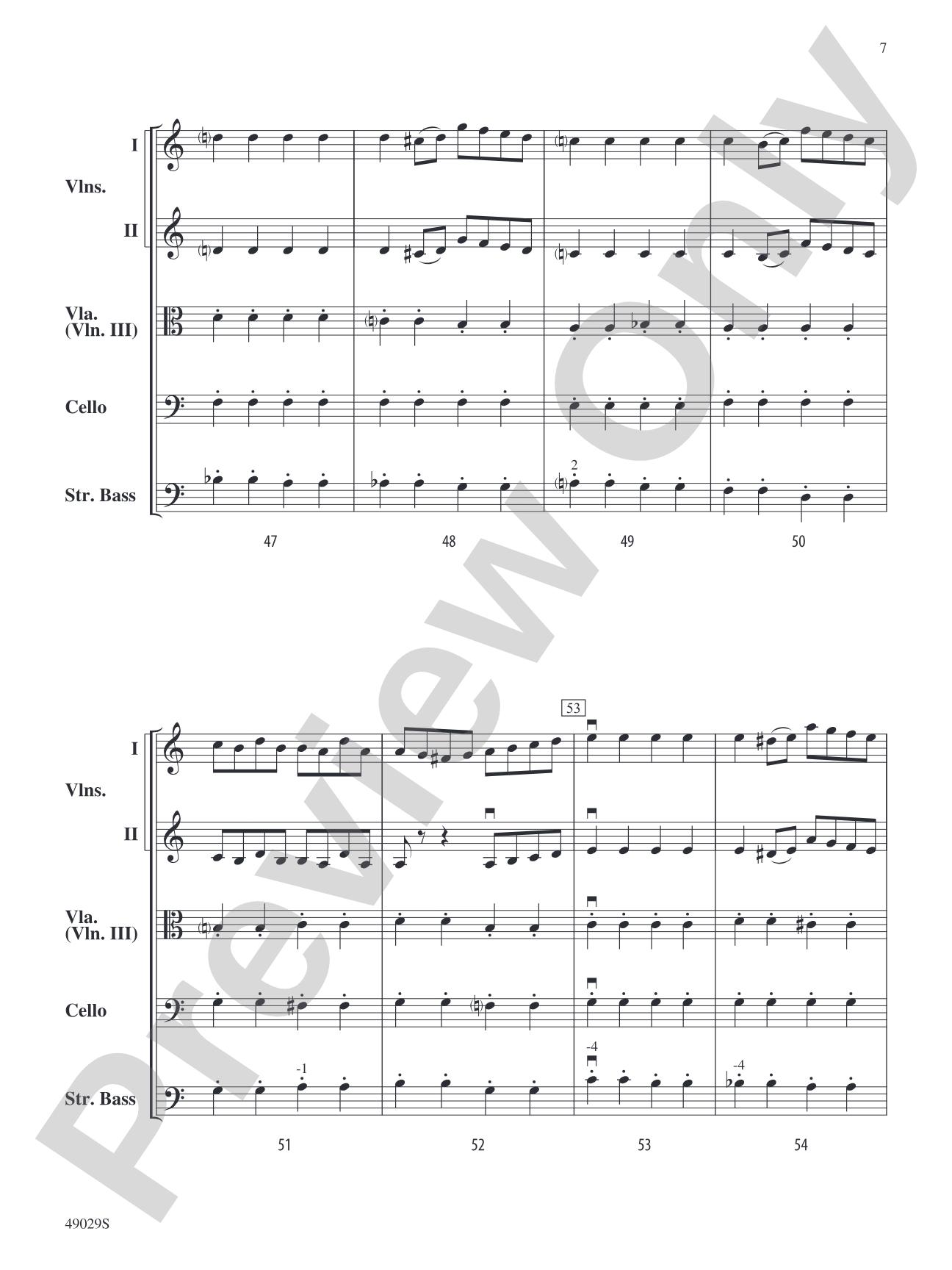
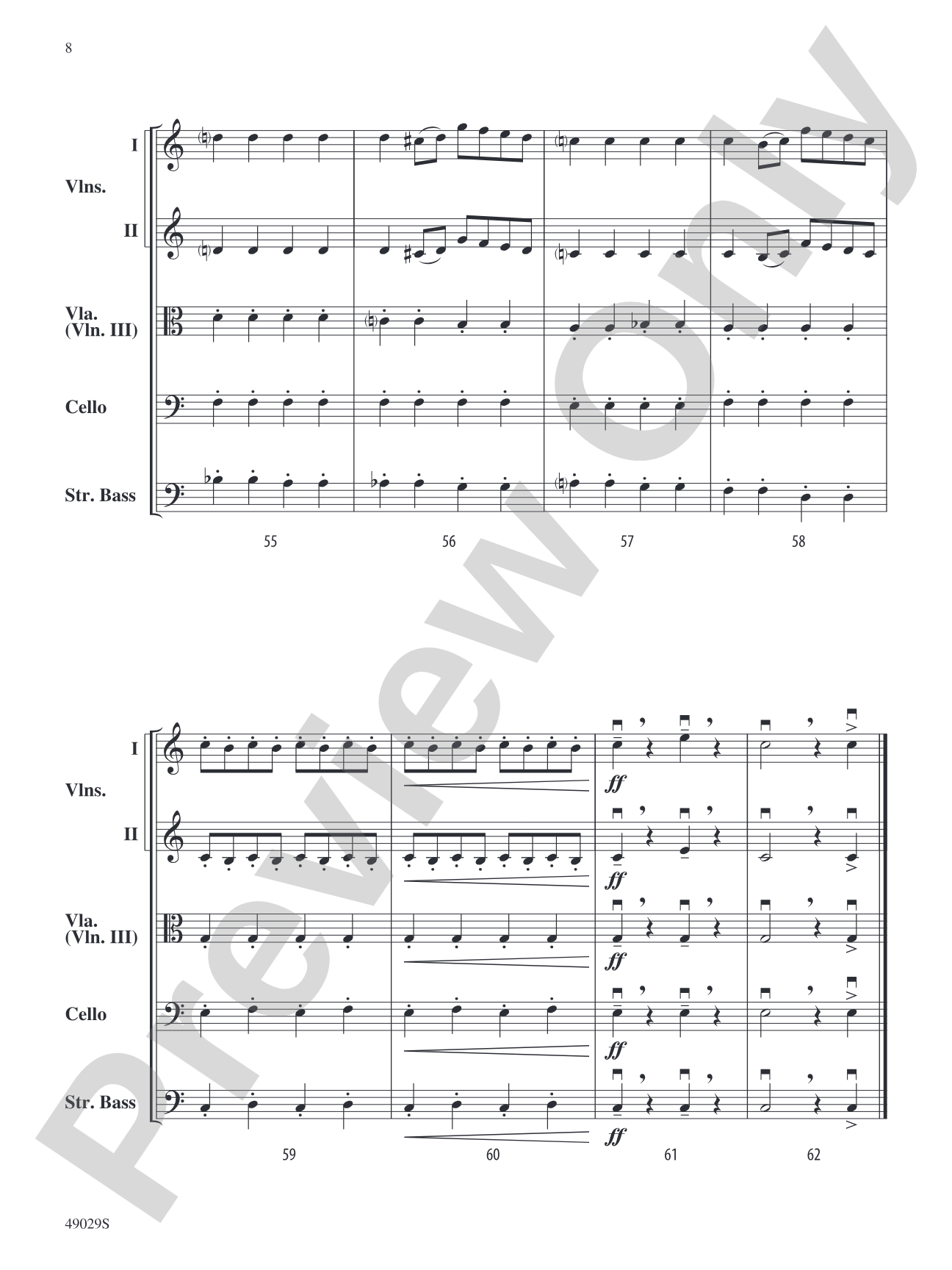
Everyone's Guide to the String Orchestra, arranged by Douglas Wagner, is a fantastic selection to feature each section of the ensemble. They all have their very own time to shine in the spotlight with this uniquely scored arrangement of themes from four movements of Saint-Saëns' The Carnival of the Animals. Program as a straight-forward concert number or as a piece incorporated into a recruitment presentation. Medley titles (in order of appearance) are as follows: The Swan (cello section feature) * Lion's Royal March (viola section feature) * The Elephant (string bass section feature) * Finale (violin section feature). (3:10)


Don't just read it, hear it, play along with it, and watch your students grow with it. In MakeMusic Cloud, Everyone's Guide to the String Orchestra: Score comes alive with professional accompaniment, adjustable tempo, and built-in practice tools that turn solo practice into real progress.
Open in the Player
Jump straight in and assign it today.
Start Your Free Trial
Open this title and explore the full library in minutes.
Sample Audio
1
Audio File
--:--
0:00
0:00
Sample Video
Additional Details
Series:
Belwin Intermediate String Orchestra
Publisher:
Alfred Music
Page Count:
44
SKU:
00-PR-0006839
More about this title
About the Composer: Camille Saint-Saëns
Camille Saint-Saëns (1835-1921) was a French composer of towering technical mastery and prolific output across symphonies, concertos, operas, and chamber music. He composed The Carnival of the Animals in 1886 as a witty suite of character pieces, each representing a different animal through distinctive instrumental colors and musical gestures. Though he initially kept the work private (fearing it might damage his serious reputation), it has become one of the most beloved and recognizable compositions in the standard orchestral repertoire.
Saint-Saëns' gift for memorable melody and orchestral color makes his music enduringly popular in educational settings. The Carnival of the Animals, in particular, sparks imagination in young musicians and audiences alike, combining humor, technical display, and genuine musical substance.
Why we love this
This arrangement gives every section of your string orchestra a moment to lead. Wagner's scoring respects the original character of each movement while crafting parts that sit well for intermediate players, making it an ideal choice for concerts where you want every musician to feel ownership of the performance. The four-movement medley structure also works beautifully in recruitment contexts, where prospective students can hear themselves represented across the different string parts.
What to expect
Elegant and playful by turns. The Swan invites warmth and lyrical expression from the cellos, while the Lion's March struts with stately confidence. The Elephant lumbers in the bass section with character and humor, and the Finale sparkles with the brilliance of the first violins. Throughout, there's a sense of narrative discovery as each animal emerges in turn.
Who it's for
String orchestras at the intermediate level (Grade 2) will find parts that lie comfortably without overextending technique. Directors preparing for concerts, festivals, or recruitment demonstrations will appreciate how this arrangement highlights the distinct voice of each section while maintaining the charm and recognition factor of the original work.
How to get the most out of it
- Balance the featured section's melody against the accompaniment. In the Swan, let the cello line sing warmly while violas and violins provide unobtrusive harmonic support.
- Shape the phrasing in the Finale with attention to the violin section's rhythmic drive; younger players often rush the faster passages, so establish a steady tempo in rehearsal and lock in with the conductor's prep.
- Use the medley structure to rehearse each movement separately, then splice them together only after each section has internalized its music. This prevents confusion and allows focused sectional work.
- Attend to the dynamic contrast between movements. The shift from the graceful Swan to the regal Lion's March needs a clear reset in sound and character.
How to use it
Present this as a freestanding concert feature that celebrates your full ensemble, or weave it into a thematic program pairing it with other animal-inspired works. The four-movement structure also makes it ideal for a recruitment open house, where each section gets its own spotlight moment and a clear musical identity within a recognizable framework.
Skills your students will build
- Balancing sectional melody against accompaniment voices
- Executing character-driven phrasing across contrasting musical styles
- Coordinating rapid shifts in tempo and dynamic between discrete movements
- Playing as a featured soloist section while maintaining ensemble awareness