
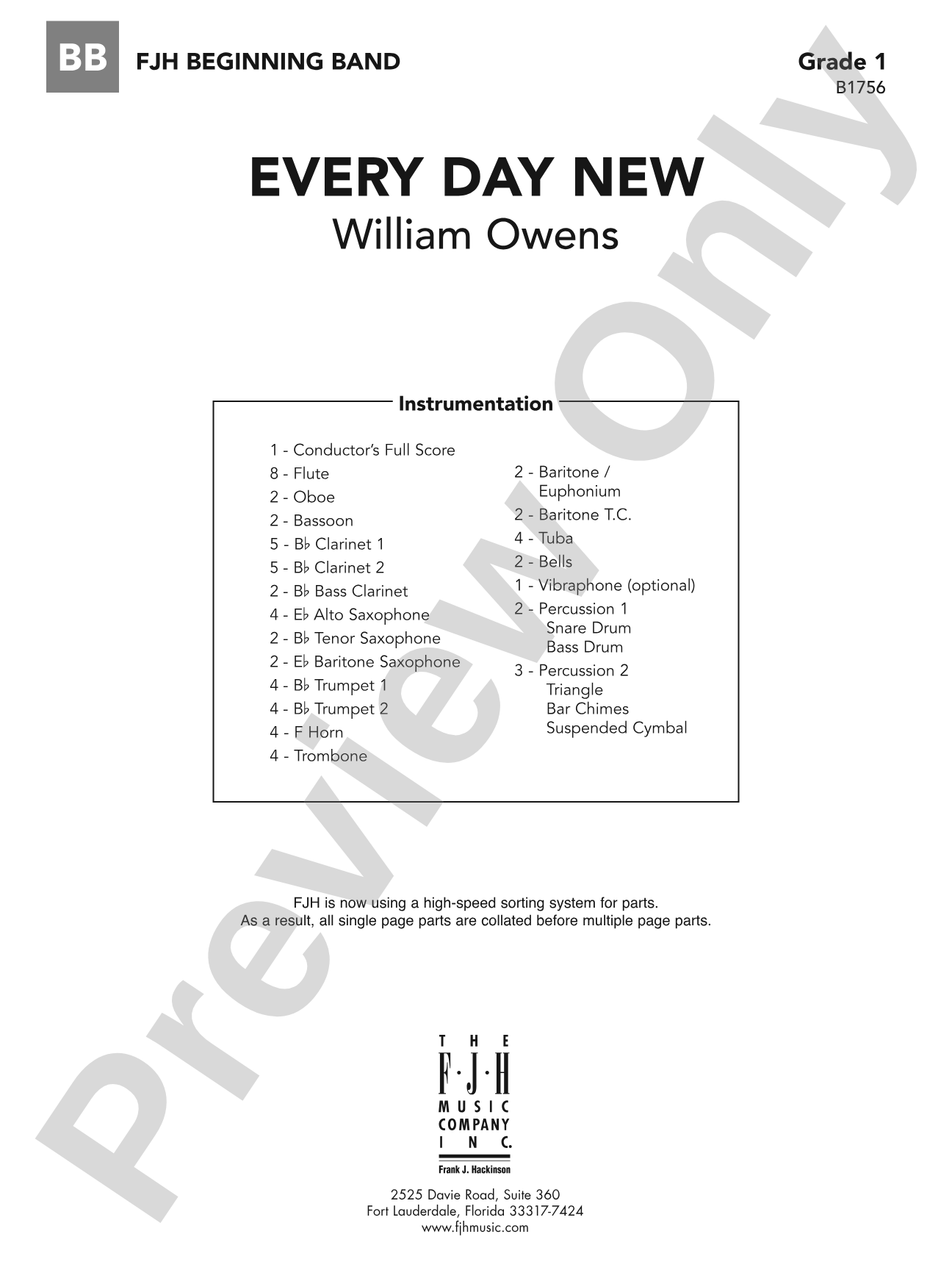
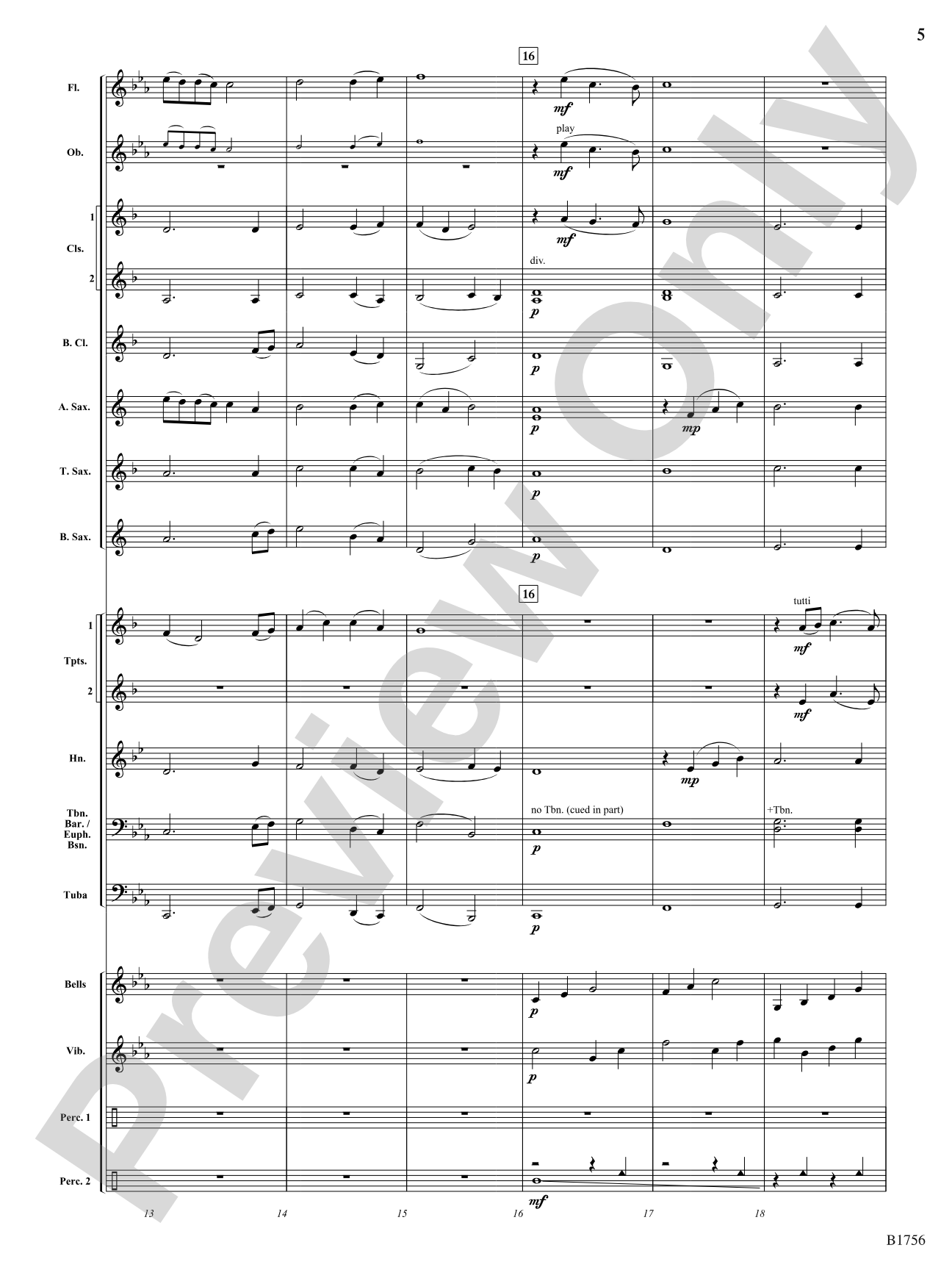
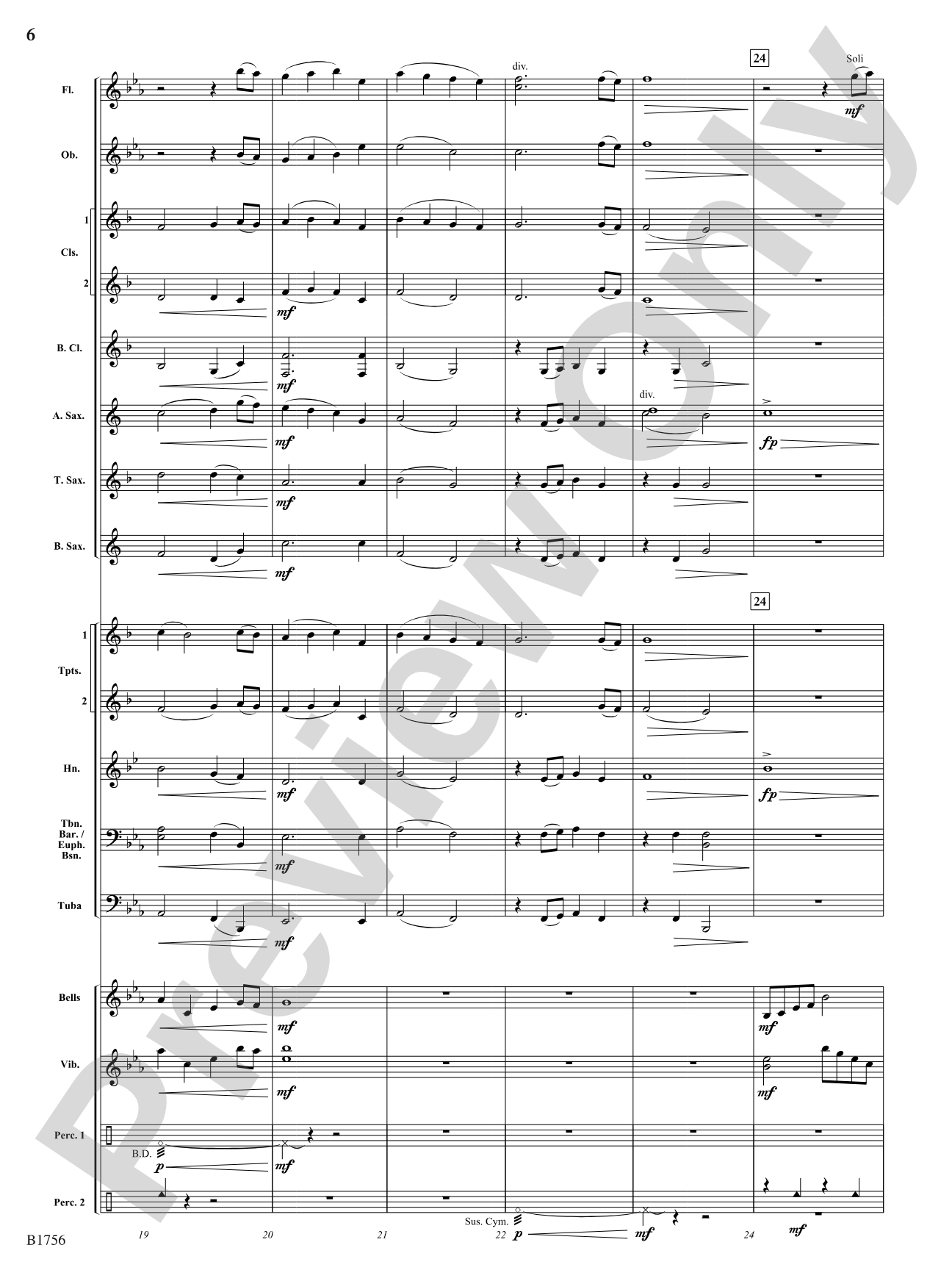
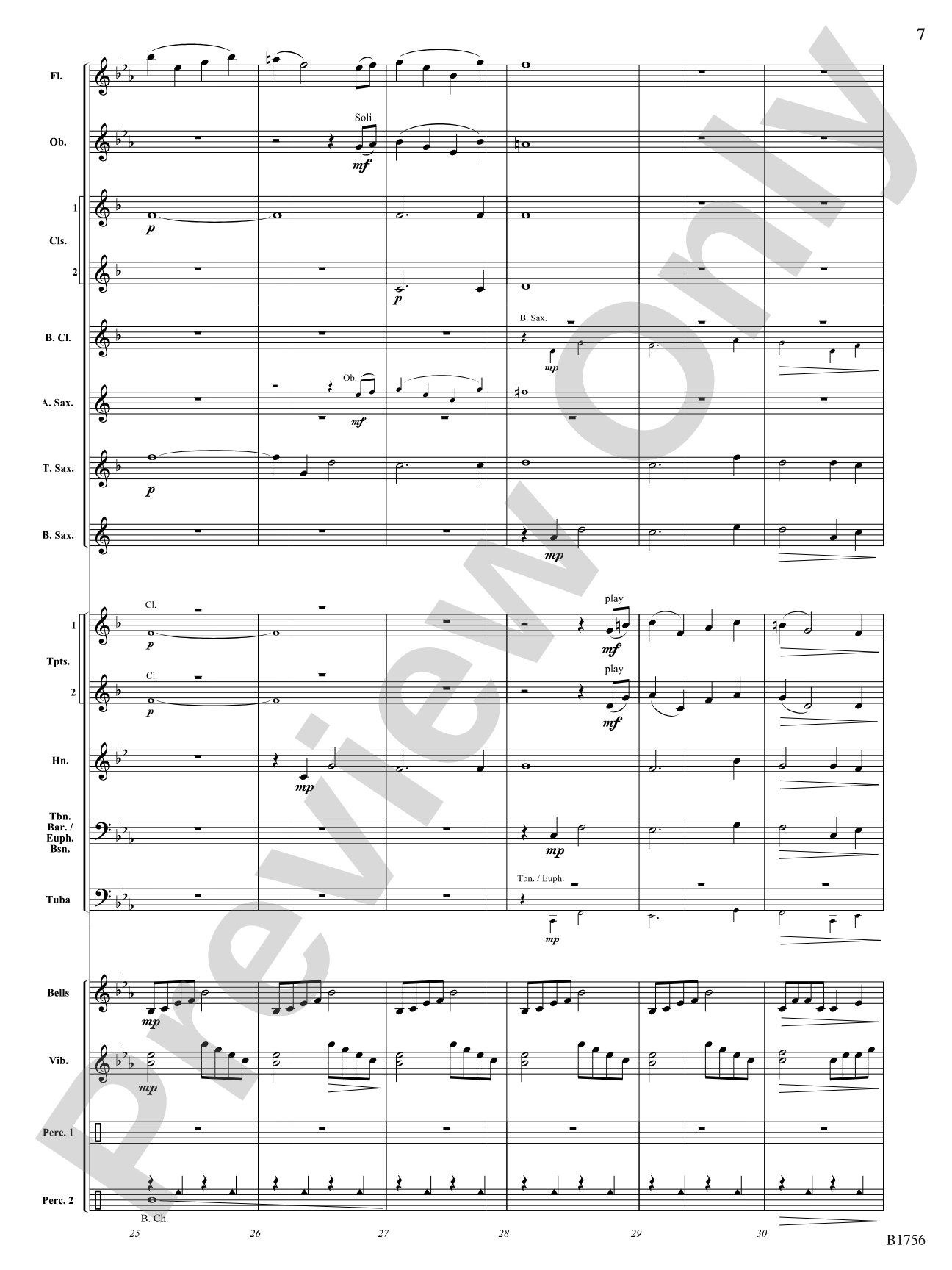
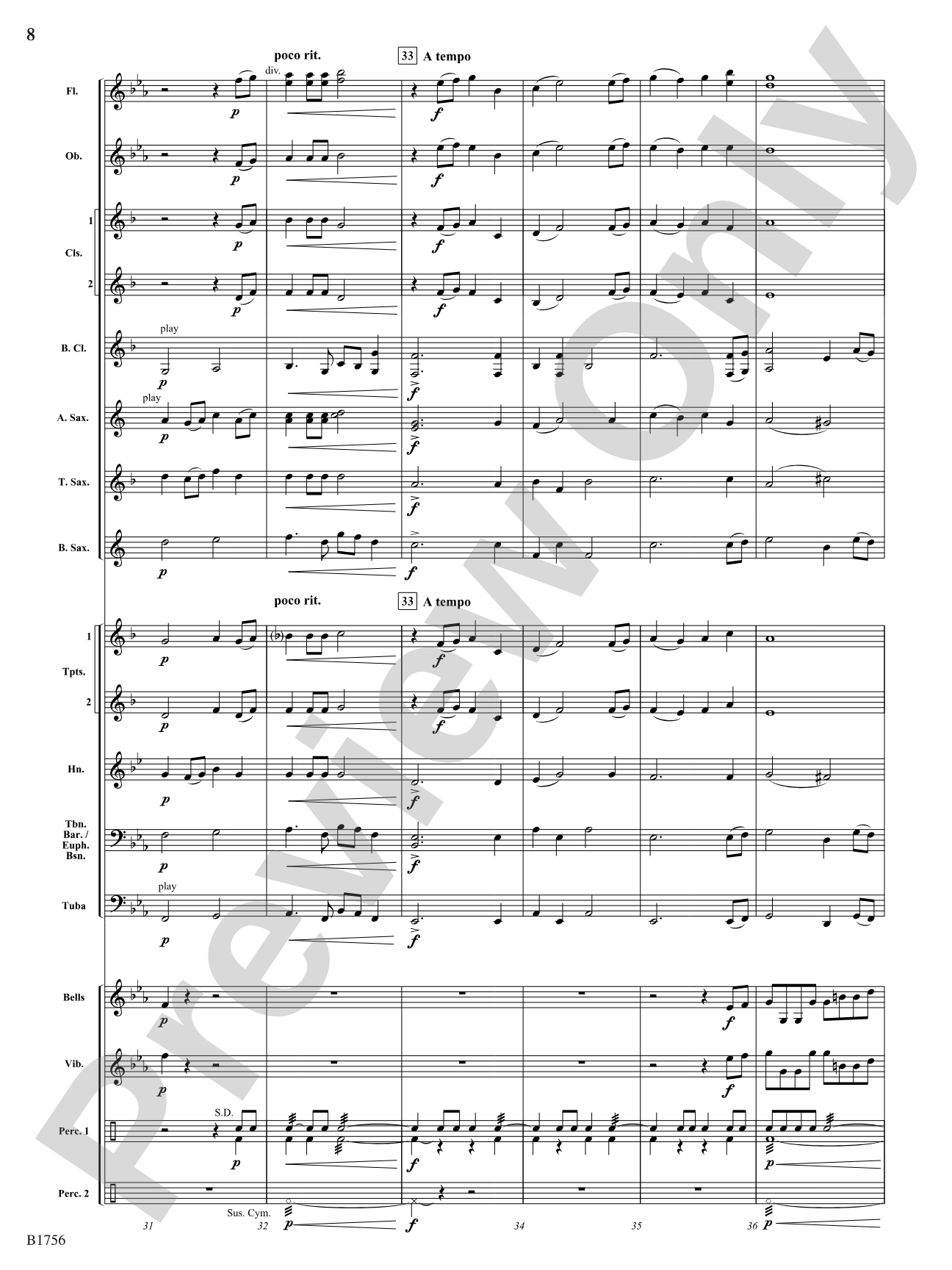
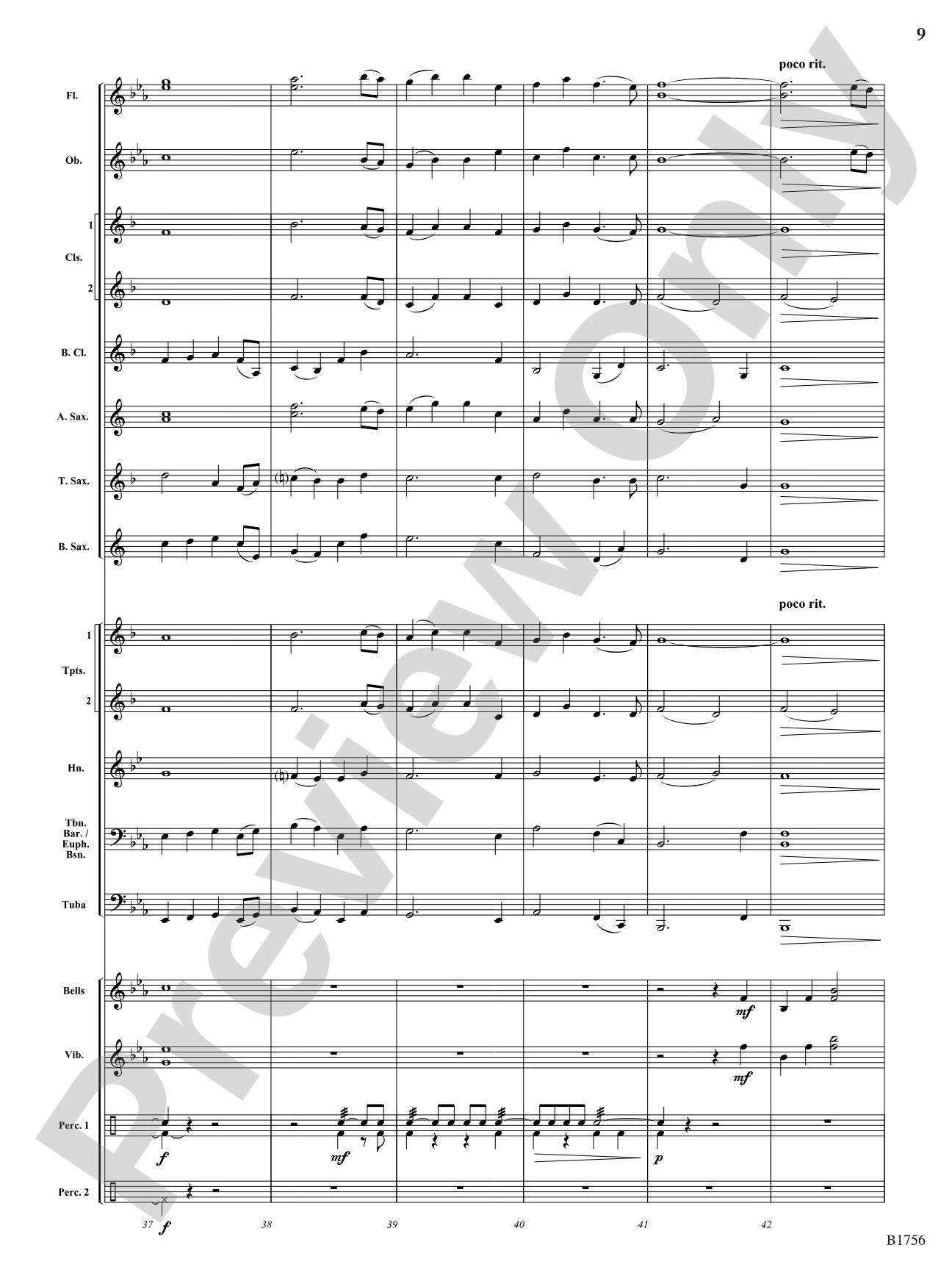
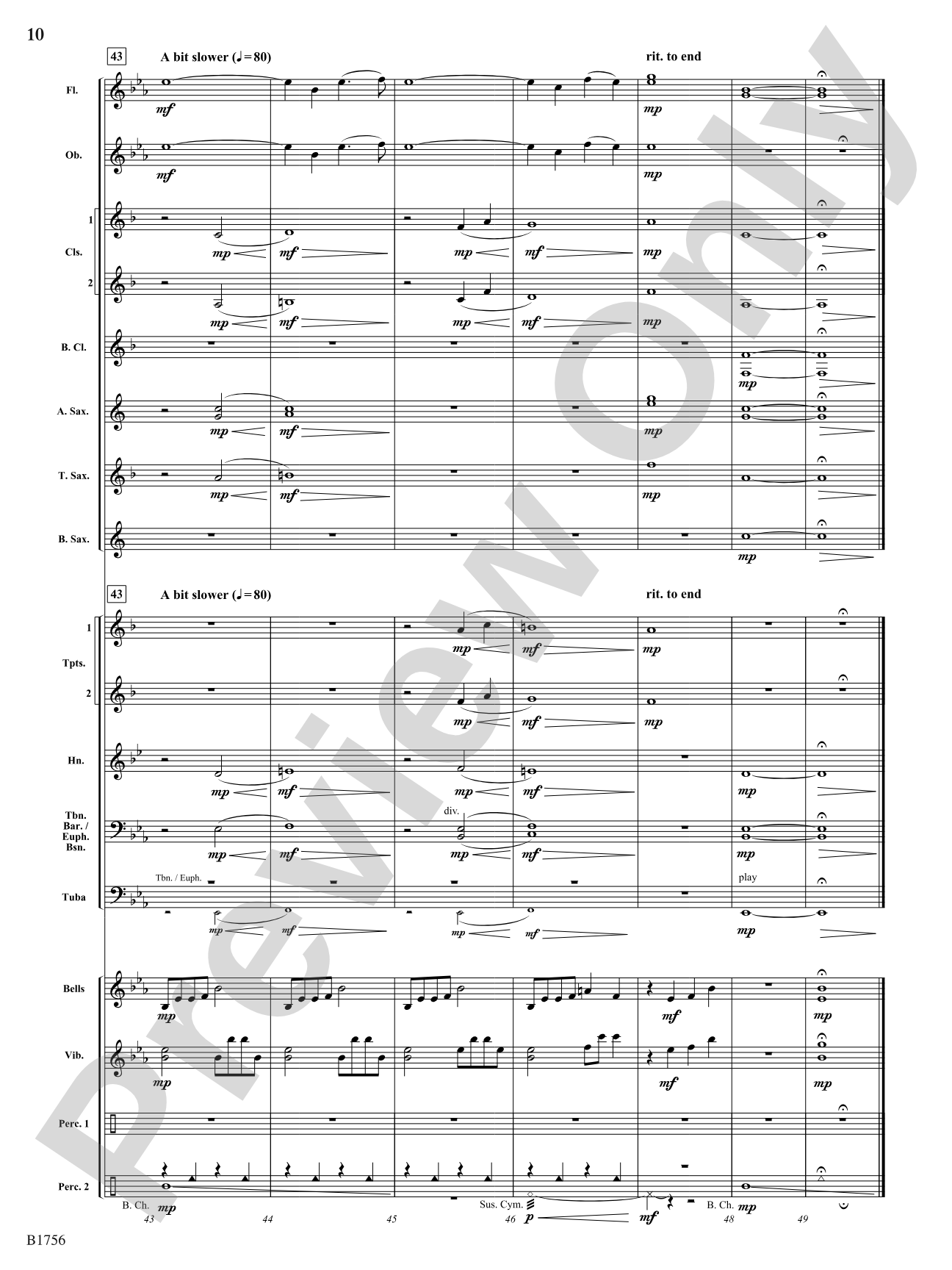

Every Day New: Concert Band Conductor Score & Parts
By William Owens
Grade: 1
Item: 98-DB1756
$60.00
Pickup currently not available
Buy Extra Parts (Digital PDF Download)
| Product | Price | Quantity |
|---|---|---|
| Every Day New: Score | $11.00 | |
| Every Day New: Flute | $7.00 | |
| Every Day New: Oboe | $7.00 | |
| Every Day New: Bassoon | $7.00 | |
| Every Day New: B-flat Clarinet 1 | $7.00 | |
| Every Day New: B-flat Clarinet 2 | $7.00 | |
| Every Day New: B-flat Bass Clarinet | $7.00 | |
| Every Day New: E-flat Alto Saxophone | $7.00 | |
| Every Day New: B-flat Tenor Saxophone | $7.00 | |
| Every Day New: E-flat Baritone Saxophone | $7.00 | |
| Every Day New: B-flat Trumpet 1 | $7.00 | |
| Every Day New: B-flat Trumpet 2 | $7.00 | |
| Every Day New: F Horn | $7.00 | |
| Every Day New: Trombone | $7.00 | |
| Every Day New: Baritone / Euphonium | $7.00 | |
| Every Day New: Baritone T.C. | $7.00 | |
| Every Day New: Tuba | $7.00 | |
| Every Day New: Bells | $7.00 | |
| Every Day New: Vibraphone (optional) | $7.00 | |
| Every Day New: Percussion 1 | $7.00 | |
| Every Day New: Percussion 2 | $7.00 |
Parts Added to Cart!
Description
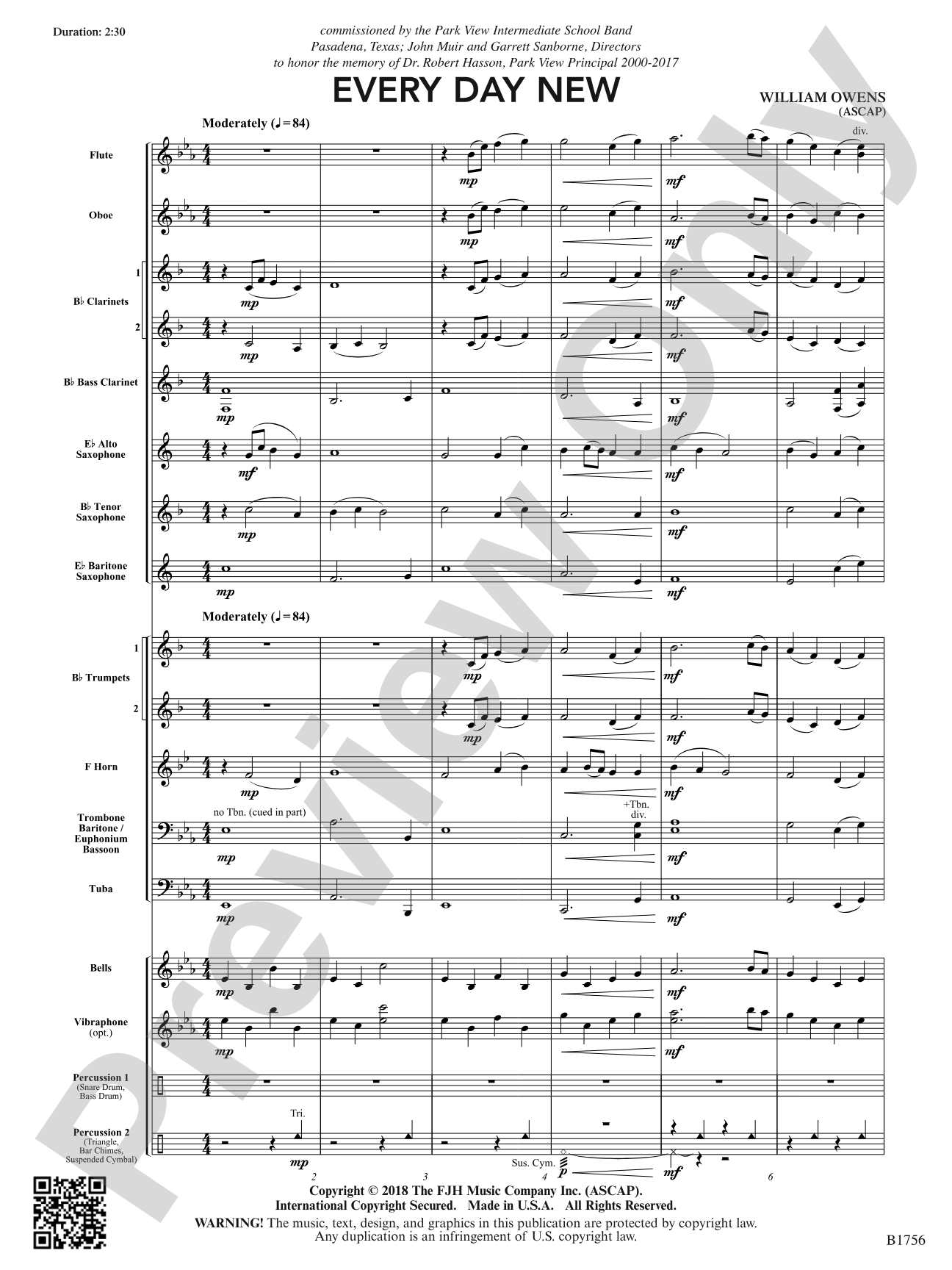
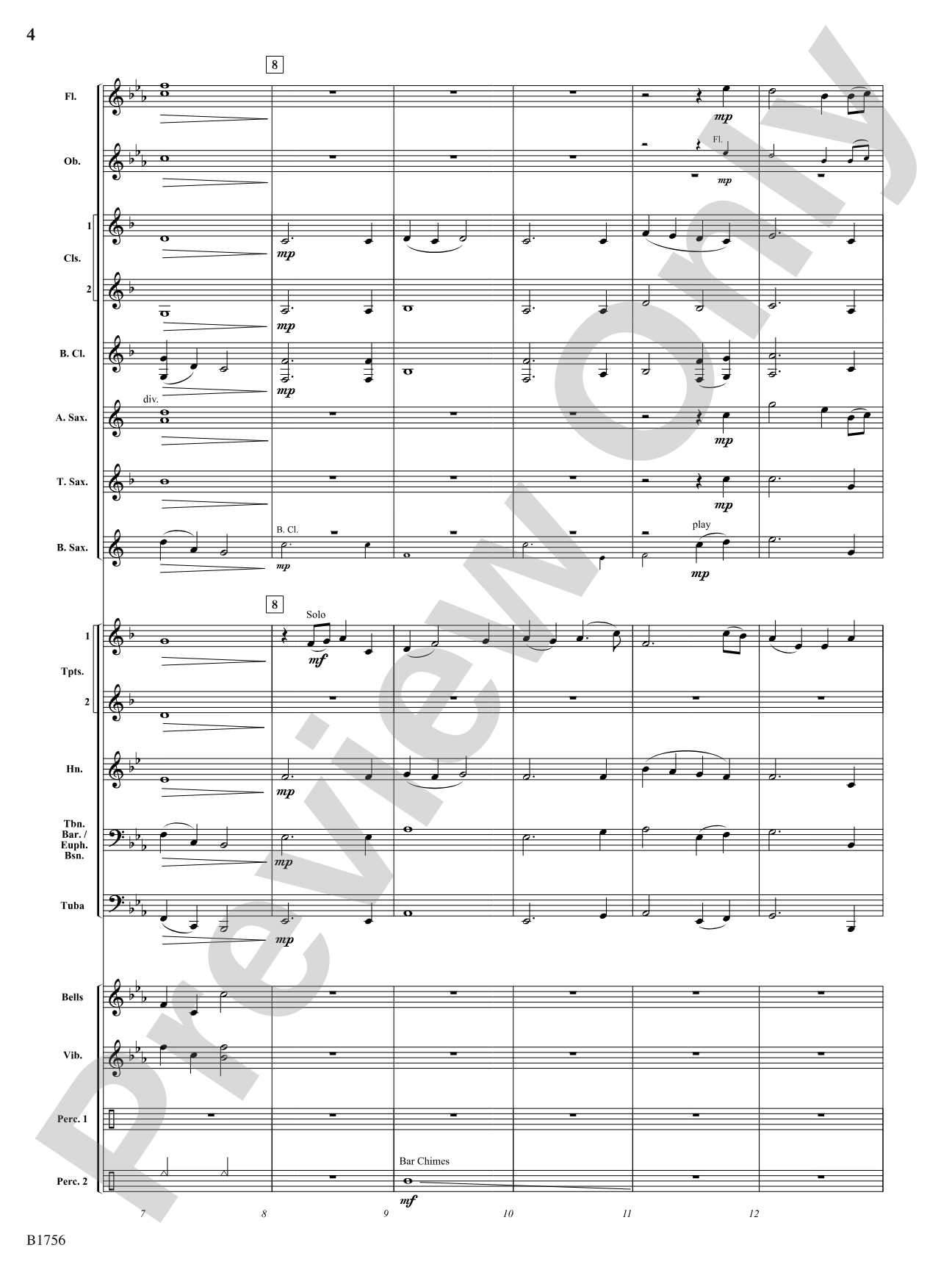
Written to honor the memory of a beloved principal, this beautiful music embodies a lifelong commitment to the betterment of our youth. Rich harmonies and a lyrical trumpet solo will touch hearts and bring your students steps closer to musical maturity - serious music for the developing ensemble.


Every Day New: Concert Band Conductor Score & Parts isn't in MakeMusic Cloud just yet...but it could be. Let us know you'd like to see it, and you'll help shape what comes next. In the meantime, start a free trial and dive into thousands of interactive titles your students can play along with today.
Request This Title
Tell us you want it.
Start Your Free Trial
Explore everything that's ready to play right now.
Sample Audio
1
Audio File
--:--
0:00
0:00
Sample Video
Additional Details
Series:
FJH Beginning Band
Publisher:
The FJH Music Company, Inc.
SKU:
98-DB1756
More about this title
About the Composer: William Owens
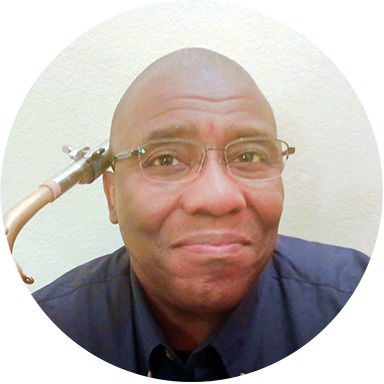
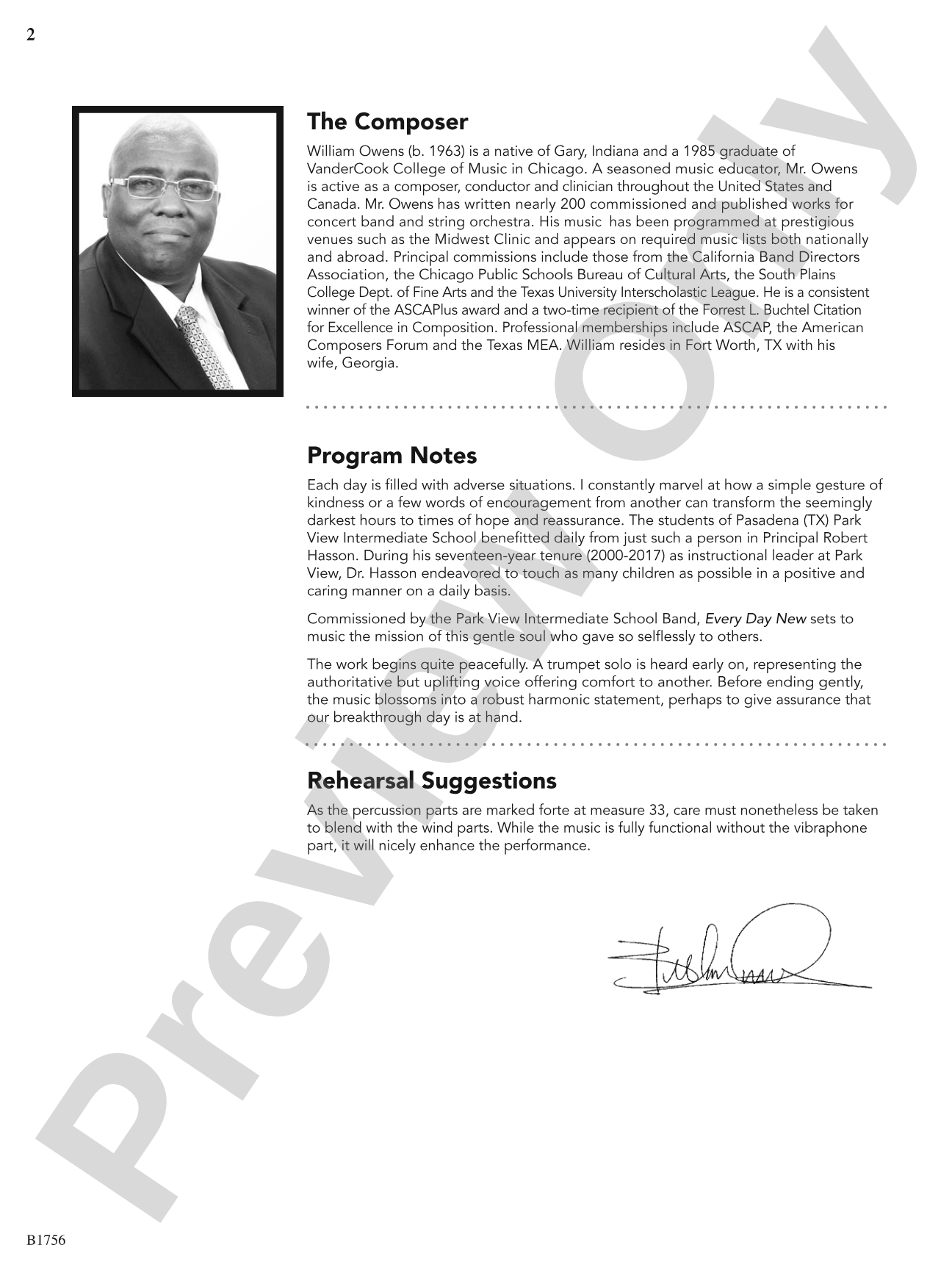
William Owens (b. 1963) grew up in Gary, Indiana, and graduated from VanderCook College of Music in 1985. Over three decades as a band director in Texas, he developed a compositional voice rooted in practical knowledge of what young ensembles can achieve. His output now exceeds 300 works for concert band, string orchestra, and chamber groups, many of which have become standard repertoire in school music programs across North America.
Owens has earned recognition from major musical organizations including ASCAP, the American Bandmasters Association, and Phi Beta Mu International Bandmasters Fraternity. His works appear on required lists nationally and internationally and have been featured in educational texts. Since formally retiring from classroom teaching in 2014, he continues to compose and work as a clinician, bringing decades of ensemble experience to every score he writes.
Why we love this
Every Day New strikes that rare balance at Grade 1: it respects your students' current abilities while offering genuine musical substance. The lyrical trumpet solo gives capable players something meaningful to showcase, while the supportive harmonic writing beneath ensures the full band sounds cohesive and purposeful. This is the kind of piece that feels important to rehearse, not filler.
What to expect
Every Day New unfolds with warmth and sincerity. The rich harmonic language creates an intimate sound despite the ensemble size, while the trumpet's lyrical voice speaks to hope and reflection. This is music written from lived experience, and that resonates in every phrase.
Who it's for
Beginning and developing concert bands, particularly those ready to perform music with genuine heart and lyrical content. This Grade 1 work suits ensembles looking to move beyond purely technical exercises toward repertoire that asks students to understand phrasing, balance, and musical storytelling.
How to get the most out of it
- Balance the trumpet solo against the ensemble; the solo should sing forward without drowning in accompaniment, so adjust dynamics in supporting parts during rehearsals where the trumpet takes the lead.
- Shape the phrasing with breath points that align naturally with the melody's contour; resist the urge to cut off at bar lines if the musical line continues through them.
- Let the rich harmonies breathe; avoid rushing tempos or stiffening rhythms in pursuit of precision. Owens built this piece so that careful listening and blend produce the desired effect.
- Pay special attention to dynamic transitions and the emotional arc the composer builds; these moments of shift tell the story and elevate the performance from competent to moving.
How to use it
Program this as the centerpiece of a concert celebrating achievement, character, or institutional values; its commemorative origins give it natural weight on a formal concert. It also works beautifully in contest and festival settings where judges appreciate musicianship over technical flash.
Skills your students will build
- Sustaining long tones and maintaining blend within harmonic progressions
- Balancing a solo voice against full ensemble texture
- Phrasing extended melodic lines with sensitivity rather than mechanical articulation
- Responding to dynamic and emotional shifts in the score