
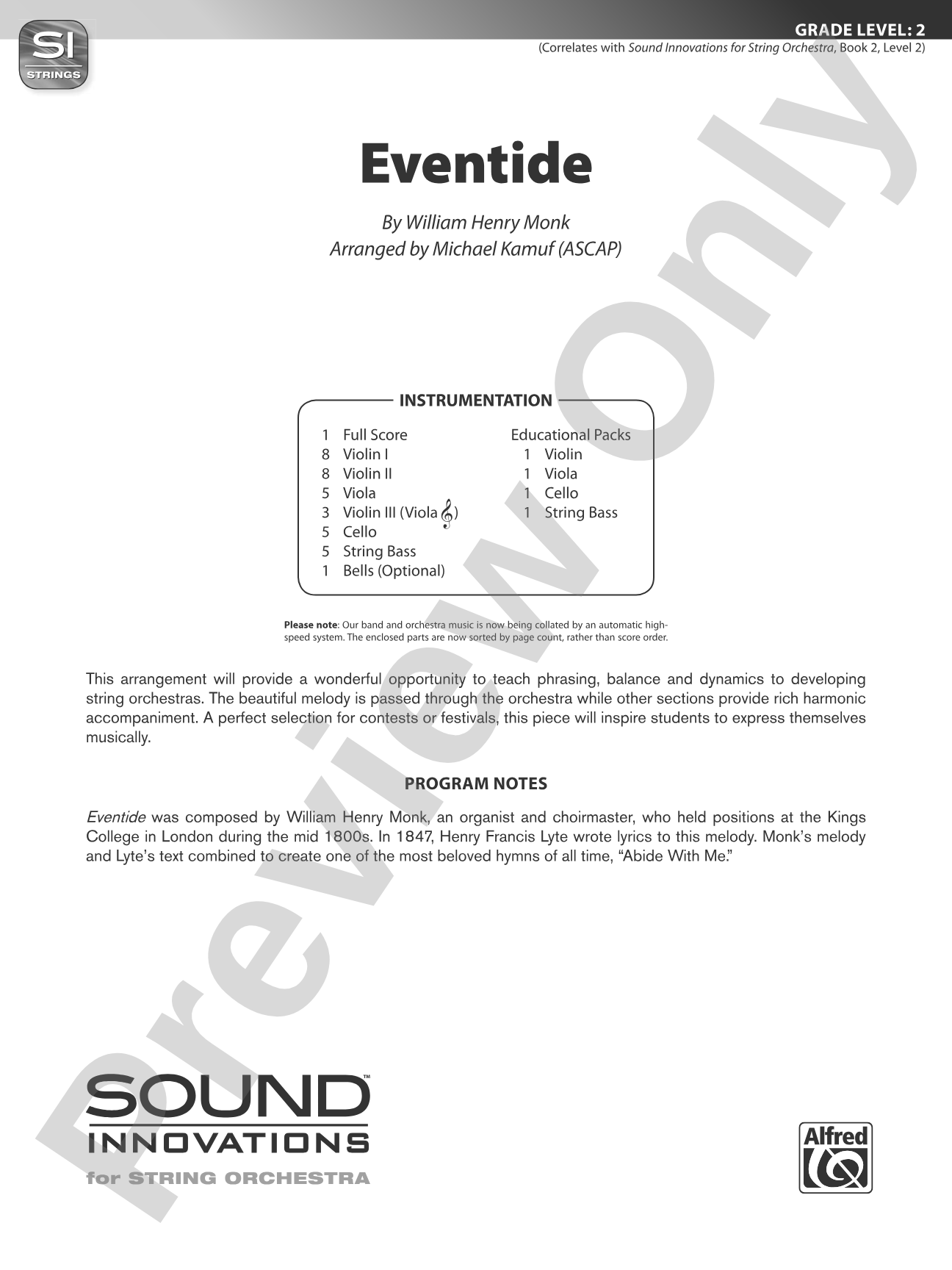
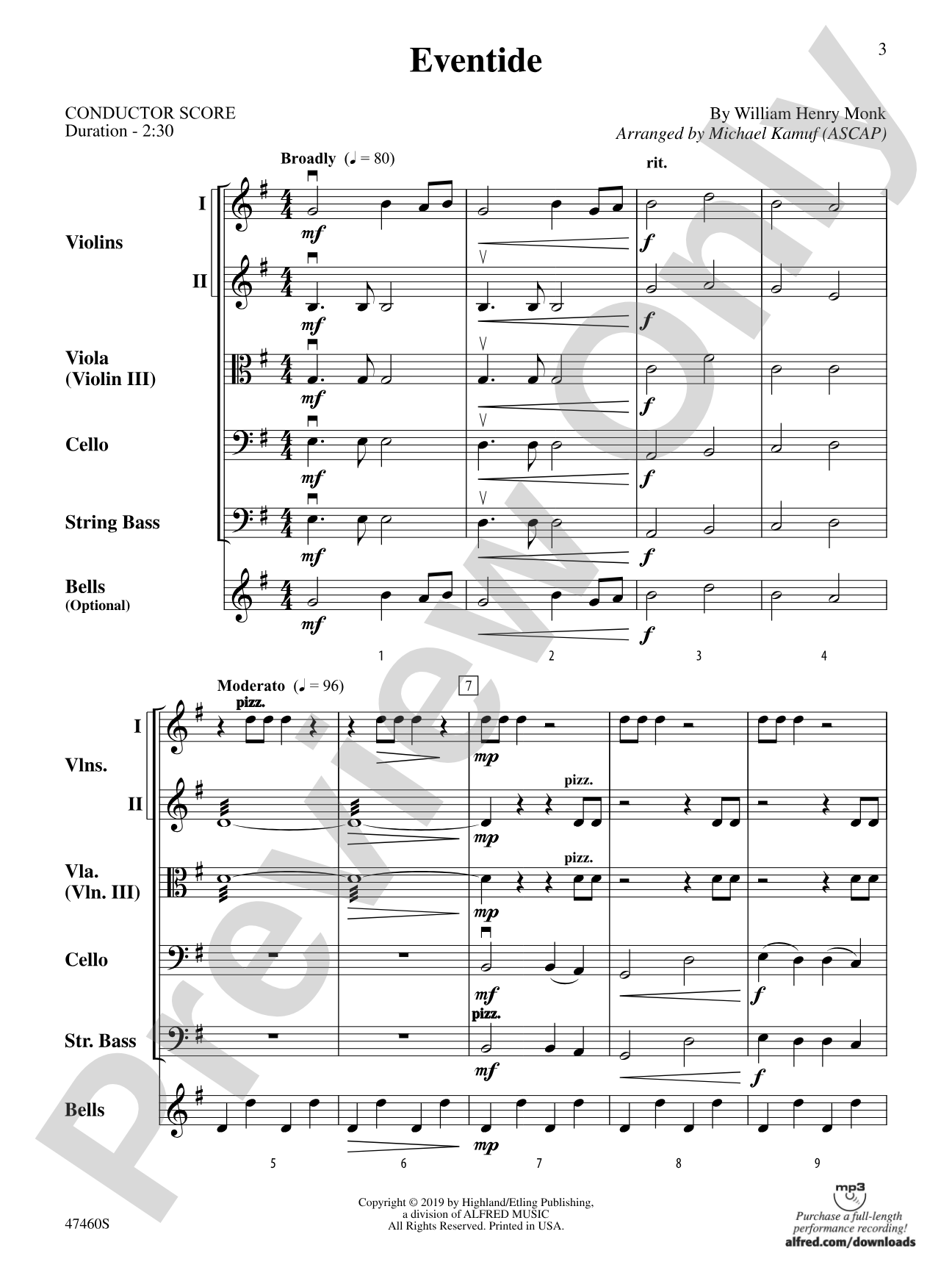
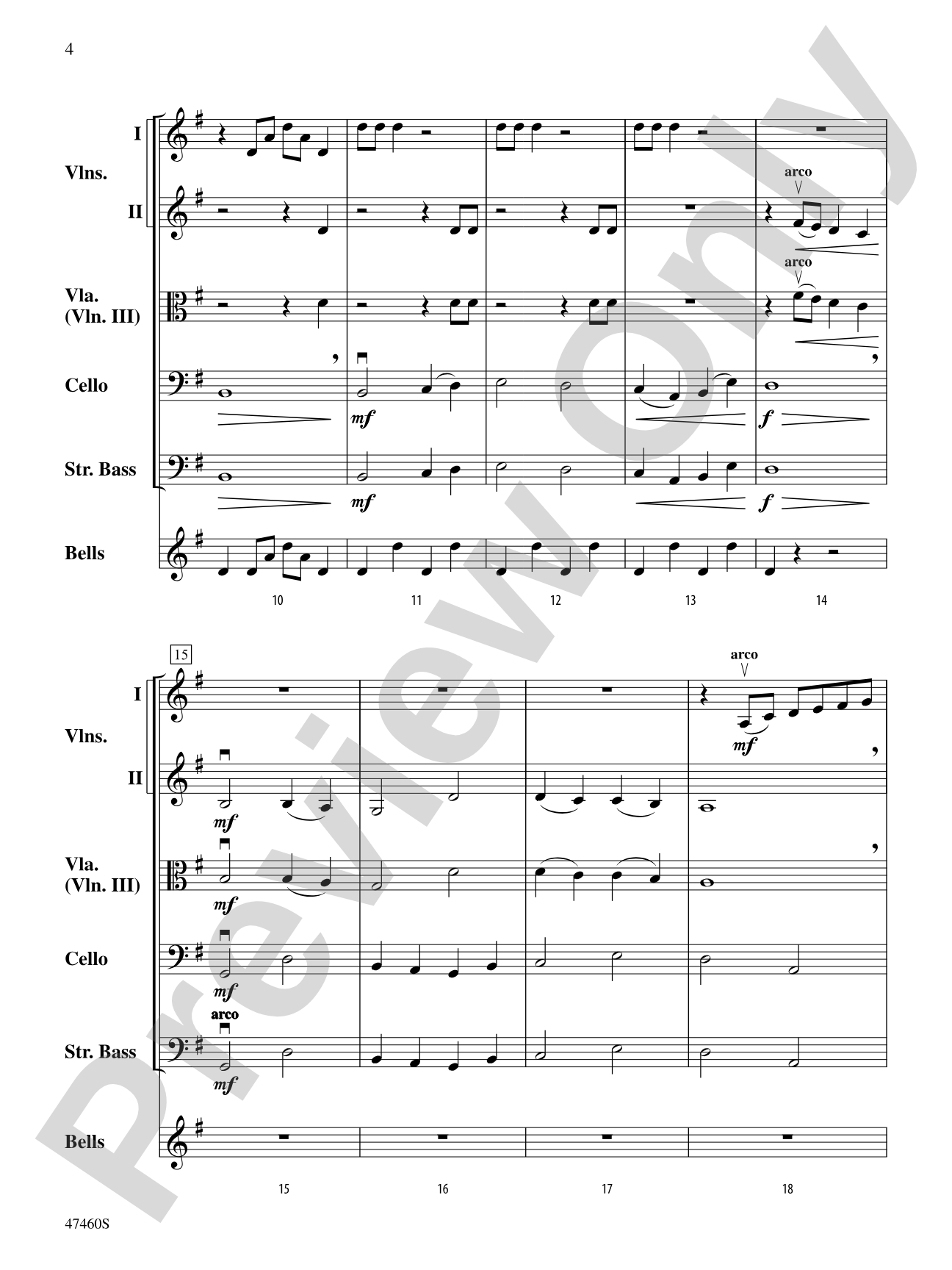
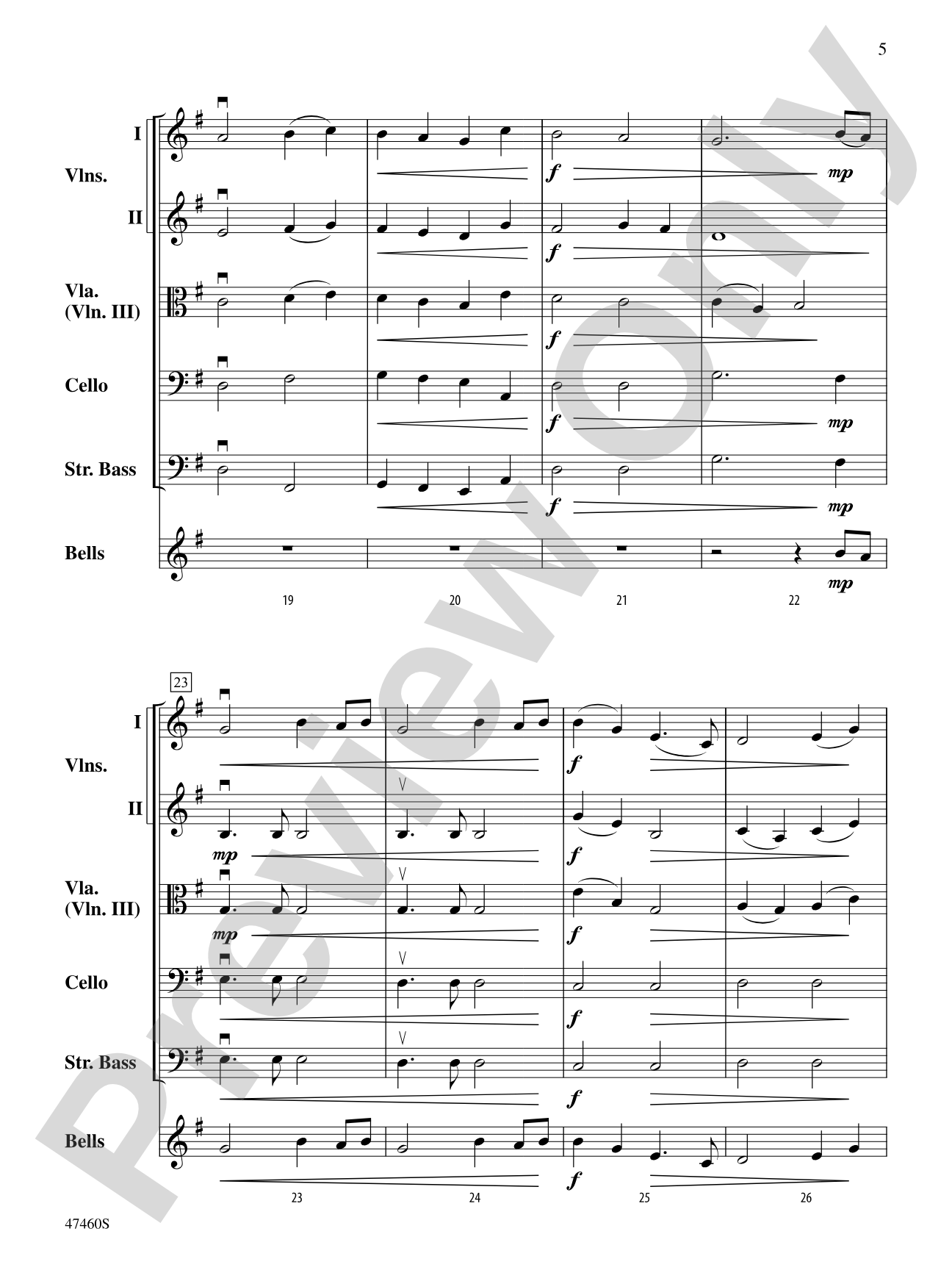
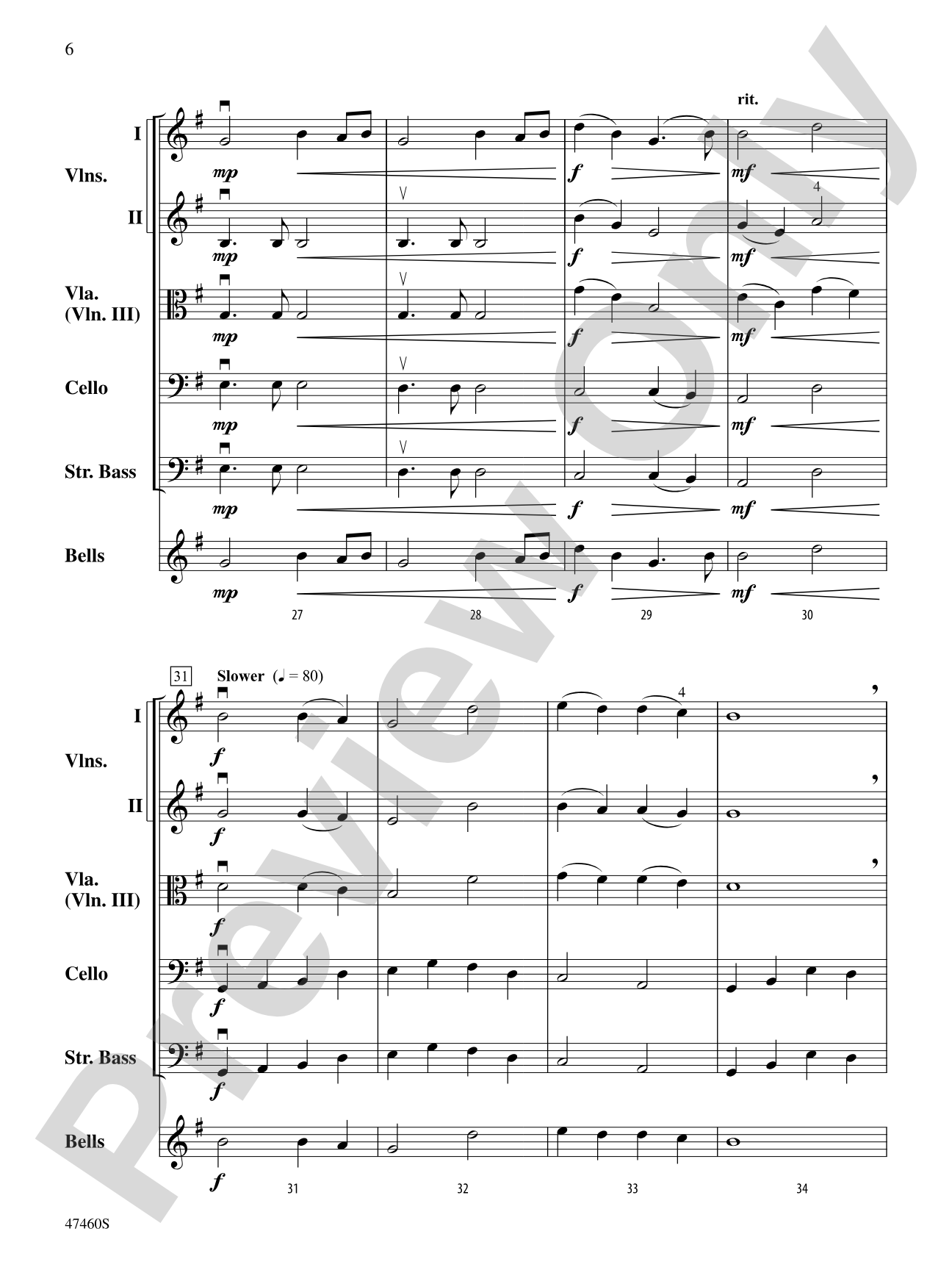
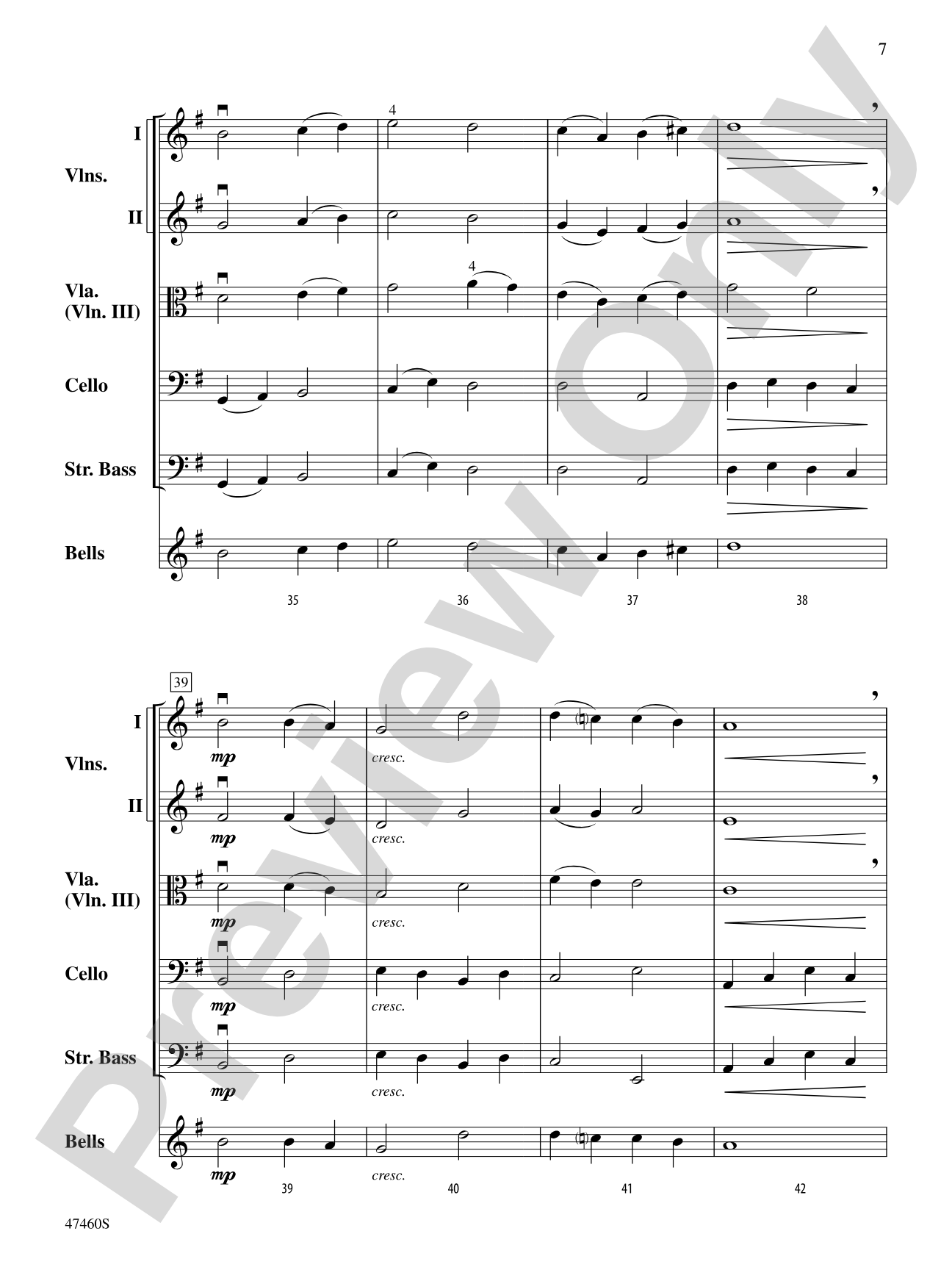
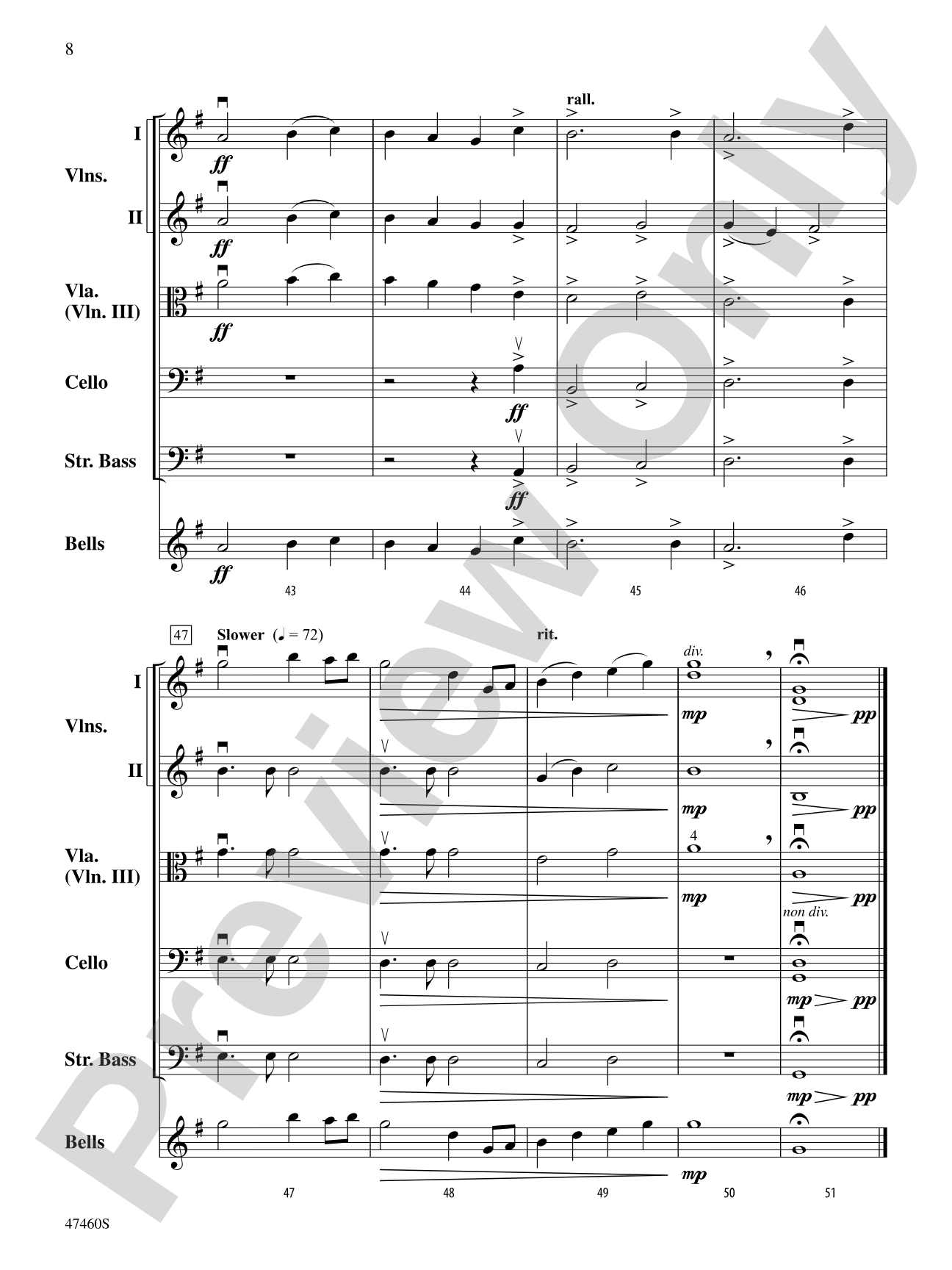

Eventide: Score
By William Henry Monk / arr. Michael Kamuf
Grade: 2
Item: 00-PR-0006194
$8.00
Pickup currently not available
Description
This piece provides a wonderful opportunity to teach phrasing, balance, and dynamics to your developing string orchestra. The beautiful melody is passed throughout the orchestra while other sections provide rich harmonic accompaniment. A perfect selection for contests or festivals, it will inspire students to express themselves musically. (Correlates with Sound Innovations for String Orchestra, Book 2, level 2).


Don't just read it, hear it, play along with it, and watch your students grow with it. In MakeMusic Cloud, Eventide: Score comes alive with professional accompaniment, adjustable tempo, and built-in practice tools that turn solo practice into real progress.
Open in the Player
Jump straight in and assign it today.
Start Your Free Trial
Open this title and explore the full library in minutes.
Sample Audio
1
Audio File
--:--
0:00
0:00
Sample Video
Additional Details
Series:
Sound Innovations for String Orchestra
Publisher:
Alfred Music
Page Count:
78
SKU:
00-PR-0006194
More about this title
About the Composer: William Henry Monk
William Henry Monk (1823-1889) was a British organist and composer whose hymn tunes became cornerstones of Victorian sacred music. His gift for melody and harmonic clarity made his work enduring; many of his compositions remain standard repertoire in churches and schools today.
Monk's straightforward approach to musical writing—clear structures, singable lines, and accessible harmonic progressions—makes his melodies ideal for educational arrangements. His influence on music education stems from the timeless quality of his themes, which reward careful phrasing and expressive playing.
Why we love this
This arrangement captures what makes Monk's writing so teachable: a soaring melody that naturally shapes itself, accompanied by stable harmonic foundation. Rather than relying on technical complexity, it challenges your students to communicate through phrase direction, dynamic control, and ensemble blend, building the interpretive skills that separate emerging musicians from competent ones.
What to expect
Eventide unfolds with quiet dignity and warmth. The melody carries the kind of gentle inevitability found in hymn tunes, moving through the ensemble like light through stained glass. There's space in the writing to breathe, making it both contemplative and inviting.
Who it's for
This conductor score with parts suits developing string orchestras working at the intermediate level. It pairs directly with Sound Innovations for String Orchestra, Book 2, making it an ideal reinforcement of technique and musicianship taught in that curriculum.
How to get the most out of it
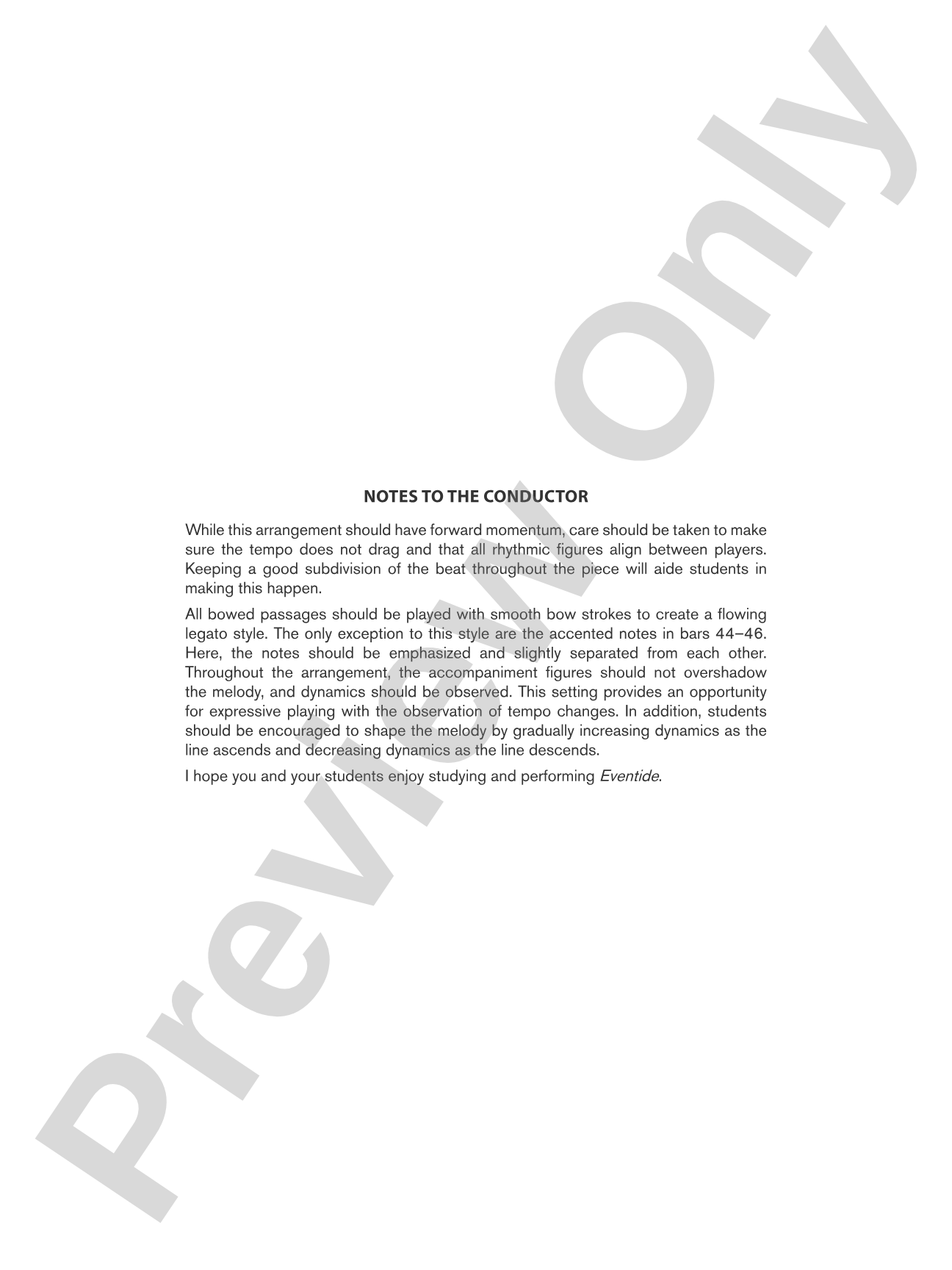
- Shape the melody through voice leading rather than sudden dynamic changes. Listen for where the line peaks naturally and let vibrato and bow weight carry the phrase rather than forcing it with volume shifts.
- Balance the accompaniment sections so the main melody emerges clearly. This is where your second violins and violas learn to support rather than compete, a skill essential at any level.
- Attend to the harmonic rhythm beneath the melody. When accompanying voices move together with purpose, the entire orchestra sounds more unified and the soloist's line gains clarity.
How to use it
Program this as a concert or contest selection where your orchestra can showcase musicality over technical display. Its meditative quality works well balanced against more energetic pieces, giving your audience a moment of respite while demonstrating your ensemble's control and expressive range.
Skills your students will build
- Phrasing across multiple measures using breath points and dynamic contours
- Ensemble balance between melody and accompaniment voices
- Dynamic control and gradual dynamic shaping
- Harmonic awareness and vertical listening
- Coordinate section changes and transitions