
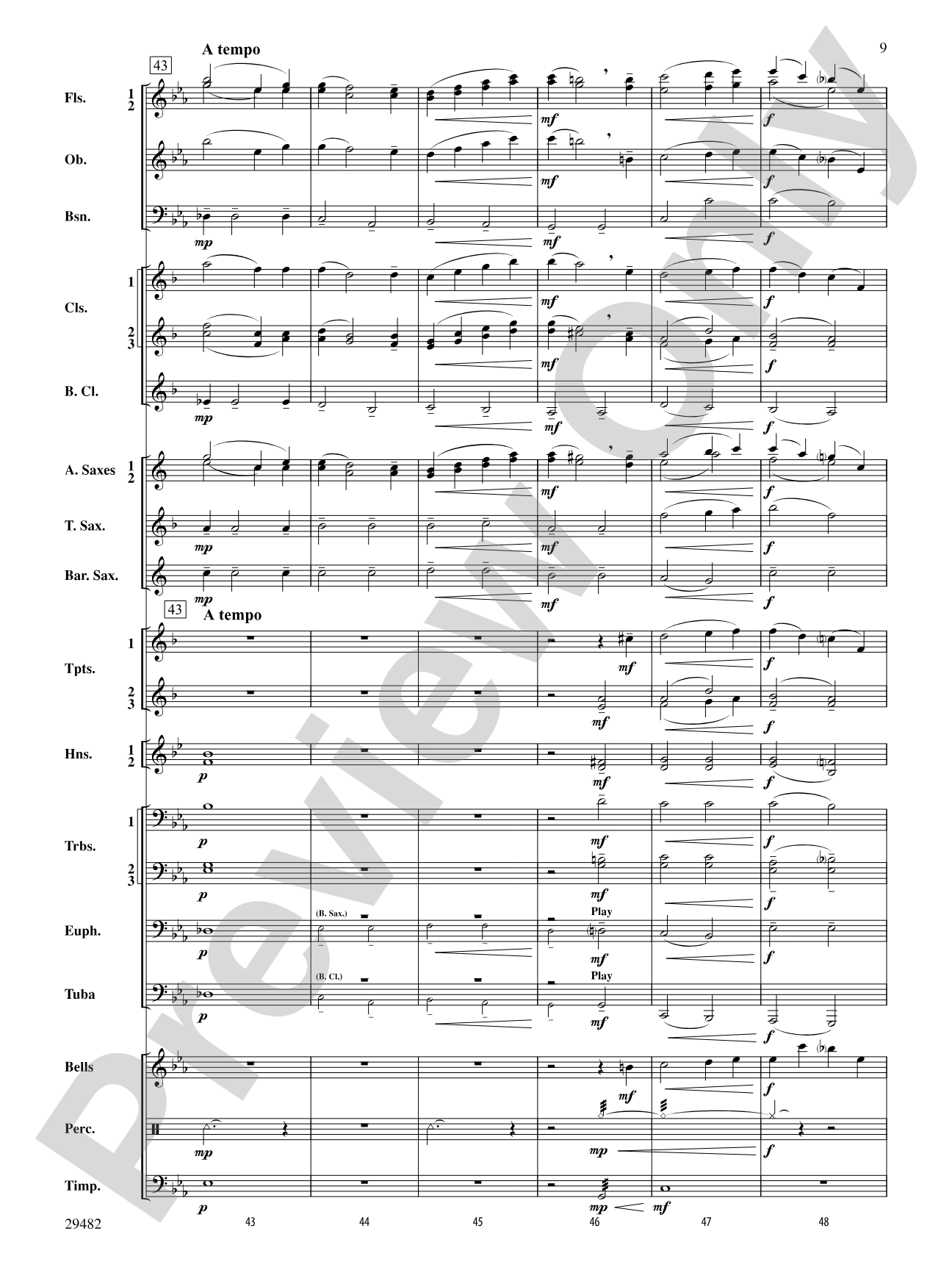
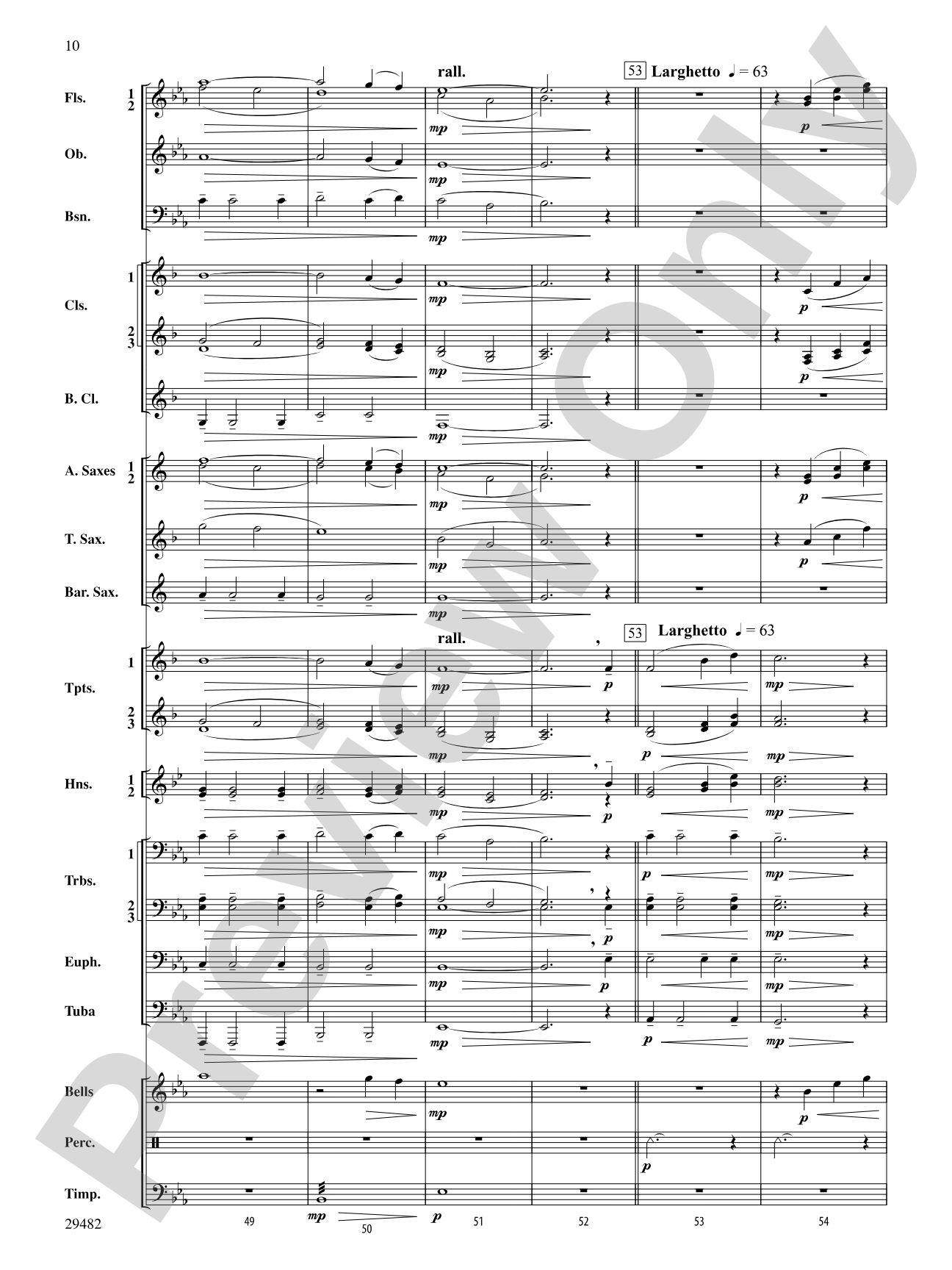
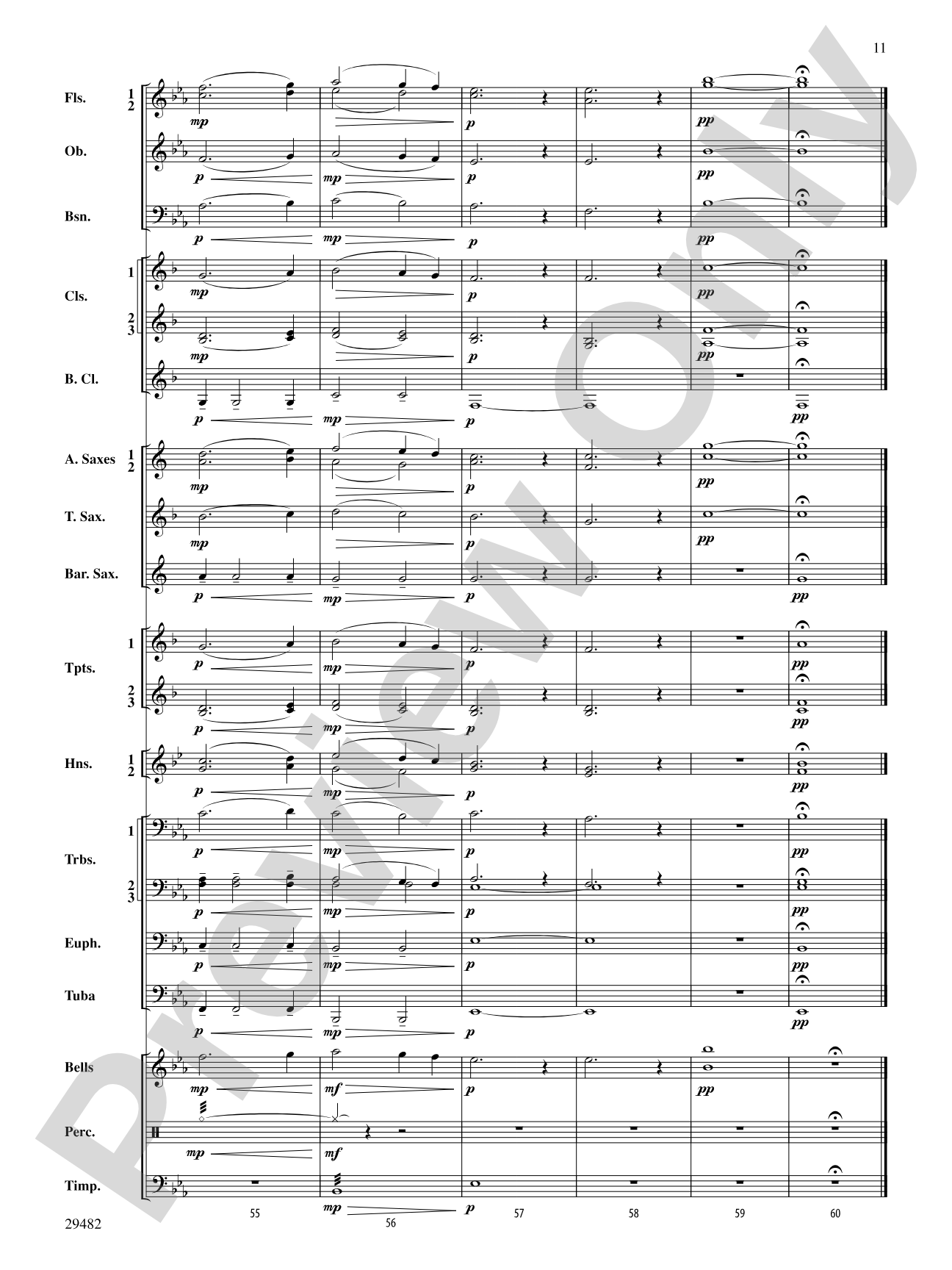


Evensong: Concert Band Conductor Score & Parts
By William G. Harbinson
Grade: 3 (Medium)
Item: 00-PK-0001446

$68.00
Pickup currently not available
Buy Extra Parts (Digital PDF Download)
Parts Added to Cart!
Description
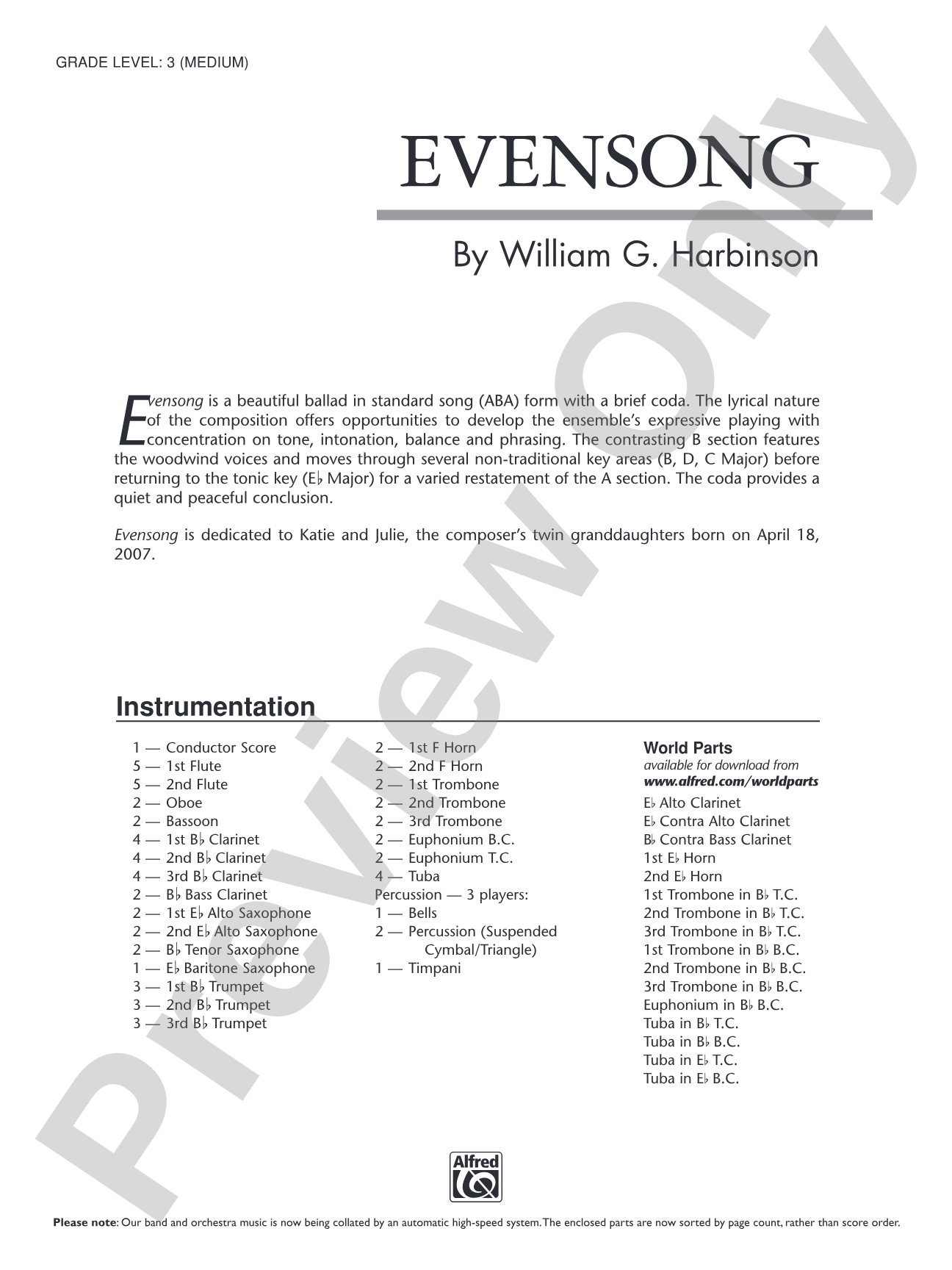
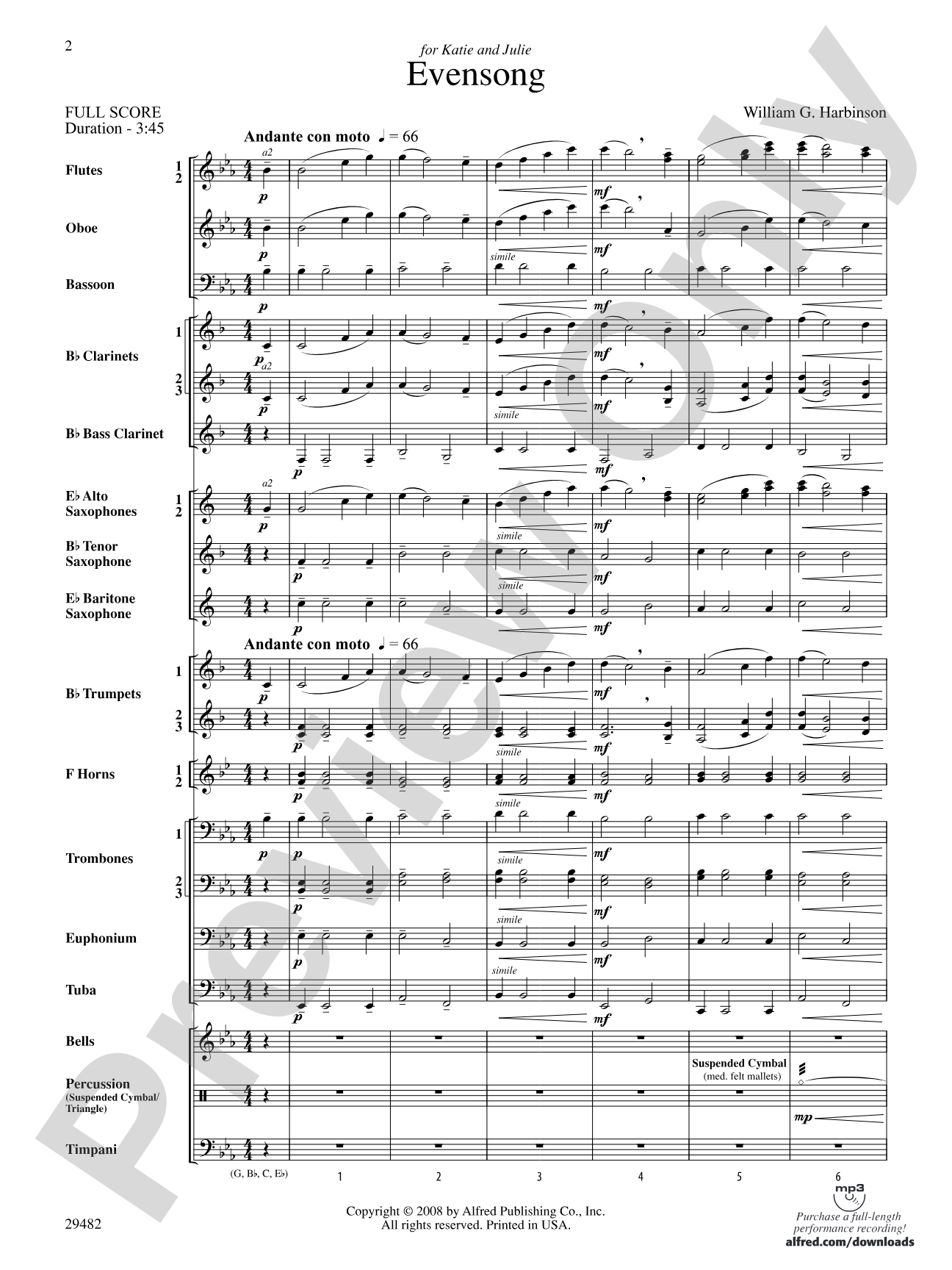
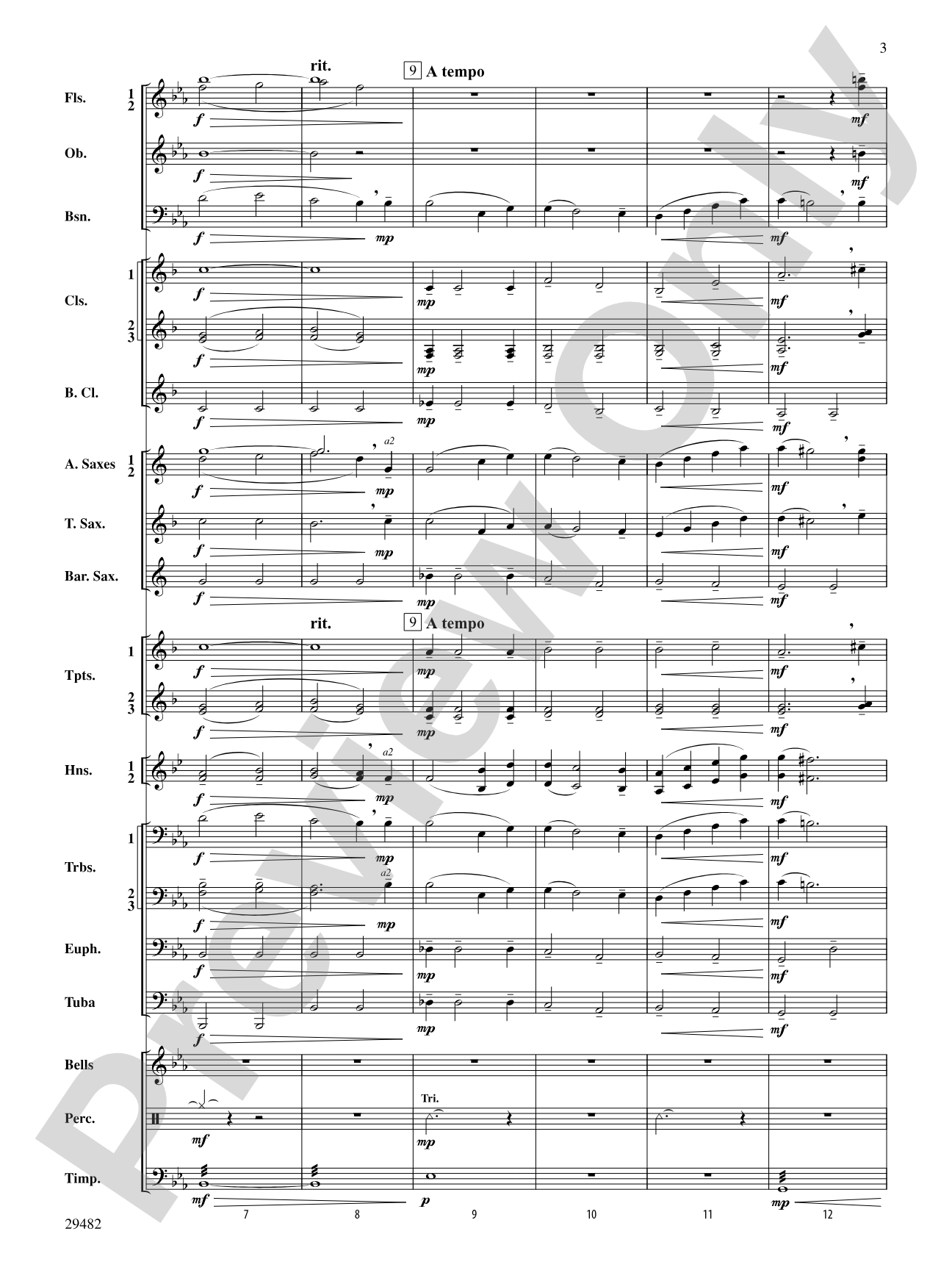
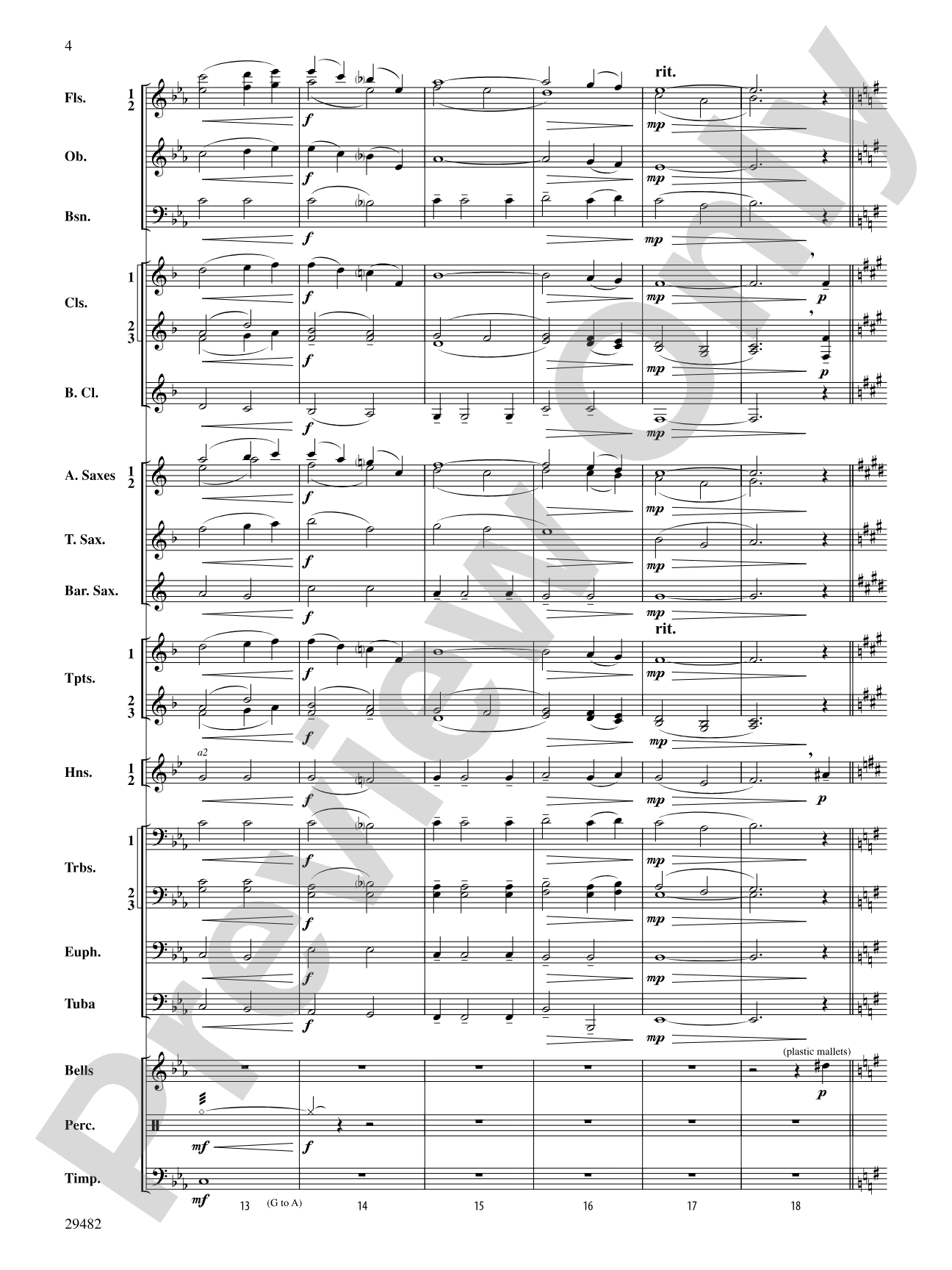
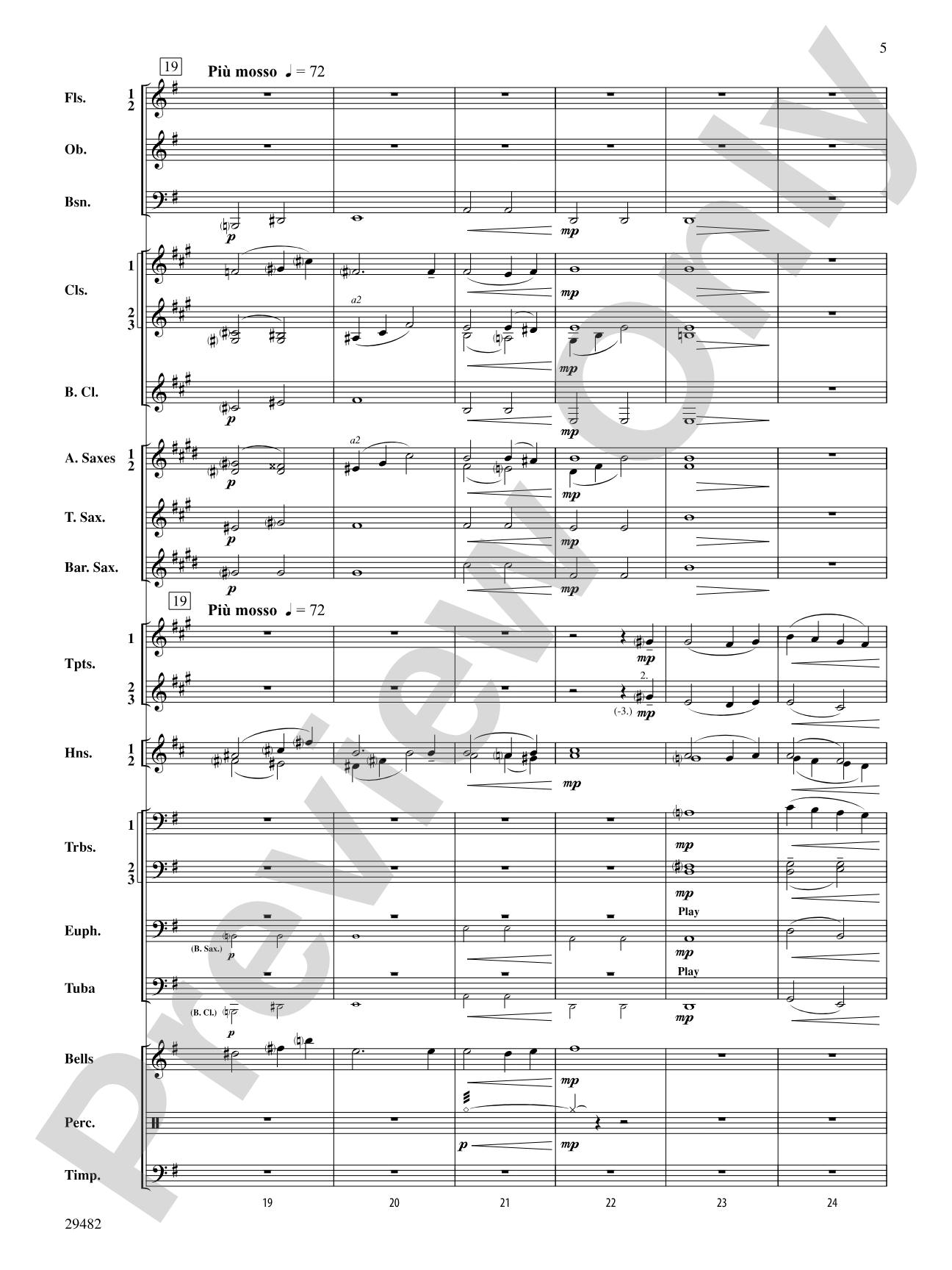
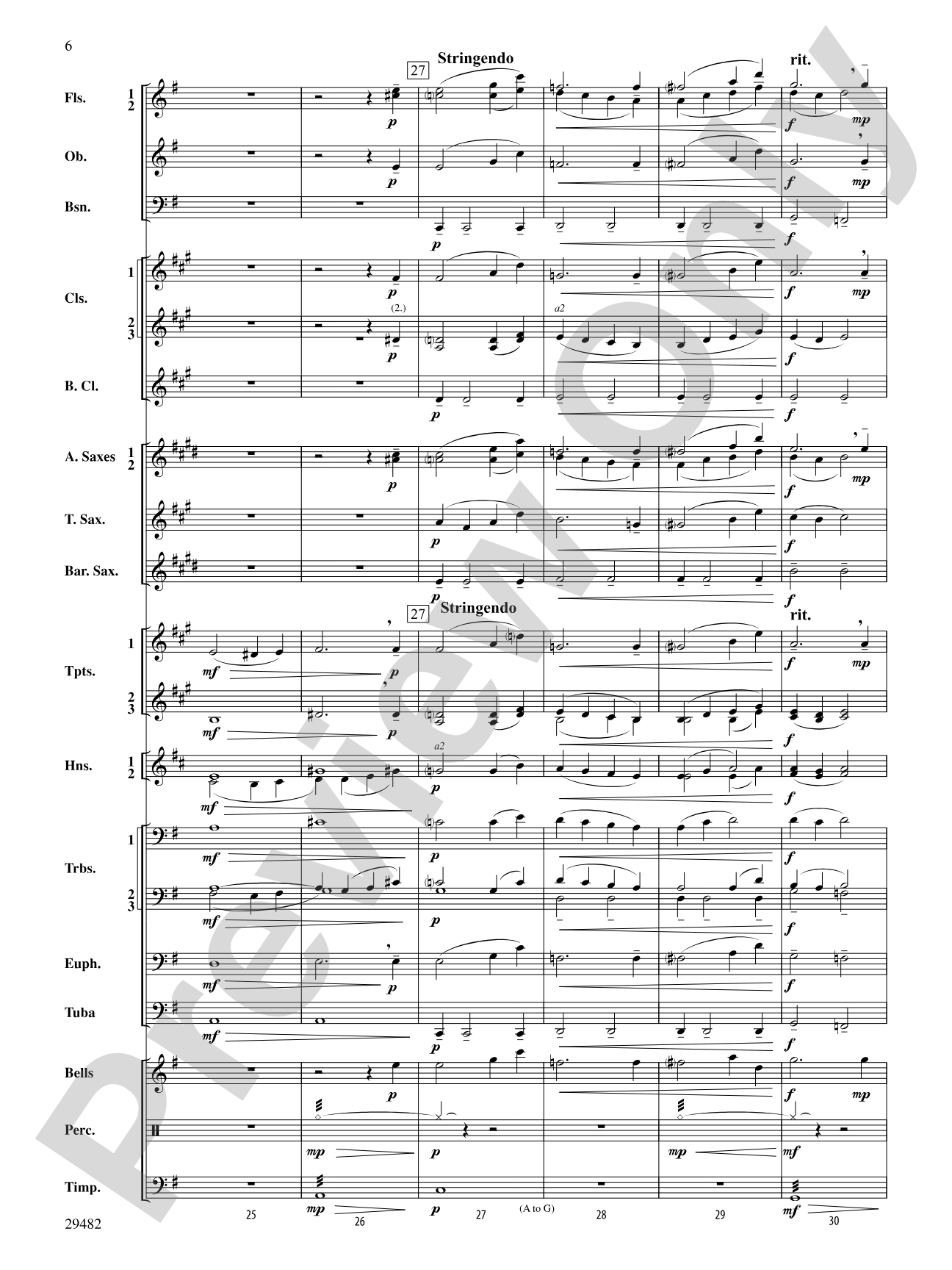
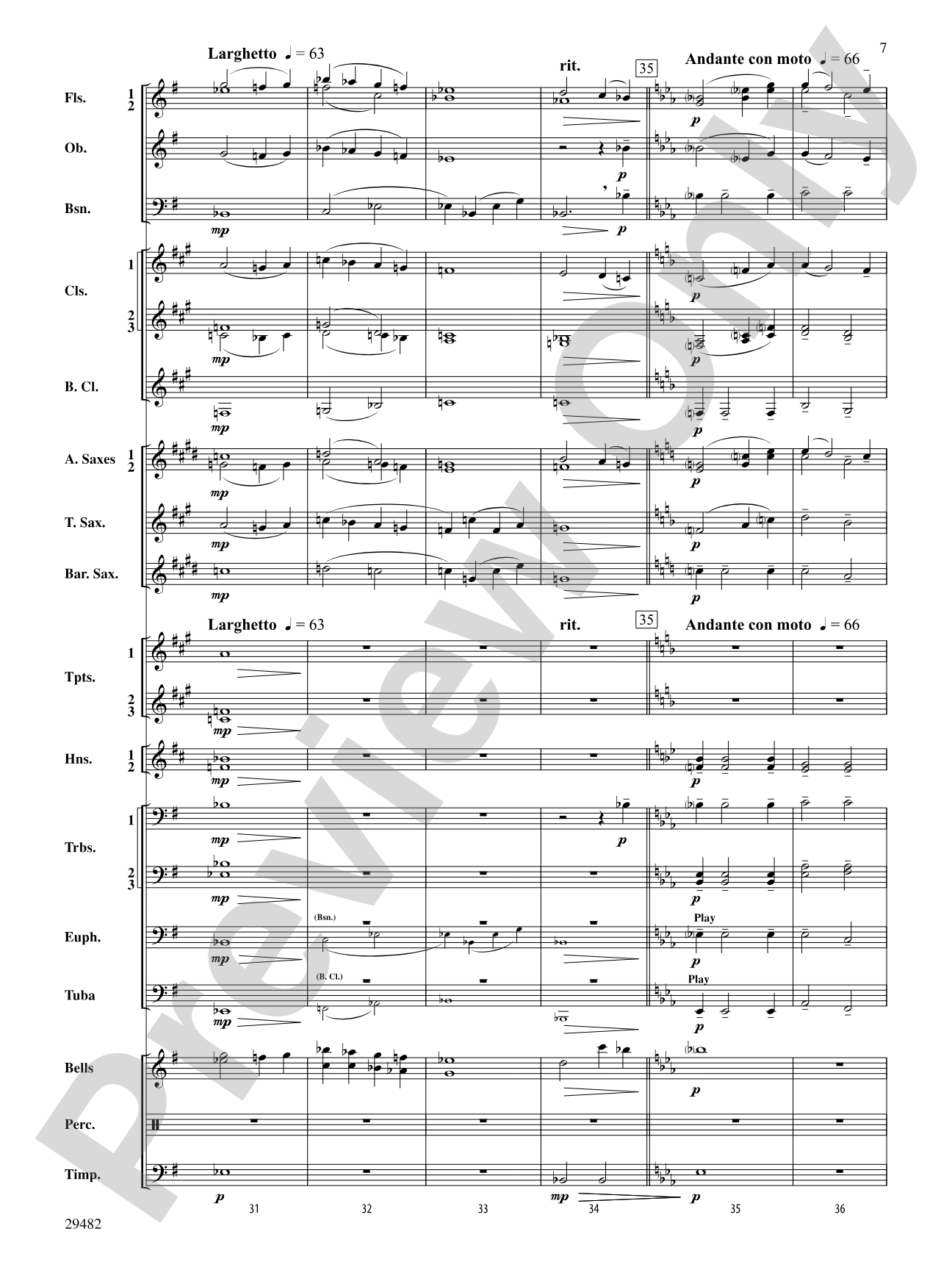
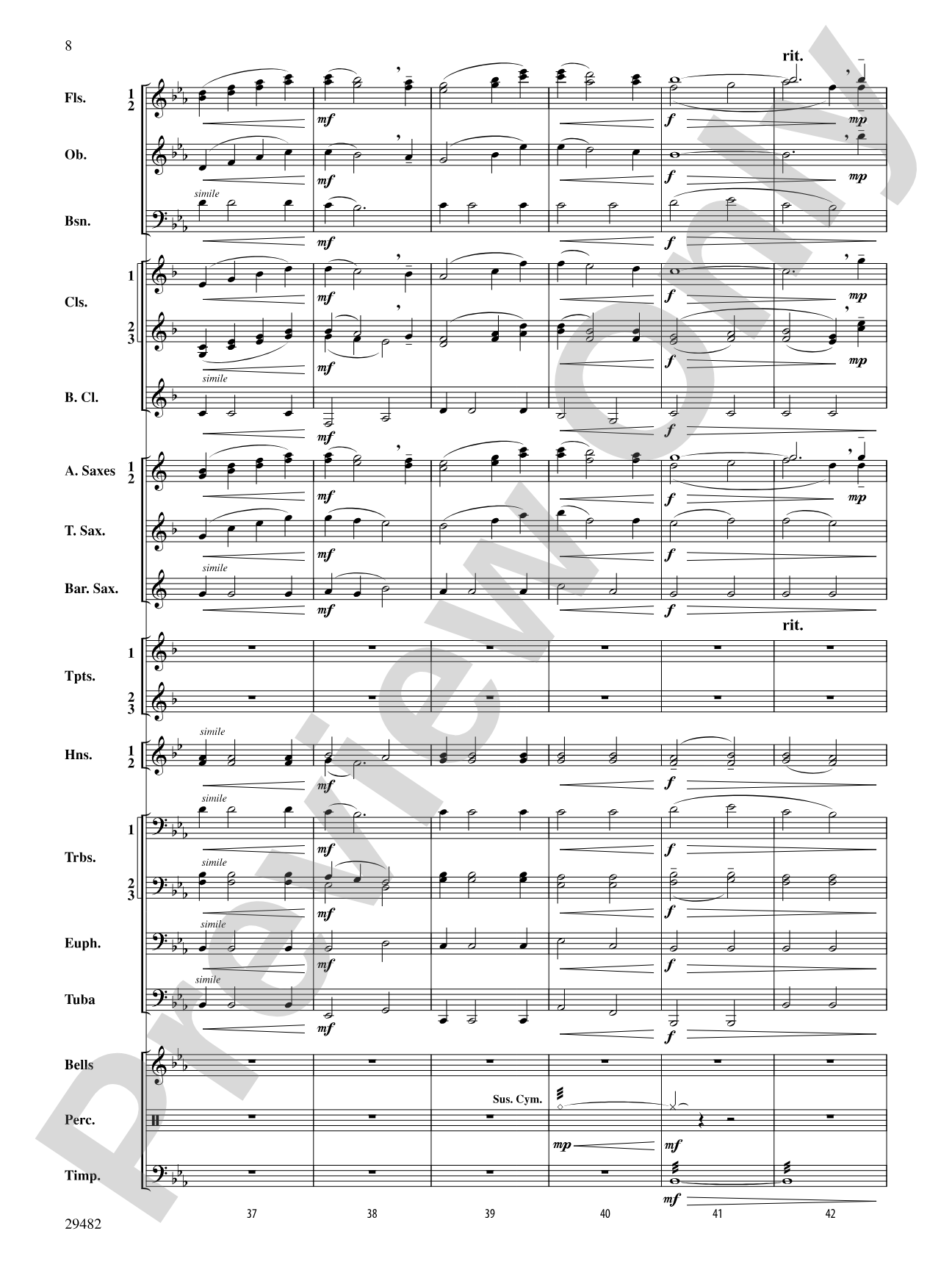
Evensong is a beautiful ballad in standard song (ABA) form with a brief coda. The lyric nature of the composition offers opportunities to develop the ensemble's expressive playing with concentration on tone, intonation, balance, and phrasing. The contrasting B section features the woodwind voices and moves through several non-traditional key areas (B, D, C major) before returning to the tonic key (E-flat major) for a varied restatement of the A section. The coda provides a quiet and peaceful conclusion. (3:45)


Don't just read it, hear it, play along with it, and watch your students grow with it. In MakeMusic Cloud, Evensong: Concert Band Conductor Score & Parts comes alive with professional accompaniment, adjustable tempo, and built-in practice tools that turn solo practice into real progress.
Open in the Player
Jump straight in and assign it today.
Start Your Free Trial
Open this title and explore the full library in minutes.
Sample Audio
1
Audio File
--:--
0:00
0:00
Sample Video
No sample videos found.
Additional Details
Series:
Alfred Concert Band
Publisher:
Alfred Music
Page Count:
132
SKU:
00-PK-0001446
More about this title
Why we love this
Harbinson's gift for lyrical writing shines in this ballad, which asks your band to move beyond technical precision into genuine musical expression. The contrasting B section's harmonic journey through non-traditional key areas keeps listeners engaged without overwhelming players at this level, and the architecture itself (ABA with coda) gives conductors clear signposts for building ensemble musicianship.
What to expect
Evensong unfolds like a gentle musical prayer. The opening A section establishes a warm, song-like character that invites listening, while the B section's harmonic turns add subtle intrigue before the familiar melody returns, transformed slightly and finally resolving into quiet repose.
Who it's for
Grade 3 concert bands seeking repertoire that develops musicianship alongside technical skills. This works equally well for festival programs or concert contexts where you want to demonstrate the band's ability to play lyrically and with ensemble control.
How to get the most out of it
- Shape the A section phrases by imagining vocal phrasing; the band should breathe together where a singer would, even across instrumental lines that don't all rest at the same moment.
- Balance the woodwind soloists in the B section with careful attention to how exposed they become in those key area shifts. Rehearse these passages with the full harmonic context so players understand their role within the tonal movement.
- The coda's quiet conclusion requires the ensemble to maintain focus even as dynamics drop. Direct with clear but minimal gesture to keep attacks unified without losing the peaceful quality.
How to use it
Place this as an opening or closing number to establish a reflective mood for a concert, or program it alongside more rhythmic works to show your band's expressive range. At 3:45, it's substantial enough to anchor a set without consuming rehearsal time on extended technical demands.
Skills your students will build
- Sustained phrasing across sections without sacrificing breath support
- Harmonic listening and intonation in non-traditional key areas (B, D, C major)
- Balance and blend when ensemble texture shifts between full band and chamber-like sections
- Dynamic control at soft dynamics (especially the coda)
- Varied articulation within a lyrical context