
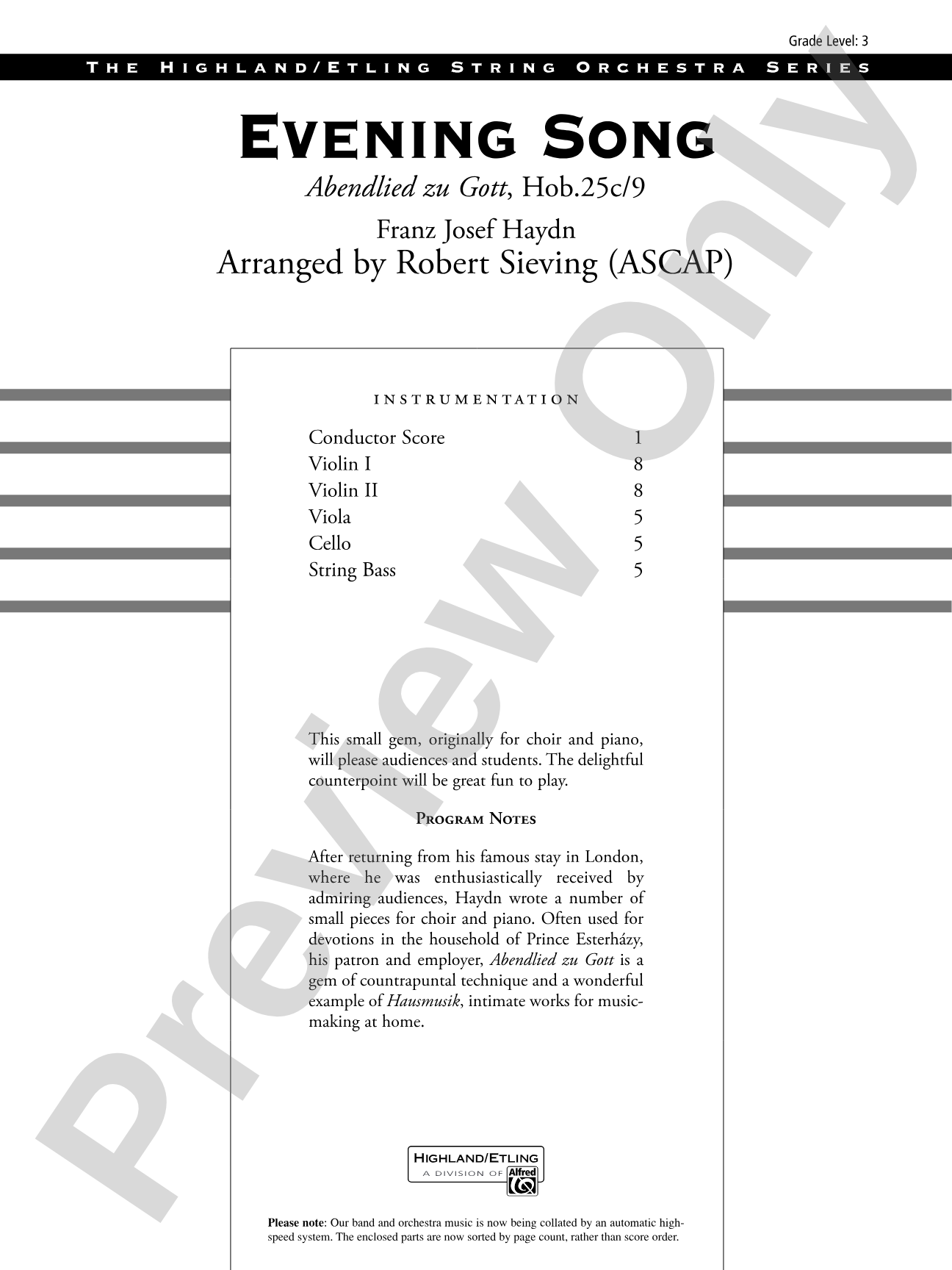
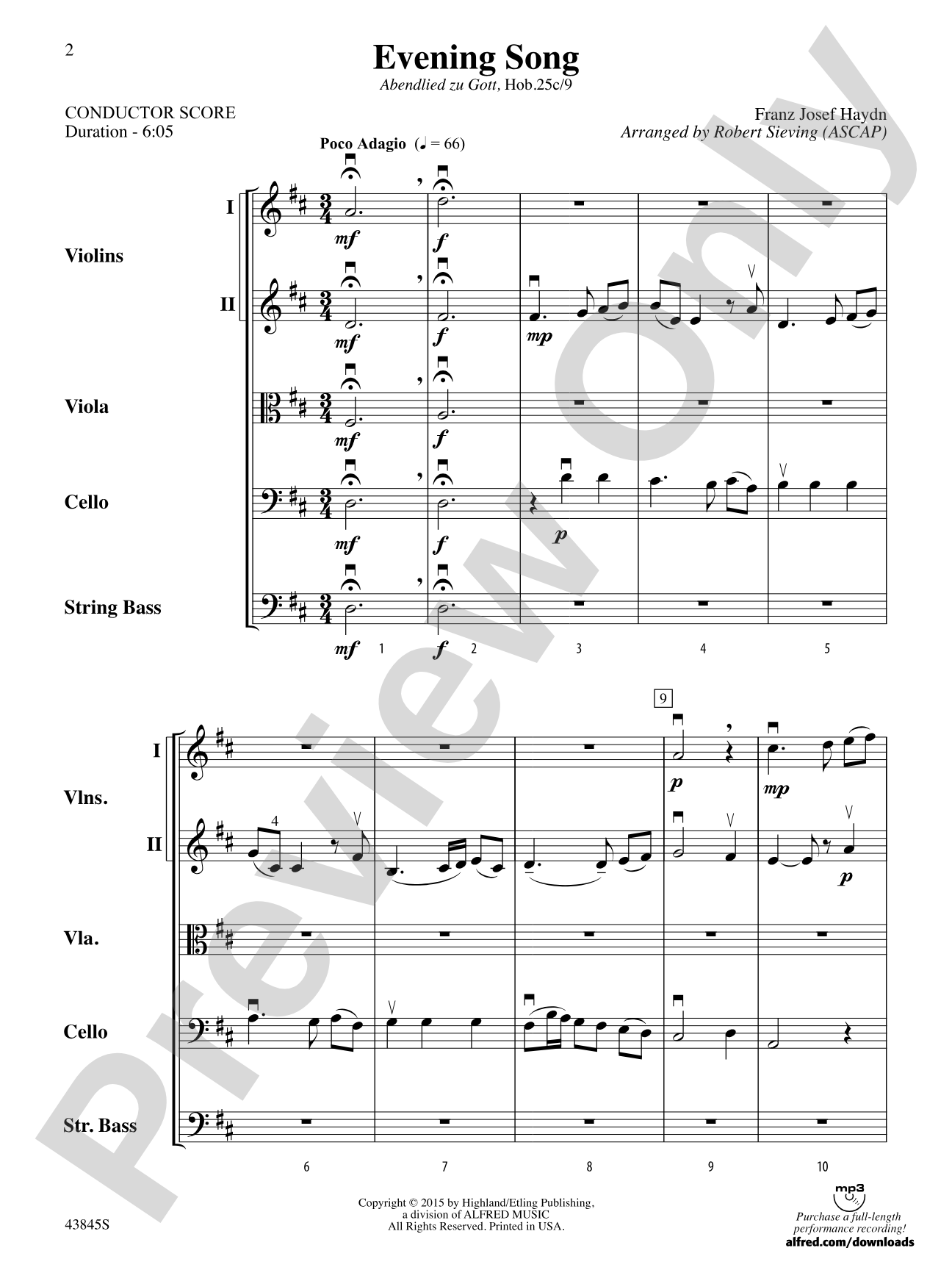
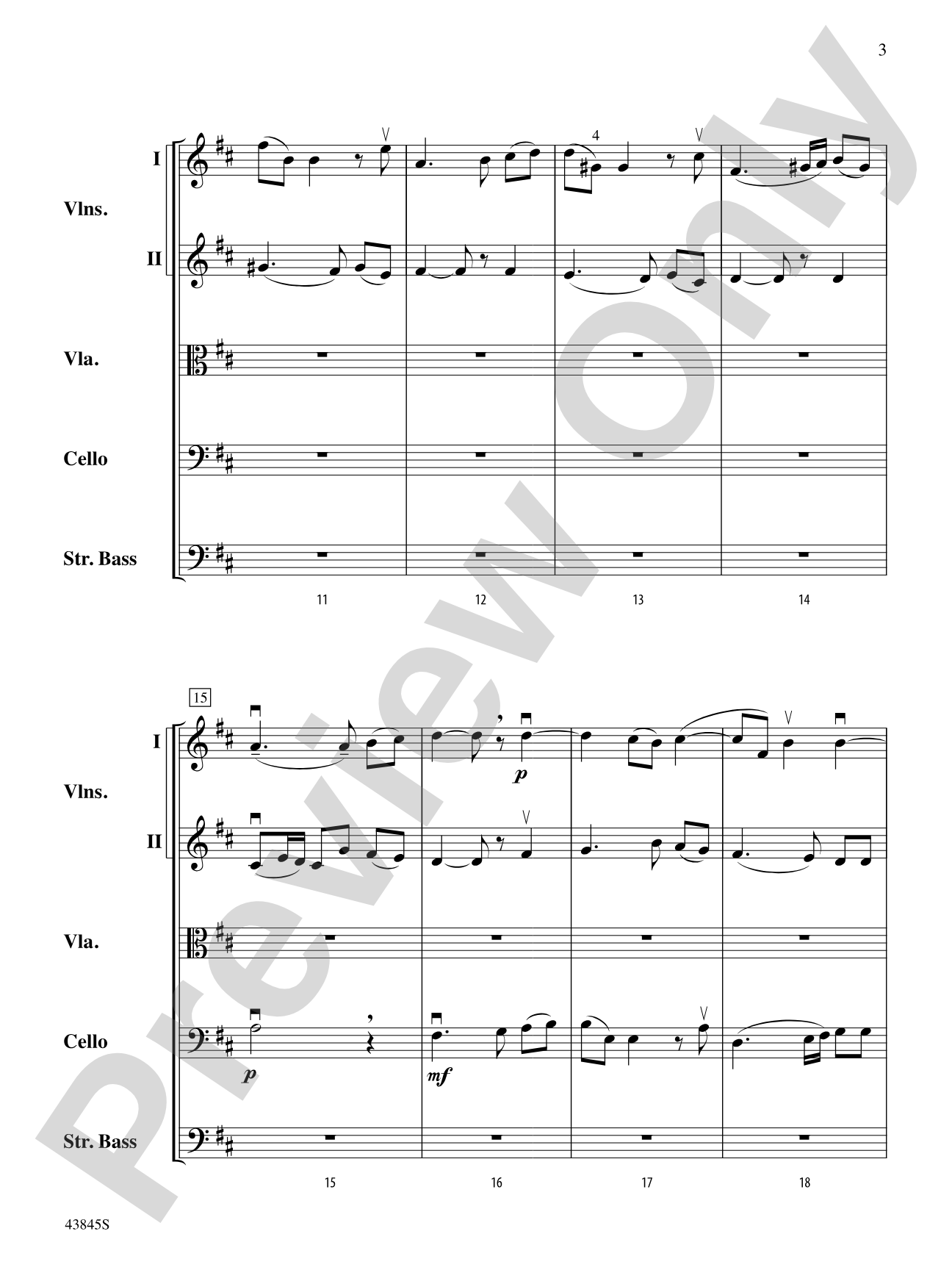
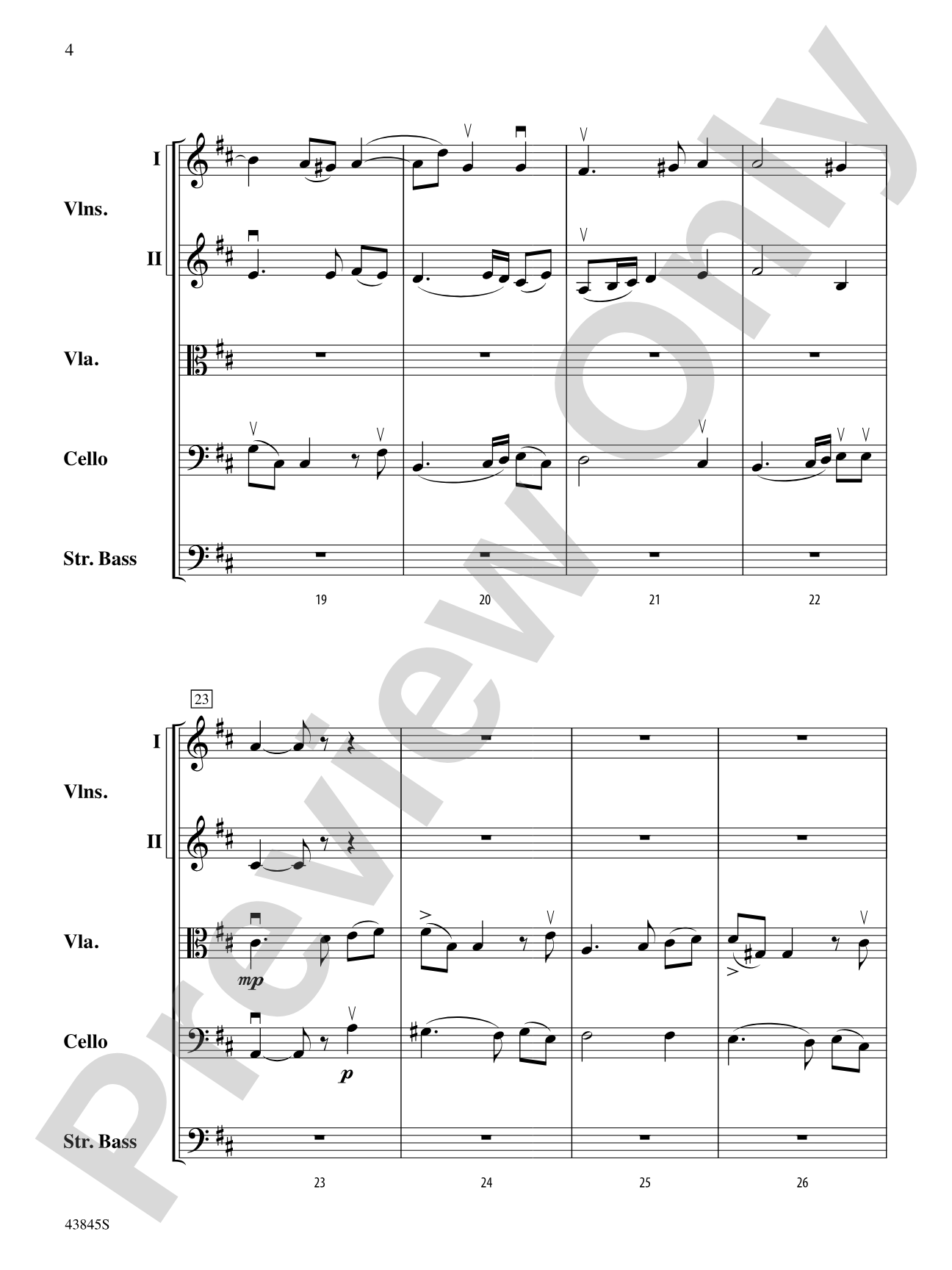
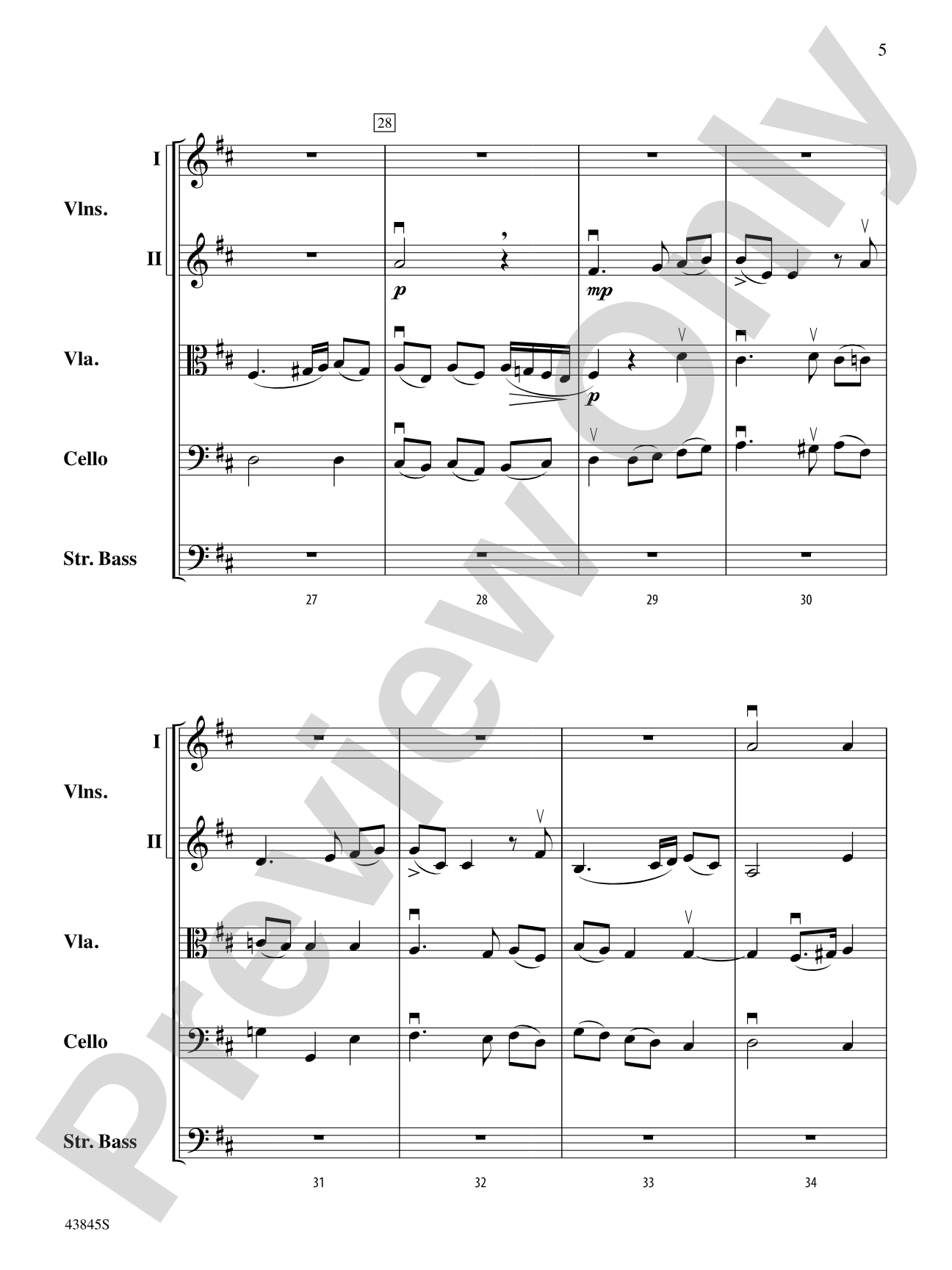
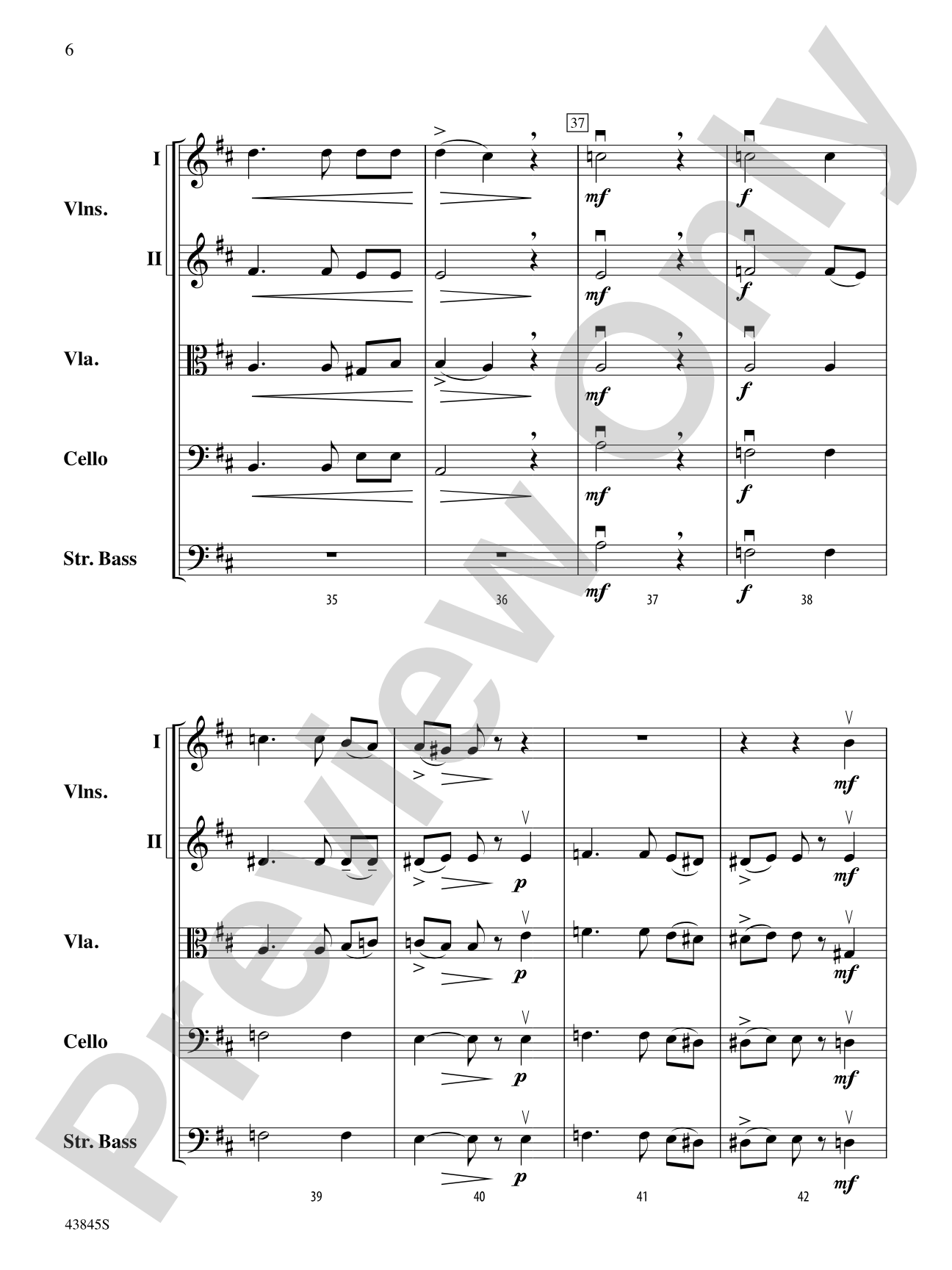
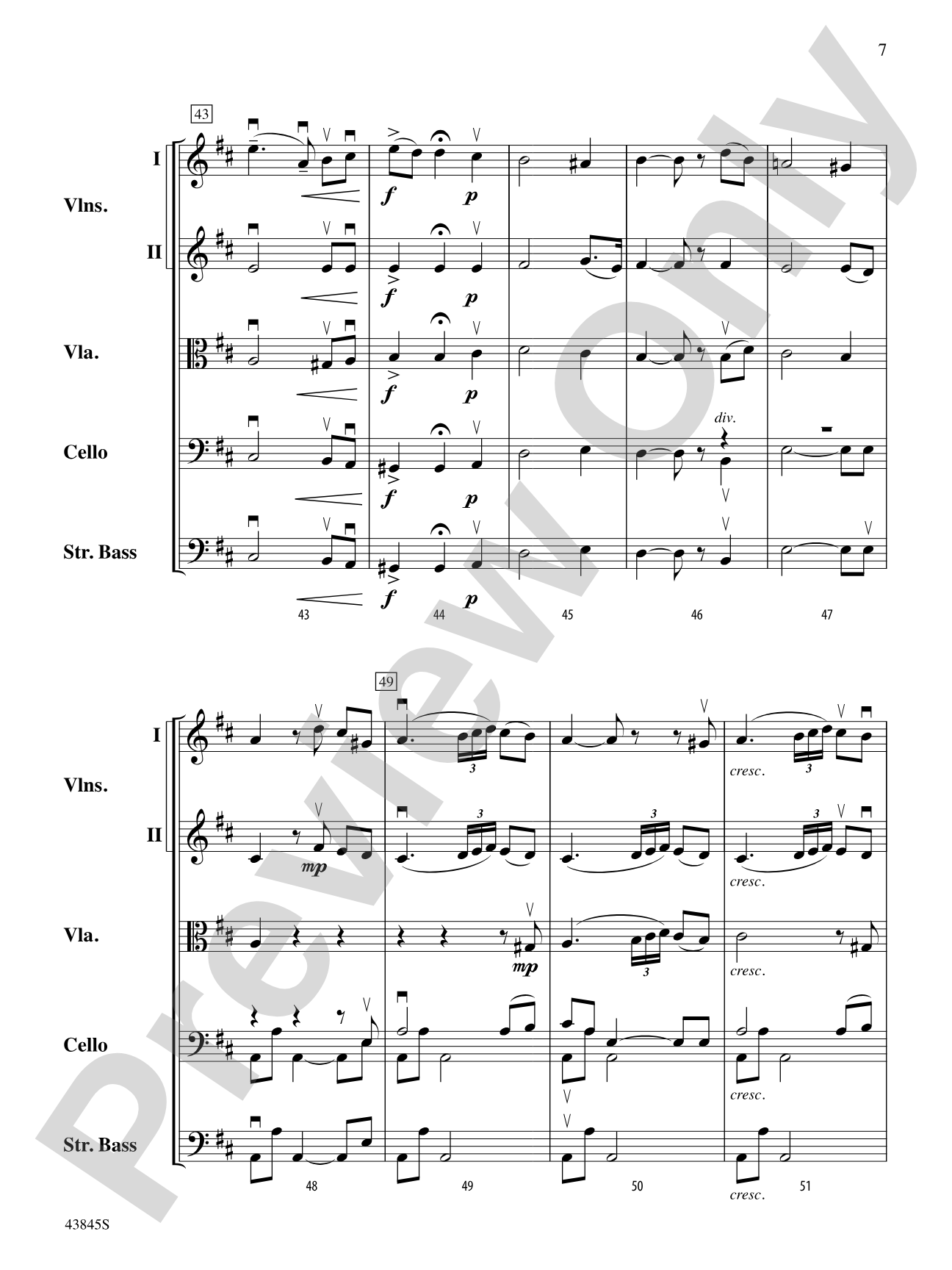
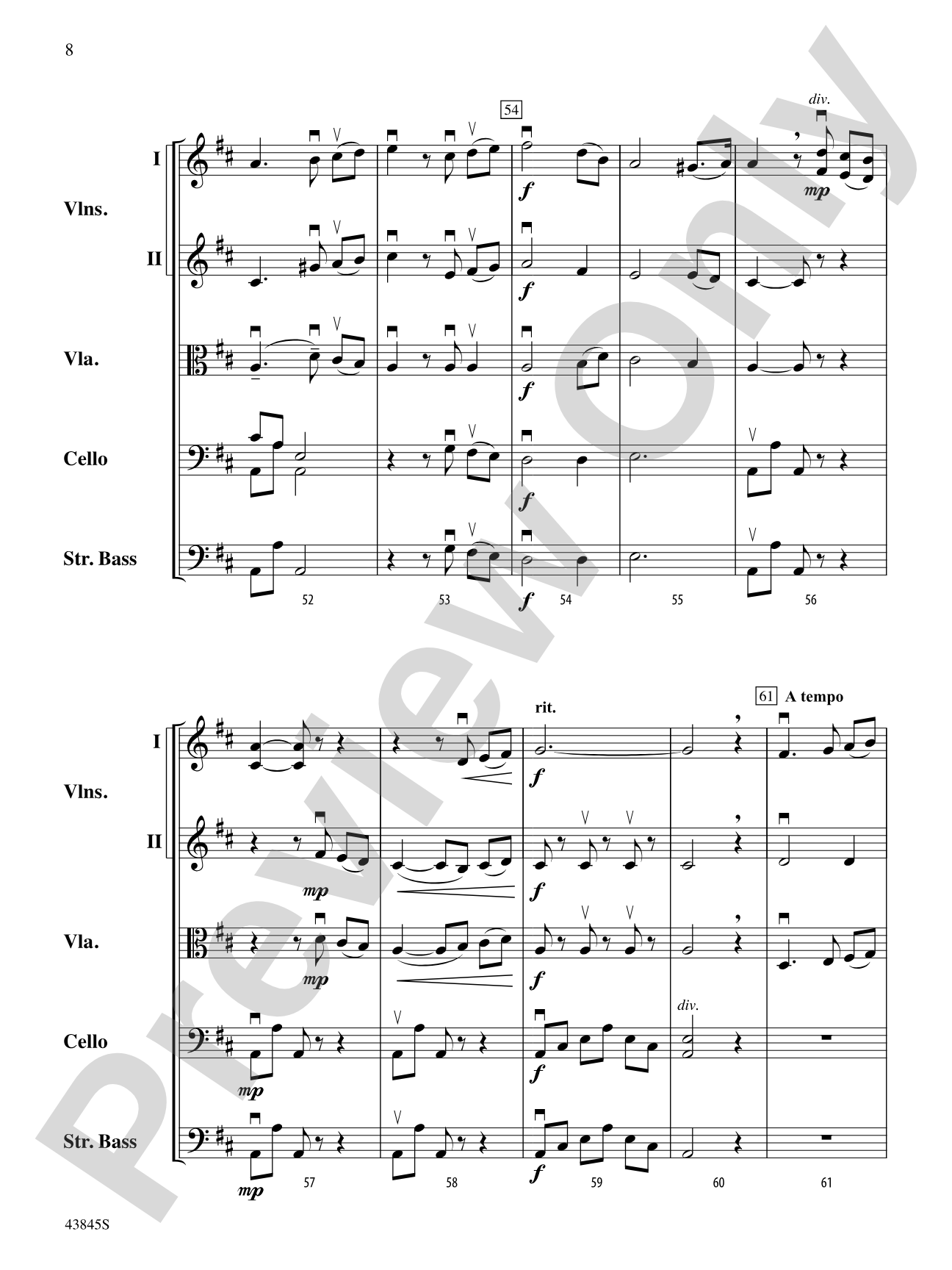
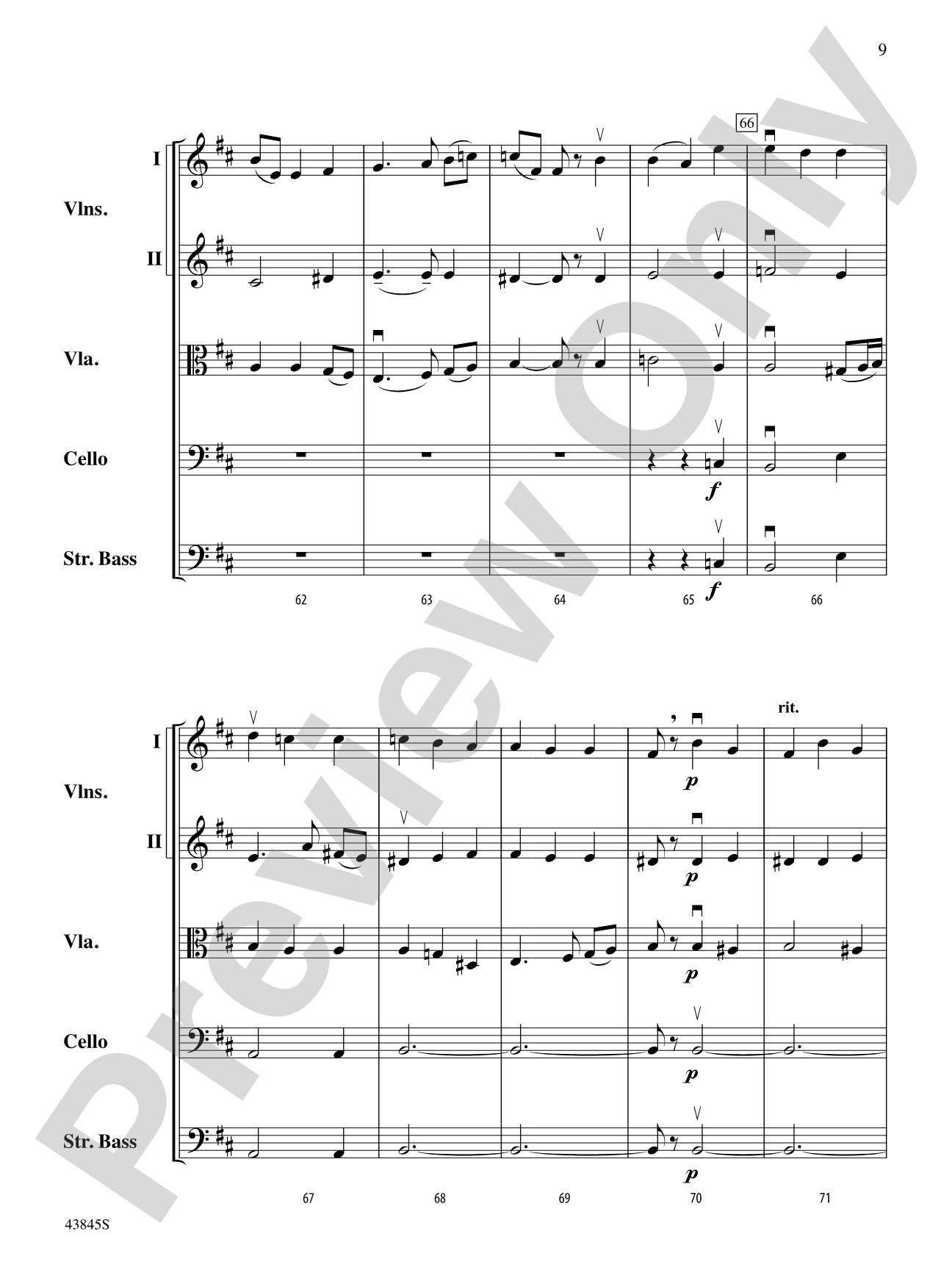
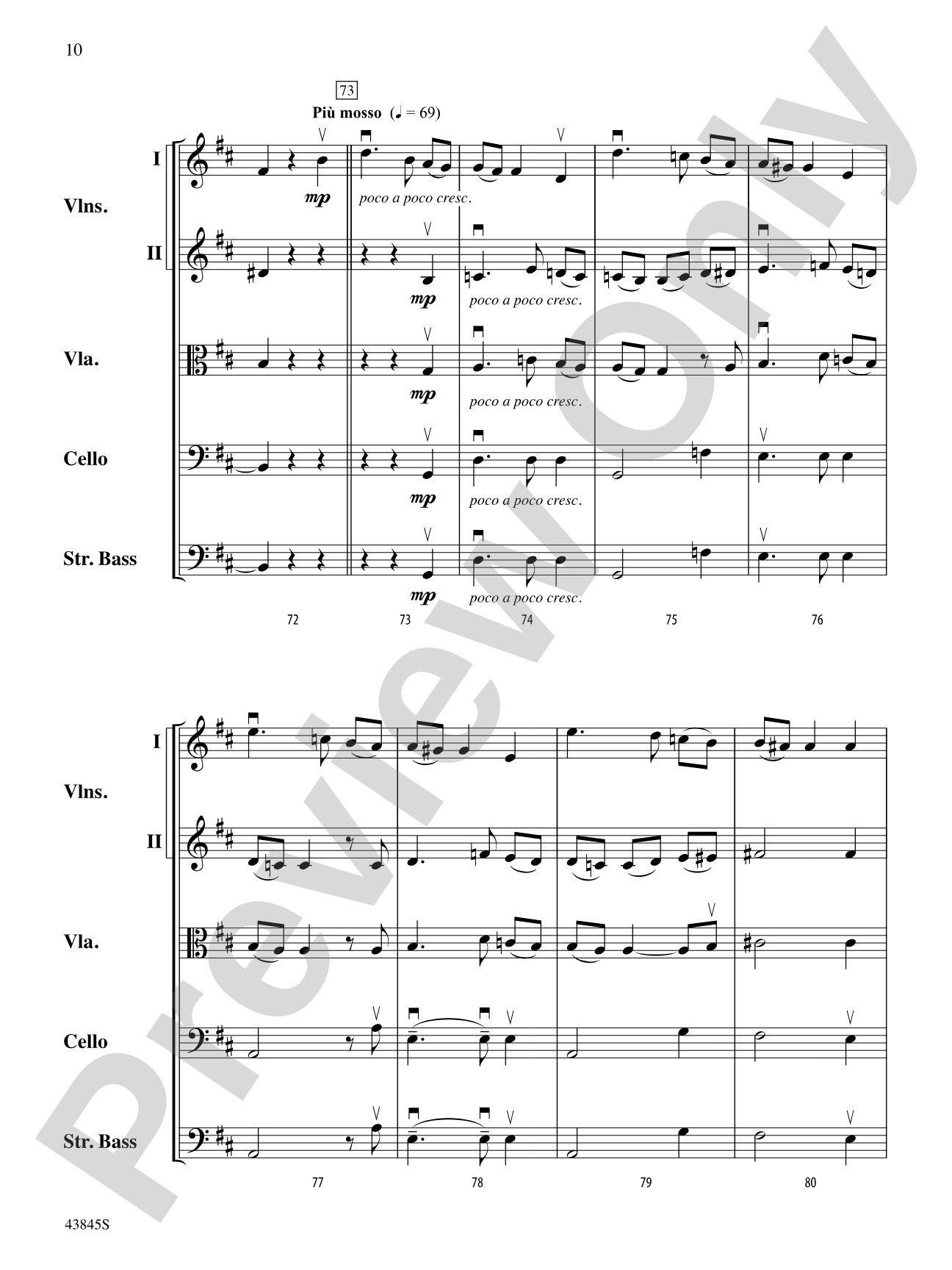
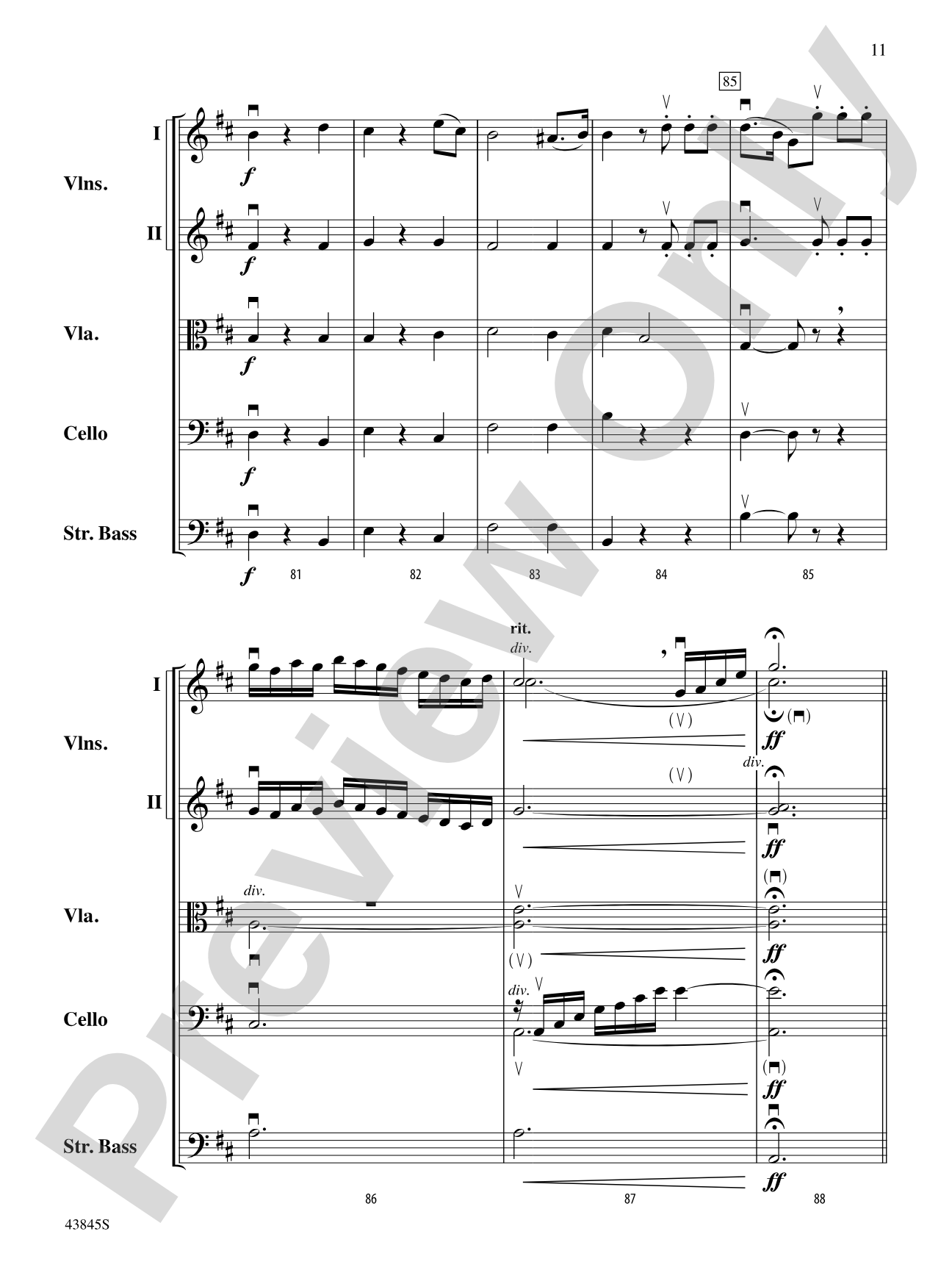
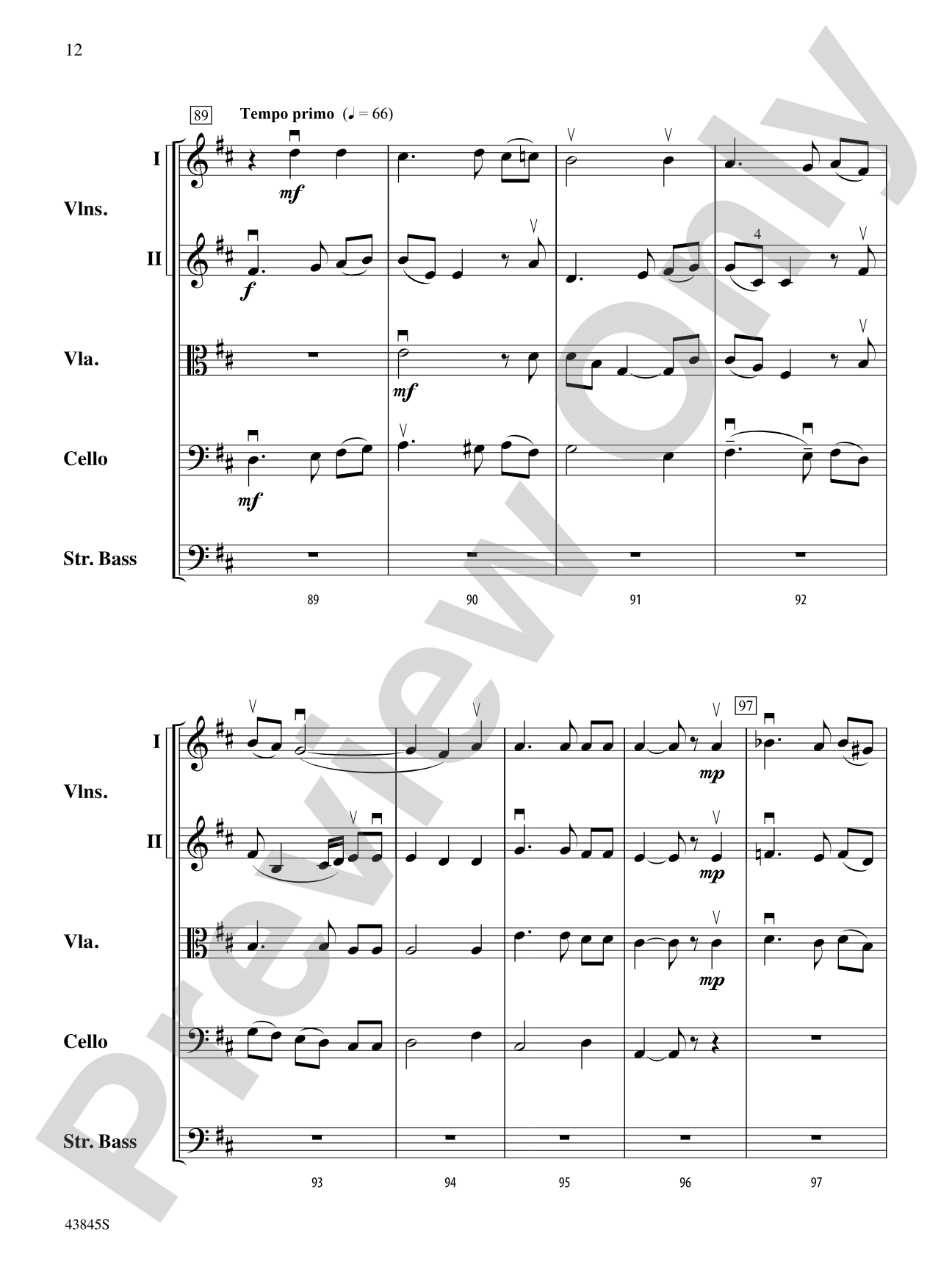
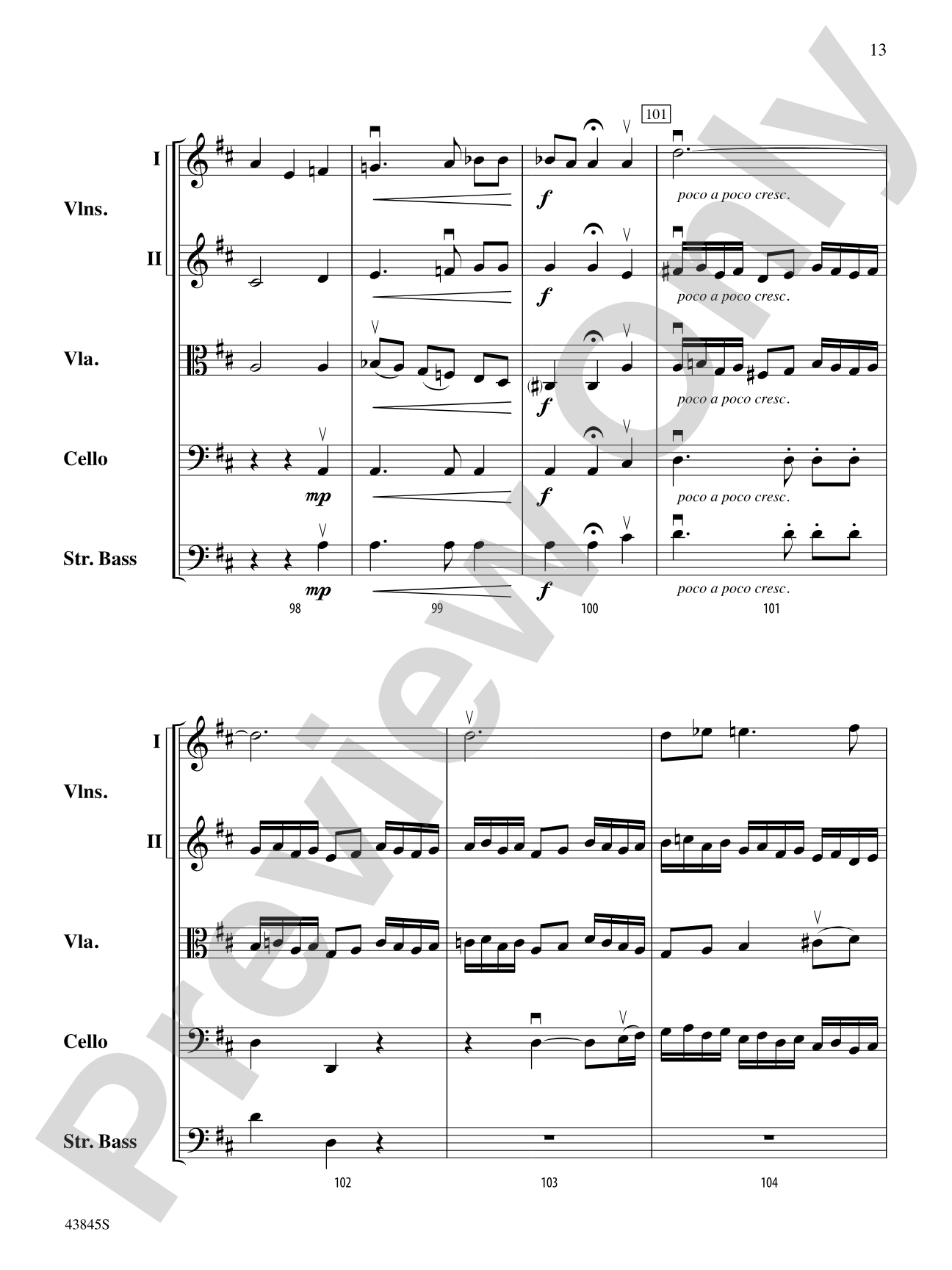
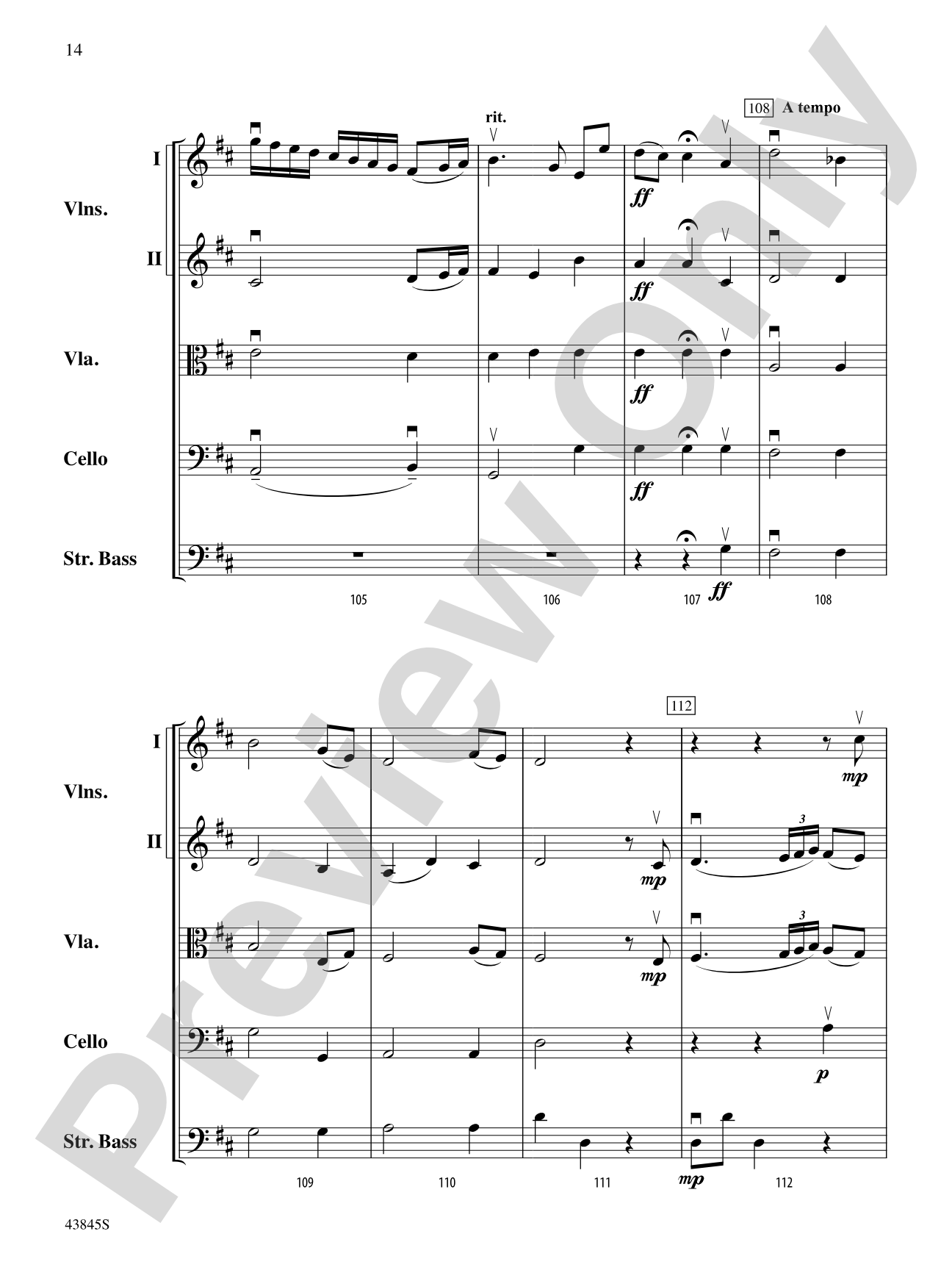
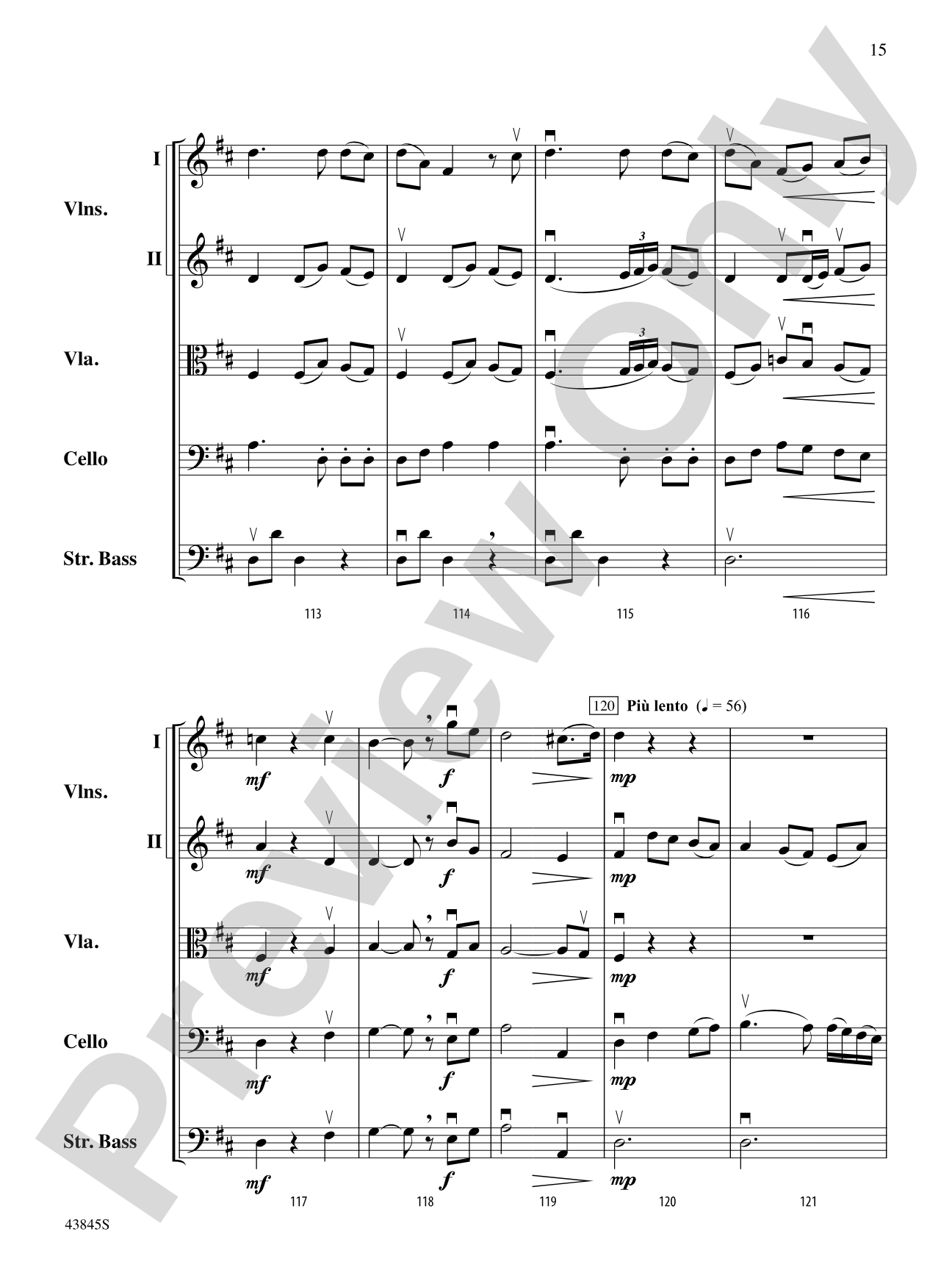
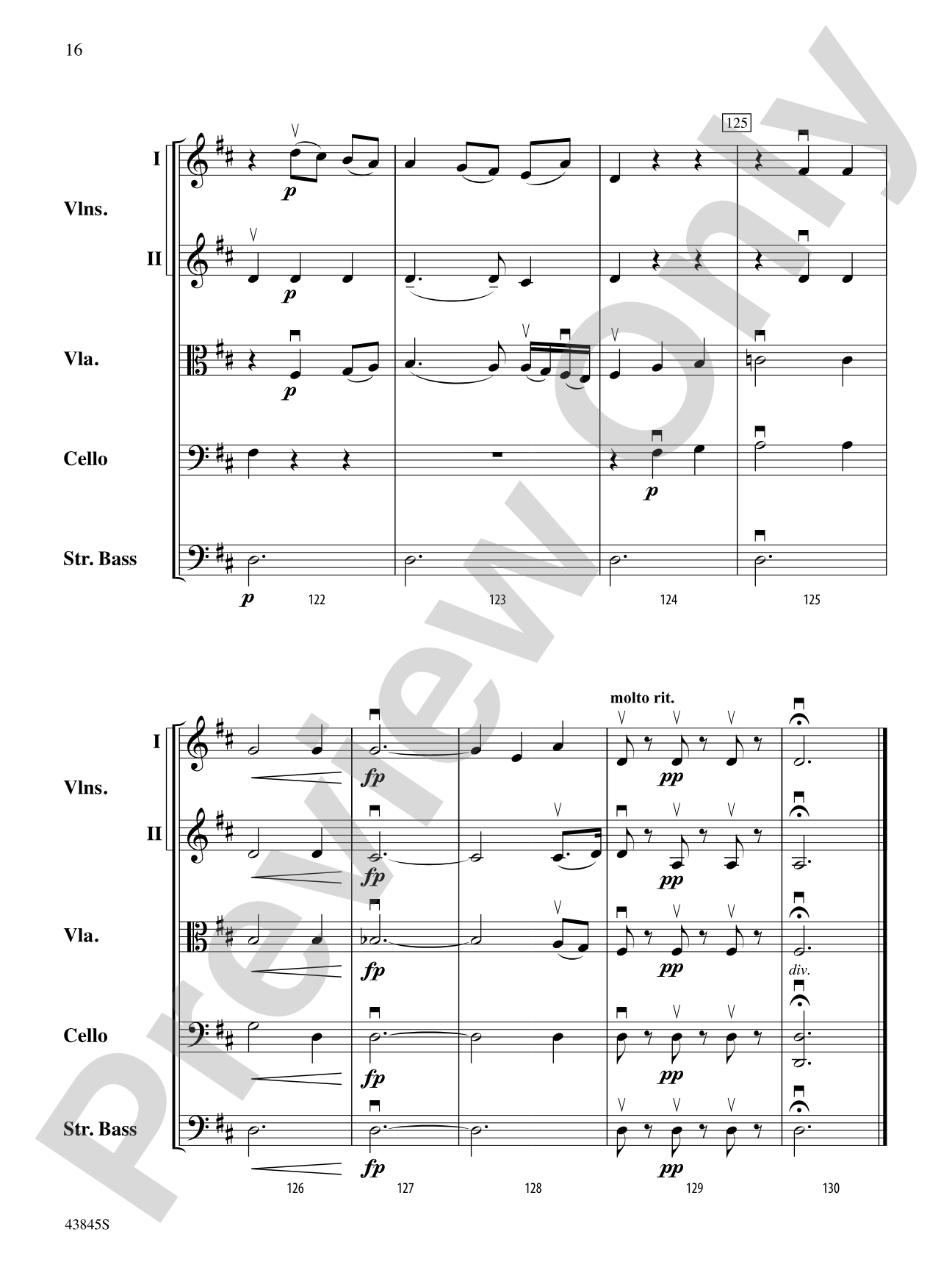

Evening Song: Score
Abendlied zu Gott Hob.25c/9
By Franz Josef Haydn / arr. Robert Sieving
Grade: 3
Item: 00-PR-0005183
$9.00
Pickup currently not available
Description
This small gem---originally for choir and piano---features delightful counterpoint that is great fun to play. (6:05)


Don't just read it, hear it, play along with it, and watch your students grow with it. In MakeMusic Cloud, Evening Song: Score comes alive with professional accompaniment, adjustable tempo, and built-in practice tools that turn solo practice into real progress.
Open in the Player
Jump straight in and assign it today.
Start Your Free Trial
Open this title and explore the full library in minutes.
Sample Audio
1
Audio File
--:--
0:00
0:00
Sample Video
No sample videos found.
Additional Details
Series:
Highland/Etling String Orchestra
Publisher:
Alfred Music
Page Count:
124
SKU:
00-PR-0005183
More about this title
About the Composer: Franz Josef Haydn
Franz Josef Haydn (1732-1809) shaped the Classical symphony and string quartet into their modern forms. A prolific composer who spent nearly three decades as Kapellmeister for the Esterházy court, he wrote over 100 symphonies, 83 string quartets, and countless sacred works that influenced Beethoven and Mozart.
Haydn's gift for elegant melody paired with sophisticated harmonic language made him one of the most respected composers of his era. His choral works demonstrate the same clarity, wit, and structural mastery that characterize his instrumental music, making them rewarding material for arrangers and educators seeking repertoire that combines accessibility with genuine compositional substance.
Why we love this
Robert Sieving's arrangement preserves the charm of Haydn's original while opening it to string orchestras that might otherwise miss this delightful work. The counterpoint sparkles without becoming unwieldy at Grade 3, giving every section engaging material and rewarding both rehearsal and performance. This is the kind of piece that reminds students why they chose strings in the first place.
What to expect
Warm and conversational, with voices trading ideas like friends in pleasant discourse. The piece unfolds without hurry, inviting singers and players alike into a musical space where clarity and courtesy matter as much as virtuosity.
Who it's for
String orchestras at the Grade 3 level seeking repertoire that combines Classical sophistication with playable ranges and straightforward part writing. Directors looking for accessible Haydn that still honors his compositional craft will find the counterpoint genuinely interesting without overwhelming young musicians.
How to get the most out of it
- Balance the contrapuntal lines by rotating which section carries the primary melody; the antiphonal nature of the writing becomes much clearer when no voice overwhelms another.
- Maintain a singing, legato tone throughout even in faster passages; Haydn's Classical elegance depends on continuous phrase shape rather than note-by-note articulation.
- Observe the natural breathing points suggested by phrase endings and use them to reset ensemble alignment without disrupting the overall flow.
- Shape dynamics gradually rather than with sudden changes; the piece's gentle architecture responds better to subtle dynamic sculpting than dramatic contrasts.
How to use it
This works beautifully on a Classical or "Masters of the String" concert where it can sit comfortably alongside other Grade 2-4 arrangements or original works. Its six-minute length makes it an ideal second or third piece in a program, offering substance without demanding the spotlight.
Skills your students will build
- Playing sustained singing lines with consistent vibrato and tone quality
- Voice independence in contrapuntal writing (each part retains character while blending with others)
- Phrase shaping and breathpoint awareness in string writing
- Balance between tutti and solo-voice passages
- Stylistic awareness of Classical era conventions (articulation, dynamic restraint, phrasing)