
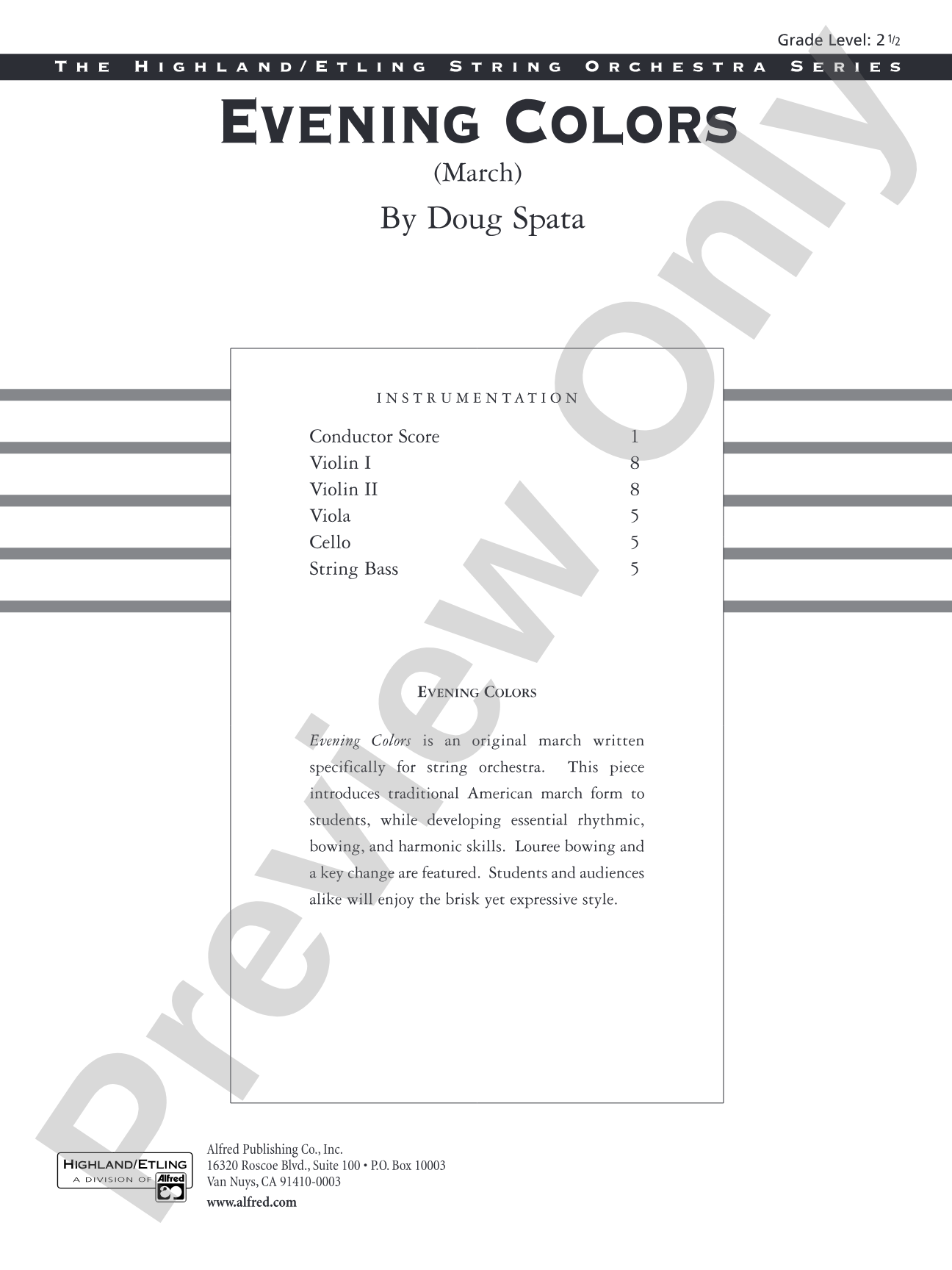

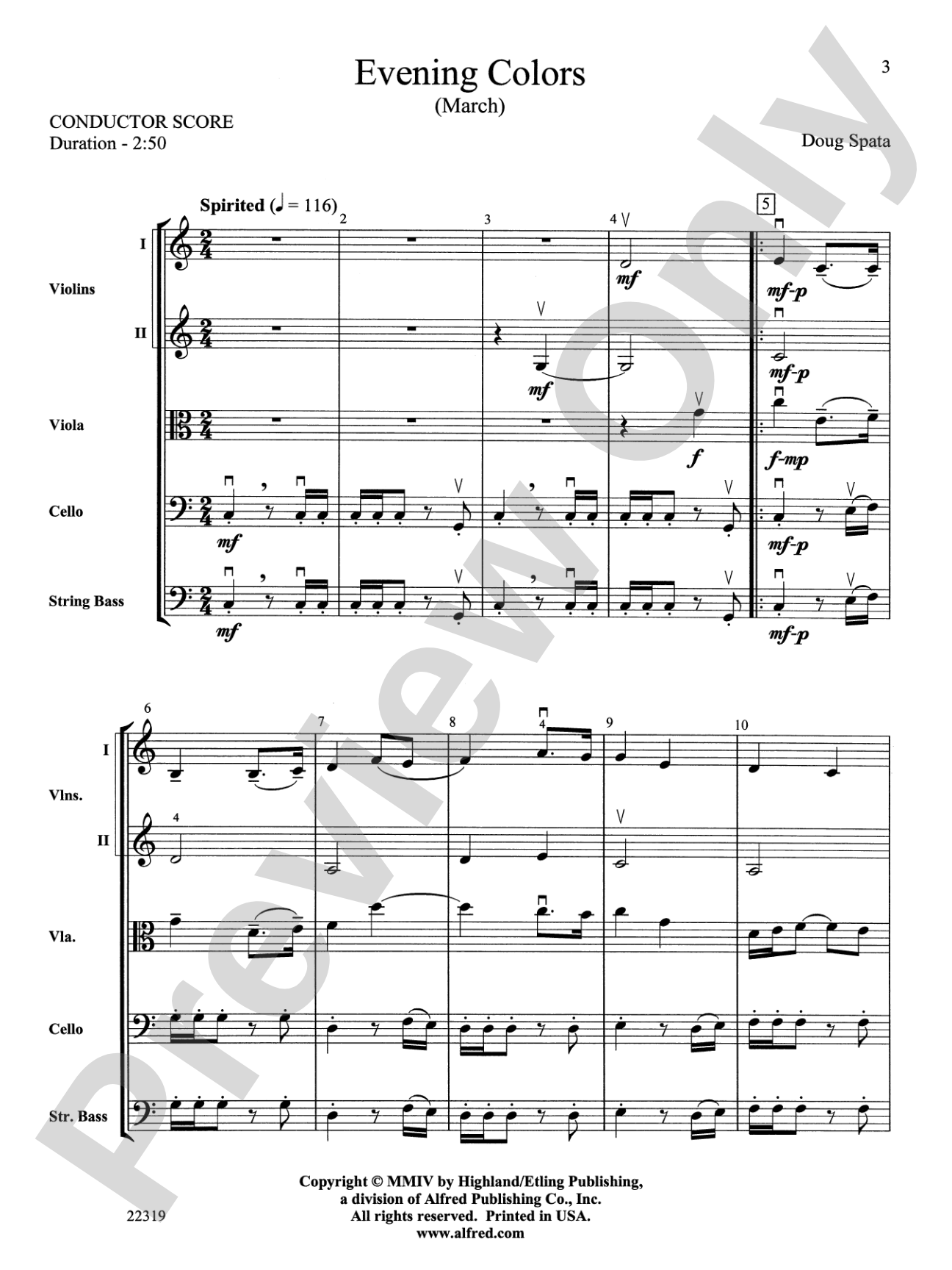
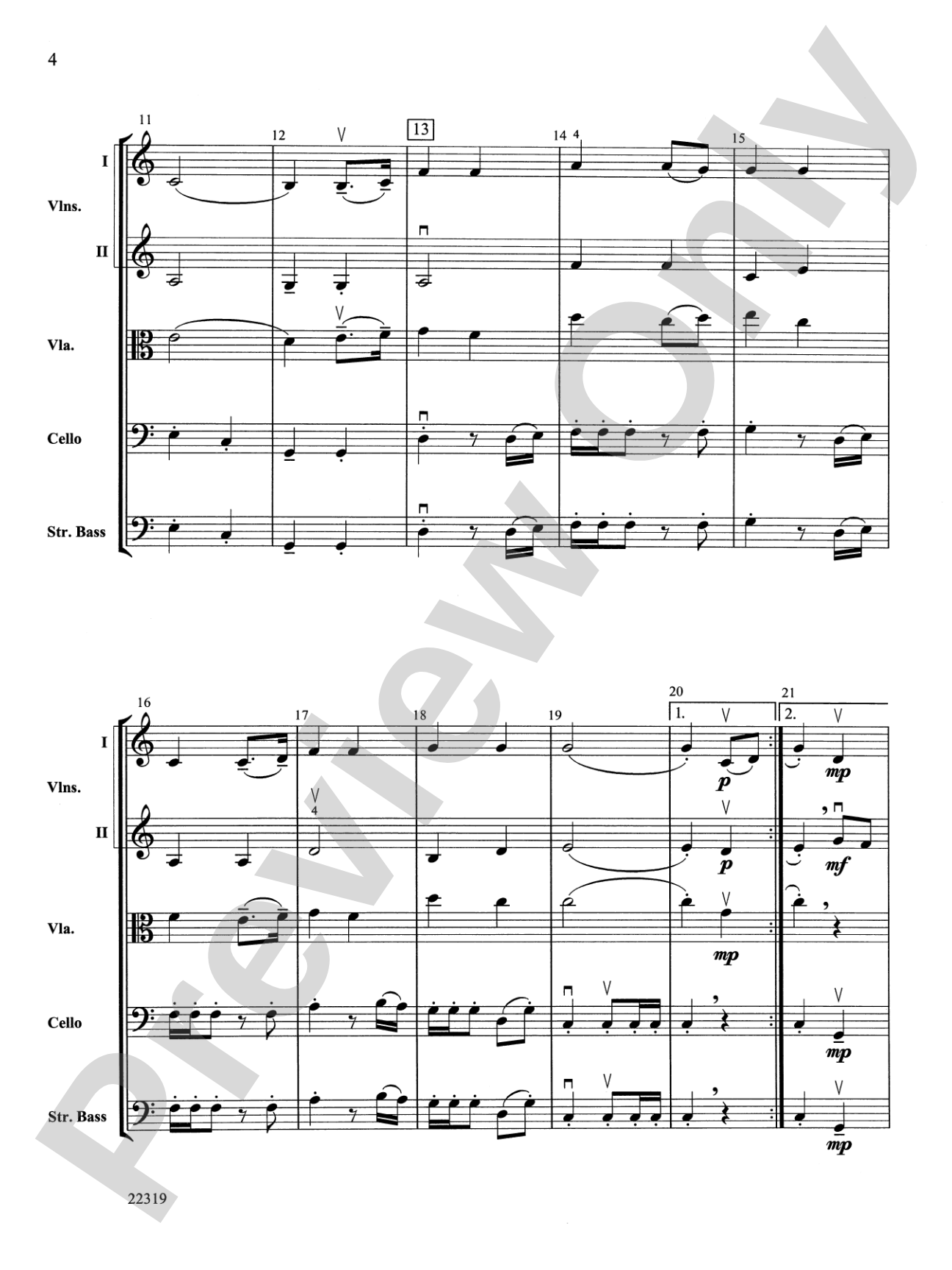
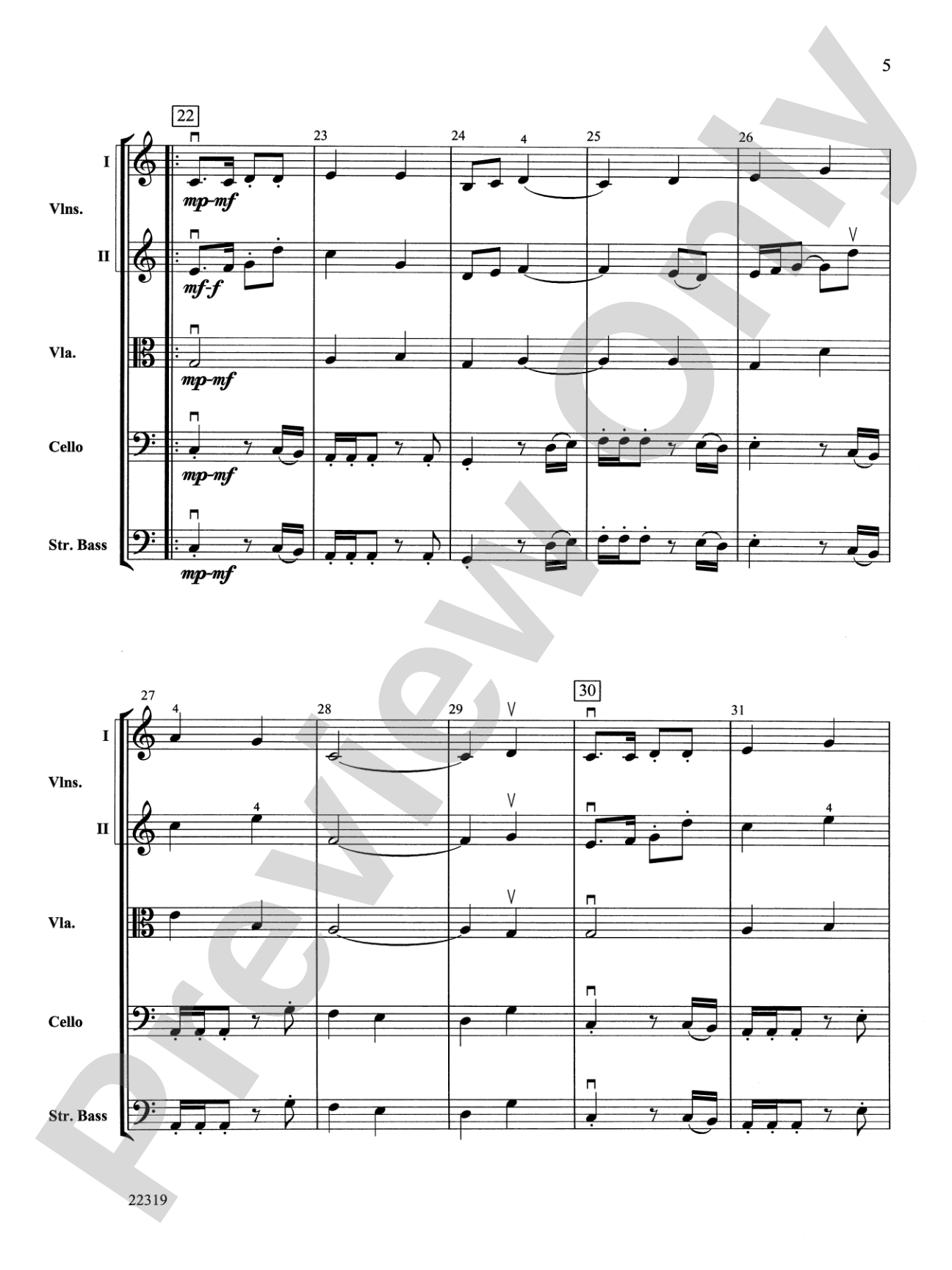
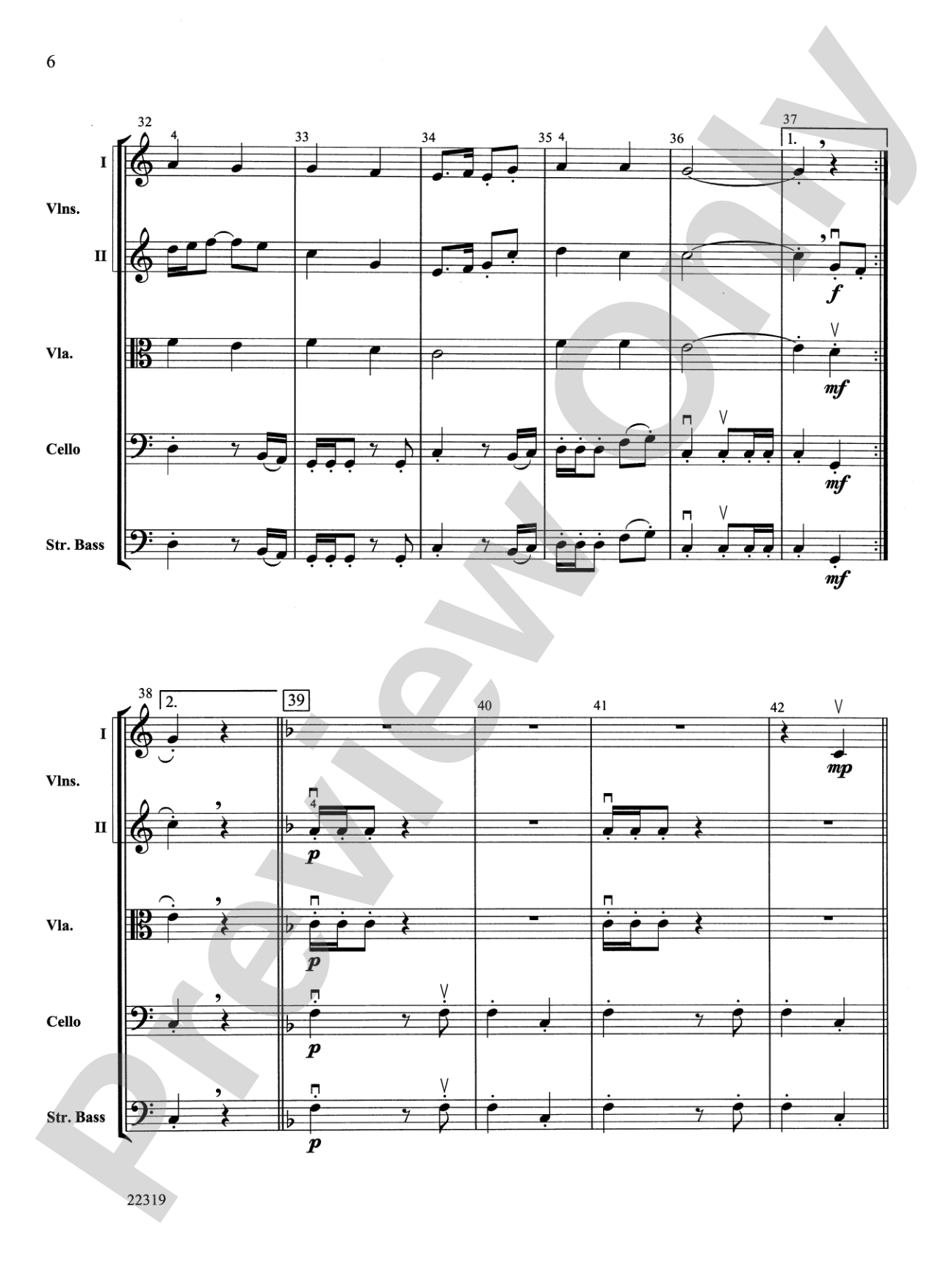
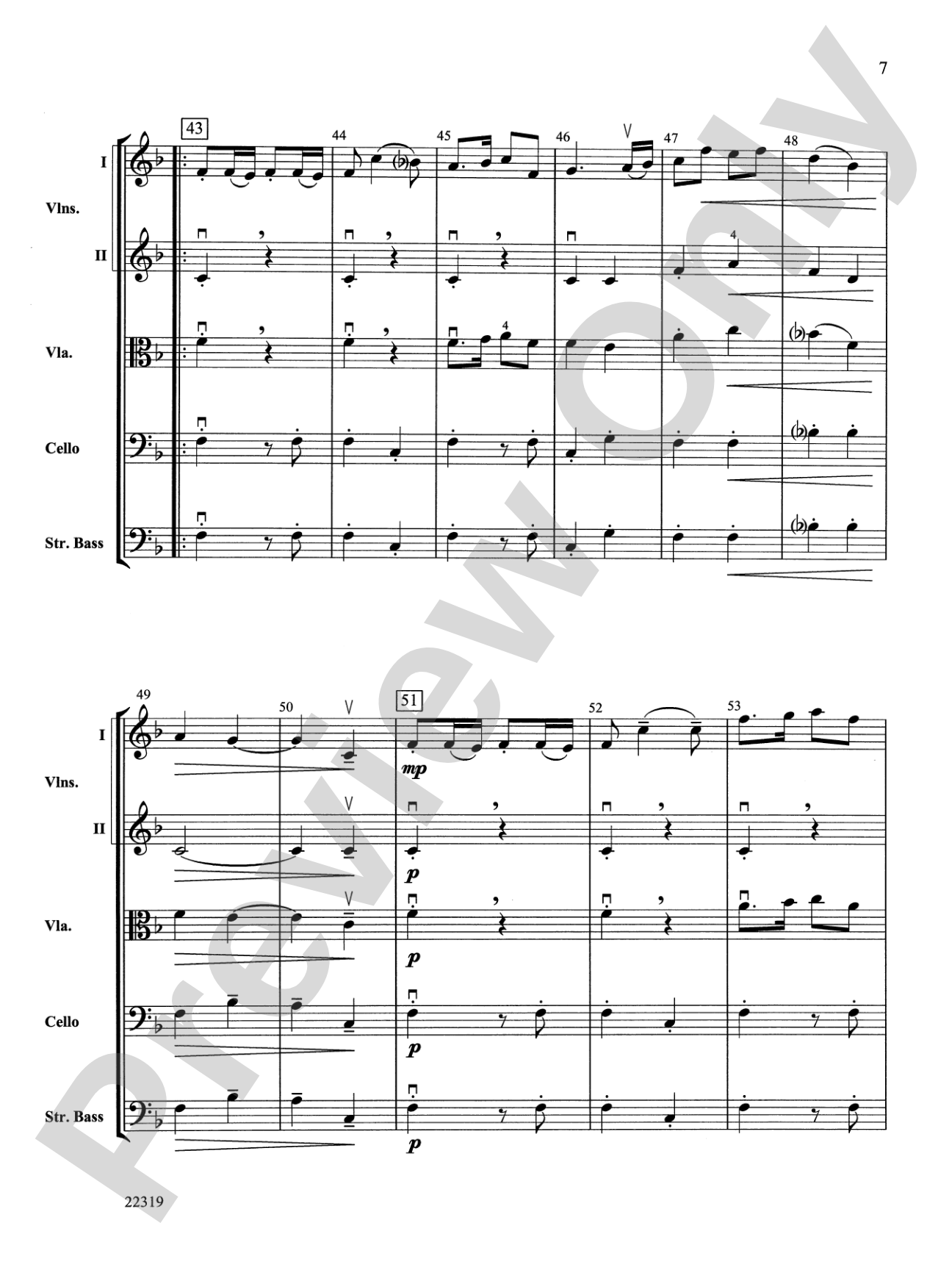
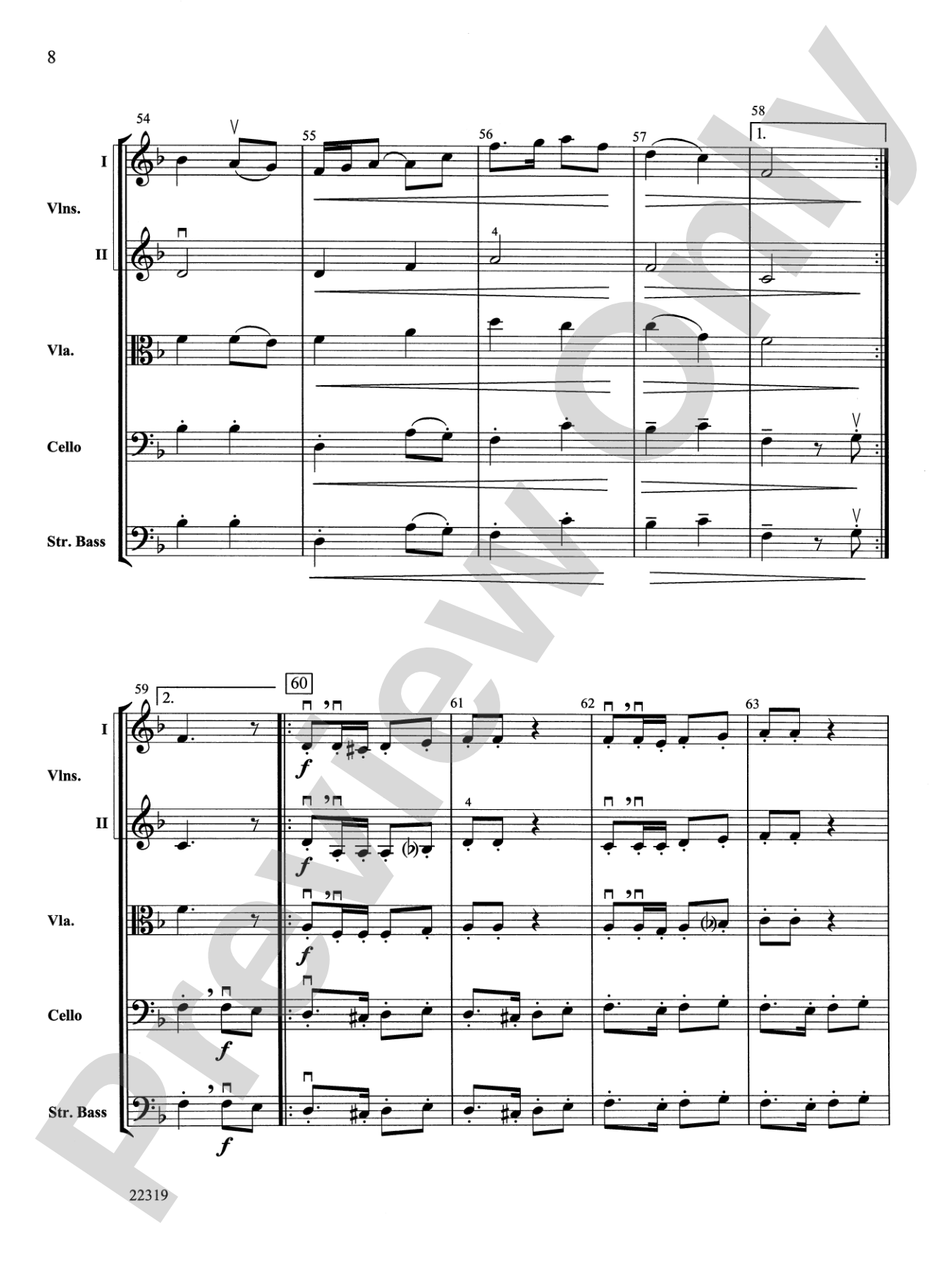
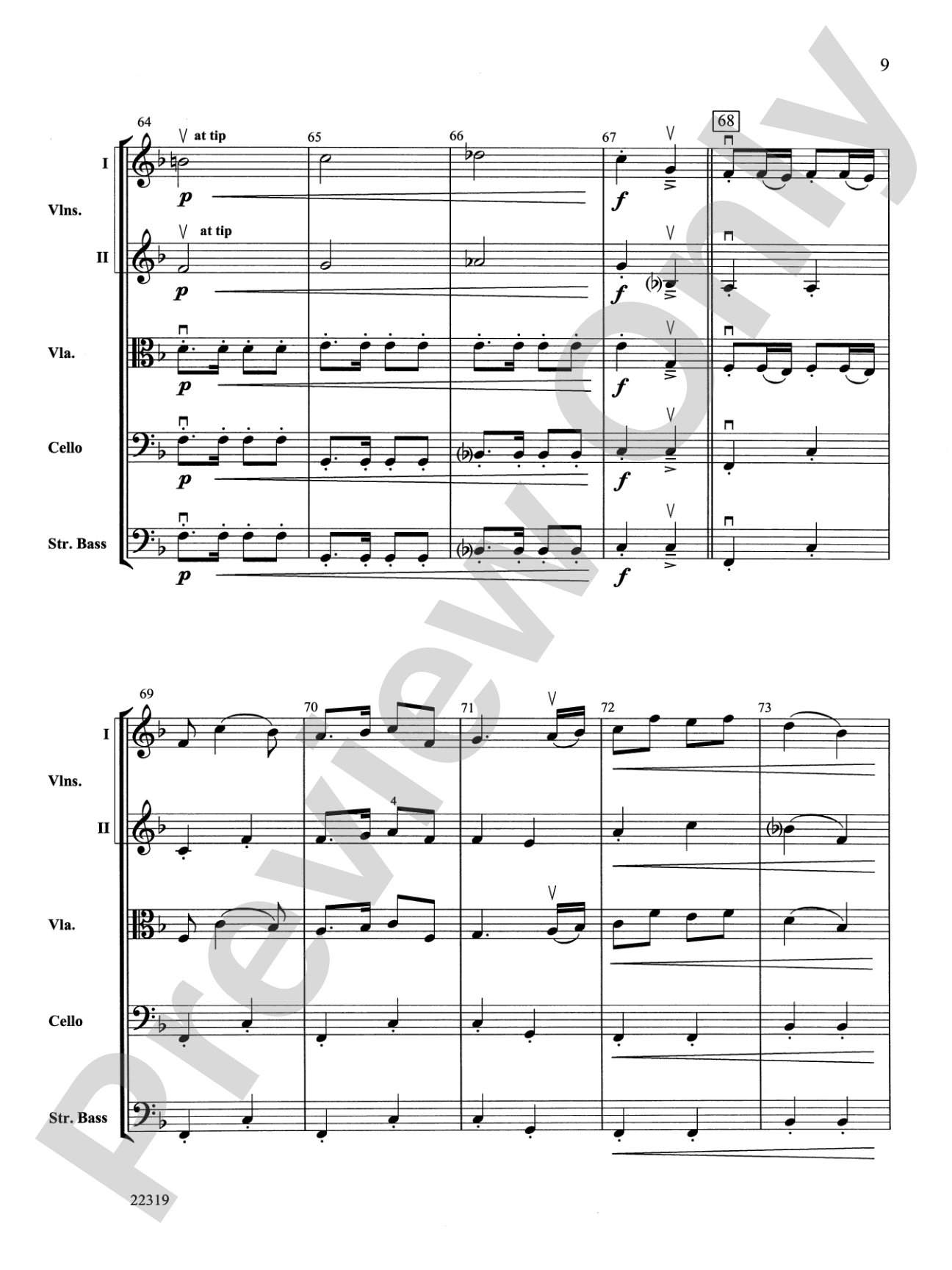
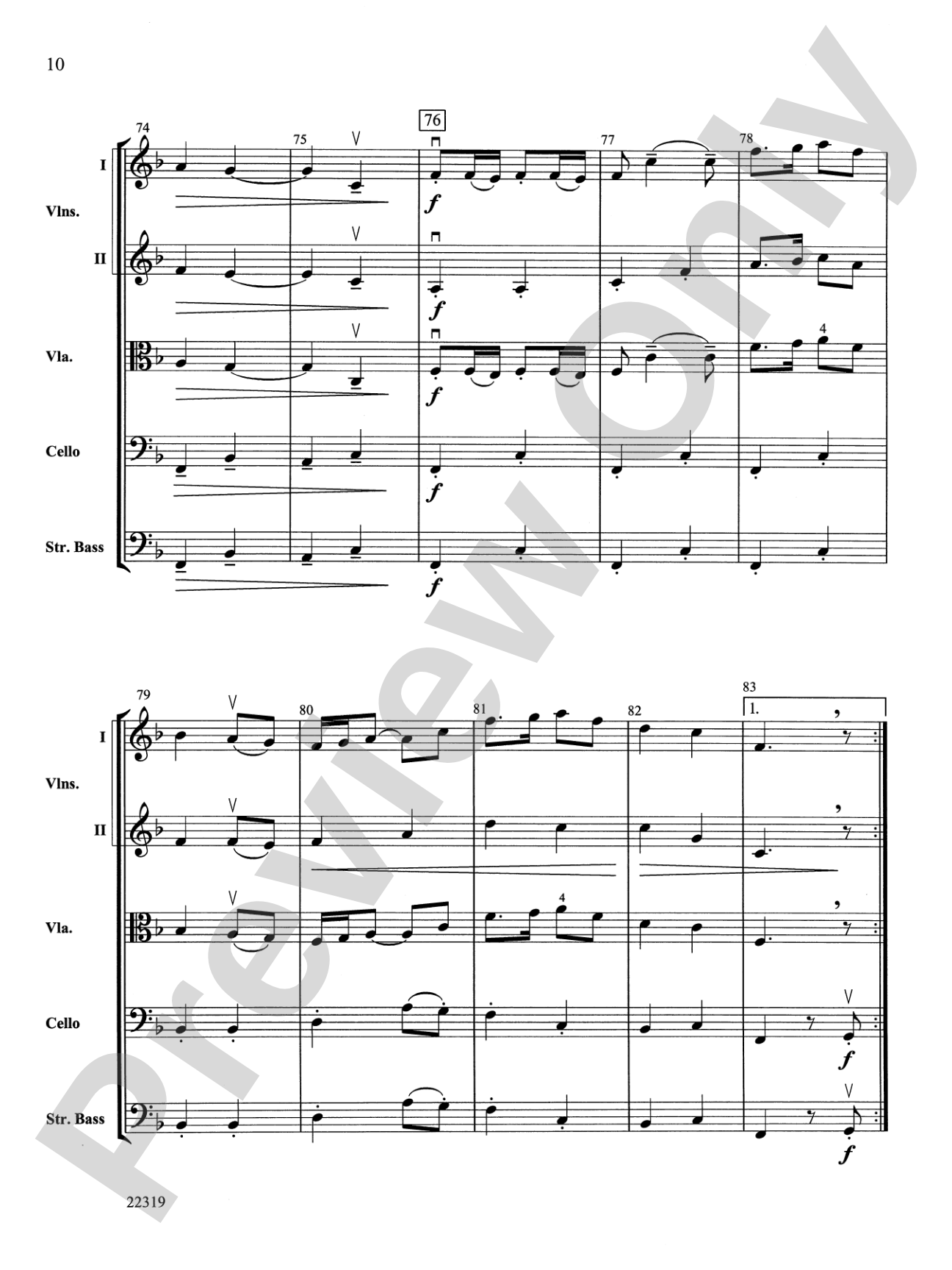
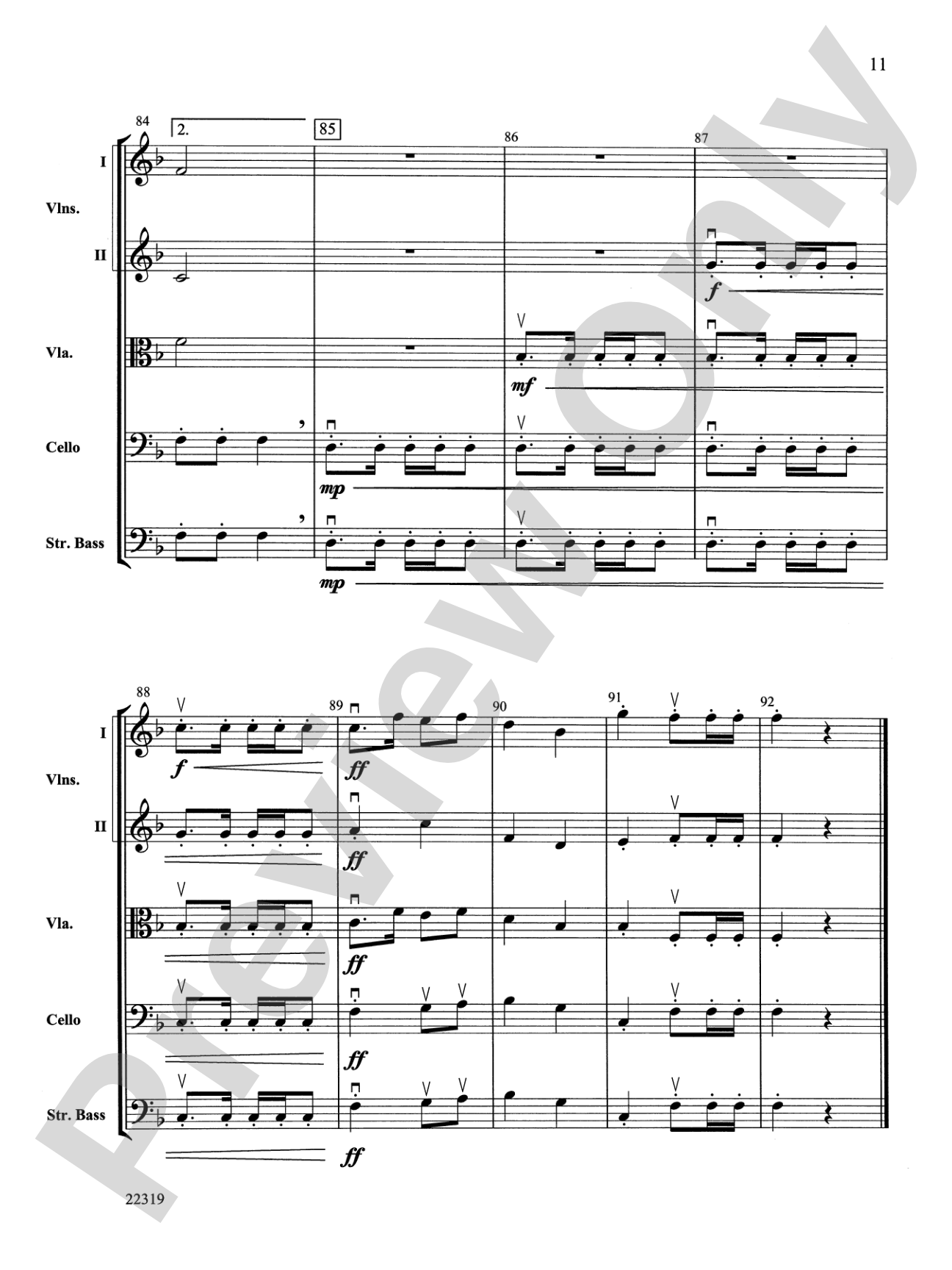


Evening Colors: Score
(March)
By Doug Spata
Grade: 2.5
Item: 00-PR-0000562
$6.00
Pickup currently not available
Description
Evening Colors introduces traditional American march form to students, while developing essential rhythmic, bowing, and harmonic skills. Louré bowing and a key change are featured in this original march written specifically for string orchestra. This title is available in MakeMusic Cloud.


Don't just read it, hear it, play along with it, and watch your students grow with it. In MakeMusic Cloud, Evening Colors: Score comes alive with professional accompaniment, adjustable tempo, and built-in practice tools that turn solo practice into real progress.
Open in the Player
Jump straight in and assign it today.
Start Your Free Trial
Open this title and explore the full library in minutes.
Sample Audio
1
Audio File
--:--
0:00
0:00
Sample Video
No sample videos found.
Additional Details
Series:
Highland/Etling String Orchestra
Publisher:
Alfred Music
Page Count:
62
SKU:
00-PR-0000562
More about this title
About the Composer: Doug Spata

Doug Spata came to composition through a different door than many string composers. A clarinetist himself, he developed his ear for string writing through years spent teaching orchestra. That classroom experience shaped his voice as a composer; his pieces speak directly to what students need to learn and what audiences want to hear.
Spata's gift for making music that resonates with performers at all levels has earned his work a place in concert halls and festival circuits nationwide and internationally. Beyond student repertoire, he has written operas, ballets, symphonies, and chamber works, proving his range across genres and ensemble configurations.
Why we love this
Spata understands how to teach march form without making it feel like a lesson. The rhythmic drive, the key change, and the louré bowing all land naturally within a piece that students actually enjoy playing, which means they'll engage with the technique rather than resent it. Programming this before a concert gives your group a confident, stylish moment that audiences recognize immediately.
What to expect
Evening Colors captures the reflective quality of late-day light shifting across a landscape. The march form gives it forward momentum and clarity, but Spata's orchestration and the louré bowing bring warmth and contemplation. The key change arrives like a new color washing across the sky, energizing without shattering the mood.
Who it's for
String orchestras at the 2.5 grade level looking for repertoire that teaches authentic orchestral technique in a musical context. This works equally well for beginning advanced groups and intermediate ensembles building confidence with bowing variety and harmonic sophistication.
How to get the most out of it
- Shape the louré passages by thinking of them as lyrical singing lines. Maintain the bow weight through each note; the gesture should feel conversational, not choppy.
- Use the key change as a psychological reset. Approach it with fresh energy and commit fully to the new harmonic color; the audience will feel the shift.
- Lock the march rhythm between sections early in rehearsal. A rock-solid foundation in the opening gives you flexibility to breathe and shape later phrases without losing the form.
- Balance the melodic line across the section. March form lives and dies on clarity; check that the primary voice projects while inner parts support without shadowing.
How to use it
Position this as a centerpiece in a spring or fall concert, where its programmatic title and accessible march language appeal to broad audiences. It also serves well as a festival selection, offering judges substantive technique to assess without requiring advanced facility.
Skills your students will build
- Traditional march form (exposition, development, key change, recapitulation)
- Louré bowing technique and tone production
- Modulation awareness and harmonic contrast
- Section balance and rhythmic precision in ensemble contexts
- Stylistic interpretation of programmatic music