
![Eureka!: 3rd Violin (Viola [TC])](https://alfred-dsm-shopify-exports-prod.s3.us-west-2.amazonaws.com/00-PC-0014463_VN3-1.png)
![Eureka!: 3rd Violin (Viola [TC]) Sheet Music Preview](http://shop.makemusic.com/cdn/shop/files/00-33670_large_c0f5c2f9-cbb4-4fb7-9e2a-267197ff522d.jpg?v=1779976402&width=3840)
Eureka!: 3rd Violin (Viola [TC])
By Keith Sharp
Grade: 3
Item: 00-PC-0014463_VN3
$5.99
Pickup currently not available
Description
Loaded with joyful and optimistic character, this original piece presents two contrasting themes. Moving from the initial rhythmic, fiddling style section into the warm lyricism of an old Celtic air and back to the rhythmic theme, all parts are musically engaging and encourage cohesive energy in the ensemble. Featured syncopation, some third position for the 1st violins, and rapid string crossing figures provide just the right amount of challenge. Clever bow technique and fun rolled into one!


Don't just read it, hear it, play along with it, and watch your students grow with it. In MakeMusic Cloud, Eureka!: 3rd Violin (Viola [TC]) comes alive with professional accompaniment, adjustable tempo, and built-in practice tools that turn solo practice into real progress.
Open in the Player
Jump straight in and assign it today.
Start Your Free Trial
Open this title and explore the full library in minutes.
Sample Audio
1
Audio File
--:--
0:00
0:00
Sample Video
No sample videos found.
Additional Details
Series:
Belwin Intermediate String Orchestra
Publisher:
Alfred Music
Page Count:
148
SKU:
00-PC-0014463_VN3
More about this title
About the Composer: Keith Sharp
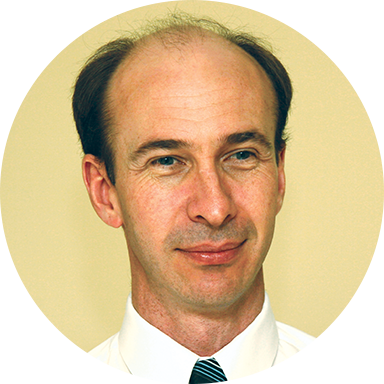
Keith Sharp has shaped string education across Brisbane state schools since 1985, building comprehensive ensemble programs first throughout the Gap region and later at Brisbane State High School. His work extends far beyond the classroom: he serves as a guest clinician and composer at schools and music camps, holds a Bachelor of Music Degree and Graduate Diploma of Further Education, and has earned recognition including the AUSTA State Award for Queensland and multiple educator honors from his local community.
Sharp's compositions for young string players have circulated internationally, with many pieces earning "Editor's Choice" recognition in major orchestral catalogs. His catalog is published by Alfred Music and The FJH Music Company, and he co-authored the beginner series Encore on Strings: Music Maestros. His approach consistently prioritizes imaginative, approachable writing that keeps students engaged while building real technical skills.
Why we love this
This piece captures what makes intermediate string orchestra rewarding: genuine musical substance wrapped in an inviting package. The architecture of contrasting sections (rhythmic fiddling style pivoting into a warm Celtic melody and back again) gives your ensemble a clear narrative arc to shape, while syncopation and third position work in the first violins push technique forward without overwhelming younger players.
What to expect
Eureka! radiates optimism and rhythmic energy from its opening bars, pulling listeners in with the propulsive fiddling style that feels almost improvisational. When the warm, lyrical Celtic air enters, the mood settles into genuine lyricism before the clever return to the original rhythmic theme creates a satisfying sense of coherence and joy.
Who it's for
String orchestras at the intermediate level seeking engaging concert and festival repertoire with real musical substance. Directors working with ensembles that have secure intonation and basic technique but are ready to tackle syncopation, extended positions, and rhythmically sophisticated writing will find this piece both rewarding and appropriately challenging.
How to get the most out of it
- Establish the rhythmic vitality of the opening theme early in rehearsals; this momentum carries the entire piece and makes the shift to the Celtic air feel earned rather than abrupt.
- Isolate the string crossing figures in the first violin part during sectional rehearsals, building them slowly at tempo before full ensemble integration prevents rhythmic stumbling.
- Shape the Celtic air section with warm, singing bows and consistent vibrato from all sections to contrast the more percussive character of the outer themes.
- Work the rolled chords and syncopated rhythms with deliberate counting and bow placement so they feel intentional rather than accidental.
How to use it
Program this as a concert centerpiece for a string orchestra showcase, or reserve it for festival competition where its combination of accessibility and technical substance will impress adjudicators. Its approximately 148-page score and parts work well on a spring concert alongside a lighter opener and a more introspective work, giving your program clear dramatic shape.
Skills your students will build
- Syncopated rhythmic reading and execution
- Third position playing in first violin
- String crossing techniques at tempo
- Contrasting bow approaches (percussive versus singing)
- Ensemble cohesion across distinct musical sections
- Rolled chords and ornamental articulations