
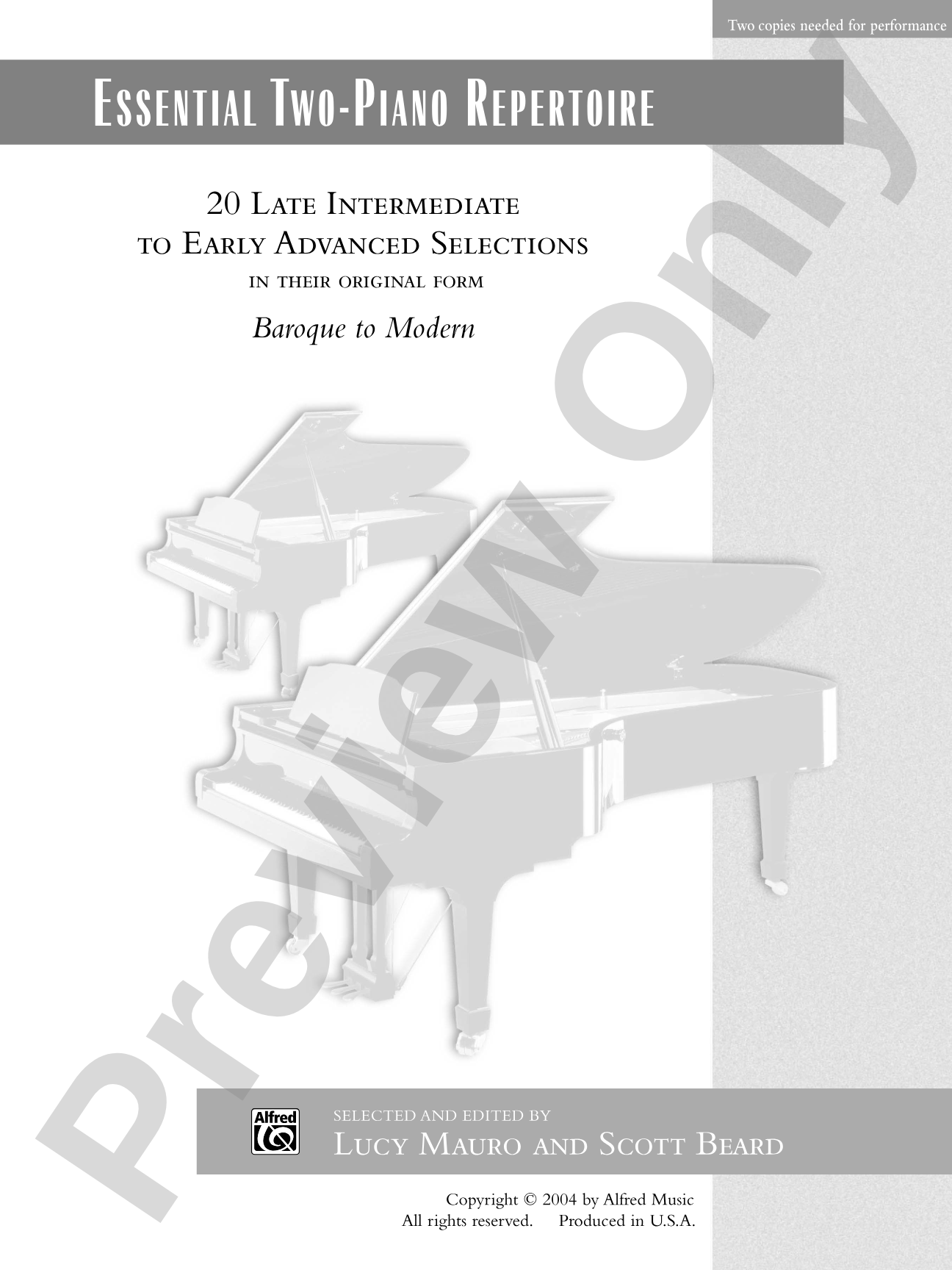

Essential Two-Piano Repertoire: 20 Late Intermediate to Early Advanced Selections in Their Original Form - Piano Duo (2 Pianos, 4 Hands): Piano Duets & Four Hands
20 Late Intermediate to Early Advanced Selections in Their Original Form
Ed. Lucy Mauro and Scott Beard
Level: Late Intermediate / Early Advanced
Item: 00-PB-0000648
$17.99
Pickup currently not available
Related Items
Essential Two-Piano Repertoire: Piano Duo (2 Pianos, 4 Hands) Book (2 copies required) |
$17.99
|
View |
Description
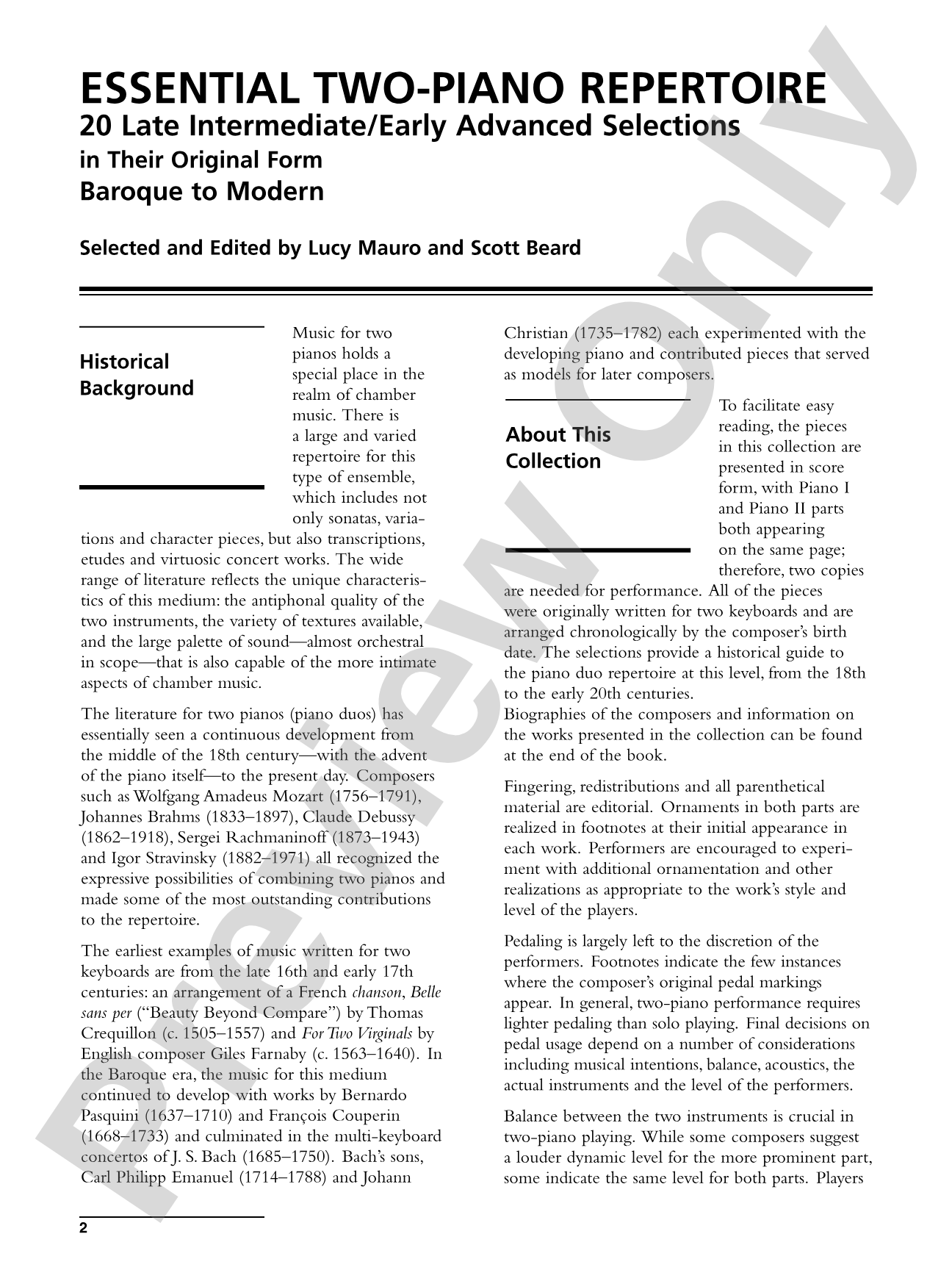
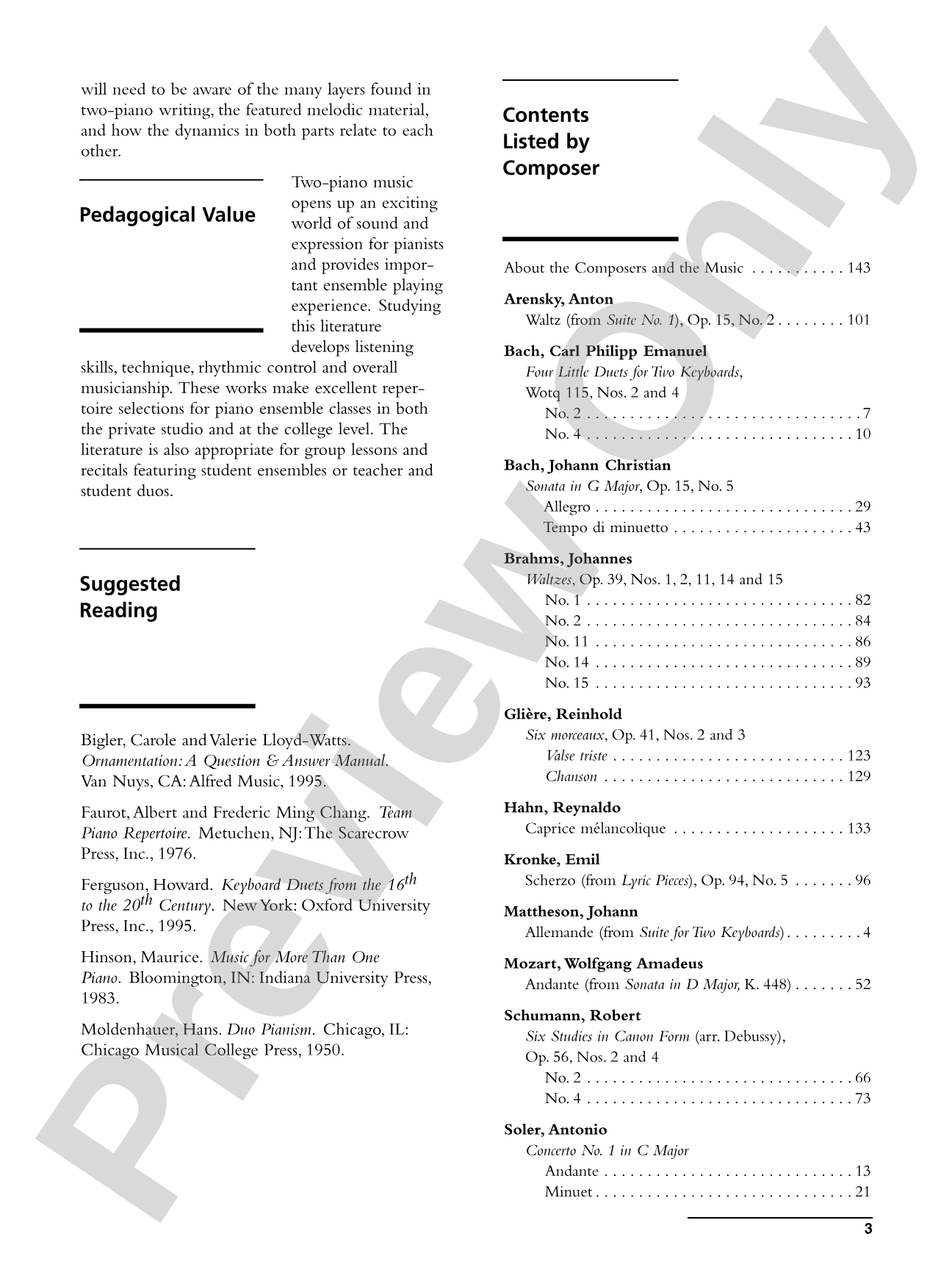
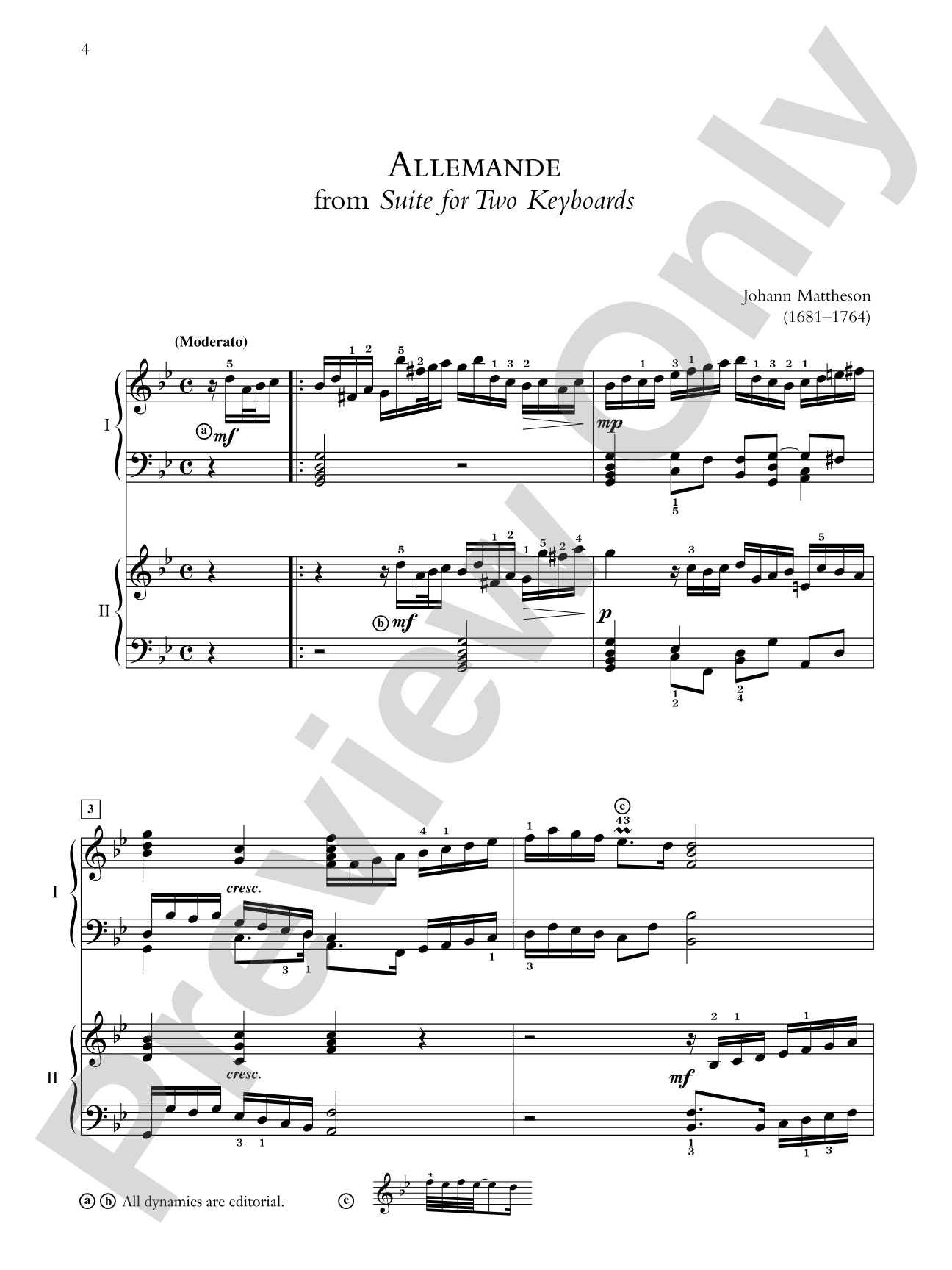
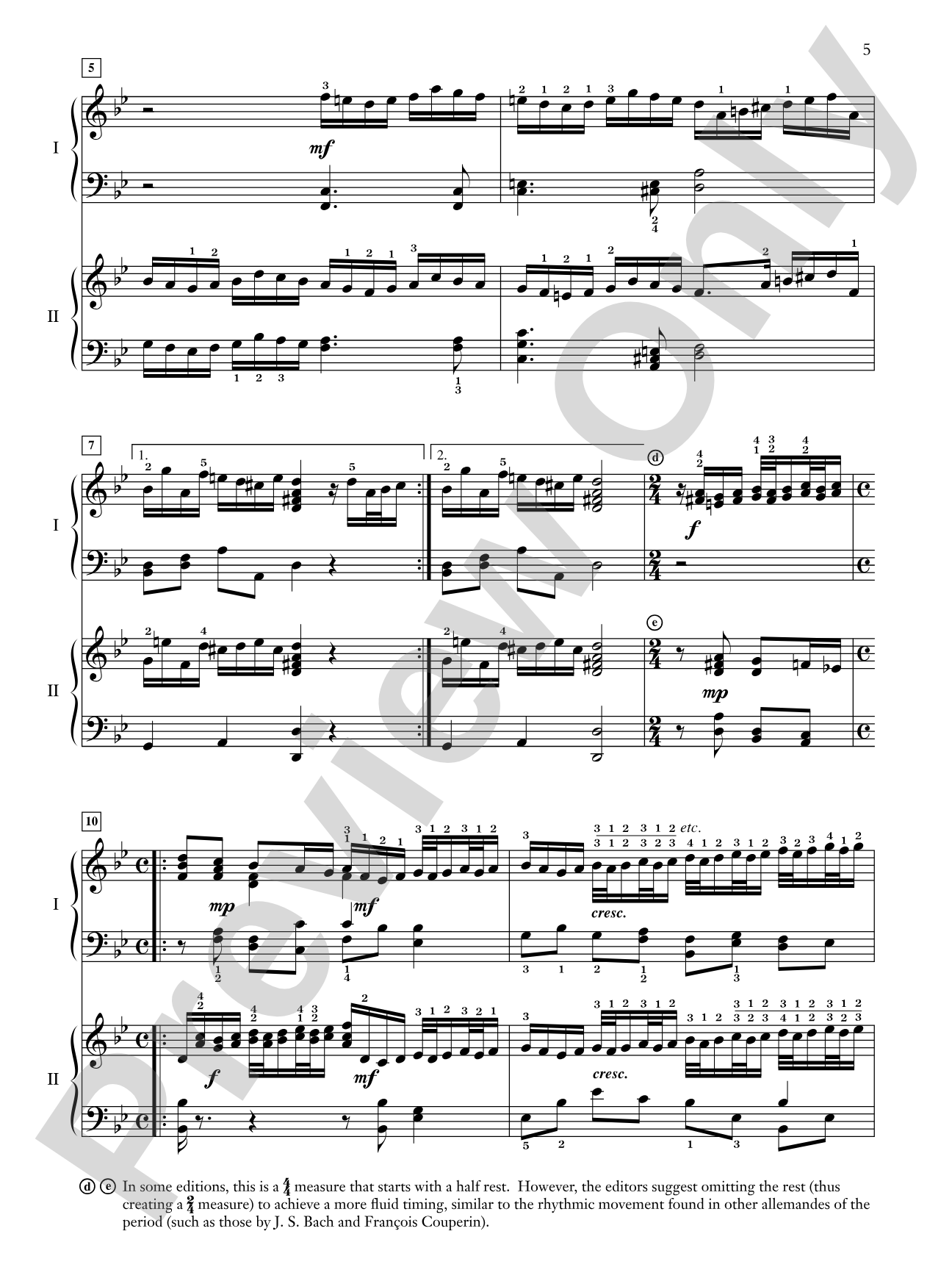
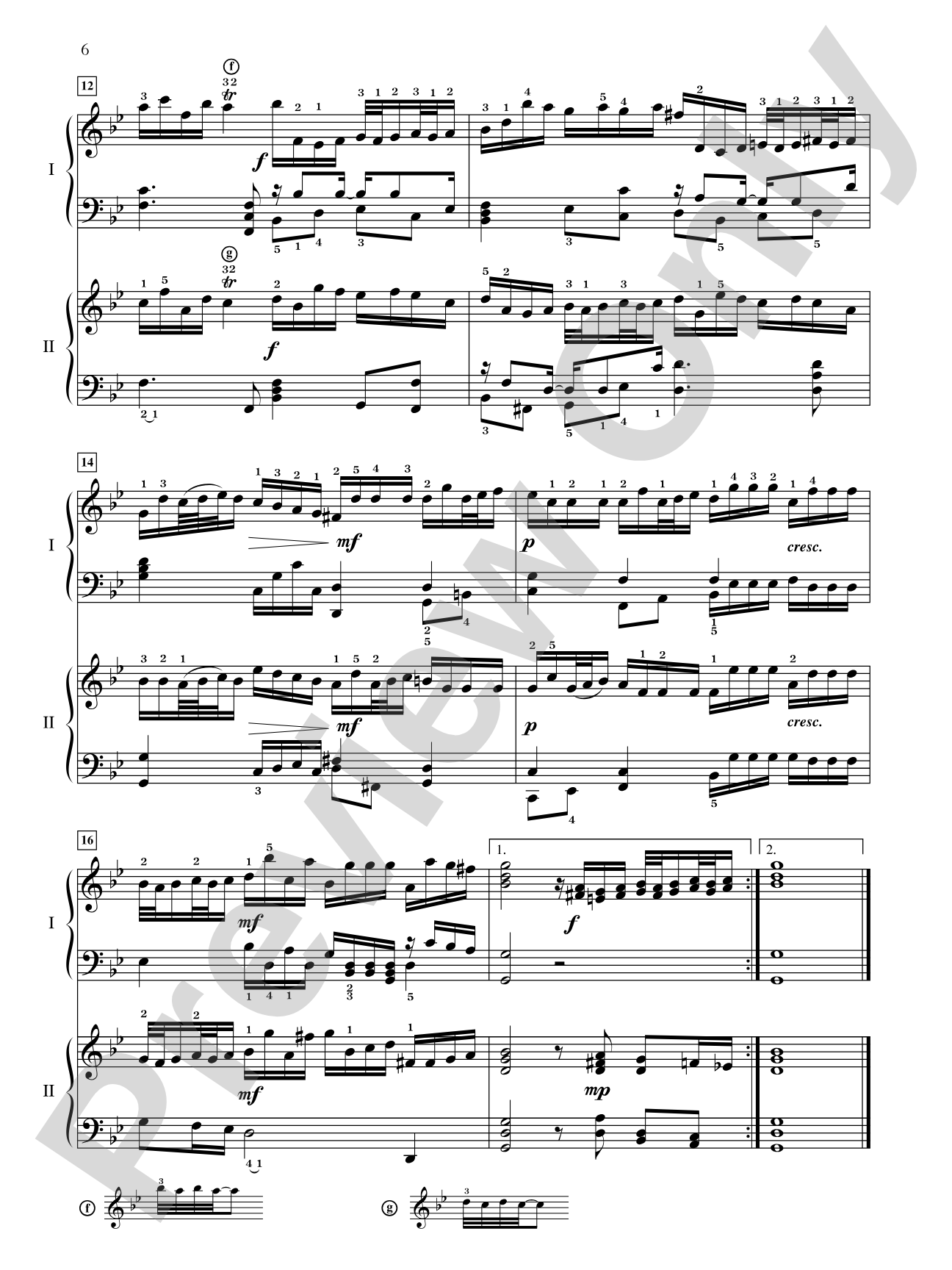
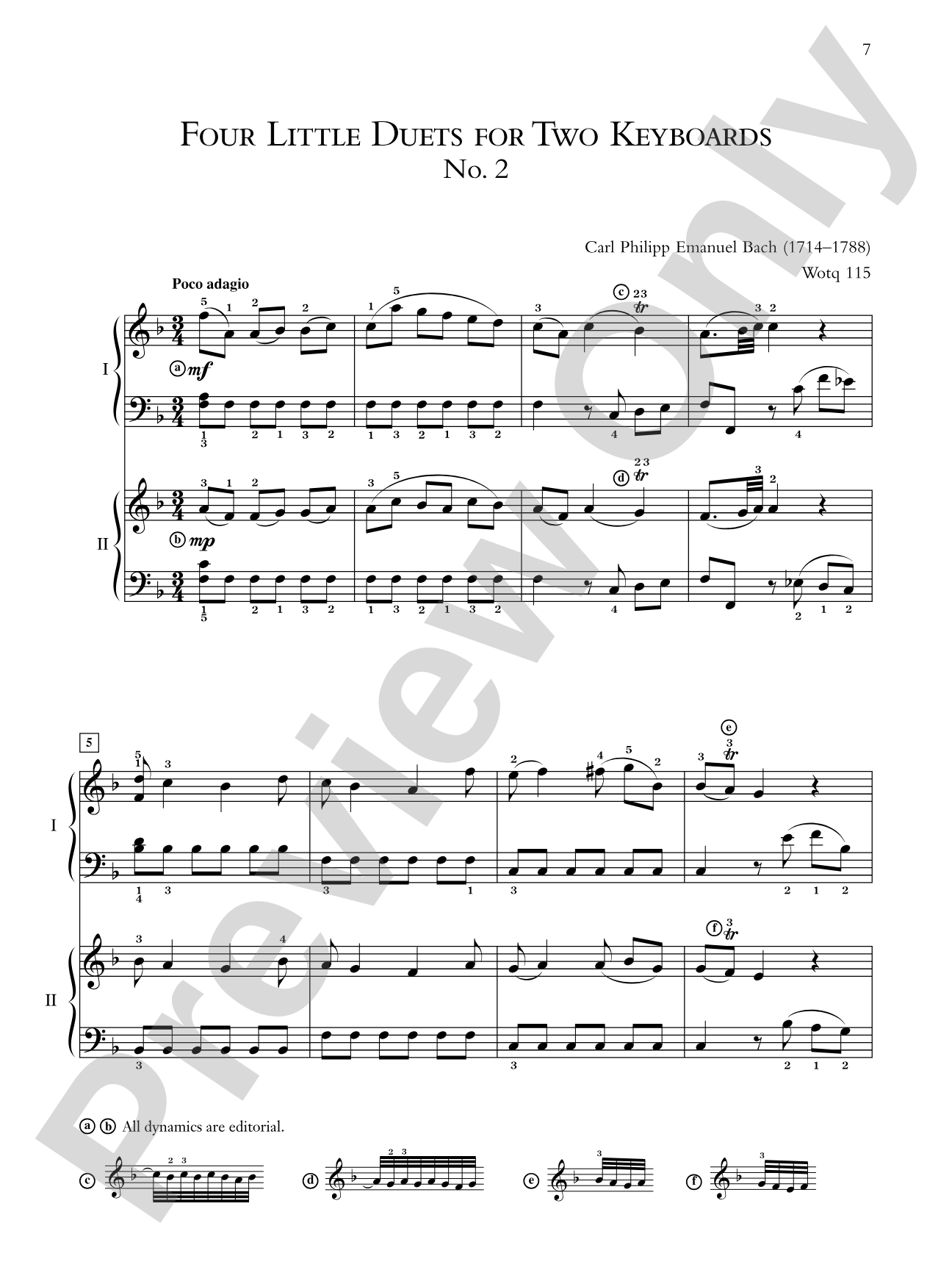
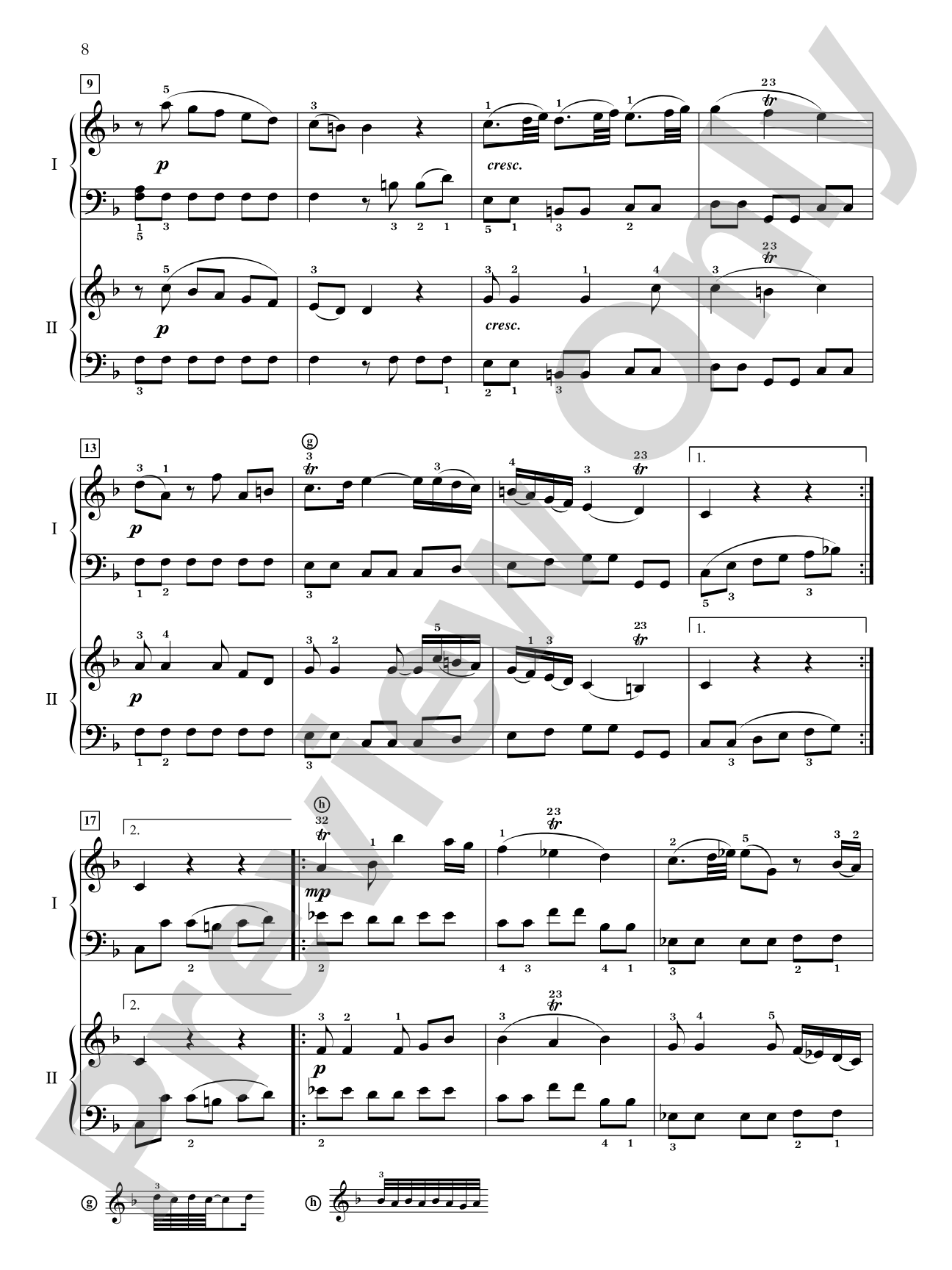
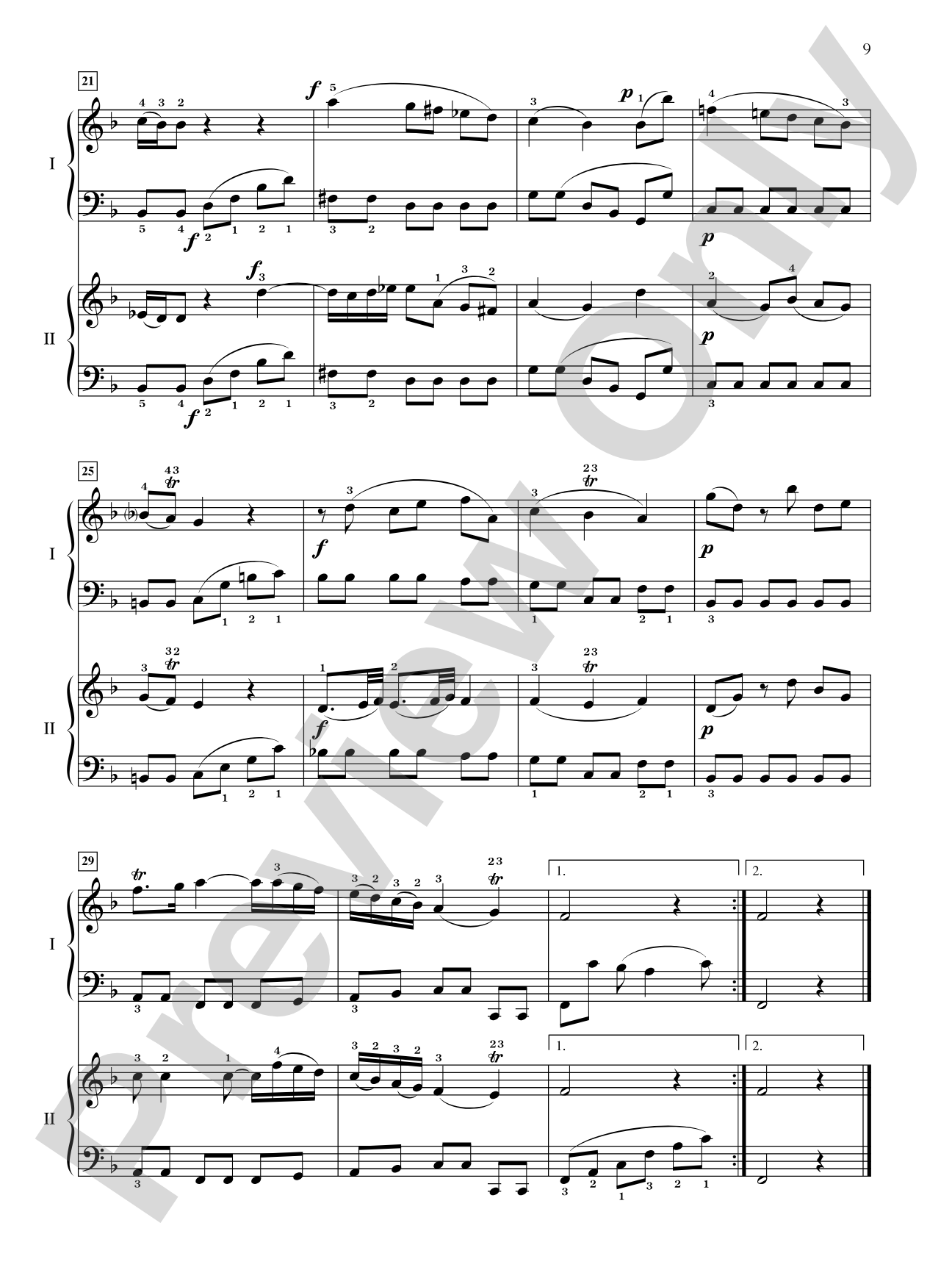
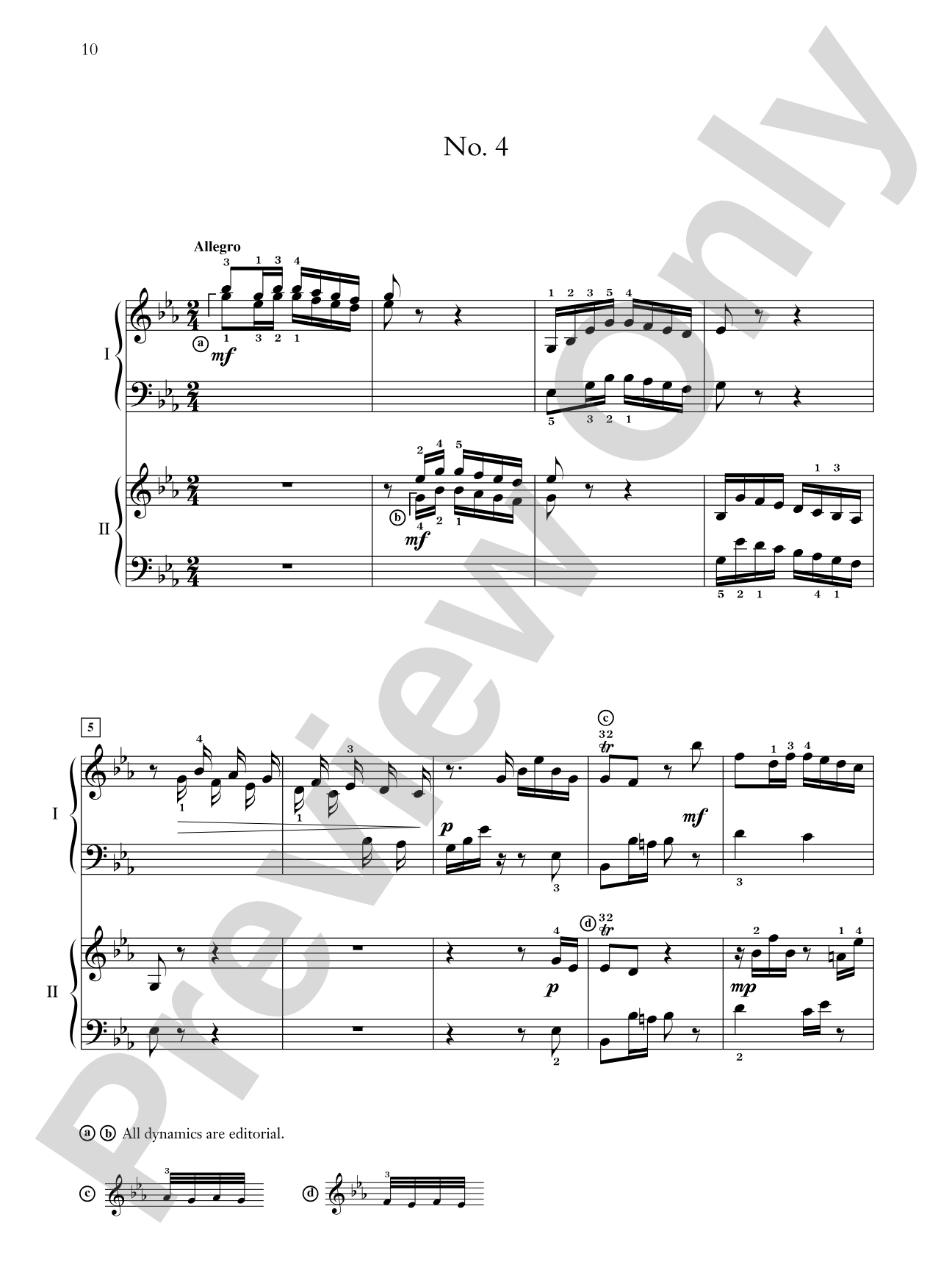
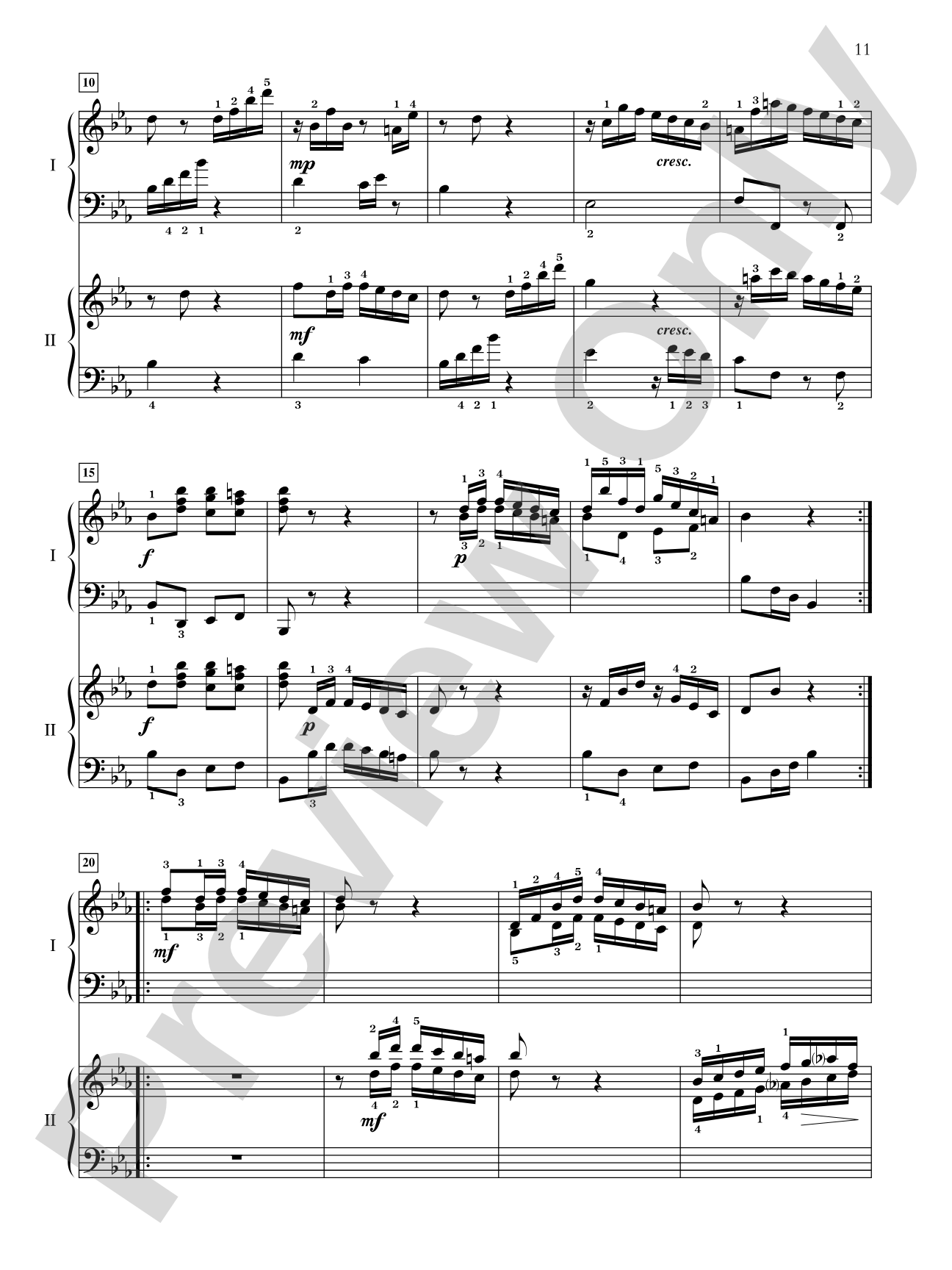
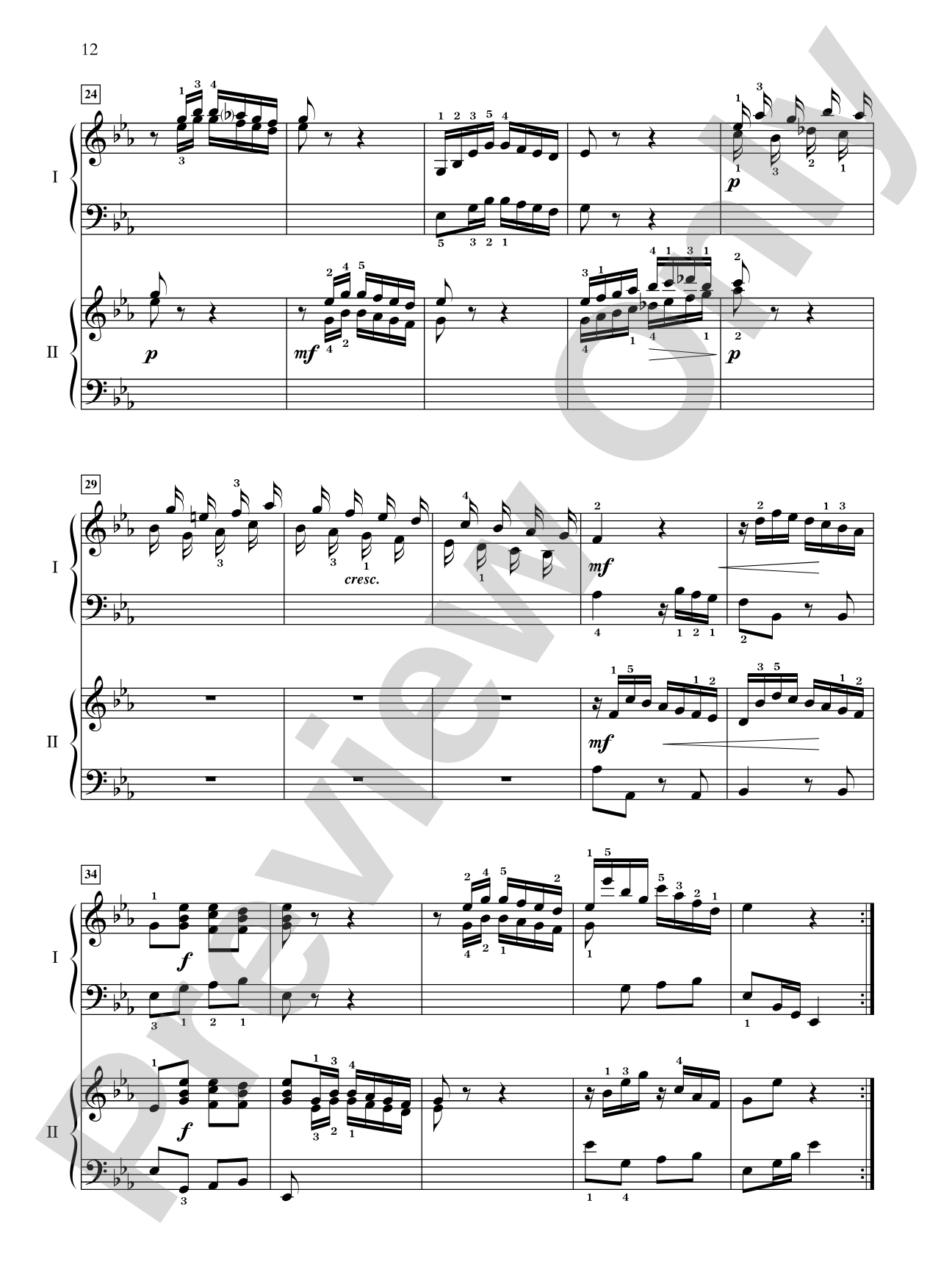
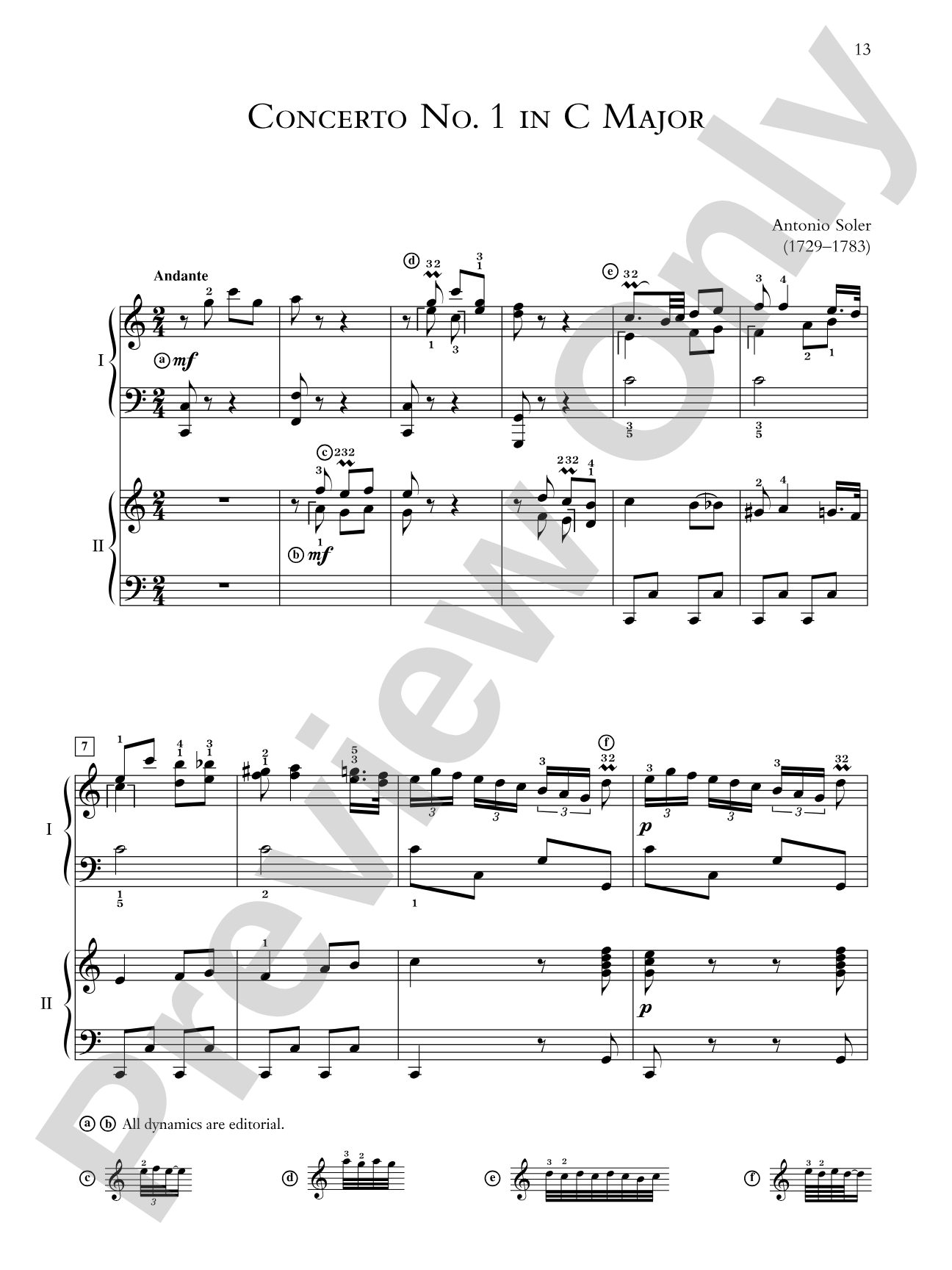
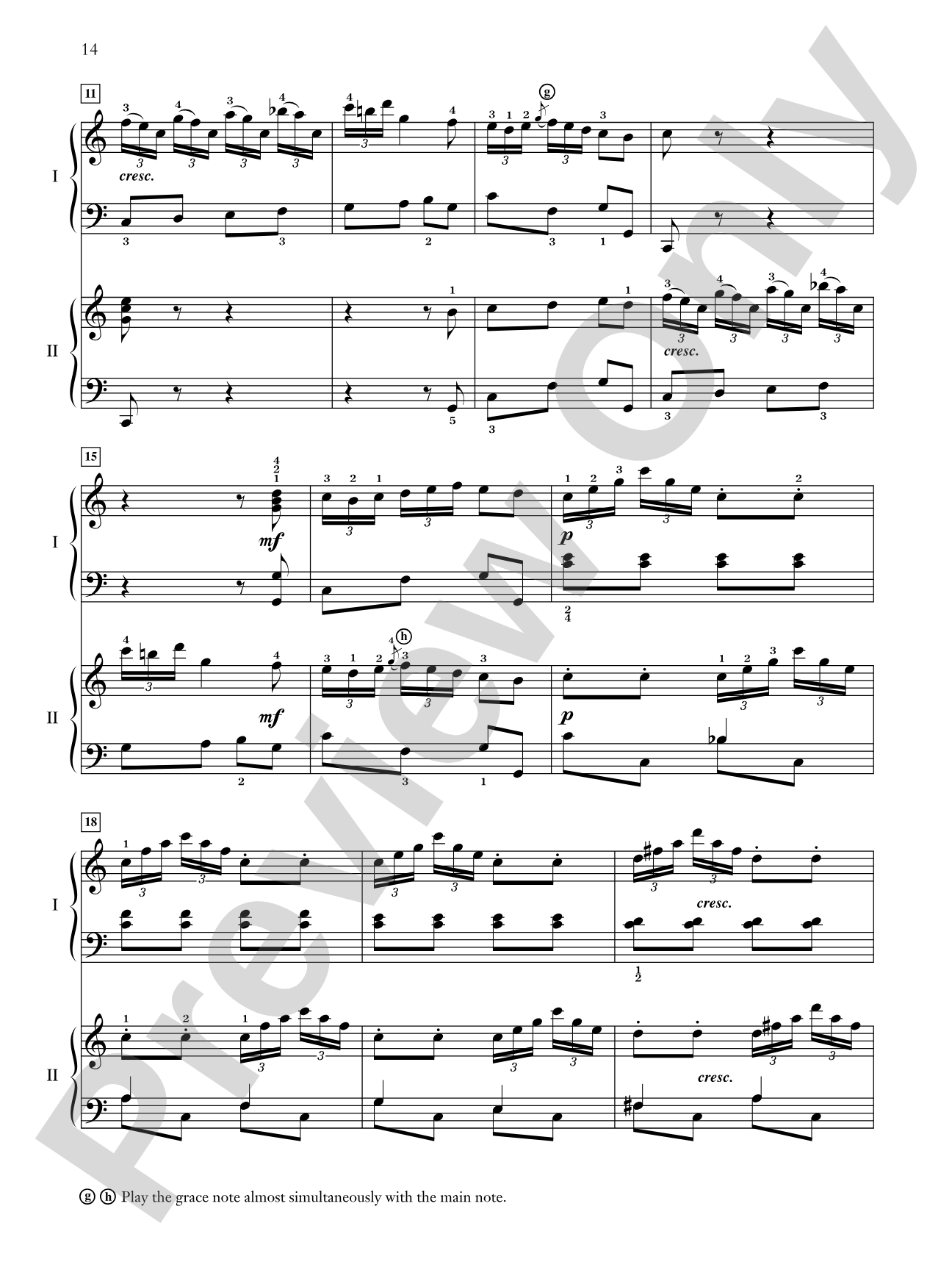
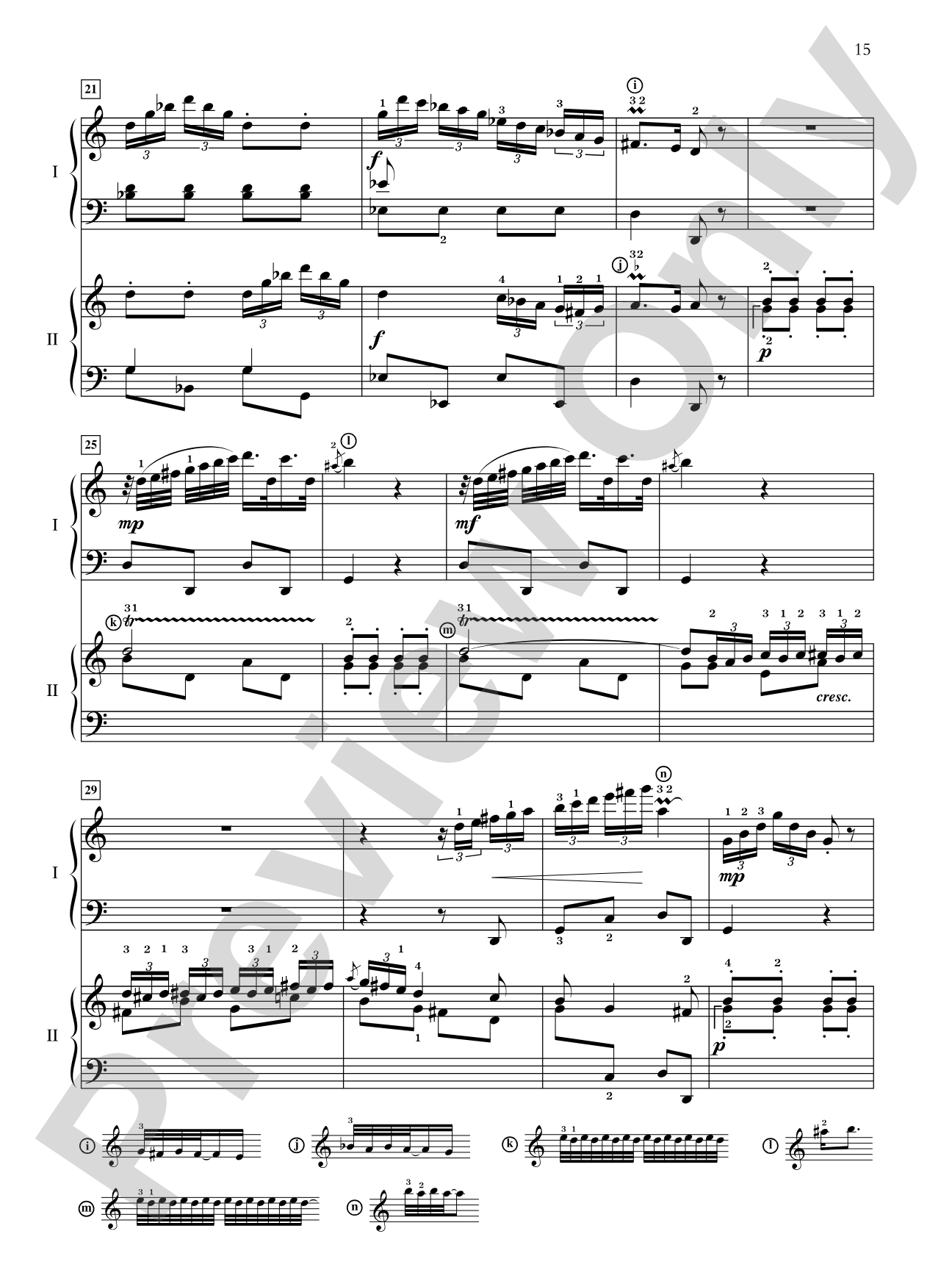
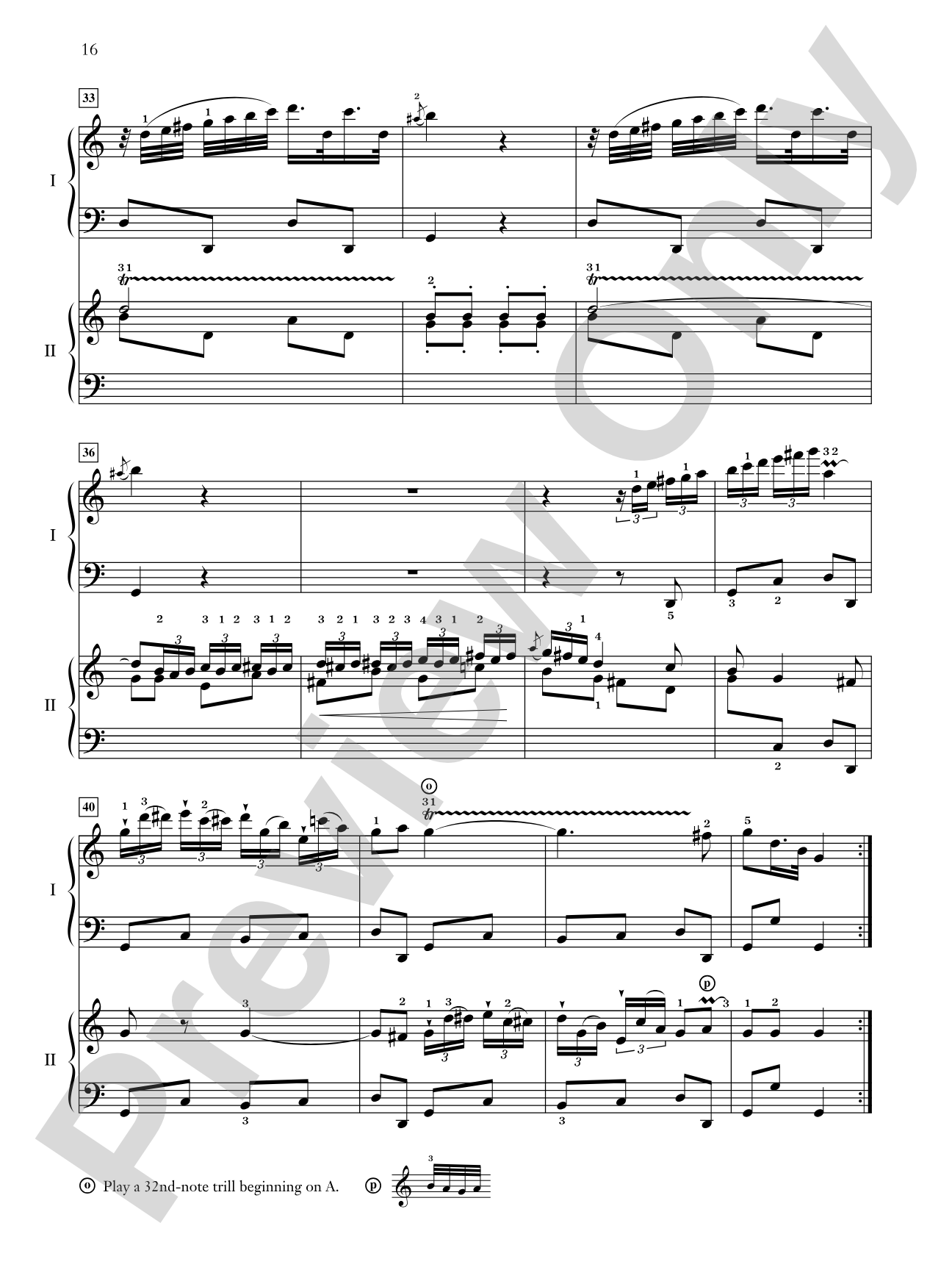
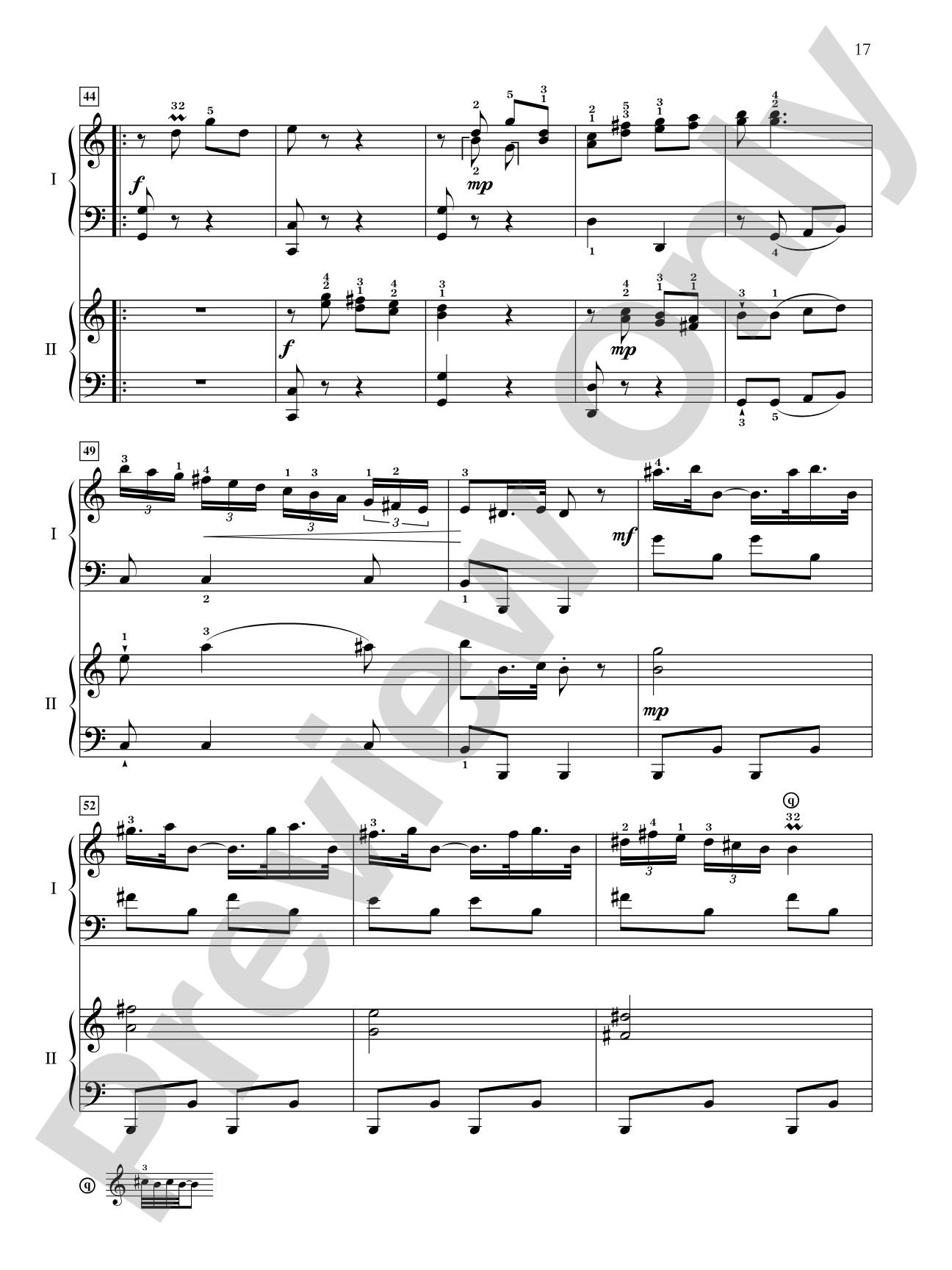
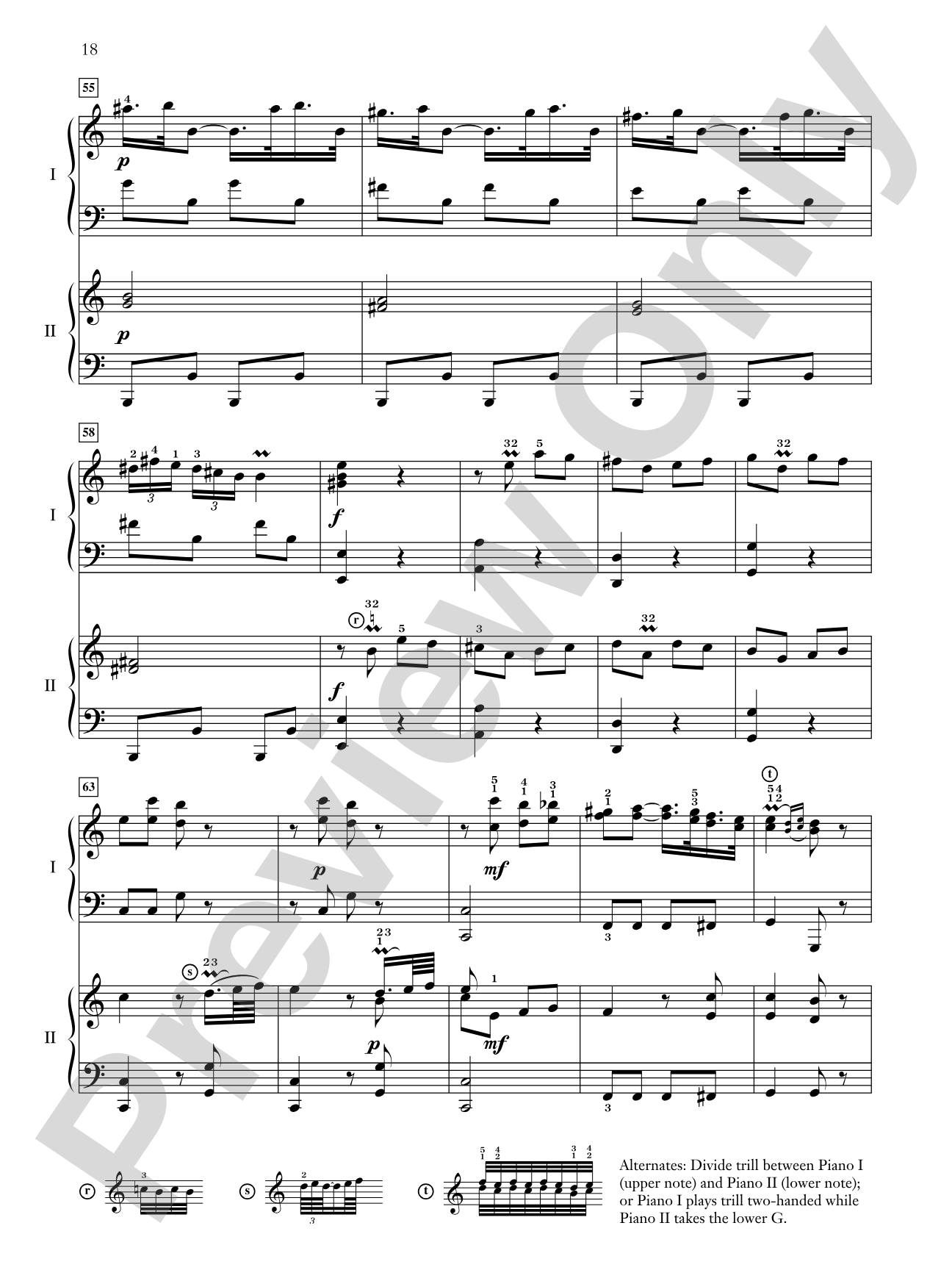
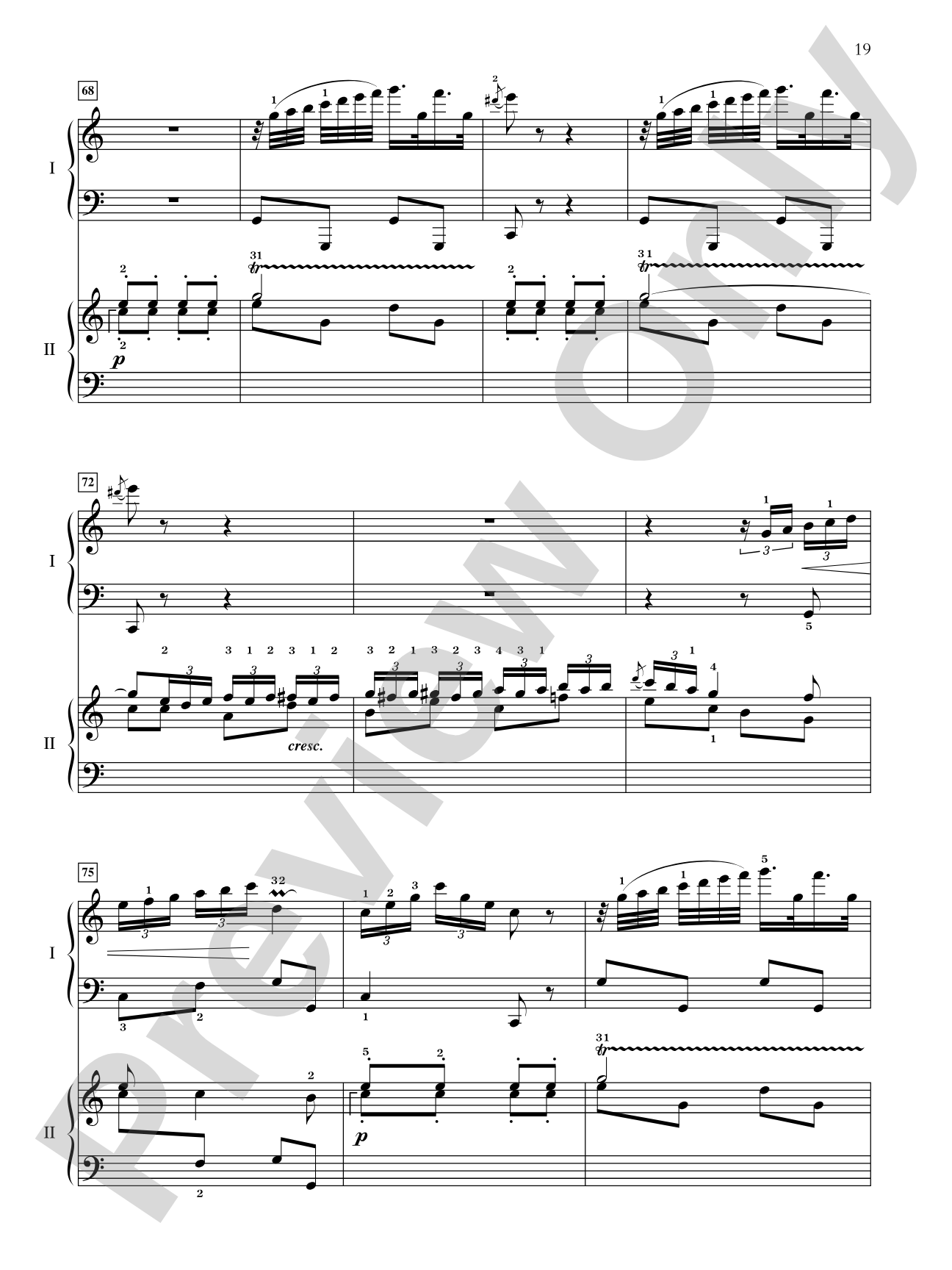
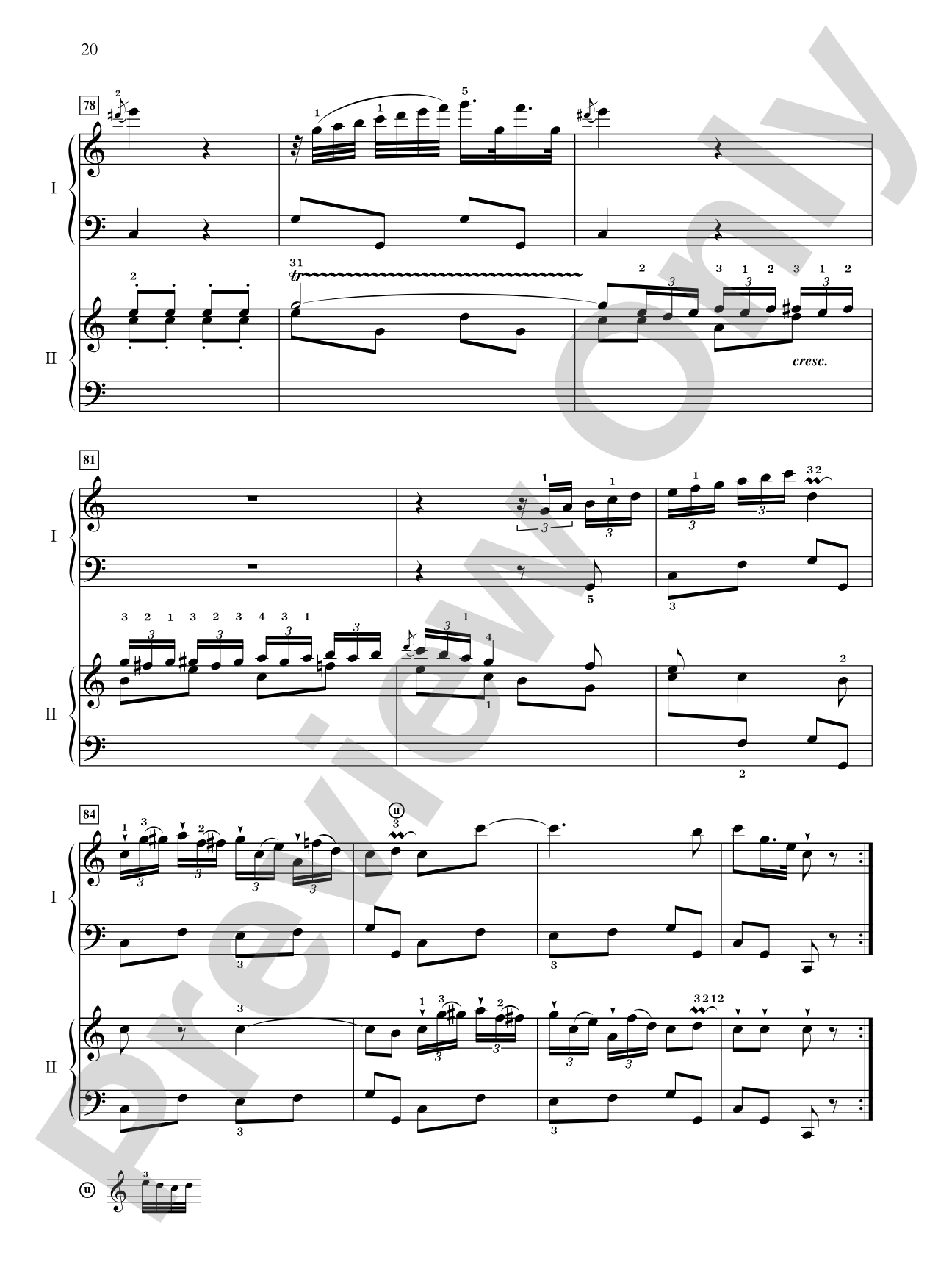
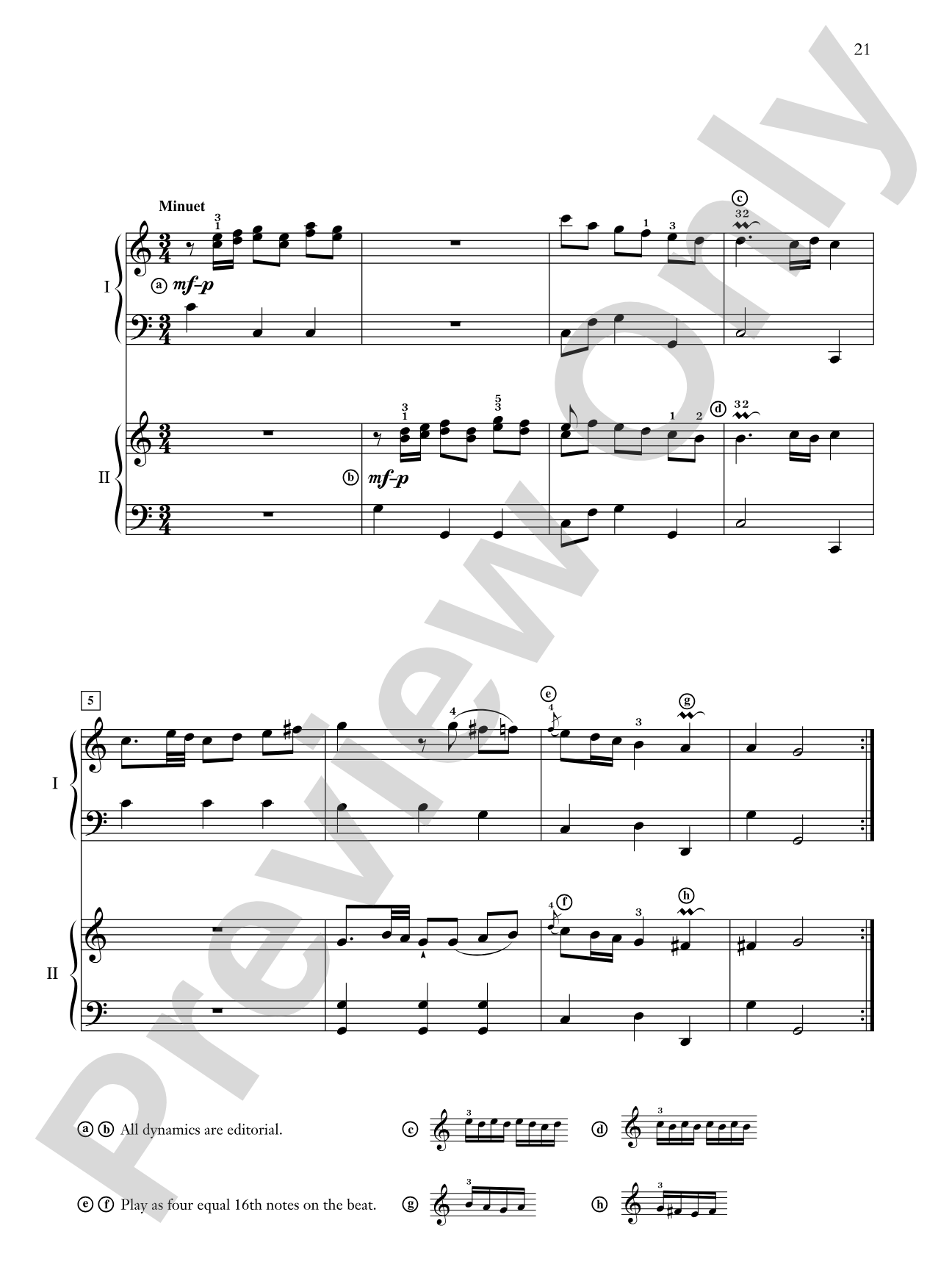
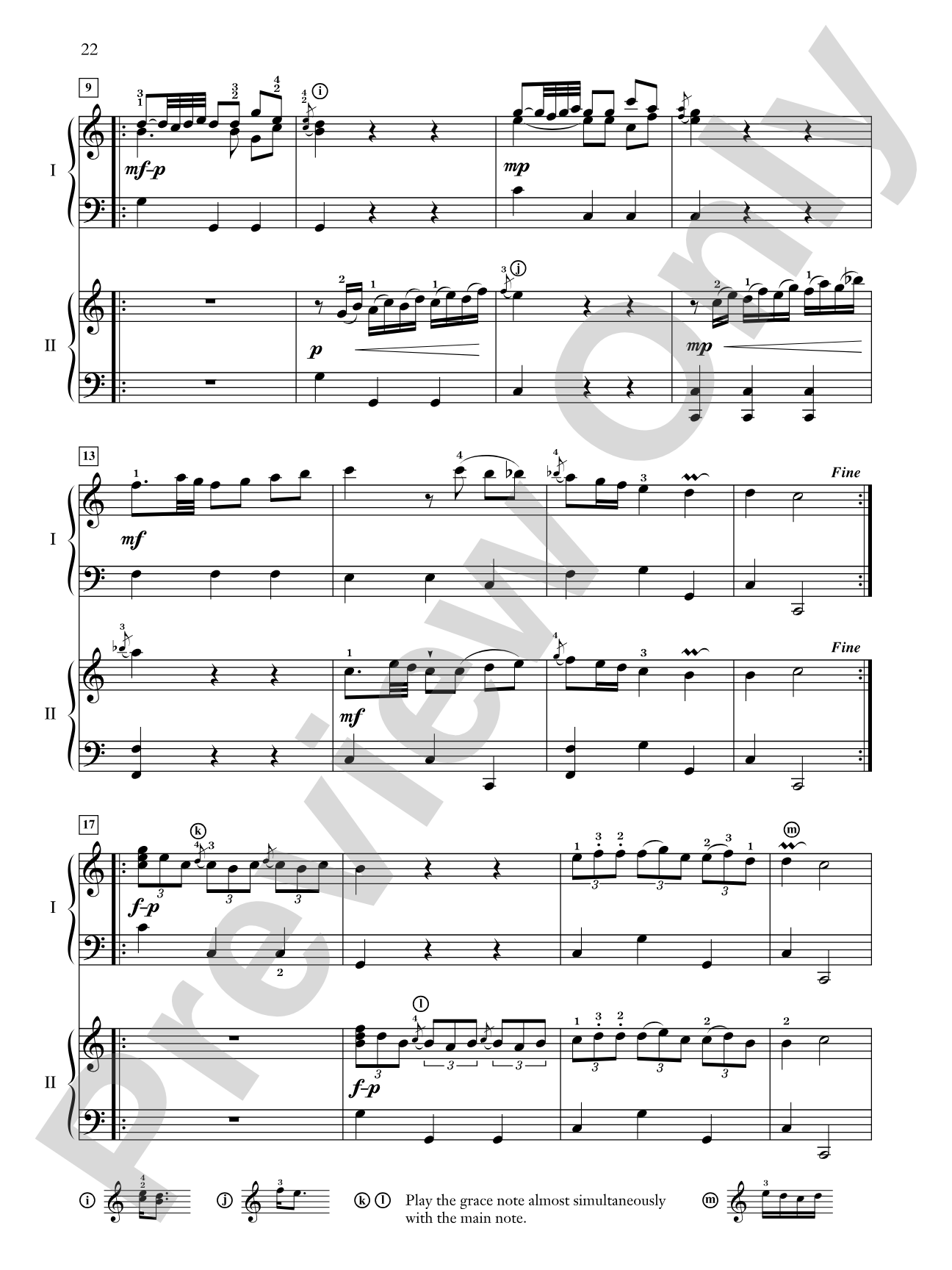
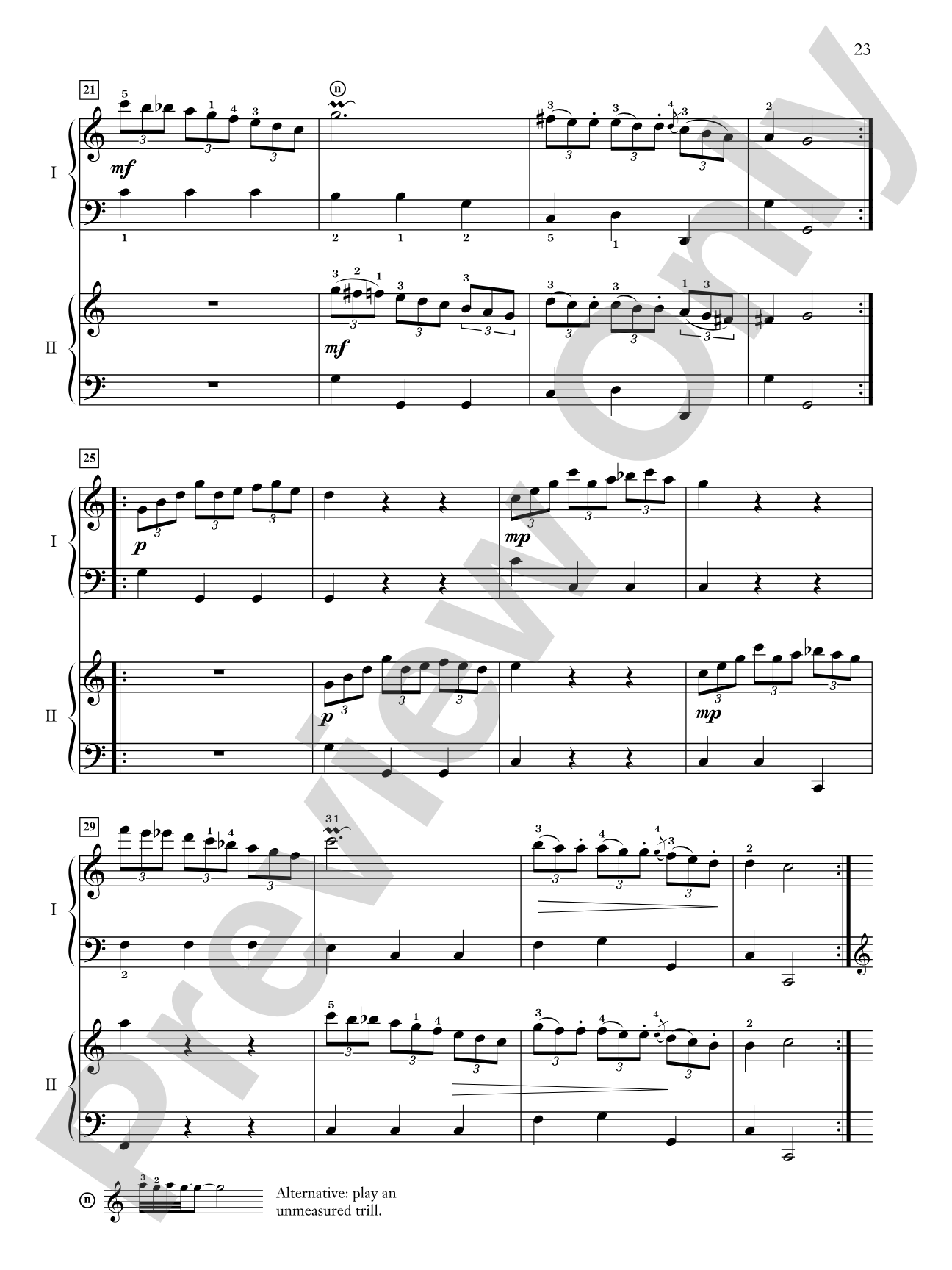
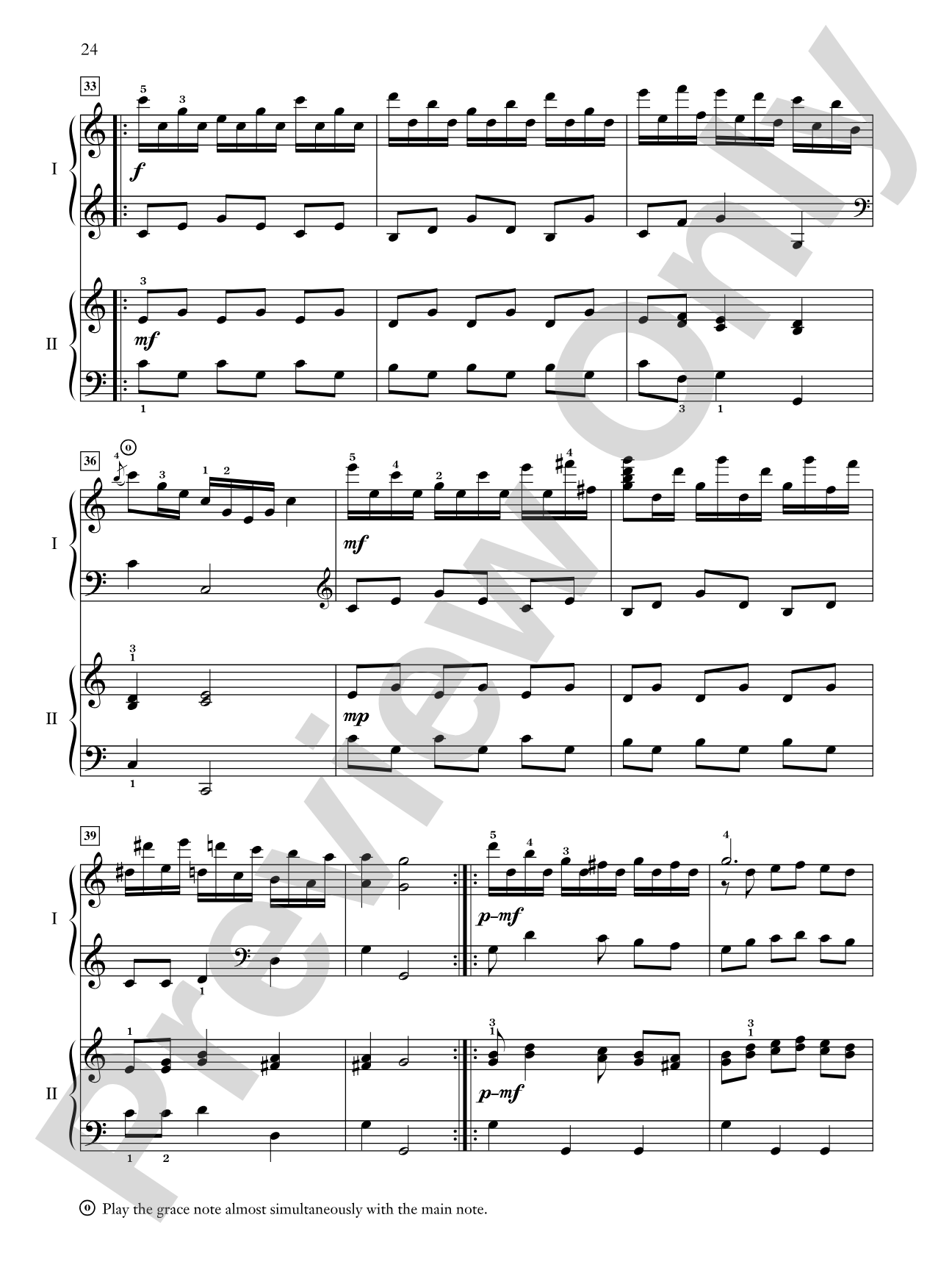
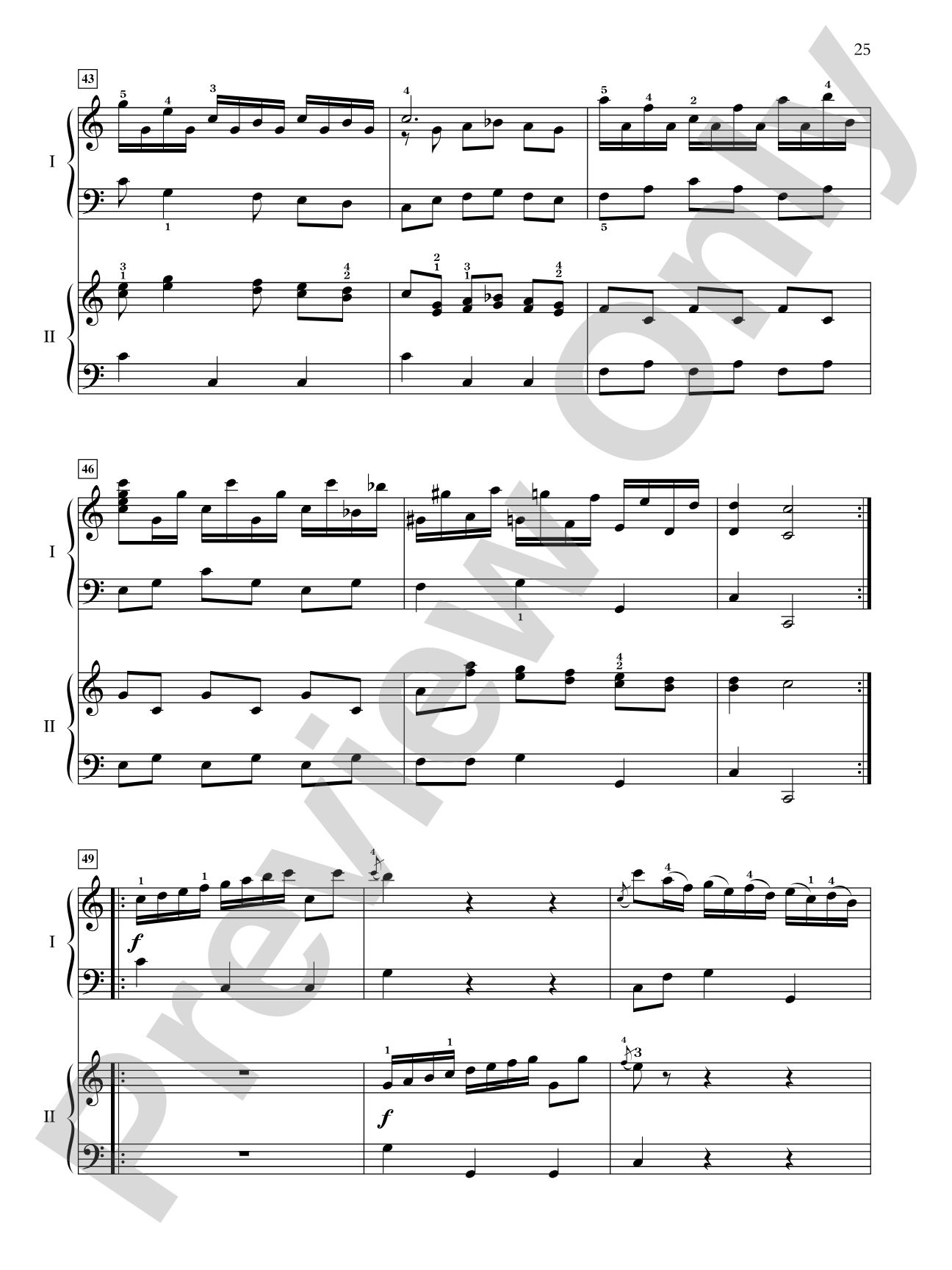
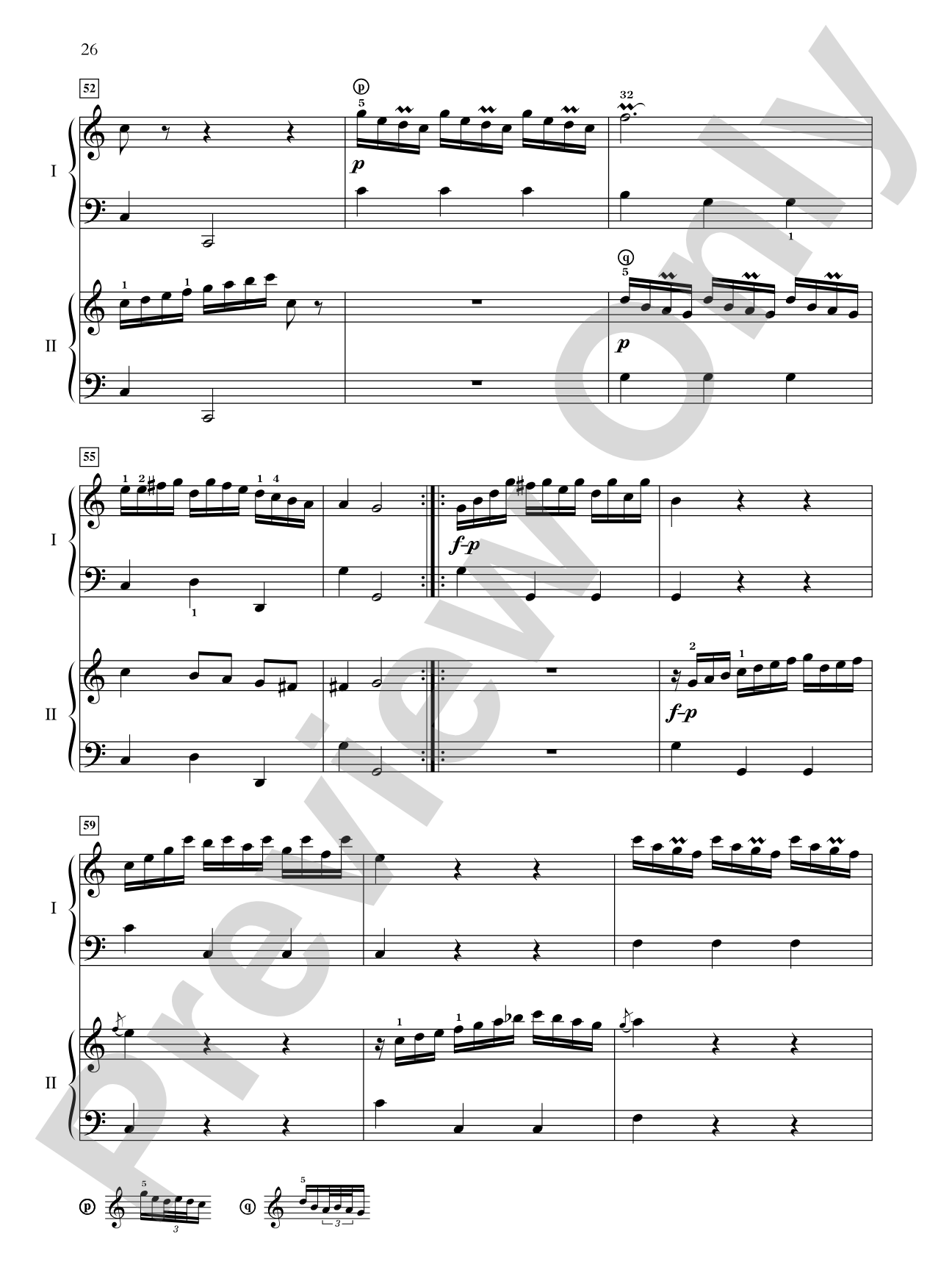
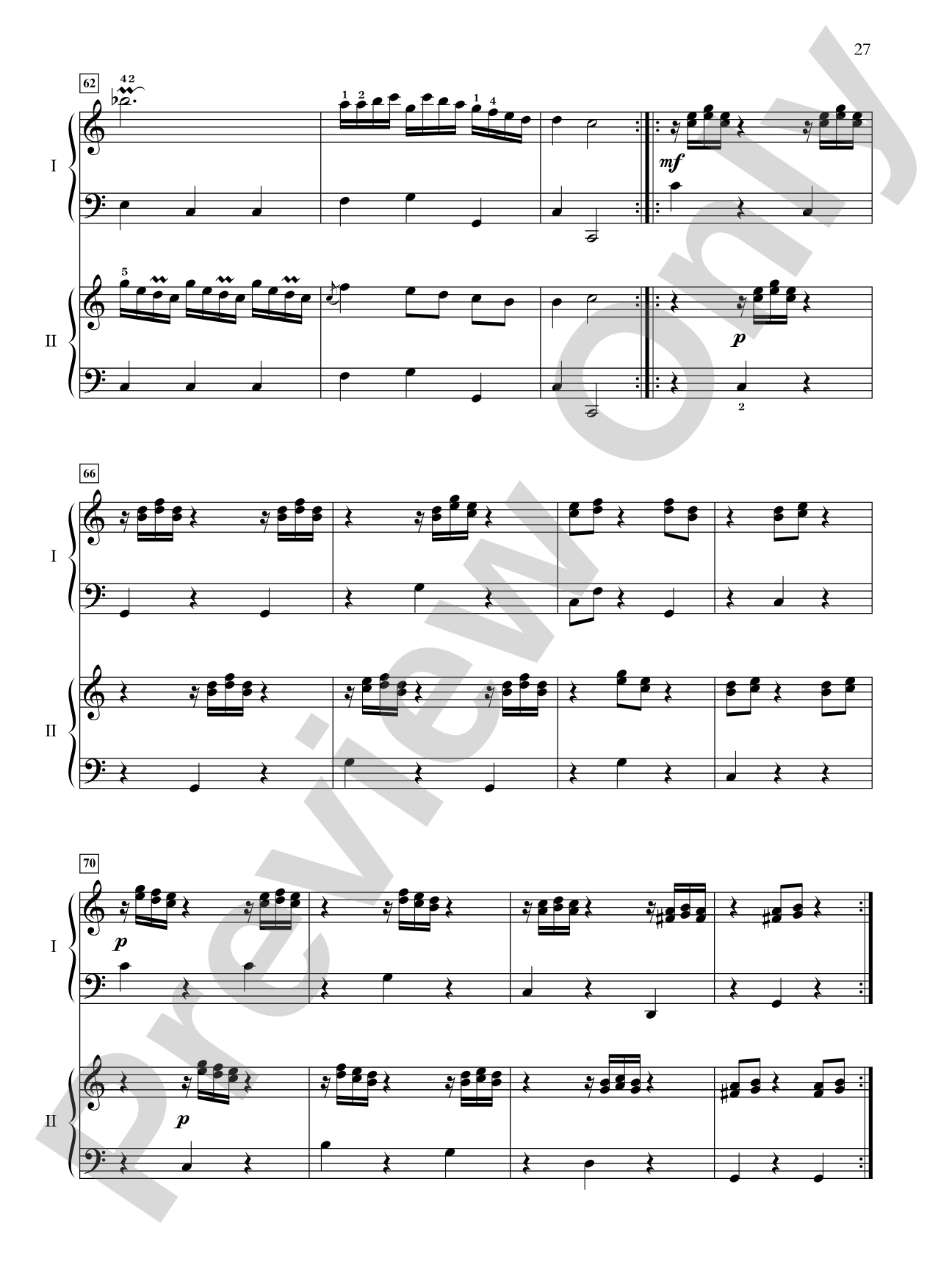
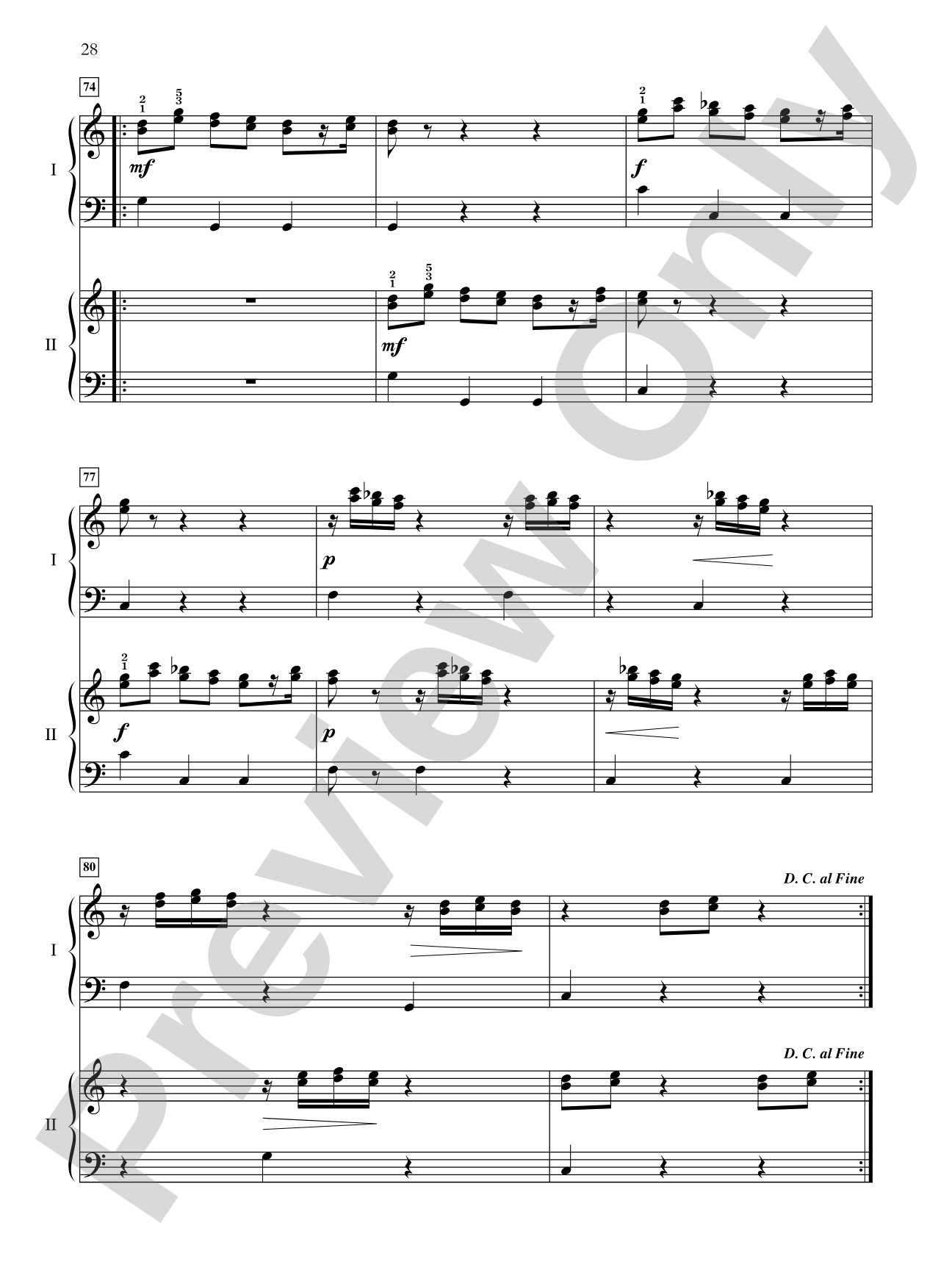
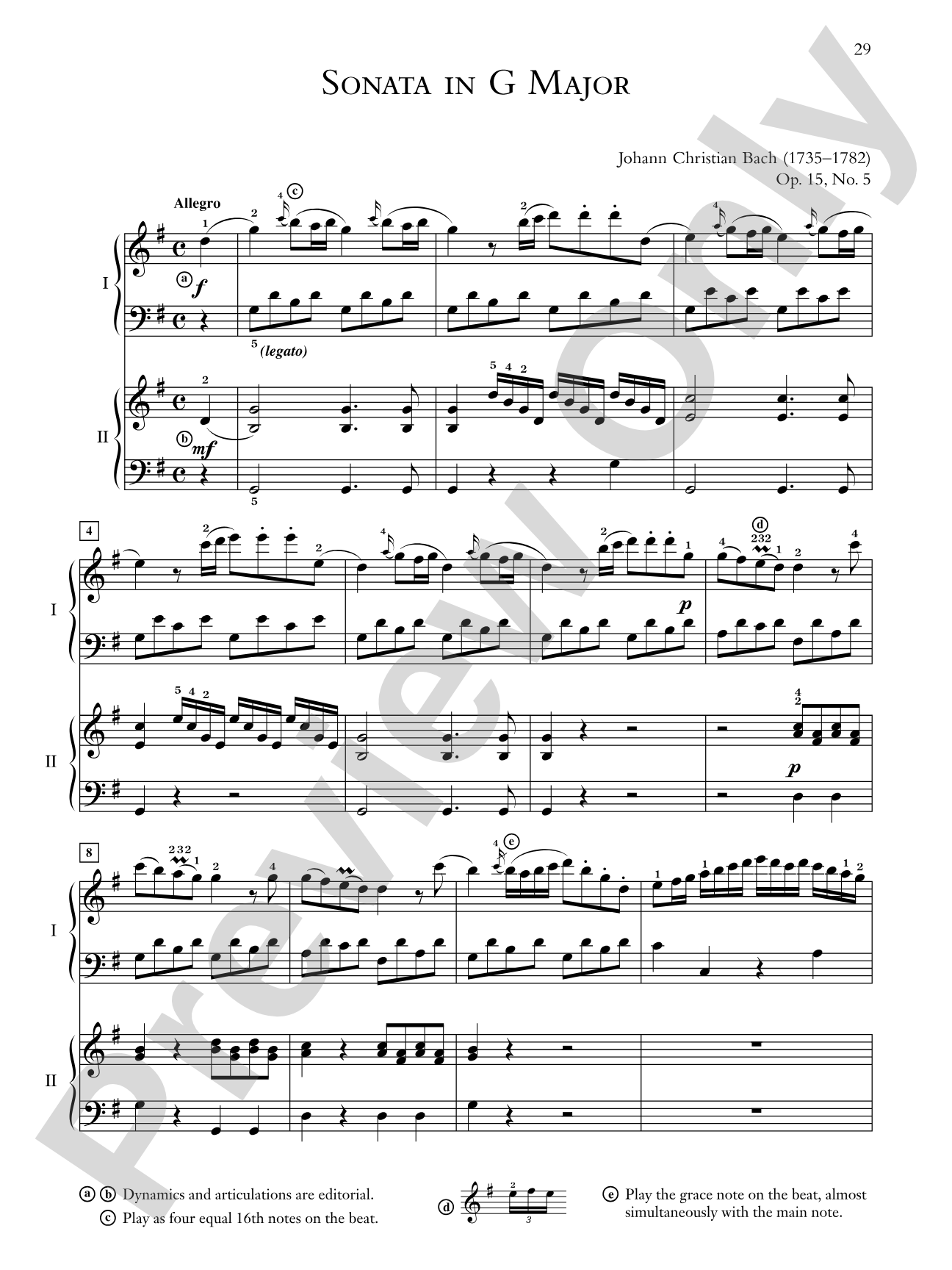
Two-piano music helps develop listening skills, technique, rhythmic control, and overall musicianship. A wide range of genres, countries, and composers are represented in this edition, including Arensky, Bach, Brahms, Hahn, Mozart, Schumann, Soler, and others. Detailed discussions of the composers, a history of two-piano repertoire, beautiful engraving, and fingering suggestions enhance this enjoyable edition. The pieces are presented in score form, with Piano I and Piano II parts both appearing on the same page; therefore, two copies are needed for performance. A Federation Festivals 2024-2028 selection.


Essential Two-Piano Repertoire: 20 Late Intermediate to Early Advanced Selections in Their Original Form - Piano Duo (2 Pianos, 4 Hands): Piano Duets & Four Hands isn't in MakeMusic Cloud just yet...but it could be. Let us know you'd like to see it, and you'll help shape what comes next. In the meantime, start a free trial and dive into thousands of interactive titles your students can play along with today.
Request This Title
Tell us you want it.
Start Your Free Trial
Explore everything that's ready to play right now.
Sample Audio
No sample audio found.
Sample Video
No sample videos found.
Additional Details
Series:
Alfred Masterwork Edition: Essential Keyboard Repertoire
Publisher:
Alfred Music
Page Count:
144
SKU:
00-PB-0000648
More about this title
Why we love this
This collection spans centuries and aesthetic worlds without feeling scattered, because the curators understood what makes two-piano writing rewarding for intermediate players stepping into serious repertoire. The original forms matter here; no arrangements, no simplifications, which means students encounter the composers' actual thinking about how two instruments inhabit the same harmonic space.
What to expect
Intimate and intricate. Two pianos create a conversation, sometimes sparring for attention, sometimes weaving around each other with delicate precision. The late intermediate to early advanced repertoire here feels genuinely accomplished without the virtuosic demands of Rachmaninoff or Poulenc.
Who it's for
Two-piano teams preparing for competitions, festivals, or recitals who have moved past pedagogical duet books and need authentic repertoire at their level. Advanced intermediate students ready to experience how major composers actually wrote for the medium.
How to get the most out of it
- Start rehearsals by having both pianists play their parts separately, then gradually move to synchronized runs. Two-piano literature exposes uneven tempo immediately, and building confidence individually first prevents frustration.
- Map out the score's dialogue before you touch the keys. Mark where Piano I leads, where Piano II provides rhythmic or harmonic anchor, where both move in parallel. This planning transforms sight-reading into conversation.
- Use the composer discussions and historical context provided in the edition to shape your interpretation. Understanding whether you're playing a salon piece, a study arrangement, or an original composition changes how you voice and balance.
- Record yourselves weekly during the learning phase. Ear training works differently when you hear yourself in relation to another piano; playback reveals balance issues and rhythmic drift that real-time playing masks.
How to use it
Build a two-piano concert by selecting three or four pieces from this collection that contrast in character and tempo; the range of composers ensures variety without requiring separate purchases. Include one selection in a chamber night celebrating keyboard ensemble, or structure a full recital around the collection's historical survey to create a teaching moment about how two-piano writing evolved.
Skills your students will build
- Listening across two independent melodic lines simultaneously
- Maintaining tempo independence while responding to a partner's pulse
- Balance and voicing in music where both instruments occupy similar registers
- Score reading across two staves arranged vertically
- Historical context and performance practice across Baroque through Romantic eras
- Collaboration and ensemble communication
- Rhythmic precision and flexibility within coordinated ensemble sound