
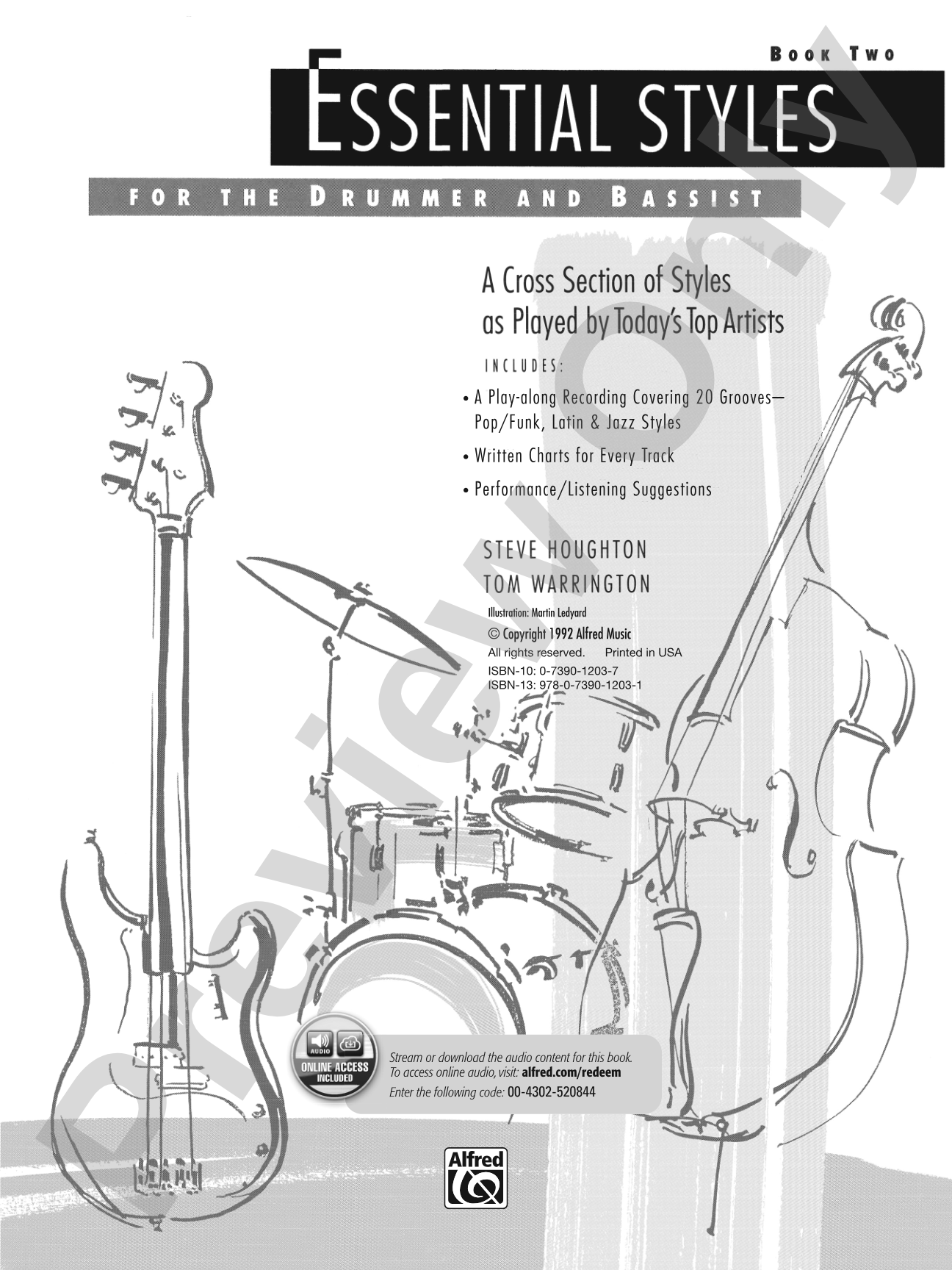

Essential Styles for the Drummer and Bassist, Book 2: A Cross Section of Styles As Played by Today's Top Artists
A Cross Section of Styles As Played by Today's Top Artists
By Steve Houghton and Tom Warrington
Item: 00-PB-0001789
$19.95
Pickup currently not available
Description
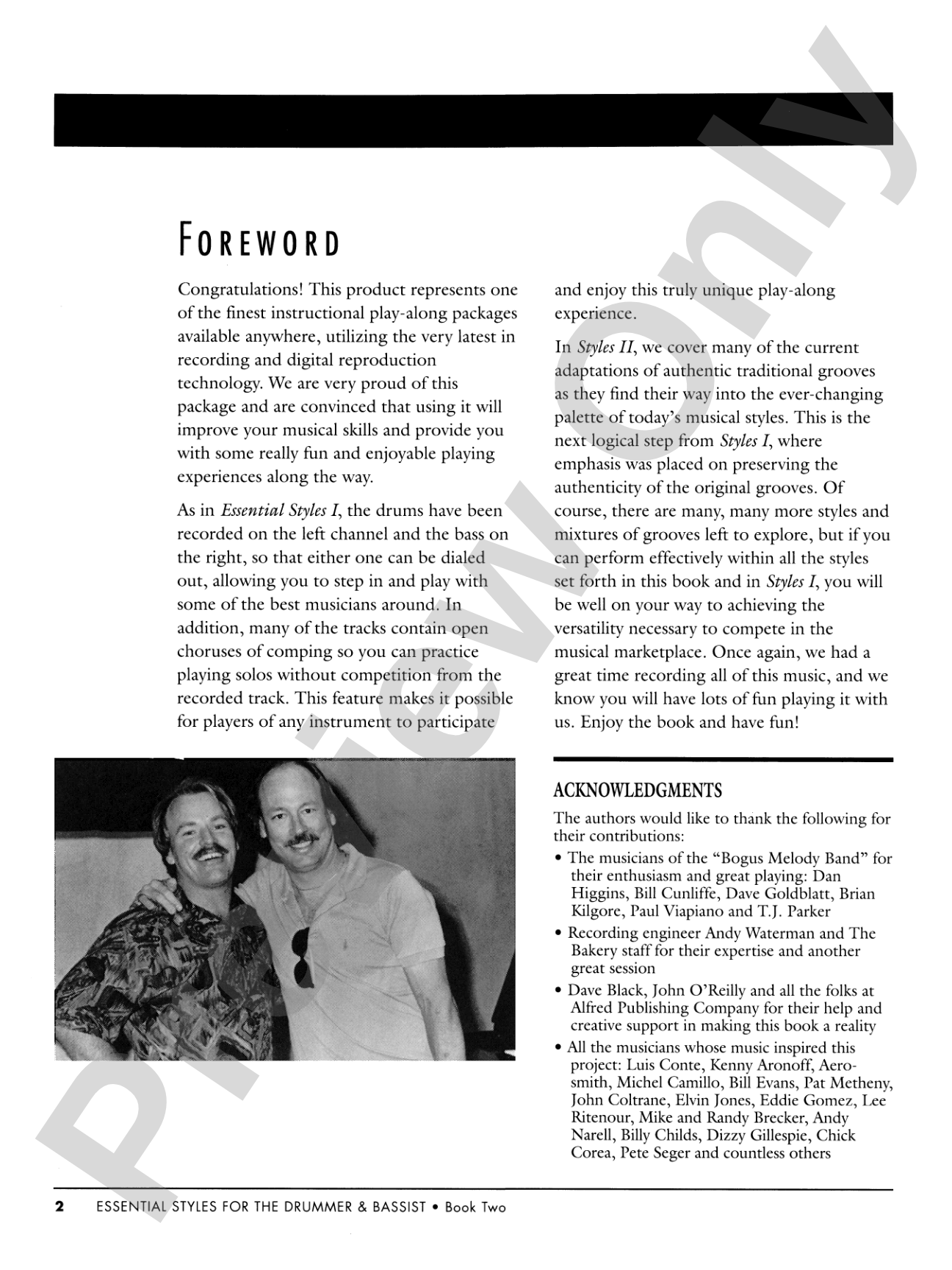
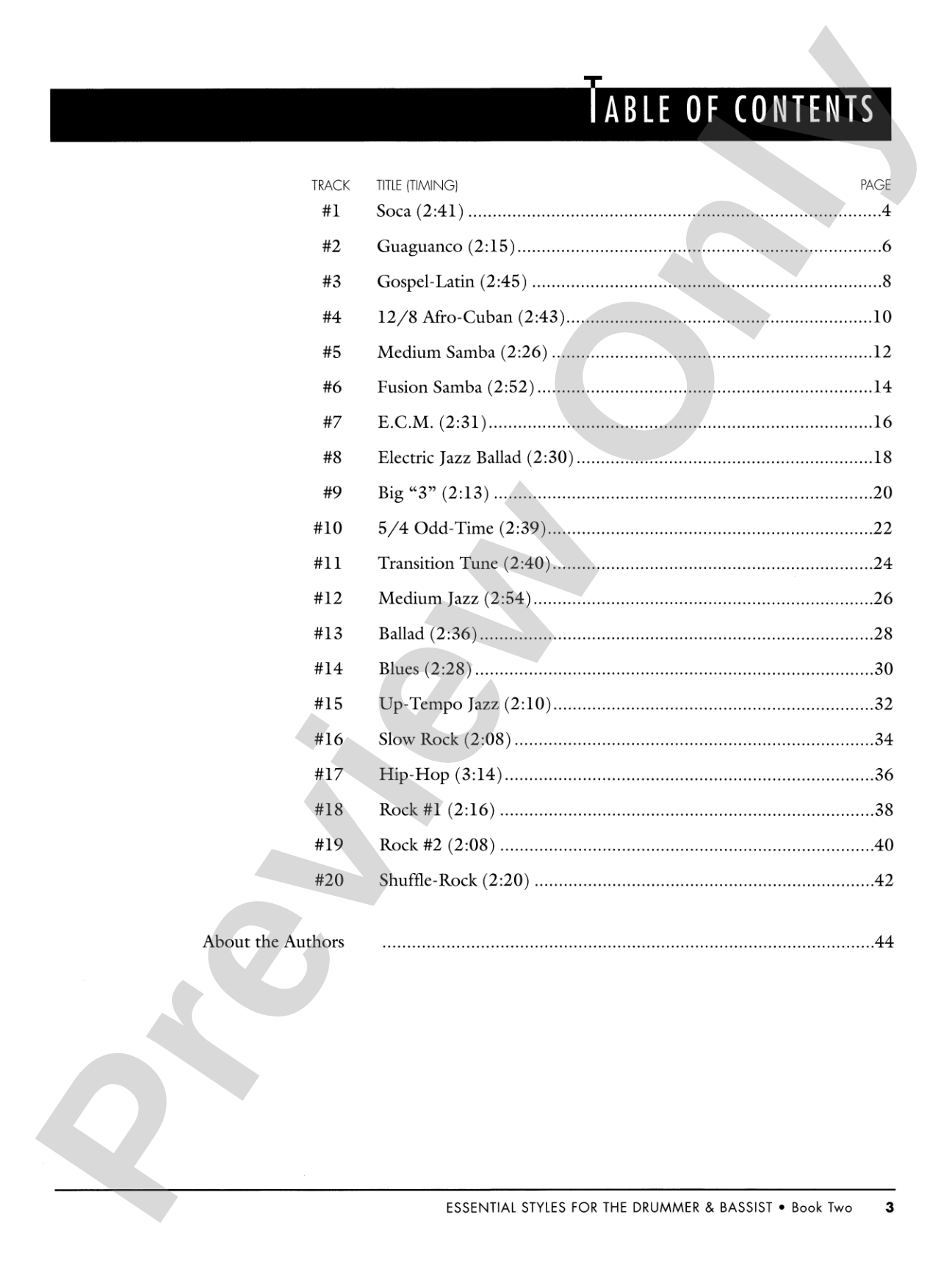
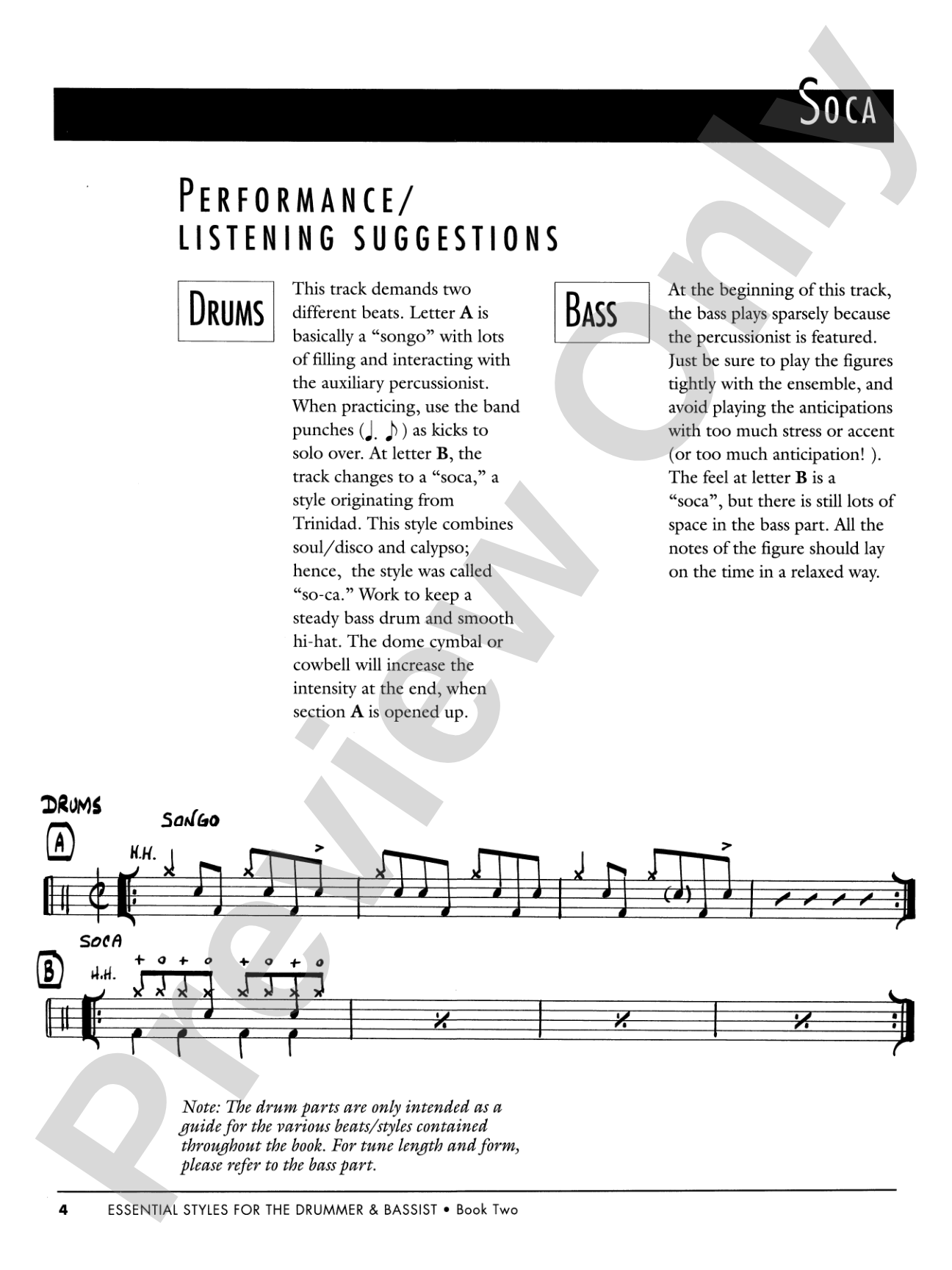
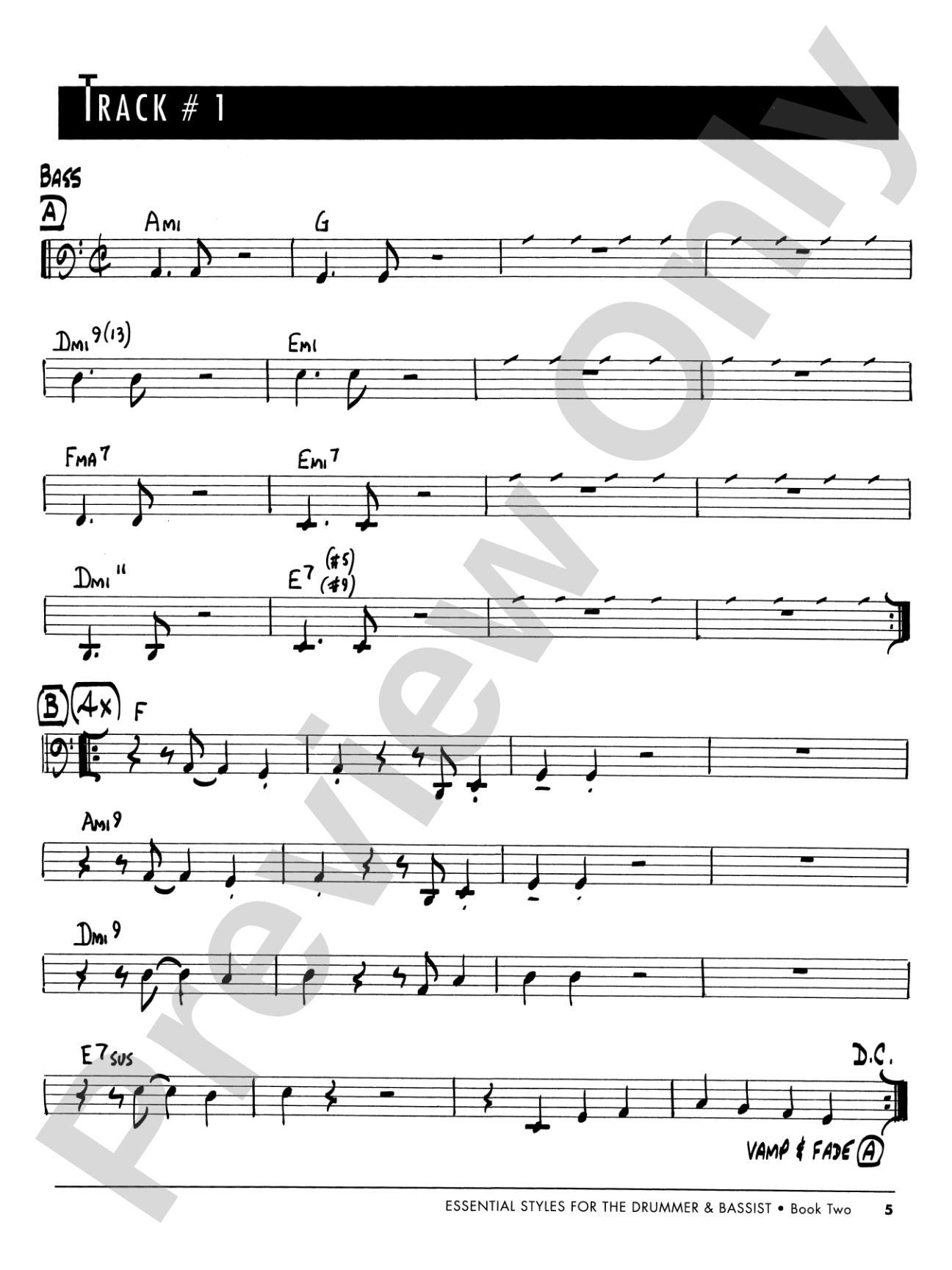
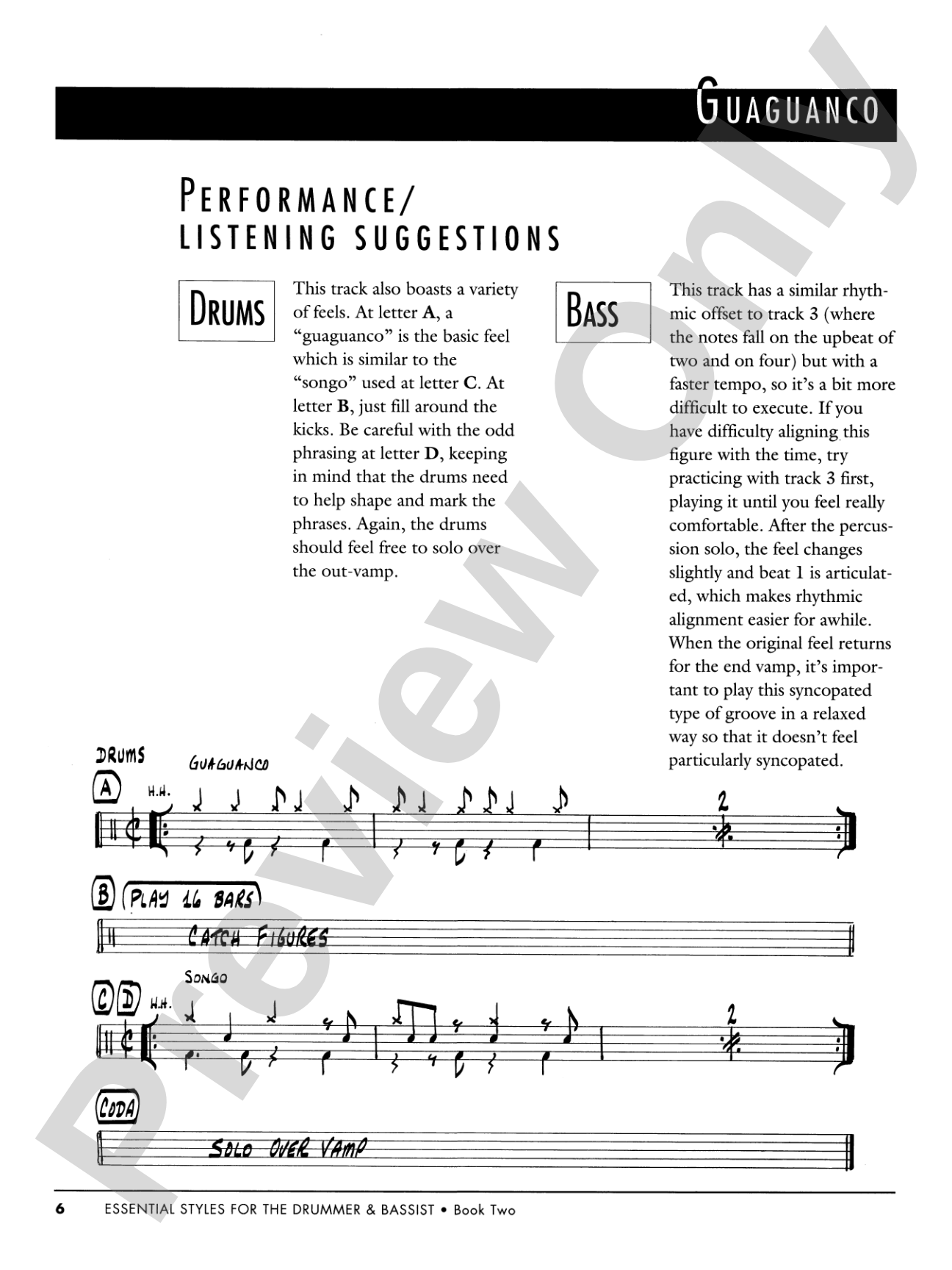
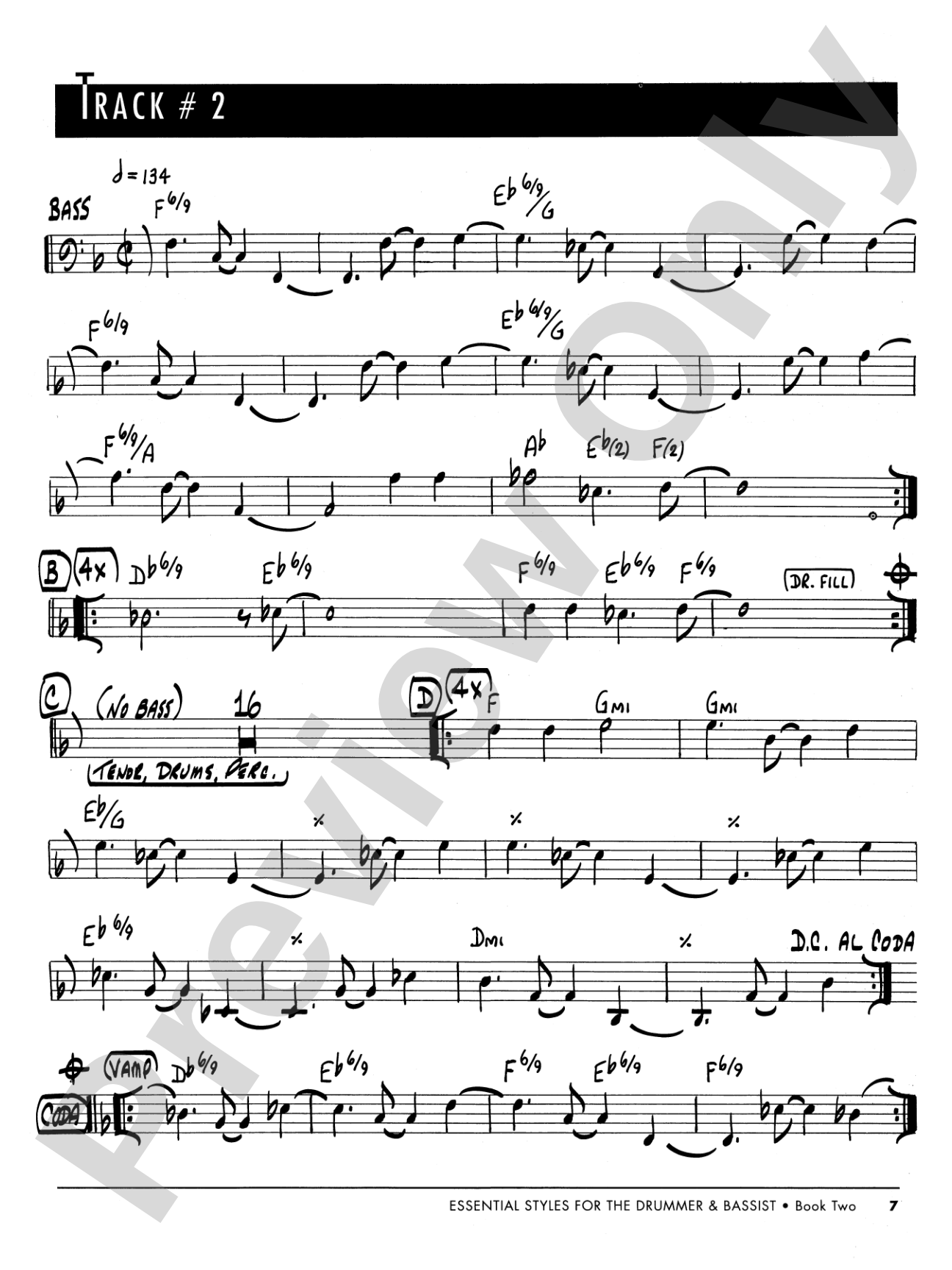
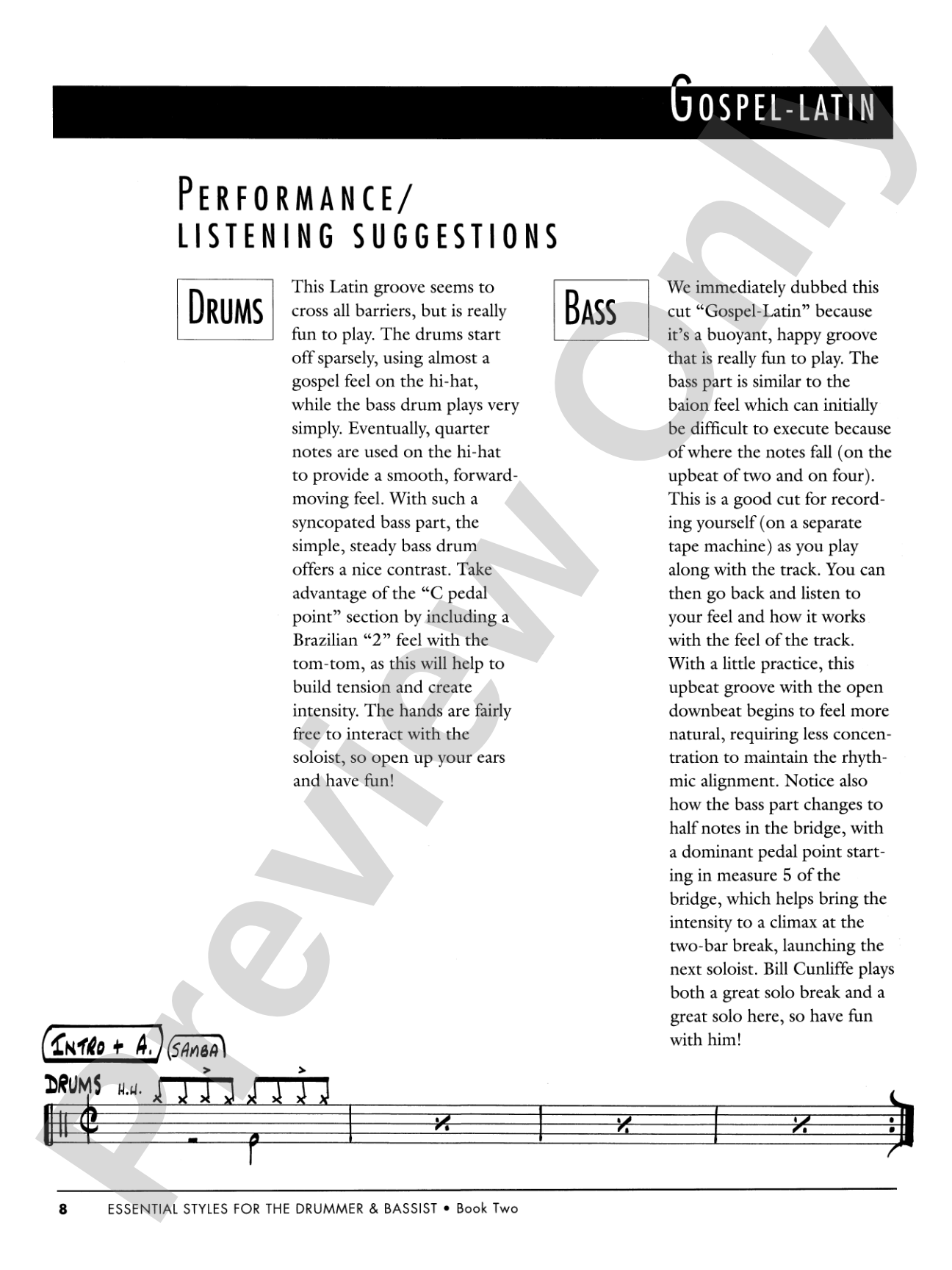
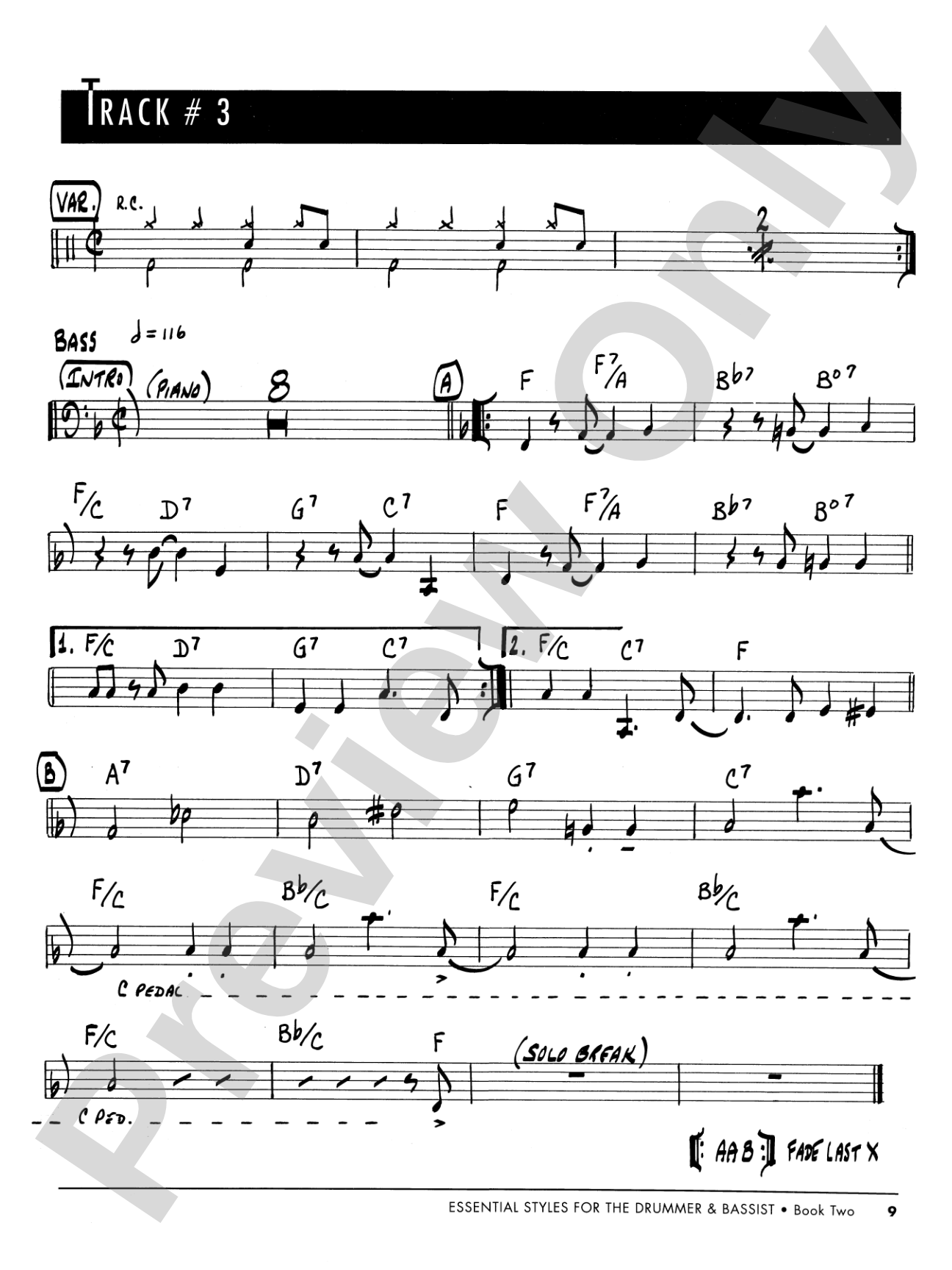
Essential Styles, Books 1 and 2 are two innovative book and play-along audio packages that teach 50 essential grooves from today's jazz and popular styles. The books include written-out charts of each selection and performance tips for both drums and bass. All of the grooves have been recorded with a rhythm section and woodwinds, with drums mixed on the left channel and bass on the right, so either instrument may be dialed out. In addition, many of the tracks contain open choruses of comping so any instrument can practice playing solos! Essential Styles emphasizes the most important aspects of solid group playing; locking-in between the drummer and bassist, providing a strong rhythmic foundation and creating an authentic feel for whatever the style demands.


Essential Styles for the Drummer and Bassist, Book 2: A Cross Section of Styles As Played by Today's Top Artists isn't in MakeMusic Cloud just yet...but it could be. Let us know you'd like to see it, and you'll help shape what comes next. In the meantime, start a free trial and dive into thousands of interactive titles your students can play along with today.
Request This Title
Tell us you want it.
Start Your Free Trial
Explore everything that's ready to play right now.
Sample Audio
No sample audio found.
Sample Video
No sample videos found.
Additional Details
Publisher:
Alfred Music
Page Count:
44
SKU:
00-PB-0001789
More about this title
About the Composer: Steve Houghton
Steve Houghton is a drummer, educator, and clinician whose work centers on developing practical musicianship in ensemble settings. His teaching philosophy emphasizes the interdependence of rhythm section players and the stylistic authenticity that comes from studying how working musicians approach their craft.
Tom Warrington brings deep expertise in bass pedagogy and jazz idioms to this collaboration. Together, Houghton and Warrington have created resources that bridge the gap between classical technique and the real demands of contemporary ensemble playing.
Why we love this
The isolated drum and bass channels on the recorded accompaniment give students genuine agency over their practice; they hear exactly what their section partner is doing without the traditional crutch of a full mix. Drummers and bassists working through these 50 grooves gain exposure to the vocabulary of working professionals while building the specific skill of locking in with a partner, which is where most ensemble problems actually originate.
What to expect
Moving through these grooves is like spending an afternoon in a practice room with musicians who've logged thousands of gigs. The styles are direct and unadorned, letting the essential mechanics of each groove come through clearly. There is a working-musician practicality here that respects both the drummer's and bassist's intelligence and ear.
Who it's for
Drummers and bassists preparing for jazz ensembles, contemporary music settings, or any situation where playing authentically with current styles matters. This book works equally well for high school jazz bands, college ensembles, and serious students training for professional settings.
How to get the most out of it
- Loop individual grooves until the feel becomes automatic, not just accurate. Your hands may play the right notes while your body doesn't yet understand the weight and timing the style requires.
- Listen to the bass line first before playing drums on any new style. Understand where the bassist sits rhythmically within the measure, then build your foundation around that anchor point.
- Use the open chorus sections to experiment with comping and soloing variations. This transforms the charts from exercises into a genuine bandstand simulation.
- Check both channels separately during your first run through. Isolate drums one day, bass the next, so you hear the full context of what your section partner is contributing.
How to use it
Assign grooves systematically in a jazz ensemble curriculum, pairing them with the repertoire your band is learning so students connect written music to the rhythmic language underneath it. Alternatively, rotate different styles as warm-up exercises throughout the year, using the open choruses as improvisational laboratories during sectional rehearsals.
Skills your students will build
- Locking the rhythm section between drums and bass
- Playing authentic grooves across jazz, funk, rock, and contemporary styles
- Feeling the pulse differently across stylistic contexts (triplet swing versus eighth-note feels, for example)
- Listening to and responding to a section partner rather than playing in isolation
- Building independence on both channels of the recorded accompaniment
- Soloing and comping over changes with a working rhythm section foundation