

Essential Styles for the Drummer and Bassist, Book 1: A Cross Section of Styles As Played by Today's Top Artists
A Cross Section of Styles As Played by Today's Top Artists
By Steve Houghton and Tom Warrington
Item: 00-PB-0001787
$19.99
Pickup currently not available
Description
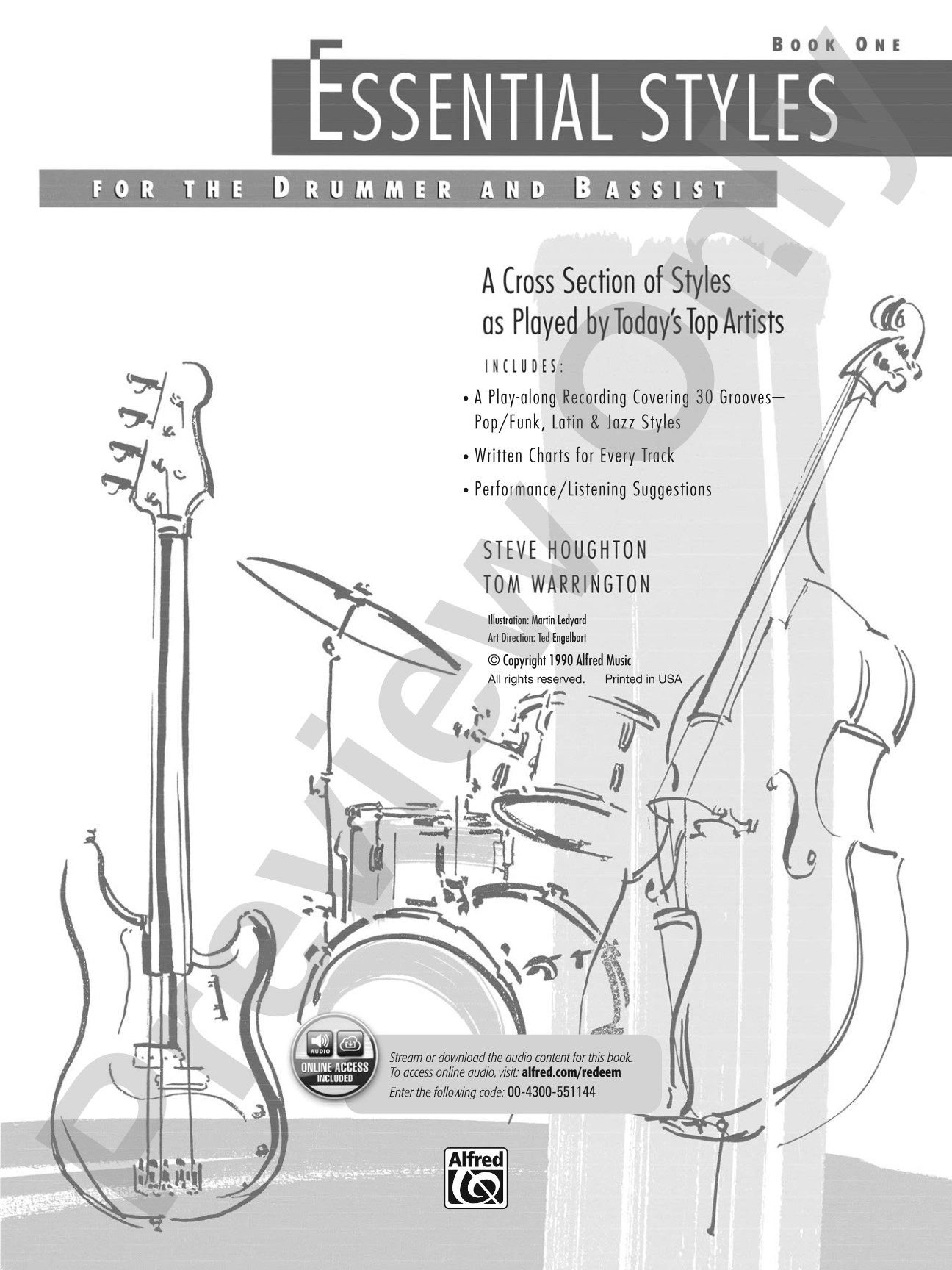
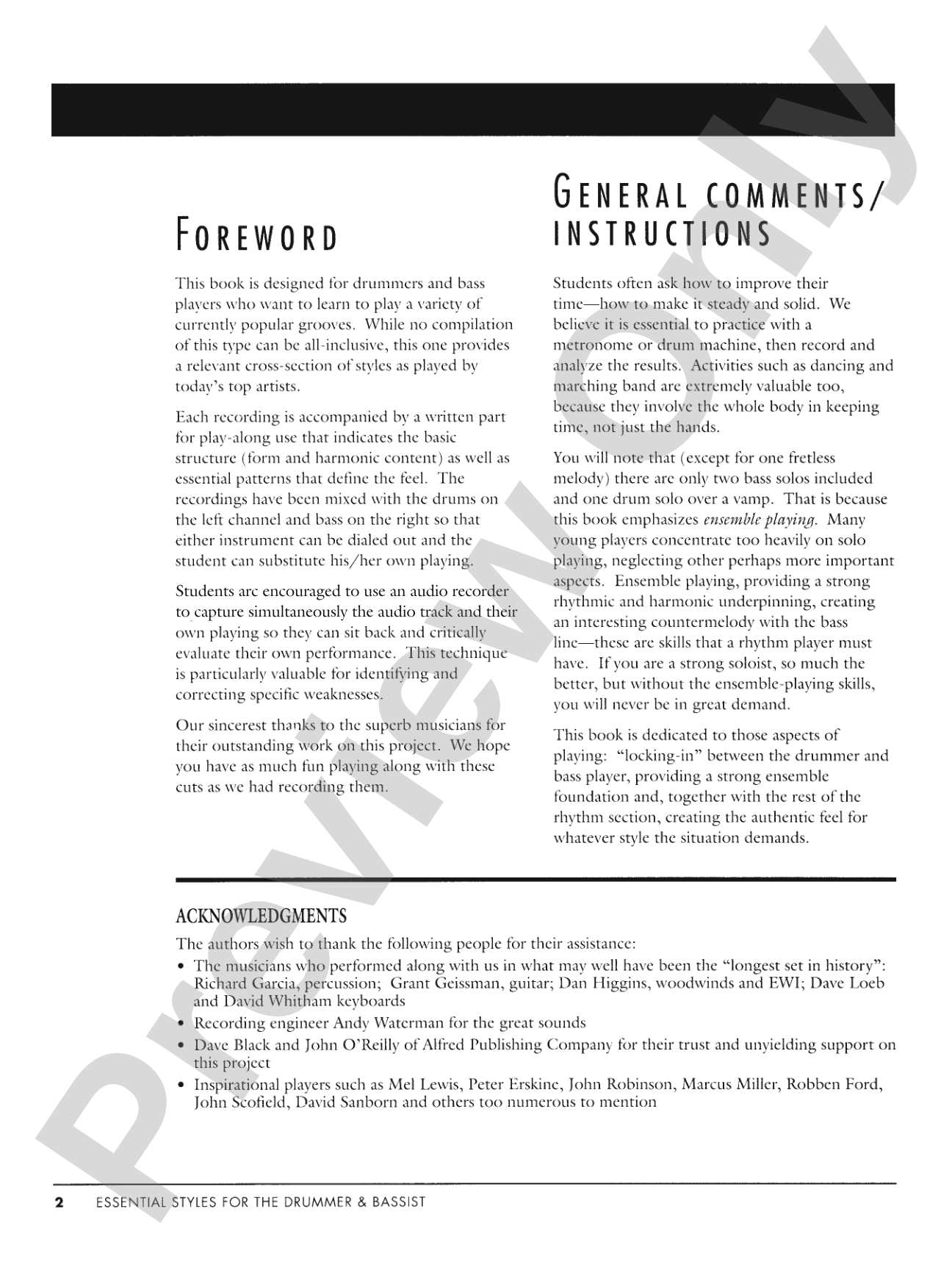
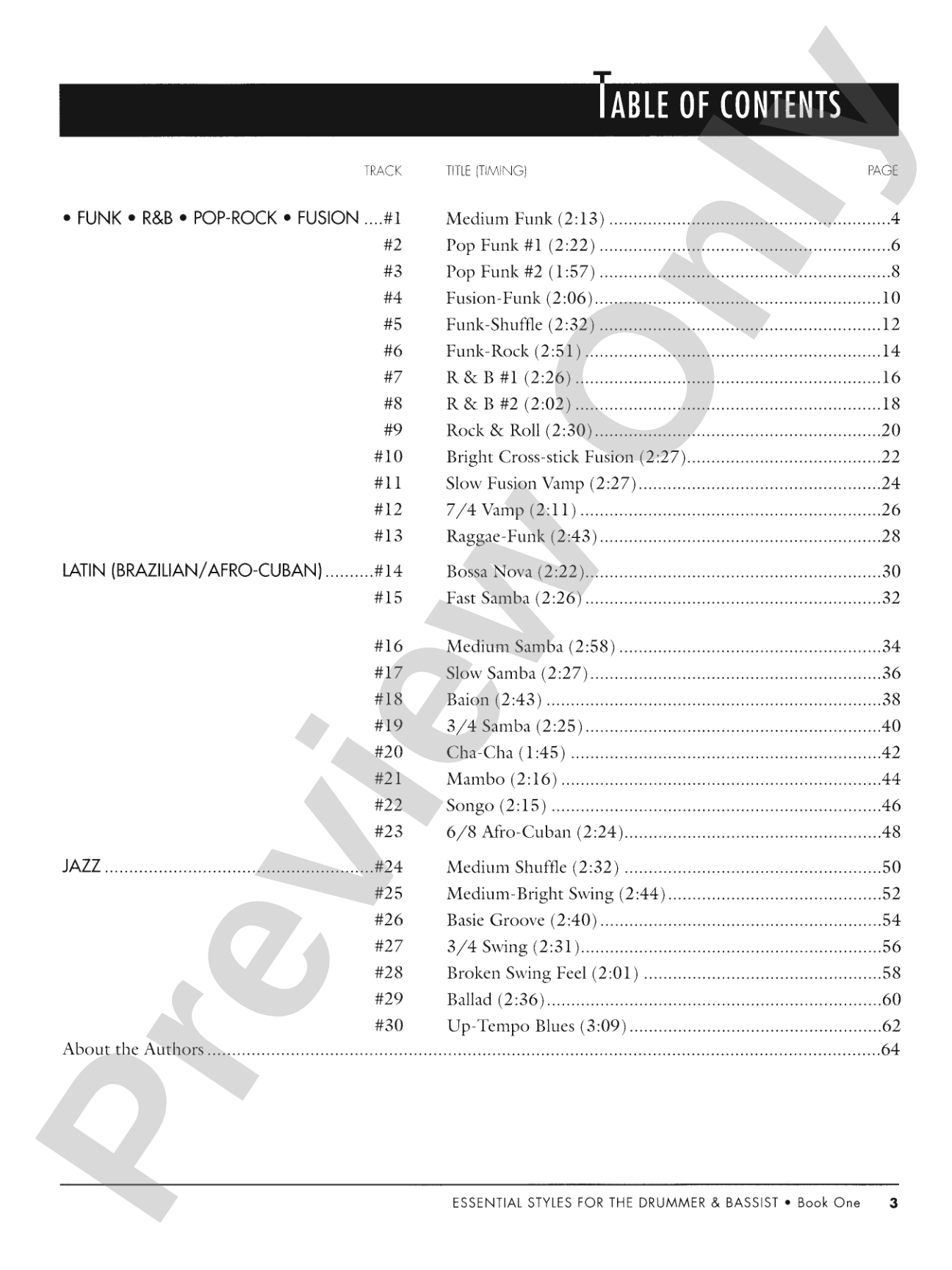
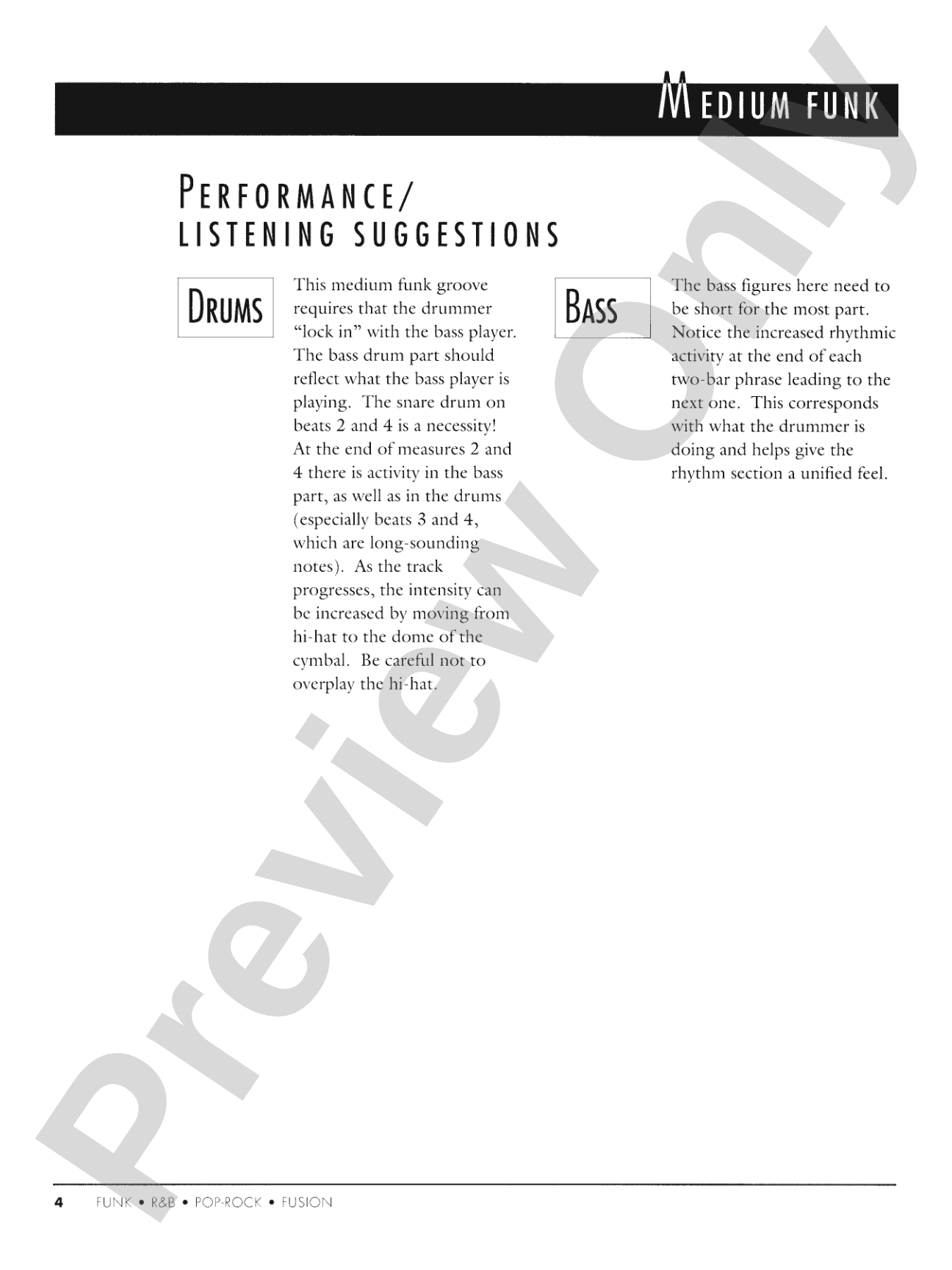
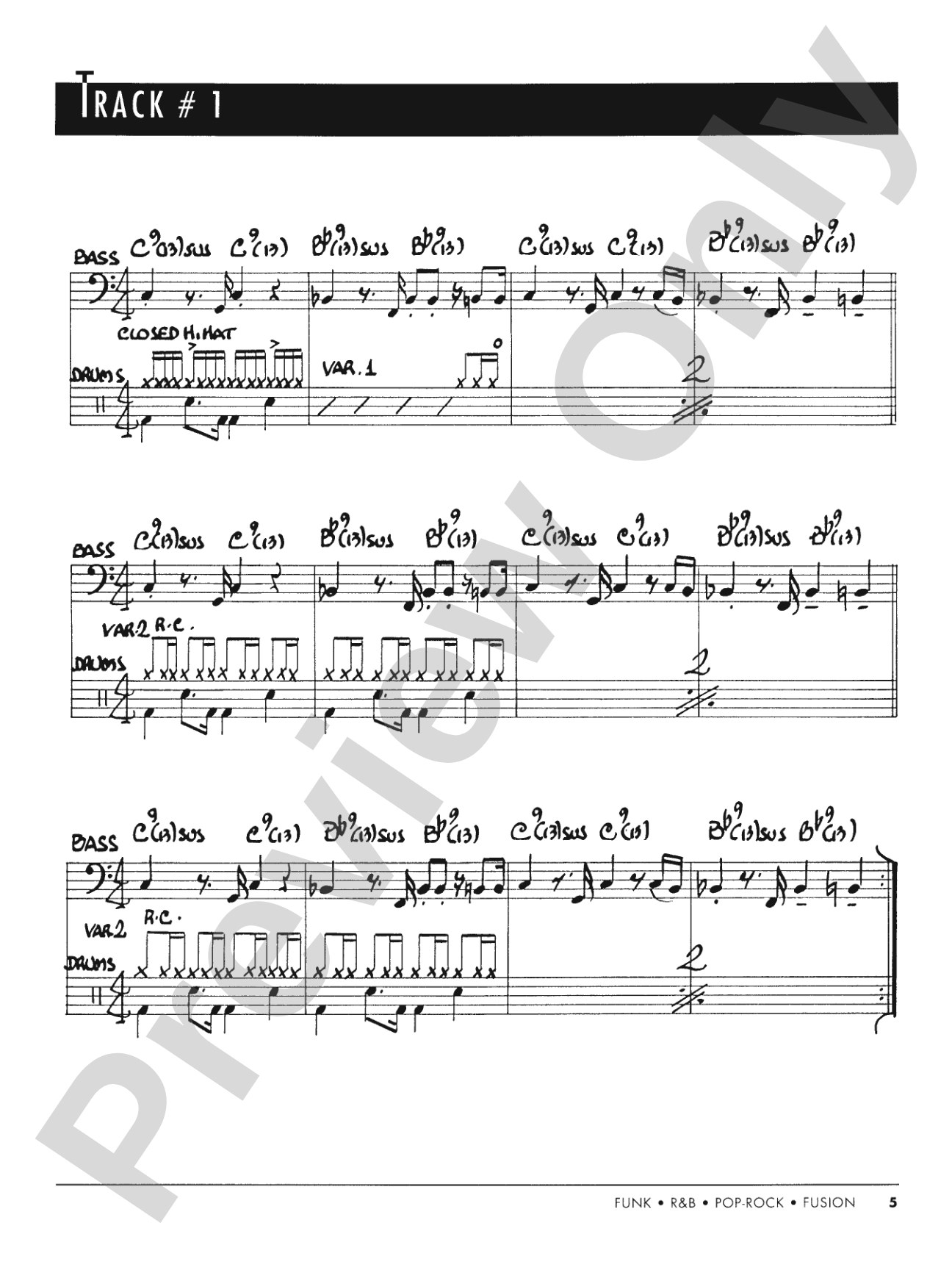
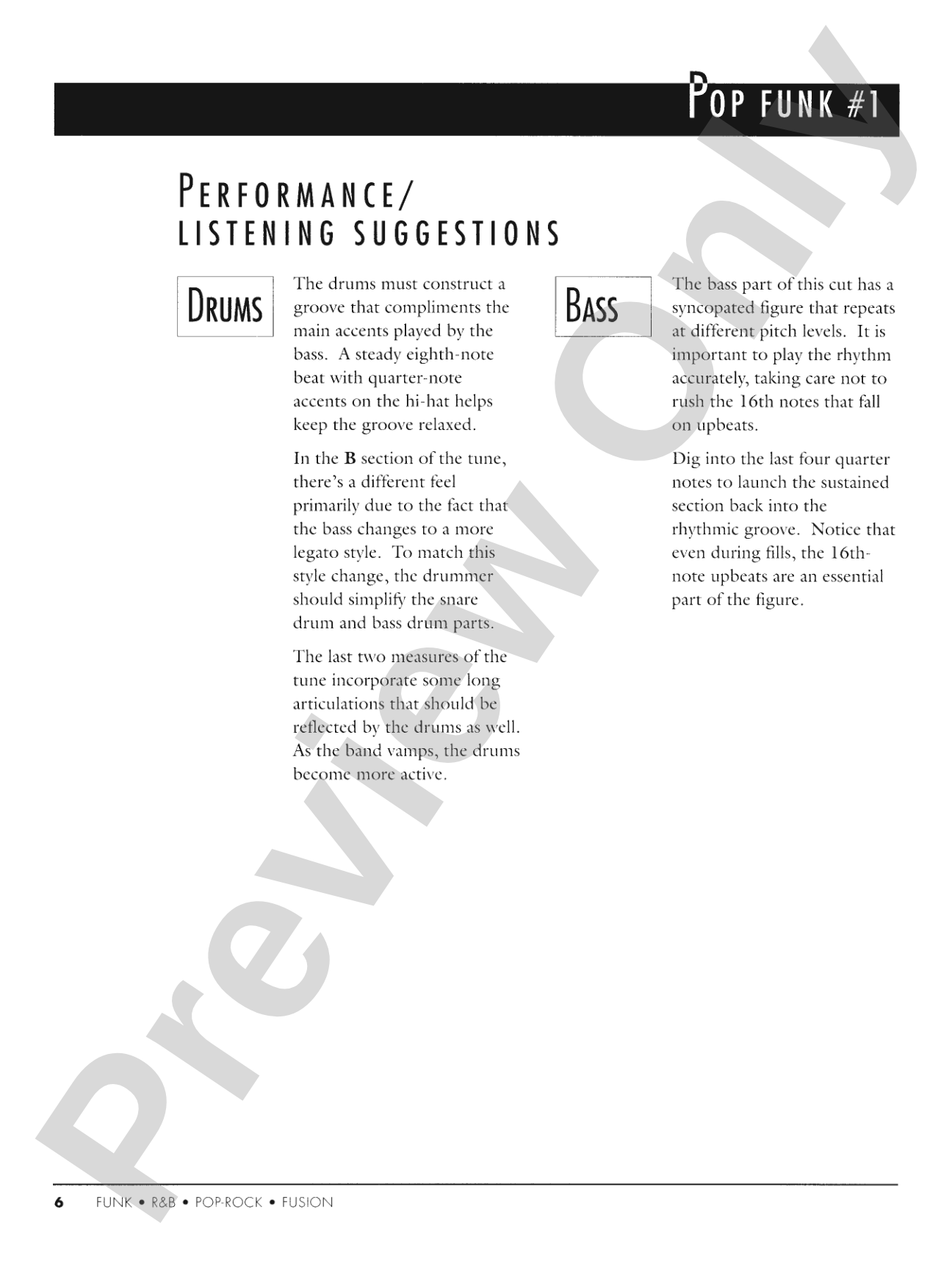
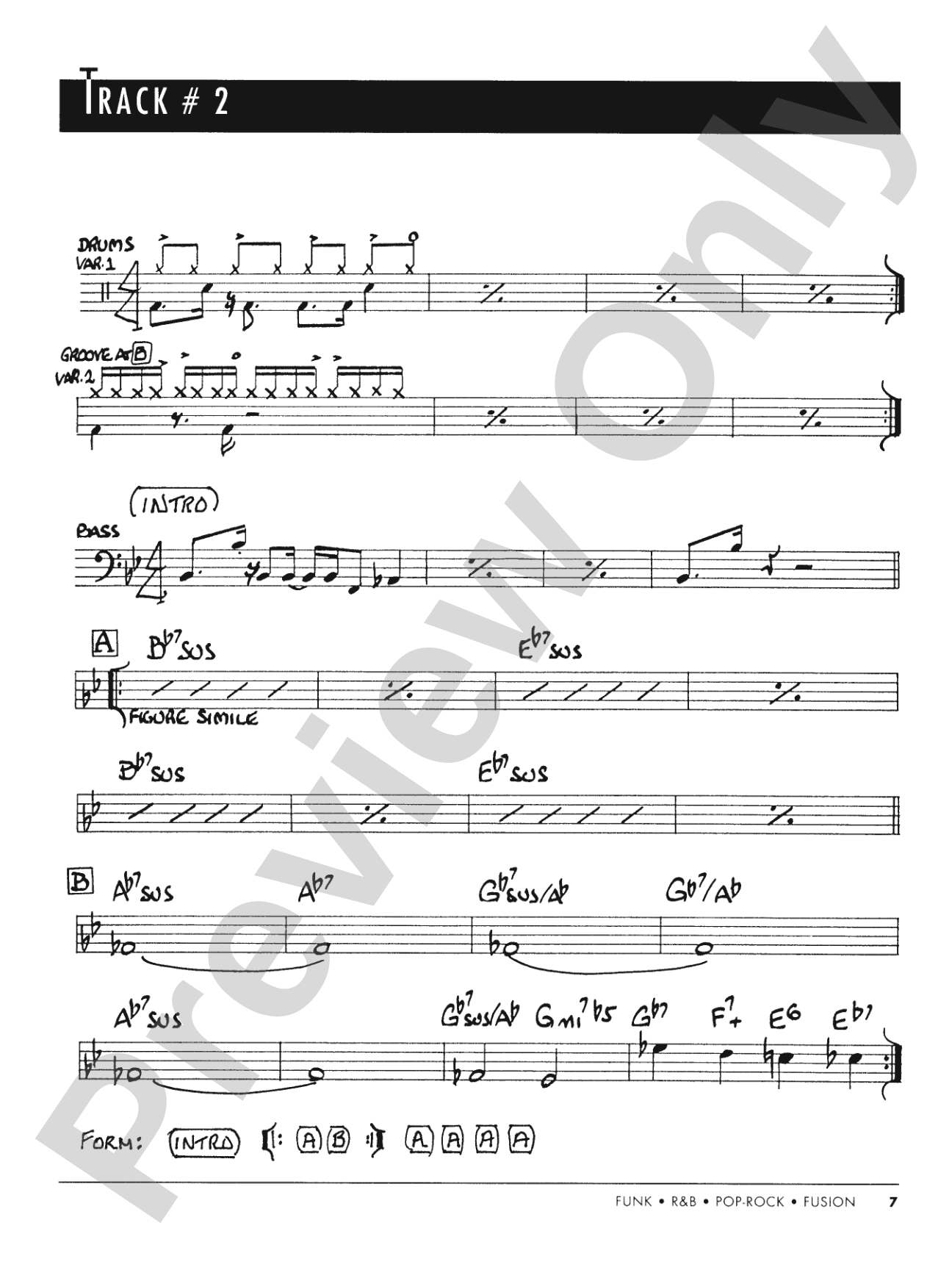
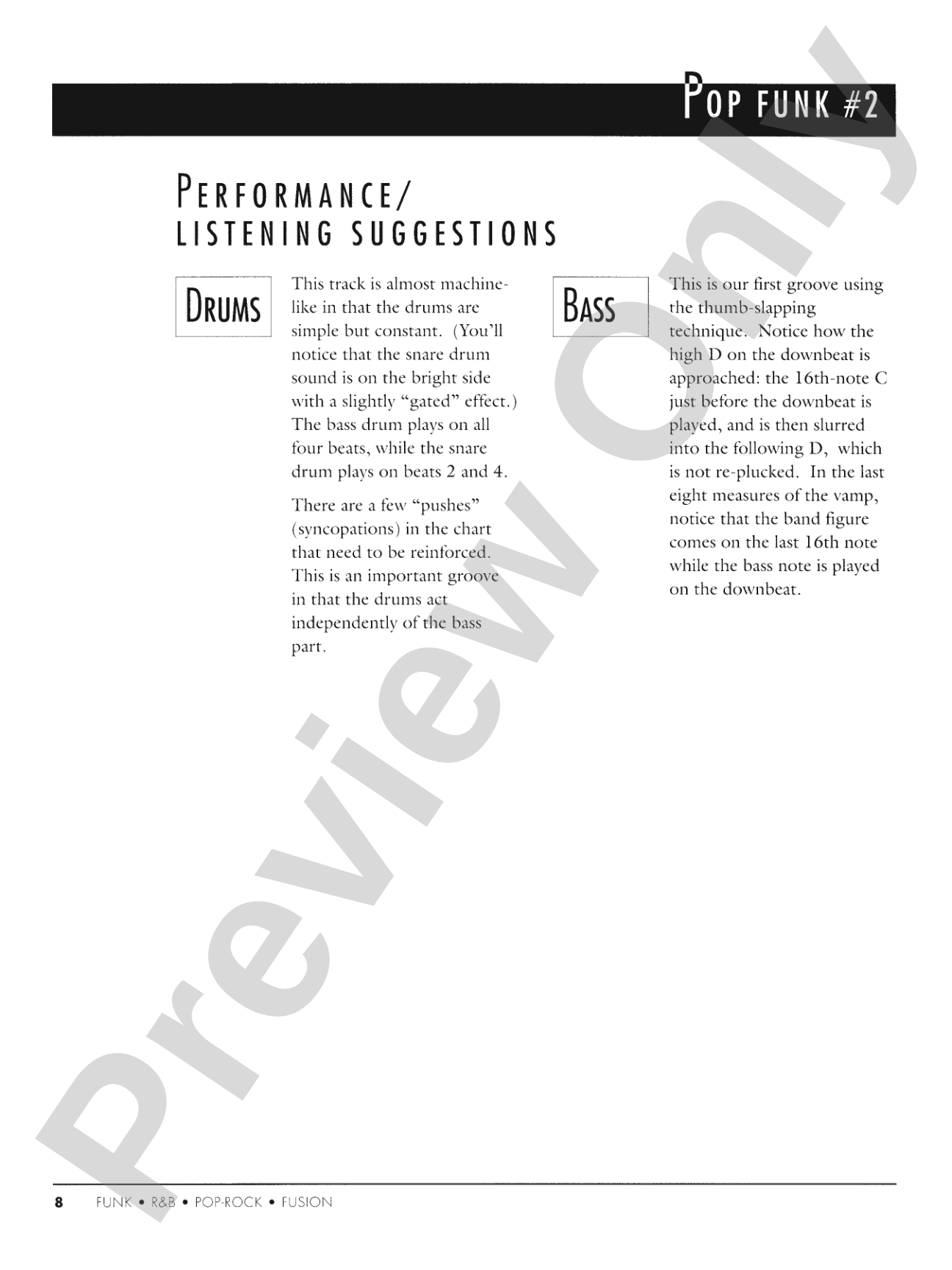
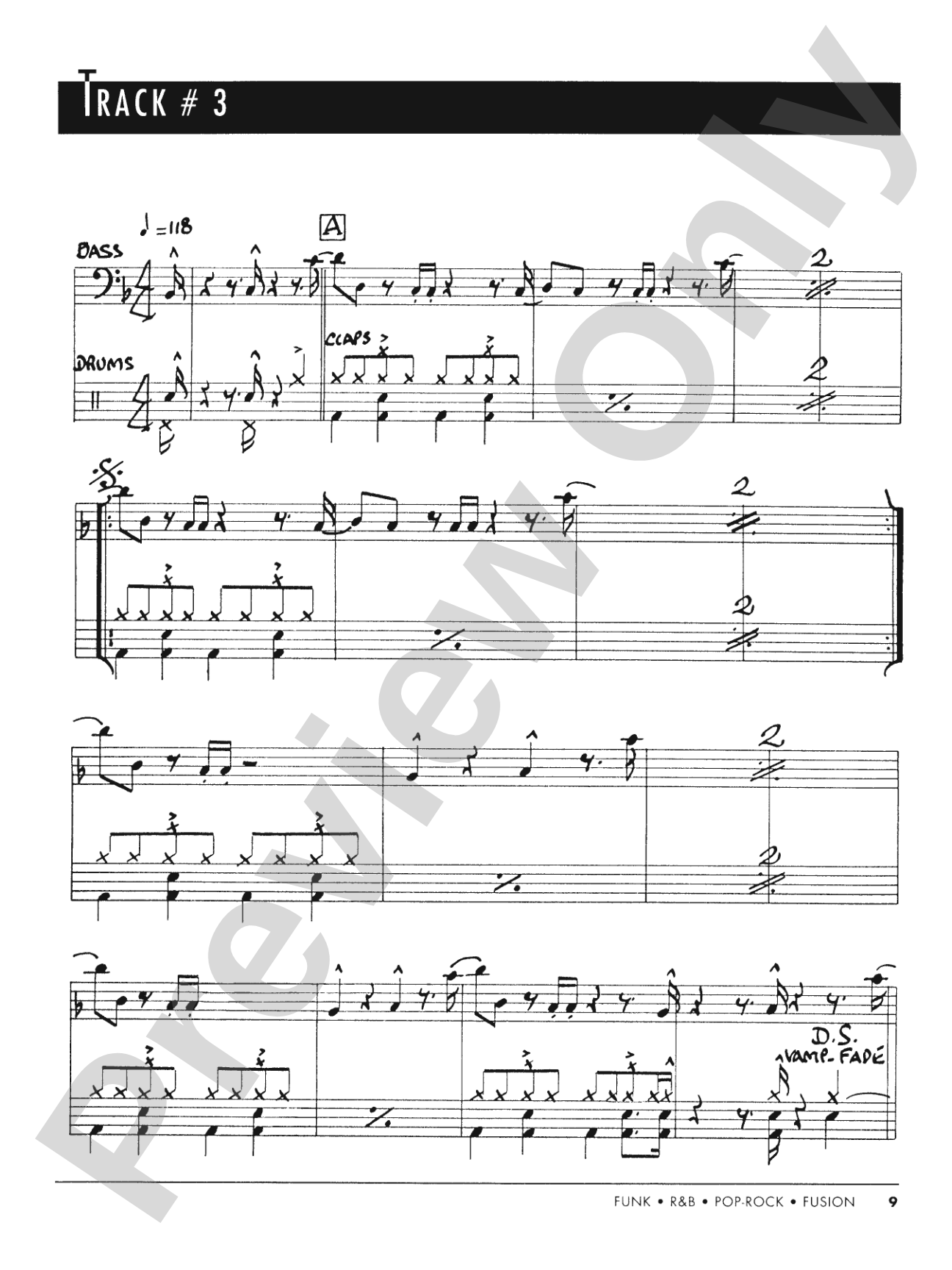
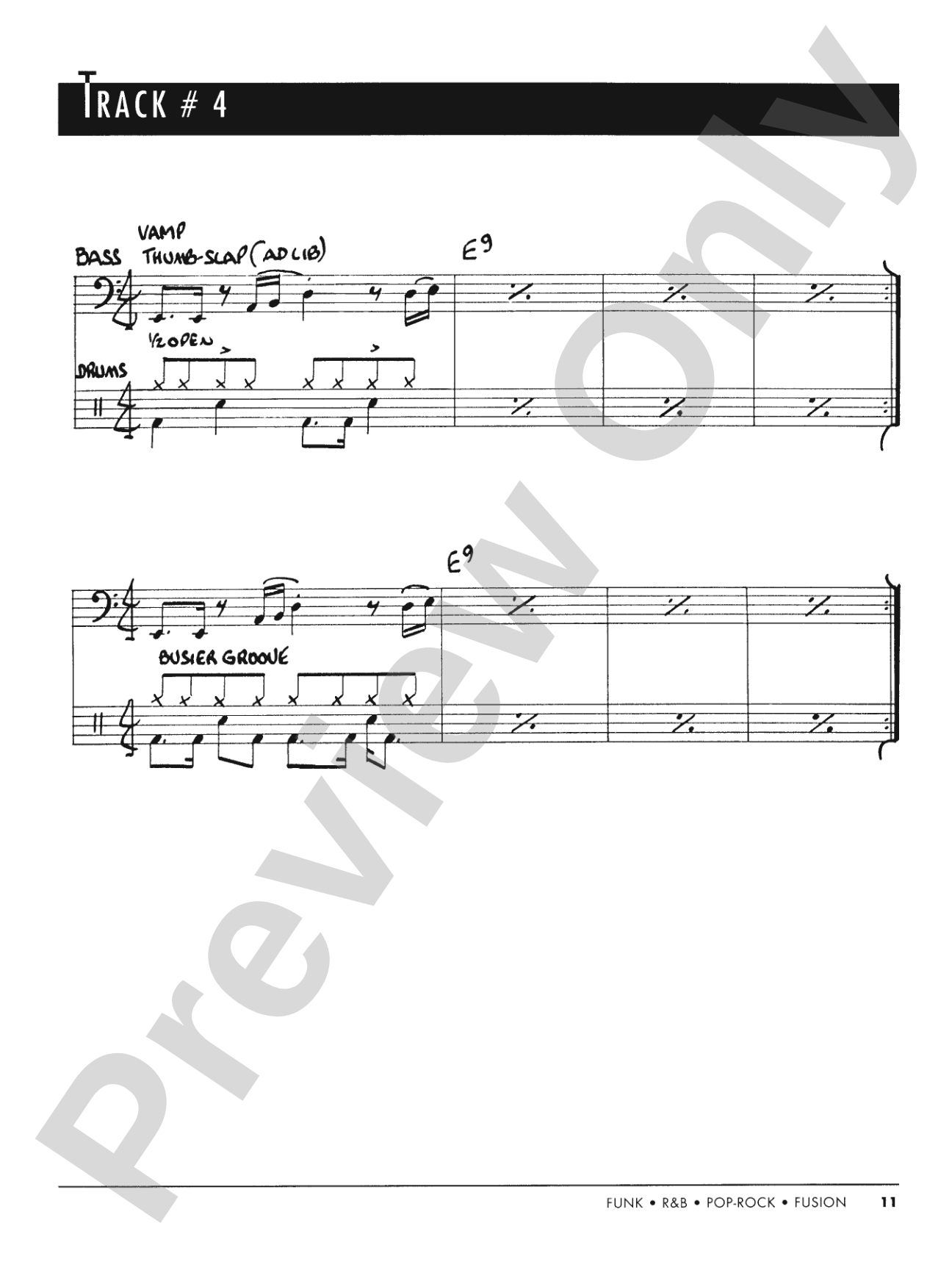
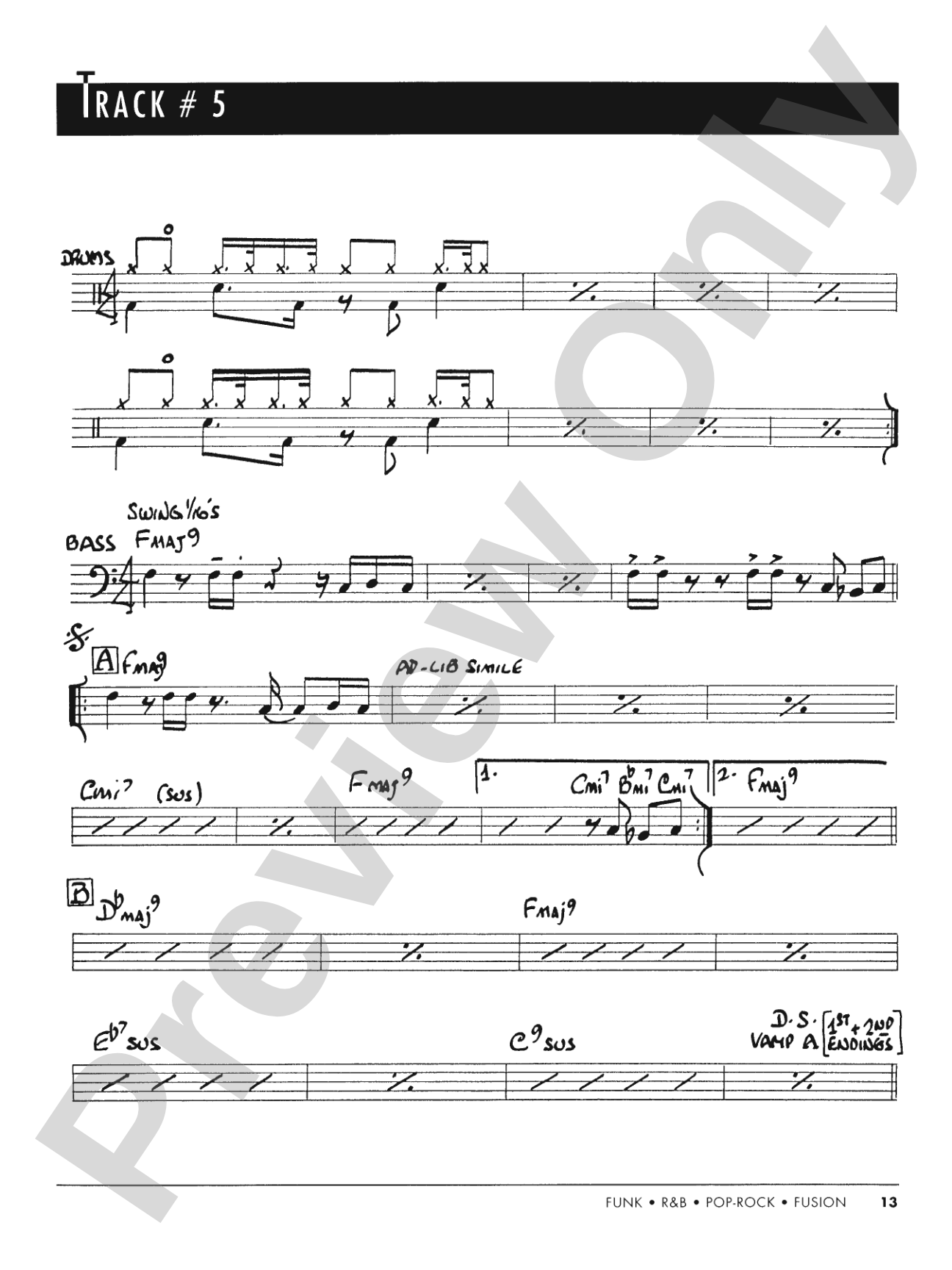
Essential Styles, Books 1 and 2 are two innovative book and play-along audio packages that teach 50 essential grooves from today's jazz and popular styles. The books include written-out charts of each selection and performance tips for both drums and bass. All of the grooves have been recorded with a rhythm section and woodwinds, with drums mixed on the left channel and bass on the right, so either instrument may be dialed out. In addition, many of the tracks contain open choruses of comping so any instrument can practice playing solos! Essential Styles emphasizes the most important aspects of solid group playing---locking-in between the drummer and bassist--- providing a strong rhythmic foundation and creating an authentic feel for whatever the style demands.


Essential Styles for the Drummer and Bassist, Book 1: A Cross Section of Styles As Played by Today's Top Artists isn't in MakeMusic Cloud just yet...but it could be. Let us know you'd like to see it, and you'll help shape what comes next. In the meantime, start a free trial and dive into thousands of interactive titles your students can play along with today.
Request This Title
Tell us you want it.
Start Your Free Trial
Explore everything that's ready to play right now.
Sample Audio
1
Free Swing
--:--
2
Swing
--:--
Free Swing
0:00
0:00
Sample Video
No sample videos found.
Additional Details
Publisher:
Alfred Music
Page Count:
64
SKU:
00-PB-0001787
More about this title
About the Composer: Steve Houghton
Steve Houghton is a percussion educator and clinician whose work focuses on bridging the gap between classical technique and contemporary rhythm section playing. His teaching emphasizes the practical mechanics of group interaction, particularly the relationship between drums and bass that forms the backbone of jazz and popular music.
Why we love this
This book cuts through the abstractions of rhythm section playing by presenting 50 grooves in their actual context, not as isolated patterns. The dual-channel recording strategy (drums on left, bass on right) lets your students zero in on their own instrument or study the interaction between them, making the drummer-bassist partnership tangible and audible rather than theoretical.
What to expect
Playing through these grooves feels like stepping into a working band's rehearsal. The recorded rhythm section breathes and responds with the nuance of actual players, so you're not playing along to a click track; you're playing with musicians who understand how a groove sits in time.
Who it's for
Drummers and bassists (Book 1 is printed in drumset format) working to master the grooves that define contemporary jazz and pop, from high school rhythm section ensembles through working professionals. This is essential material for anyone who needs to play authentically in real repertoire, not just academic exercises.
How to get the most out of it
- Isolate the drums channel first to internalize the groove's pocket and feel without the pull of the bass line, then layer in the bass to lock the foundation.
- Study the written charts alongside the recording to connect what you see on the page with the actual inflection and timing the pros use on the tracks.
- Use the open comping choruses to build your solo vocabulary within each style; listen for what the drums and bass do when they're not stating the main groove.
How to use it
Use this as the core text for rhythm section sectionals, where drummers and bassists can study the same grooves together and hear how their parts interact. It's also ideal for independent practice and audition prep for students pursuing jazz studies in college.
Skills your students will build
- Locking the drums and bass in contemporary jazz and pop styles
- Reading and interpreting written groove charts
- Understanding pocket, feel, and timing variation across 50 different stylistic contexts
- Accompaniment skills using recorded comping choruses
- Translating transcribed grooves from today's professional recordings