

España Rhapsody: Concert Transcription for Two Pianos: Piano Duets & Four Hands
Concert Transcription for Two Pianos
By Emmanuel Chabrier / arr. Richard Simm
Level: Advanced
Item: 00-PB-0000608
$10.00
Pickup currently not available
Related Items
España Rhapsody: Piano Duo (2 Pianos, 4 Hands) Sheet (2 copies required) |
$10.00
|
View |
Description
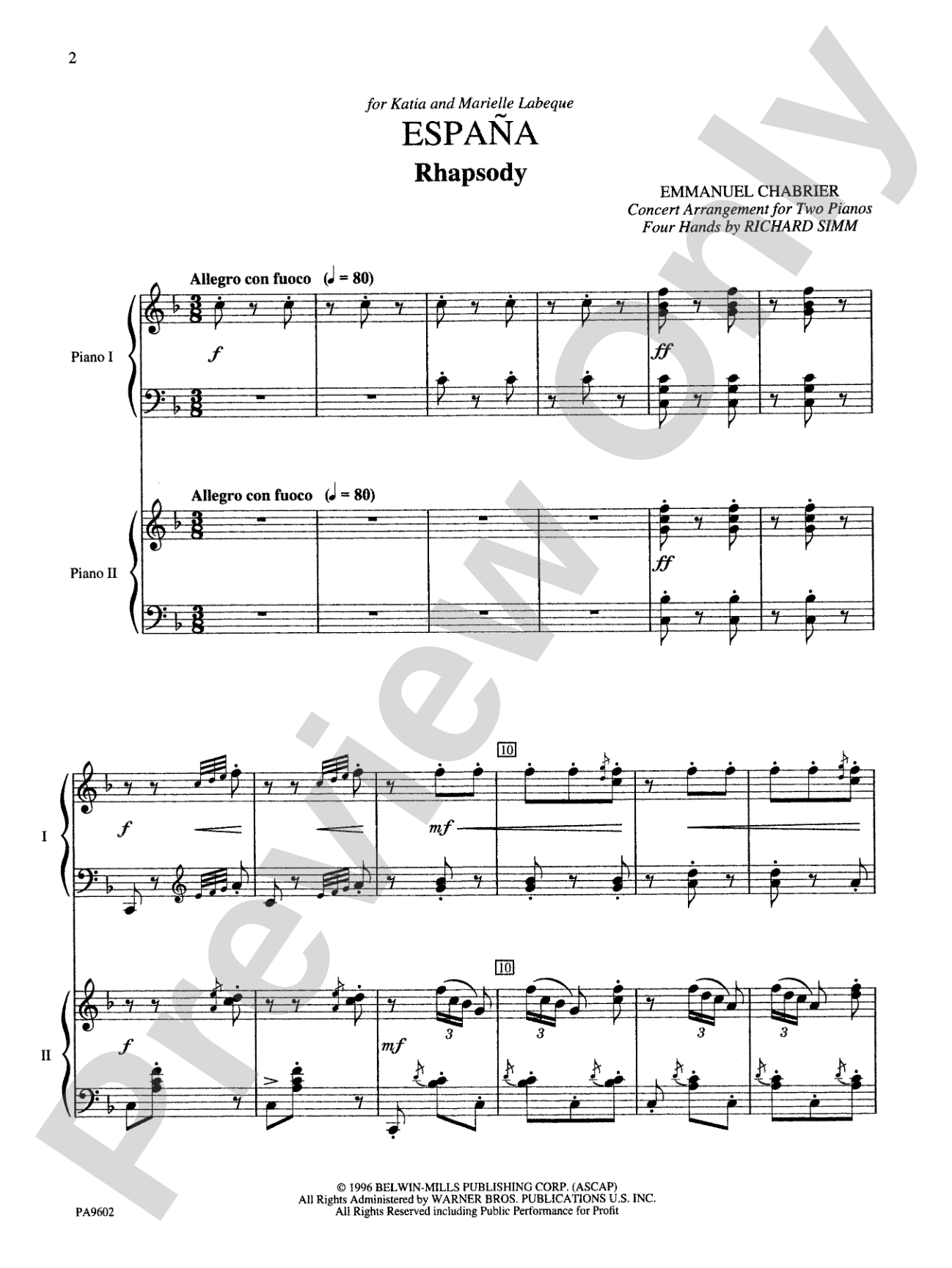
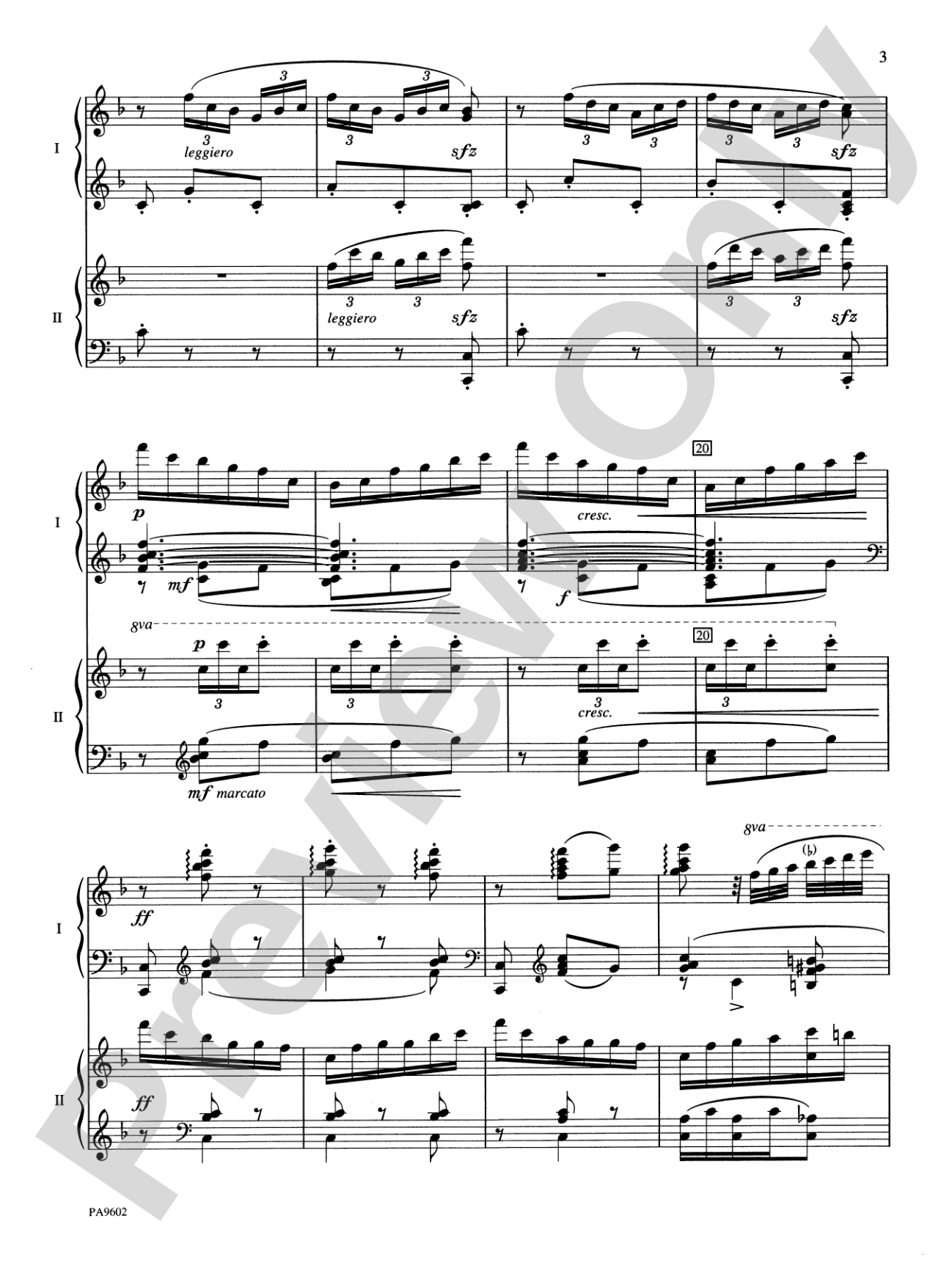
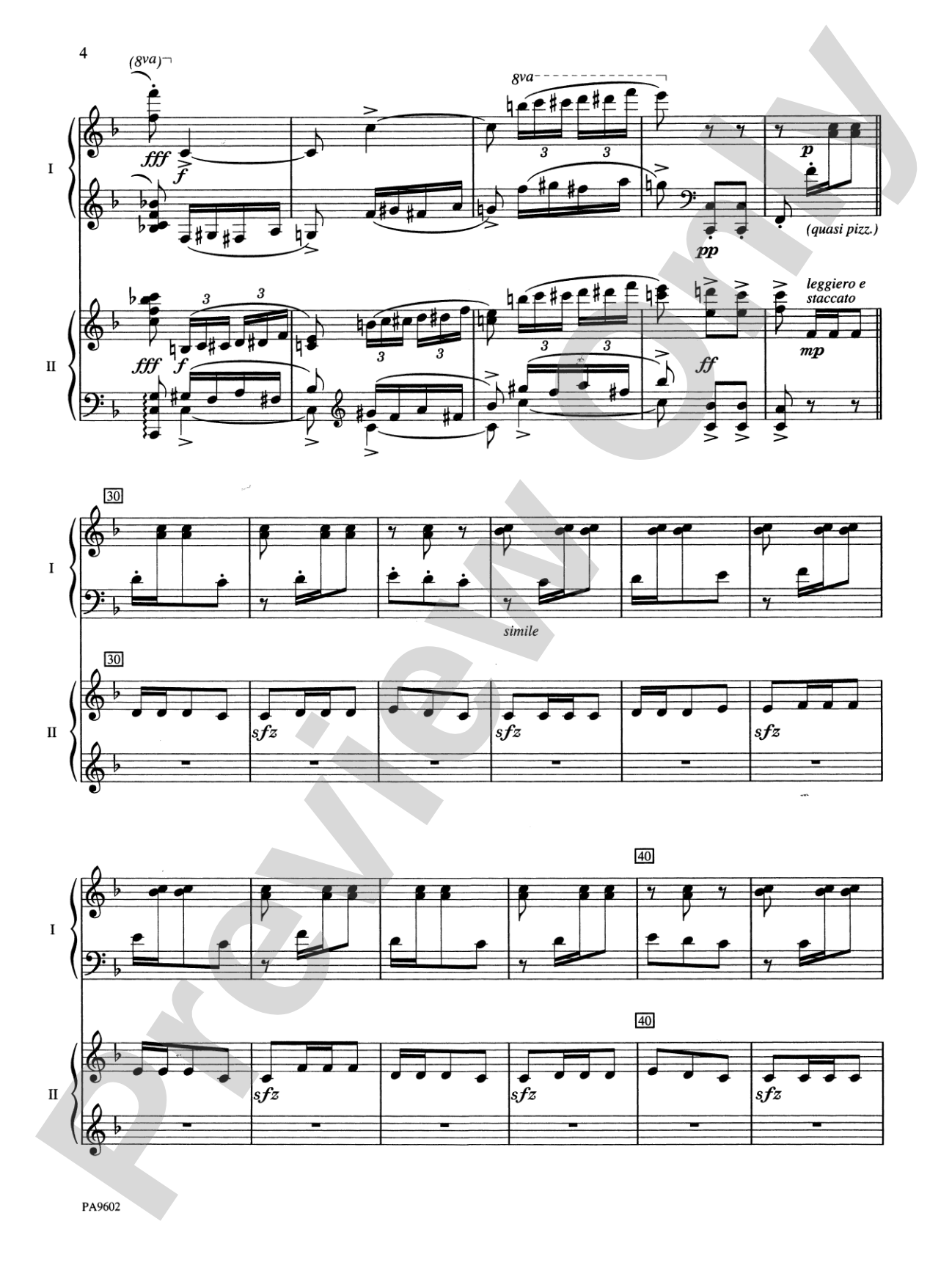
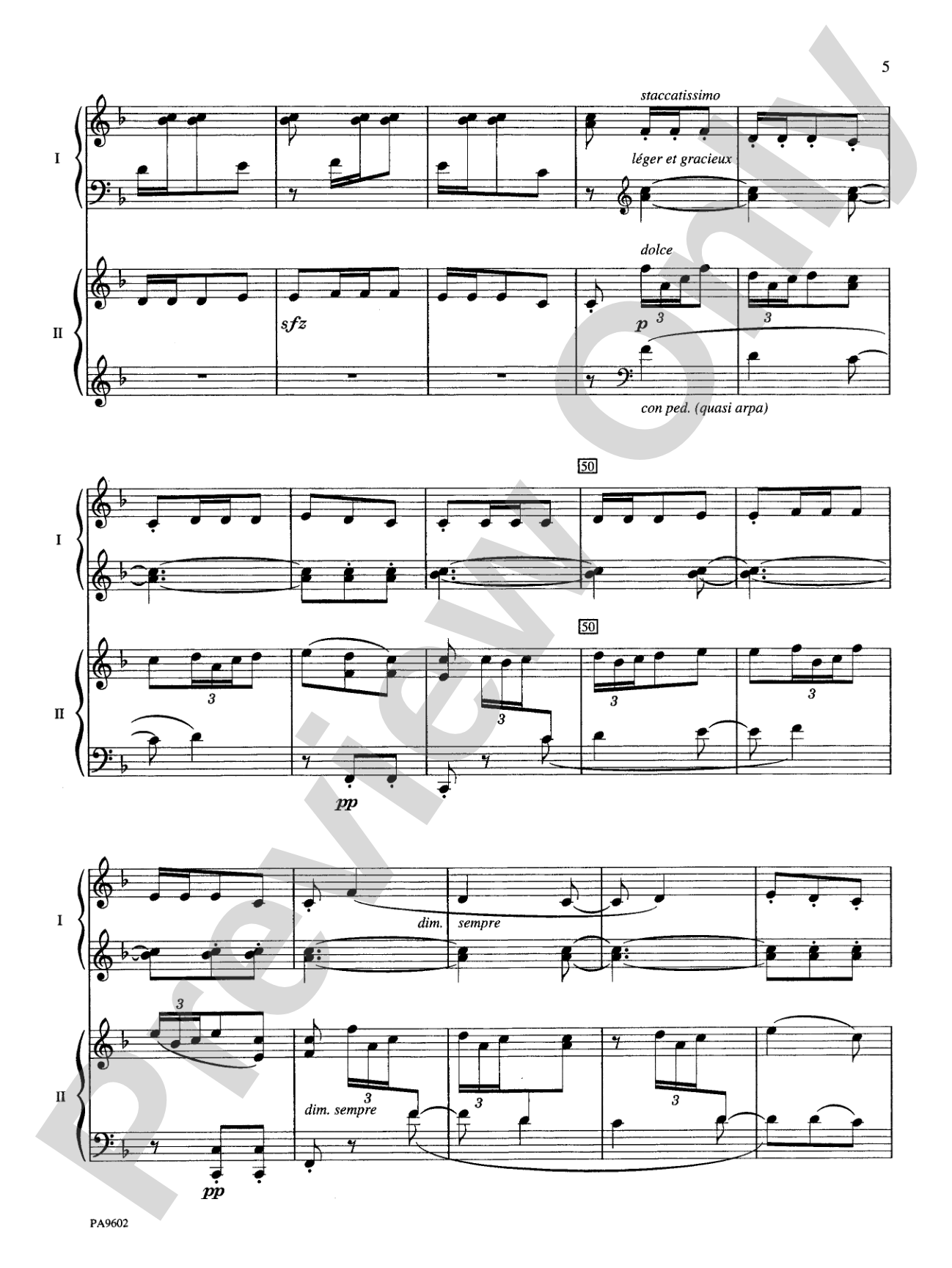
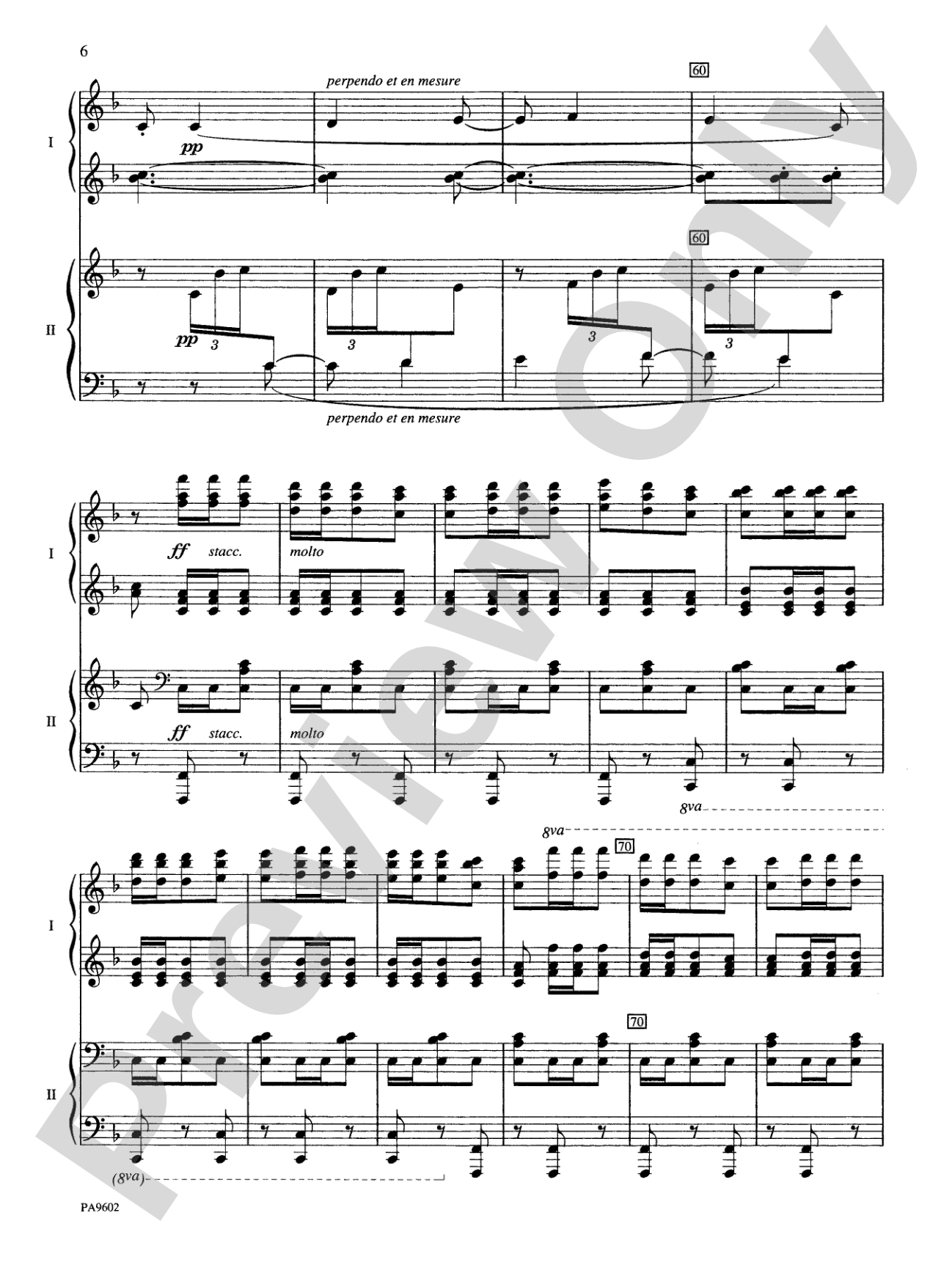
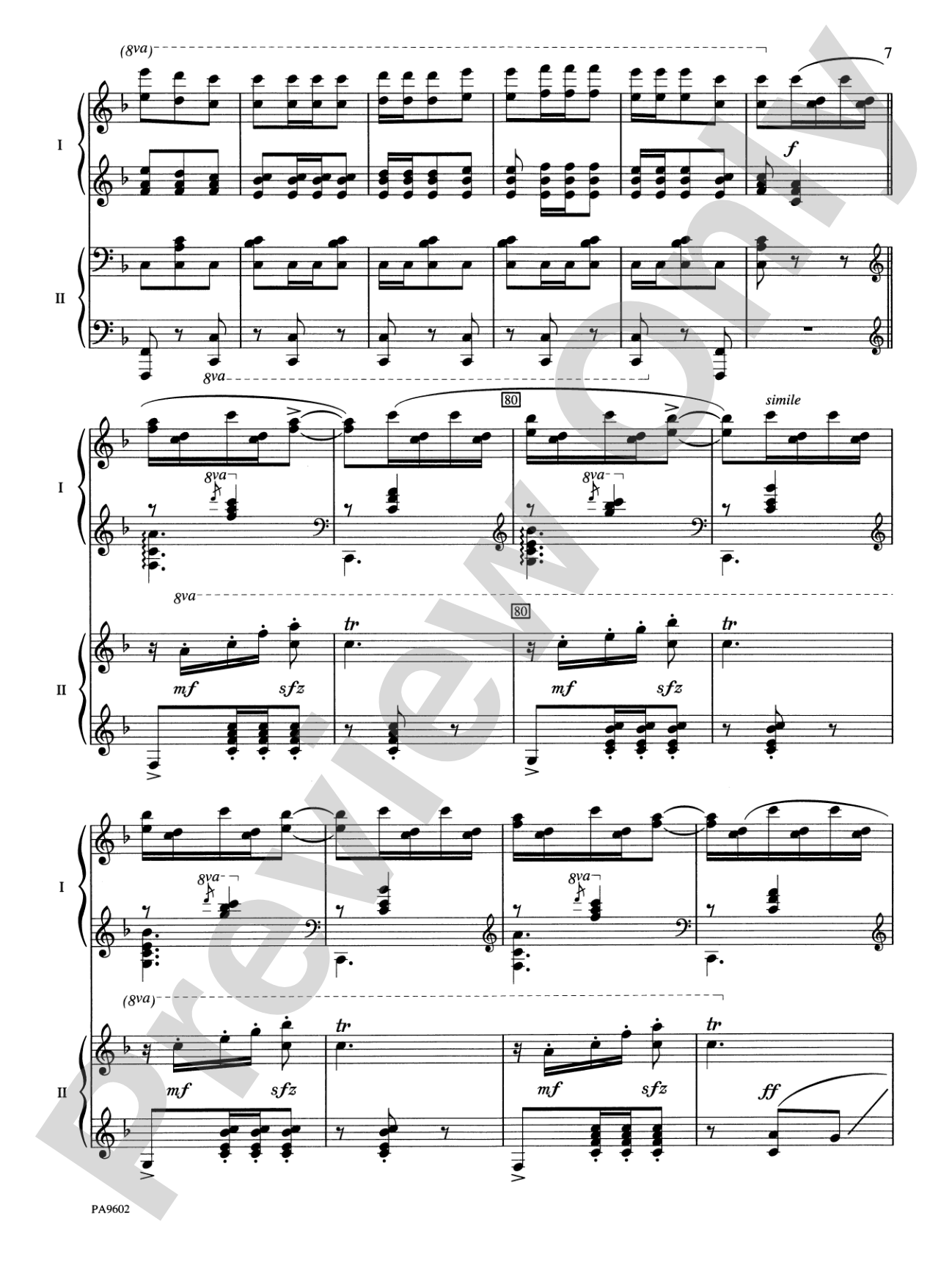
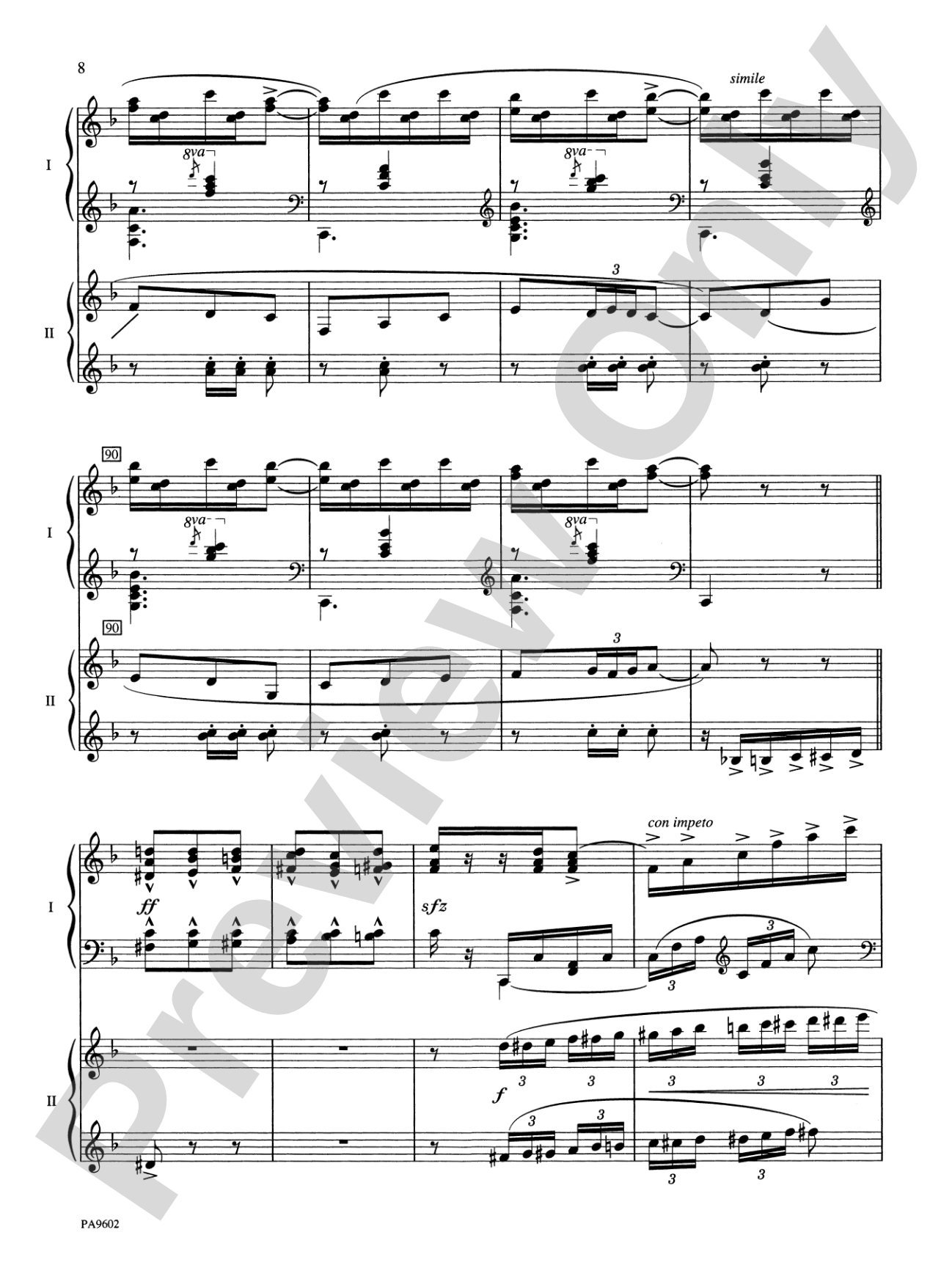
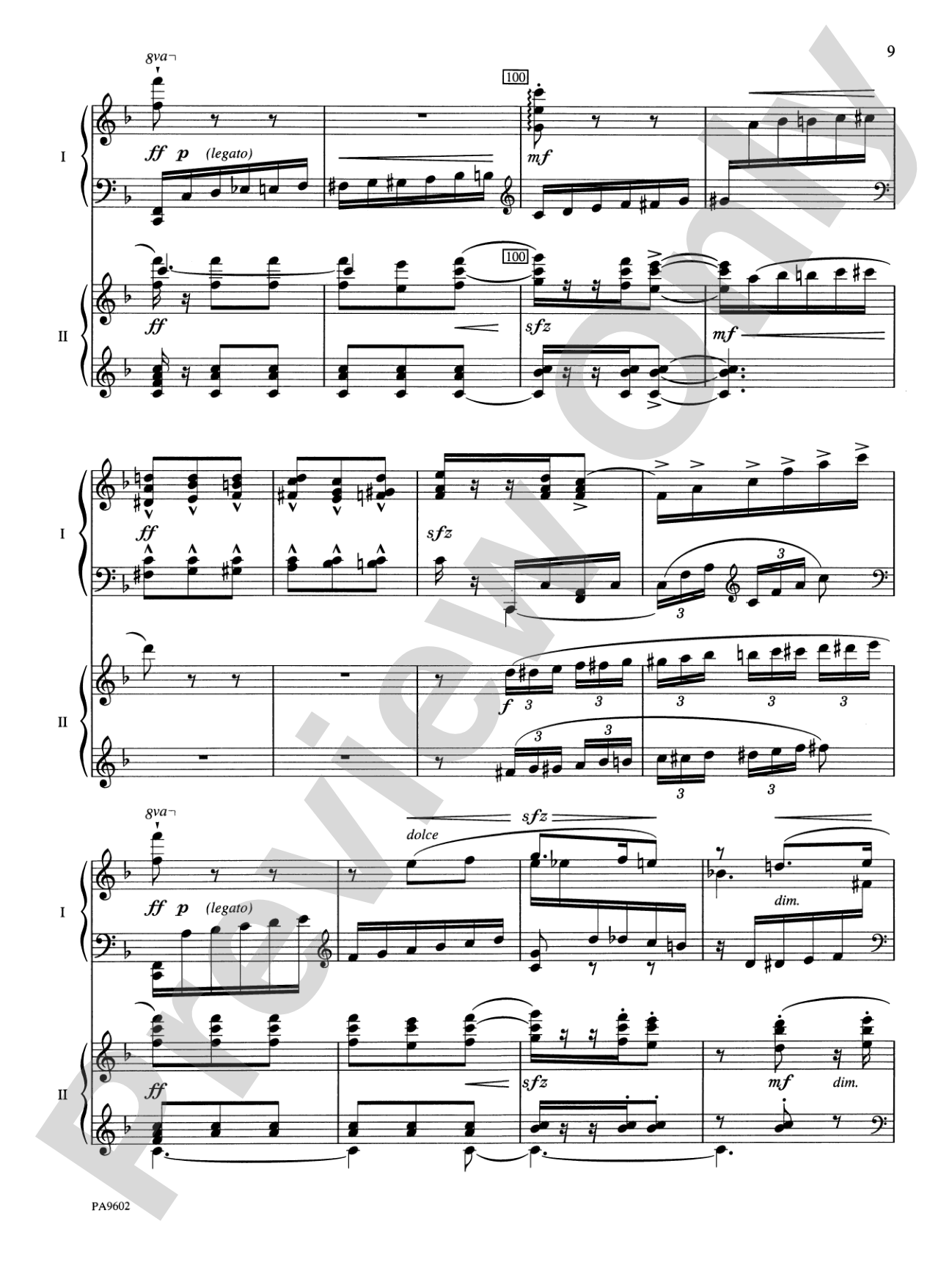
What an exciting arrangement this is! Chabrier's popular España comes alive at two pianos in this wonderful arrangement by Richard Simm. Drawing directly from the orchestral score, Simm uses the full resources of the piano to create a setting which will be fun for the pianists and audiences as well. It will require some technical work by the pianists, but the ensemble works easily together. A must! A Federation Festivals 2024-2028 selection.


España Rhapsody: Concert Transcription for Two Pianos: Piano Duets & Four Hands isn't in MakeMusic Cloud just yet...but it could be. Let us know you'd like to see it, and you'll help shape what comes next. In the meantime, start a free trial and dive into thousands of interactive titles your students can play along with today.
Request This Title
Tell us you want it.
Start Your Free Trial
Explore everything that's ready to play right now.
Sample Audio
No sample audio found.
Sample Video
No sample videos found.
Additional Details
Publisher:
Alfred Music
Page Count:
40
SKU:
00-PB-0000608
More about this title
About the Composer: Emmanuel Chabrier
Emmanuel Chabrier (1841, 1894) was a French composer who brought orchestral color and rhythmic vitality to every genre he touched. Though trained in law, he abandoned his practice to pursue music full-time after hearing Wagner's Tristan und Isolde, a moment that crystallized his artistic vision. His orchestrations are legendary for their brilliance and imagination.
Why we love this
Richard Simm's transcription captures the orchestral splendor of Chabrier's masterwork without losing the rhythmic swagger that makes España legendary. Two advanced pianists working together will discover how the arrangement distributes the thematic weight across both instruments, creating genuine dialogue rather than a simple reduction. This selection earned its spot on the Federation Festivals roster because it delivers professional concert material that challenges technique while remaining joyful to perform.
What to expect
The energy is infectious and unrelenting. Chabrier's España pulses with Spanish rhythm and melodic warmth, and Simm's arrangement lets both pianists feel the sweep of the orchestral original while staying grounded in what two instruments can deliver. There's glamour here, a sense of celebration, and real stakes for the players.
Who it's for
Advanced pianists seeking substantial duet repertoire with genuine musical substance will find this arrangement rewarding both in the practice room and on stage. It works equally well for conservatory students preparing for competitions or concert pianists looking to expand their two-piano library without committing to a full orchestral ensemble.
How to get the most out of it
- Attend closely to the rhythmic precision in the syncopated sections; the Spanish character depends on crisp, coordinated attacks between both pianists.
- Balance the primo and secondo roles carefully, especially where melody passes between the two instruments mid-phrase.
- Use the 40 pages as an opportunity to map out the harmonic architecture together; Chabrier's orchestral color translates to specific voicing choices that need rehearsal time.
- Record yourselves early and often to catch ensemble slips that feel imperceptible in real time but read clearly on playback.
How to use it
Place this as a centerpiece for a two-piano recital, or pair it with smaller duet works to create a diverse program that showcases both the virtuosic and the intimate. Its Federation Festivals recognition makes it an excellent choice for competitions or festival showcases where you need repertoire that impresses adjudicators without sounding tired.
Skills your students will build
- Coordinating rhythmic clarity in syncopated passages across two pianos
- Balancing melodic and accompanying roles while maintaining ensemble integrity
- Reading and executing dense harmonic voicings derived from orchestral scoring
- Ensemble listening and real-time adjustment in a two-piano texture